
Prom vs Homecoming Dresses: How to Choose for Each Dance
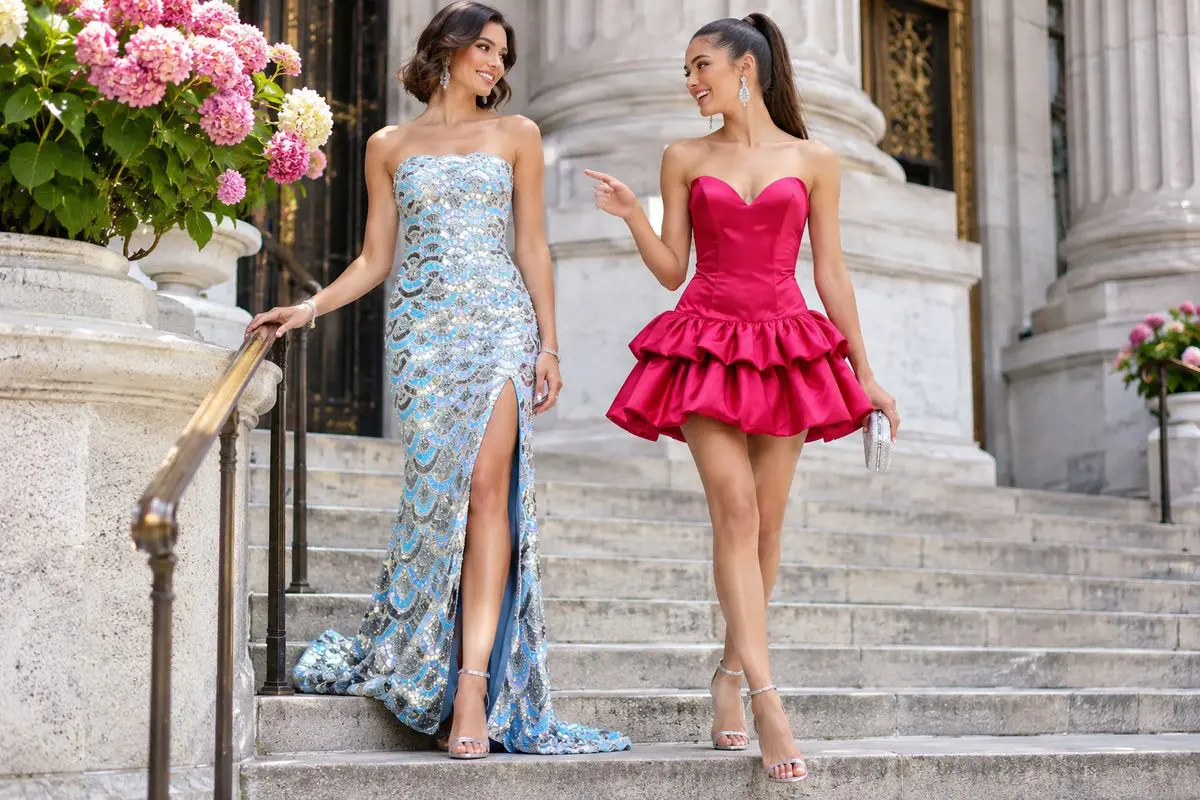
Prom vs homecoming dresses differ mainly in formality, not in a fixed rule about length. Prom usually calls for a more formal look, while homecoming often favors semi-formal styles. Your school’s invitation and dress code should settle the decision before color, silhouette, or embellishment.
A floor-length gown may suit a ballroom prom, while a short dress often feels practical at a crowded fall dance. Yet either event can have a different dress code. The right choice matches the occasion and stays comfortable through photos, walking, and dancing.
What Is the Difference Between Prom and Homecoming Dresses?
The main difference between prom and homecoming dresses is the expected level of formality. Prom is commonly a spring celebration with dressier outfits; homecoming is usually a fall school-spirit event with a semi-formal dance. Neither event requires one universal hemline.
Start with the school’s wording. A homecoming invitation marked semi-formal generally points toward a short or midi dress. A prom invitation marked formal can support longer silhouettes and more elaborate construction. Compare homecoming dress styles (opens in new tab) against the venue and dress code rather than assuming every school follows the same tradition.
Dress Length and Formality: What Works for Each Dance?
Short dresses are common at homecoming because they allow easy movement and suit many semi-formal venues. Check where the hem sits when you raise your arms, sit, and dance. The short homecoming styles (opens in new tab) collection includes different cuts, so shorter does not have to mean the same fit or coverage.
Long dresses are a traditional option at prom, especially for ballrooms and more formal settings. A floor-length skirt creates a different effect in photographs and often needs careful hemming. Compare floor-length prom gowns (opens in new tab) for the shape of the skirt, but confirm how the length works with your shoes and walking route.
A formal homecoming may also welcome a long dress, and some proms accept short party looks. Before shopping, review last year’s event photographs and ask whether your school applies minimum lengths or coverage rules.
How Do Silhouettes and Fabrics Compare?
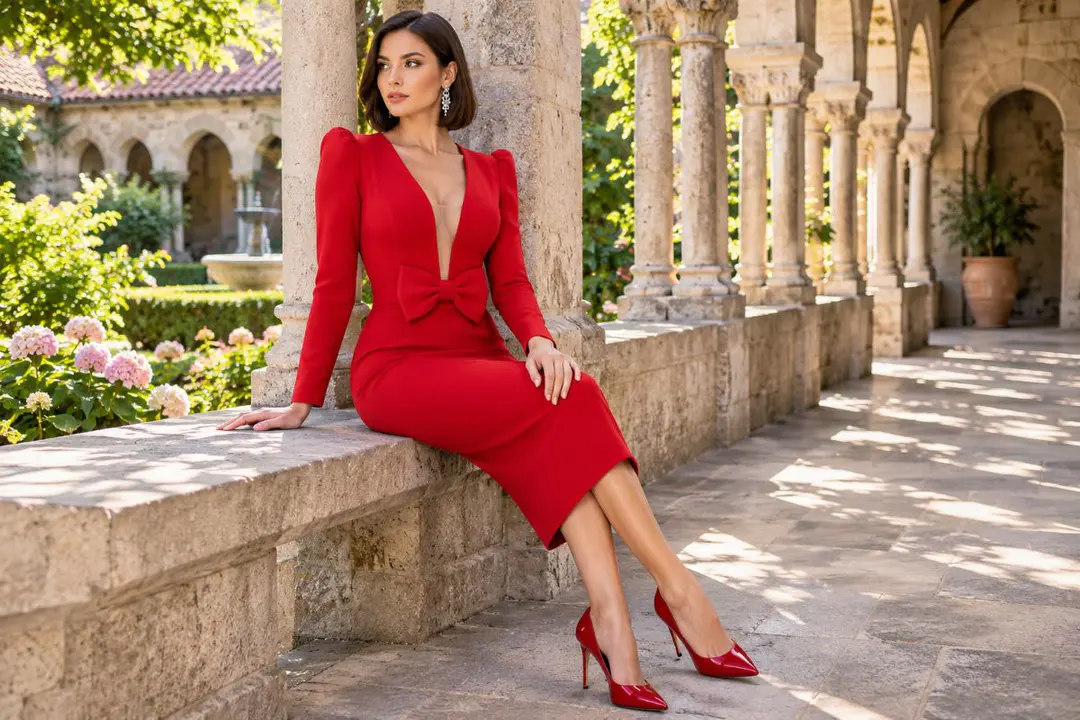
Prom and homecoming can use many of the same fabrics, but the garment’s construction changes how formal it looks. A fitted bodice, layered skirt, or full-length train adds visual weight. The range of prom attire (opens in new tab) spans sleek columns, mermaid gowns, and fuller silhouettes.
Structured Prom Gowns
For prom, a sculpted bodice or shaped skirt can create a formal outline without heavy decoration. Jovani style 52463 is a floor-length sequin mermaid gown with a fitted corset bodice and high slit. Its length and structured fit require more attention to movement than a short party dress.
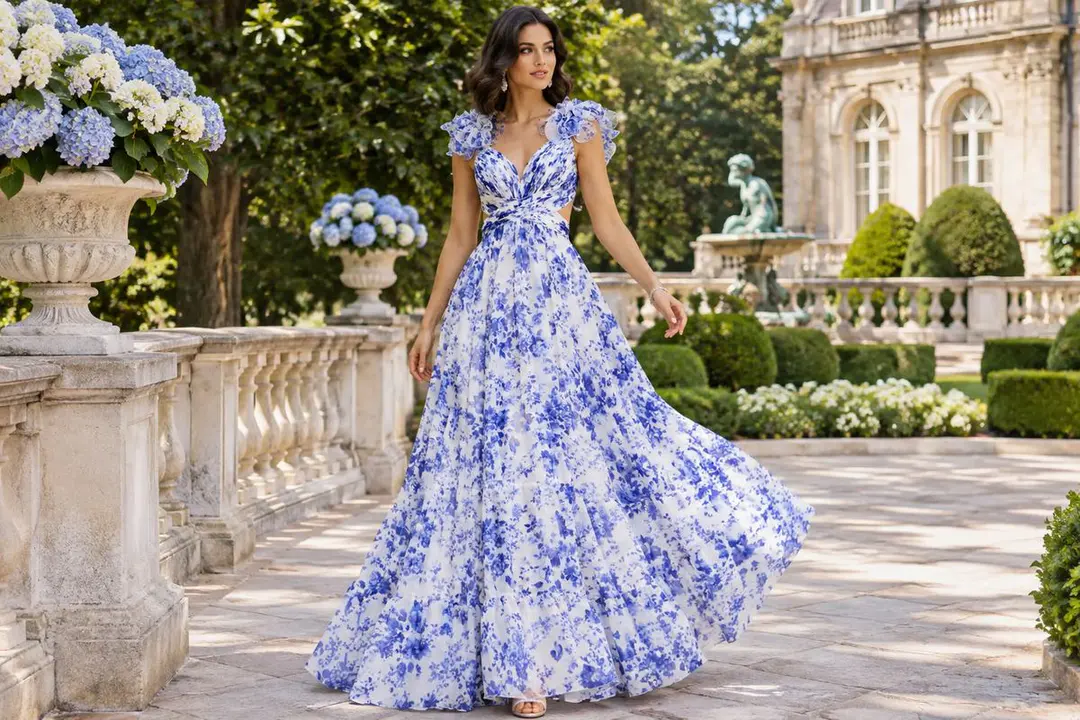
If you prefer a less restrictive skirt, compare A-line prom designs (opens in new tab) with fitted silhouettes. An A-line shape opens below the waist, but fabric layers and train length still affect the way it moves.
Shorter Homecoming Dresses
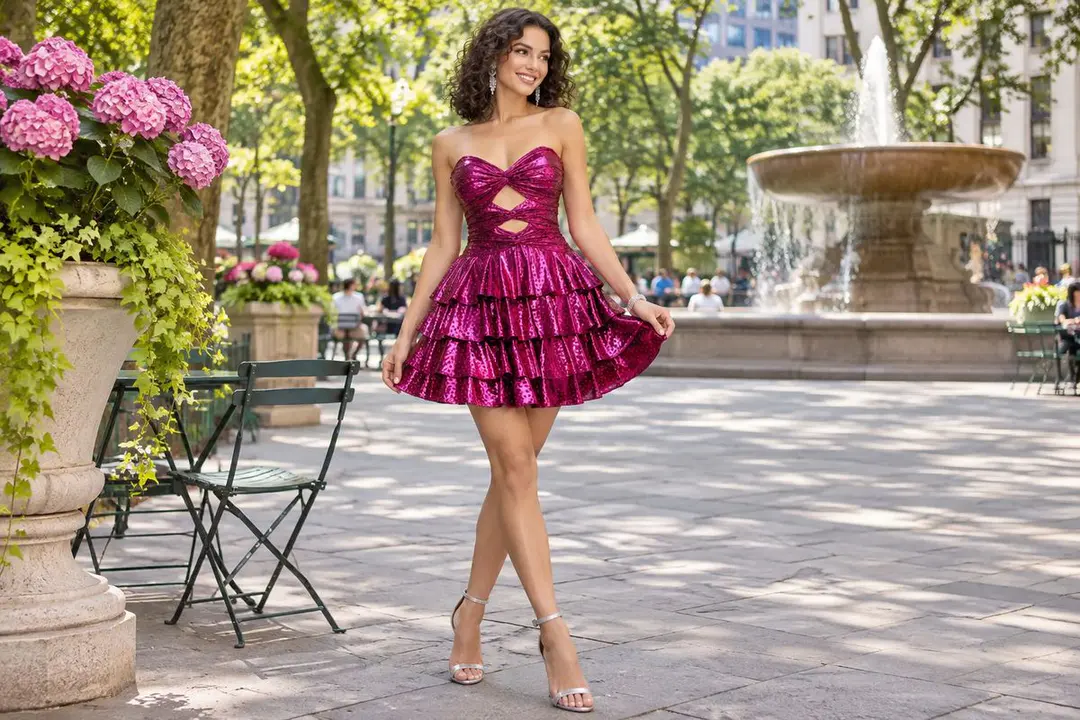
For homecoming, a mini or short A-line often creates a lighter silhouette. Jovani style 47744 uses sequins, a sweetheart neckline, and a tiered mini skirt. Its A-line shape makes a different impression from a floor-length sequin gown, even though both fabrics catch the light.
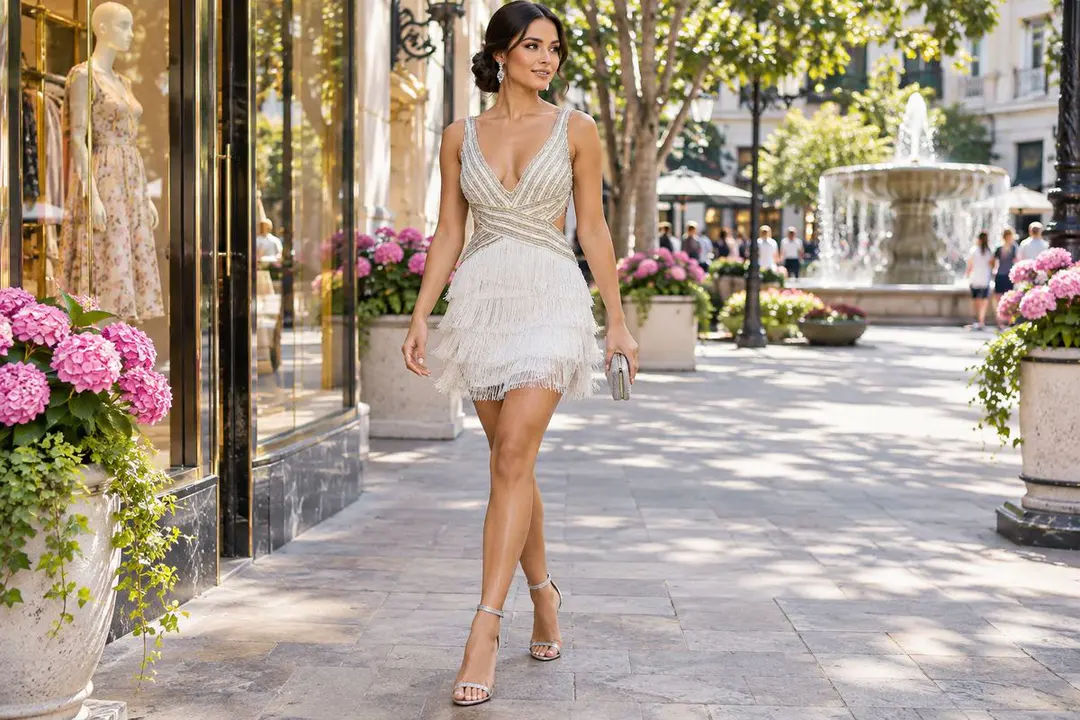
Jovani style 53565 offers another direction: a fitted mini with beading and a fringe hem. Fringe moves visibly while dancing, so check how it feels against your legs. The amount of embellishment does not determine the dress code by itself; the overall shape and length matter more.
Can You Wear a Prom Dress to Homecoming?
Yes, you can wear a prom dress to homecoming if its cut, length, and coverage suit the event’s dress code. A simple shorter prom style may work without changes. A heavily layered, floor-length ball gown could feel too formal for a semi-formal school dance.
Consider the reverse as well. A polished short homecoming dress may be appropriate for a prom that permits cocktail-length outfits. For a more formal prom, a longer option may feel more aligned with the venue. The guide to long or short homecoming dresses (opens in new tab) explains the hemline decision in greater depth.
How Should You Choose a Dress for Your School?
Use the event’s actual requirements rather than general rules from social media. Schools may set coverage and hemline policies, while venue layouts change how easy a dress is to wear. A theme alone does not override written rules.
- Read the invitation for words such as semi-formal, formal, or black tie.
- Check the school’s rules for neckline coverage, cutouts, straps, and minimum length.
- Review photographs from the previous year to understand local traditions.
- Try the dress while sitting, climbing stairs, walking, and dancing.
- Ask the retailer about stock, sizing, and whether alterations are practical.
Length is only one part of this choice. If you are deciding between a longer entrance look and an easier dance-floor option, the short versus long prom dress guide (opens in new tab) offers a closer comparison of those tradeoffs.
Comfort, Budget, and Rewear Matter Too
Choose a dress you can wear for the full evening, not only for a photograph. Tight skirts need enough room for sitting, and structured bodices should stay secure without pinching. Sequins and fringe may catch on accessories, while long hems can need adjustments before the event.
Budget for more than the dress. Shoes, undergarments, tailoring, and cleaning can change the final cost. A versatile short dress may suit other parties later, while a long formal gown may be best saved for similar occasions. For a broader shopping plan, use Jovani’s homecoming dress guide (opens in new tab) as a companion resource.
A Simple Decision Before You Buy
Choose a shorter, secure silhouette when the dance is semi-formal and active. Consider a long gown when the school expects formal attire or the venue calls for it. If you are uncertain, ask the organizer rather than deciding by the event name alone.
Compare the dress with the event requirements, then test the complete outfit with your actual shoes. When you are ready to try styles in person, use Jovani’s authorized retailer locator (opens in new tab) to find a participating store and confirm availability directly.
Frequently Asked Questions
Can you wear a short dress to prom?
Yes. A short dress can work for prom when the school allows it and the design suits the formality of the event. Confirm coverage and length rules first.
Do homecoming dresses have to be short?
No. Short dresses are common, but some schools host formal homecoming events where a midi or long dress fits better. Follow the invitation and local tradition.
Is a sequin dress too formal for homecoming?
No. Sequins alone do not make a dress inappropriate. A short, comfortable sequin design can suit a semi-formal dance if the fit and coverage meet school rules.
Can you wear the same dress to prom and homecoming?
Yes, when its length, silhouette, and coverage satisfy both dress codes. A simpler dress often adapts more easily than a highly structured gown with a train.