
You have an invitation in hand, you are scrolling through dress options, and a metallic gown catches your eye. A gold cocktail dress, a champagne midi, a soft silver column, all beautiful, all festive, but suddenly you stop and wonder if metallic is too close to bridal territory. The honest answer is more nuanced than the quick yes or no you often hear. Some metallic shades and finishes are completely safe and read as appropriately celebratory. Others sit closer to white than you might realize and can cause genuine awkwardness in photographs. Wearing metallic to a wedding as a guest is one of the trickier color decisions in occasion dressing, not because metallic is inherently wrong, but because the category contains very different shades that behave very differently in the room. This guide walks through which metallics work, which to approach carefully, and how to style any metallic gown so the bride remains the bride.
Why Metallic Is One of the More Nuanced Wedding Guest Choices
The simple rule for wedding guest dressing is well known: avoid anything that competes with the bride, especially white, ivory, and cream. Most colors fall clearly on one side of that line. Black is allowed. Jewel tones are allowed. Pastels are allowed. The reason metallic is harder is that it does not behave like a normal color at all. A metallic dress is shimmering and reflective, and depending on the shade and finish, it can read as gold one second and almost white the next, especially under bright photography lighting.
This is why a single rule does not serve metallic well. A bold yellow gold dress is unmistakably its own color and reads as festive rather than bridal. A pale champagne dress with a high-shine sequin finish can photograph almost white under a camera flash, even when it looked clearly tinted in the boutique. The category needs honest, shade-by-shade thinking, not a single yes or no. The collection of wedding guest gowns includes metallics across this whole spectrum, and the work is knowing which shade and finish fits which event.
One reassurance before we go further: most metallics are genuinely safe choices for most weddings. Metallic is broadly considered festive, celebratory dressing, and it has been a popular wedding guest color for years. The point of this guide is not to scare you away from metallic but to help you choose the right one with eyes open, so the dress you love photographs as confidently as you wear it.
The Honest Rule About Shade and Brightness
The most important variable in any metallic wedding guest choice is shade, and not all golds and silvers are created equal. Some sit safely in their own color territory, others drift toward white, and a few are versatile enough to work almost anywhere.
Bright Gold, Antique Gold, and Bronze: The Safer Options
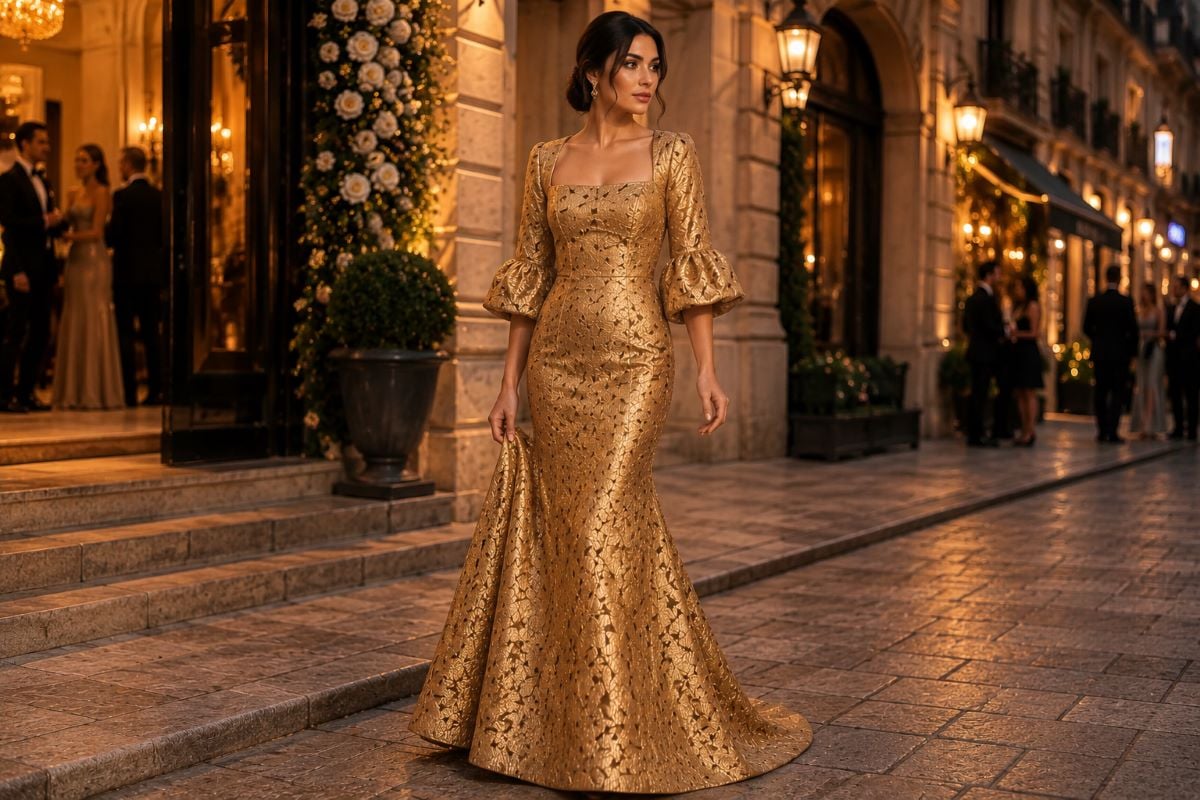
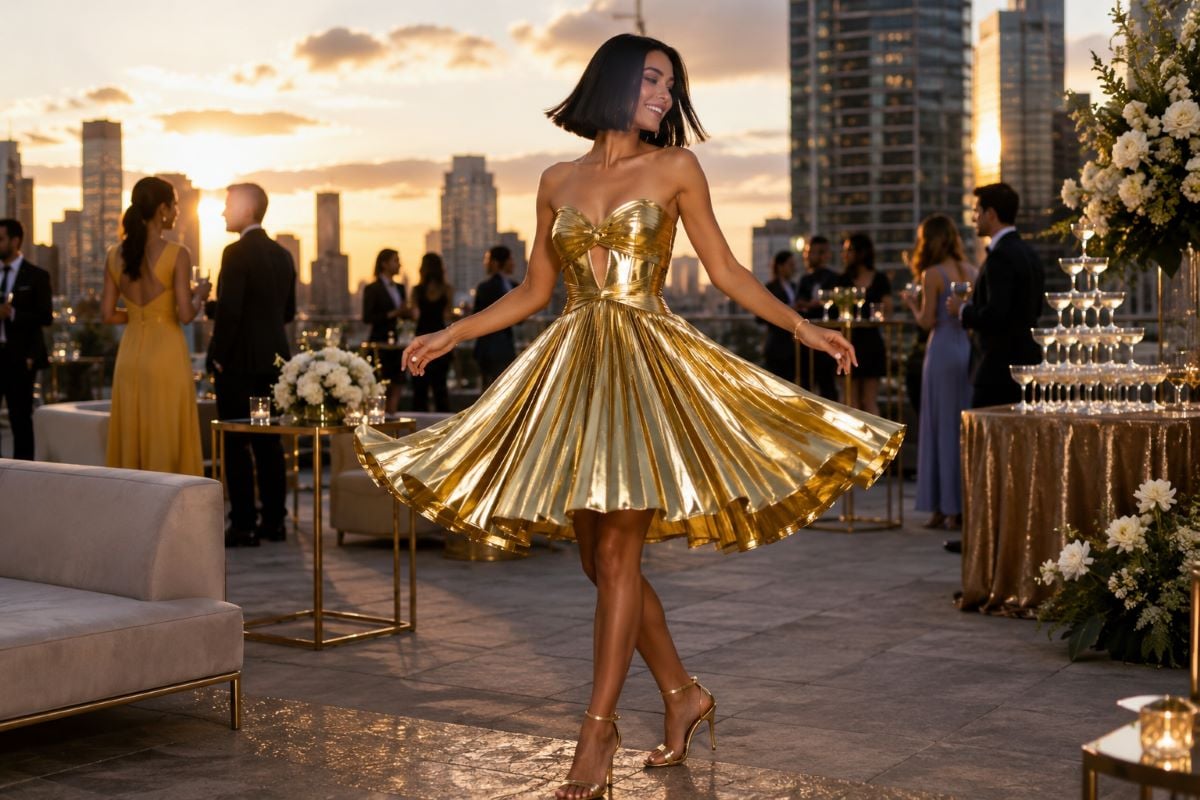
A truly bright, saturated gold reads unmistakably as gold. It is its own color, it photographs warmly under venue lighting, and it sits nowhere near the white-ivory-cream territory that belongs to the bride. Antique gold goes one step further, with a slightly muted, older-looking warmth that has a vintage quality. Bronze is darker still, a rich brown-gold that is one of the safest metallics for a wedding guest because no one will ever mistake it for bridal. The styles among gold evening dresses show how a true gold or antique gold reads as glamorous and clearly distinct from any wedding color. These are the metallics to reach for when you want to feel sure.
Pale Champagne and Soft Platinum: The Risky Zone
Here is where honesty matters most. A very pale champagne, a soft buttery gold, or a delicate platinum silver can be just slightly tinted versions of ivory or pale gold, and under a camera flash they can read as nearly white. Champagne specifically has a complicated history with weddings because some brides choose champagne or blush as a non-traditional bridal color. If the bride is wearing white, a champagne dress that photographs almost-ivory creates the kind of awkward photographic moment everyone wants to avoid.
This does not mean pale champagne is off-limits forever. It means you should consider it carefully. If the bride is wearing a clear bright white and the wedding is not a daytime garden setting where the dress will catch sunlight harshly, a champagne gown with a clear gold or warm undertone is usually fine. If you have any doubt about how the bride is dressing or how the dress photographs in bright light, choose a deeper gold instead. The safer move with champagne is also to choose one with visible warmth, gold undertones, brass tones, or a sequin finish that catches color rather than reading flat.
Rose Gold: A Complicated Middle Ground
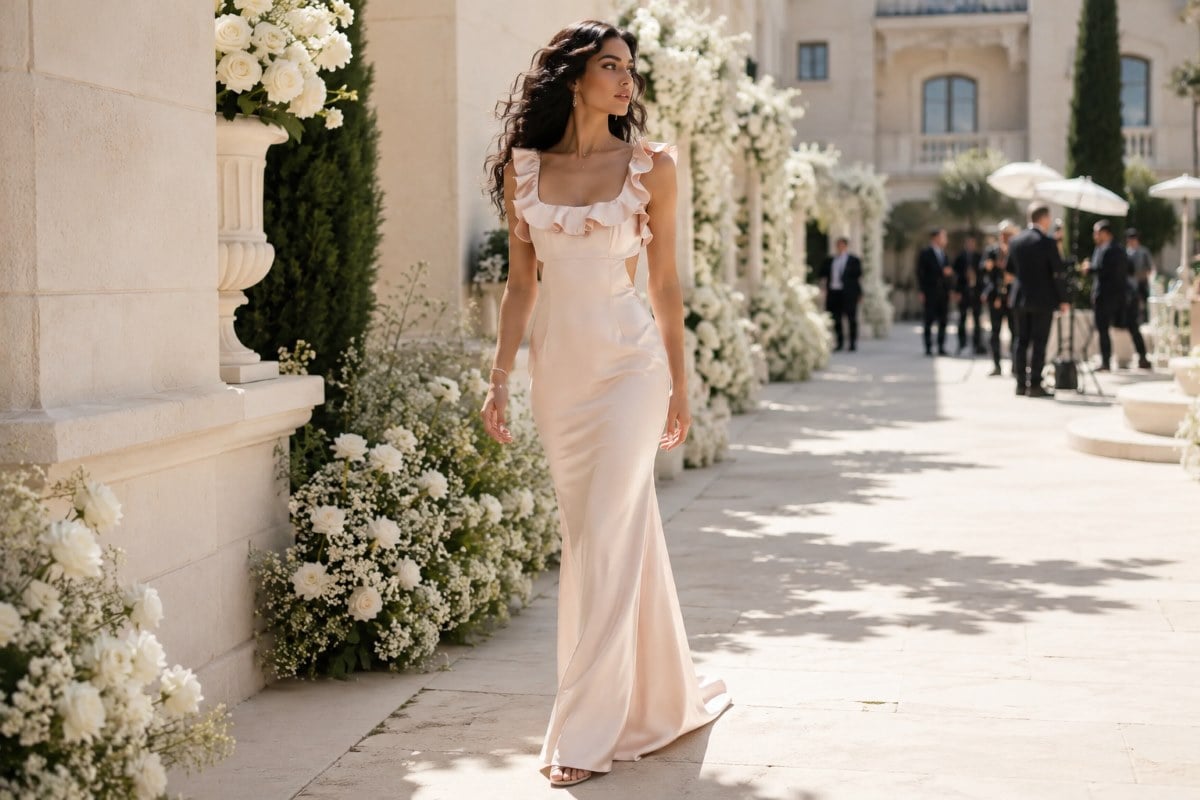
Rose gold has become enormously popular for wedding guests, and for good reason: it is unmistakably its own color, with pink undertones that distinguish it clearly from white or cream. A rose gold dress reads as romantic, modern, and clearly non-bridal. The honest caution: rose gold has occasionally become a popular bridesmaid color, so before committing, check whether the wedding’s color palette features rose gold for the bridal party. Showing up in the exact bridesmaid color, while not as serious as bridal-adjacent dressing, is still a small awkwardness worth avoiding.
Silver: Two Very Different Things
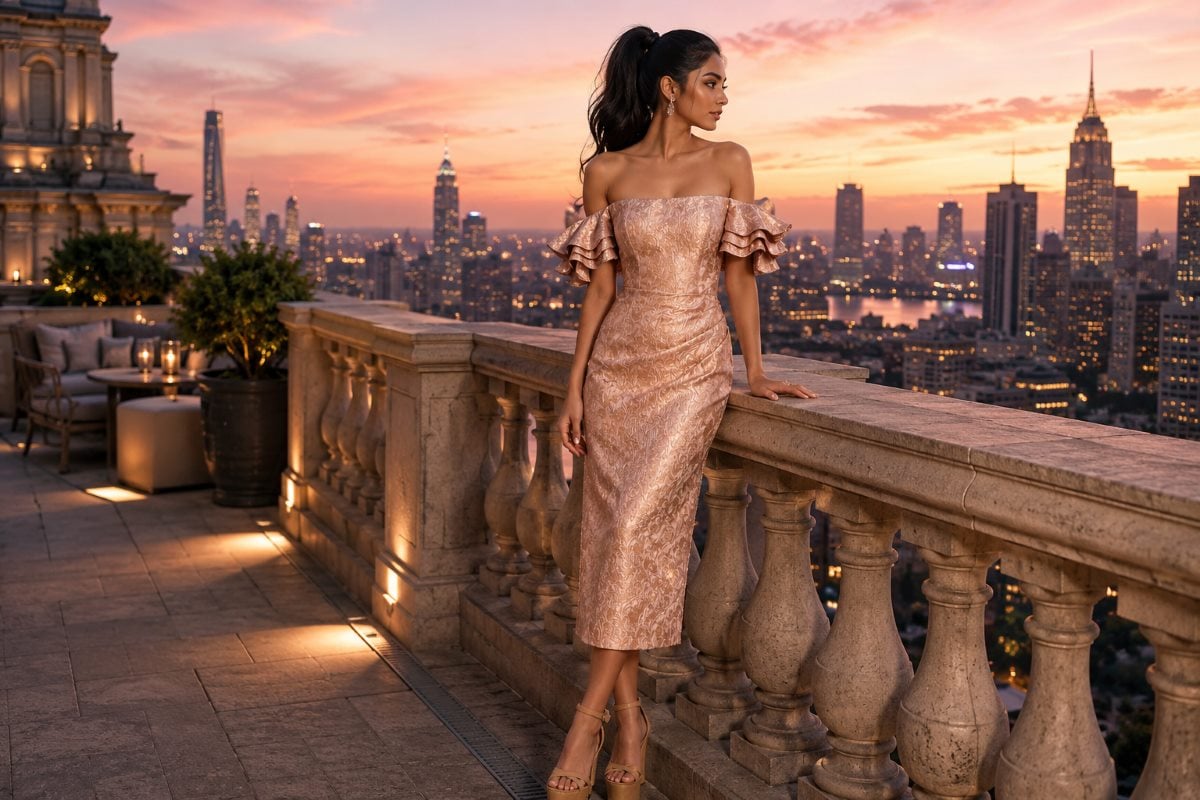
Silver deserves its own moment because the word covers two genuinely different colors. A true bright silver with strong shine, the kind found in many cocktail dresses, is its own metallic color and reads festively without competing with the bride. A soft silver or platinum, however, especially in a smooth finish without much shimmer, can slip into territory that photographs nearly white. The deciding factors are how reflective the silver is and how cool or warm its undertone runs.
A confident bright silver in a clearly metallic fabric, with visible shimmer or sequin, is a strong choice for an evening wedding. A pale, smooth silver-grey with limited shine should be checked against bright light before committing, since it can lose its color in photographs. If you love the cool tones of silver but want to play it safer, consider a deeper pewter or a silver with a hint of charcoal, which keeps the cool palette without any risk of reading bridal.
Sheen Level Matters as Much as Color
The finish of a metallic fabric changes how it behaves in a room and in photographs as much as the shade itself does. Three finishes dominate metallic dressing, and each suits a different context.
All-Over Sequin
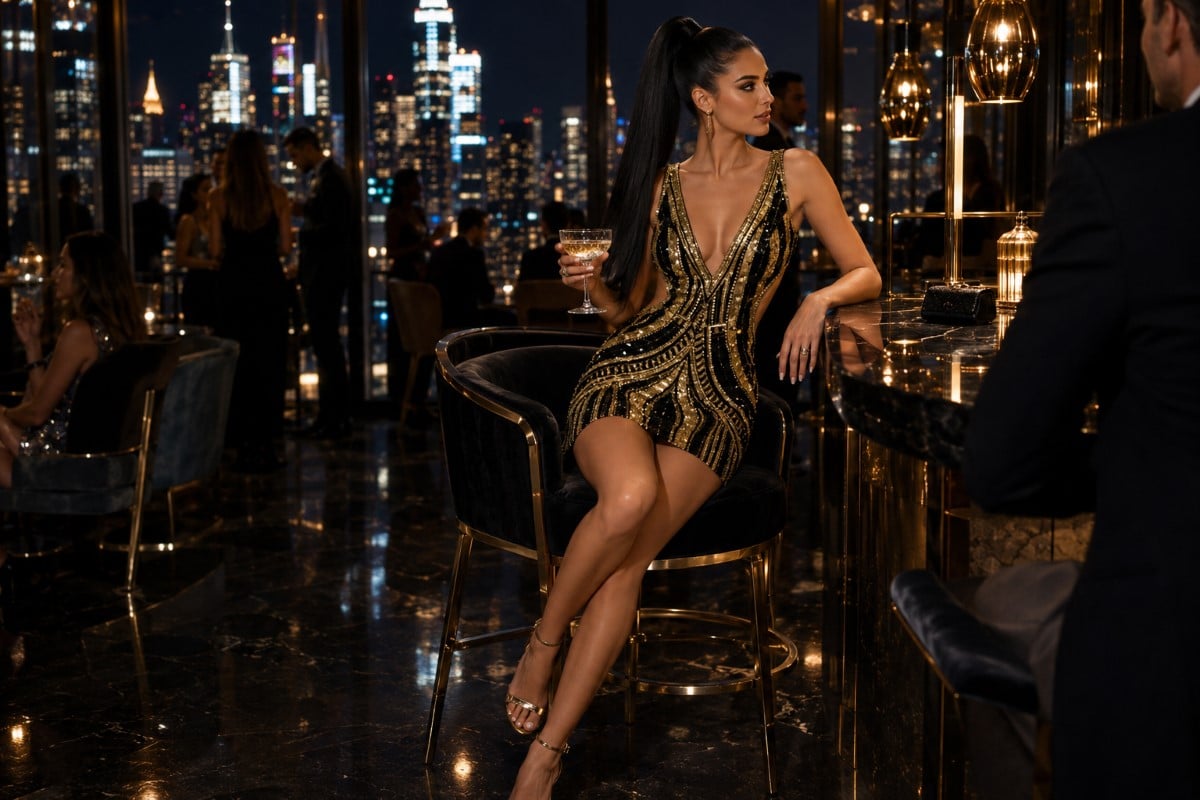
A fully sequined dress is the most dramatic metallic option, with light catching every individual sequin and creating maximum sparkle. This finish suits black-tie evenings, formal galas, and evening receptions where the lighting is dim enough to let the sparkle do its work. In bright daylight or at a casual daytime wedding, full sequins can feel like too much. Choose all-over sequin for a clearly formal evening event, and pair it with a confident shade like bright gold or rich bronze.
Metallic Threading or Brocade
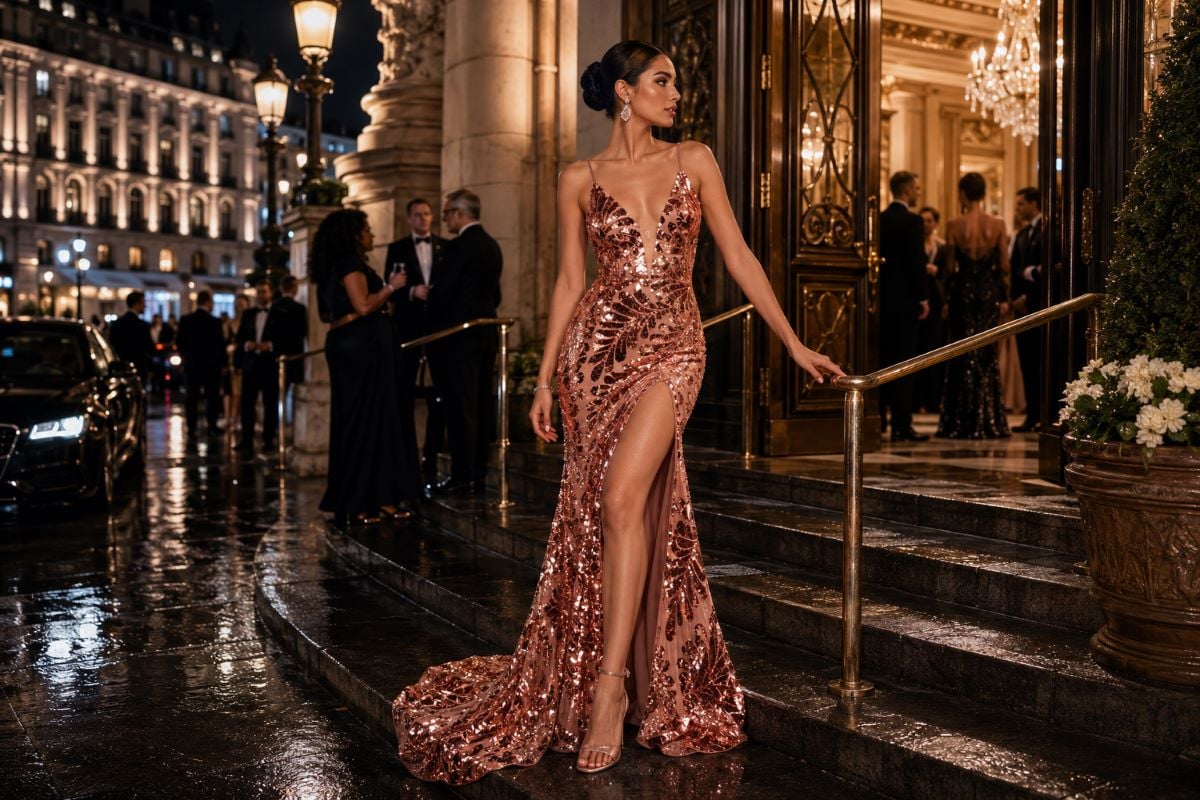
Metallic threading woven into the base fabric, or a brocade pattern that includes metallic accents, gives you the warmth and shine of metallic without the full reflective surface of sequin. This finish reads as elevated rather than flashy, suits a wider range of dress codes, and photographs more flexibly than full sequin. A metallic threaded cocktail dress is a particularly versatile wedding guest choice, working from formal evening events to slightly more relaxed receptions. The selection of gold cocktail dresses includes many threaded and embellished options that strike this balance beautifully.
Subtle Shimmer
A dress with subtle shimmer, lurex thread, a soft metallic sheen, or scattered crystal embellishment, has the metallic feeling without overt sparkle. This is the easiest metallic to wear across dress codes, the most forgiving in daylight, and the safest choice for a daytime garden wedding or a less formal ceremony. If you love metallic but want a gentler version of it, a subtle shimmer is the right approach.
Matching the Dress Code and Venue
The same metallic dress can be perfect at one wedding and out of step at another. Matching your metallic to the actual event makes the choice land well.
Black-Tie and Formal Evening Weddings
This is metallic’s natural home. A black-tie evening wedding rewards a more dramatic metallic, full sequin, rich gold, deep bronze, in a floor-length or sophisticated midi length. The formality of the event matches the impact of the dress, and the dim evening lighting makes metallic look its most glamorous. For more on what black-tie specifically requires, the breakdown in what to wear to a black-tie wedding covers the formality expectations that shape the right metallic choice.
Cocktail and Semi-Formal Weddings
A cocktail dress code is the most flexible setting for metallic. A knee-length or midi gold or silver dress in a threaded or sequined finish works beautifully, and the styles among cocktail dresses include many metallic options sized exactly for this dress code. Avoid the most dramatic full-sequin floor-length looks at a cocktail wedding, which can read as overdressing the event, and lean toward a confident shimmer in a midi or shorter length.
Daytime and Garden Weddings
Daytime is where metallic requires the most care. Bright sunlight makes any reflective fabric far more intense, and full sequins or high-shine fabrics can feel out of place at a relaxed daytime celebration. For a garden or afternoon wedding, choose a subtle shimmer rather than full sparkle, and lean toward warm shades like bronze or antique gold that look natural in sunlight rather than glaring. If you are uncertain, the broader guidance in wedding guest dress codes explained covers how to read the formality of a daytime event before settling on the dress.
Styling Metallic So It Reads as Guest, Not Bride
Once you have chosen the right shade and finish, a few styling decisions make the whole look unmistakably guest rather than wedding-adjacent.
The first is silhouette. Avoid silhouettes most associated with bridal dressing when wearing metallic, namely a full ball gown shape with a heavily structured bodice, especially in a pale champagne or soft platinum. A fitted, A-line, mermaid, or column silhouette in metallic reads clearly as evening wear rather than bridal. The selection of evening dresses includes silhouettes that work especially well in metallic precisely because they look unmistakably like evening attire.
The second is the rest of the outfit. Pair a metallic dress with accessories that emphasize its evening-wear personality. A bold lip color, a confident heel in a complementary tone, and statement jewelry all push the look toward festive guest rather than understated bridal. Avoid pairing a champagne or pale gold dress with all-white or all-ivory accessories, which doubles down on the bridal-adjacent risk. A black, deep red, or jewel-toned clutch and shoe instantly reframe the dress as glamorous evening wear.
The third is composure and confidence. A guest in a metallic dress who arrives with confidence, mingles freely, and clearly behaves as a friend of the couple is not going to be mistaken for the bride regardless of what the dress photographs like in any single moment. Carrying yourself like a guest is part of the look. For more on getting the broader tone right at any wedding, the principles in how to look classy as a wedding guest apply directly to metallic dressing too.
When Metallic Is the Smartest Choice You Can Make
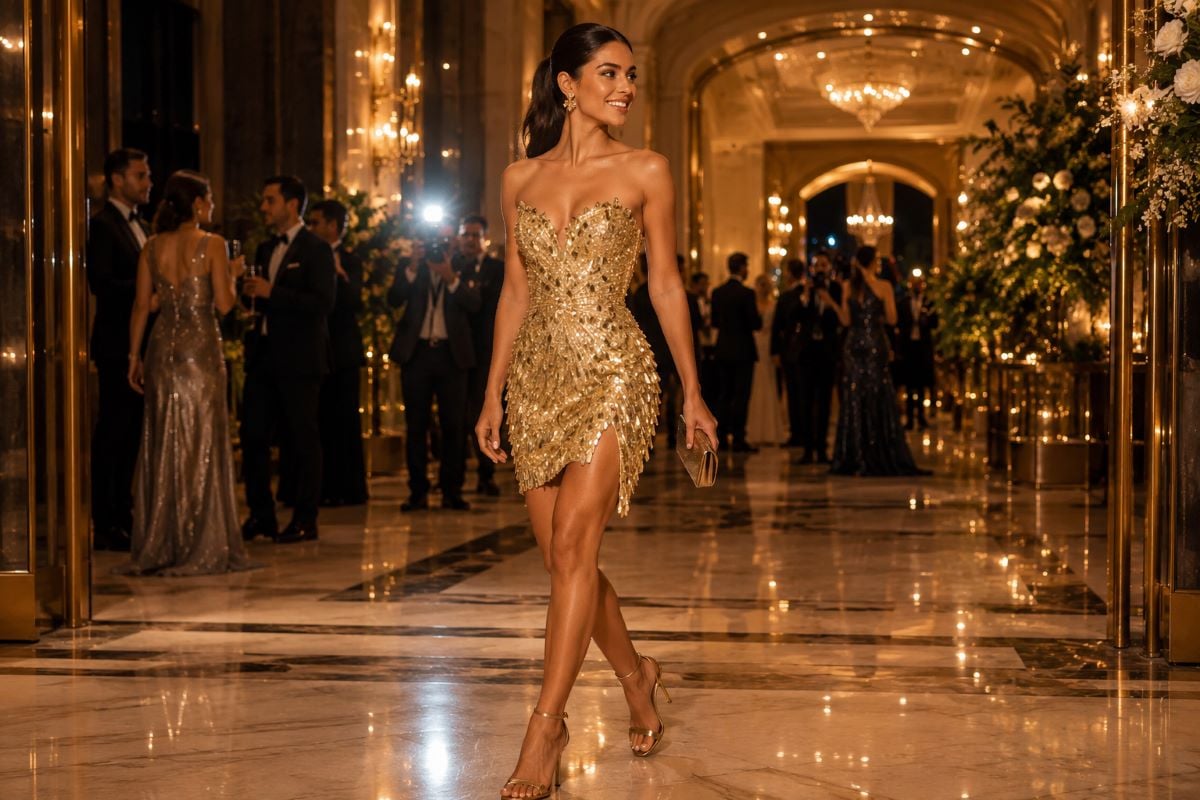
For all the careful thinking metallic requires, it deserves to be said that wearing metallic to a wedding as a guest is often the smartest, most versatile color decision you can make.
Metallic is the rare color that works across every season. A gold dress reads as warm and festive in fall and winter, and as elevated and celebratory in spring and summer. It also works across every dress code: the same metallic threading on different silhouettes can serve a black-tie wedding, a cocktail celebration, and a daytime ceremony. For a woman attending several weddings across a season, a well-chosen metallic dress is one of the most cost-effective and reusable wardrobe investments in occasion dressing.
Metallic also photographs beautifully under nearly all venue lighting. Where a flat color can read dull in dim ballroom light, metallic catches and reflects the light around it, which means group photographs and candids tend to look more dynamic and dimensional. This is part of why metallic has stayed popular as a wedding guest choice through years of changing trends. The key is simply choosing the right shade, the right finish, and the right styling for the specific event, which is exactly what this guide has covered.
About Wearing Metallic to a Wedding FAQs
A few clear, common questions come up about wearing metallic to a wedding as a guest, and the honest answers below cover the situations most often asked about.
Can you wear a gold dress to a wedding as a guest?
Yes, in most cases. Bright gold, antique gold, and bronze are clearly their own colors and read as festive rather than bridal. Pale champagne and very soft gold deserve more care, since they can photograph nearly white under bright light. Choose a shade with clear warmth and visible gold tones rather than something that drifts toward ivory.
Is silver appropriate for a wedding guest?
Yes, with some shade awareness. A bright silver or pewter with strong shine reads as festive evening wear. A pale platinum or soft silver-grey can occasionally photograph nearly white, so check it against bright light before committing. A deeper pewter or silver with a hint of charcoal is the safest cool-toned metallic.
Is champagne too close to white for a wedding?
It depends on the specific shade. A champagne with visible warmth, gold undertones, or a sequin finish that catches color is usually fine. A very pale, smooth champagne with minimal shimmer can read nearly ivory in photographs and is the riskiest metallic. When uncertain about the bride’s exact color, choose a deeper gold instead.
Are sequin dresses appropriate for weddings?
Yes, especially for black-tie and formal evening weddings, where full sequin matches the formality of the event. For a cocktail or daytime wedding, a more restrained metallic, threaded fabric, brocade, or subtle shimmer, usually feels more appropriate than full all-over sequins, which can read as overdressed at less formal celebrations.
What metallic dress should I avoid at a wedding?
Avoid very pale, smooth champagne or platinum gowns in bridal silhouettes (heavily structured ball gowns, or full-skirted strapless styles), since the combination of near-white color and bridal shape is the riskiest. A confident shade in a clearly non-bridal silhouette is almost always safe.
Can you wear rose gold to a wedding?
Yes, rose gold is one of the safest metallic choices because its pink undertones distinguish it clearly from white or cream. The one consideration is that rose gold has become a popular bridesmaid color, so check the wedding’s color palette to make sure you are not matching the bridal party.
The Confident Metallic Choice
Approaching metallic carefully does not mean avoiding it; it means choosing it well. Wearing metallic to a wedding as a guest comes down to a few clear principles: choose a shade with visible warmth or saturation rather than drifting toward ivory, match the finish to the formality of the event, avoid silhouettes that read as bridal, and style the dress with accessories that emphasize evening wear rather than wedding-adjacent neutrals. Do that, and metallic becomes one of the most flattering, photographic, and versatile colors you can possibly wear as a guest, working across seasons, dress codes, and venues with confidence. Jovani has spent more than forty years designing metallic gowns with the premium metallic threading and quality construction that make a true gold, bronze, or champagne look its best, so the dress reads as intentional from every angle.