
When you envision your perfect prom night, the dress is undoubtedly the centerpiece of the fantasy. Every detail matters, from the neckline that frames your face to the color palette that perfectly complements your skin tone. However, one of the most critical elements of prom gown shopping is often overlooked until you are actually standing in the fitting room: the fabric itself.
The material of your gown dictates far more than just its basic appearance. It governs how the dress looks in a photographer’s flash, how it moves when you step onto the dance floor, how it feels against your skin throughout a long evening, and how it fundamentally shapes your natural figure. Fabric is the architectural foundation of any garment, and choosing the right one is paramount to achieving your desired aesthetic.
For decades, two extraordinary materials have reigned supreme in the world of high-end formalwear, leading to the ultimate sartorial debate for high school seniors: satin vs chiffon prom dresses. Both textiles offer undeniable beauty, but they provide entirely different aesthetic experiences, emotional vibes, and physical properties.
At Jovani, our design house has spent years mastering the intricate behaviors of premium textiles. We know that the secret to an unforgettable, show-stopping gown lies in understanding prom dress fabrics on a profound level. We meticulously select every single thread, testing for weight, sheen, and drape, to ensure our garments support, contour, and shine flawlessly. Whether you are dreaming of a regal, architectural masterpiece or an ethereal, romantic gown, understanding the difference between satin and chiffon is the crucial first step toward finding the dress that will make you feel most confident.
The Core Difference Between Satin and Chiffon
To choose the best fabric for prom dress shopping, you must first understand how these materials are physically constructed and how their unique weaves interact with both light and movement. These technical differences give each fabric its distinct personality.
Satin is not actually a raw fiber, though many mistakenly believe it is. Instead, it refers to a highly specific type of textile weave. This specialized weaving technique creates a fabric with a characteristically glossy, unbroken, lustrous surface on the front and a dull, matte finish on the back. Because of its dense thread concentration, satin has a discernible, luxurious weight to it. It reflects light beautifully and consistently, giving the garment a rich, opulent appearance that feels inherently glamorous.
Chiffon, on the other hand, is a remarkably lightweight, plain-woven fabric created with tightly twisted crepe yarns. This twisting process gives chiffon its subtly textured, almost microscopic mesh-like feel and its slightly sheer, translucent quality. It features a matte finish that diffuses light rather than reflecting it. Where satin is heavy, smooth, and highly reflective, chiffon is airy, breathable, delicate, and multidimensional.
When comparing prom dress materials, the choice almost always comes down to the fundamental vibe you want to project: do you want to command the room with structured elegance, or float effortlessly across the venue with whimsical grace?
The Timeless, Commanding Elegance of Satin
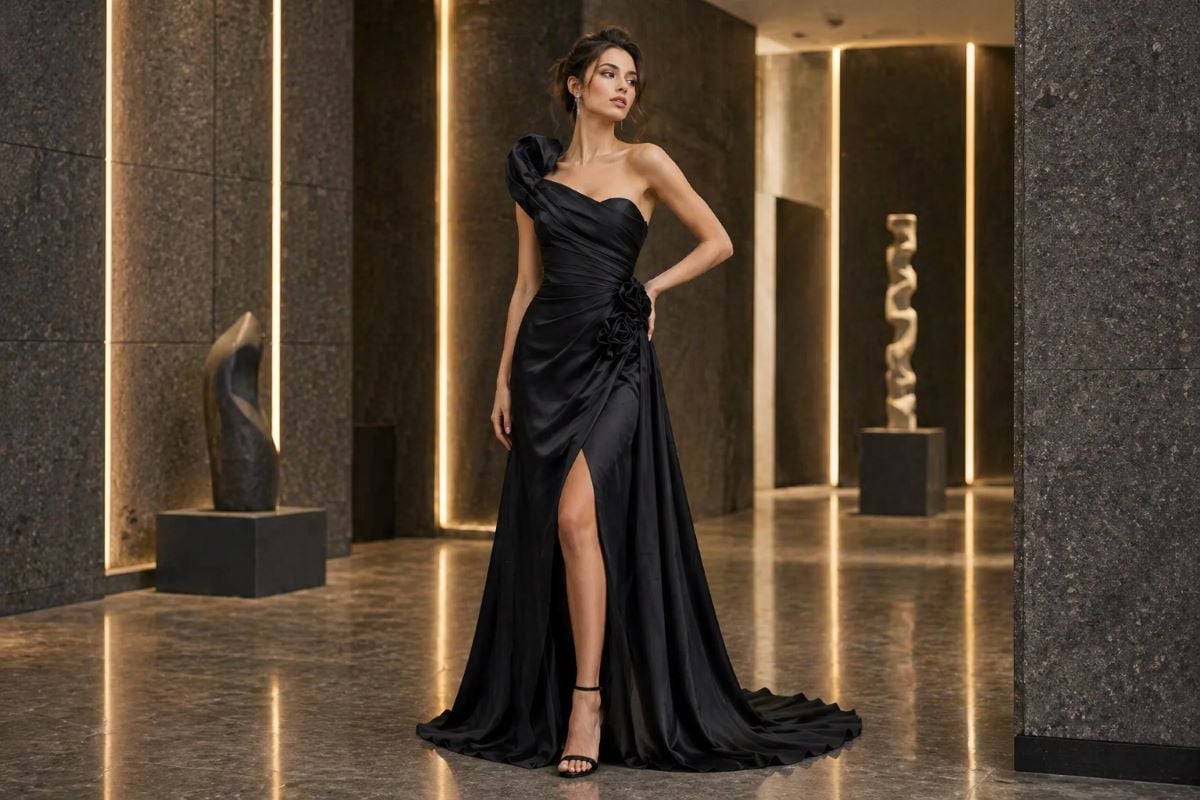
There is a profound reason why satin prom gowns are a perennial favorite on Hollywood red carpets and at prestigious galas worldwide. Satin possesses an inherent luxury. Its smooth, reflective surface acts as a mirror to ambient light, catching the camera flash perfectly and ensuring your formal photos look polished, crisp, and high-end.
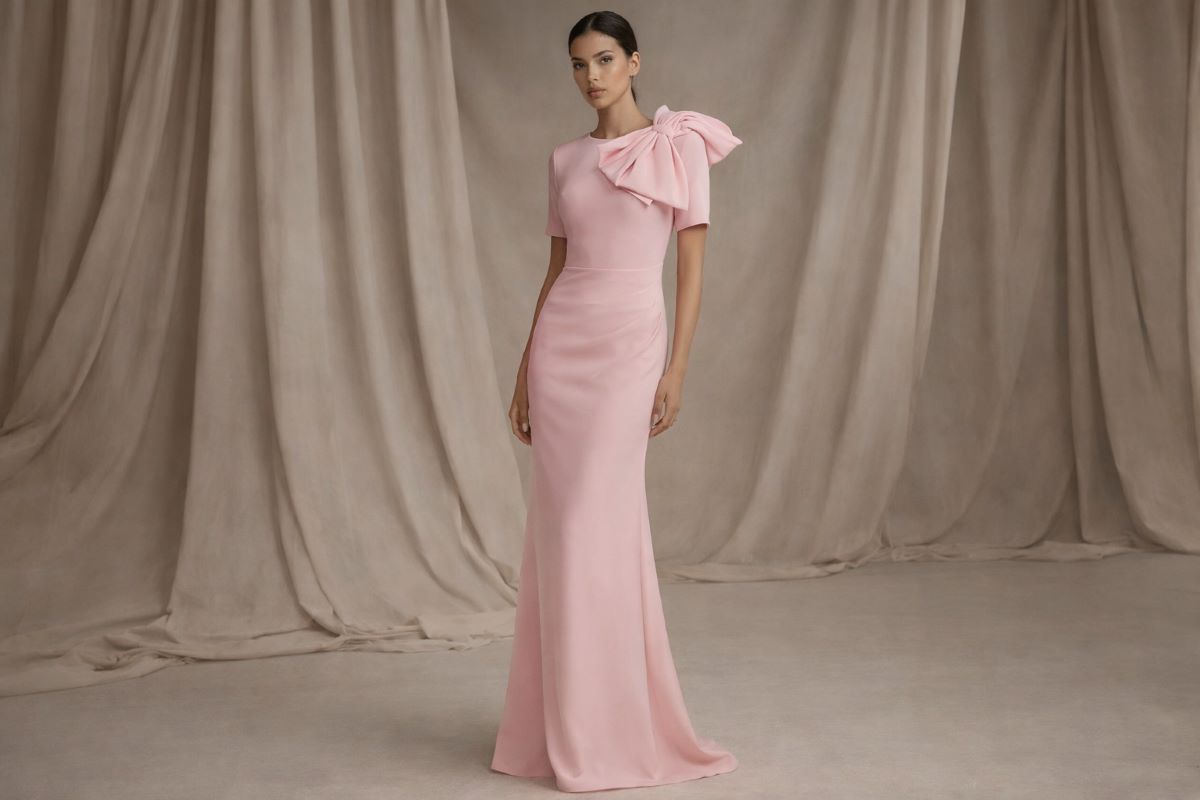
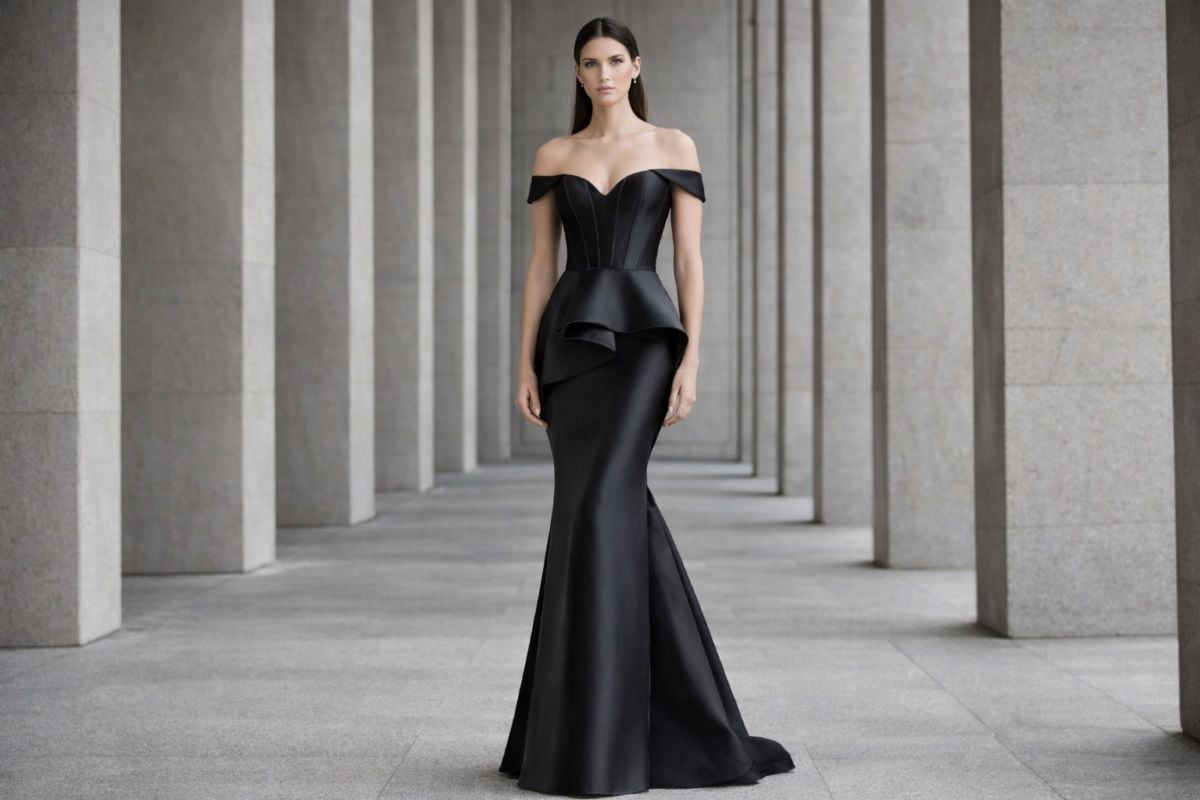
Because of its structural integrity and dense weave, satin is the ideal textile for designs that require geometric shape and unyielding support. It holds crisp pleats sharply, maintains dramatic volume without the need for excessive crinoline, and can be masterfully manipulated by designers into striking architectural details like oversized bows, sculptural sleeves, or sharp peplum waists.
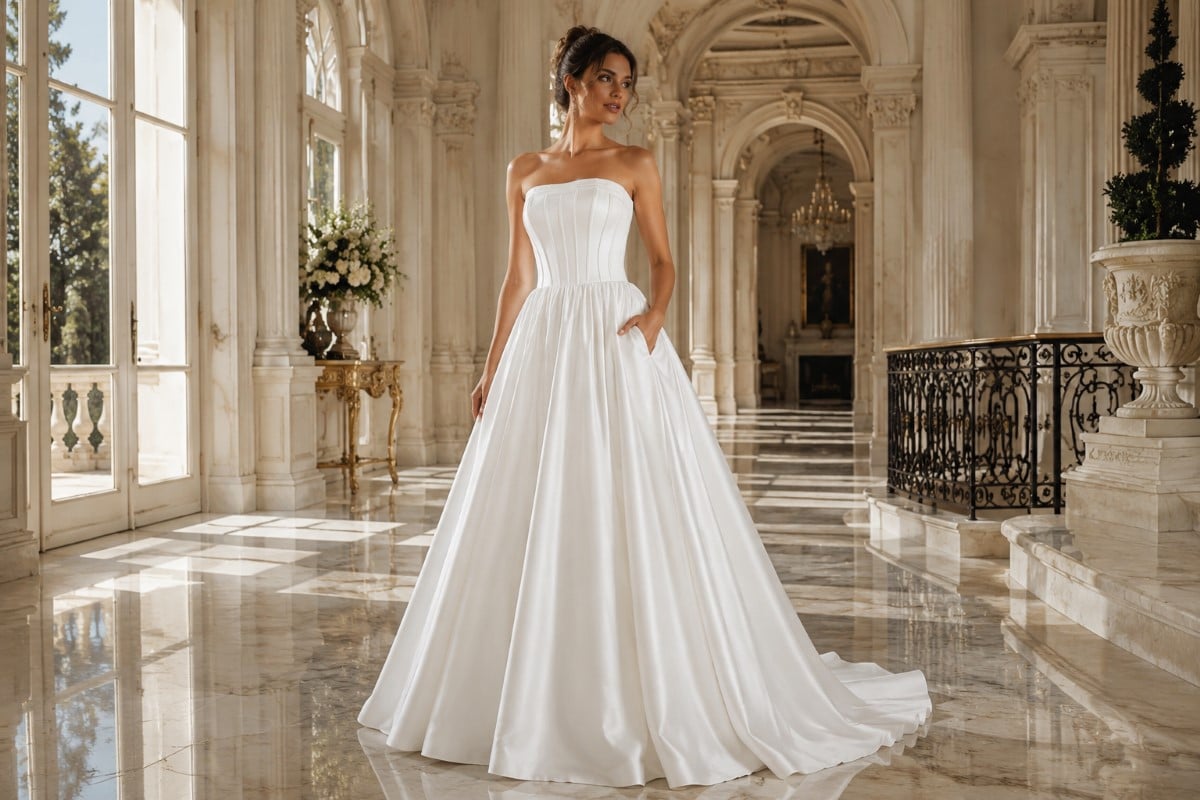
If you are naturally drawn to the grand, traditional aesthetic of vintage-inspired prom ball gowns, satin is almost always the superior fabric of choice. It provides the necessary stiffness to hold a wide, sweeping skirt perfectly in place. Furthermore, satin is exceptionally flattering when tailored with precision. Because the fabric is thicker, it smooths over the body, acting almost like gentle shapewear rather than clinging to imperfections. This makes it an excellent choice for structured prom gowns that feature built-in boning or corset-style bodices.
The Ethereal, Breathless Romance of Chiffon
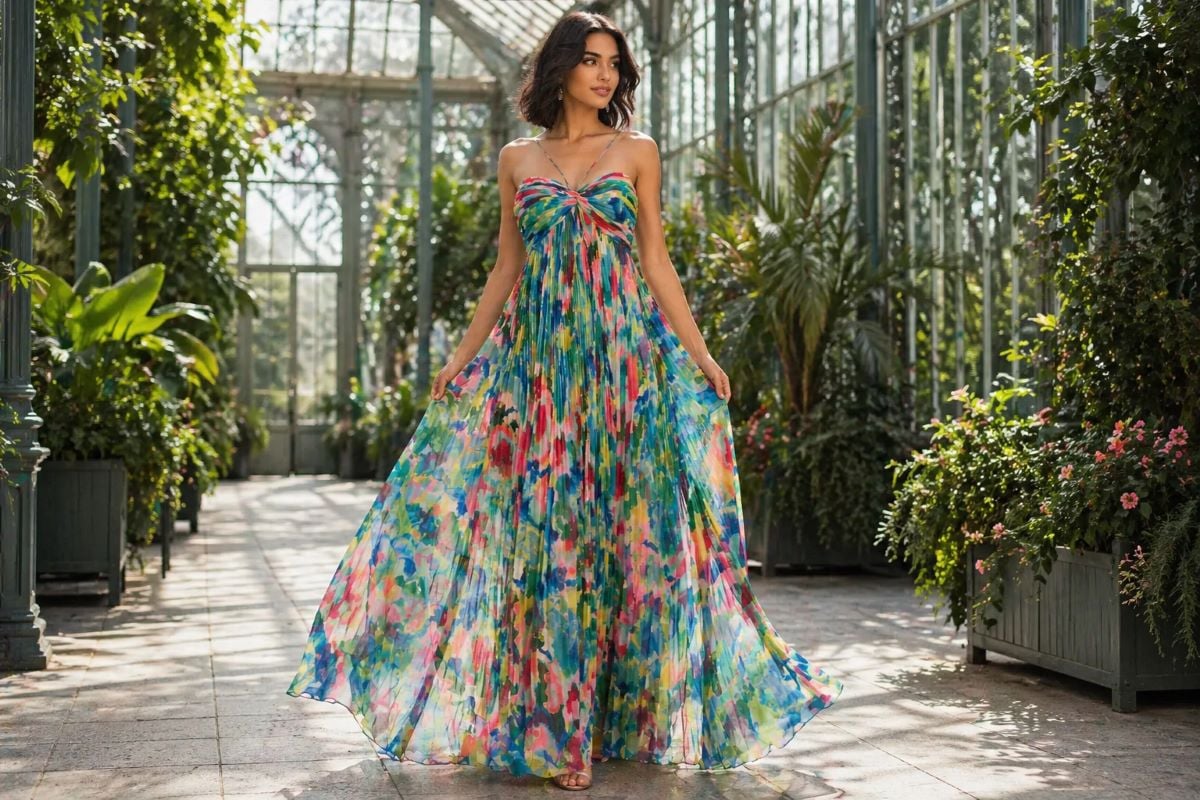
If your personal style leans toward the romantic, bohemian, or effortlessly chic, chiffon prom outfits will undoubtedly capture your heart. While satin is about structure, chiffon is entirely about movement. The true magic of this fabric is fully realized only when you walk, spin, or catch a gentle evening breeze.
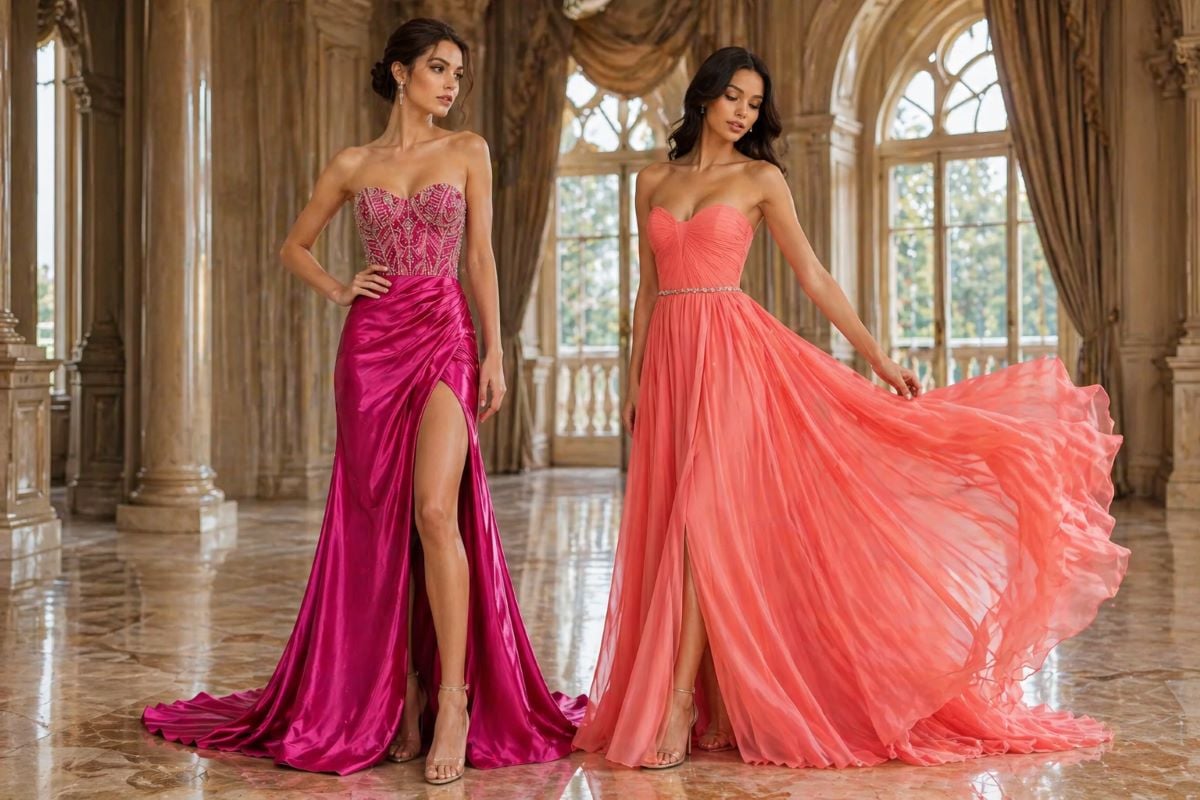
Because it is so sheer and lightweight, chiffon is almost always layered over a thicker, opaque lining. This brilliant layering technique creates a multidimensional, soft-focus, almost watercolor effect that is visually captivating. Designers love working with chiffon for flowy prom dresses because the fabric drapes exactly like liquid. It cascades beautifully from the waistline, making it a forgiving canvas for skirts featuring daring thigh-high slits or delicate tiered ruffles.
Unlike satin, which commands a specific, pre-determined shape, chiffon yields completely to the natural lines of your body and the environment around you. Garments made of this material offer a sense of youthful freedom and unparalleled comfort. You will never feel weighed down or confined in a chiffon gown, making it the ultimate choice for the energetic girl who plans to spend her entire night on the dance floor.
Pairing Fabrics with Flattering Prom Silhouettes
The ultimate success of any evening gown relies heavily on a designer’s ability to pair the right fabric with the precise mathematical cut of the silhouette. At Jovani, our expert pattern makers conceptualize every dress with the textile’s physical properties in mind.
Form-Fitting Styles and Mermaid Cuts
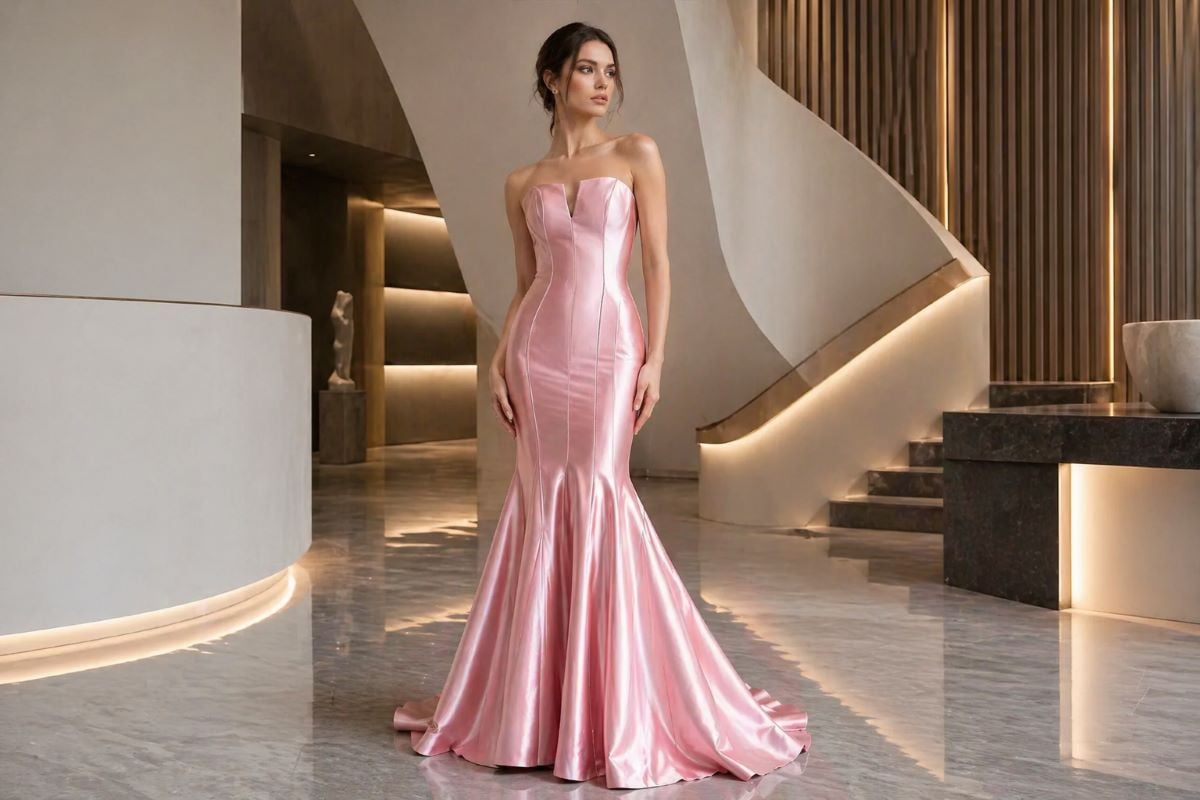
When it comes to sultry styles designed to highlight and celebrate your curves such as dramatic mermaid prom dresses or sleek trumpet gowns—satin is generally the superior choice. The fabric’s density allows it to be tailored tightly against the bodice, hips, and thighs before flaring out at the knee. It provides a firm, smoothing effect that enhances natural curves while maintaining a crisp, red-carpet-ready shape that won’t stretch out halfway through the night.
A-Line and Empire Waist Designs
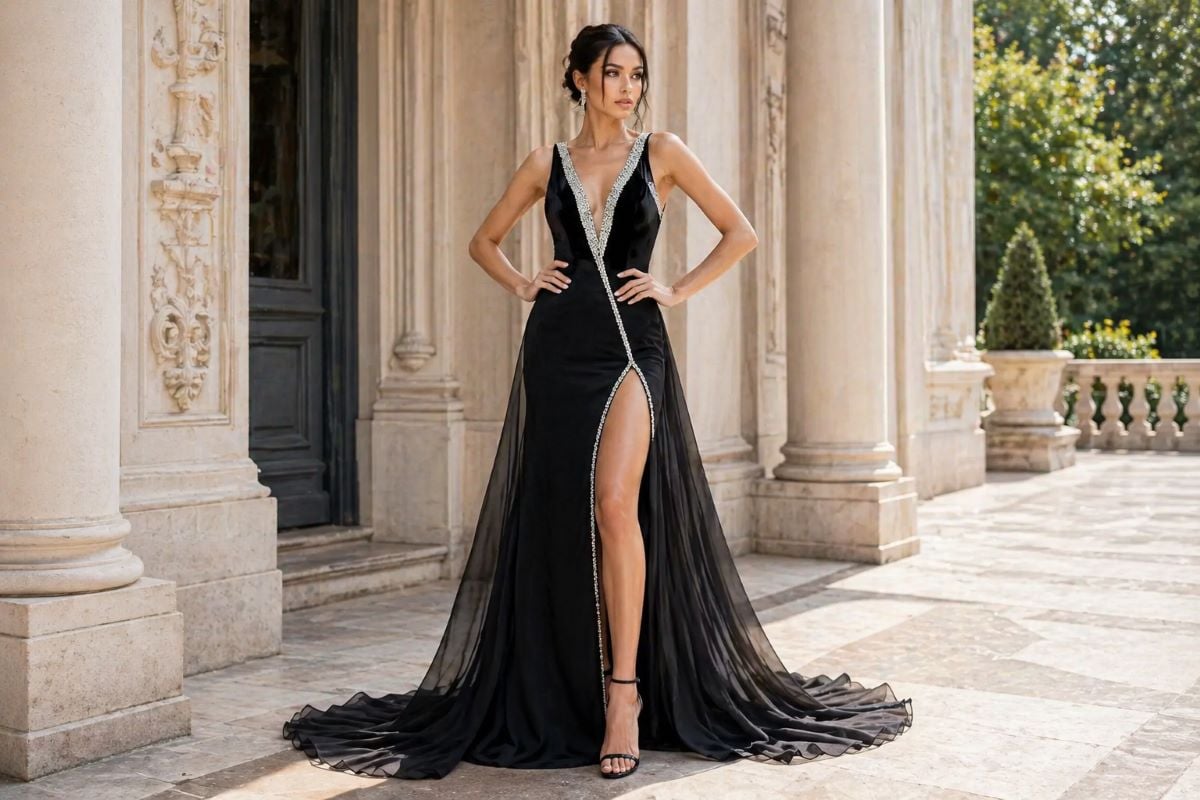
Conversely, chiffon shines its brightest in flattering prom silhouettes that require soft, organic drapery. For classic A-line silhouettes, chiffon provides a sweeping, graceful skirt that gives the illusion of volume but doesn’t feel overly heavy. Empire waist dresses or Grecian-inspired gowns featuring meticulously ruched bodices also heavily rely on the soft pliability of chiffon. The fabric allows designers to create gentle, flattering folds that cross the torso, defining the waistline beautifully without adding unwanted bulk.
Styling and Accessorizing Your Gown
Your choice in the satin vs chiffon prom dresses debate will also directly influence how you accessorize your look for the evening. The visual weight of your accessories should harmonize with the visual weight of your gown.
Accessorizing a Satin Gown
Because satin has a smooth, heavy, and highly reflective surface, it pairs magnificently with bold, structured, and brilliant accessories. Think classic diamond tennis necklaces, dramatic chandelier earrings, or bold pearl chokers. The high shine of satin can compete with overly busy accessories, so choosing one or two statement pieces with high sparkle works best. For footwear, patent leather, embellished pumps, or sleek metallic strappy sandals mirror the fabric’s luminous finish perfectly.
Accessorizing a Chiffon Gown
Chiffon’s delicate, matte, and airy nature calls for a softer approach to styling. Bohemian-inspired jewelry, delicate gold or silver chains, drop earrings with colored gemstones, or subtle floral hair accessories complement chiffon’s romantic vibe flawlessly. You want to avoid heavy, clunky jewelry that might visually “weigh down” the lightness of the dress. For shoes, dainty strappy heels or elegant matte fabric pumps keep the look cohesive.
Practical Considerations for Your Prom Night
Beyond pure aesthetics and styling, your final decision regarding prom dress materials must factor in the physical reality of your event’s environment.
Temperature and Climate Impacts
Temperature is a crucial practical consideration. Satin is a denser, more insulating fabric. If your prom is taking place in an air-conditioned hotel ballroom or early in the spring season when the evening air is cool, a heavy satin gown will keep you comfortable. However, if you are attending a warm-weather prom or an outdoor event, traditional satin can feel restrictive. Chiffon is inherently breathable, allowing heat to escape easily. Its lightweight nature makes it a much cooler option for high-energy dancing and humid climates.
Mastering Prom Photography
Photography should also play a significant role in your decision-making process. Satin has a high-sheen finish that looks striking and vivid in professional flash lighting. It highlights the deep undertones of jewel colors and emphasizes the crispness of pastels.
Chiffon, with its textured matte finish, absorbs light rather than reflecting it. This results in incredibly soft, moody photographs where the visual focus is on the graceful movement of the skirt rather than the glare of the fabric. The best way to photograph a chiffon dress is in motion—twirling or throwing the skirt slightly into the air creates breathtaking, dynamic images.
About Satin vs Chiffon Prom Dresses FAQs
1. Is chiffon more forgiving on the body than satin?
Generally speaking, yes, chiffon is considered more forgiving for most body types. Because it is incredibly lightweight and almost always layered over a lining, the fabric skims gently over the body’s natural contours without clinging tightly to the skin. Satin is thicker and more structured; while excellent for smoothing the figure when masterfully tailored, a thin bias-cut satin dress without proper structure can be less forgiving.
2. Does satin or chiffon wrinkle more easily?
Satin is typically more prone to showing sharp wrinkles and creases, especially across the lap area after sitting in a limousine or during the formal dinner. While chiffon can also wrinkle, its natural drape and highly textured weave work to its advantage. Slight creases are easily hidden within the voluminous folds and gathers of a flowy chiffon skirt, making them far less noticeable.
3. Which fabric is better for a warm-weather prom?
Chiffon is undeniably the superior choice for warm weather or outdoor settings. Its sheer, highly breathable weave allows for excellent air circulation, helping to keep your body temperature regulated. Heavy, traditional satins can easily trap body heat.
4. Can both fabrics be easily altered by a tailor?
Both fabrics can absolutely be altered to fit you perfectly by a skilled professional seamstress, but they present different technical challenges. Satin requires a very precise, sharp needle and careful handling; a mistake can result in visible stitch marks. Chiffon is notoriously slippery and delicate, requiring a gentle touch and specialized hemming techniques. Always take your formalwear to an experienced professional.
5. Which material shows stains or watermarks more visibly?
Satin is highly susceptible to watermarks. Even a spilled drop of condensation from a cold glass of water can leave a temporary, visible ring on a satin dress until it is professionally dry-cleaned. Chiffon is slightly more forgiving with minor, clear water spills because the matte texture and layering camouflage damp spots better.