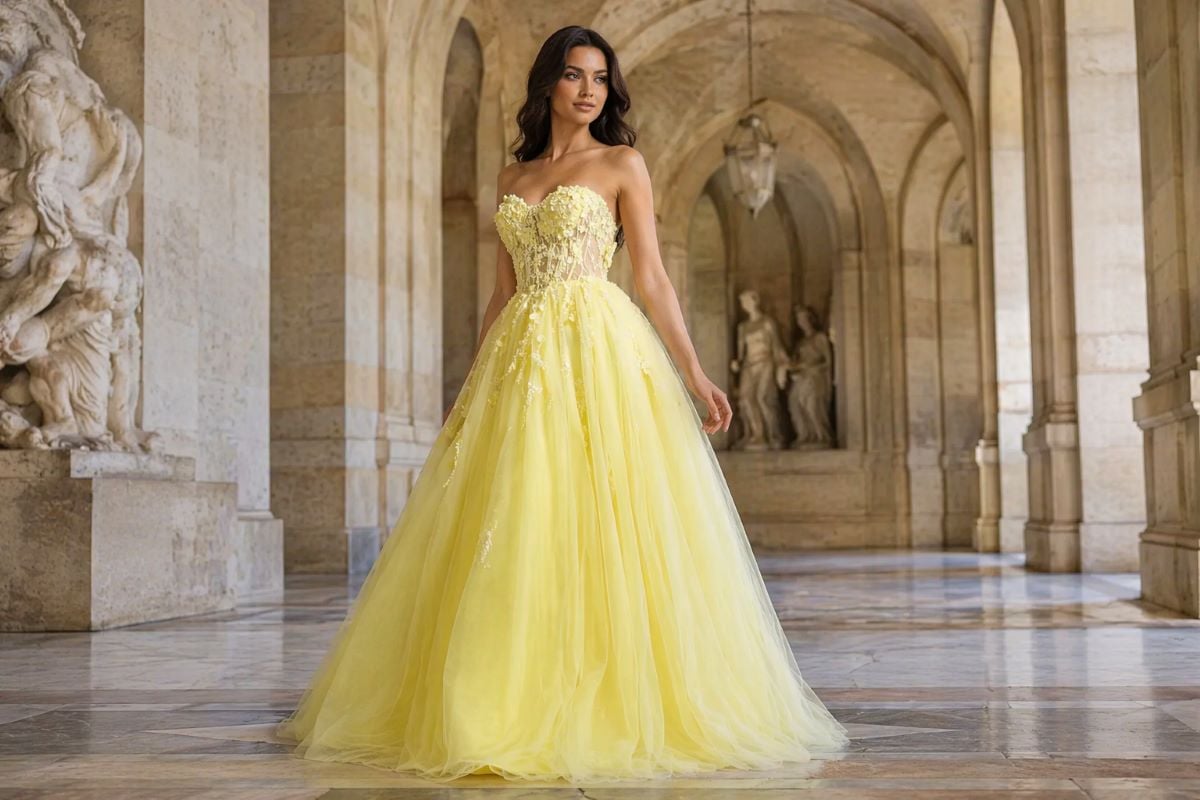

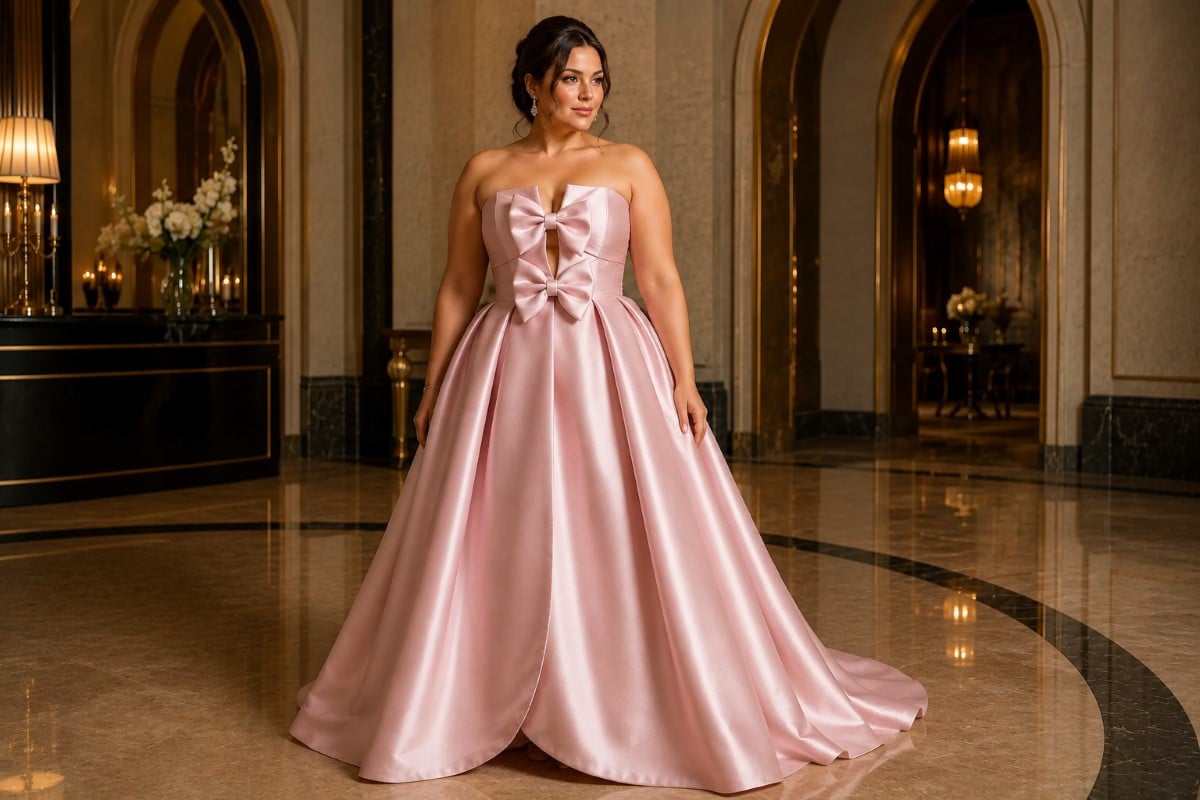
Shopping for a mother of the bride dress should feel like a celebration, not a negotiation with a fitting room mirror. For fuller-figured mothers, it too often becomes the second. The real options run thin, the construction feels like an afterthought, and most advice online leans on fear, telling you what to hide rather than what will genuinely make you feel wonderful. This guide takes a different approach. A plus size mother of the bride deserves the same quality, the same range of beautiful silhouettes, and the same confidence walking into the room as anyone else there. What follows is a complete, honest guide to what flatters a fuller figure, what to skip and the real reason why, and how to get the fit exactly right, so the dress works for your body and your day rather than against them.
Start with the right mindset, not a list of rules
Much of the plus-size mother of the bride advice online is built around concealment. Do not look matronly. Avoid anything that ages you. Hide this, minimize that. That framing is neither helpful nor accurate, and following it tends to produce a safe, forgettable outfit rather than a confident one.
The goal is not to make your body look like a different body. The goal is a dress that fits well, supports you properly, moves with you, and reflects your taste. Confidence on the wedding day comes from a gown that feels right, not from obeying rules designed around shame. Read the rest of this guide with that lens. Every recommendation here is about fit, construction, and proportion, never about minimizing who you are. If you want a wider view across all figures, our guide to flattering styles for every body type is a useful companion, but this article stays focused on the fuller figure specifically.
What actually makes a dress work on a fuller figure
The single biggest factor in whether a gown flatters is not the silhouette name on the tag. It is construction. A beautifully cut dress in a flimsy build will disappoint you, and a simple shape in a well-engineered build will look remarkable. Understanding what to look for inside the dress changes how you shop.
Internal structure and real support
A formal gown for a fuller figure needs genuine internal architecture. Look for steel boning through the bodice, which holds the shape and supports the bust instead of leaving the fabric to do that work alone. Look for a power mesh lining, which smooths the torso while still allowing natural movement. Built-in cups remove the need for a separate bra and keep the neckline clean. Wider straps spread weight comfortably across the shoulders rather than digging in. Reinforced seams at stress points handle a full day of sitting, hugging, and dancing without strain. This is the kind of engineering Jovani builds into its plus size gowns, and it is the difference between a dress that merely fits and one that feels secure for twelve hours. A gown without this structure shifts, gaps, and needs constant adjusting.

Fabric weight and how it behaves
Fabric choice matters as much as cut. Medium-weight fabrics with some body, such as crepe, mikado, and structured satin, skim the figure and hold a clean line. Very thin, clingy fabrics with no lining cling to every contour and rarely flatter anyone. Stiff, heavy fabrics can add visual bulk and stand away from the body awkwardly. Lace is a strong choice when it sits over a smooth lining, since it adds texture and interest while the lining does the smoothing underneath. Chiffon works beautifully when it floats over a structured base rather than serving as the only layer.
Proportion, not just a larger pattern
A well-made plus size gown is redesigned, not simply scaled up. Sizing a standard pattern larger pushes seams, darts, and waistlines to the wrong places. A dress engineered for a fuller figure places the waist seam where your waist actually sits, proportions the bodice correctly for the bust, and cuts the skirt to fall cleanly over the hips. When you try a dress and it feels balanced with very little tugging, that is good proportioning at work. Jovani has designed formalwear from its New York studio for more than forty years, and that long experience shows up in how its extended-size gowns are proportioned rather than enlarged.
The most flattering silhouettes for a plus size mother of the bride
No single silhouette is the right answer for everyone, and the best one depends on your shape and what you want to highlight. These are the styles that consistently work well for a plus size mother of the bride, with honest notes on who each one suits.
- A-line. The most universally reliable choice. A fitted bodice defines the waist, then the skirt flows gently over the hips and midsection without clinging. It flatters nearly every figure and moves easily through a long day. The range of A-line mom of the bride gowns is the widest place to find this shape.
- Sheath and column. A straighter, narrower cut that creates a long vertical line. It suits mothers who prefer a sleek, modern look and want elongation. It works best with strong internal structure and a medium-weight fabric, since a sheath relies on the build rather than volume. The sheath mother of the bride dresses selection offers fitted options with proper support.
- Empire waist. The seam sits just below the bust and the fabric releases from there, skimming the midsection. A comfortable, graceful choice, especially for mothers who want ease through the waist and stomach.
- Fitted bodice with a flowing skirt. A close cousin of the A-line that pairs a structured, defined top with a soft, full skirt. It creates balance through the figure and gives a romantic, formal feel.
- Mermaid and fit-and-flare. Honestly, this can absolutely work on a fuller figure, but it asks for two things: excellent internal support and a wearer who feels confident in a fitted shape. The dress traces the body through the hips before flaring, so the construction has to be genuinely good. If those boxes are checked, it is a formal, head-turning option. If you would spend the day adjusting it, choose an A-line instead.
Necklines and sleeves that work in your favor
Necklines frame your face, and sleeves decide your comfort with arm coverage. Both deserve real thought rather than a default choice.
A V-neck is one of the most flattering necklines for a fuller figure, since it draws the eye vertically and opens up the upper body. A sweetheart neckline softens the bust line and pairs naturally with a structured bodice. A scoop or off-shoulder neckline can be lovely, as long as the bodice has the support to sit securely through the day. A high, tight neckline can feel boxed in, though a well-cut high neck reads as elegant and intentional.
Sleeves are a personal comfort decision, and no rule requires coverage. That said, many mothers want some, and sleeves can be beautiful rather than apologetic. Three-quarter sleeves are a classic, comfortable choice that covers the upper arm while keeping the wrist free. For full coverage with a soft, formal finish, long sleeve mother of the groom dresses in lace or illusion fabric are an elegant option. Flutter sleeves and sheer cap sleeves give a light touch of coverage without warmth. If you prefer a sleeveless gown, choose one with wider, supportive straps, and remember a wrap or bolero can add coverage later. Arm coverage, when you want it, should be a style choice made with intention, not something added out of self-consciousness.

Choosing color and fabric with confidence
Color is where many plus size mothers are told to retreat into black or navy and stop there. Those are excellent choices, but they are far from the only ones.
Rich, saturated colors photograph beautifully and read as confident and celebratory. Deep jewel tones such as emerald, sapphire, and amethyst, along with berry, plum, and burgundy, flatter a wide range of skin tones. Navy and charcoal are timeless and reliable. Black is elegant and formal, particularly for evening weddings, and lace mother of the bride dresses in black give the depth of the color with the softness of texture. Metallics can be worn beautifully, though a slightly muted or matte metallic usually looks more refined than a high-shine finish.
The firm rules are short. Avoid white, ivory, cream, and pale champagne, which belong to the bride. Check the wedding color palette so you complement rather than clash with the bridal party and the mother of the groom. Beyond that, the color that makes you feel wonderful is the right one.

What to avoid, and the real reason why
Most plus-size dress advice frames what to avoid around hiding the body. That is the wrong question. The honest version of this list is about fit and construction failures, the things that genuinely make a dress uncomfortable or unflattering at any size.
- A standard dress simply sized up. A scaled-up pattern puts seams and waistlines in the wrong places, so it gaps, pulls, and never sits right. Choose gowns designed for a fuller figure from the start.
- Unstructured, boxy shapes. A dress with no waist definition and no internal support hangs straight down and adds visual bulk. The fix is structure, a defined waist and proper boning, not a tighter dress.
- Very thin, clingy fabric with no lining. Unlined thin jersey or low-quality satin clings to every line and wrinkles constantly. A lined, medium-weight fabric solves this completely.
- Bodices without real support. Thin spaghetti straps that dig in, or a bodice that relies only on stretch, leave you adjusting all day. Look for wider straps, boning, and built-in cups instead.
- Buying a size down. A dress that is too tight is uncomfortable, pulls across the bust and back, and photographs poorly. Buy the size that fits your largest measurement and have it altered. A dress should never be a goal to fit into.
- Embellishment scattered everywhere. Heavy all-over beading or a busy print across the entire dress can overwhelm. Embellishment placed with intention, at the neckline, the waist, or as a graceful trail, looks far more refined.
- The wrong hem length. A hem that ends at the widest part of the calf or drags on the floor undermines an otherwise good dress. The right length is a quick alteration and worth getting exactly right.

Getting the fit perfect: sizing, shapewear, and alterations
Even the best dress needs the right size and a final fitting. This stage is where a good gown becomes a great one, and it matters more for a fuller figure than for almost anyone else.
Sizing comes first. Formal sizing runs differently from everyday clothing, and many mothers fall between sizes or measure into different sizes at the bust, waist, and hip. The reliable approach is to order to your largest measurement and alter the rest down, since taking a dress in is straightforward while letting it out is limited. If you are unsure how to measure or read a size chart, our guide on how to get the sizing right walks through it clearly.
Shapewear, honestly. Shapewear is optional, not required. A well-constructed gown with a power mesh lining already smooths a great deal on its own. If you do choose shapewear, prioritize comfort above everything, since you will wear it for many hours. Choose a breathable piece in the correct size, and test it for a full afternoon before the wedding. Shapewear that leaves you uncomfortable or short of breath is not worth it, and feeling at ease matters far more than a marginal change in line.
Alterations. Nearly every formal gown benefits from professional alterations, and for a fuller figure they are especially valuable. A tailor can adjust the bust, take in the waist, set the strap length, and perfect the hem so the dress fits you and no one else. Build this into your schedule and plan your alterations with enough lead time for a second fitting if needed.
Comfort for a long and emotional day
A wedding day is long. You will stand for the ceremony, sit for the meal, move through hours of photographs, hug a great many people, and hopefully dance. The dress has to let you do all of it.
Choose a gown you can move in easily, with a skirt that allows a natural stride and a bodice that lets you raise your arms and breathe comfortably. Think about temperature, since ceremonies and evening receptions often run cold, and plan a wrap or jacket if you want both coverage and warmth. Choose shoes you can genuinely stand in for hours, and break them in well beforehand. Pick smooth, comfortable undergarments. None of this is a compromise on elegance. A mother who is comfortable looks relaxed and radiant in every photograph, and that ease is a real part of looking your best.
Start early. The single most practical piece of advice for any plus size mother of the bride is to begin the search six to eight months before the wedding. That lead time covers ordering, shipping, and at least one round of alterations without stress, and it gives you the full range of styles rather than whatever happens to arrive quickly.

about plus size mother of the bride dresses FAQ’s
What is the most flattering dress style for a plus size mother of the bride?
The A-line is the most universally flattering, since a fitted bodice defines the waist while the skirt skims the hips and midsection. Empire waist styles and fitted bodices with flowing skirts also work very well. The best choice depends on your shape and what you want to highlight, and strong internal construction matters more than the silhouette name.
What should a plus size mother of the bride avoid wearing?
Avoid dresses that are standard patterns simply sized up, unstructured boxy shapes with no waist definition, very thin unlined fabrics that cling, and bodices without real support. Also avoid buying a size too small. None of these relate to hiding your body. They are genuine fit and construction problems that make a dress uncomfortable.
Should a plus size mother of the bride wear shapewear?
Shapewear is entirely optional. A well-built gown with a power mesh lining already smooths the silhouette. If you choose shapewear, prioritize comfort, pick the correct size, choose a breathable style, and test it for a full afternoon first. Feeling comfortable through the long day matters more than a small change in line.
What colors look best on a plus size mother of the bride?
Rich jewel tones such as emerald, sapphire, plum, and burgundy photograph beautifully and flatter many skin tones. Navy, charcoal, and black are timeless and formal. Muted metallics work well too. The only colors to avoid are white, ivory, cream, and pale champagne, and you should always check the wedding palette before deciding.
Can a plus size mother of the bride wear a fitted or mermaid dress?
Yes. A fitted or mermaid silhouette can look striking on a fuller figure, provided the dress has excellent internal support and you feel confident in a fitted shape. The construction has to be genuinely good, since the dress traces the body. If you would spend the day adjusting it, an A-line is the more comfortable choice.
How far in advance should a plus size mother of the bride order her dress?
Begin the search six to eight months before the wedding. That timeline allows for ordering, shipping, and at least one round of alterations without pressure, and it gives you access to the full range of styles rather than only quick-ship options.
When you are ready to see how thoughtful construction and a genuinely inclusive size range come together, explore the plus size mom of the groom gowns collection through an authorized Jovani retailer.