
The Art of Tonal Dressing: Mastering the Monochromatic Evening Gown
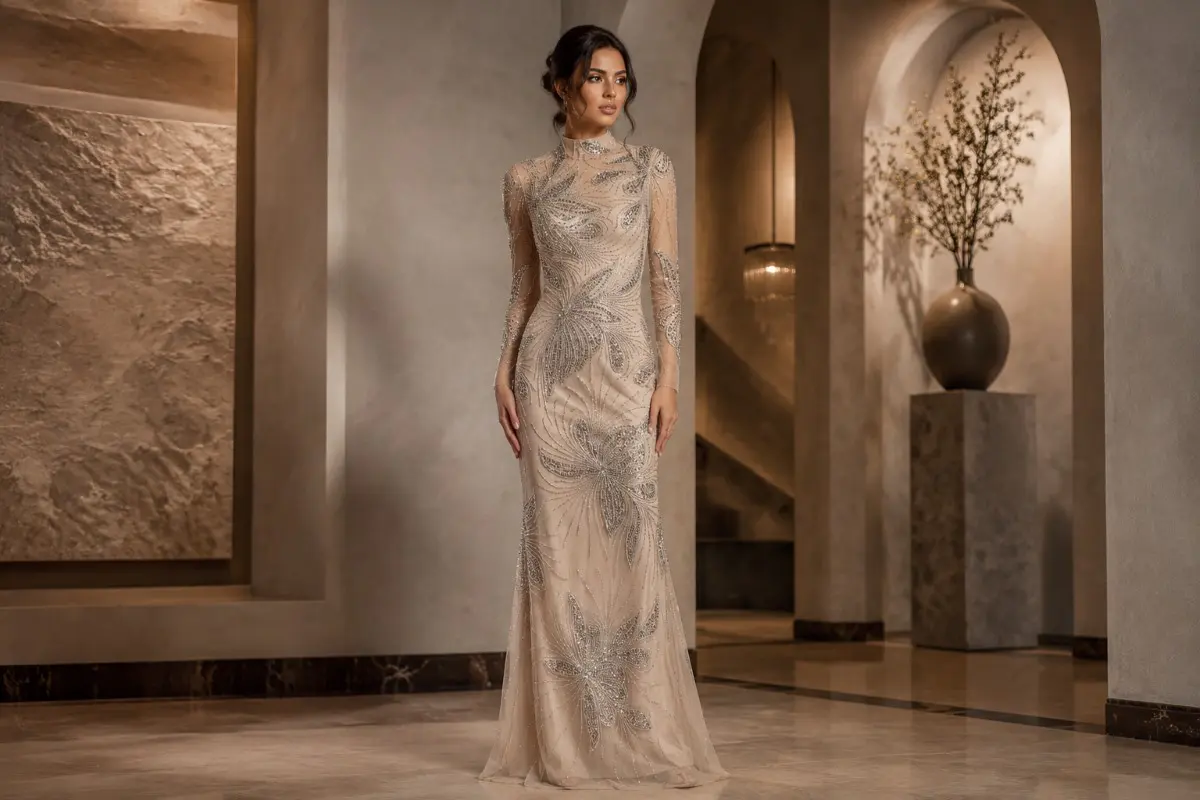
Stepping into a formal event requires more than just wearing a beautiful piece of clothing; it demands a distinct presence, an aura of sophistication, and an undeniable sense of personal style. In the vibrant landscape of American formalwear, where trends constantly shift between maximalist prints, heavy color-blocking, and intricate multi-colored designs, the monochromatic evening gown stands as a beacon of quiet luxury and unwavering confidence. There is an undeniable power in committing to a single hue from head to toe. It is a highly deliberate styling choice that projects absolute certainty, drawing the eye naturally and continuously without the distraction of competing colors. However, executing this look flawlessly is an art form that requires meticulous attention to detail.
Coordination without competition means understanding that when you intentionally remove color variation from your outfit, every other element of your ensemble must carry the visual weight. The texture of the fabric, the precision of the silhouette, the structural draping, and the subtlety of your chosen accessories suddenly become the stars of the show. Mastering the monochromatic look is about creating depth, dimension, and intrigue through intelligent design rather than sheer pigment. It is a fashion strategy that allows the wearer’s natural beauty and the gown’s architectural brilliance to seamlessly take center stage, creating a look that is both highly editorial and timelessly elegant.
The Philosophy Behind Tonal Dressing for Formal Events
At its core, tonal dressing for formal events is rooted in the concept of visual continuity. When an outfit is composed entirely of a single color family, it creates an uninterrupted vertical line that is inherently elongating, profoundly flattering, and incredibly chic. This approach to styling is not about taking the easy way out or playing it safe because you cannot decide how to mix colors. Rather, it is a deliberate, highly calculated editorial choice frequently seen on the world’s most prestigious red carpets, from the Met Gala to the Academy Awards.
The philosophy here centers on the idea that restriction breeds creativity. By intentionally limiting the color palette, both the designer and the wearer are forced to pay much closer attention to the structural integrity and physical quality of the garment. For those seeking the absolute pinnacle of this aesthetic, selecting from expertly crafted designer formal dresses ensures that the foundational garment possesses the necessary tailoring, premium materials, and structural boning to carry a single-color look beautifully. Without the safety net of multiple colors to distract the eye from poor tailoring, the drape of the skirt, the placement of the seams, and the organic movement of the fabric become the true focal points of the entire aesthetic.
Elevating Simplicity into High Fashion
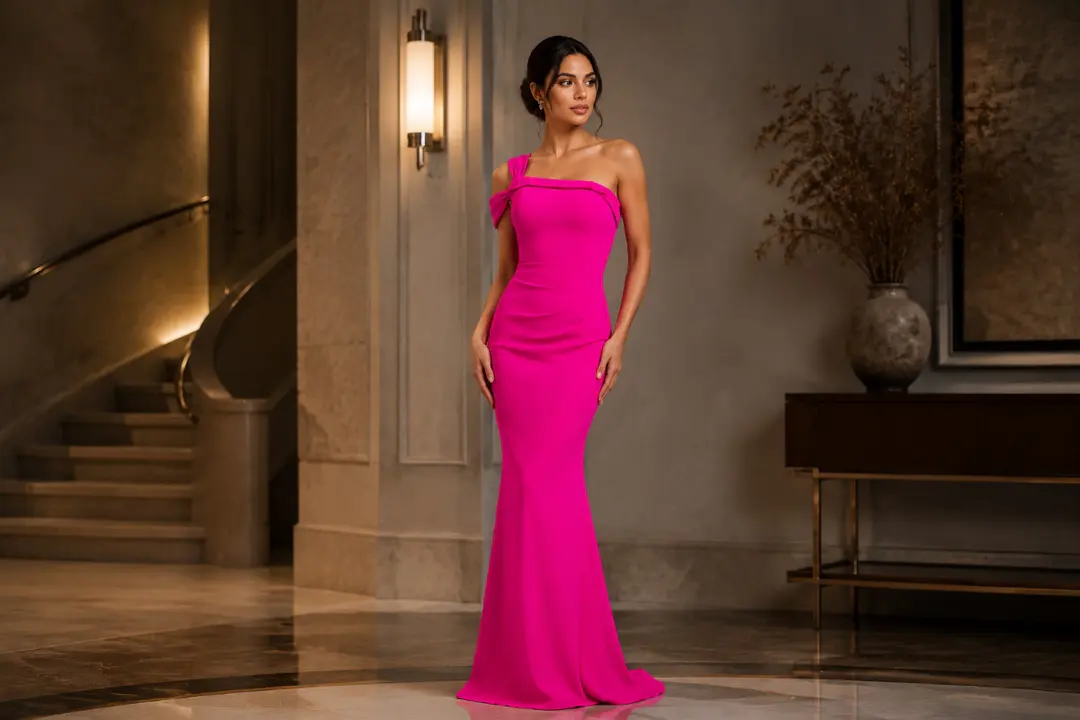
A common misconception among event-goers is that a single-color evening dress lacks the inherent drama required for a major gathering like a black-tie wedding, a sophisticated charity ball, or a high-society gala. In reality, the exact opposite is true. A monochromatic palette acts as a pristine canvas that actively magnifies the intricate details of a gown that might otherwise get lost in a busy print. Intricate pleating becomes more defined, asymmetrical draping feels far more sculptural, and the interplay between light and shadow on the fabric becomes a dynamic, living part of the look. The simplicity of the color palette actively allows the complexity of the design to shine through, effortlessly transforming a seemingly basic concept into an undeniable statement of high fashion.
The Elongating Effect of a Single Color
From a strictly visual perspective, the monochromatic evening gown is a powerful tool for proportion management and silhouette enhancement. When the human eye observes an outfit broken up by contrasting colors—for example, a stark white bodice paired with a heavy black skirt—the visual journey is abruptly broken at the waistline. This horizontal break can inadvertently shorten the appearance of the wearer, cutting the body in half. Conversely, a gown executed in a single, continuous color encourages the viewer's eye to sweep smoothly and uninterrupted from the neckline all the way down to the sweeping hem. This optical illusion makes the wearer appear significantly taller, leaner, and more regal, offering a sleek, statuesque quality that is highly sought after in luxury formal wear.
The Psychological Impact of a Unified Palette
Beyond aesthetics, there is a distinct psychological advantage to wearing a single color. Fashion psychologists often note that monochromatic dressing projects an image of ultimate control, organization, and self-assuredness. When a woman walks into a ballroom wearing head-to-toe sapphire or completely unified emerald, she communicates that she knows exactly who she is and what she wants to project. It removes visual clutter, presenting a singular, strong, and highly focused identity that commands respect and admiration from across the room.
The Importance of Texture in a Monochromatic Evening Gown
When bold color variation is removed from the fashion equation, texture must immediately step in to provide visual interest and necessary depth. Wearing a flat, entirely untextured fabric in a single color can sometimes read as one-dimensional or flat, especially under the harsh, multi-directional lighting of a grand ballroom or the bright flashes of event photography. To successfully prevent a monochromatic look from feeling heavy, boring, or uninspired, leading fashion experts rely heavily on the dynamic interplay of different materials, textile finishes, and surface embellishments.
The Power of Embellishment and Appliqué
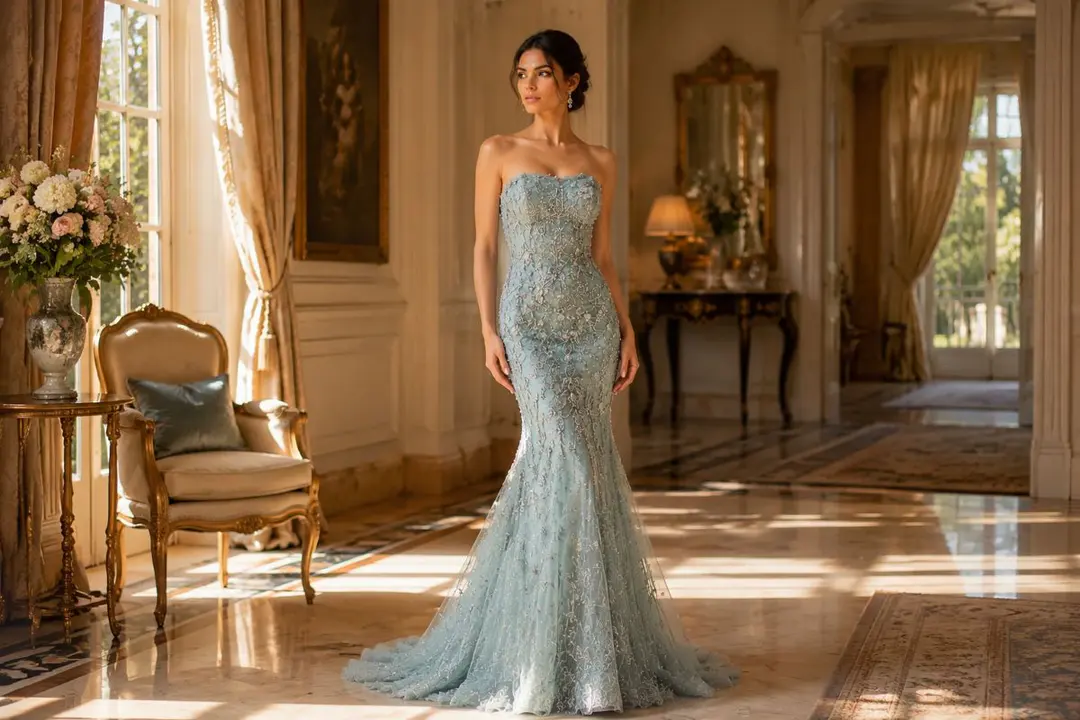
One of the most effective and luxurious ways to introduce compelling texture into a monochromatic look is through intricate, tone-on-tone embellishments. Consider the immense visual impact of beaded evening gowns where the exquisite beadwork perfectly matches the exact shade of the underlying fabric. The color remains flawlessly unified, but the surface of the gown catches, refracts, and reflects light from every conceivable angle. This creates a mesmerizing, liquid-like, shimmering effect as the wearer moves through the venue. Similarly, three-dimensional floral appliqués, delicate French lace overlays, or complex sequin patterns executed in the exact same hue as the base fabric add a rich, highly tactile dimension that elevates the entire ensemble to couture levels.
Mixing Matte and Shine
If a gown is not heavily embellished with crystals or beads, the strategic choice of fabric becomes even more critical to the outfit's success. High-end designers often utilize materials that naturally possess a dynamic, self-illuminating finish, such as heavy silk mikado, rich crushed velvet, or high-quality luminous stretch crepe. Another highly advanced technique for how to style a single-color gown is to mix varying fabric finishes within the exact same color family. A brilliant gown might feature a deeply matte jersey bodice paired with a highly luminous satin overskirt, or perhaps a matte crepe sheath accented by shiny taffeta ruffles. This subtle but brilliant contrast in how the different materials absorb and reflect light creates distinct boundaries and beautiful shape within the outfit, all without ever breaking the golden rule of the monochromatic palette.
Fabric Weight and Movement
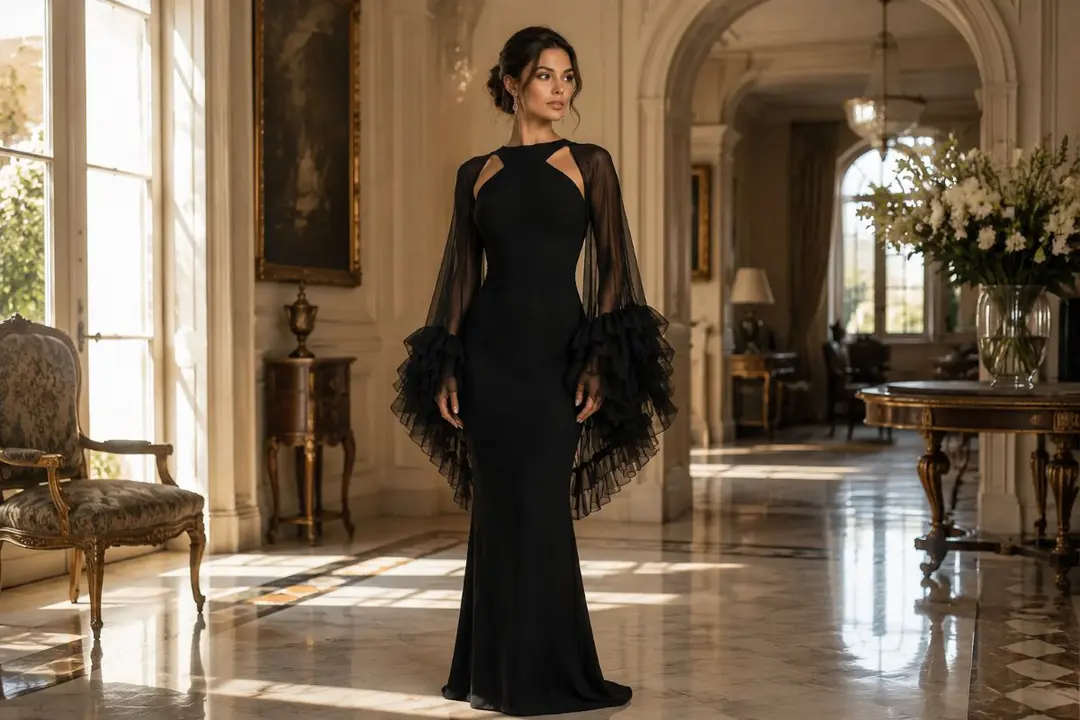
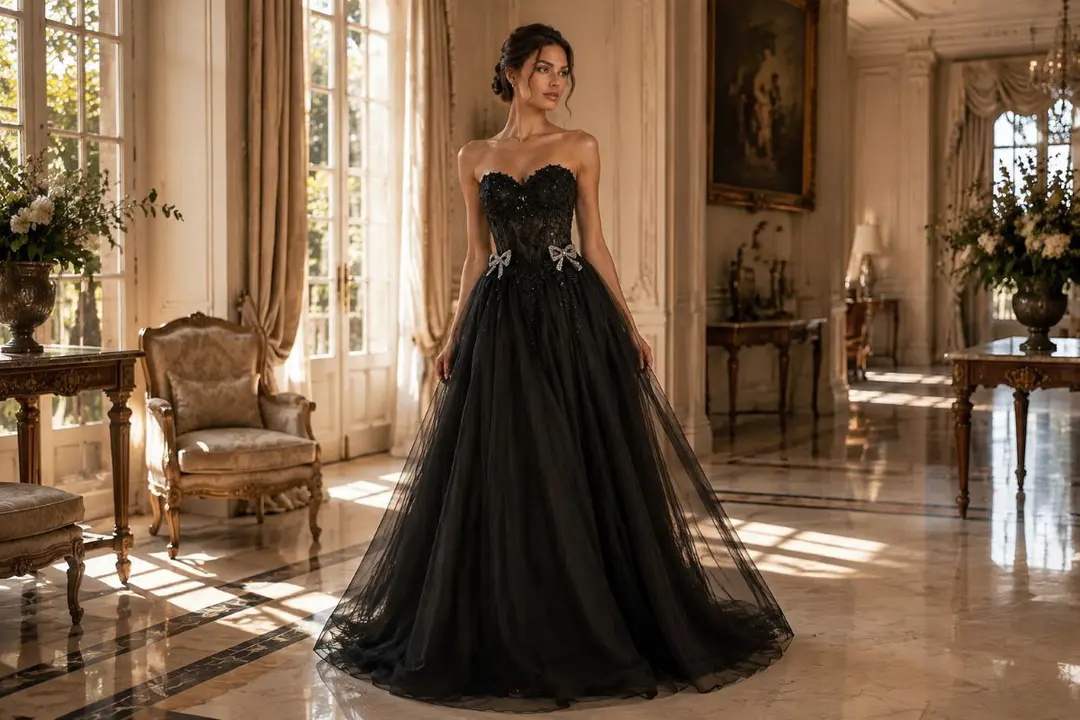
The physical weight of the fabric also plays a crucial role in tonal dressing. A heavy, structured fabric like brocade or faille in a single color commands attention through its sheer architectural presence—it holds its shape, creating a bold, imposing silhouette. On the other hand, lightweight, airy fabrics like silk chiffon, organza, or fine tulle in a monochromatic hue rely on volume, layering, and organic movement to create interest. As the wearer walks, a single-color chiffon gown billows and shifts, creating different saturations of the color as the fabric folds over itself, providing a dynamic visual experience that a static picture can hardly capture.
Color Masterclass: Navigating Different Hues
While the foundational principles of tonal dressing apply universally across the spectrum, the specific color you choose dramatically alters the mood, the required styling approach, and the overall impact of your appearance. Selecting the perfect hue involves carefully considering the specific event's atmosphere, the season of the year, the dress code, and, most importantly, the wearer’s individual skin undertones.
The Timeless Authority of Noir
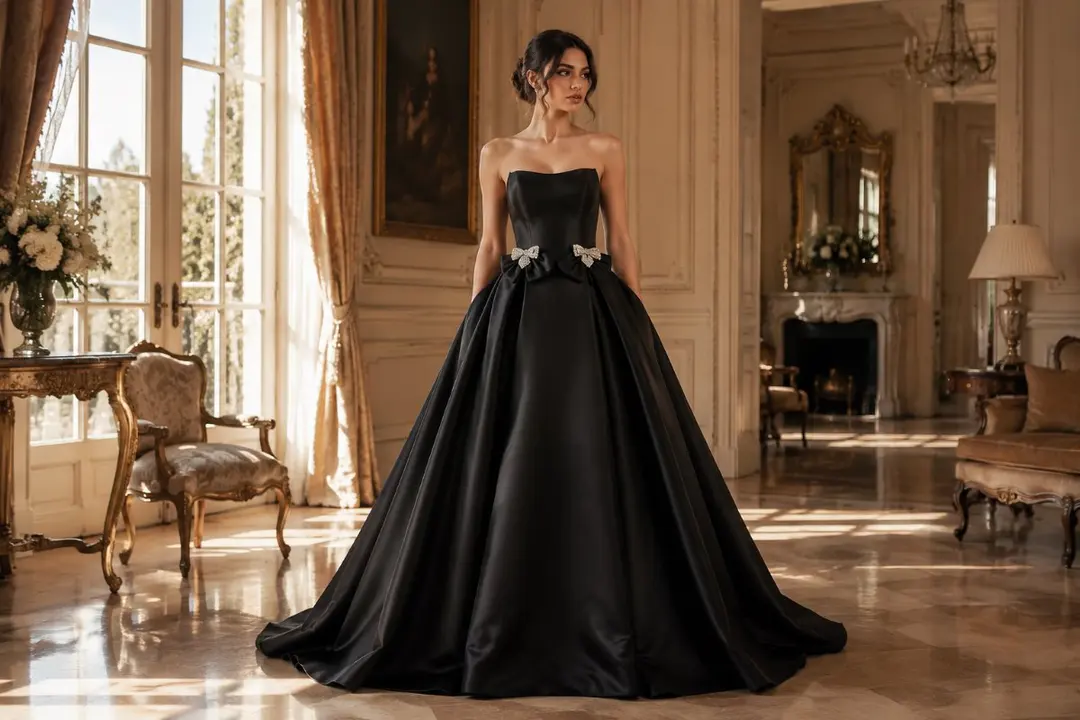
There is perhaps no better, more foolproof starting point for mastering monochromatic styling than the classic dark palette. High-quality black evening dresses are the absolute cornerstone of American formalwear, representing the ultimate in timeless sophistication, mystery, and chic restraint. However, an all-black ensemble runs the slight risk of looking like a visual void—or worse, mourning attire—if not styled correctly. To maximize the impact of a black monochromatic look, it is vital to focus heavily on architectural silhouettes and strategic skin-baring elements like dramatic plunging necklines, sheer illusion panels, daring open backs, or high thigh slits. The natural contrast between the stark, light-absorbing black fabric and the warm glow of the wearer's skin provides the necessary visual break, ensuring the gown looks fiercely intentional, striking, and undeniably glamorous.
Making a Statement with Crimson and Ruby
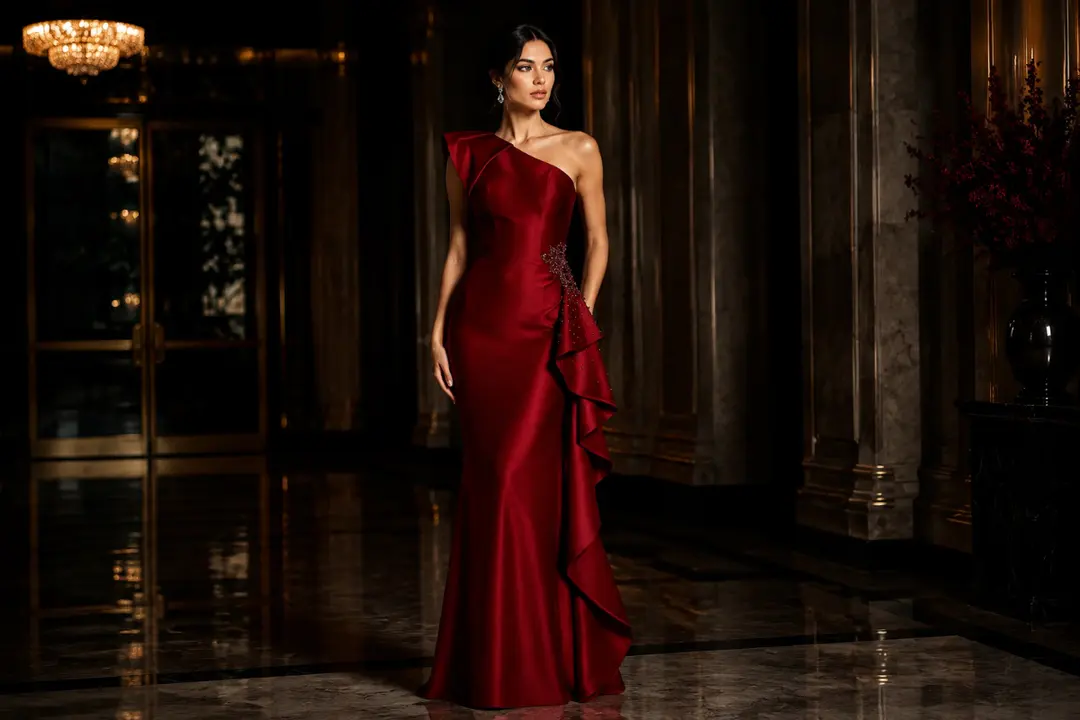
For the woman who wishes to command the room the very second she makes her entrance, an all-red ensemble is entirely unmatched in its power. Choosing to wear bold red formal gowns requires a certain elevated level of confidence, as this color inherently draws immediate and sustained attention. When styling a red monochromatic evening gown, the key is to lean fully into the drama while maintaining extreme, meticulous polish. Because the color itself is so inherently loud and passionate, the tailoring of the dress must be beyond impeccable. A slightly mismatched red shoe, or a subtle clash in undertones (for example, accidentally mixing a warm orange-red clutch with a cool blue-red gown), will instantly disrupt the visual harmony. Absolute precision is paramount when dealing with highly saturated, look-at-me hues.
Soft Neutrals and Ethereal Pastels
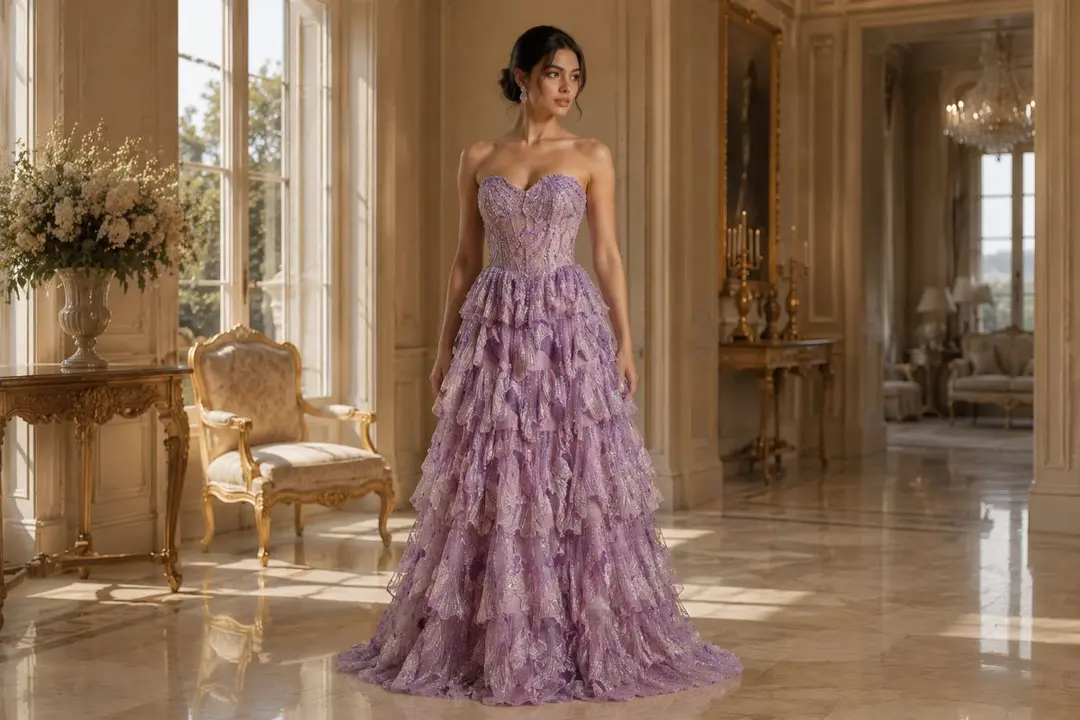
Beyond the intense extremes of black and red, softer neutrals and delicate pastels offer magnificent, highly sophisticated opportunities for tonal dressing. An all-champagne, soft blush, or stark ivory look exudes a soft, ethereal romance that is absolutely perfect for spring galas, formal summer garden parties, or daytime luxury events. When executing a light neutral monochromatic look, the quality of the fabric is fully on display, meaning cheap materials cannot hide. Ensuring the gown is lined properly and falls perfectly is essential. Soft pastels in ice blue, mint, or lavender can also create a dreamy, highly editorial aesthetic that stands out in a sea of dark evening wear.
Rich Jewel Tones for Evening Elegance
Deep jewel tones like emerald green, sapphire blue, rich amethyst, or regal plum provide a profound sense of luxury, warmth, and opulence, making them particularly well-suited for autumn and winter black-tie affairs. These colors look exceptionally beautiful on a wide range of skin tones and offer a level of vibrancy that black lacks, while maintaining the same level of formal appropriateness. When working with jewel tones, finding accessories in the exact identical shade can sometimes be challenging. This is precisely where the concept of "tonal grading"—using slightly lighter or darker variations of the exact same base color—becomes an invaluable styling technique that adds depth without ruining the cohesive aesthetic.
Silhouette Synergy in a Single-Color Evening Dress
The physical shape and cut of the gown serve as the architectural framework that physically supports the monochromatic concept. Because there are no contrasting color blocks to visually define the waistline, shape the hips, or highlight the bustline, the actual cut of the single-color evening dress must do all the heavy lifting. A well-constructed monochromatic dress should expertly sculpt, support, and enhance the body through masterful draping, highly strategic seaming, and built-in, premium corsetry.
Sculptural Elegance and Precision
For those who wish to proudly highlight their natural curves and create a sensuous profile, form-fitting silhouettes are incredibly effective when executed in a single color. The sleek, body-hugging lines of mermaid formal outfits benefit tremendously from a monochromatic palette. The uninterrupted sweep of color allows the dramatic, theatrical flare of the trumpet skirt to take full effect without visually cutting the body in half at the knee. The eye naturally follows the curve of the torso, down over the hips to the knee, and gently flares out with the fabric, creating an exaggerated hourglass illusion that is both powerful, feminine, and supremely elegant.
Volume, Movement, and Grandeur
If the primary goal of your evening wear is to create a breathtaking sense of sweeping grandeur, volume is undoubtedly your best ally. Classic, fairytale-inspired A-line evening dresses fabricated in a single, solid, rich color offer a regal, almost royal aesthetic. The sheer amount of fabric used in a voluminous ballgown or A-line skirt provides its own built-in texture through natural, sweeping folds, pleats, and graceful movement. In a monochromatic palette, a large skirt feels intensely sophisticated rather than overly sweet or overwhelming, allowing the wearer to confidently command physical space in the ballroom while maintaining an air of refined, mature grace.
Flattering Every Figure
The elongating, unifying, and streamlining benefits of monochromatic styling make it an exceptionally brilliant choice for absolutely every body type. When exploring luxury plus size evening dresses, selecting a single-color garment with strategic, asymmetrical ruching, a supportive corset bodice, or a gently flowing empire waist can provide incredible structural support and a beautiful, sweeping silhouette. The total lack of harsh color-blocking safely prevents the eye from stopping at any single part of the body, instead encouraging a highly fluid, vertical gaze that celebrates the wearer's full shape with immense elegance, dignity, and high-fashion flair.
Seasonal Guide to Monochromatic Styling
Understanding how to adapt the single-color strategy across different seasons ensures that your formalwear is always appropriate for the climate and the specific vibe of the event.
Spring and Summer Galas
During the warmer months, monochromatic styling should feel light, breezy, and effortlessly radiant. Opt for fabrics that breathe easily, such as silk chiffon, georgette, and fine lace. Color palettes should lean towards the luminous: bright fuchsia, sunny marigold, soft lilac, or pure, striking white. A single-color gown in the summer relies heavily on movement, so silhouettes featuring thigh-high slits, open backs, and flowing capes or overskirts are ideal. Accessories should remain delicate to avoid weighing down the visual lightness of the seasonal look.
Autumn and Winter Black-Tie Events
As the weather cools, the monochromatic aesthetic shifts toward richer, heavier, and more deeply saturated territory. This is the time to embrace opulent fabrics like plush velvet, heavy satin, and intricate brocade. Deep burgundies, midnight blues, forest greens, and dark charcoals rule the winter landscape. Long sleeves, high necklines, and heavier embellishments feel incredibly appropriate. During the winter, you can also introduce monochromatic outerwear, such as a faux fur stole or a tailored evening coat in the exact same shade as the gown, creating an absolutely breathtaking, fully cohesive winter formal ensemble.
How to Accessorize for a Cohesive Evening Look
The absolute true test of a successfully executed monochromatic ensemble lies entirely in the accessories. This is the crucial stage where the look either coalesces into a masterful masterpiece of editorial styling or unfortunately falls flat due to slight, jarring mismatches. Knowing exactly how to accessorize an evening dress when strictly restricted to a single color family requires patience, an exceptional eye for detail, and a willingness to play with highly subtle visual variations.
Matching Accessories for Formal Wear
When we talk about sourcing matching accessories for formal wear within a strict monochromatic theme, we are primarily referring to the evening shoes, the clutch or handbag, and occasionally, an elegant wrap, shawl, or cape. There are two primary, highly respected approaches to this:
- Exact Matching (Dyed-to-Match): This is the most traditional, formal, and arguably the most difficult approach to execute flawlessly. It involves finding shoes and a clutch crafted from the exact same fabric or custom-dyed to the precise, identical Pantone shade of the gown. When done correctly, this creates a seamless, gloriously uninterrupted visual flow that is incredibly polished and fiercely traditional.
- Tonal Variation: This is a slightly more modern, relaxed, yet equally fashion-forward approach. Instead of agonizing over finding the exact, flawless match, you intentionally select accessories that are one clear shade lighter or one distinct shade darker than the gown. For example, a mid-tone sapphire blue evening gown could be beautifully paired with deep, dark navy satin heels and a slightly brighter, icy blue clutch. This adds intentional dimension and securely prevents the outfit from looking like a flat uniform.
Jewelry Selection: To Blend or to Punctuate?
Fine jewelry plays a highly unique and important role in creating a cohesive evening look. Since you have completely removed contrasting colors in your clothing, your chosen metals and gemstones must step up to provide the necessary sparkle, light, and framing for your face.
If you are wearing a cool-toned gown (such as silver, icy blue, violet, or true black), sticking with white gold, platinum, clear diamonds, or high-quality crystals will beautifully enhance the frosty, sleek, cohesive aesthetic. If your gown falls into the warm-toned category (such as ruby red, rich gold, burnt orange, or emerald), yellow gold settings will gorgeously complement the innate richness of the fabric.
For the ultimate, die-hard dedication to the monochromatic aesthetic, some avant-garde stylists choose gemstones that perfectly match the dress—such as wearing massive emerald earrings with an emerald gown, or rubies with a red dress. However, opting for brilliant, clear diamonds or highly subtle metallic tones is generally considered the safest, most elegant, and most universally flattering way to add necessary light to the face without disrupting the single-color theme.
The Role of Hair and Makeup in Monochromatic Styling
When the clothing is fiercely restrained to just one color, the face and hair suddenly become highly prominent features of the overall presentation. The beauty look must act as a bridge, harmonizing perfectly with the gown rather than fighting it for attention or clashing drastically.
If you have chosen to wear a highly saturated, incredibly vibrant color, like a hot pink, canary yellow, or electric blue monochromatic evening gown, it is almost always best to keep the makeup beautifully neutral, glowing, and restrained. A soft nude or dusty rose lip, flawless, radiant skin, and subtle, warm eye contouring allow the vividness of the dress to safely remain the focal point.
Conversely, if you are wearing a highly muted, subtle neutral, like soft beige, deep charcoal, or pale blush, you have the creative freedom to introduce a powerful statement beauty look. A bold, matte red lip or a dramatic, heavily smoked-out eye can provide the necessary contrast and drama to elevate a subdued colored gown, ensuring the wearer’s face is not completely washed out by a massive expanse of neutral fabric.
Hair should always echo the silhouette and the "attitude" of the dress. A sleek, highly architectural column gown in a single color pairs beautifully with a sharp, structural updo or a fiercely slicked-back, modern style. A romantic, flowing, heavily draped gown in a soft pastel naturally benefits from loose, cascading waves or a highly relaxed, textured, romantic chignon.
The Jovani Standard in Monochromatic Design
Crafting a flawless, single-color dress is not a task for amateurs; it requires a profound, masterful understanding of fit, fabric behavior, and human form. A fashion brand simply cannot hide poor tailoring, bad seams, or cheap fabric behind a distracting, loud print when working with one solid color; the internal and external construction must be absolutely immaculate. Jovani has long been globally recognized as a premier, trustworthy authority in the luxury evening wear industry precisely because of its unwavering commitment to these foundational, high-quality design principles.
Jovani’s elite design team intentionally approaches every single monochromatic evening gown with the strict understanding that the outer silhouette and the internal, hidden structure are paramount to the garment's success. By exclusively utilizing premium, heavy-weight fabrics that drape beautifully and integrating expert, high-end corsetry that supports, lifts, and flatters the body, Jovani consistently creates single-color garments that are structurally sound, highly comfortable, and visually breathtaking. Because Jovani strictly does not sell directly to consumers, these meticulously crafted, investment-level pieces are made available exclusively through a highly vetted network of trusted luxury boutiques and authorized retailers across the United States. This vital business model ensures that absolutely every woman who chooses a Jovani gown receives the personalized, one-on-one fitting and expert styling advice necessary to pull off a powerful, cohesive, and profoundly sophisticated monochromatic look.
When you deliberately choose Jovani for your most important formal events, you are choosing a heritage brand that intimately understands the subtle, powerful magic of tonal dressing, virtually guaranteeing a grand entrance that is memorable for all the right reasons.
FAQs About Monochromatic Formal Wear
1. Is a monochromatic evening gown appropriate for a strictly black-tie wedding?
Absolutely. A single-color gown is widely considered one of the most elegant, respectful, and sophisticated choices for a black-tie wedding. It is highly refined, exceptionally polished, and photographs beautifully alongside the bridal party. As long as you strictly avoid white, ivory, champagne, or overly bridal shades (unless specifically and explicitly requested by the couple), a gorgeous tonal look in deep navy, forest green, rich plum, or even a sophisticated, muted metallic is perfectly and seamlessly aligned with traditional black-tie etiquette.
2. Does a single-color dress actually make you look slimmer and taller?
Yes, tonal dressing is universally praised by stylists as one of the most flattering styling techniques available for all body types. By wearing one solid color from head to toe, you entirely remove any horizontal visual breaks that naturally occur when mixing different colored tops, belts, and skirts. This creates a continuous, unbroken vertical line that naturally and effortlessly elongates the human frame, creating a slimming, highly statuesque, and regal silhouette.
3. How do I accurately choose the right color for my skin tone when wearing just one hue?
When wearing a single color, a massive amount of that specific fabric will reflect closely against your face and neck, making your choice of personal undertone absolutely critical. If you have cool undertones (your veins appear blue, and silver jewelry looks best on your skin), you should gravitate towards jewel tones like icy sapphire, rich emerald, and cool-toned, blue-based reds. If you have warm undertones (your veins appear slightly green, and gold jewelry looks best on you), earthy tones, warm corals, rich golds, and bright tomato reds will make your complexion naturally glow.
4. Can I mix metallic accessories with a single-color dress, or does it ruin the theme?
Yes, you can absolutely use metallics. In high-end formalwear, high-quality metallic accessories functionally act as luxurious neutrals. If you are struggling to find a shoe or clutch in the exact, perfect shade of your gown, a metallic option is the perfect, stress-free solution. Choose silver, white gold, or platinum to beautifully complement cool-toned dresses, and yellow gold or bronze to heavily enhance warm-toned dresses. This provides a necessary touch of glamour without breaking the high sophistication of the single-color theme.
5. Do I absolutely have to wear the exact same dyed shade of shoes as my dress?
While custom "dyed-to-match" shoes offer a very traditional, highly formal, and seamless look favored by pageant contestants and traditionalists, it is absolutely not a strict requirement for modern, fashion-forward formalwear. You can easily opt for a more modern "tonal" approach by choosing a beautiful shoe that is slightly darker or lighter than your dress. Alternatively, you can use a subtle, barely-there metallic or a skin-matching nude shoe that visually extends the line of your leg without drawing any unnecessary attention away from the brilliant gown itself.
For your next unforgettable, high-society event, discover the absolute perfect balance of color, structural fit, and quiet luxury by exploring the full, breathtaking collection of Jovani evening wear at your nearest authorized luxury retailer.