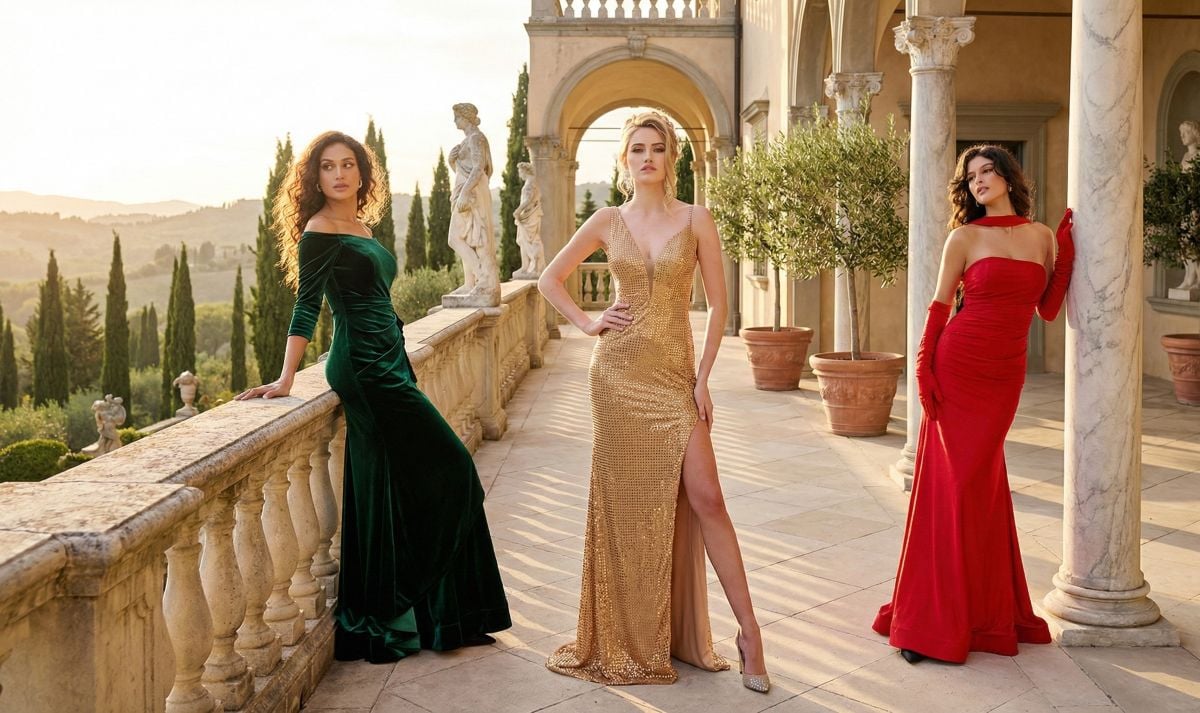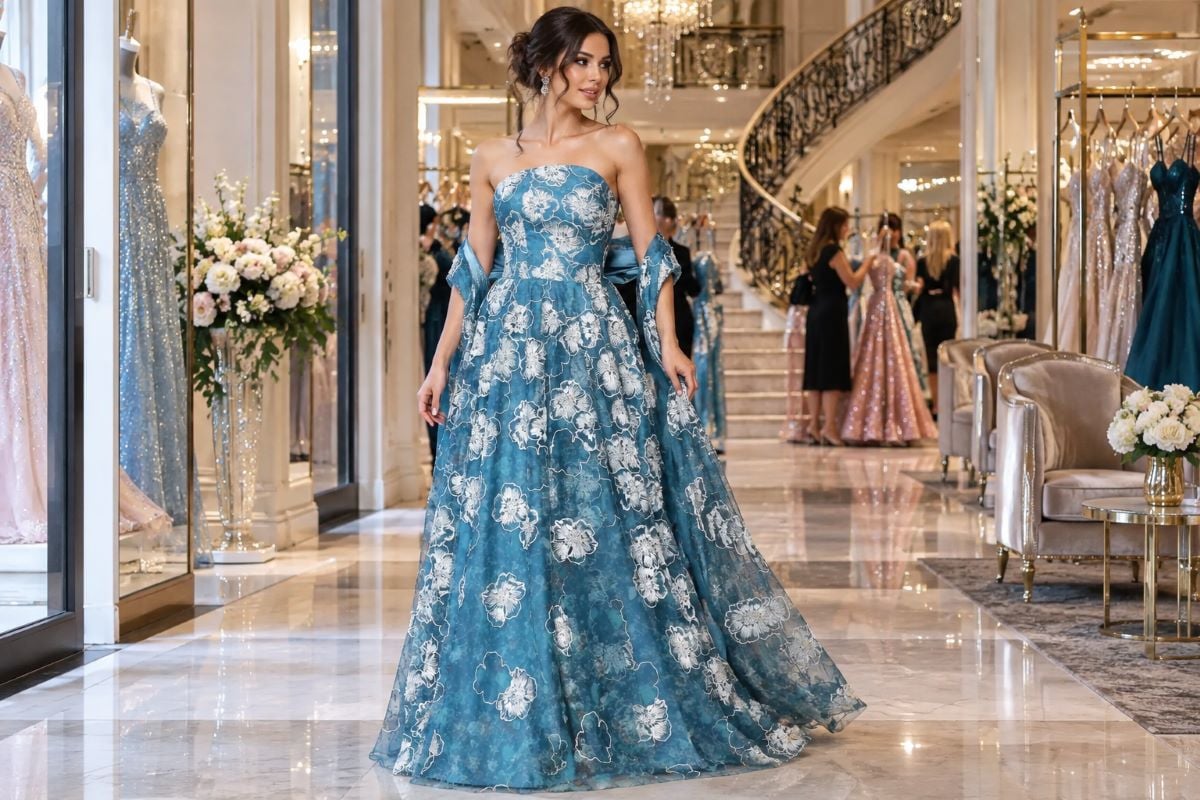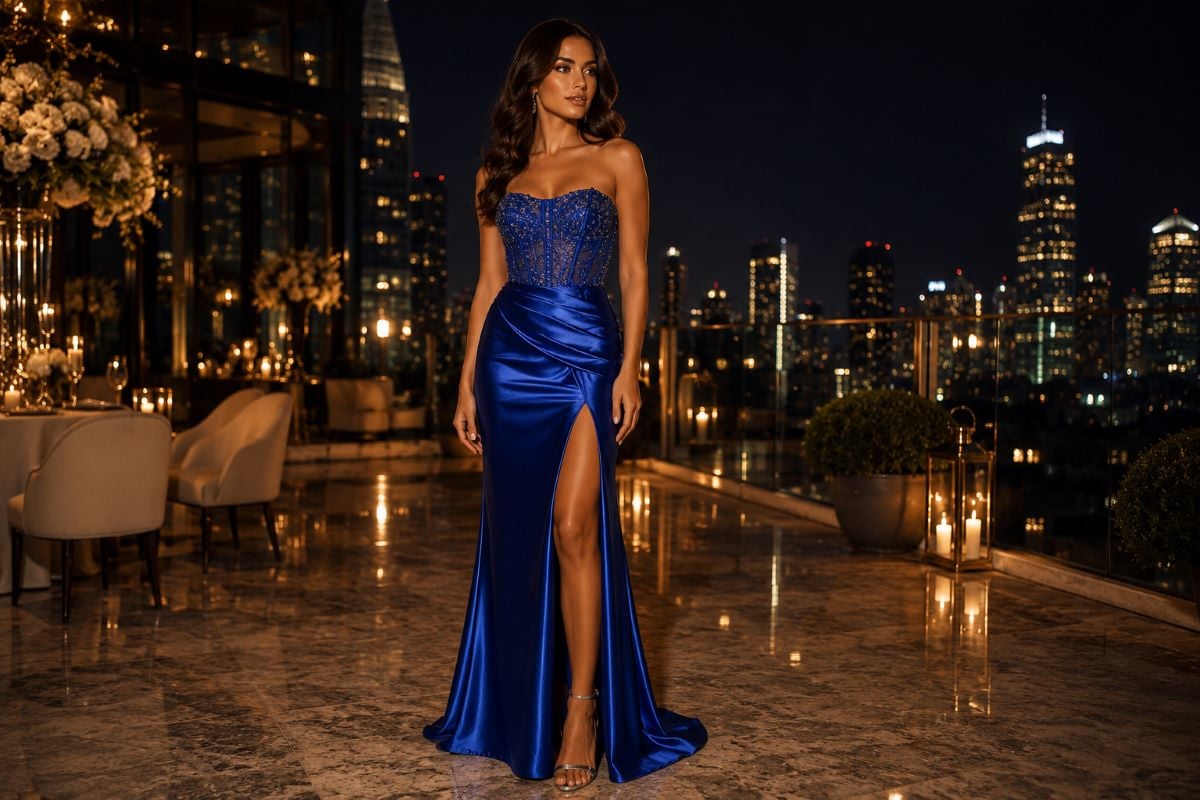

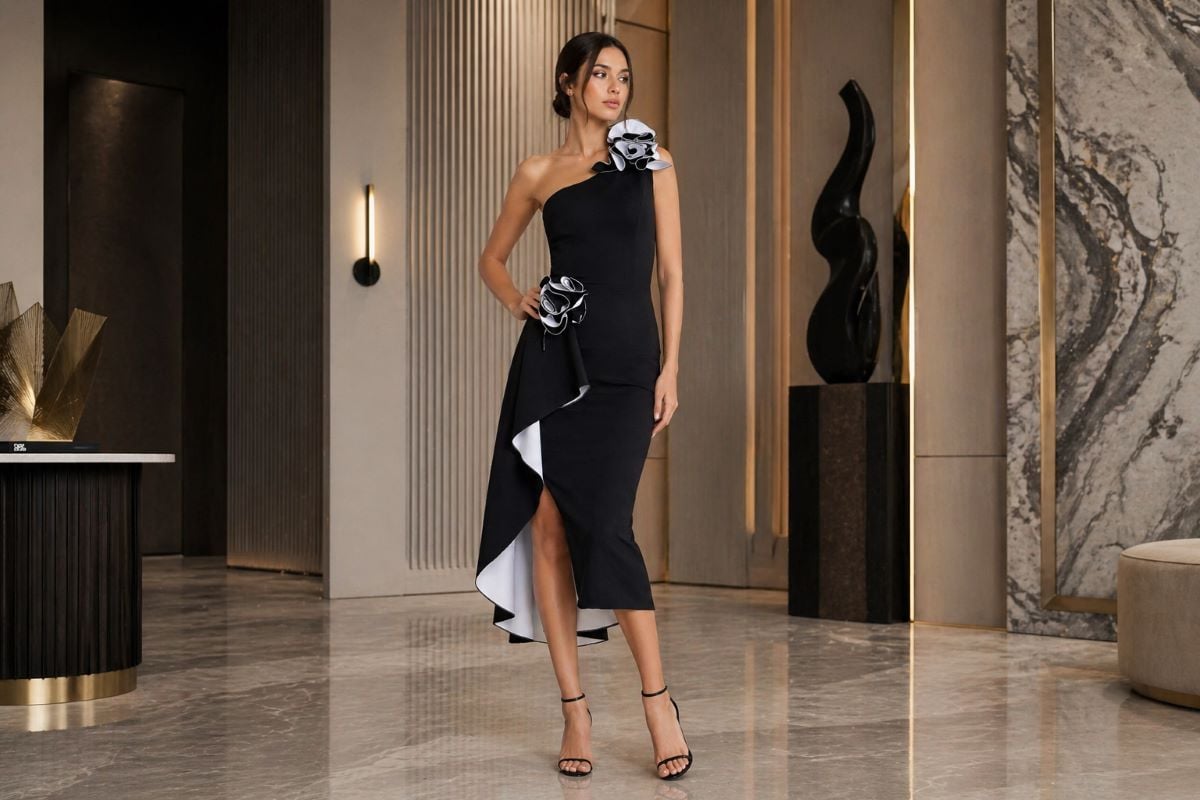
The landscape of women’s fashion is in a constant state of evolution, moving away from the rigid, deeply structured rules of the past and embracing a more fluid, individualized approach to personal style. For many modern women navigating an endless stream of invitations to charity galas, exclusive dinners, red-carpet premieres, and upscale social gatherings, a common question arises: what are contemporary dresses, and how do they fit seamlessly into a modern wardrobe? Unlike the heavily structured, sometimes restrictive garments of past decades, today’s high-end fashion is defined by architectural innovation, sleek lines, and an effortless sophistication.
When you explore the world of contemporary formal wear, you step into a realm where high fashion meets wearable art. At Jovani, we view this fashion category not simply as a fleeting seasonal trend, but as a lasting shift in how women express themselves through clothing. The modern woman no longer dresses to fit a pre-existing mold; she dresses to project her own unique identity. Our designer contemporary gowns are meticulously crafted to reflect this modern spirit, blending expert tailoring with unexpected, forward-thinking details that command attention in any room. They represent the ultimate fusion of bold design and refined elegance, offering a sartorial language for the woman who writes her own rules.
The Contemporary Aesthetic
To truly answer the question of what are contemporary dresses, one must look closely at the foundational design principles that bring these unique garments to life. This aesthetic relies heavily on “minimalist maximalism,” where the visual impact comes not from thousands of beads or heavy tulle, but from masterfully executed design elements.
Structural Innovation
Contemporary pieces prioritize sleek silhouettes, clean lines, and innovative structural elements over heavy, ornate embellishments. Contemporary dress styles frequently feature asymmetrical hemlines, strategic cutouts that flatter the natural waist by utilizing negative space, plunging geometric necklines, or unconventional draping that creates a beautiful sense of movement as the wearer walks.
This modern approach allows for a highly personalized expression of elegance that adapts to the wearer. The focus has decisively shifted toward impeccable fit and advanced fabric technology. High-end designers utilize luxurious materials like stretch crepe, scuba knits, and liquid metallics that drape flawlessly against the body. These advanced fabrics offer a refined appearance that is incredibly comfortable to wear, providing the structural support of traditional corsetry without the physical restriction.
Contemporary vs Traditional Dresses
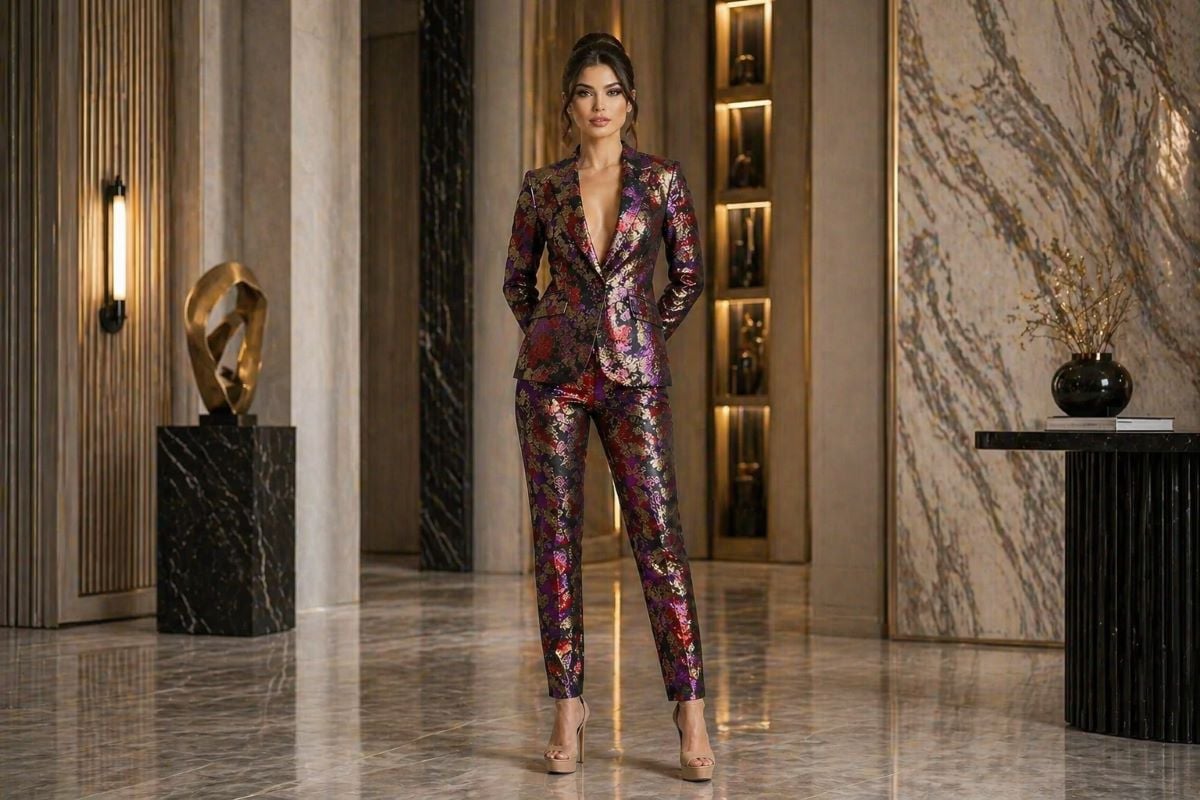
The distinction between contemporary vs traditional dresses is deeply rooted in the philosophy of the garment’s construction and the lifestyle of the modern woman. Traditional eveningwear often relies on historical formulas—think classic Cinderella-style ballgowns with tightly boned corsets and voluminous tulle skirts. While undeniably beautiful and appropriate for strictly formal aristocratic events, they speak to an era of formality where fitting in was prioritized over standing out.
In sharp contrast, modern evening gowns completely rewrite the rules of occasion wear by placing individuality at the forefront. They might take the form of sleek, floor-sweeping maxi modern dresses that visually elongate the silhouette using masterfully executed bias cuts and fluid fabrics, eliminating the need for restrictive underskirts.
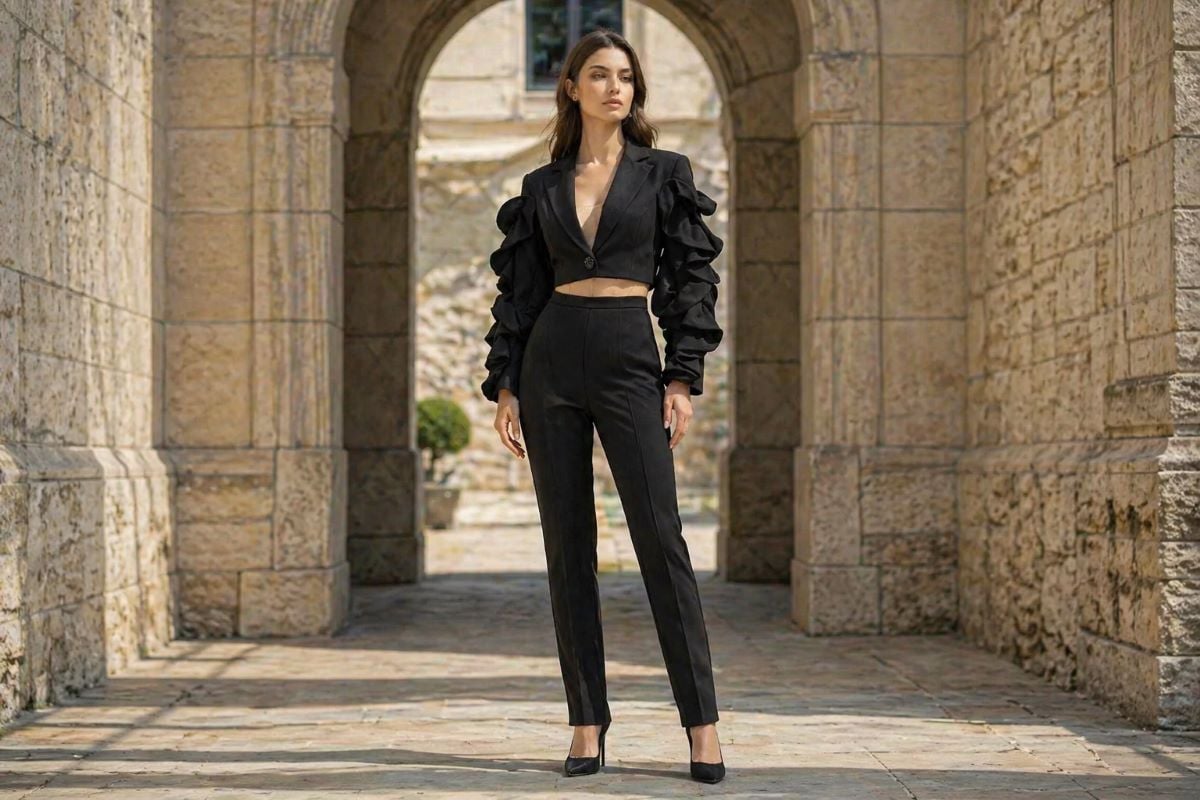
A perfect example of this stylistic shift is the reinvention of dark formalwear. Instead of a standard A-line shape, black contemporary dresses often utilize sheer illusion paneling, sharp asymmetric shoulders, or bold, sculptural sleeves. The use of sheer fabrics layered over solid structures creates a sense of depth that traditional gowns often lack. Jovani’s approach ensures that every woman feels empowered and rooted in the present, wearing a garment engineered with unparalleled craftsmanship.
Modern Occasion Attire Characteristics
Versatility, adaptability, and striking minimalism stand out as the key characteristics of modern special occasion attire. Today’s woman leads a highly dynamic lifestyle; her wardrobe must reflect that fluidity, offering styling solutions that are as multifaceted as her schedule. A true contemporary piece is brilliantly designed to transition seamlessly across different upscale environments.
For instance, chic night out dresses are specifically tailored to bridge the gap between formal charity galas and exclusive VIP after-parties. They carry an inherent, quiet confidence, relying on avant-garde silhouettes and premium fabrics rather than excessive volume.
Similarly, the evolution of party wear has moved away from stiff frocks toward sophisticated, tailored midi lengths and sleek modern short cocktail dresses that prioritize flawless, body-skimming fits. These shorter styles often incorporate menswear-inspired elements, such as tuxedo lapels or structured blazer-like shoulders, subverting traditional feminine expectations to create something entirely new.
Color and Textural Blending
The contemporary aesthetic brings a highly sophisticated perspective to color palettes. While designers certainly embrace vibrant seasonal hues, there is a growing appreciation for the power of striking monochromatic tones. By stripping away complicated prints, the eye is drawn directly to the masterful tailoring and the woman wearing it.
For example, white contemporary gowns are no longer reserved strictly for bridal occasions or summer garden parties. When designed with sharp, architectural lines, sleek column silhouettes, or dramatic attached capes, they become standout choices for winter galas and formal red carpets. A stark white gown with an ultra-modern geometric cut stands out in a sea of traditional black dresses, signaling a wearer who is confident and unafraid to break the mold.
Furthermore, the interplay of distinct textures—such as pairing matte stretch crepe with high-shine satin accents, or smooth liquid jersey with architectural mesh—adds a layer of visual depth that is highly characteristic of designer contemporary dresses. This textural contrast provides a tactile richness that looks just as stunning in person as it does in photographs.
Navigating Dress Codes
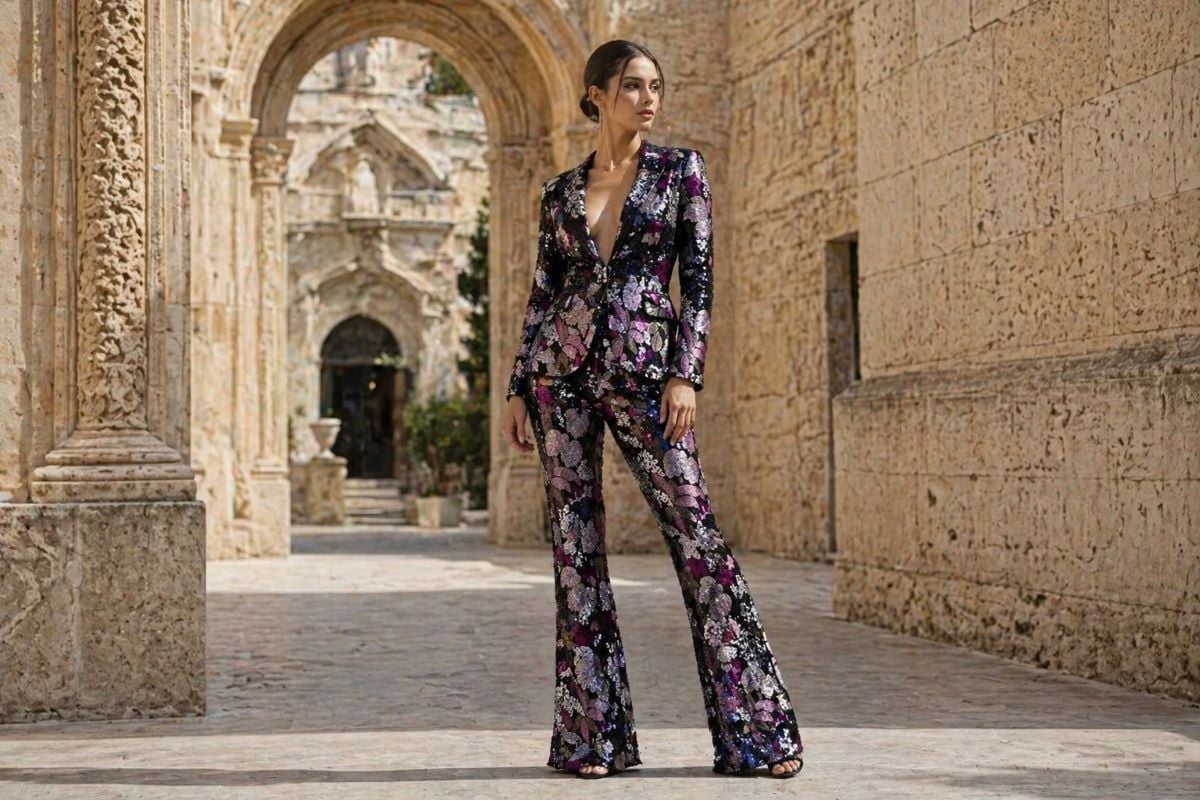
Understanding event dress codes can sometimes feel like navigating a complex maze of outdated traditions. However, contemporary formal wear offers the remarkable freedom to interpret these guidelines with fresh eyes. Knowing exactly how to style these pieces allows you to adapt to specific invitations flawlessly.
Dress codes like “Creative Black Tie” or “Festive Formal” were practically invented for designer contemporary dresses, encouraging guests to step outside the bounds of traditional standard ballgowns. But even strictly formal events are evolving. If you are preparing for a semi-formal gathering or a high-stakes rehearsal dinner, taking the time to review a comprehensive guide to cocktail attire can provide valuable context on balancing cutting-edge fashion trends with established social expectations.
The Jovani Philosophy
At Jovani, our core design philosophy revolves around the central idea that a dress should be a natural extension of the woman wearing it. When exploring the nuances of modern styling, we recognize that today’s fashion-forward individual desires clothing that breathes with her and accurately reflects her internal strength, intellect, and confidence. She does not want to be hidden beneath layers of fabric; she wants the fabric to amplify her presence.
Our world-class design team spends countless hours perfecting the architecture of each contemporary piece. We ensure that waistlines are highlighted to celebrate the female form, shoulders are framed to project authority, and hemlines fall exactly where they should to flatter the body. We strip away the unnecessary, leaving only the pure, striking essence of modern glamour. The result is a collection of dresses that feel custom-engineered for the modern woman, empowering her to conquer any room she enters.
Contemporary Dresses FAQ’s
1. What is the main difference between contemporary and vintage styles?
The primary difference lies in the fundamental structure, silhouette, and fabric choices. Vintage styles often rely on heavier, rigid fabrics, restrictive corsetry, and voluminous skirts to force the body into a predetermined shape. Contemporary styles prioritize fluidity, utilizing advanced stretch fabrics, minimalist lines, and architectural details like asymmetrical cuts to create a naturally flattering silhouette that works beautifully with the wearer’s actual body.
2. Are contemporary dresses appropriate for black-tie events?
Absolutely. Contemporary formal wear is highly appropriate and increasingly popular for black-tie events. While the black-tie dress code requires a high level of formality, it does not mandate wearing a traditional, overly fluffy ballgown. A sleek, floor-length contemporary gown with a modern geometric neckline, a dramatic thigh-high slit, or unique structural draping perfectly satisfies formal requirements while allowing you to stand out.
3. What fabrics are most commonly used in modern evening wear?
Modern special occasion attire frequently utilizes high-tech fabrics that offer a dual benefit of structural integrity and fluid movement. Scuba knits, premium stretch crepe, liquid jersey, and metallic meshes are incredibly popular. These materials are favored because they mold beautifully to the body, retain their sharp shape throughout the entire evening without wrinkling, and provide a smooth, flawless finish essential for minimalist designs.
4. What body types look best in contemporary dresses?
The beauty of contemporary dress styles is their inherent inclusivity. Because contemporary fashion heavily utilizes stretch fabrics and strategic draping, these garments can beautifully accentuate curves on an hourglass figure, create the illusion of shape on a more rectangular build, and provide elegant, elongating vertical lines for petite frames. The key is finding the specific silhouette—such as an asymmetrical wrap, a tailored sheath, or a sleek column dress—that makes you feel your most confident.
5. How do I choose between a contemporary evening gown and a cocktail dress?
The choice largely depends on the specific time and location of the event. Floor-length modern evening gowns are generally reserved for events starting after 6:00 PM that specify formal, black-tie, or black-tie optional attire. Contemporary cocktail dresses (midi or knee-length) are incredibly versatile and serve as the perfect choice for semi-formal weddings, upscale dinners, gallery openings, and daytime formal events.