
Can You Wear a Long Dress to a Cocktail Event?
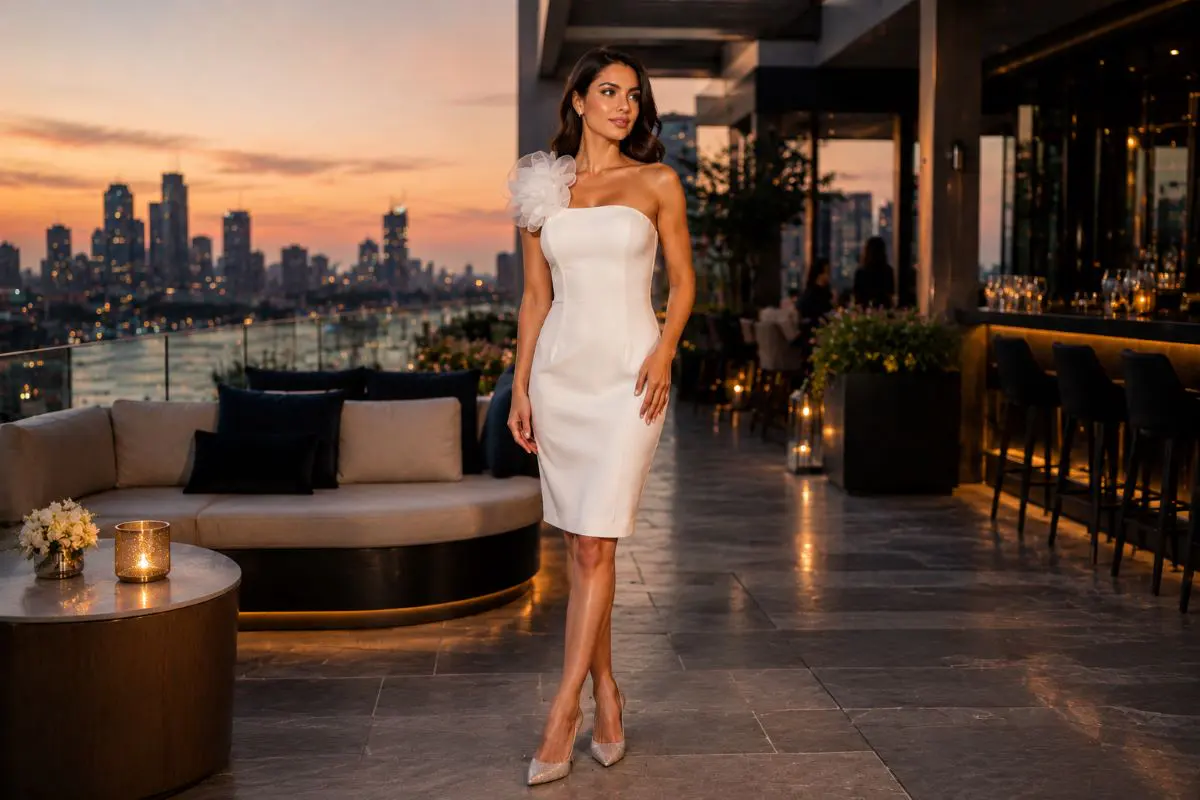
Receiving an elegantly embossed invitation with a specified dress code often brings a mix of excitement and wardrobe anxiety. Among all the sartorial directives you might encounter during the social season, the "cocktail attire" dress code remains one of the most common, yet surprisingly nuanced, categories to navigate. The immediate question that springs to mind for many women is what to wear to a cocktail event to strike the perfect balance between elegant and effortless.
Traditionally, the fashion world's answer has pointed toward a specific hemline—one falling comfortably above the knee or hovering gracefully around the calves. The little black dress, the sequined mini, and the tailored knee-length sheath have long been the undisputed champions of this category. But style rules are inherently designed to evolve. As modern style boundaries blur and personal expression takes center stage over antiquated etiquette, a frequently debated question has emerged among fashion-forward guests: can you wear a long dress to a cocktail event?
The short answer is yes. However, the stylistic execution requires a nuanced understanding of fabric, silhouette, venue, styling, and personal proportion. Wearing a floor-grazing hemline in a setting traditionally reserved for shorter garments is an advanced style move. It requires a discerning eye to ensure your outfit reads as effortlessly chic and contextually appropriate rather than accidentally overdressed.
In this comprehensive guide, we will explore the historical evolution of eveningwear, dissect the critical differences between overlapping dress codes, provide exhaustive styling tips, and outline the ultimate rules for successfully wearing long cocktail dresses to your next event.
The Evolution of the Cocktail Dress Code
To confidently bend the rules of event dressing, you must first understand why those rules exist. The concept of the "cocktail dress" as a distinct category originated in the rebellious, fast-paced 1920s. As rigid social structures crumbled, women required garments less restrictive than ballgowns but more glamorous than daytime walking suits.
The Post-War Era and Practicality
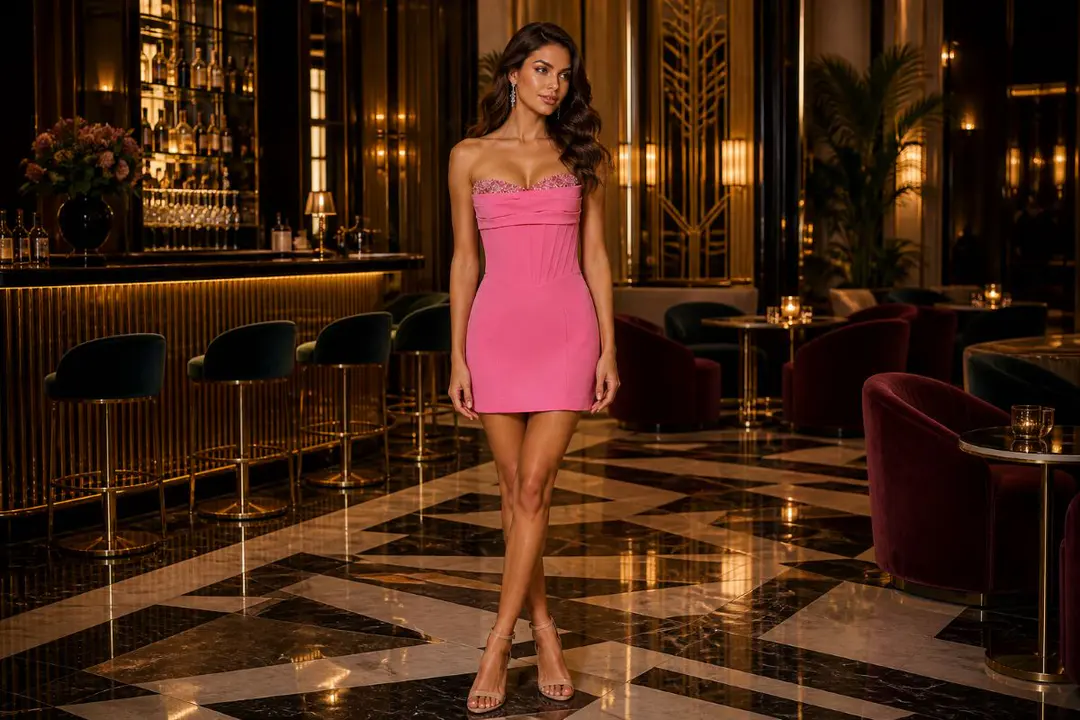
The post-war era of the late 1940s and 1950s truly codified the cocktail dress. Legendary designers created specific garments for the transitional hours between modest daytime engagements and highly formal evening dinners. The shorter hemline of this era was primarily a matter of practicality. It allowed women to mingle seamlessly, move freely through crowded rooms, and enjoy the spirited atmosphere without managing heavy trains and restrictive corsetry.
For decades, standard cocktail gowns served as the universally accepted uniform for these events. A classic, well-tailored piece resting just above or exactly at the knee offered the ideal blend of sophistication and sociability.
Modern Interpretations and Venue Shifts
Contemporary fashion has drastically shifted this landscape. The 1970s introduced fluid, long halter dresses to the disco scene, while the 1990s brought un-fussy minimalist slip dresses. Today, personal style often supersedes rigid mandates.
Furthermore, event venues have evolved. Cocktail parties are no longer confined to formal hotel lounges; they range from raw industrial art galleries and breezy rooftops to rustic barns and upscale restaurants. With this variety in venues comes a broader acceptance of diverse hemlines. If you are currently analyzing an invitation, reviewing a comprehensive guide to cocktail attire can help you confidently navigate these modern expectations.
Decoding the Dress Codes: Formal vs Cocktail Attire
The primary risk of choosing a long dress for a cocktail event is the danger of appearing overly formal. There is a distinct psychological discomfort in showing up vastly overdressed. To avoid this, it is essential to understand the subtle but strict boundaries of formal vs cocktail attire.
The Anatomy of Formal Attire
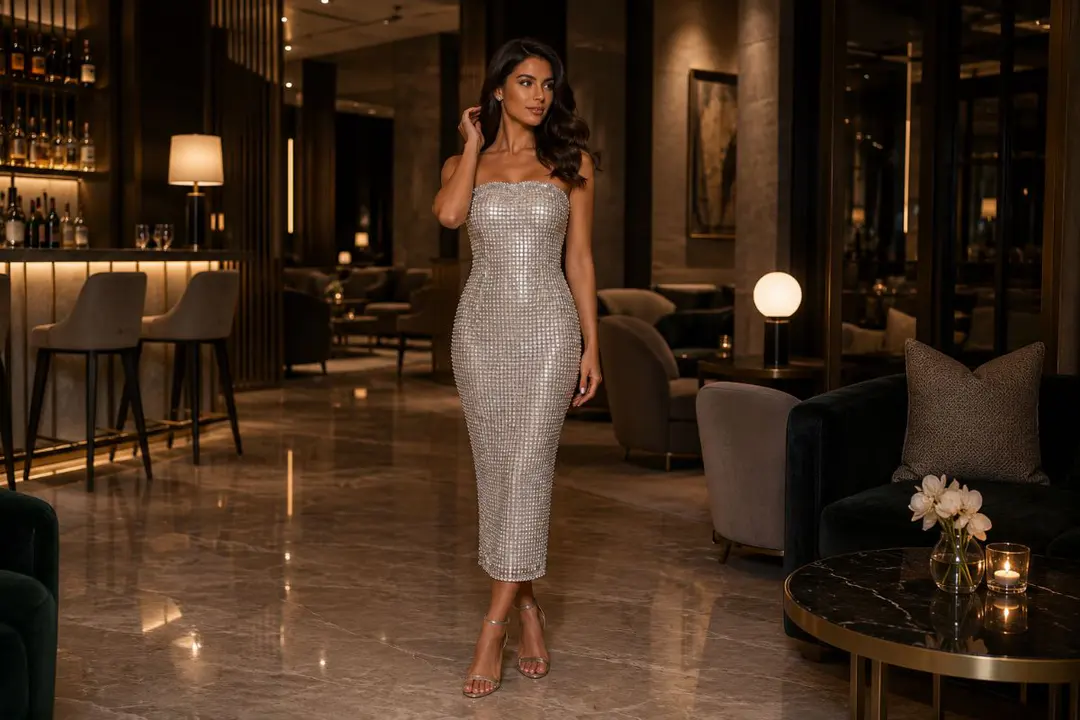
Formal attire (including White Tie, Black Tie, and Black Tie Optional) demands grandeur and tradition. The expectation is floor-length evening gowns crafted from luxurious, heavy fabrics like rich silk satin, stiff brocade, or plush velvet. Silhouettes are typically dramatic, featuring sweeping trains, voluminous ballgown skirts, or highly structured drops. A formal gown is designed to be admired from afar as a piece of wearable architecture.
The Spirit of Cocktail Attire
Cocktail attire is defined by its celebratory, kinetic, and approachable nature. It is polished but never rigid. While it requires elevation beyond everyday wear, it should not feel restrictive. You must be able to navigate a room and stand comfortably with a drink in hand.
If you wear a long dress to a cocktail event, the garment must clearly belong to the cocktail category in its spirit and construction. It must lack the sweeping drama, heavy physical weight, and strict formality of a black-tie piece. The secret to beautifully bridging this gap lies entirely in the nuanced details of the dress.
Fabric and Movement: The Key to Long Cocktail Dresses
Fabric choice is the single most important factor in communicating the right level of formality. Fabric dictates movement, and movement dictates mood. A floor-length dress made of stiff taffeta will instantly read as a formal gown. Instead, seek out fabrics that offer fluidity, gentle movement, and visual lightness.
Chiffon and Georgette
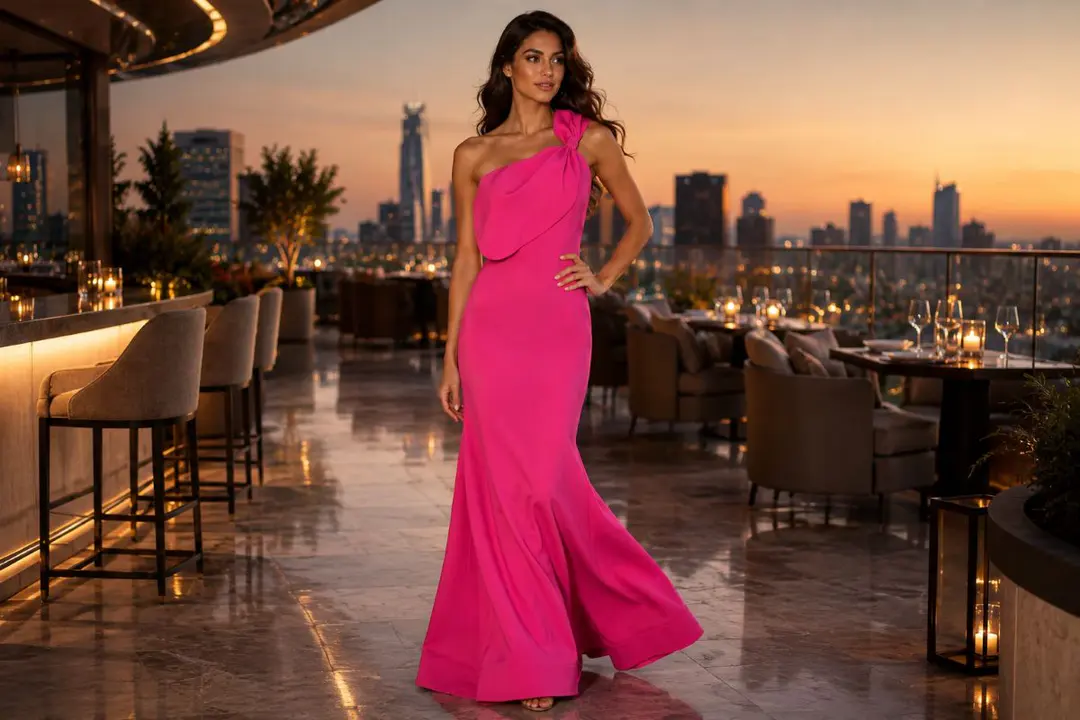
These sheer, lightweight fabrics are phenomenal choices. A flowing chiffon skirt moves beautifully, catching the air as you walk, providing elegant coverage without visual weight. Georgette offers a similar drape with a slightly more matte texture, making it look modern and appropriate for spring and summer events.
Silk and Satin Charmeuse
A bias-cut slip dress crafted in pure silk or lightweight satin is a masterclass in modern cocktail dressing. Because it lacks internal structure (like boning or crinoline), it feels trendy, relaxed, and slightly edgy. It drapes gracefully over the body, providing high glamour without traditional formality.
Stretch Crepe and Premium Jersey
For a sculpted look, high-quality heavy jersey knits or stretch crepe are ideal. These materials conform beautifully to the body, offering a sleek, contemporary aesthetic. Because these fabrics are frequently used in contemporary maxi lengths for elevated daywear, they naturally bridge the gap between casual and formal eveningwear.
Burnout Velvet and Lace
In the colder months, heavy plush velvet can look too formal. Instead, opt for "burnout" velvet or soft, unlined lace. These provide rich texture but allow skin to peek through, lightening the overall visual load of the dress.
Silhouettes and Details That Dial Down Formality
Beyond fabric, specific cuts and details play a crucial role in managing the formality level. A long dress can easily adapt to a cocktail setting if it incorporates modern elements that feel fresh and slightly playful.
Strategic Cutouts and Slits
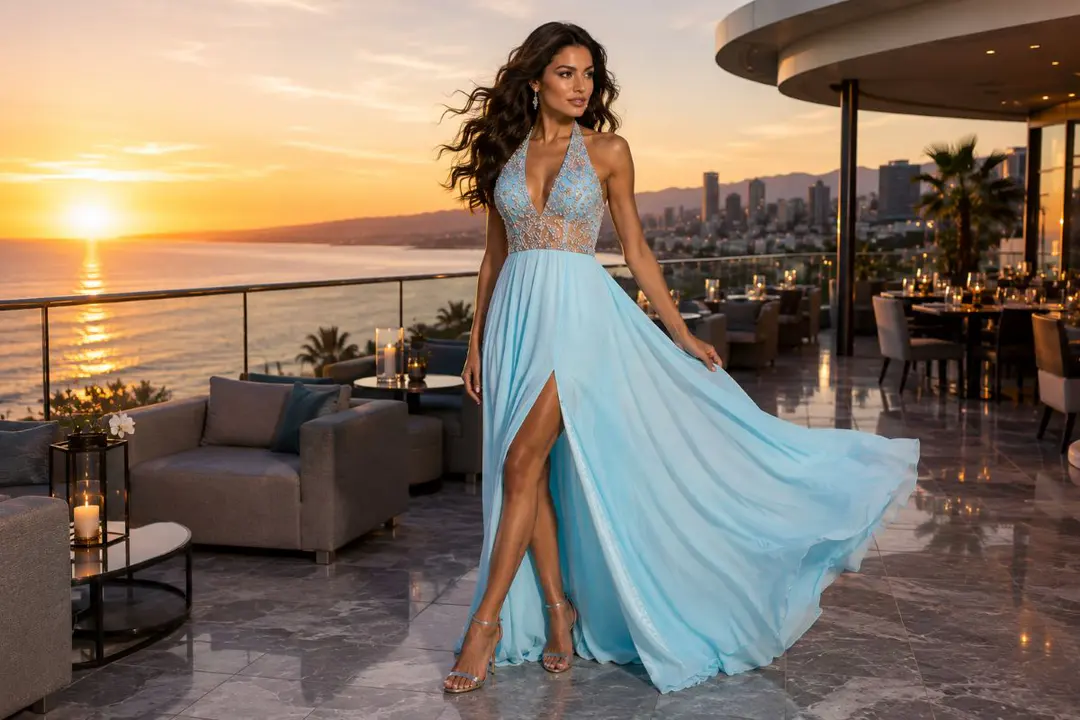
A solid-colored gown with a high neckline and long sleeves can look like a uniform for a state dinner. Introduce a thigh-high side slit, however, and the dress transforms. A slit breaks up the visual mass of the fabric, exposes the leg to allow for ease of movement, and adds a touch of modern allure. Subtle waist cutouts or an open back can similarly alleviate the heaviness of a long skirt.
Neckline Variations
Necklines drastically alter the mood of a dress. While strapless sweetheart necklines often lean formal, you can opt for chic high neck evening gowns that offer a striking, architectural feel. A high halter neckline reads as deeply sophisticated without feeling like a gala gown. Alternatively, a deep V-neck on a relaxed column dress adds an effortless energy that perfectly suits a cocktail vibe.
Asymmetry and Hemline Variations
An asymmetrical hemline, such as a high-low skirt, disrupts the expected symmetry of formal gowns. This visual disruption shows intentional styling and a modern approach to event dressing. Tulip hemlines also offer the illusion of a long dress while providing the playfulness of a short dress.
The Power of Prints and Patterns
While formal gowns are overwhelmingly designed in solid colors, a maxi dress for a cocktail party can successfully utilize prints to dress down the look. A moody floral for an autumn event or an abstract geometric pattern immediately pulls the garment out of the formal category, placing it firmly in the realm of festive, personalized cocktail attire.
Seasonal Considerations for Long Cocktail Dresses
Adapting your look to the weather and time of year ensures your outfit feels cohesive and contextually brilliant.
Spring Cocktail Events
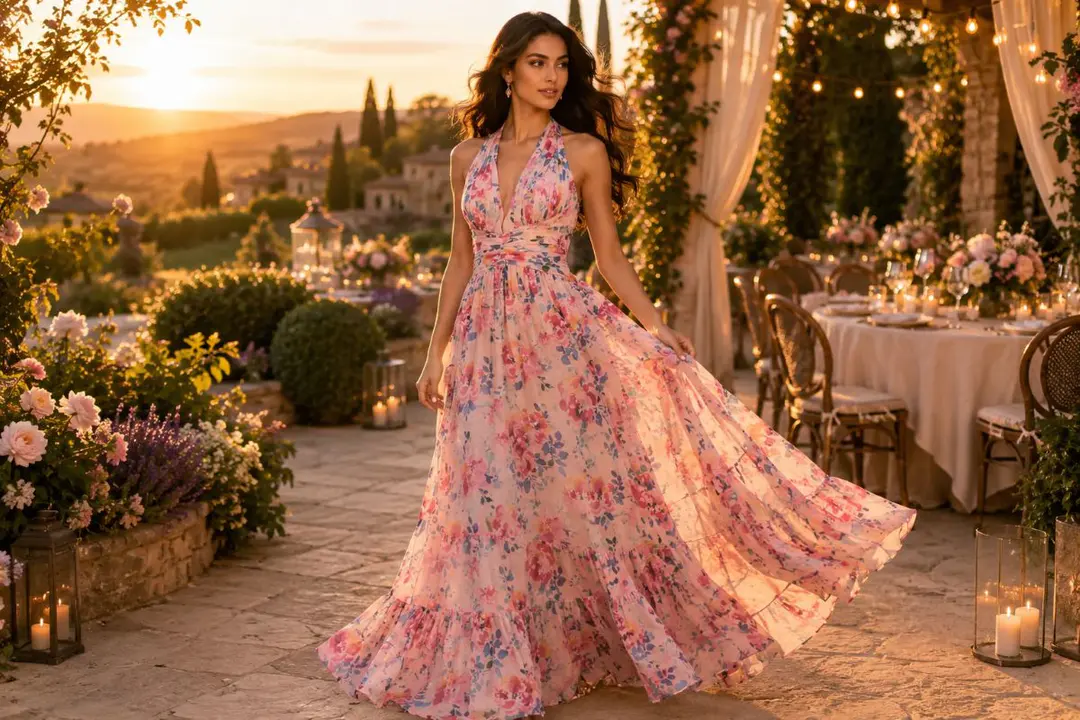
Embrace light, breathable fabrics and optimistic color palettes. Opt for soft pastels, vibrant jewel tones, or lively botanical prints. A long, tiered silk-chiffon dress exudes a delicate elegance that perfectly matches a daytime or early evening spring cocktail code.
Summer Cocktail Events
Summer events demand effortless style. Silk slip dresses and sheer overlays are perfect for winery patios or beachfront resorts. Lean into saturated colors like coral or turquoise, and choose halter necklines or strapless styles for maximum comfort.
Fall Cocktail Events
As temperatures drop, transition your color palette to rich, deep tones: emerald green, dark burgundy, or midnight blue. Long sleeves in a sheer stretch-mesh or a sleek, opaque crepe fabric look incredibly sophisticated for cozy indoor lounges.
Winter Cocktail Events
Winter parties demand a specific type of glamour. Metallic threads, subtle sequins, and dark colors like charcoal or classic black are ideal. A long-sleeve, high-neck jersey dress with a sleek drape is the epitome of winter cocktail chic.
Body Type and Proportion: Finding the Right Fit
When experimenting with longer hemlines for an event that usually calls for short dresses, precision of fit is everything.
Styling for Petite Frames
Women with shorter stature should choose a long dress with a sleek, column silhouette rather than a voluminous A-line skirt. A monochromatic color palette helps elongate the body. Look for dresses with high side slits or deep V-necklines to break up the solid mass of fabric, and always pair the dress with a high heel.
Styling for Tall Frames
Tall women carry long dresses effortlessly and can play with bolder prints and horizontal design elements. A flowing maxi dress with an empire waist looks incredibly elegant. To keep it cocktail-appropriate, focus on contrasting accessories or add a statement belt to define the waist.
Flattering Curvy and Hourglass Figures
Highlight your waist without adding unnecessary bulk to your lower half. Look for long dresses crafted in structured stretch crepe or wrap-style maxi dresses. A V-neckline beautifully highlights the bust, while a defined waist celebrates your natural hourglass shape.
Accentuating Athletic or Straight Figures
A long dress provides a wonderful canvas to create the illusion of curves. Look for asymmetrical draping, side cutouts, or a cowl neckline. A trumpet or subtle mermaid flare at the bottom adds a sweeping shape to your silhouette.
The Art of Styling: Accessorizing a Long Dress
How you style the look will definitively anchor it as cocktail-appropriate or accidentally push it back into formal territory. The goal is intentional, stylish contrast.
Footwear: The Foundation of the Look
Avoid heavy, crystal-encrusted formal pumps or dyed-to-match satin shoes. Ground your long dress with cool, contemporary footwear. A minimalist strappy sandal, a modern architectural mule, or a sophisticated pointed-toe leather bootie can add a sharp edge that breaks up the formality of the gown.
Outerwear and Layers: The Finishing Touch
Avoid traditional formal wraps or pashmina shawls. To keep the aesthetic modern, drape a tailored, oversized "boyfriend" blazer over your shoulders. For a more creative event, a sleek leather moto jacket worn over a flowing chiffon dress creates a stunning visual juxtaposition.
Jewelry and Bags: Curated, Not Matched
Leave the matching diamond sets at home. Opt for modern, sculptural jewelry like oversized gold hoops or a heavy architectural cuff bracelet. Carry a modern clutch—perhaps in clear lucite or a metallic envelope style rather than a heavily beaded formal minaudière.
Hair and Makeup: The Beauty Balance
Your beauty styling should reflect ease to counteract the dramatic length of the dress. Avoid severe, tightly lacquered updos. Instead, wear your hair in loose waves, a deliberately messy chignon, or a sleek blowout. Keep makeup focused and fresh—a glowing complexion paired with a bold matte lip perfectly offsets the inherent drama of a floor-length hemline.
Navigating Specific Cocktail Environments
The phrase "cocktail event" covers a diverse array of gatherings. Adjusting your attire to the specific venue is a hallmark of excellent sartorial etiquette.
The Corporate Cocktail Event
Work-related events demand a careful balance of professionalism and celebration. A sleek, long-sleeve crepe column dress in a dark neutral tone projects authority and elegance. Avoid incredibly high thigh slits or deep plunging necklines in this environment.
The Wedding Cocktail Reception
If the wedding invitation explicitly states "cocktail attire," a long dress is highly appropriate, provided it is not white and does not rival the bride’s gown in volume. Soft pastels or rich jewel tones are perfect. Ensure the fabric is light and the overall vibe is joyful.
The Creative or Art Industry Event
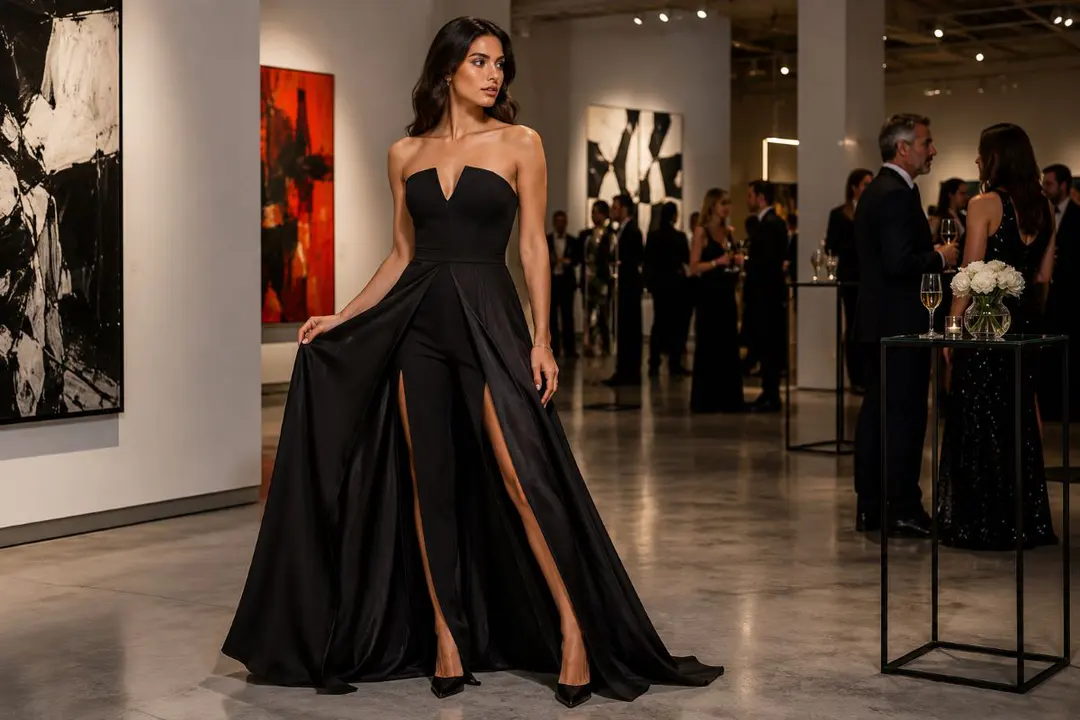
Gallery openings and fashion launches are where you can take the most risks. You can safely experiment with bold prints, avant-garde cutouts, and dramatic asymmetrical hemlines. Traditional appropriate dress code rules are loosely interpreted here, allowing your creativity to shine.
The Destination or Resort Cocktail
For beach resorts or yachts, the rules shift toward comfort. Think flowing silk, vibrant tropical patterns, and open backs. Styling should be minimal—statement earrings and an elegant evening sandal are all you need.
When to Opt for a Shorter Hemline Instead
While you can certainly wear a long dress to a cocktail event if styled correctly, knowing when to lean into traditional expectations is part of possessing great style.
If an invitation explicitly states "festive cocktail" for a holiday party, a textured mini dress or a sequined knee-length number often captures the boisterous spirit better than a maxi skirt. Similarly, if the event is held at a crowded, dimly lit indoor venue, a long skirt can quickly become a practical hazard.
In these instances, midi formal dresses represent the absolute perfect middle ground. Falling anywhere from just below the knee to the mid-calf, the midi length offers the elegance of a long dress with the complete mobility of a traditional cocktail dress.
Furthermore, you can never go wrong with the timeless appeal of black short cocktail gowns. The Little Black Dress is a universally chic wardrobe safety net, absolutely immune to being either underdressed or overdressed.
Jovani’s Approach to Modern Event Dressing
Navigating the complex nuances of modern dress codes requires garments that are thoughtfully designed, expertly tailored, and crafted from the highest quality materials. At Jovani, we deeply understand that contemporary women require wardrobes as dynamic as their daily lives.
Our design philosophy centers on the belief that true elegance lies in the precision of the fit, the luxury of the fabric, and the empowering feeling a dress gives the wearer. Whether you are seeking an immaculately tailored knee-length silhouette, a figure-flattering midi, or a lightweight long dress perfectly suited for a chic cocktail hour, Jovani’s collections are meticulously designed to elevate your personal aesthetic and guarantee you walk into any room with absolute confidence.
About Wearing Long Dresses to Cocktail Events FAQs
1. Is a maxi dress considered cocktail attire?
A maxi dress is appropriate for a cocktail event if it is elevated in its overall design and fabric choice. A casual cotton beach maxi dress is never appropriate. However, a maxi dress crafted from luxurious silk, flowing chiffon, or heavy crepe with elegant detailing—like an architectural neckline or subtle side slit—perfectly aligns with cocktail attire guidelines.
2. Will I look overdressed if I wear a floor-length dress to a cocktail party?
You will only look overdressed if your floor-length dress features explicitly formal elements, such as unyielding structural fabrics, expansive volume, heavy crystal beading, or a sweeping train. If your dress is lightly constructed and styled with understated accessories, you will look effortlessly chic.
3. What is the precise difference between a long cocktail dress and an evening gown?
The main differences lie in fabric weight, internal construction, and design details. An evening gown features heavy fabrics, tightly corseted bodices, and floor-sweeping silhouettes designed for grand entrances. A long cocktail dress uses lighter, airier fabrics, features a much more relaxed fit, and often incorporates playful, skin-baring elements to deliberately reduce the formality of the garment.
4. Can I wear a long black dress to a cocktail event?
Absolutely. A long black dress is incredibly versatile. To ensure it reads as "party" rather than "gala," opt for a sleek silhouette like a 90s-inspired slip dress or a simple column gown. Break up the solid color with an interesting neckline, an open back, or a side slit, and style it with edgy, contemporary footwear.
5. If the invitation simply says "Cocktail Attire," is it safer to just wear a short dress?
If you are deeply unsure about the venue or the host's expectations, a knee-length or midi-length dress is the safest, most foolproof option that aligns perfectly with historical dress codes. However, if you understand how to balance fabric weight and modern styling, wearing a long dress is a beautiful fashion choice that allows you to stand out.
6. What kind of jacket should I wear with a long cocktail dress?
Avoid traditional formal wraps, knit pashminas, or matching satin boleros. Instead, opt for structured, modern outerwear. A perfectly tailored "boyfriend" blazer looks incredibly chic when draped casually over the shoulders. For a more edgy event, a high-quality leather moto jacket creates a stunning contrast against a flowing long skirt.
Elevate your evening wardrobe, embrace modern dress codes, and discover the perfect, empowering silhouette for your next unforgettable event by exploring Jovani's extensive, world-renowned collection of masterfully crafted dresses.