Wedding Reception Dresses for a Second Bridal Look
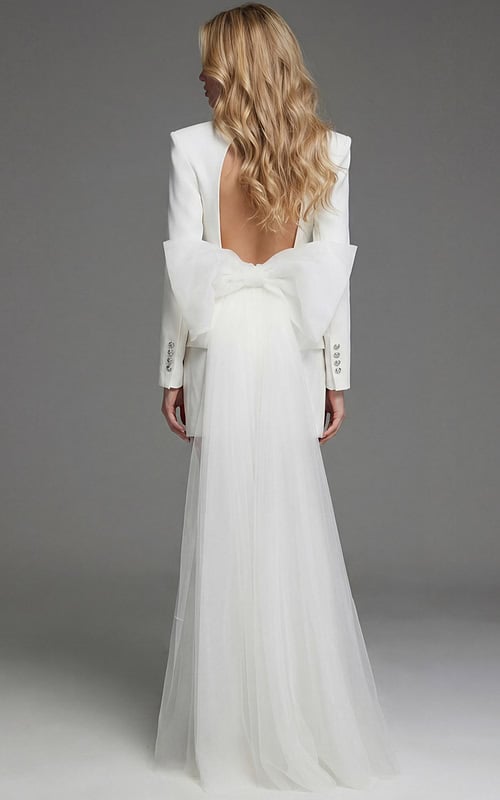
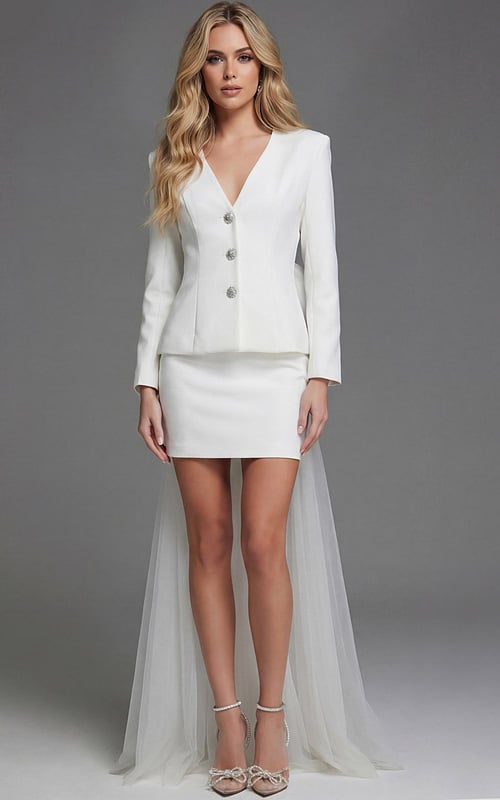
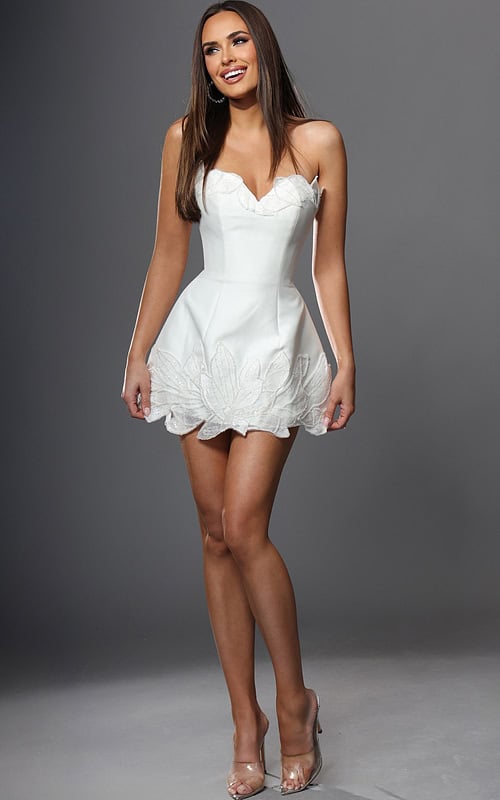
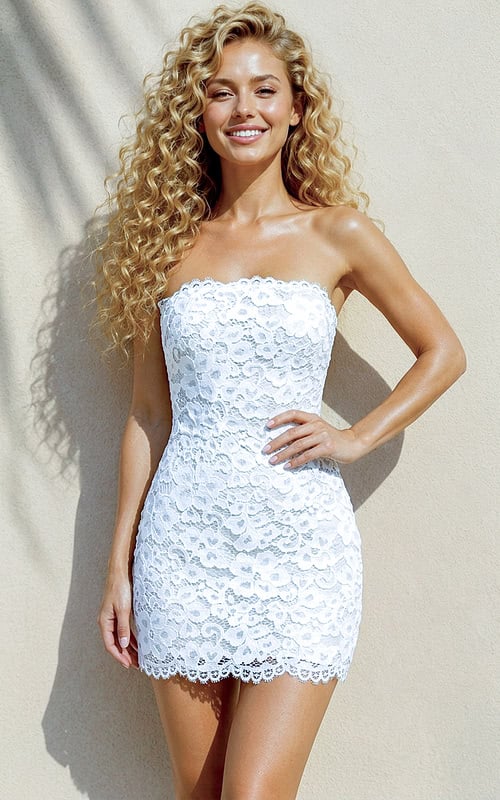
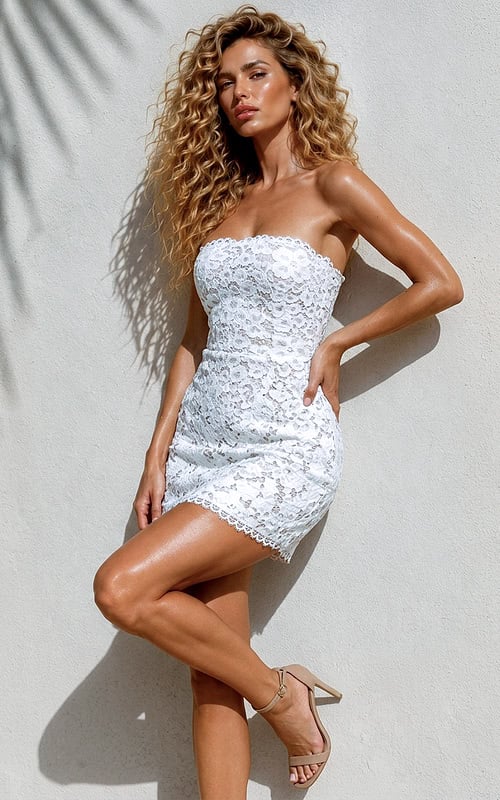
A reception dress can change the proportion, movement, and level of formality of the bridal look without losing continuity with the ceremony. Many brides move from a full-length gown into a shorter or lighter style once formal portraits and the ceremony are complete. A fitted mini creates a sharper, more compact line, while fit-and-flare skirts add movement through the lower half. Midi and high-low hems offer more coverage while still making the silhouette easier to move in than a traditional train. For a broader view of ceremony-focused silhouettes, the Wedding Dresses collection remains the natural reference point, while this page stays focused on the reception itself.
Mini, Midi, and High-Low Lengths for the Reception
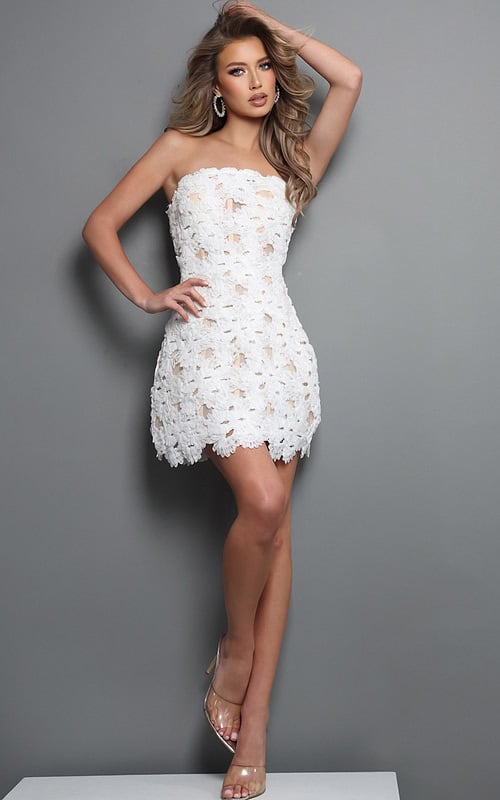
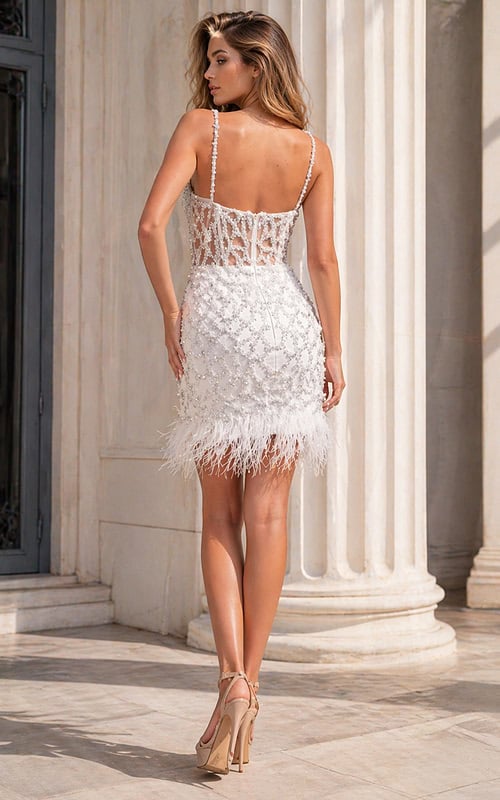
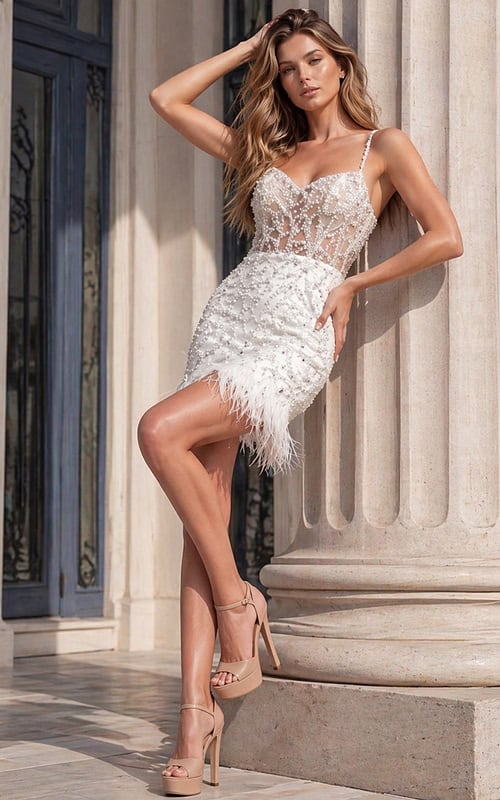
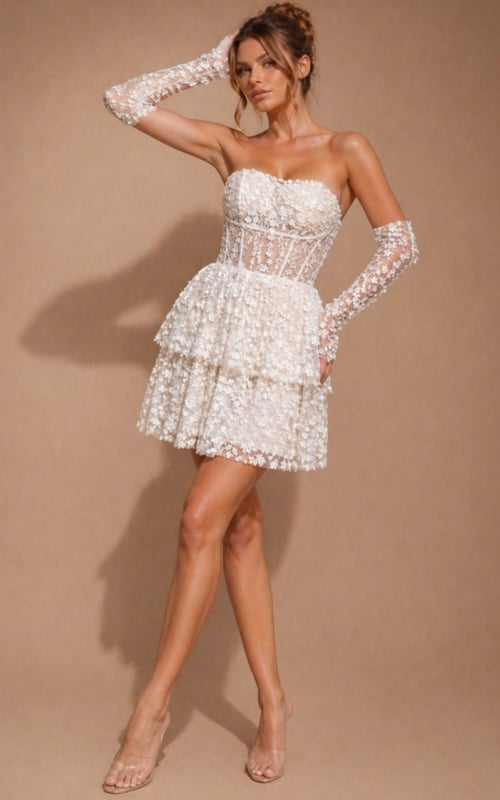
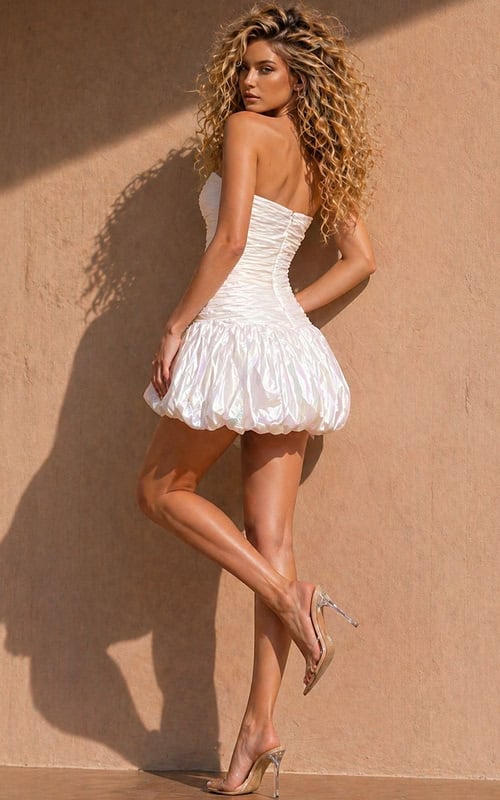
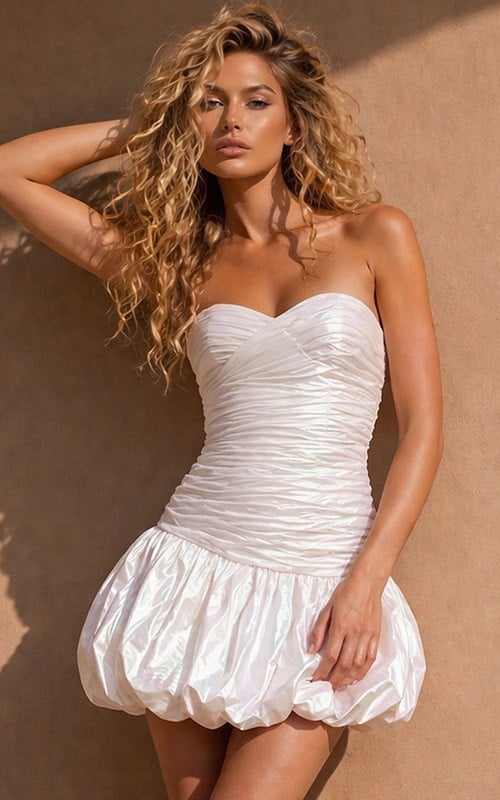
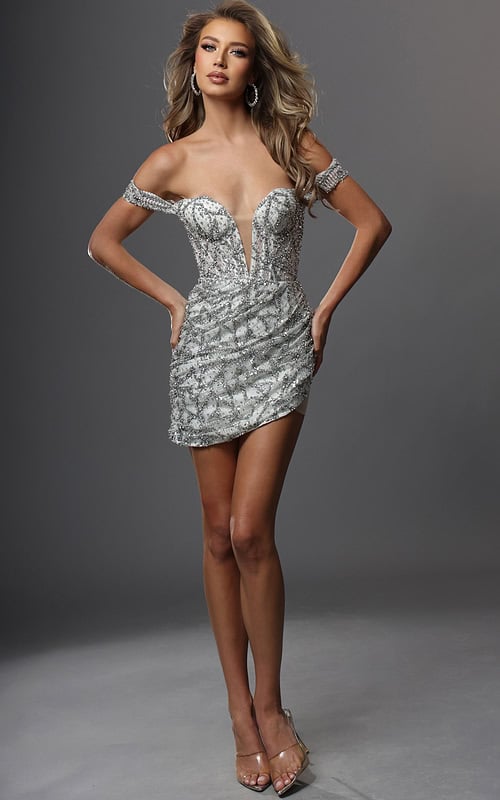
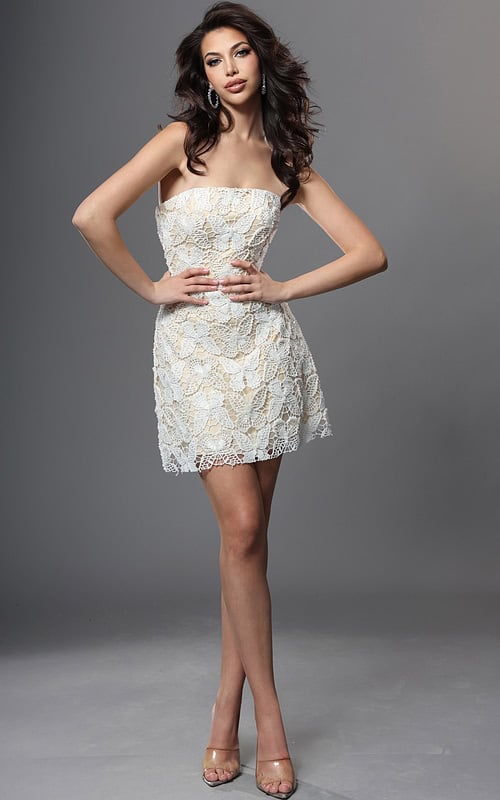
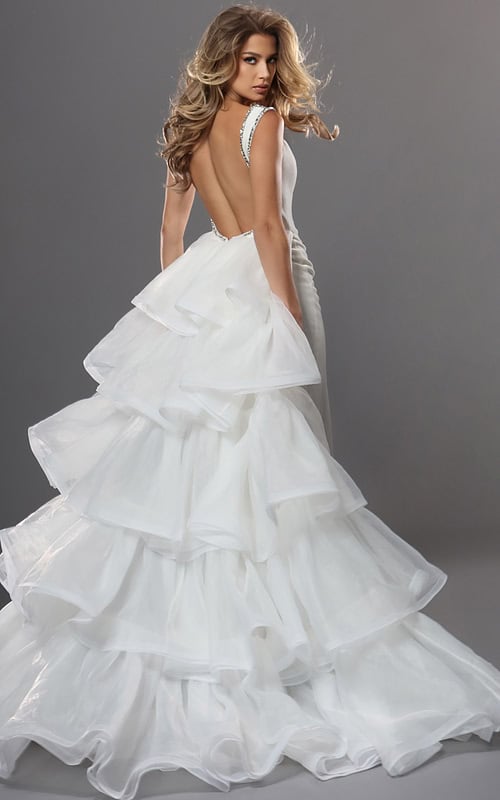
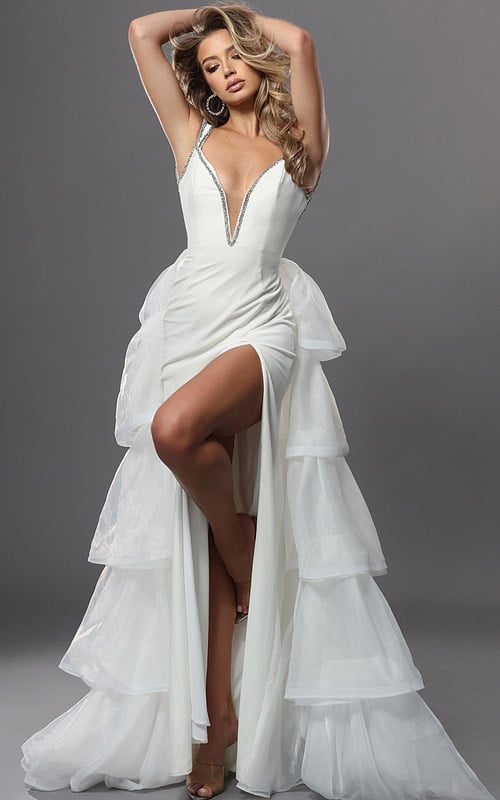
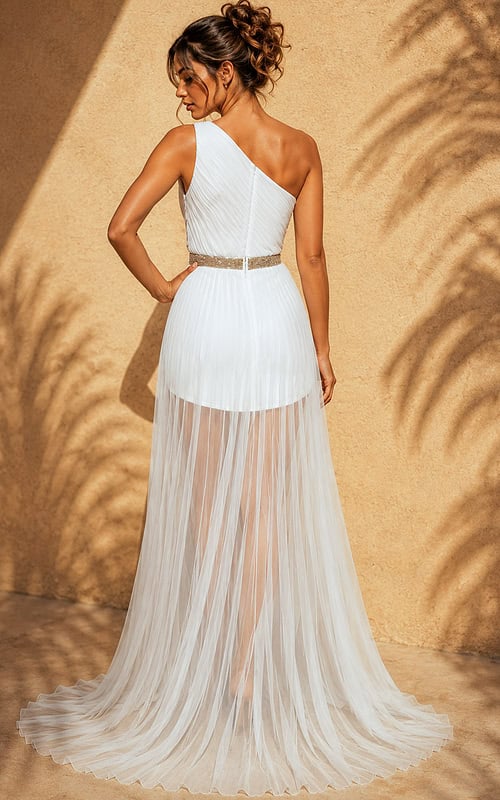
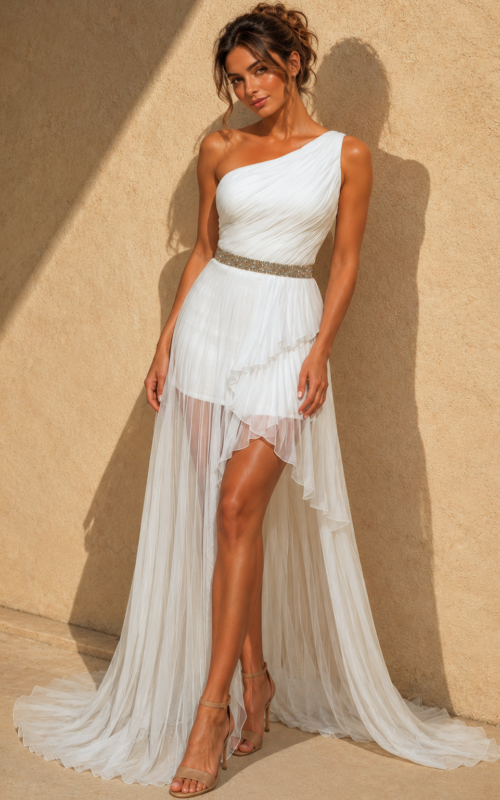
Hem length is one of the clearest ways to distinguish a reception dress from a ceremony gown. Minis expose more of the leg and place attention on footwear, embellishment, and skirt shape. Midis create a more contained line with enough length to feel formal in photographs, while high-low designs combine front-leg visibility with additional movement at the back. Brides who want the strongest short-dress focus can also compare Short Wedding Dresses, but a reception look does not need to be short by definition. The better comparison is how easily the hem moves through dinner, dancing, and crowded reception spaces.
Bodice Security and Fit for Dancing
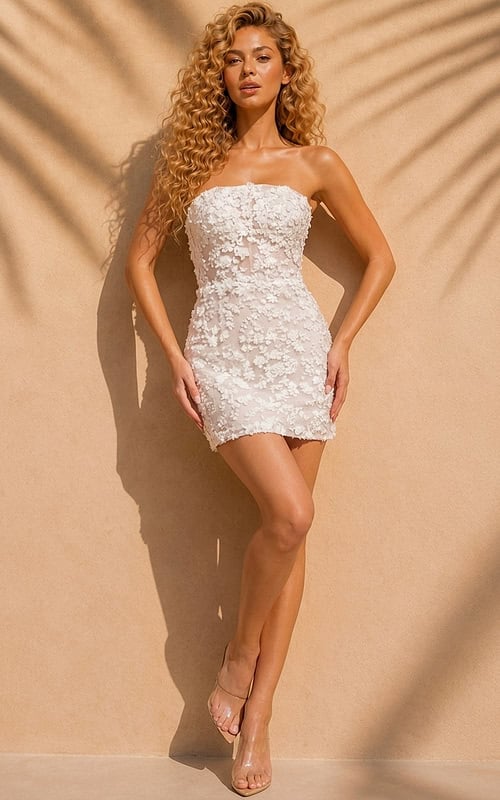
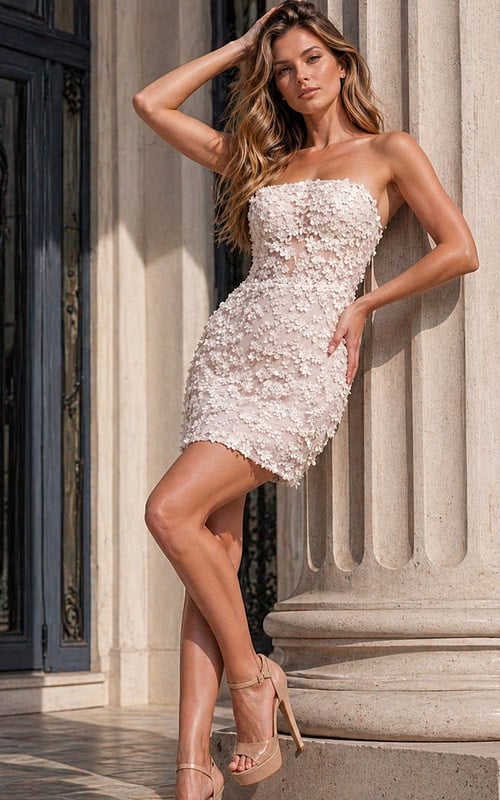
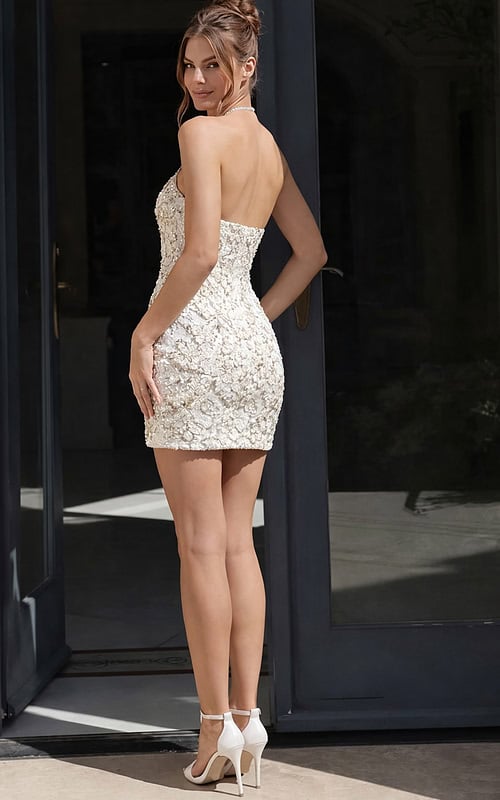
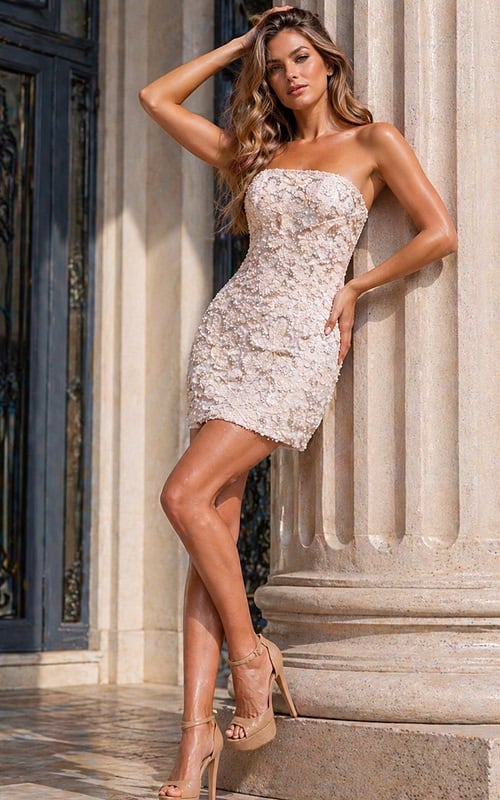
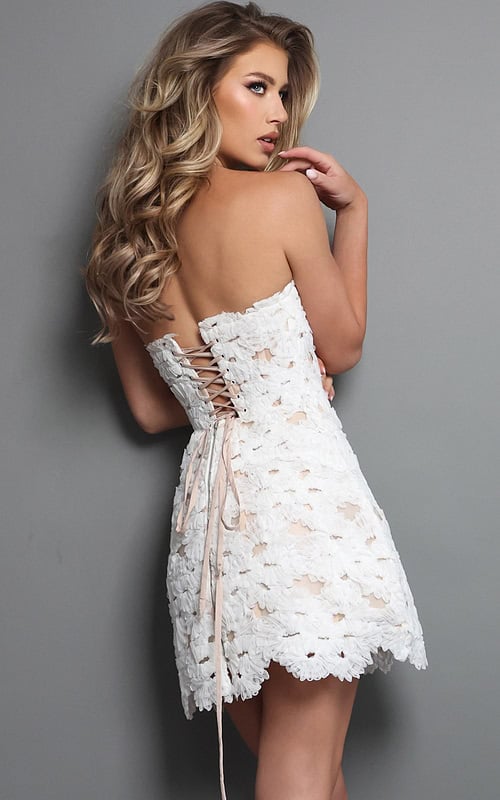
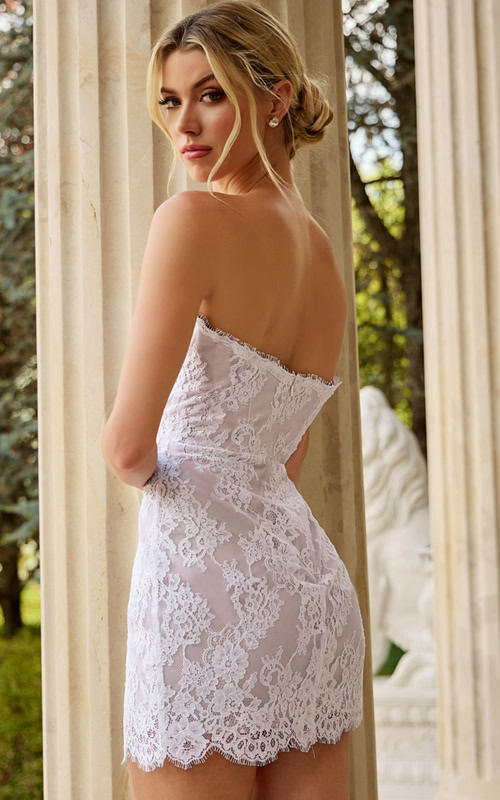
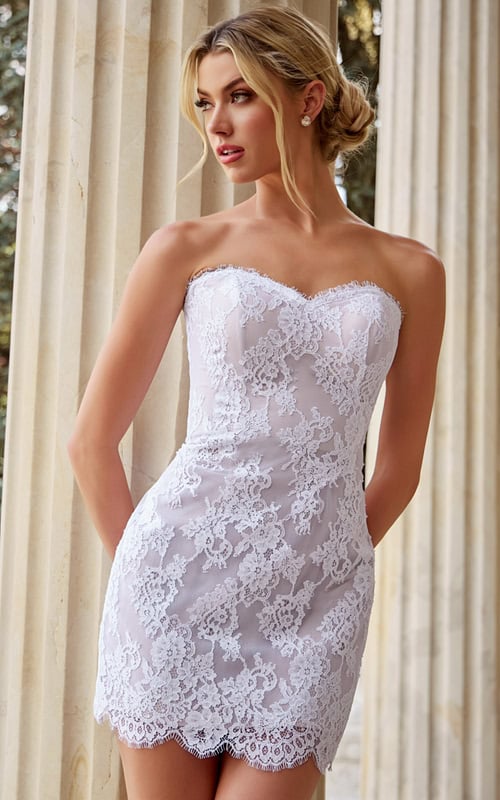
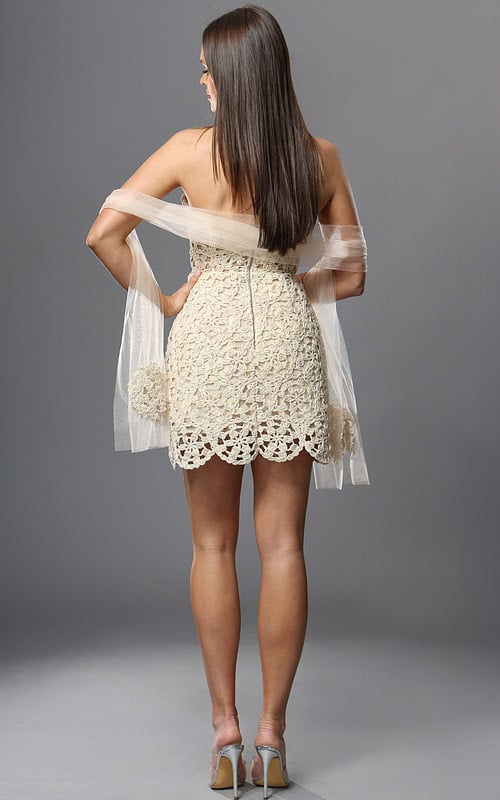
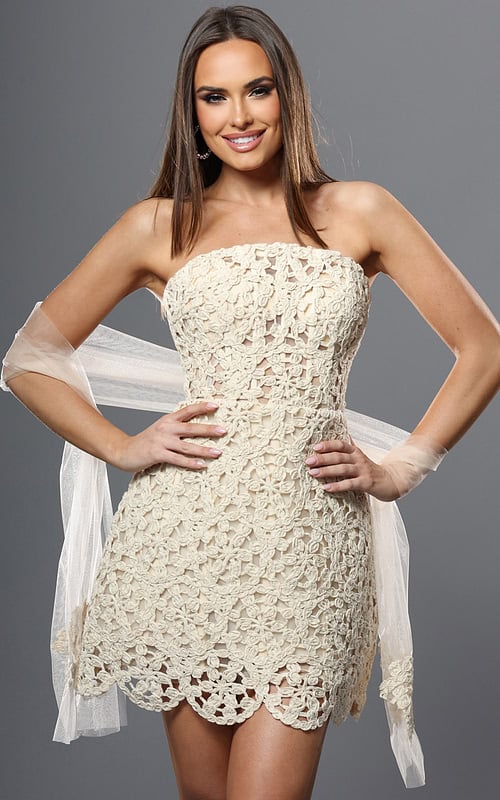
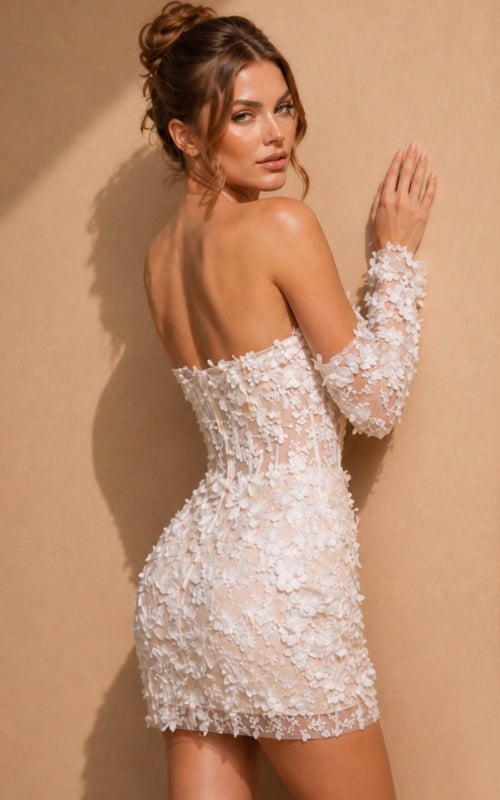
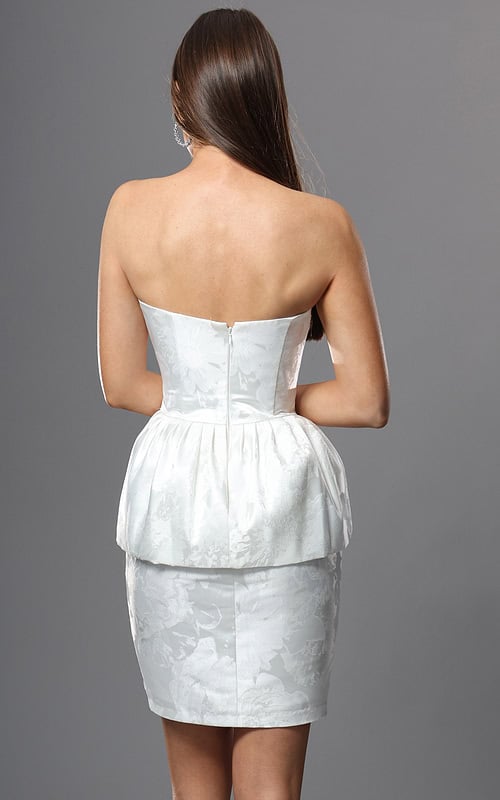
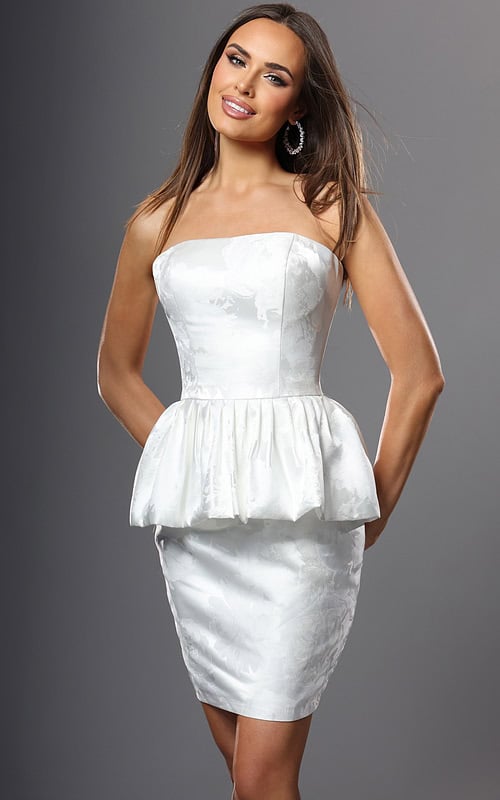
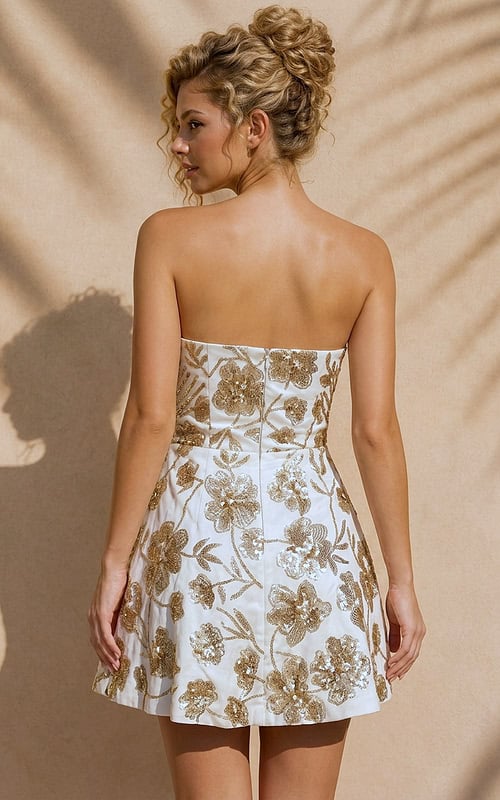
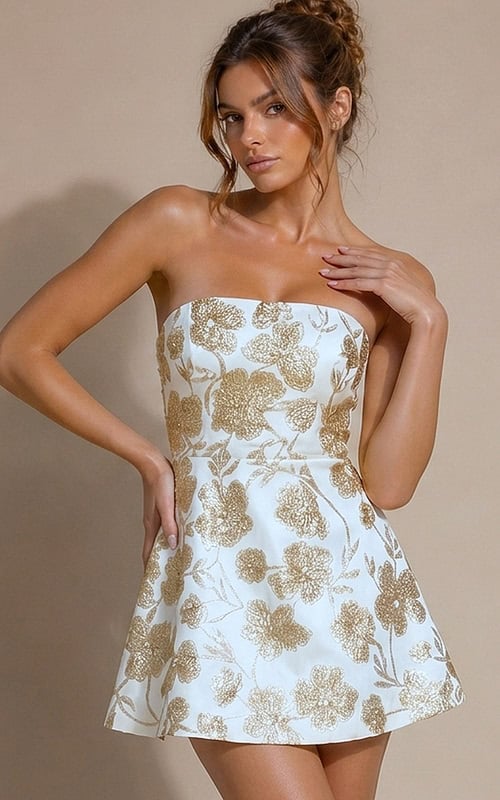
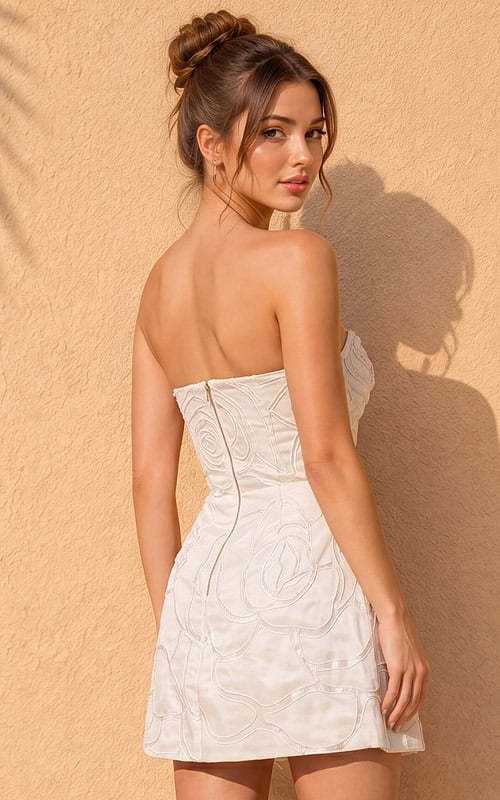
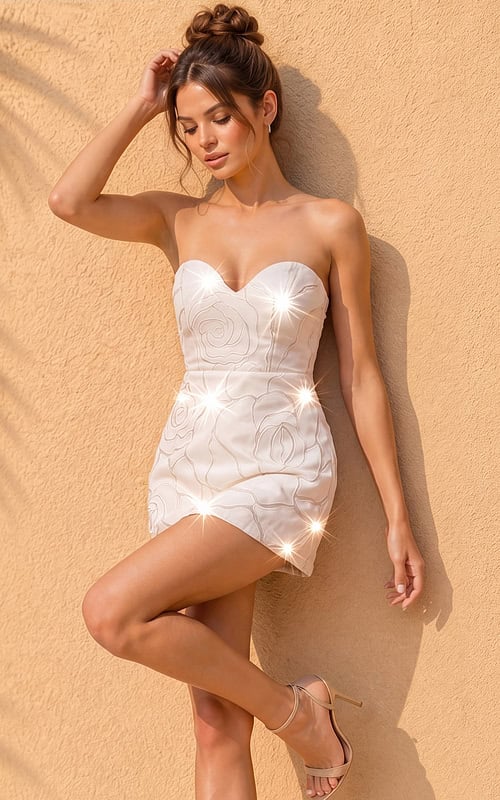
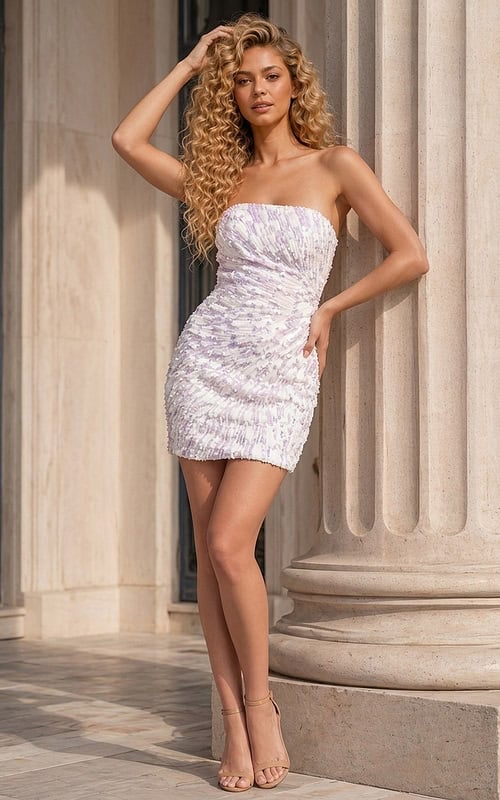
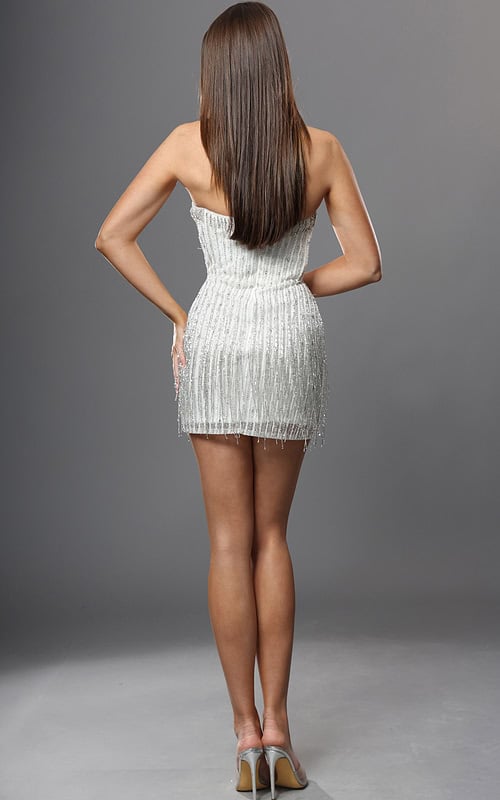
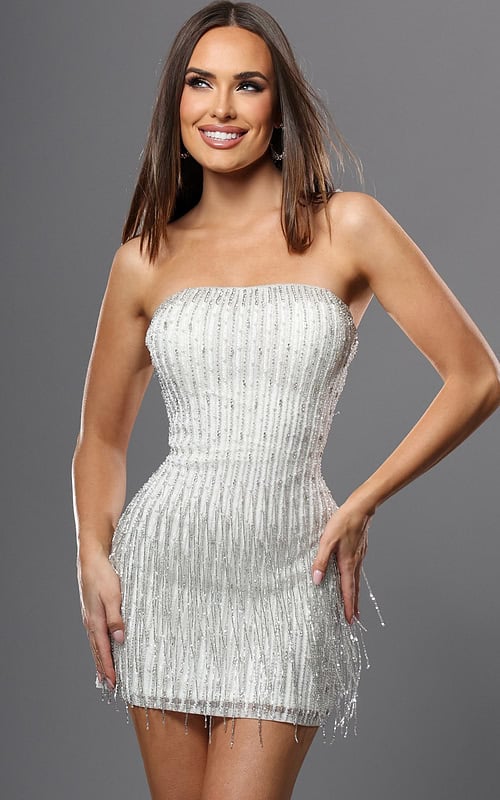
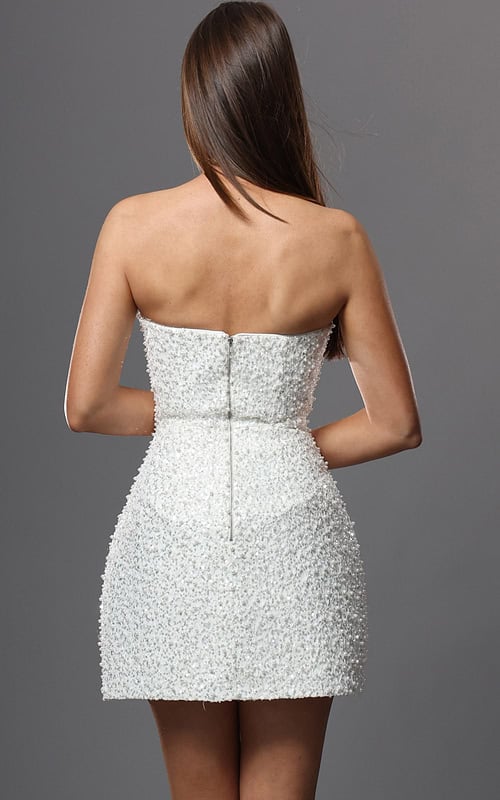
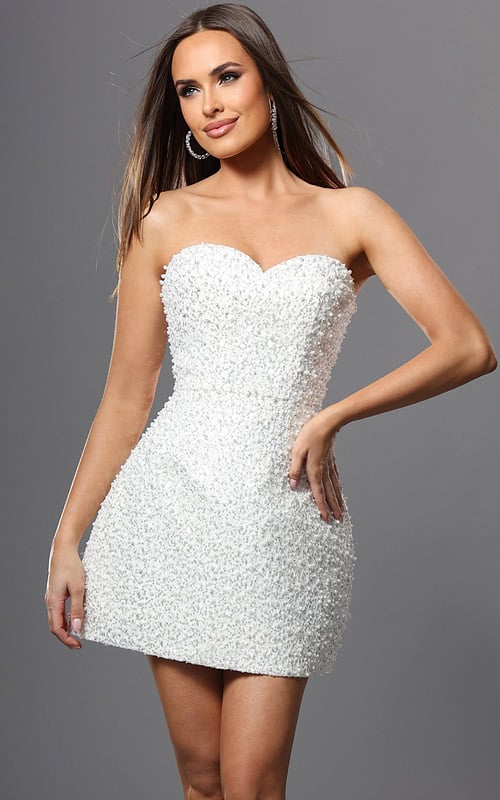
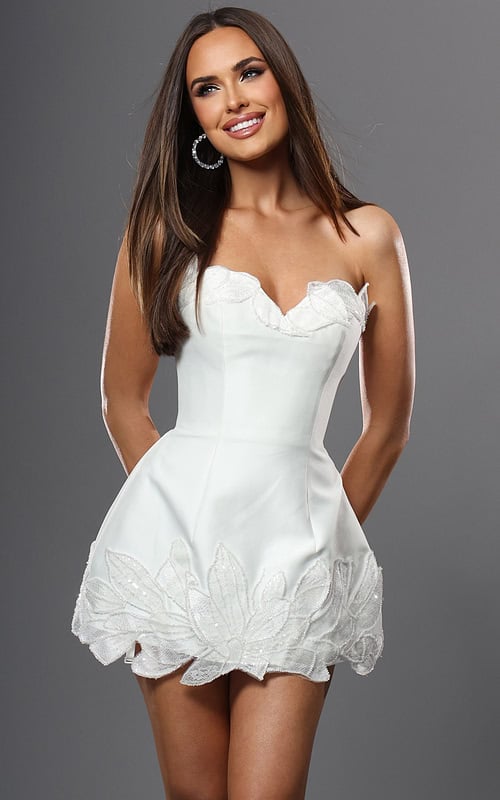
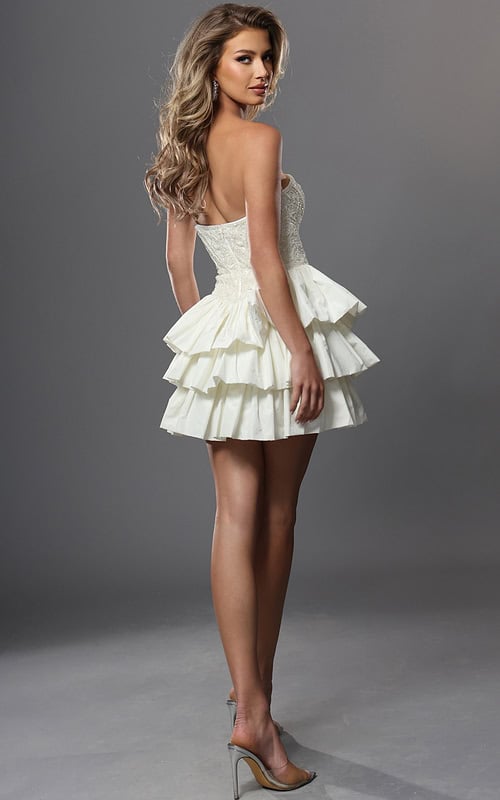
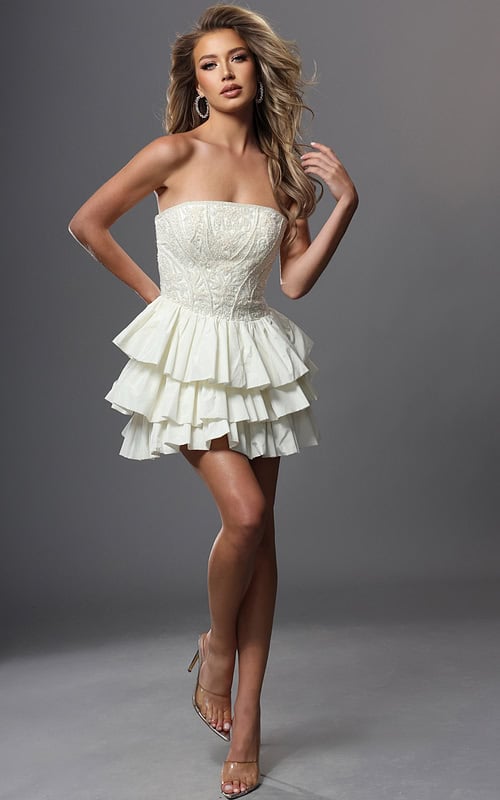
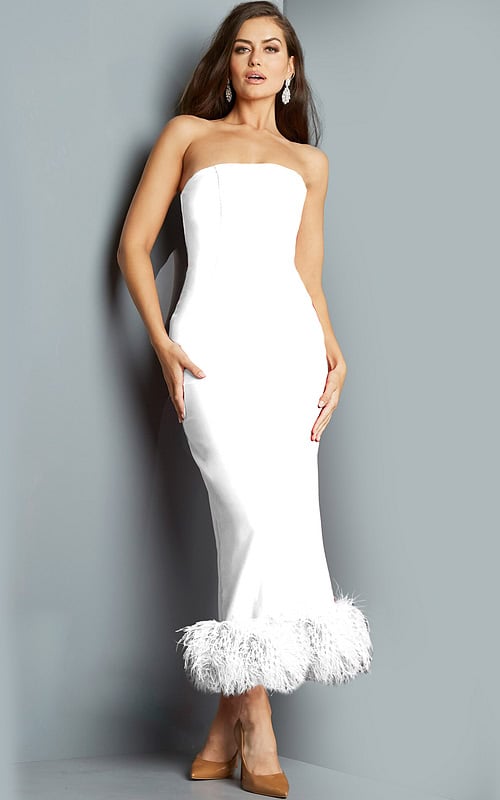
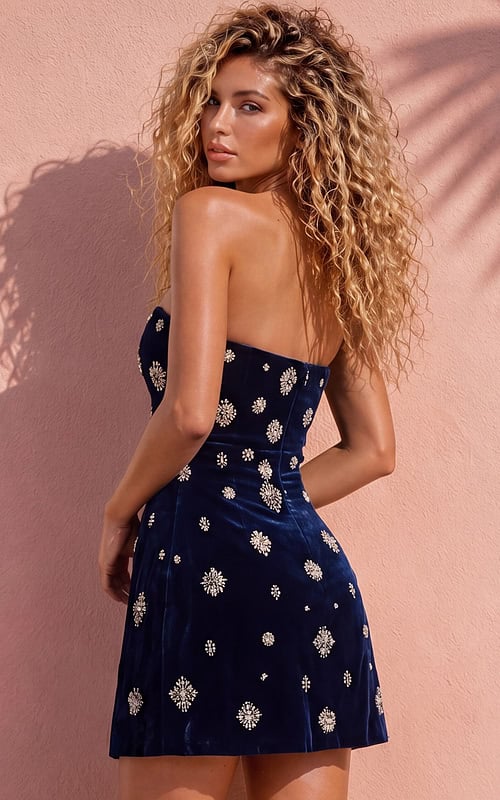
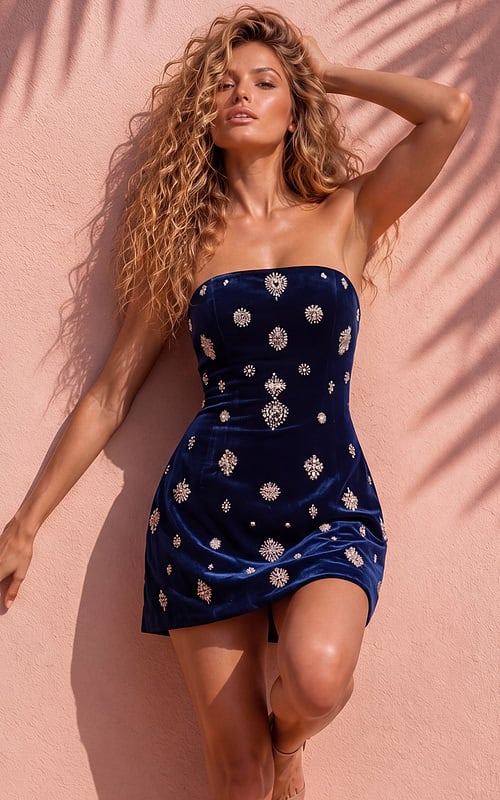
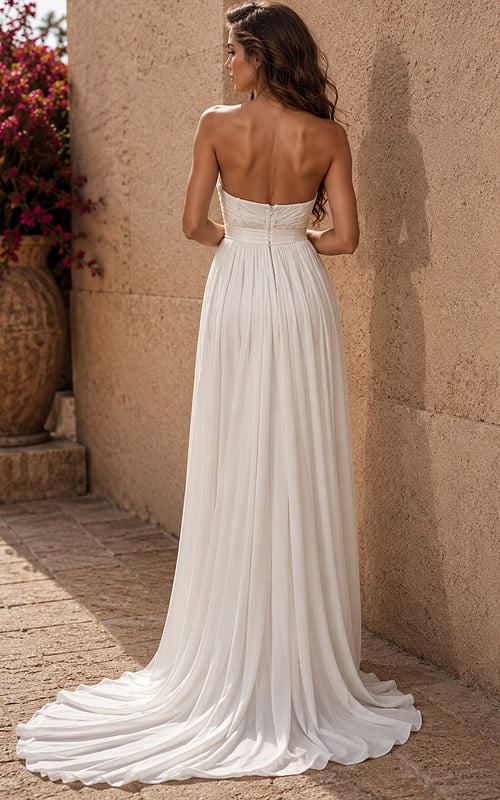
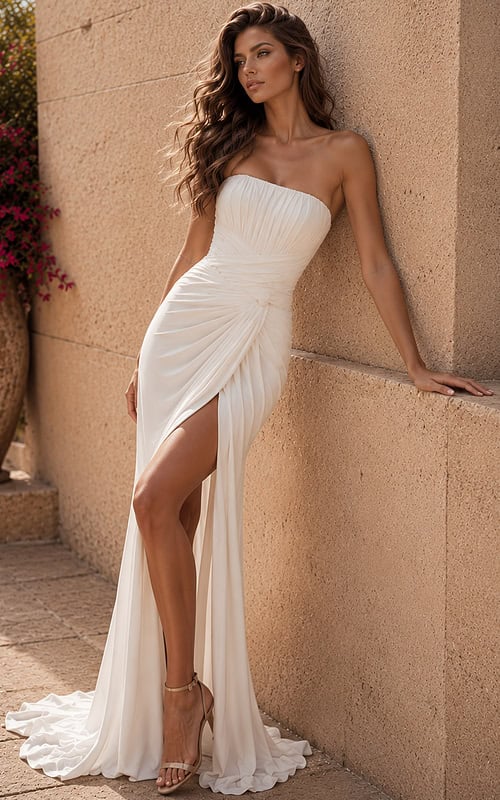
The reception places different demands on fit than the ceremony. A bodice that feels secure while sitting, standing, and dancing becomes more important once the event becomes less structured. Strapless minis benefit from internal boning, firm lining, and defined waist construction so the neckline stays in place as the body moves. Corset-style backs and shaped seams can create additional structure through the bust and torso, while fitted sheath silhouettes follow the body more closely through the hips. Shoppers comparing a more body-conscious line can use Fitted Wedding Dresses as a related silhouette reference without turning the reception page into a fitted-gown collection.
Lace, Beading, Sequins, and Statement Texture
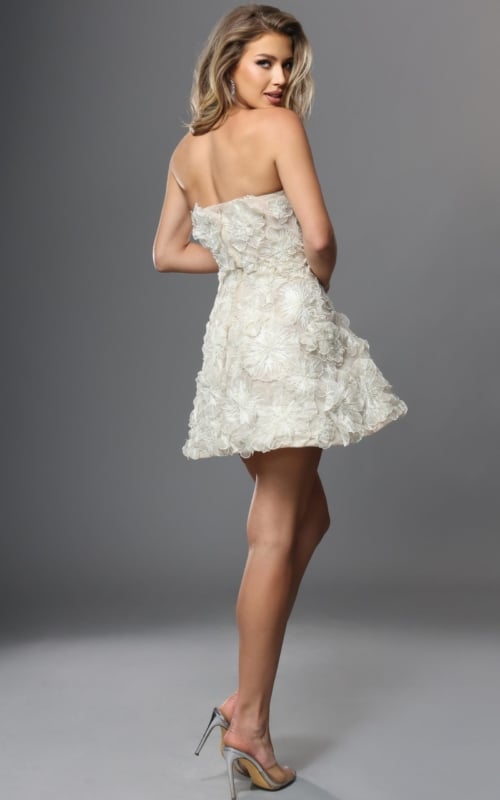
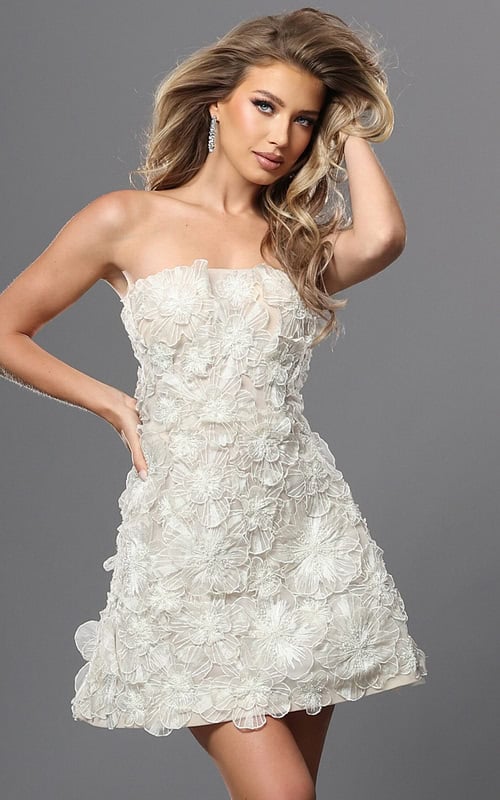
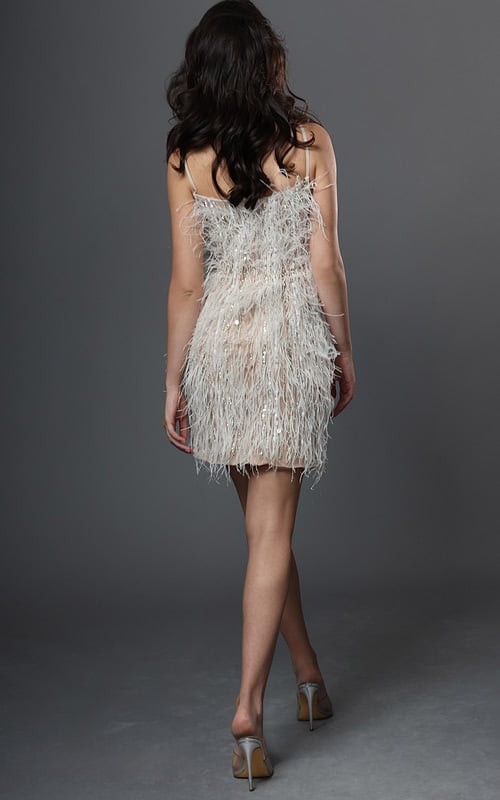
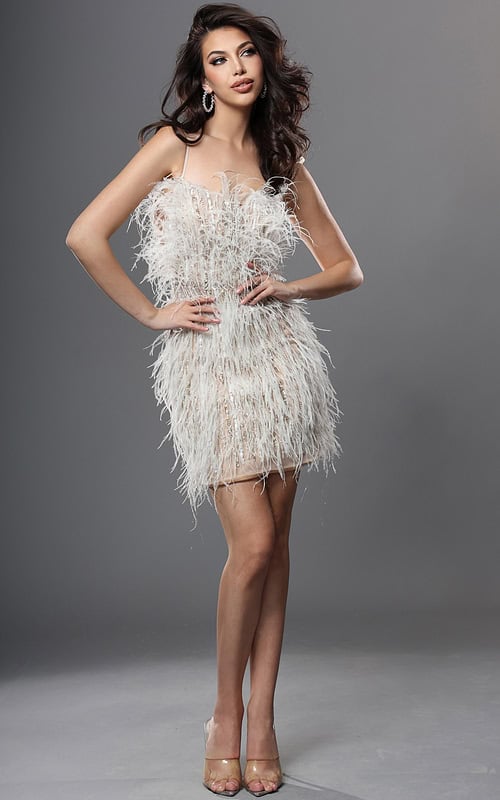
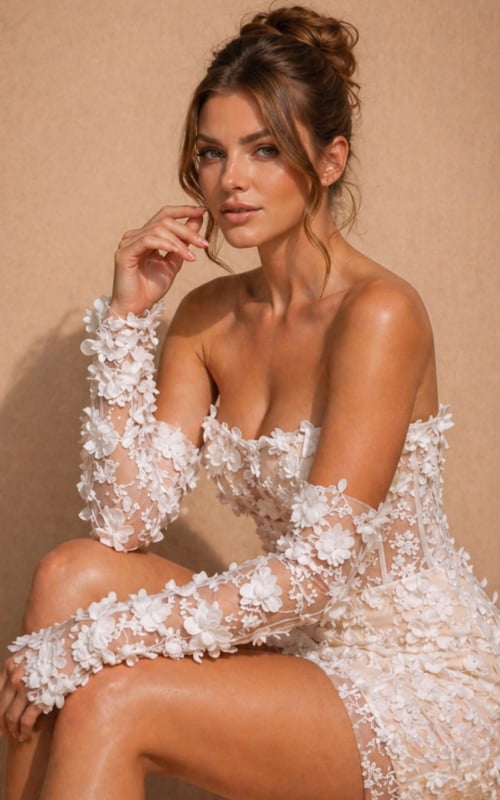
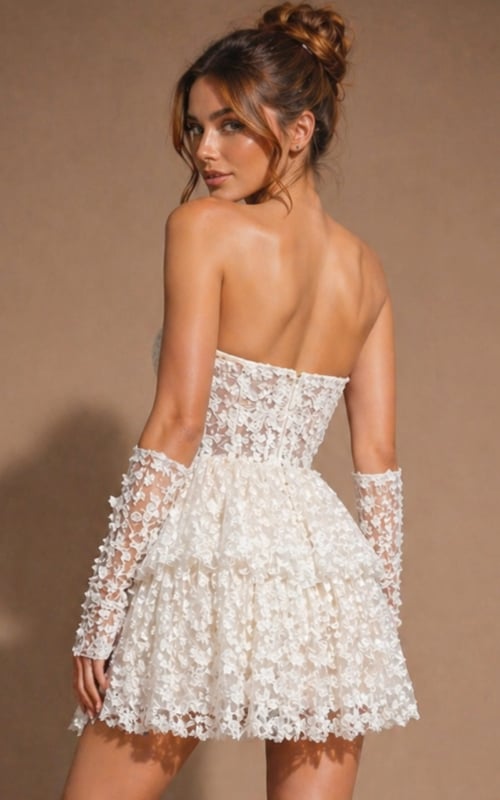
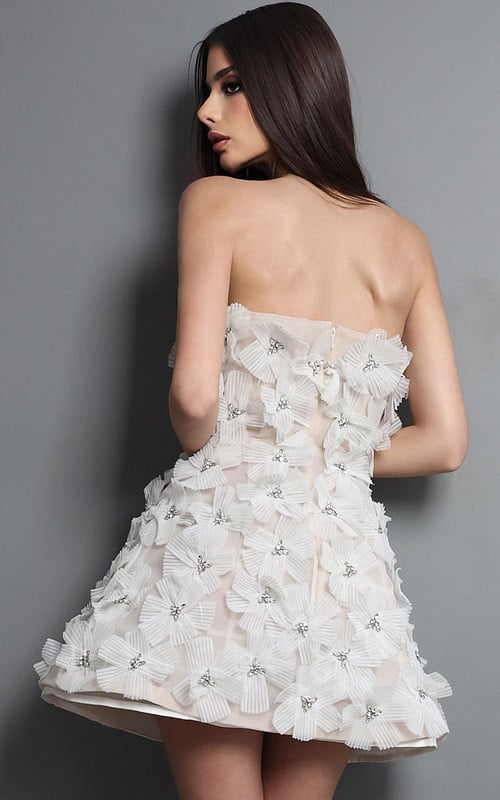
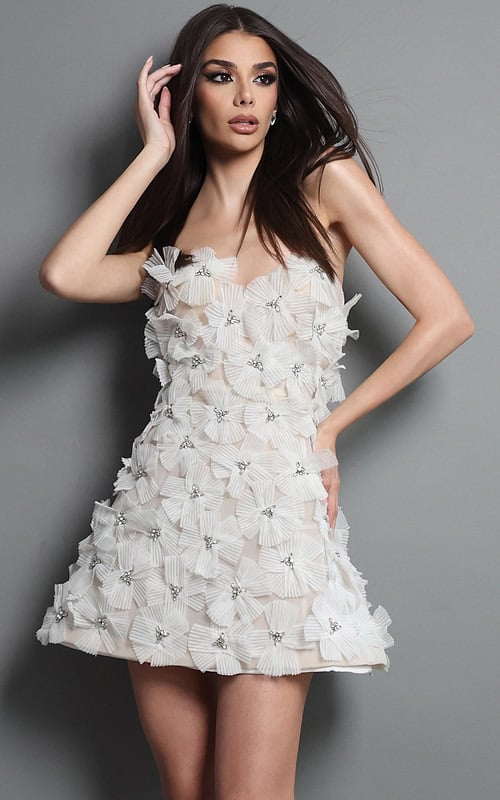
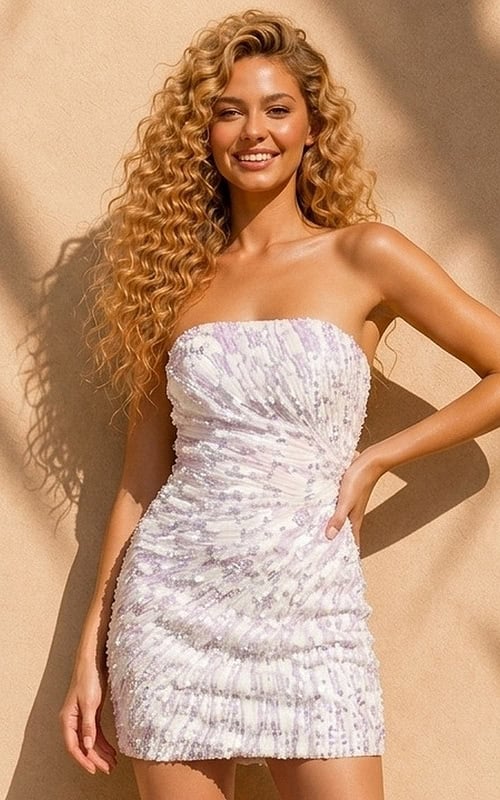
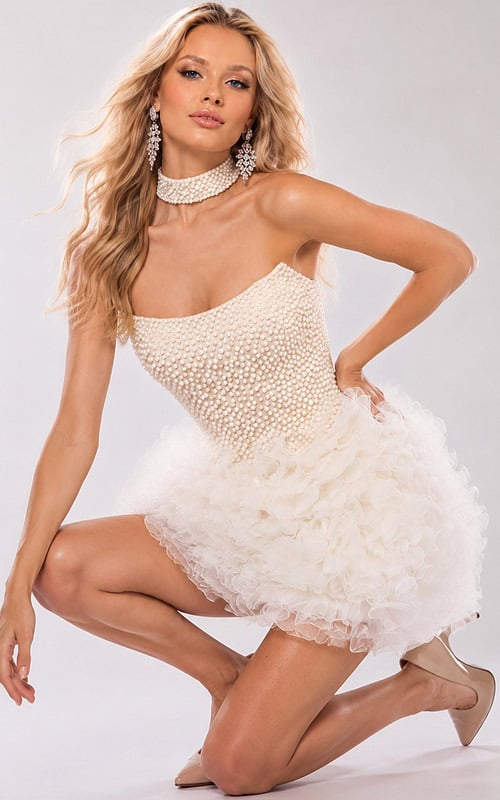
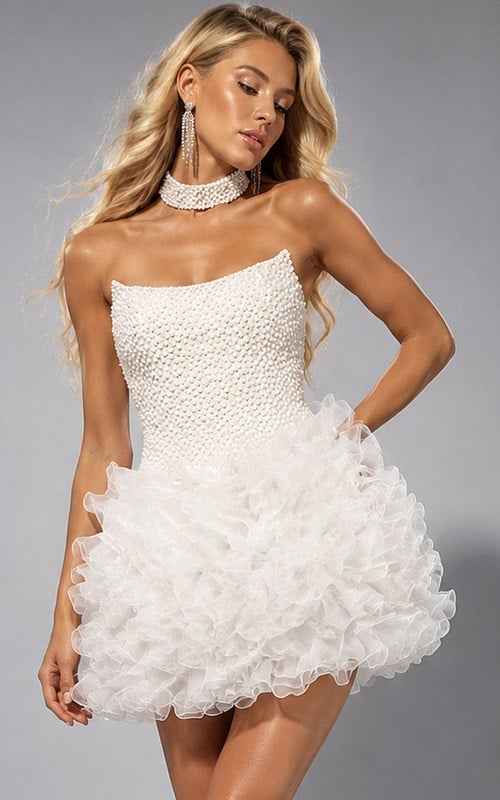
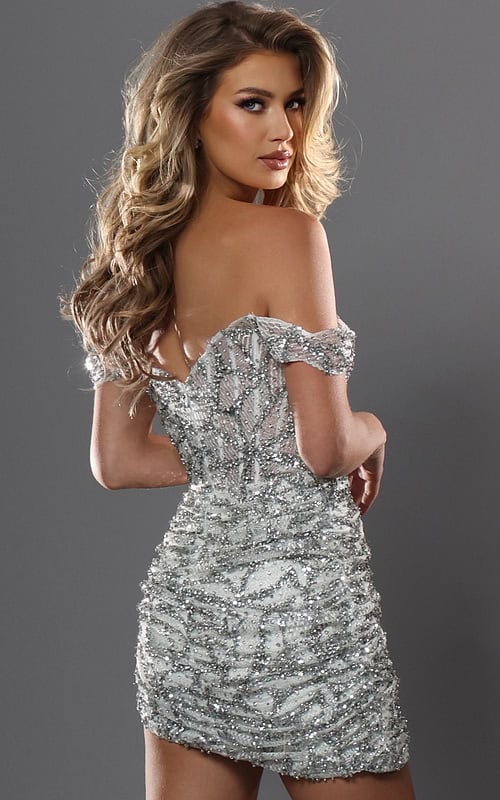
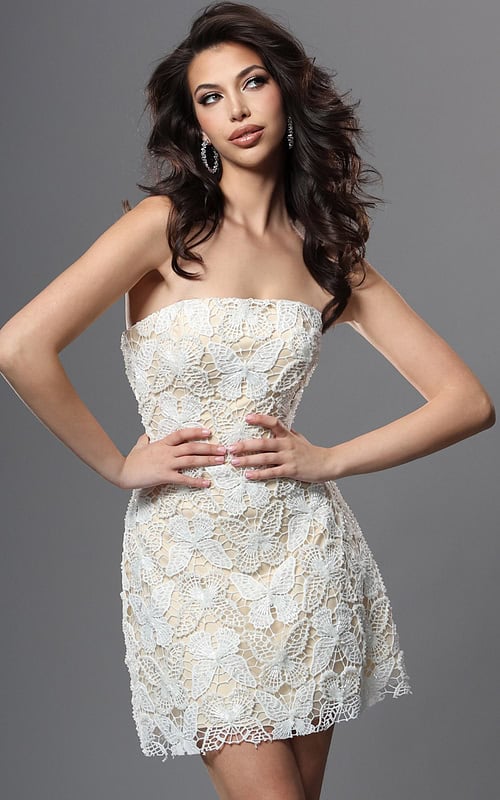
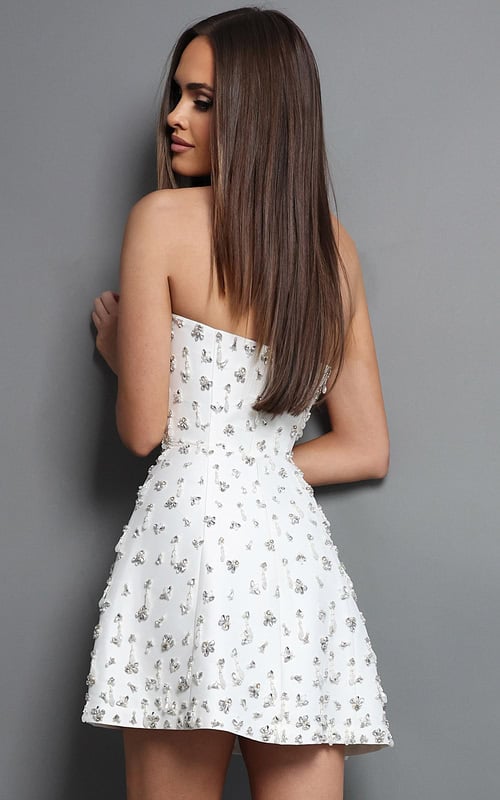
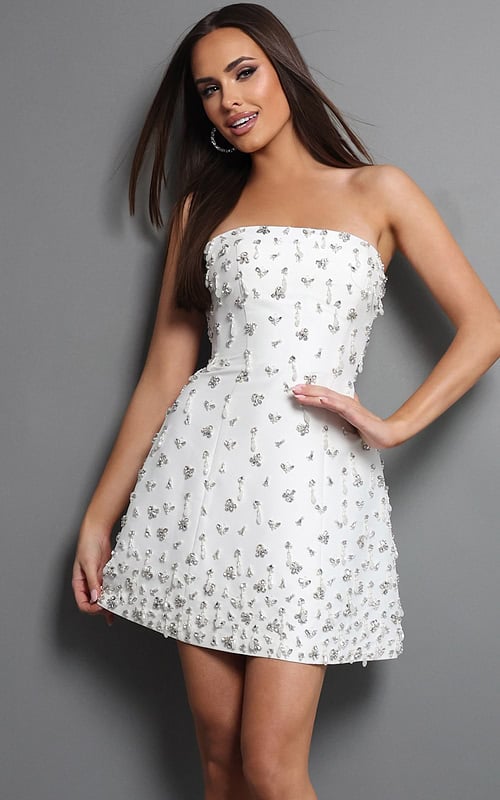
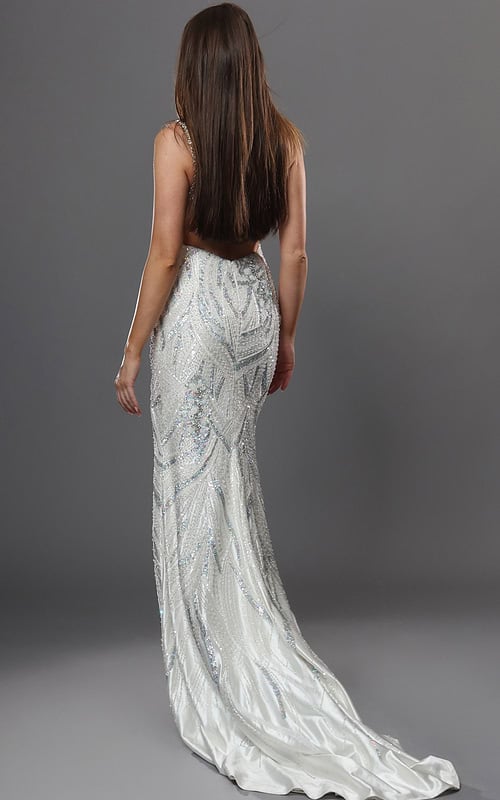
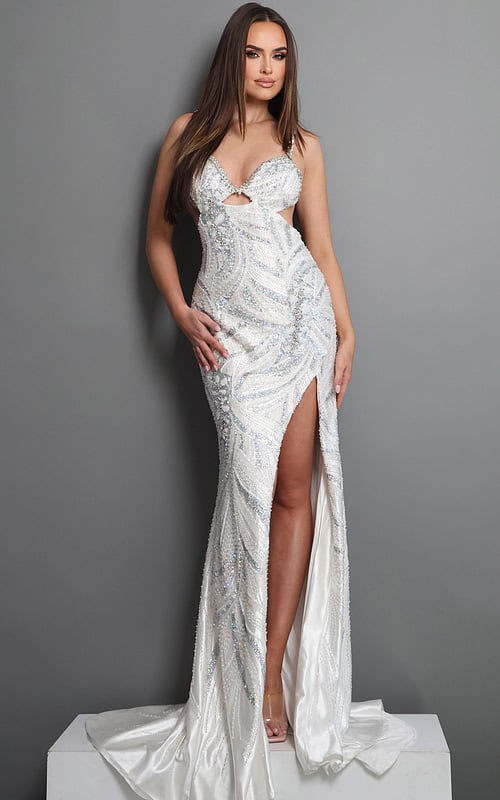
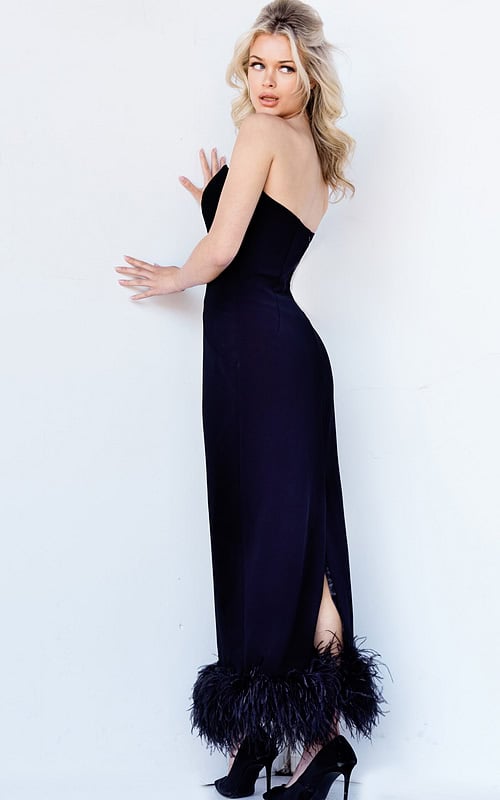
Surface detail tends to read more strongly on a shorter reception silhouette because the proportion is more compact. Lace can keep the look recognizably bridal while changing the scale of the dress. Floral appliqués add dimension around the bodice or skirt, while sequins, pearls, crystals, and beading catch light on the dance floor and in evening photography. Feather trim creates movement at a hem or neckline without adding the same weight as a layered skirt. Brides who want embellishment to lead the look can also compare Beaded Wedding Dresses, while keeping the reception choice focused on easier movement and a more condensed silhouette.
A-Line and Fit-and-Flare Shapes with More Movement
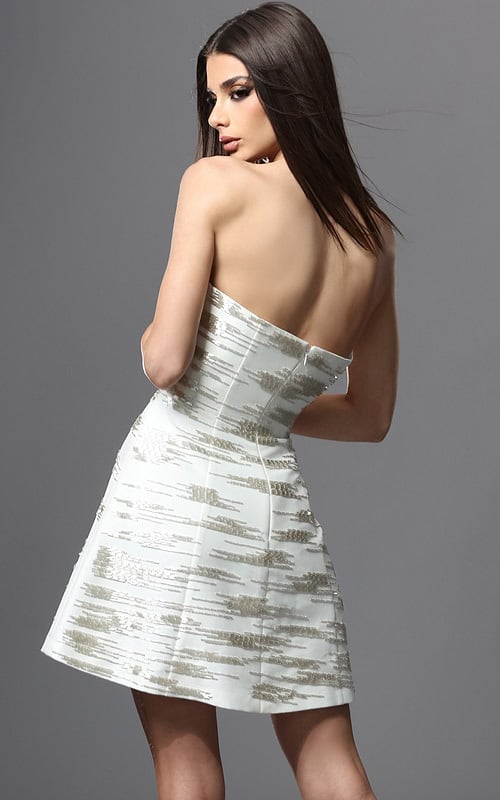
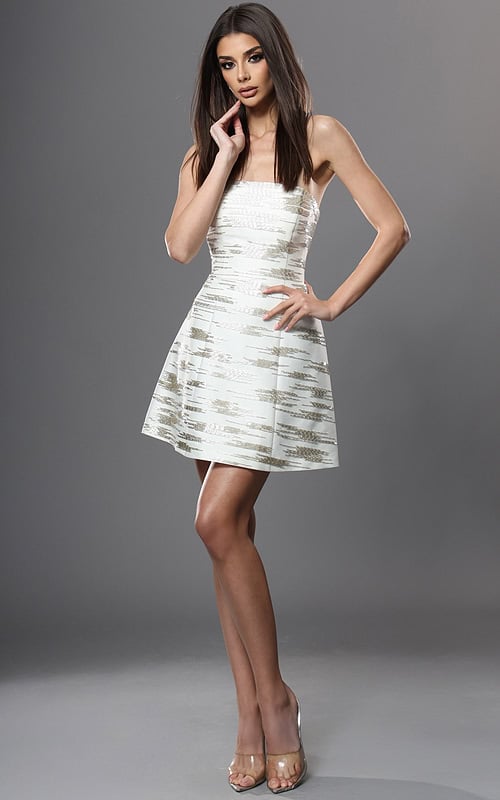
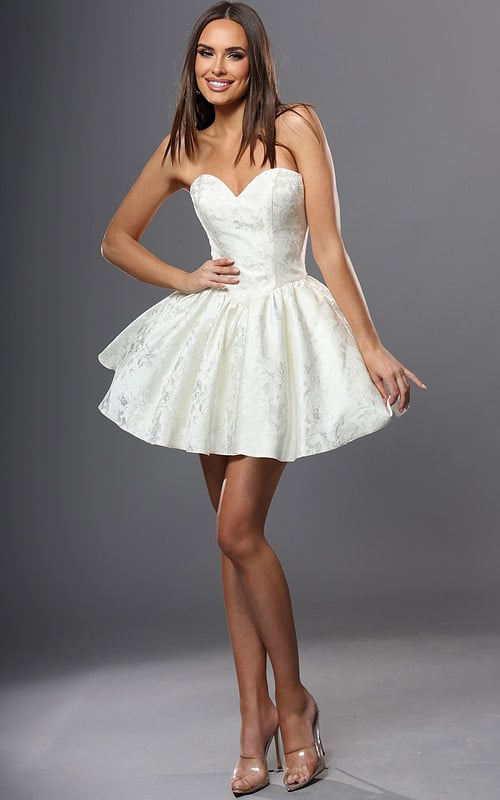
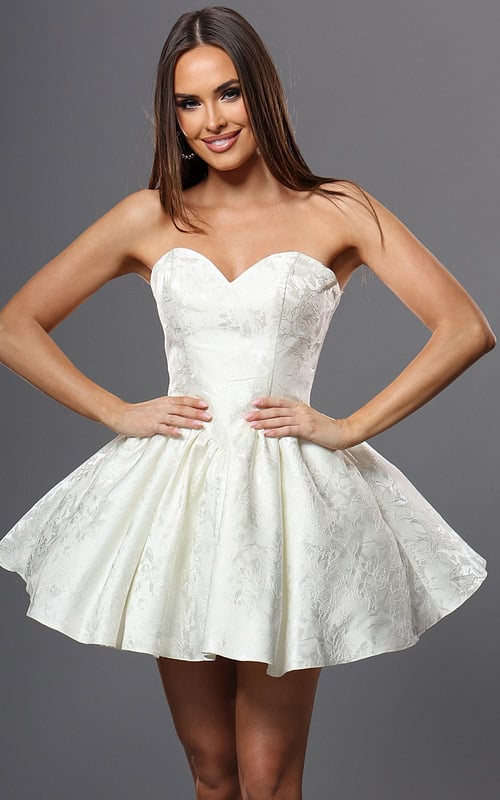
Not every reception dress needs to be close to the body. A-line and fit-and-flare shapes create more room through the skirt, which can be useful for dancing and for brides who want visible movement in photographs. The distinction is in where the skirt begins to release: some styles open directly from a defined waist, while others stay fitted through the upper hip before widening. Structured jacquard, lace, and organza can hold that shape clearly, while lighter fabrics create a softer swing. For a fuller comparison of this proportion, A-line Wedding Dresses provides the ceremony-focused counterpart.
Choosing a Reception Dress That Complements the Ceremony Gown
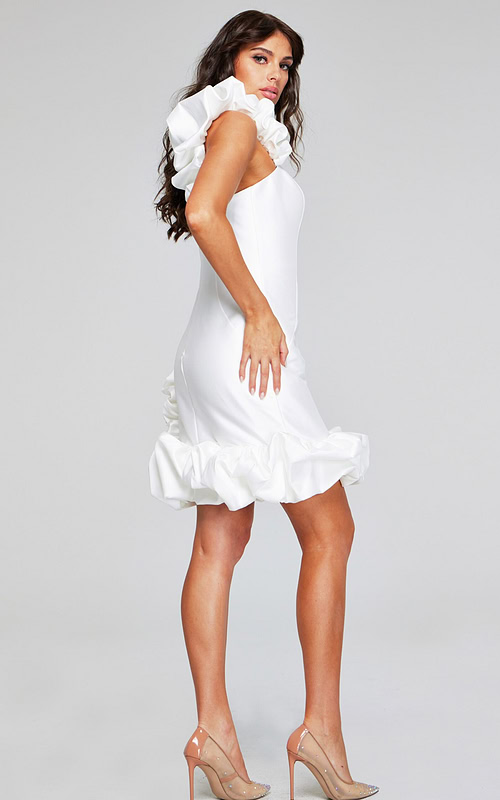
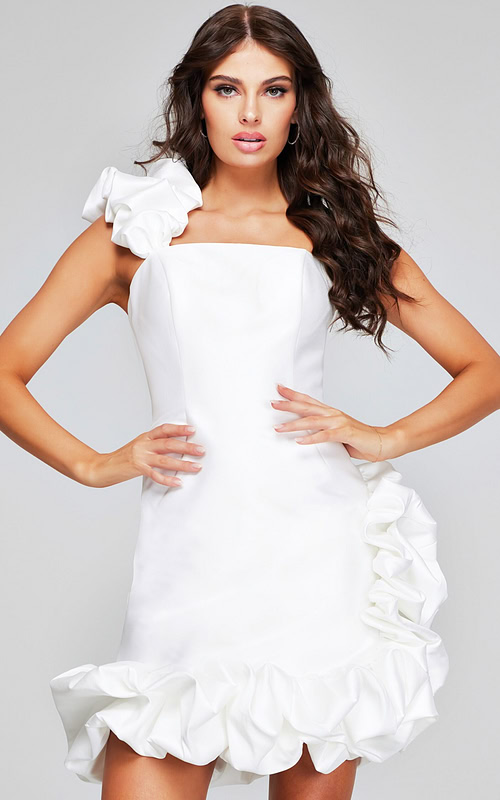
A second bridal look does not need to reproduce the first dress in shorter form. The stronger approach is to decide which elements should carry through and which should change. A ceremony gown with lace can transition into a clean satin mini for contrast, while a minimalist ceremony look can shift into beading, feathers, floral appliqué, or sequins after dinner. Neckline is another useful point of contrast: a high or covered ceremony bodice can give way to strapless, sweetheart, one-shoulder, or halter construction for the reception.
Consider footwear, dance-floor movement, seating, and how long the second look will be worn. A shorter hem makes shoes more visible, while a more structured bodice may need to be tested for comfort through extended movement. If the reception includes multiple outfit moments, the dress should also remain distinct from a cake-cutting or rehearsal look rather than functioning as a generic white party dress. Jovani’s reception assortment supports that distinction through changes in scale, structure, fabric, and embellishment rather than relying on one fixed silhouette.