Lace Wedding Dresses: Pattern, Placement, and Structure
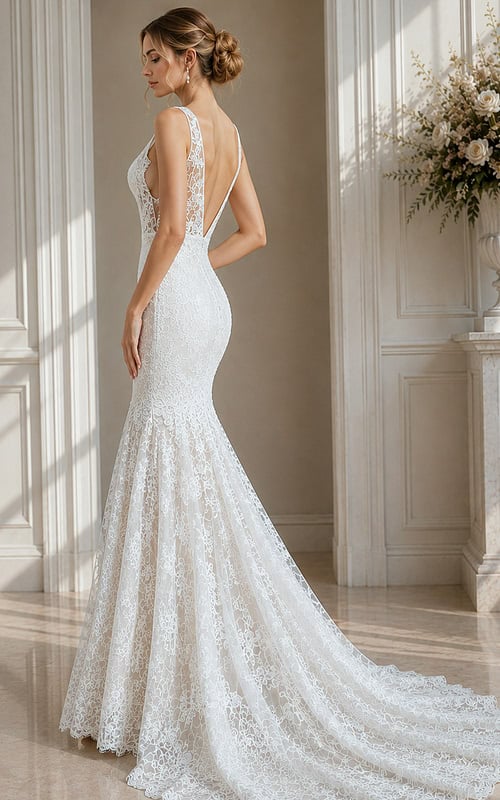
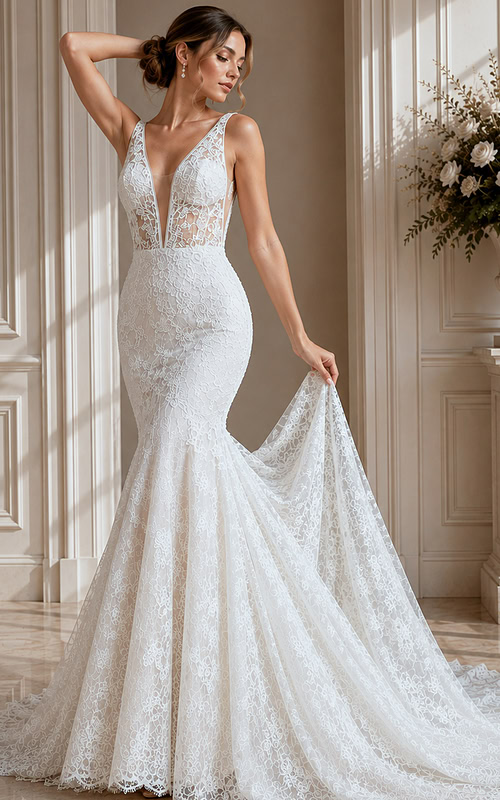
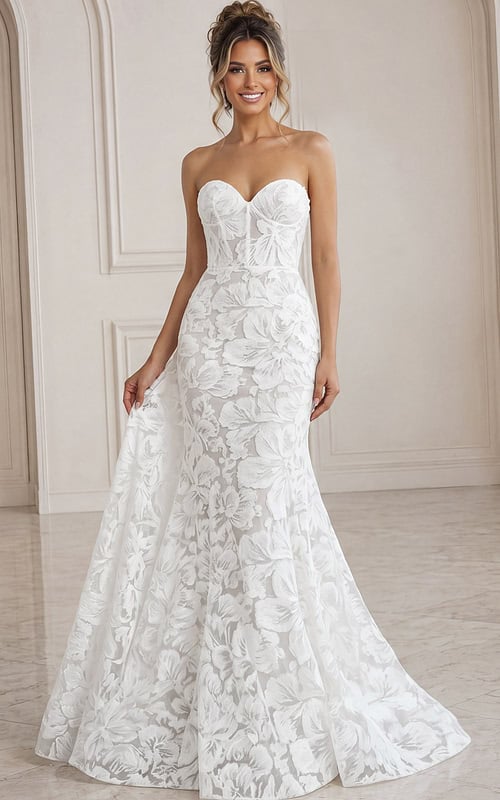
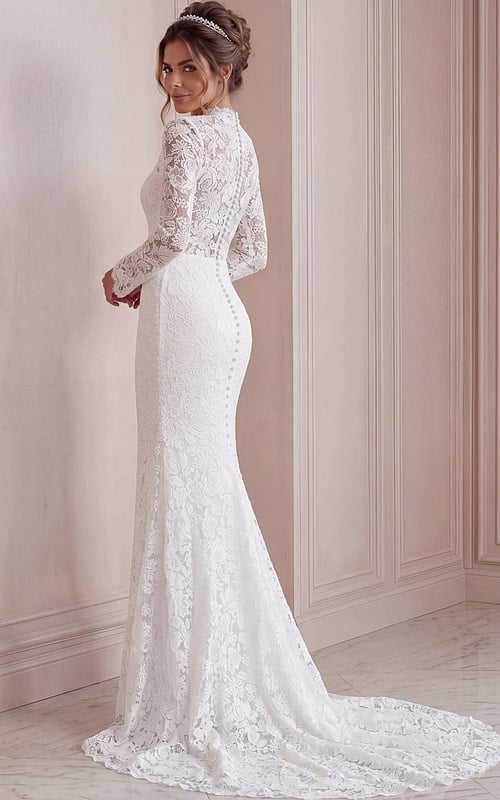
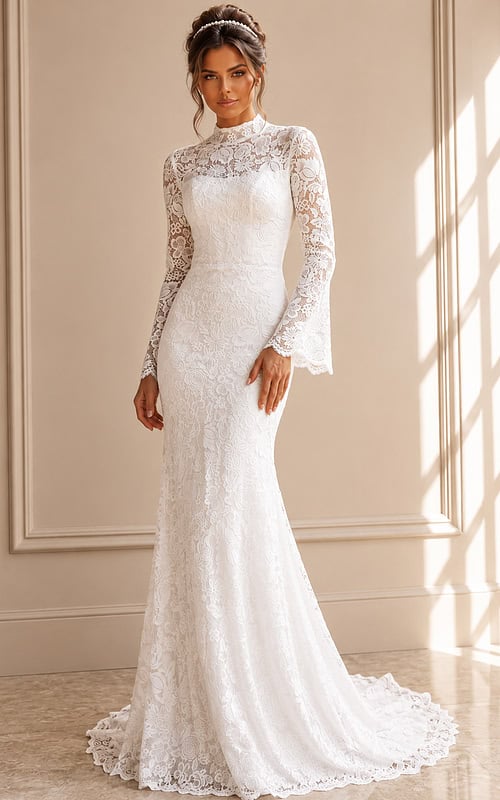
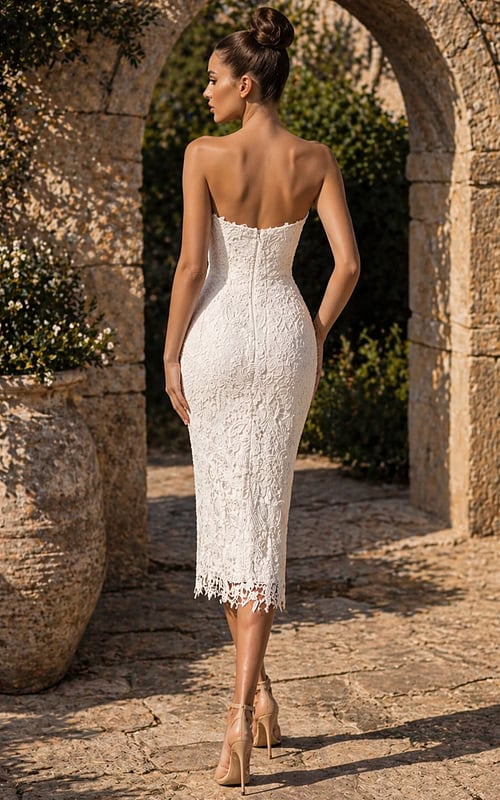
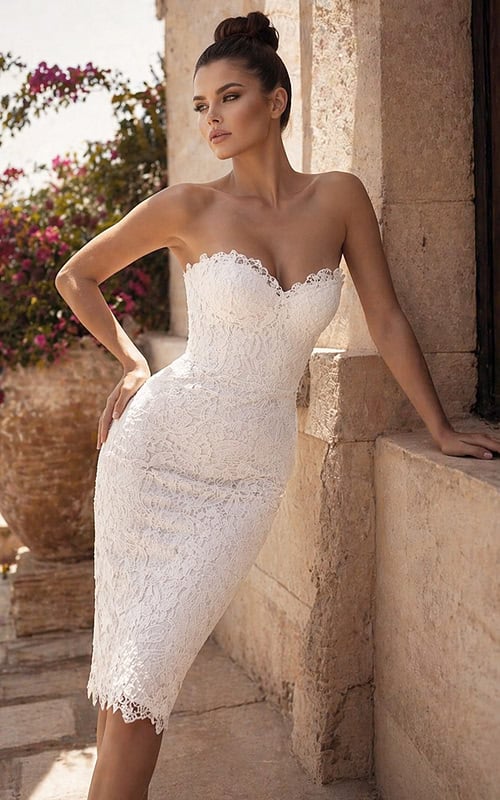
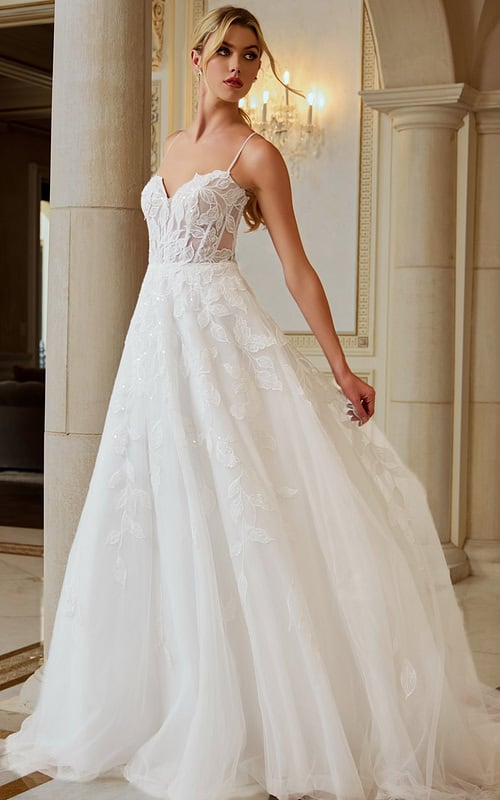
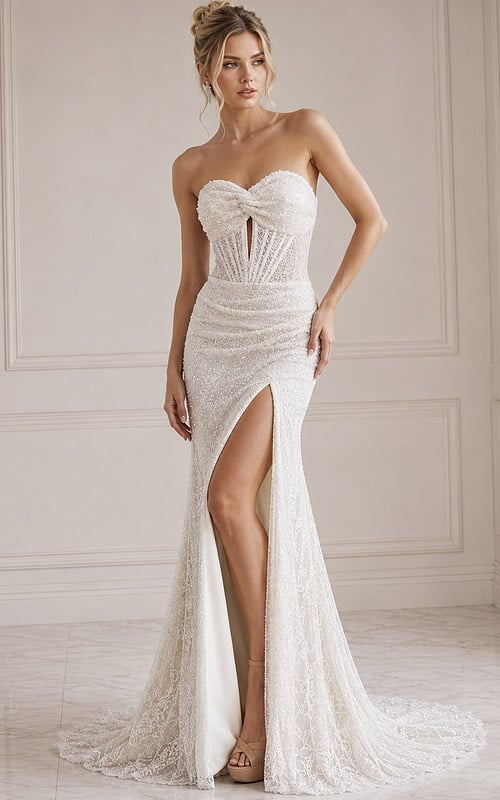
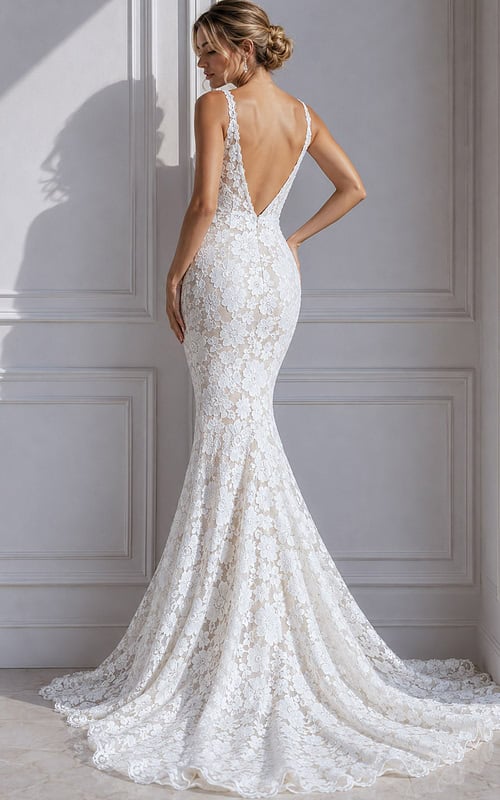
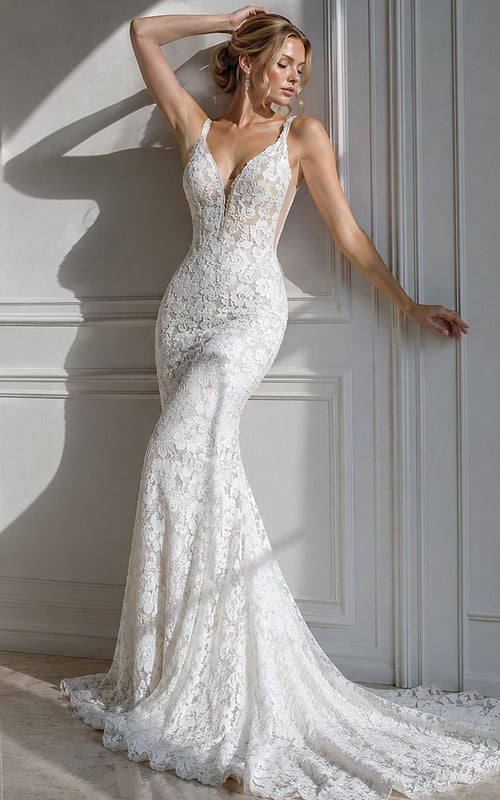
The most useful way to compare lace gowns is to look at where the motif sits and what supports it underneath. In fitted wedding dresses, lace follows the body more closely, so seam placement, lining, and motif scale become especially visible. A gown with lace concentrated through the corset or waist creates a different proportion from one covered in a continuous floral pattern. Sheer boned bodices expose more of the internal construction, while fully lined designs create a smoother, more uniform surface.
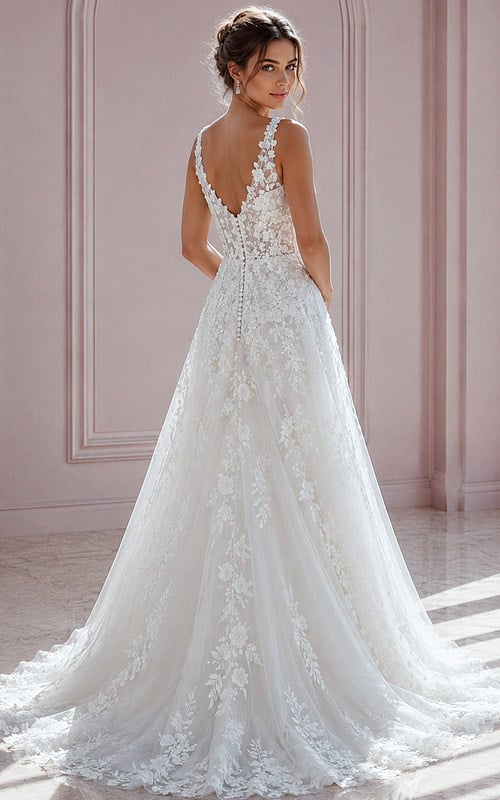
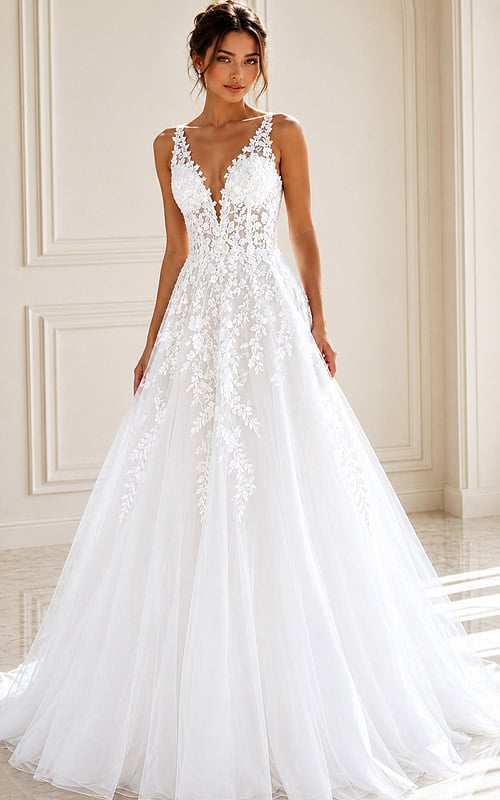
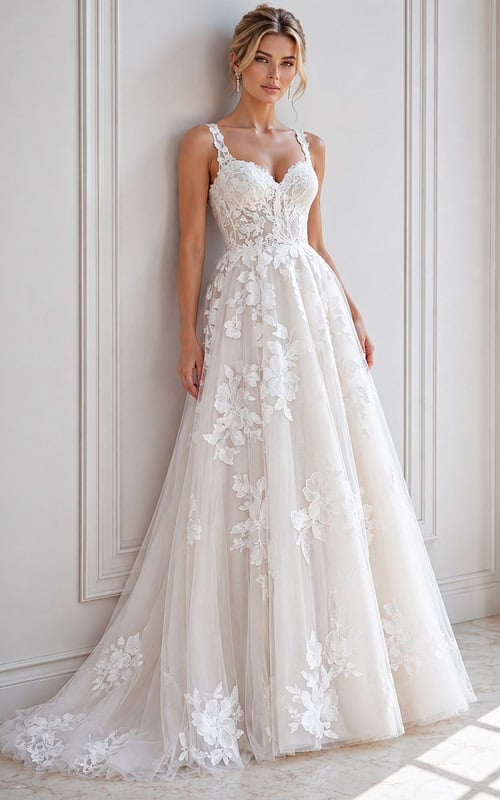
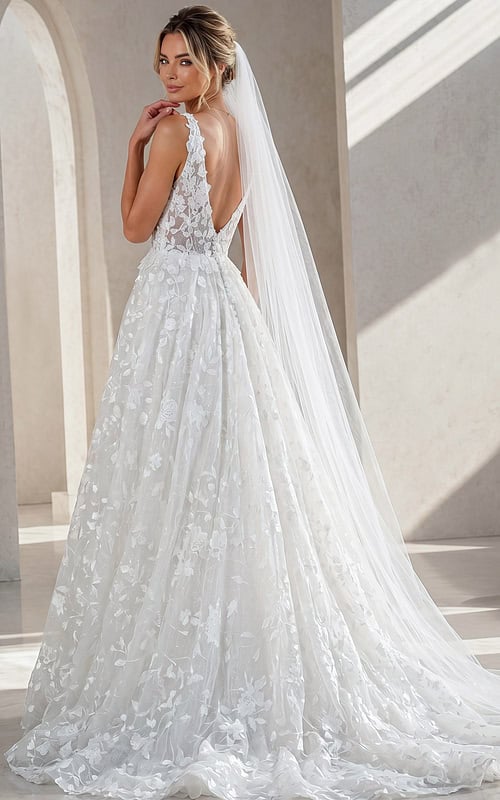
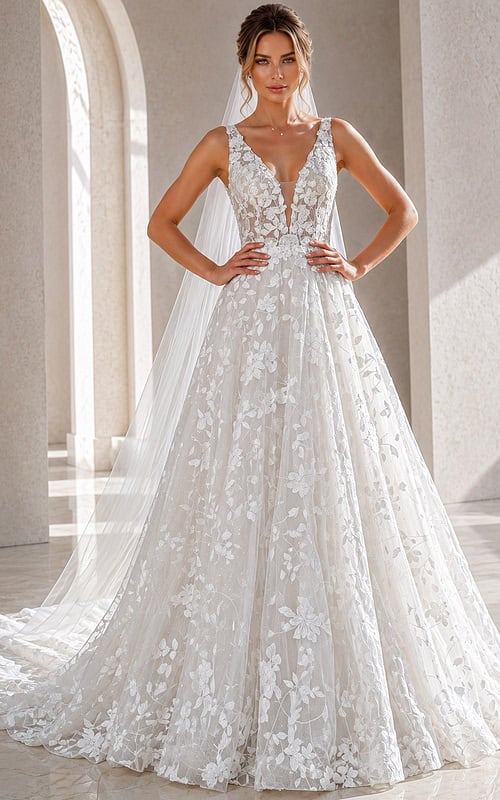
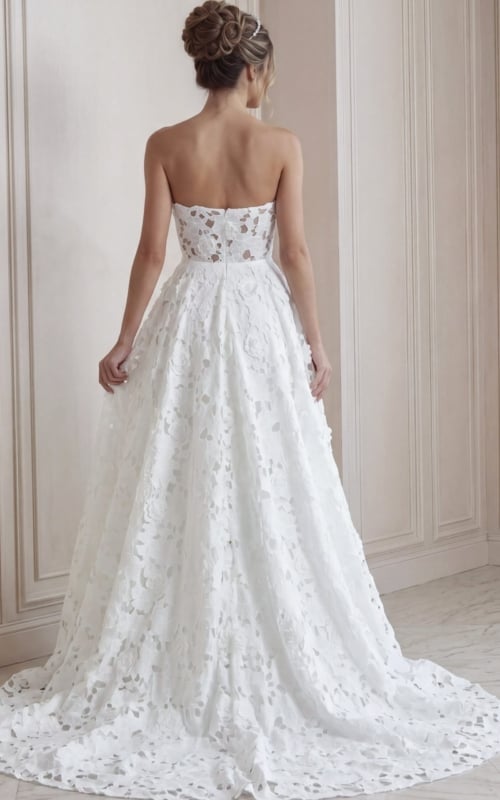
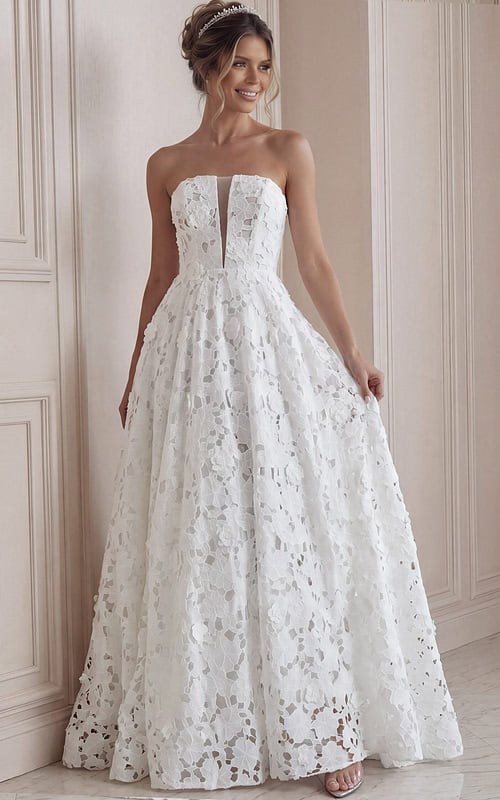
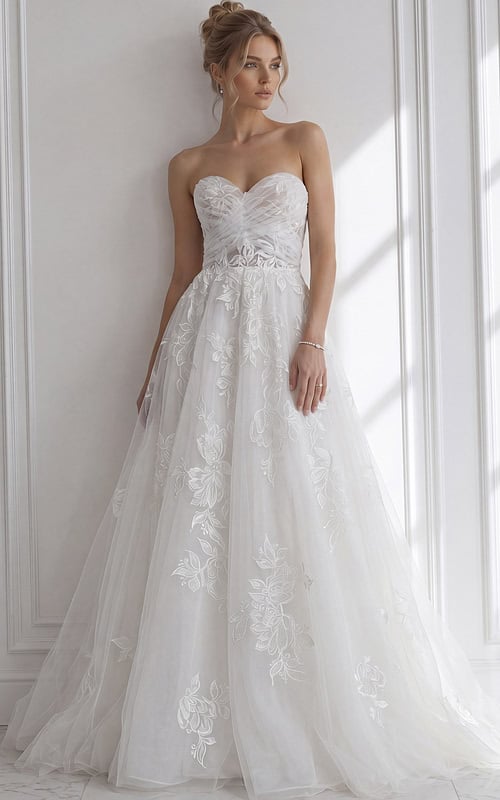
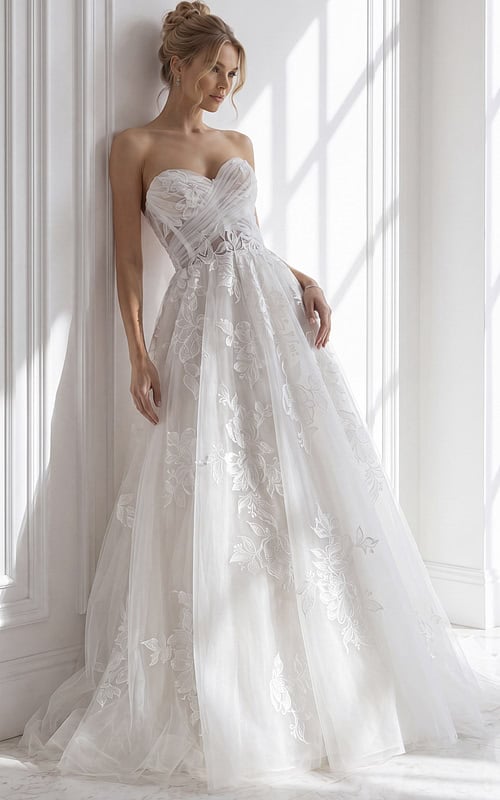
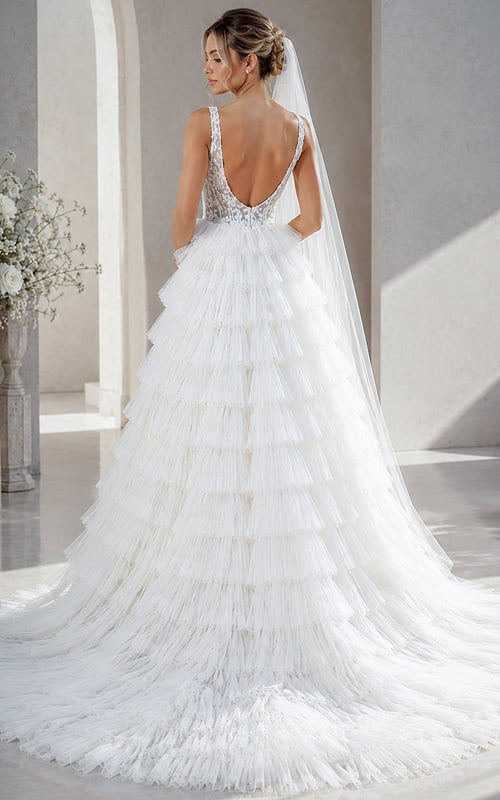
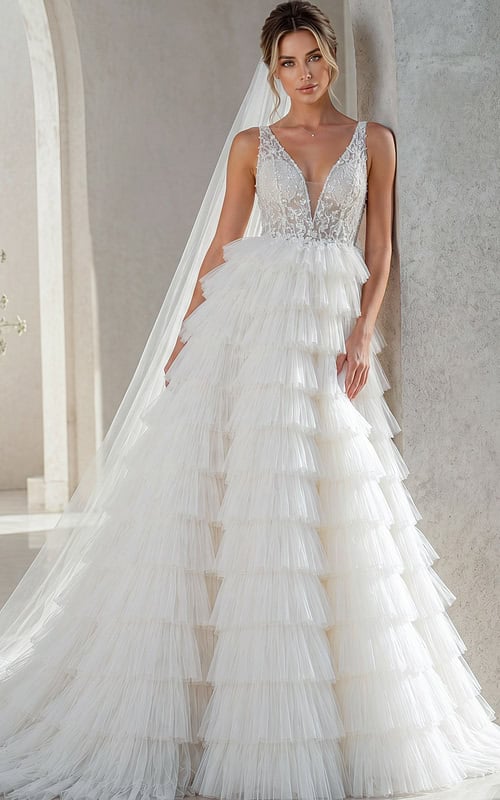
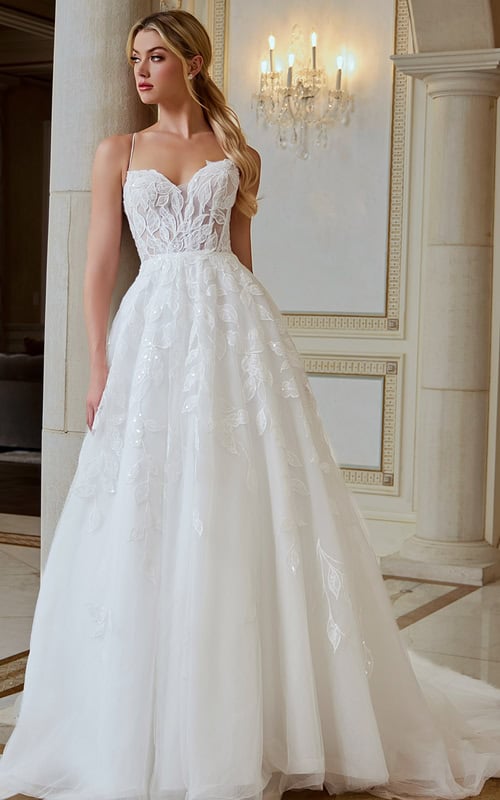
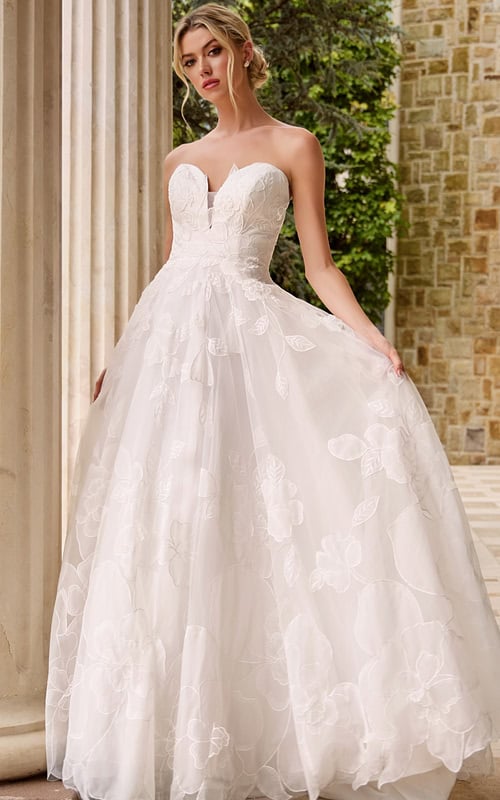
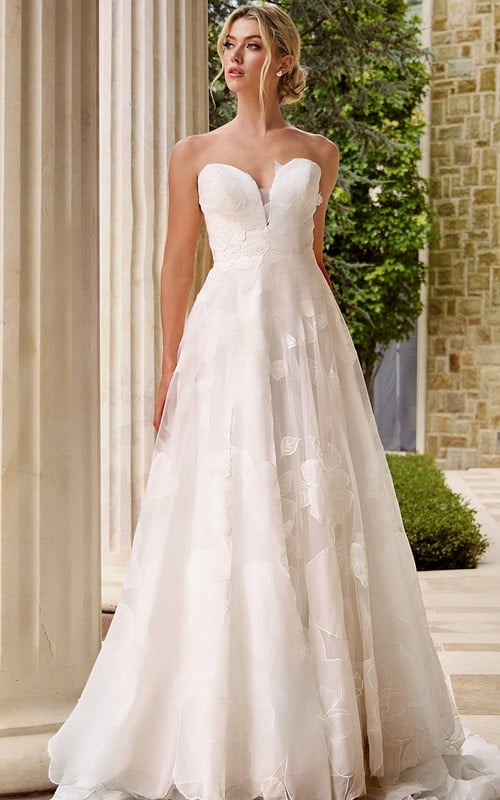
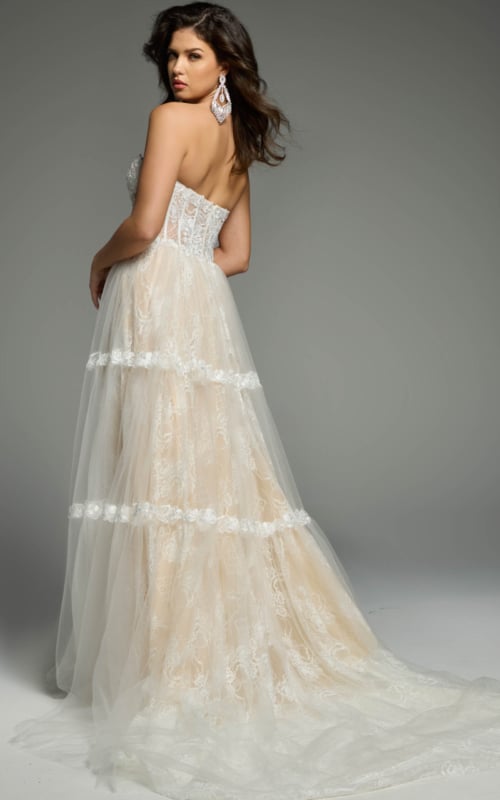
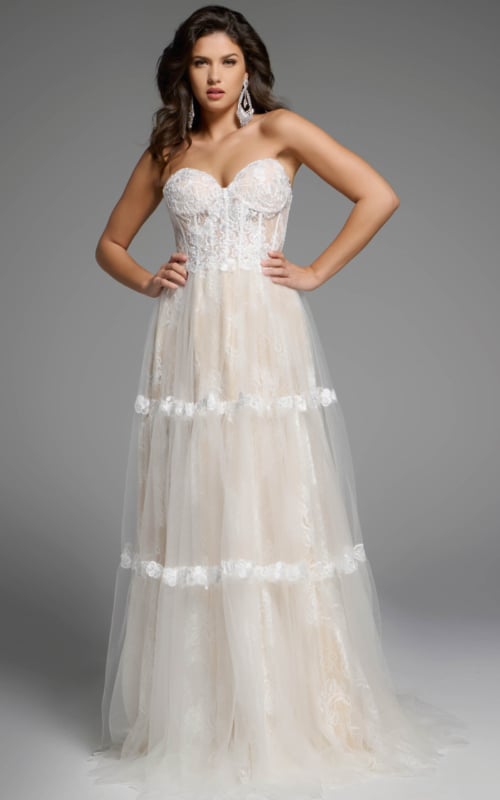
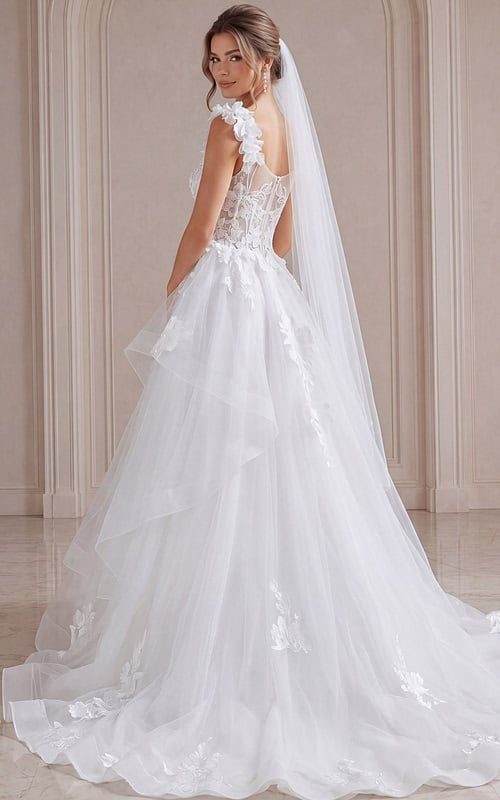
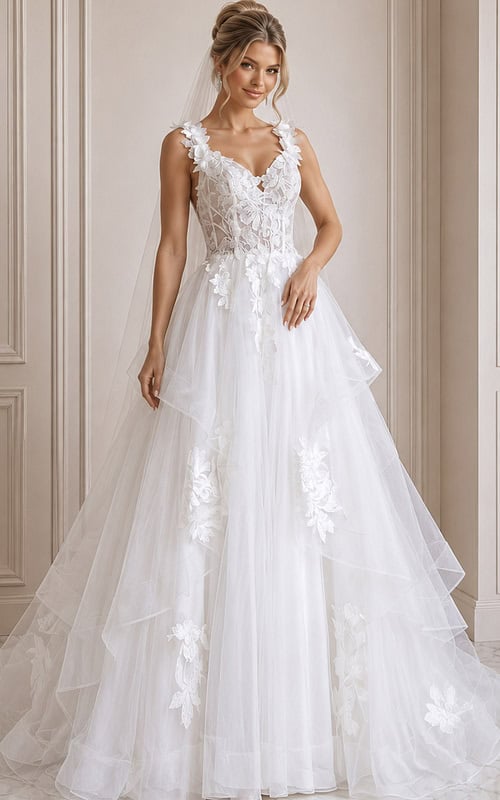
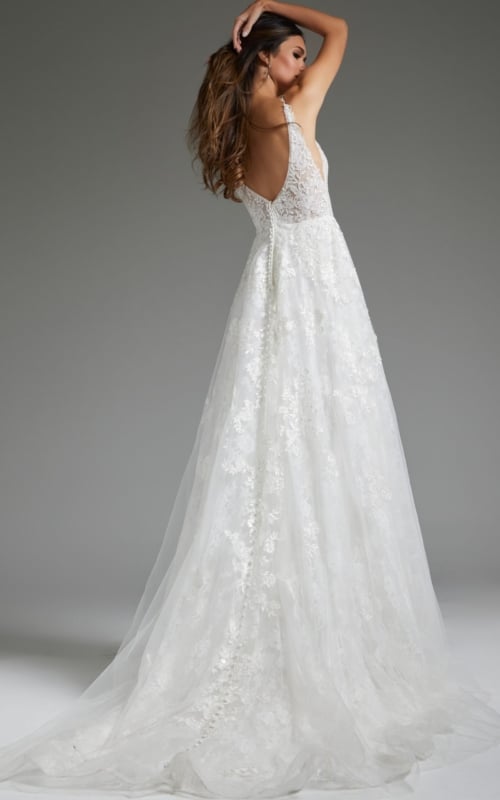
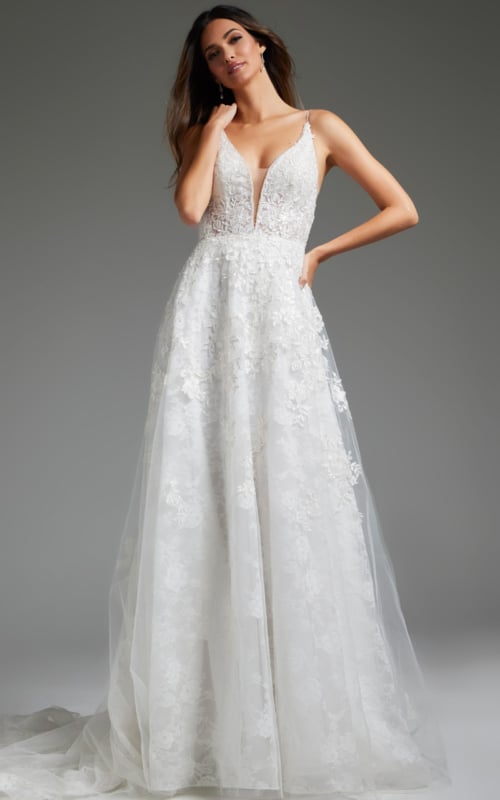
A wider skirt gives lace more space to spread. A-line wedding dresses can use appliqué across tulle to create a lighter transition from waist to hem, while fuller ball gown shapes make larger floral motifs and layered lace feel more dimensional. The result depends on the balance between pattern density and skirt volume rather than lace alone.
Floral Appliqué, Embroidered Tulle, and Dimensional Lace
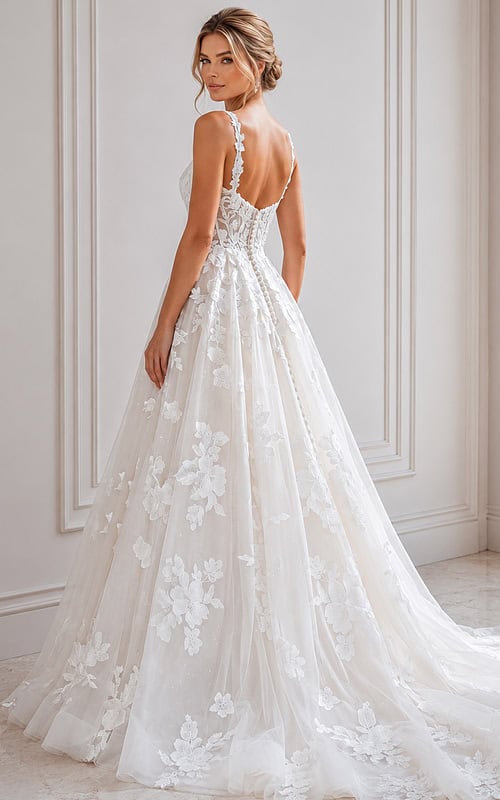
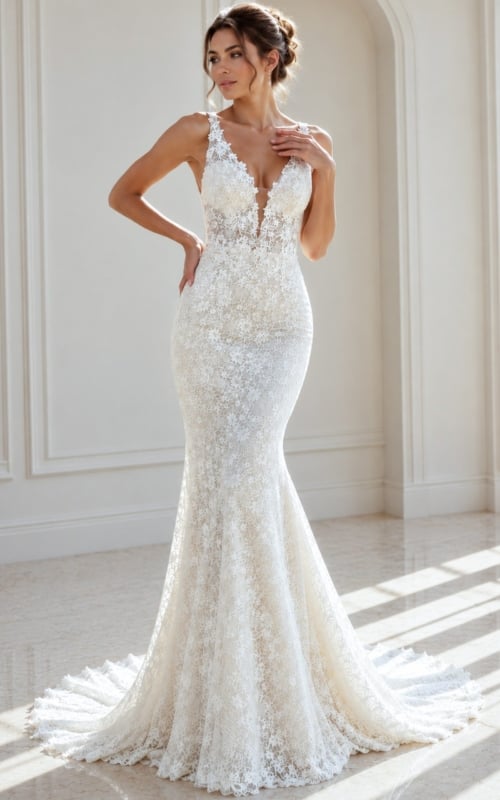
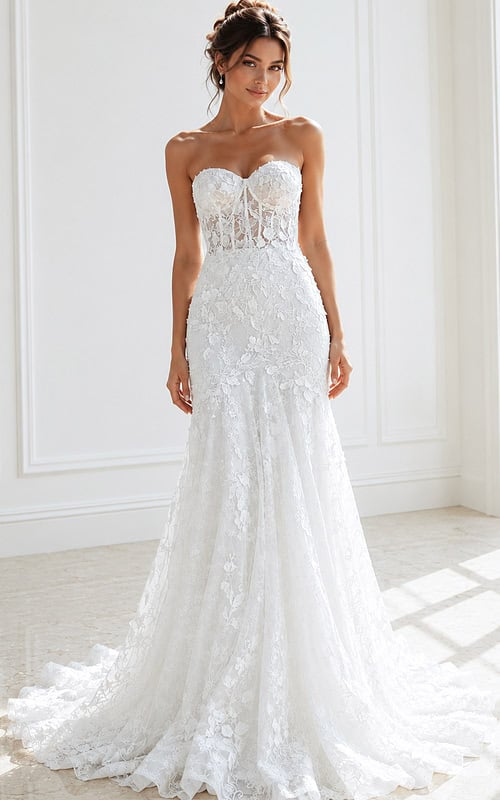
Not every lace surface reads the same way. Fine embroidered tulle can look airy and linear, while floral appliqué produces a clearer motif with more visible edges. Three-dimensional petals add height to the surface, creating stronger texture in photographs and more variation as the gown moves. For a bride who wants additional light reflection, beaded wedding dresses show how crystals, pearls, or sequins can be layered with lace without turning the entire dress into a high-shine design.
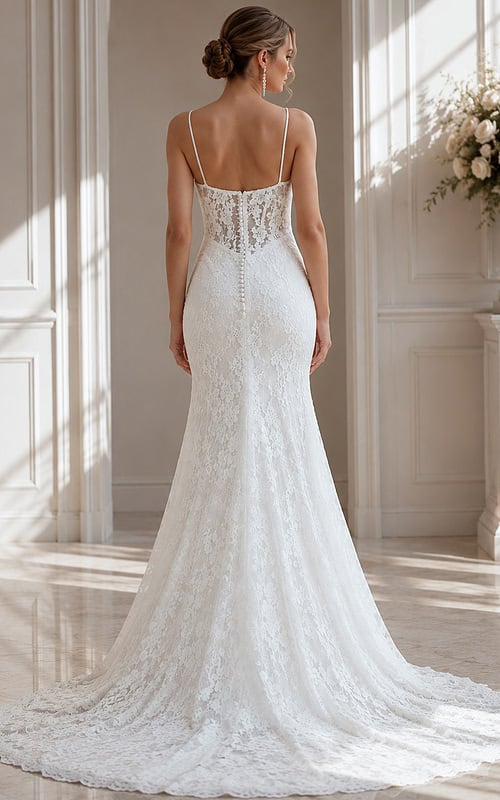
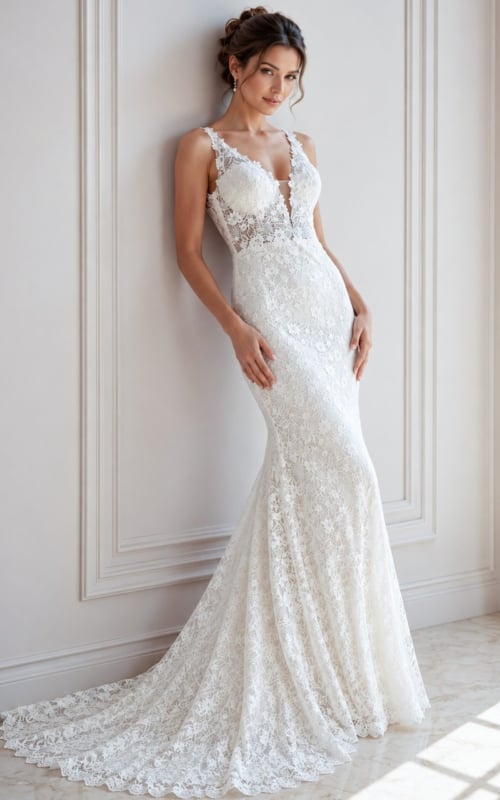
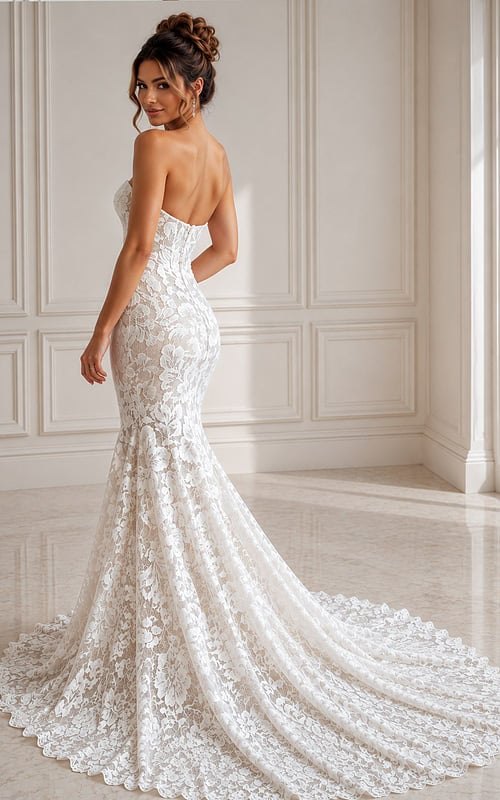
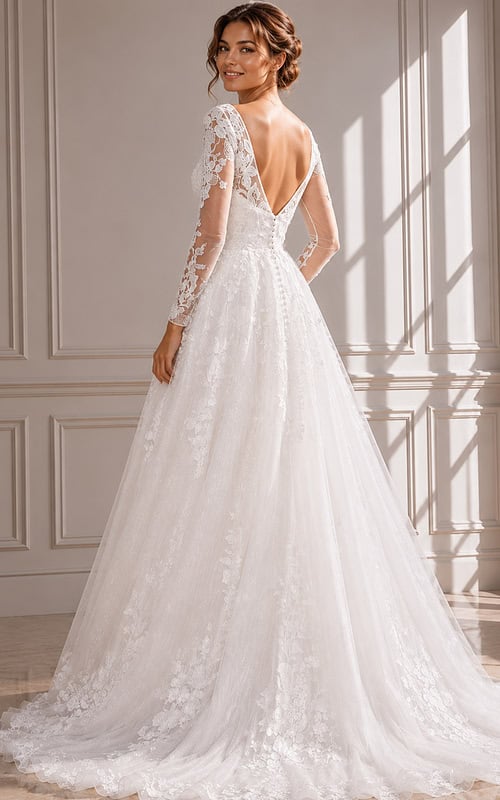
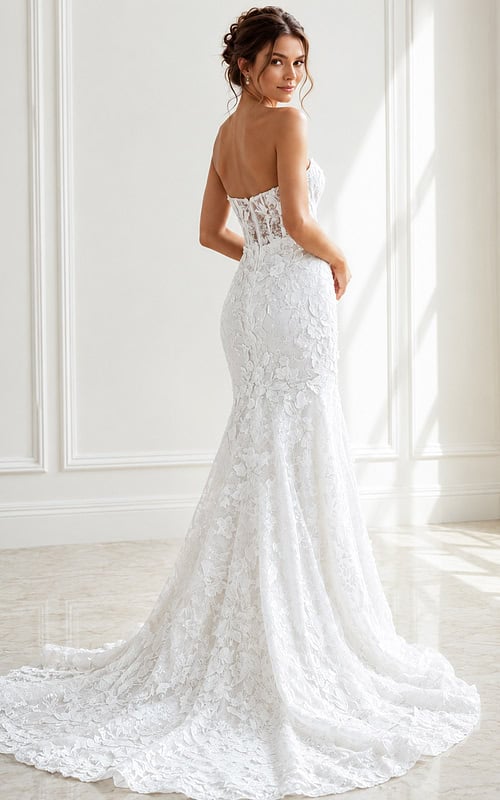
Placement matters as much as the embellishment itself. Appliqué clustered around the bust can frame a neckline; motifs that narrow toward the waist can reinforce shape; and florals that become denser near the hem can give the skirt a more finished edge. On a train, lace may outline the perimeter, extend organically from the skirt, or sit over transparent tulle for a lighter back view.
Corset Bodices, Necklines, and Sheer Detail
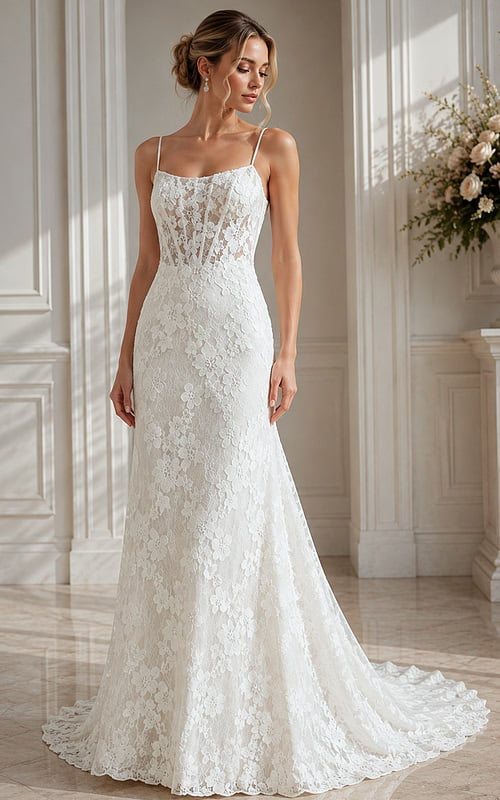
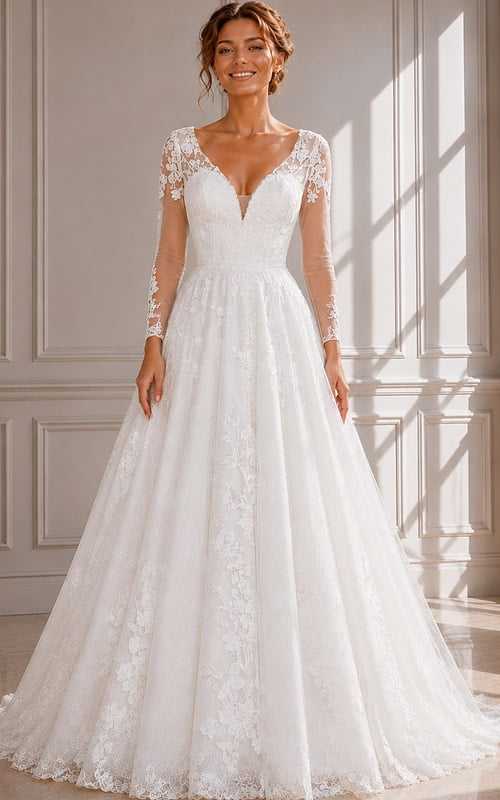
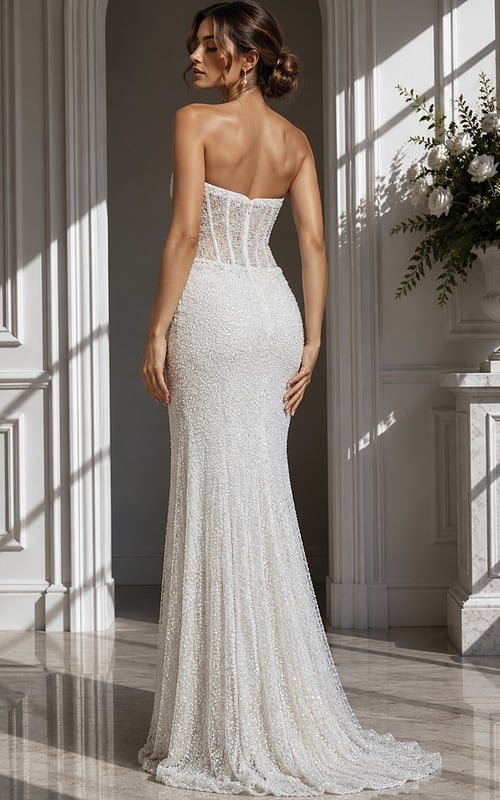
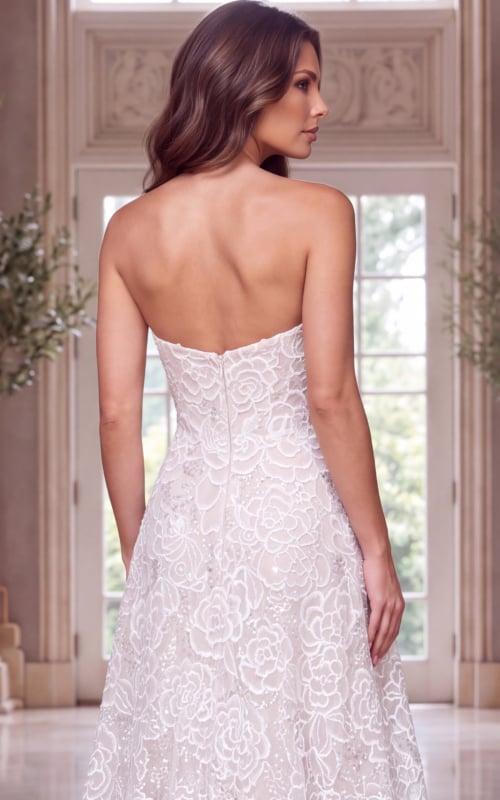
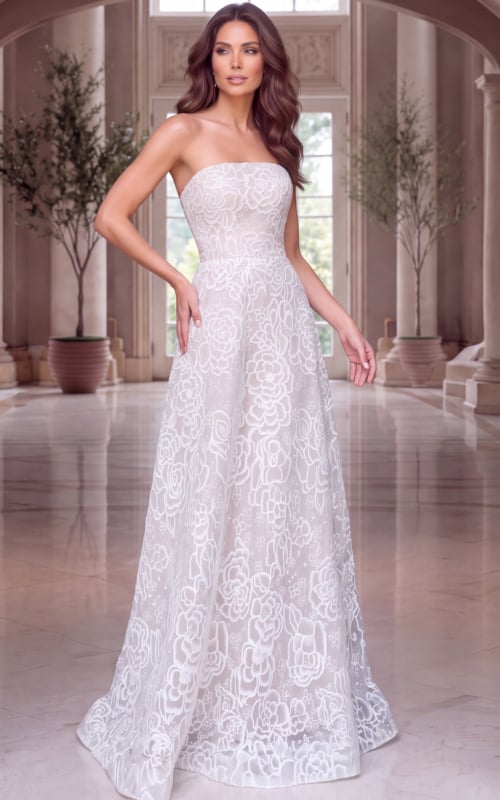
Lace often reveals the construction of the bodice instead of hiding it. Visible boning, shaped cups, sheer side panels, and corset seams can become part of the design, especially in strapless wedding dresses where the neckline leaves more of the bodice exposed. Sweetheart, straight, plunging V, halter, and high-neck shapes each change how much lace is concentrated near the face and shoulders.
If support is a priority, compare the firmness of the bodice with the openness of the lace. A sheer corset may appear delicate but still rely on boning and internal structure, while a lined lace bodice can create a more continuous look with less contrast between motif and foundation. Back construction also matters: corset lacing, buttons, low backs, and illusion panels can all change how the pattern continues around the gown.
How Lace Changes Across Bridal Silhouettes
On a sheath or column gown, lace tends to read as a close surface treatment because the skirt stays near the body. Mermaid shapes keep that same definition through the hips before giving the pattern more space at the flare. A-line gowns create a gradual increase in width, allowing motifs to open across the skirt, while ball gowns use lace over greater volume and often support larger appliqué, layered tulle, or more elaborate train work.
These differences are easier to judge when lace is viewed within the broader range of wedding dresses rather than as a single decorative category. A clean satin gown may rely on seam lines and drape for definition; lace creates that definition through pattern, texture, transparency, and edge detail.
Lining, Transparency, and Color Under Lace
The base beneath the lace changes its visibility. Ivory-on-ivory produces a softer, more unified effect, while a slightly contrasting lining can make the floral pattern easier to read. Sheer tulle panels create the strongest separation between skin and motif, particularly through the bodice, sleeves, or train. Before choosing a gown, compare how the lace looks in natural light as well as indoor lighting; fine embroidery, crystals, and raised appliqué can respond very differently depending on distance and illumination.
Lining also affects comfort and movement. A smoother foundation can help prevent textured lace from sitting directly against the skin, while layers of tulle under the skirt can add volume without changing the lace pattern itself. For heavily appliquéd styles, the weight of the motifs may influence how the skirt falls and how much movement appears at the hem.
Choosing a Lace Gown by Detail Level and Train
Start with the amount of texture you want to see from a distance. Fine lace and selective appliqué keep the surface quieter, while large florals, dimensional petals, open corsetry, and embellished motifs make lace a stronger visual feature. Then look at the gown from front, side, and back. The neckline and waist may define the front view, but the back construction and train often determine how complete the lace treatment feels during the ceremony.
Jovani lace wedding dresses range from streamlined sheath silhouettes to fuller bridal gowns, giving the same material very different proportions. The most coherent designs use lace to reinforce the gown’s architecture: motifs follow seam lines, frame the bodice, open across the skirt, or extend into the train in a way that supports the shape rather than competing with it. Comparing motif scale, lining, structure, and placement makes it easier to choose a lace gown for the level of detail and movement you want.