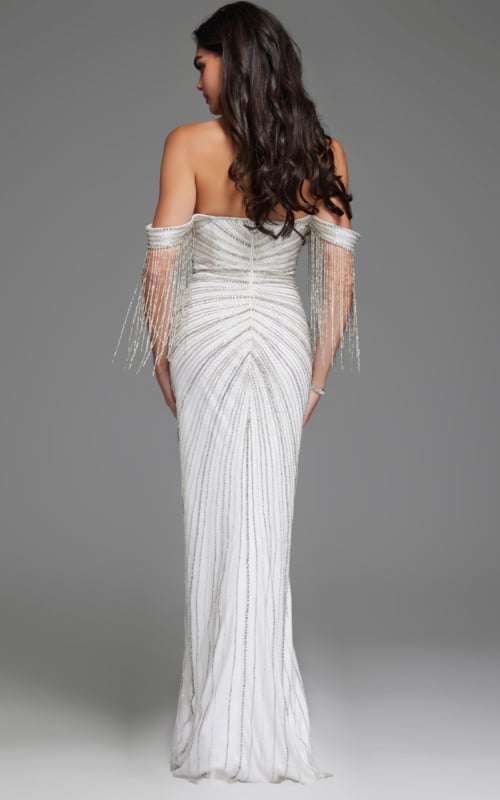
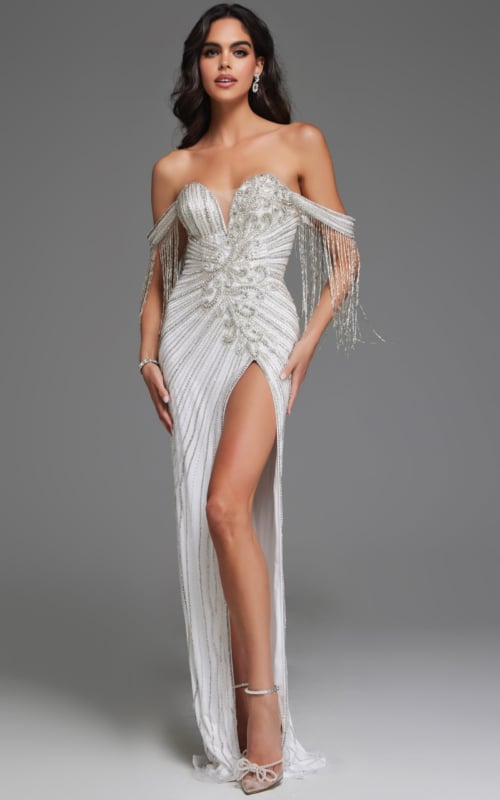
Casual Wedding Dresses with a Relaxed Bridal Direction
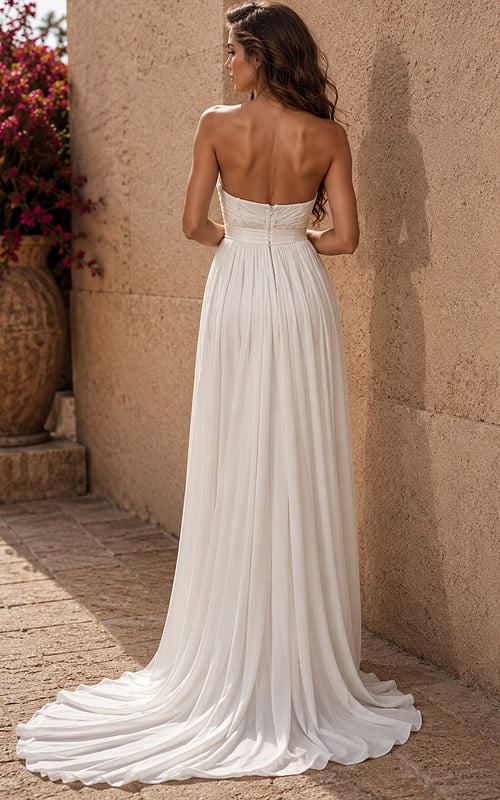
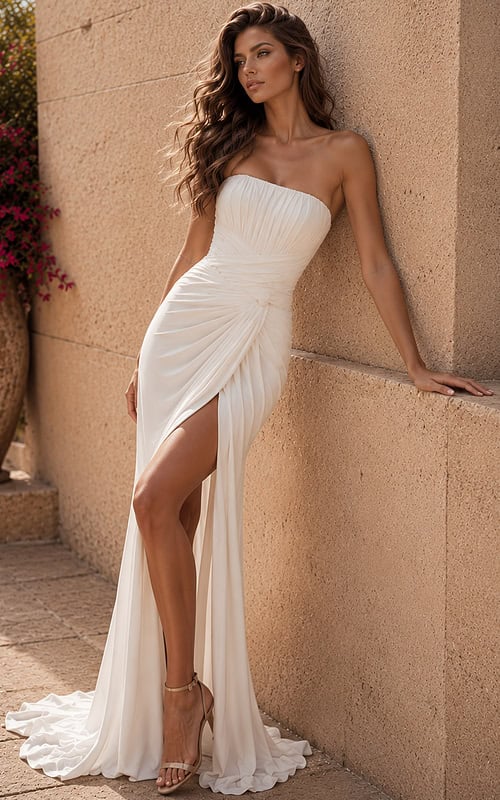
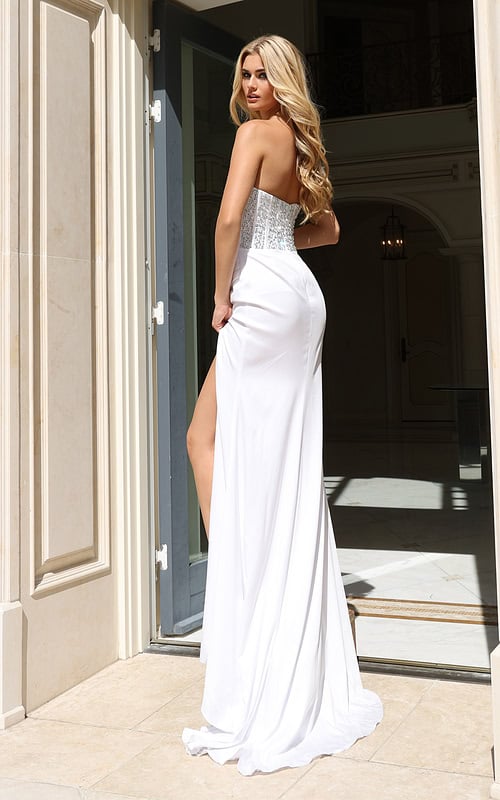
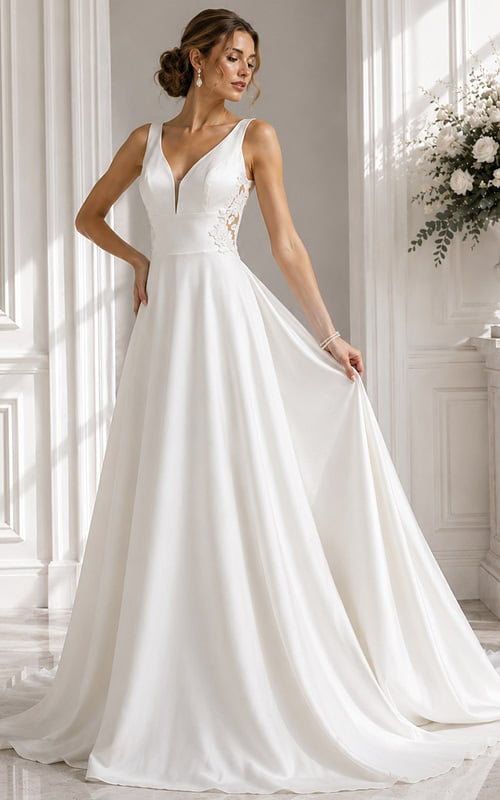
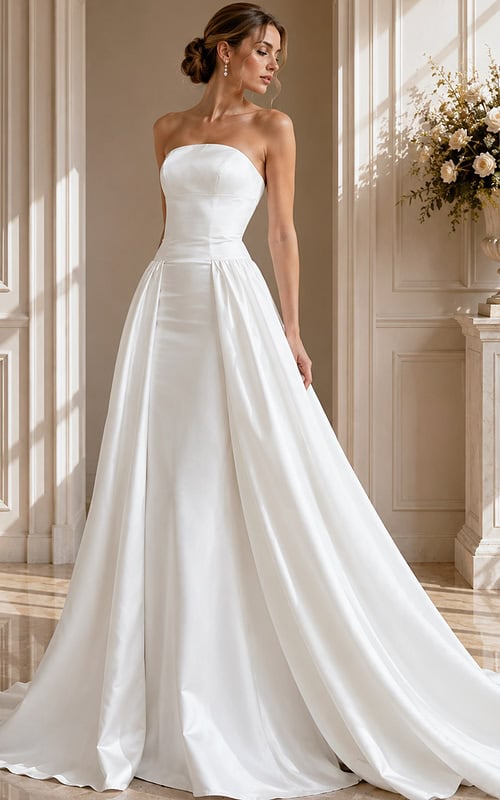
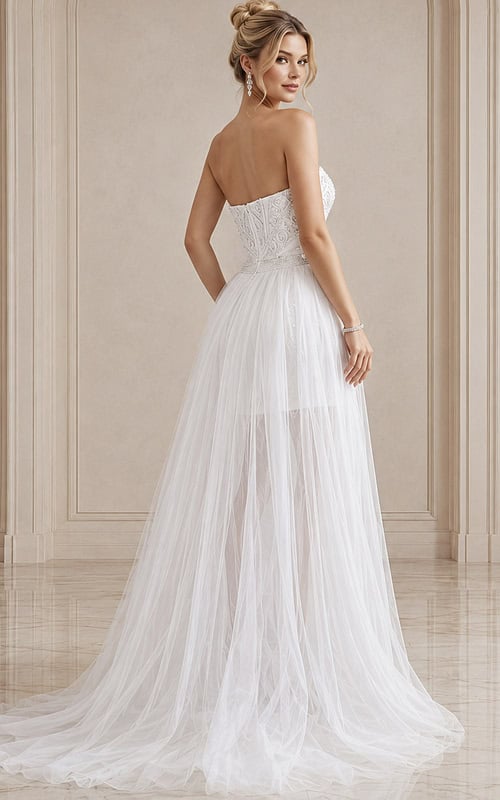
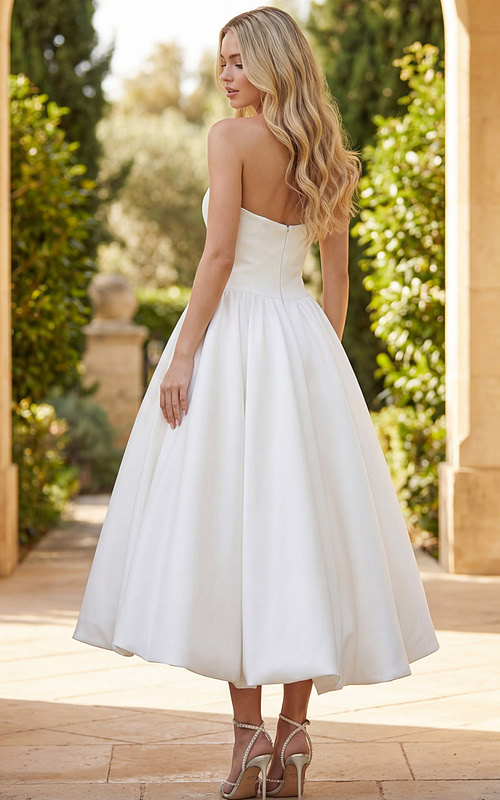
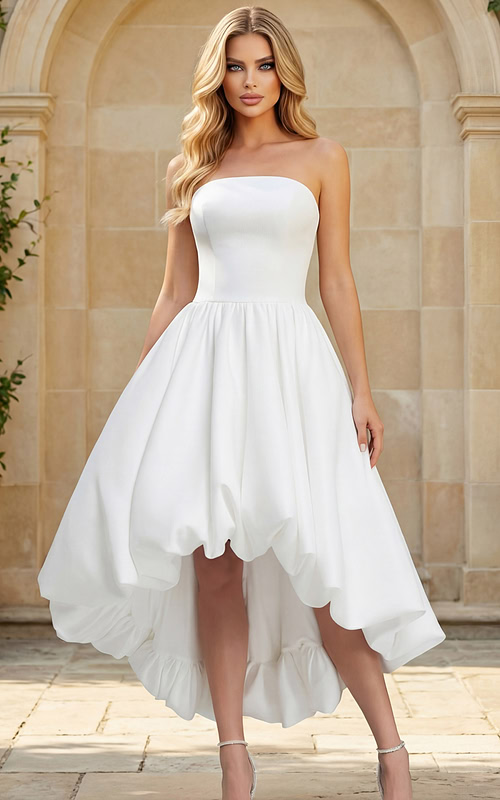
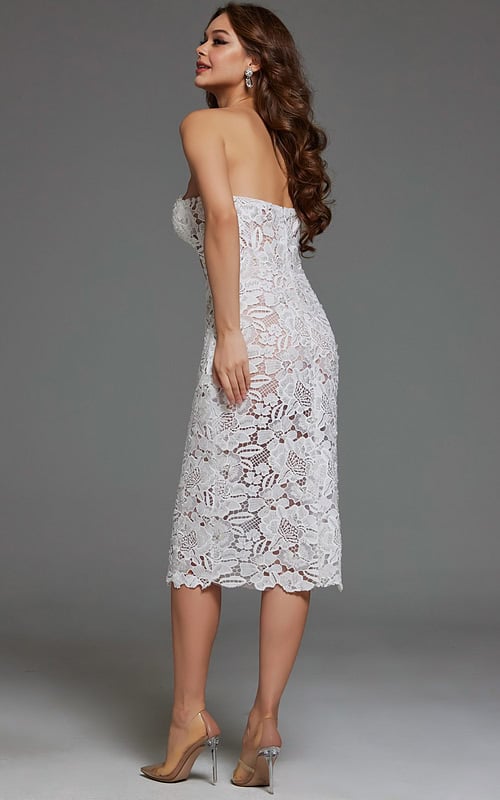
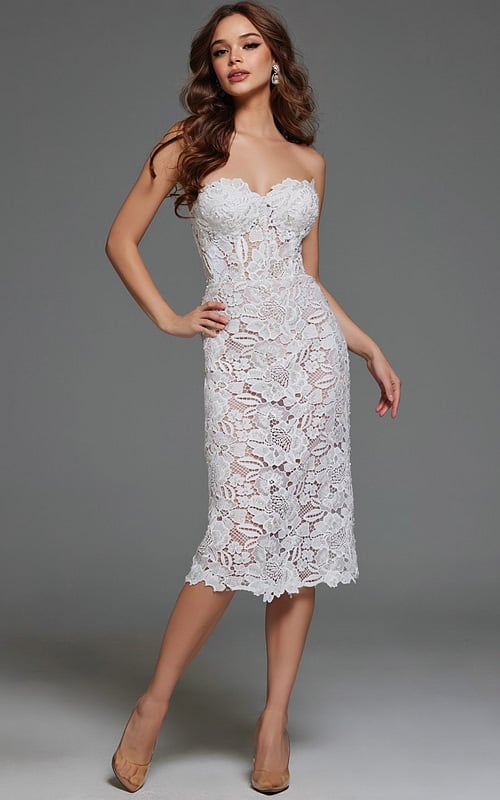
Casual wedding dresses are defined less by one specific hemline or silhouette than by the way proportion, fabric, and construction reduce formality. A streamlined sheath in crepe can feel as relaxed as a lace midi, while a soft A-line with limited skirt volume can keep the presence of a full-length bridal gown without becoming overly ceremonial. The common thread is restraint: less volume, lighter visual weight, and details that support movement rather than dominate the look.
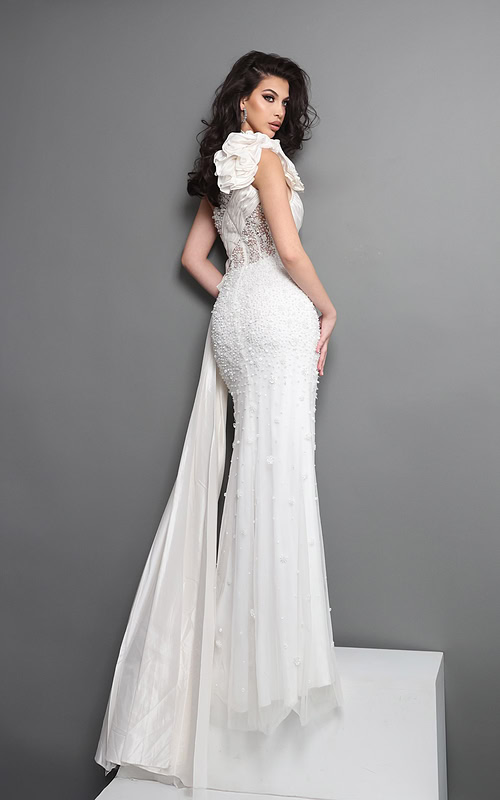
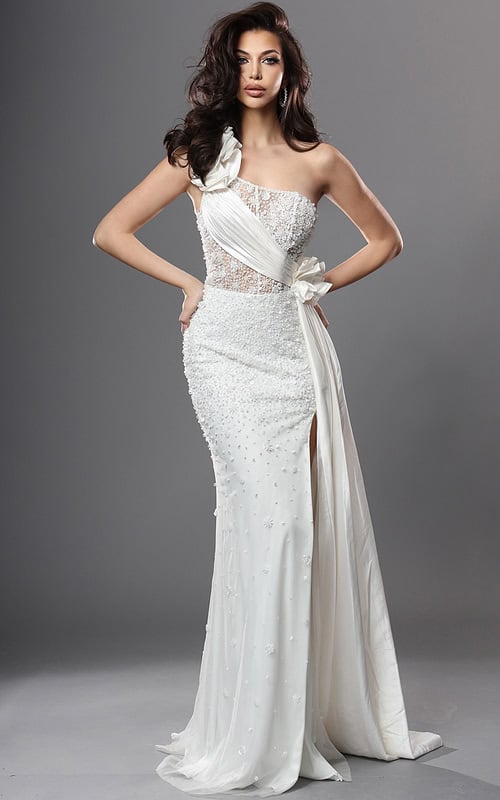
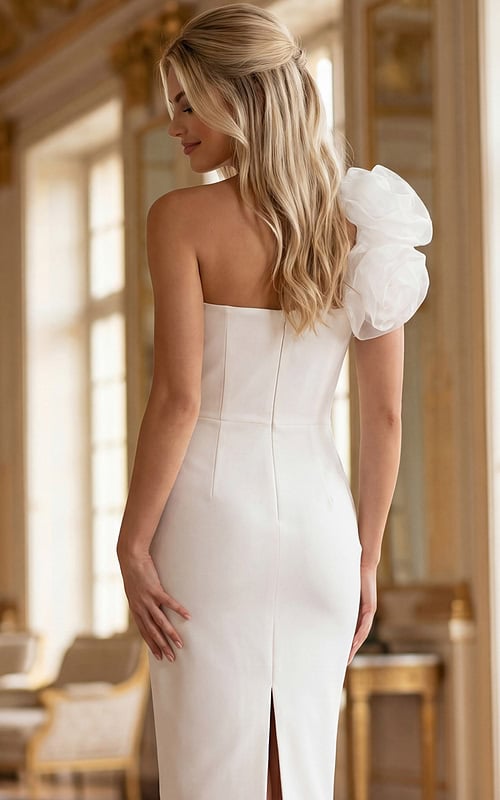
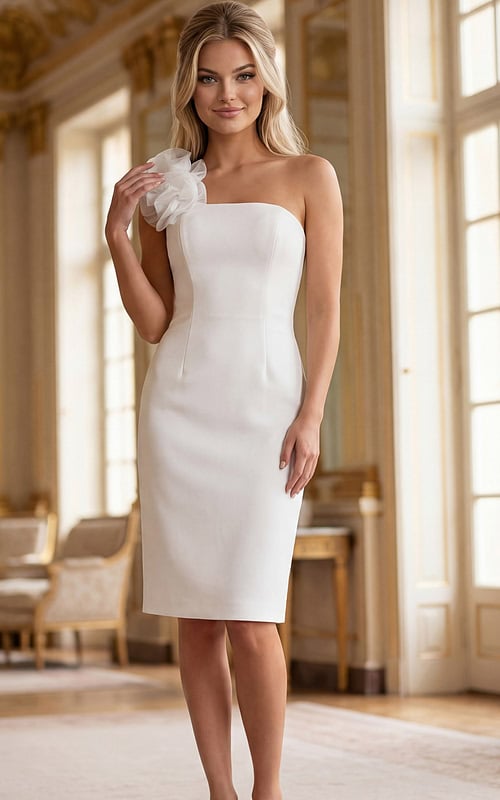
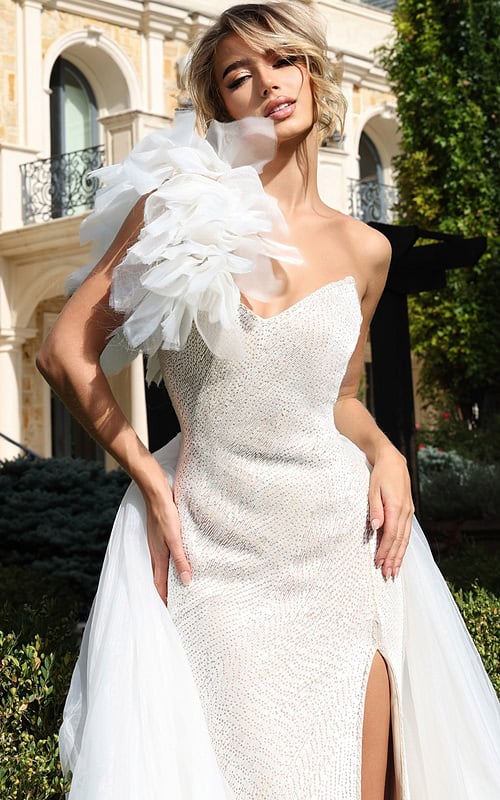
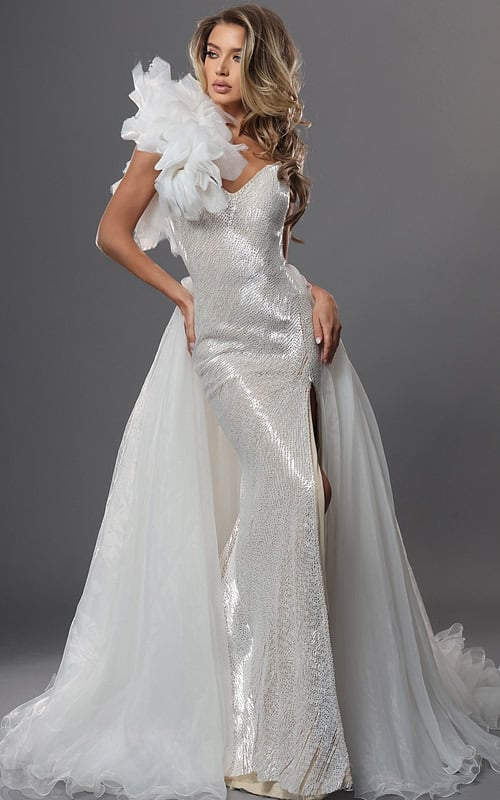
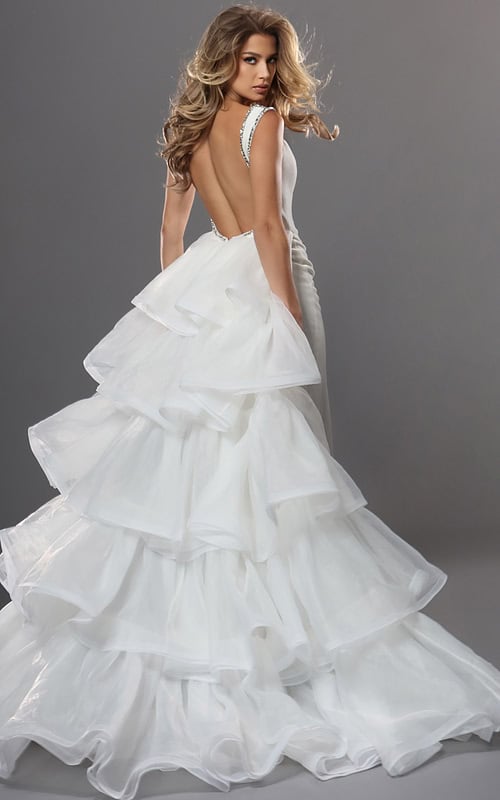
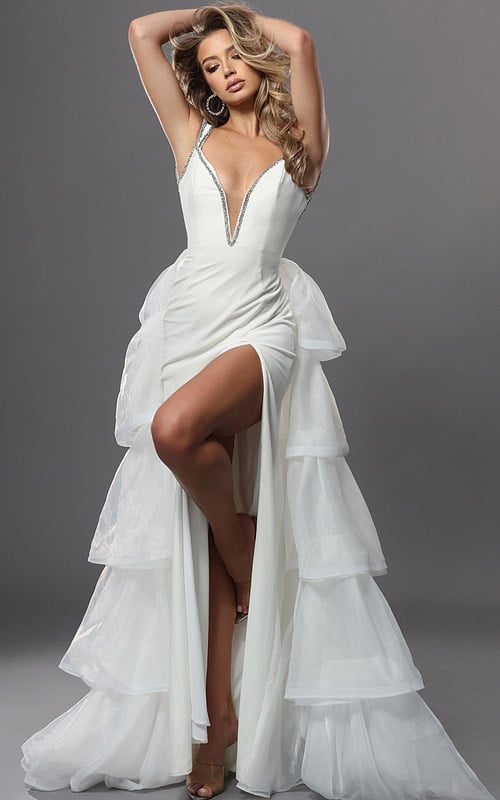
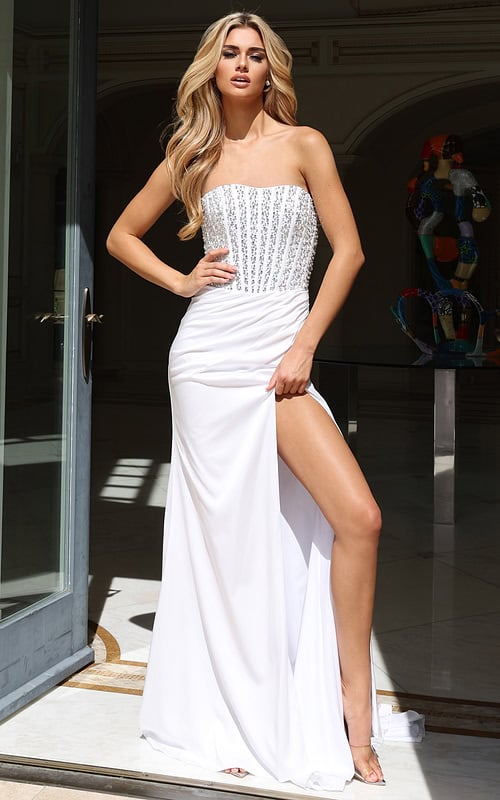
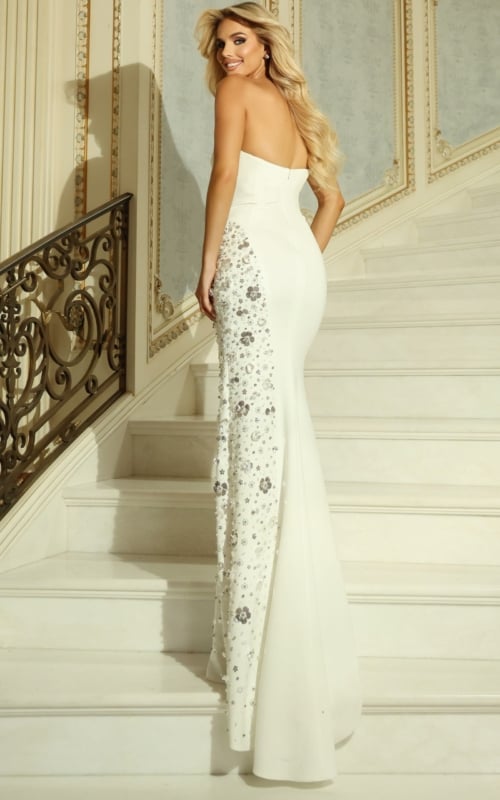
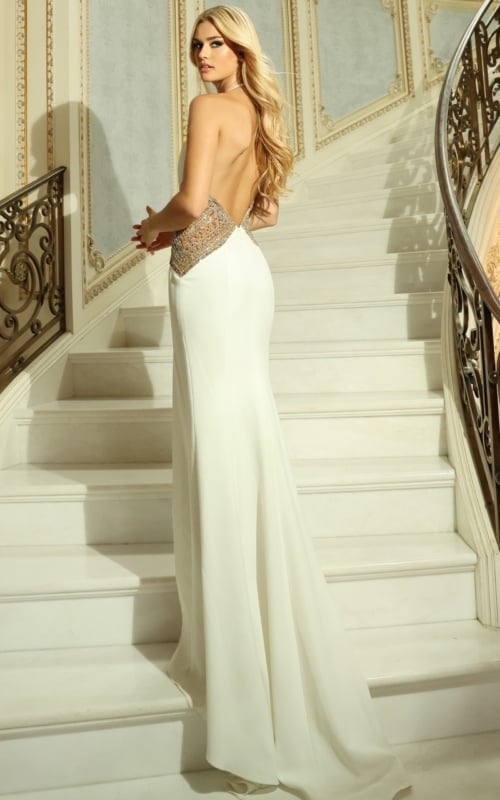
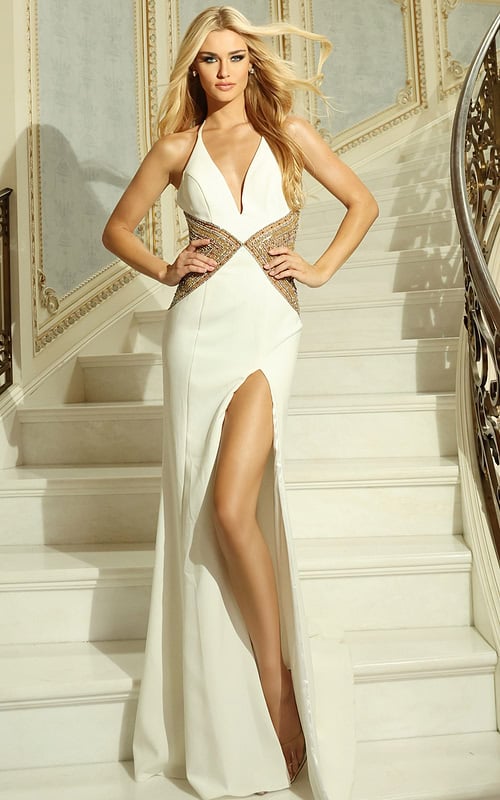
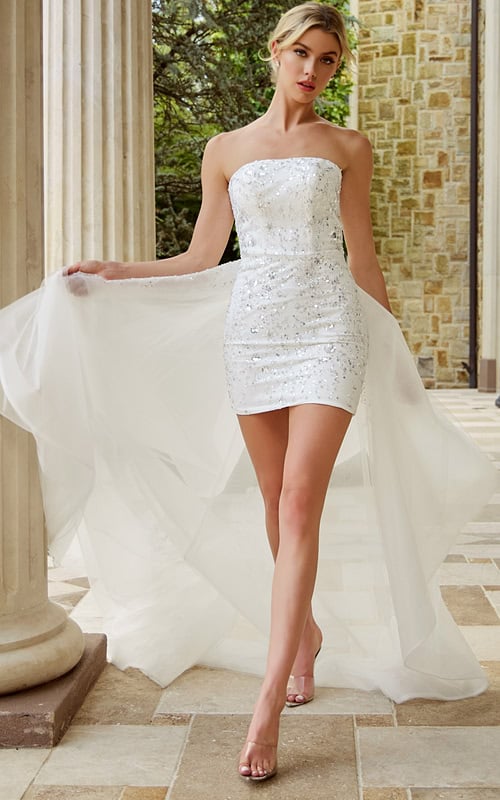
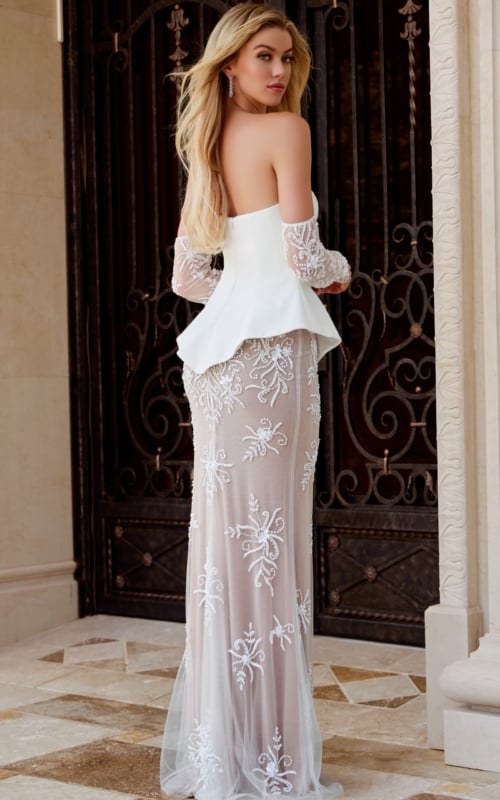
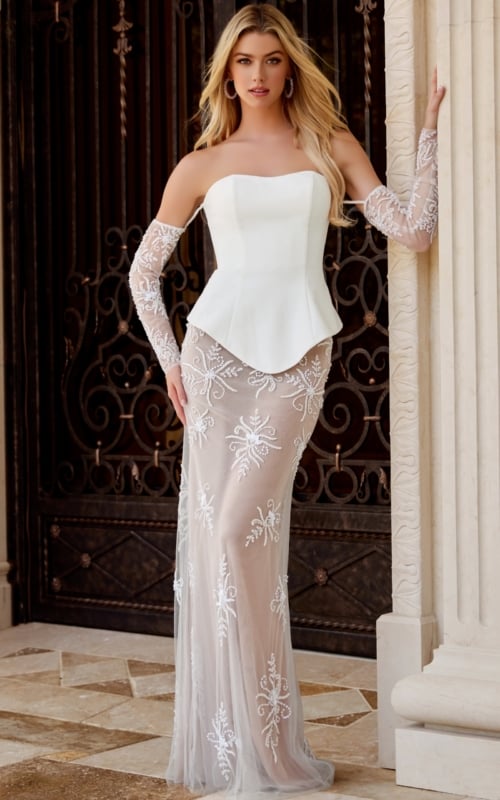
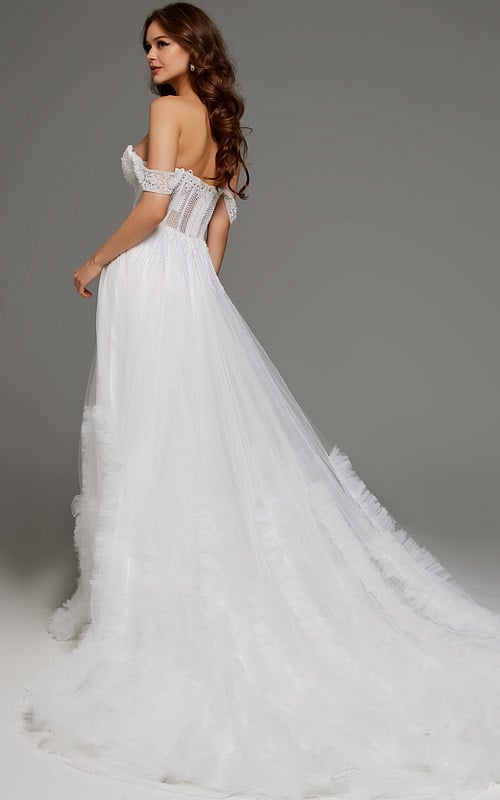
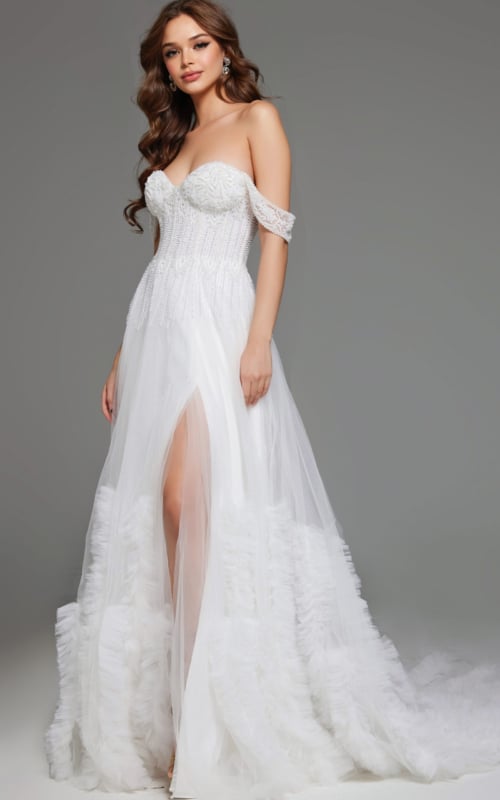
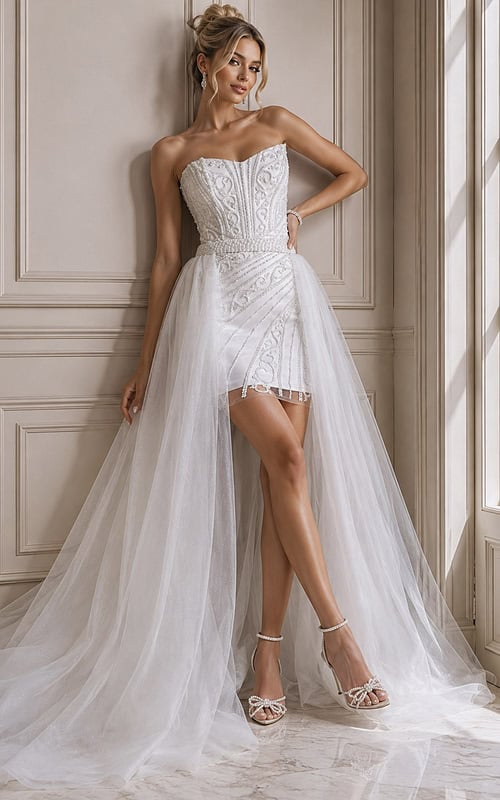
That distinction matters when comparing this collection with more traditional wedding gowns. A casual bridal dress can still include corsetry, a defined waist, floral appliqué, beading, or a train, but these elements tend to be used with a cleaner overall silhouette. Jovani’s assortment includes both minimal and embellished options, allowing the level of detail to change without losing the relaxed direction of the collection.
Choose the Silhouette by Setting and Movement
The setting often determines how much structure and skirt volume make sense. Courthouse ceremonies and intimate restaurant weddings usually favor silhouettes that are easy to sit, walk, and move in, such as fitted columns, sheath dresses, soft A-lines, midi lengths, and shorter bridal styles. Destination and outdoor ceremonies may also benefit from lighter skirts and simpler trains that are easier to manage across uneven surfaces or warm-weather venues.
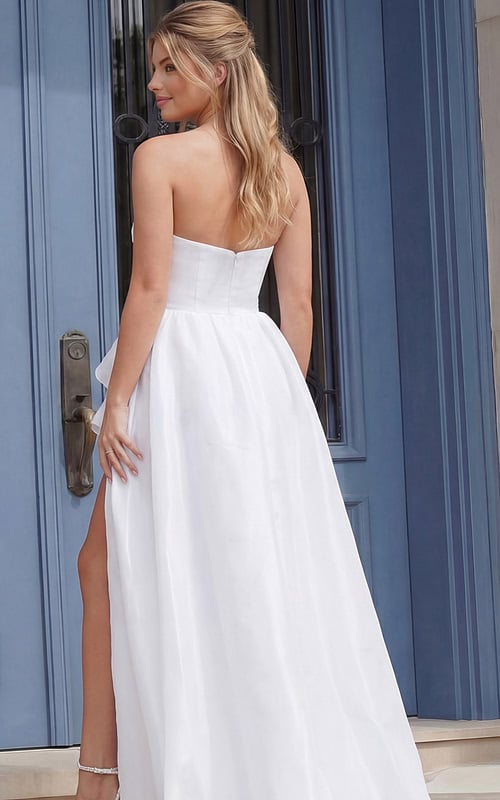
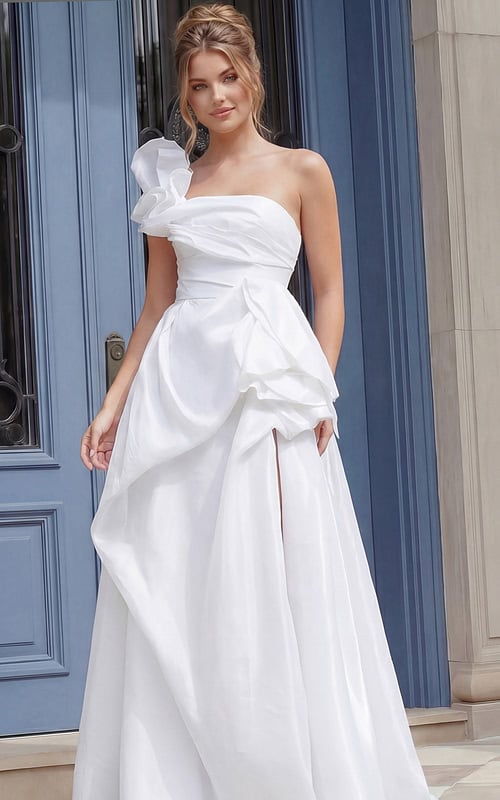
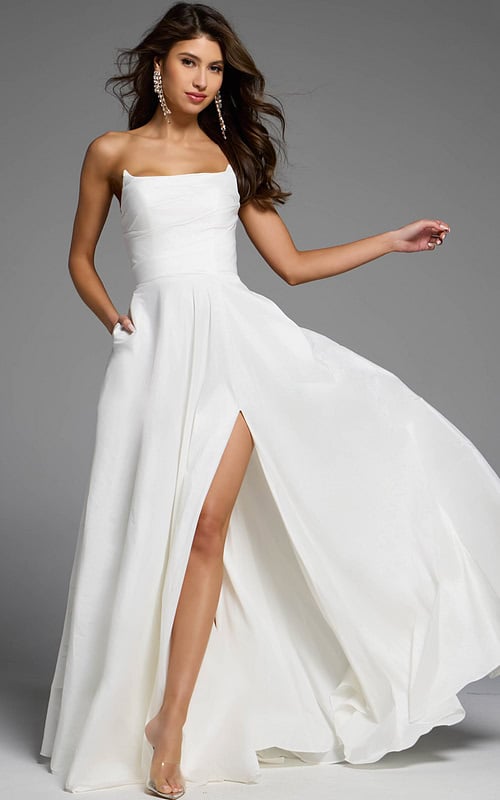
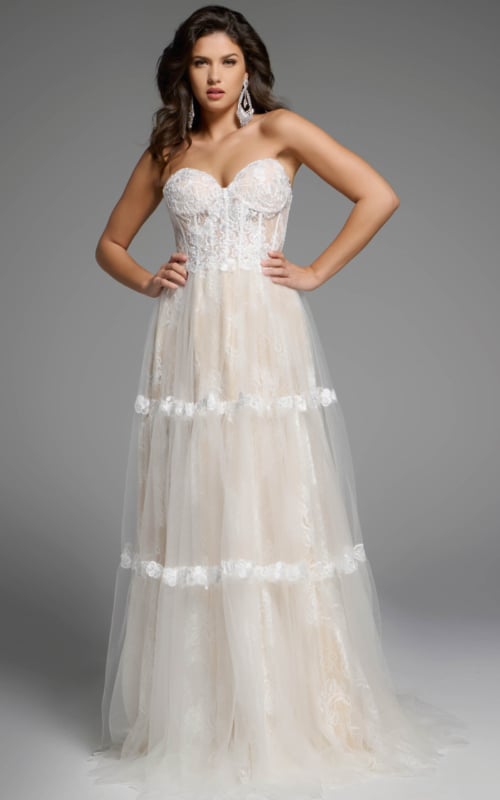
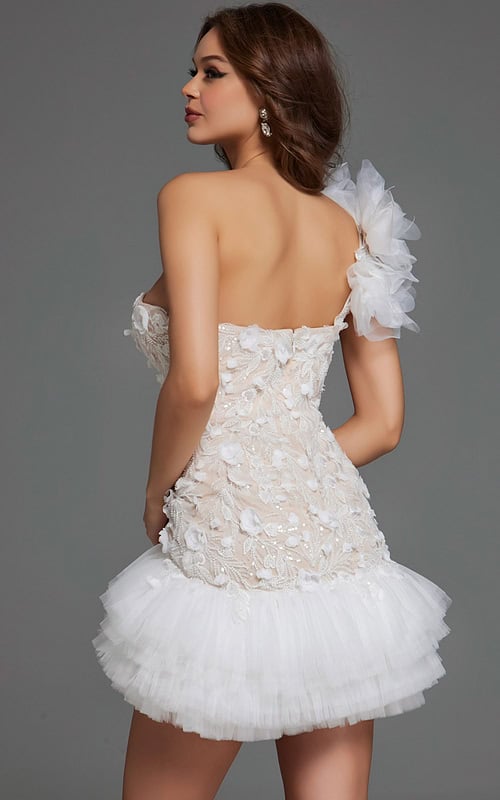
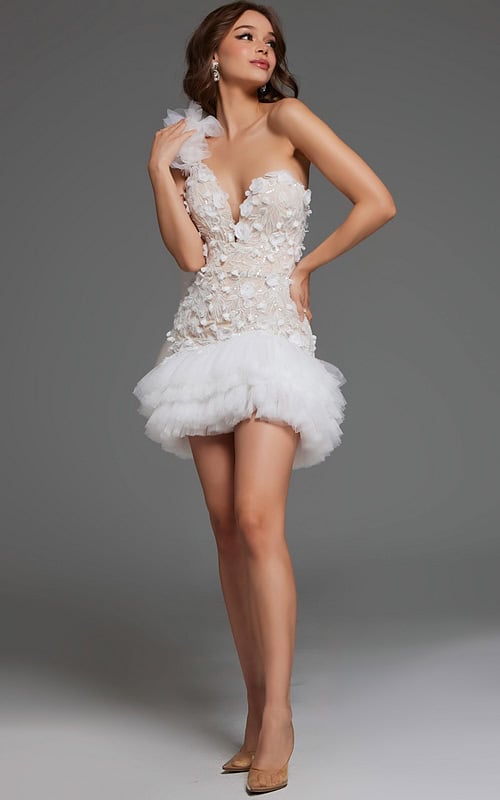
A fitted silhouette creates a cleaner line through the torso and hips, while an A-line releases more gradually from the waist and gives the skirt additional movement. Midi and mini lengths reduce visual formality further and can make footwear a more visible part of the look. Brides considering a shorter format can also compare the broader range of Little White Dresses, while keeping the main focus here on ceremony-ready styles rather than the full wedding-weekend wardrobe.
Fabric Changes How Informal Wedding Dresses Feel
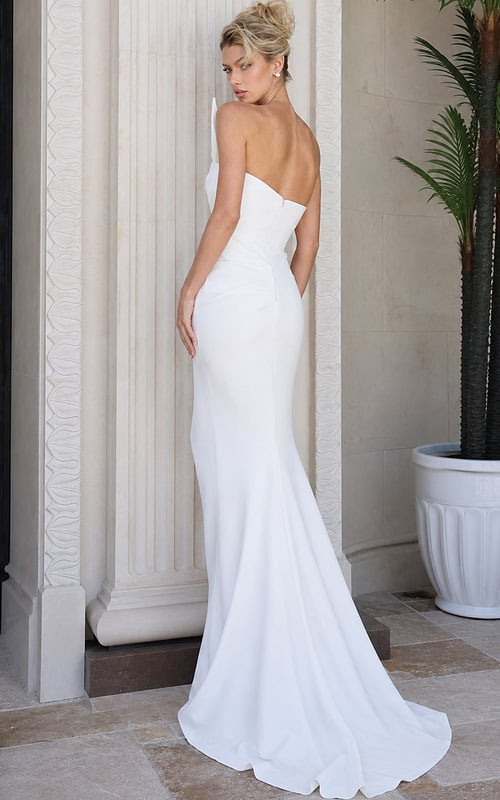
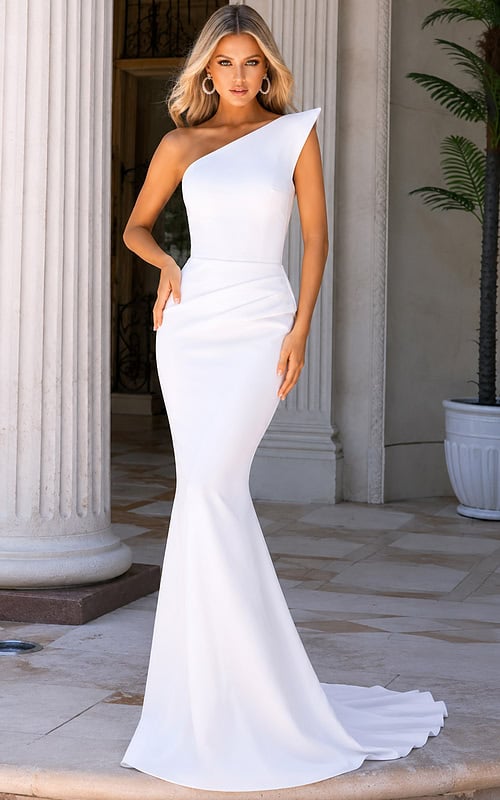
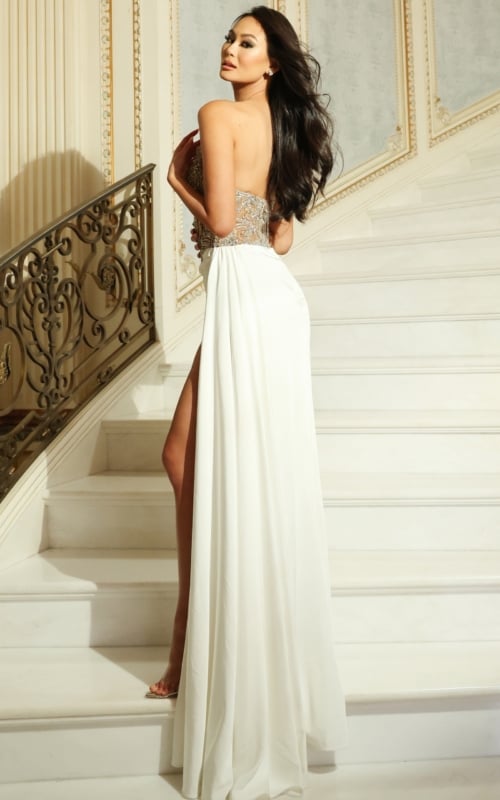
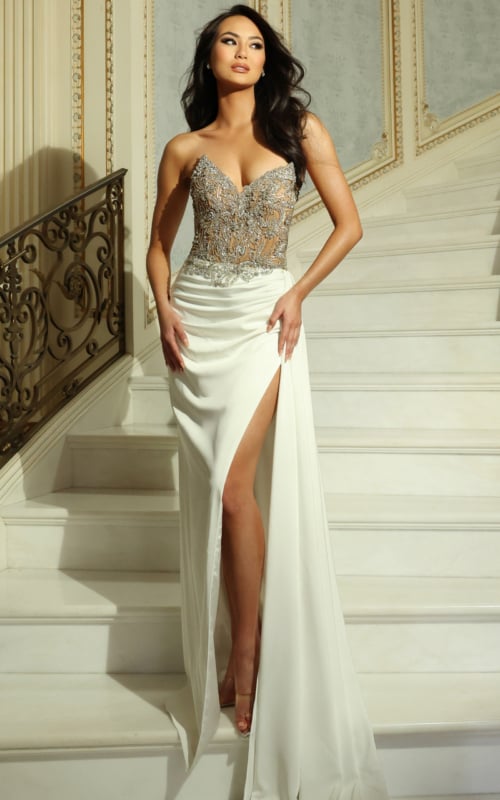
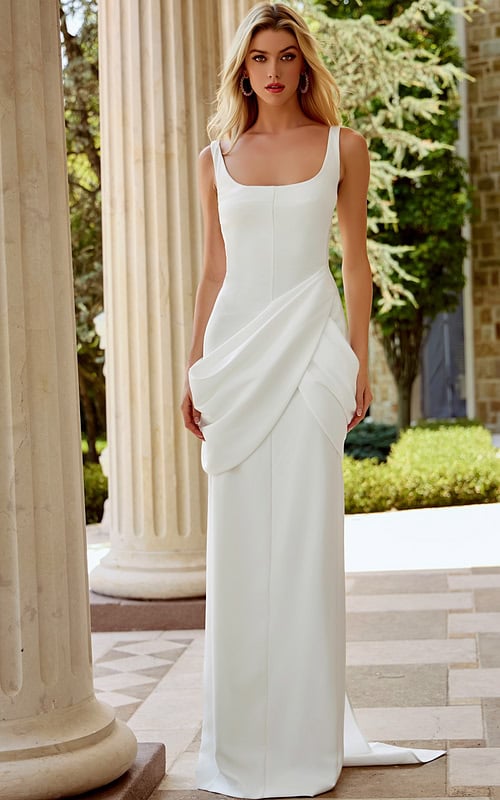
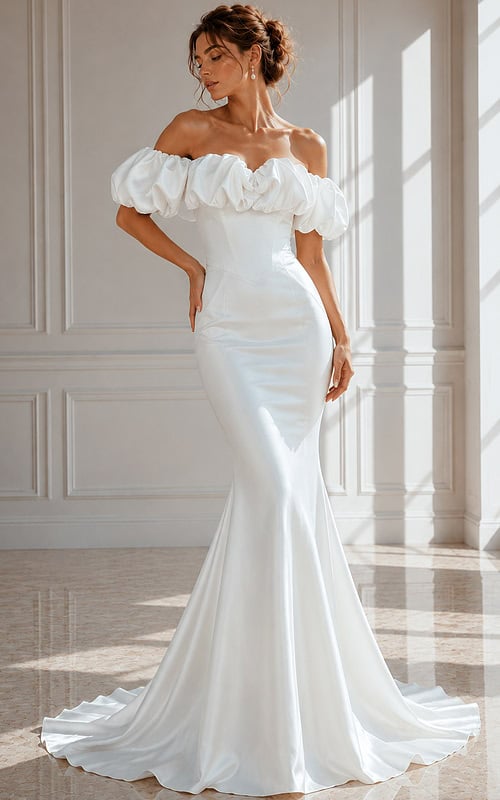
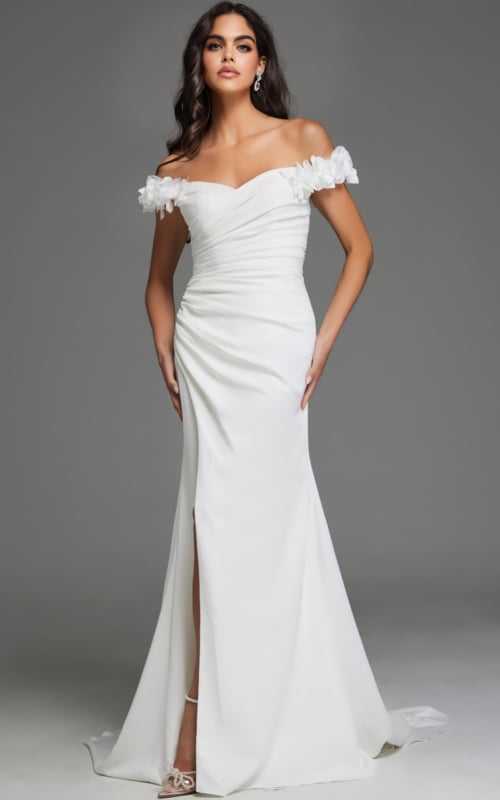
Fabric is one of the clearest ways to control the level of formality. Smooth satin gives a casual wedding dress a polished surface while allowing the cut, drape, and seam placement to remain the visual focus. Crepe tends to create a softer, more fluid line and works especially well in fitted or column shapes where movement matters more than volume.
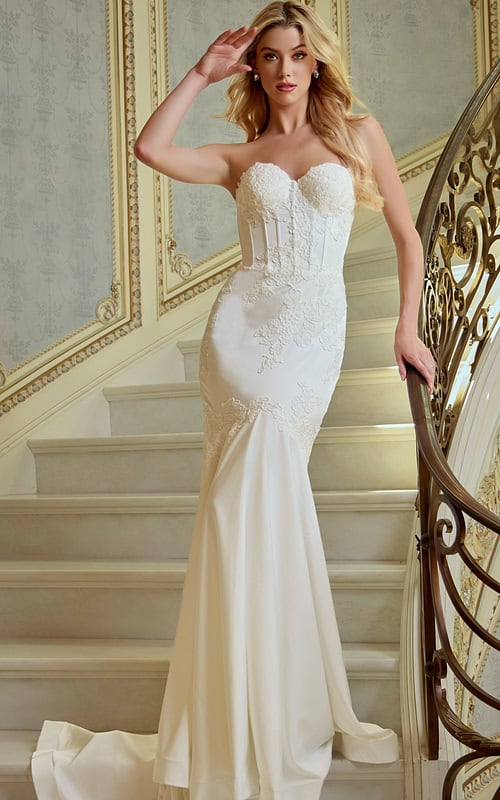
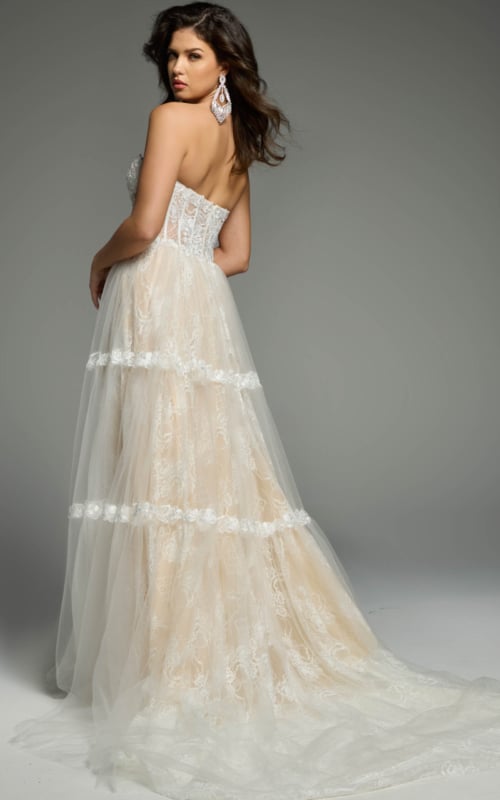
Lace adds texture without automatically making a dress more formal. Scale, placement, and transparency all affect the result: a clean silhouette with selective lace can feel lighter than a heavily layered gown, while floral lace across a corset bodice introduces more bridal detail. Brides who want texture to play a larger role can compare Lace Wedding Dresses without turning the casual collection into a lace-specific shopping experience.
Bodice Structure, Necklines, and Easy Proportion
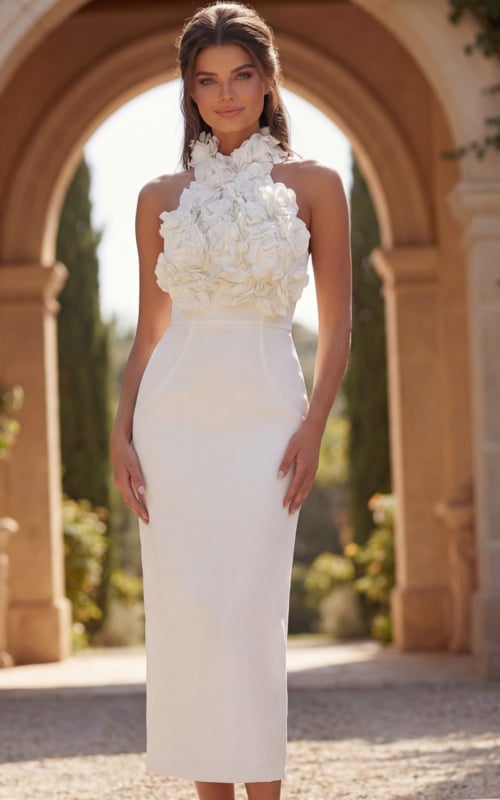
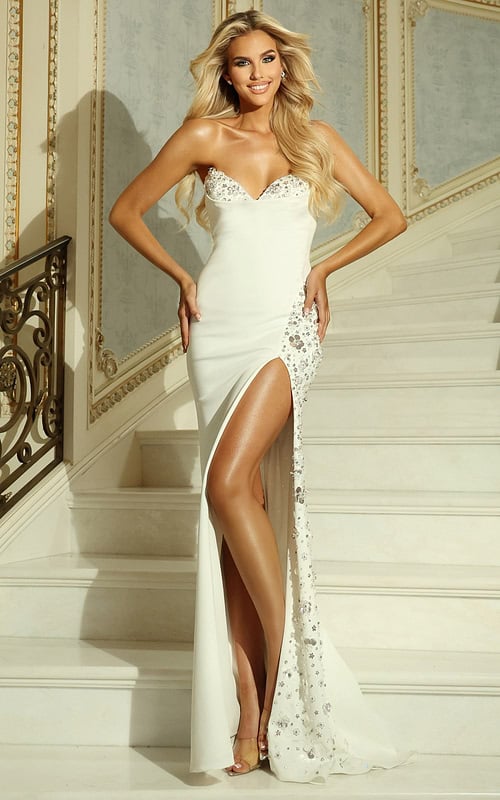
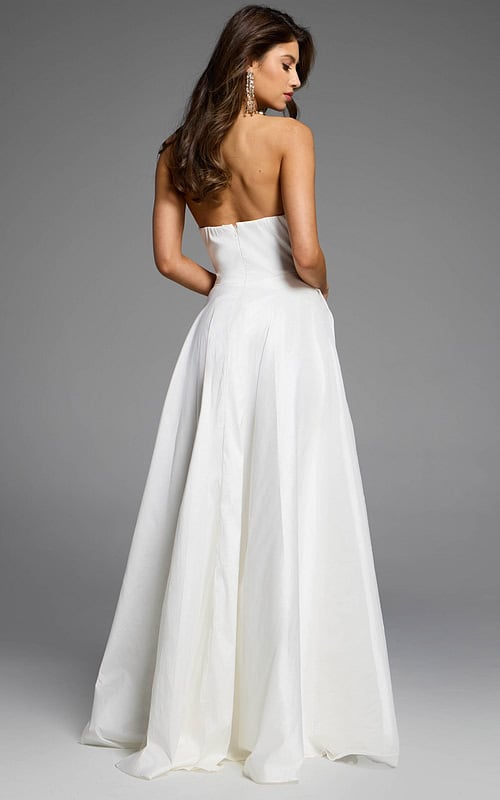
A relaxed bridal look still depends on secure construction. Strapless and sweetheart styles need enough internal support to keep the bodice stable, while one-shoulder, halter, scoop, and off-the-shoulder necklines shift attention around the upper body in different ways. The most useful comparison is not which neckline is most formal, but how it works with the width of the skirt and the amount of structure through the waist.
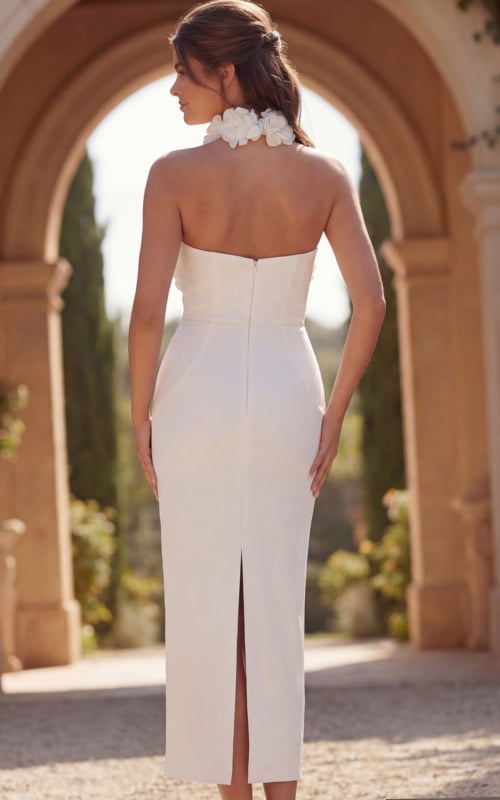
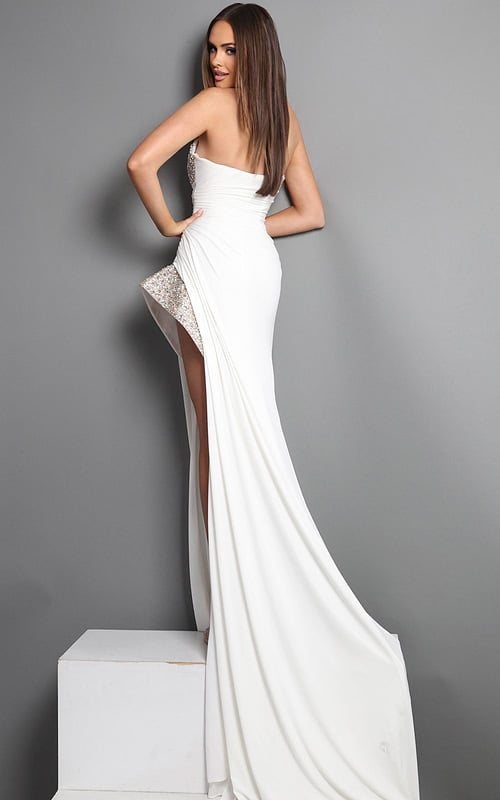
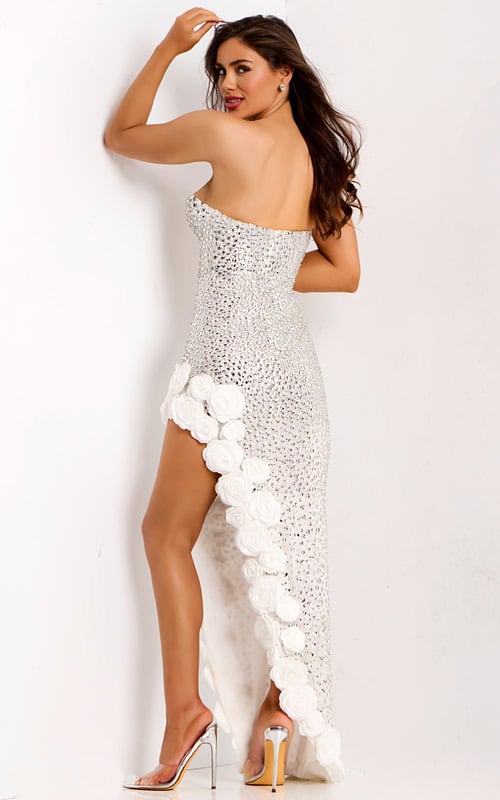
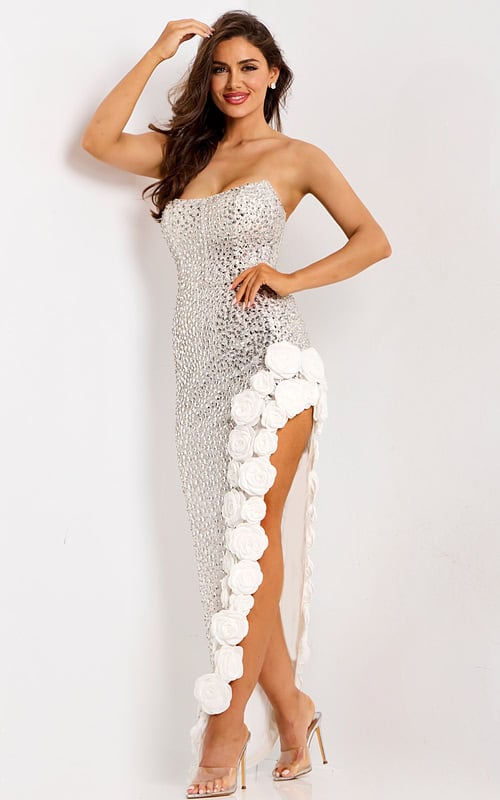
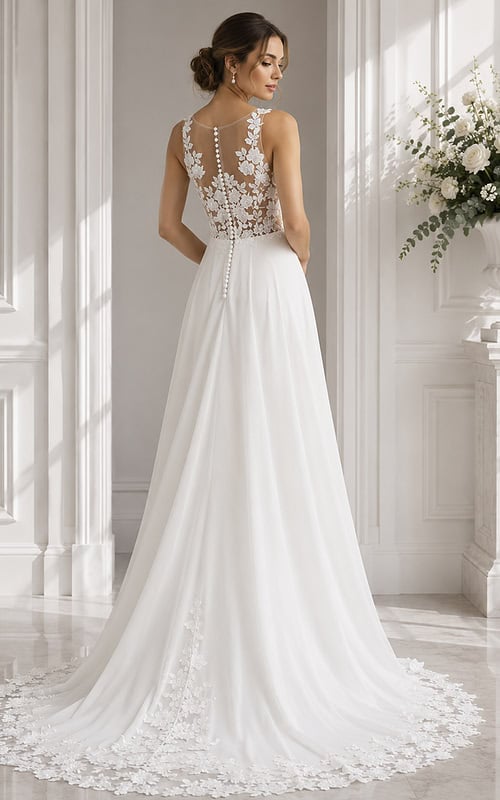
Defined corset seams can give a simple gown shape without requiring heavy embellishment. Softer bodices create a less architectural line, particularly when paired with draped satin or fluid skirts. High slits, open backs, asymmetrical necklines, and restrained floral accents can add visual interest while preserving the cleaner proportions expected from informal wedding dresses.
Detail Without Excess Formality
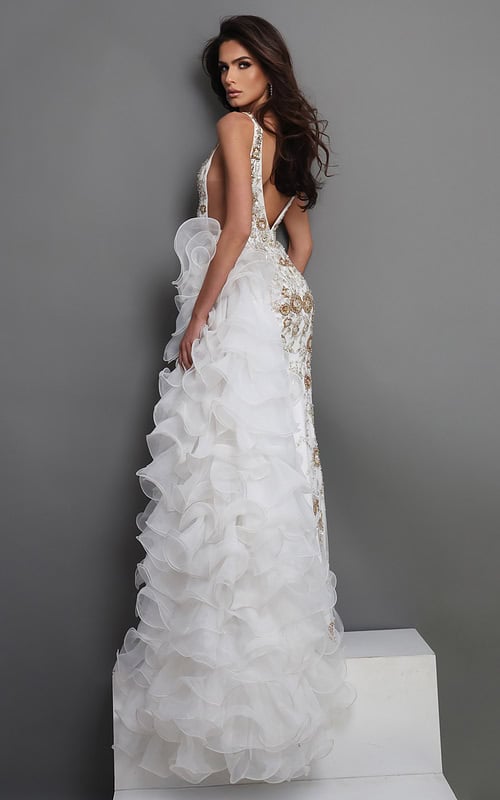
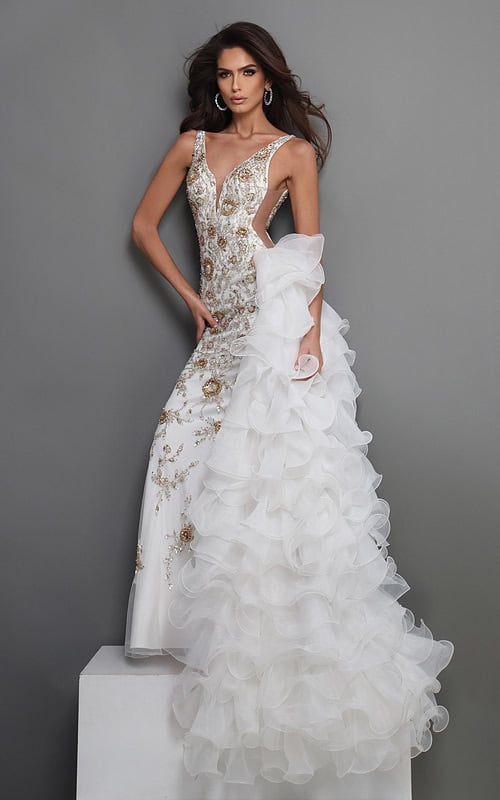
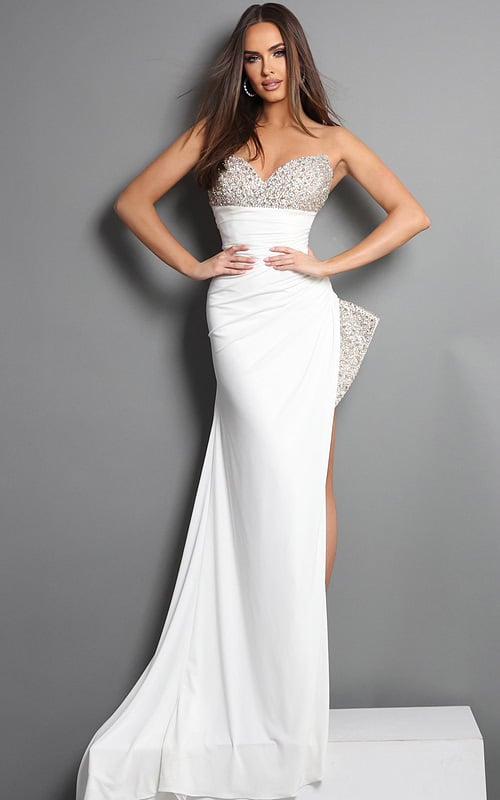
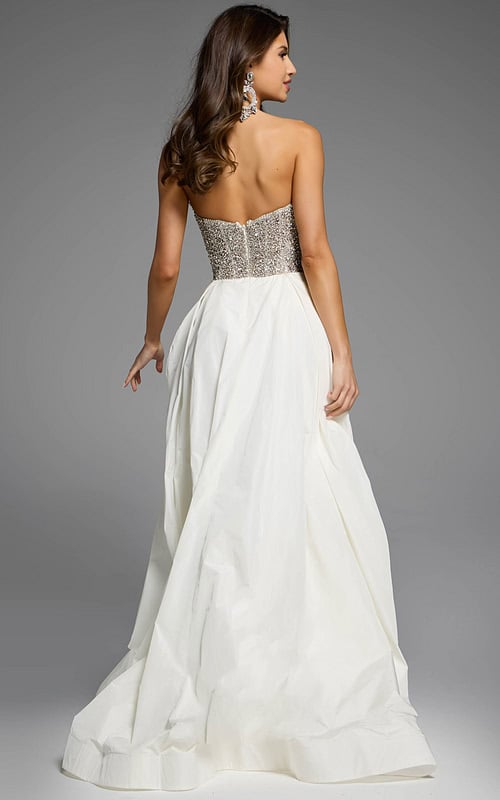
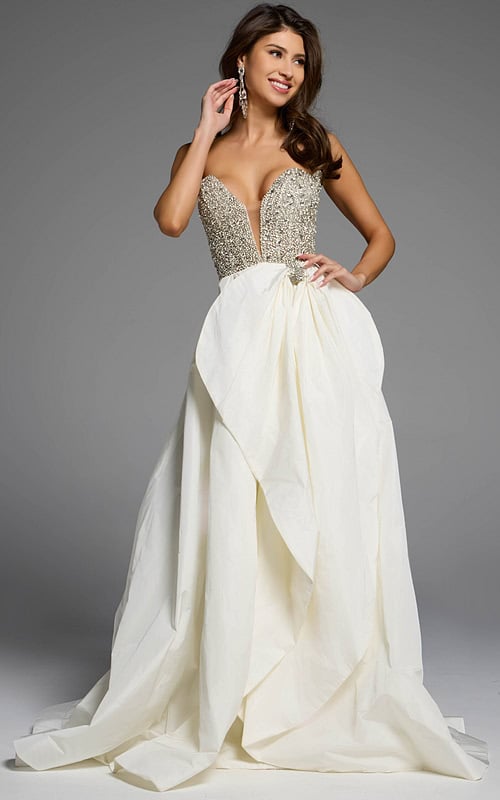
Casual does not have to mean plain. Beading, floral appliqué, textured fabric, and crystal accents can work within a relaxed bridal look when the silhouette remains controlled. Concentrated embellishment at the bodice or waist keeps the eye focused without adding the overall density of a fully embellished gown. A clean skirt can also balance a more decorative neckline or corset.
For brides who want sparkle to become a stronger part of the dress, Beaded Wedding Dresses provide a more detail-led direction. On this page, the better approach is selective embellishment that supports the shape rather than turning the gown into a highly formal statement. This keeps the collection aligned with intimate ceremonies and less traditional venues while still offering enough design variation for different bridal styles.
Match the Dress to the Ceremony, Not a Rulebook
The most useful way to choose a casual wedding dress is to consider the actual experience of the ceremony: how formal the venue feels, how much walking or sitting is involved, the season, the expected dress code, and how much visual impact feels appropriate. A city-hall ceremony may call for a structured midi or sleek column, while a garden or destination setting may suit a softer A-line with more movement.
Some brides will also want a second look later in the day. Cake Cutting Dresses can provide a separate route for that moment, rather than forcing reception-focused styles into the definition of casual bridal. Keeping those uses distinct helps the main collection stay centered on relaxed ceremony dressing: polished, bridal, and easier in scale than a traditional formal gown.