
1 Colors
Casual Wedding Dresses
Casual wedding dresses bring a lighter, less formal approach to bridal style while keeping the fit and finish that make a look feel wedding-ready. Jovani’s selection includes clean fitted gowns, softly shaped A-lines, satin columns, lace styles, midi lengths, and shorter silhouettes with polished construction. The focus is on comfortable movement, manageable volume, and details that suit courthouse ceremonies, intimate dinners, destination weddings, garden settings, and understated venues. Compare fabric weight, bodice structure, neckline, skirt shape, and train length to find a casual wedding dress that feels refined without the scale or formality of a traditional bridal gown.
Products
3 Colors
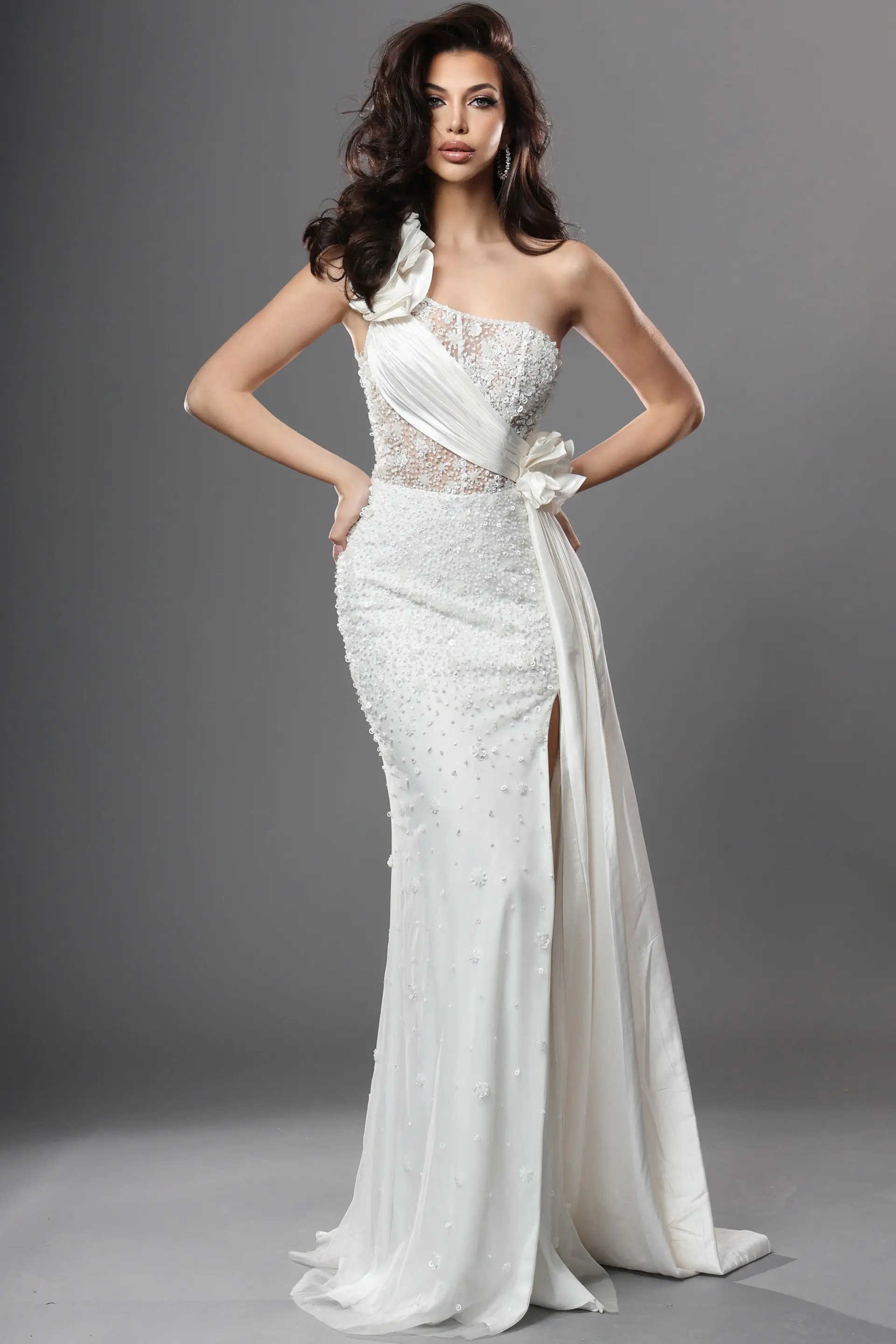
Elegant One Shoulder Bridal Gown with Floral Detail and Side Slit 39796
3 Colors
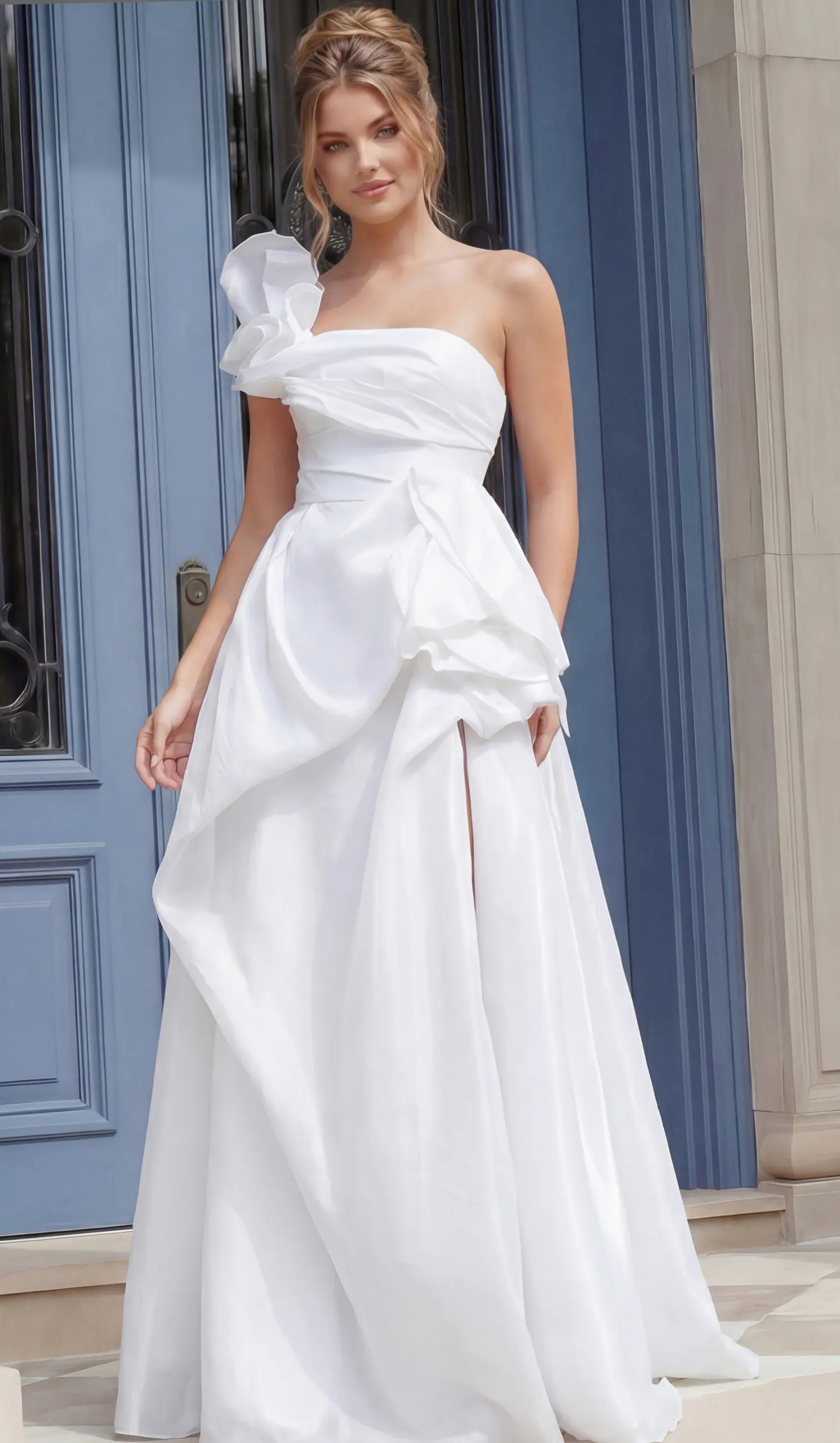
Elegant One-Shoulder Cocktail Dress with Floral Accent 40096
3 Colors
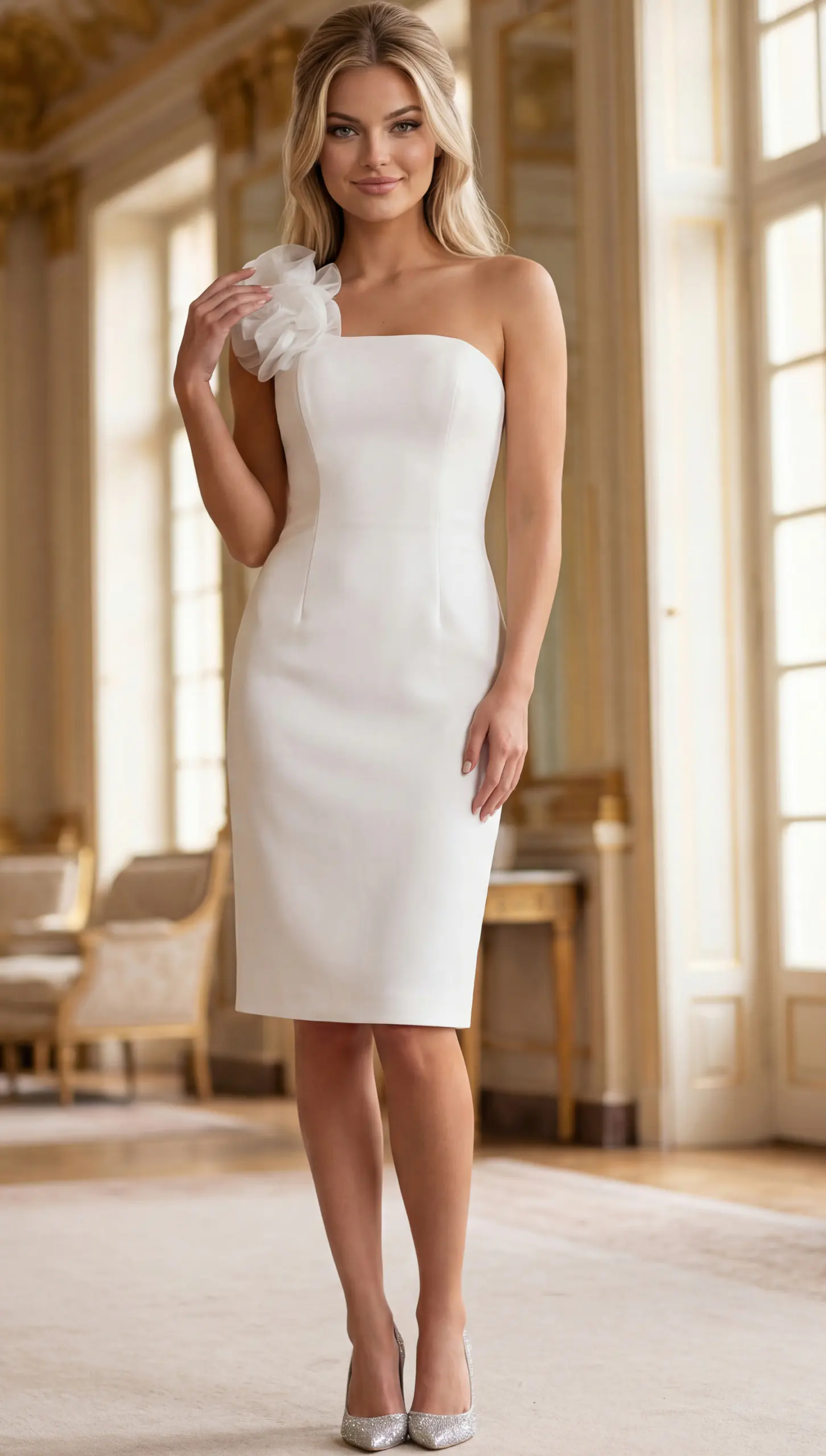
Floral Halter Midi Dress with Sculpted Silhouette 48214
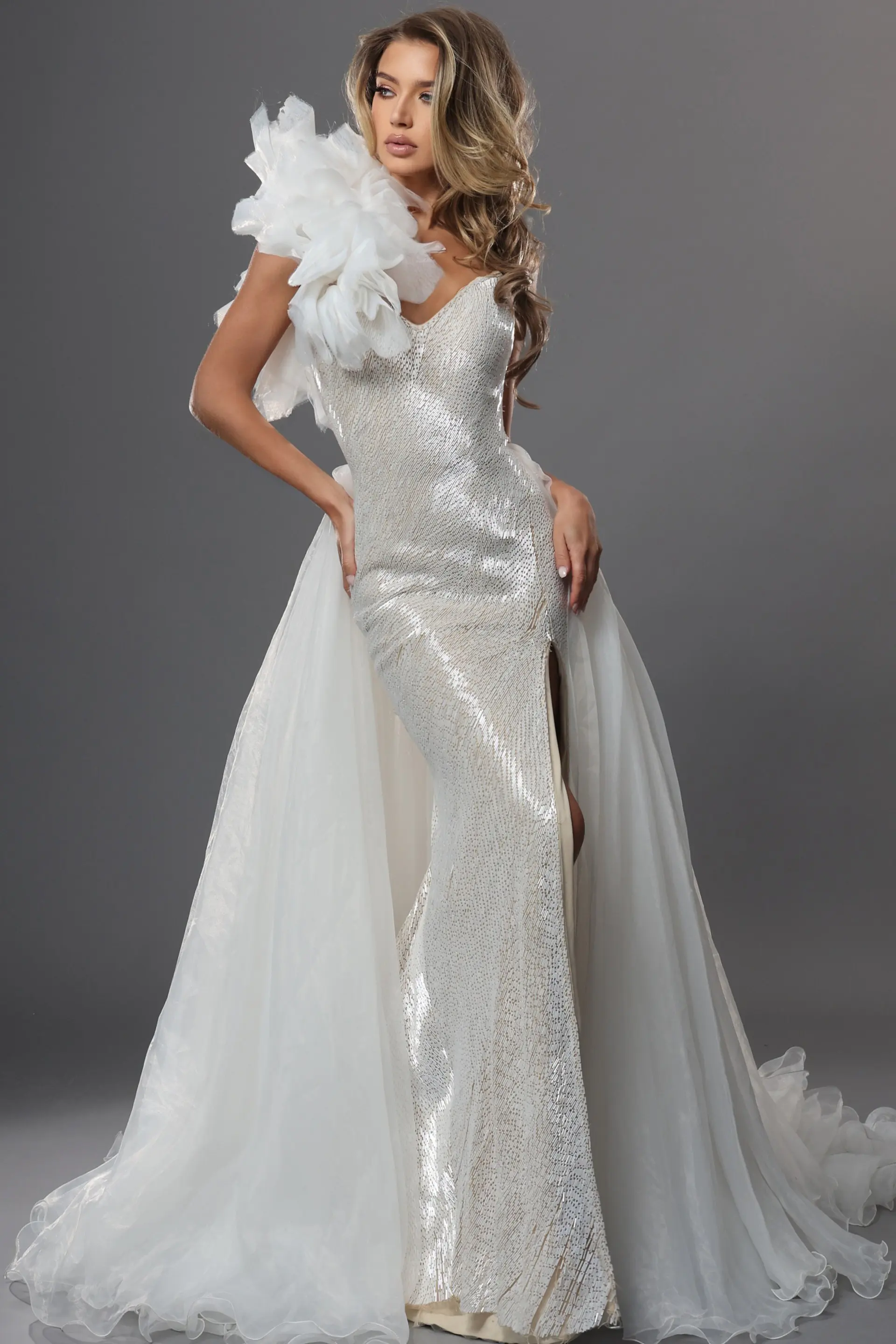
1 Colors
One Shoulder Gown With Oversized Floral Accent 47895
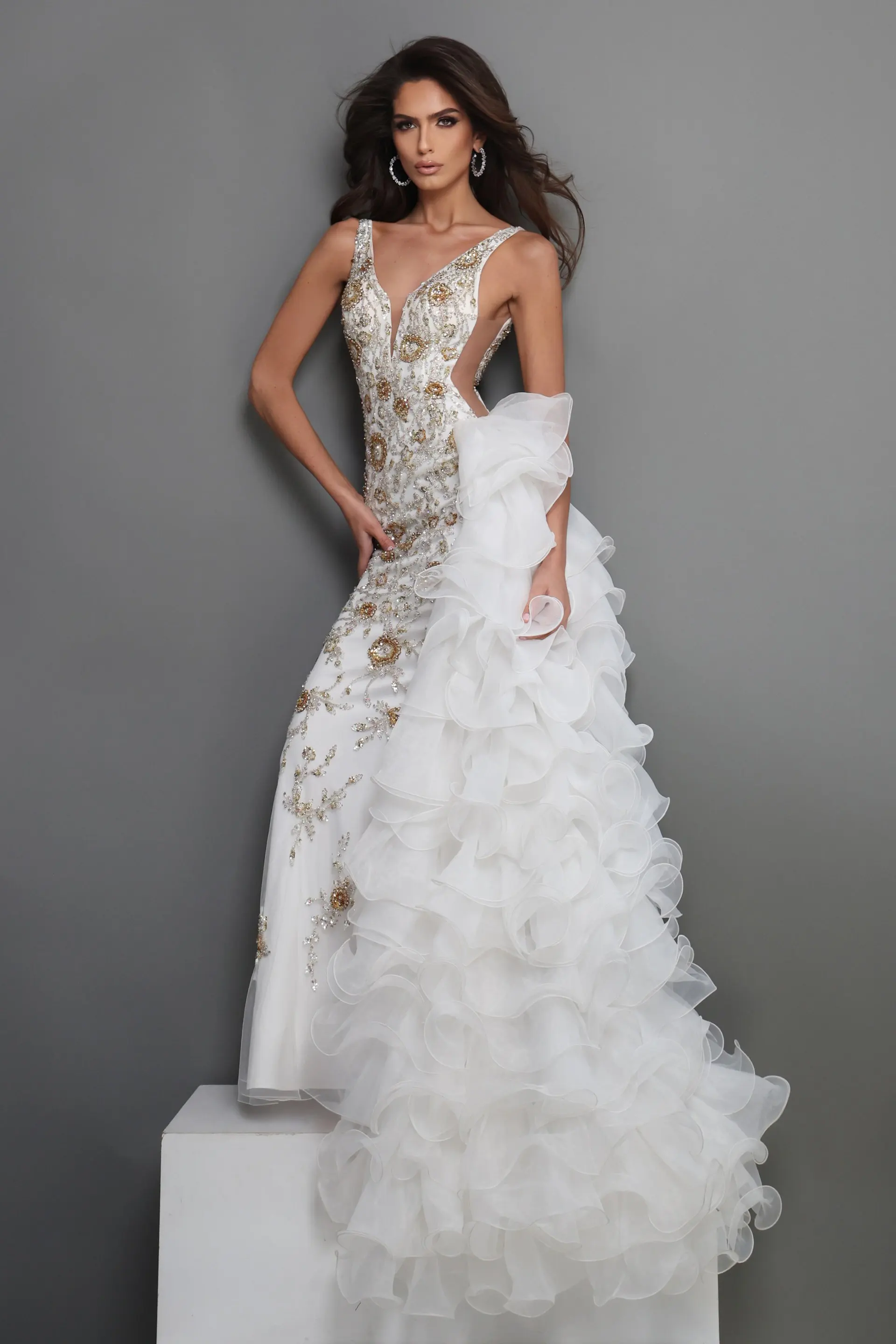
1 Colors
Beaded Ruffled Train Mermaid Long Dress 41146
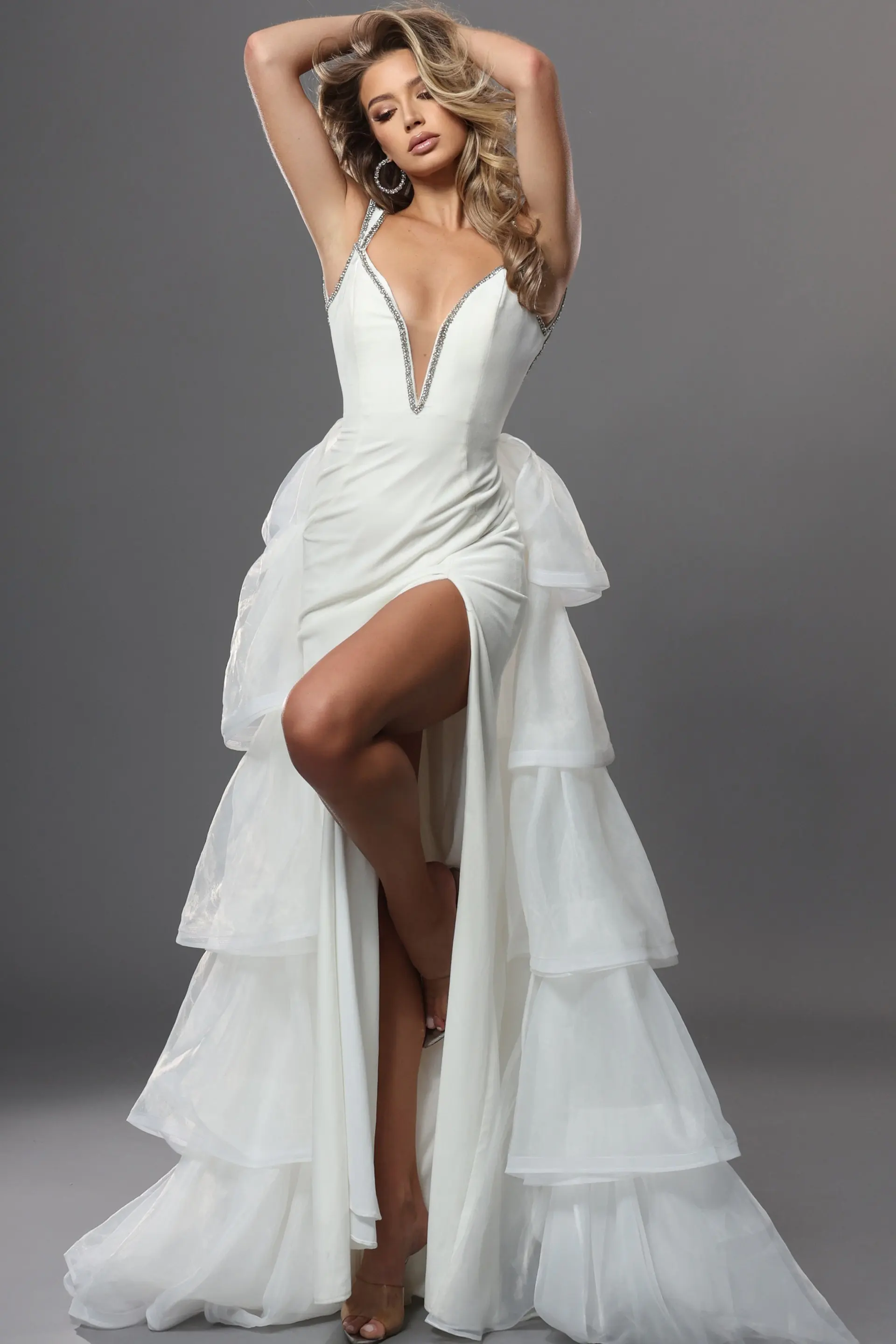
2 Colors
Beaded High Slit Tiered Fit And Flare Dress 42661
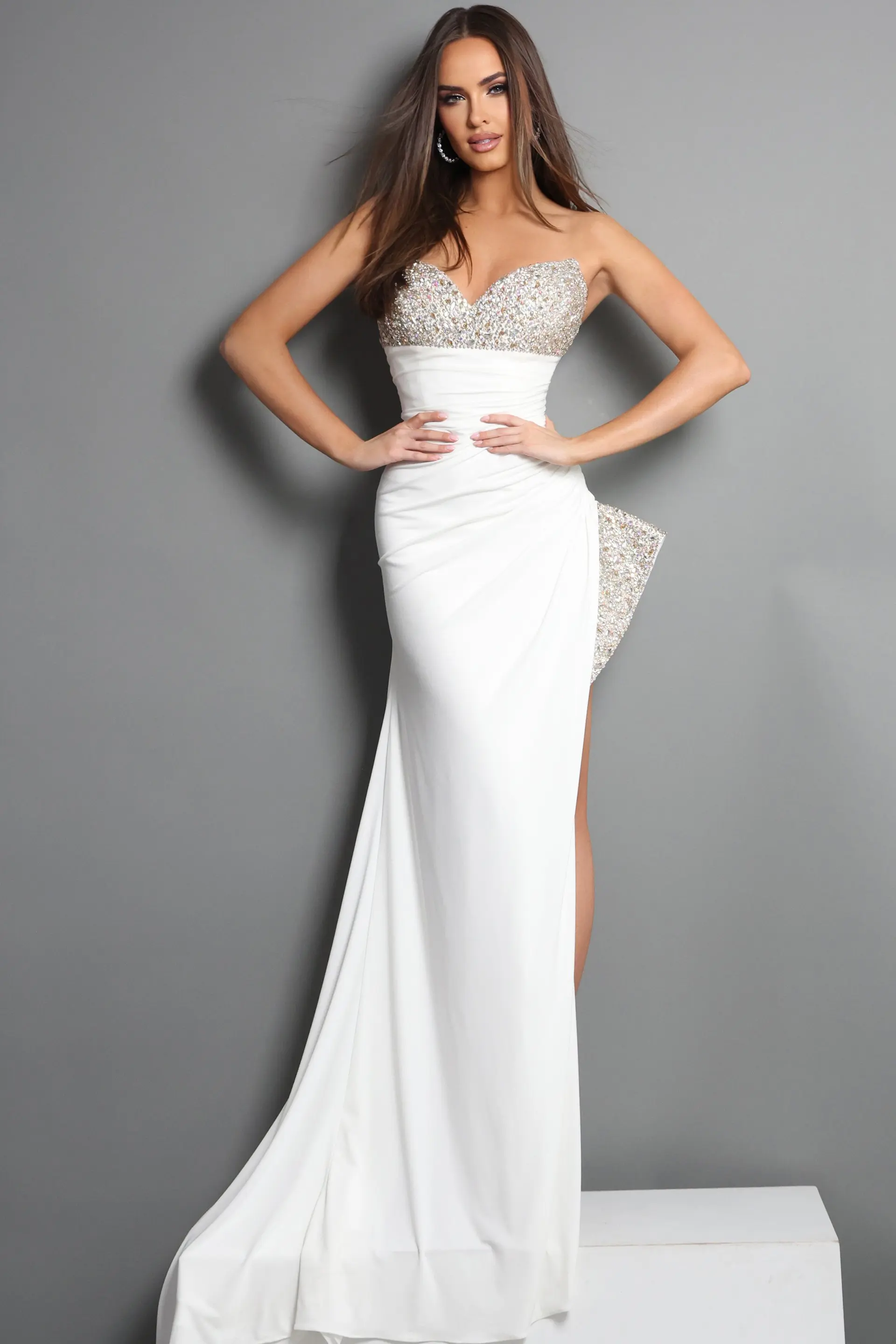
3 Colors
Beaded Bodice High Slit Sheath Dress 49577
4 Colors
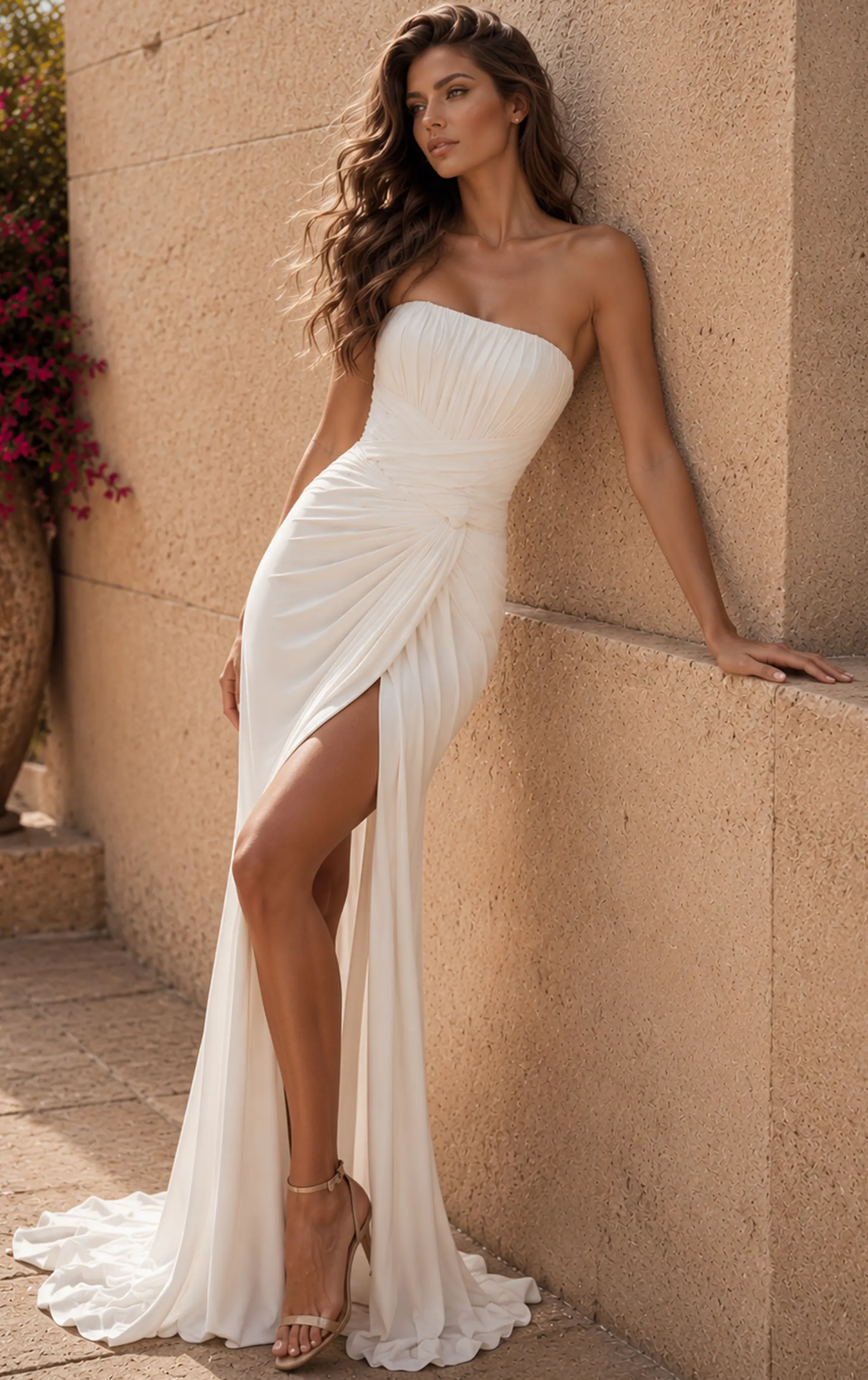
Ruched Strapless Sweetheart Slit Gown 49537
7 Colors
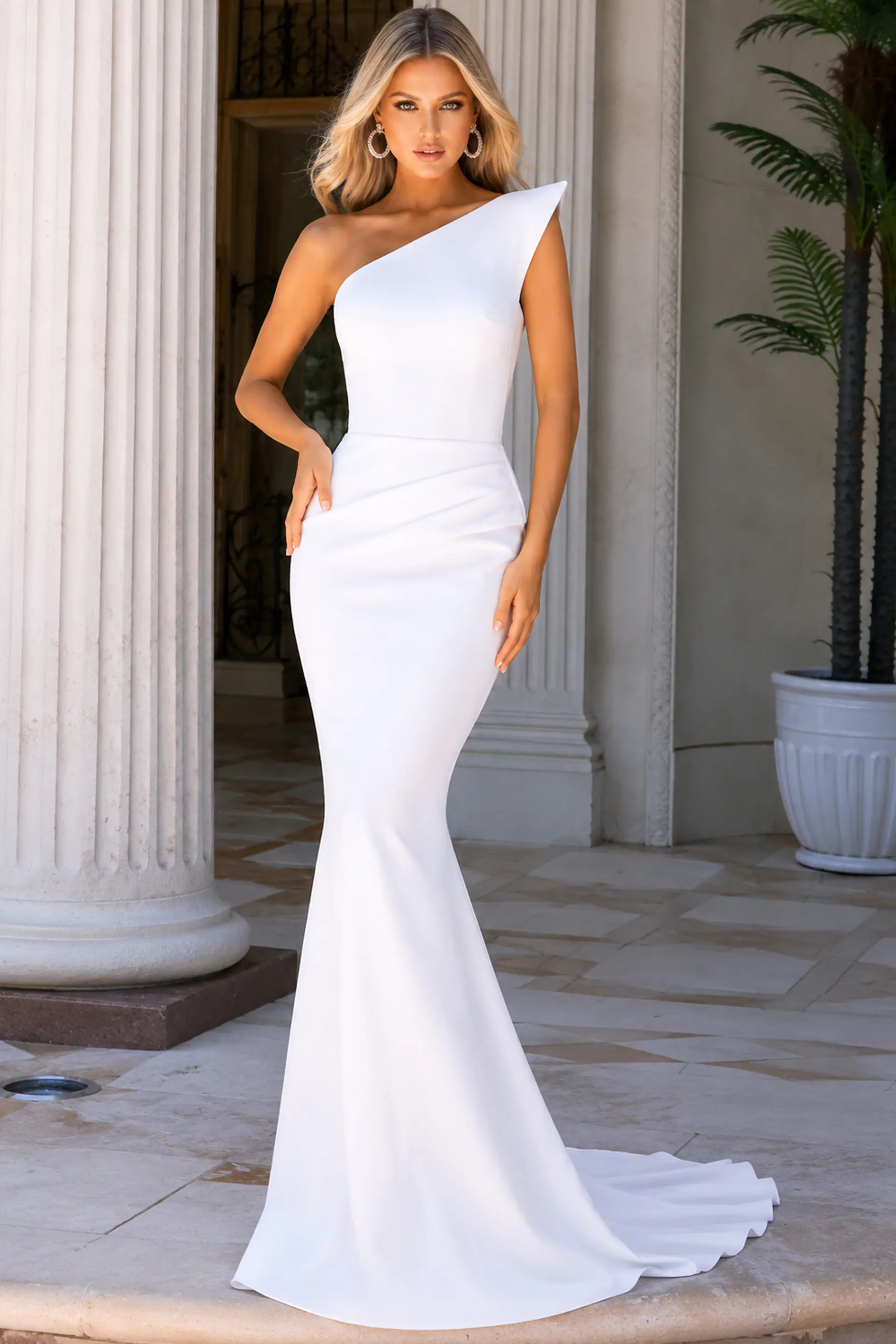
One Shoulder Fitted Bridal Gown With Clean Silhouette 40301
3 Colors
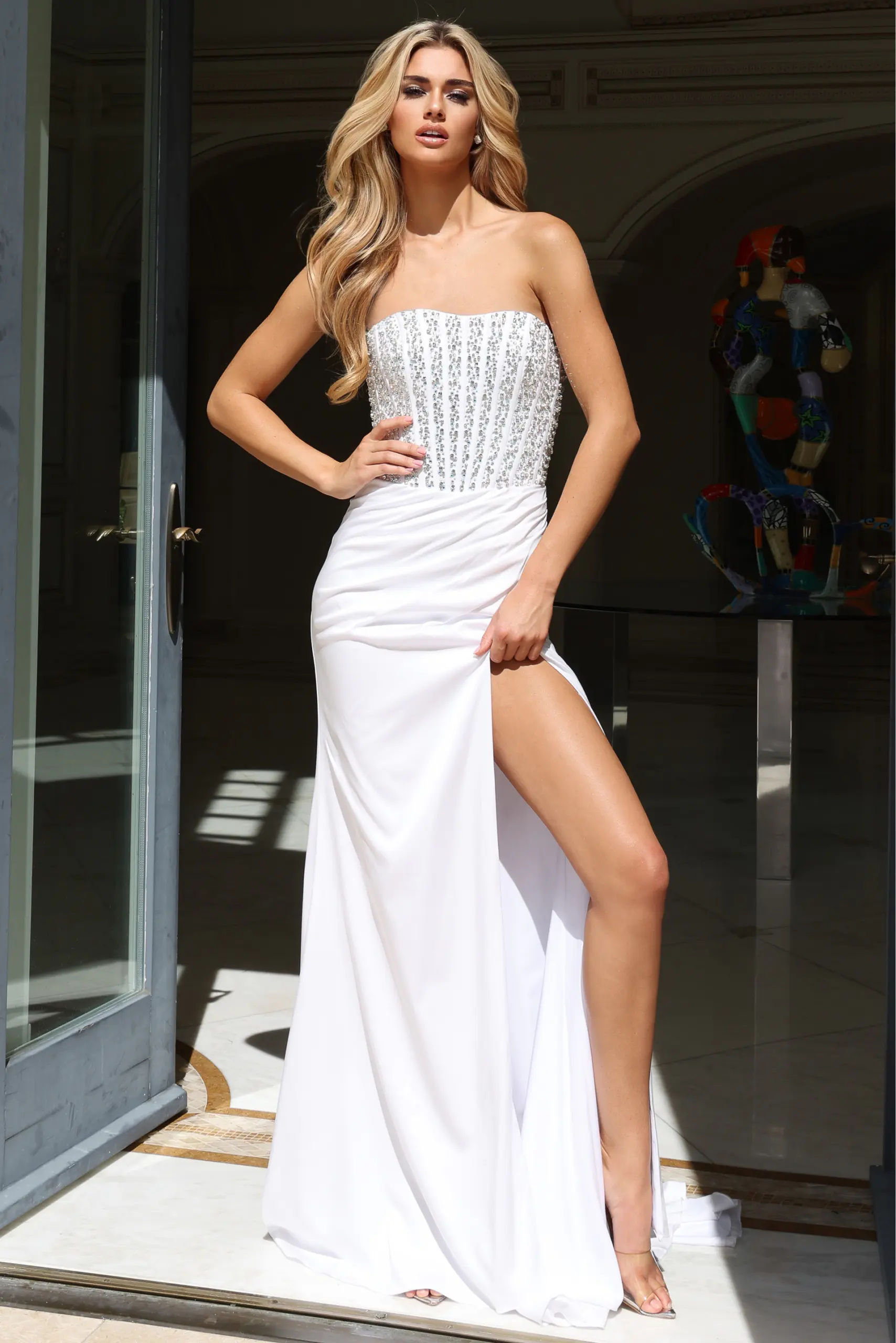
Strapless Embellished Bodice Dress 43823
2 Colors
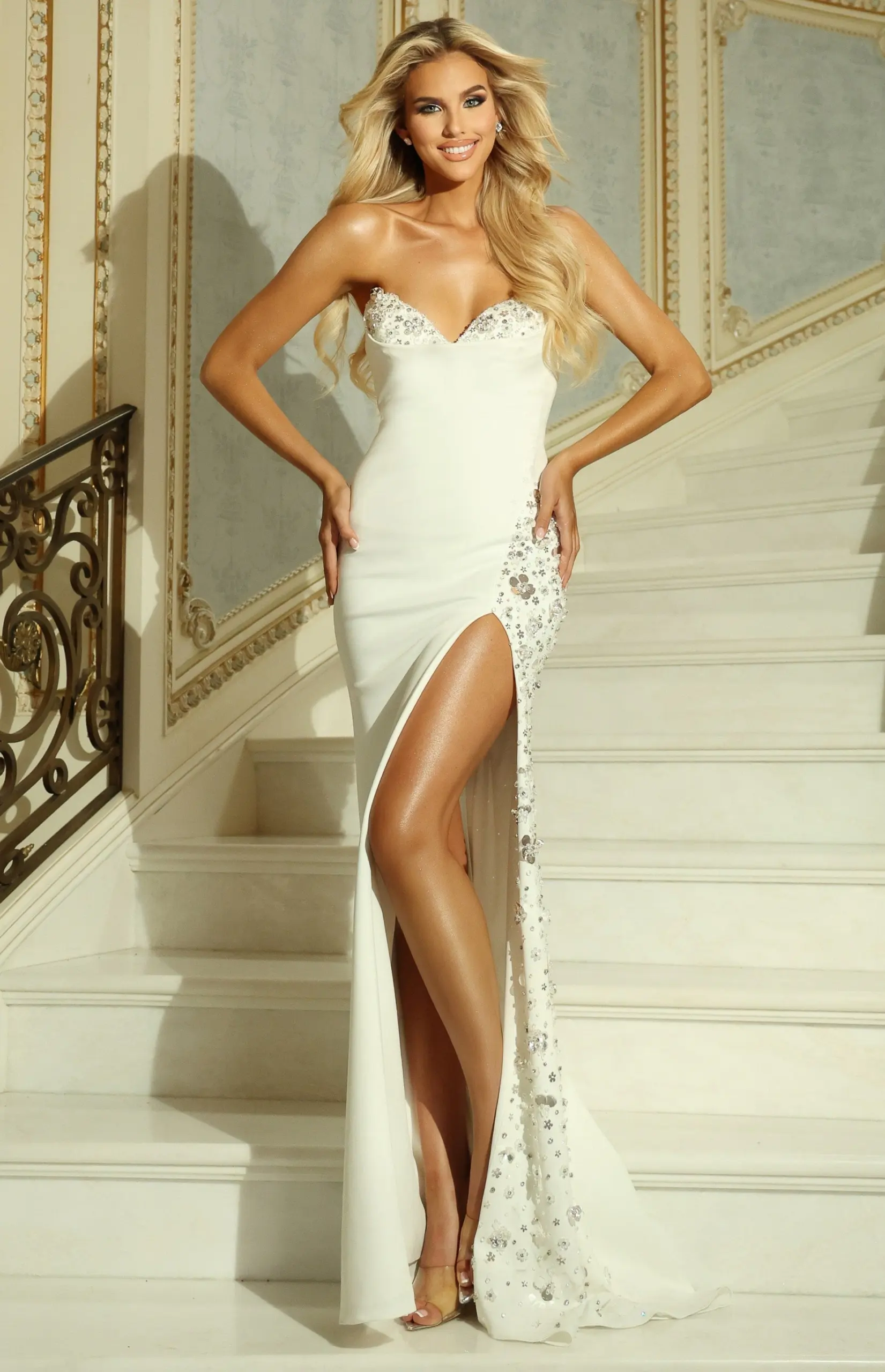
Strapless Embellished High Slit Satin Gown 42800
5 Colors
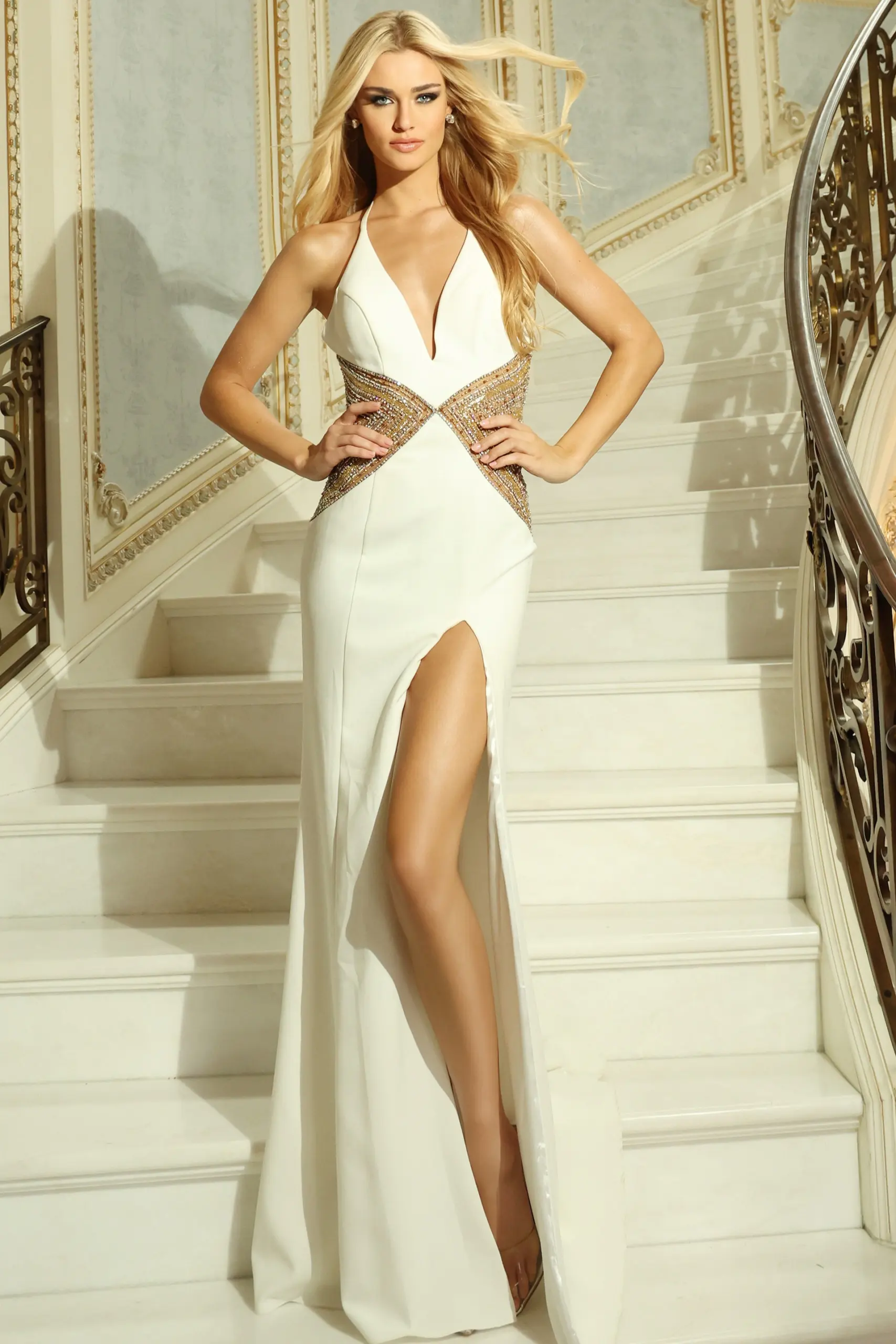
Halter Beaded Waist High Slit Gown44325
3 Colors
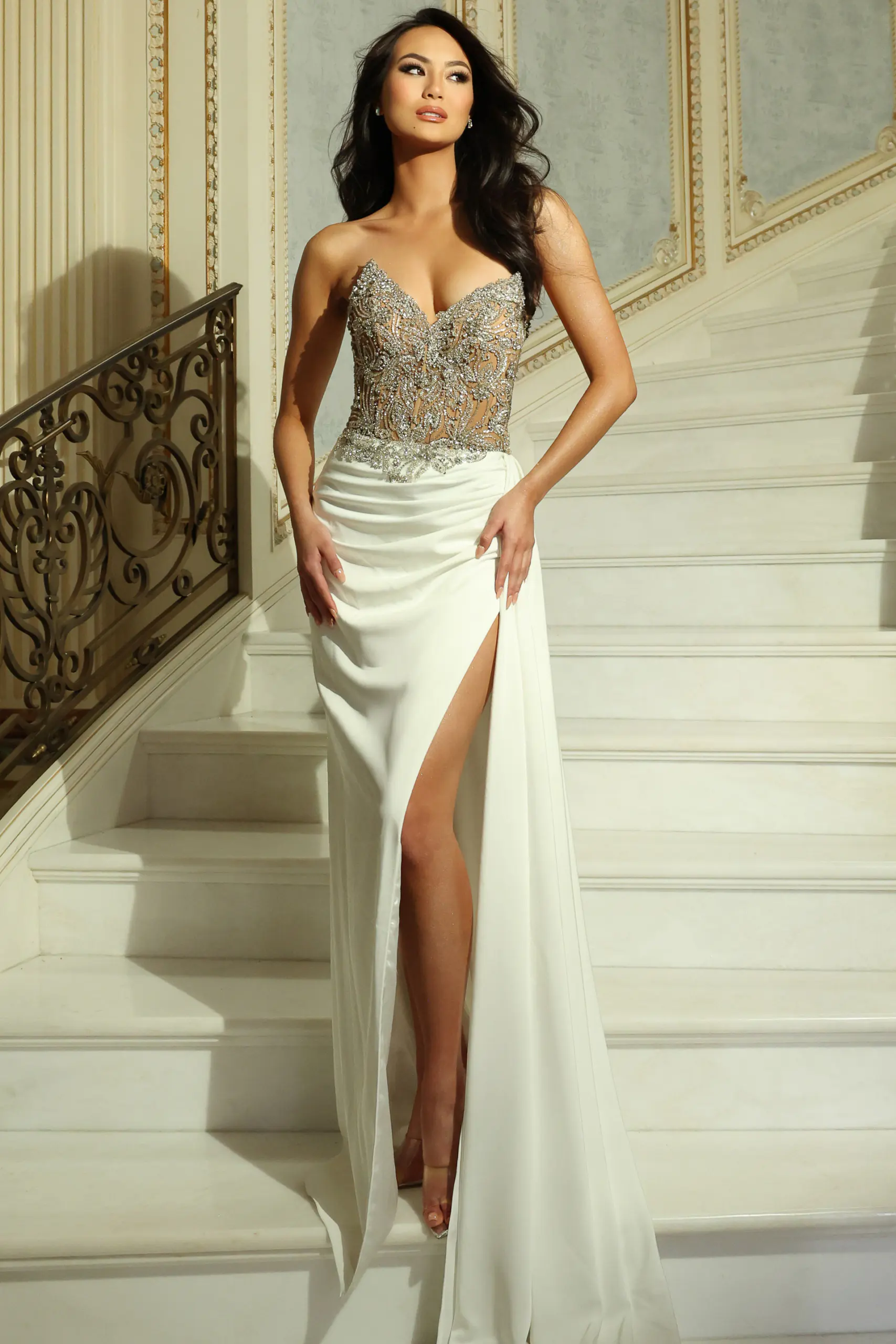
Embellished Bodice High Slit Gown 42614
1 Colors
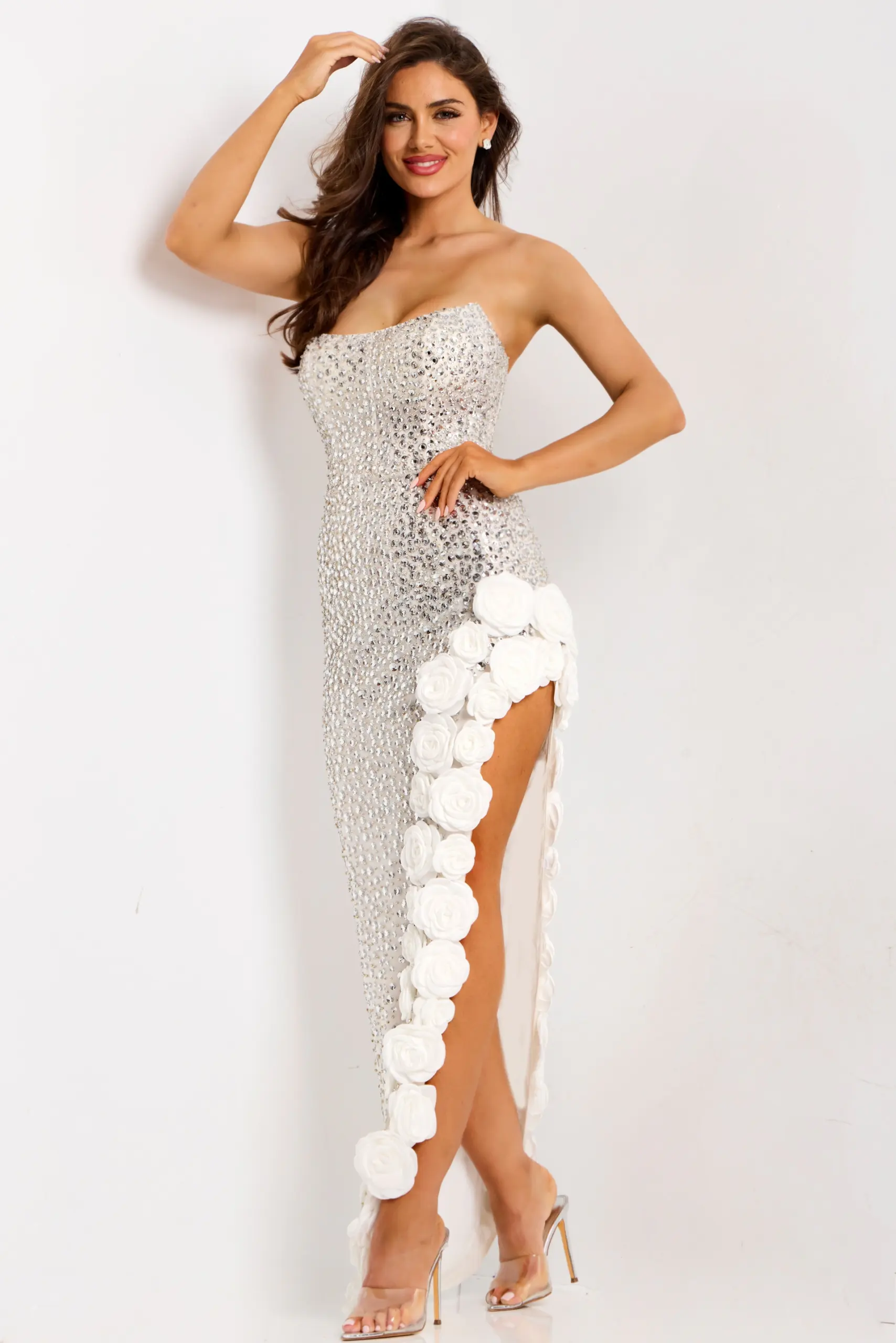
Crystal Embellished Gown with 3D Floral Appliqué 47797
1 Colors
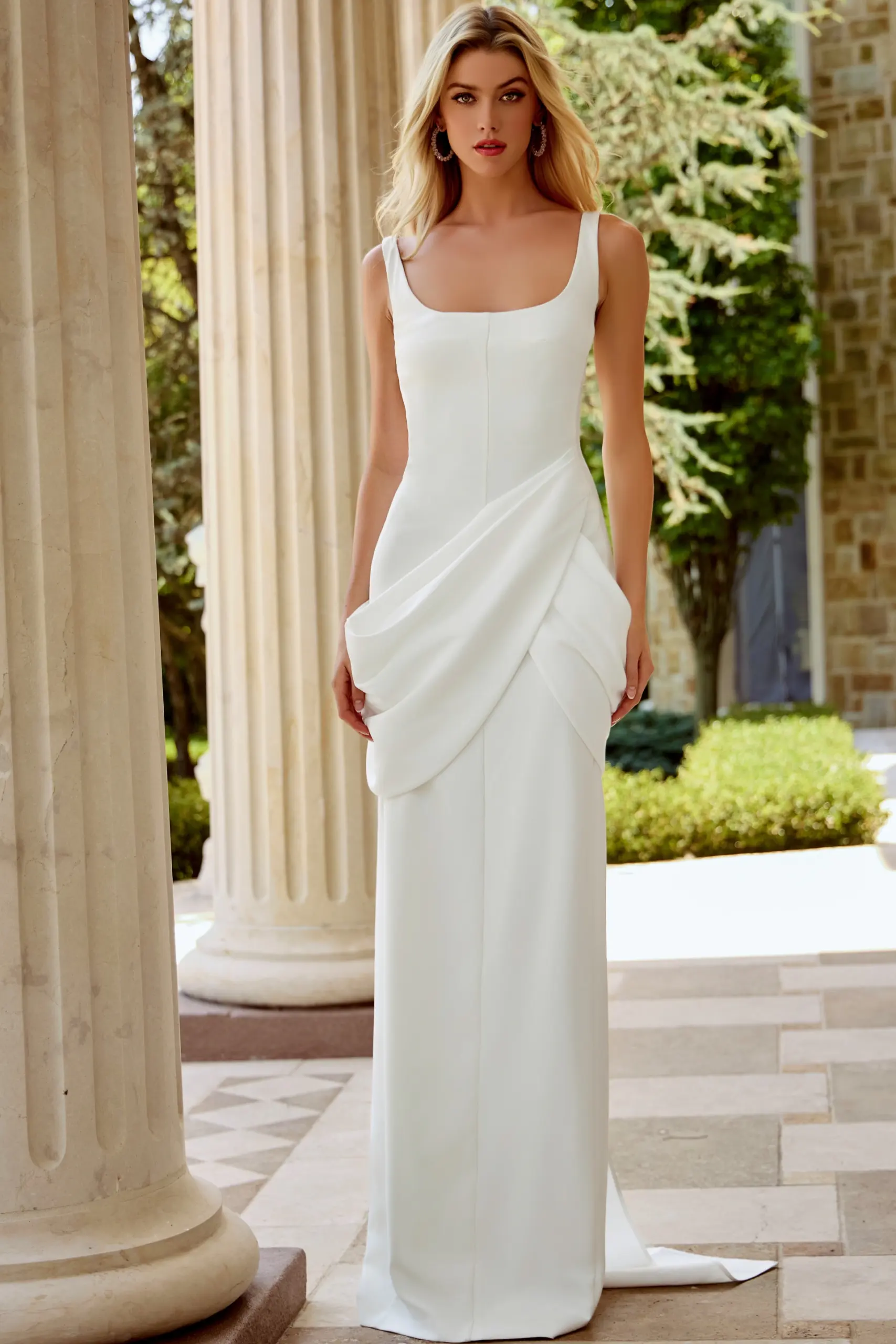
Scoop Neck Wedding Dress with Draped Skirt JB45620
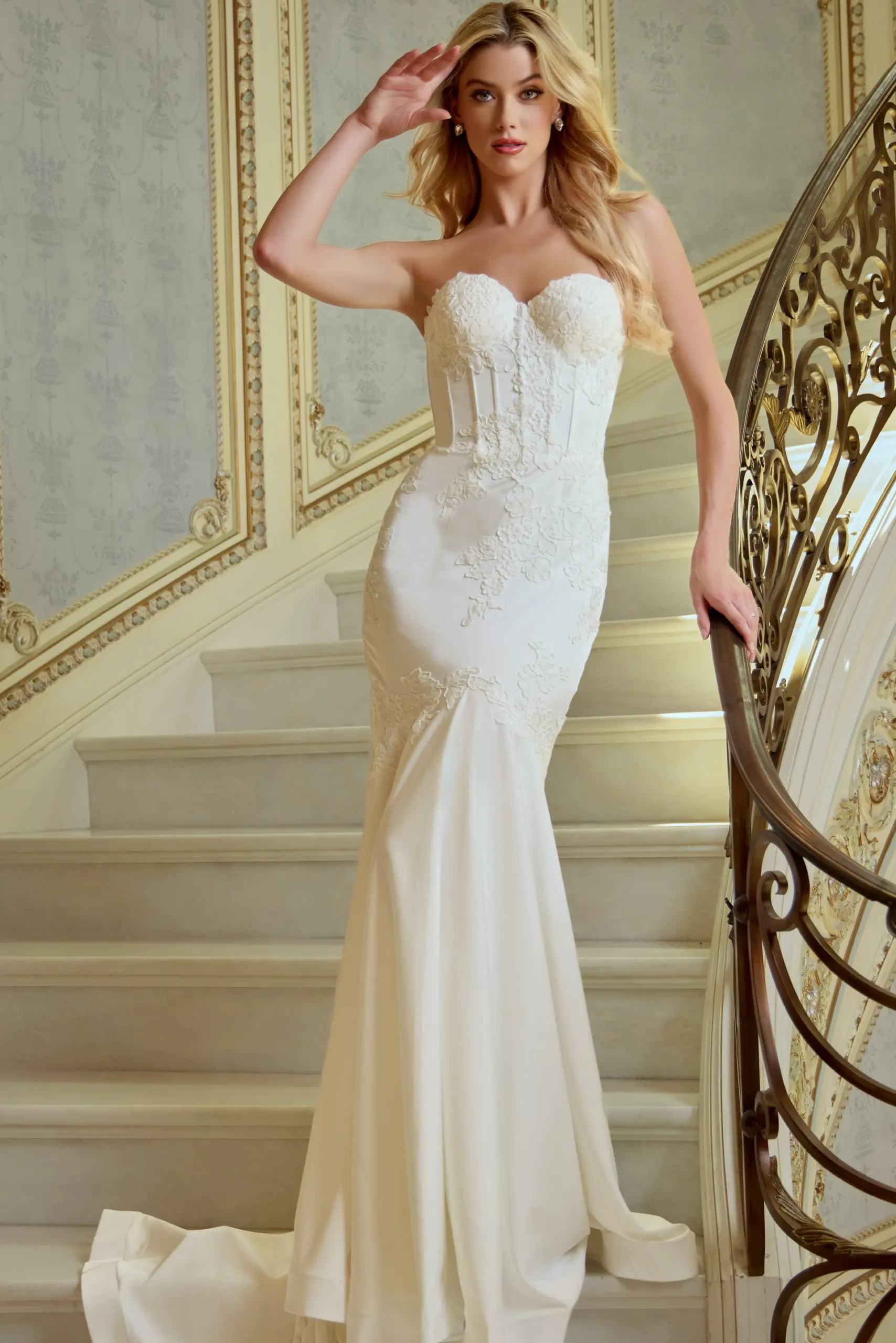
1 Colors
Mermaid Wedding Dress With Corset Bodice JB40013
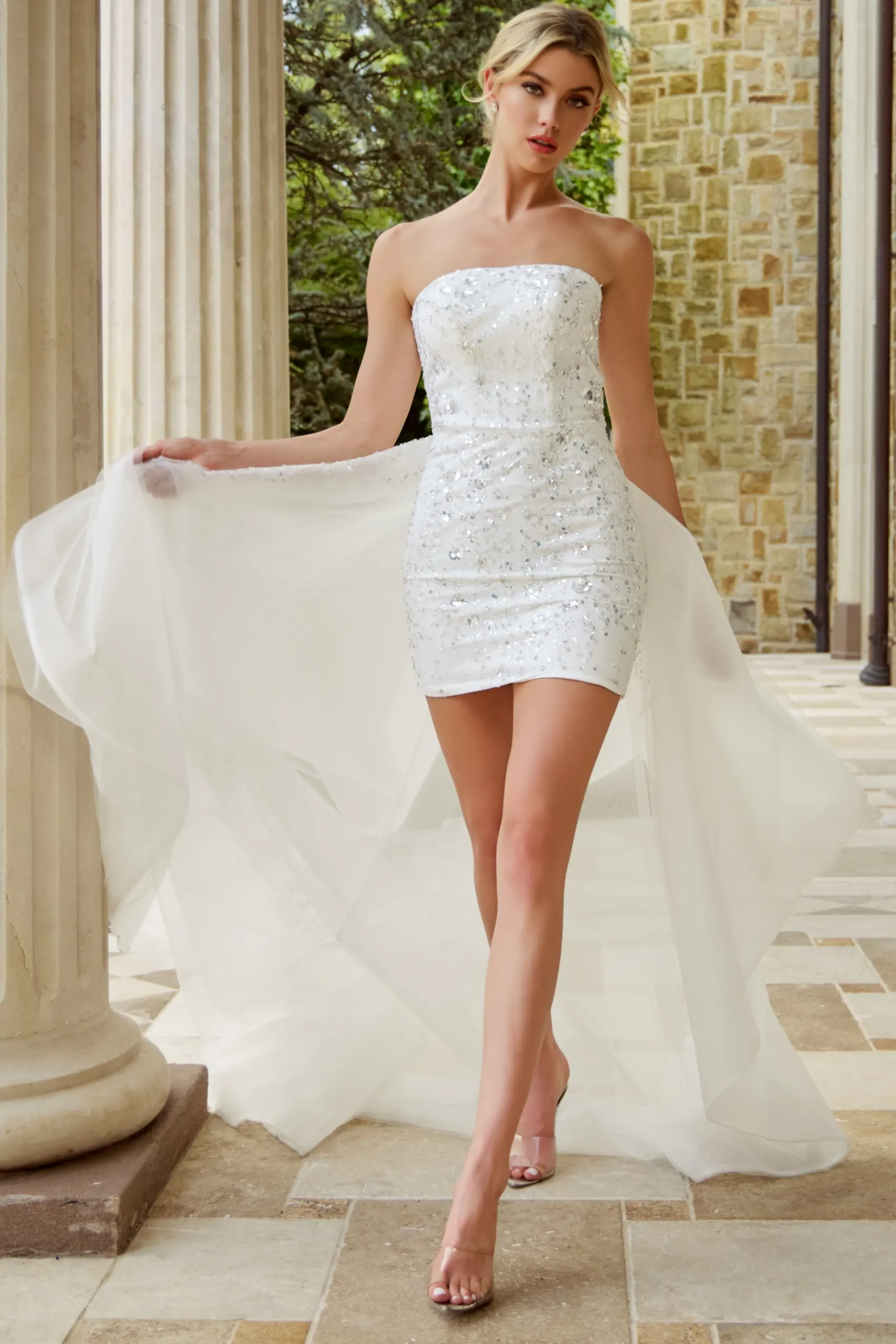
2 Colors
Sequin Mini Dress with Detachable Overskirt 47437
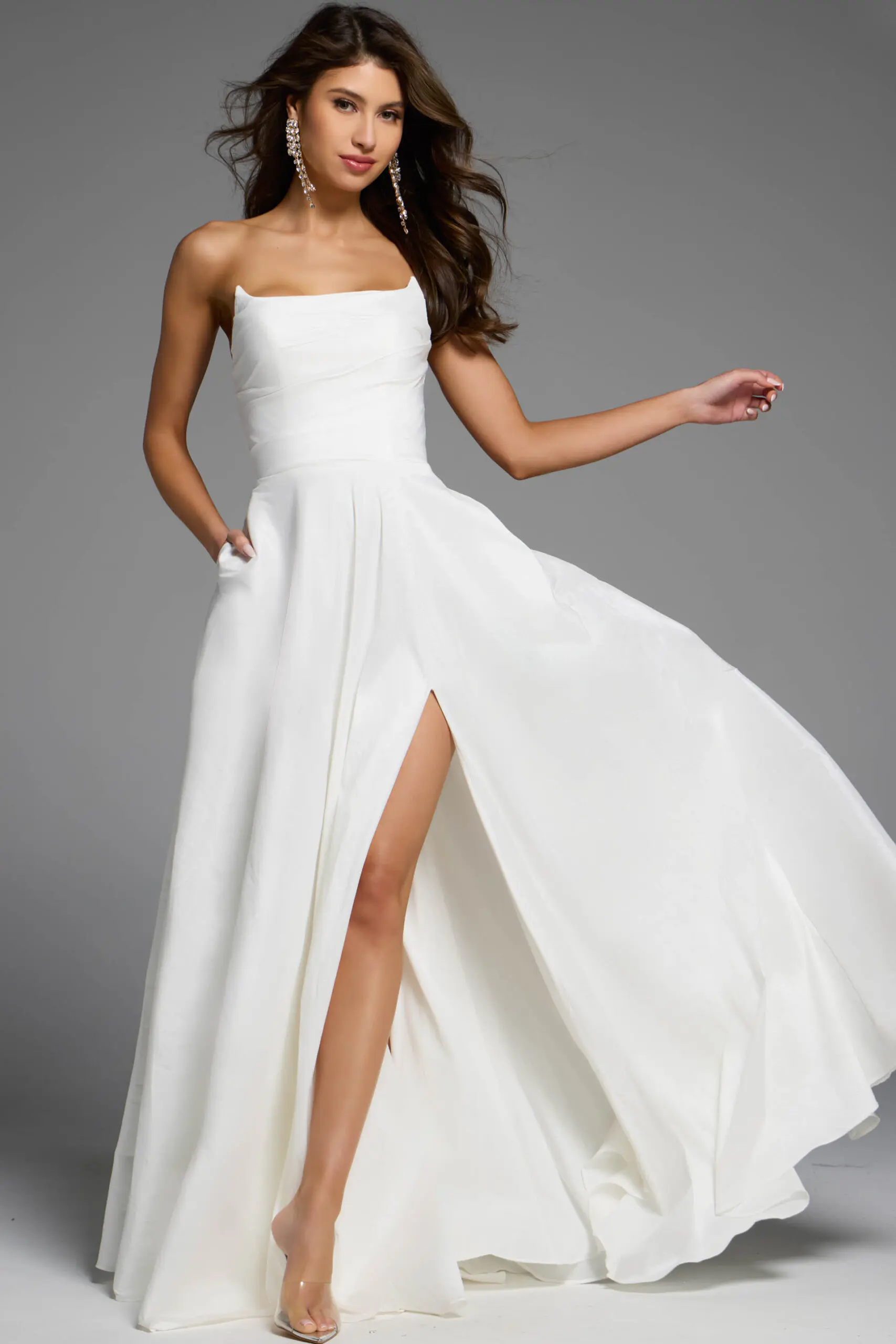
3 Colors
Strapless Ivory Gown With High Slit And Flowing A-Line Skirt D5822
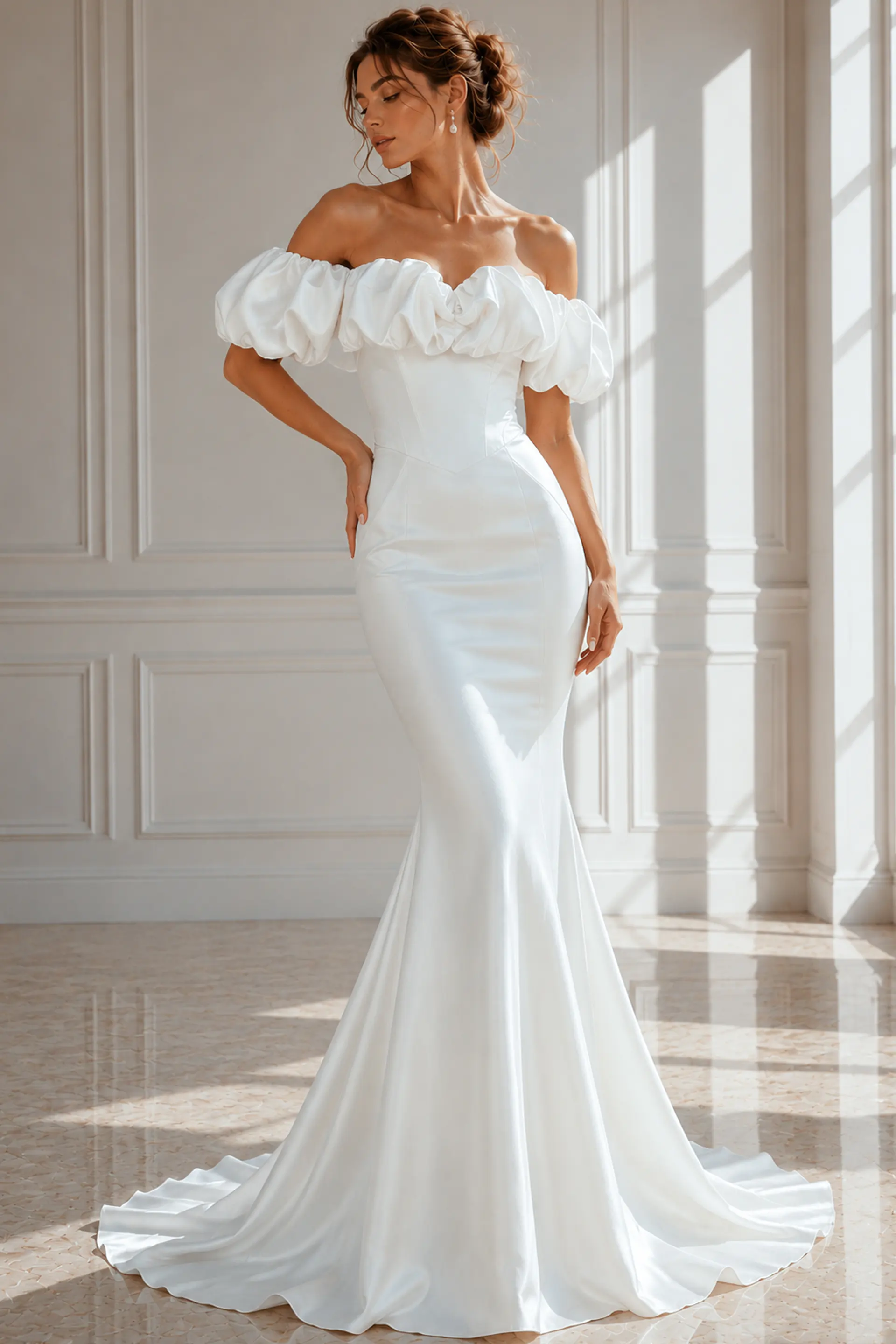
1 Colors
Off the Shoulder Satin Bridal Gown with Ruffled Sleeves and Train JB43896
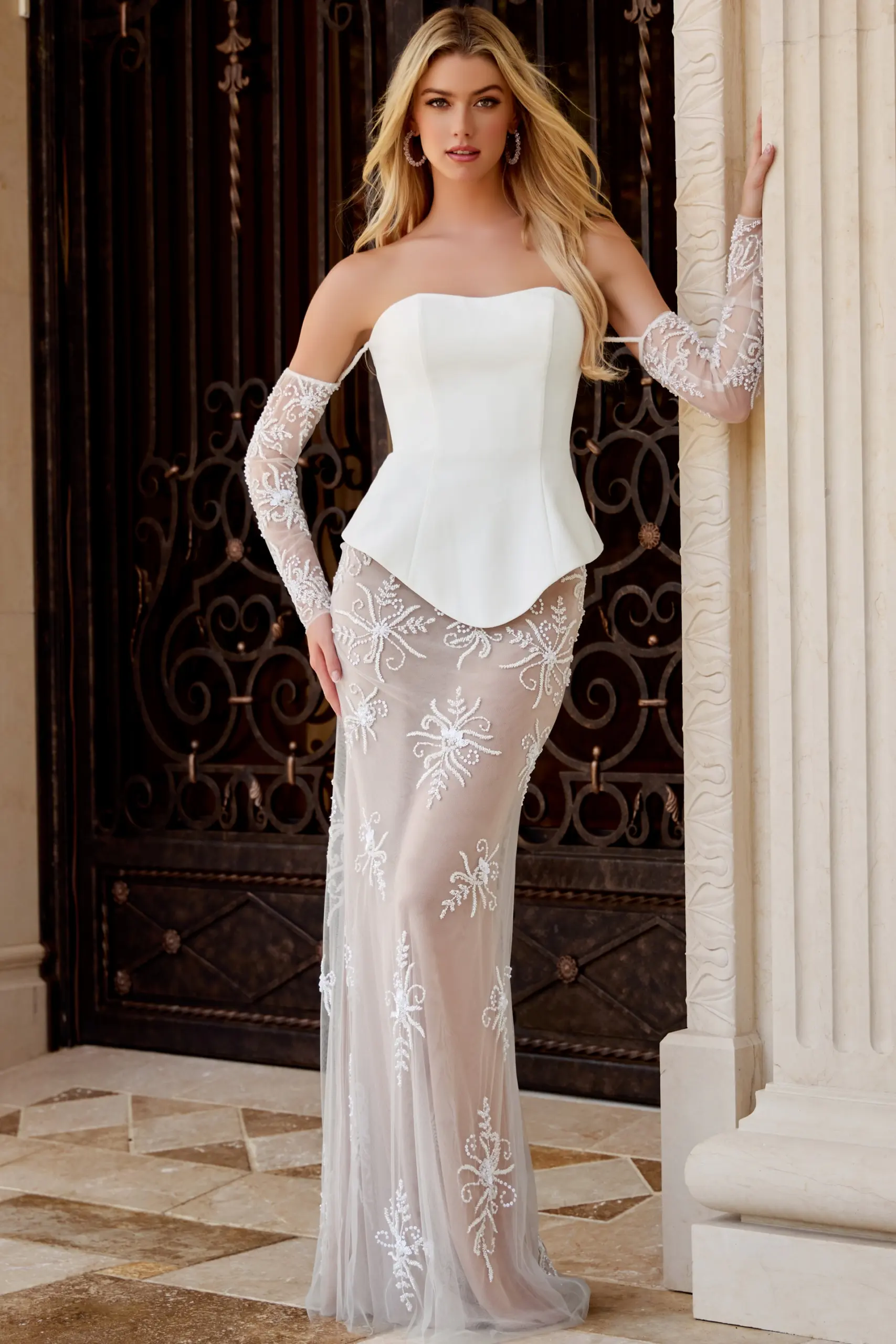
6 Colors
Corset Gown with Sheer Beaded Skirt 45326
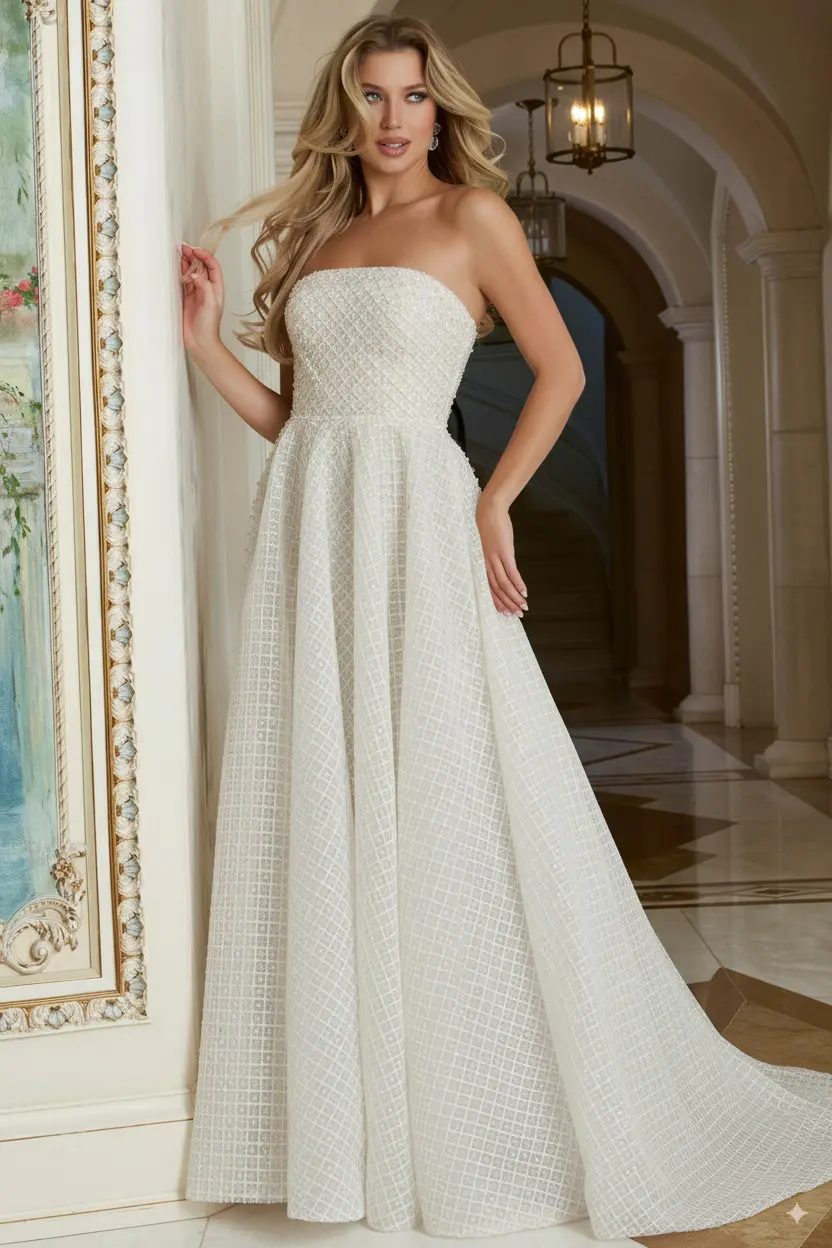
6 Colors
Strapless Textured A-Line Gown With Flowing Skirt 45788
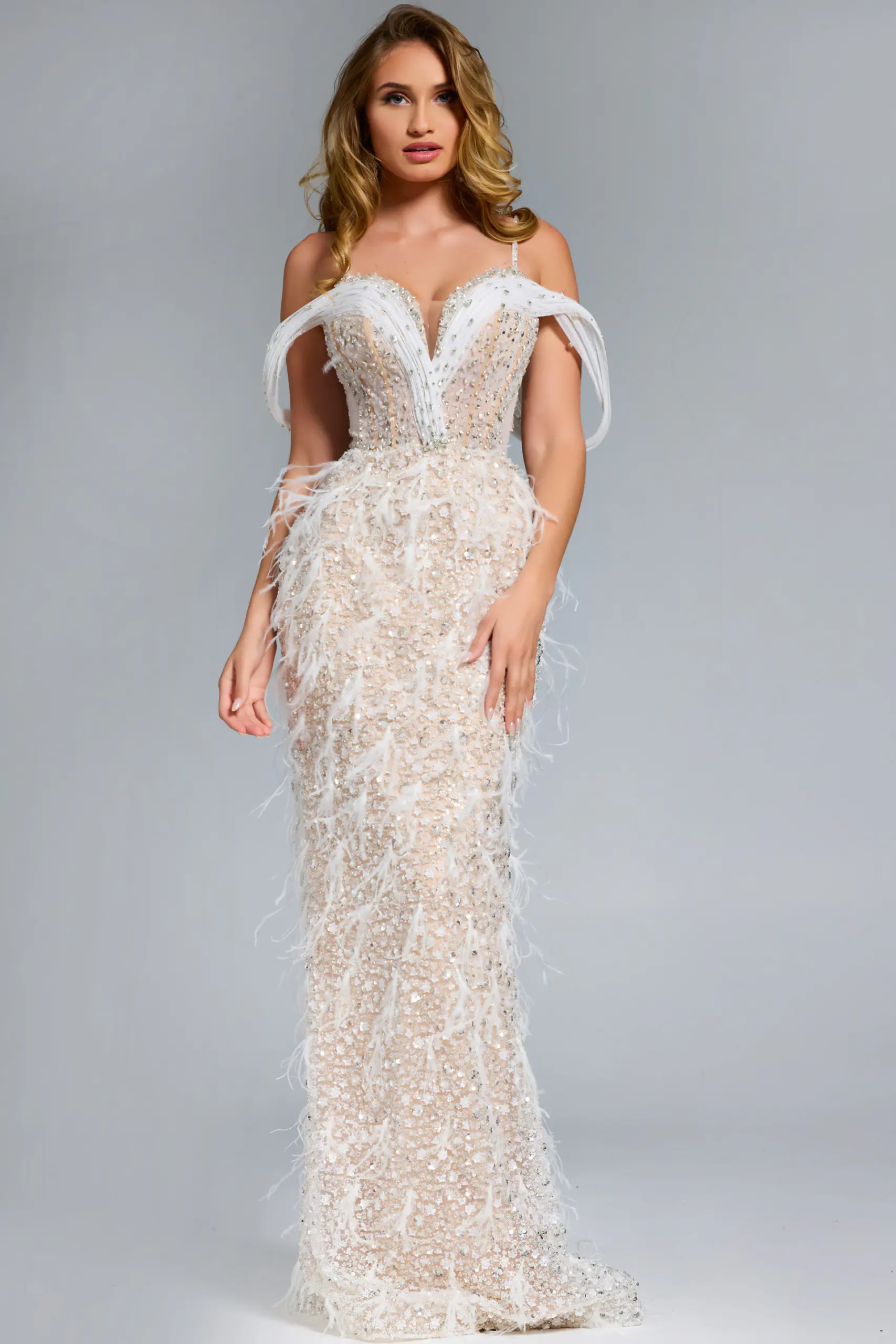
2 Colors
Feathered Plunge Gown with Dazzling Embellishments 44848
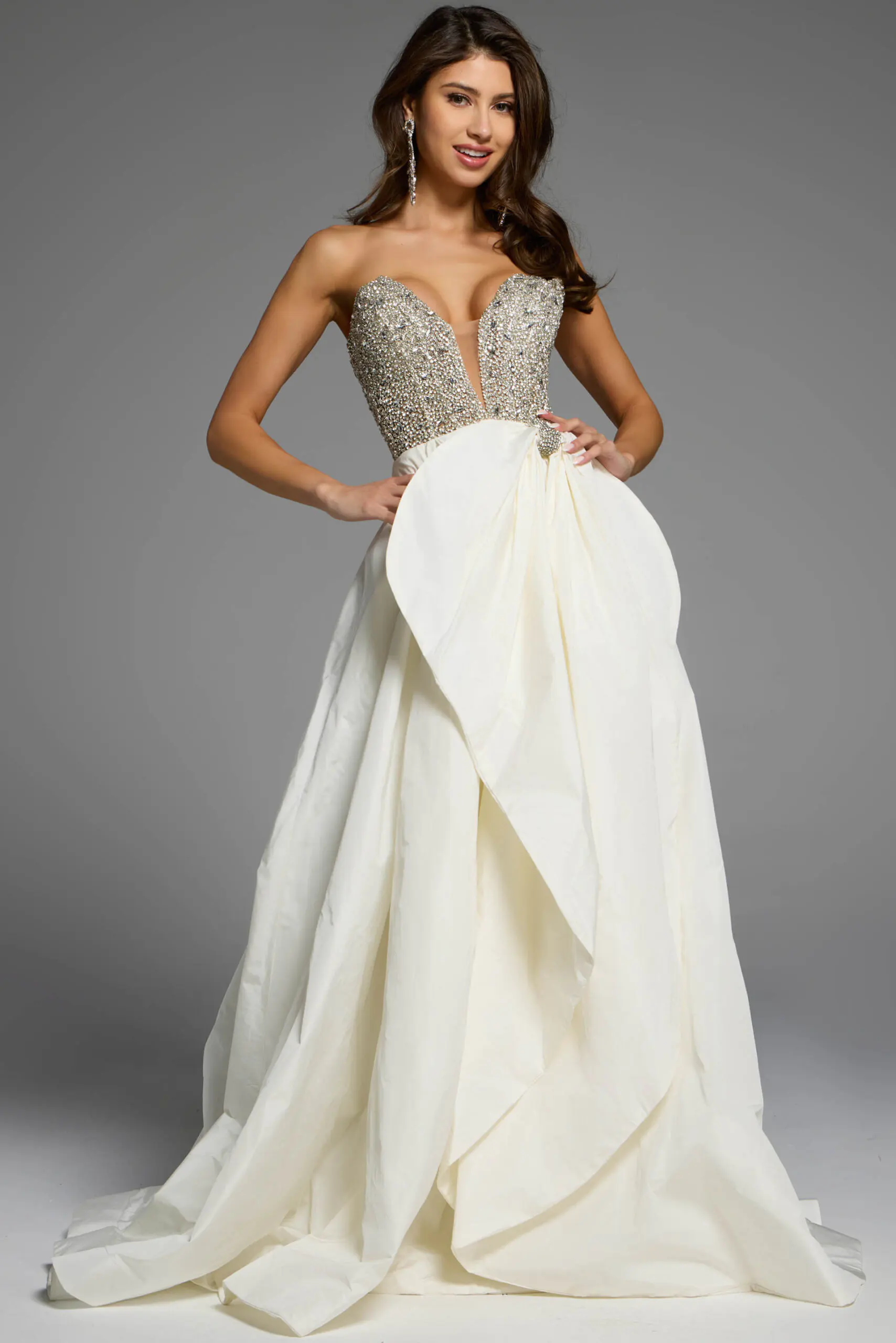
6 Colors
Strapless Crystal Embellished Gown With Bold Ruffle Skirt 41141
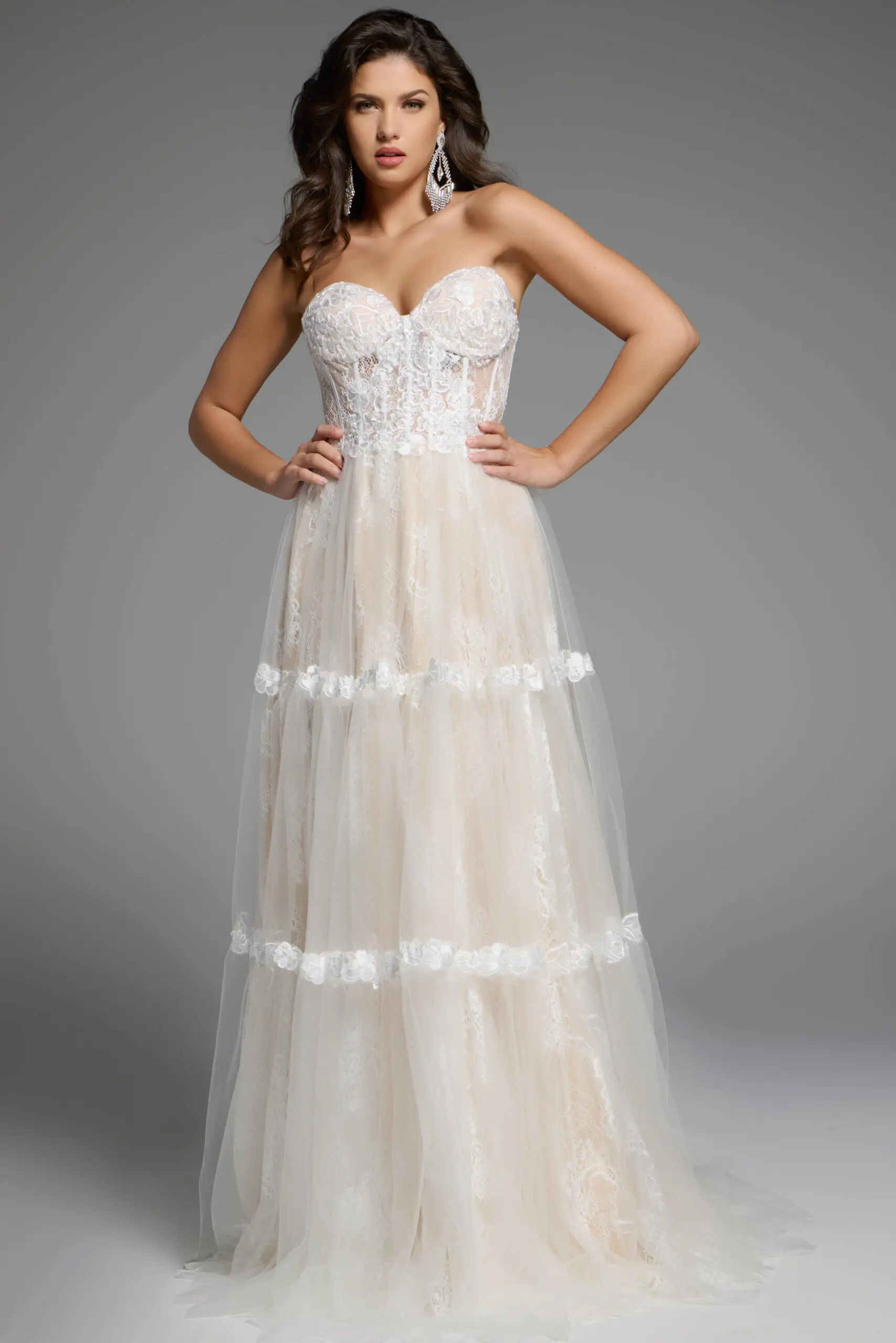
1 Colors
Strapless Floral Lace Tiered Gown 41066
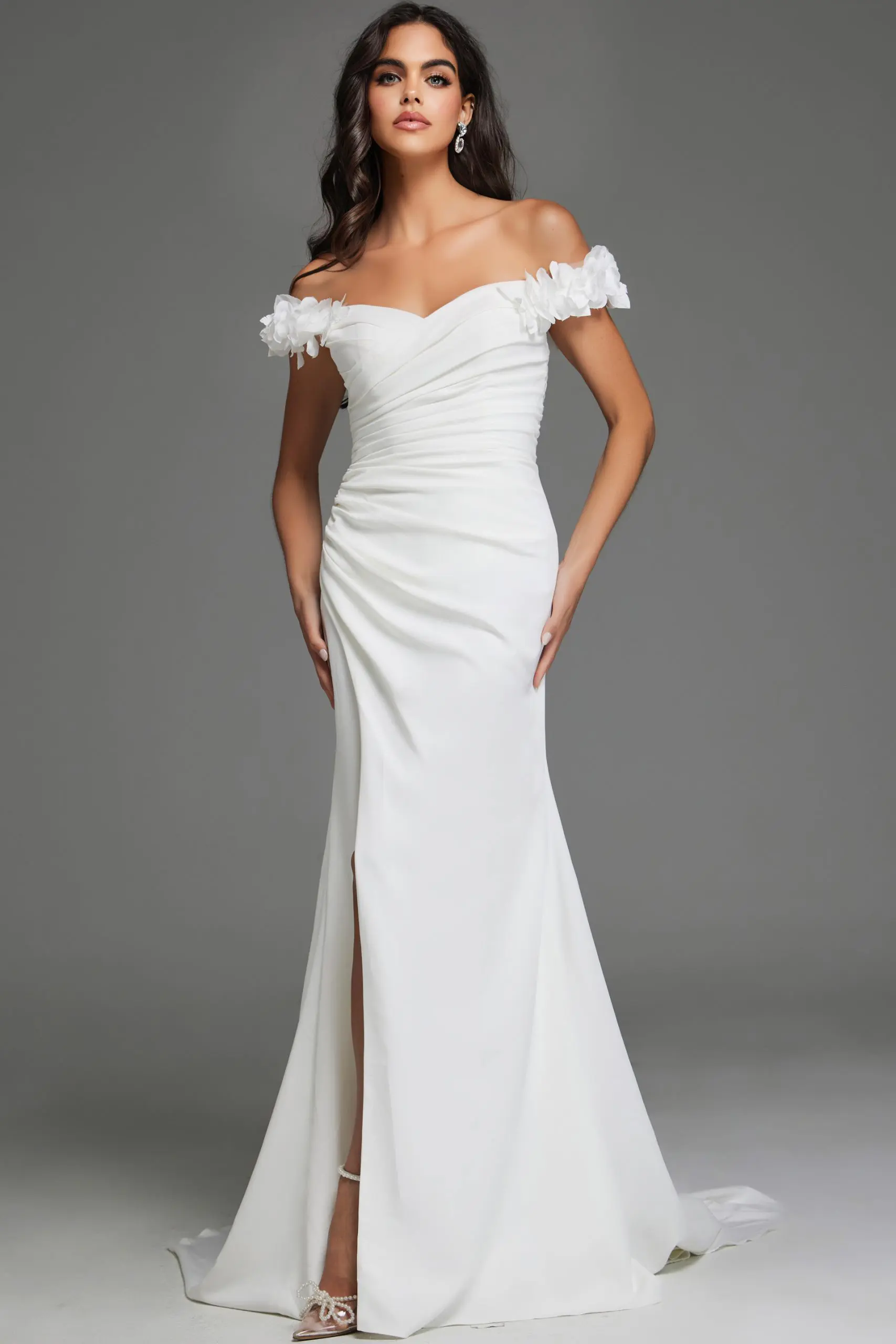
1 Colors
Off the Shoulder Ivory Gown with Floral Straps and Flowing Train JB43323
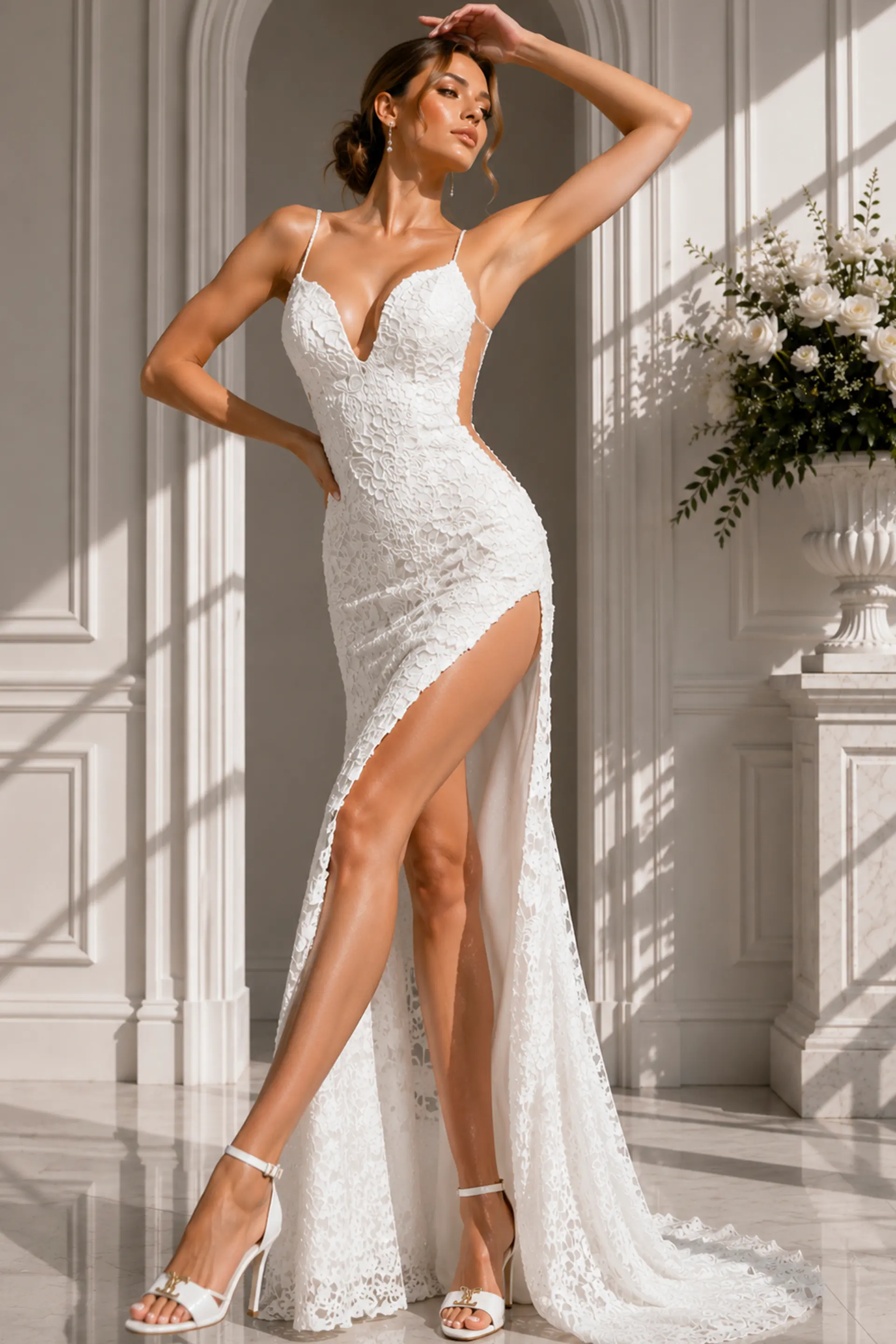
1 Colors
Corset Bridal Gown with Lace Details JB42771
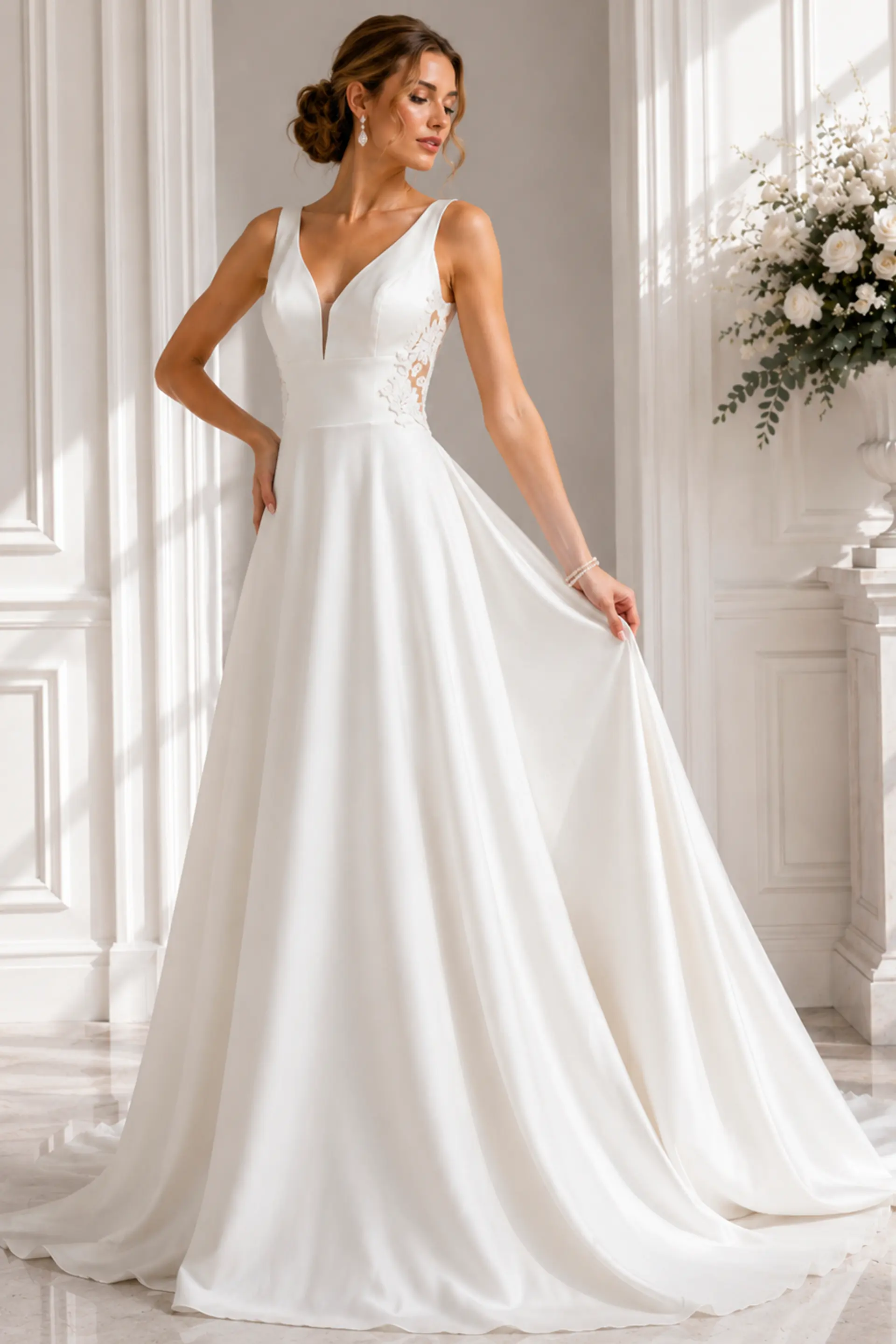
1 Colors
Strapless Lace Corset Wedding Gown with Floral Embroidery JB42294
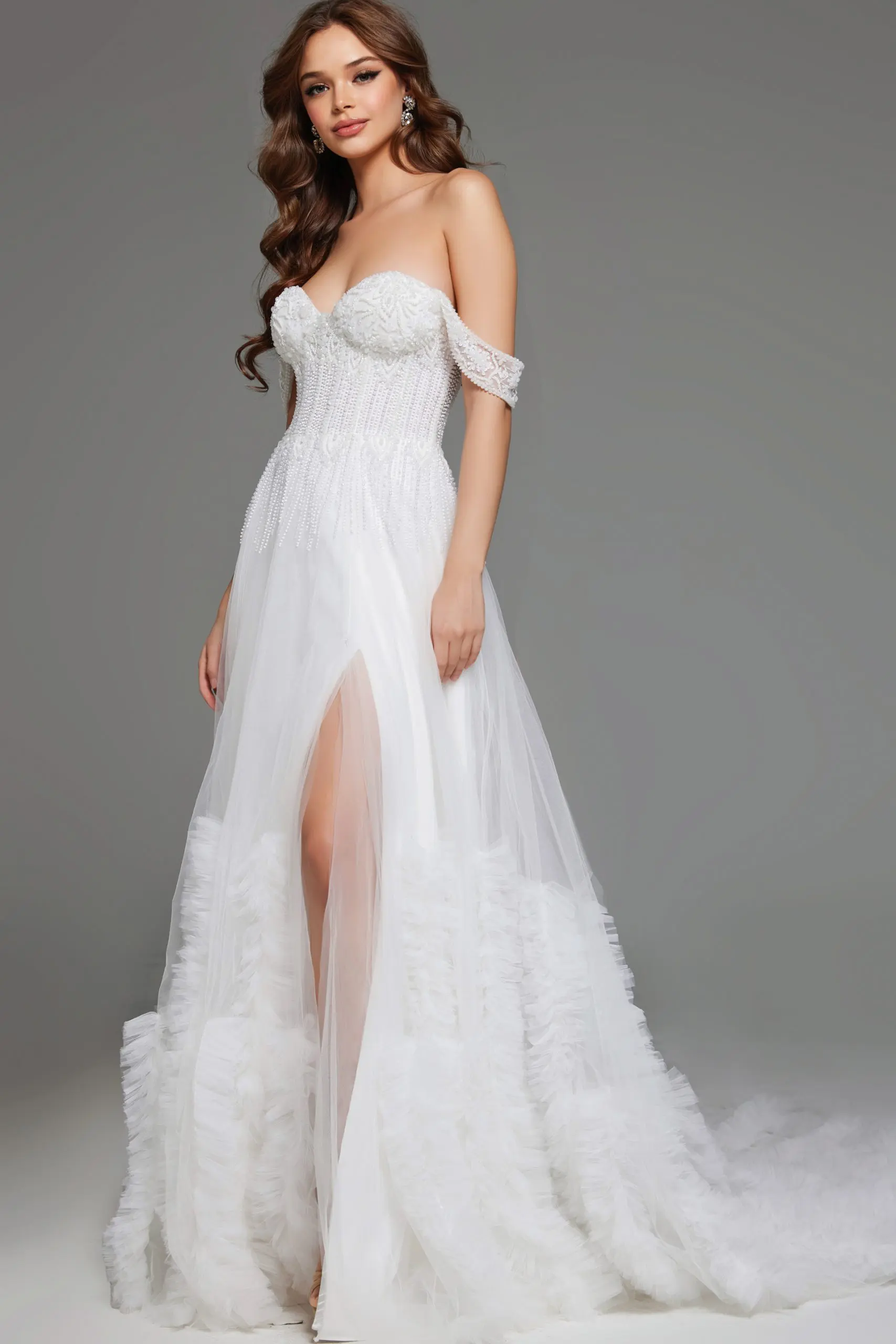
1 Colors
Off the Shoulder Bridal Gown with Tulle Skirt and Beaded Corset JB41159
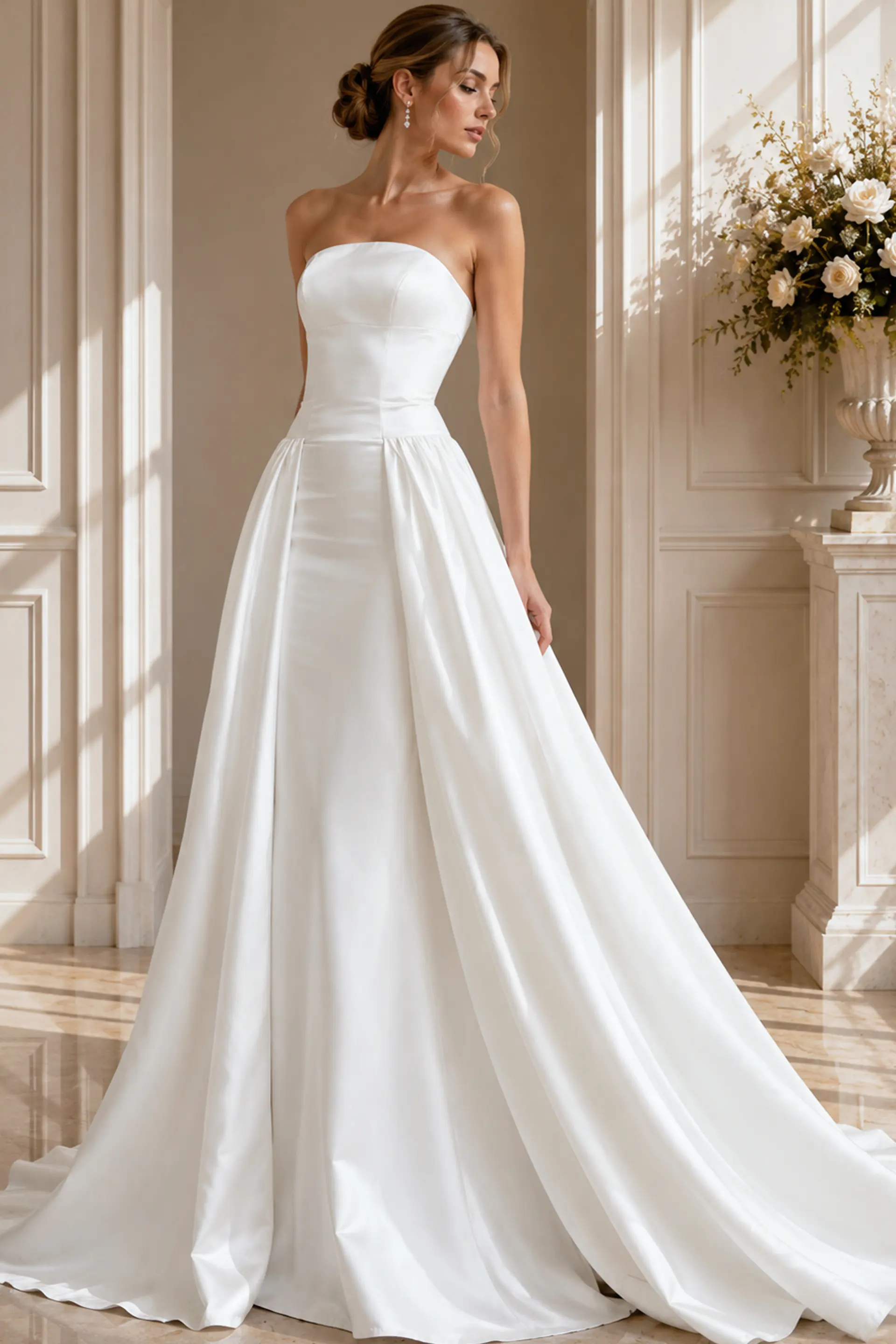
1 Colors
Strapless Satin Ball Gown Wedding Dress JB39250
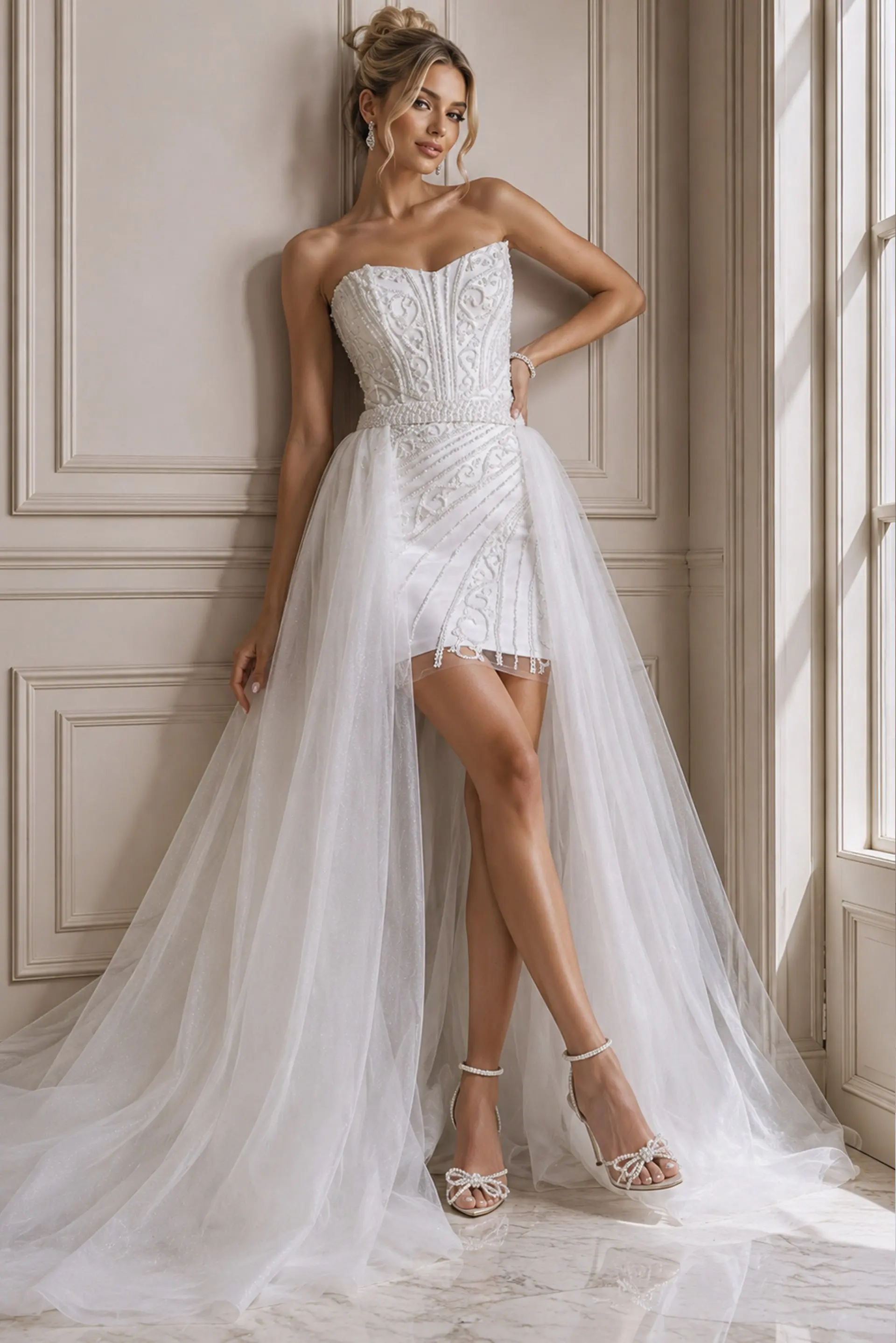
1 Colors
Elegant Strapless Bridal Gown with Detachable Train JB22274
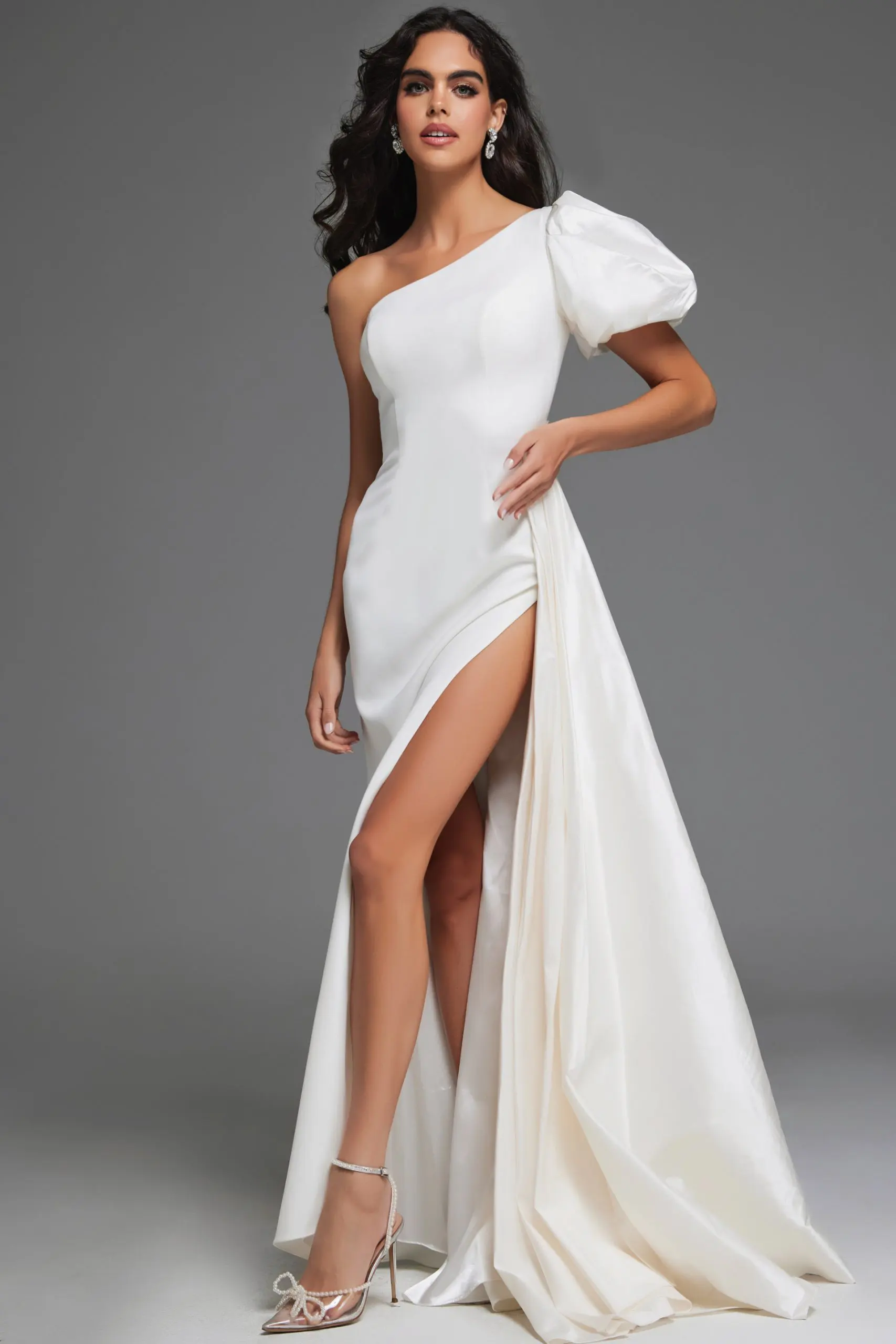
2 Colors
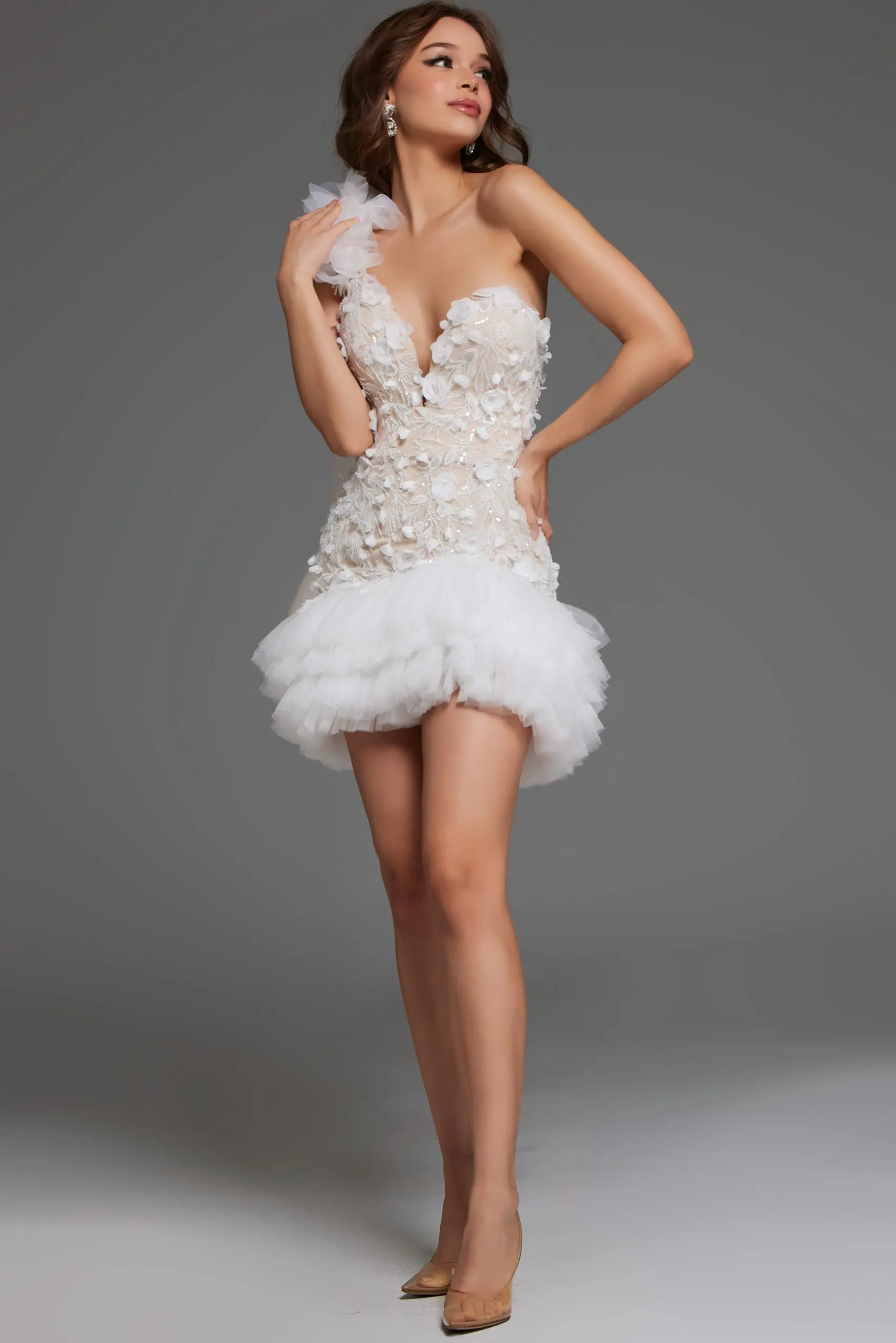
Stunning Off White One Shoulder Dress 44299
1 Colors
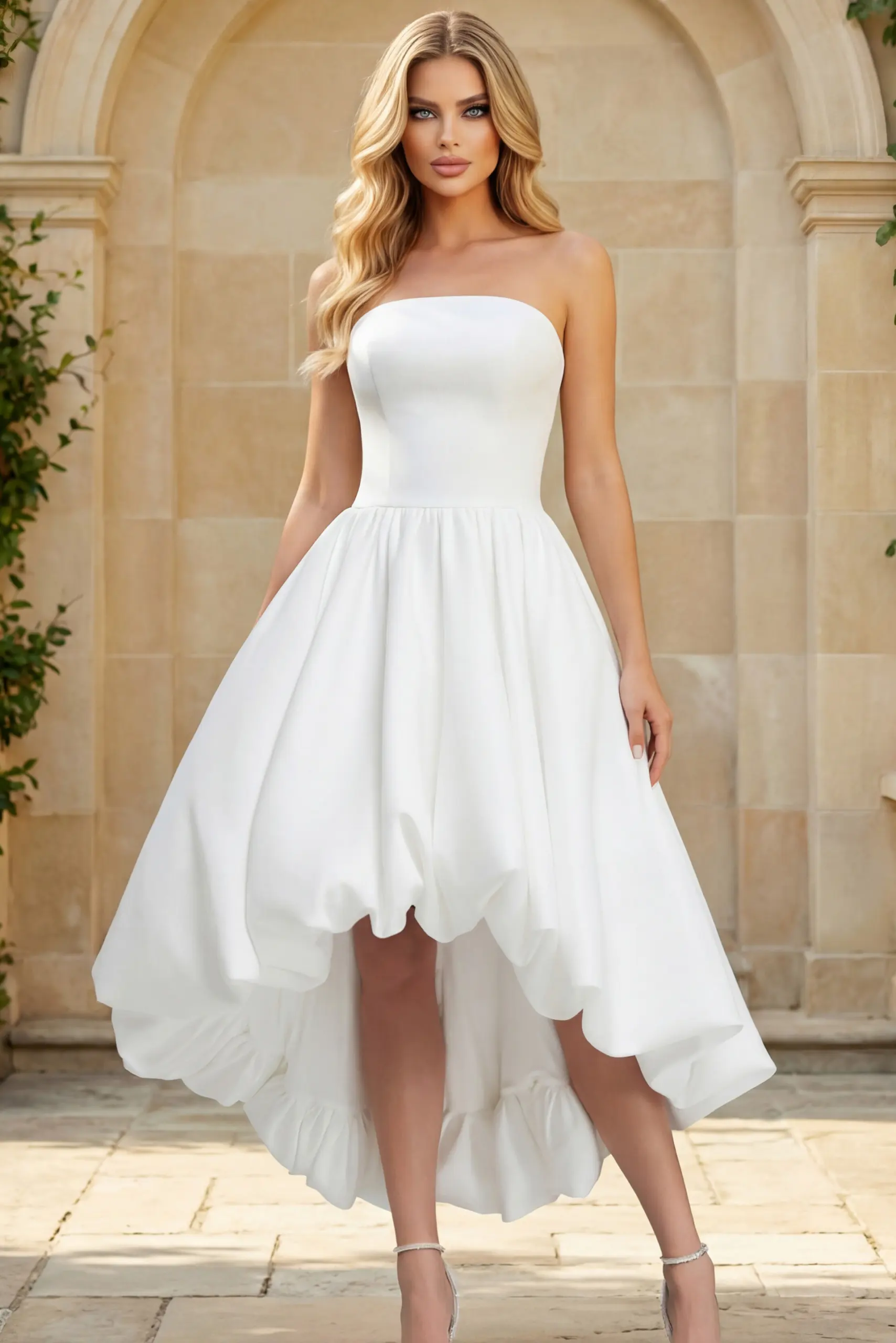
Strapless One Shoulder Dress with Floral Embellishments 42536
4 Colors
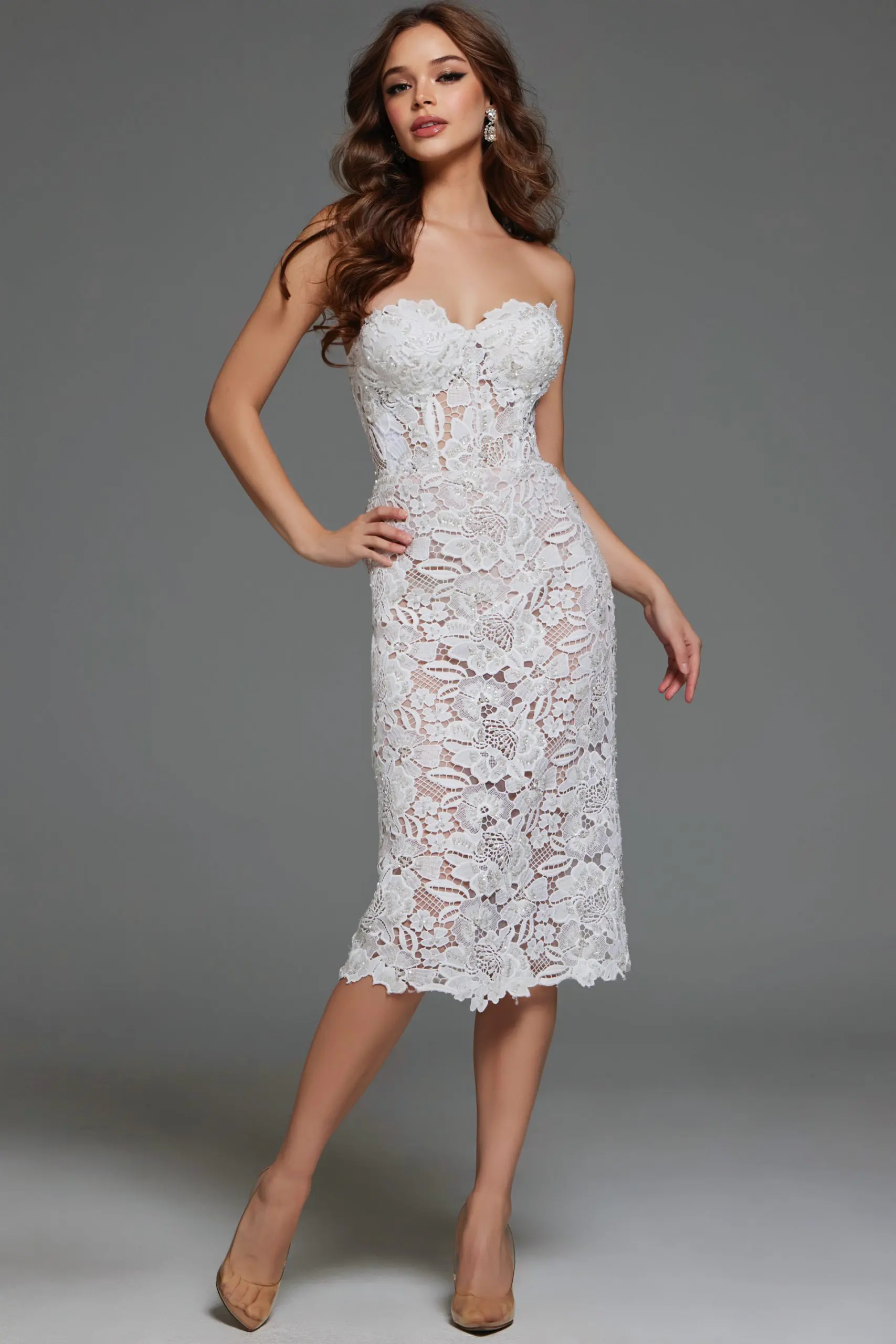
Strapless Asymmetrical High-Low Dress with Full Skirt 42345
2 Colors
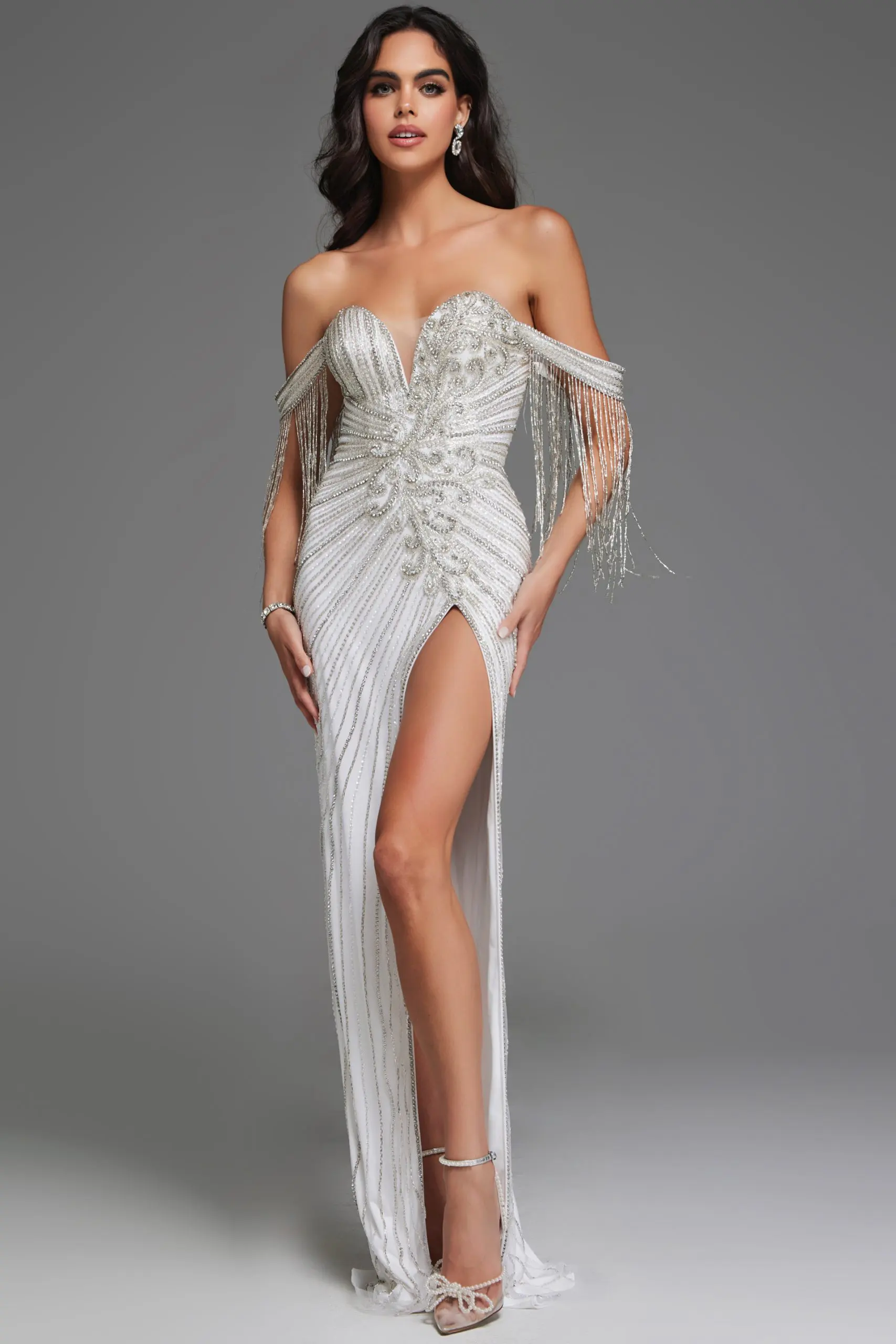
Strapless Lace Cocktail Dress with Floral Detailing 40156
1 Colors
Elegant Beaded Off-Shoulder Gown with High Slit 38274
Trending Now
About This Category
Celebrate your wedding in simple and casual wedding dresses. Casual wedding dresses are perfect for the woman who wants to wear her personality on every special occasion. These chic, fun styles will make you feel comfortable yet elegant at any event, especially under an ivory or cream-colored silk cloth with a lace overlay applique!
Casual Wedding Dresses with a Relaxed Bridal Direction
Casual wedding dresses are defined less by one specific hemline or silhouette than by the way proportion, fabric, and construction reduce formality. A streamlined sheath in crepe can feel as relaxed as a lace midi, while a soft A-line with limited skirt volume can keep the presence of a full-length bridal gown without becoming overly ceremonial. The common thread is restraint: less volume, lighter visual weight, and details that support movement rather than dominate the look.
That distinction matters when comparing this collection with more traditional wedding gowns. A casual bridal dress can still include corsetry, a defined waist, floral appliqué, beading, or a train, but these elements tend to be used with a cleaner overall silhouette. Jovani’s assortment includes both minimal and embellished options, allowing the level of detail to change without losing the relaxed direction of the collection.
Choose the Silhouette by Setting and Movement
The setting often determines how much structure and skirt volume make sense. Courthouse ceremonies and intimate restaurant weddings usually favor silhouettes that are easy to sit, walk, and move in, such as fitted columns, sheath dresses, soft A-lines, midi lengths, and shorter bridal styles. Destination and outdoor ceremonies may also benefit from lighter skirts and simpler trains that are easier to manage across uneven surfaces or warm-weather venues.
A fitted silhouette creates a cleaner line through the torso and hips, while an A-line releases more gradually from the waist and gives the skirt additional movement. Midi and mini lengths reduce visual formality further and can make footwear a more visible part of the look. Brides considering a shorter format can also compare the broader range of Little White Dresses, while keeping the main focus here on ceremony-ready styles rather than the full wedding-weekend wardrobe.
Fabric Changes How Informal Wedding Dresses Feel
Fabric is one of the clearest ways to control the level of formality. Smooth satin gives a casual wedding dress a polished surface while allowing the cut, drape, and seam placement to remain the visual focus. Crepe tends to create a softer, more fluid line and works especially well in fitted or column shapes where movement matters more than volume.
Lace adds texture without automatically making a dress more formal. Scale, placement, and transparency all affect the result: a clean silhouette with selective lace can feel lighter than a heavily layered gown, while floral lace across a corset bodice introduces more bridal detail. Brides who want texture to play a larger role can compare Lace Wedding Dresses without turning the casual collection into a lace-specific shopping experience.
Bodice Structure, Necklines, and Easy Proportion
A relaxed bridal look still depends on secure construction. Strapless and sweetheart styles need enough internal support to keep the bodice stable, while one-shoulder, halter, scoop, and off-the-shoulder necklines shift attention around the upper body in different ways. The most useful comparison is not which neckline is most formal, but how it works with the width of the skirt and the amount of structure through the waist.
Defined corset seams can give a simple gown shape without requiring heavy embellishment. Softer bodices create a less architectural line, particularly when paired with draped satin or fluid skirts. High slits, open backs, asymmetrical necklines, and restrained floral accents can add visual interest while preserving the cleaner proportions expected from informal wedding dresses.
Detail Without Excess Formality
Casual does not have to mean plain. Beading, floral appliqué, textured fabric, and crystal accents can work within a relaxed bridal look when the silhouette remains controlled. Concentrated embellishment at the bodice or waist keeps the eye focused without adding the overall density of a fully embellished gown. A clean skirt can also balance a more decorative neckline or corset.
For brides who want sparkle to become a stronger part of the dress, Beaded Wedding Dresses provide a more detail-led direction. On this page, the better approach is selective embellishment that supports the shape rather than turning the gown into a highly formal statement. This keeps the collection aligned with intimate ceremonies and less traditional venues while still offering enough design variation for different bridal styles.
Match the Dress to the Ceremony, Not a Rulebook
The most useful way to choose a casual wedding dress is to consider the actual experience of the ceremony: how formal the venue feels, how much walking or sitting is involved, the season, the expected dress code, and how much visual impact feels appropriate. A city-hall ceremony may call for a structured midi or sleek column, while a garden or destination setting may suit a softer A-line with more movement.
Some brides will also want a second look later in the day. Cake Cutting Dresses can provide a separate route for that moment, rather than forcing reception-focused styles into the definition of casual bridal. Keeping those uses distinct helps the main collection stay centered on relaxed ceremony dressing: polished, bridal, and easier in scale than a traditional formal gown.
The Best Casual Wedding Dresses for Your Perfect Day
- Casual wedding dresses are designed to reflect a bride's everyday style while maintaining an element of bridal significance.
- Casual wedding dresses offer a blend of comfort and elegance, making them ideal for relaxed ceremonies like elopements and backyard weddings.
- These dresses typically feature uncomplicated designs with light embellishments, prioritizing breathable fabrics over formal constructions.
- Brides may choose casual wedding dresses for budget-friendly options, less formal settings, or if they have a tight timeline before the wedding.
- Selecting the right dress style can significantly enhance your confidence and comfort on your special day.
- Dresses that fit well are essential for creating a confident and beautiful look for any body shape.
- Identifying your body type is crucial for selecting a dress that enhances your natural silhouette.
- Identifying your body shape is crucial in selecting flattering dresses.
- High-waisted dresses can enhance the height of petite individuals, creating a longer appearance.
- High-waisted dresses can visually elongate a petite figure, making them an excellent choice for enhancing stature.
- For a petite frame, wearing high-waisted styles can create an illusion of longer legs.
- Fitted dresses with belts can accentuate the silhouette of petite women, creating a more flattering shape.
- This style allows for greater mobility, enabling brides to walk and dance comfortably during outdoor celebrations.
Introduction
- Casual weddings typically feature a relaxed atmosphere, focusing on connection rather than extravagance.
- Guests are often encouraged to wear outfits that reflect the wedding's theme without overshadowing the couple.
- Bright colors and playful patterns are recommended for casual wedding attire, offering a chance to express personal style.
- Fabric selection greatly influences the overall experience and appearance of wedding dresses.
- Selecting the right fabric can significantly affect the overall comfort and style of a wedding dress.
- The choice of fabric significantly influences the comfort and overall aesthetic of wedding dresses.
Simple Yet Elegant Styles
- Casual wedding dresses are designed to reflect a bride's everyday style while maintaining an element of bridal significance.
- Casual wedding dresses offer a blend of comfort and elegance, making them ideal for relaxed ceremonies like elopements and backyard weddings.
- These dresses typically feature uncomplicated designs with light embellishments, prioritizing breathable fabrics over formal constructions.
- Brides may choose casual wedding dresses for budget-friendly options, less formal settings, or if they have a tight timeline before the wedding.
- Casual bridal gowns can still reflect tradition while being stylish, often opting for simple silhouettes and soft colors like white.
- This style allows for greater mobility, enabling brides to walk and dance comfortably during outdoor celebrations.
- Dresses that fit well are essential for creating a confident and beautiful look for any body shape.
- Selecting the right dress style can significantly enhance your confidence and comfort on your special day.
- Identifying your body type is crucial for selecting a dress that enhances your natural silhouette.
- Identifying your body shape is crucial in selecting flattering dresses.
- High-waisted dresses can enhance the height of petite individuals, creating a longer appearance.
- For a petite frame, wearing high-waisted styles can create an illusion of longer legs.
- High-waisted dresses can visually elongate a petite figure, making them an excellent choice for enhancing stature.
- Fitted dresses with belts can accentuate the silhouette of petite women, creating a more flattering shape.
Midi Dresses
- Midi dresses are a chic and comfortable option for brides seeking a casual look.
- They offer ease of movement and can be paired with various shoes for comfort.
- Midi dresses can be suitable for a range of venues, from garden to beach weddings.
- Lace is a highly favored material for midi dresses, known for its diverse patterns and textures.
Slip Dresses
- Slip dresses are known for their understated elegance and are suitable for a range of body shapes.
- Slip dresses flatter both petite and curvy bodies.
- Slip dresses typically feature few embellishments, which contribute to their simple and casual aesthetic.
- Slip dresses match well with most wedding venues, providing flexibility in choice.
Sheath Dresses
- Sheath dresses are universally flattering, elegant, and simple, making them a popular choice for casual weddings.
- They are celebrated for their sleek silhouette that enhances a woman's natural shape.
- Such dresses provide an elegant yet simple option, making them suitable for casual wedding settings.
- Sheath dresses highlight a bride's features by emphasizing natural beauty and curves.
- They feature a streamlined silhouette that hugs the body without excessive structure.
Comfortable Choices for Outdoor Weddings
- Casual wedding dresses prioritize comfort while still being stylish, making them perfect for relaxed ceremonies.
- Casual wedding dresses are ideal for low-key ceremonies, offering bridal charm without the complexity of traditional gowns.
- Casual wedding dresses can include flowy, floor-length styles and simple silhouettes, ideal for relaxed ceremonies.
- Slip dresses are characterized by their soft fabric and minimalistic design, making them ideal for casual nuptials.
- These dresses are versatile, fitting well in most wedding settings and are known for their minimalistic design.
- Chiffon is lightweight and airy, making it suitable for warm-weather weddings.
- Chiffon contributes to a graceful silhouette for casual weddings with its soft and flowing nature.
- Chiffon is known for its lightweight and airy qualities, making it an excellent option for casual weddings, particularly in warm climates.
- The choice of attire for casual weddings should be comfortable and easy to move in, avoiding overly formal options.
- Casual wedding attire is suitable for various seasons, requiring different fabrics and styles based on weather conditions.
- Casual wedding dresses can feature simple silhouettes and lightweight fabrics, making them ideal for relaxed ceremonies.
- The choice of dress silhouette can enhance comfort and align with the outdoor wedding environment.
Short Sleeve Dresses
- Short-sleeved wedding dresses are ideal for outdoor venues and warm weather events.
- When choosing a short-sleeved dress, it's important to check the weather to ensure comfort.
- Short-sleeved dresses are generally flattering for most body types, unless there are insecurities about the arms.
- For added elegance, select a neckline that flatters your individual shape when wearing a short-sleeved wedding dress.
Off-Shoulder Dresses
- Off-shoulder dresses are suitable for most wedding themes, adding an elegant yet casual touch.
- Off-shoulder dresses can be customized to fit the bride's preferences, ensuring a personal touch.
- Statement jewelry and heels complement off-shoulder dresses, enhancing their elegant yet relaxed look.
Tea-Length Dresses
- Tea-length dresses combine vintage style with modern flair, making them suitable for various wedding venues.
- Tea-length dresses are particularly suitable for garden or beach weddings due to their vintage-inspired yet practical design.
- Tea-length dresses are practical for outdoor settings as they provide mobility while maintaining a chic aesthetic.
- Lace fabric adds a vintage and whimsical touch, making it ideal for relaxed wedding settings.
Versatile Fabrics for Casual Dresses
- Casual wedding dresses can feature simple silhouettes and lightweight fabrics, making them ideal for relaxed ceremonies.
- Choosing breathable fabrics and styles is essential for comfort during outdoor weddings.
- Selecting lightweight materials like lace and sheer fabrics is advisable for weddings in warm climates.
- Short-sleeved wedding dresses allow for better airflow, making them ideal for warm outdoor ceremonies.
- Short-sleeved dresses are beneficial for warm weather, offering breathability and a trendy appearance.
- The sleek design of sheath dresses allows them to fit comfortably against the body while providing a modern look.
- Minimalist wedding gowns utilize luxurious fabrics like satin and crepe to create a sophisticated yet simple appearance, focusing on clean lines.
- Minimalist wedding dresses often feature streamlined shapes and neutral color palettes, emphasizing simplicity and sophistication.
Satin Dresses
- Satin dresses can be styled casually, especially when opting for shorter lengths, allowing a perfect blend of luxury and simplicity.
- Knee length is recommended for satin dresses to achieve a casual feel.
Lace Dresses
- Lace dresses exude a romantic charm, making them an ideal choice for brides looking for a delicate and feminine style.
- The intricate details of lace add a touch of elegance to a casual wedding, enhancing the overall atmosphere.
- These dresses are versatile enough to suit various casual wedding themes, including outdoor and beach weddings.
- Lace dresses often feature unique patterns and textures, showcasing intricate craftsmanship that elevates their appeal.
Chiffon Dresses
- Chiffon dresses are made from a lightweight, sheer fabric that provides a soft and romantic appearance.
- The airy quality of chiffon dresses allows for comfortable movement and breathability, essential for warm climates.
- Chiffon dresses are particularly suited for outdoor weddings and summer ceremonies due to their lightness and flowy nature.
- Overall, chiffon dresses offer a beautiful and practical option for casual weddings, ensuring comfort without sacrificing style.
Modern Trends in Casual Wedding Dresses
- Minimalist wedding dresses are increasingly favored for their sleek structures and lack of excessive embellishments.
- These dresses are characterized by their minimalistic approach, typically featuring few embellishments.
- Minimalist wedding dresses often emphasize simplicity with sleek lines and understated details to create a modern aesthetic.
- Current trends emphasize casual wedding dresses that blend comfort with contemporary aesthetics, featuring unique silhouettes and relaxed styles.
- Current styles emphasize a blend of comfort and elegance, catering to the modern bride's desire for both fashion and ease.
- Contemporary casual wedding dresses are increasingly embracing non-traditional elements, including varied lengths and styles that defy conventional bridal aesthetics.
- Sheath dresses are praised for their sleek silhouettes, making them a popular option for casual and modern weddings.
- These dresses can be accessorized with statement jewelry and stylish heels to enhance their elegance.
- Off-shoulder dresses enhance the neckline and collarbone area, providing an elegant yet relaxed appearance.
Minimalist Designs
- Minimalist wedding dresses showcase streamlined silhouettes and uncomplicated lines, emphasizing elegance without excess.
Boho Chic
- Boho chic wedding dresses feature relaxed fits and flowing fabrics, often adorned with unique details that reflect a carefree spirit.
- Bohemian wedding dresses are characterized by airy fabrics and artistic details, appealing to brides looking for a laid-back and free-spirited style.
- Boho chic wedding dresses typically showcase flowing materials and whimsical details, appealing to brides seeking a laid-back and artistic vibe.
- Boho chic wedding dresses incorporate whimsical elements such as floral appliques and illusion sleeves, reflecting a free-spirited aesthetic.
- Boho chic wedding dresses incorporate ethereal fabrics and unique embellishments, appealing to brides who favor a whimsical style.
- Lace is not only timeless but also versatile, making it suitable for various wedding styles, including casual settings.
Two-Piece Sets
- Two-piece wedding outfits have gained popularity as a trendy and adaptable alternative, allowing brides to mix and match tops and skirts.
- Two-piece wedding sets provide flexibility, allowing brides to mix and match tops and bottoms for a customized look.
- Two-piece wedding outfits allow brides to customize their look by mixing and matching different tops and bottoms, offering a trendy alternative to traditional gowns.
- Two-piece wedding outfits provide a trendy, adaptable option for brides, allowing for easier styling and comfort on their wedding day.
Choosing the Right Dress for Your Body Type
- Choosing the right dress based on your body type ensures you feel confident and beautiful on your special day.
- Hourglass and pear-shaped bodies are best suited for mermaid dresses that enhance curves and balance proportions.
- Tea-length dresses flatter many body types by elongating the legs and accentuating the waist.
- The right dress not only enhances your features but also boosts your confidence, making you feel beautiful on your wedding day.
Hourglass Shape
- Dresses that cinch at the waist are ideal for hourglass figures, as they emphasize natural curves.
- Wrap dresses and belted styles accentuate the waist and complement the natural hourglass silhouette.
- Dresses that fit snugly at the waist and flare out provide the best enhancement for hourglass figures.
- Dresses that feature V-necklines and cinched waists are ideal for enhancing an hourglass figure.
Pear Shape
- A-line dresses are ideal for pear-shaped brides as they provide balance and enhance natural proportions.
- A-line dresses create a balanced look by flowing out from the waist, helping to draw attention upward.
- This dress style is particularly effective for pear-shaped bodies as it highlights the fitted waist while balancing wider hips.
- In summary, A-line dresses not only flatter pear shapes but also provide the desired elegant silhouette for a wedding.
Petite Frame
- For brides with petite frames, choosing styles that elongate the silhouette is essential for a flattering look.
- Sheath dresses are recommended for petite figures as they provide a streamlined silhouette.