
1 Color
Beaded Wedding Dresses
Beaded wedding dresses bring texture and light to bridal silhouettes, from pearl-traced corsets to crystal embroidery that follows the waist. A fitted sheath makes delicate bead patterns feel precise, while an A-line skirt gives floral motifs space to open across tulle. The appeal lies in contrast: a structured bodice against a softer skirt, or a smooth satin base beneath carefully placed sparkle. Jovani beaded wedding gowns offer different levels of embellishment, so consider where the detail sits as well as how much of it there is. Fit, lining, and the weight of the fabric matter just as much as the finish.
Products
1 Color
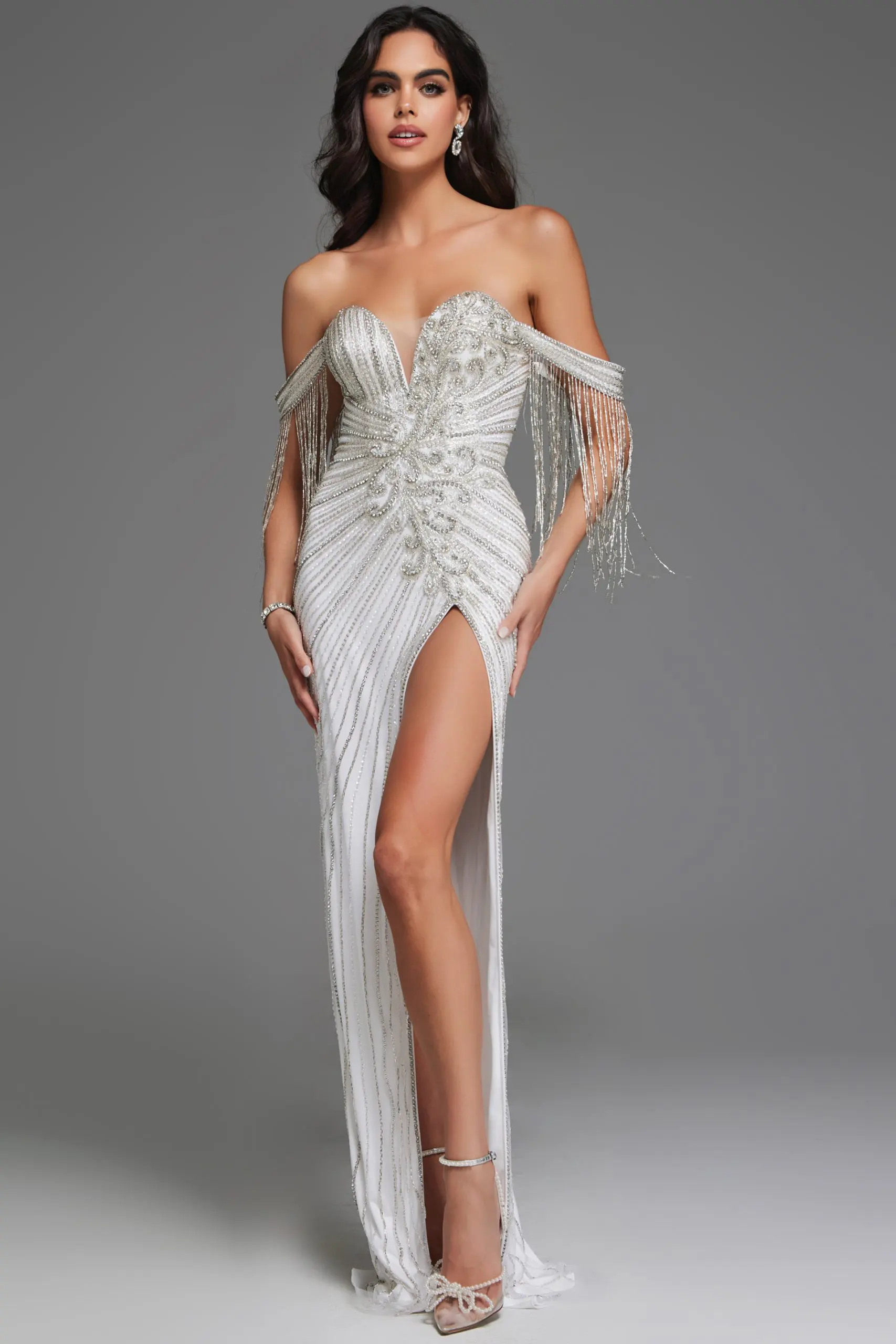
Elegant Beaded Off-Shoulder Gown with High Slit 38274
1 Color
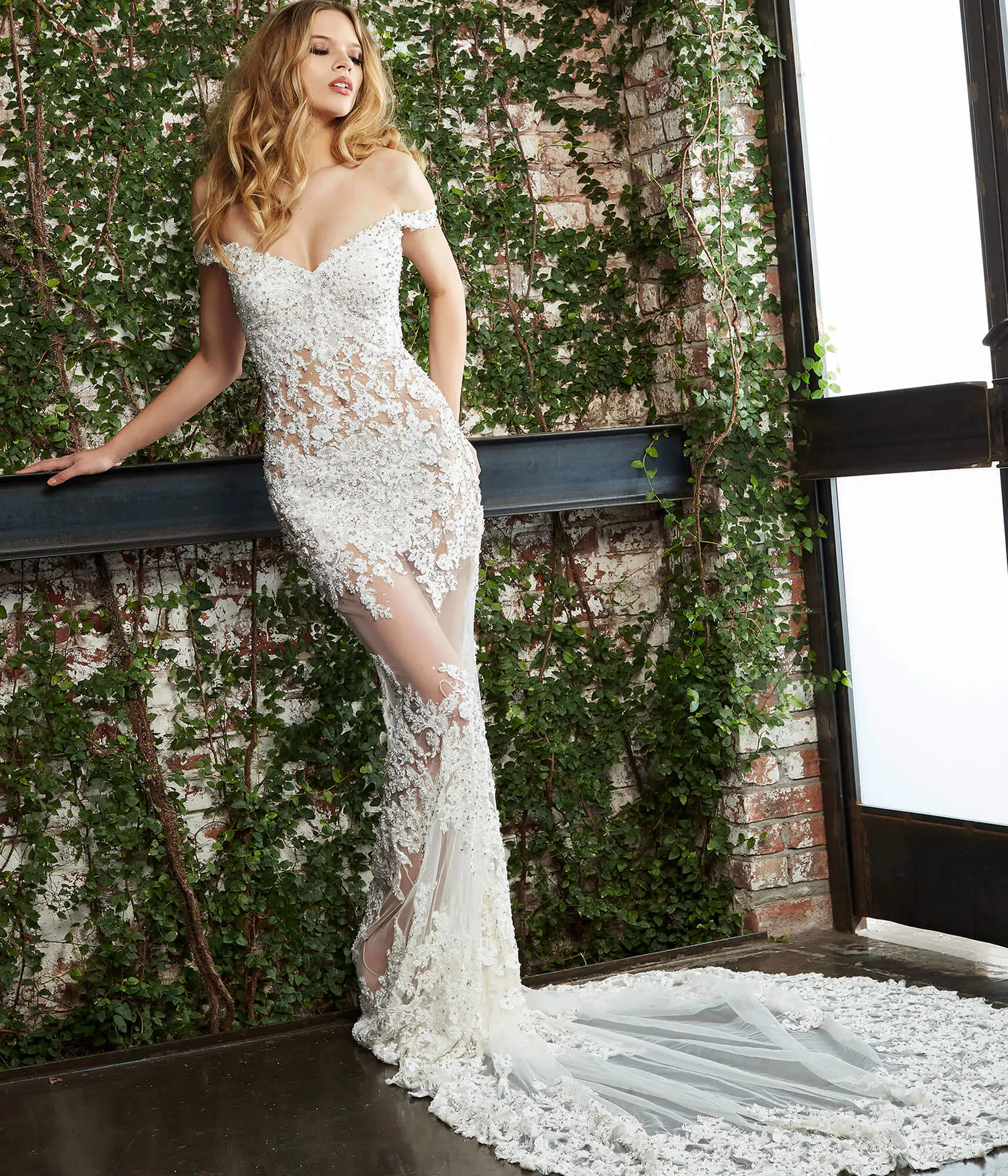
Jovani S65052 Off White Beaded Off the Shoulder Wedding Dress
1 Color
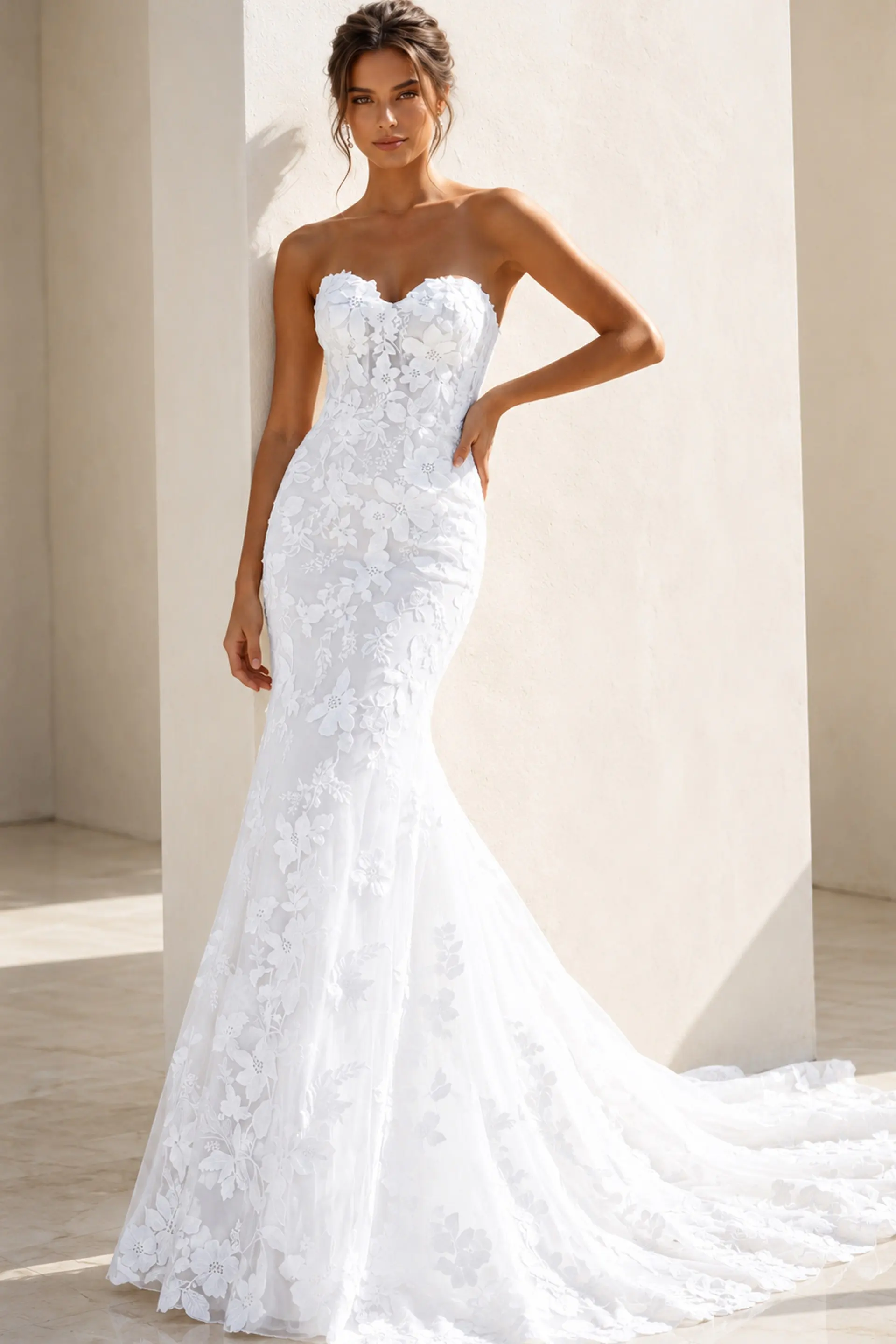
Floral Lace Bridal Gown With Sparkle Tulle JB99063
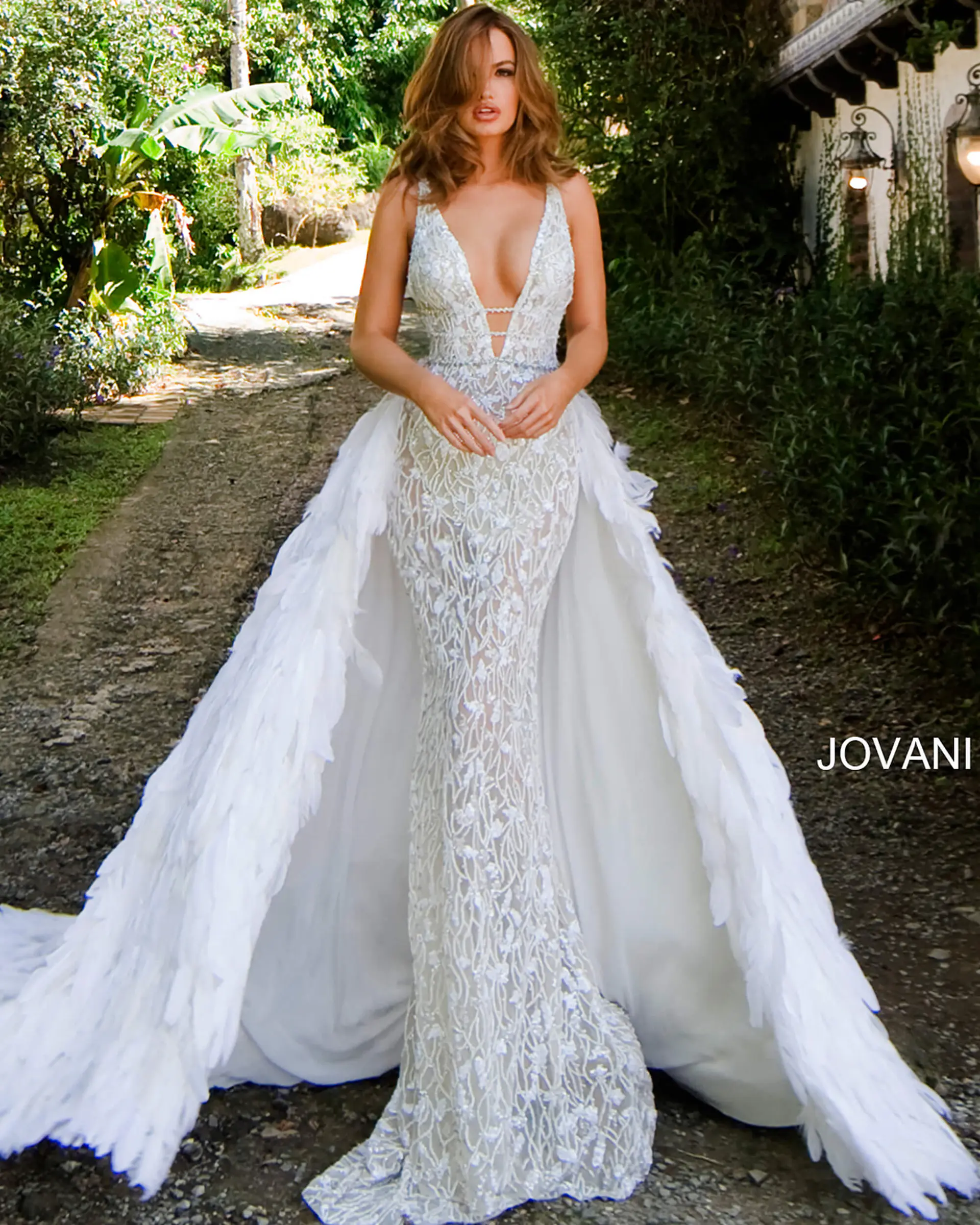
1 Color
Jovani S62942 Plunging Neck Embellished Couture Gown
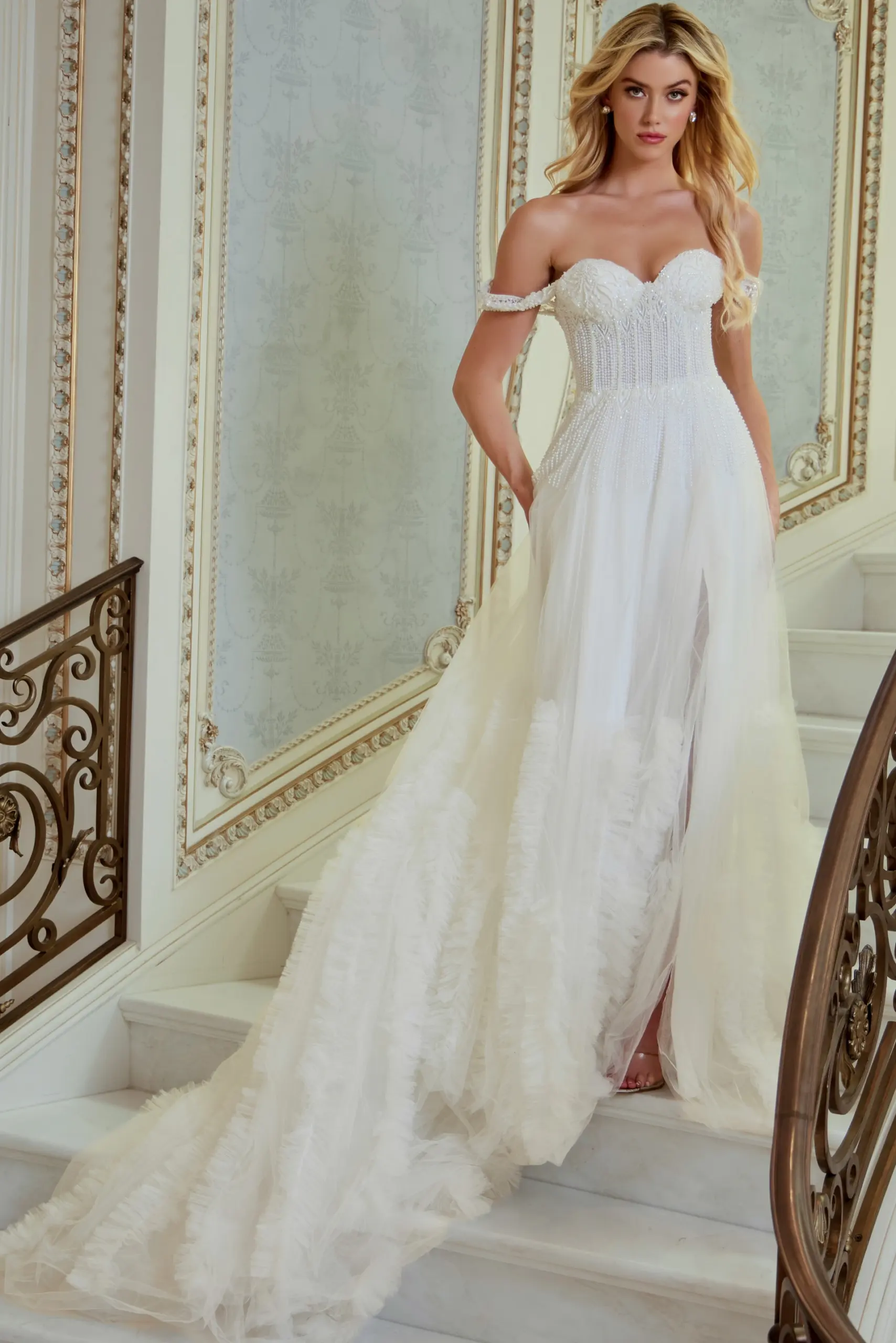
1 Color
Beaded Corset Wedding Dress with Train JB41159
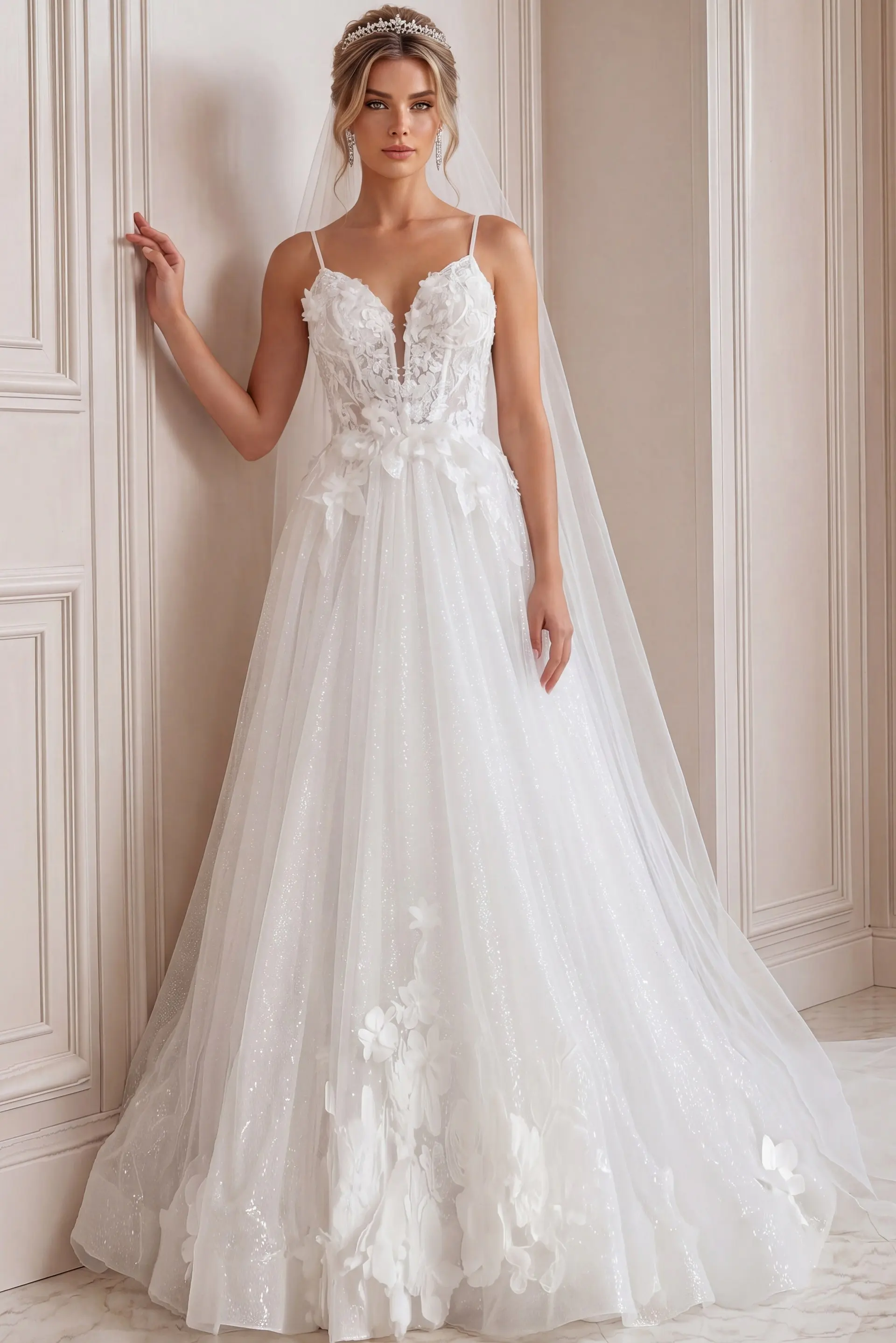
1 Color
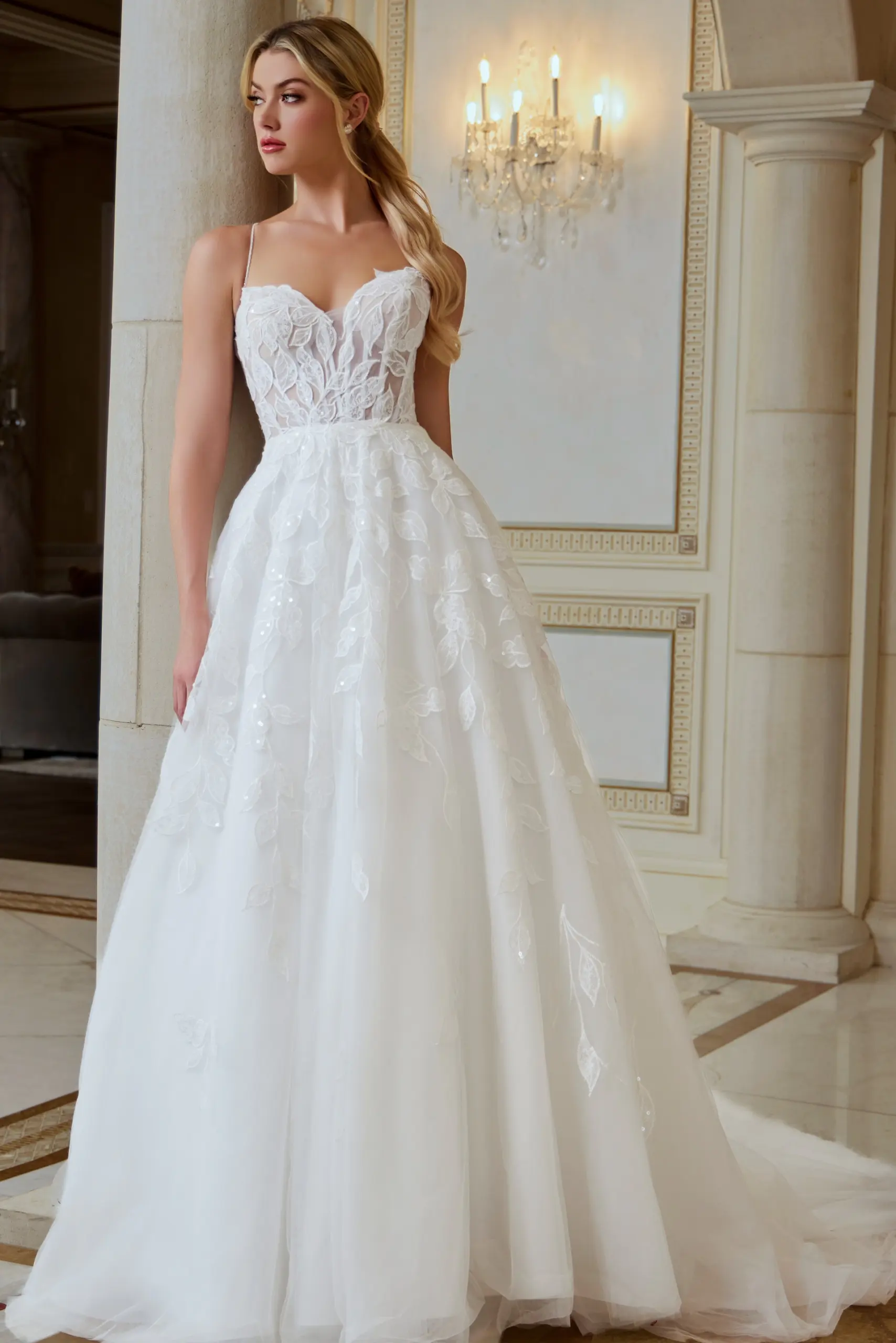
Floral Appliqué Tulle A Line Bridal Gown JB43315
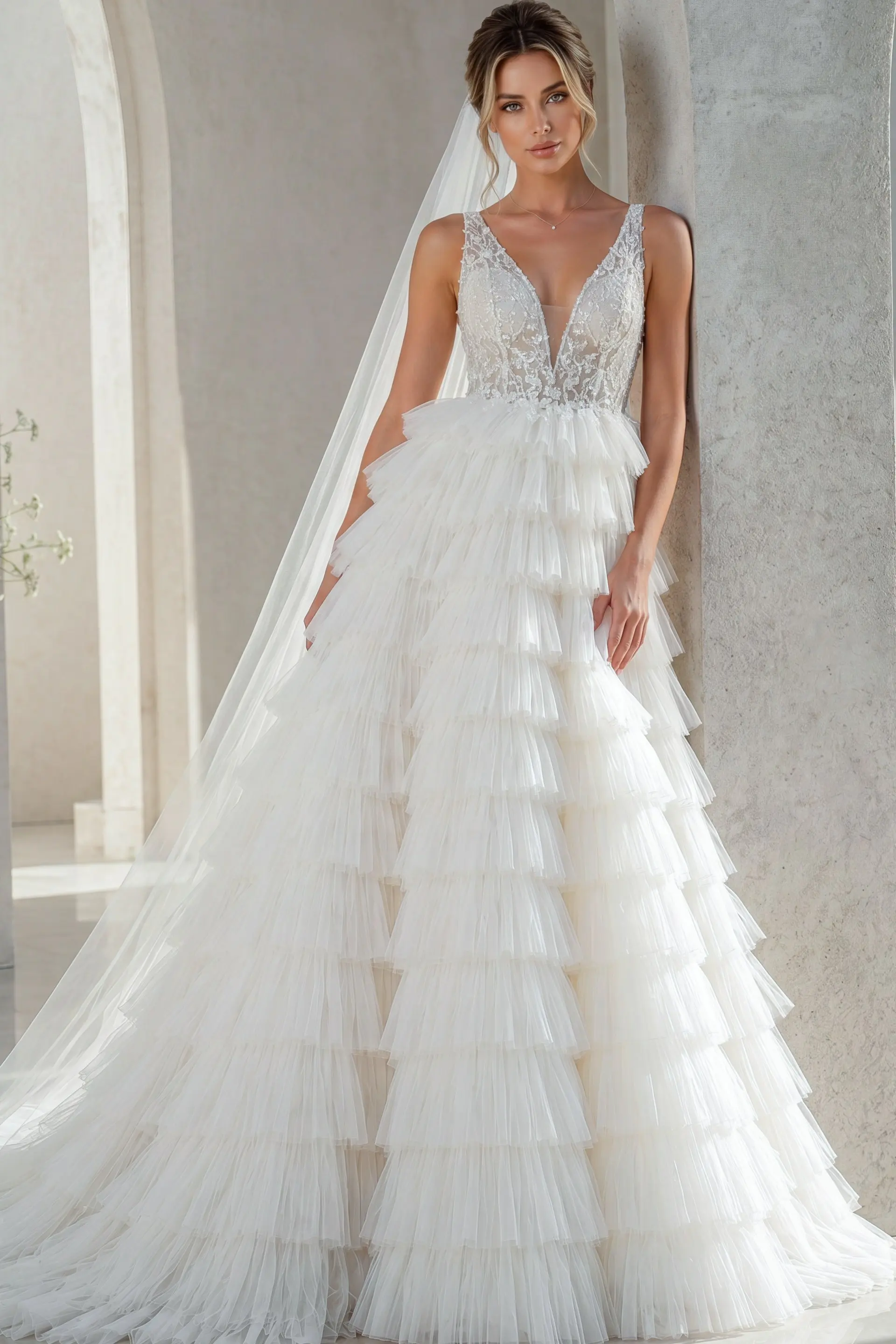
1 Color
Lace Bodice Ball Gown with Layered Tulle Skirt JB43318
2 Colors
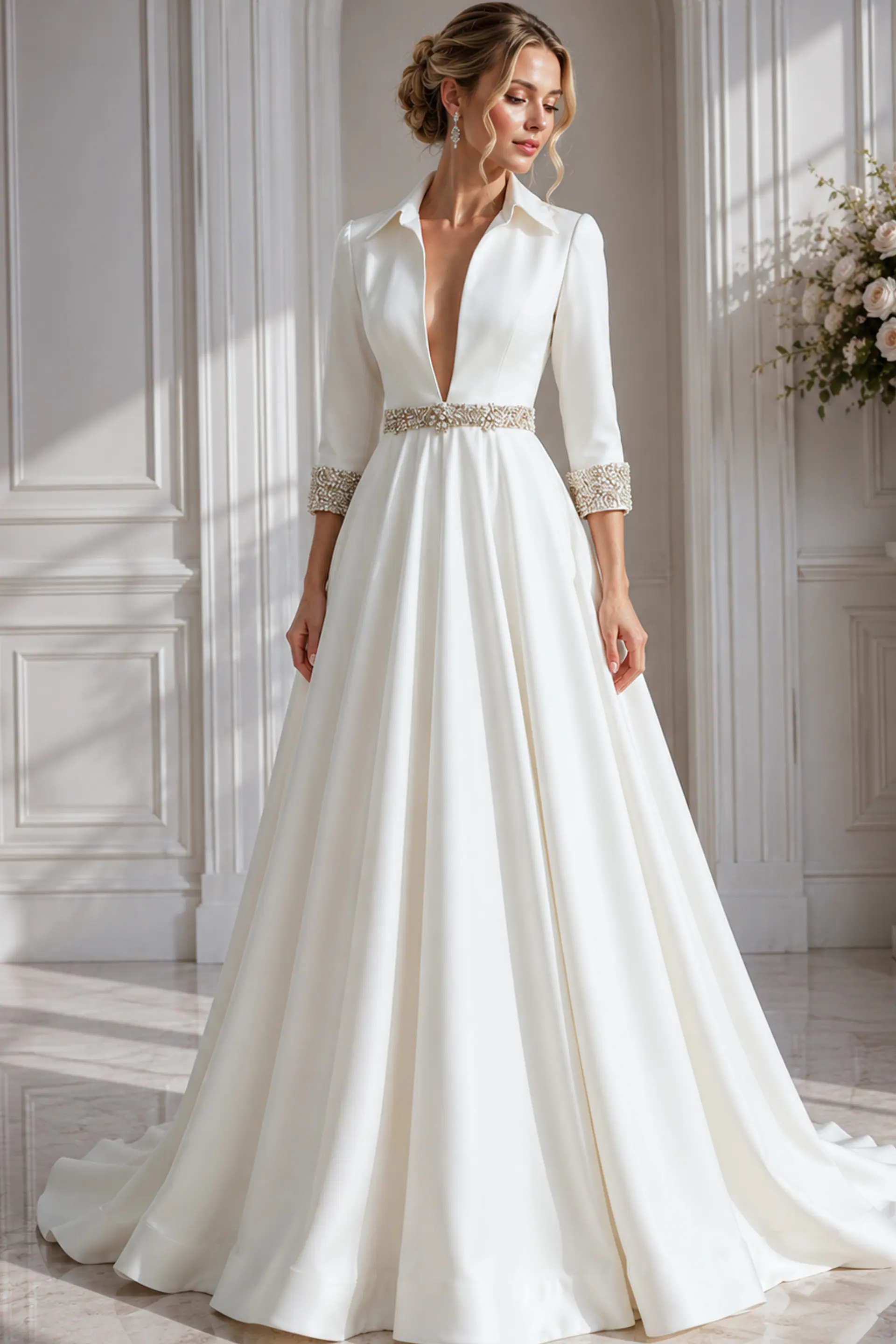
Elegant V Neck Satin Bridal Gown with Beaded Accents S61342
6 Colors
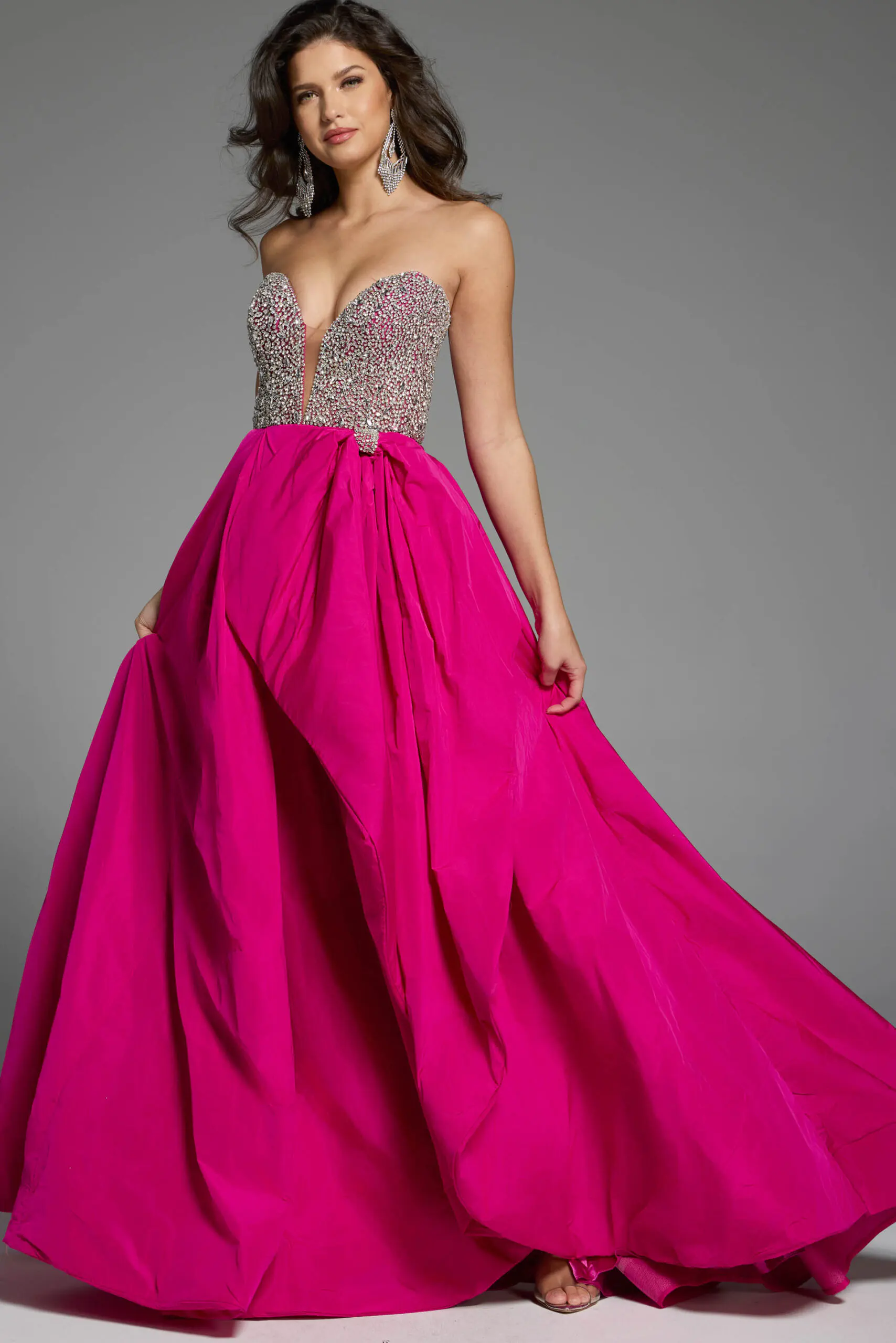
Strapless Crystal Embellished Gown With Bold Ruffle Skirt 41141
Trending Now
About This Category
Beaded wedding dresses bring texture, light, and dimension to a bridal silhouette through crystals, pearls, sequins, and tonal embellishment. Within Jovani's broader Wedding Dresses assortment, this category includes fitted, A-line, and fuller shapes where embellishment works with the structure of the dress rather than covering it indiscriminately. The effect depends as much on placement as on sparkle: concentrated beadwork can define a corseted bodice or waist, while scattered detailing across tulle creates a softer finish. Compare the weight of the beadwork, the support through the bodice, the fabric beneath it, and how the pattern continues through the skirt or train as you narrow the collection.
Beaded Wedding Dresses: How Silhouette Shapes the Detail
Beaded wedding dresses take on a different character depending on their silhouette. On a sheath, narrow lines of crystals can follow the body without interrupting its clean outline. A fitted bodice with a flared skirt makes beadwork more pronounced at the waist, while an A-line creates room for delicate motifs to spread across the skirt. Brides comparing A-line wedding dresses can look for a richly detailed bodice that fades into lighter tulle toward the hem.
A mermaid silhouette draws the eye toward the hips before opening into a fuller lower skirt. The contrast is particularly striking when embroidery follows the seams. For a broader comparison, the main wedding dresses collection includes mermaid, A-line, and ball gown silhouettes. The strongest silhouette is not necessarily the fullest or most fitted; it is the one where the pattern reinforces the shape.
Pearl Beading, Crystals, and Embroidery
In beaded wedding dresses, pearls, crystals, and sequins produce distinct finishes. Pearls give a soft, raised texture that is especially noticeable against sheer mesh or smooth satin. Clear crystals catch sharper points of light, making a neckline or corset seam more visible. Sequins create a broader sheen across the fabric, particularly when a skirt moves. Tonal beads can be almost quiet from a distance but show considerable detail in close-up photographs.
When comparing beaded wedding dresses, pay attention to pattern density. A bodice covered in small beads has a different effect from scattered embellishment extending down a train. Larger stones create clear focal points; fine seed beads can trace floral embroidery without dominating it. A pearl beaded wedding dress may feel more restrained than a crystal-covered design, but placement matters more than the label. Check whether the detailing is balanced from the front, side, and back, especially around a sheer neckline or open back.
Lace, Tulle, and Satin Beneath the Beadwork
The base fabric affects both the appearance and the weight of embellishment. Tulle allows small accents to appear suspended over the lining, especially on airy skirts and illusion panels. Lace adds an existing pattern, so pearls or crystals may follow the edges of leaves and flowers rather than form separate shapes. Within lace wedding dresses, examine how the appliques meet the beadwork at the waist and along the train.
Satin offers a smoother background, giving individual details a clearer outline. It also reveals changes in drape when heavier beading is added. For beaded wedding dresses with a fluid skirt, a detailed bodice and simpler lower half can help preserve movement. A beaded wedding gown in tulle may appear lighter than one with dense embellishment on a fitted base, although construction and lining affect the actual feel. Look at full-length photographs as well as detail shots: texture that appears subtle up close can read quite differently across the entire dress.
Fit, Bodice Support, and Practical Construction
Embellishment looks most refined when the fabric beneath it stays smooth. A structured corset can stabilize a decorated bodice, while internal cups, boning, and lining affect how securely the neckline sits. This is especially important with strapless wedding dresses, where the upper edge needs to stay in place without frequent adjustment. Try sitting, walking, and raising your arms during a fitting, rather than judging the dress only while standing still.
The weight of beaded wedding dresses also deserves attention. Dense detailing may change how a train falls or how comfortably a skirt moves on stairs. Beads placed close to side seams, closures, or hems can complicate alterations, so ask a bridal specialist to assess changes before committing. A fitted beaded wedding dress should follow the body without pulling across the embroidery. Look closely at where the pattern crosses the waist and hips: puckering can signal a fit issue, even when the surface detail itself is beautifully executed.
The Right Amount of Sparkle for the Setting
Lighting changes how beaded wedding dresses look. In daylight, pearls and tonal embroidery often show their texture more clearly, while faceted crystals can become brighter under evening lighting. A softly embellished bodice may be enough for an intimate ceremony; a longer train with scattered sparkle can have a different presence in a formal interior. These are visual choices, not strict rules, and the best comparison is how each gown looks in the setting you have planned.
For beaded wedding dresses intended for an outdoor wedding, consider how the hem and train will move across the ground. A lighter skirt may be easier to manage than one with continuous heavy detailing. Indoors, a more substantial silhouette may feel balanced against a larger space. Jovani designs include concentrated embellishment as well as more extensive surface detail, so compare the actual finish rather than assuming every gown will reflect light in the same way. Color also matters: ivory linings can soften the contrast of pale beads, while a contrasting base can make the embroidery more visible.
Selecting a Gown for the Ceremony and Reception
Before choosing between beaded wedding dresses, consider the full schedule of the day. A floor-length style with a train can create the shape you want for the ceremony, but its weight, hem, and fastening may change how easily you move later. Ask whether the train can be bustled, and check how the gown feels after sitting for several minutes. If dancing is a priority, a lighter second look might make more sense than asking one dress to do everything.
Some brides prefer a single embellished gown from the aisle through the last dance. Others compare wedding reception dresses with shorter hems or a more streamlined fit. When evaluating beaded wedding gowns, start with the detail you want to notice first: neckline, waist, skirt, or train. Then compare the fabric, support, and movement behind that visual impression. The right choice should hold its shape, feel comfortable through the celebration, and let the embellishment look intentional from every angle.