
1 Colors
Mother of the Bride Dresses
Mother of the bride dresses balance a sense of occasion with the comfort of a beautifully considered fit. A softly structured A-line, a fluid crepe column, or a draped satin mermaid gown each brings a different mood to the celebration. Jovani approaches these designs through precise proportions, supportive bodices, and fabrics that move naturally. Whether you prefer a mother of the bride dress with sleeves or a sculpted off the shoulder neckline, consider how the silhouette feels as well as how it photographs. The right choice looks composed at the ceremony and stays comfortable through dinner and dancing.
Products
3 Colors
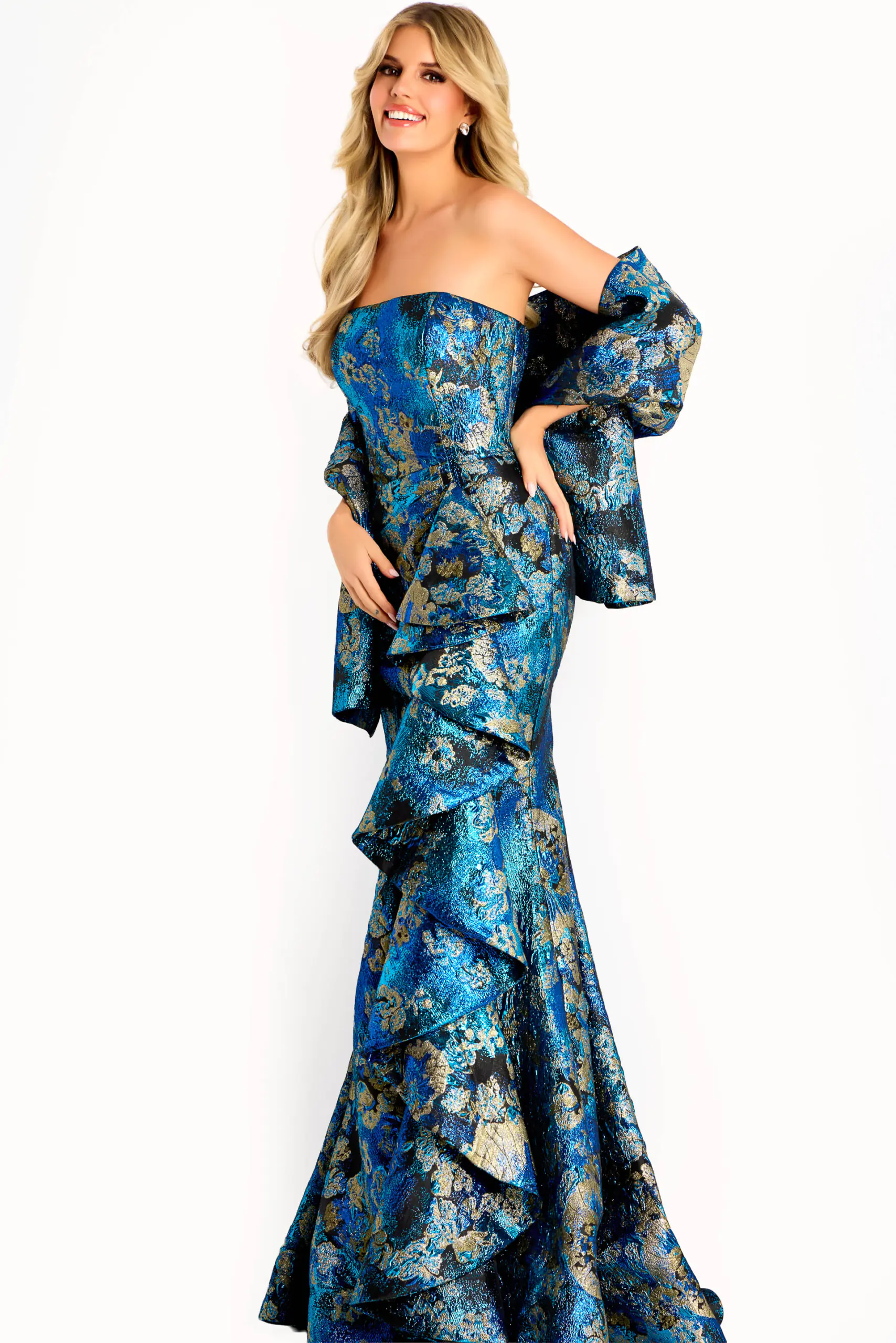
Metallic Jacquard Gown With Ruffled Skirt 48706
3 Colors
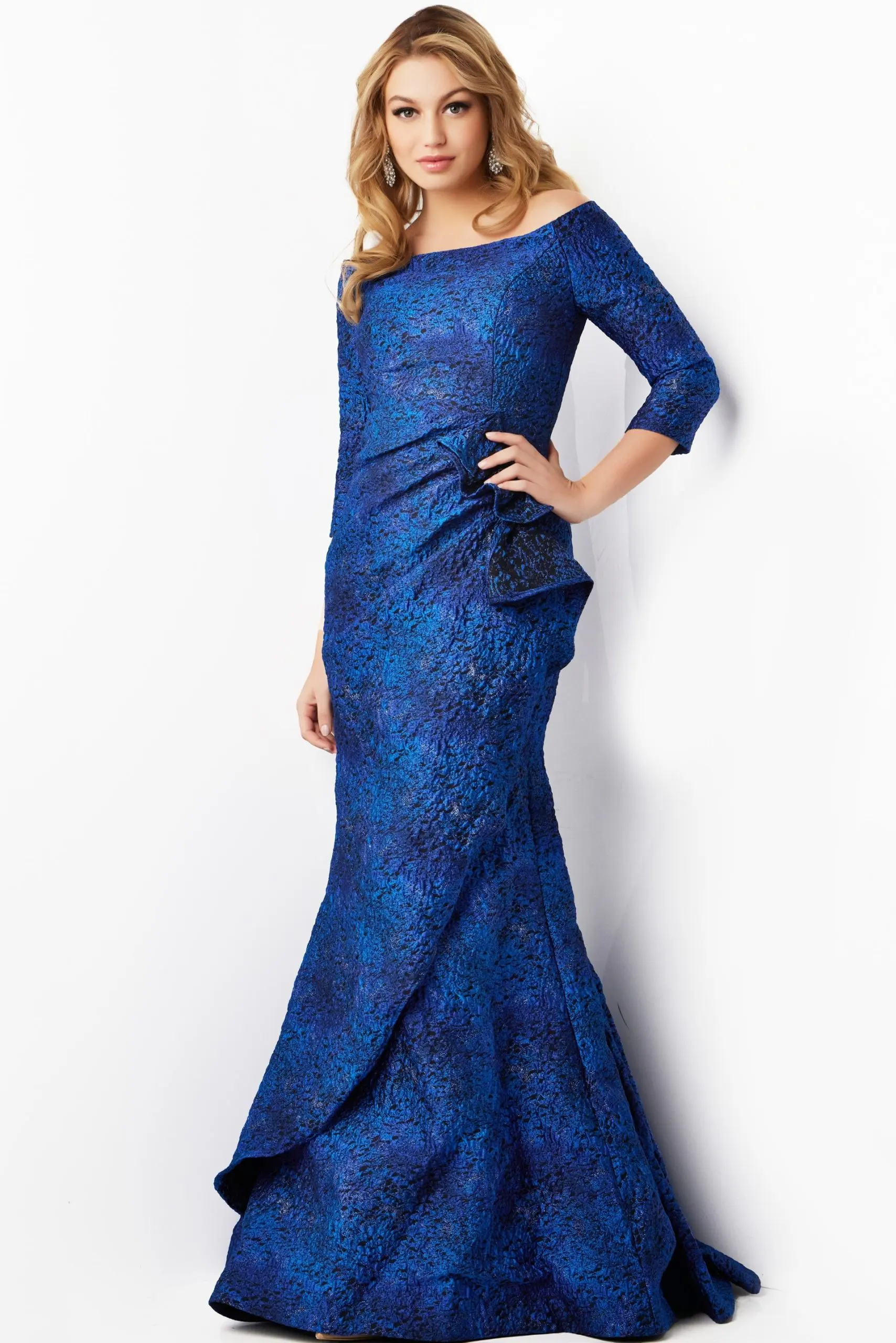
Cobalt Three Quarter Sleeve Mermaid Dress 09550
2 Colors
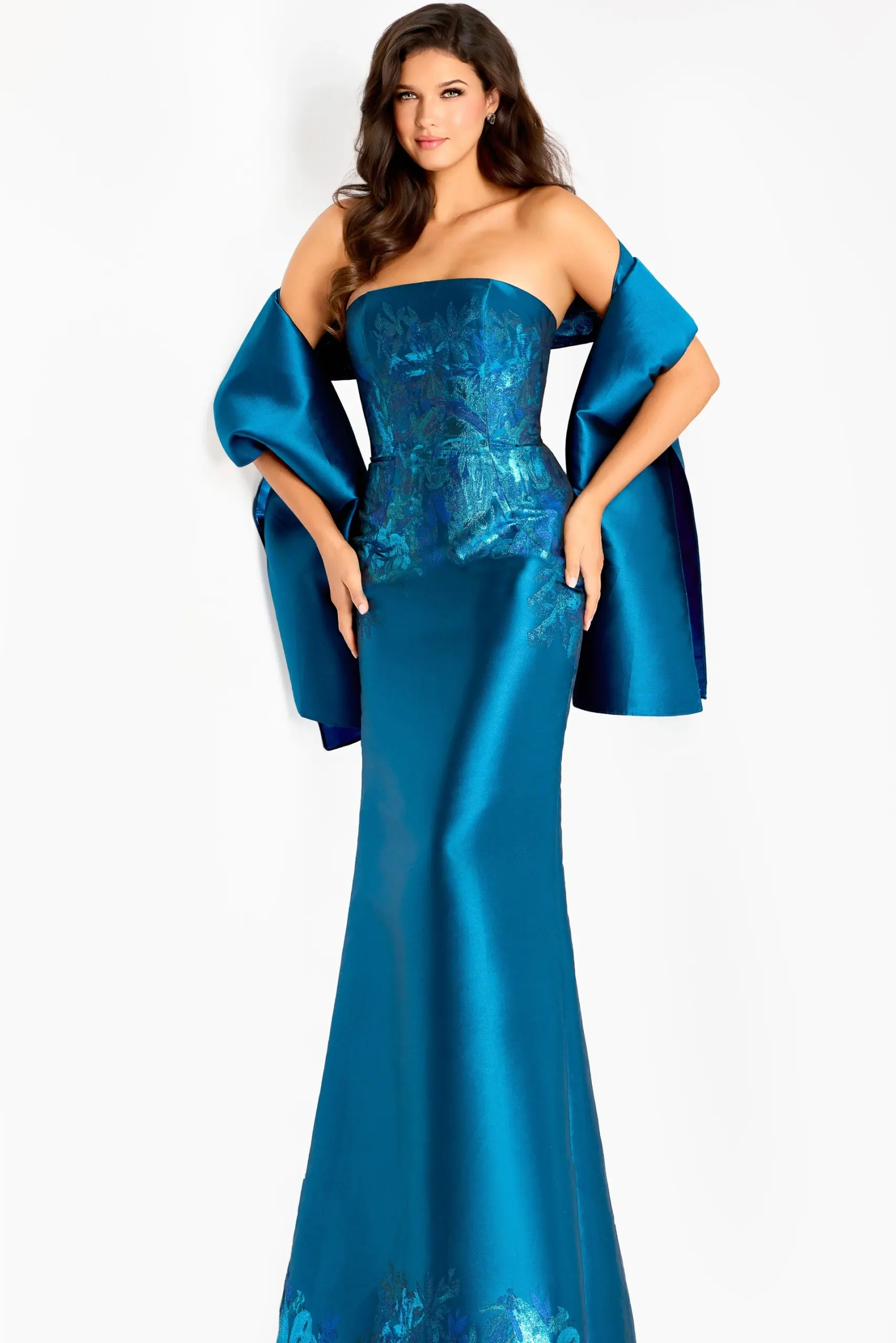
Strapless Gown with Floral Embroidery and Shawl 45577
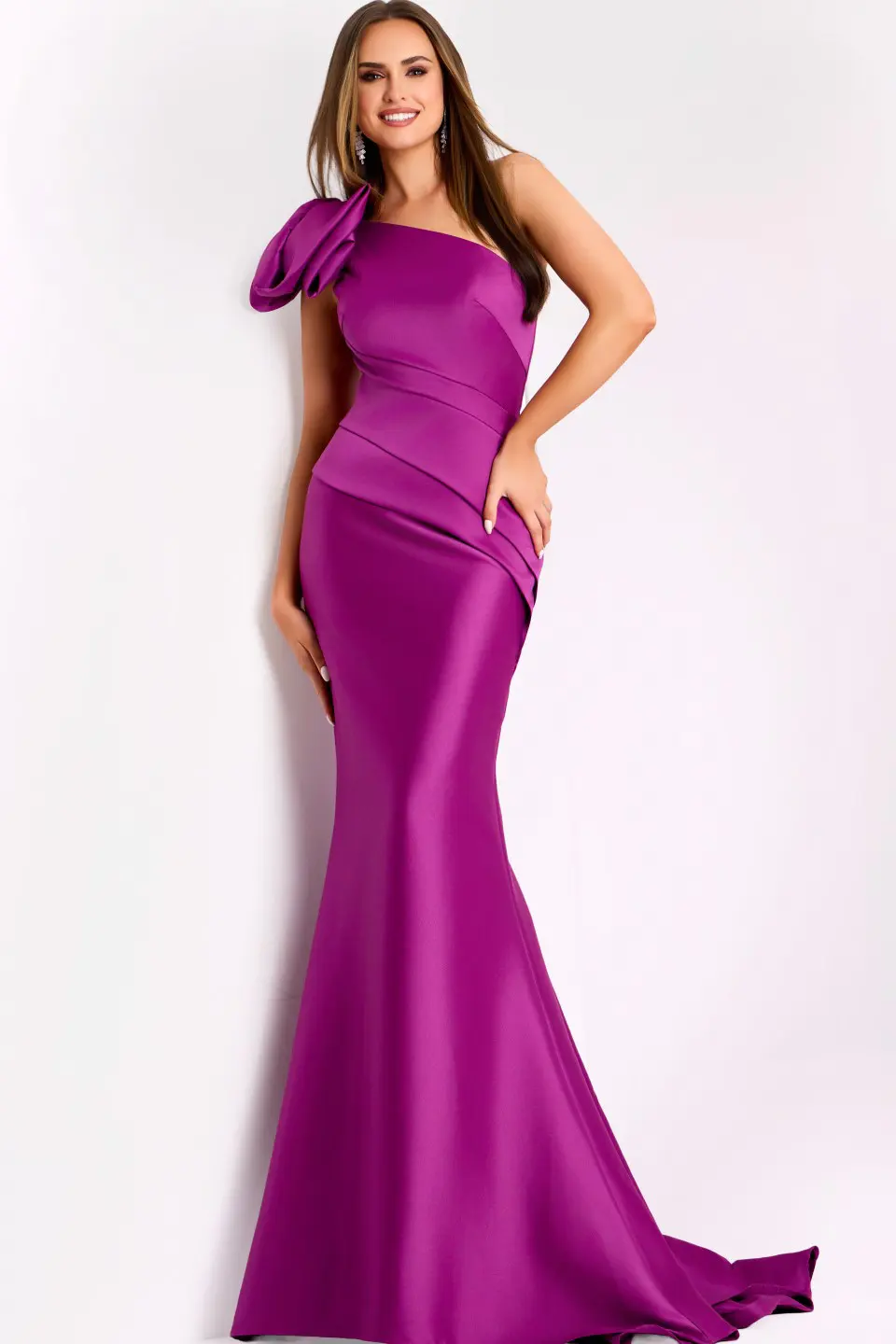
4 Colors
One-Shoulder Mermaid Gown with Dramatic Floral Detail 43273
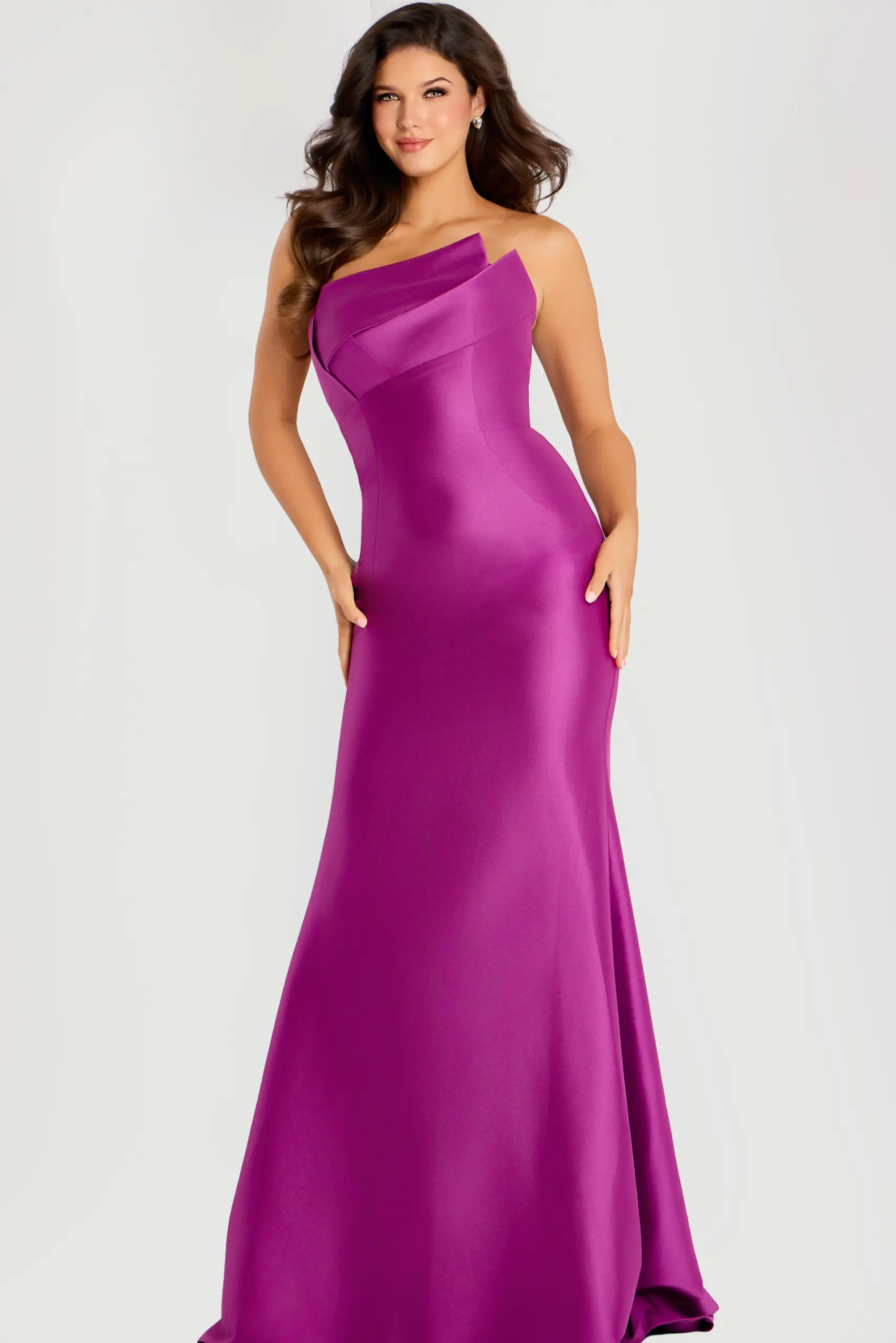
4 Colors
Satin One-Shoulder Mermaid Gown 44529
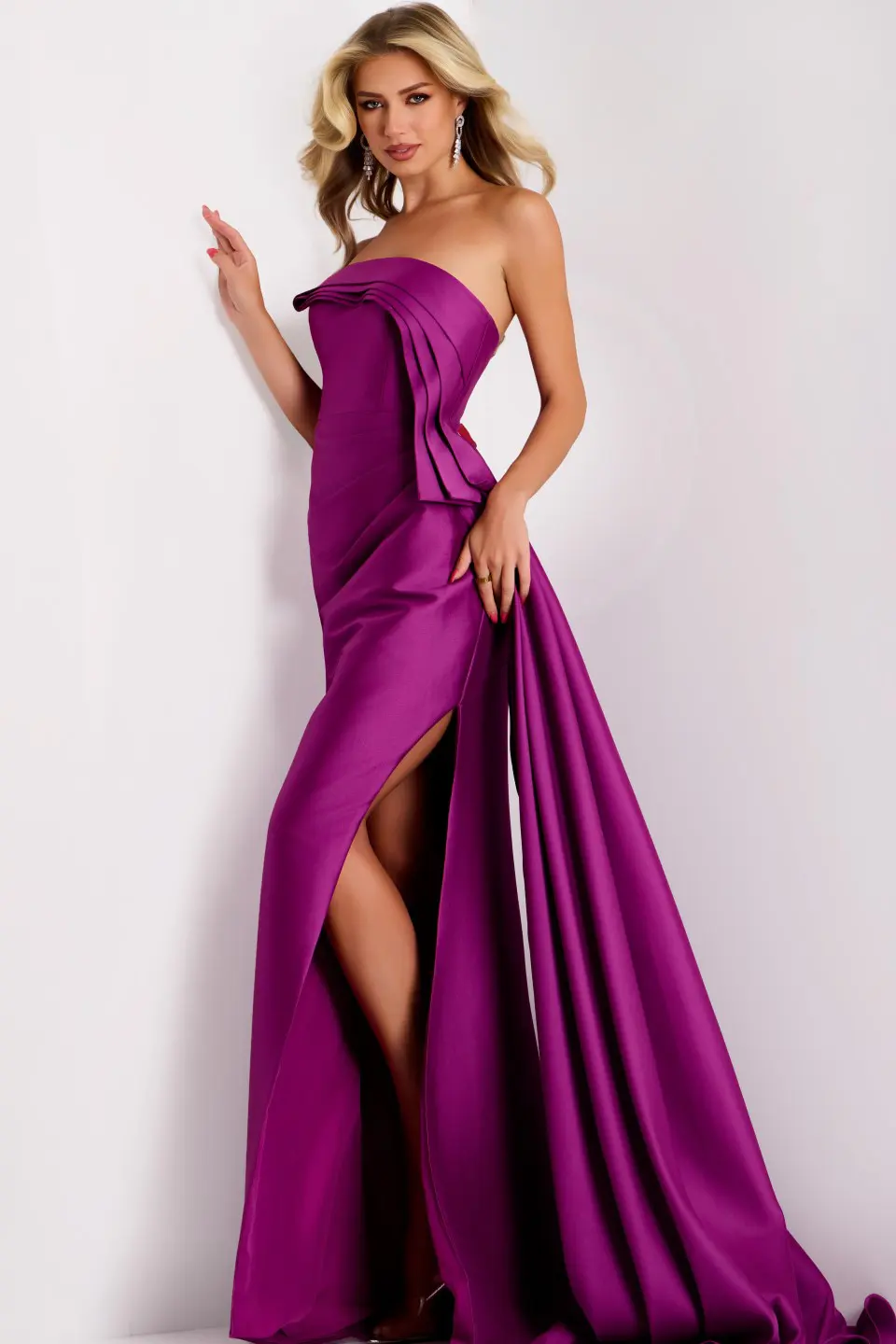
6 Colors
Strapless Gown with Cascading Ruffled Detail 44526
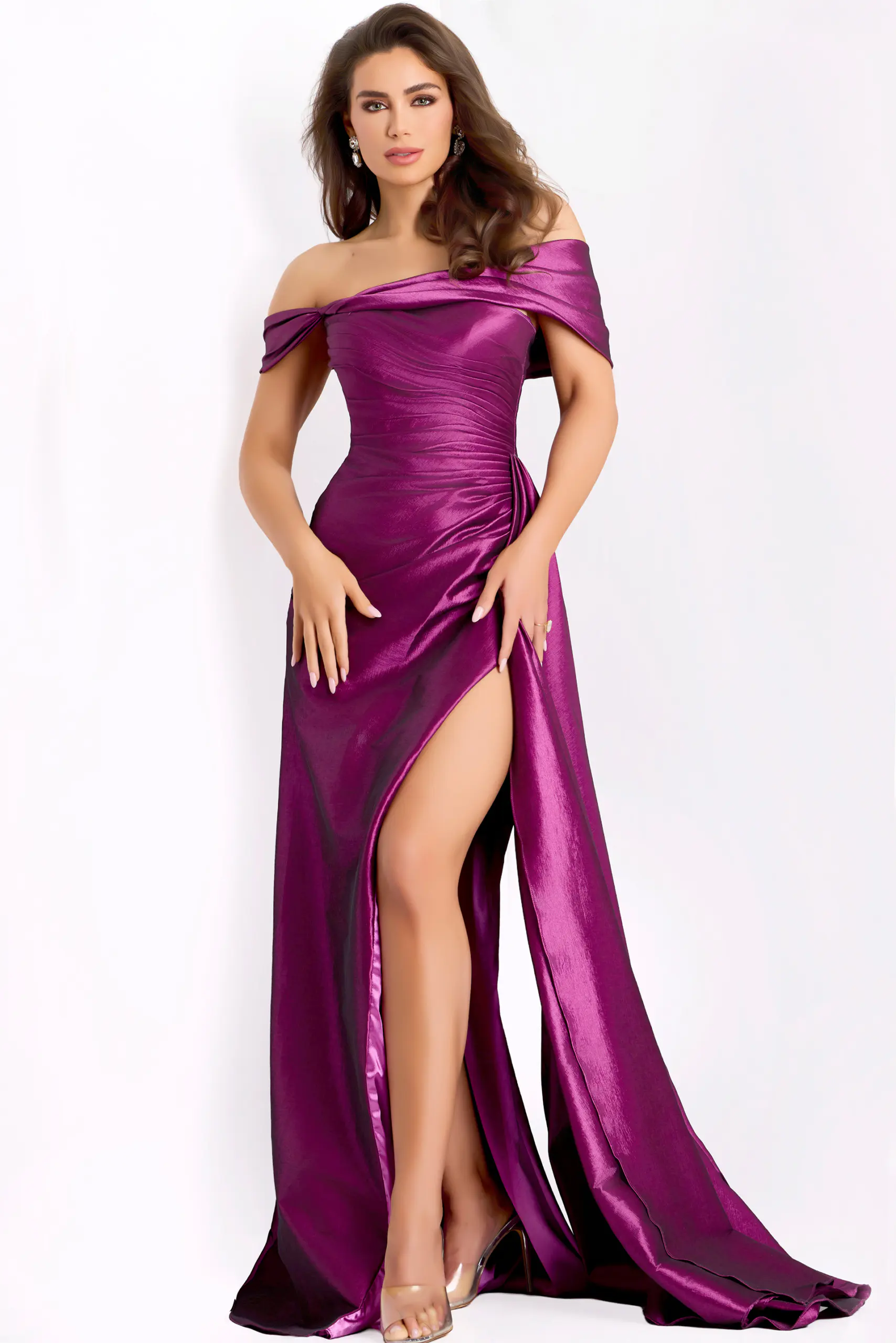
3 Colors
Elegant Evening Dress 44322
1 Colors
Beaded Gown With Sheer Overskirt 46865
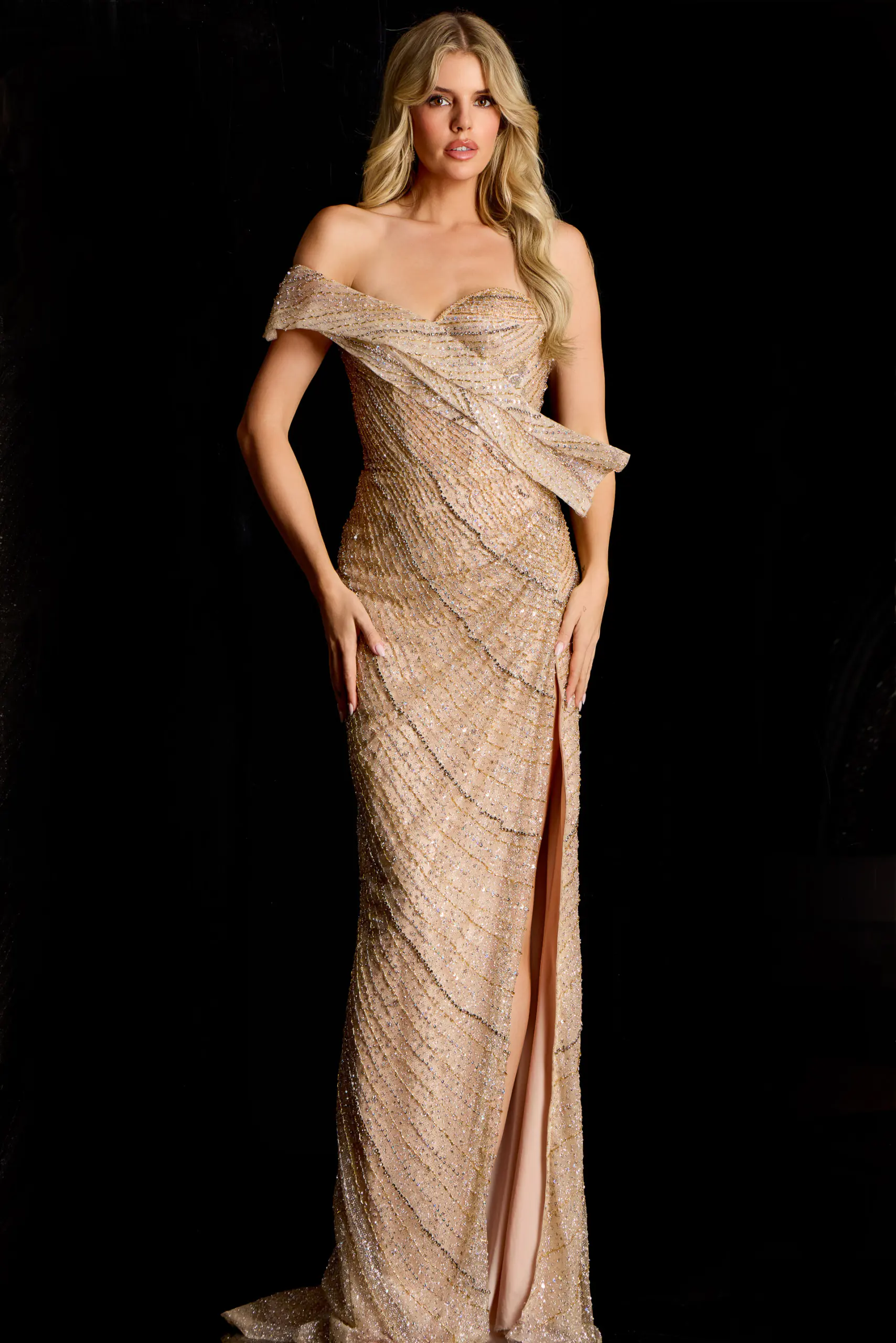
2 Colors
Off Shoulder Beaded Gown With Slit 45142
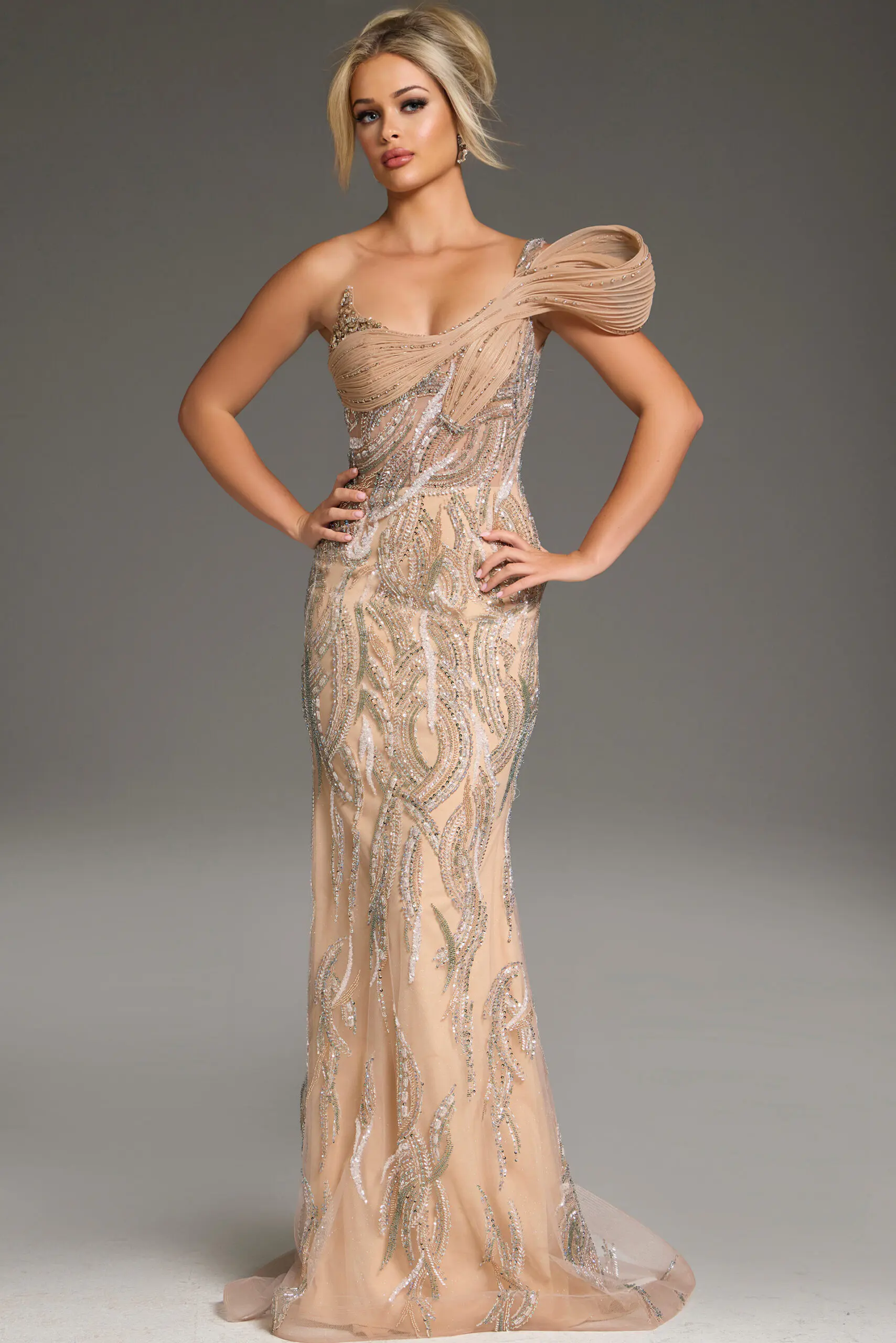
1 Colors
One Shoulder Embellished Gown With Dramatic Sculpted Detail 45073
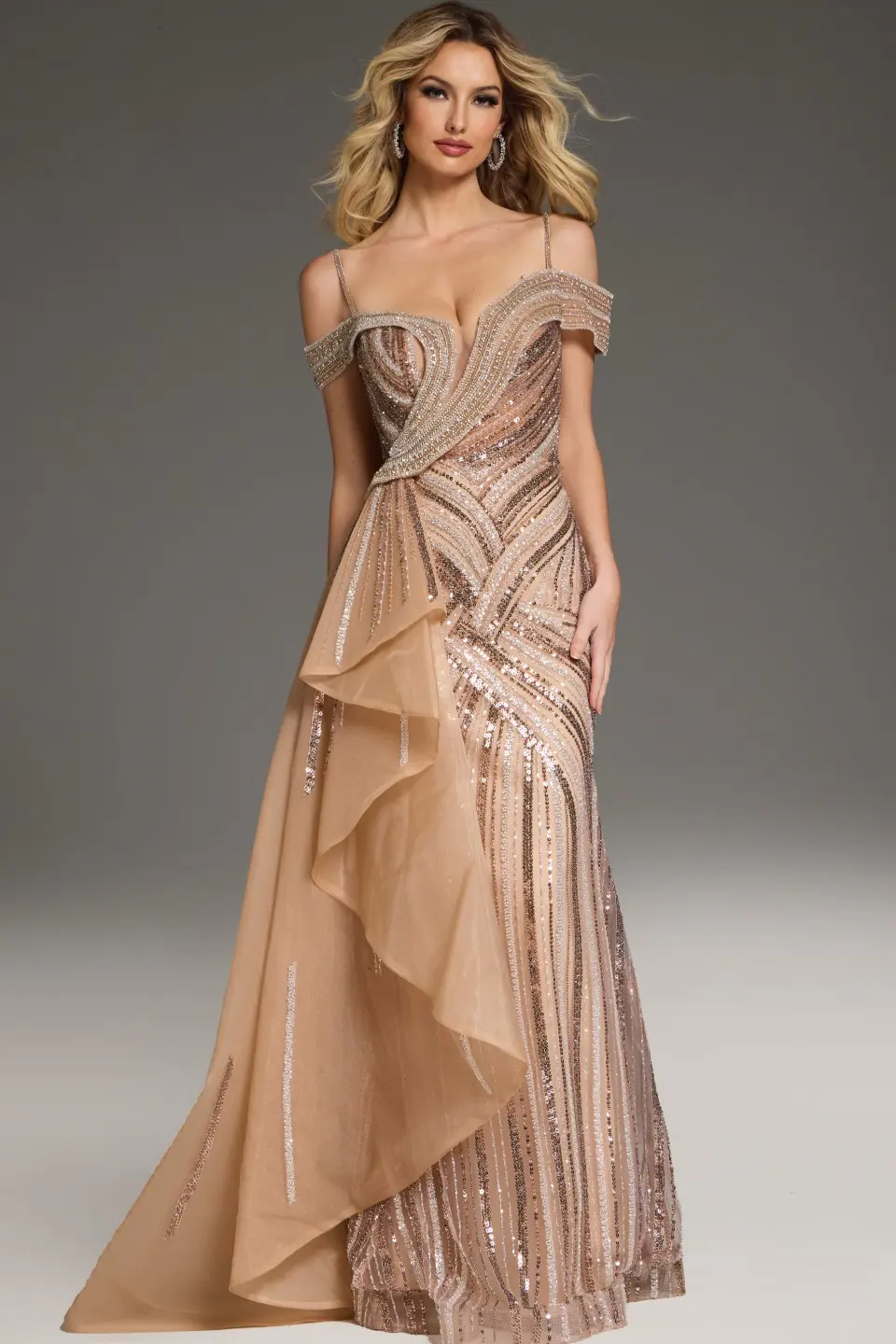
3 Colors
Off-the-Shoulder Sequined A-Line Gown with Draped Bodice 44843
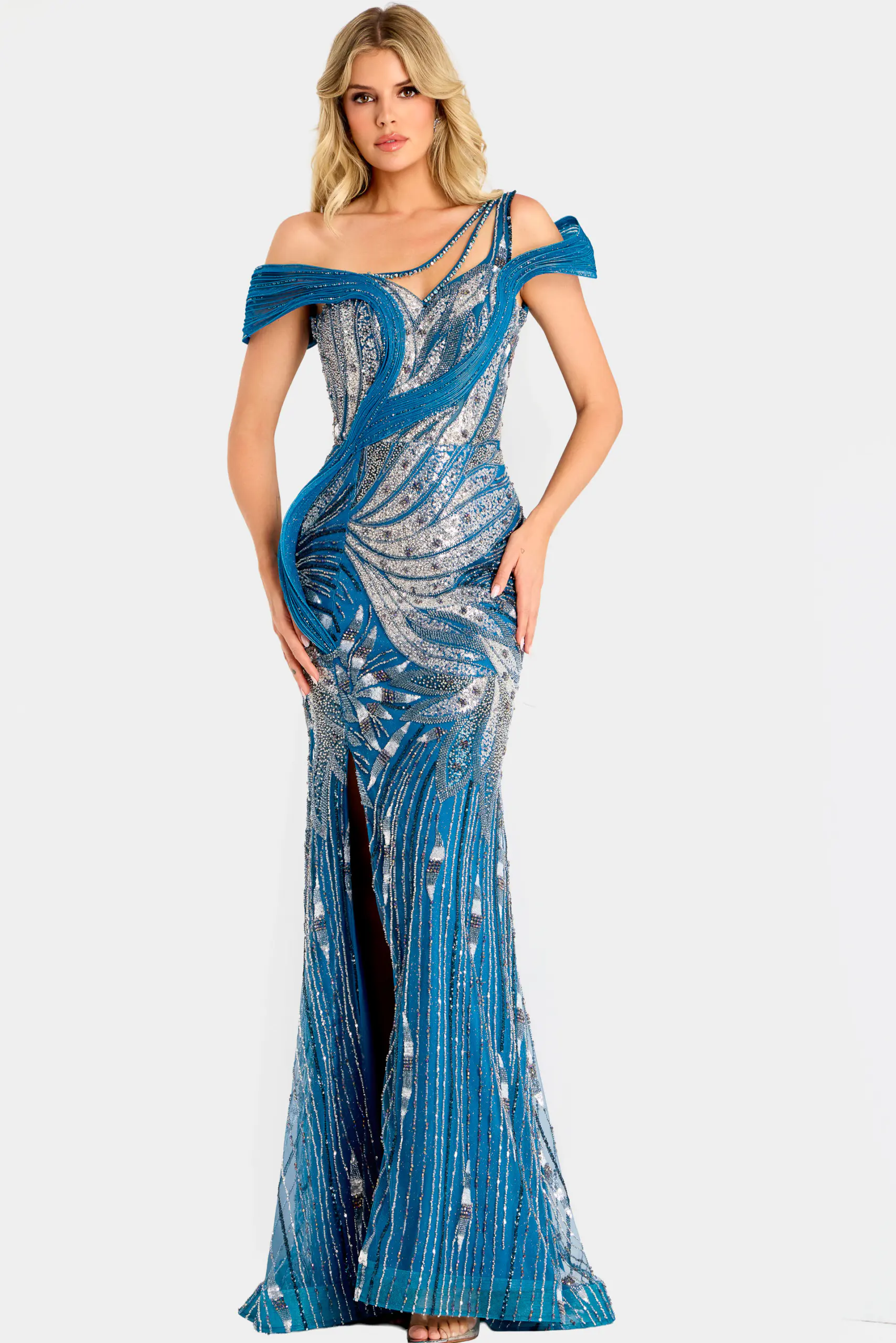
1 Colors
Off Shoulder Beaded Gown With Side Slit 46858
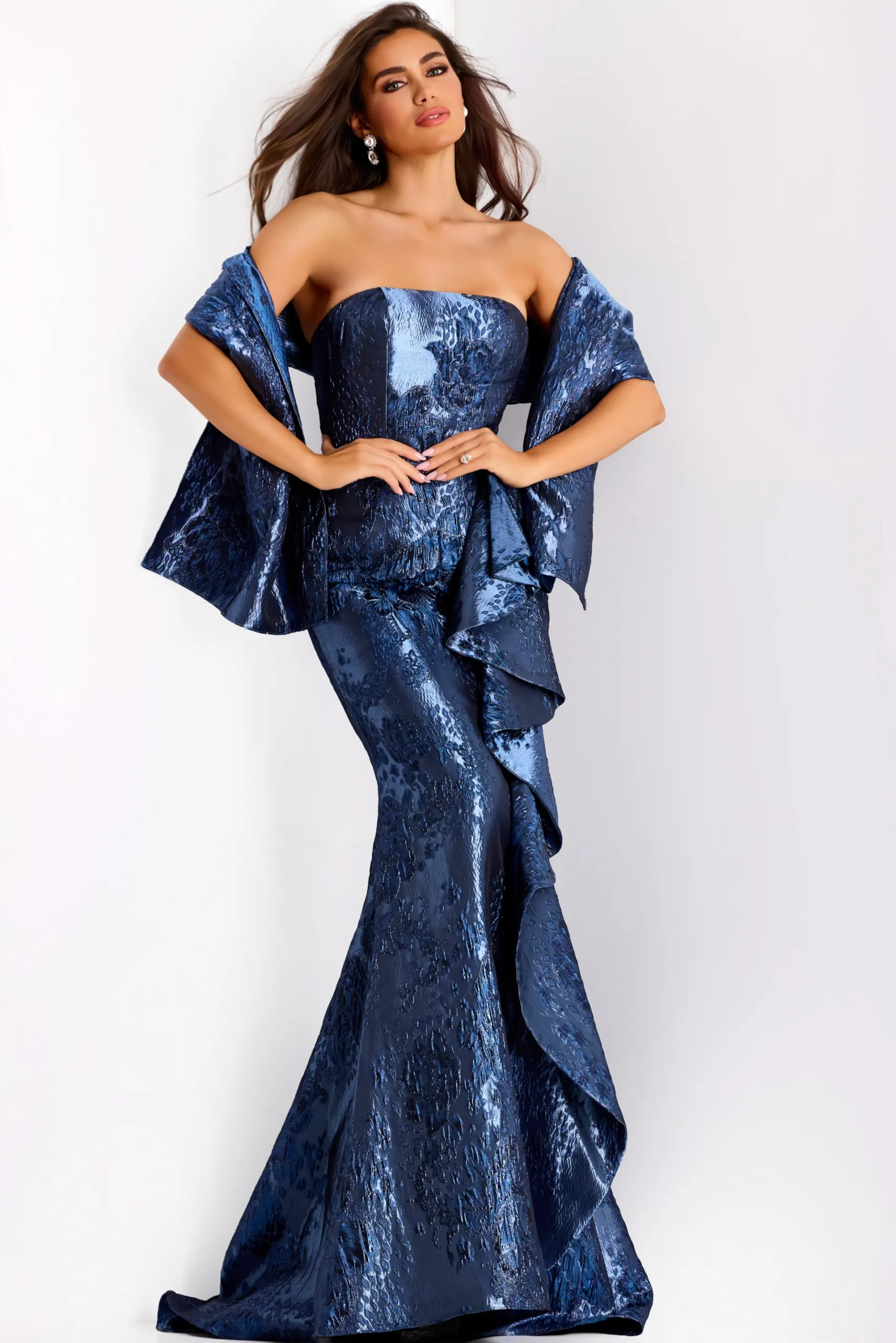
4 Colors
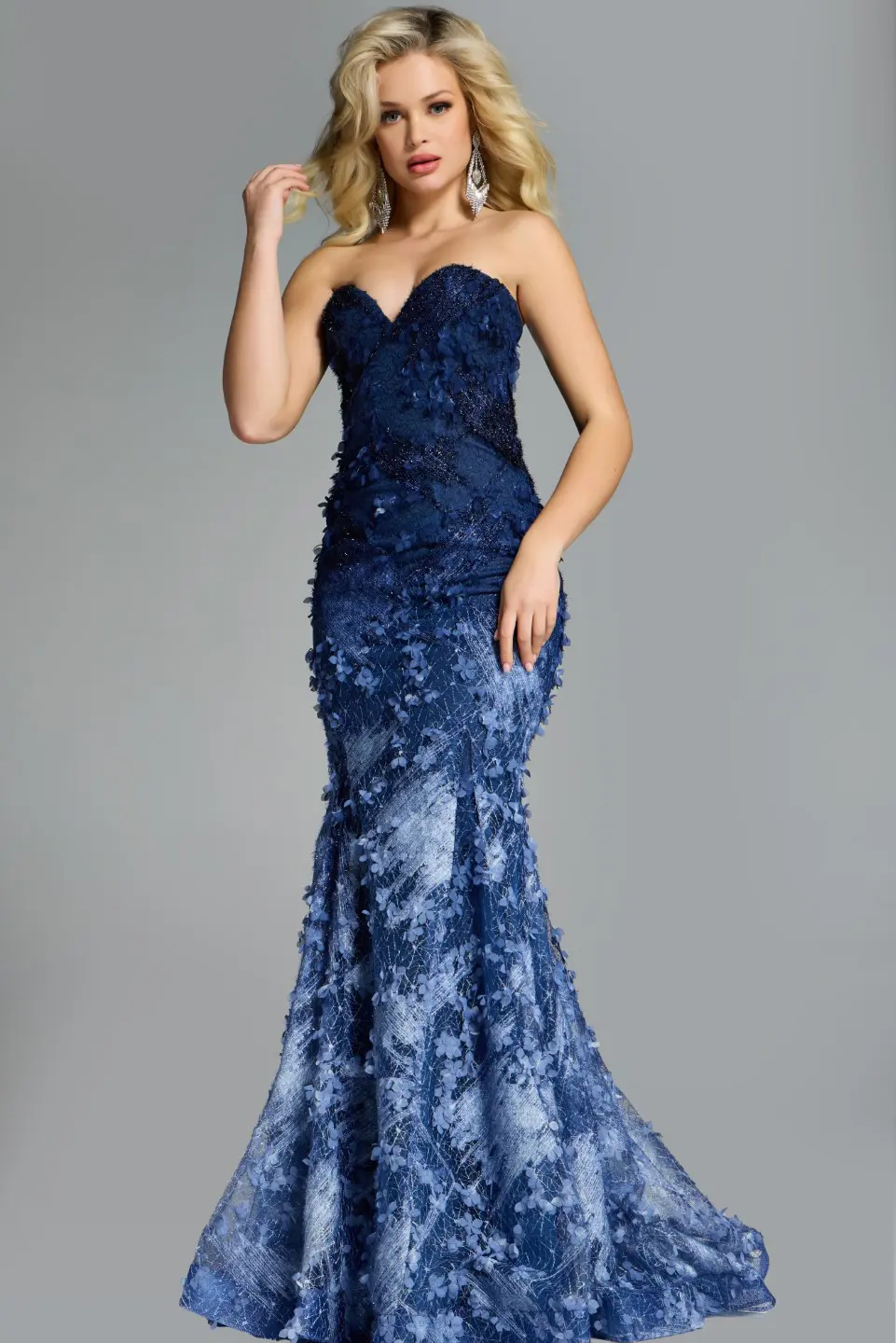
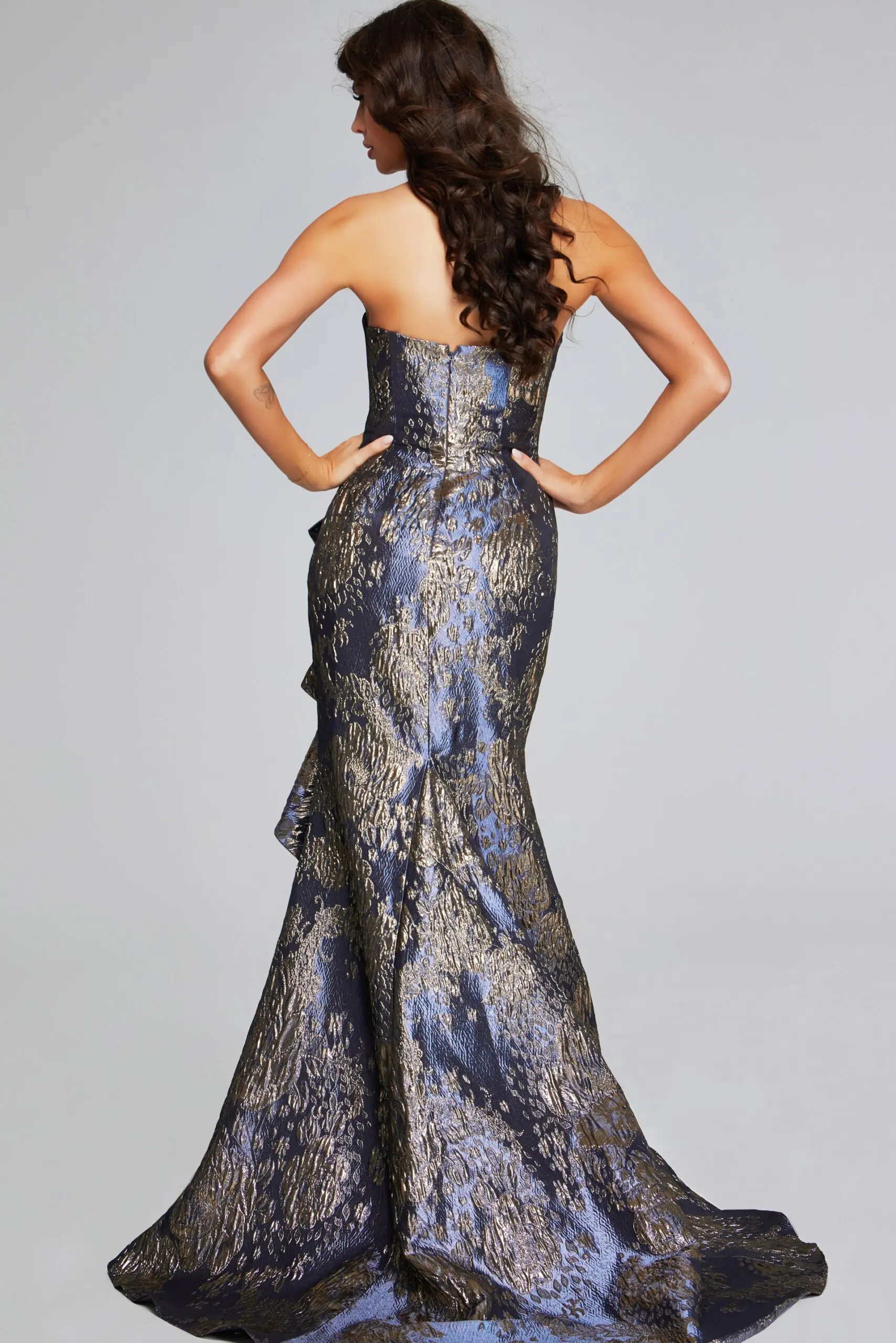
Strapless Metallic Navy Mermaid Gown With Side Drape 42028
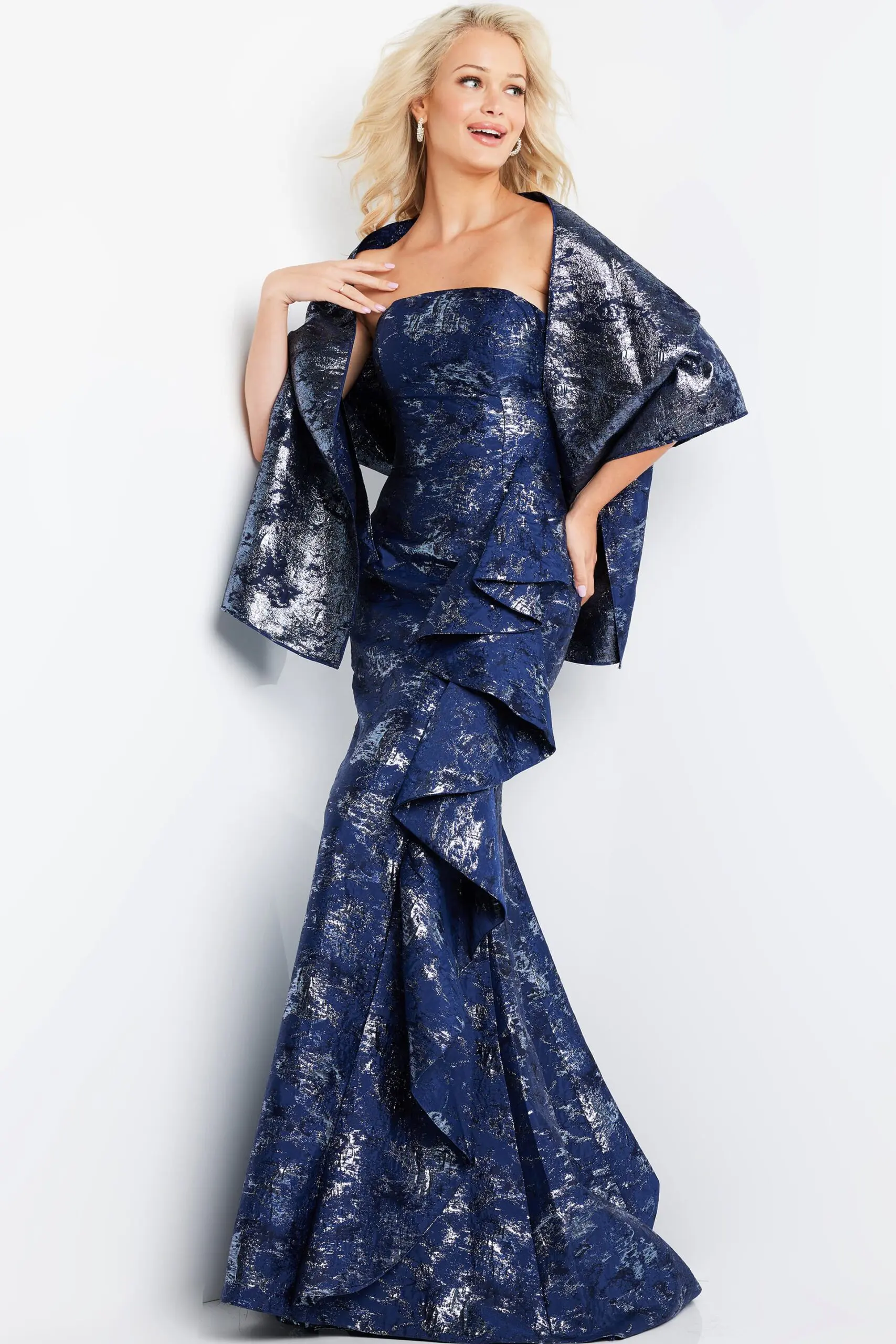
1 Colors
Jovani 08685 Navy Print Mermaid Evening Dress
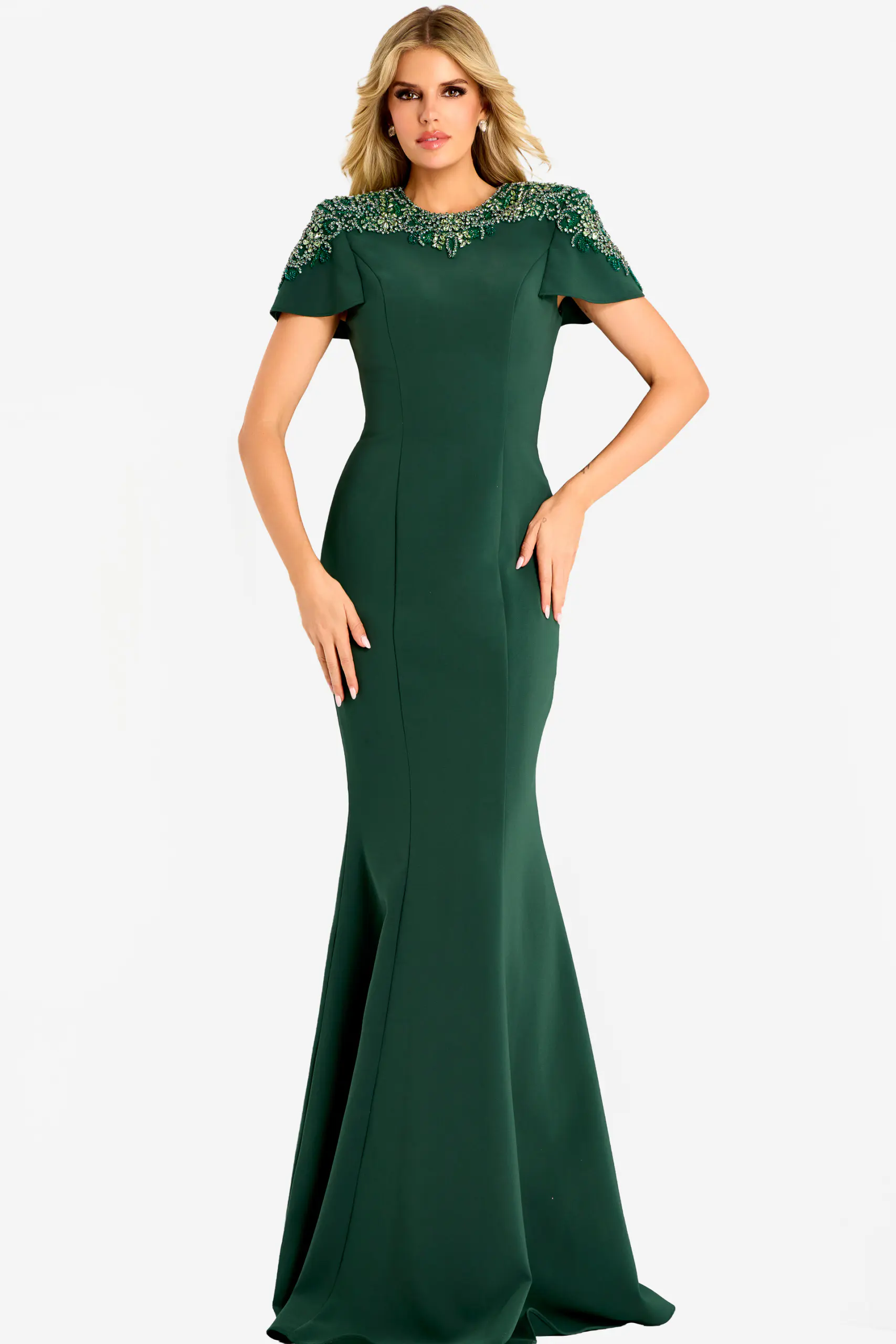
2 Colors
Beaded Mermaid Evening Gown 45477
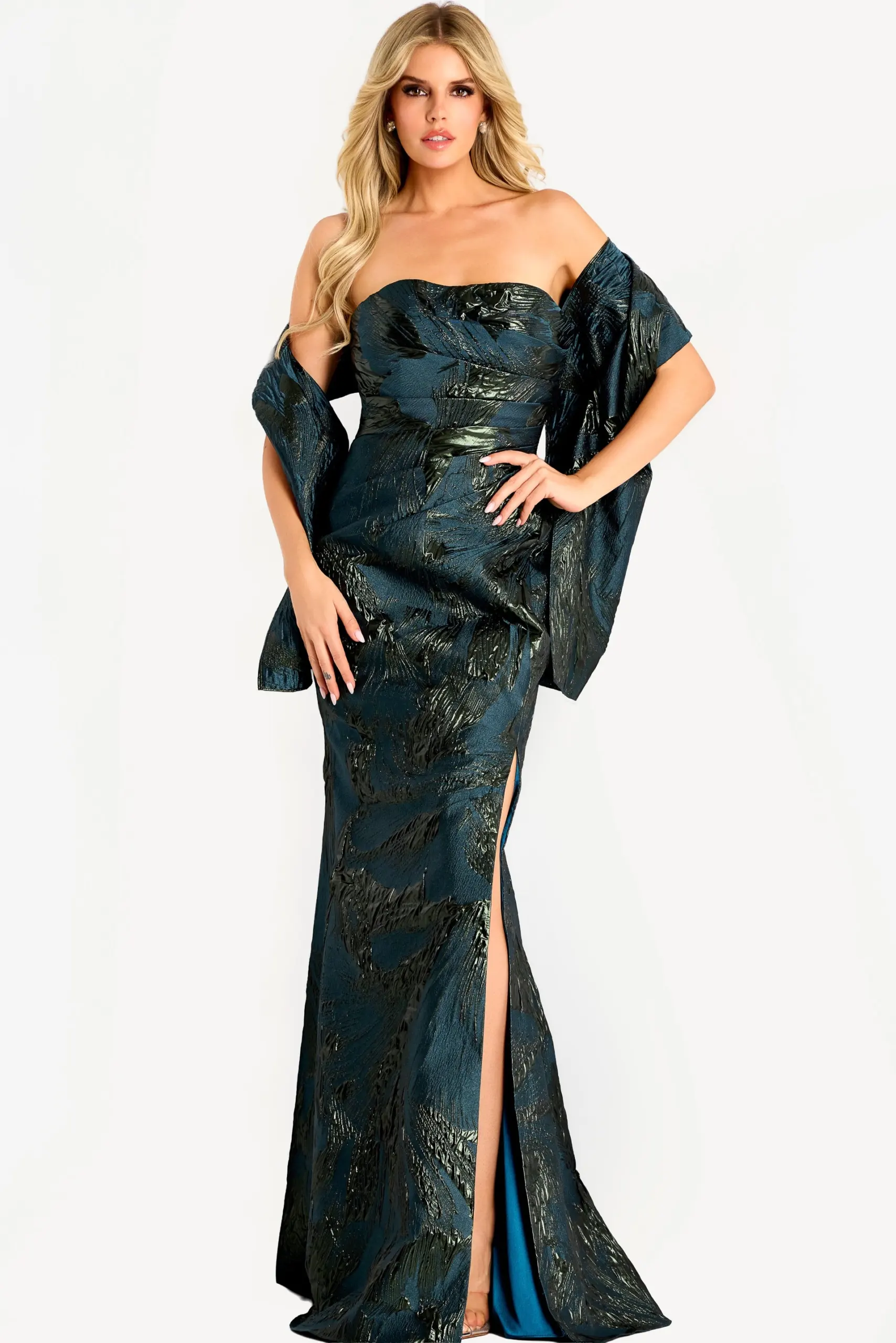
3 Colors
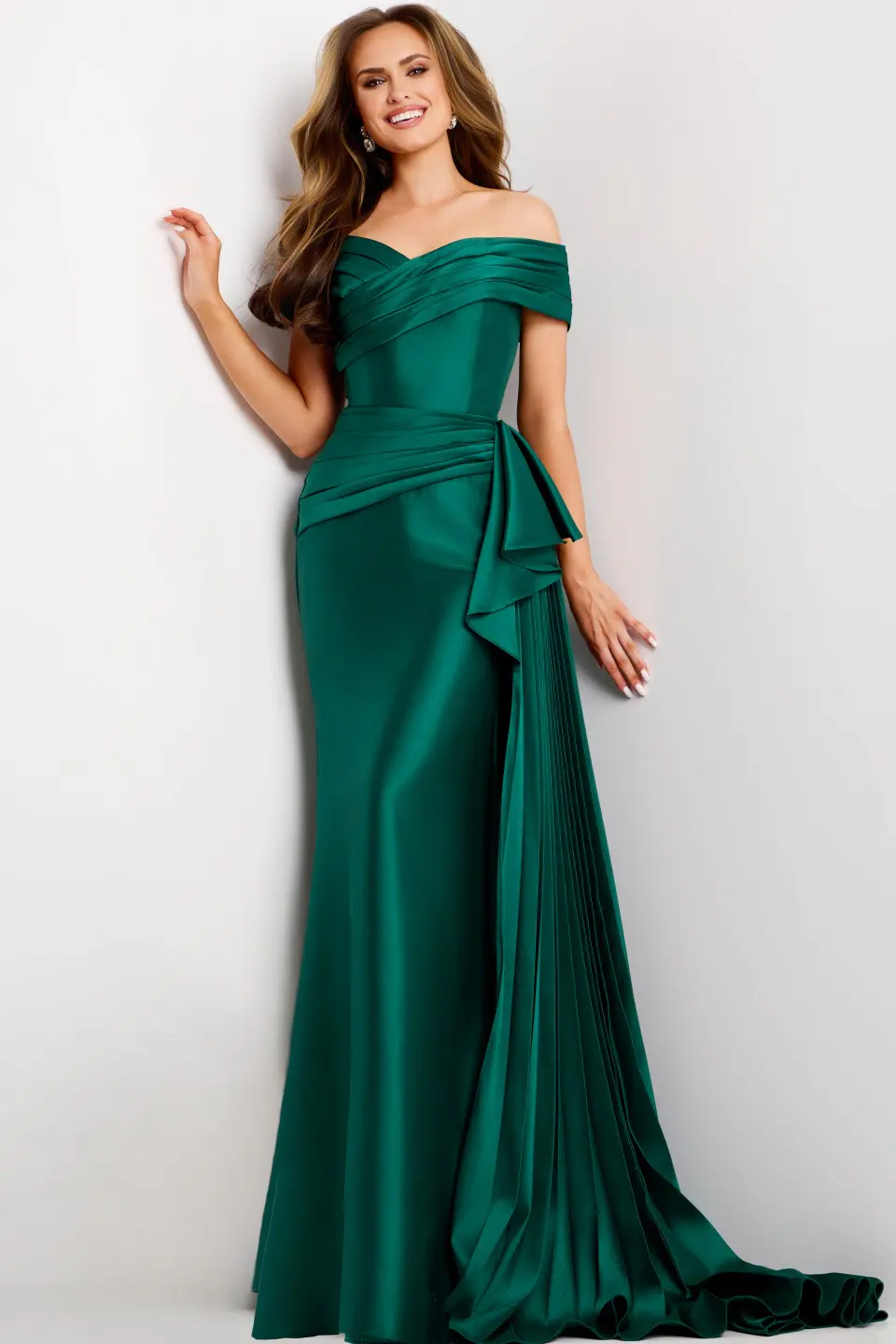
Strapless Metallic Gown With High Slit 46672
3 Colors
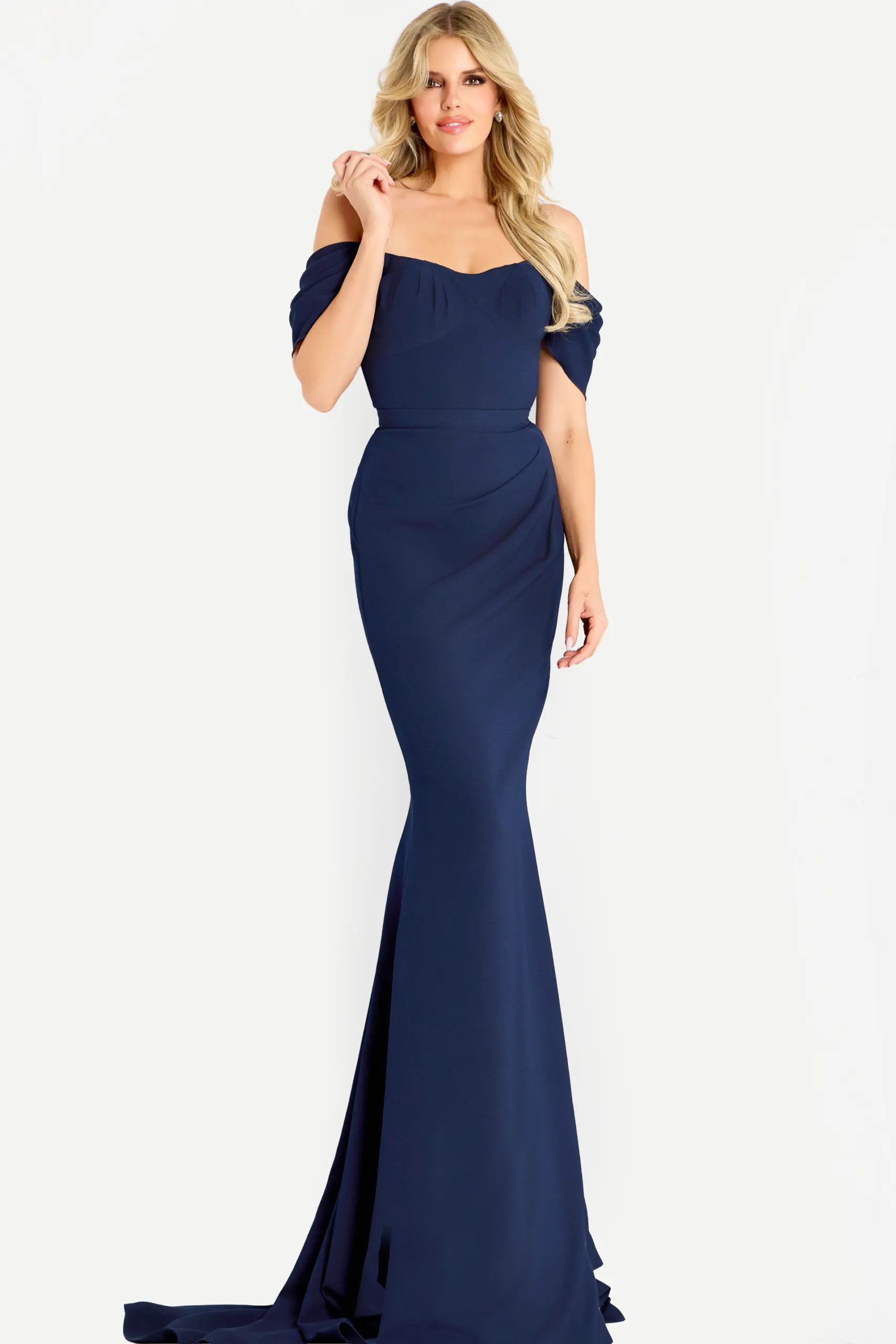
Elegant Off-the-Shoulder Gown with Draped Detail 44524
2 Colors
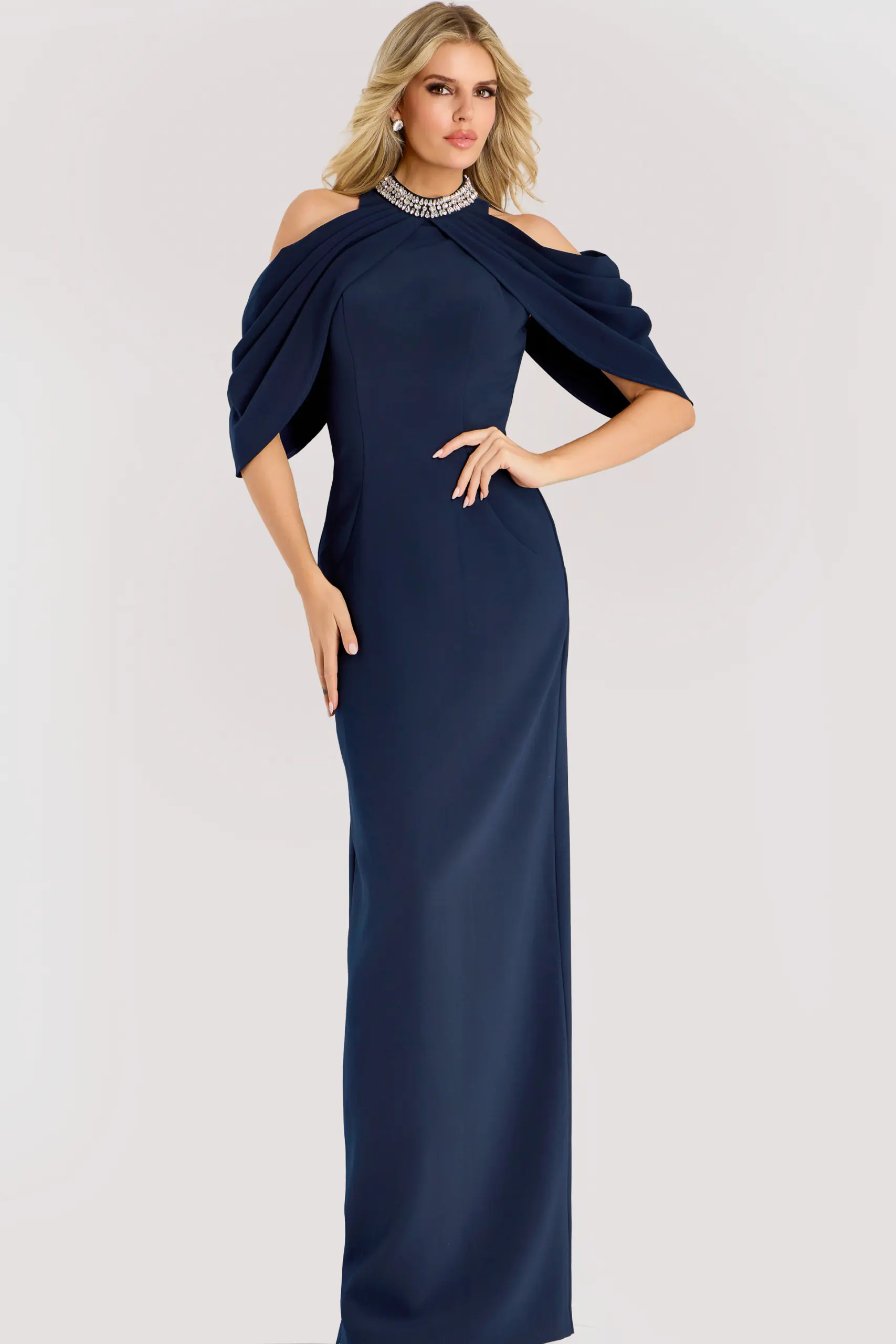
Off Shoulder Fitted Gown With Draped Train 46721
6 Colors
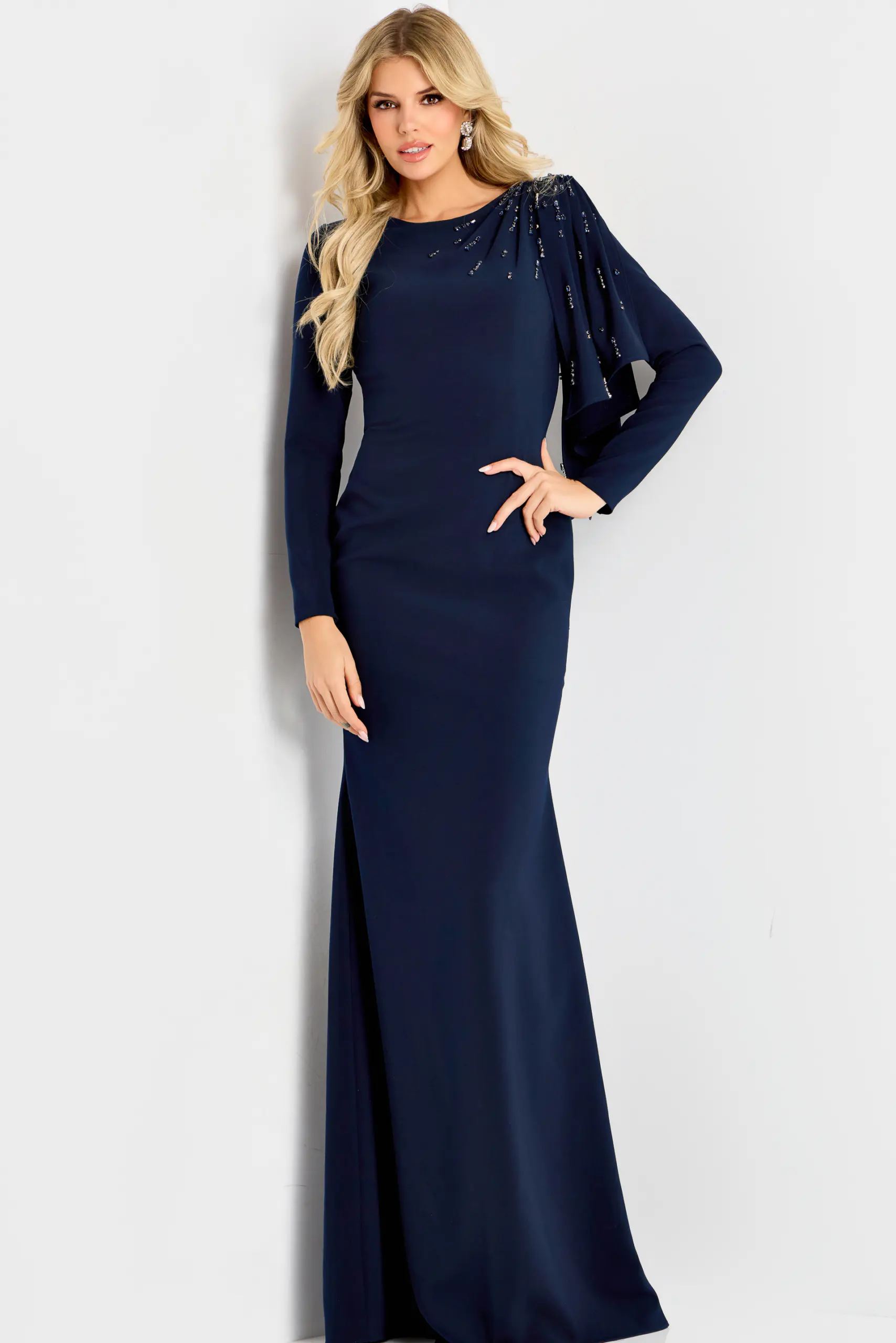
Cold Shoulder Gown With Beaded High Neck 46742
5 Colors
Long Sleeve Gown With Draped Shoulder Detail 46738
16 Colors
Jovani 00446 Off the Shoulder Ruched Dress
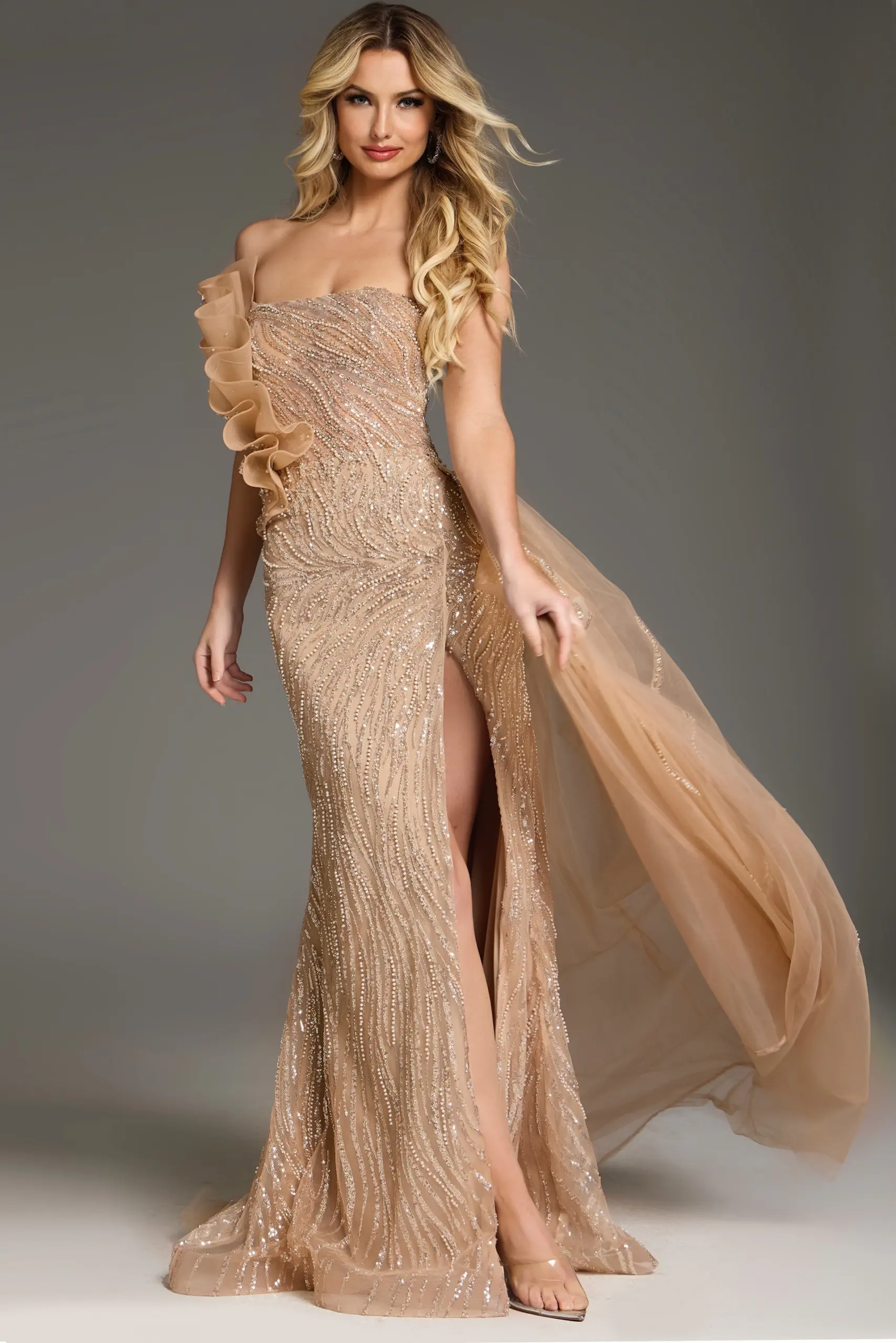
1 Colors
Strapless Sequin Gown With Ruffled Detail 45071
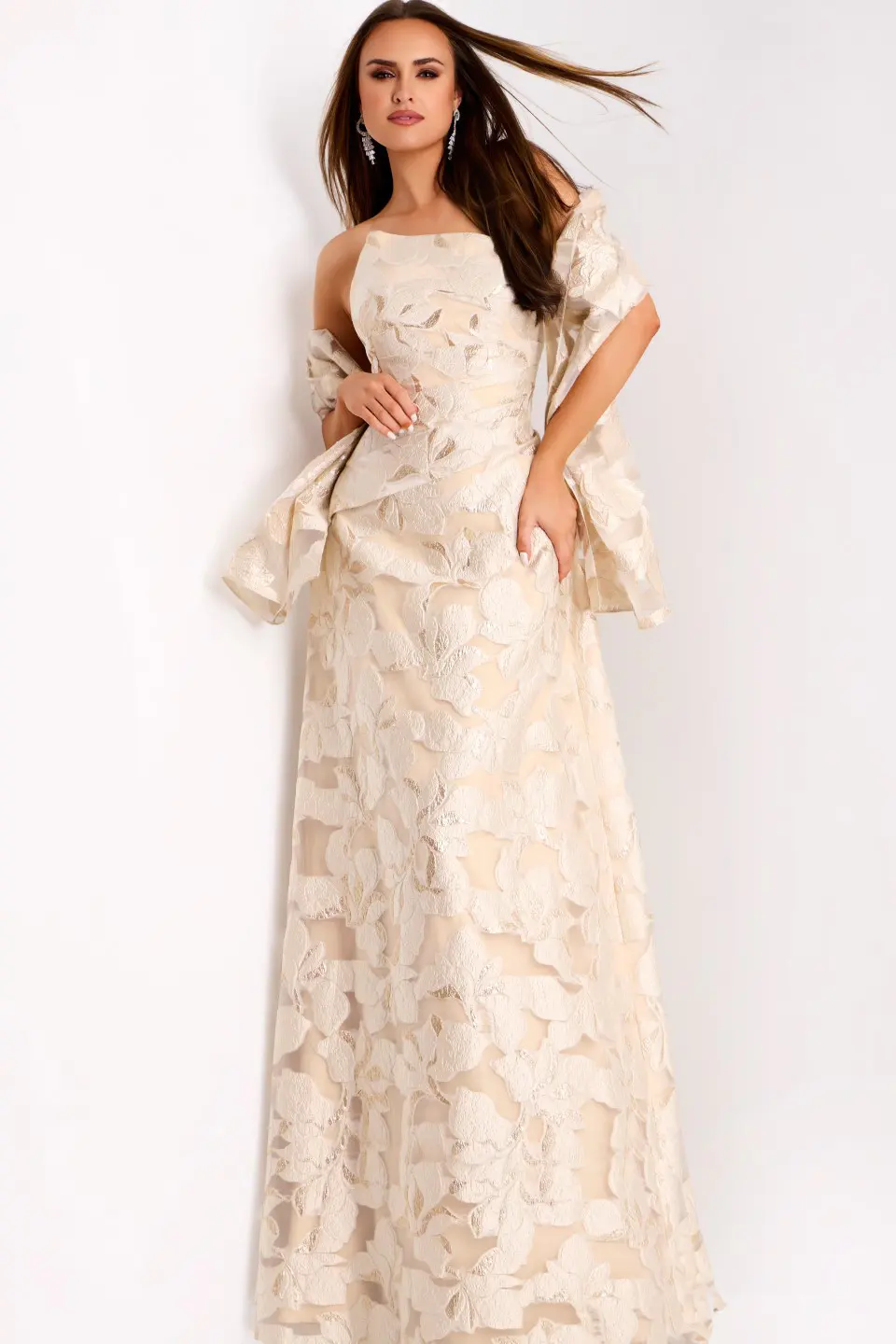
3 Colors
Elegant Strapless A-Line Gown with Floral Embroidery 44370
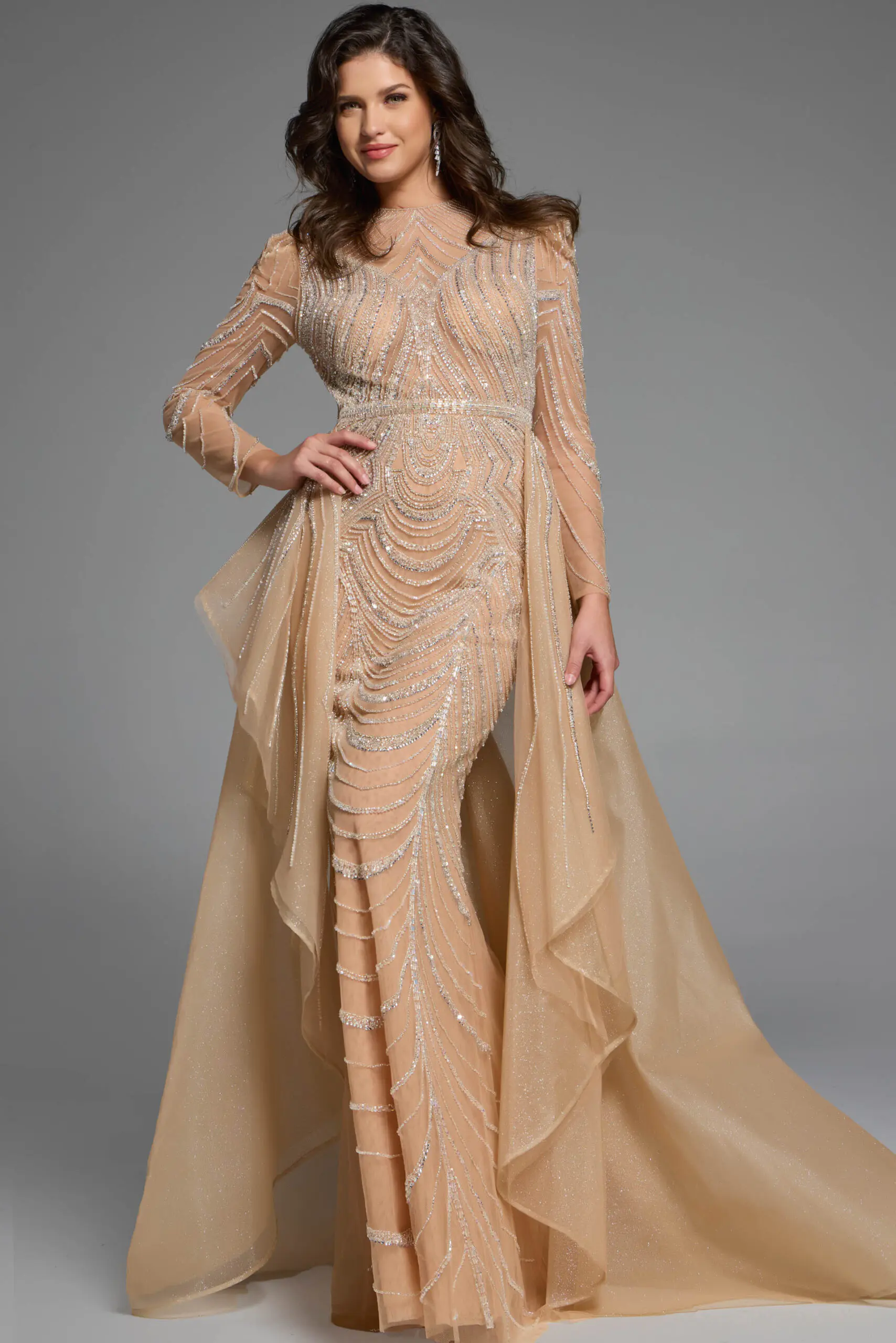
2 Colors
Long Sleeve Gown With Intricate Beadwork and Layered Train 44841
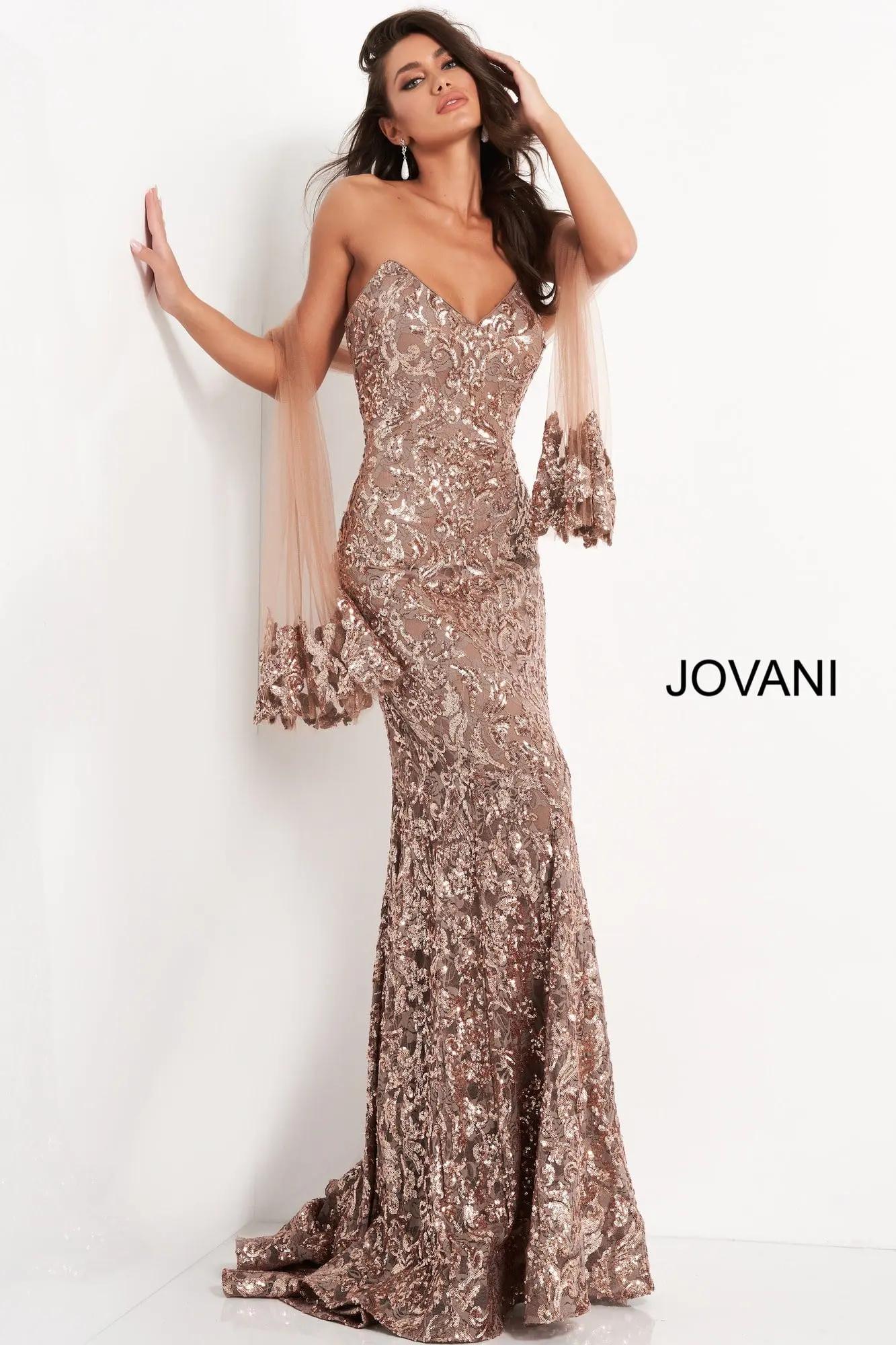
4 Colors
Jovani 05054 Copper Sequin Embellished Evening Dress
3 Colors
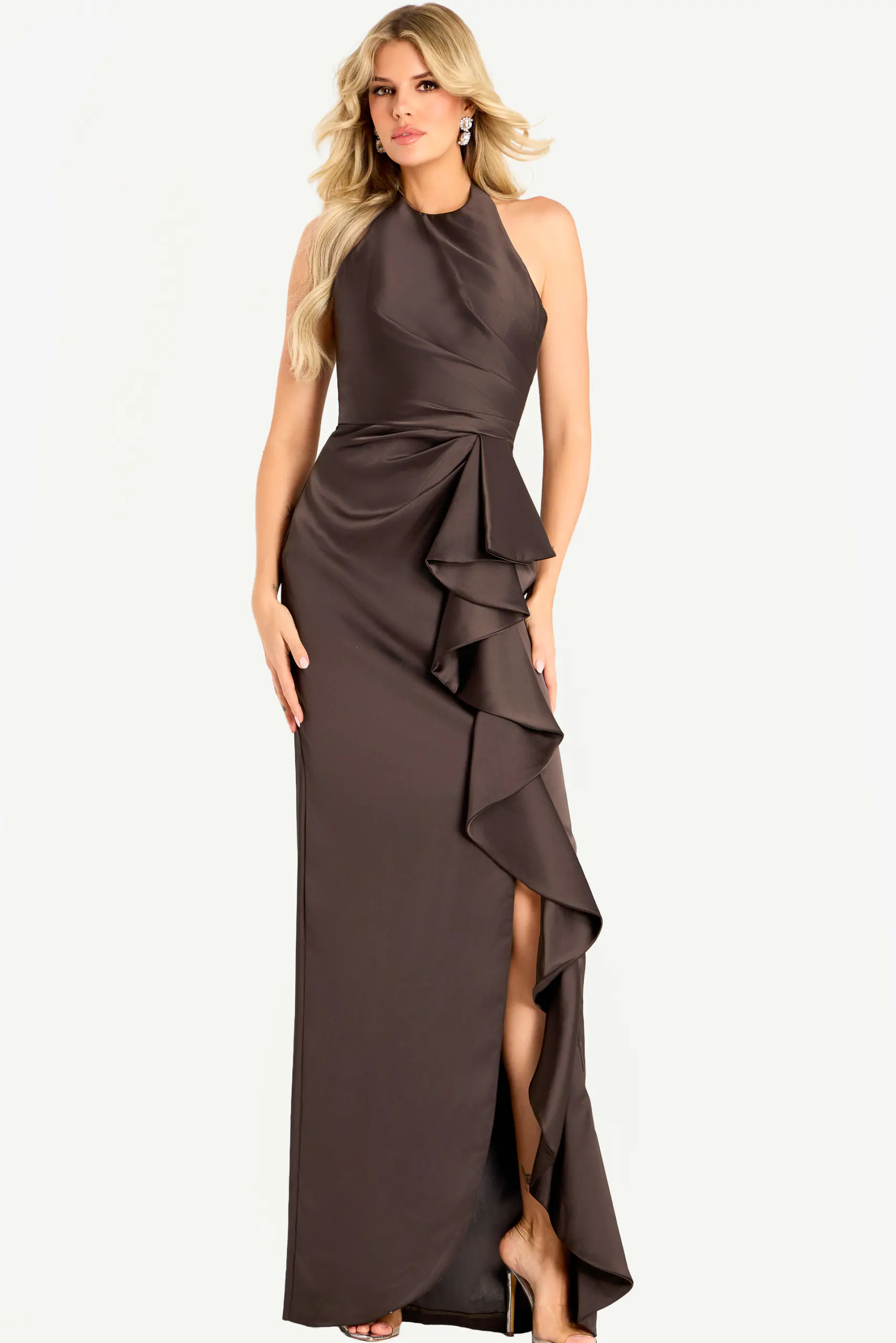
Halter Satin Gown With Cascading Ruffle Detail 44472
2 Colors
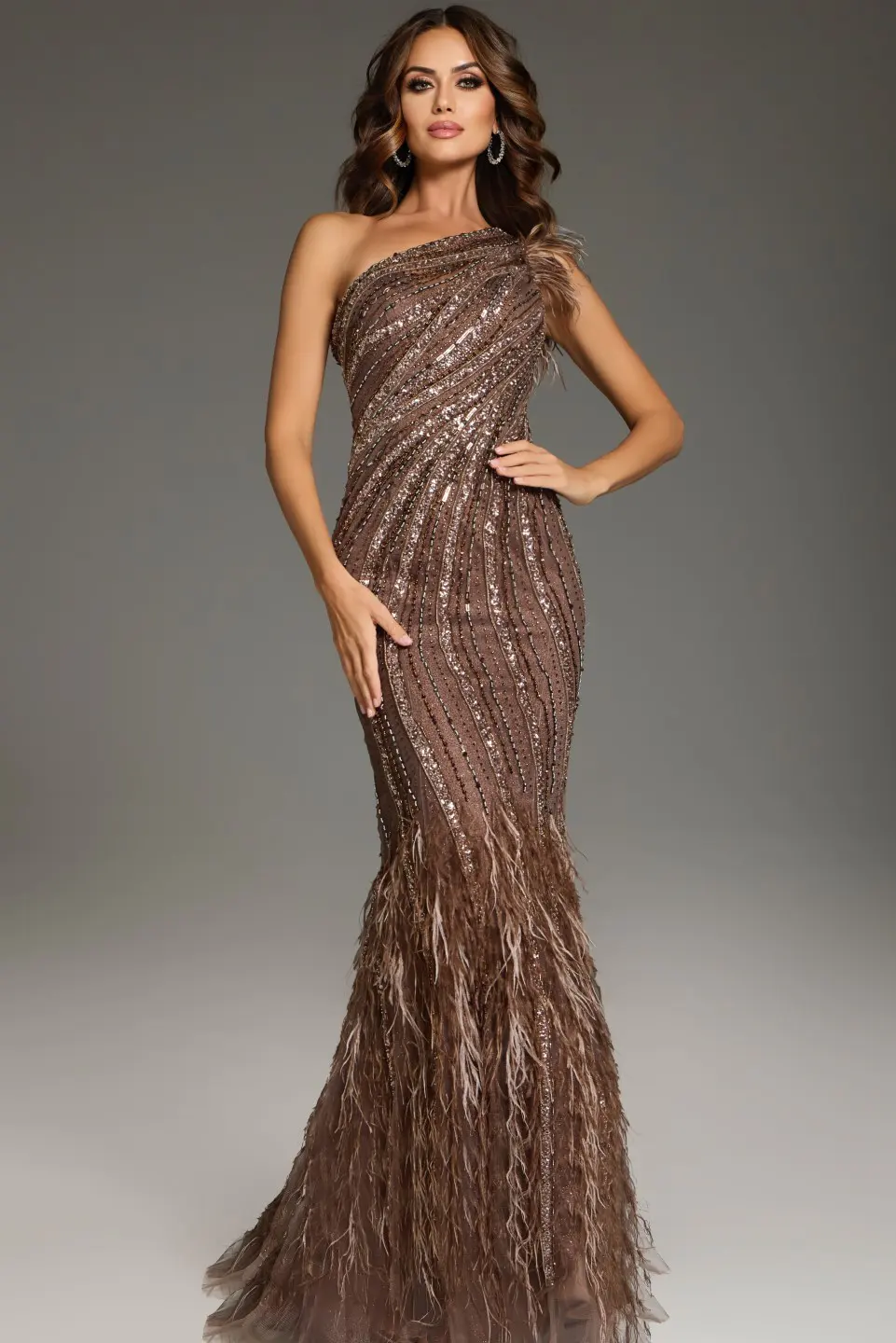
One-Shoulder Feathered Gown with Embellished Bodice 39170
6 Colors
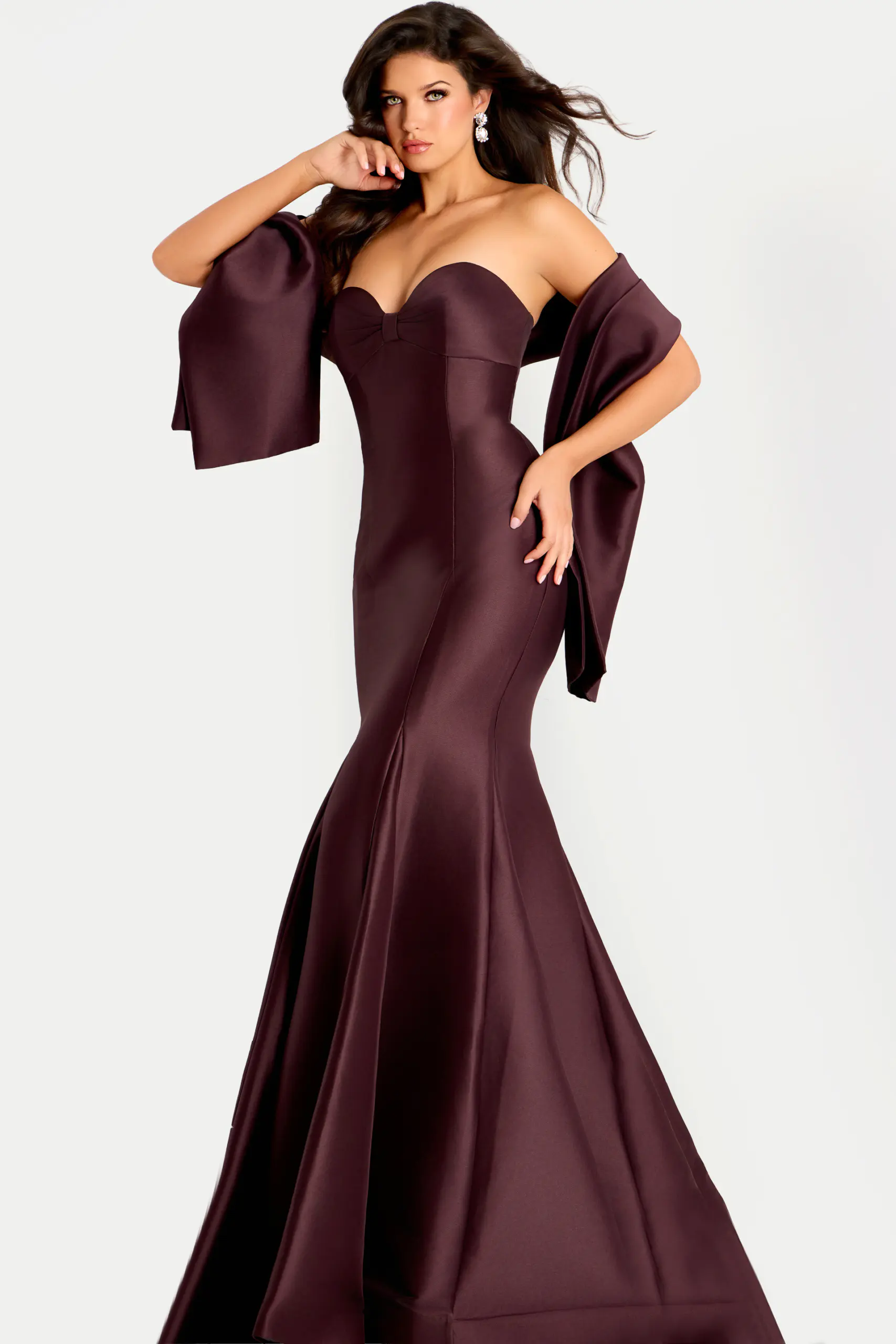
Strapless Mermaid Gown 45362
5 Colors
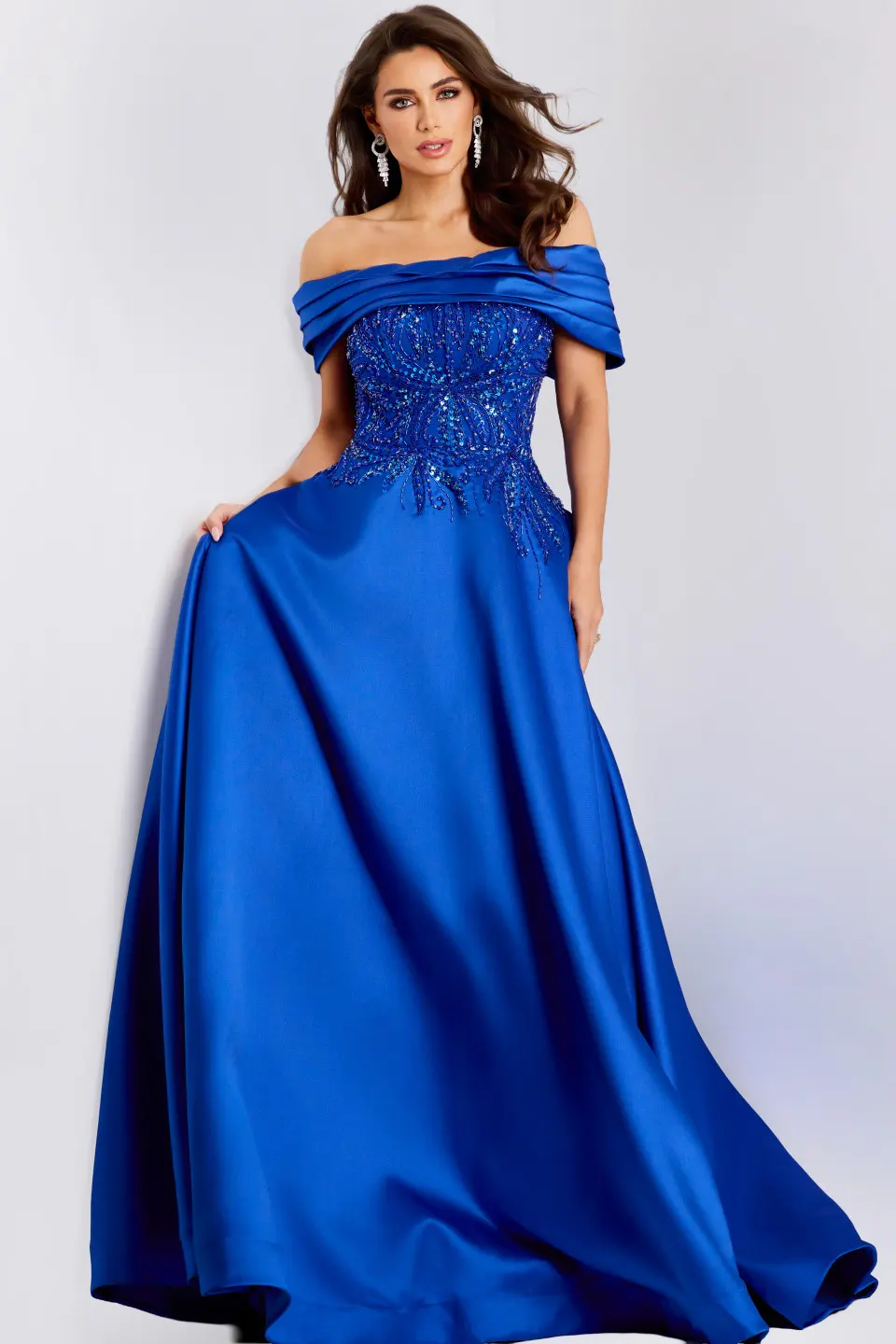
Off-the-Shoulder A-Line Gown with Embellished Bodice 44308
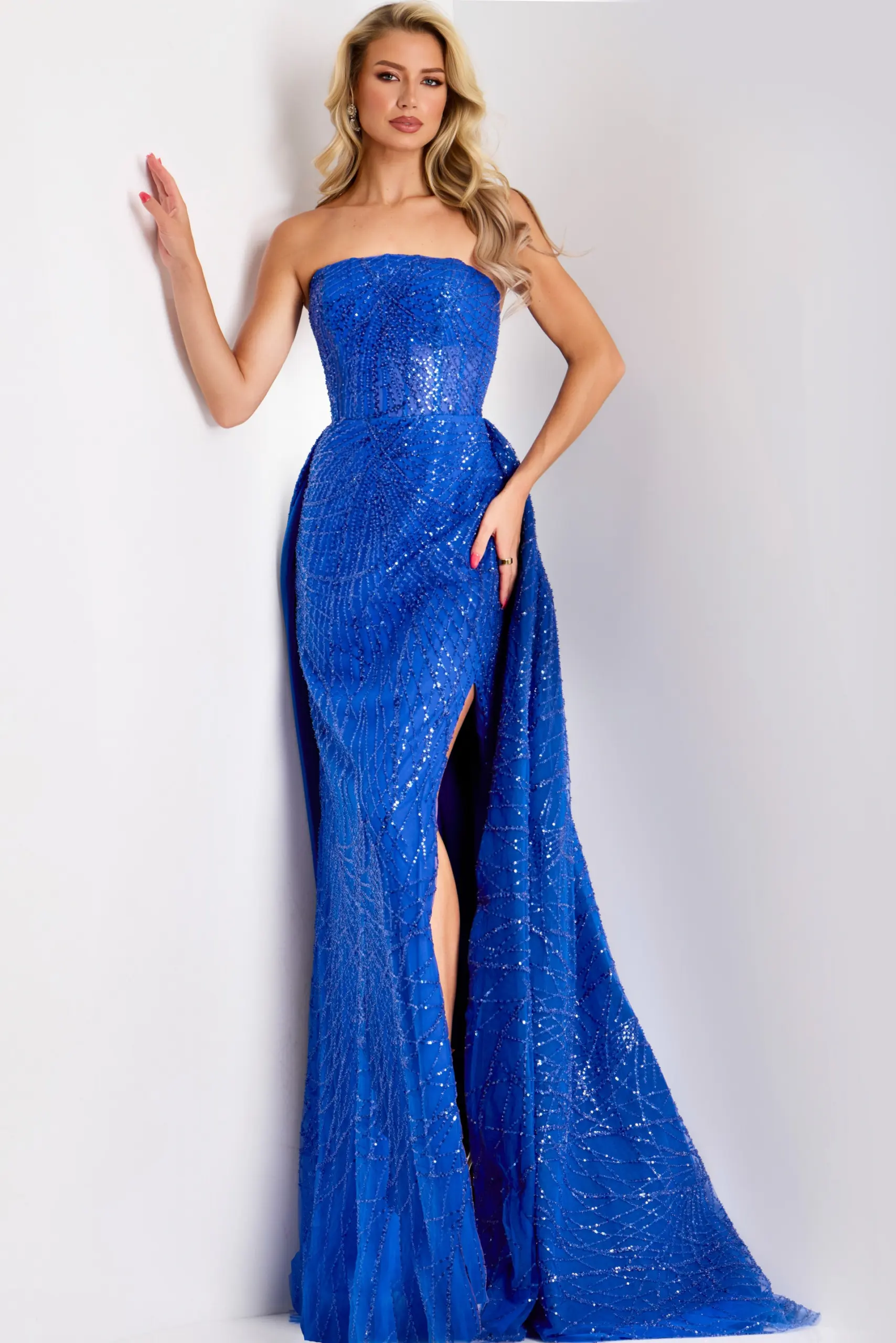
3 Colors
Strapless Sequin Royal Dress With High Slit And Overskirt 39029
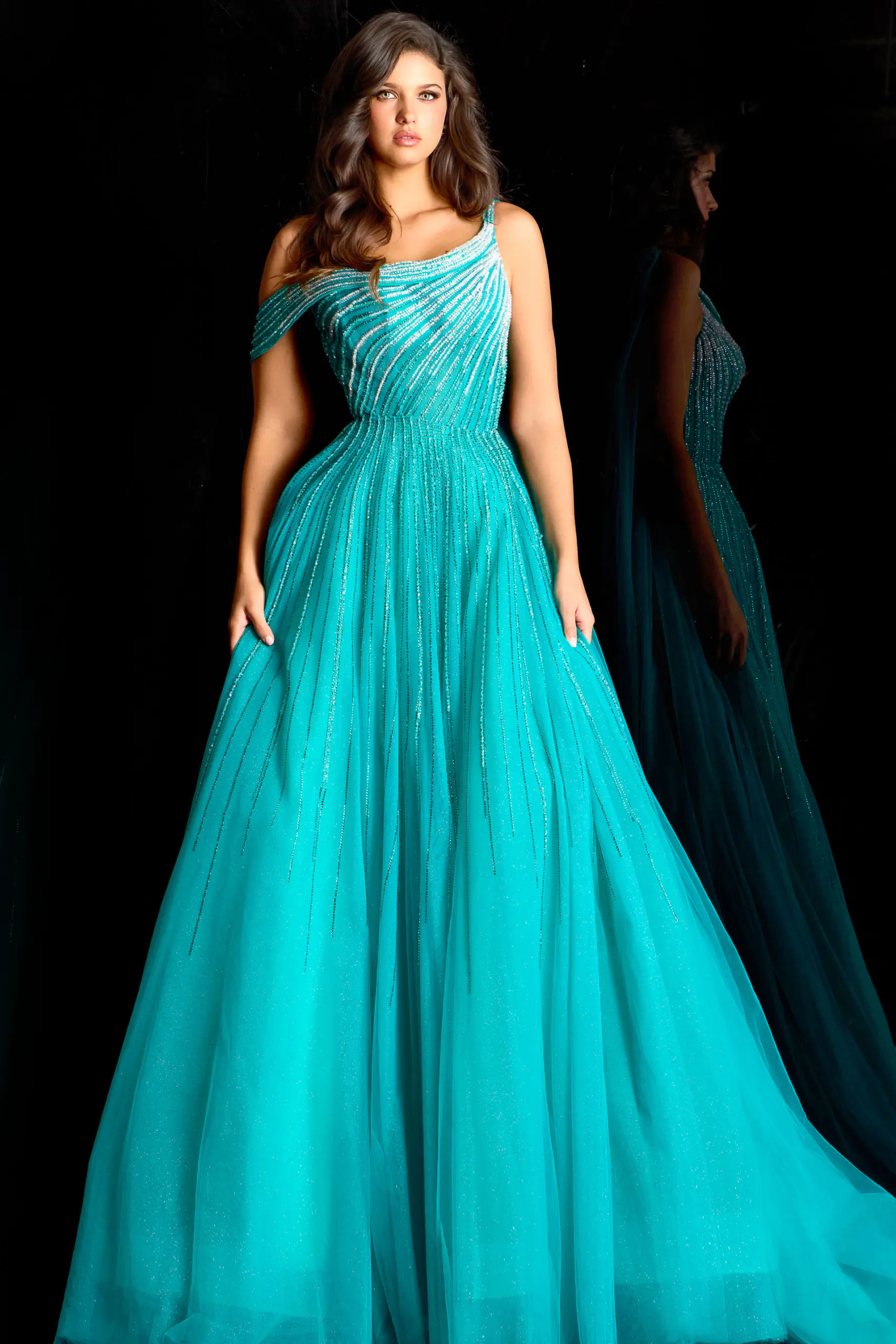
1 Colors
Glitter Tulle Gown With Draped Strap 45645
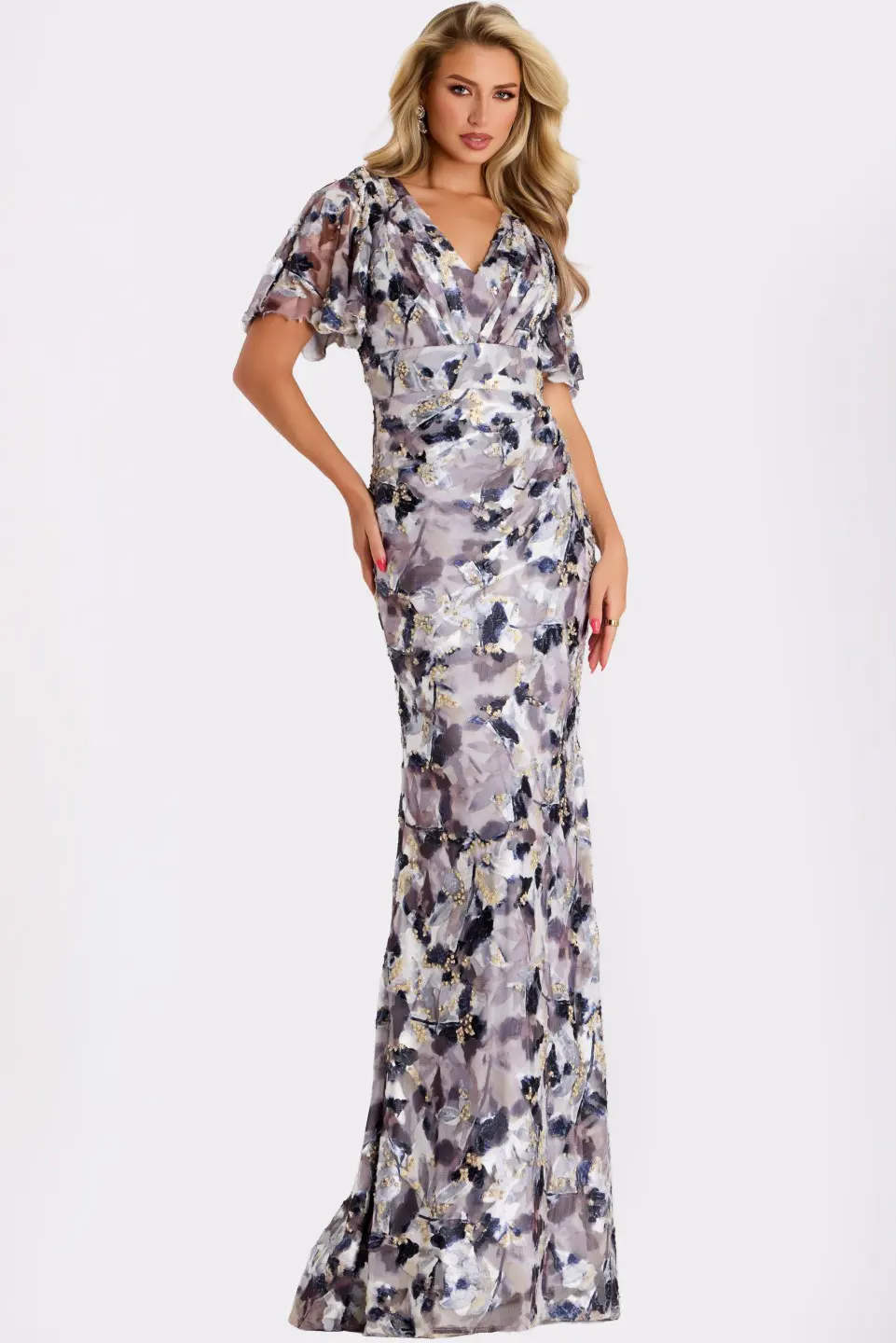
1 Colors
Flutter Sleeve A-Line Gown with V-Neckline 43046
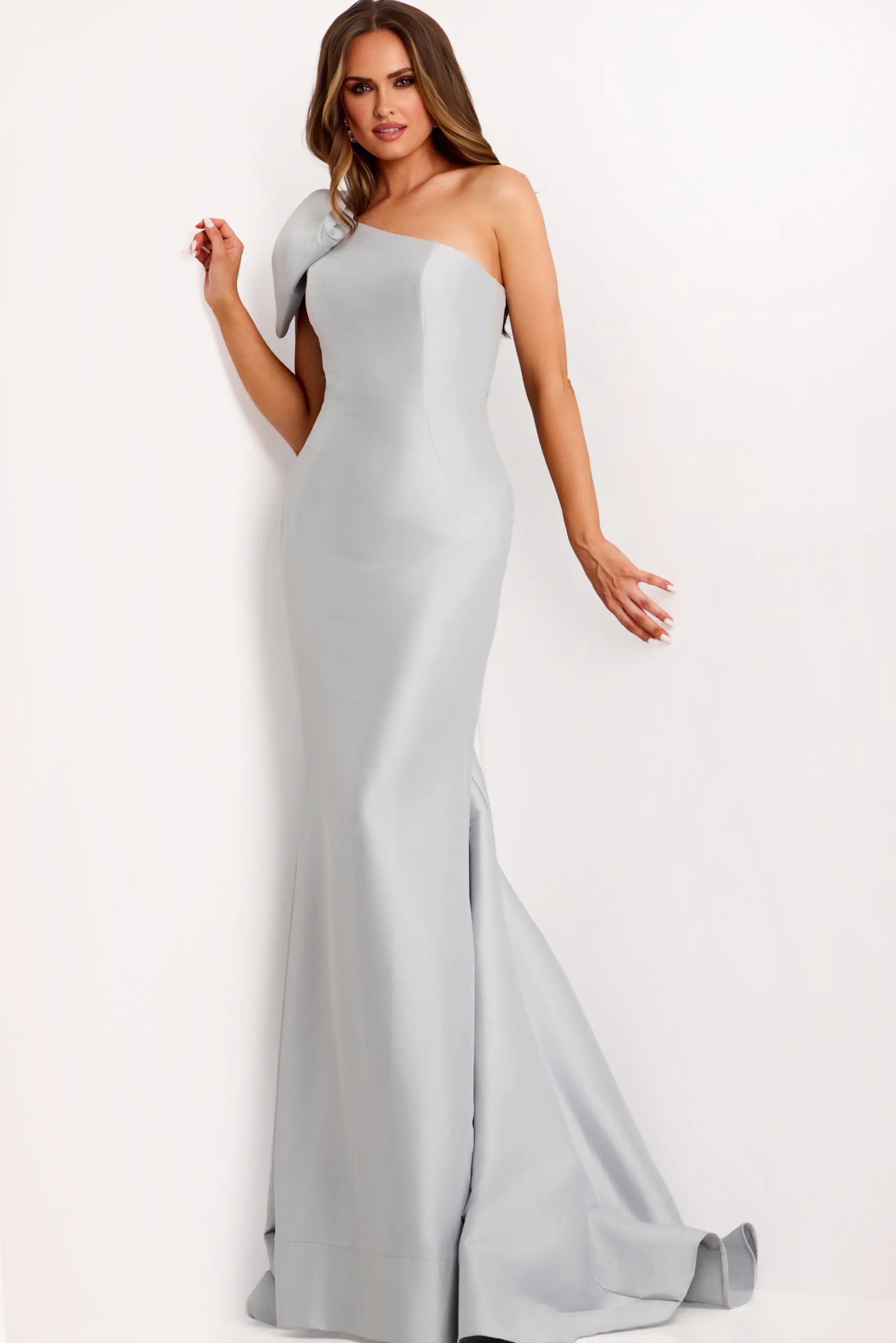
3 Colors
One-Shoulder Mermaid Gown with Oversized Bow 44176
2 Colors
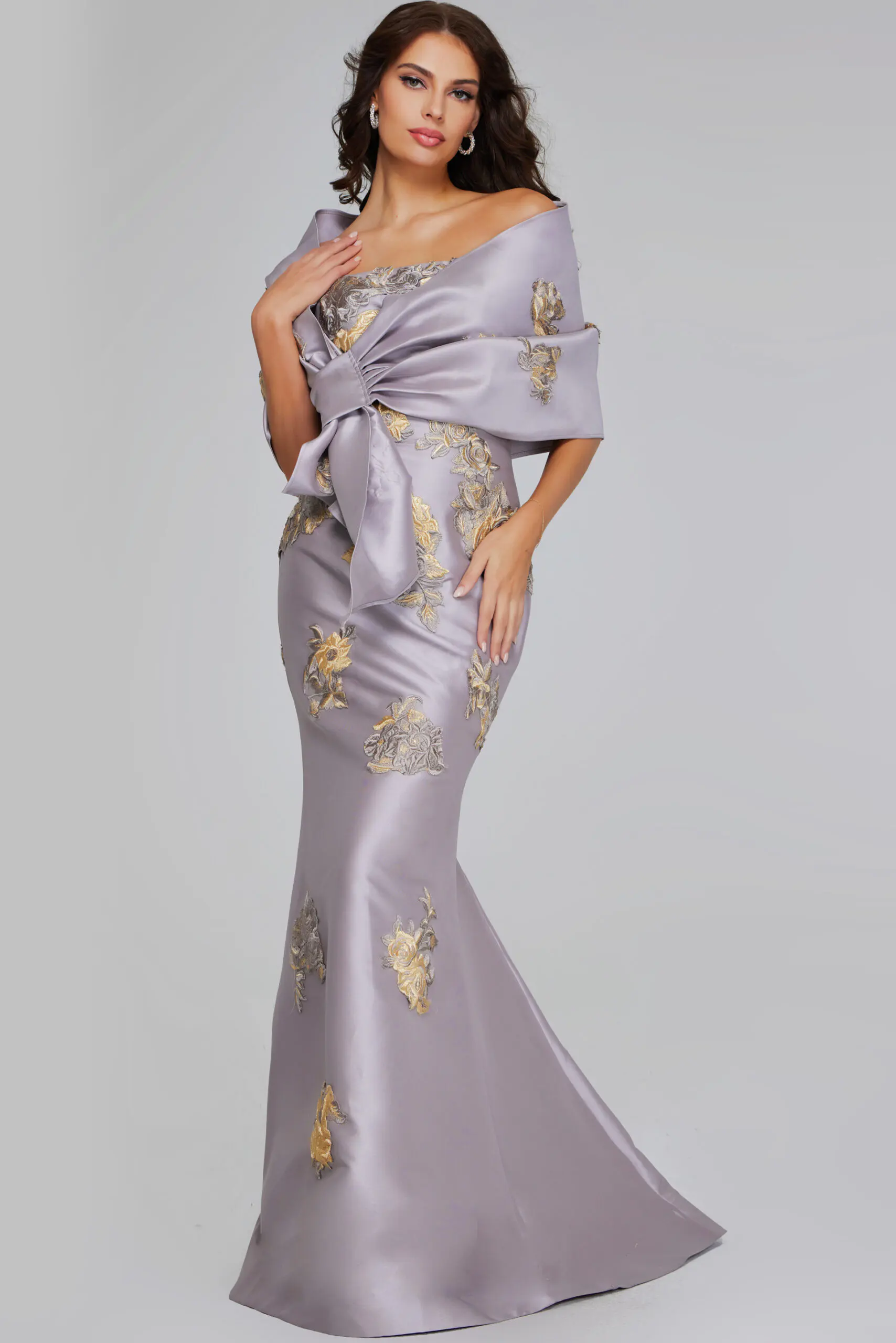
Strapless Blue Gown with Silver Floral Embellishments 39261
4 Colors
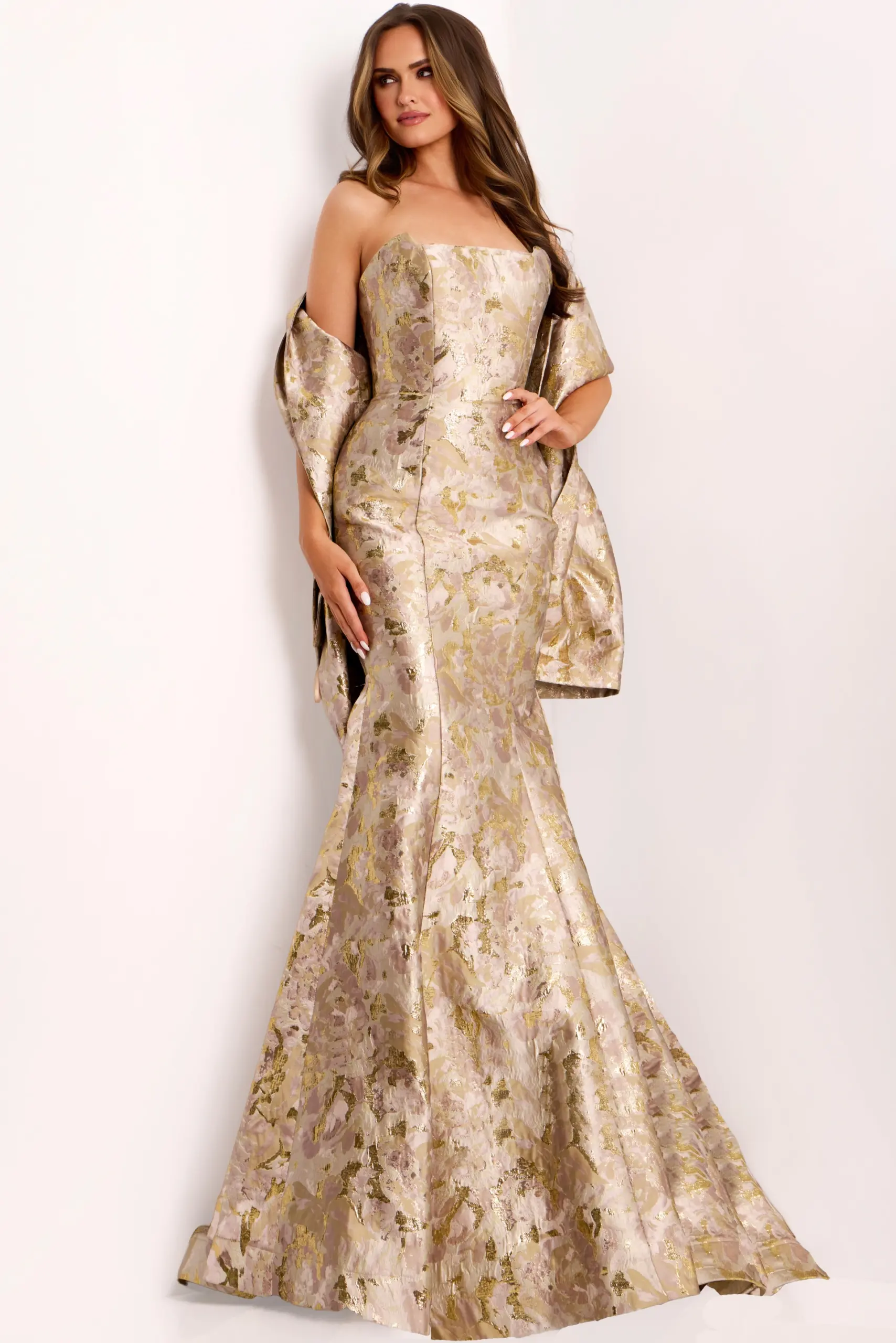
Metallic Floral Strapless Mermaid Gown With Bow Back 41131
Trending Now
Mother of the Bride trends: what boutiques are ordering
Boutiques order months before the season starts. Here is what Jovani retailers are choosing.
The most popular mother of the bride styles
16 Colors
Jovani 00446 Off the Shoulder Ruched Dress
4 Colors
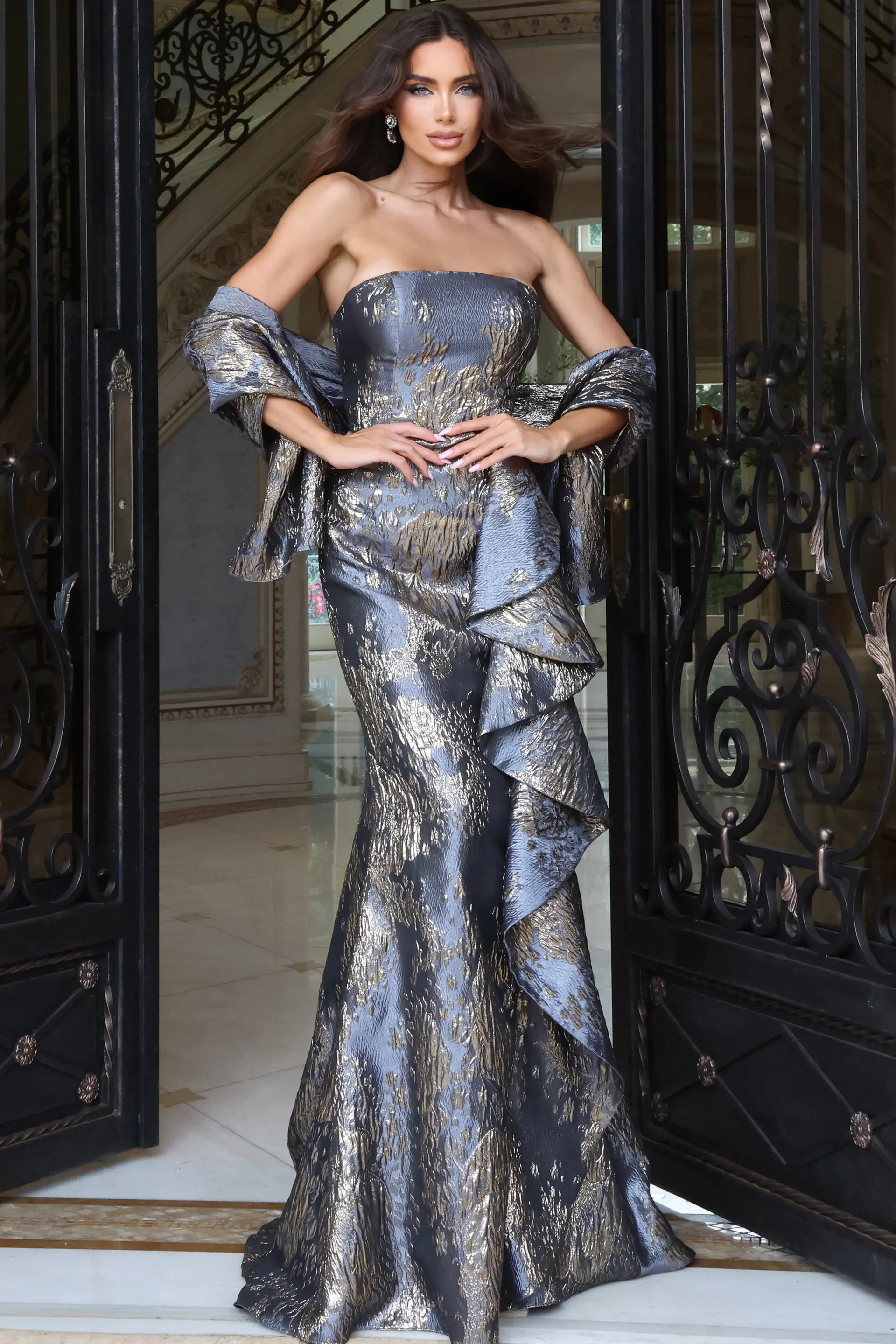
Gunmetal and Gold Strapless Gown with Cascading Ruffle 42028
11 Colors
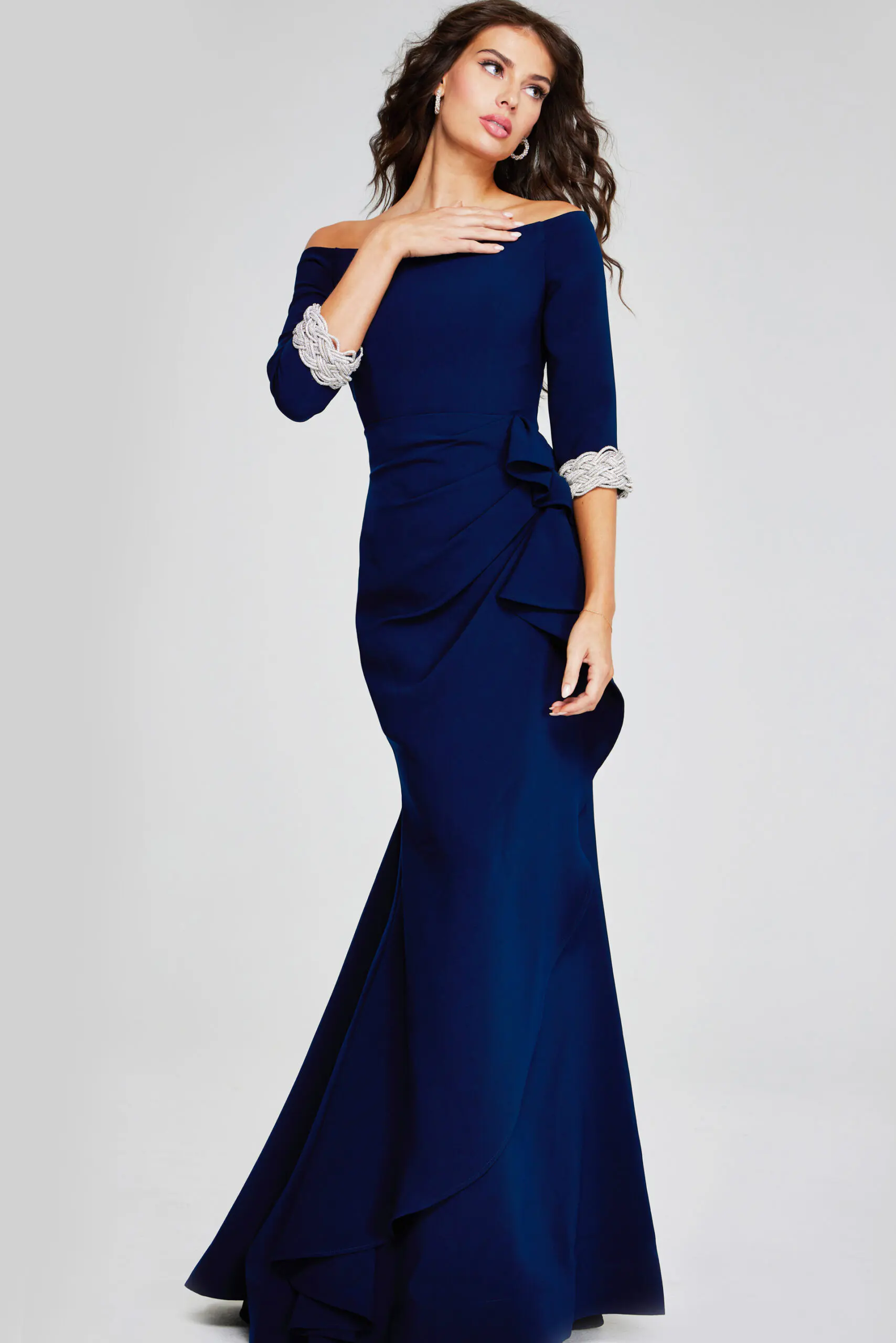
Navy Off-Shoulder Gown with Beaded Cuffs 42409
4 Colors
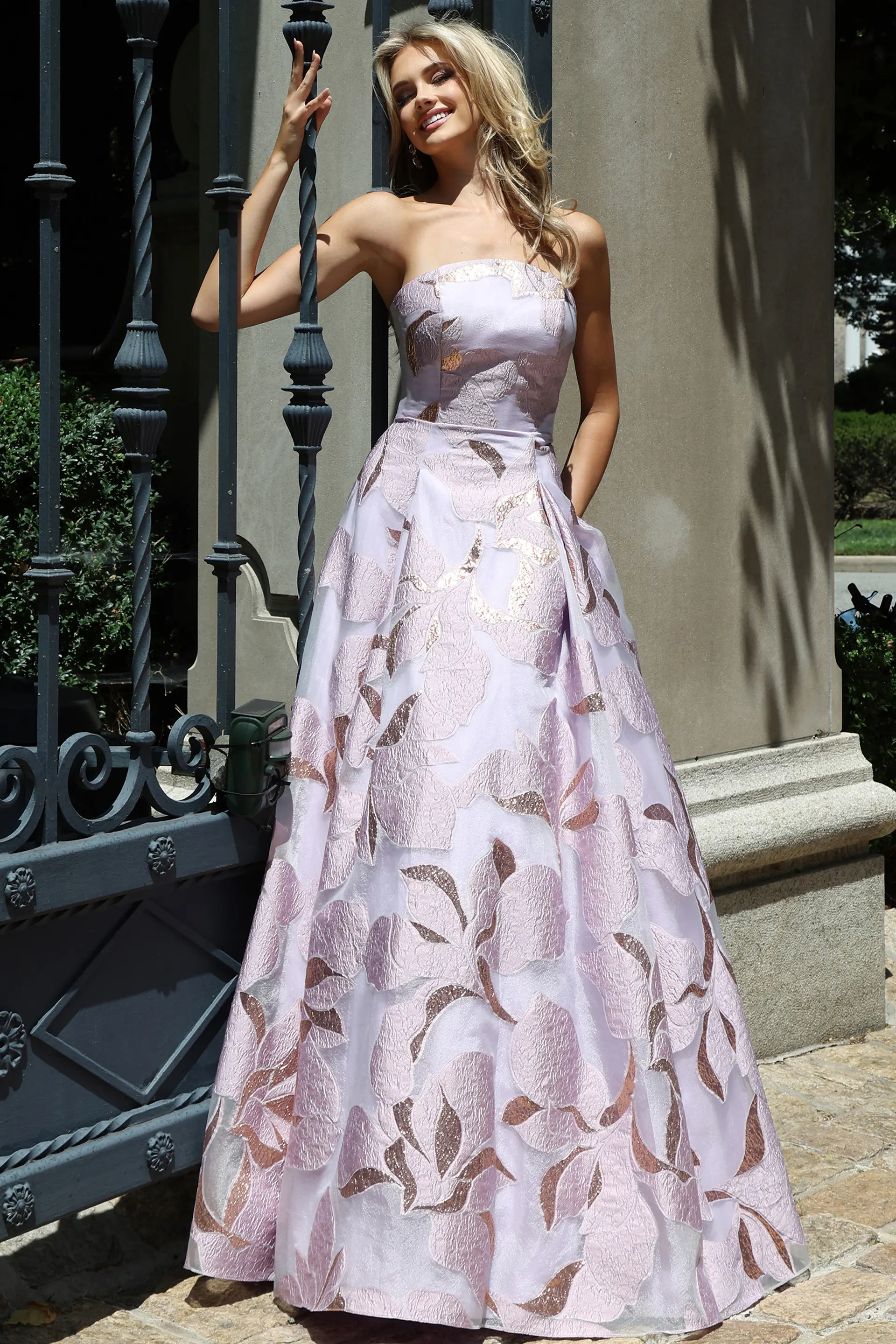
Strapless A-Line Gown with Textured Floral Motif 44369
13 Colors
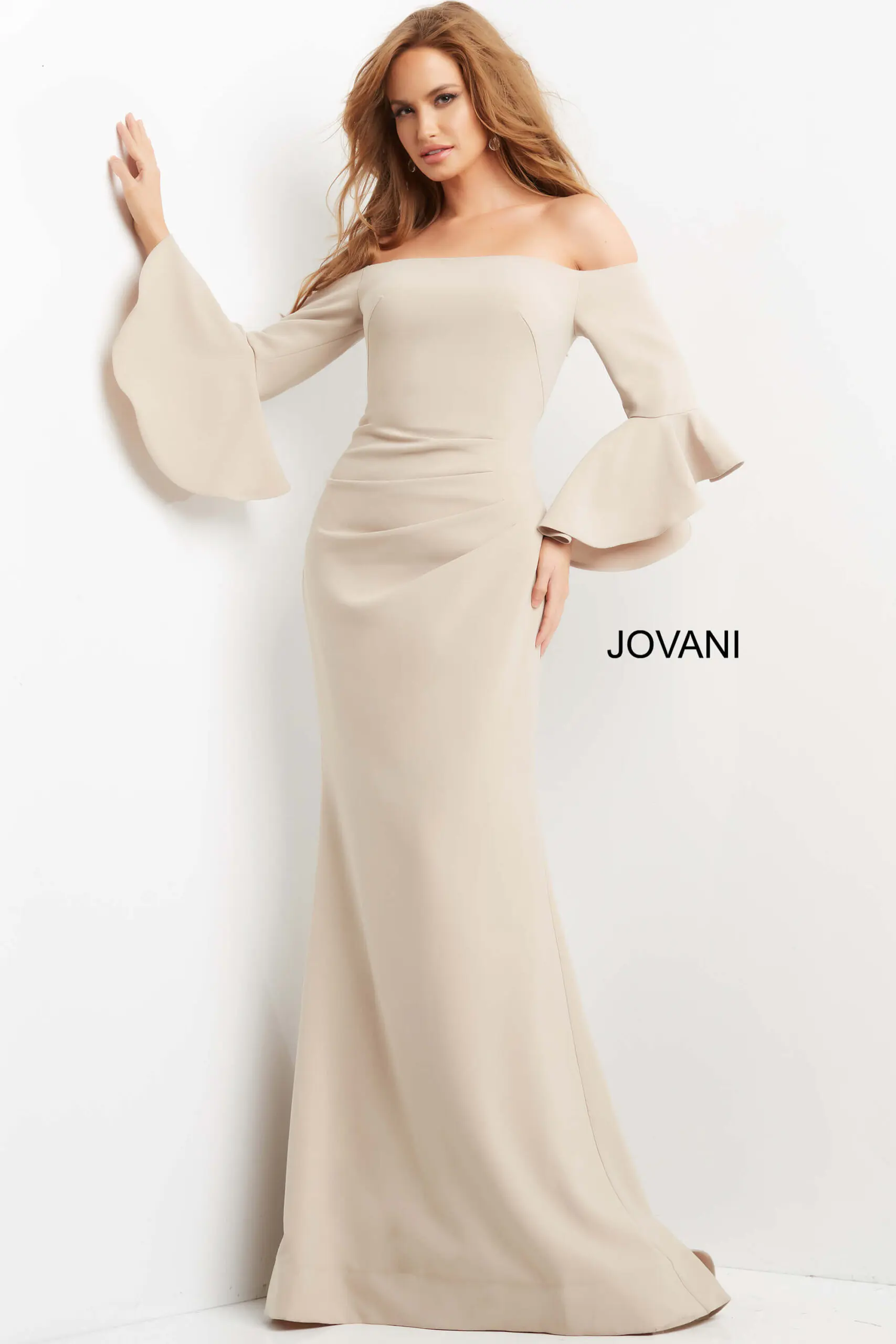
Jovani 07065 Cream Off the Shoulder Bell Sleeve Dress
9 Colors
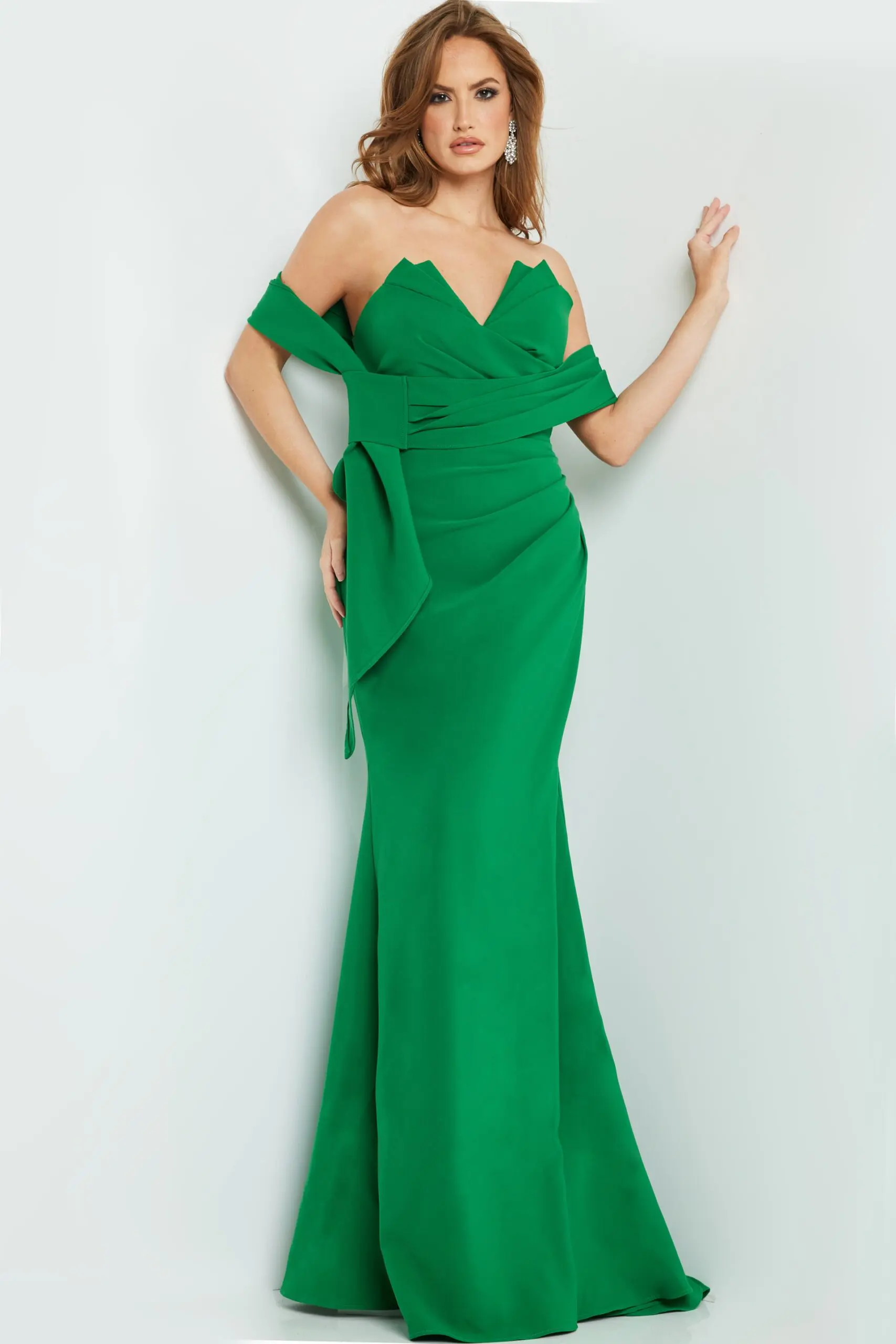
Jovani 06403 Navy Ruched Dress with Wrap
4 Colors
Strapless Ruffled Gown with Asymmetric Flare 42927
3 Colors
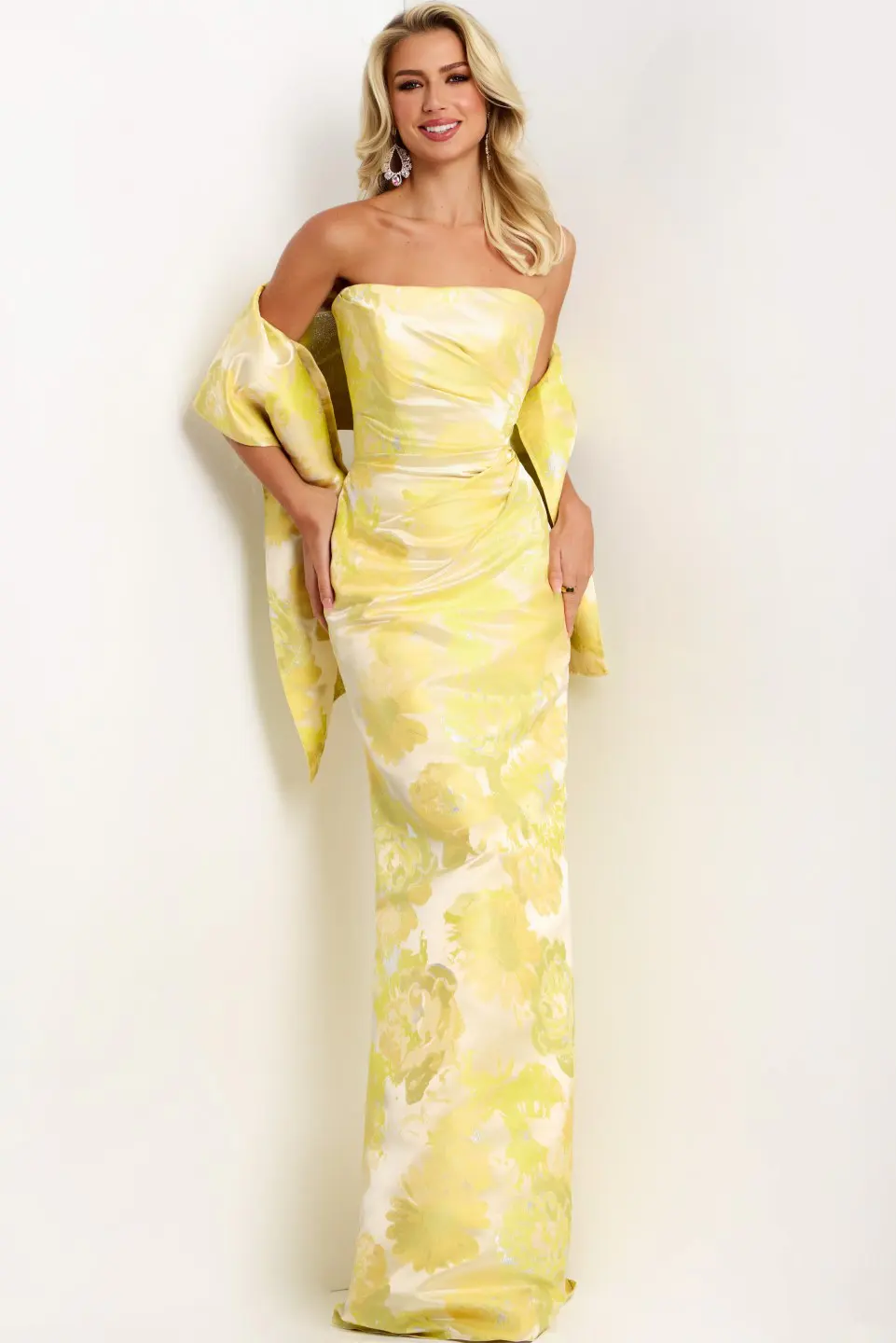
Elegant Strapless Gown with Sheen Floral Overlay 45289
The mother of the bride colors boutiques ordered most
Blue led the orders, with black, green and pink close behind.
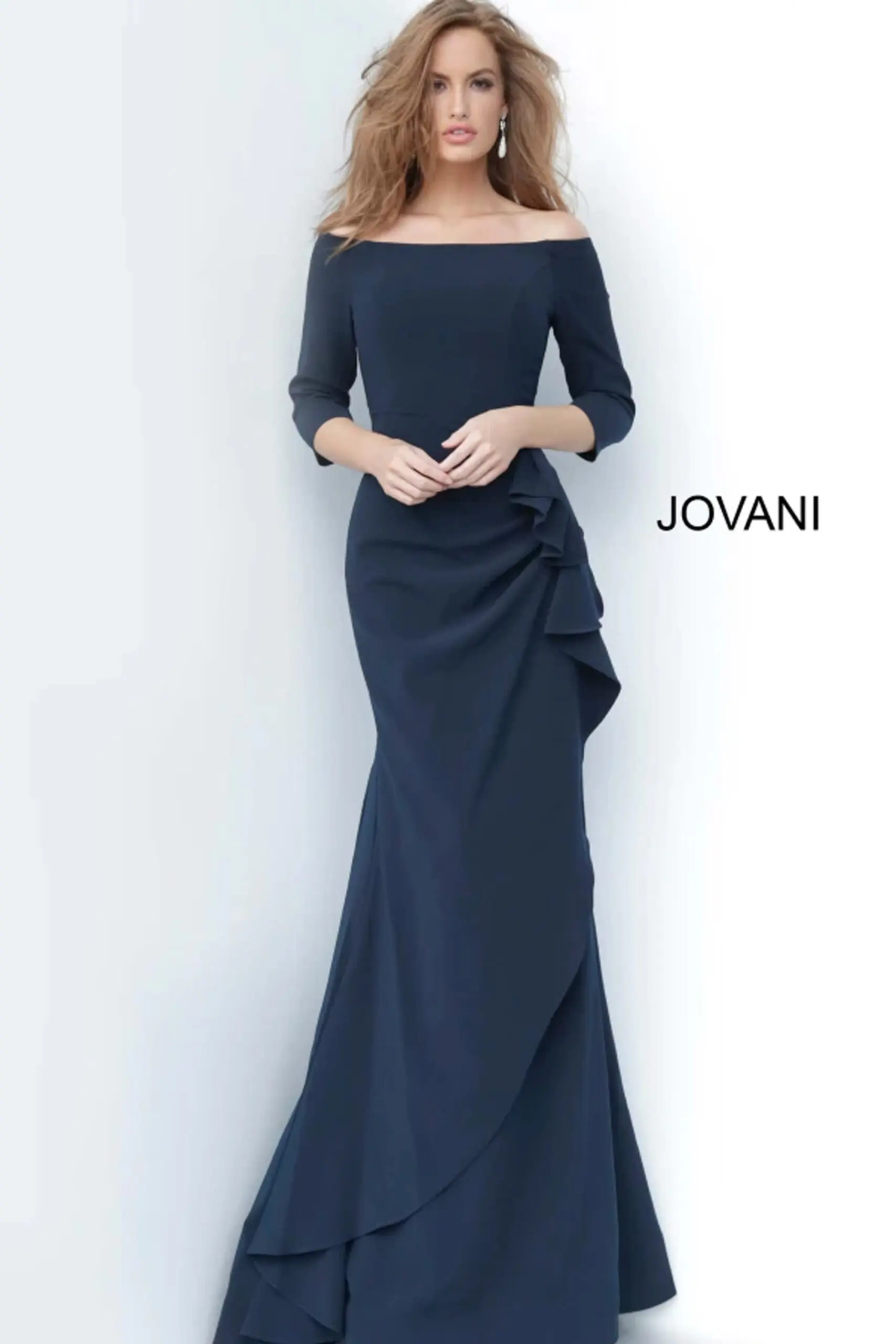 Blue mother of the bride dresses25% of dresses ordered · navy, light blue and blue
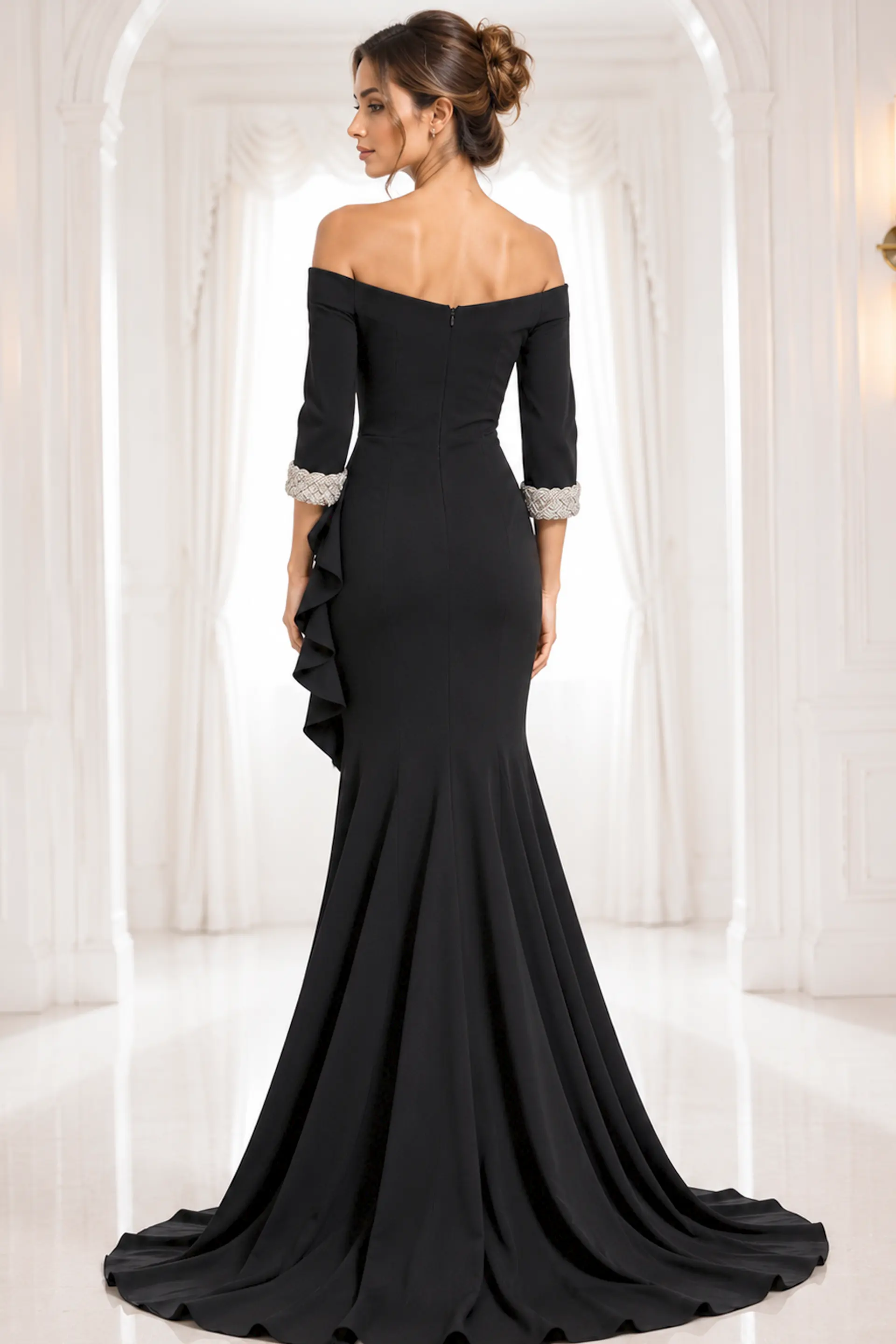 Black mother of the bride dresses18% of dresses ordered · black, black nude and black multi
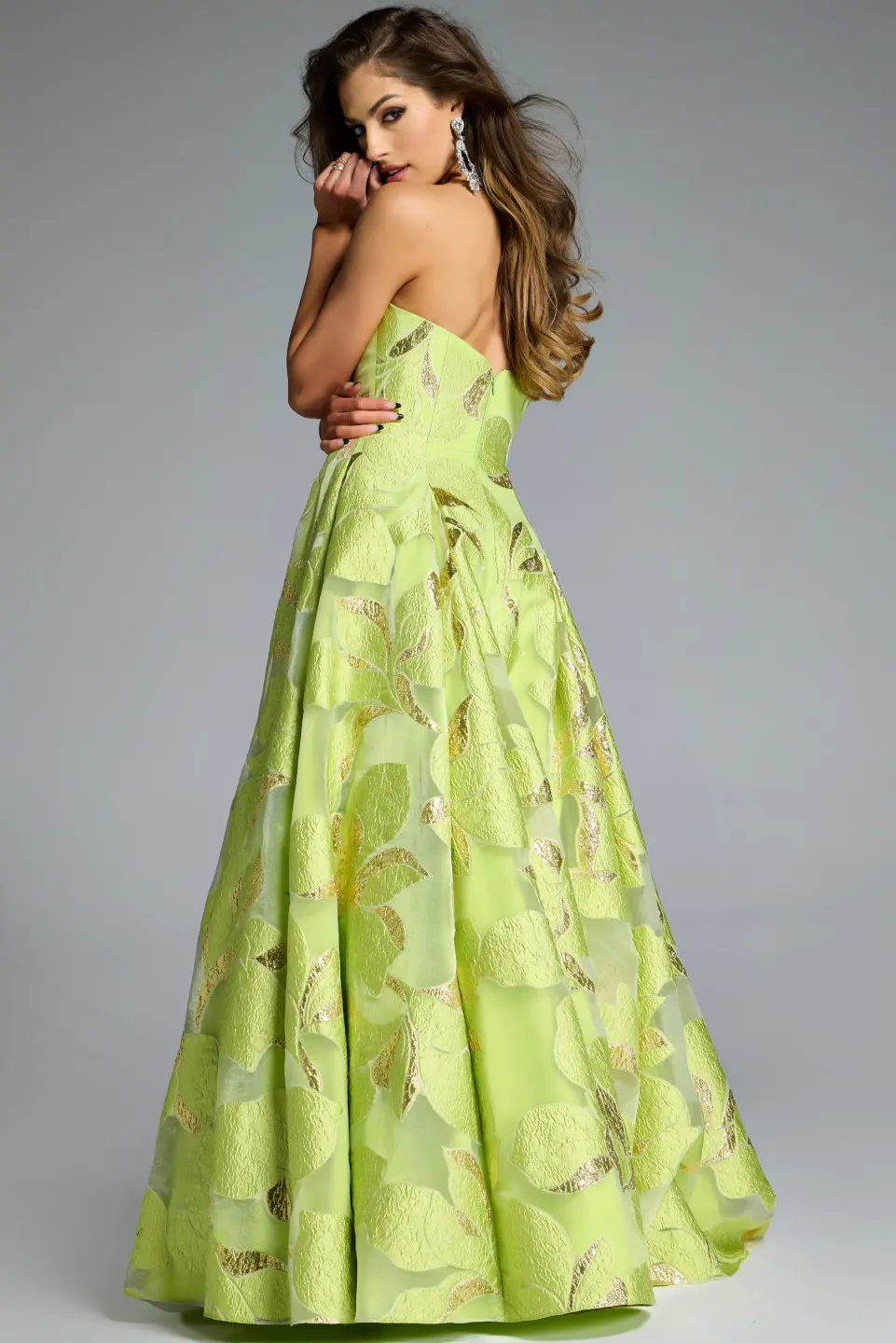 Green mother of the bride dresses10% of dresses ordered · hunter, green and emerald
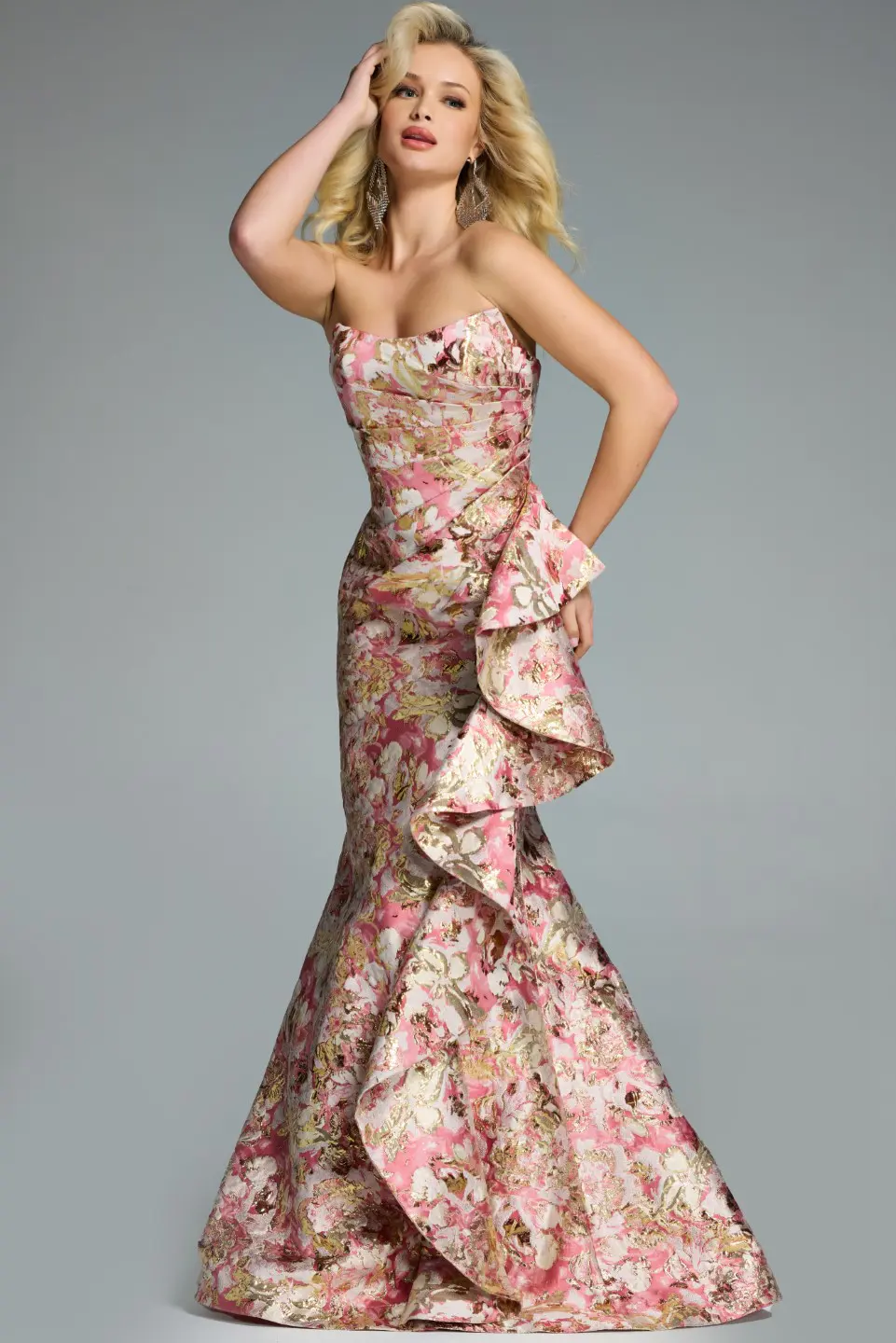 Pink mother of the bride dresses9% of dresses ordered · fuchsia, blush and coral
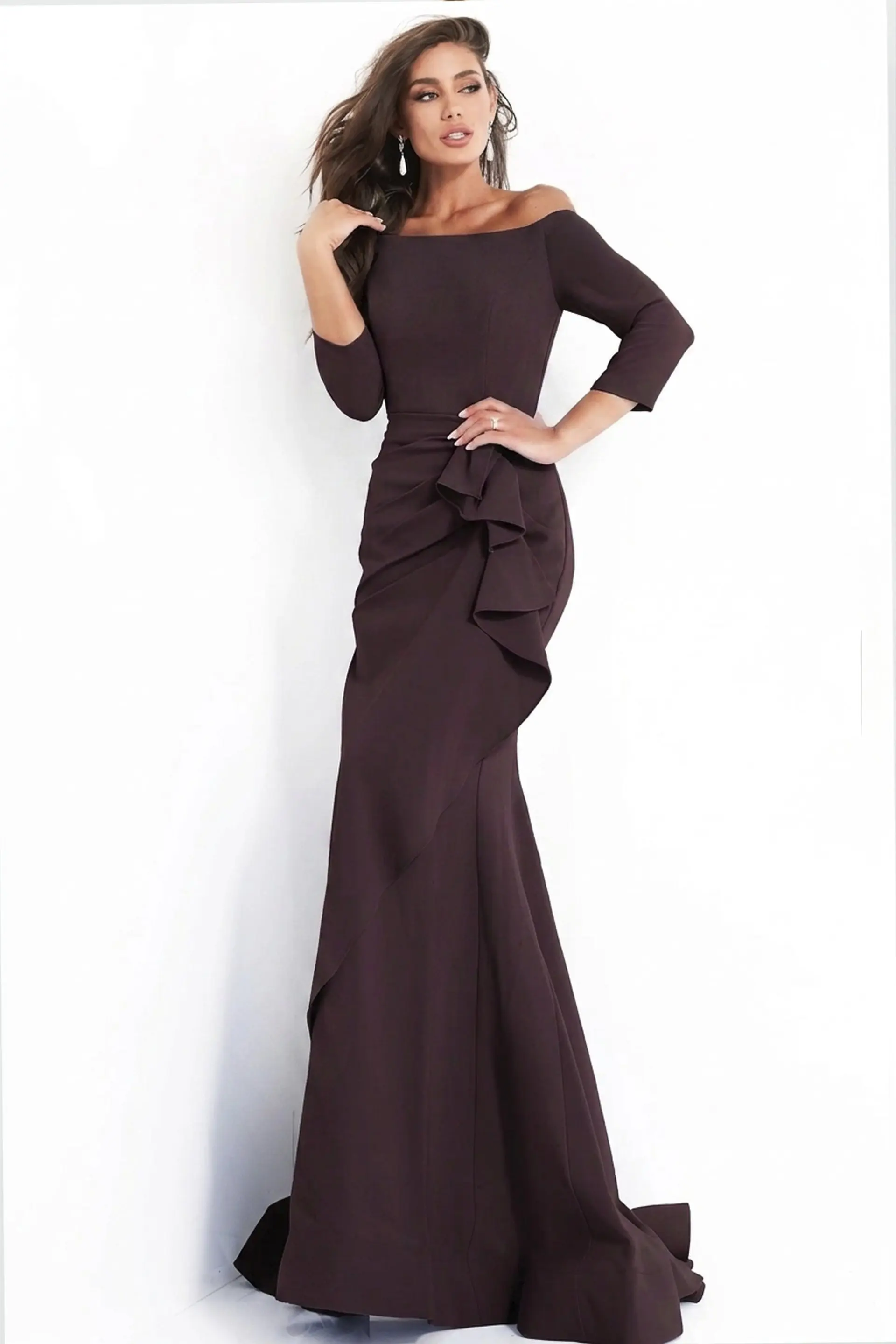 Purple mother of the bride dresses7% of dresses ordered · plum, purple and mauve
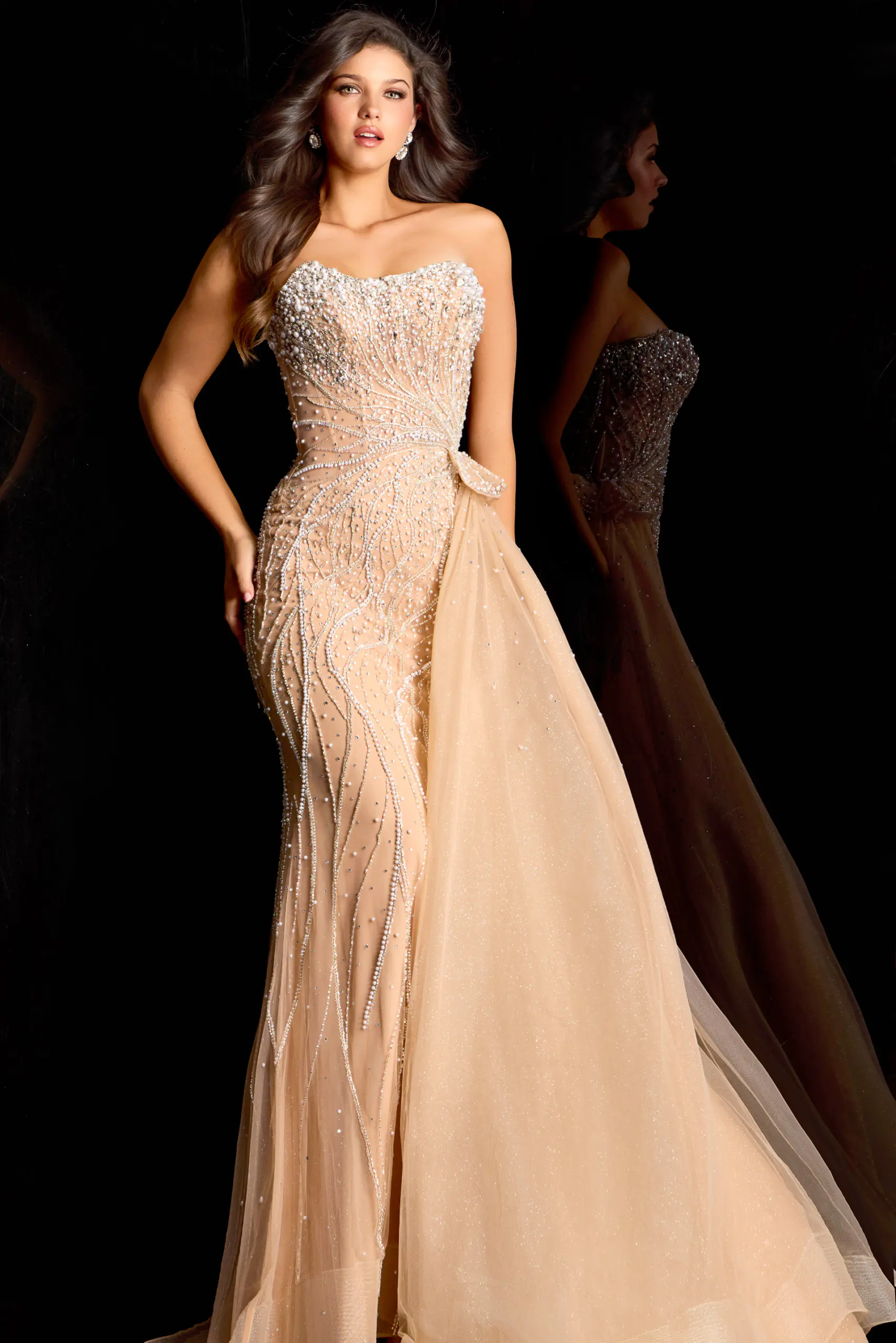 Champagne mother of the bride dresses7% of dresses ordered · champagne, nude and sand
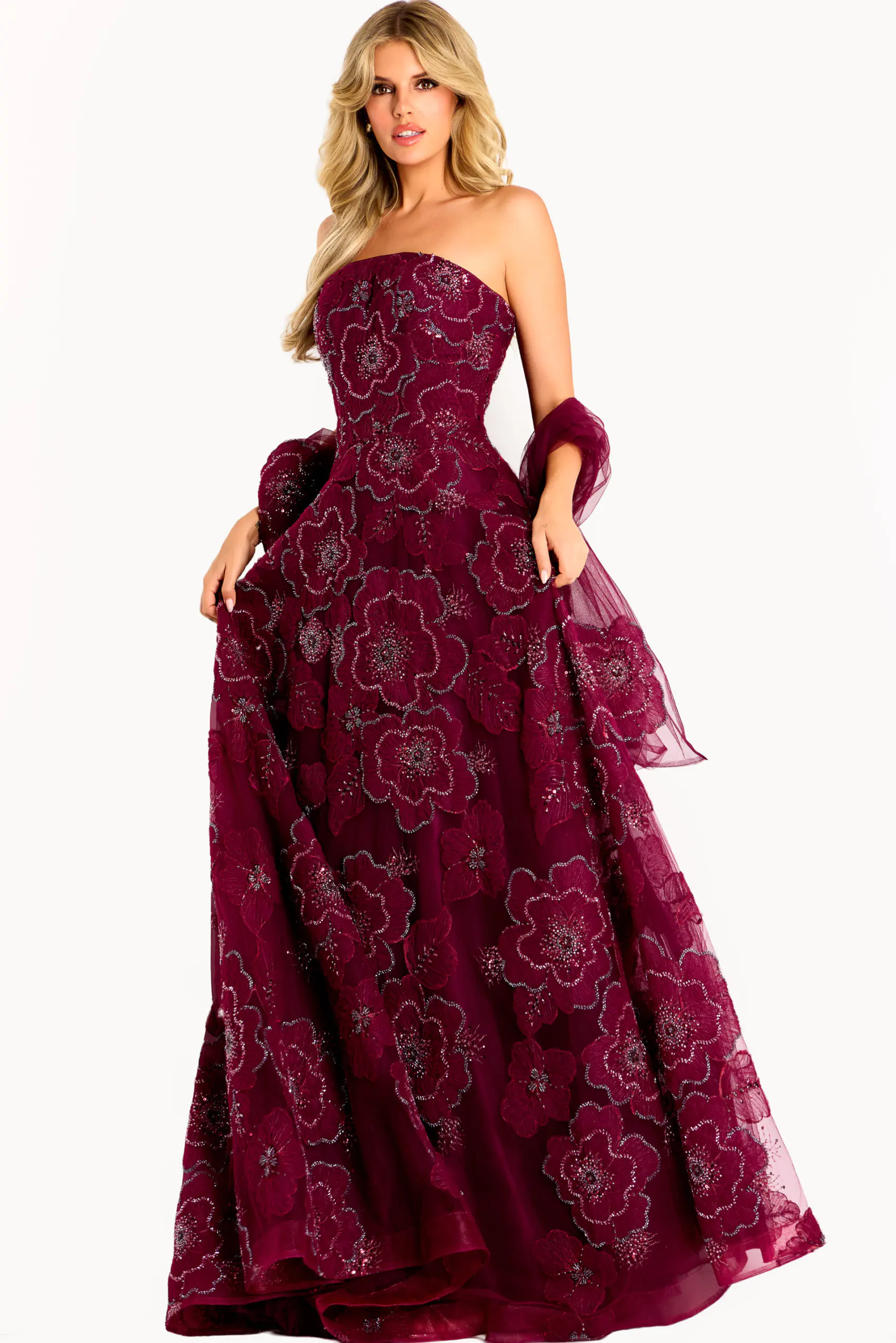 Red mother of the bride dresses6% of dresses ordered · burgundy, cranberry and red
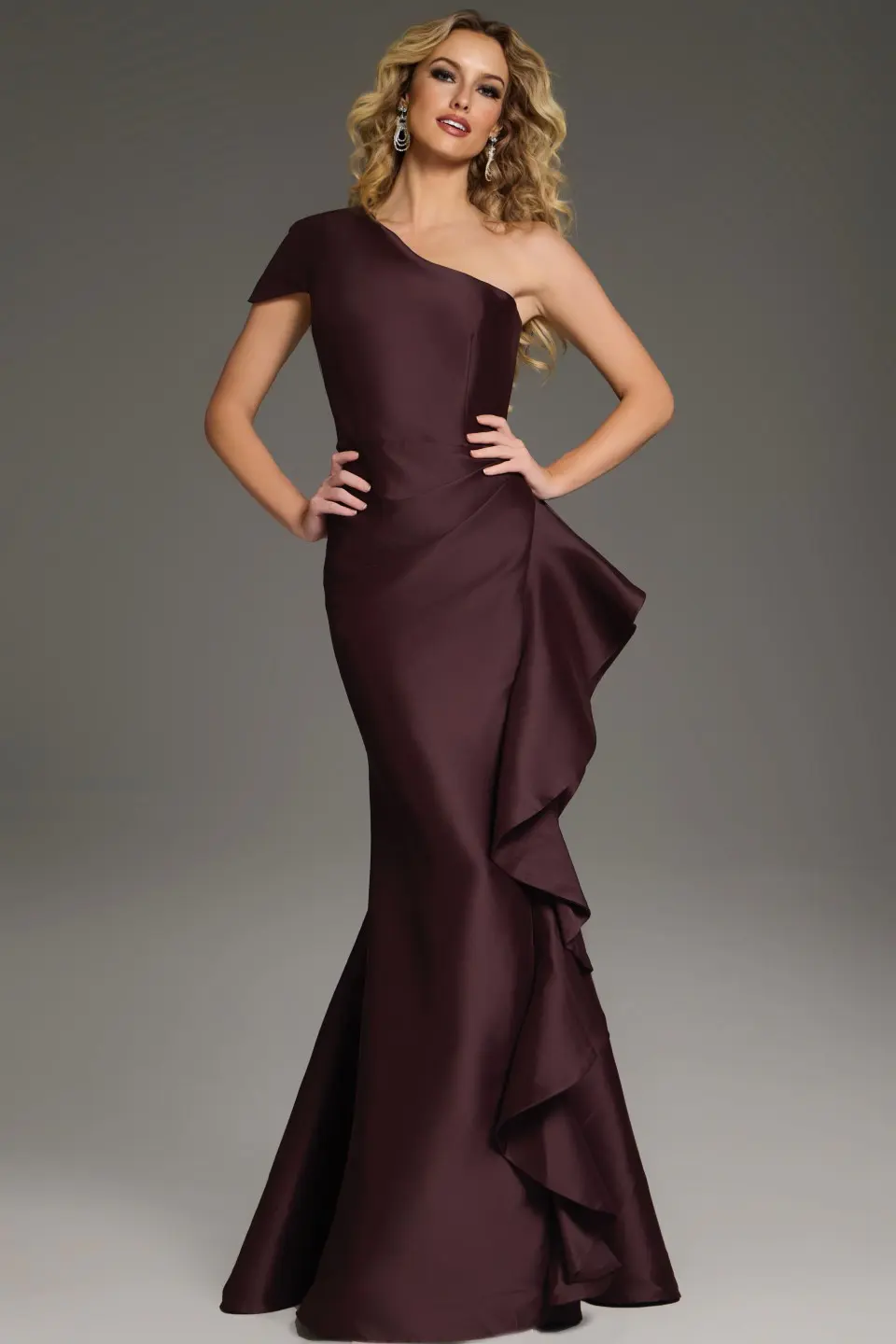 Brown mother of the bride dresses6% of dresses ordered · brown, taupe and taupe gold
 Gray mother of the bride dresses5% of dresses ordered · gunmetal gold, grey multi and dark grey
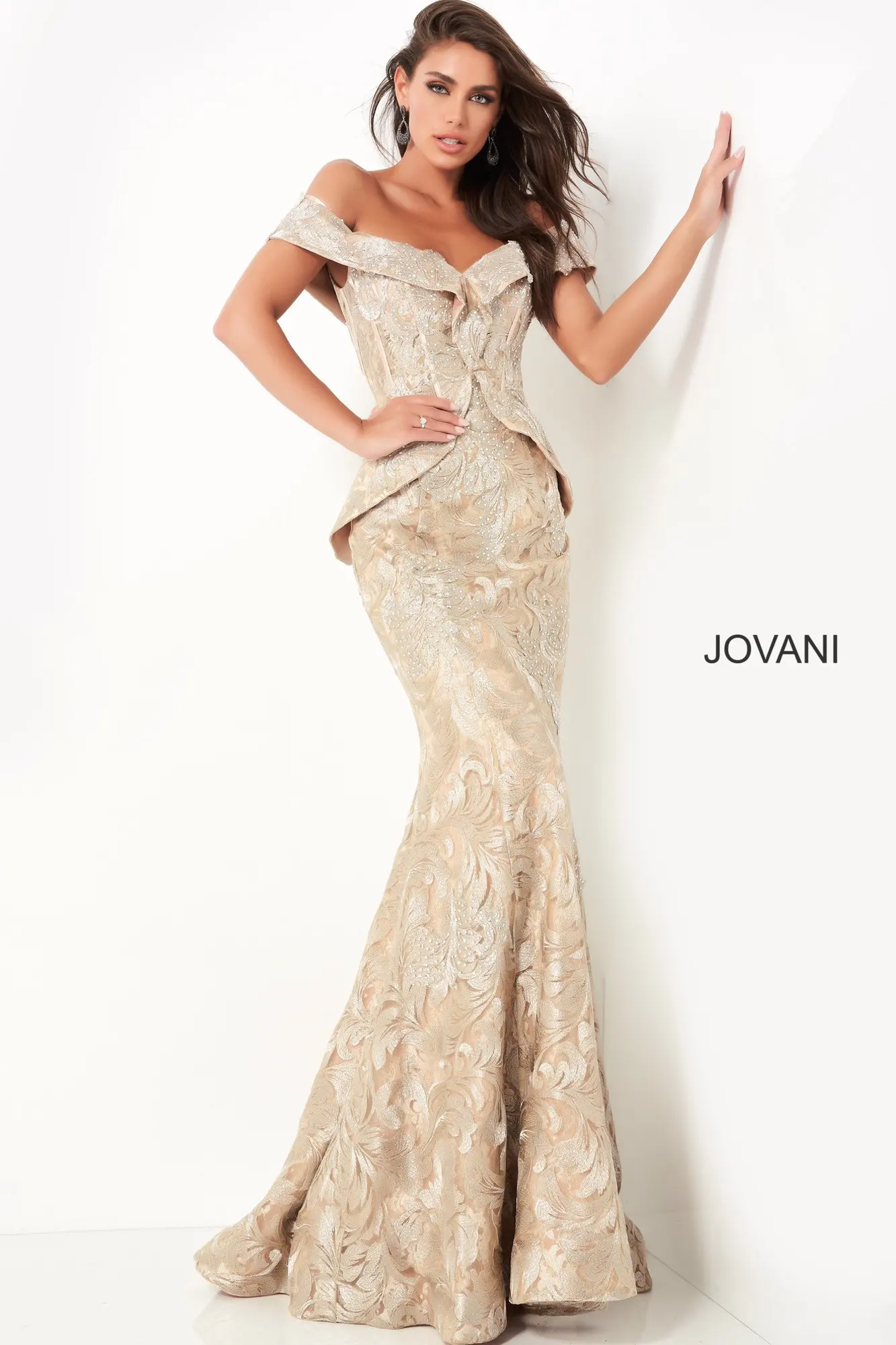 Gold mother of the bride dresses2% of dresses ordered · gold, gold brown and gold black
Based on wholesale orders from Jovani retailers, April 2026 to October 2026.
About This Category
How to compare mother of the bride dresses by silhouette
When comparing mother of the bride dresses, start with the shape rather than the embellishment. A softly fitted A-line defines the waist and falls away from the hips, while a sheath follows a straighter path for a clean, tailored impression. Mermaid silhouettes trace the figure before opening near the knee; a column gown keeps its line narrow and architectural. None is inherently more appropriate than another. What matters is where the seams sit, how the skirt moves, and whether the bodice stays comfortably in place.
For an understated shape with room to move, A-line mother of the bride dresses offer options in chiffon, satin, and more structured fabrics. Look at the neckline and waist placement as carefully as the skirt. The same design principles apply when browsing plus size mother of the bride dresses: proportion, secure support, and a smooth line matter more than size labels.
Fabric, finish, and the details behind a great fit
Satin creates movement through sheen, especially when it is gathered across the waist or cut into a full skirt. Crepe makes a quieter statement, holding clean seams and letting the silhouette speak for itself. Chiffon brings lightness to layered gowns; lace introduces texture along sleeves and necklines. Metallic jacquard and brocade offer an alternative to heavy beading, with pattern woven directly into the fabric.
Construction becomes most noticeable after the first fitting. A lined bodice should sit smoothly without shifting, while a well-placed waist seam can sharpen the entire proportion of a gown. On fitted mother of the bride gowns, check for pulling at the hips and excess fabric around the lower back. If you prefer embellishment, look for embroidery or tonal beadwork that follows the dress's natural lines. Jovani's eveningwear approach puts particular emphasis on fabric, shaping, and the relationship between structure and movement.
Length and sleeves for the wedding setting
The venue can narrow the choices without dictating one particular style. Floor-length gowns bring a formal line to evening receptions, ballroom celebrations, and black-tie ceremonies. Long mother of the bride dresses may be sleek and minimal or softly layered, depending on the fabric. Midi and tea-length designs feel lighter at daytime weddings and can be easier to manage on garden paths or outdoor terraces.
Sleeves change the mood just as much as hemline. Sheer lace offers texture without the weight of a fully lined sleeve; cape sleeves move beautifully when walking. A structured three-quarter sleeve can make a simple crepe dress feel especially polished. For a ceremony that calls for more coverage, modest mother of the bride dresses bring higher necklines and considered sleeve options. Any additional jacket or wrap should work with the silhouette rather than hide its defining details.
Choosing a color that works with the wedding palette
The best mother of the bride dresses feel connected to the wedding palette without looking identical to the bridal party. Navy, slate, and soft powder blue complement many floral combinations, while blue mother of the bride dresses range from muted daytime shades to deep evening tones. Sage, plum, mauve, and emerald bring their own character; champagne or silver can be lovely when the fabric has a restrained finish.
Consider the venue's light before deciding. Satin reflects more light than matte crepe, and pale colors may photograph differently outdoors than under warm reception lighting. Black can feel entirely appropriate at a formal evening wedding when it suits the couple's wishes. Very pale ivory is worth checking against the bride's chosen color. Coordination should look thoughtful, never overworked.
Modern details without overwhelming the silhouette
Contemporary mother of the bride gowns leave room for personality. An asymmetric neckline brings a sharp line to a simple dress; sculpted off-the-shoulder folds soften a structured bodice. Cape details create movement, while dimensional florals and tonal embroidery lend depth to otherwise clean shapes. These elements are strongest when one detail leads and the rest of the design stays restrained.
A satin gown with an architectural neckline may need no more than earrings. A plain crepe column, by contrast, can carry a more expressive cuff or necklace. For a mother of the bride gown with intricate beading, let the finish determine the accessories rather than adding more shine by default. Think of the finished look as a balance of texture, line, and light, not a checklist of embellishments.
Finding the right fit for a full wedding day
When narrowing down mother of the bride dresses, pay attention to what happens beyond the fitting-room mirror. Sit down, walk a few steps, and lift your arms. A structured bodice should remain secure without restricting your breathing; a flowing skirt should not catch around the legs. Use the measurements for the particular design instead of relying on the size you usually wear, especially when comparing different fabrics or silhouettes.
Try the dress with the shoes and undergarments planned for the ceremony. Heel height changes the hem, and the wrong foundation layer can interrupt the fall of satin or crepe. Allow time for alterations at the shoulders, waist, and length. A well-fitted mother of the bride dress should feel just as considered at dinner as it does in photographs: comfortable, balanced, and unmistakably your style.