
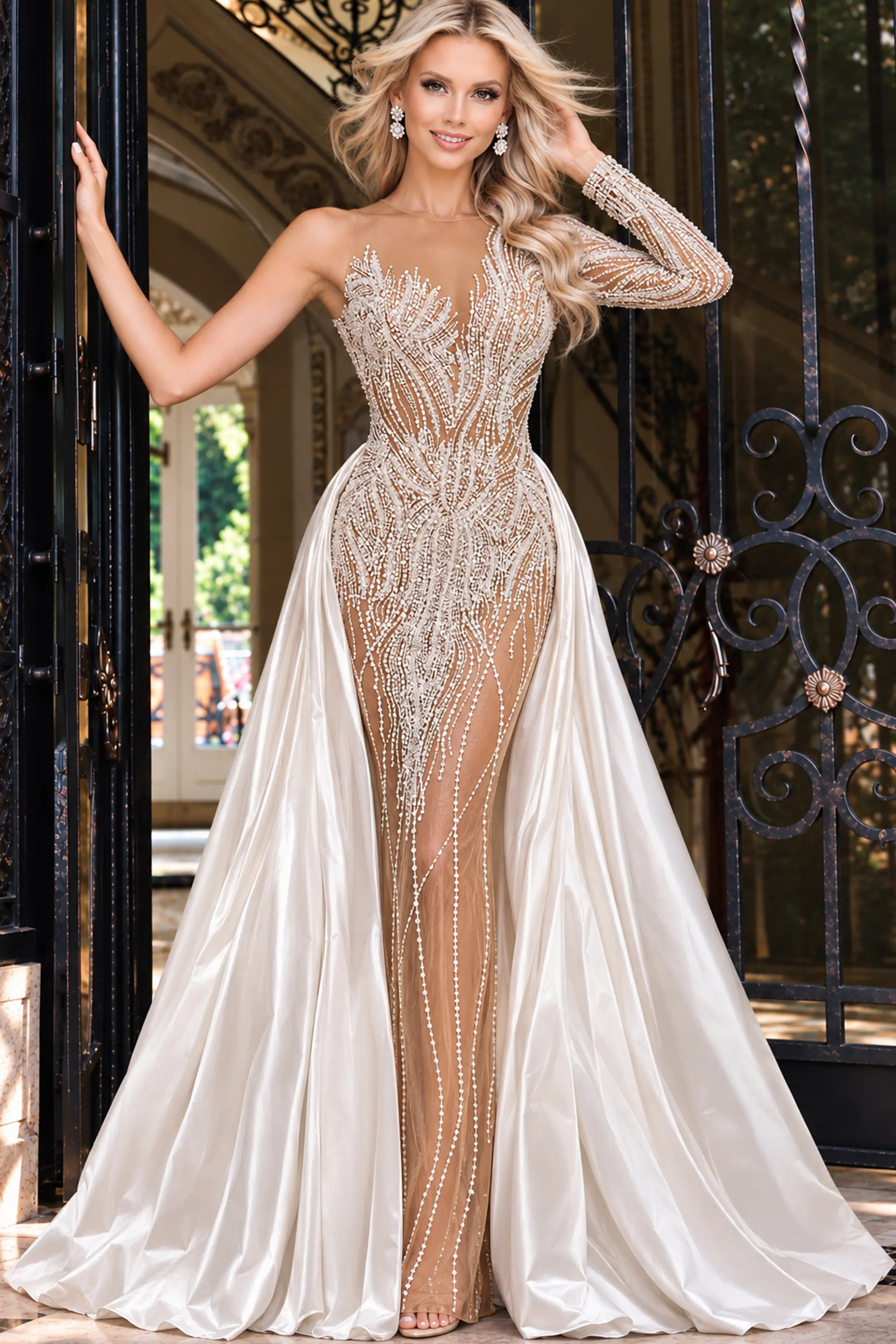
1 Color: WHITE
Wedding Dresses
Jovani wedding dresses span lace A-lines, sculpted mermaid silhouettes and full ball gowns, with design details that change the mood of each style. A fitted crepe gown with an oversized back bow offers a clean outline, while embroidered tulle and layered skirts create a softer effect. The collection includes strapless, sweetheart and asymmetric necklines, along with satin peplums and dramatic overskirts. Compare bridal gowns by silhouette, fabric, coverage and train, then save the style numbers that catch your eye. An authorized retailer can help you confirm the details and arrange to try available samples.
Products
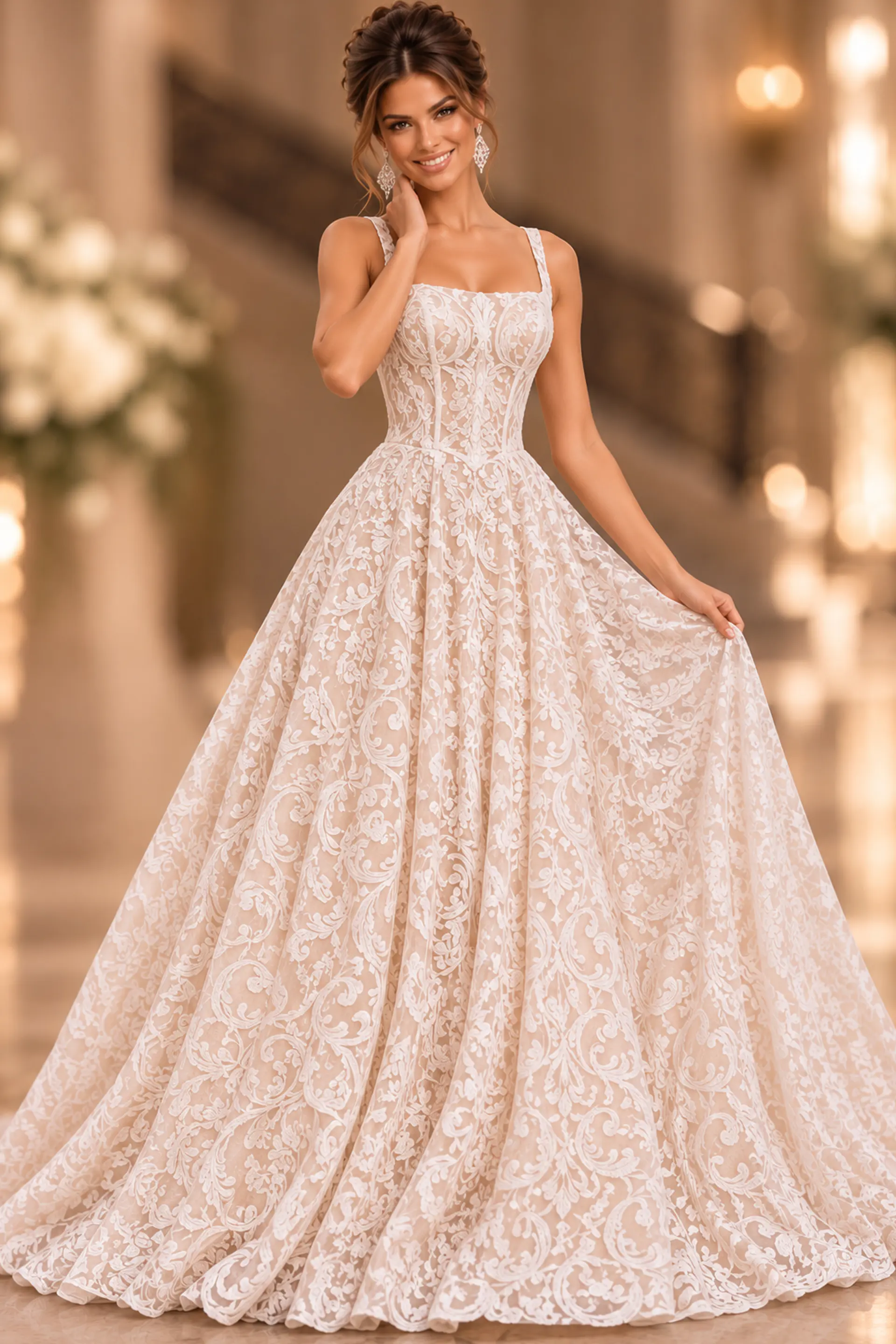
1 Color: WHITE/NUDE
Square Neck Lace A-Line Wedding Dress 48456
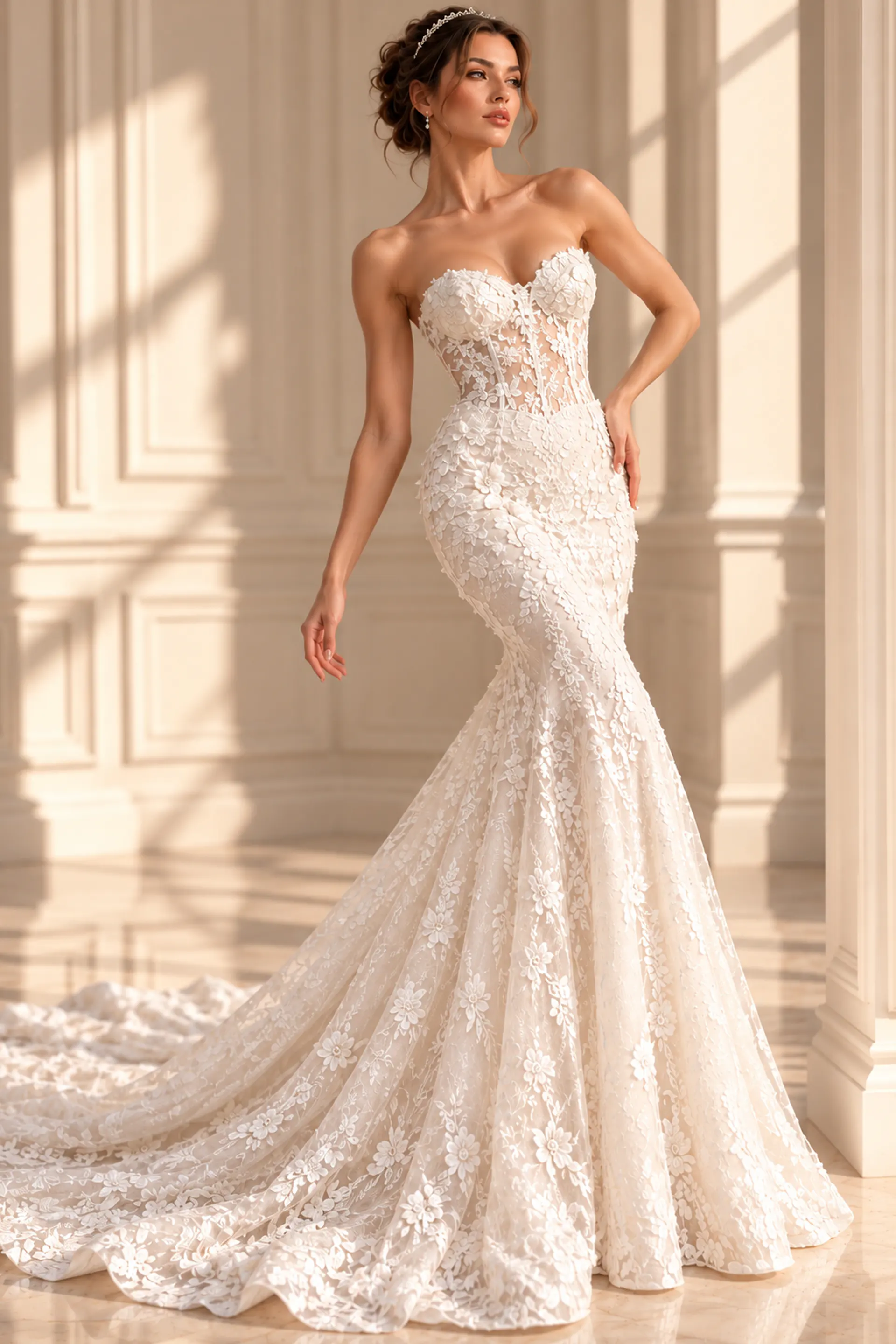
1 Color: IVORY
Strapless Lace Mermaid Wedding Dress JB05360
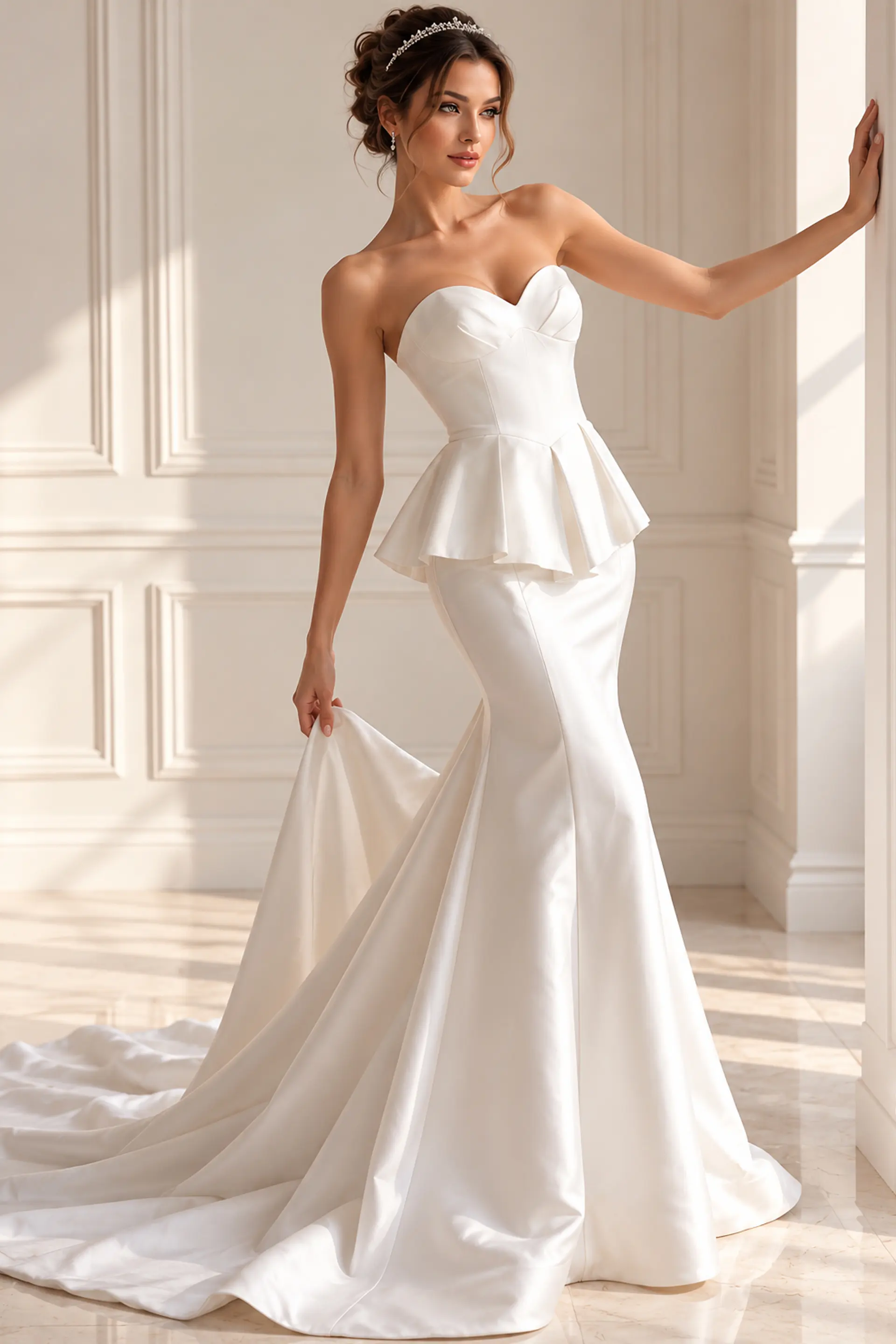
1 Color: IVORY
Strapless Sweetheart Peplum Mermaid Wedding Dress 52323
1 Color: IVORY
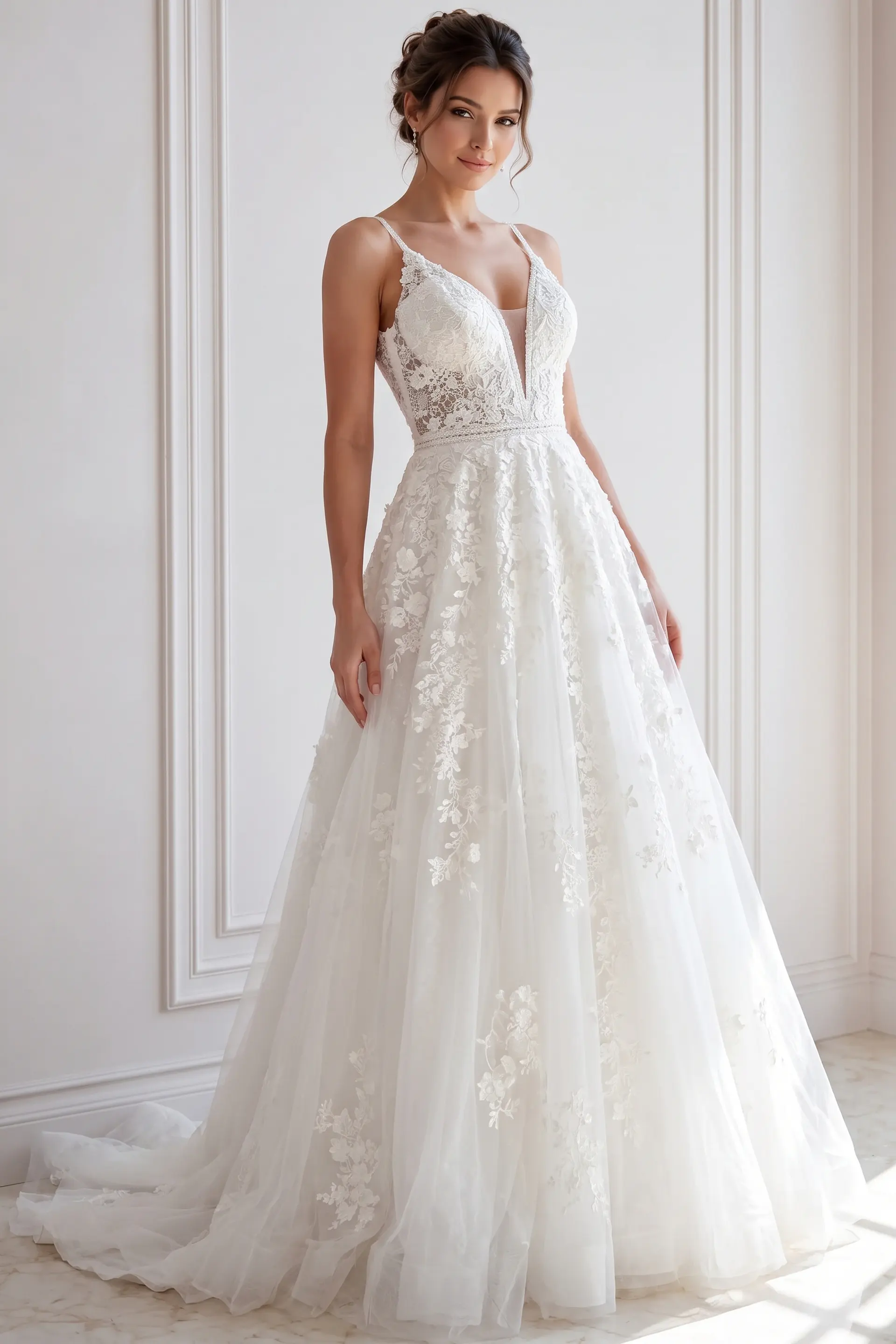
Plunging V Neck Lace Appliqué A-Line Wedding Dress JB07160
1 Color: IVORY/NUDE
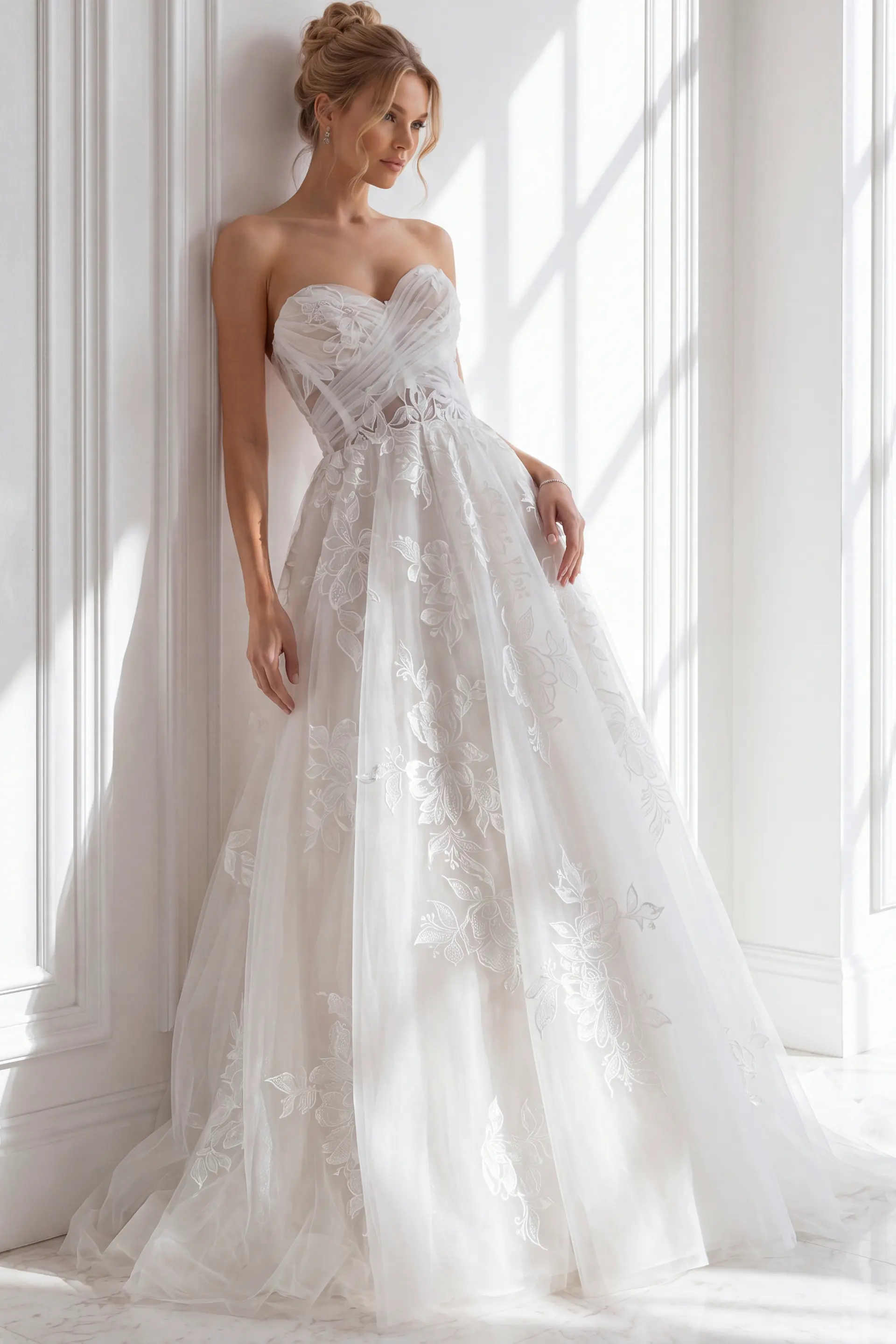
Strapless Lace Ball Gown with Embroidered Tulle Skirt JB43191
1 Color: OFF-WHITE
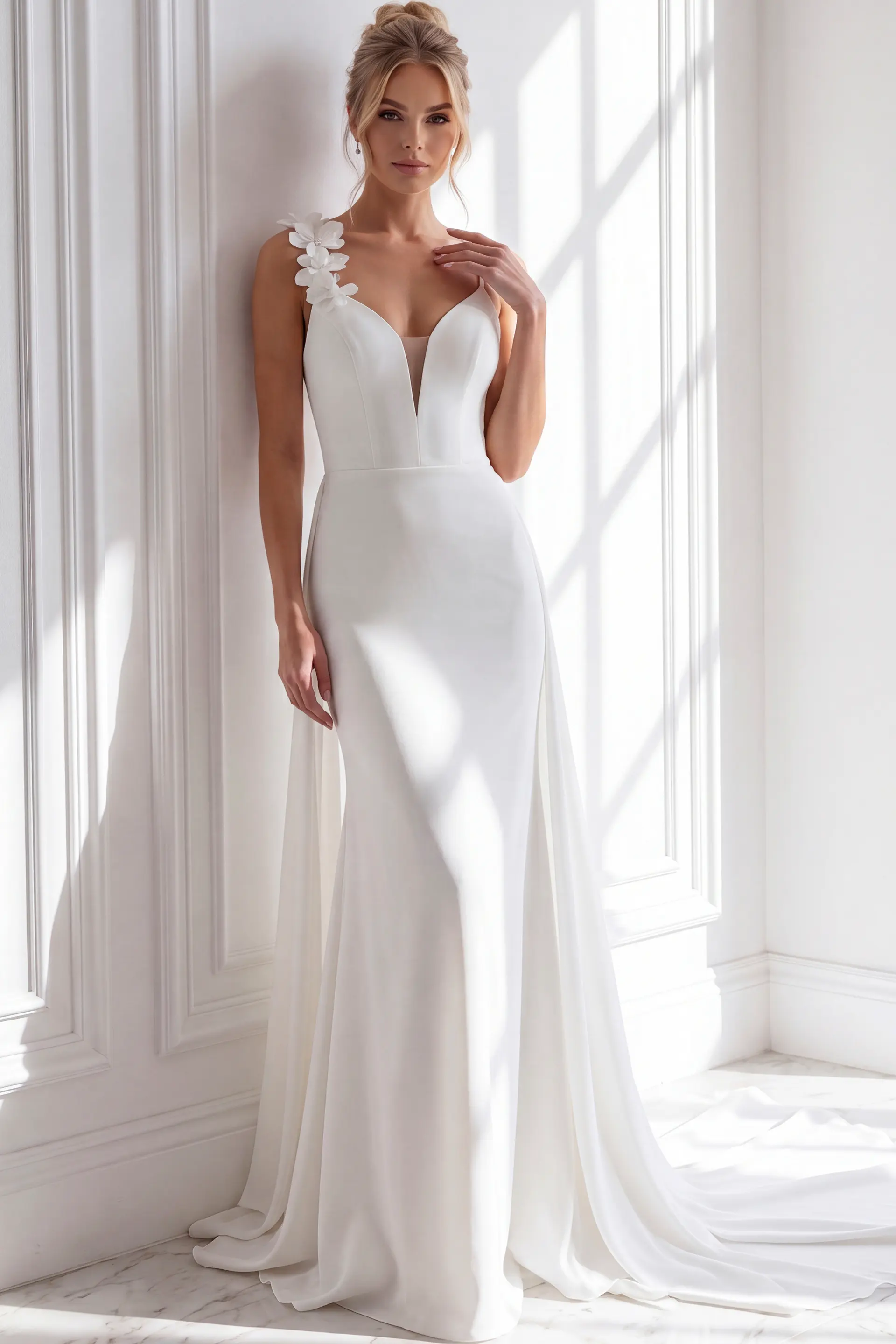
Spaghetti Strap Fitted Gown with Floral Shoulder Detail JB49631
1 Color: OFF-WHITE
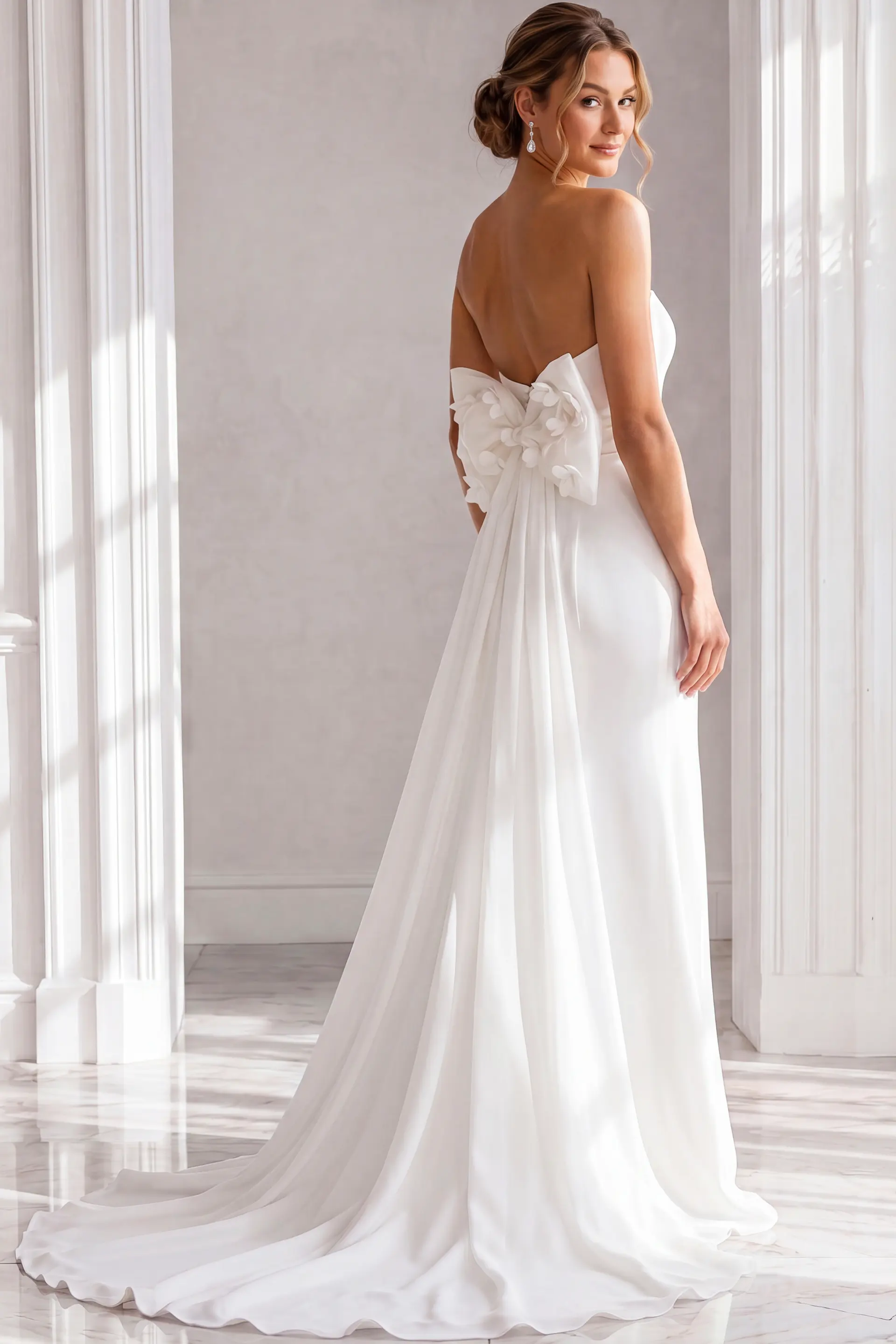
Strapless Fitted Gown with Oversized Bow Back Detail JB45113
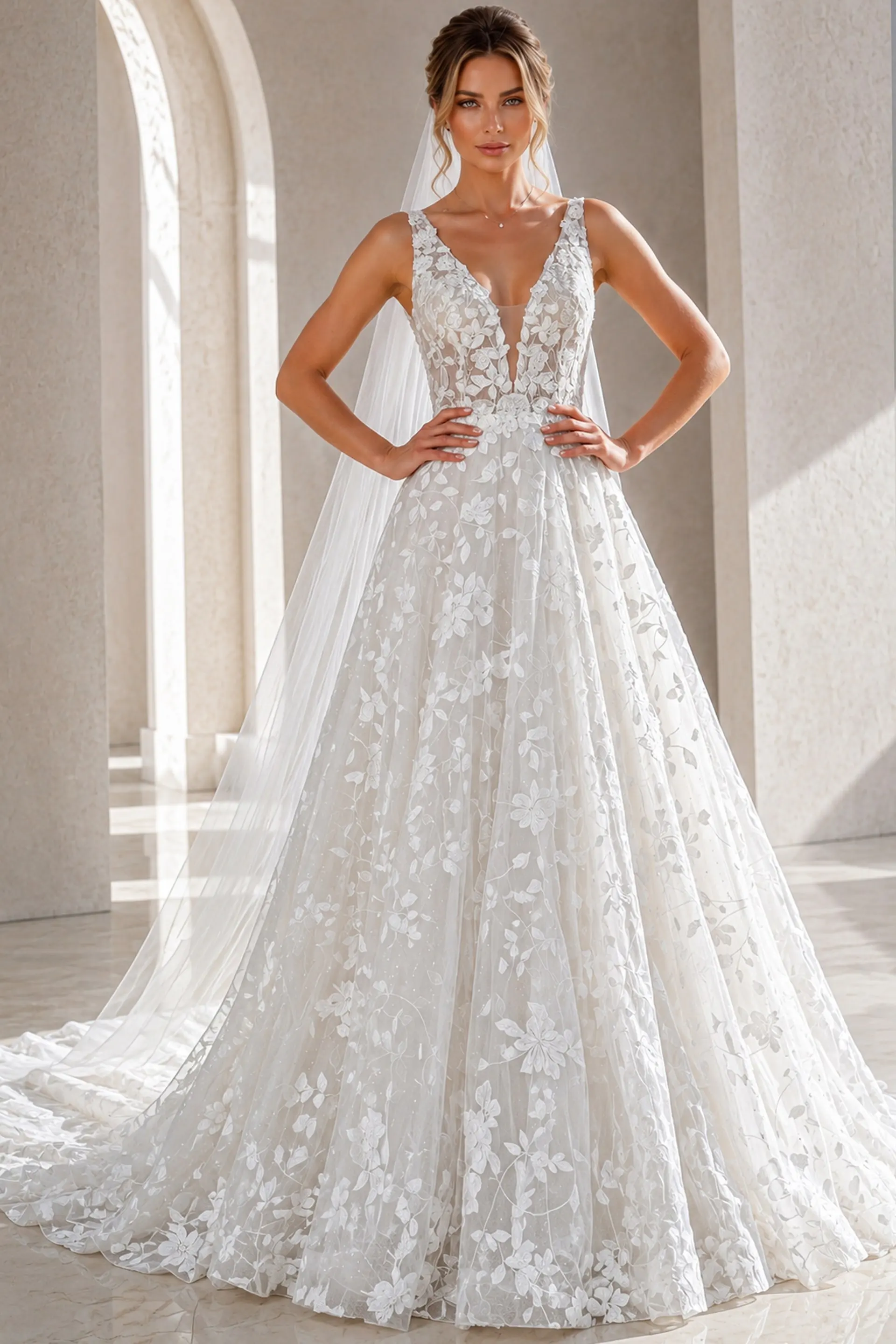
1 Color: IVORY/NUDE
Floral Lace A Line Gown with Deep V Neckline JB49748
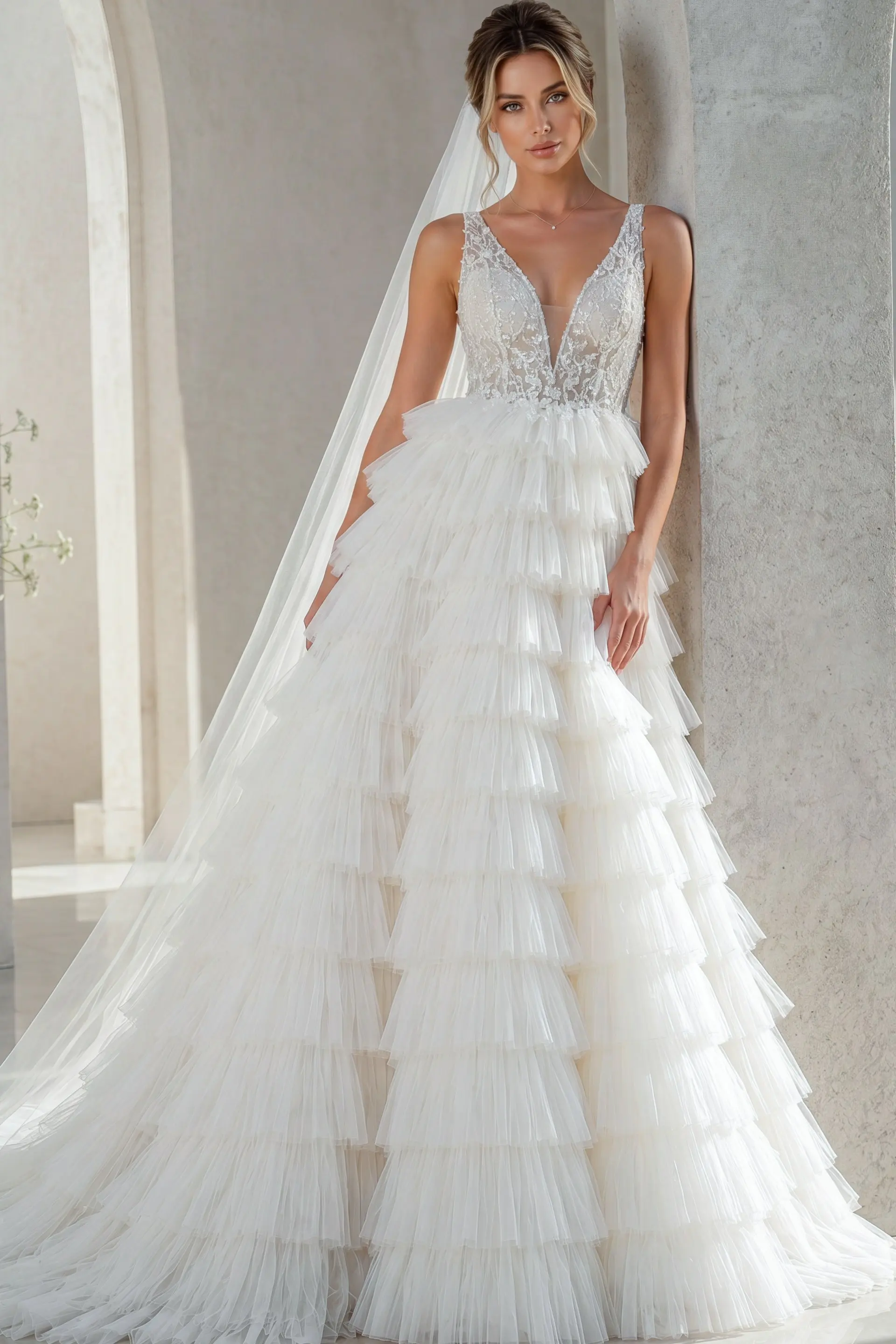
1 Color: IVORY/SAND
Lace Bodice Ball Gown with Layered Tulle Skirt JB43318
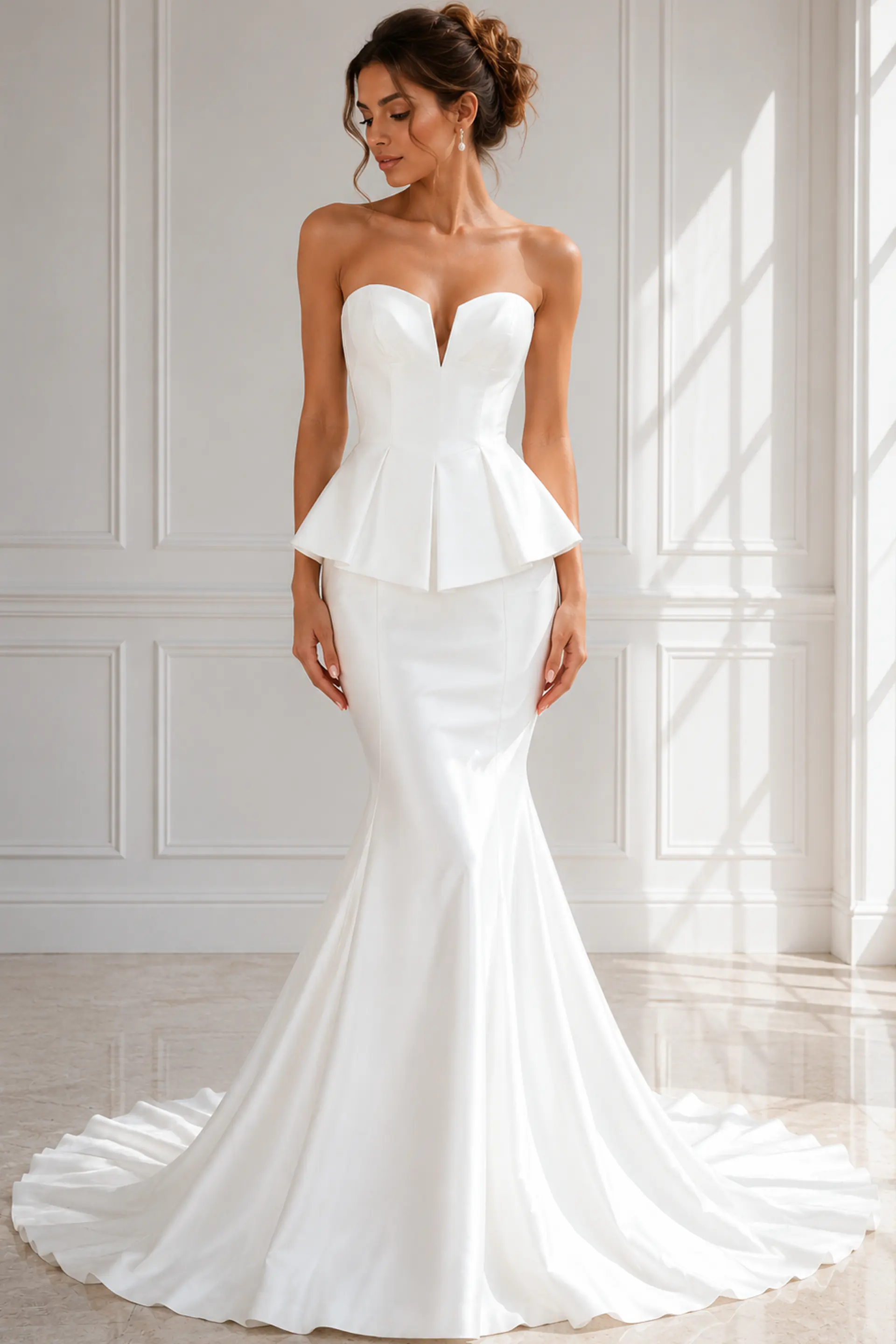
1 Color: OFF-WHITE
Peplum Bridal Gown With Structured Fitted Skirt JB49072
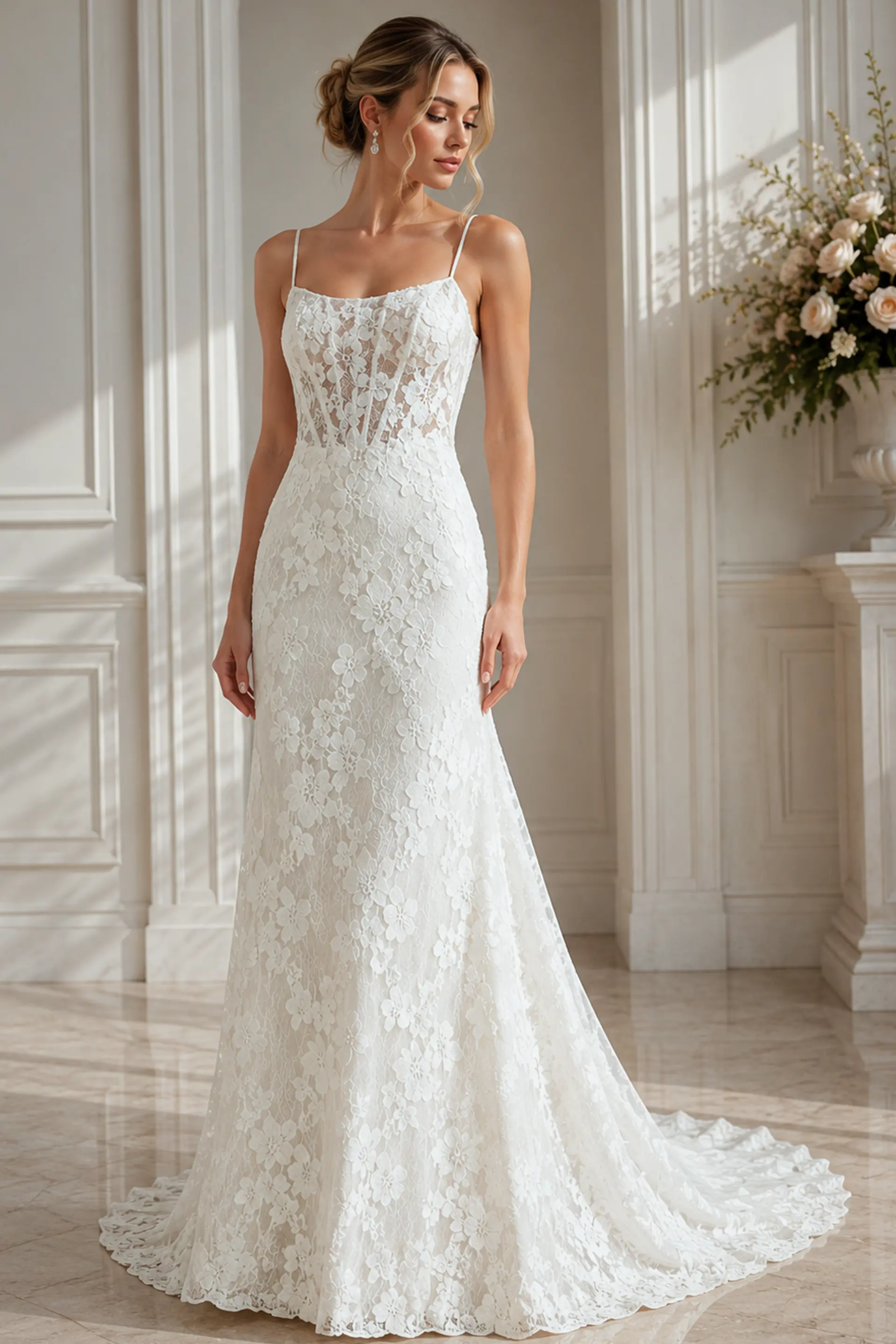
1 Color: OFF-WHITE
Floral Lace Fitted Bridal Gown JB45719
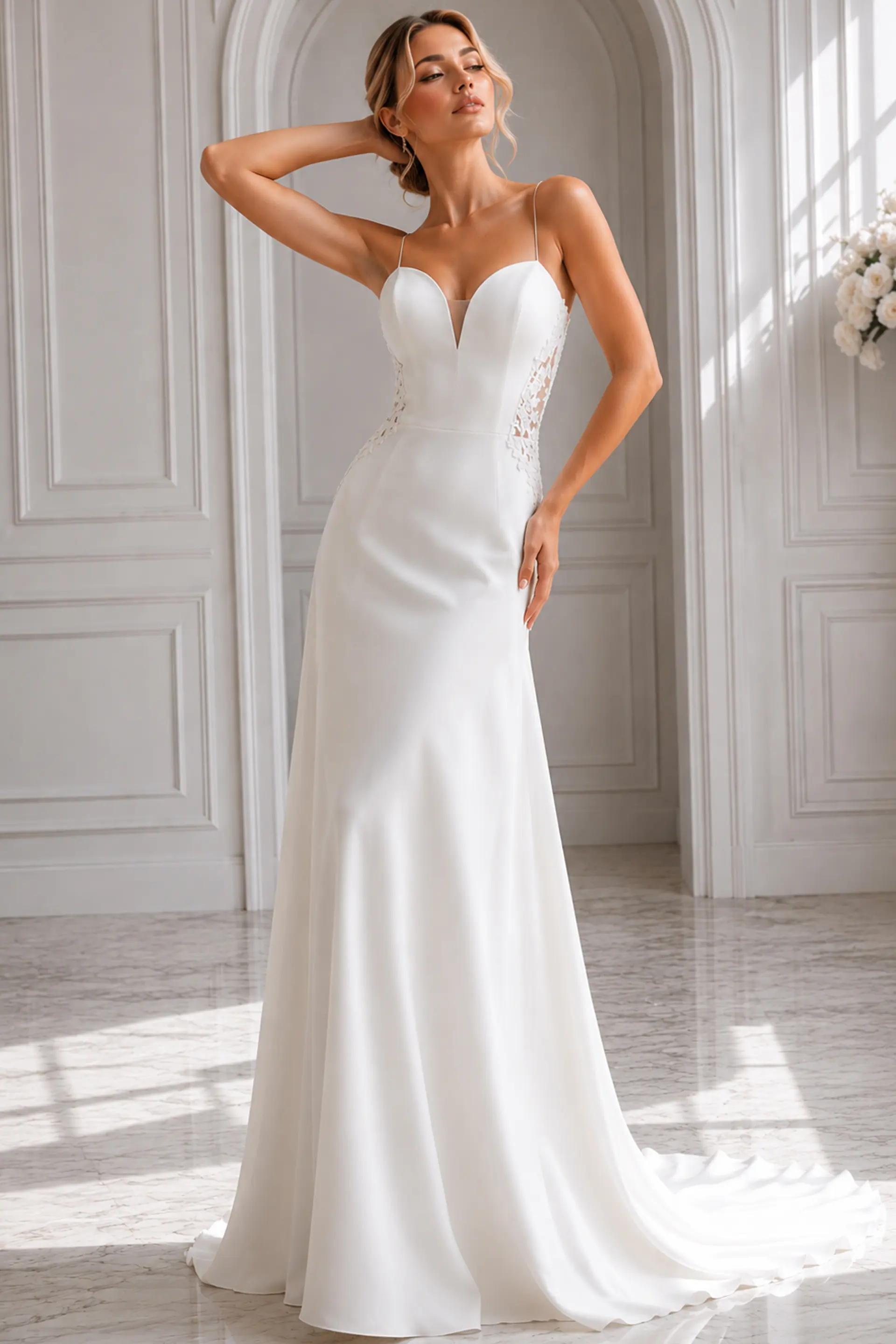
1 Color: IVORY/NUDE
Lace Back A Line Bridal Gown JB43320
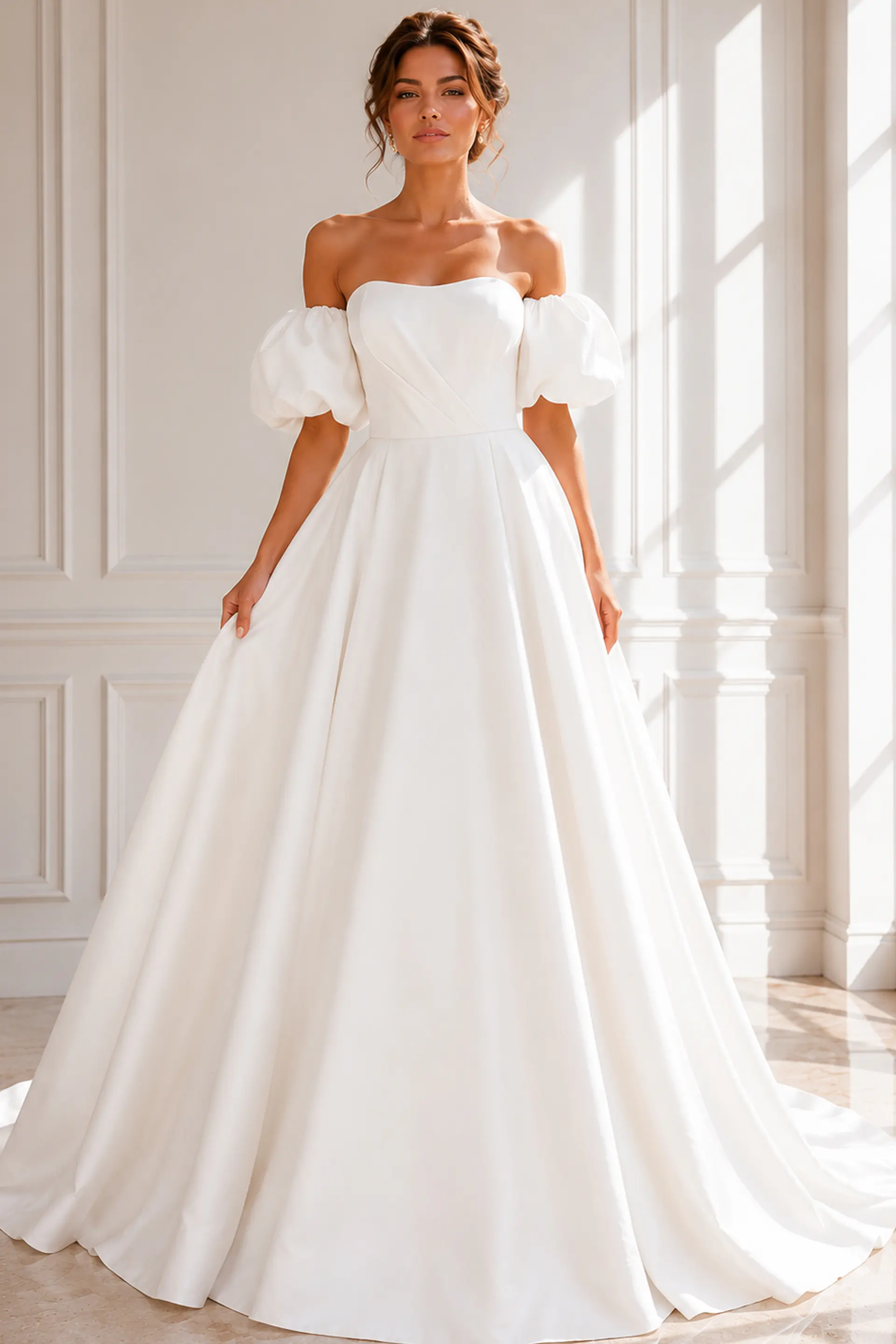
1 Color: IVORY
Puff Sleeve Off Shoulder Bridal Gown JB43232
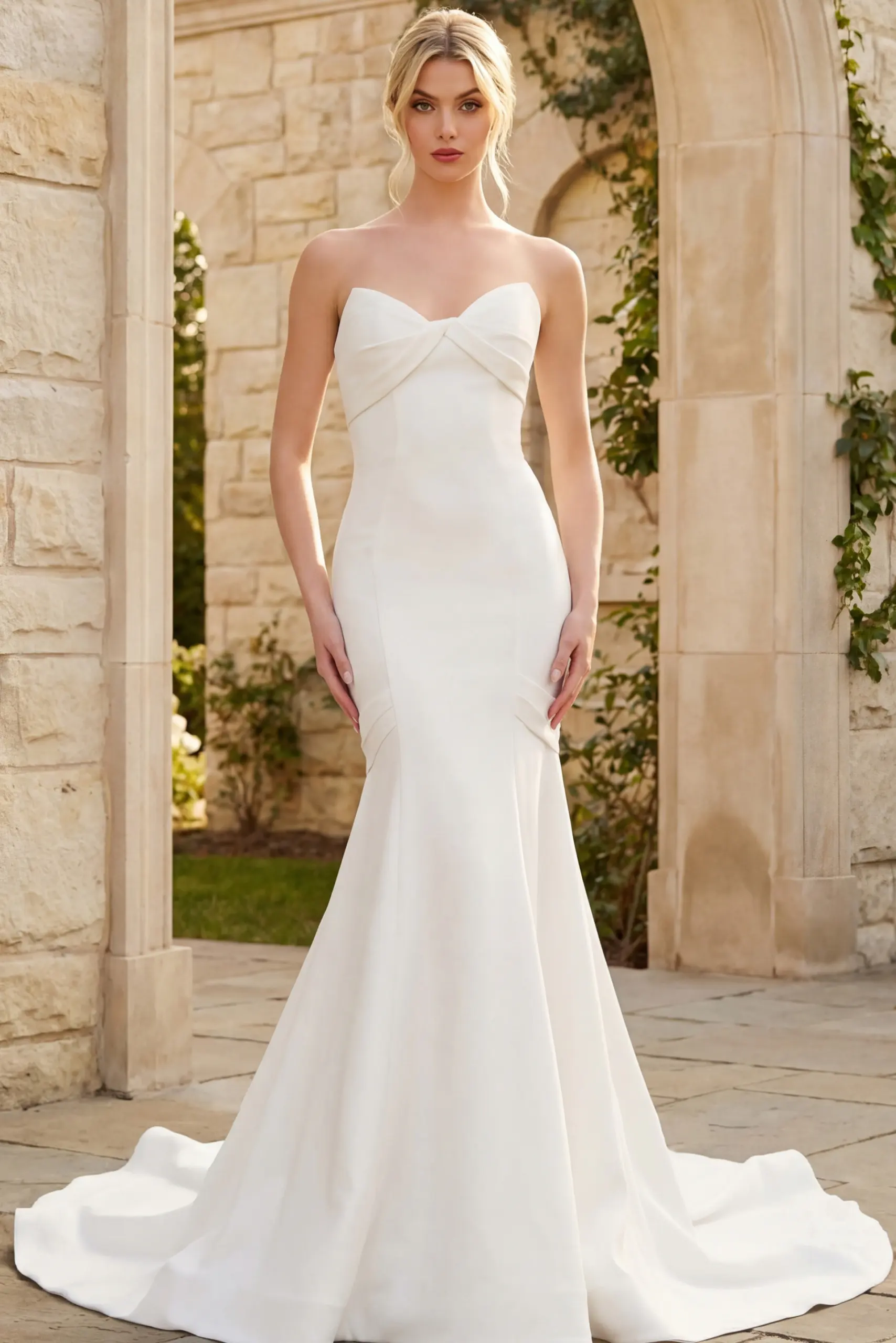
1 Color: OFF-WHITE
Strapless Mermaid Bridal Gown With Clean Silhouette JB47389
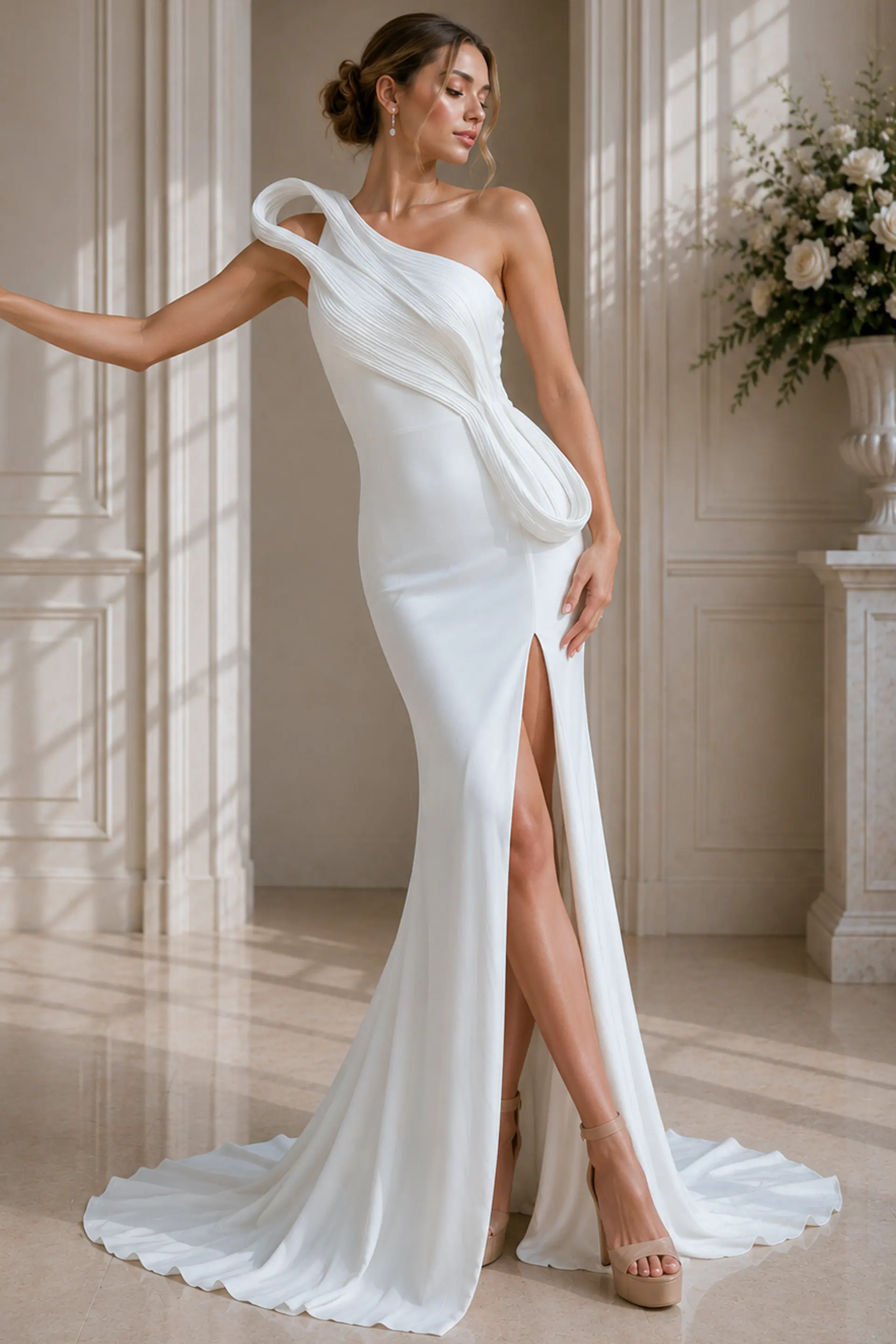
1 Color: IVORY
One Shoulder Sculptural Bridal Gown JB43969
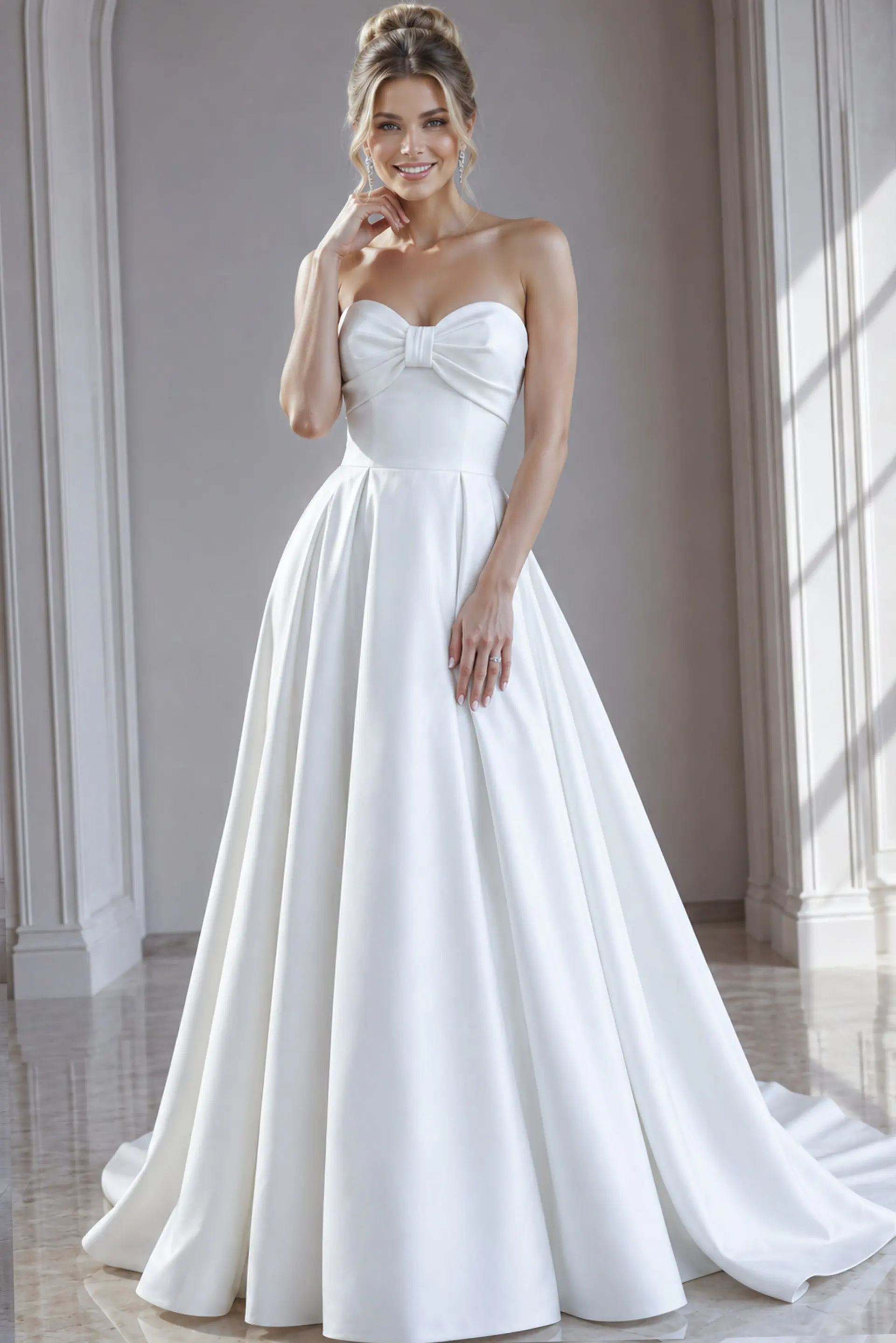
5 Colors: BLACK, BROWN, INK, NAVY, OFF-WHITE
Strapless Gown With Statement Bow Detail 50534
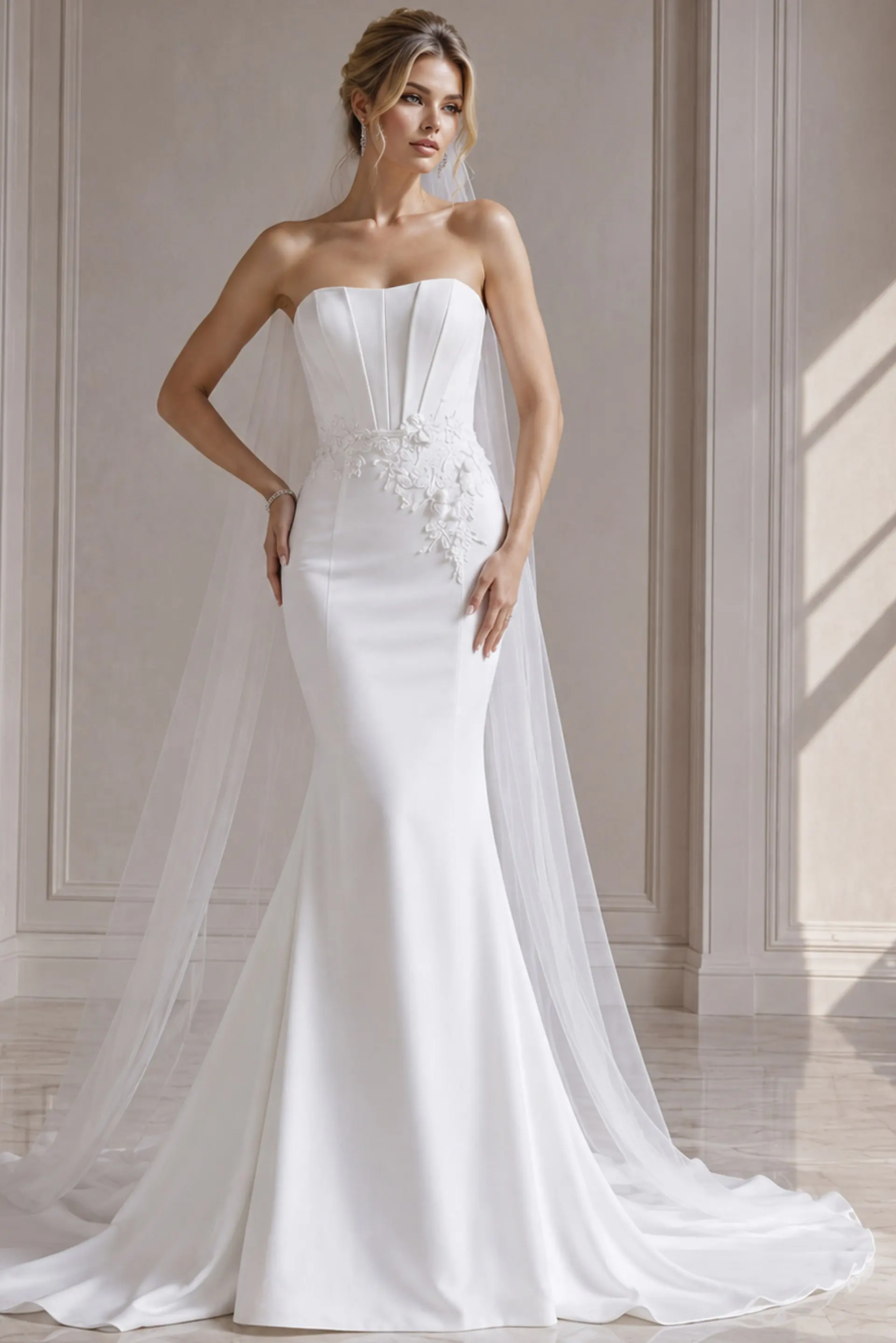
1 Color: OFF-WHITE
Strapless Bridal Gown With Pleated Bodice JB43816
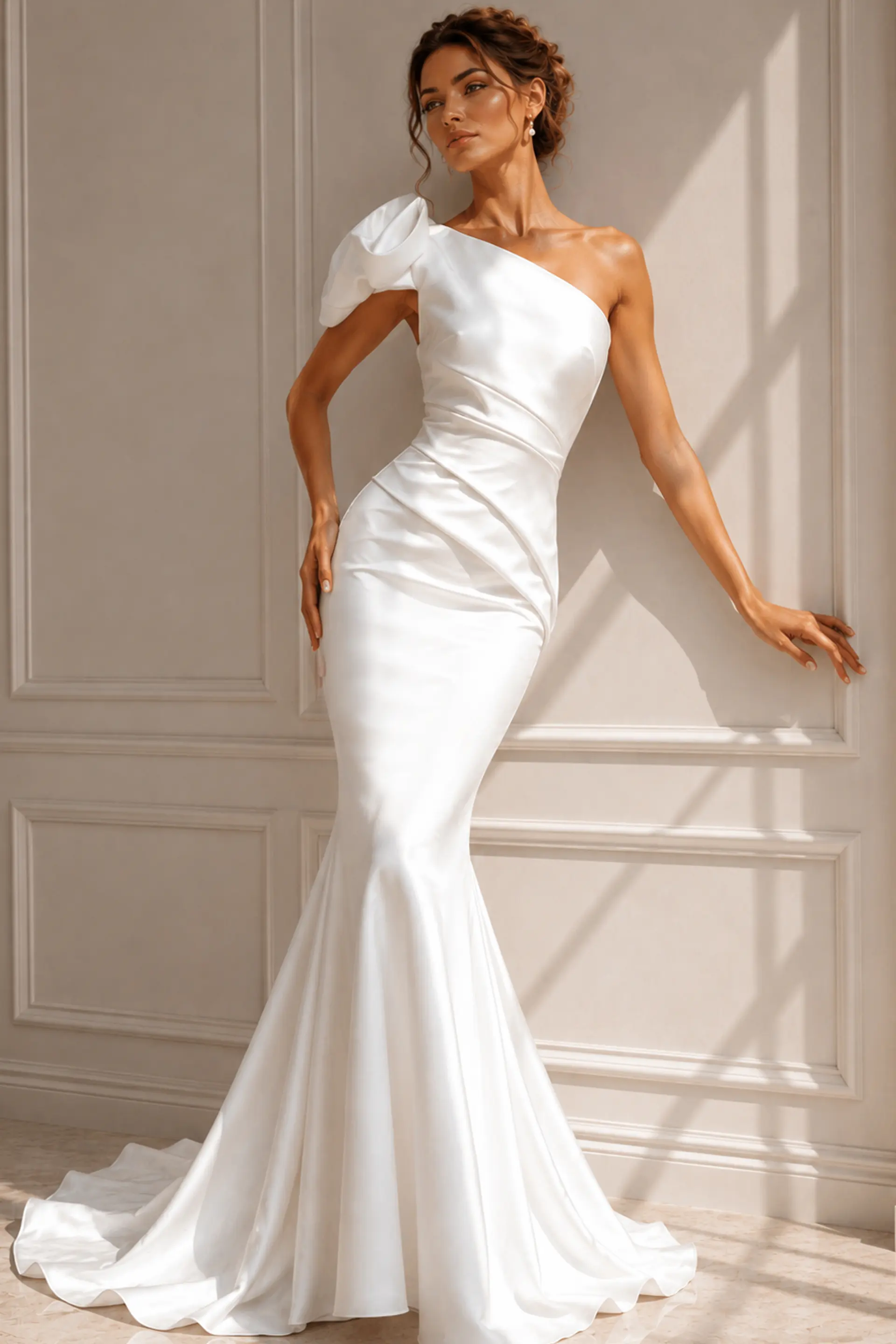
1 Color: OFF-WHITE
Sculpted One Shoulder Bridal Gown With Draped Detail JB43274
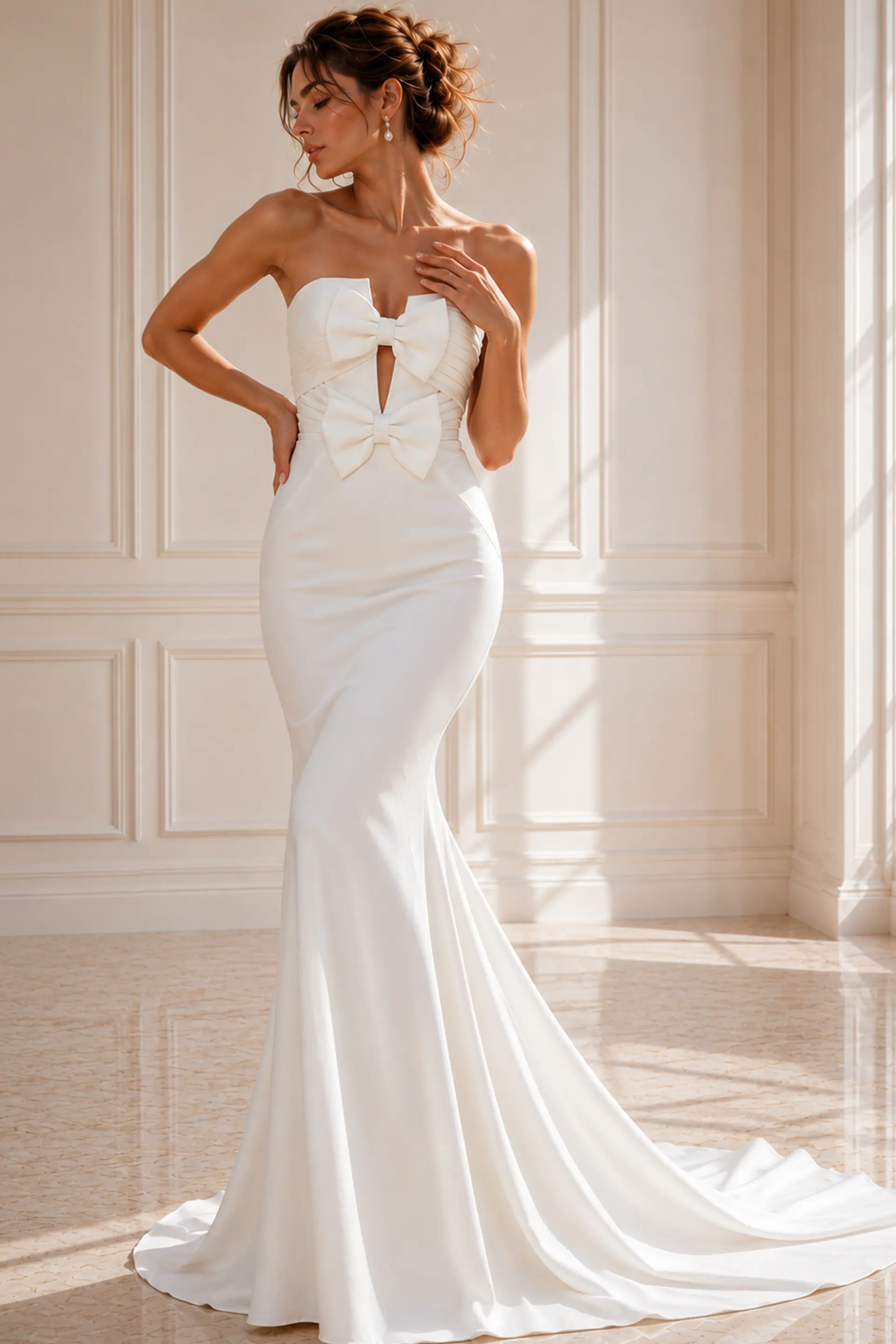
1 Color: IVORY/NUDE
Sheer Lace Mermaid Bridal Gown JB45671
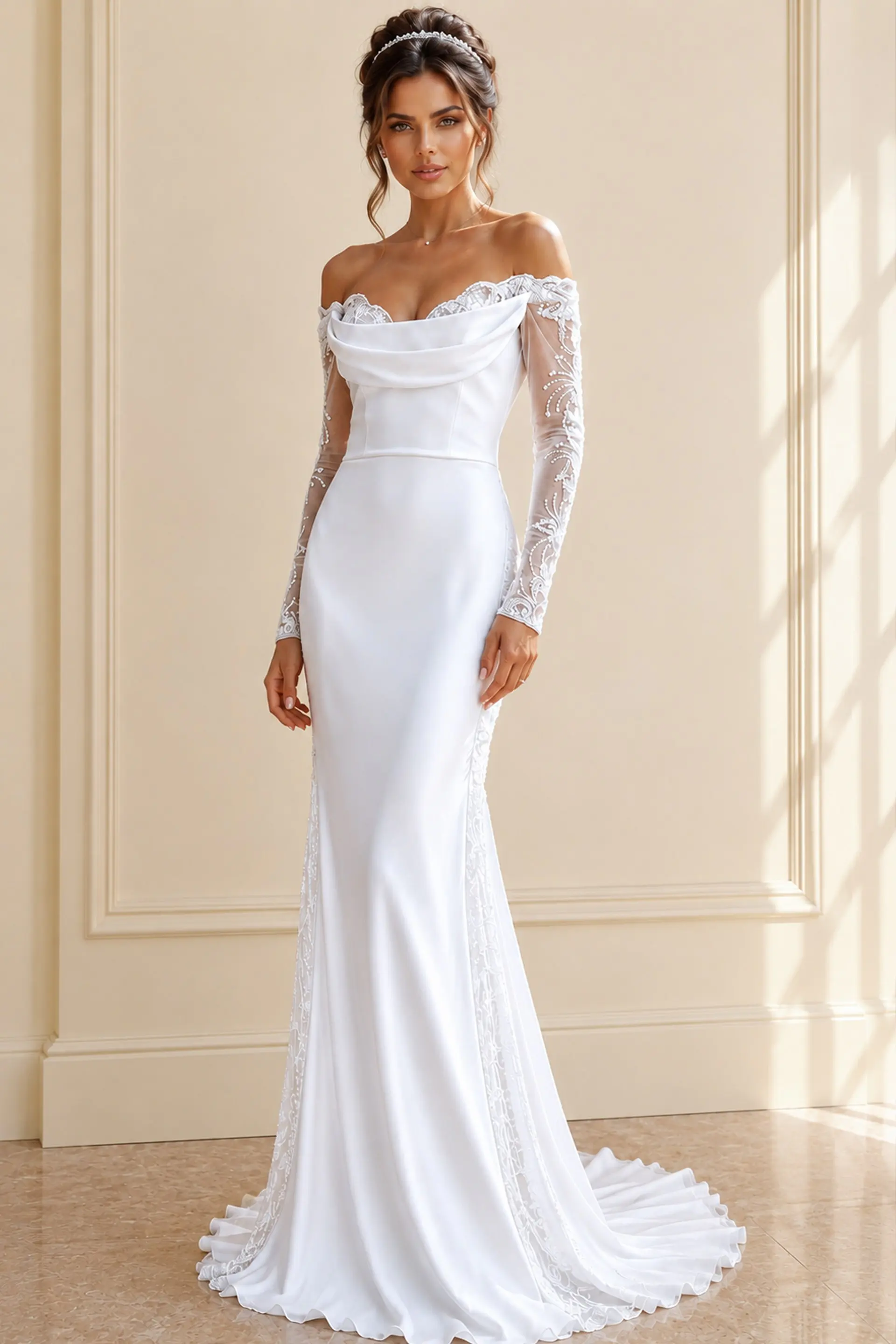
1 Color: OFF-WHITE
Elegant Off Shoulder Fitted Bridal Gown JB41163
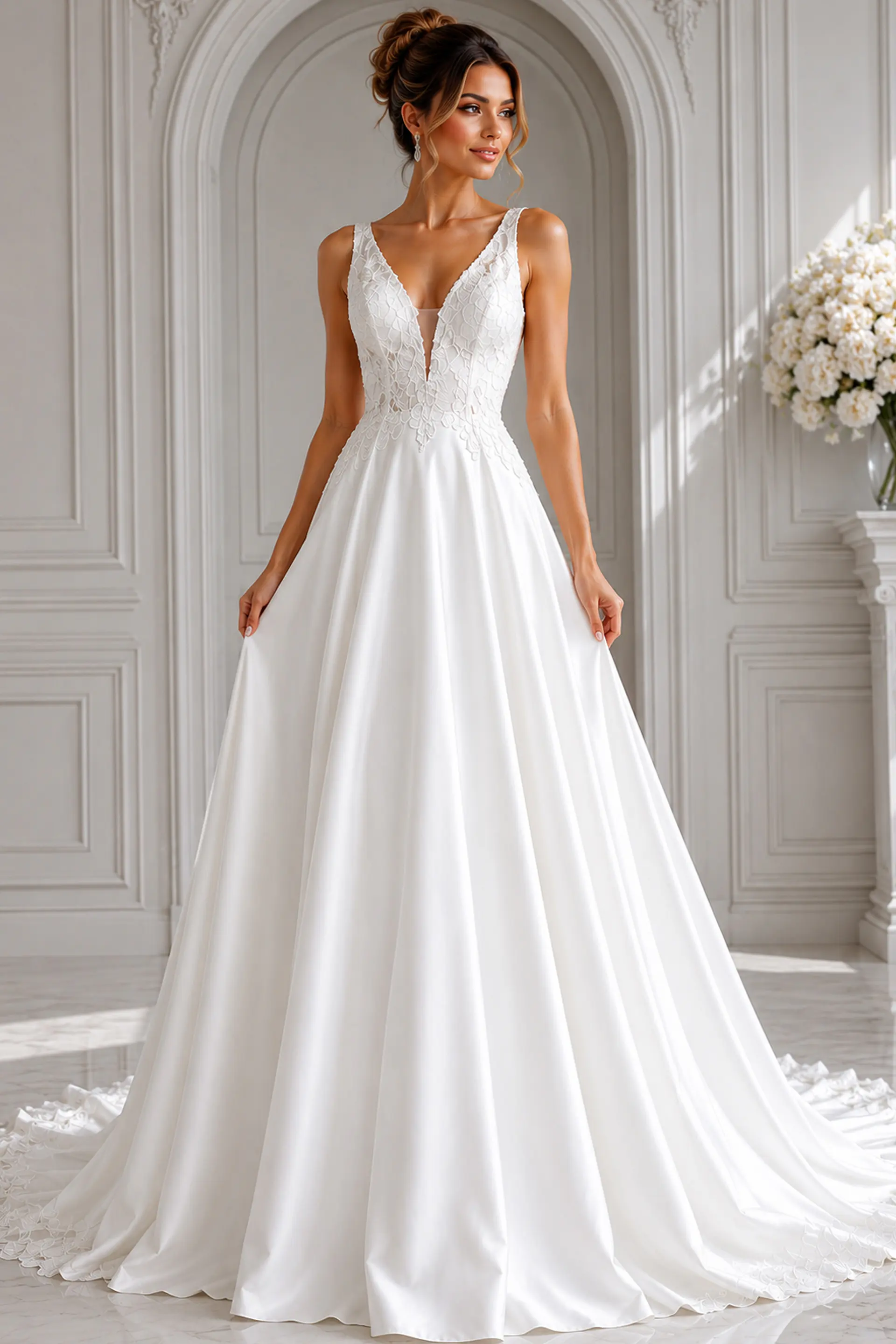
1 Color: IVORY
Deep V Neck A Line Bridal Gown With Lace Bodice JB43905
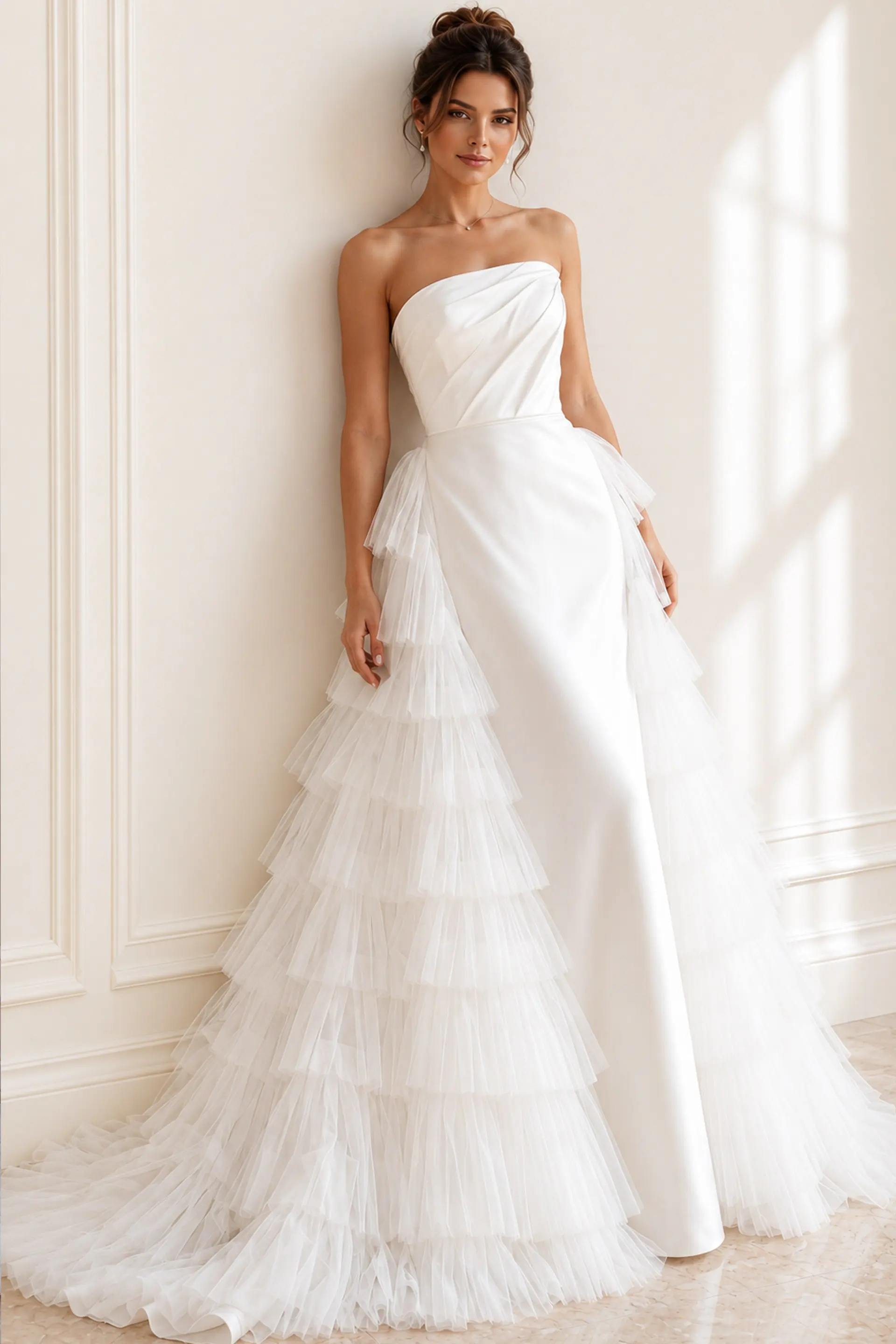
1 Color: OFF-WHITE
One Shoulder Tiered Tulle Bridal Gown JB42769
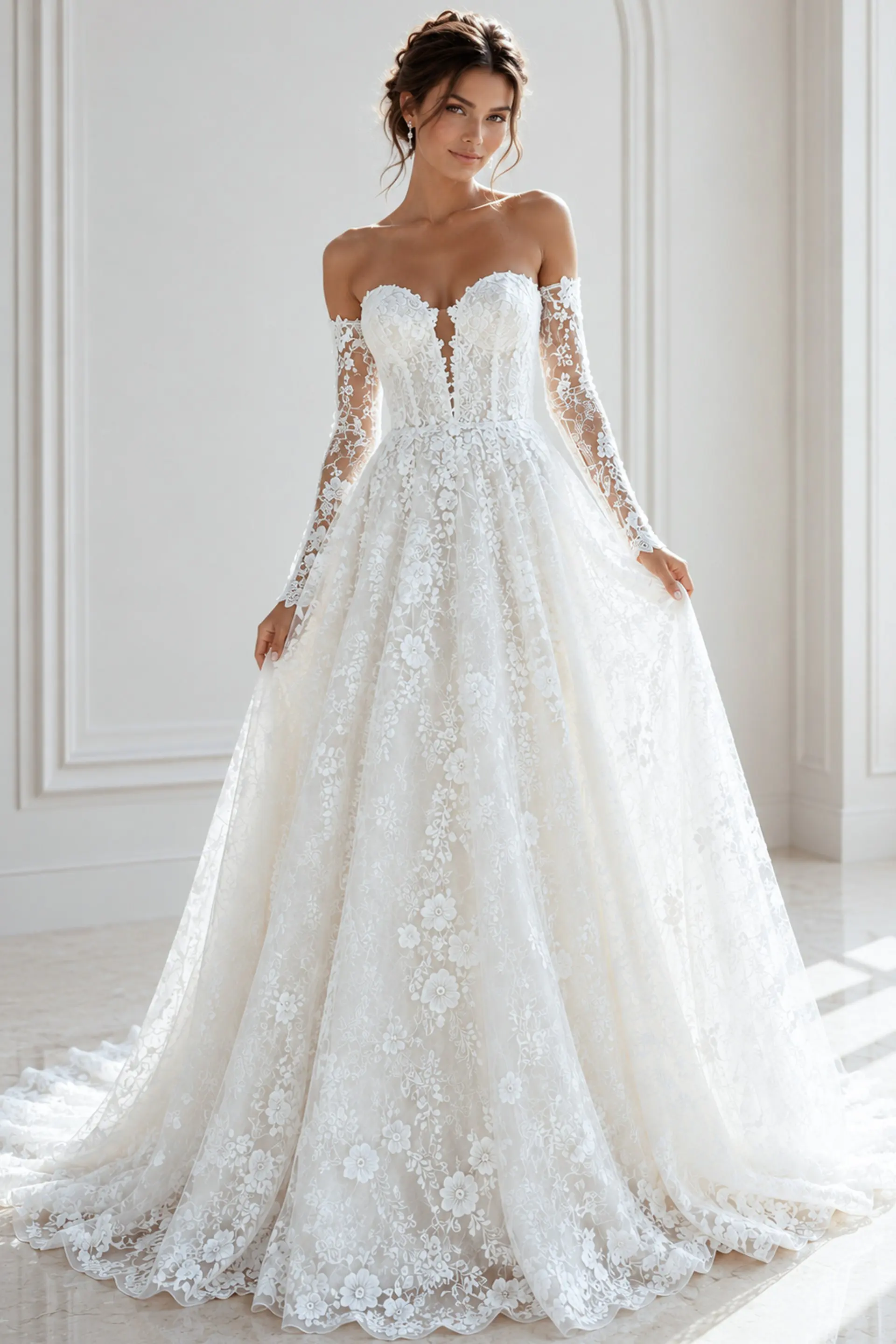
1 Color: IVORY
Off Shoulder Lace A Line Bridal Gown JB43864
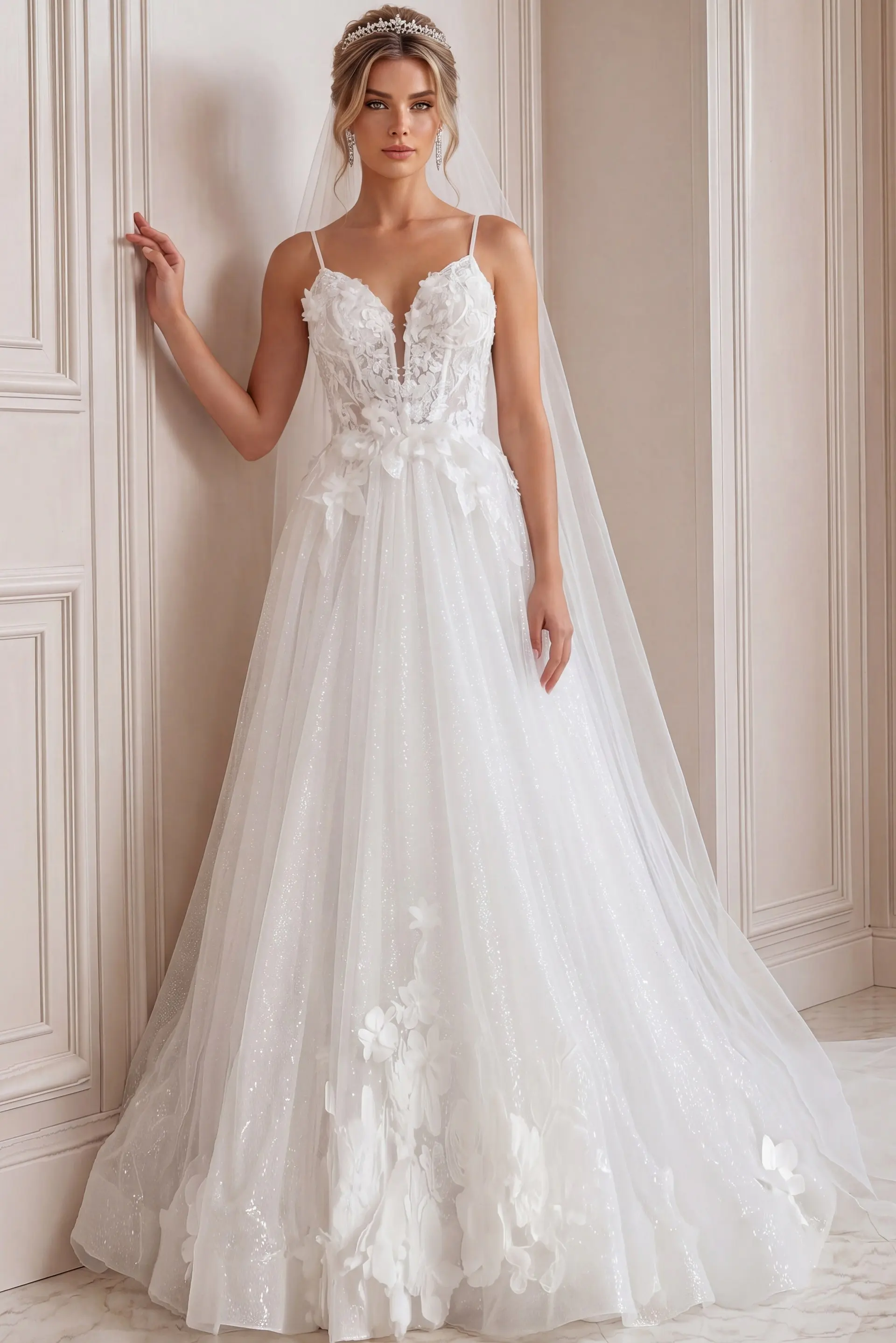
1 Color: IVORY/SAND
Floral Appliqué Tulle A Line Bridal Gown JB43315
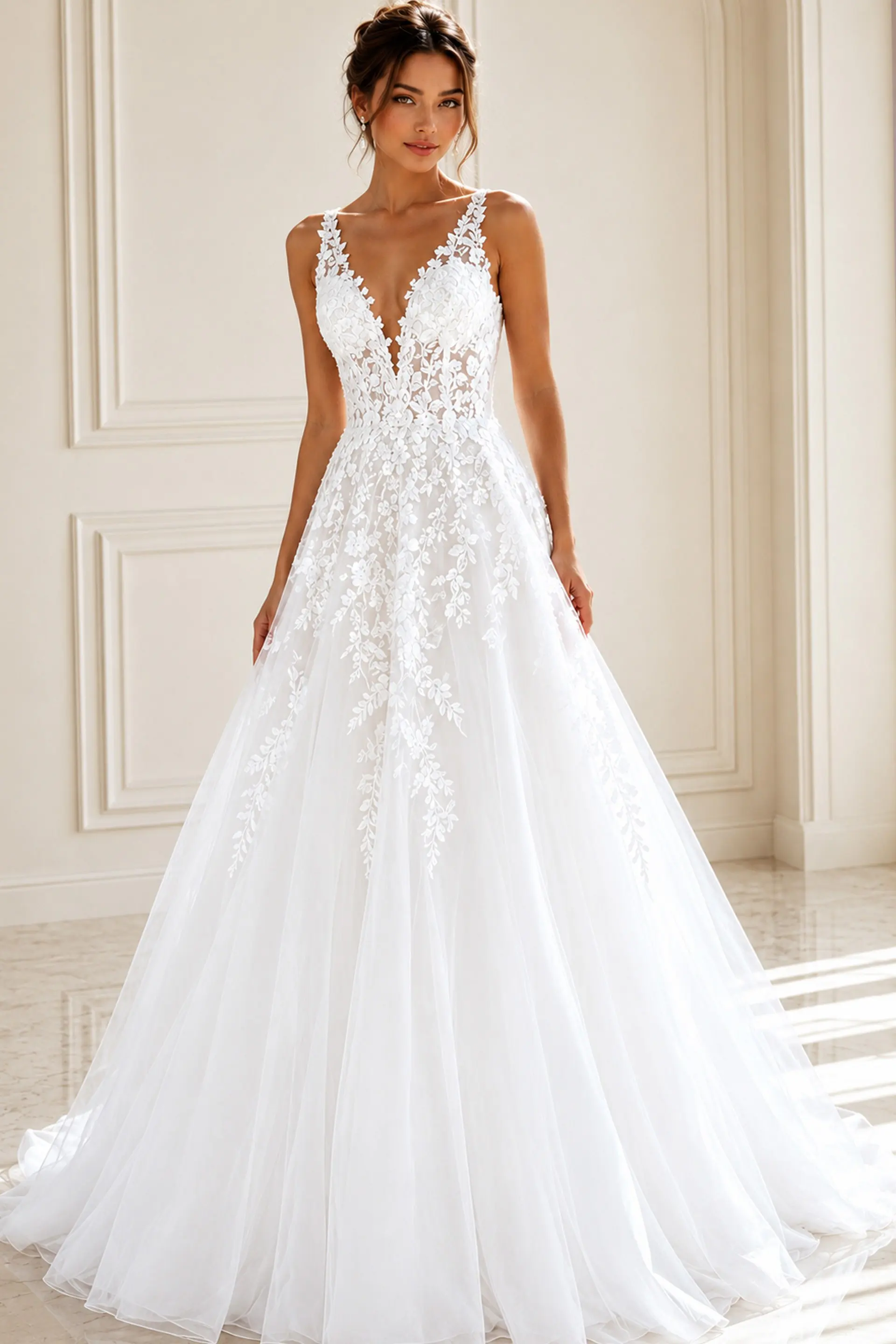
1 Color: IVORY
Floral Lace A Line Bridal Gown JB42323
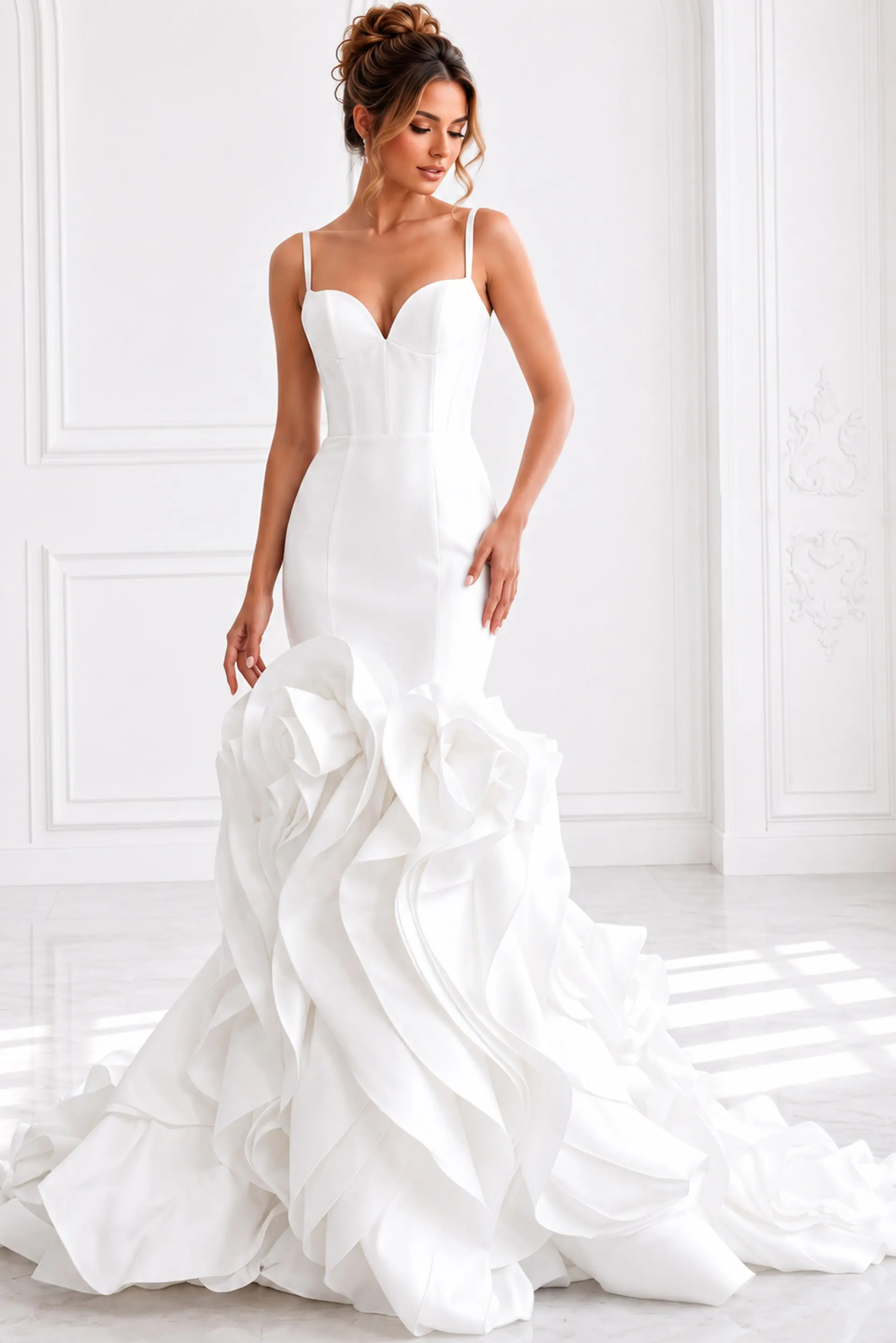
1 Color: OFF-WHITE
Sculpted Ruffled Mermaid Bridal Gow JB45569
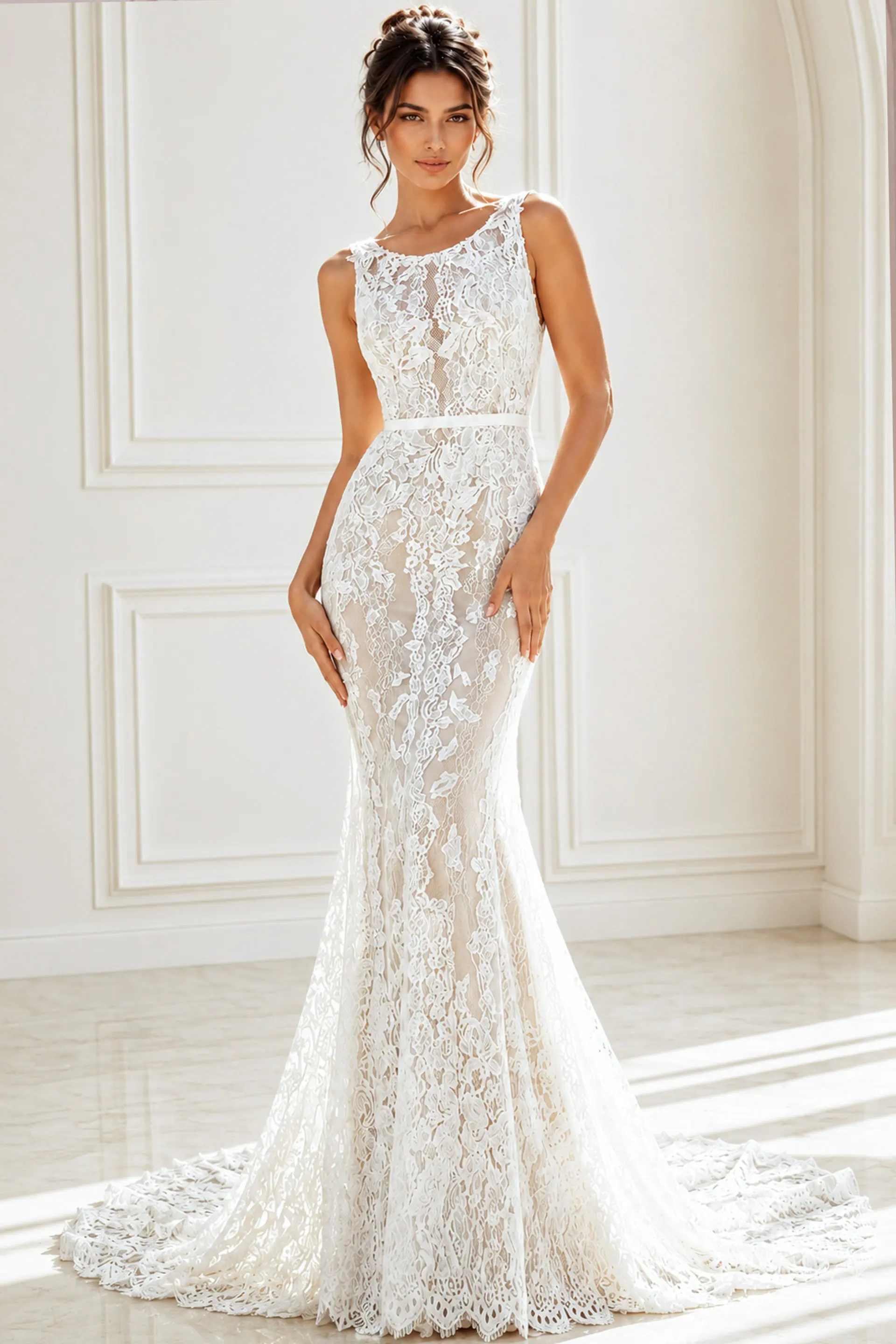
1 Color: OFF-WHITE
Strapless Crepe Bridal Gown With Sculpted Bow Bodice JB45671
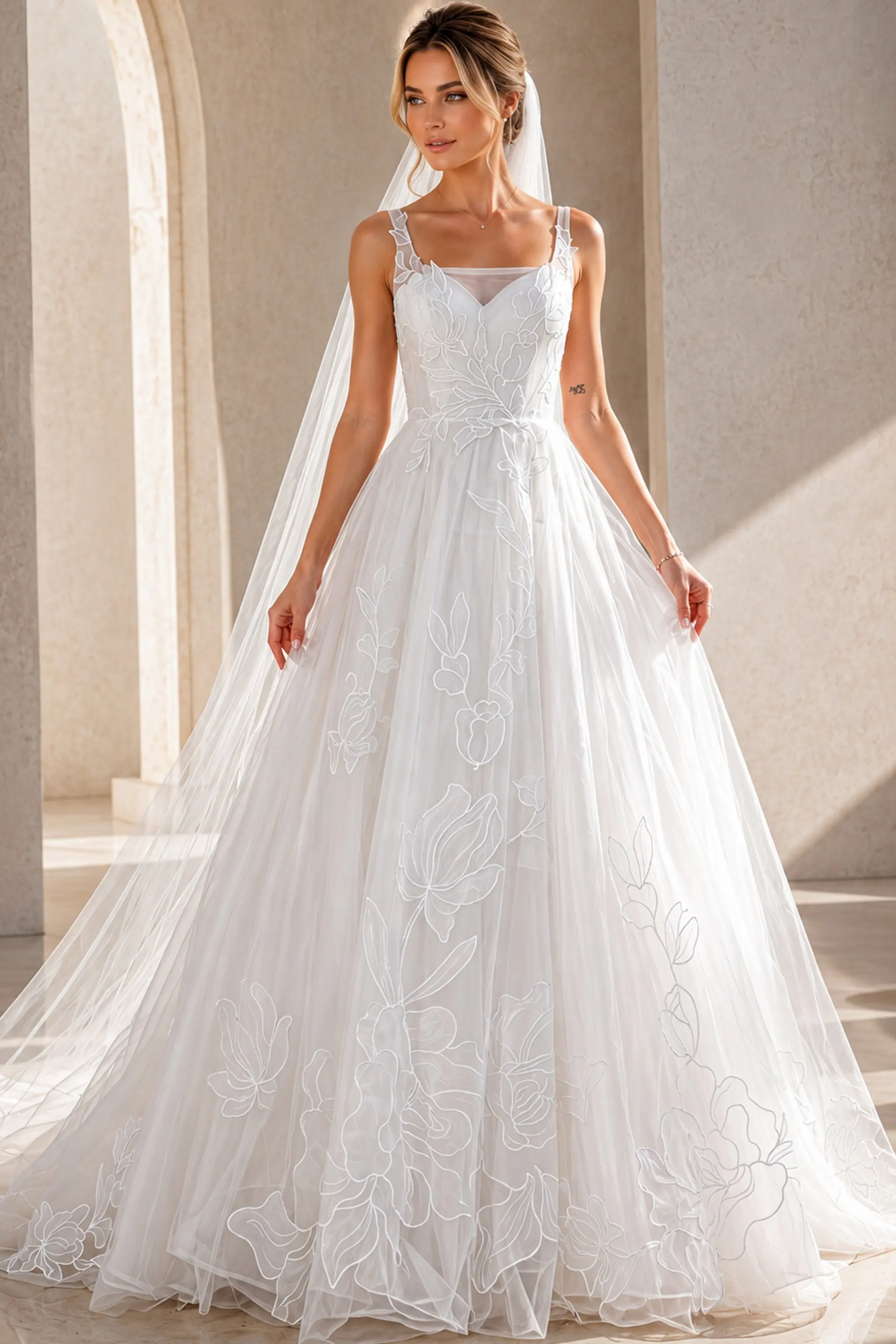
1 Color: IVORY
Floral Embroidered A Line Bridal Gown JB49761
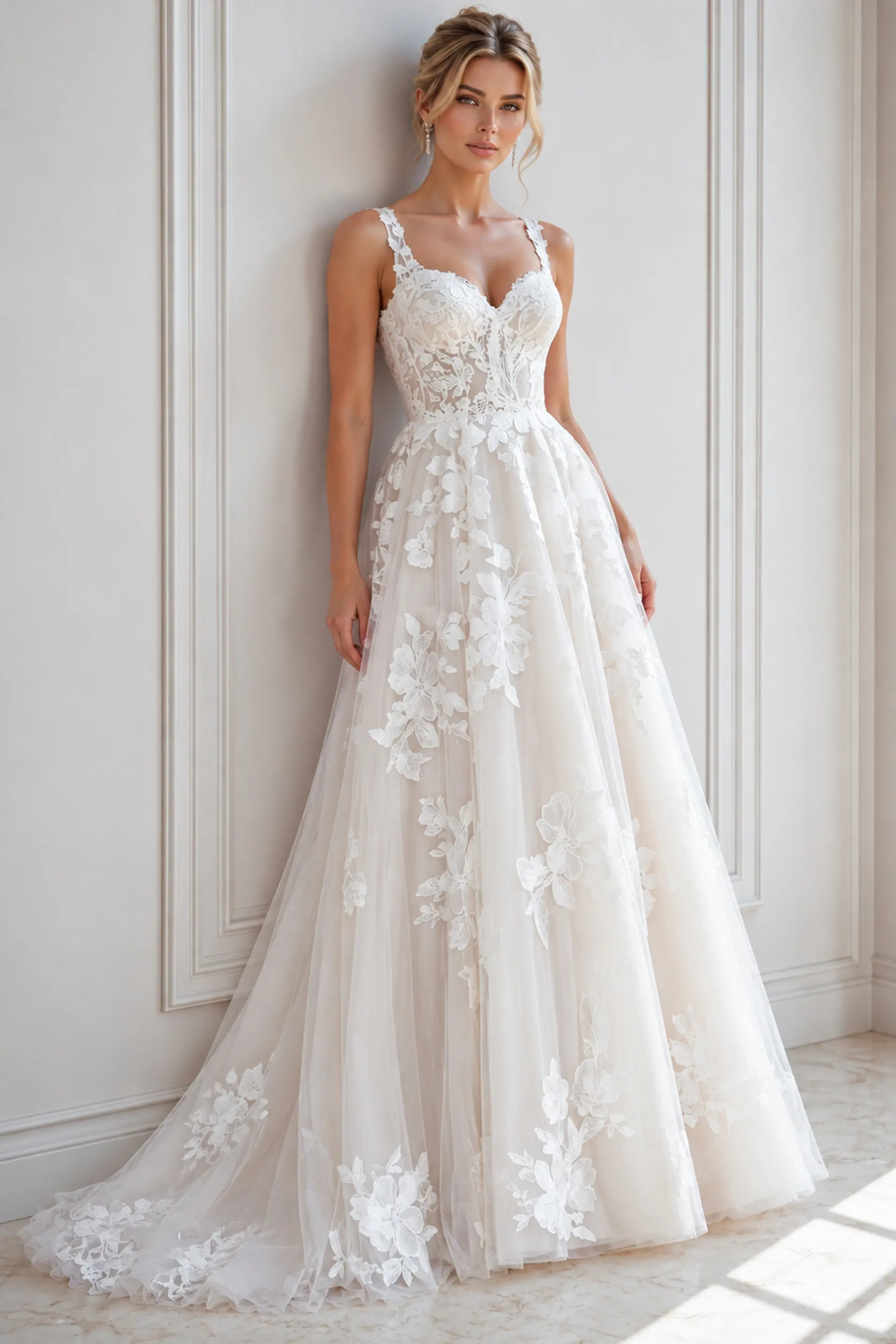
1 Color: LIGHT GOLD IVORY
Floral Lace A Line Bridal Gown With Sheer Bodice JB99062
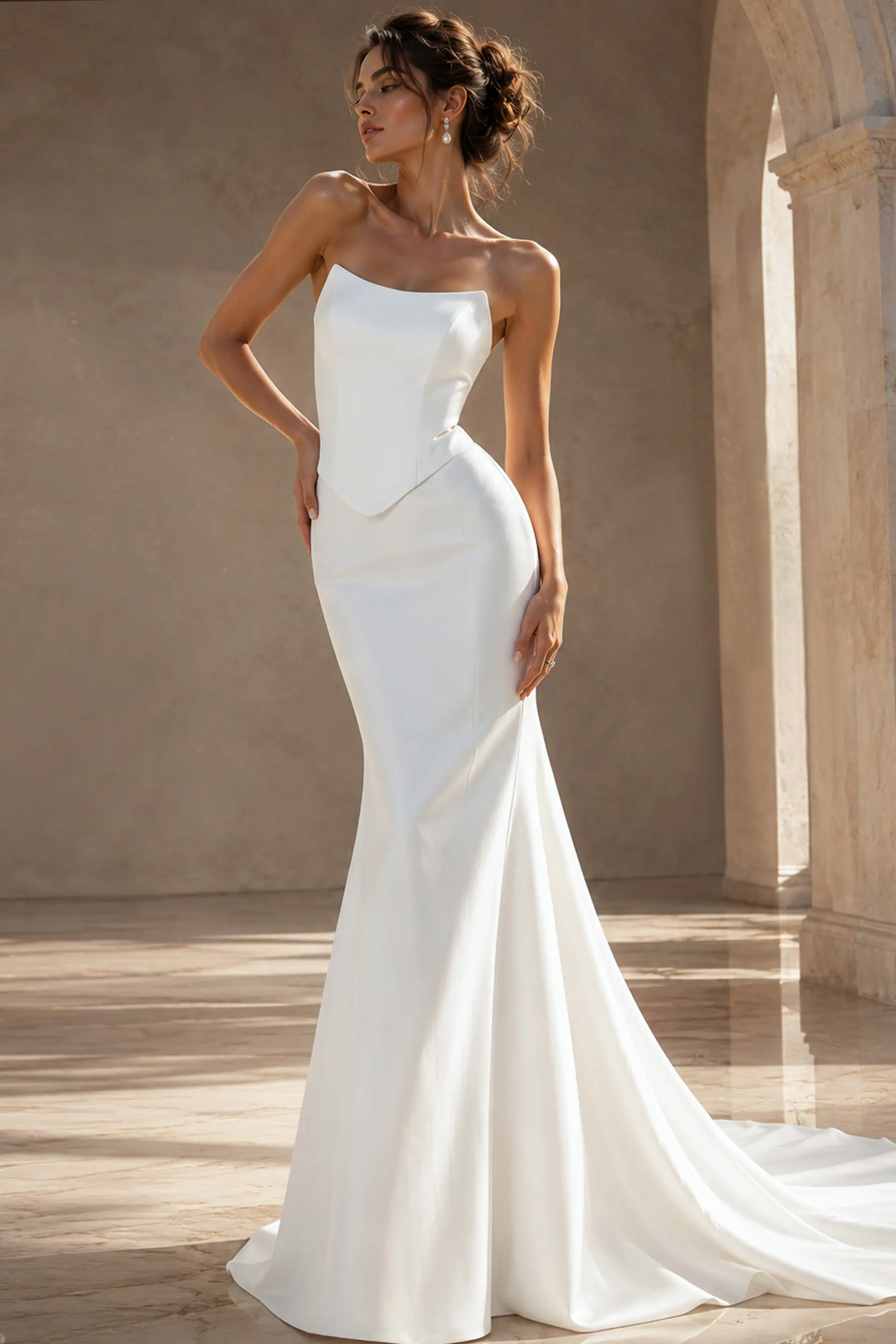
1 Color: OFF-WHITE
Strapless Crepe Bridal Gown With Button Detail Train JB49077
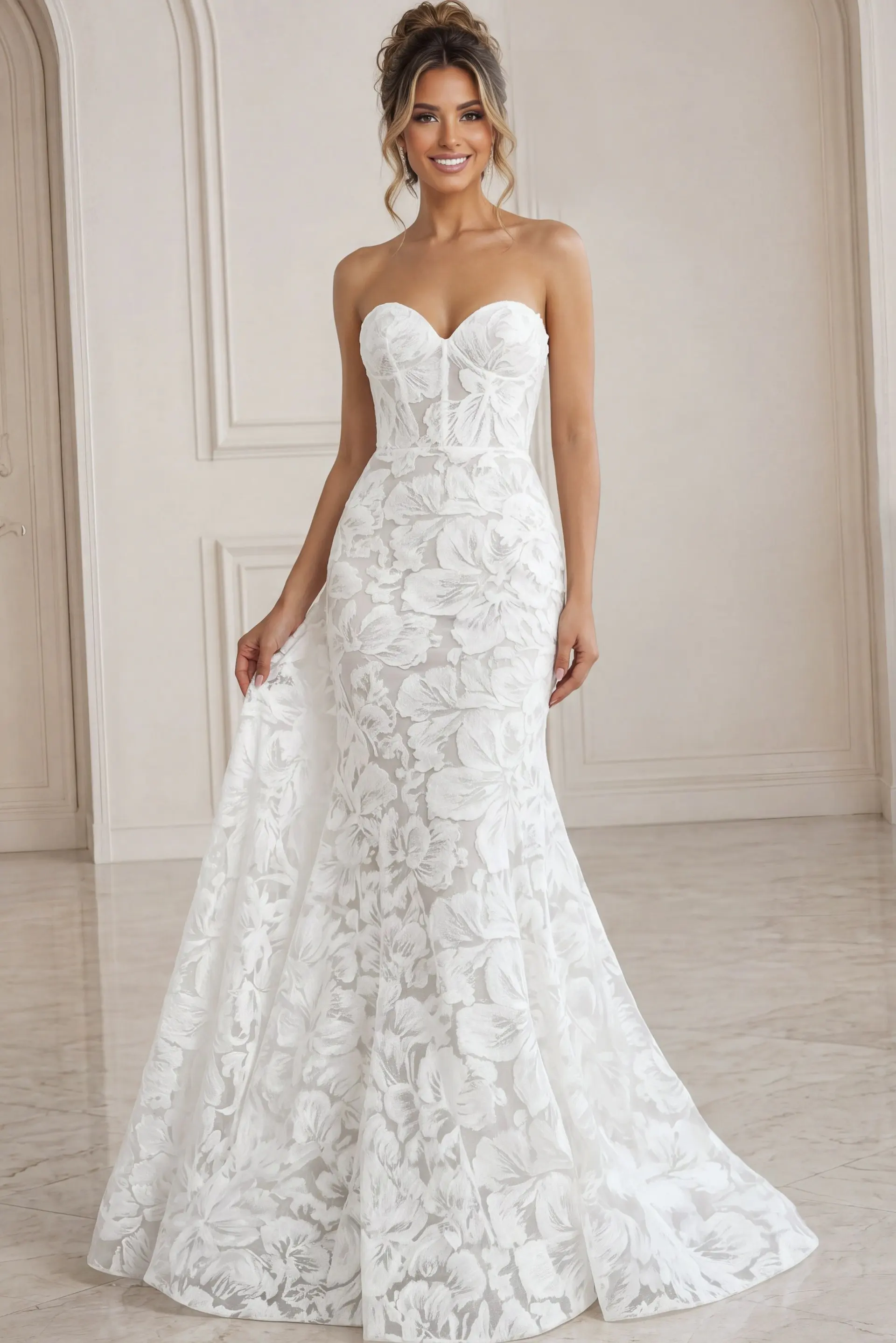
1 Color: IVORY/NUDE
Floral Lace Bridal Gown With Sparkle Tulle JB99067
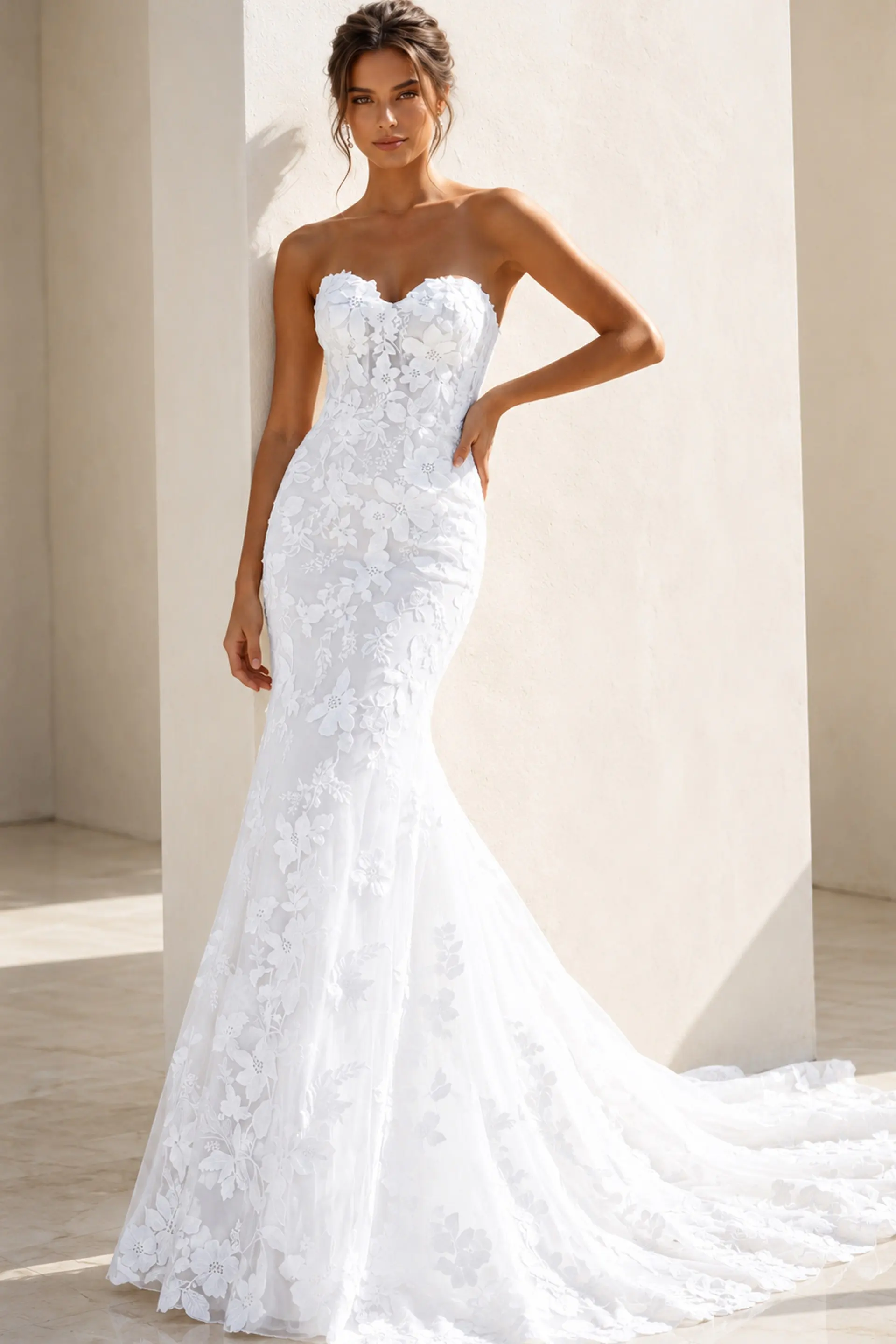
1 Color: LIGHT GOLD IVORY
Floral Lace Bridal Gown With Sparkle Tulle JB99063
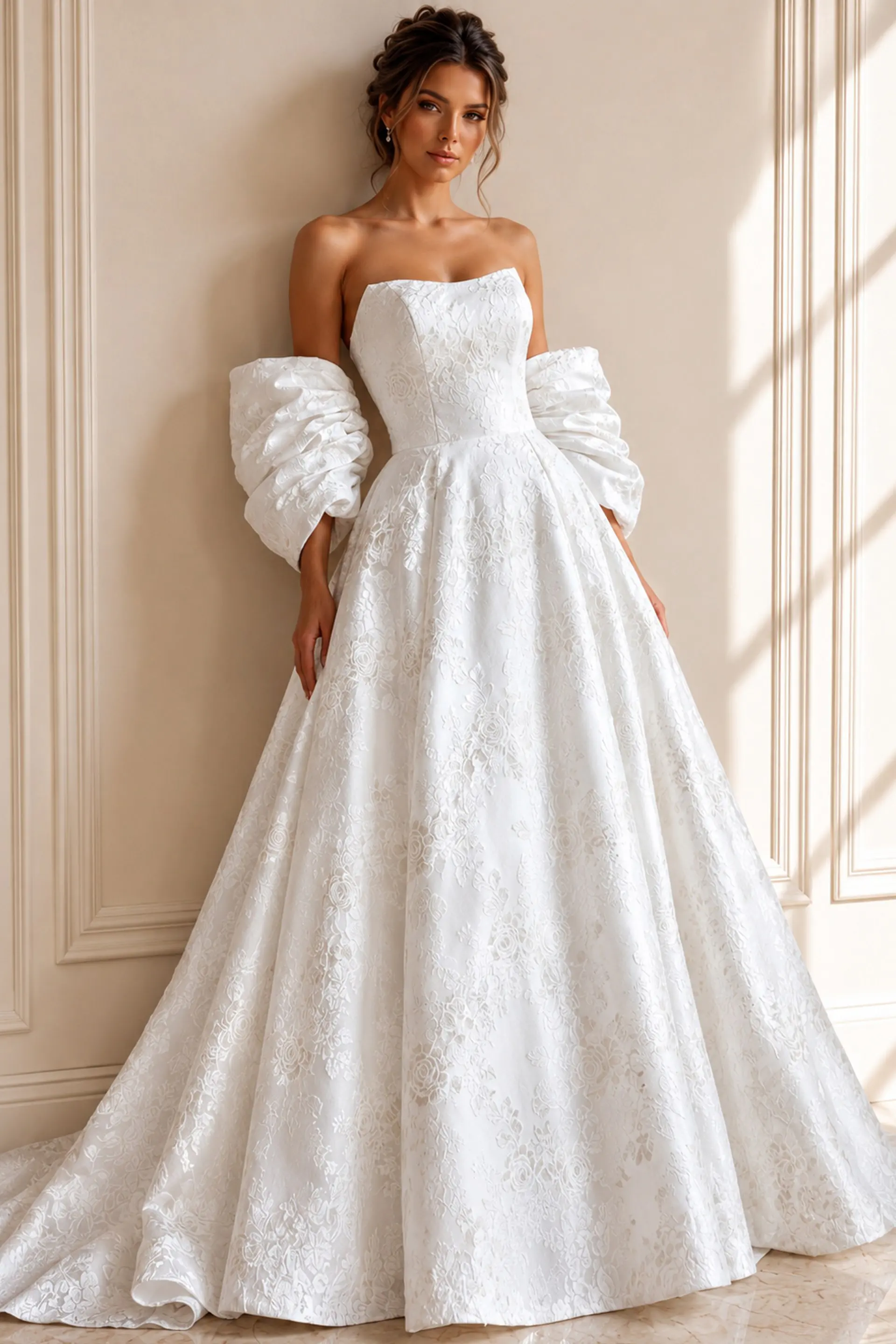
1 Color: WHITE
Floral Brocade Ball Gown With Dramatic Bow Train JB47701
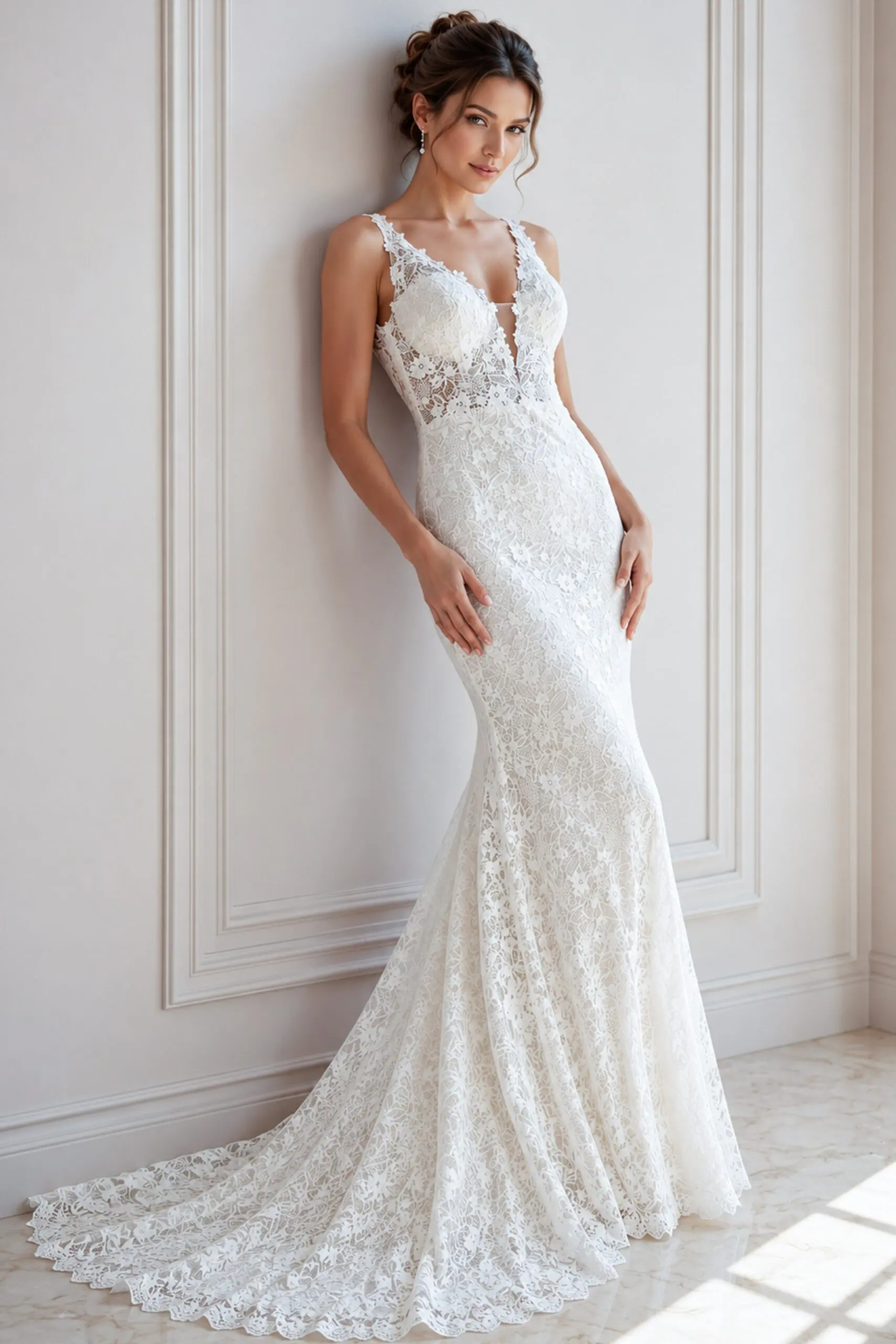
1 Color: OFF-WHITE/NUDE
Lace Sheath Wedding Dress with Plunging Neckline JB47331
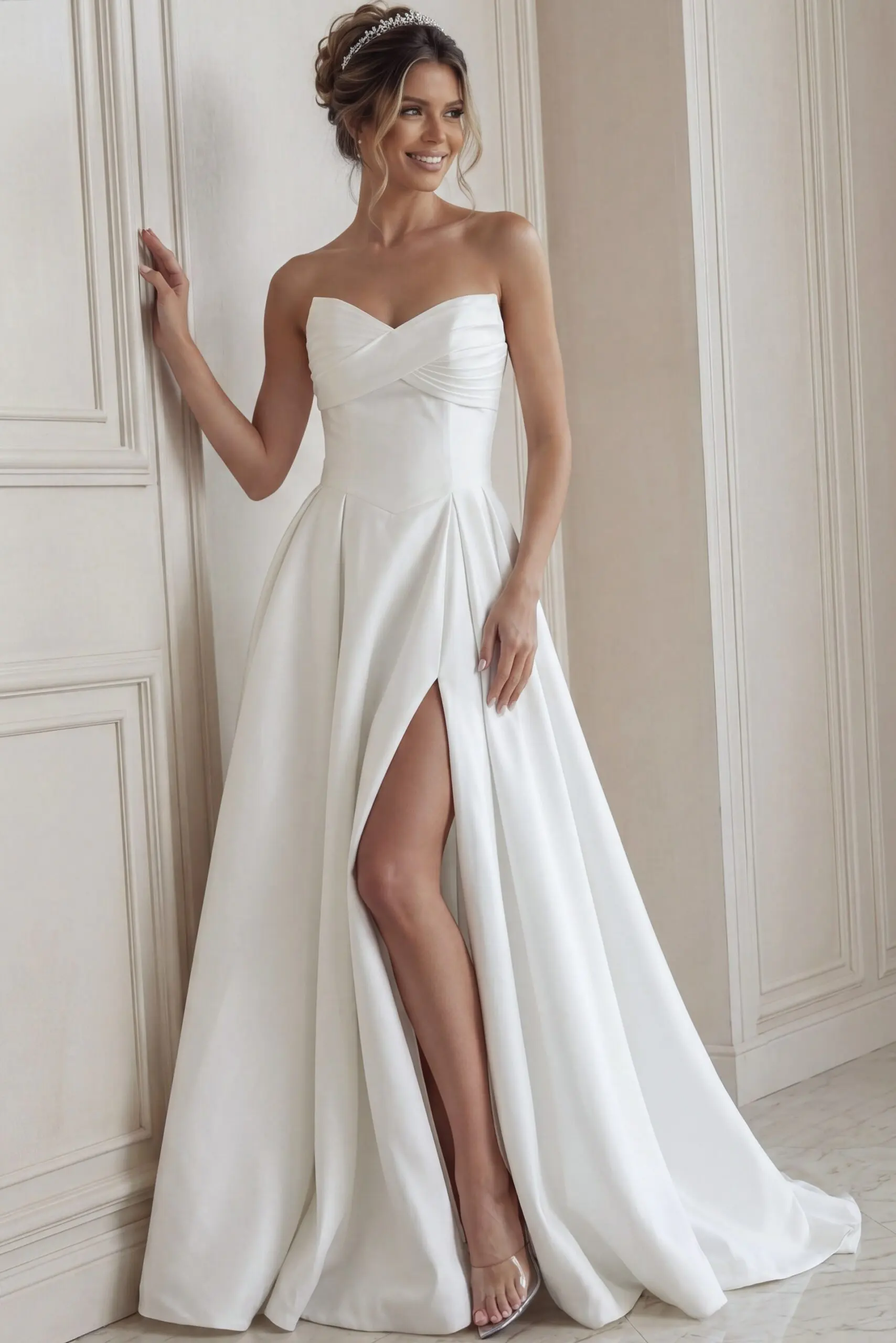
1 Color: IVORY
Strapless Sweetheart Satin Wedding Dress JB46880
Trending Now
About This Category
Wedding Dresses with Shape, Texture and Detail
The Jovani collection gives brides several ways to build a distinctive look. A sculpted bodice and a clean skirt place the emphasis on shape; floral lace and embroidered tulle bring texture across the surface. Oversized bows and peplum waists add volume in specific places, so a gown can feel dramatic without a very full skirt.
For modern wedding dresses, look closely at seams, folds and the point where the bodice meets the skirt. On a simpler design, those details carry more of the visual interest. If you prefer embellishment, compare the scale and placement of the pattern: small motifs read differently from raised flowers extending onto a train.
An oversized back bow can be central to the design even when the front is simple. Review both views before choosing accessories, and consider whether a veil would cover the detail you want to show. This is especially useful when comparing designer bridal gowns with clean fronts and more elaborate backs.
A-Line, Mermaid and Ball Gown Silhouettes
Silhouette determines where a wedding dress follows the body and where it opens into volume. A-line wedding dresses widen gradually below the bodice, while a ball gown creates a stronger contrast between the waist and skirt. Both can have fitted upper sections, but their fullness feels different when walking through a room or sitting at a table.
With mermaid wedding dresses, compare where the skirt begins to flare. A lower flare keeps the outline close through more of the leg; a fit-and-flare style may release higher. The amount of room through the hips and knees matters as much as the shape in a standing photograph.
Sheath wedding gowns offer a straighter line with less skirt volume. An overskirt can add fullness around a narrower dress, but its attachment and removability vary by design. Check the individual style rather than assuming that a layered look can become two separate outfits.
Lace, Satin and Embroidered Tulle
Fabric affects both the outline and the movement of a gown. Satin wedding dresses make draping and folded details particularly visible. Crepe can give a fitted silhouette a quieter surface, while tulle allows layers and embroidery to remain distinct.
When comparing lace wedding gowns, look at the size of the motifs and how closely they are spaced. Small patterns can read as continuous texture; larger appliqués create a more defined floral design. Check whether the decoration continues around the sides and back, especially if the train is a feature you love.
On embroidered wedding dresses, the lining also changes the result. Ivory lace over a nude or sand foundation can make the pattern stand out more than lace over a similar shade. Compare the actual fabric or an available swatch before coordinating a veil. Beading adds another consideration: assess how its weight and texture feel when the gown moves.
Necklines, Bodice Support and Sleeve Coverage
The neckline and the inside of the bodice need to work together. Corset wedding dresses can include shaped panels and boning to define the torso. Visible corset lines do not tell you everything about support, so assess the actual fit around the bust, ribs and waist.
Sweetheart necklines create a curved edge, while straight strapless and square necklines form a more defined frame. A one-shoulder wedding dress introduces an asymmetric line. Long lace sleeves extend the pattern over the arms; check the lining if you prefer more opaque coverage. Consider how each option works with the movements you expect to make, including lifting your arms and reaching across a table.
With bridal gowns that have low backs or sheer panels, discuss undergarments before making your decision. Check the bodice while standing and sitting, and ask which adjustments are possible. A neckline that looks secure in a clipped sample may fit differently once the correct size is ordered and altered.
Choosing a Train for Your Setting
Wedding dresses need to be manageable in the spaces where you will wear them. Consider the aisle, steps, reception seating and any outdoor paths alongside the formality of the venue. A full skirt may suit the scale of a ballroom, but you will still need enough room to sit and turn.
A sweep train extends a short distance behind the hem, while a chapel train creates a longer line. Beyond the length, examine the fabric and decoration: a train with appliqués along its edge may need a different alteration approach from a plain one.
If you intend to wear the same wedding gown through dinner and dancing, ask an alterations specialist how the train could be secured. A bustle changes the way fabric gathers at the back. Ask to see how that would affect a bow, embroidery or the outline of the skirt before deciding.
Ceremony Gowns and Reception Options
For some brides, one gown provides everything they want for the celebration. Others prefer changing into a shorter dress or a skirt with more freedom for dancing. A second look can repeat a detail from the ceremony outfit, such as a sweetheart neckline or floral appliqués, while changing the overall proportion.
When comparing shorter bridal gowns, check where the hem falls as you sit and how easily you can move. Less length does not automatically mean less structure: a fitted mini may feel more restrictive than a flowing full-length design. Consider the fabric, lining and cut together.
To compare your favorite designer wedding dresses in person, contact an authorized retailer with the style numbers. Ask which samples and sizes are available to try, and take shoes with a similar heel height to your planned wedding shoes. Confirm ordering and alteration arrangements with the store before committing to a gown.
Wedding Dress Shopping Questions
Where can I try on Jovani wedding dresses?
Use Jovani's Find a Store directory to locate an authorized retailer, then contact the store with your preferred style numbers. Ask whether it carries bridal samples, which sizes are available to try and whether an appointment is required. Sample availability and services should be confirmed with the individual retailer.
How can I get pricing for a wedding dress?
Request a quote from an authorized retailer for the exact style, size and color you are considering. Ask what the quoted price includes and whether alterations, accessories or other services are charged separately. Comparing those details helps you plan the total cost without relying on a collection-wide price estimate.
When should I order my gown?
Ask your retailer about the delivery schedule as soon as you have a wedding date and a preferred style. Leave time after arrival for any alterations and fittings the gown needs. If your deadline is close, ask which options can be supplied in your size and color within that timeframe.
How do I choose the right size?
Have your bust, waist and hips measured and compare them with the size chart used for the selected gown. Ask the retailer to recommend a size if your measurements fall between sizes. Discuss alterations before ordering, especially when lace placement, beading or a structured bodice could affect the work.
Can I change the sleeves, neckline or train?
Alteration possibilities depend on the individual design and its construction. Ask the retailer or a bridal alterations specialist to assess the exact change before ordering. Removing sleeves, reshaping a neckline or shortening a decorated train may affect support or pattern placement. Confirm the cost and feasibility rather than assuming customization is available.