
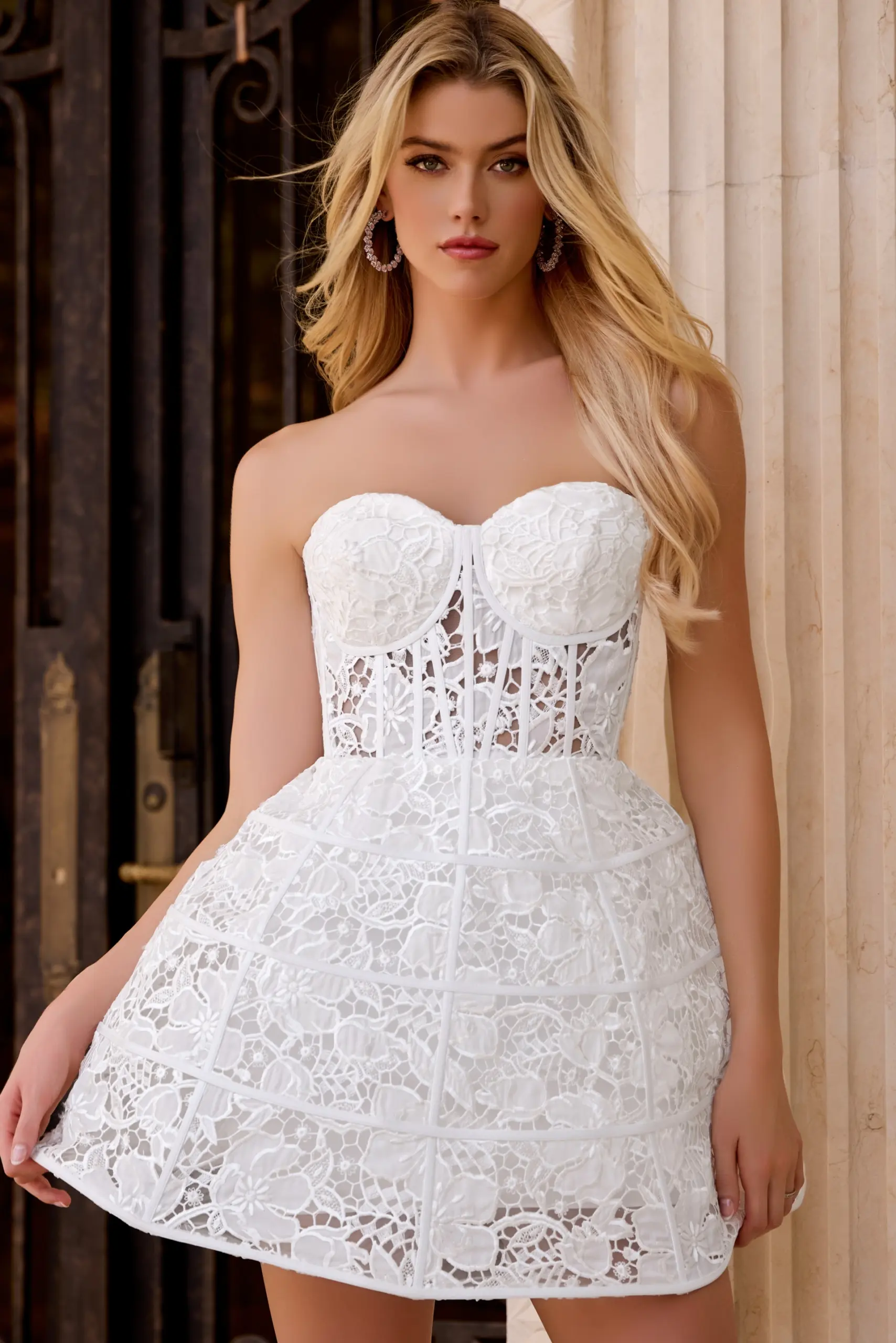
2 Colors
Little White Dresses
Little white dresses give brides a flexible way to build a wedding-weekend wardrobe beyond the ceremony gown. Jovani styles range from clean satin minis and structured fit-and-flare shapes to lace, sequined, tulle, and floral-appliqué designs, with mini and midi lengths that suit different levels of formality. Compare neckline, bodice construction, skirt volume, and surface detail to find the right balance between bridal polish and ease. These shorter white dresses work especially well for events where movement, a lighter silhouette, and a distinct second look matter as much as traditional bridal detailing.
Products
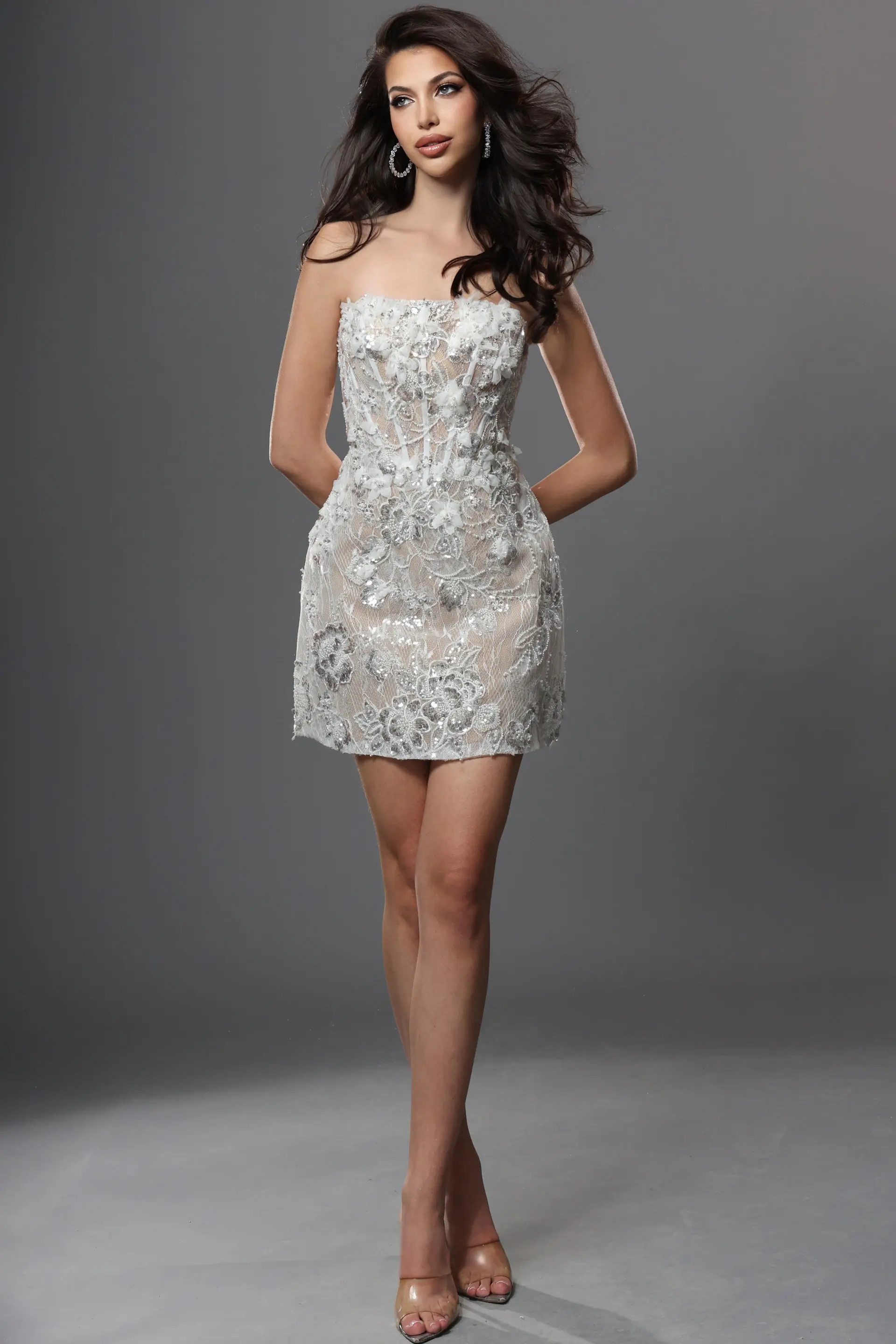
2 Colors
Embellished Mini Dress with 3D Floral Accents 45853
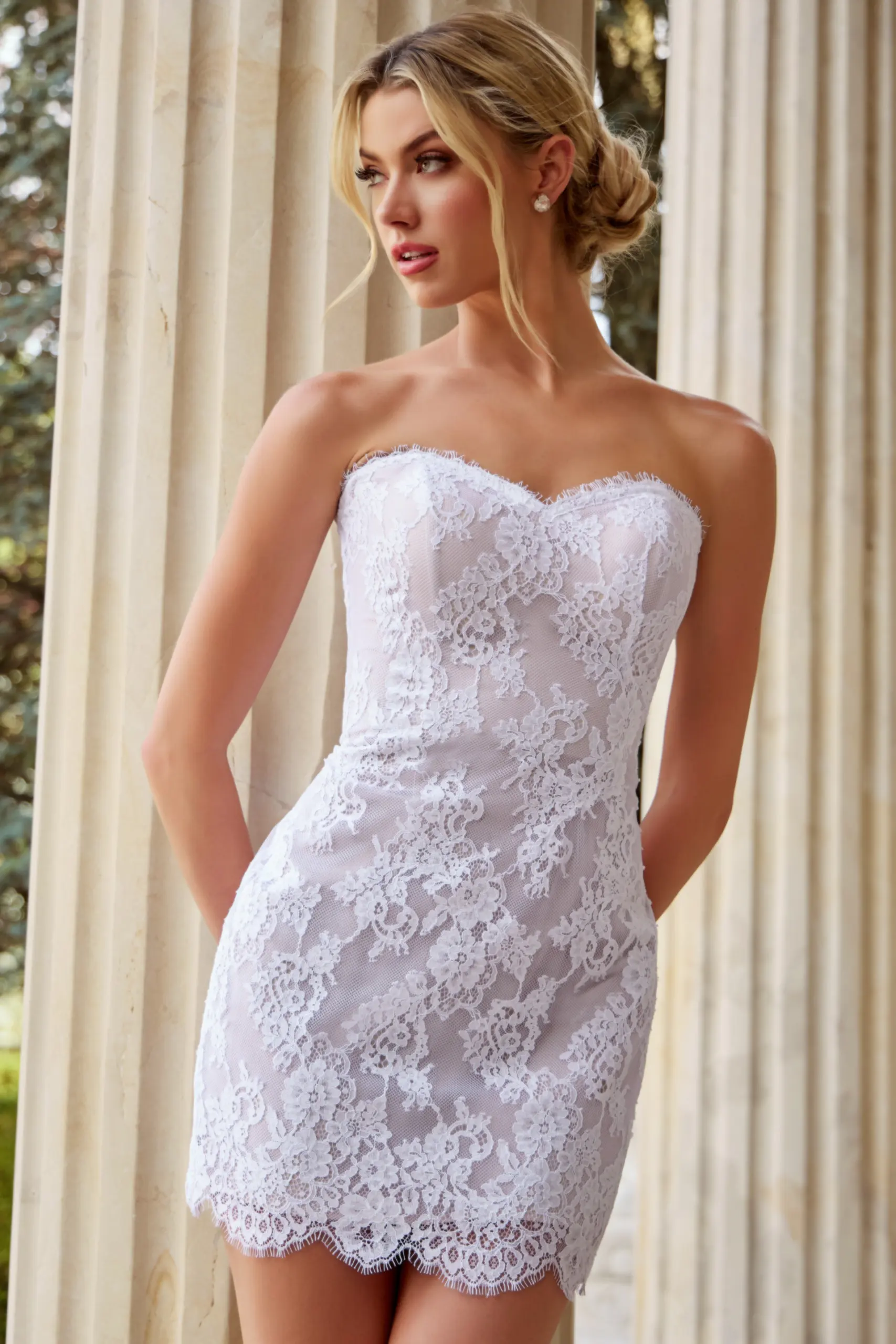
1 Colors
Lace Mini Dress with Scalloped Hem 48689
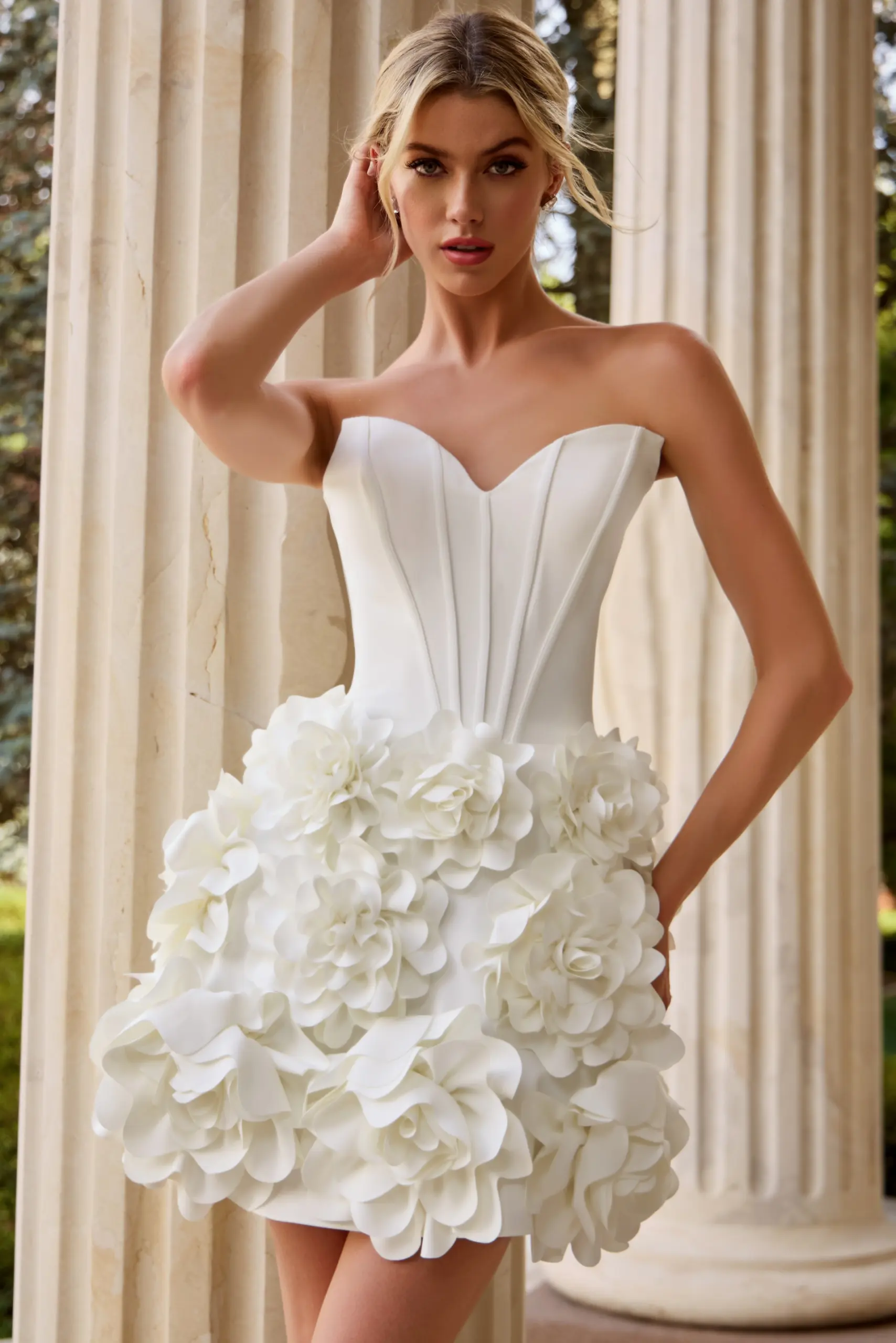
1 Colors
Strapless Short Wedding Dress with 3D Floral Skirt JB44284
3 Colors
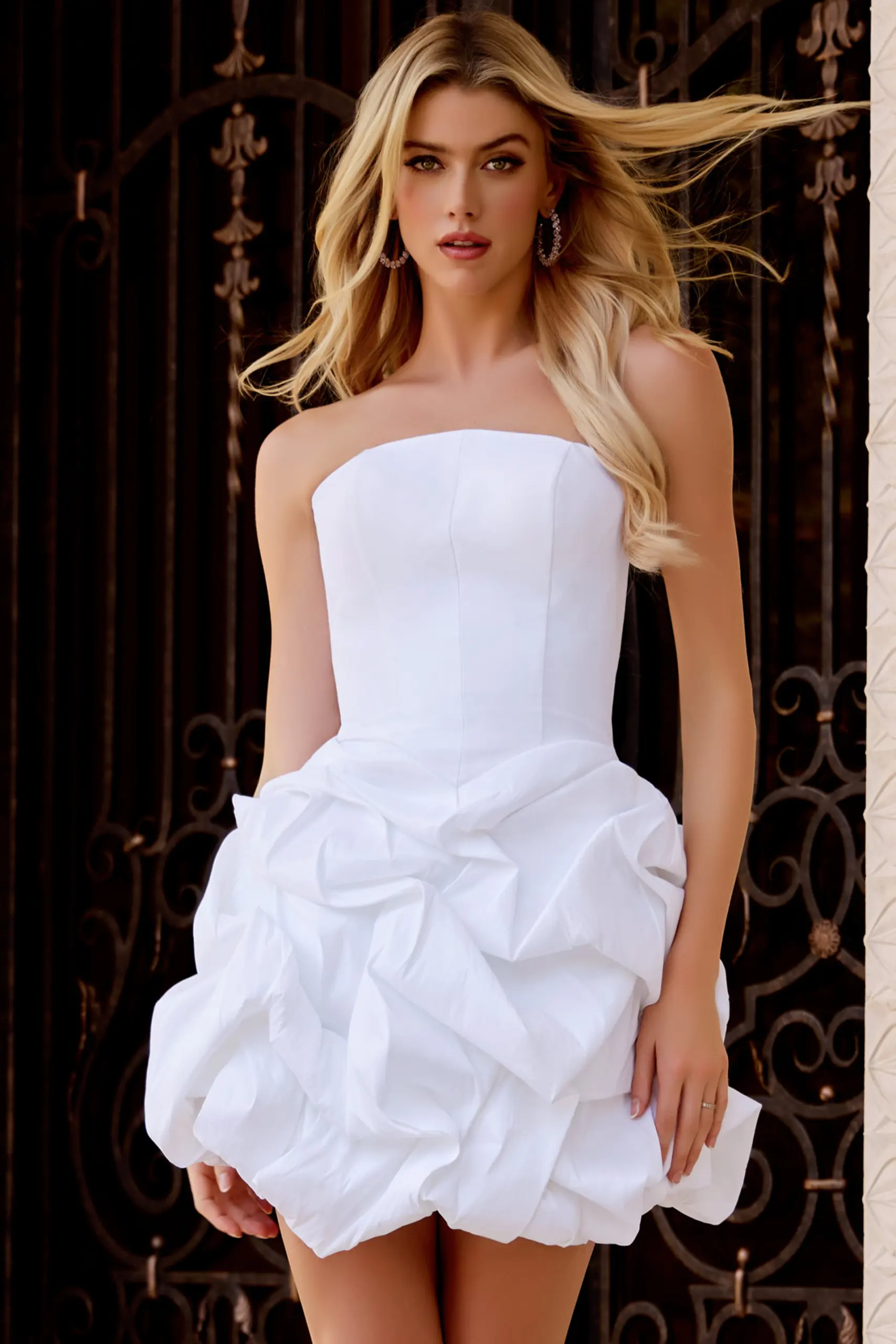
Strapless Bubble Hem Mini Dress with Modern Style 45363
1 Colors
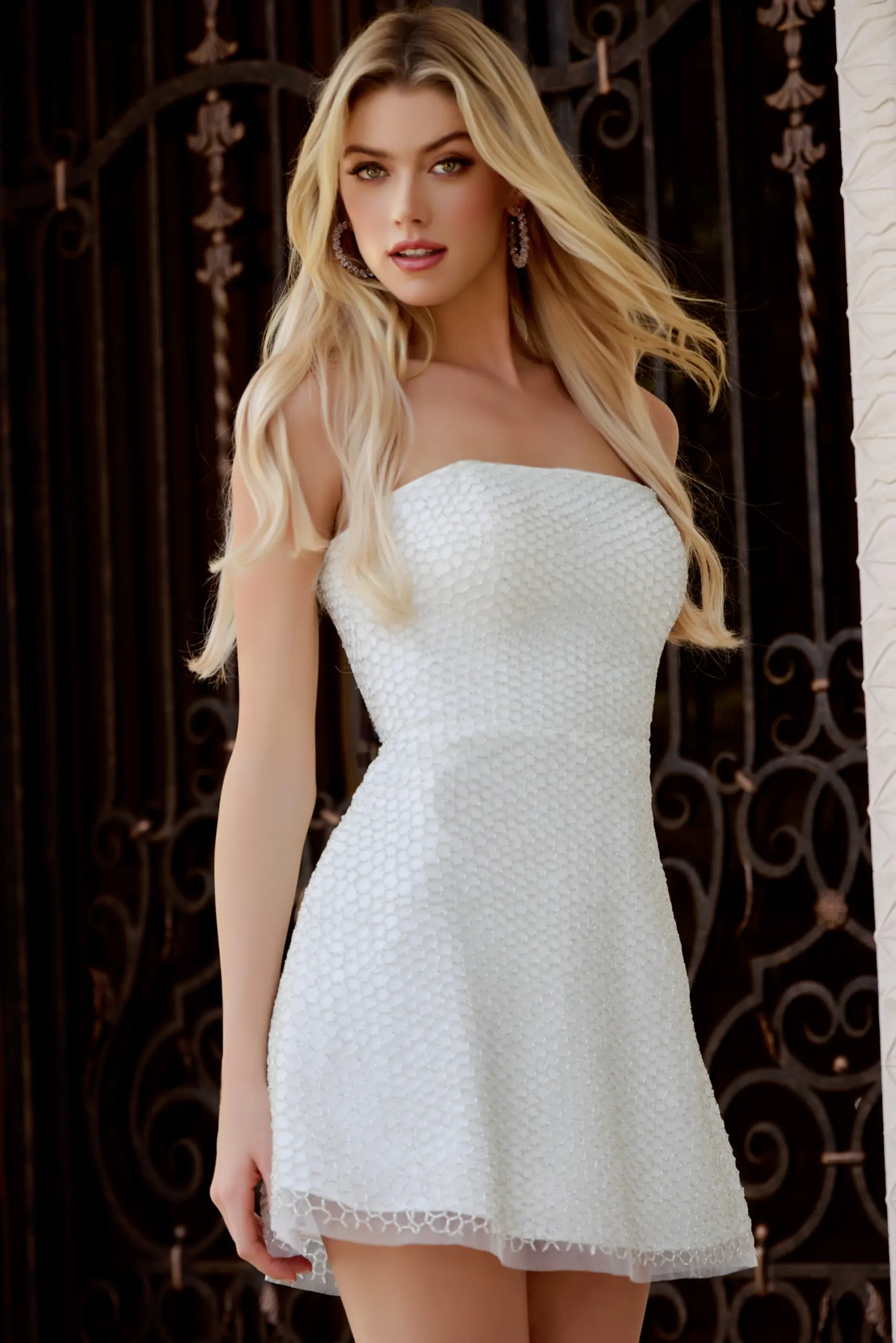
Strapless A-Line Mini Dress with Textured Fabric 44965
2 Colors
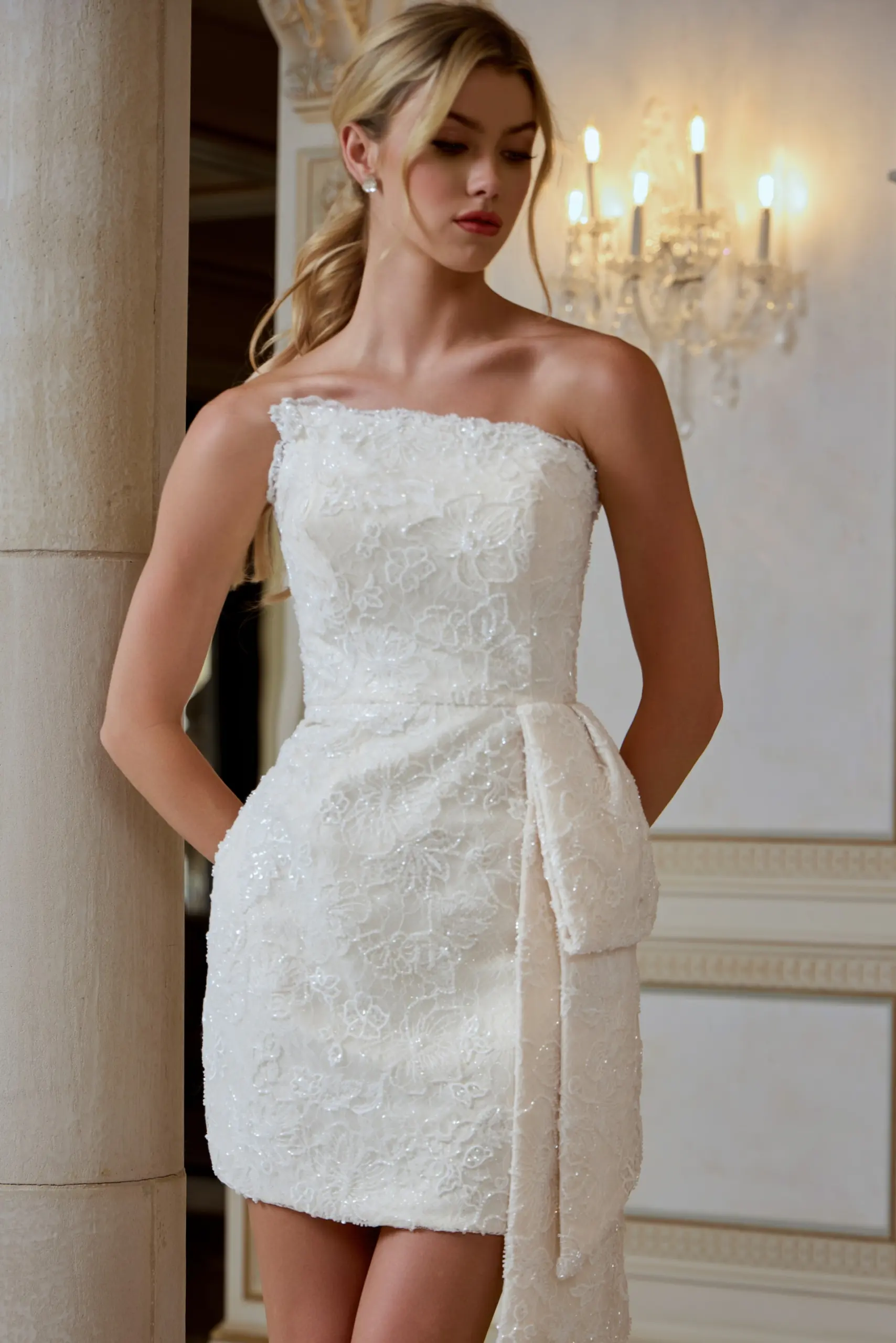
Lace Mini Dress with Draped Detail 45260
1 Colors
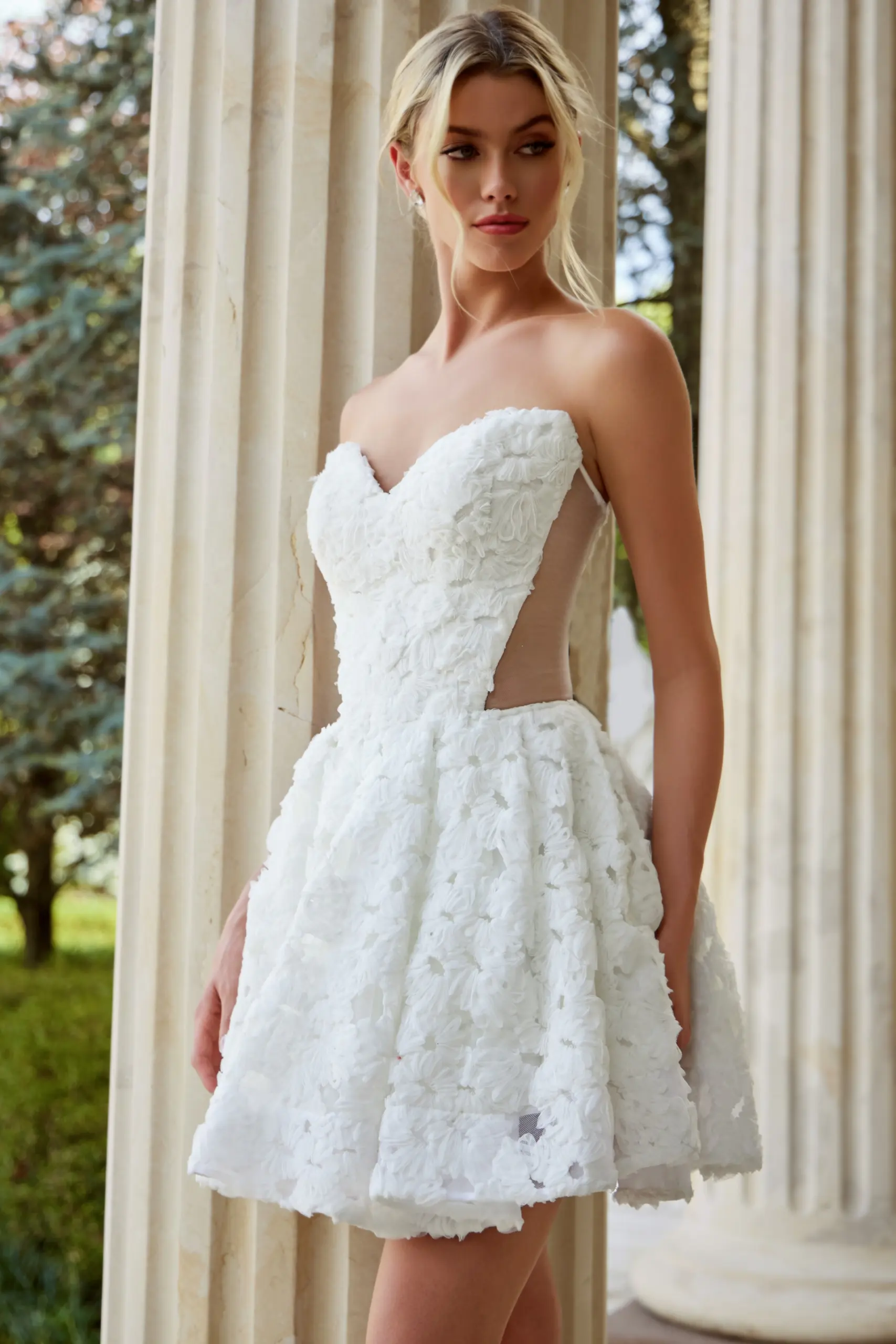
Strapless Sweetheart Mini Dress with Floral Texture 45227
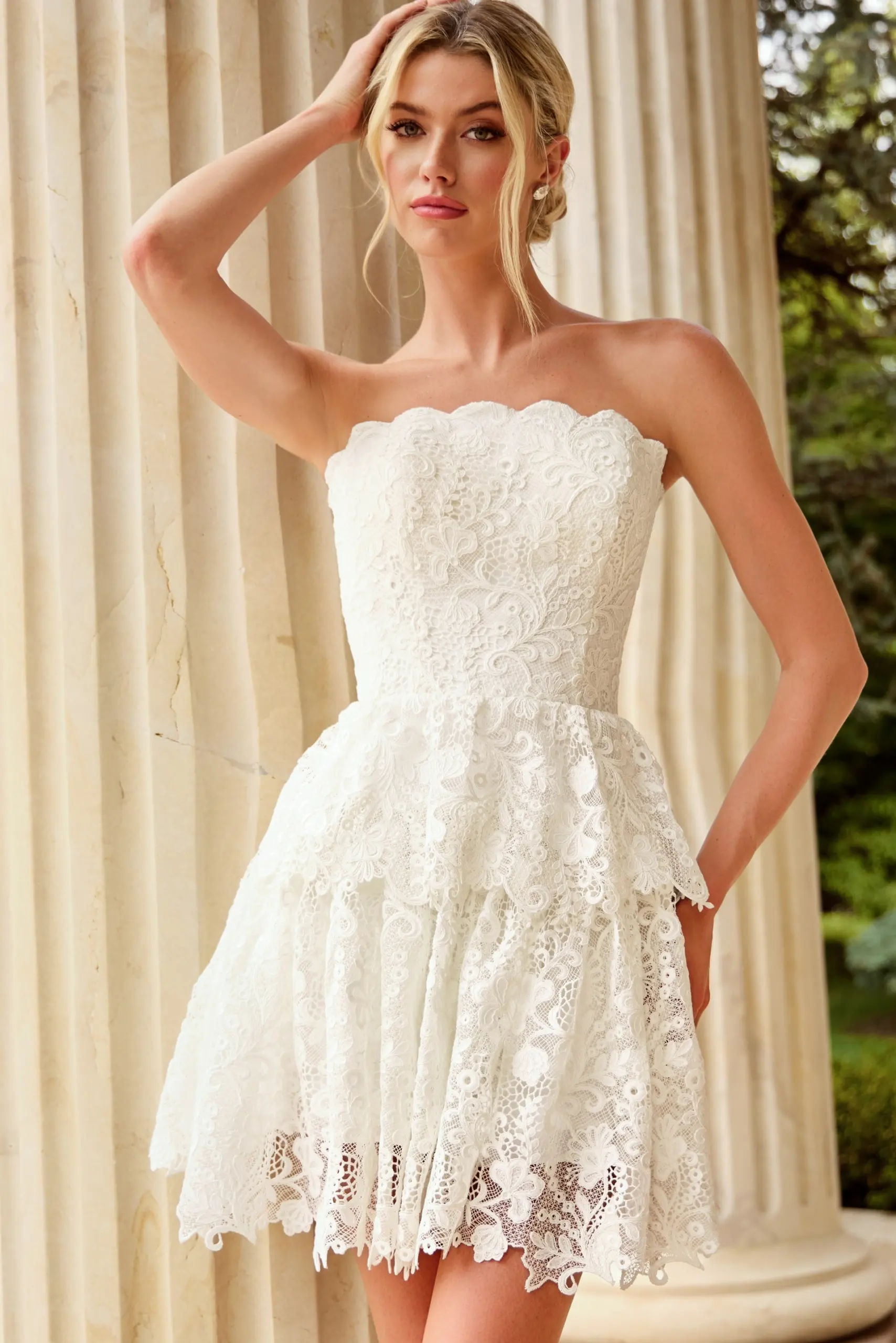
1 Colors
Lace Tiered Mini Dress with Scalloped Neckline 47663
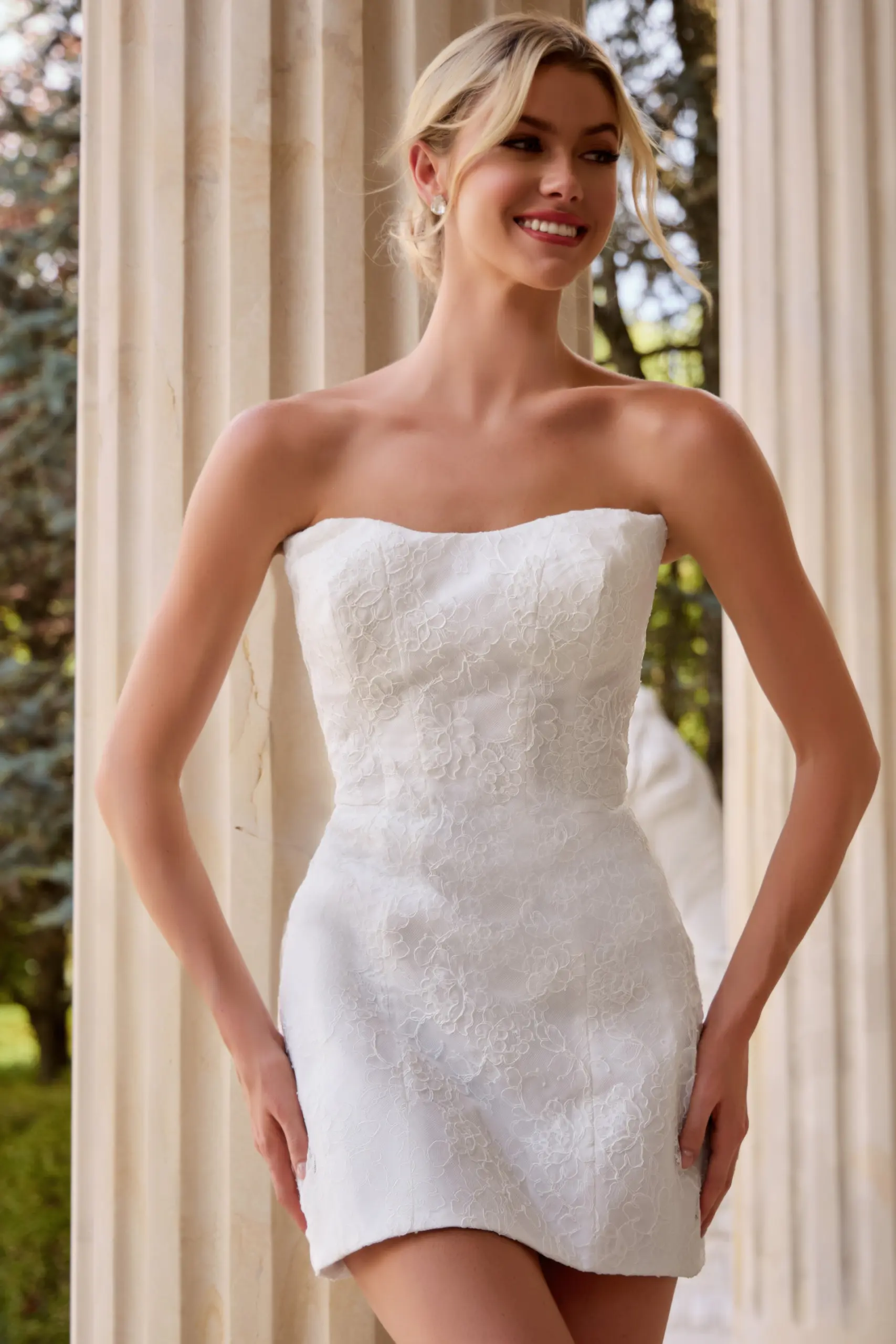
1 Colors
Strapless Mini Lace Bridal Dress JB50283
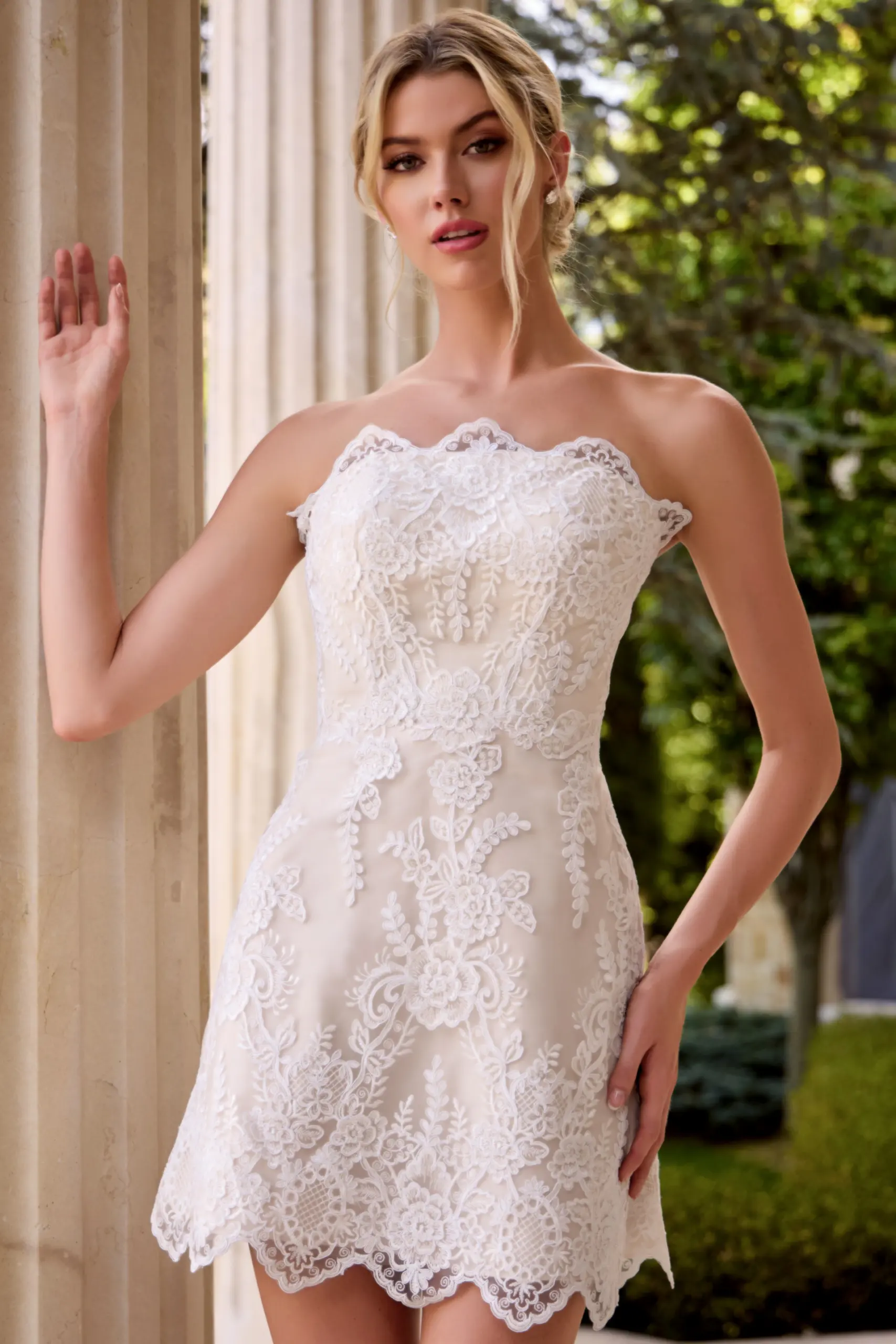
1 Colors
Lace Short Dress with Scalloped Hem 48451
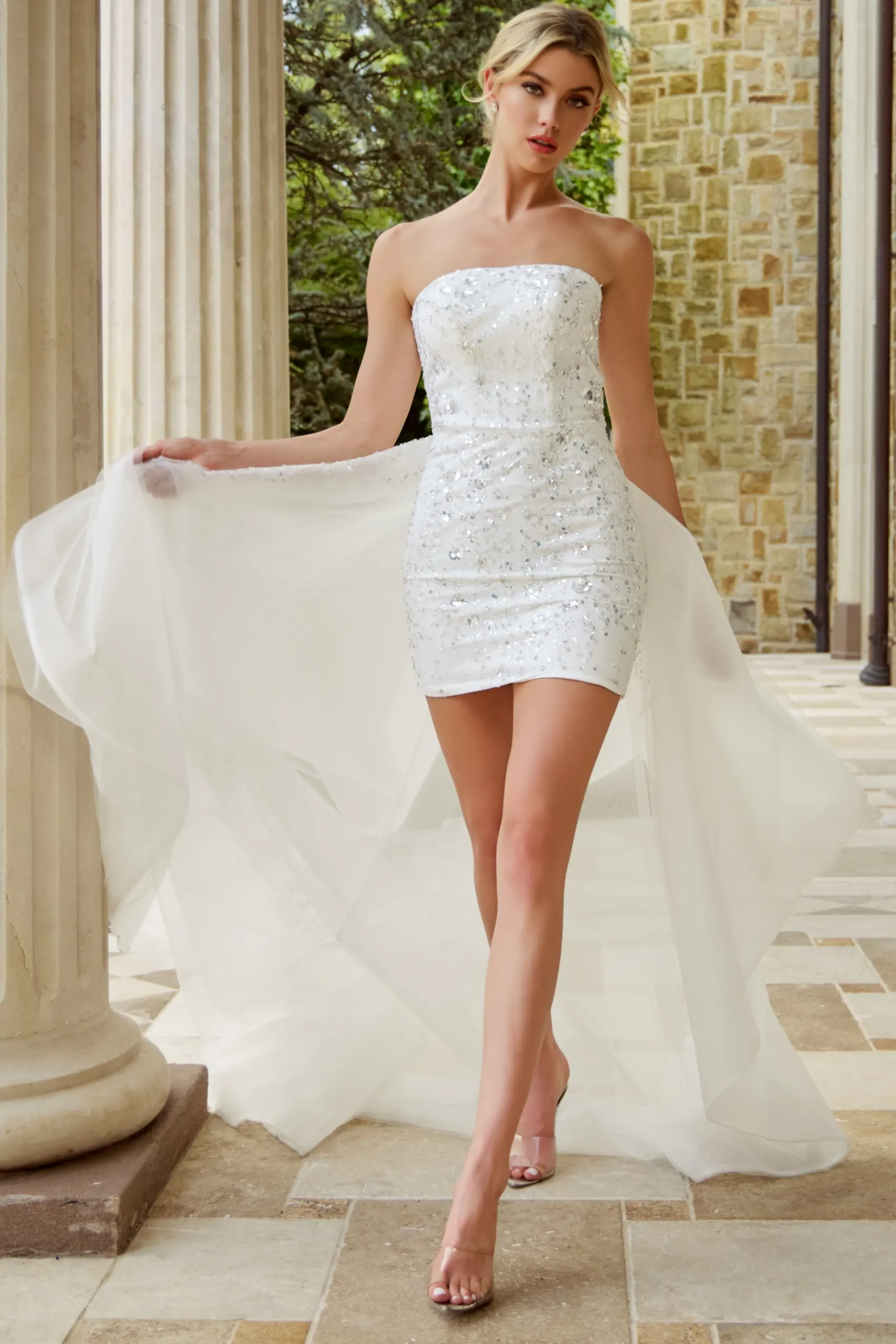
2 Colors
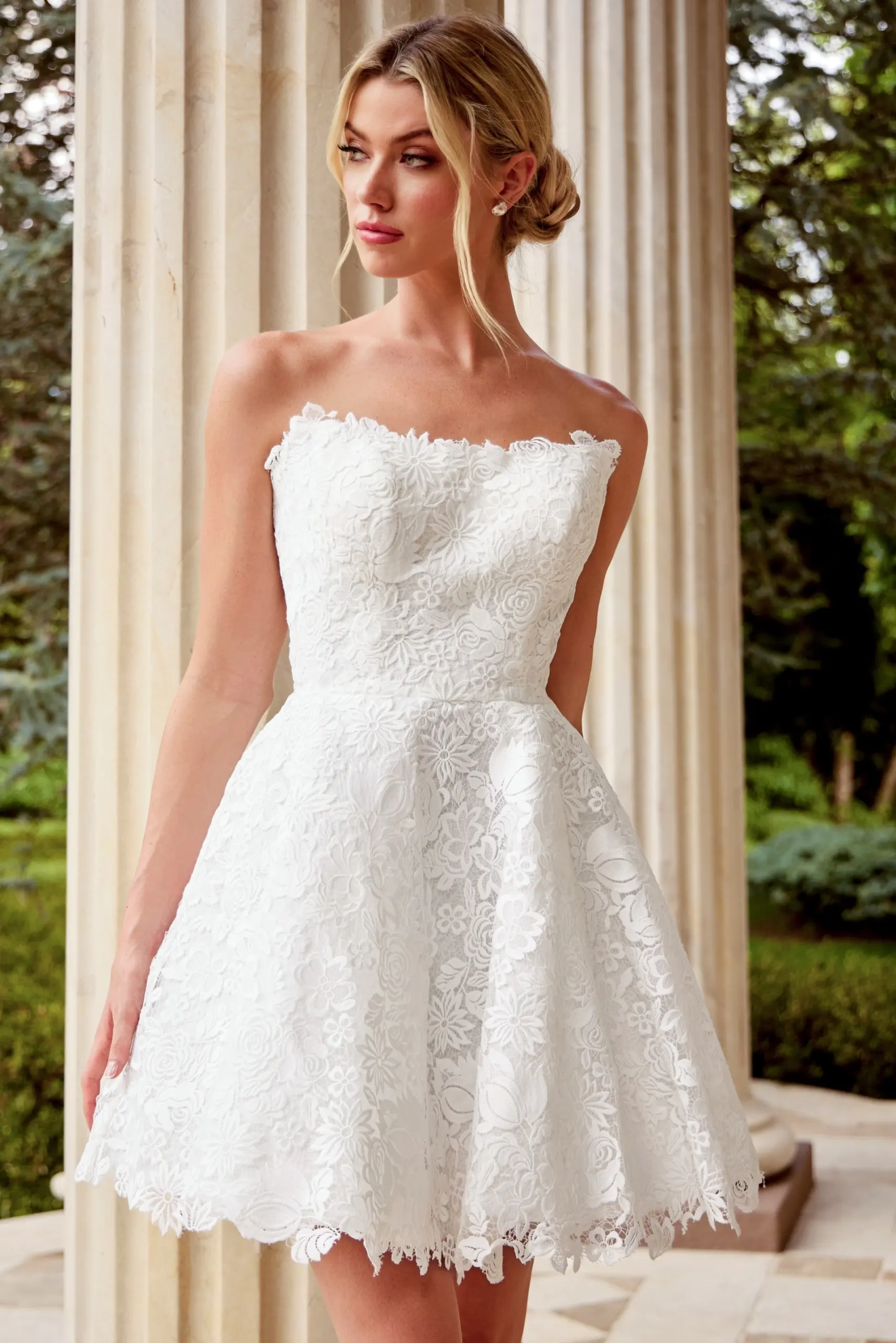
Sequin Mini Dress with Detachable Overskirt 47437
2 Colors
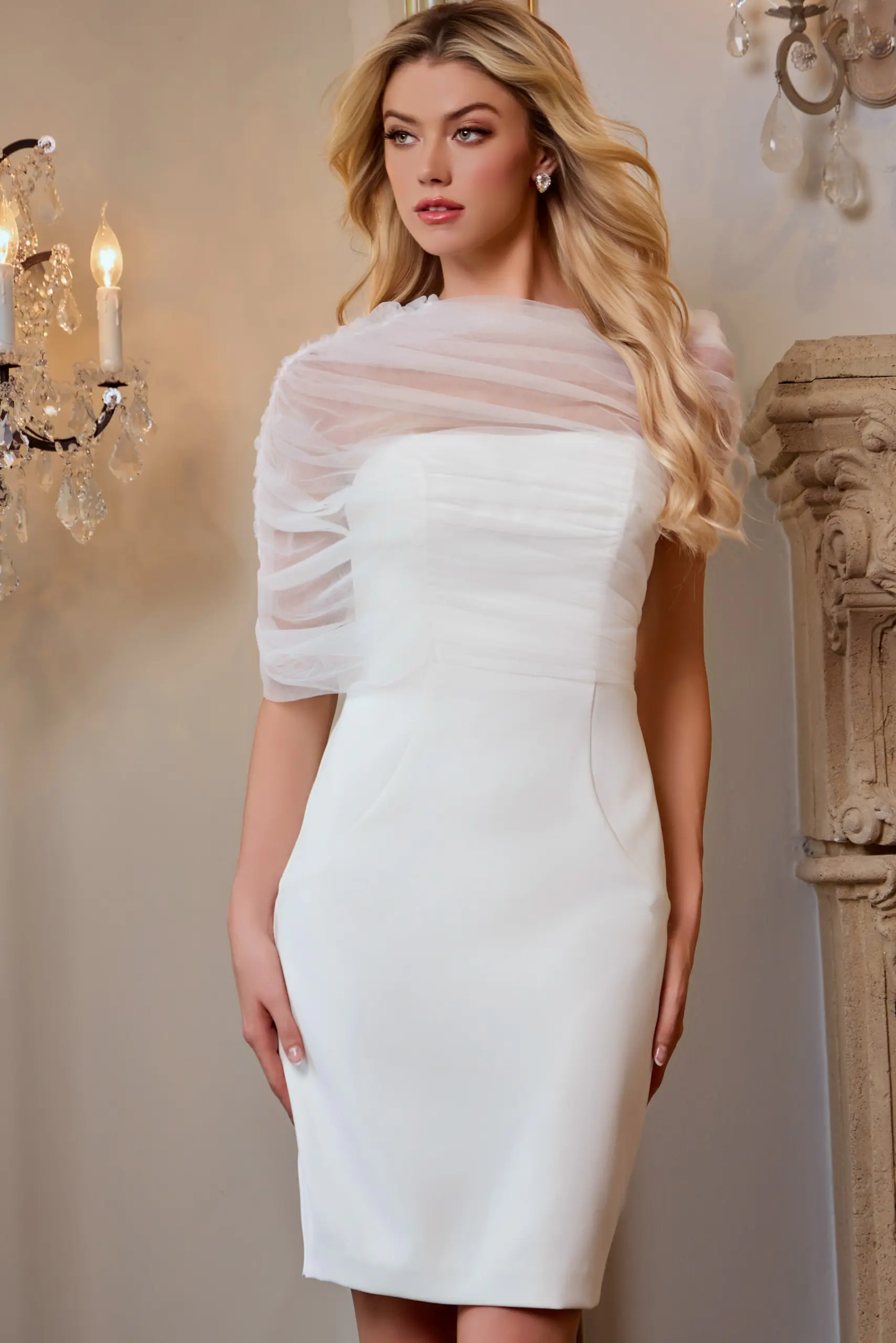
Ivory Sheath Dress with Sheer Tulle Overlay 47738
1 Colors
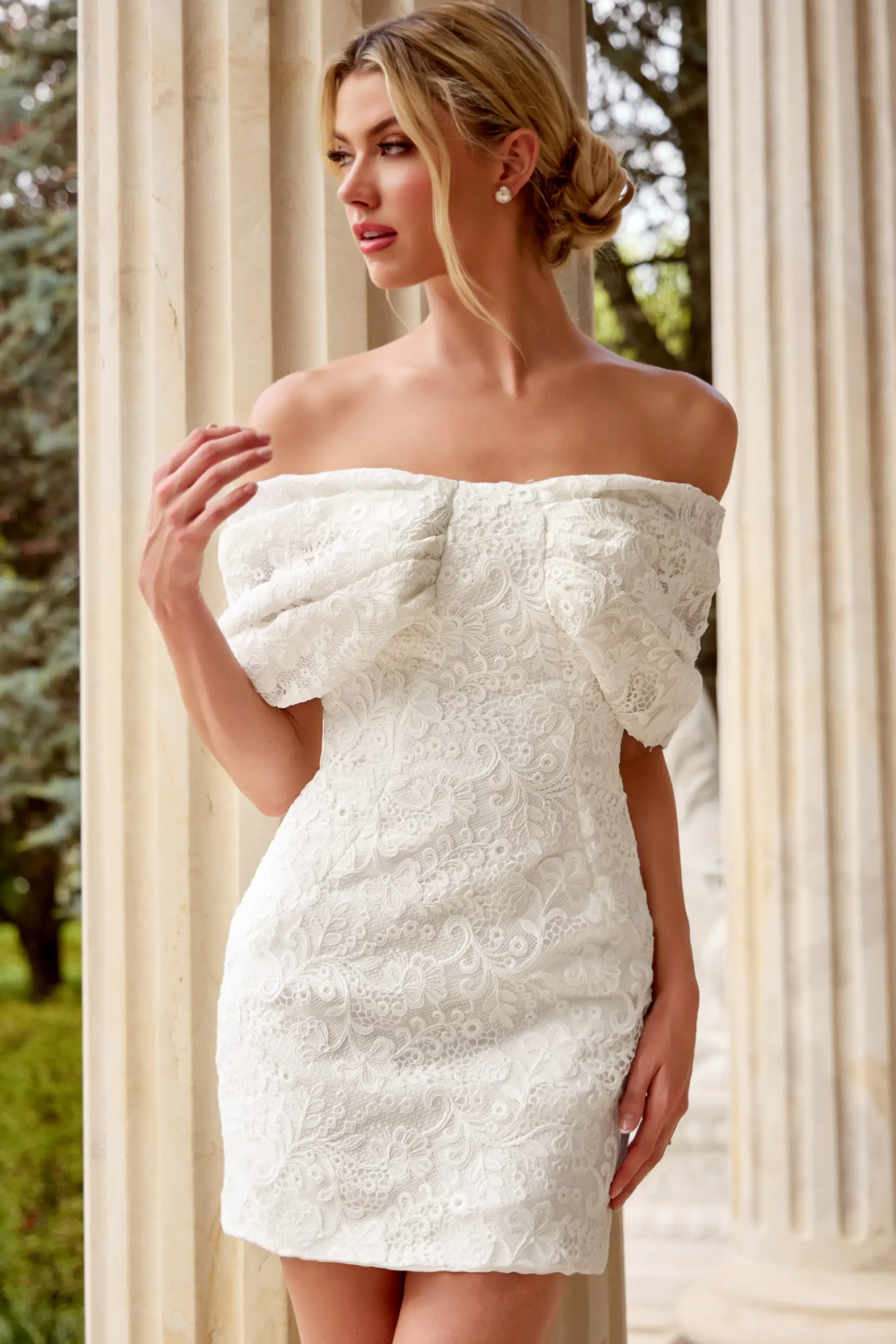
Lace Mini Dress with Statement Folded Detail 47659
3 Colors
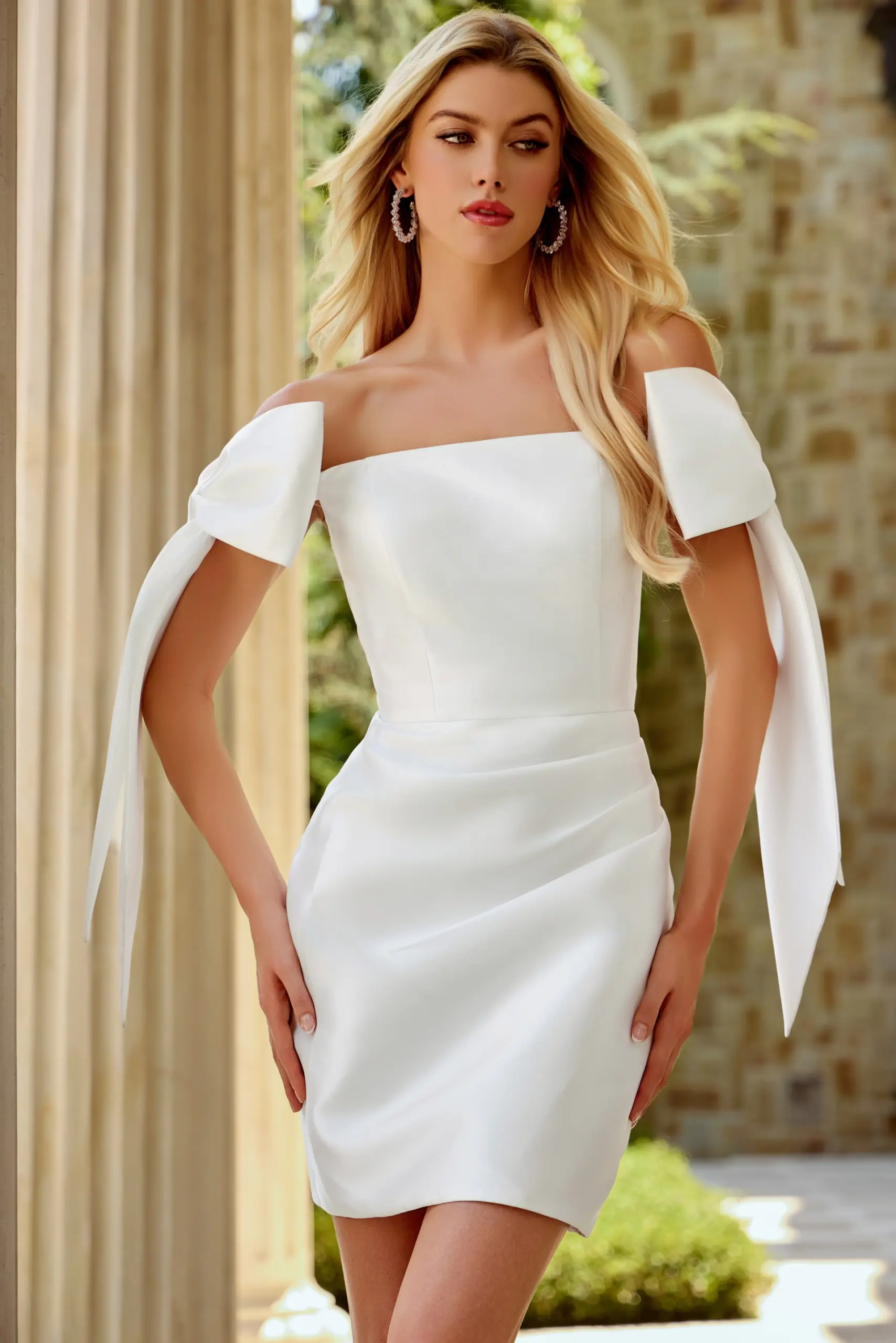
Off Shoulder Mini Dress with Bow Sleeves 46733
1 Colors
Lace Mini Dress with Floral Appliqué 45766
1 Colors
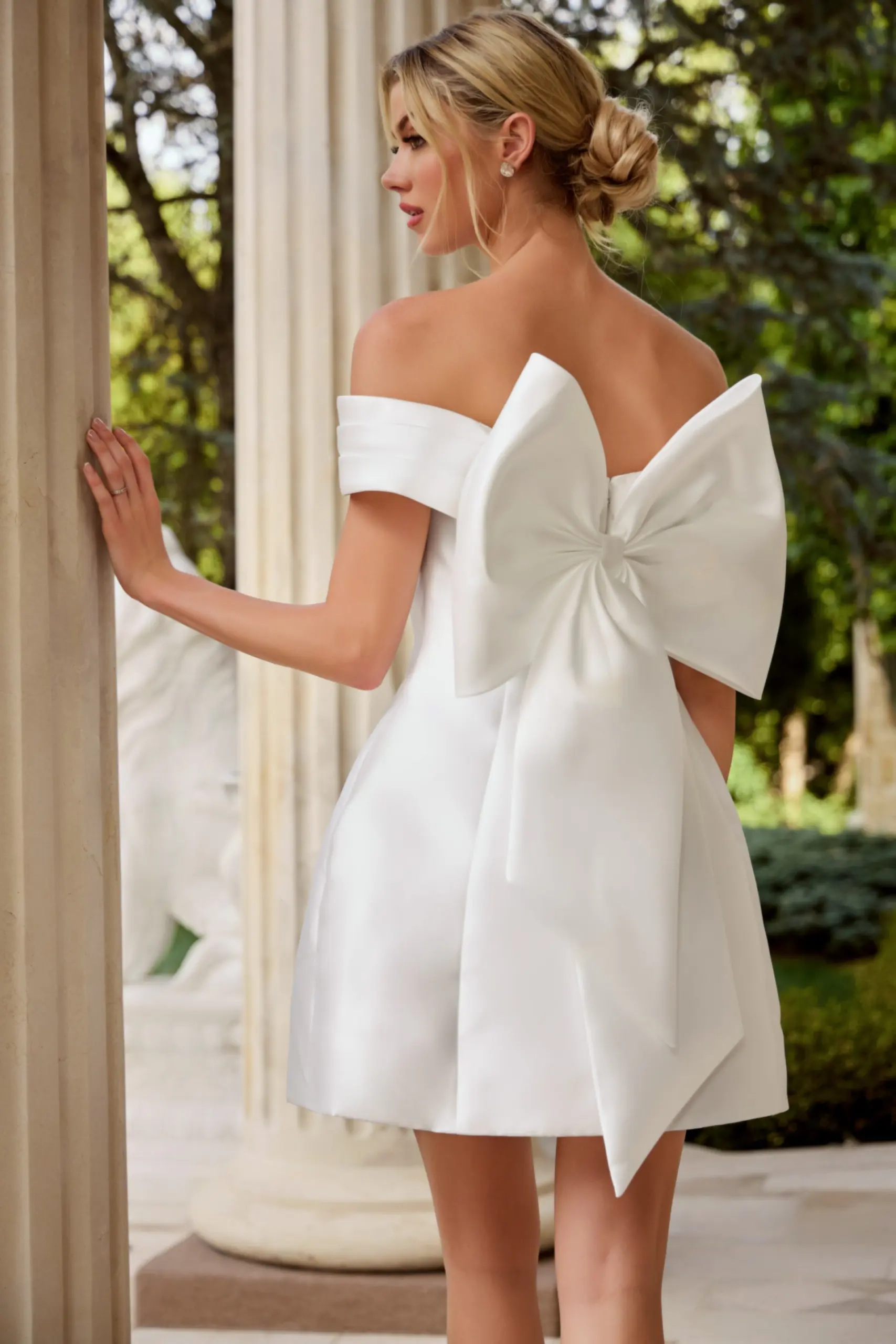
Short Satin Dress with Bow Back 48453
5 Colors
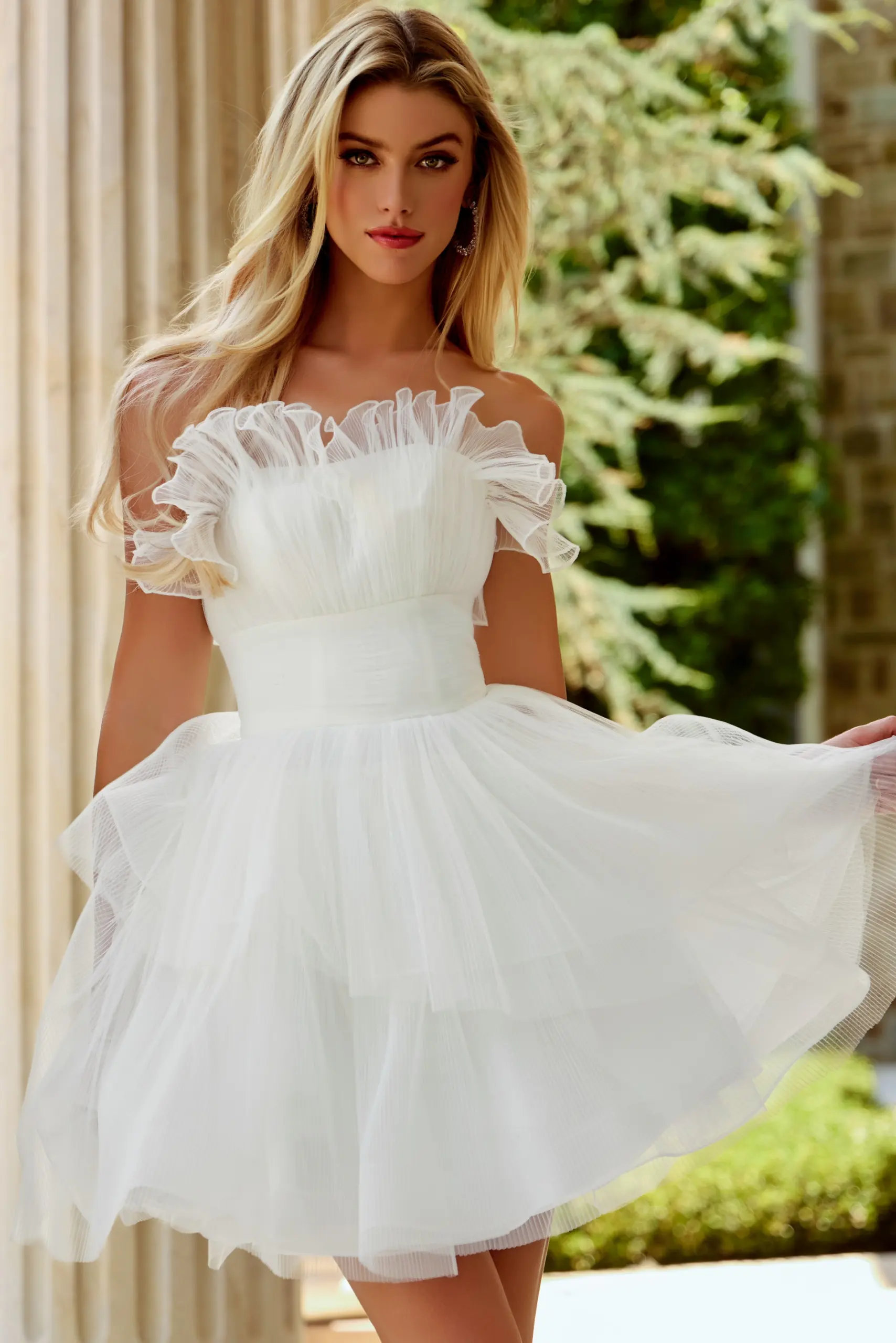
Tulle Mini Dress with Ruffled Bodice 42340
1 Colors
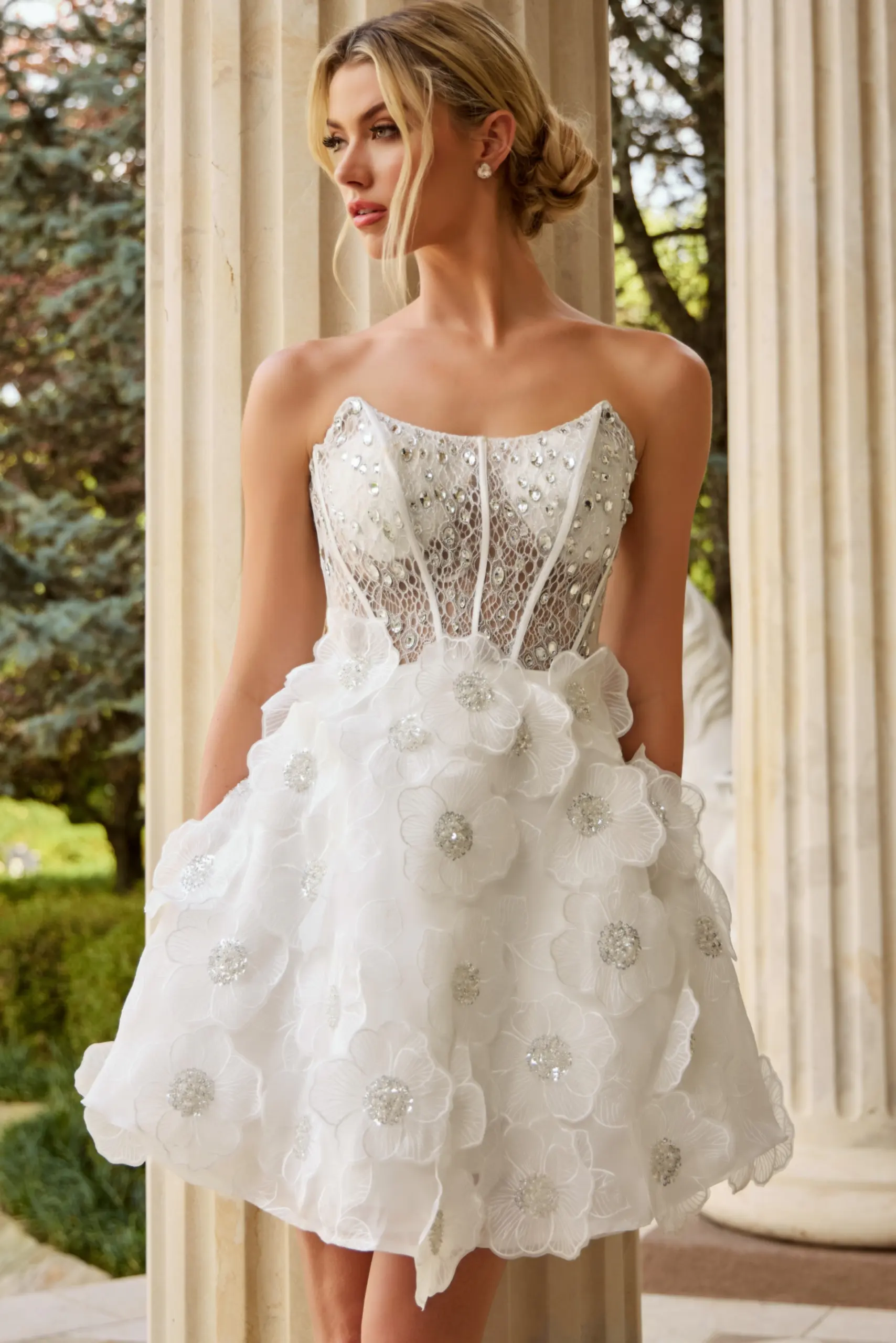
Corset Mini Dress with 3D Floral Appliqué 42299
4 Colors
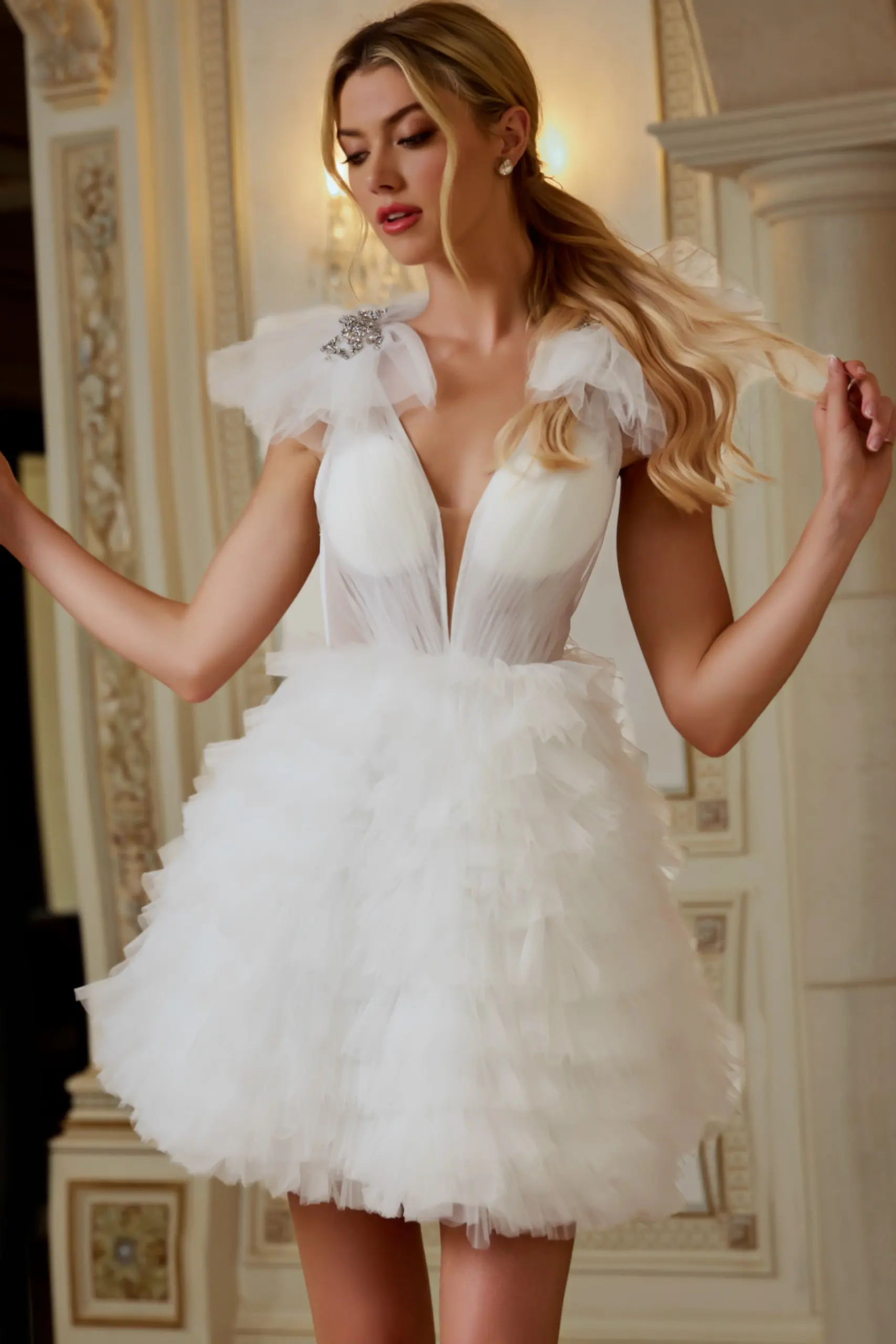
Plunging Tulle Mini Dress with Ruffle Skirt 41001
5 Colors
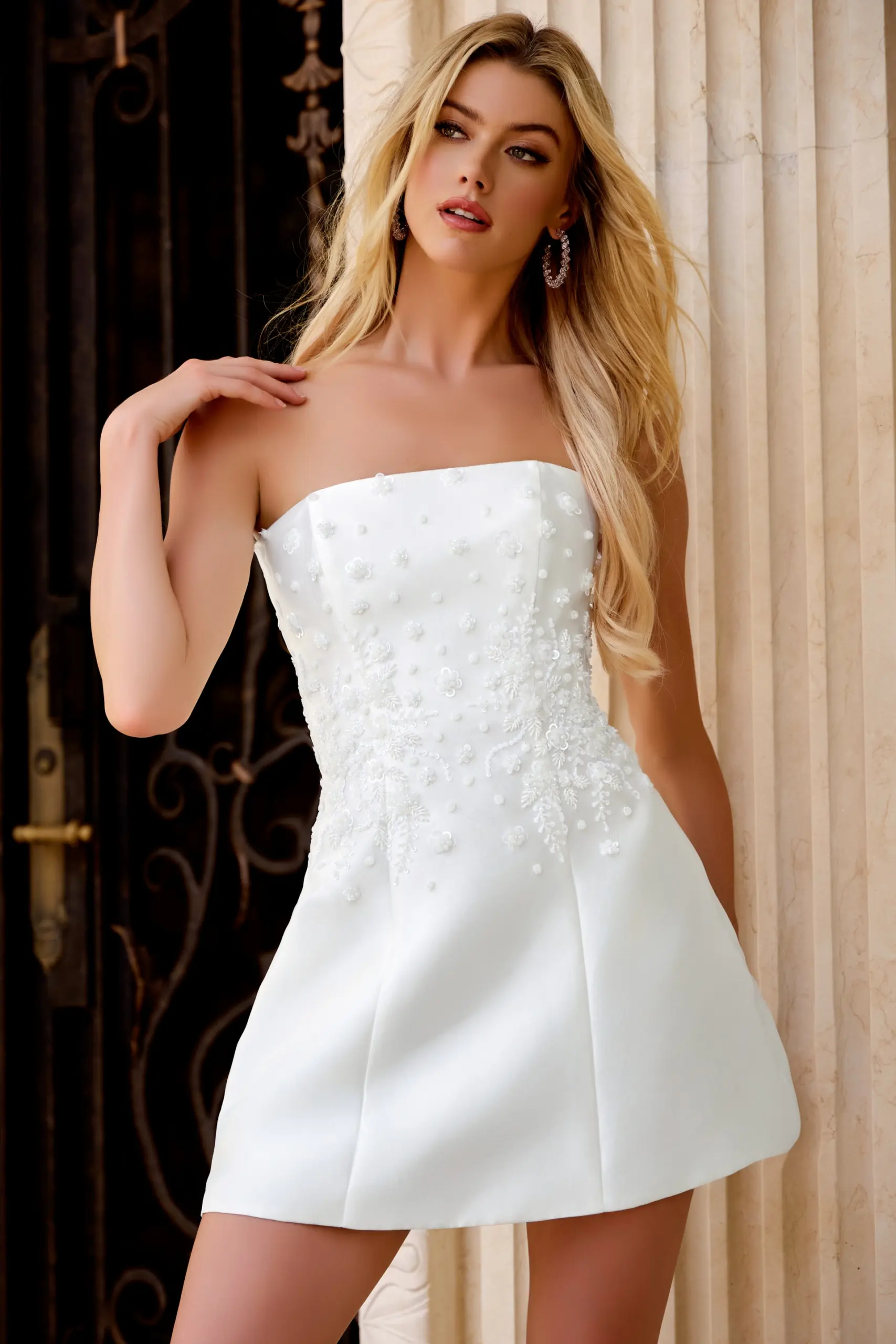
Mini Dress with Beaded Floral Embroidery 44855
3 Colors
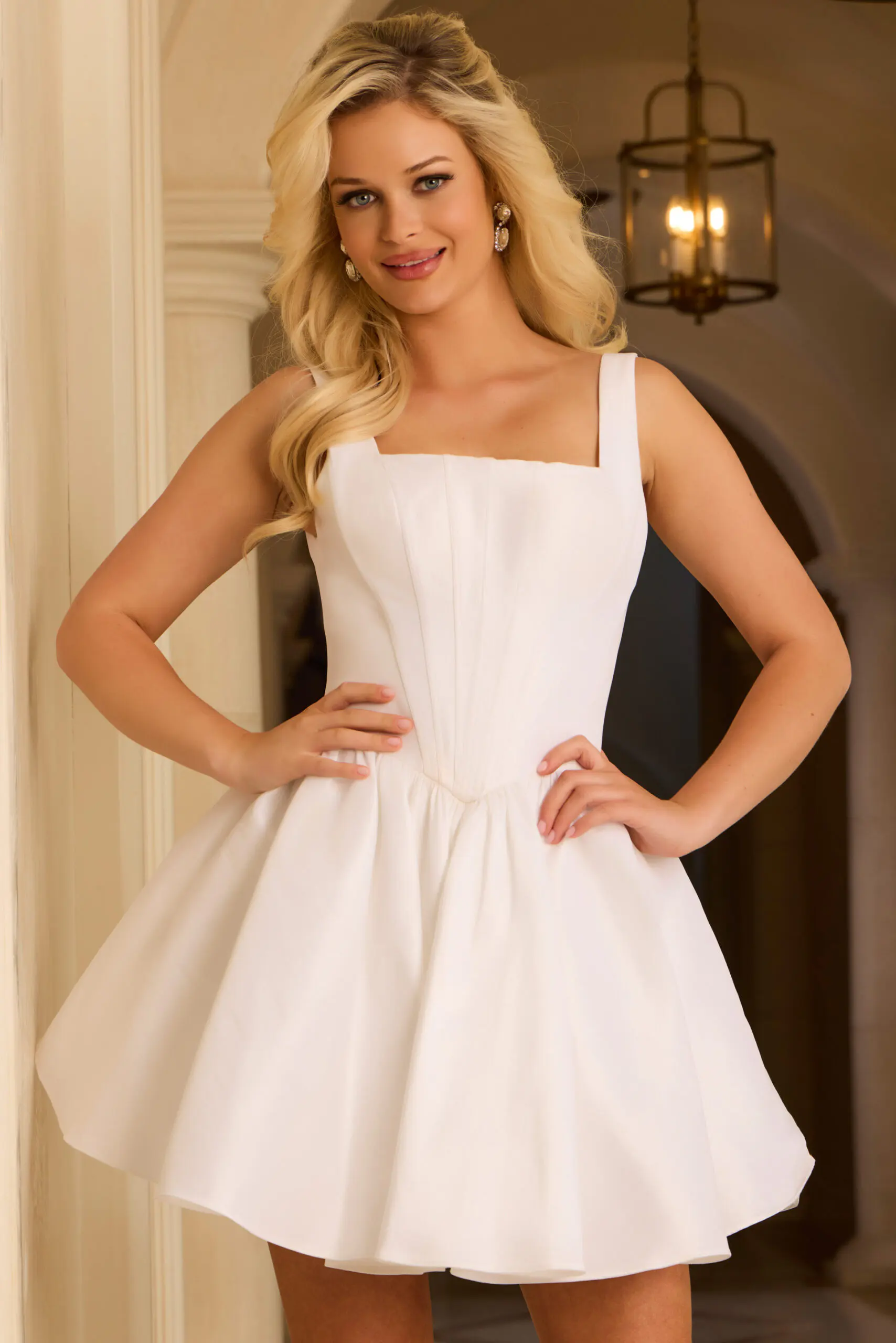
Satin Mini Dress With Pleated Skirt 45212
2 Colors
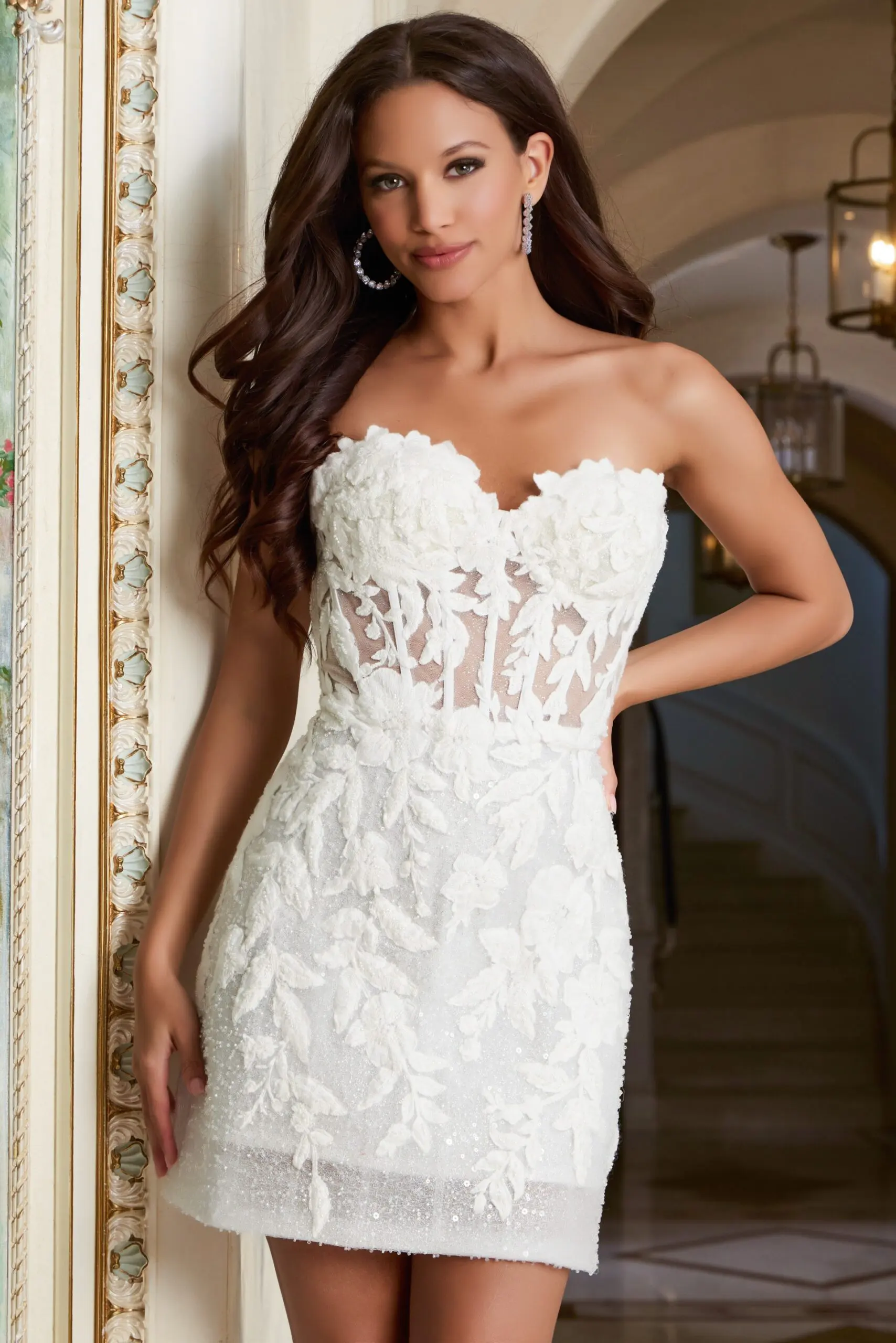
Floral Lace Mini Dress With Corset Bodice 45855
5 Colors
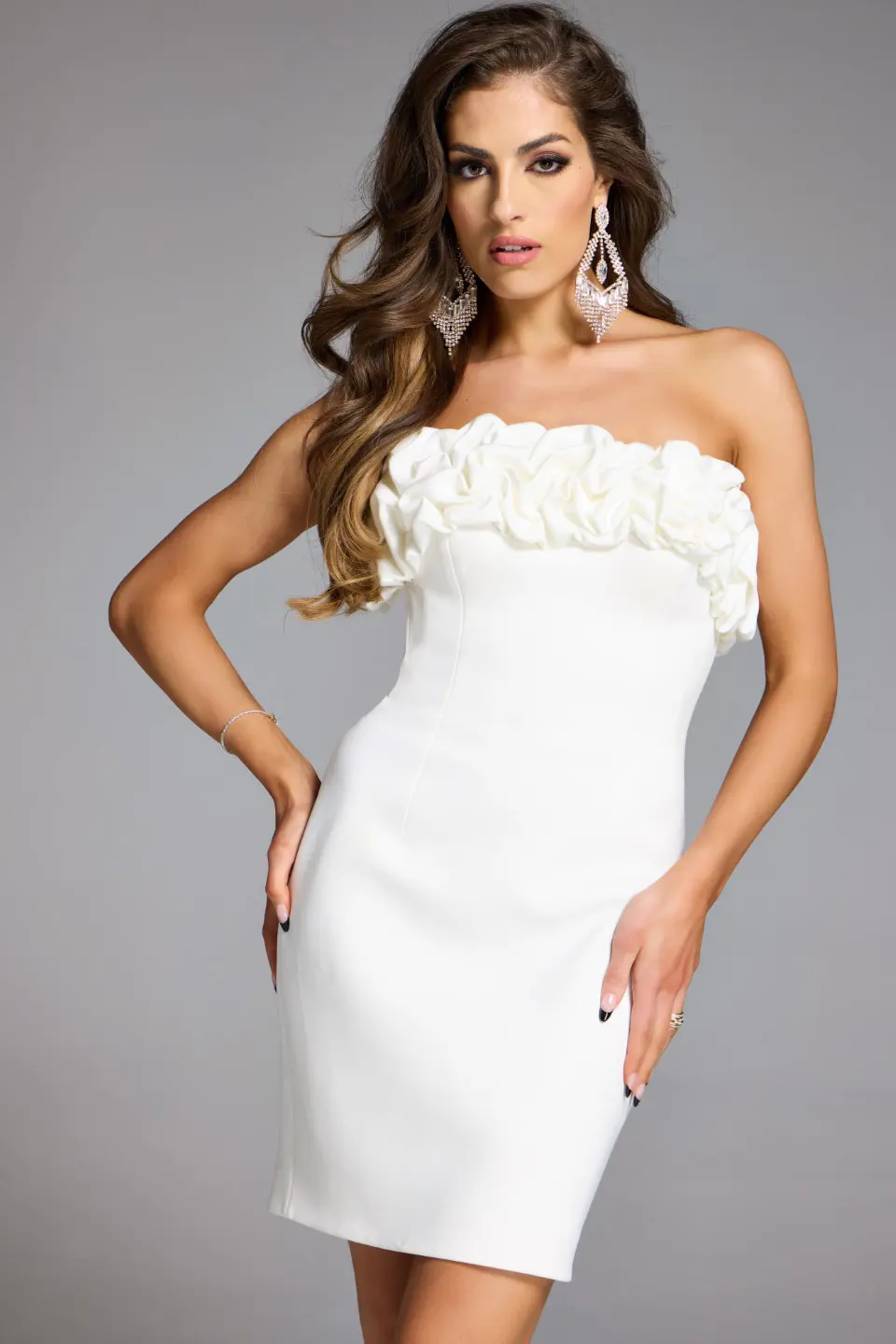
Strapless Mini Dress with Ruffled Bodice 42574
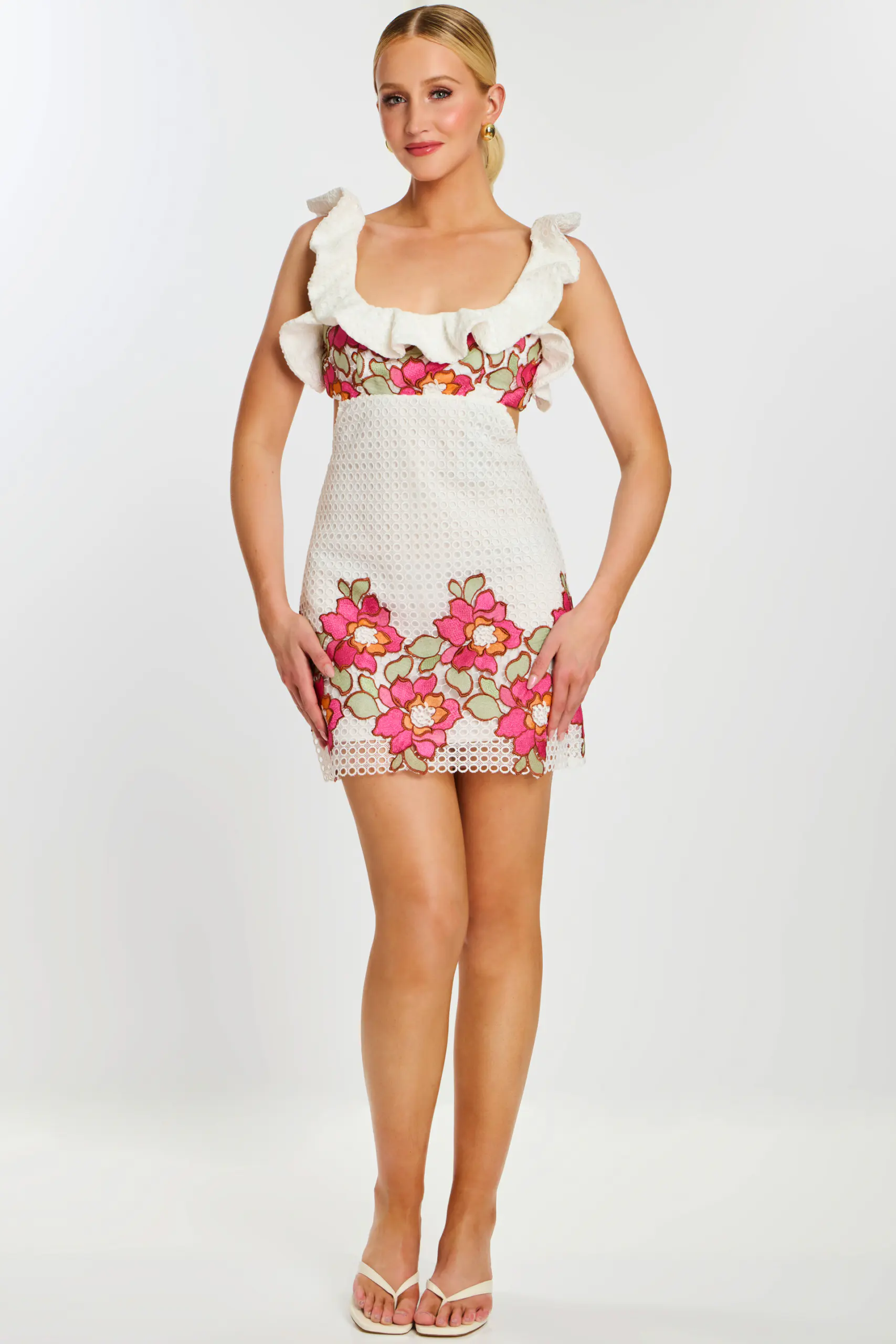
1 Colors
White Mini Dress with Floral Embroidery and Ruffles 43150
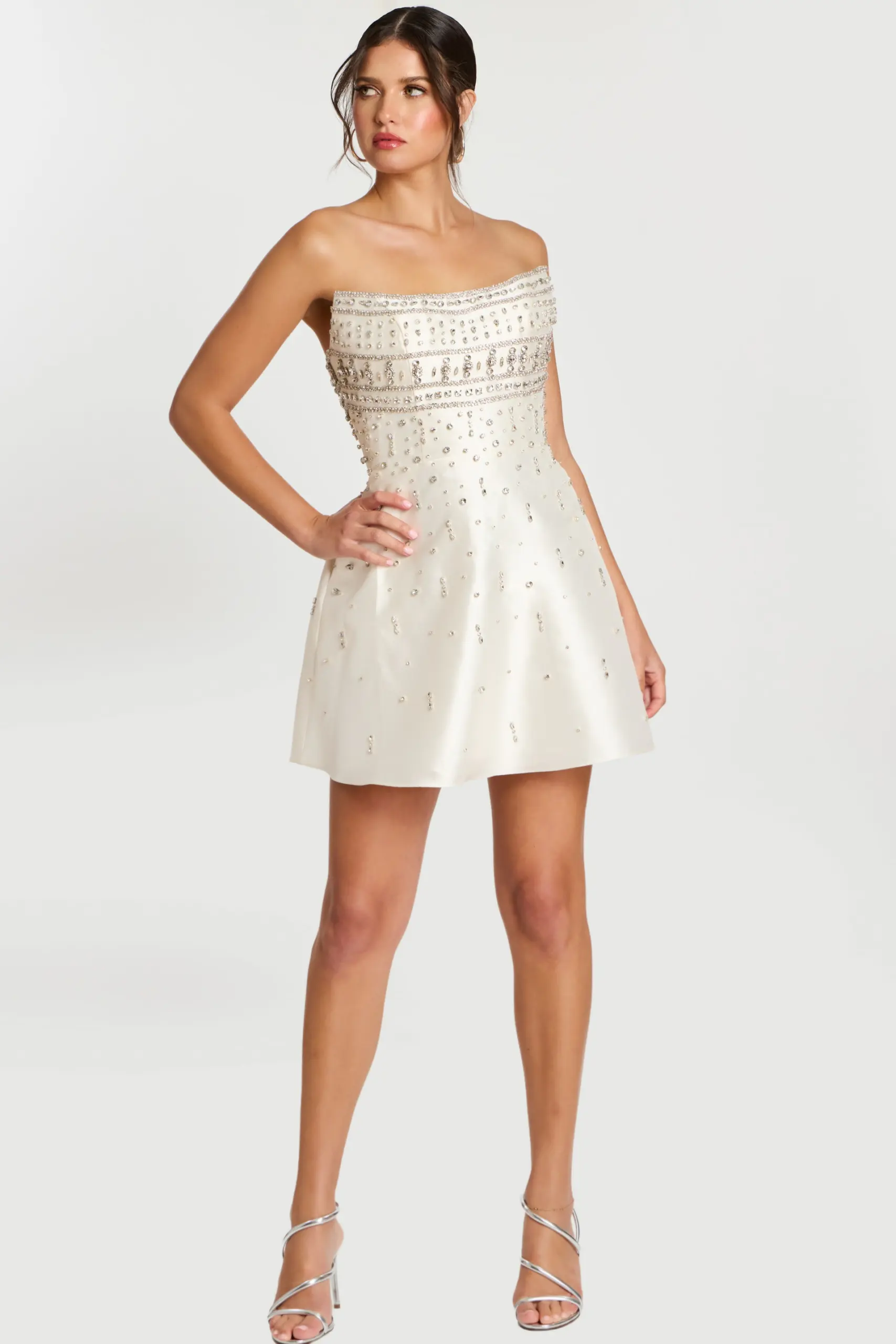
2 Colors
Mini Dress with Crystal Embellishments 45220
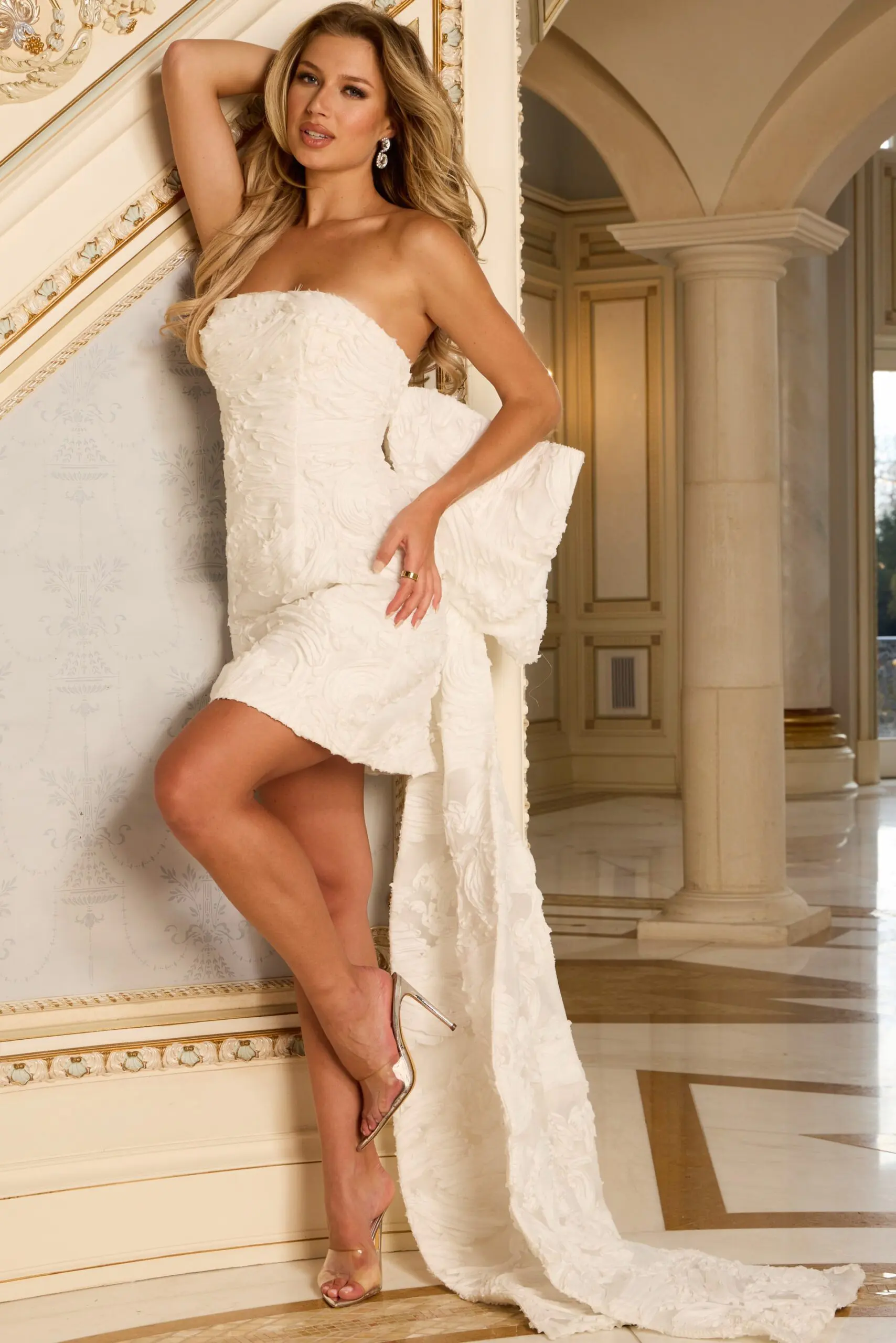
3 Colors
Mini Dresses with Sculpted Bows 45148
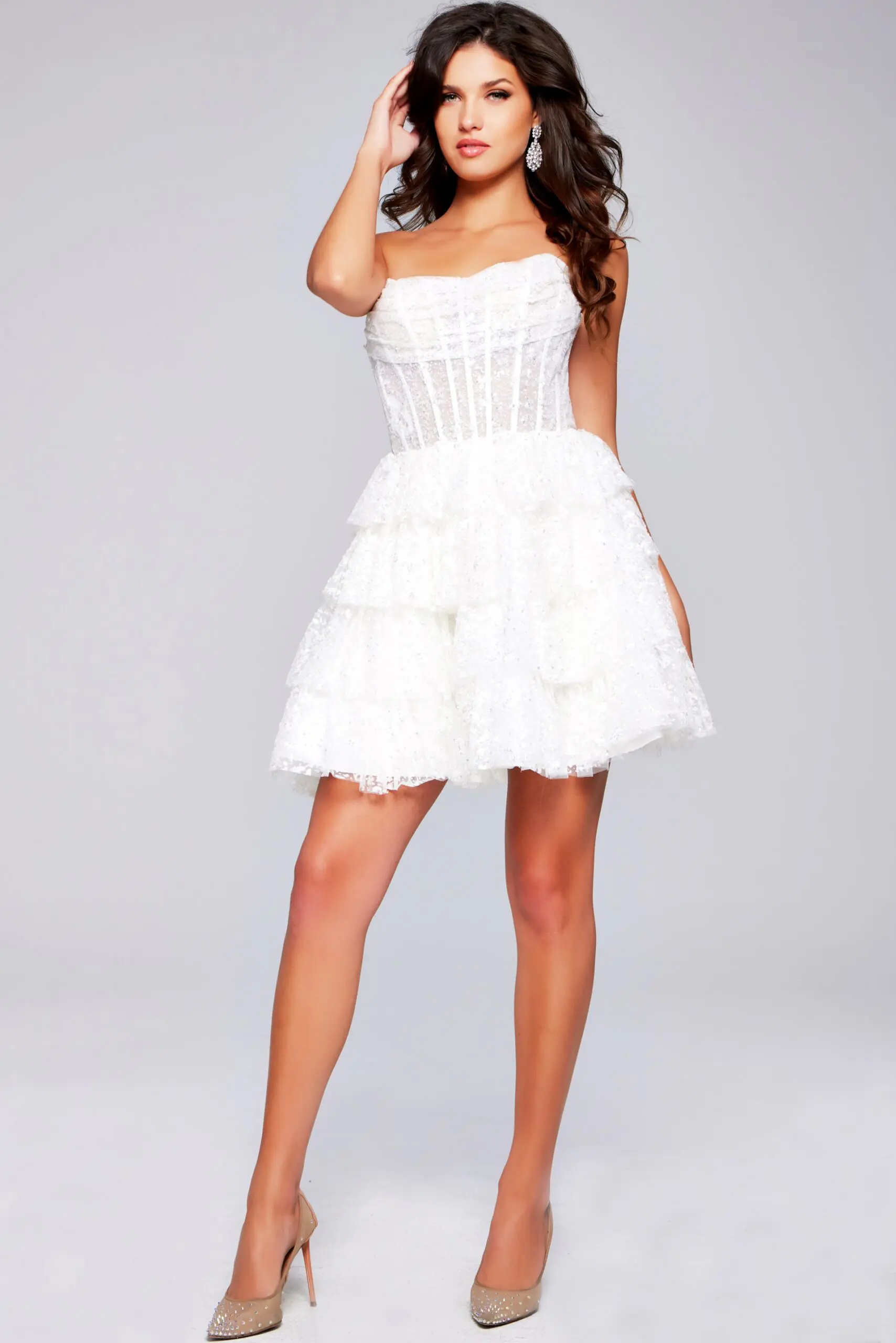
2 Colors
Ivory Strapless Fit and Flare Dress 40030
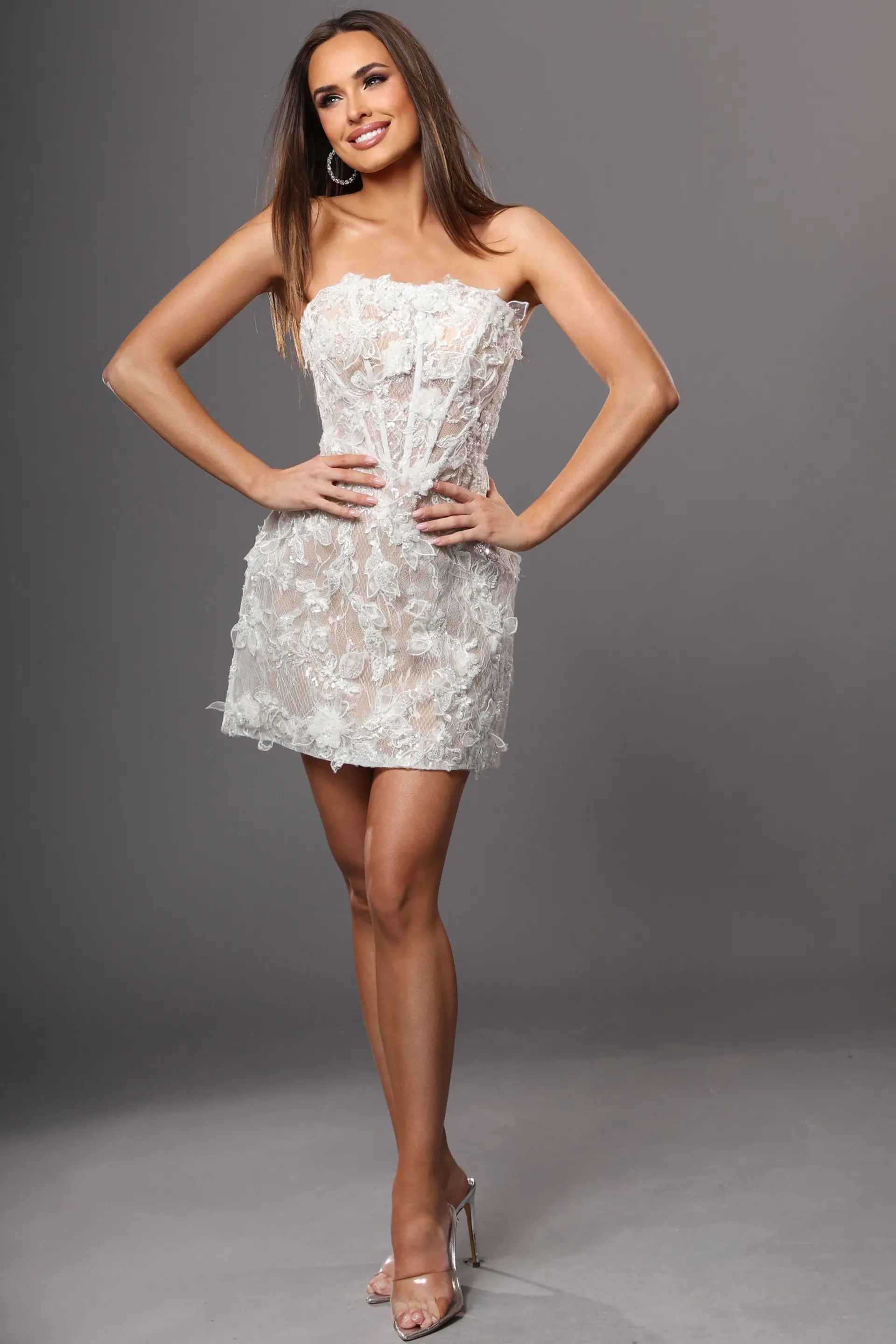
2 Colors
Strapless Floral Lace Mini Dress With Sheer Corset 45854
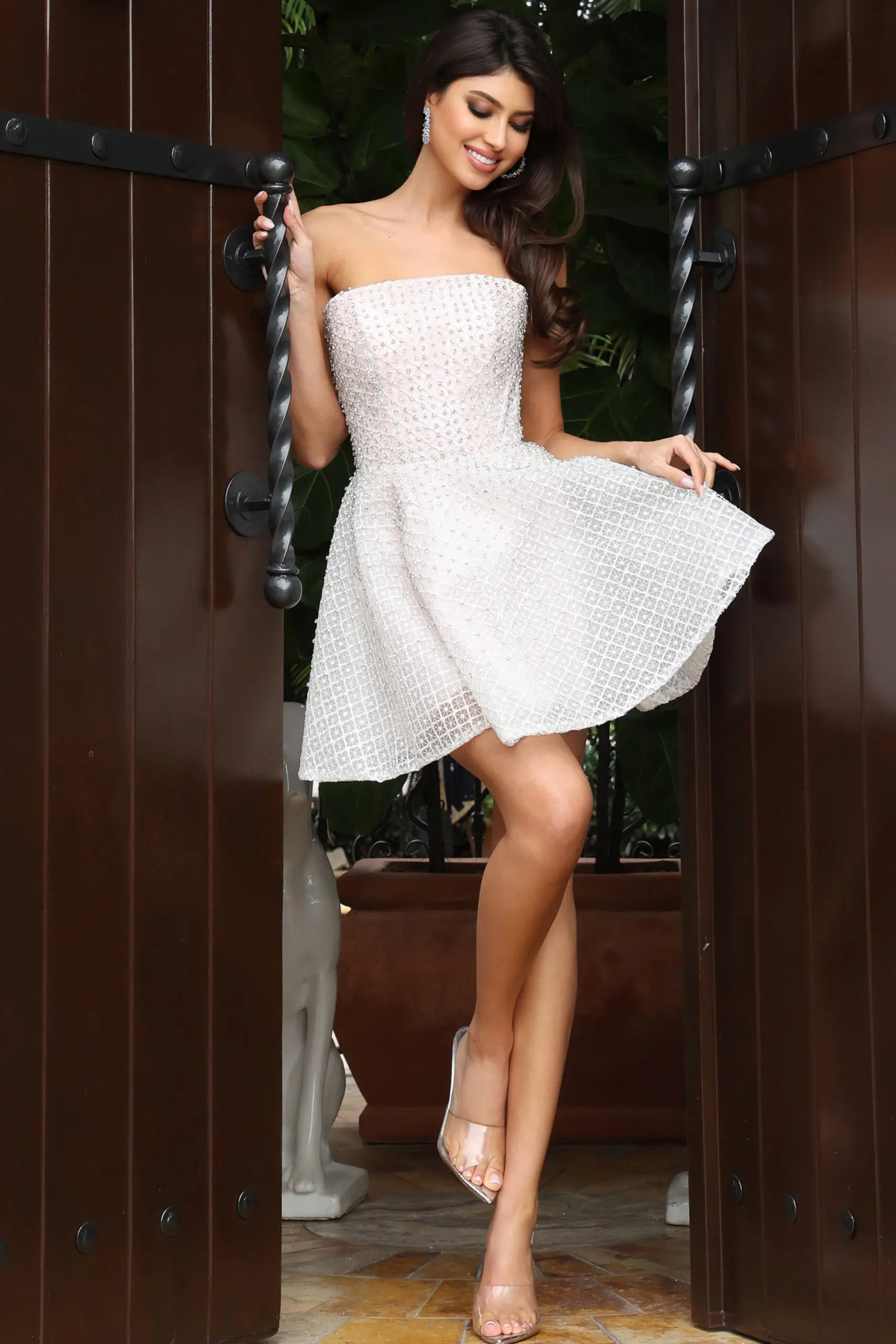
4 Colors
Strapless Fit And Flare Dress With Beaded Mesh Overlay 45789
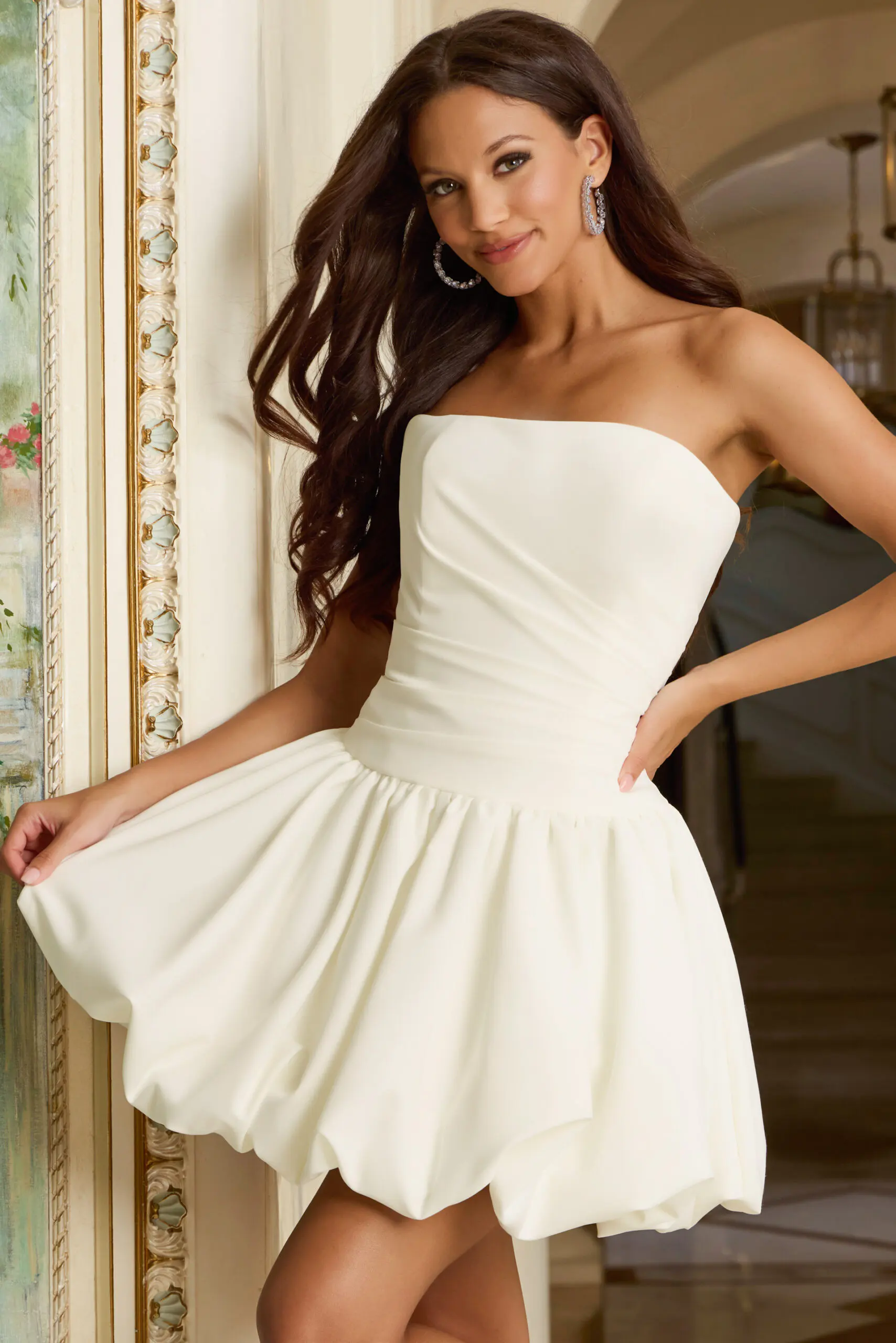
4 Colors
Strapless Short Dress with Bubble Hem Skirt 45654
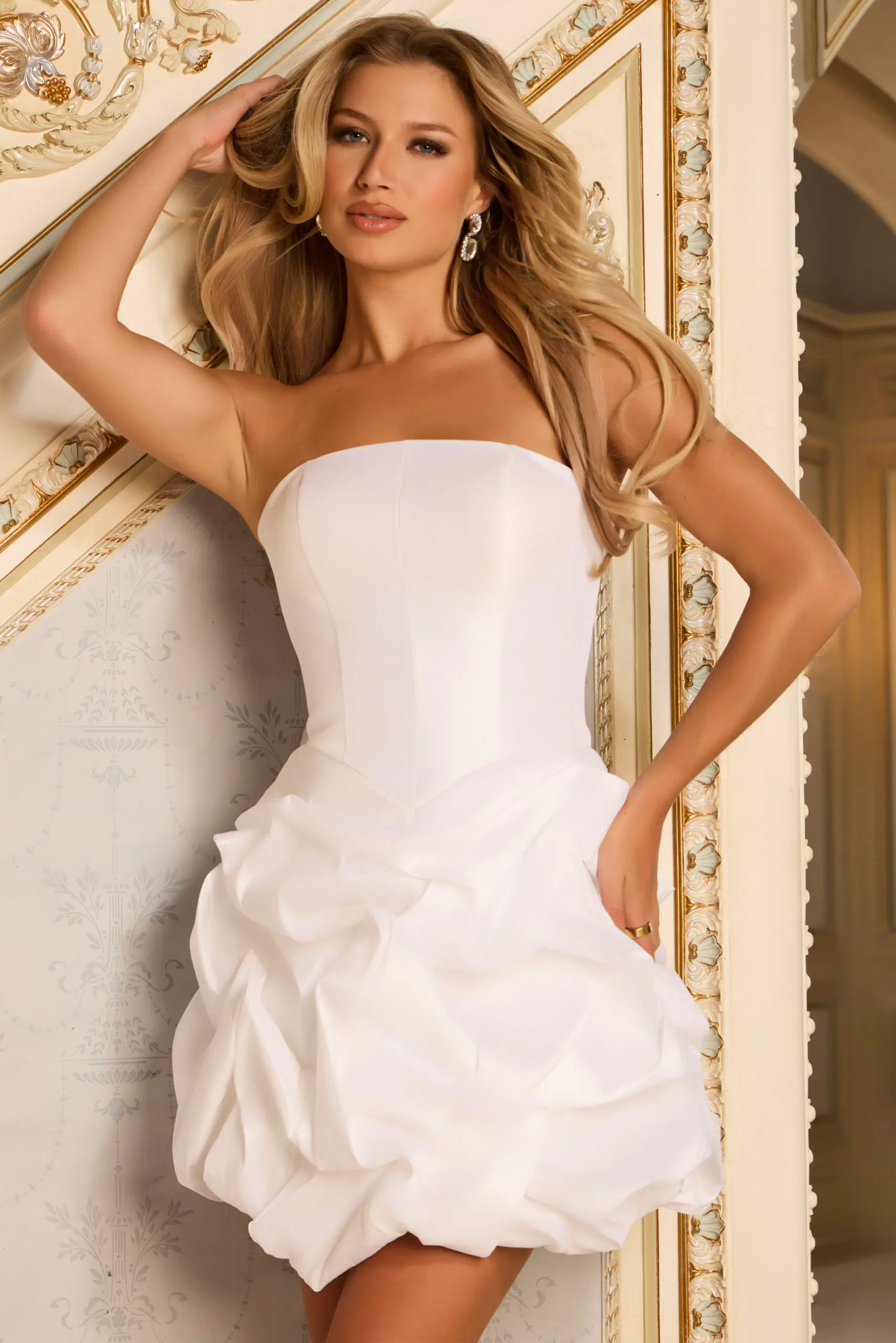
3 Colors
Strapless Bubble Hem Mini Dress With Structured Bodice 45363
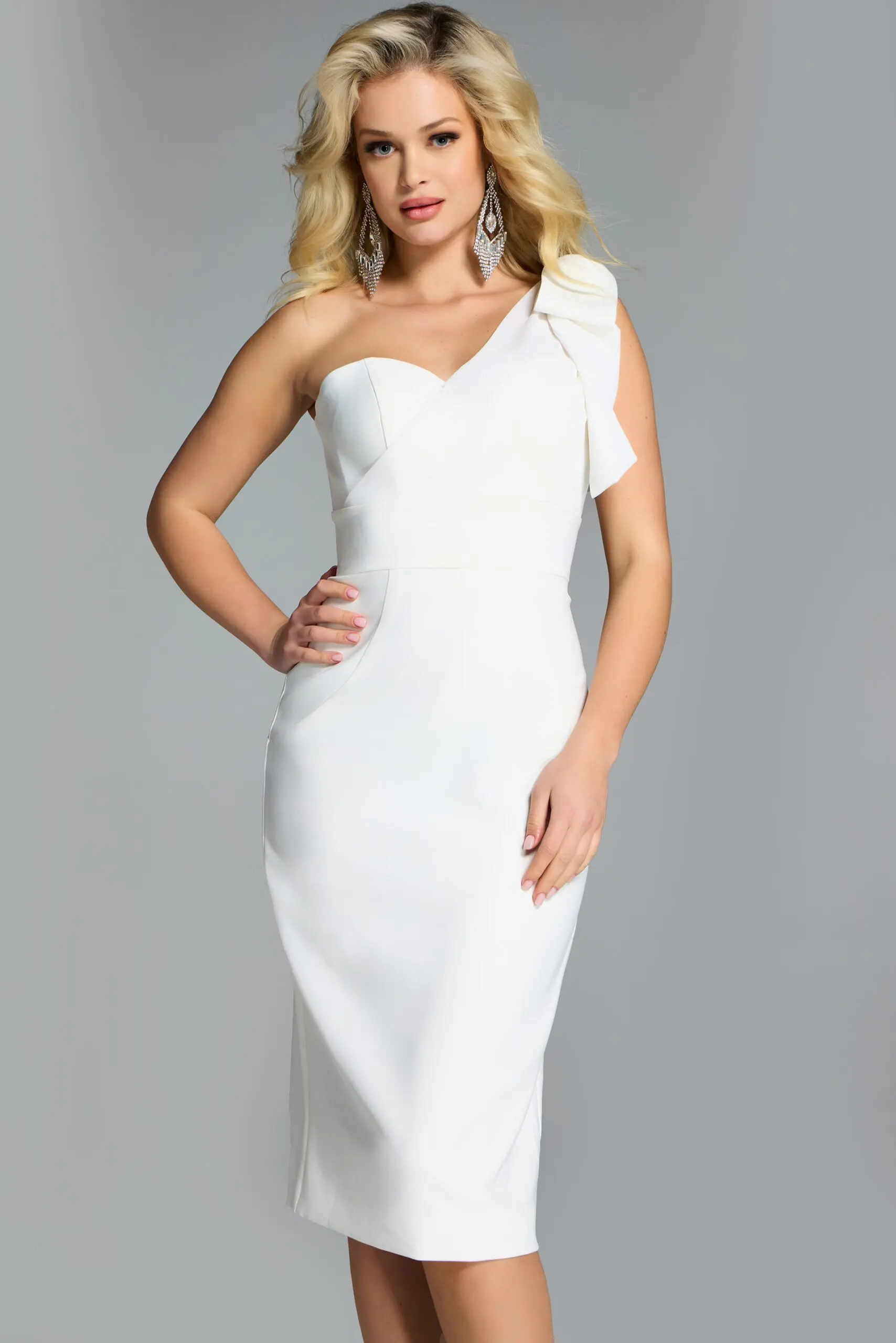
5 Colors
One Shoulder Midi Dress With Bow Accent 43601
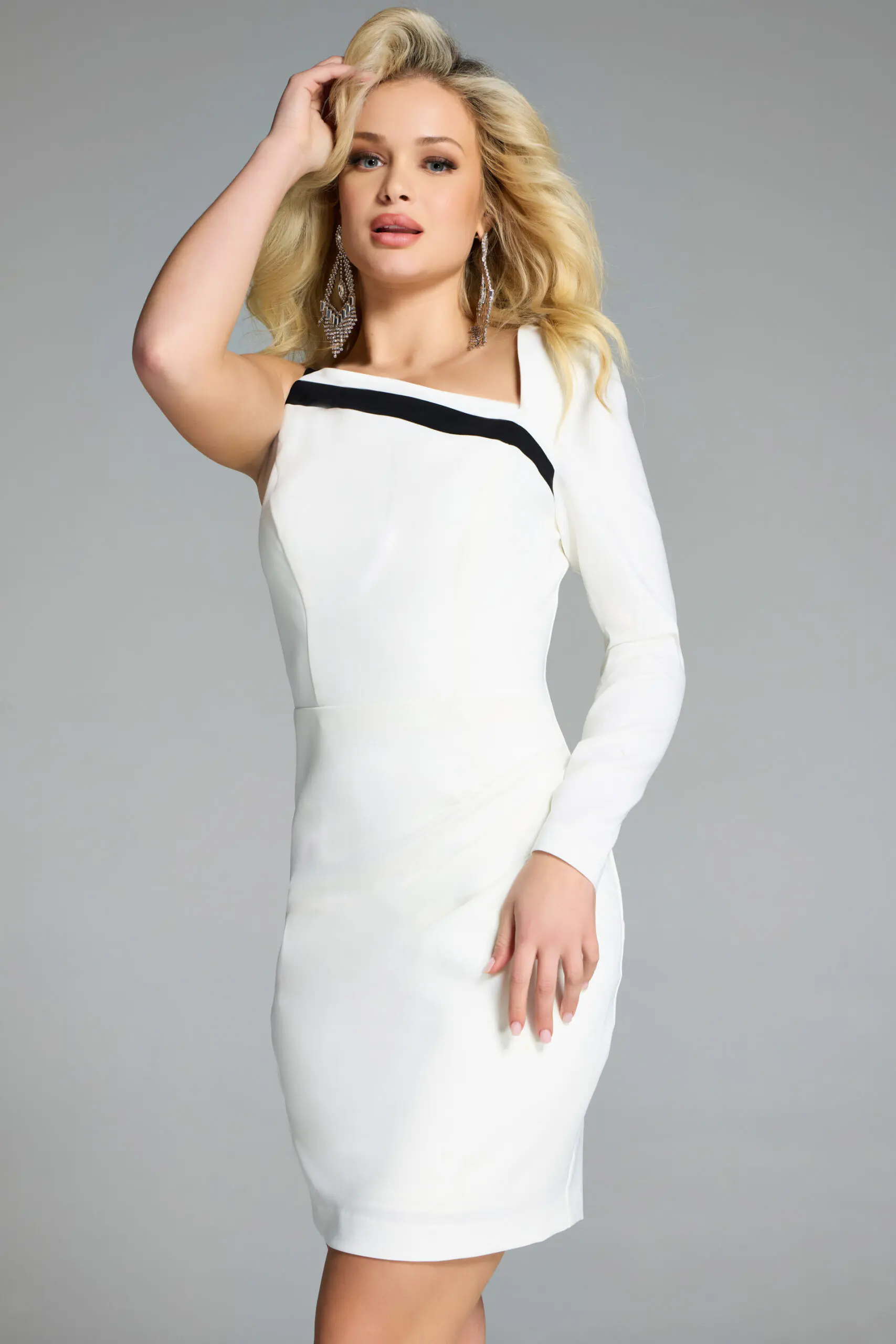
5 Colors
One Shoulder Mini Dress With Black Trim Detail 43424
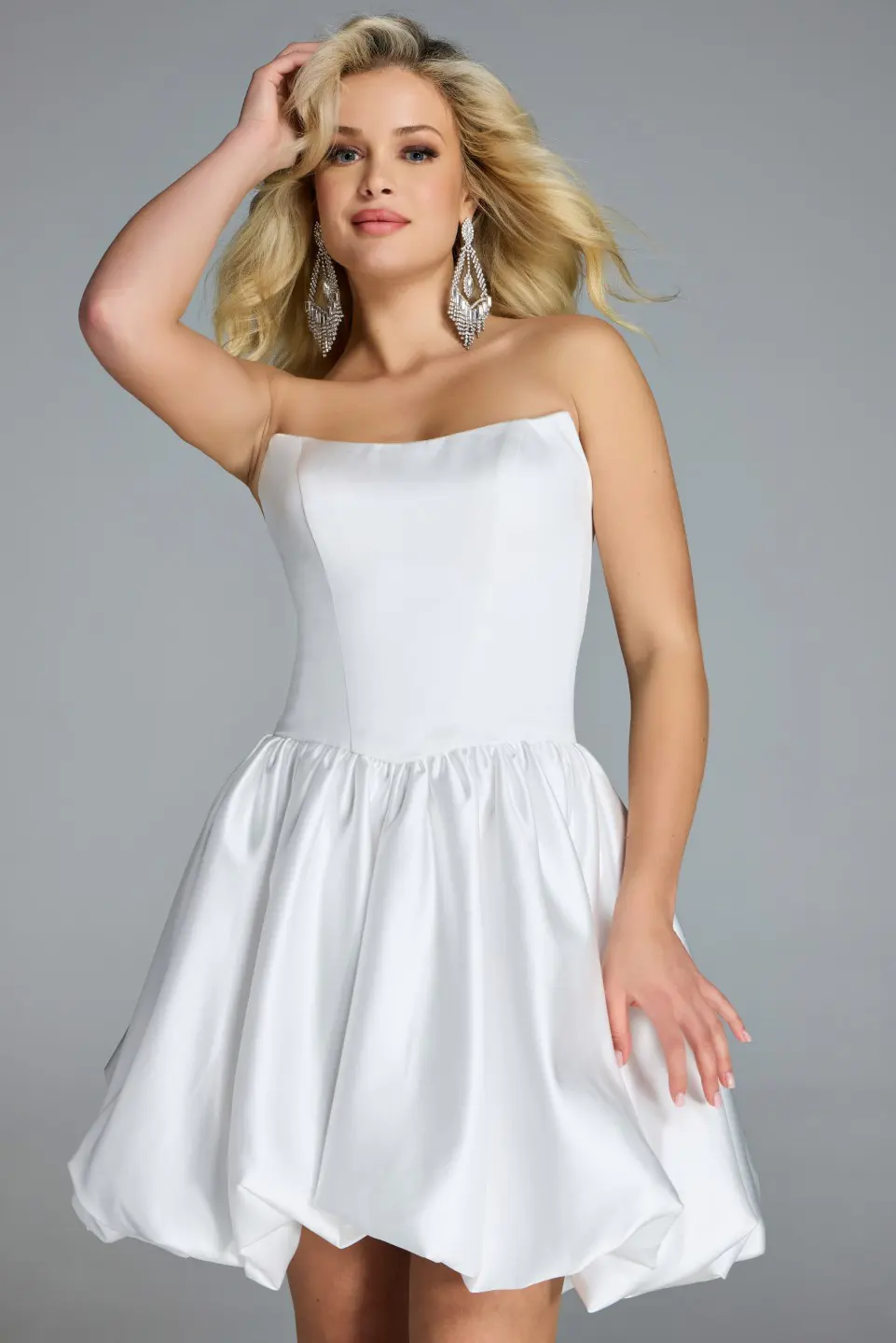
4 Colors
Strapless Bubble Skirt Cocktail Dress 45497
2 Colors
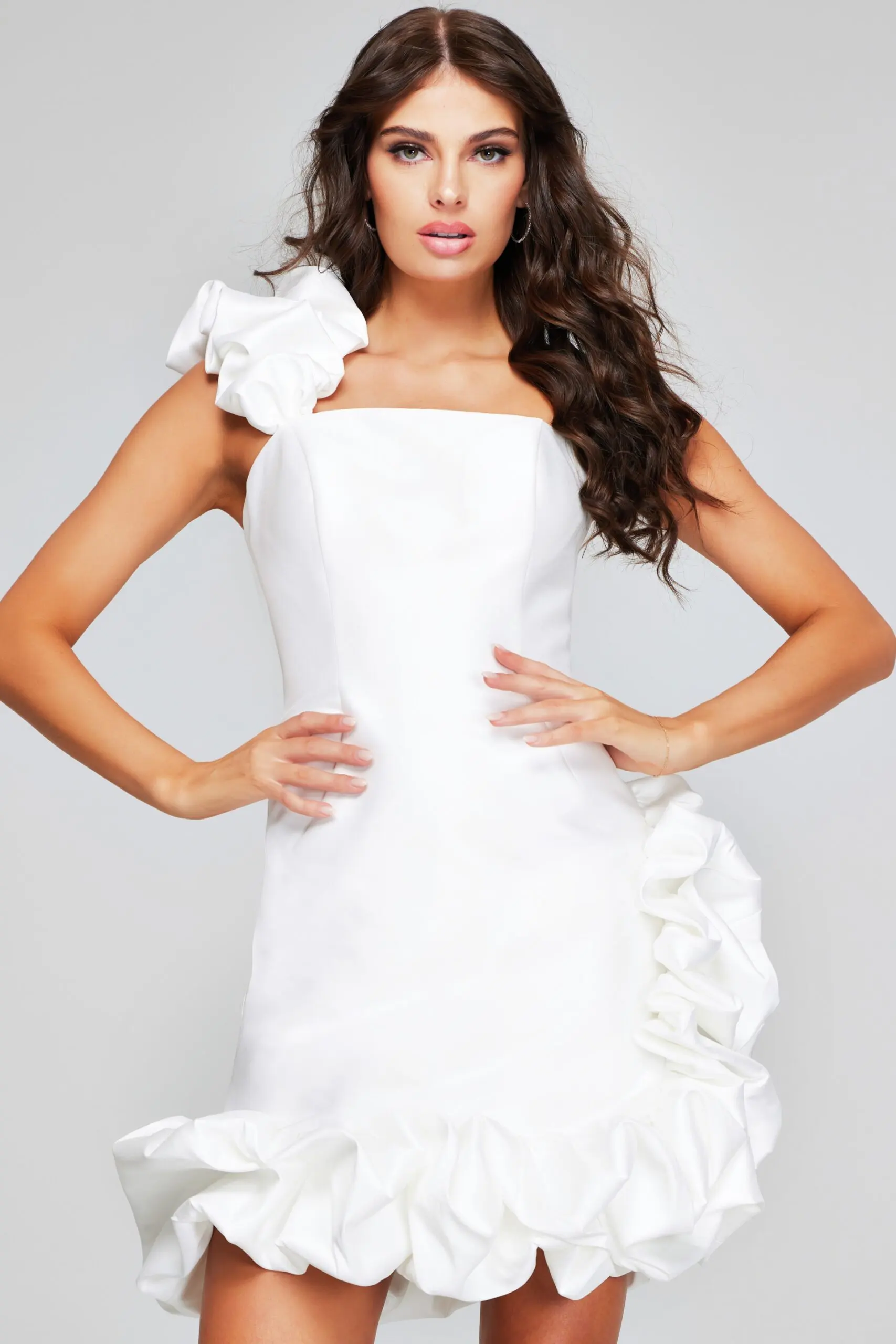
Chic Off-White Ruffle Shoulder Mini Dress 42348
Trending Now
About This Category
The Little White Dress is a must-have wardrobe essential for any fashionista. A summer staple that’s always party-ready, this is a light, sweet and angelic version of the famous LBD. Little White Dresses come in many shapes and styles. You’ll find off-the-shoulder dresses that are perfect for a summer wedding or graduation event. A white cocktail dress can also look great for a modern wedding! Dressed up with heels and a clutch, a short white dress has the power to instantly make you look elegant and chic. Wear it dressed down with sandals for low key summer events, date night or festivals. This versatile dress will see you through anything!
A little white dress can serve several roles across the days surrounding a wedding, but the best choice depends on how formal the event is and how different you want the look to feel from the ceremony gown. A crisp satin mini creates a cleaner, more architectural effect, while lace, floral appliqué, sequins, or tulle introduce more texture and visual detail. For an event before the wedding, rehearsal dinner dresses offer a useful reference point for balancing bridal identity with the setting and guest list.
The same white dress can read very differently depending on proportion. A fitted mini keeps the line close to the body, while an A-line or fit-and-flare shape adds movement through the skirt. Midi lengths create more coverage and a slightly more formal profile without becoming a full-length gown. This range is what makes the little white dress category useful across engagement parties, bridal showers, courthouse ceremonies, welcome events, and other wedding-weekend moments.
Mini, Midi, and Fit-and-Flare Silhouettes
Hemline is one of the clearest ways to narrow the collection. Mini dresses place more emphasis on the legs and often feel sharper or more playful, especially when paired with a sculpted strapless bodice, bubble hem, or compact A-line skirt. Brides comparing shorter ceremony options can also browse short wedding dresses while keeping this collection focused on versatile white occasion dresses rather than ceremony-only designs.
Midi silhouettes shift the balance toward a more polished, composed shape. A one-shoulder or strapless midi can feel appropriate for a formal dinner or civil ceremony, while still offering easier movement than a floor-length gown. Fit-and-flare shapes define the waist before releasing through the skirt; sheath and fitted cuts maintain a straighter, closer line. The right proportion depends on how much structure, movement, and leg coverage you want from the dress.
Lace, Satin, Sequins, and Dimensional Detail
Fabric and embellishment determine much of the visual character. Satin emphasizes clean construction, smooth seams, pleating, and sculpted folds. Lace creates pattern and texture, especially when scalloped edges or floral motifs continue across the neckline and hem. Tulle can add light volume through ruffles or layered skirts, while sequins, crystals, and beadwork introduce more reflective detail for evening events.
Three-dimensional flowers, bows, and textured skirts create stronger focal points, so they work best when the rest of the silhouette remains visually controlled. For later parts of the celebration, wedding reception dresses provide another path for brides who want a second look with more movement or embellishment. For a more specific mid-reception change, cake cutting dresses can help narrow the occasion further.
Necklines and Bodice Construction
The bodice determines how secure and structured a little white dress feels. Strapless styles place more emphasis on internal boning, shaping, and fit through the bust, while sweetheart necklines soften the upper edge with a curved line. Square and straight necklines create a cleaner geometry, and one-shoulder designs introduce asymmetry without adding volume through the skirt.
Corset-inspired construction can define the waist and give a short dress a more bridal finish, especially in lace or embellished fabrics. Softer bodices create a less rigid line and can work well when the skirt or fabric already provides movement. Jovani uses these construction differences across fitted, A-line, and fit-and-flare mini dresses, so comparing the support and waist placement is often more useful than choosing by decoration alone.
Choosing the Right Level of Bridal Detail
Not every wedding-weekend event needs the same amount of embellishment. A bridal shower or daytime gathering may call for a cleaner white mini with subtle texture, while an evening reception or rehearsal dinner can support stronger details such as crystals, sequins, feathers, floral appliqués, or sculptural bows. The goal is to match the visual weight of the dress to the setting rather than treating every white look as a smaller version of the wedding gown.
It also helps to consider how the dress relates to the main bridal look. If the ceremony gown is heavily embellished, a smooth satin or minimally detailed second look can create contrast. If the wedding gown is clean and architectural, lace or dimensional florals can add variety elsewhere in the weekend. Brides still comparing their primary gown can browse the broader wedding dresses collection without shifting the focus of this page away from shorter white occasion dressing.
A White Dress That Works Beyond One Moment
A little white dress is most useful when it feels specific enough for the bridal wardrobe but flexible enough to suit the event itself. Length, neckline, structure, and embellishment should work together: a structured mini with a dramatic bow makes a different statement from a lace A-line dress or a sleek satin midi, even when all three share the same white palette.
Look at how the dress behaves in motion as well as how it photographs. A secure bodice, manageable skirt volume, and fabric that holds its intended shape can make a meaningful difference during events that involve sitting, standing, dining, and dancing. Choosing by proportion and construction first, then refining by lace, satin, beadwork, floral detail, or other finishes, keeps the process focused on the distinctions that matter most.
Little White Dress
Little White Dresses are all about instant style, whatever the occasion. Be it a white lace dress, off-the-shoulder design or two piece, they all have the same result which is beautiful and timeless style. The Little White Dress is the dependable piece in your wardrobe that always makes you feel your best. It can also be worn for many semi-formal occasions that requires a cocktail dress such as birthday parties and other events. A white dress with long sleeves is a great option for winter and when paired with some seasonal accessories, can be worn all-year round! From the club to the beach, you can style your white dress any way you want.
White Lace Maxi Dress
White lace maxi dresses are increasingly popular options for parties and even worn as a wedding dress for a relaxed wedding such as one held on a beach. The white lace maxi dress is an outfit in itself, easy to pair with your favorite shoes and accessories to make it your own. To channel some boho style, add tan gladiator sandals and a matching cross-body bag. To make it chic for dinner, add nude heels and a clutch.