
1 Colors
Fitted Wedding Dresses
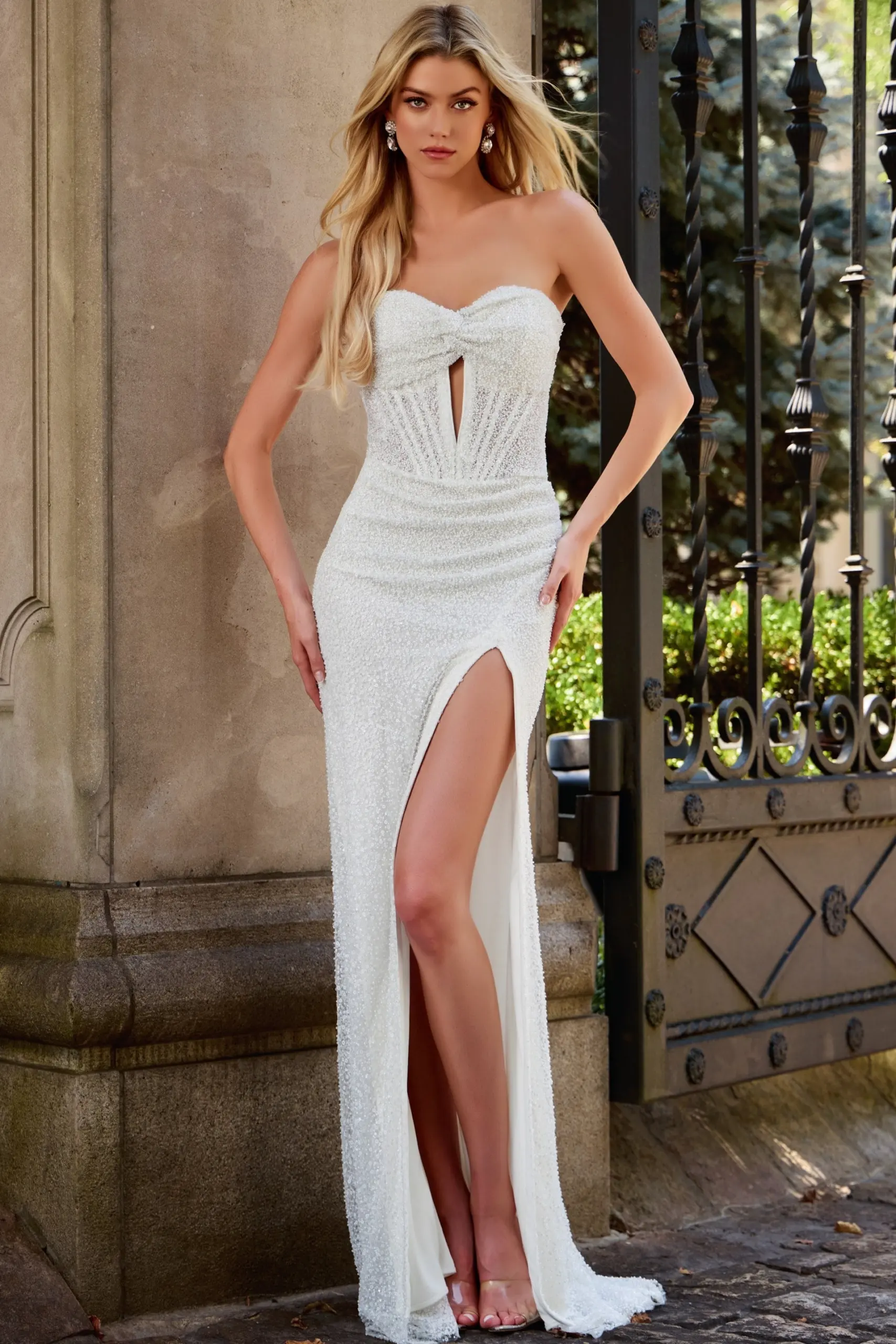
Fitted wedding dresses create a close, controlled line through the bodice, waist, and hips, making construction and fabric especially important to the final shape. Jovani styles range from sleek sheath gowns and mermaid-inspired silhouettes to draped satin and crepe designs with structured bodices, open backs, floral details, and statement trains. Compare how firmly each gown follows the body, where the skirt begins to release, and how the neckline balances the fitted lower line. Brides exploring the wider bridal range can also compare these proportions with wedding dresses that introduce more volume through A-line and ball gown shapes.
1 Colors
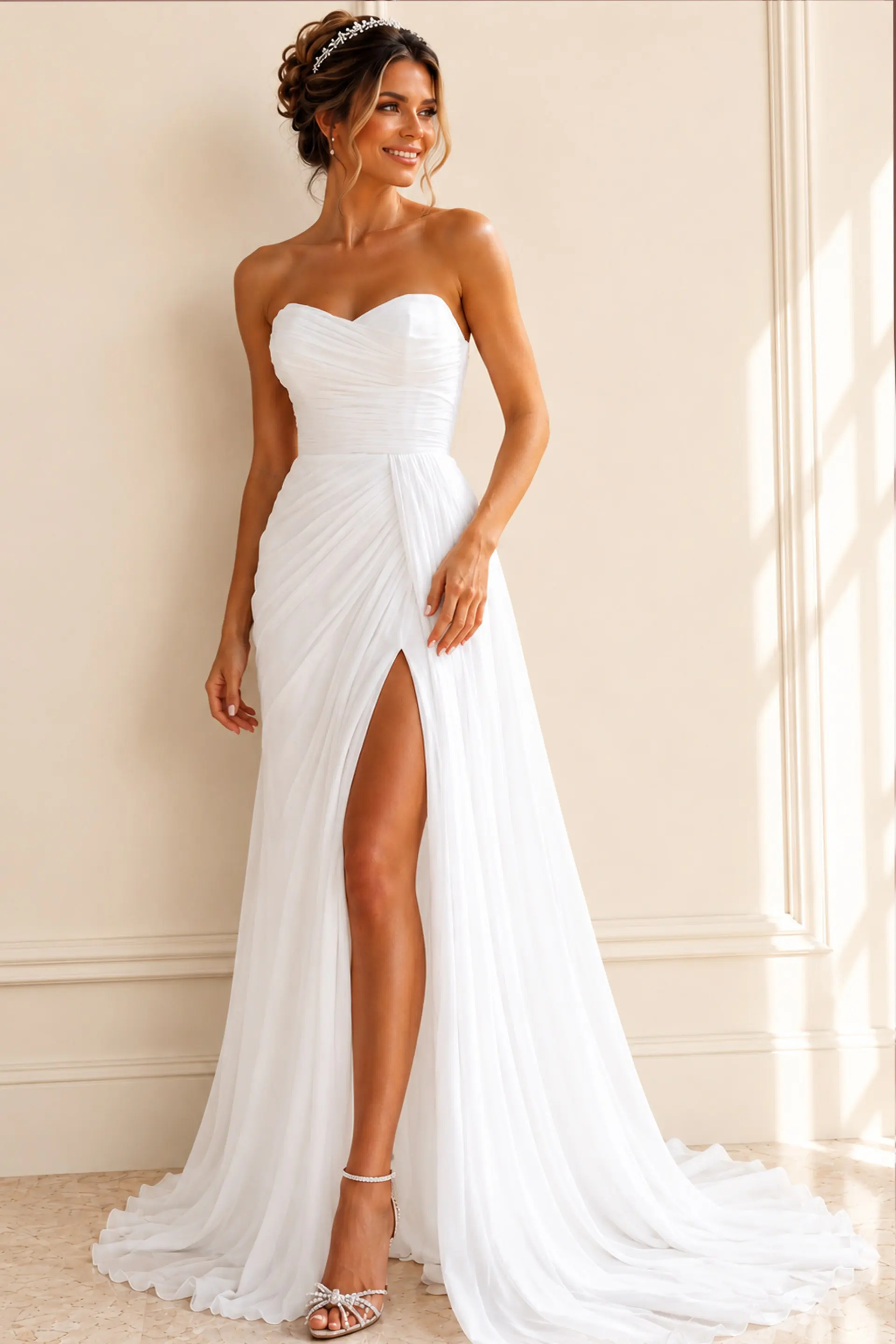
Draped Bridal Gown with High Slit and Flowing Train JB43897
1 Colors
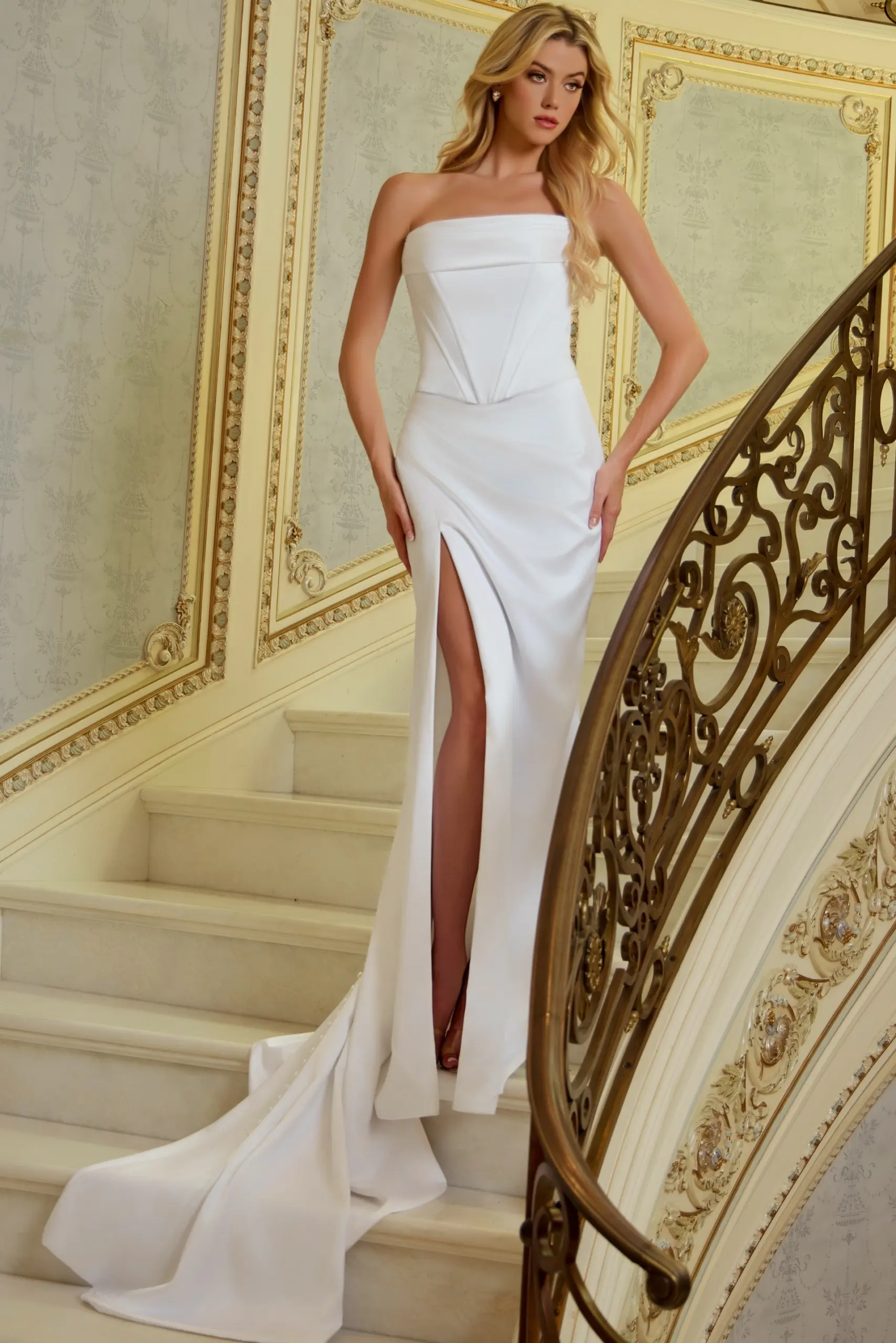
Strapless Satin Sheath Wedding Dress with Slit JB42353
1 Colors
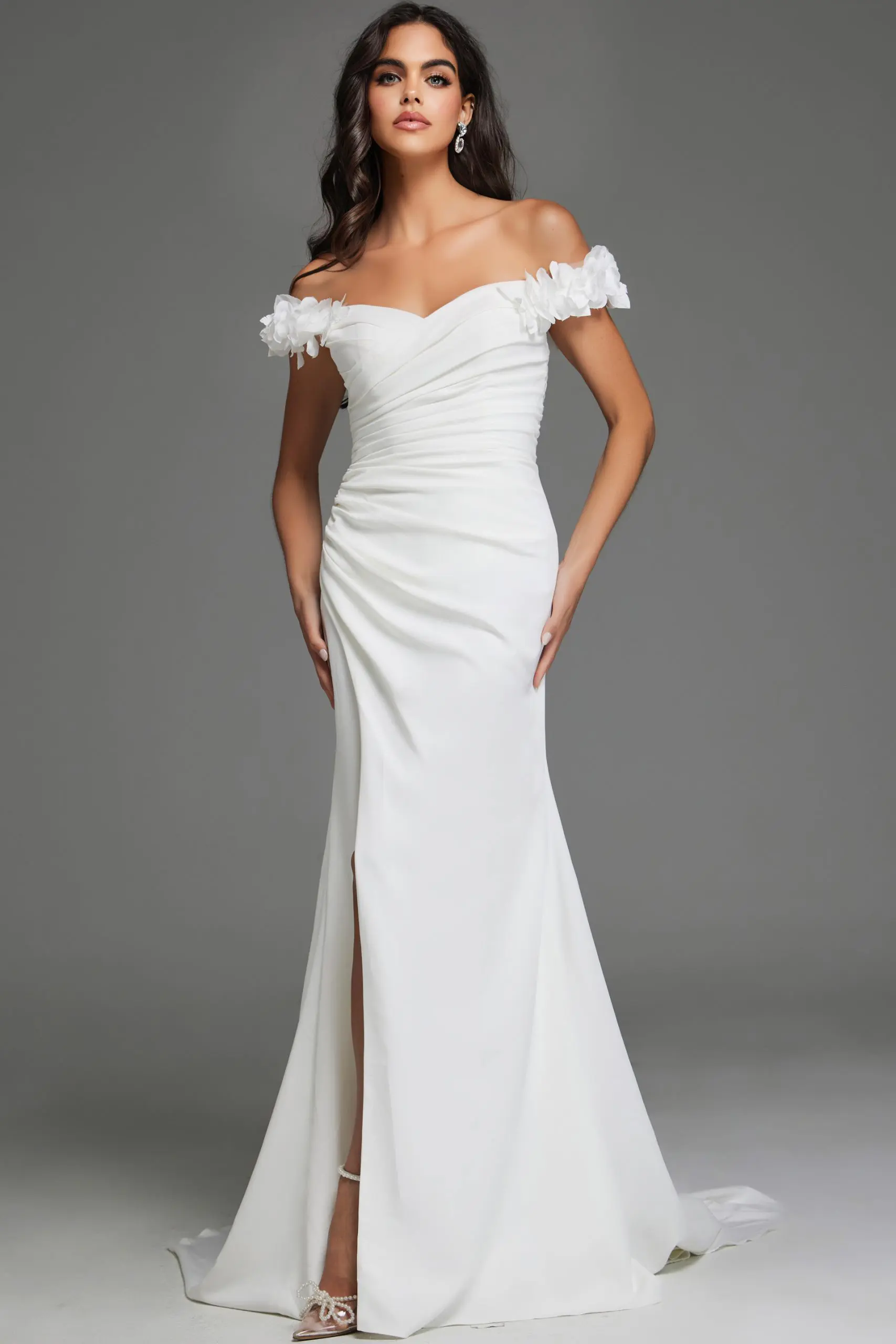
Off the Shoulder Ivory Gown with Floral Straps and Flowing Train JB43323
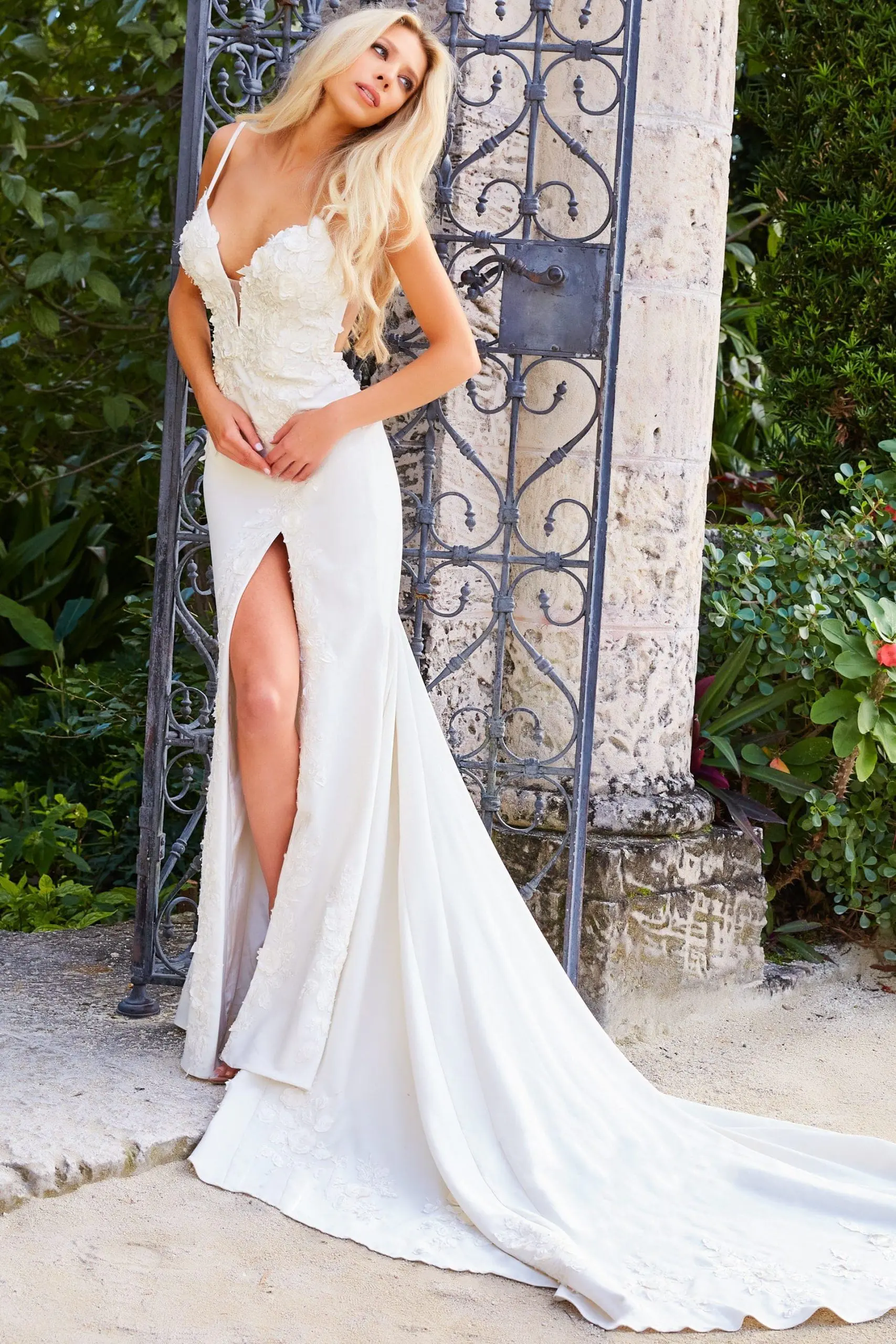
1 Colors
JB05846 Ivory Sheath Floral Appliques High Slit Wedding Dress
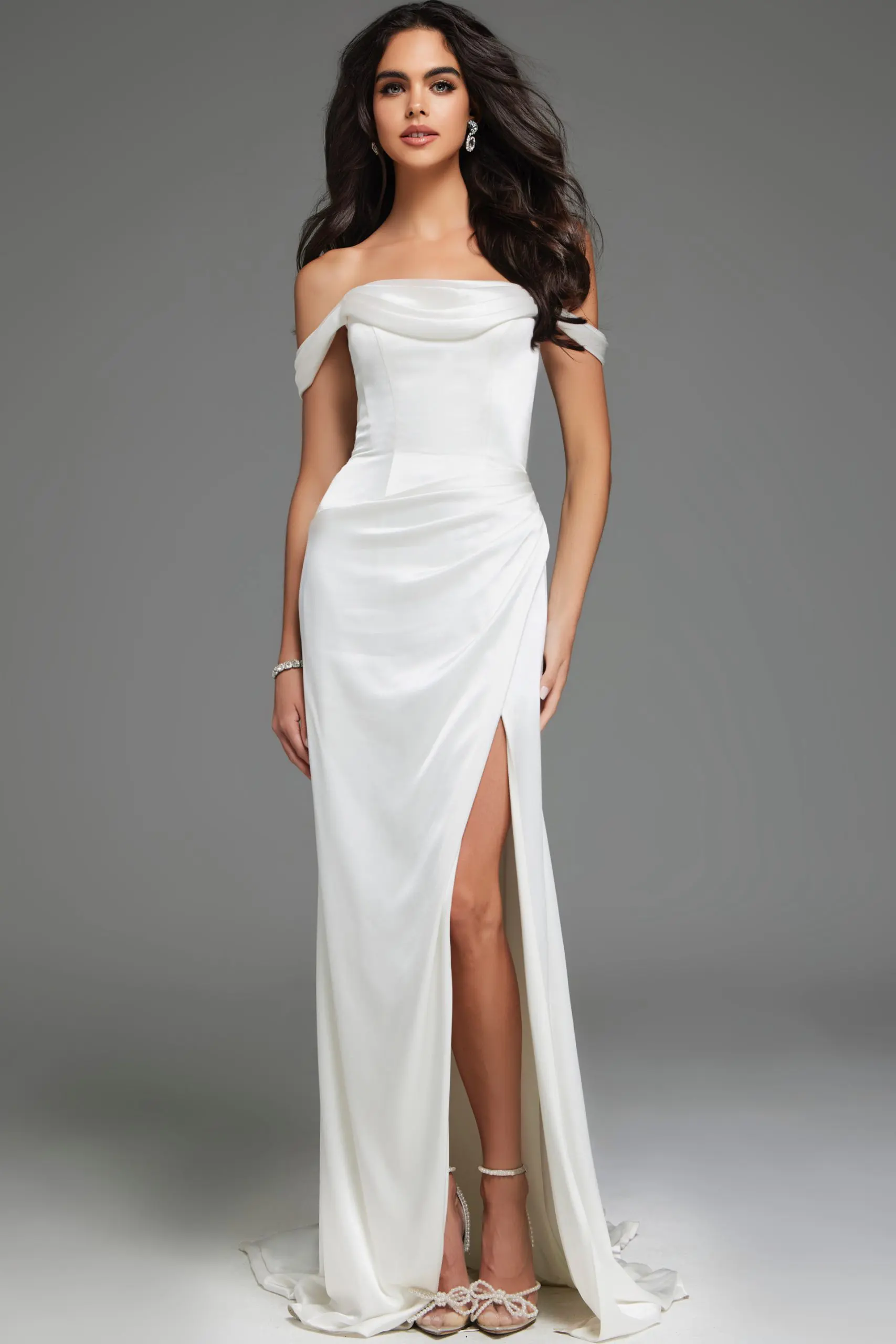
1 Colors
Off the Shoulder Satin Gown with Draped Bodice and Slit S59780
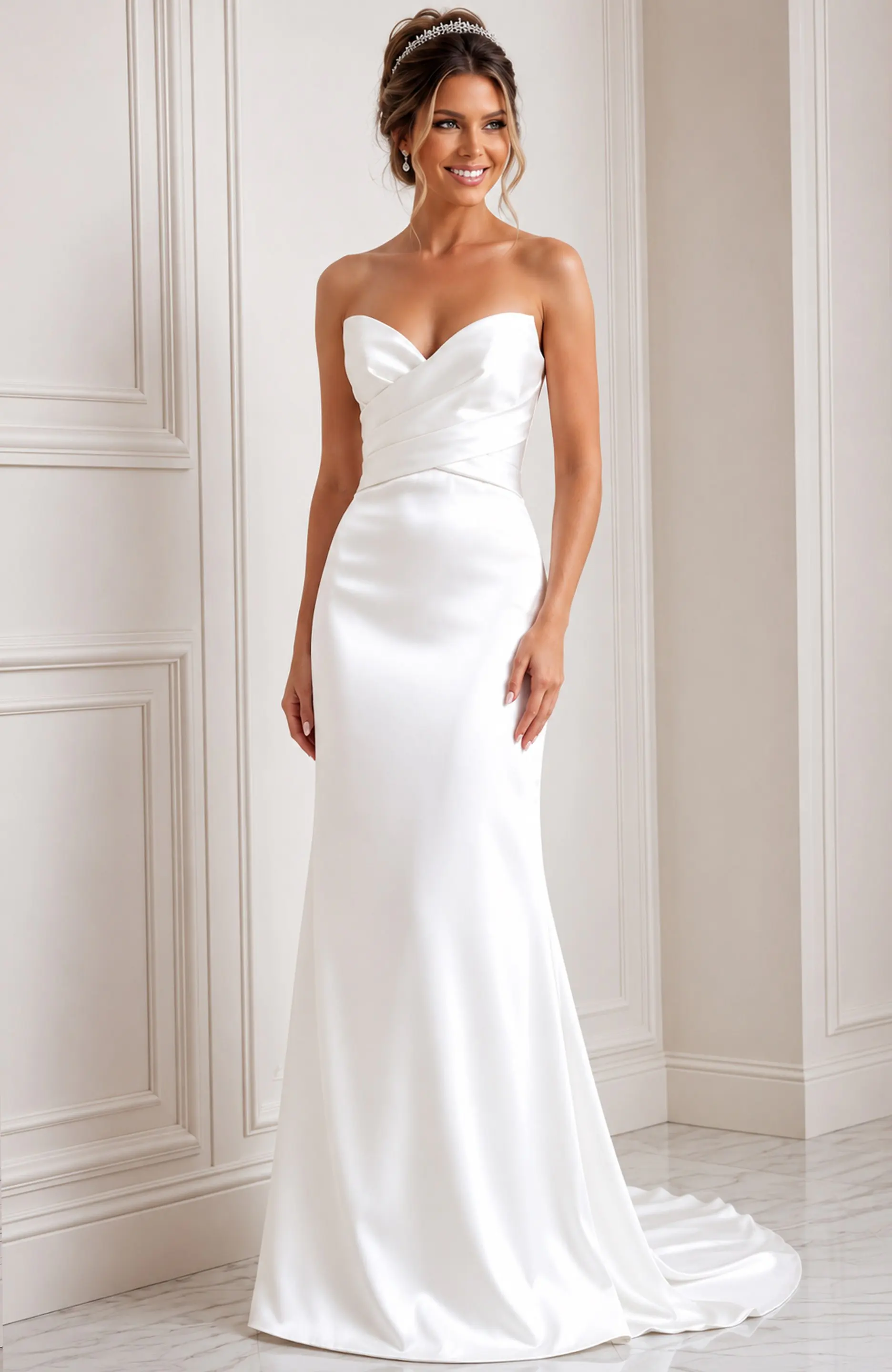
1 Colors
Satin Strapless Sheath Wedding Dress JB45837
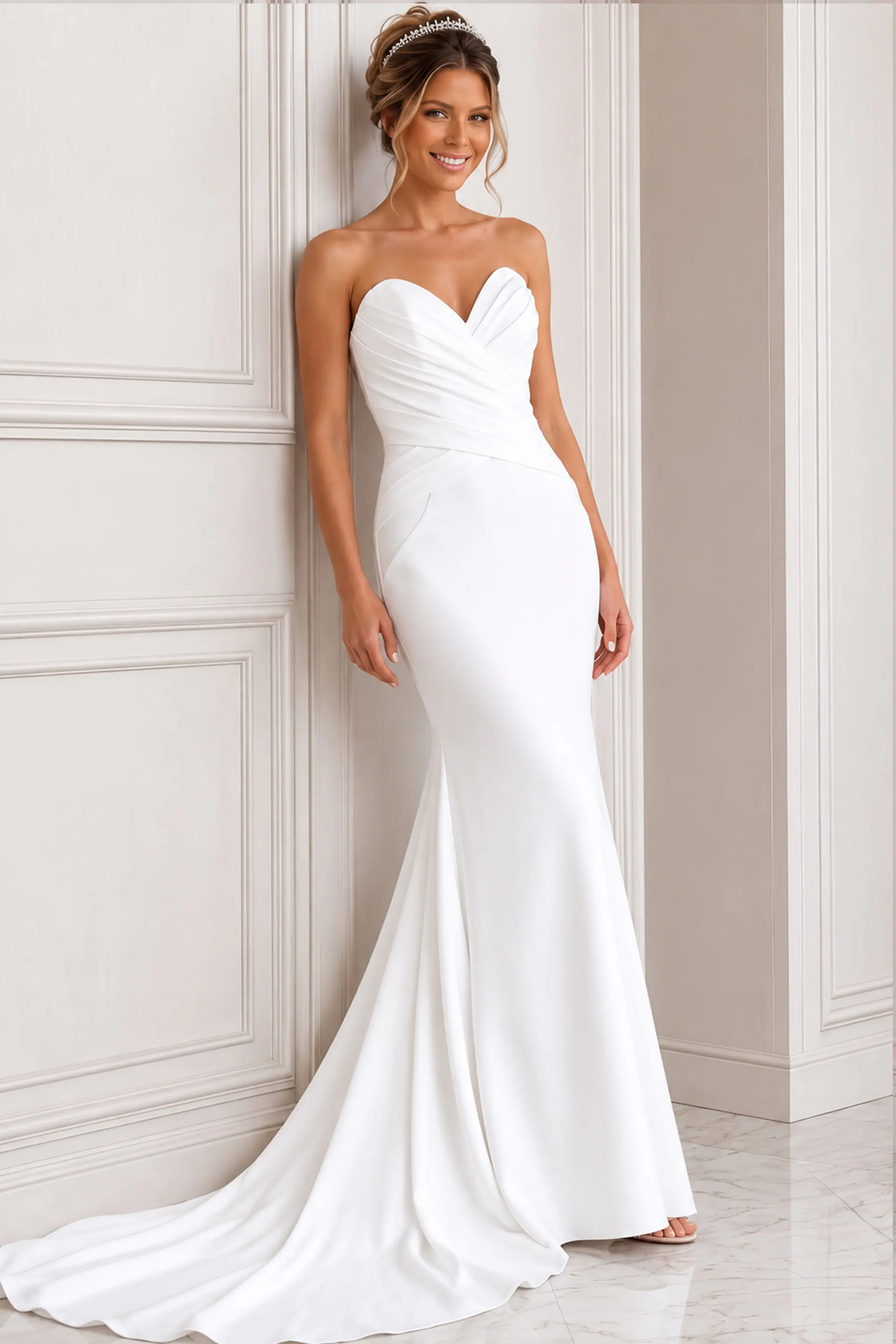
1 Colors
Strapless Sweetheart Crepe Bridal Gown JB45112
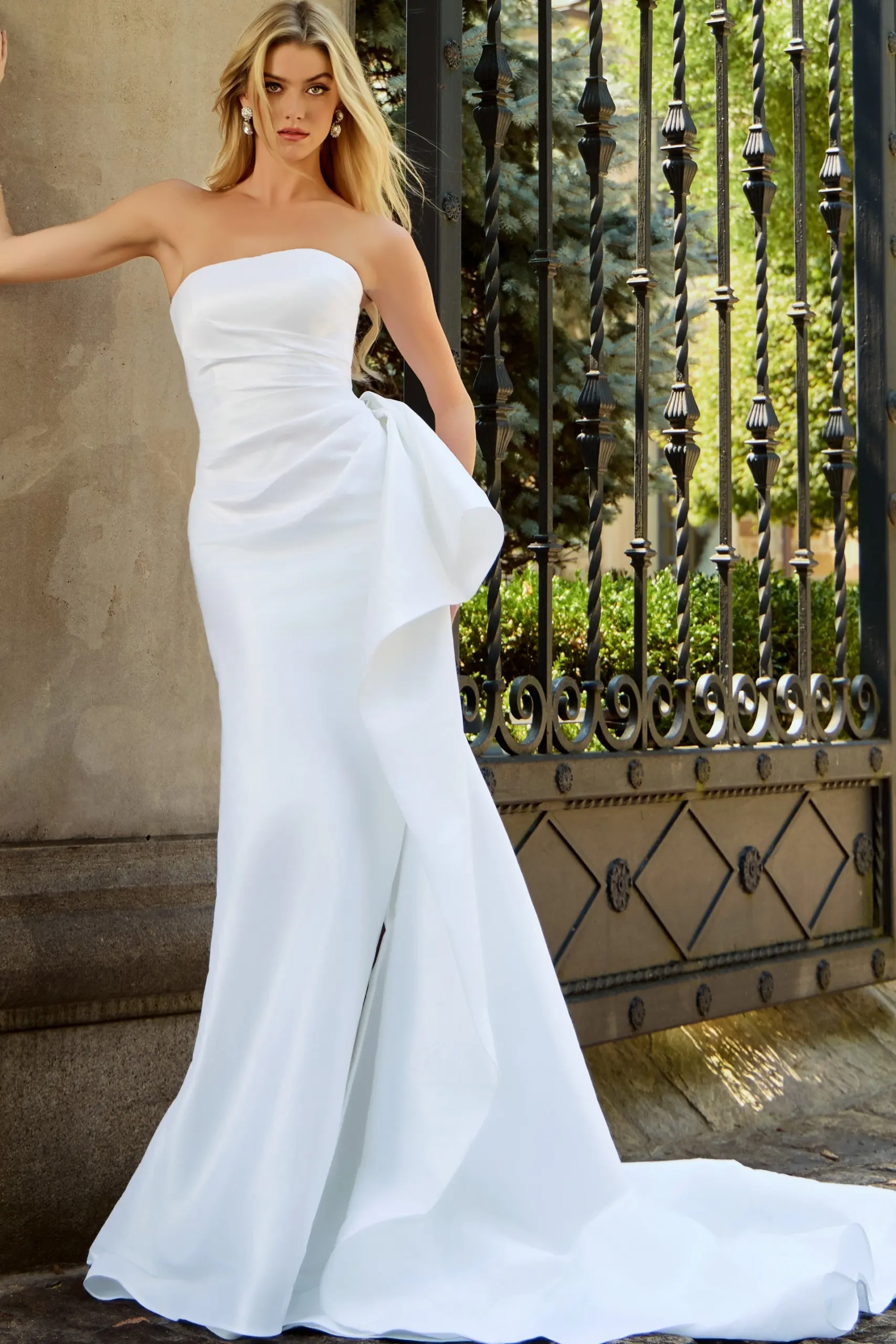
1 Colors
Strapless Satin Bridal Gown with Draped Overskirt JB43622
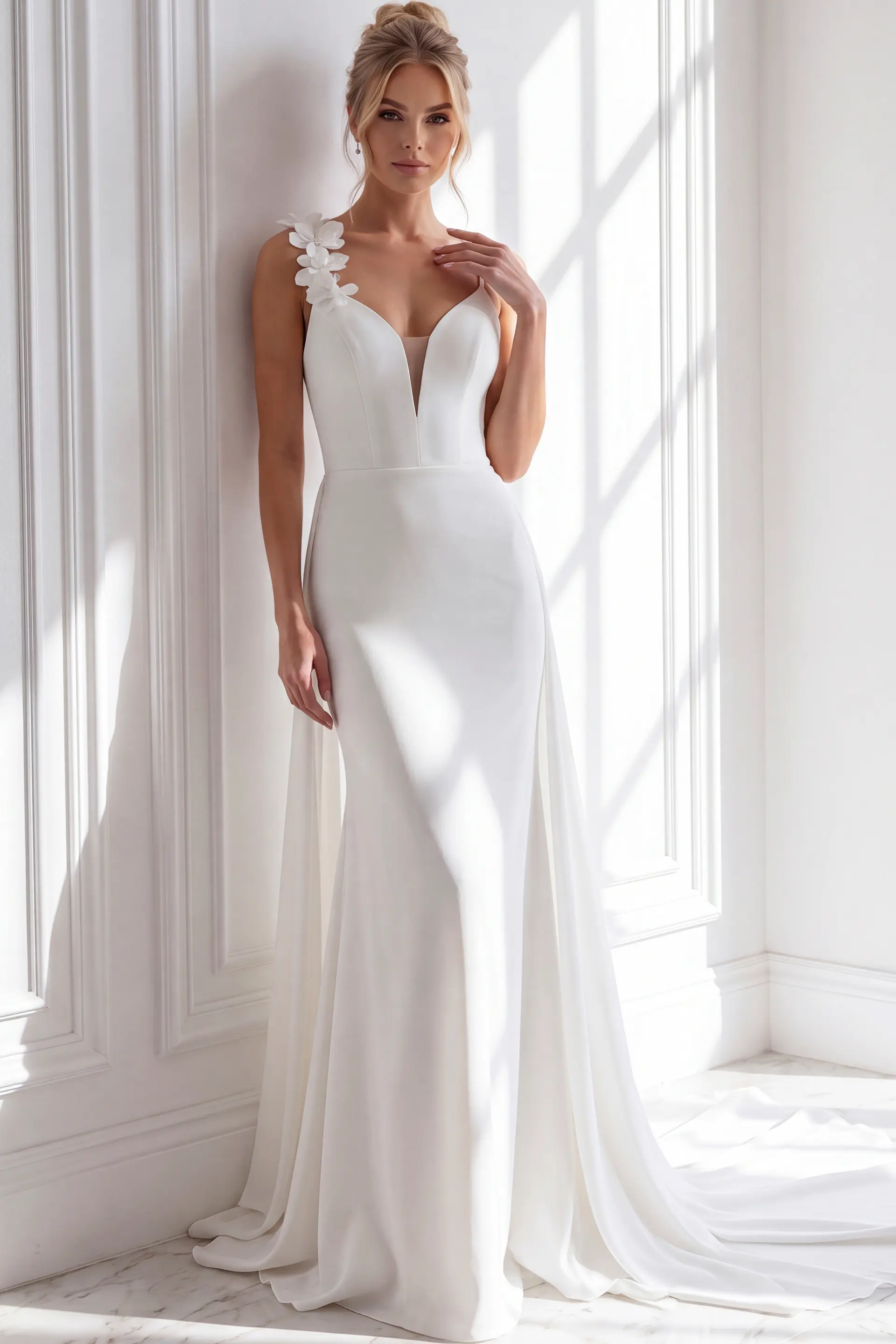
1 Colors
Spaghetti Strap Fitted Gown with Floral Shoulder Detail JB49631
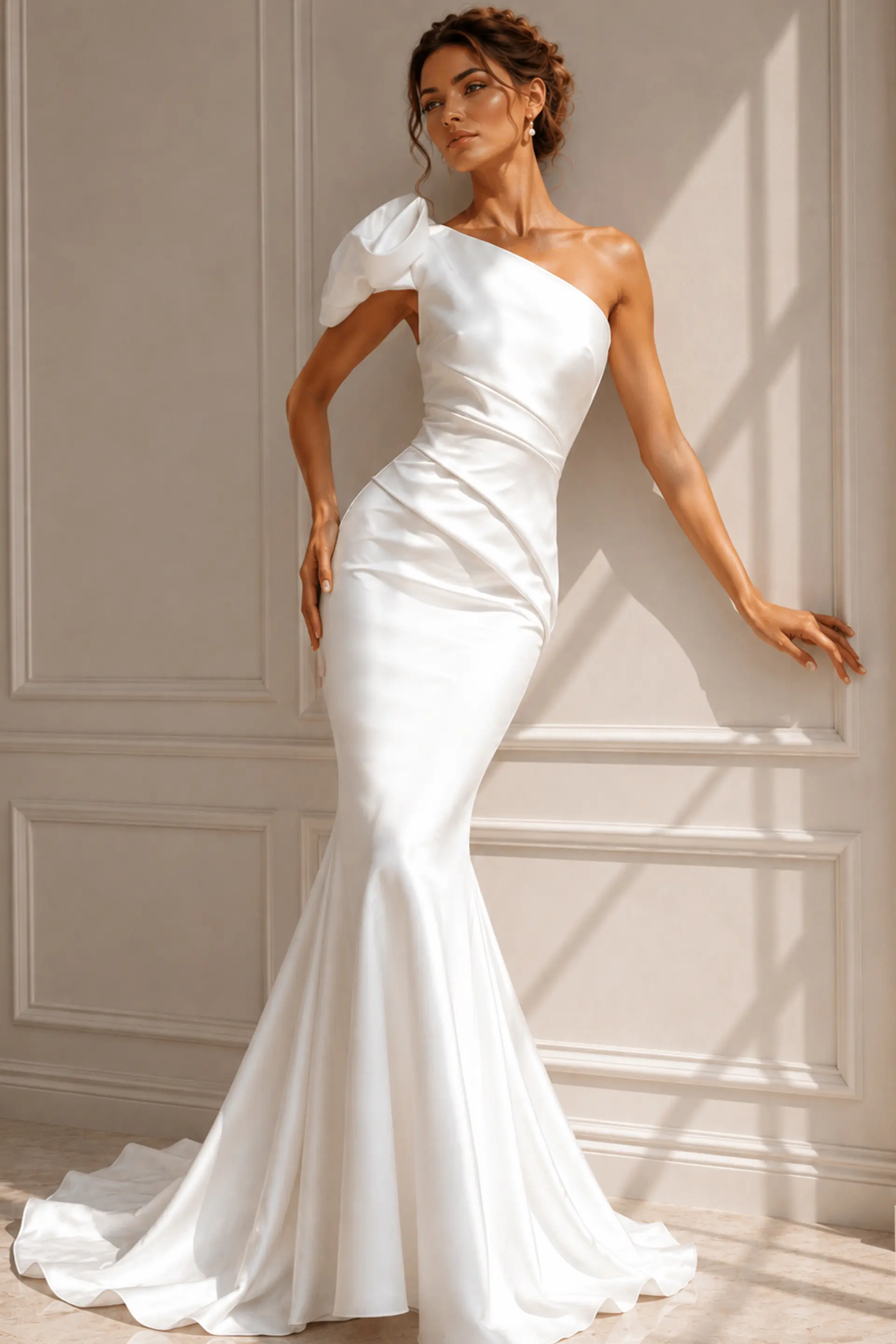
1 Colors
Sculpted One Shoulder Bridal Gown With Draped Detail JB43274
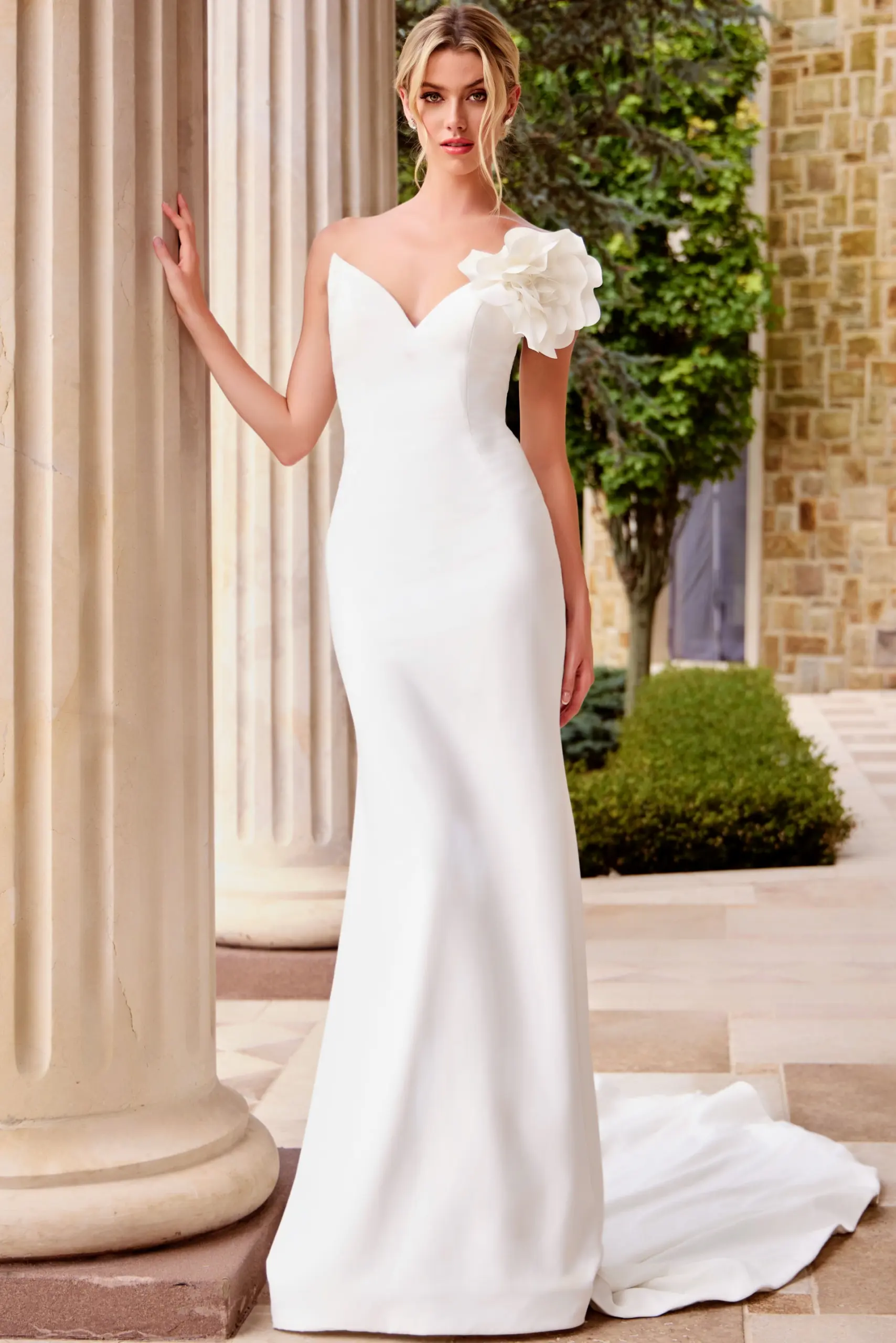
1 Colors
One Shoulder Floral Crepe Bridal Gown JB43815
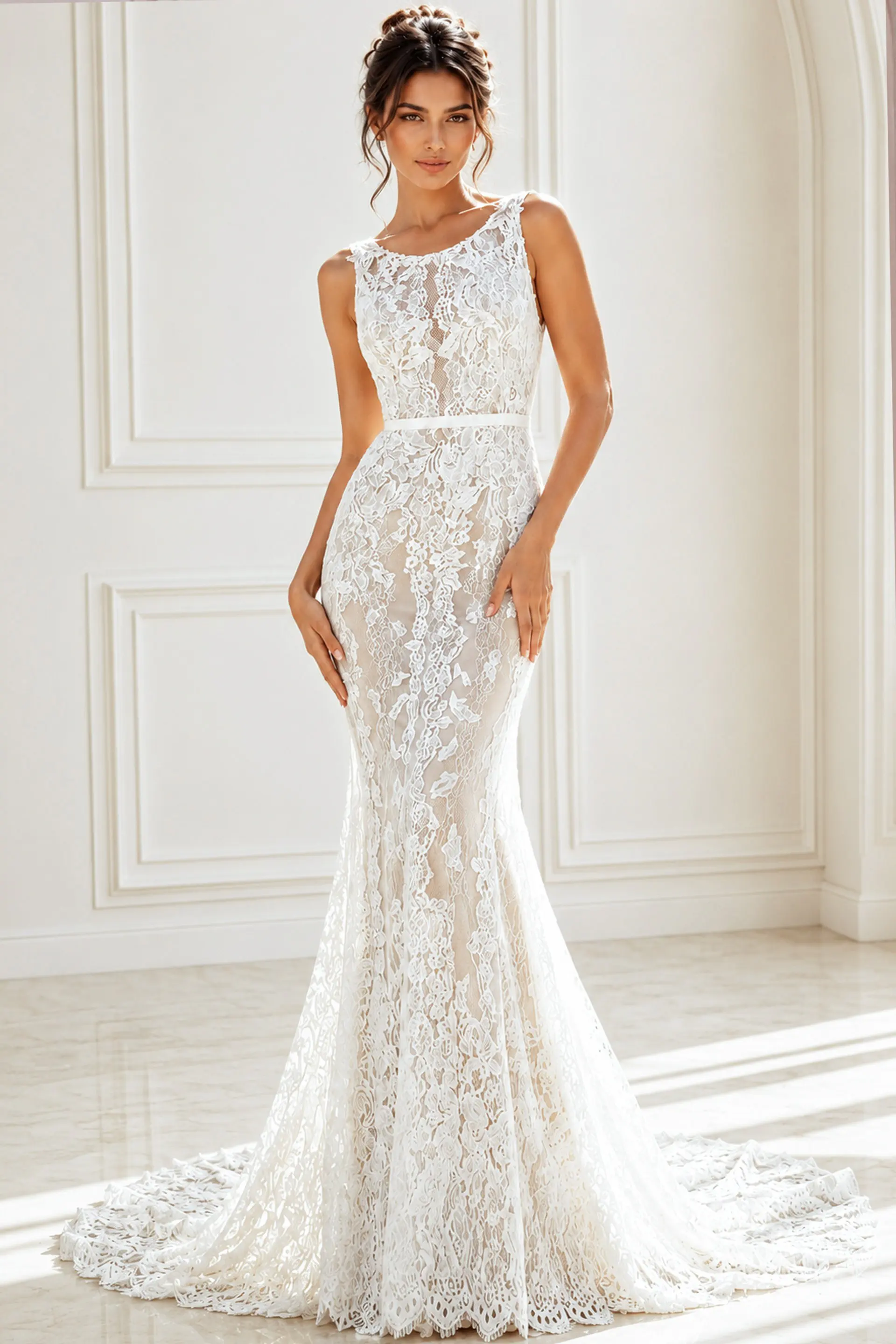
1 Colors
Strapless Crepe Bridal Gown With Sculpted Bow Bodice JB45671
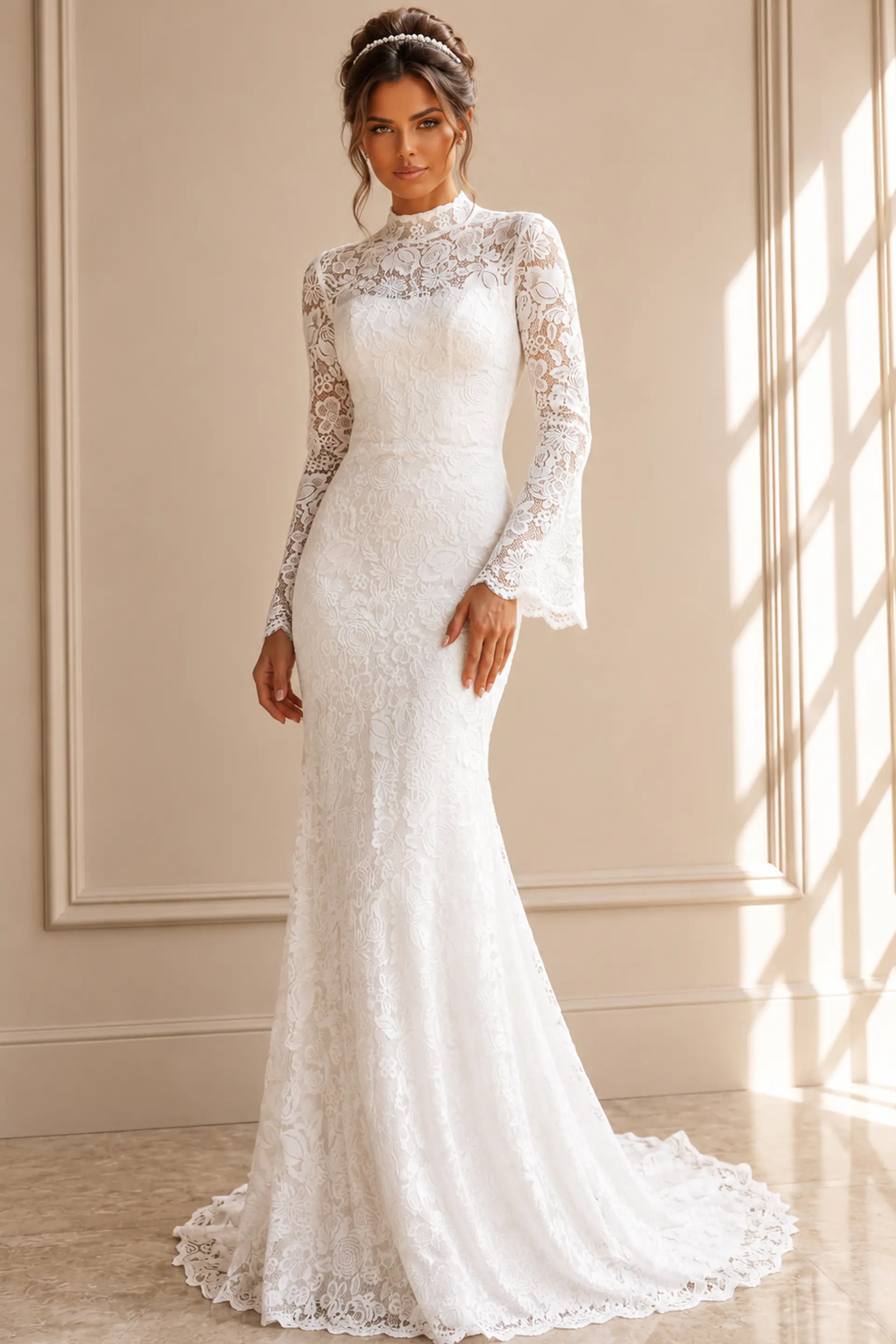
1 Colors
High Neck Lace Wedding Dress Sheath Gown JB45767
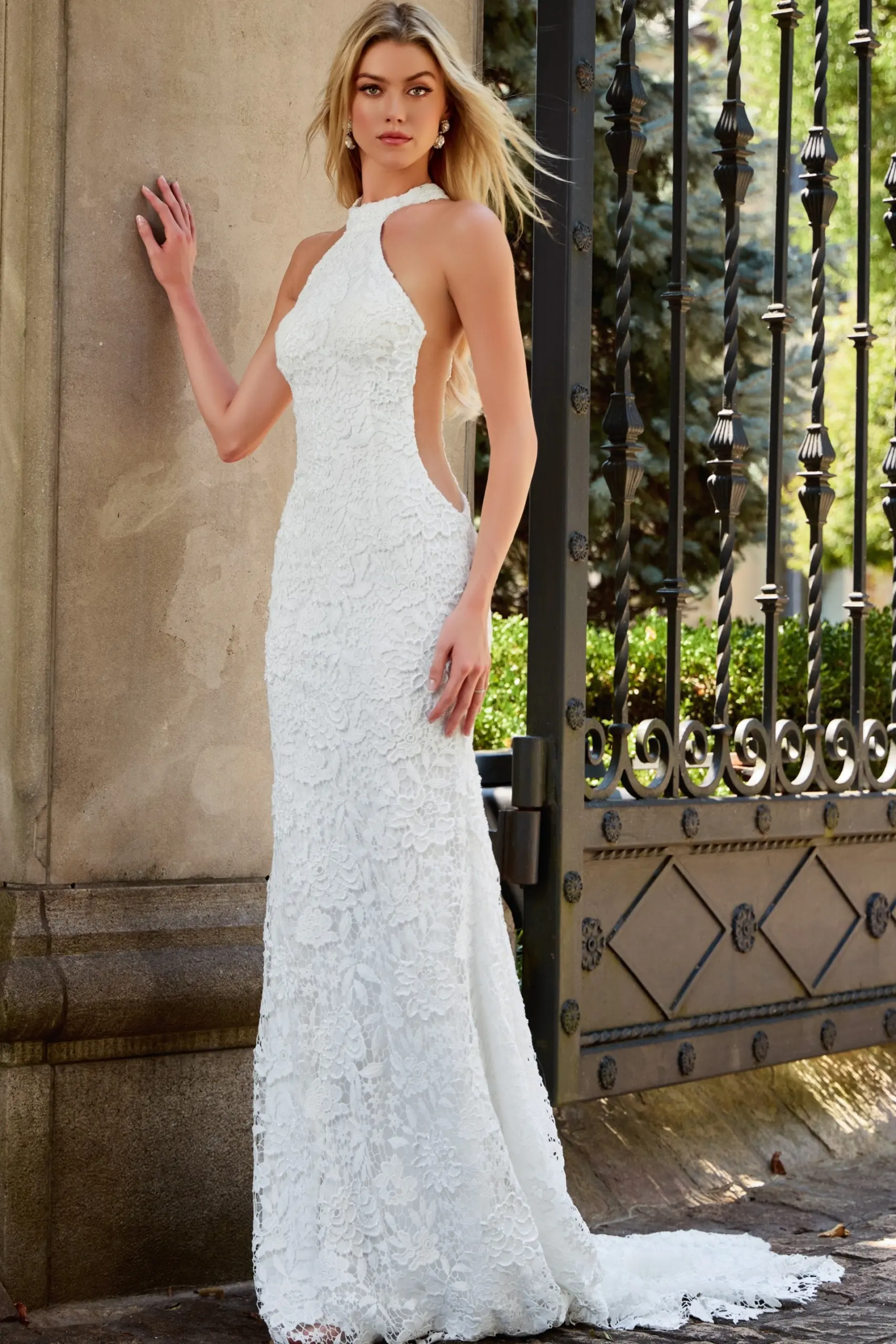
1 Colors
Halter Lace Sheath Wedding Dress JB42770
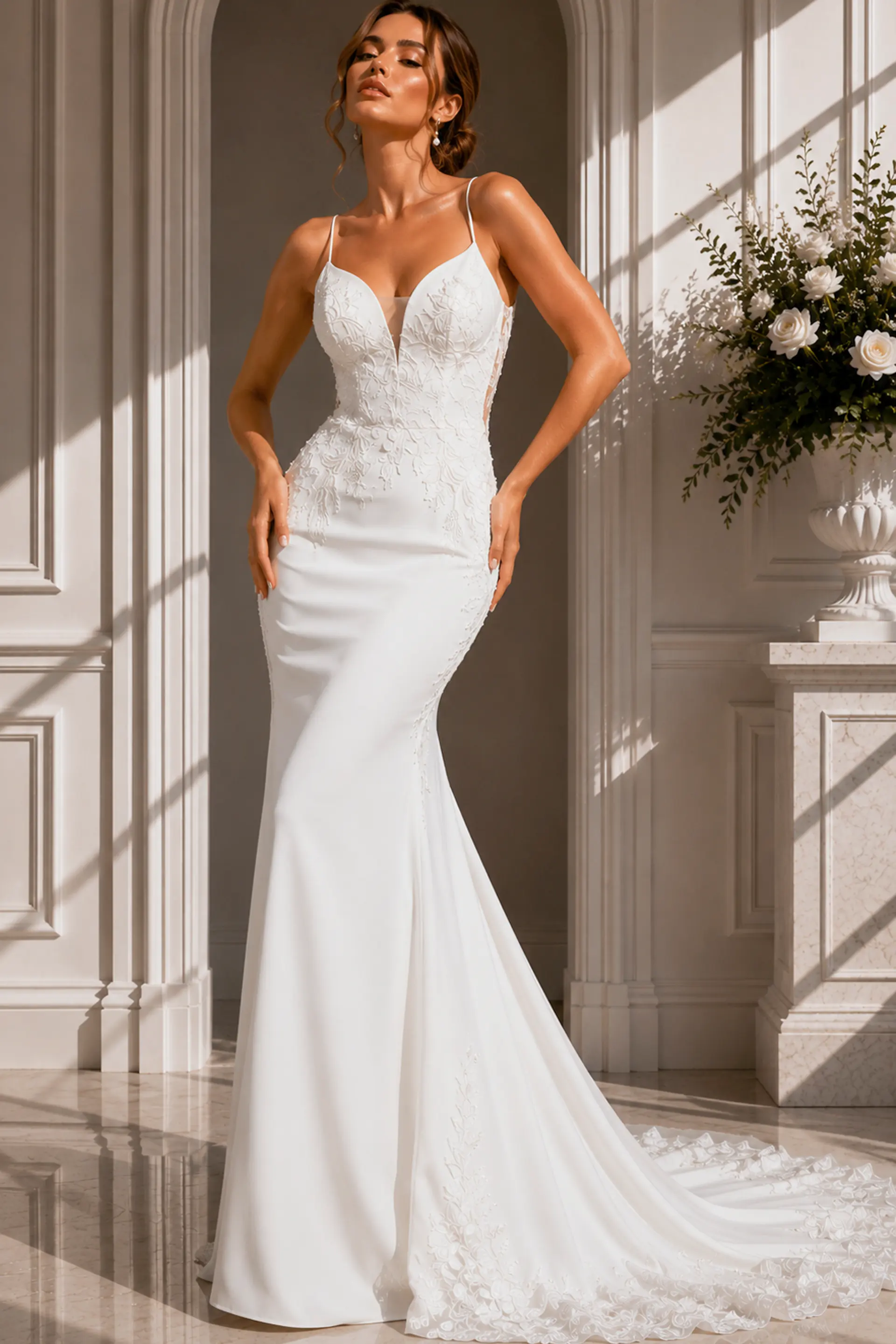
1 Colors
Ivory Bridal Gown with Floral Lace Embellishments JB43322
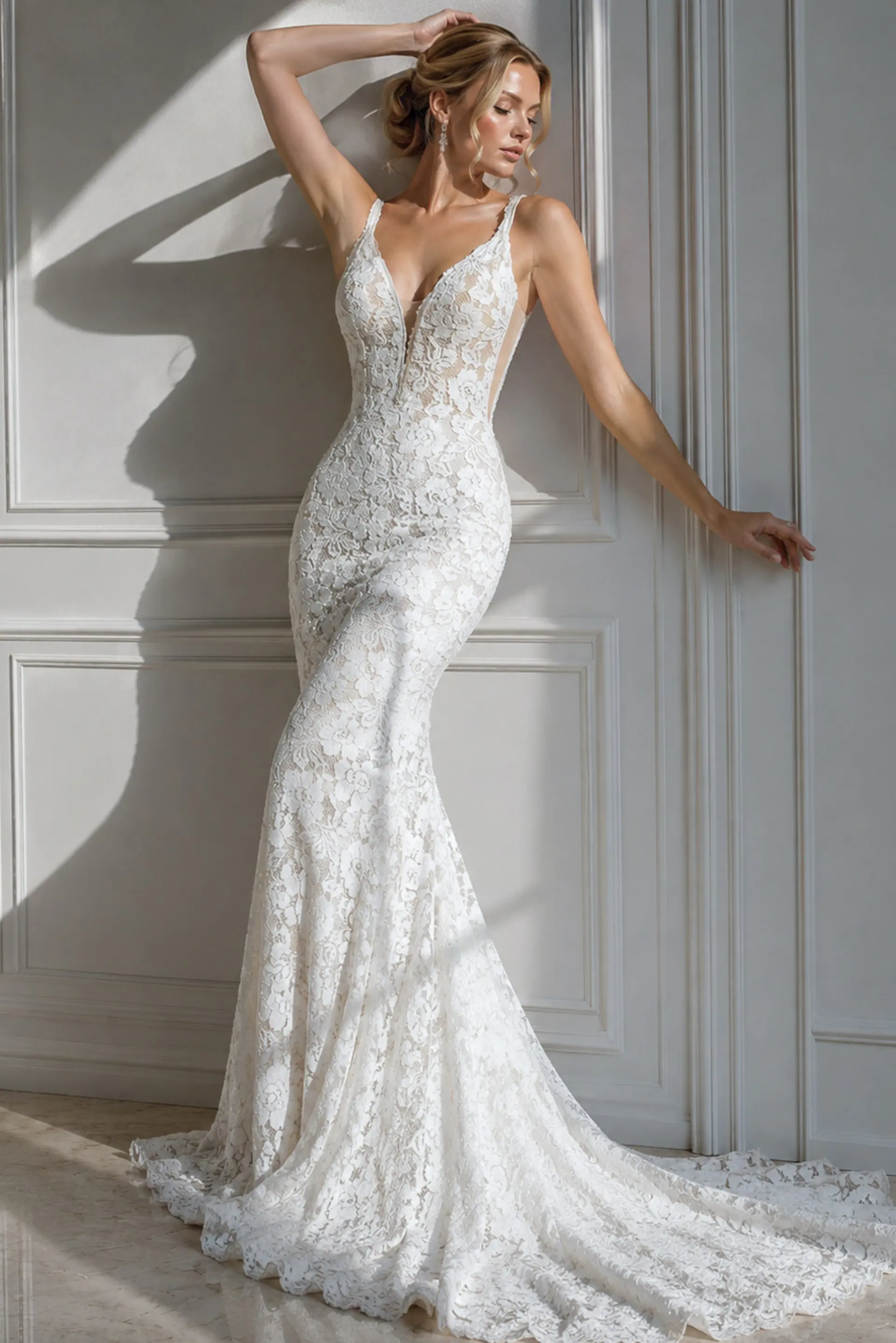
2 Colors
Jovani JB03864 Ivory Lace Wedding Dress
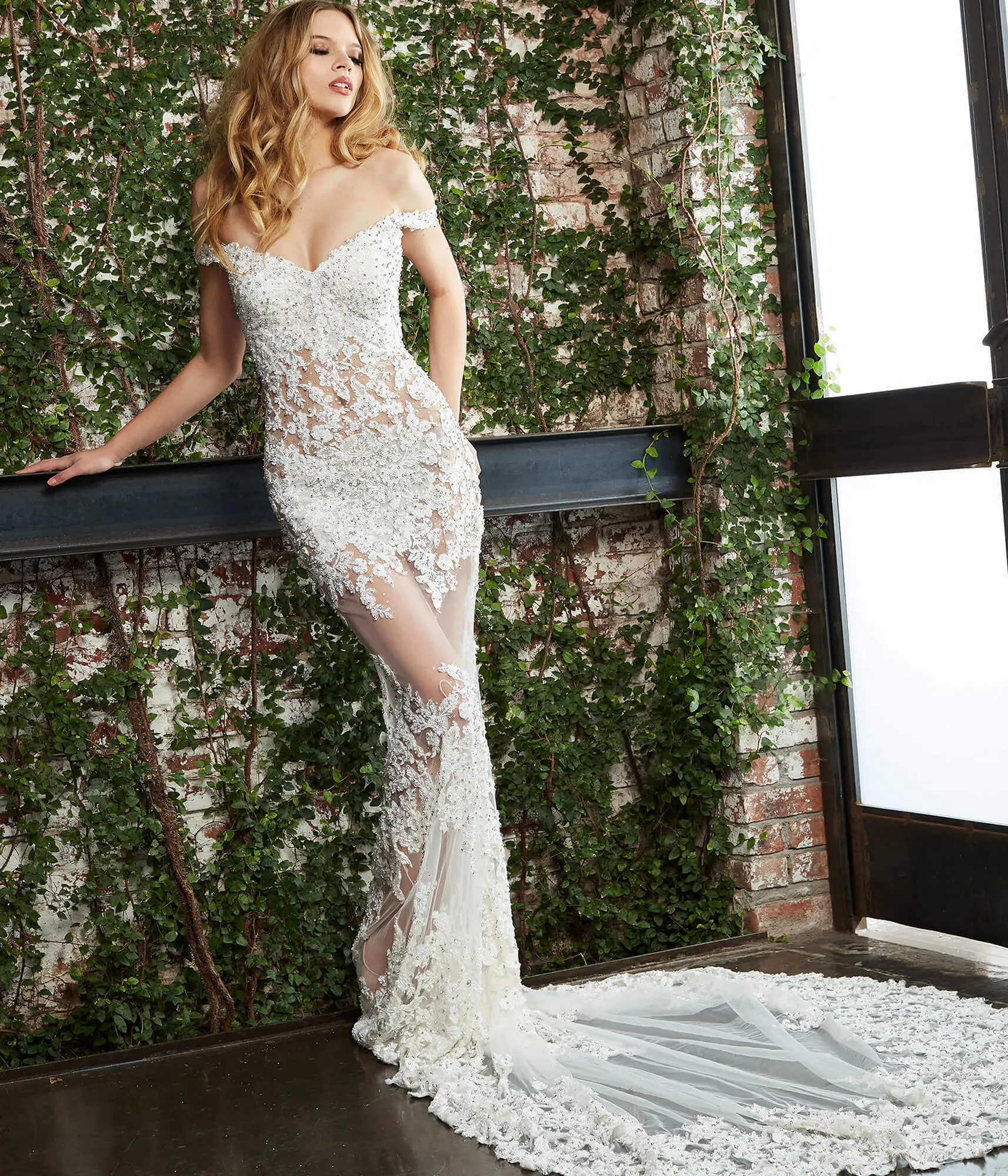
1 Colors
Jovani S65052 Off White Beaded Off the Shoulder Wedding Dress
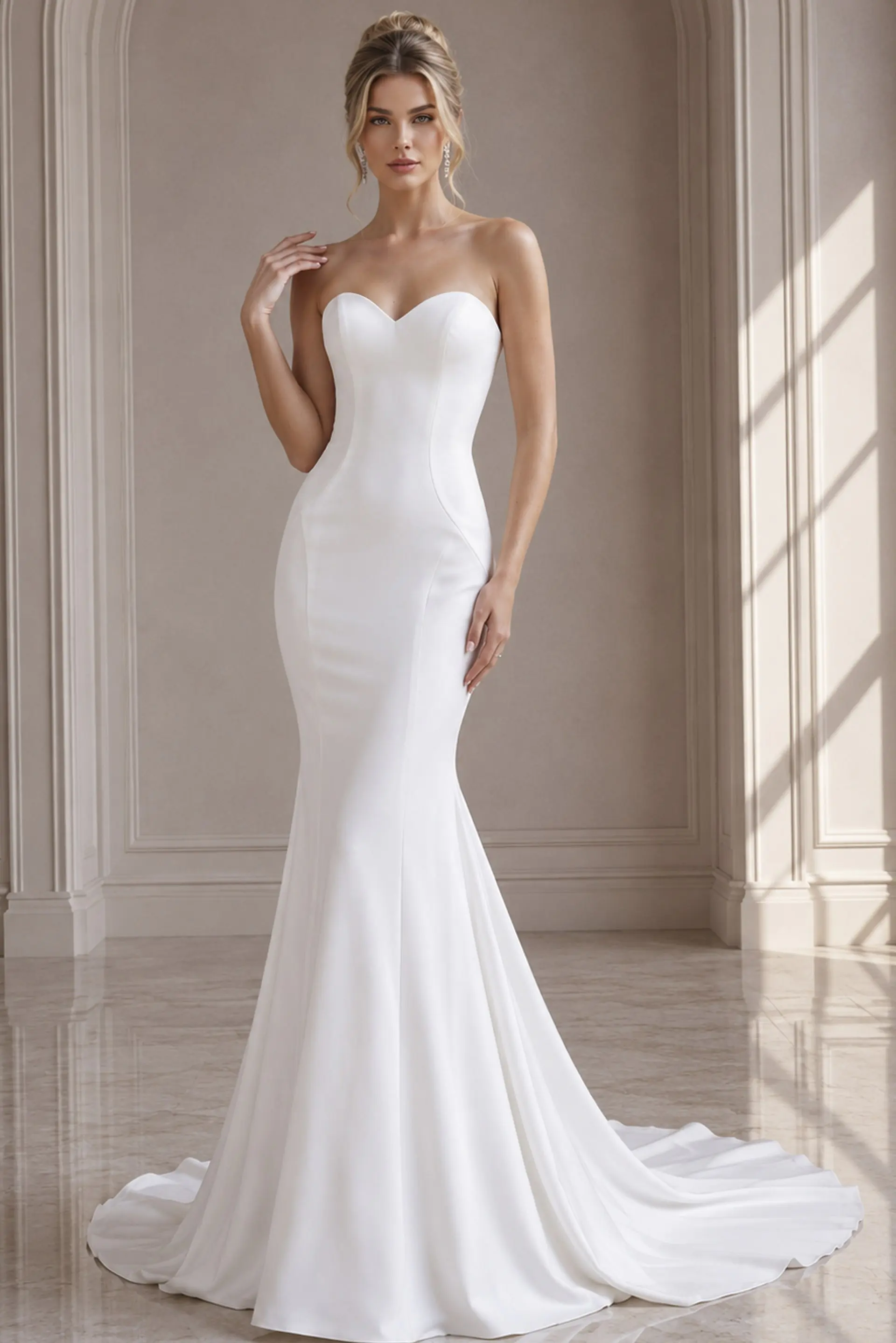
1 Colors
Jovani JB06912 Ivory Strapless Sweetheart Neck Wedding Dress
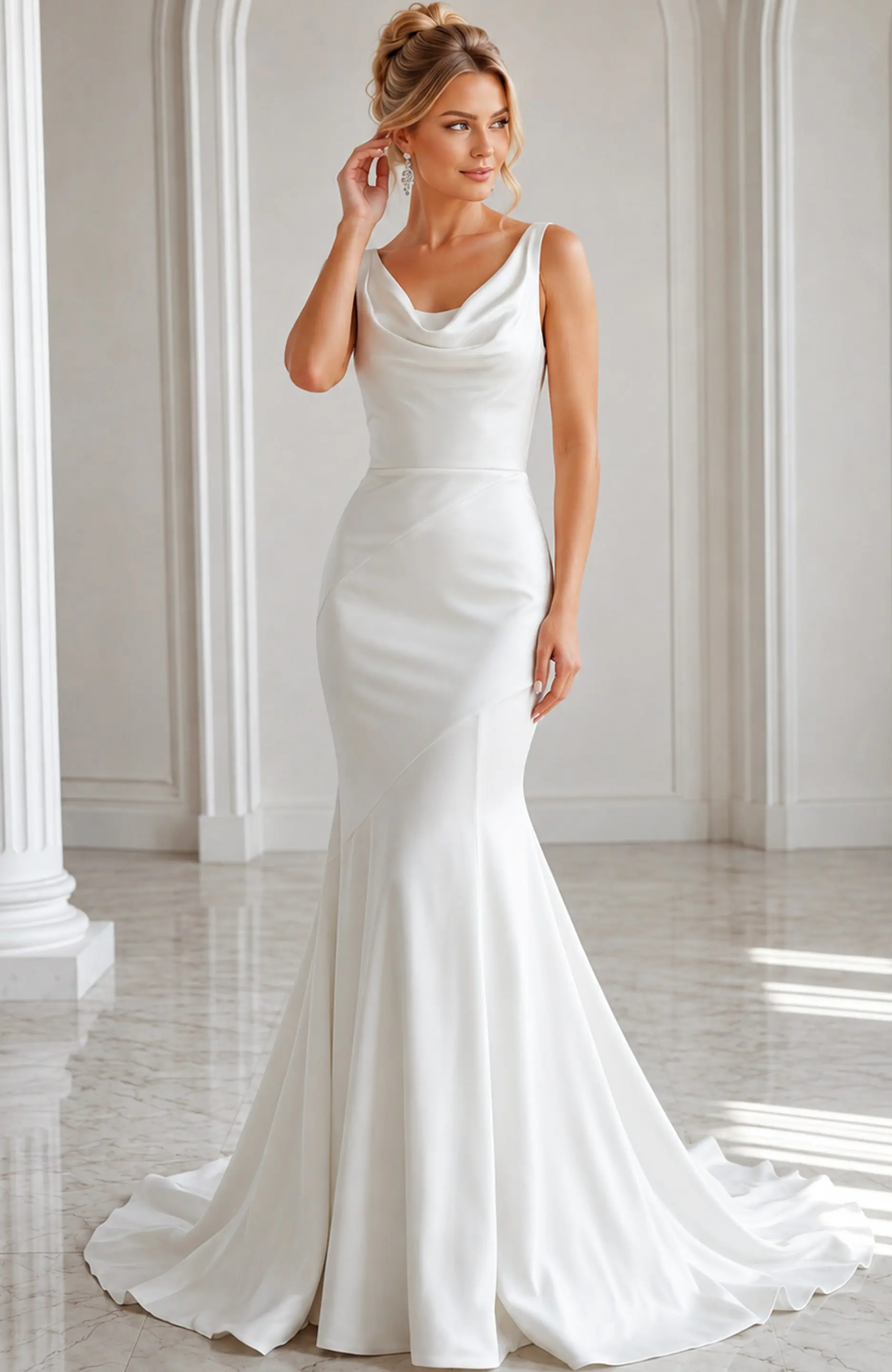
1 Colors
Jovani JB03910 Off White Cowl Neckline Bridal Dress
1 Colors
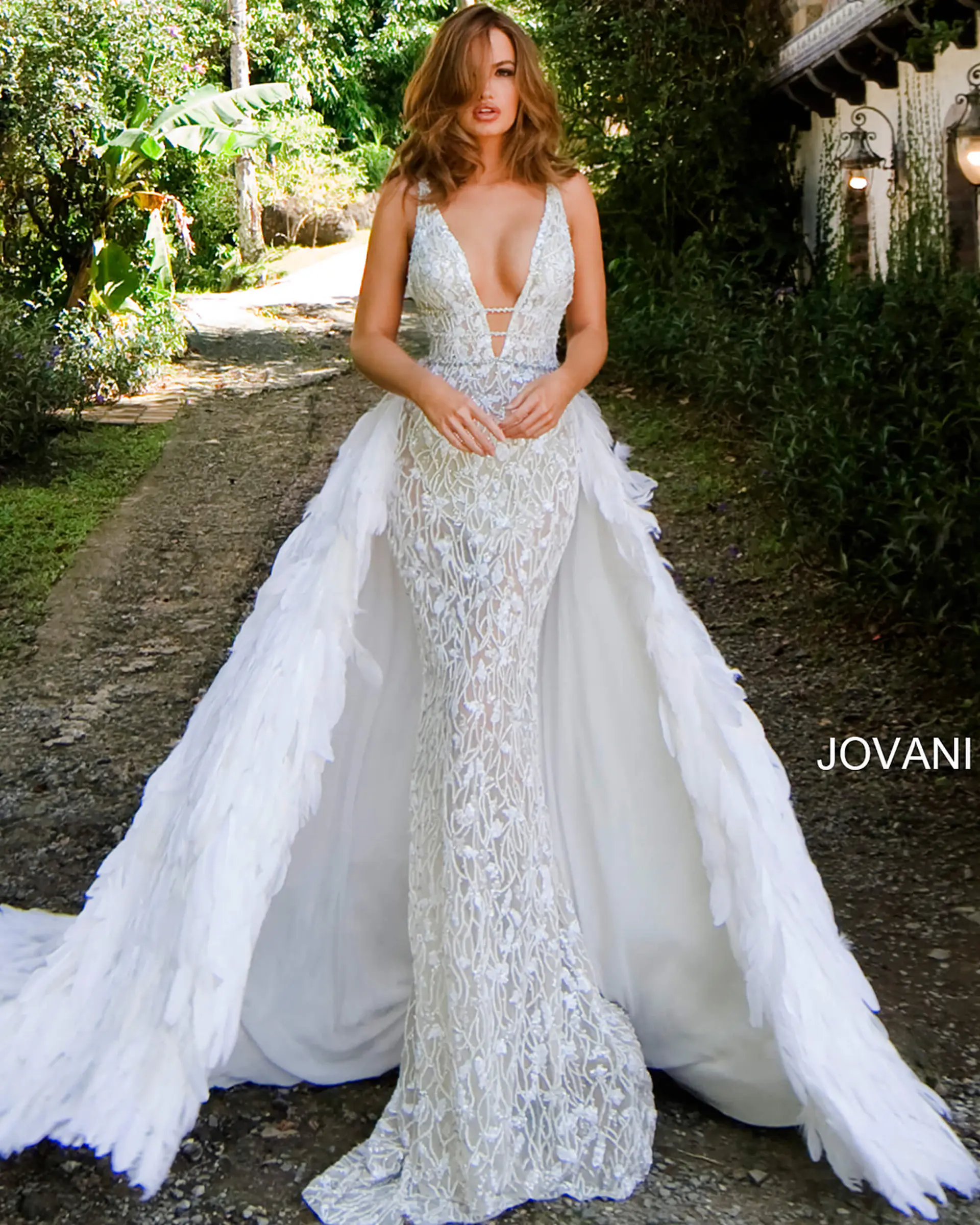
Jovani S62942 Plunging Neck Embellished Couture Gown
3 Colors
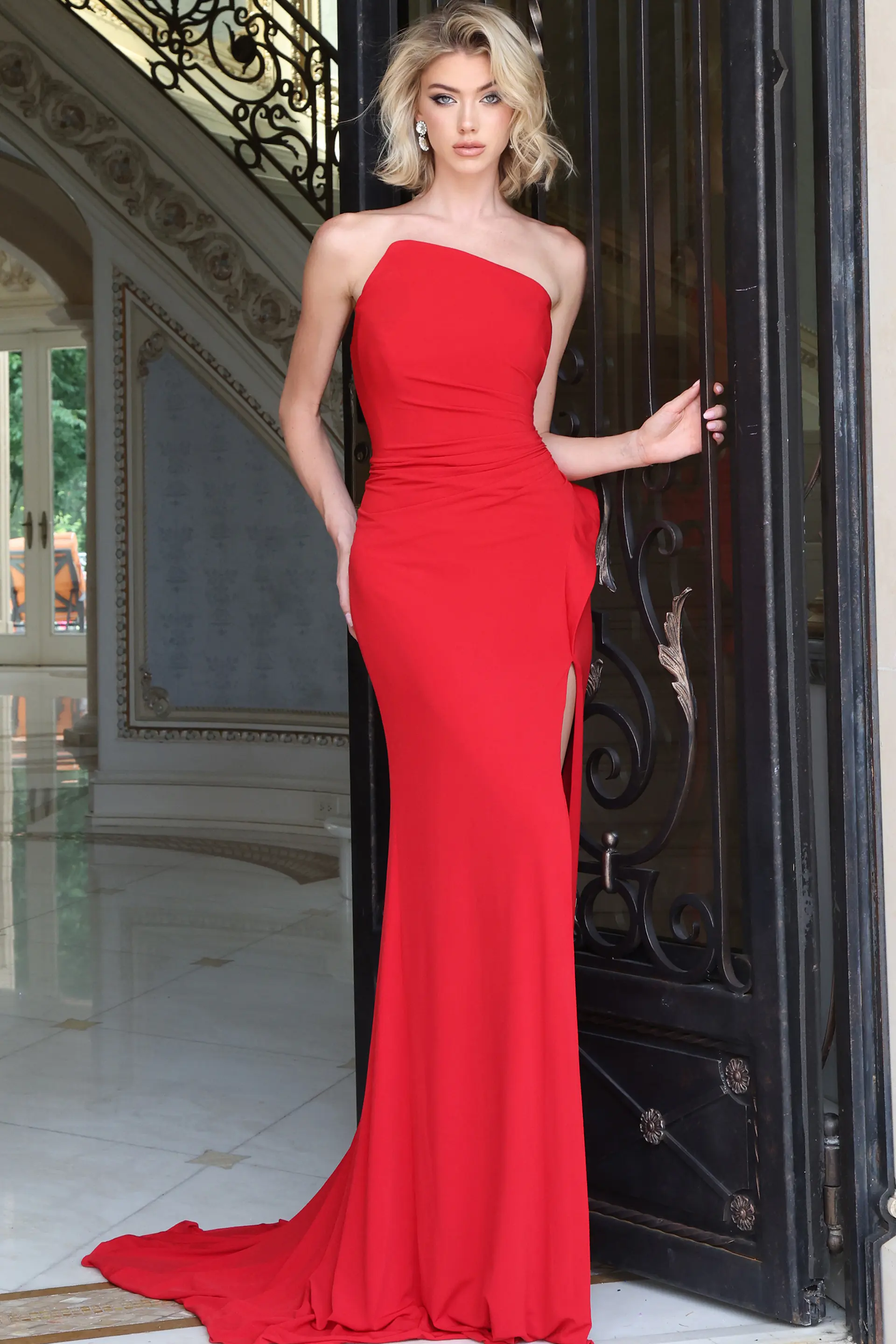
One Shoulder Draped Gown With Open Back 47150
Trending Now
About This Category
A fitted dress is designed to accentuate every aspect of your natural body type. Various shapes, silhouettes, lengths, and back cuts are available in plus sizes. There is a gown perfect for every woman to wear. They include many beautiful features and can be found with a long train, low backs, and sexy plunging necklines.
Fitted Wedding Dresses and the Shape of the Silhouette
The defining feature of fitted wedding dresses is not simply that they are narrow. The key difference is how closely the gown follows the torso and hips before the skirt changes direction. Some designs stay streamlined from neckline to hem, creating a sheath-like profile, while others remain close through the upper leg before opening into a more pronounced flare. Brides who want that stronger contrast can compare mermaid wedding dresses, where the release of the skirt is a more deliberate part of the silhouette.
Fit is also affected by seam placement, lining, and the firmness of the base fabric. Vertical seams can lengthen the line of the body visually, while shaped waist seams or corset construction create more definition through the center. A gown that is cut close through the hips needs enough structure to hold its shape without restricting normal movement, especially when the train adds extra weight behind the body.
Satin, Crepe, Lace, and the Way Fabric Holds the Body
Fabric changes the character of a fitted bridal gown more noticeably than it does on many fuller silhouettes. Smooth crepe creates a clean surface that emphasizes tailoring, darts, seams, and the outline of the waist and hips. Satin brings more sheen and visual weight, so pleating, draping, and sculpted bodice details become more visible. Lace adds texture across the same close-fitting base; brides comparing surface detail can also look at lace wedding dresses to see how floral motifs, appliqué, and sheer panels change the appearance of different bridal shapes.
On a fitted silhouette, fabric weight also affects movement. Softer crepe can move with the body while maintaining a restrained line, whereas structured satin holds sharper folds and more architectural draping. Lace layered over lining or tulle can add dimension without changing the underlying fit, but dense embellishment may add weight that should be considered alongside train length and skirt construction.
Bodice Structure, Necklines, and Upper-Body Balance
Because the skirt remains close to the body, the bodice becomes a major point of balance. Strapless sweetheart and straight necklines expose the shoulder line and place more attention on corsetry, seam structure, and waist definition. Brides who prefer that open upper silhouette can compare strapless wedding dresses, where bodice support and neckline shape are central design features. One-shoulder, halter, and off-the-shoulder options create different visual directions while preserving a fitted line below the waist.
Internal support matters more when the dress follows the torso closely. Boning, cups, lining, and stable waist construction help the gown stay positioned correctly instead of depending on surface tightness alone. For a cleaner look, minimal bodices keep the focus on proportion. Embroidered, beaded, or floral bodices place more visual weight above the waist and can balance a simple fitted skirt.
Fitted Bridal Gowns with Beading and Surface Detail
Embellishment can either reinforce the vertical line of a fitted gown or interrupt it deliberately. Beading arranged along corset seams, waistlines, or vertical motifs can draw attention to construction, while all-over crystals or sequins create a denser surface with more reflected light. For brides comparing more decorative finishes, beaded wedding dresses provide a useful reference for how pearls, crystals, and tonal embellishment interact with different silhouettes.
Floral appliqué offers a softer type of dimension. Motifs concentrated around the neckline or waist can frame the bodice, while embroidery extending onto the skirt visually connects the upper and lower portions of the gown. On fitted designs, placement is particularly noticeable because the decoration follows a more defined body line.
Comparing Fitted Shapes with A-Line Bridal Proportions
A fitted gown keeps the line close through the hips, while A-line wedding dresses begin opening much higher, usually from around the waist. That difference affects both movement and visual proportion. An A-line skirt creates space between the body and fabric earlier, while fitted styles keep the waist and hip line visible for longer. Brides deciding between the two can compare not only silhouette but also how much skirt volume, ease, and train weight they want to manage throughout the ceremony and reception.
The same neckline can feel very different across these shapes. A strapless satin bodice paired with an A-line skirt creates a broader, more open lower proportion, while the same bodice on a sheath or mermaid-inspired gown keeps the emphasis on a continuous vertical line. Fabric, seam placement, and the point where the skirt releases ultimately determine how sculpted the fitted effect feels.
Choosing Fit, Train Length, and Movement Together
When comparing fitted bridal gowns, look beyond the front view. The back construction, placement of buttons or cutouts, and length of the train can change both appearance and practicality. A narrow skirt with a long train creates a dramatic back profile but may require a bustle for later movement. A cleaner sheath shape with a restrained train keeps the line uninterrupted and can feel lighter through the lower body.
Jovani fitted bridal styles include smooth satin and crepe gowns as well as lace and embellished options, so the most useful comparison is between structure, fabric, and the exact point where the skirt changes shape. Checking how the gown supports the bust, defines the waist, follows the hips, and releases toward the hem provides a clearer sense of fit than relying on the silhouette name alone.
A good fit always makes a difference. Try Jovani's Fitted Wedding Dresses
Sexy Fitted Dresses:If you're looking for a dream wedding dress that will get you noticed on your wedding day, look no further than Jovani's sexy fitted dress collection. We have the perfect dress for you! These elegant, figure flattering garments were designed efficiently so all women could enjoy wearing them.
Fit For Your Body: These dresses are made of the best quality fabrics with fantastic designs such as sheer bodice, illusion lace, Silky satins, crepes, beaded bodice, and many more. You can choose the one that makes you feel the sexiest.
Custom Made: Our gowns are designed to match your body type perfectly. You can change the neckline and hem of a garment and alter other details like cut length or shoulder seam placement for it to fit uniquely just for you!
Fit and Flare gown: A lace fit and flare bridal gown is a classic style for those who want to make their curves pop. The form-fitting bodice brings attention up from the bottom, while flattering lines give you shapely features!
Wedding Dress Trends: You can find the perfect fitted bodice for your gown here, whether you're looking for a long white gown or a short sexy bridal style with a strapless neckline or plunging neckline or even long sleeves leave everyone in awe of how beautiful you look on your big day.
Long Train: Jovani flare wedding dresses are designed with a long train option for brides who want to make a grand entrance on their big day.
Bodycon Design: Say yes to fitted design specifically to highlight and flatter every natural curve.
Sexy Back: Jovani fit and flare wedding dresses can come with low backs or plunging necklines, making sure you steal the show on your big day. A fit and flare dress is a classic style for a bride who wants to make the curves pop. The form-fitting bodice brings attention up from the bottom, while flattering lines give you shapely features!
Choose from an array of chic styles and silhouettes designed by some of the best designers in the industry today.
Fitted bridal gowns can be found at a pretty midi or tea-length for brides looking for a more relaxed wedding look. This is perfect for a courthouse wedding or casual civil ceremony. Select from white, ivory, and champagne that can be plain and refined with a focus on gorgeous cuts. They can also be embellished with sparkling beadwork to add a touch of glamour to your wedding.
Fitted and Sheath wedding dresses:
If you're looking for a more modern, sleek look that's perfect on any body type, fitted and sheath wedding dresses are exactly what your heart desires. These styles offer an elegant yet subtle balance between fashion statements and figure-flattering shapes to create beautiful bride looks without ever revealing or compromising elegance!
Say Yes To Your Dream Wedding Dress:
Come into one of our bridal stores today and find your dream gown made just for you. Try on a few different designs with sizes that will fit in a perfect way.