
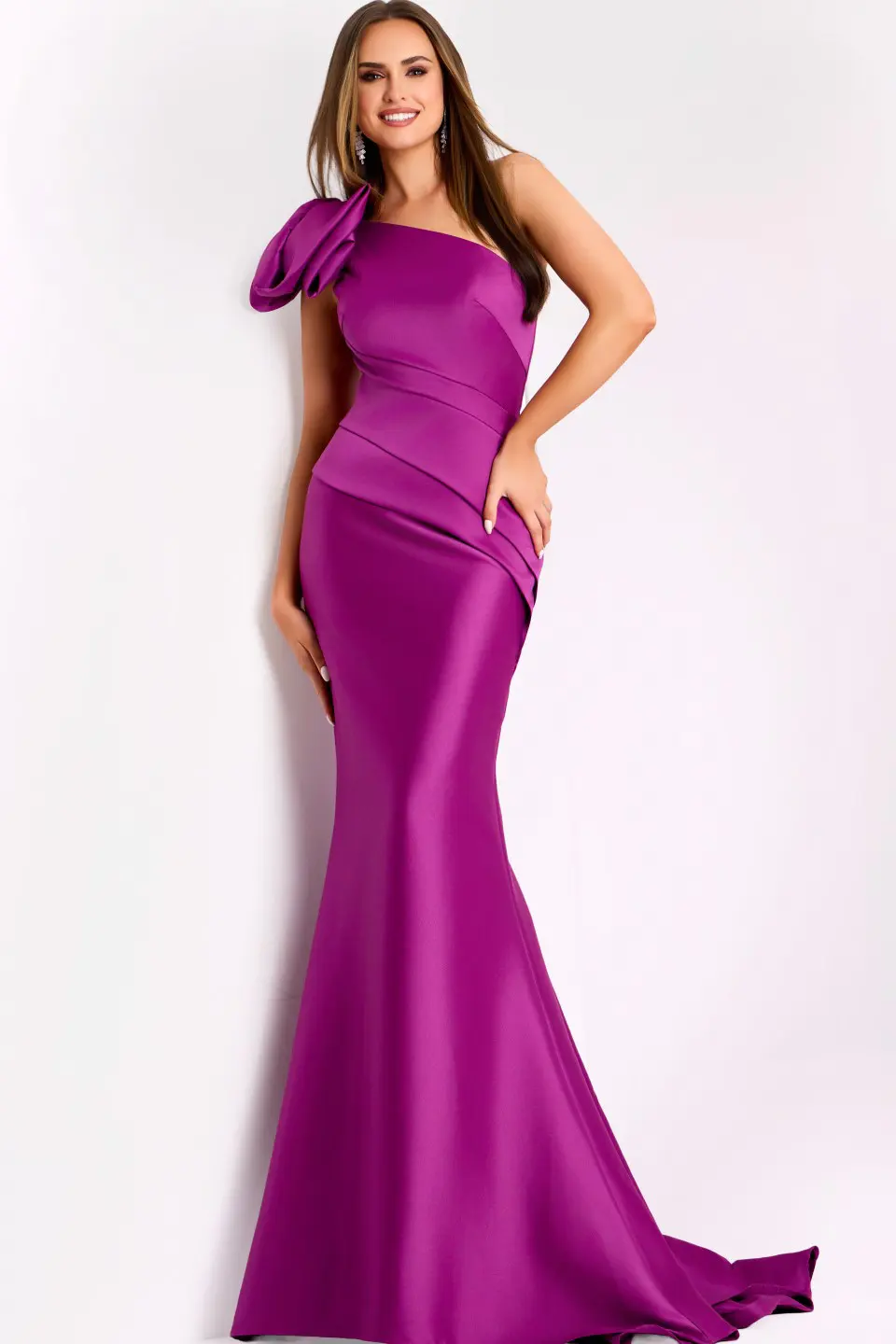
4 Colors
Satin Wedding Guest Dresses
Satin wedding guest dresses work best when the fabric, cut, and support suit both the dress code and the hours you will spend wearing them. Compare fluid bias-cut shapes with more structured A-lines, columns, and fitted silhouettes, paying attention to how the satin drapes across the waist and hip. A satin wedding guest dress with lining or a built-in bodice can feel more secure and show fewer tension lines, while softer constructions allow more movement. Jovani styles also vary by neckline, from cowl and halter shapes to strapless and one-shoulder designs, so support and seam placement are worth checking alongside color and length.
Products
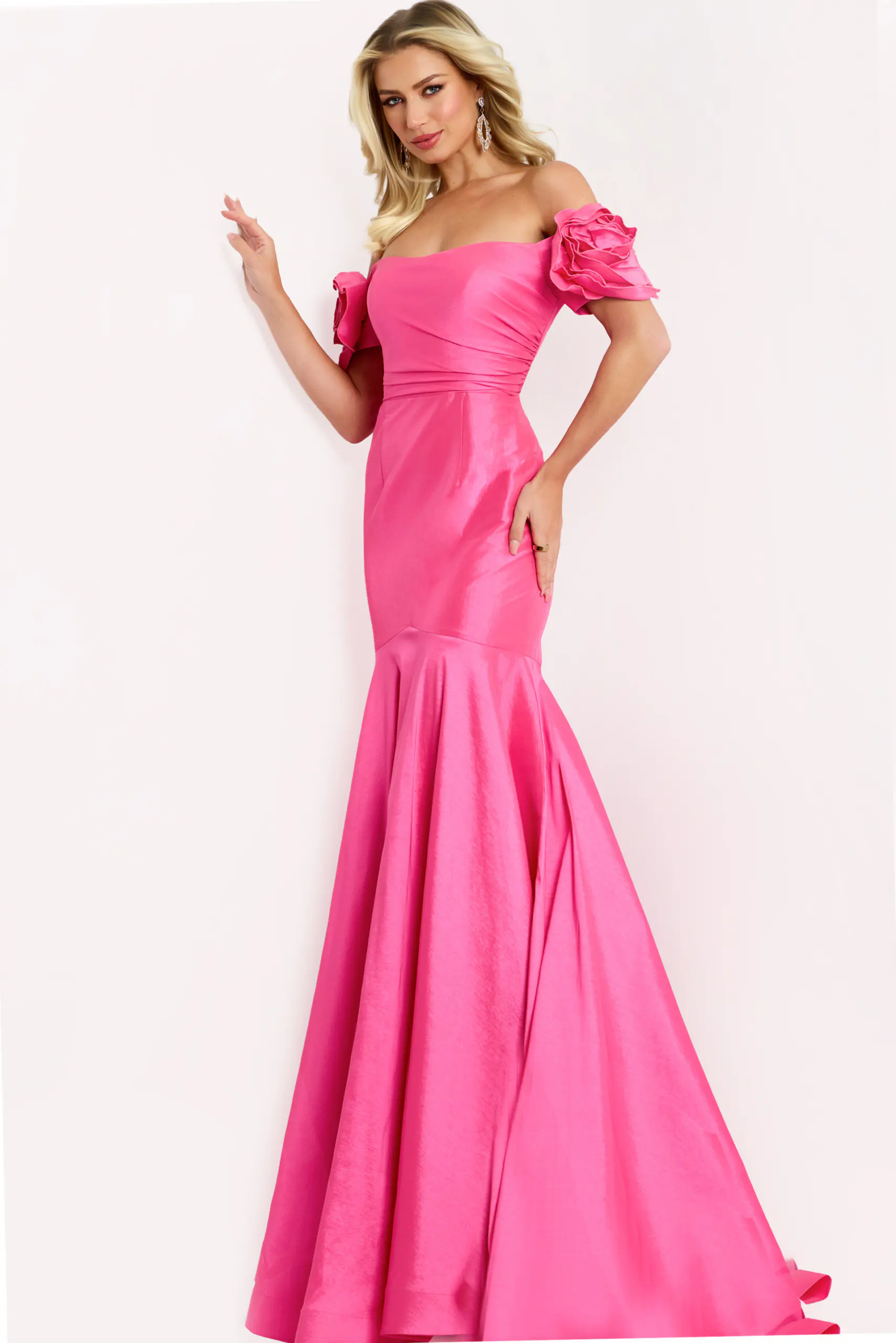
2 Colors
Elegant Mermaid Gown With Off-Shoulder Floral Sleeves 43015
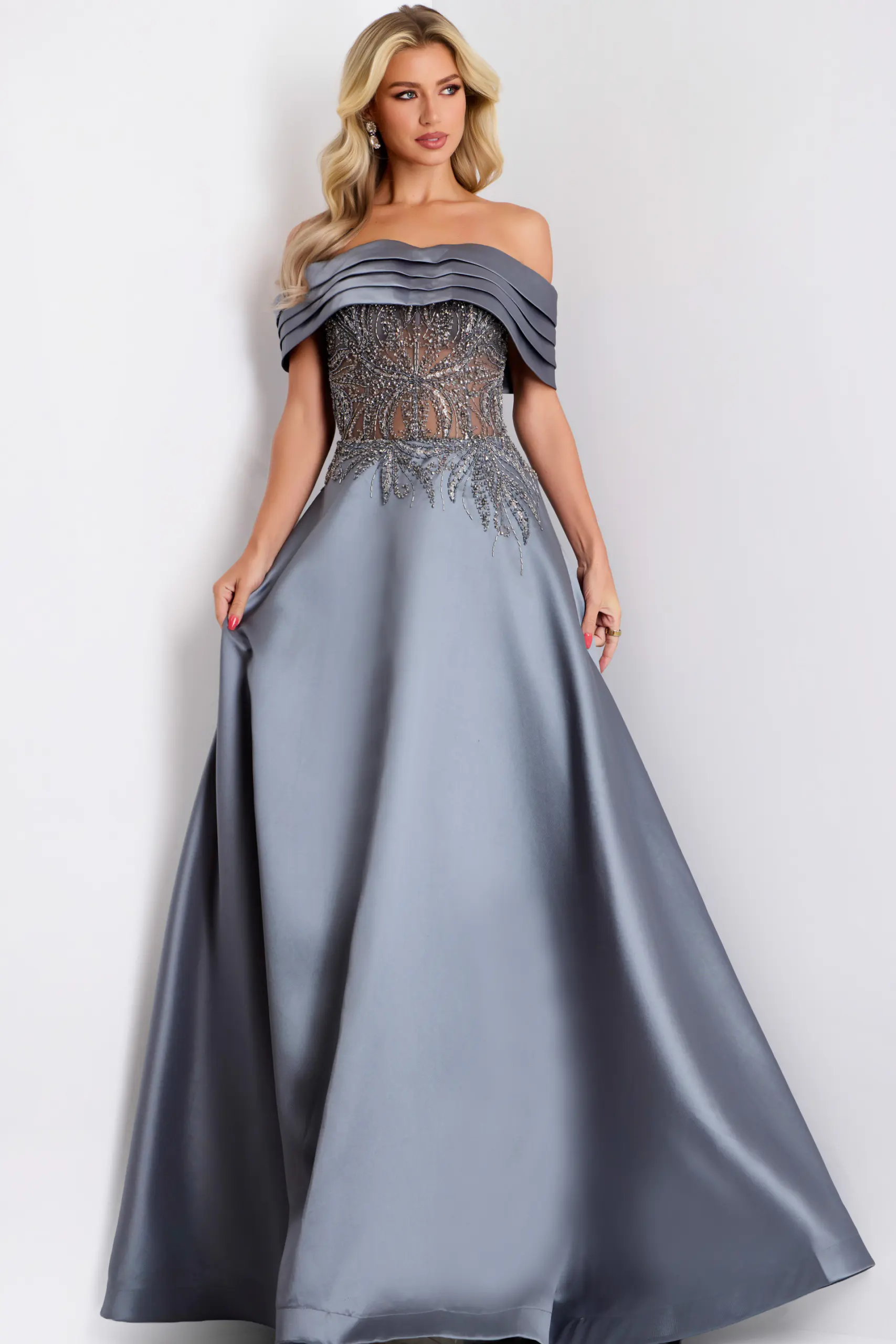
3 Colors
Off Shoulder Steel A Line Gown With Sheer Beaded Bodice 41198
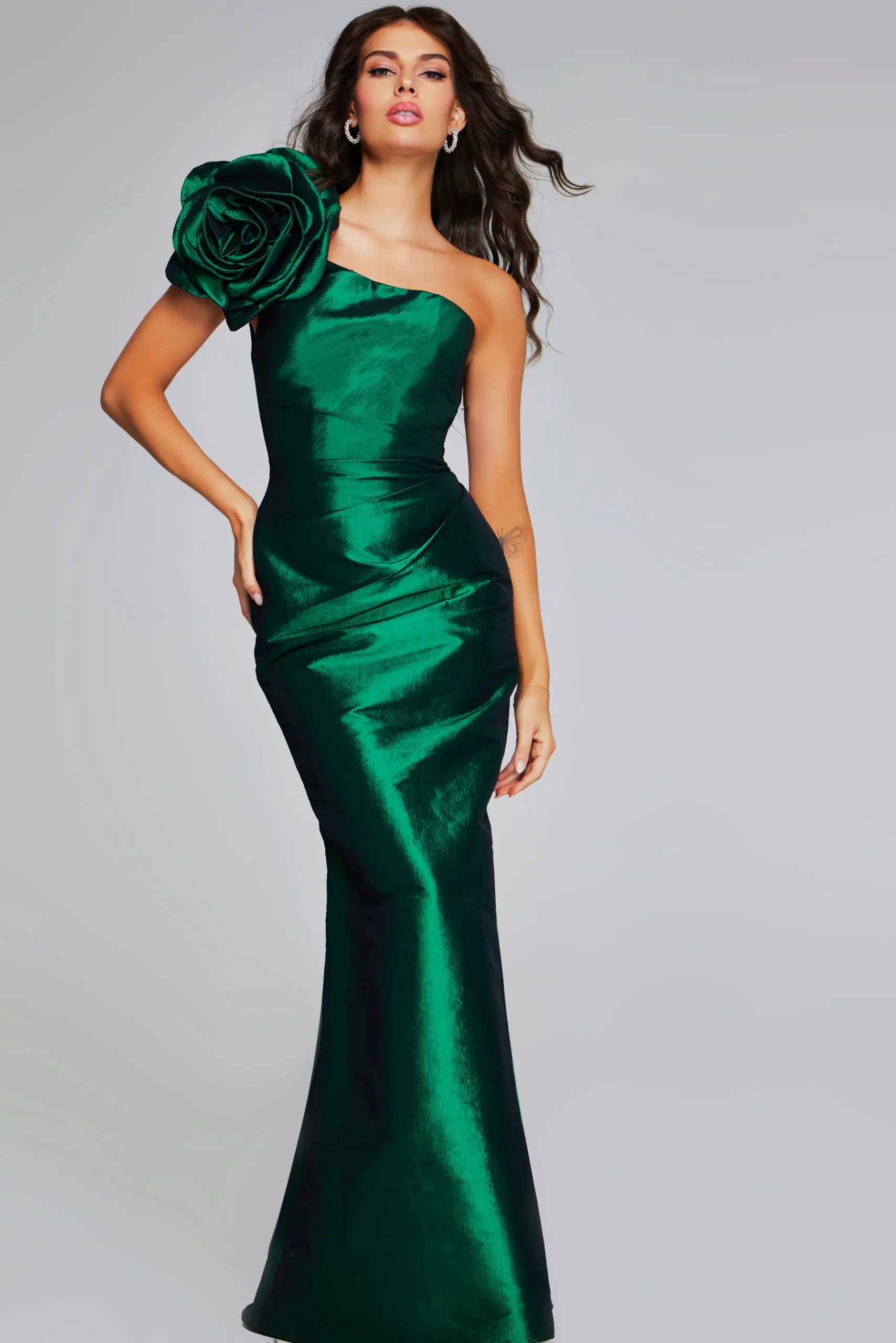
6 Colors
One Shoulder Hunter Green Gown With Floral Sleeve 40206
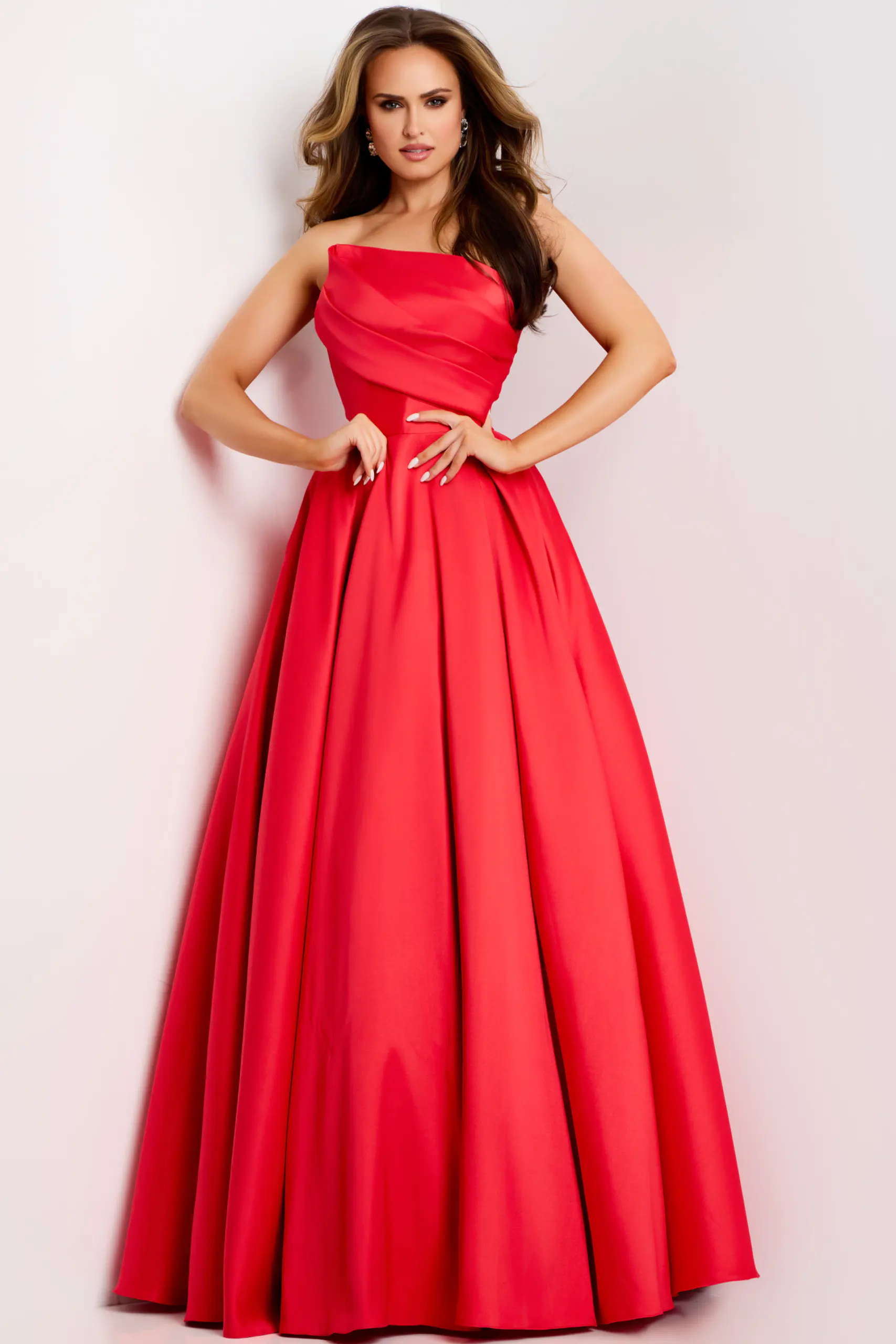
2 Colors
Strapless Satin Ballgown with Draped Bodice 44533
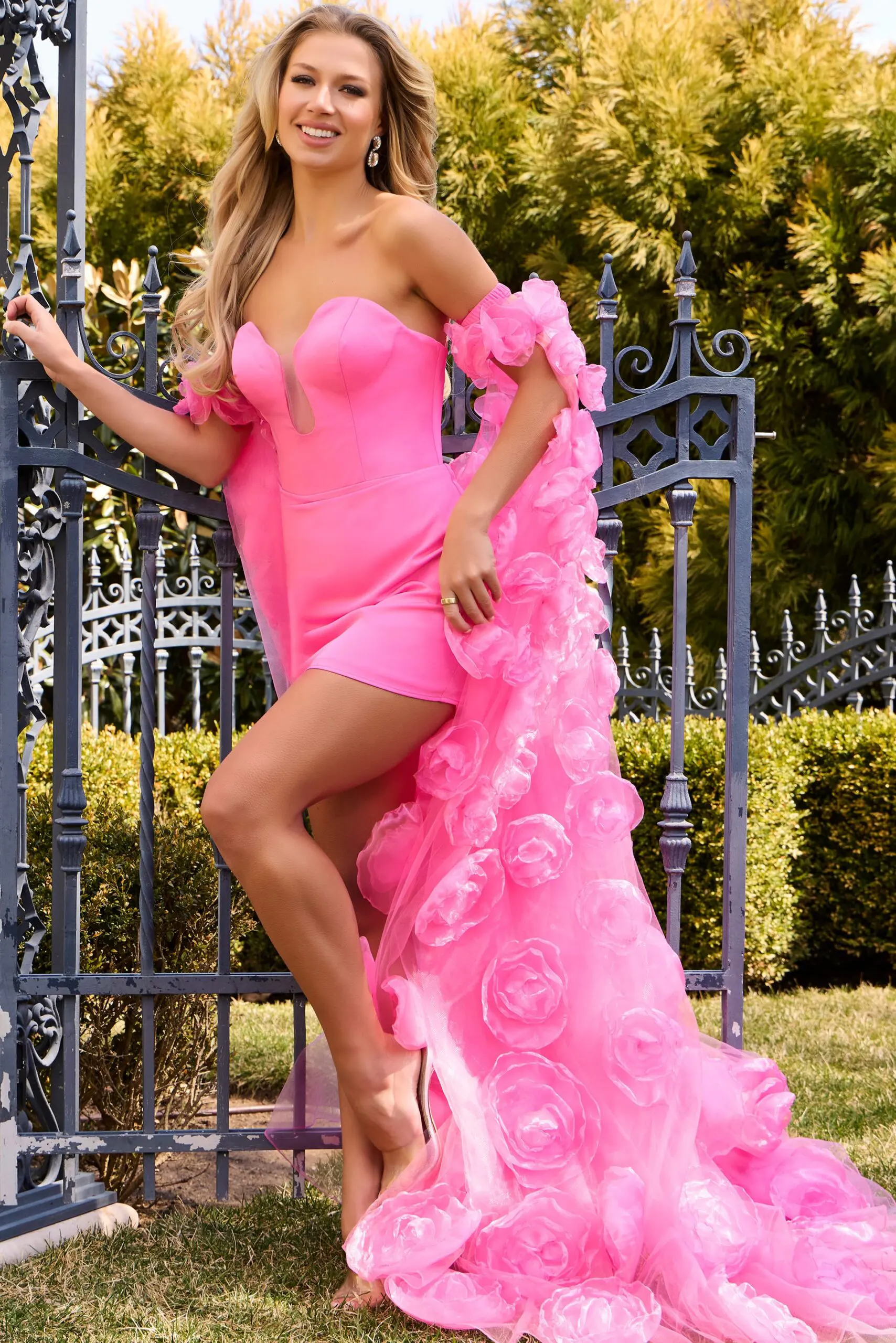
2 Colors
Pink Strapless Dress with Rose Petal Cape 47424
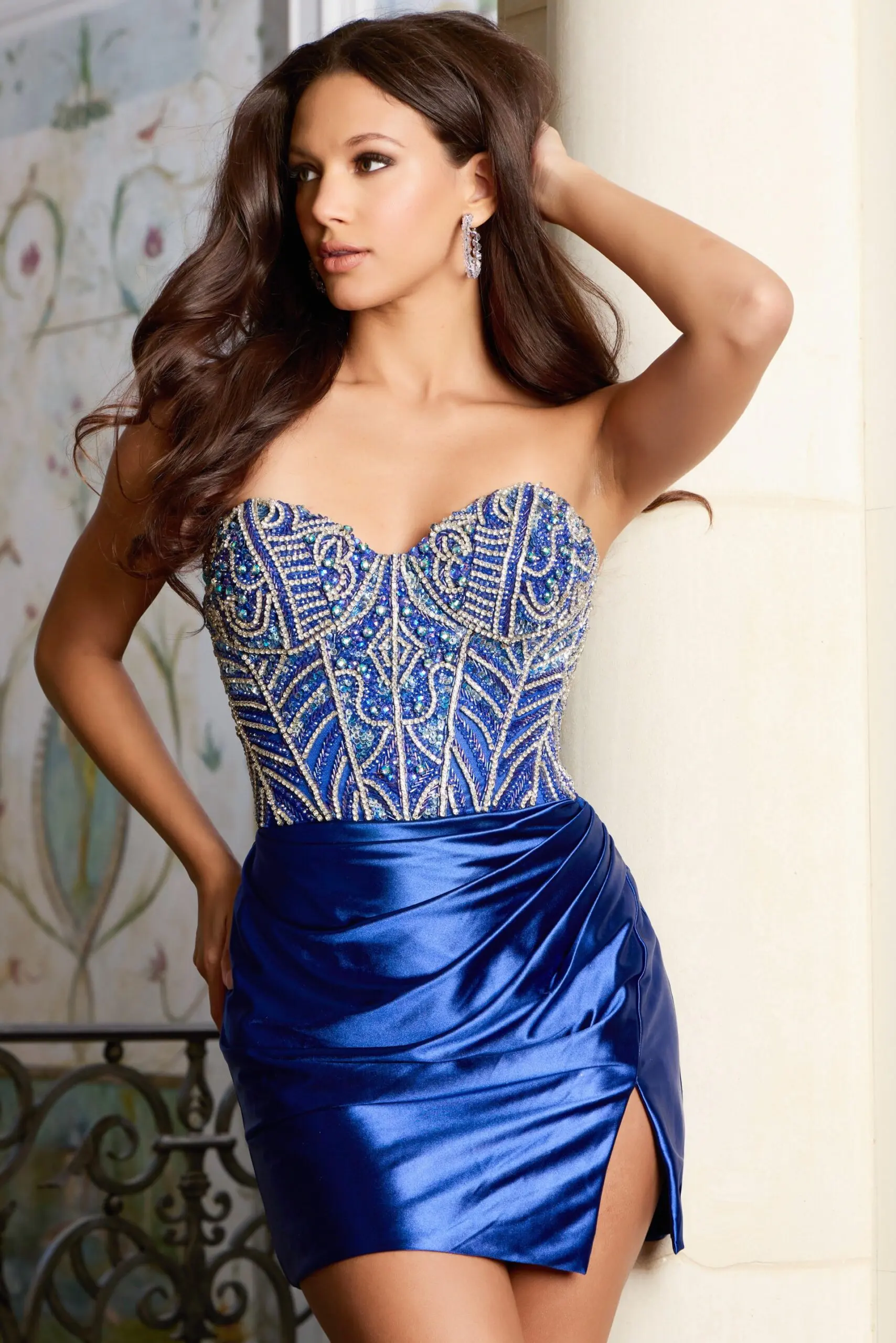
3 Colors
Beaded Corset Bodice Satin Ruched Dress 46497
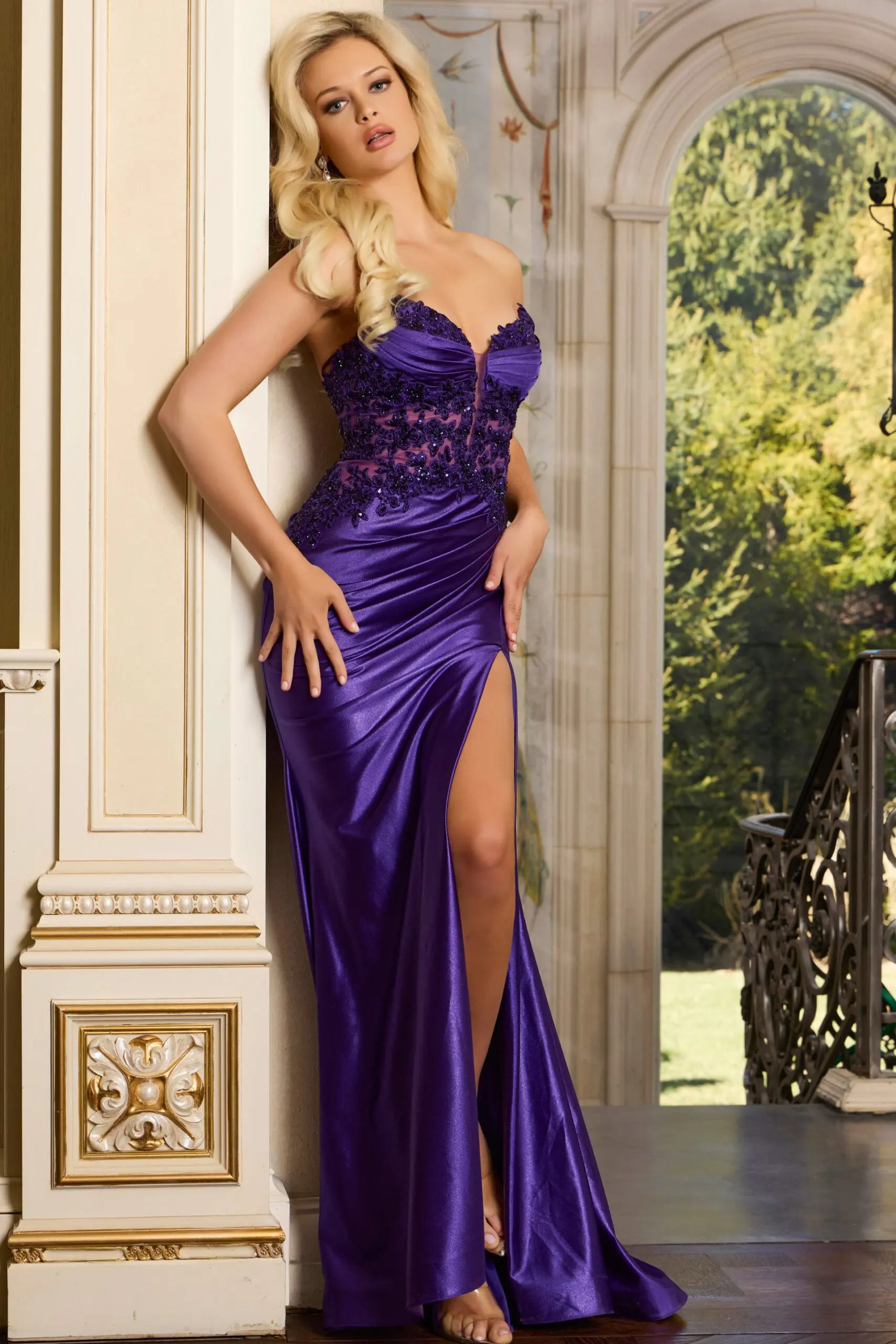
1 Colors
Elegant Corset Gown With Embellished Mesh Bodice 45857
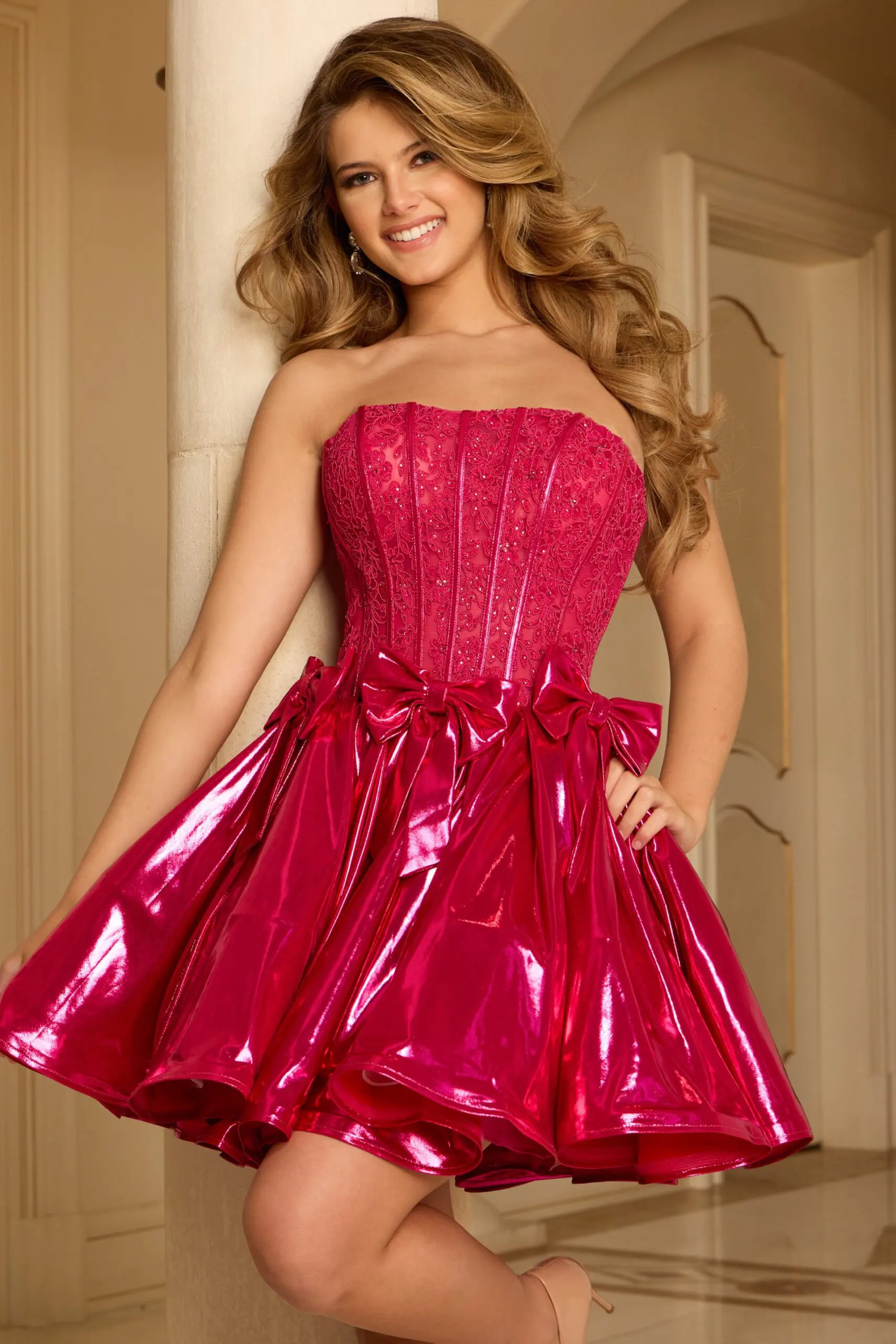
3 Colors
Strapless Corset Mini Dress With Glossy Bow Detail Skirt 45692
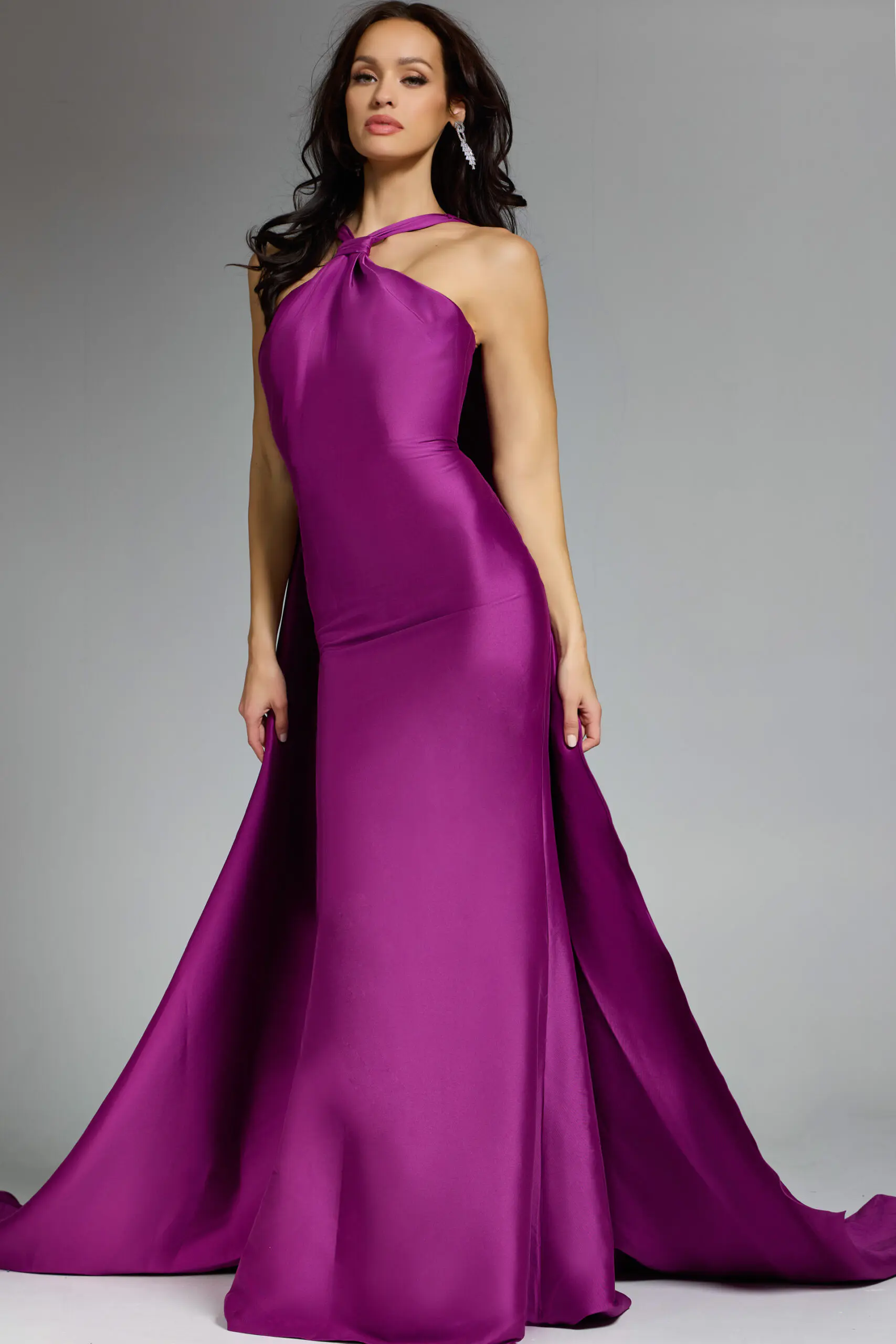
4 Colors
Halter Neck Gown With Flowing Train 43280
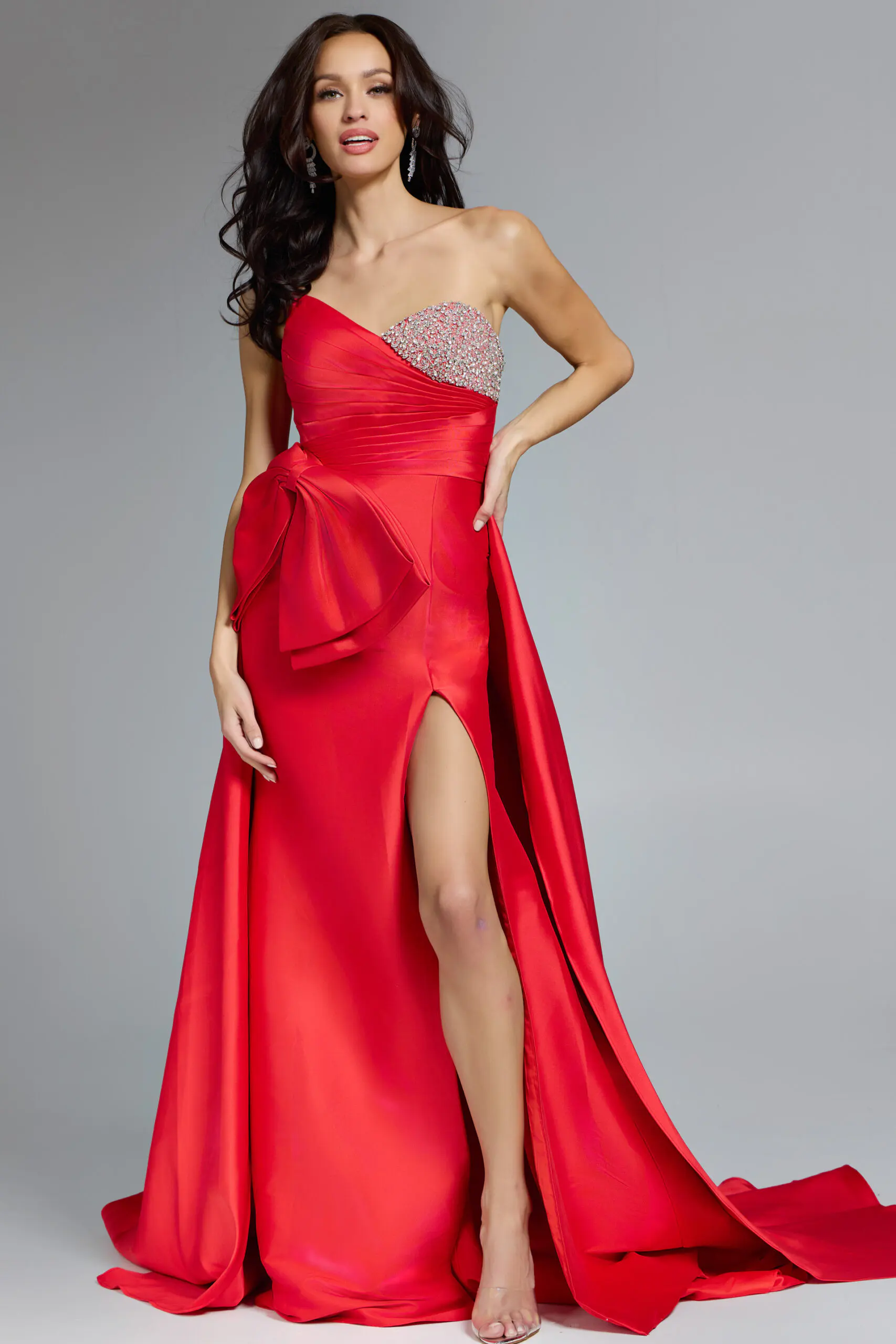
3 Colors
Asymmetrical Gown With Beaded Bodice and Bow Accent 43821
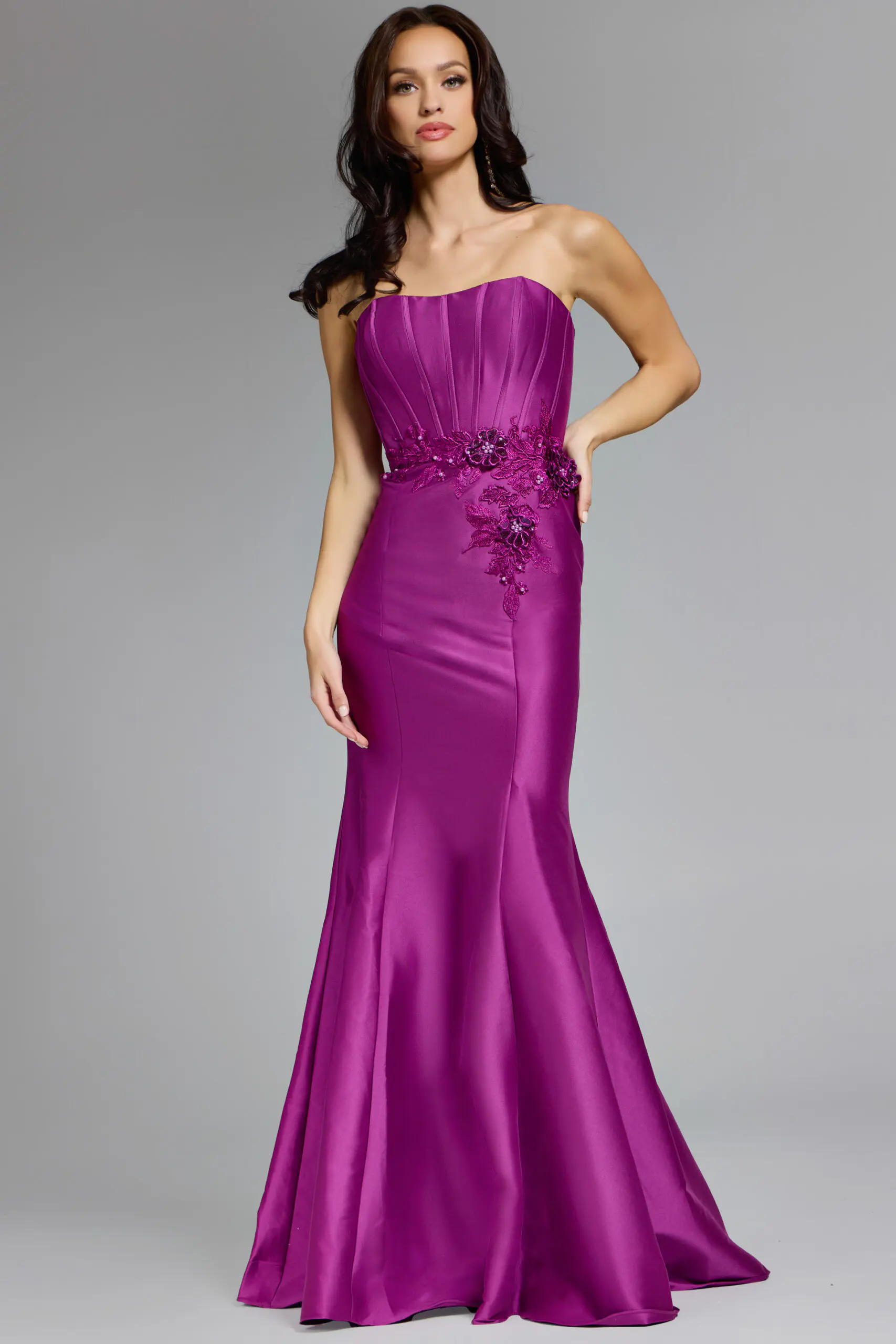
3 Colors
Strapless Gown With Floral Appliqué 43817
1 Colors
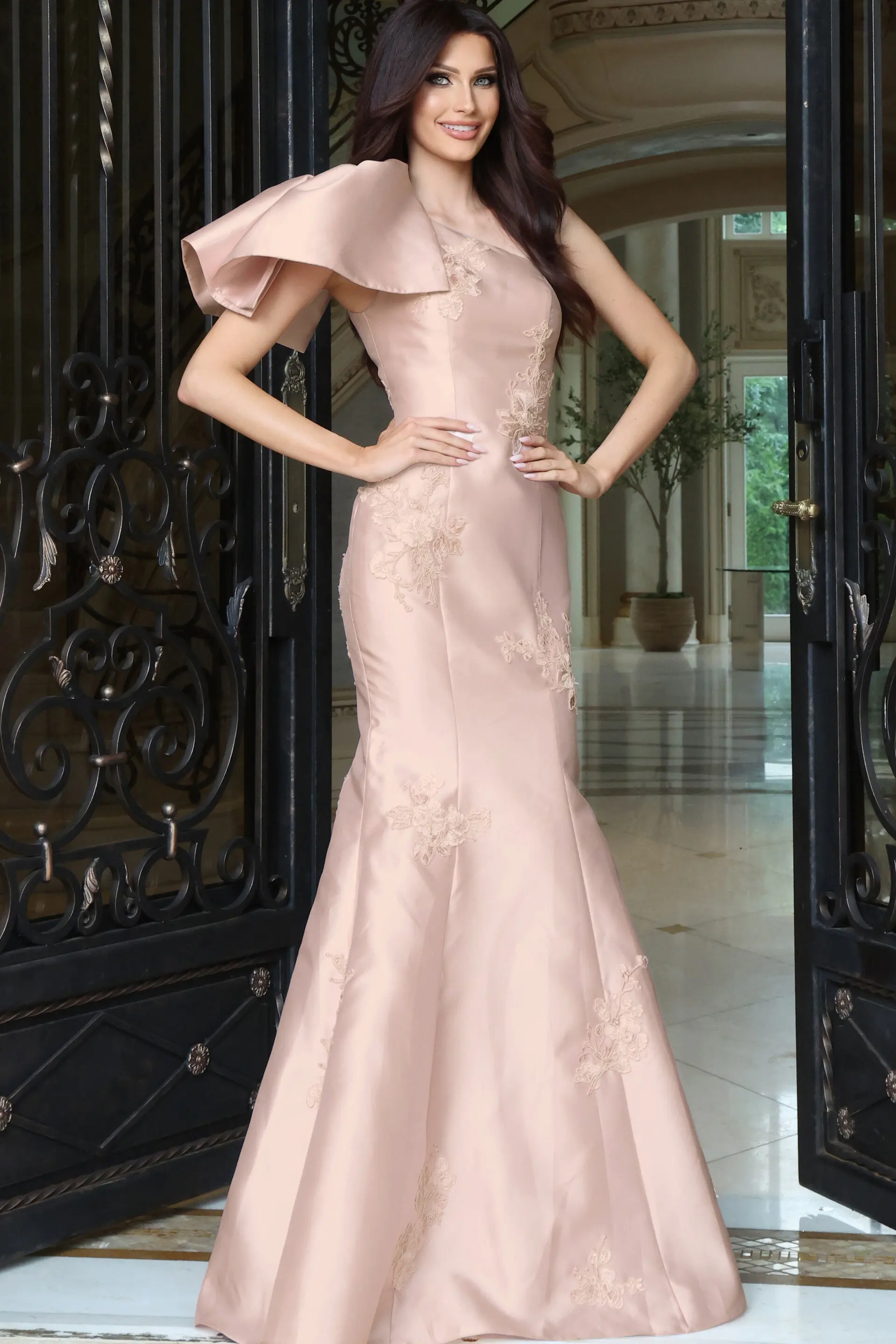
One-Shoulder Mermaid Gown with Floral Embellishments 44354
5 Colors
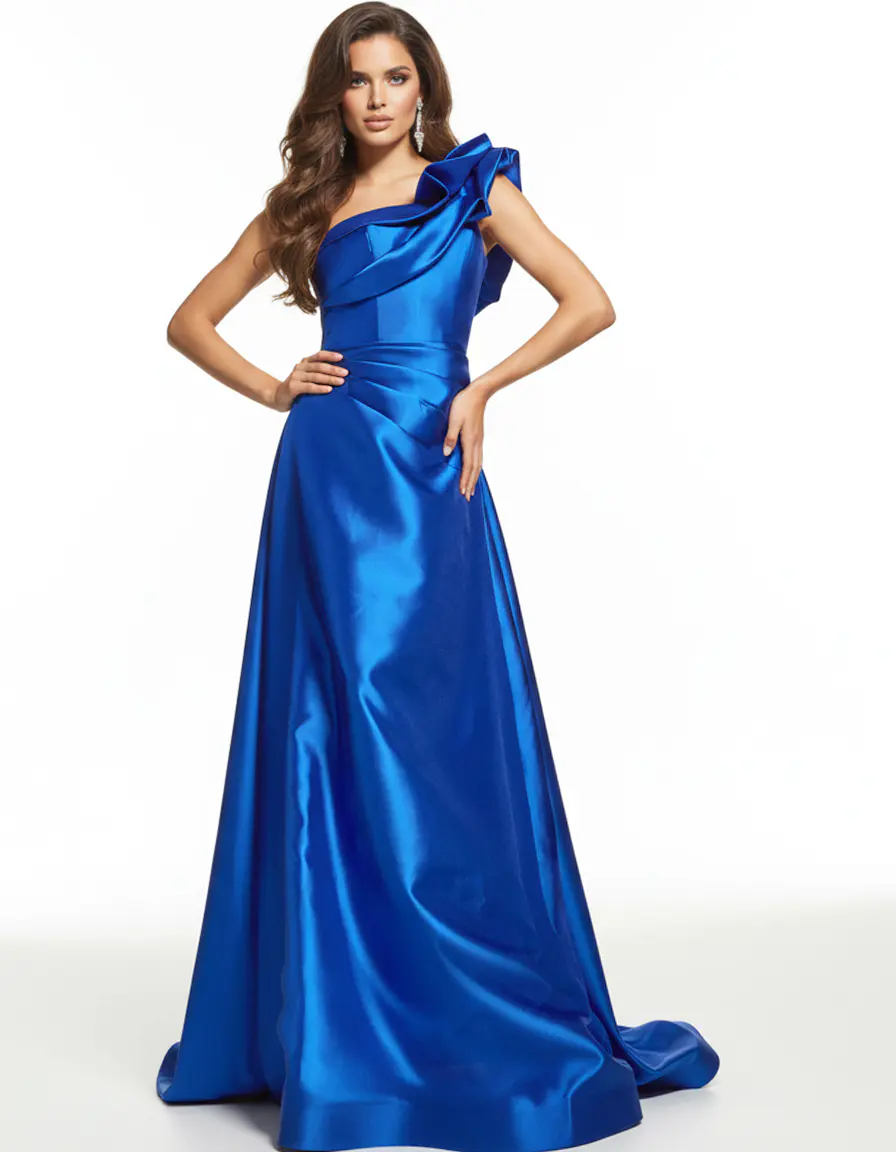
One-Shoulder A-Line Gown with Dramatic Ruffle Detail 44345
3 Colors
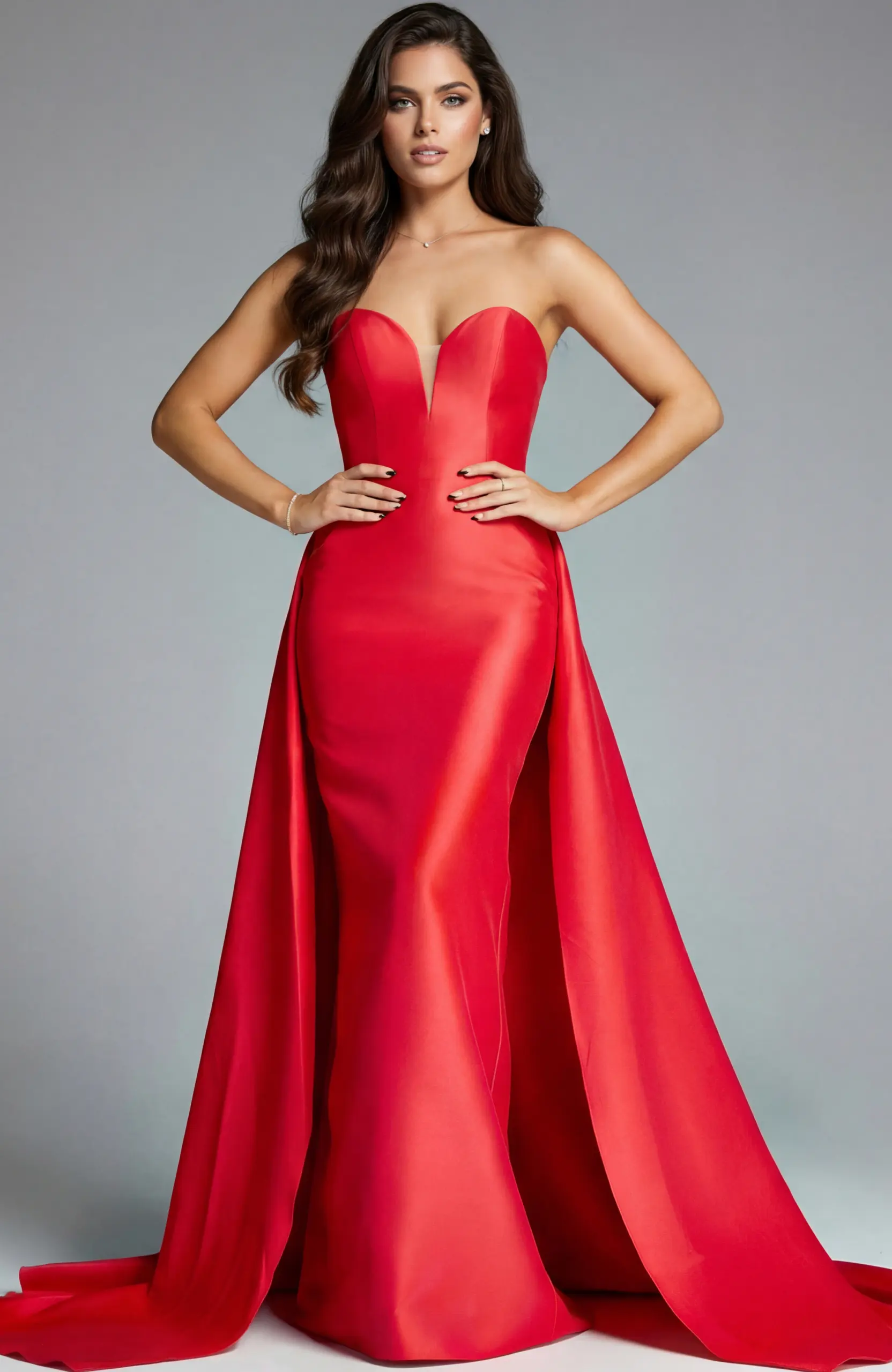
Strapless A-Line Gown with Plunging Sweetheart Neckline 44180
3 Colors
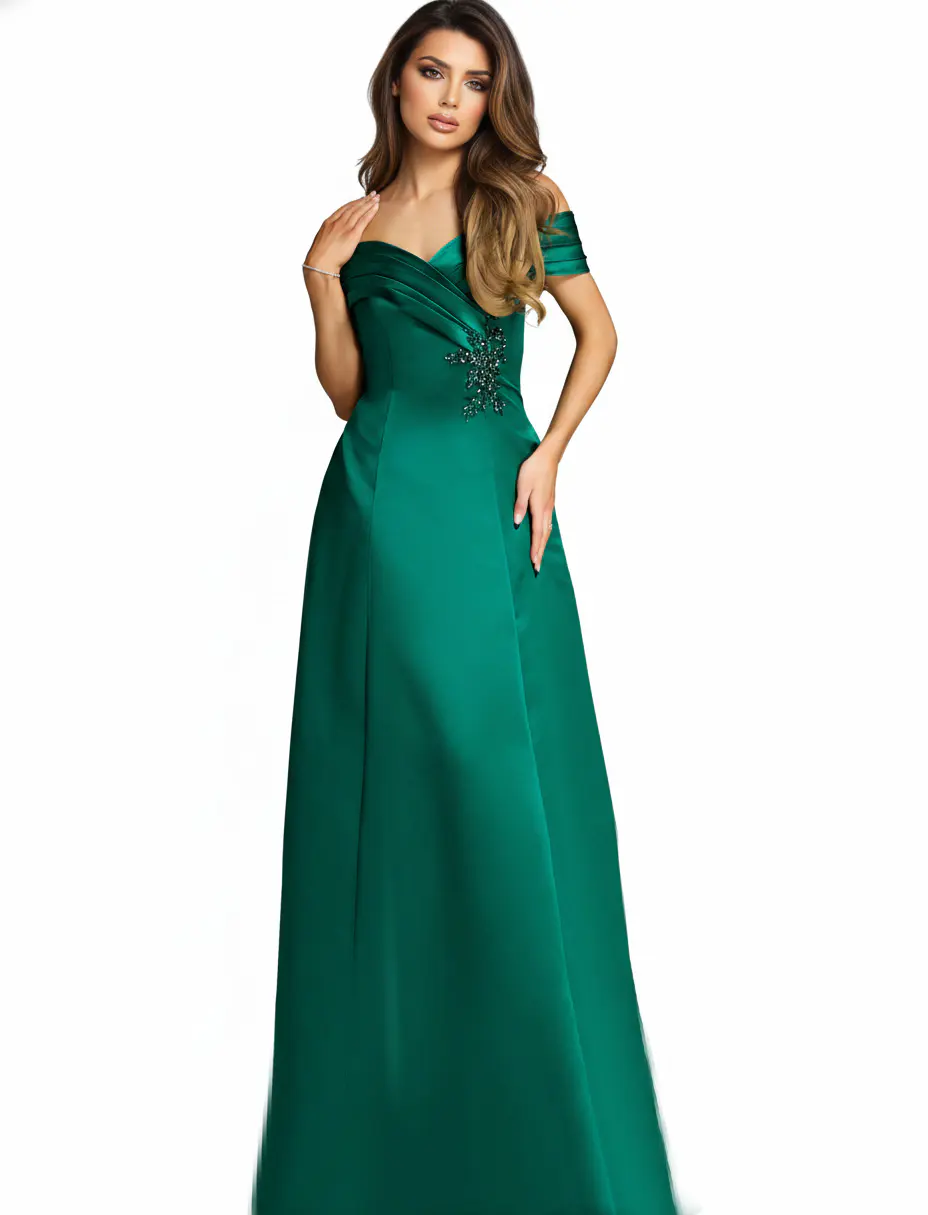
Off-the-Shoulder A-Line Gown with Embellished Detail 43808
4 Colors
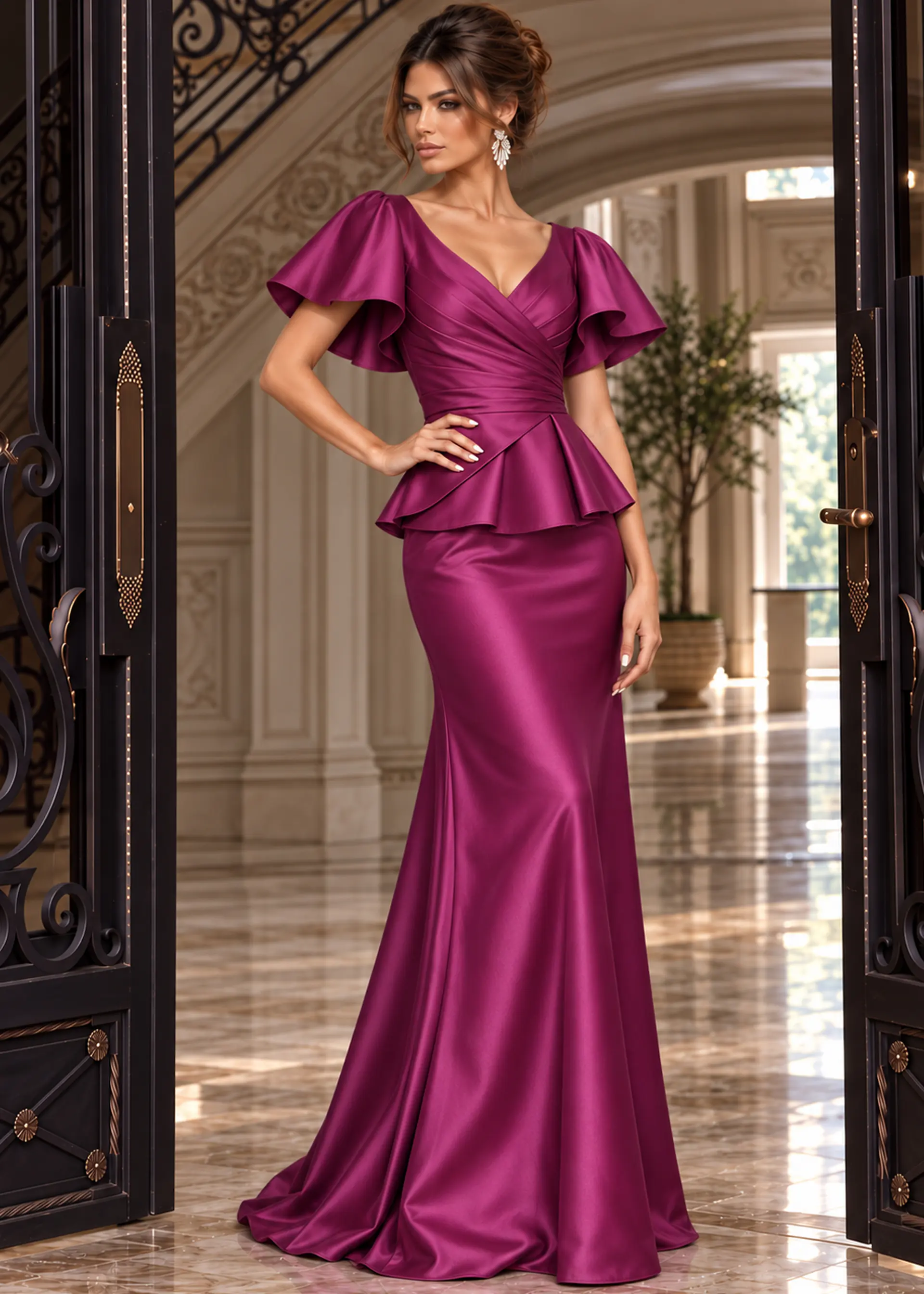
V-Neck Mermaid Gown with Flutter Sleeves 43805
9 Colors
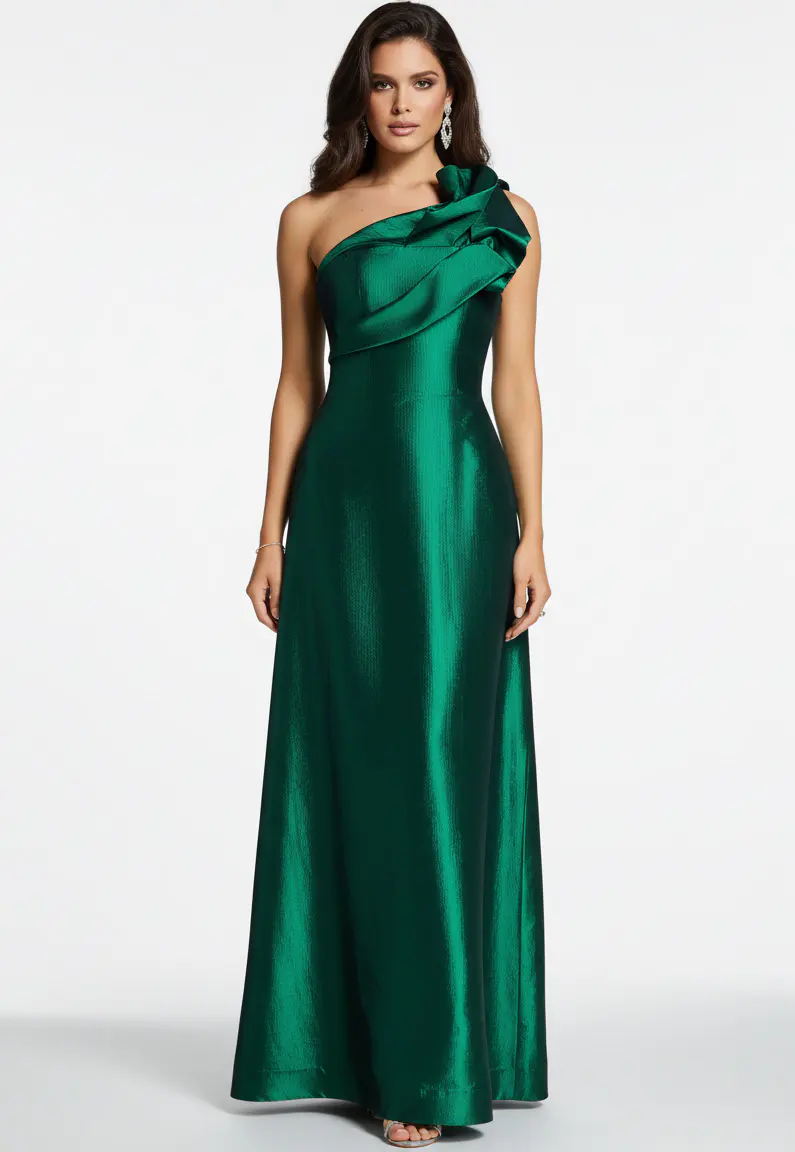
One-Shoulder Satin A-Line Gown with Ruffle Detail 43048
3 Colors
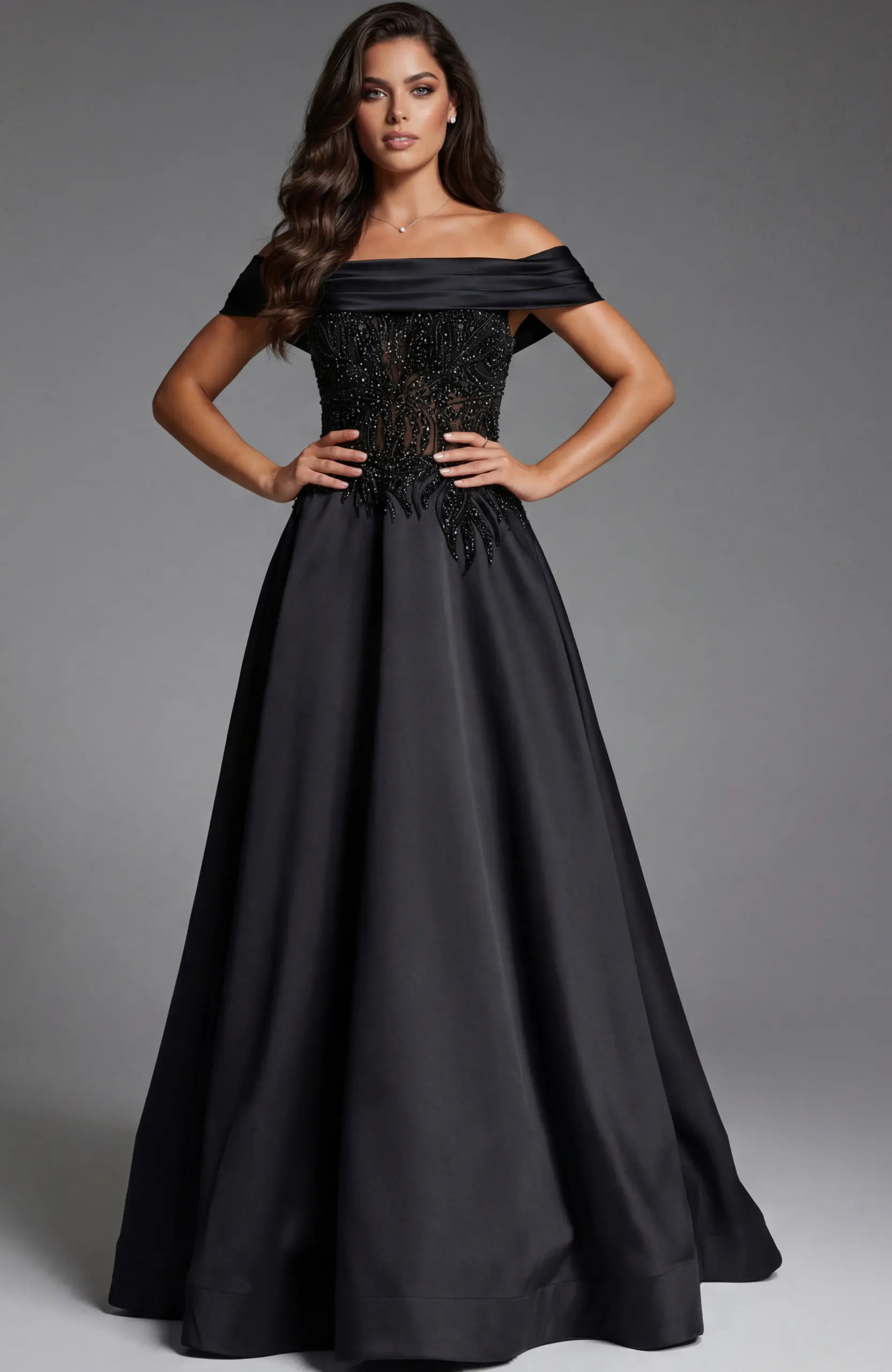
Off-the-Shoulder A-Line Gown with Sheer Beaded Bodice 41198
5 Colors
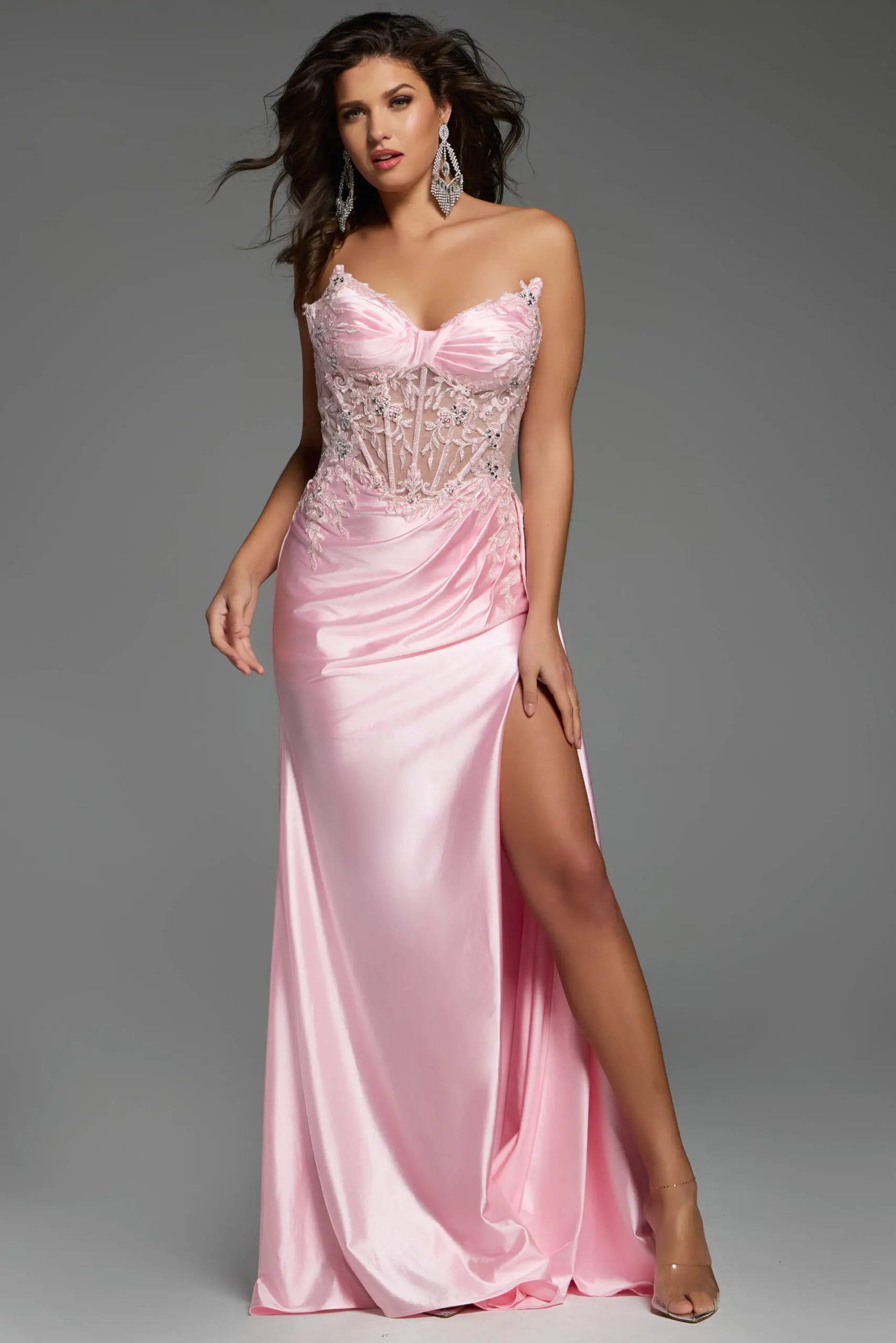
Corset Satin Gown With Floral Appliqués And High Slit 43848
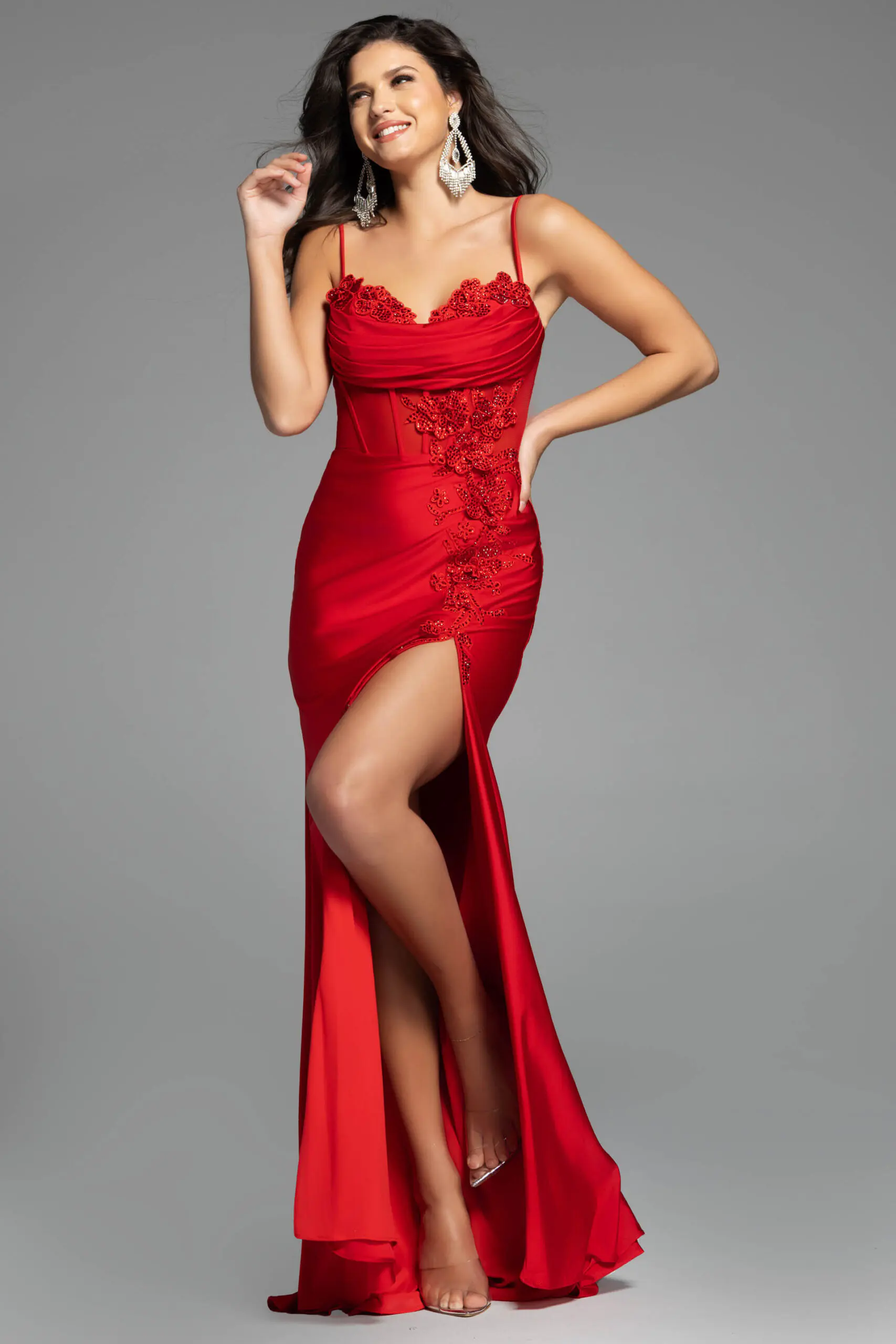
5 Colors
Elegant Satin Gown With Floral Embroidery And Corset Back 42227
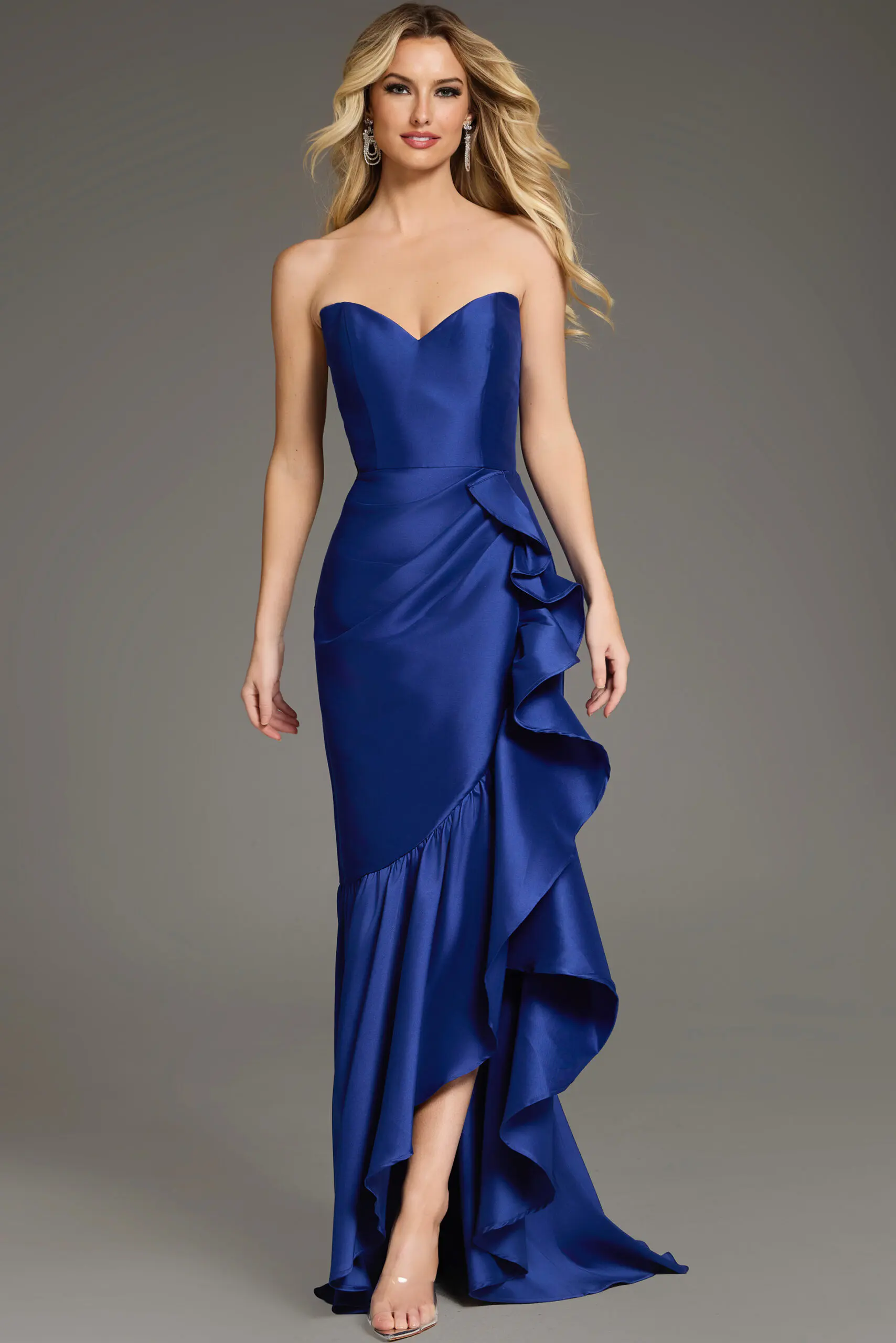
4 Colors
Strapless Gown With Asymmetrical Ruffle and High Low Hem 39265
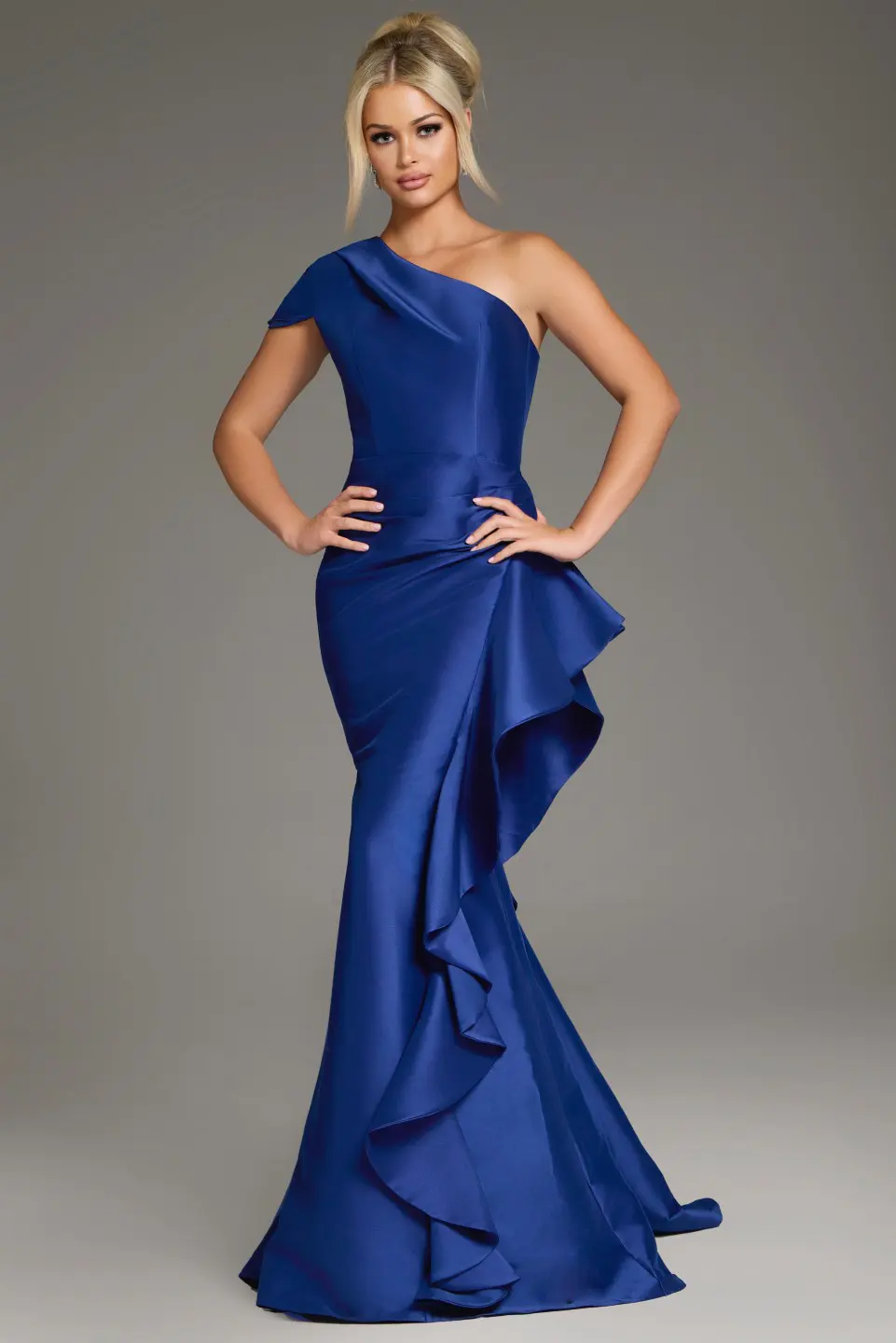
6 Colors
One-Shoulder Gown with Cascading Ruffle Detail 43126
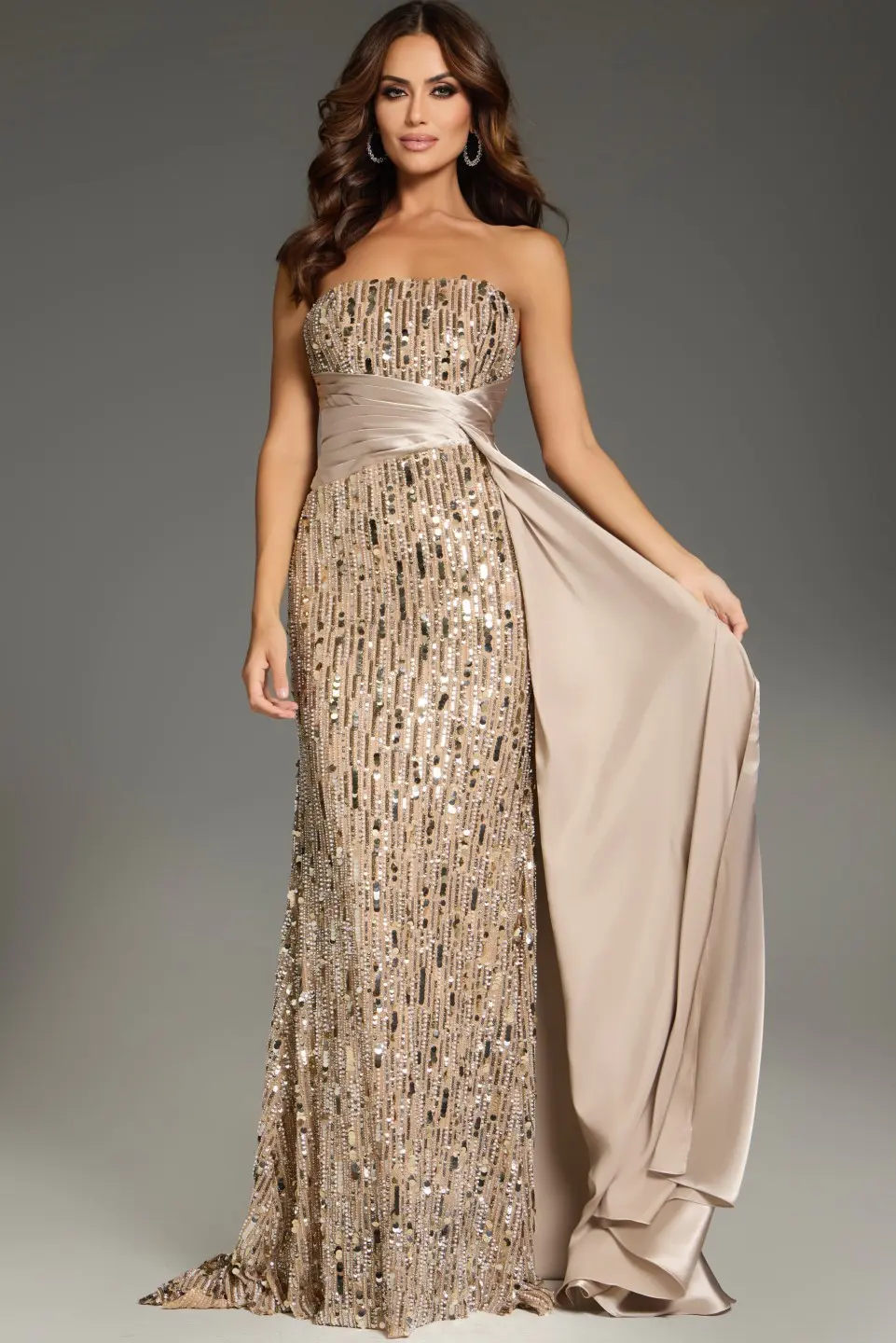
3 Colors
Beaded Strapless Gown with Satin Sash Overlay 42427
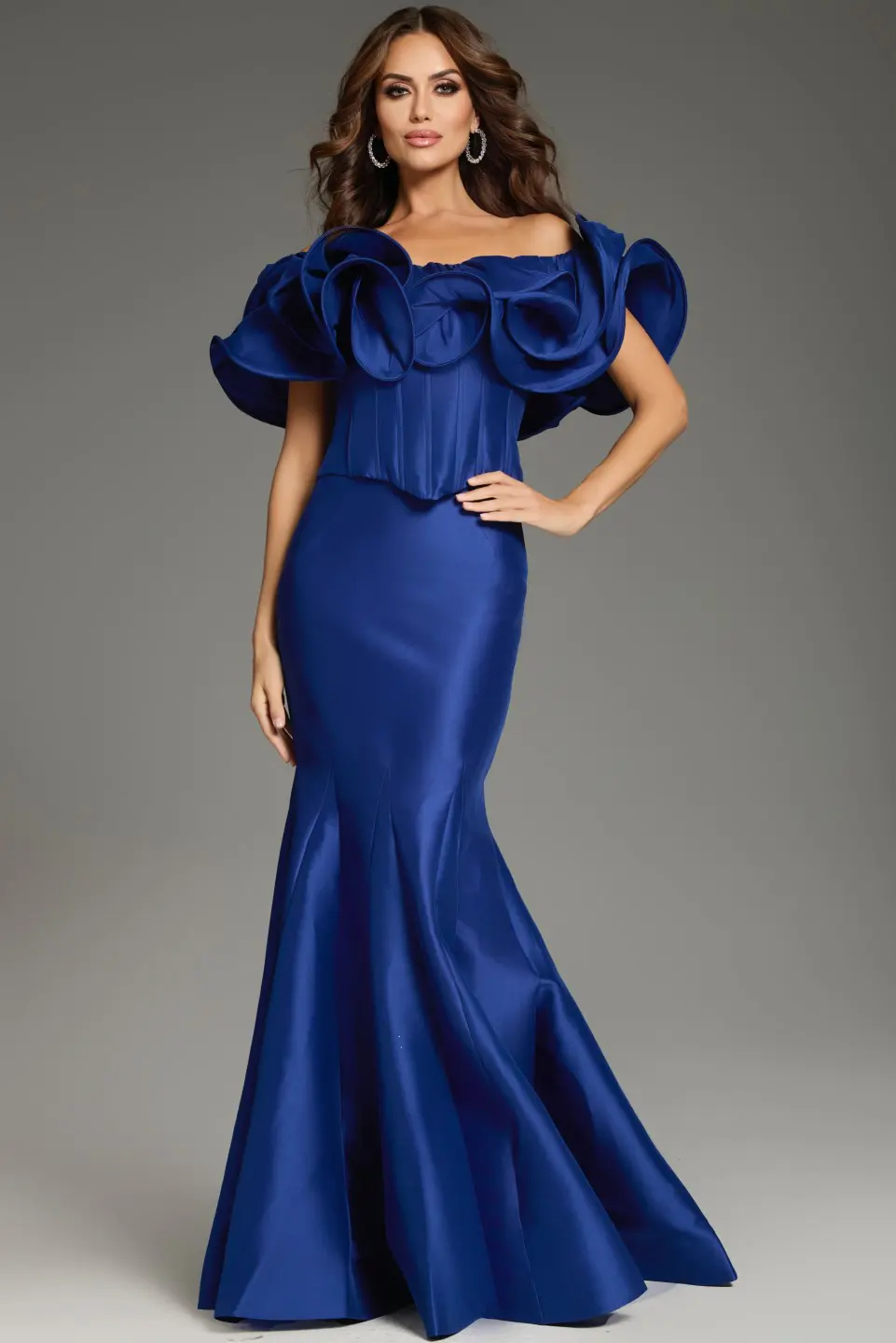
4 Colors
Off-the-Shoulder Mermaid Gown with Ruffled Bodice 40324
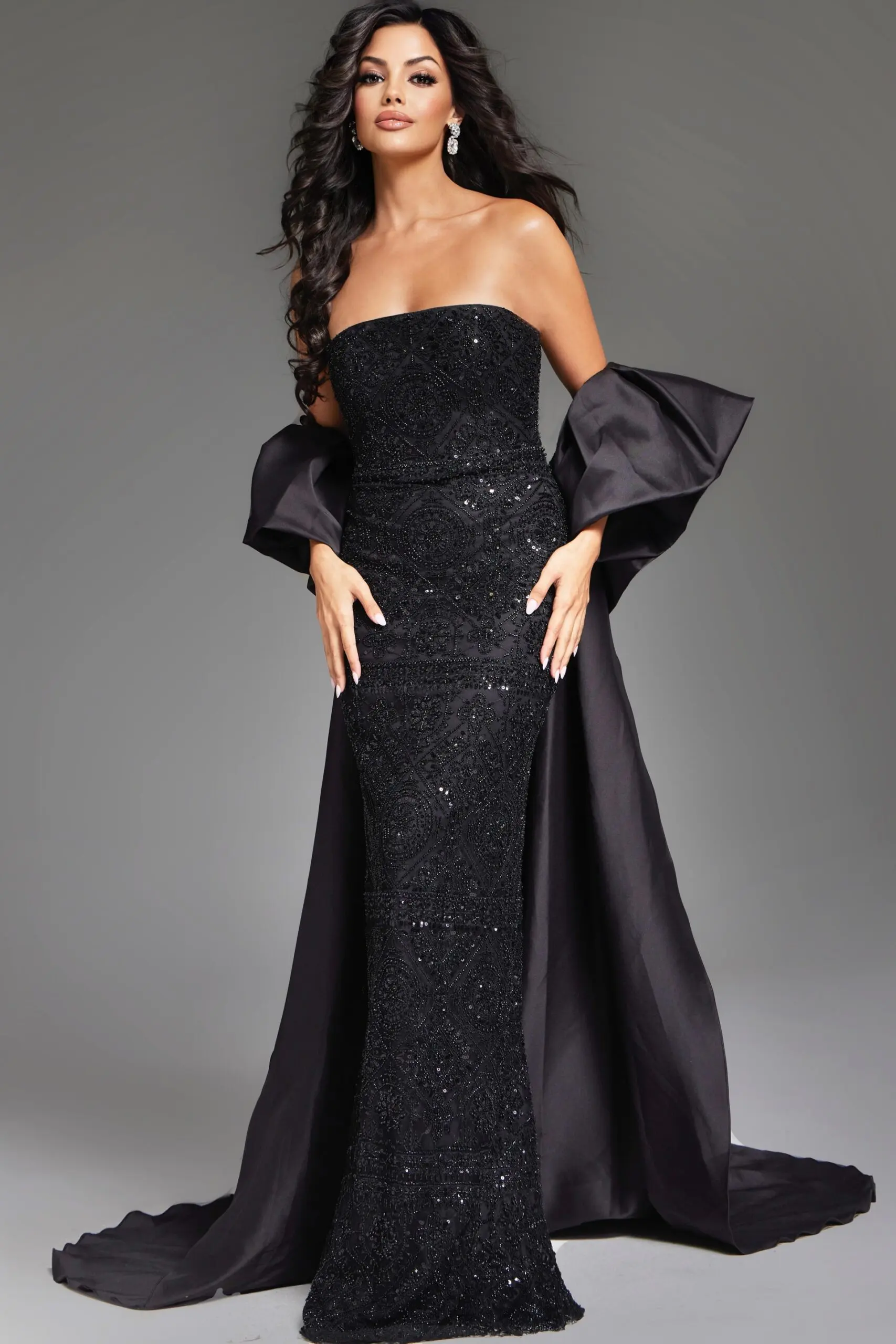
4 Colors
Strapless Black Beaded Gown with Voluminous Satin Drape 42137
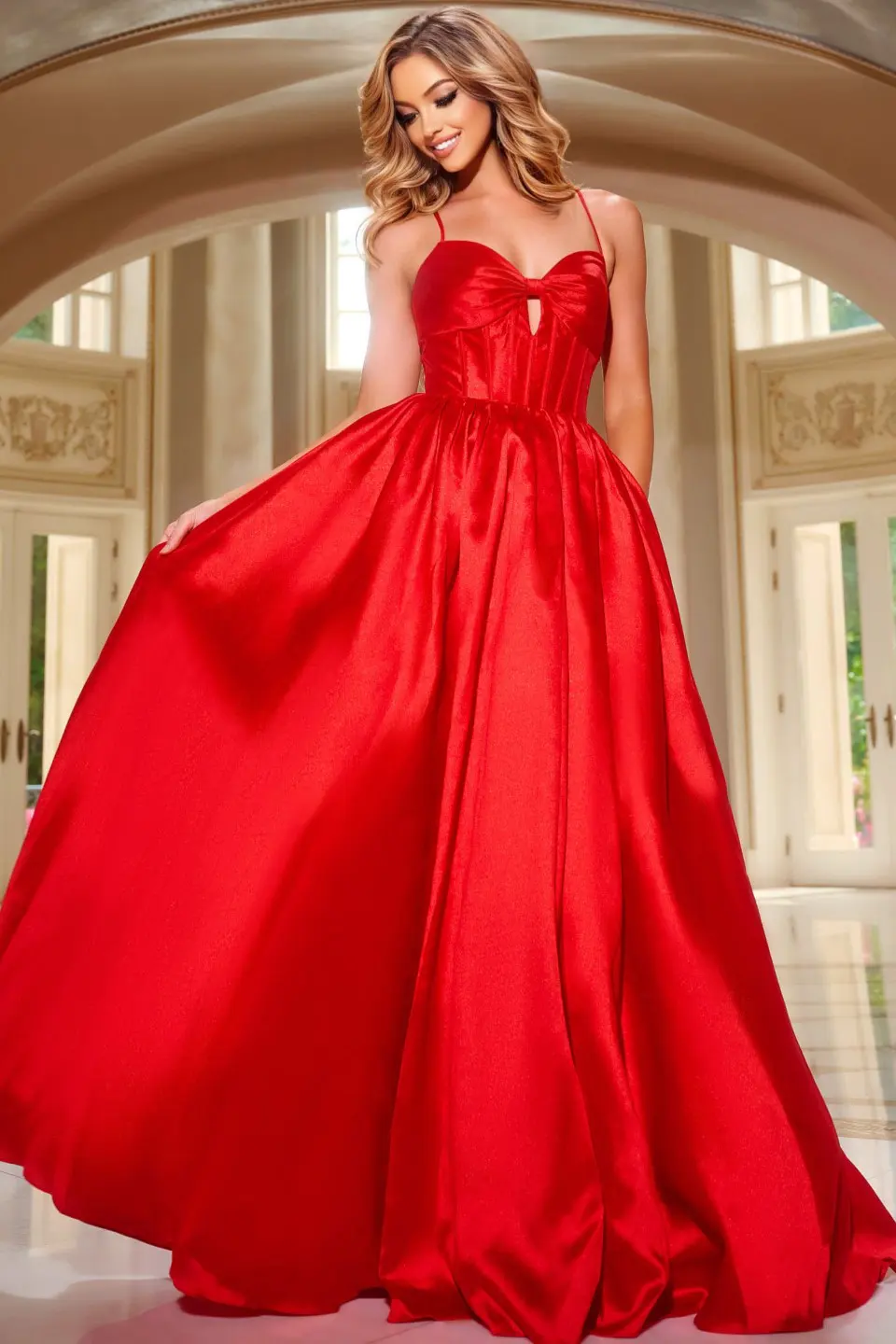
3 Colors
Sweetheart Ball Gown with Corset Back 43199
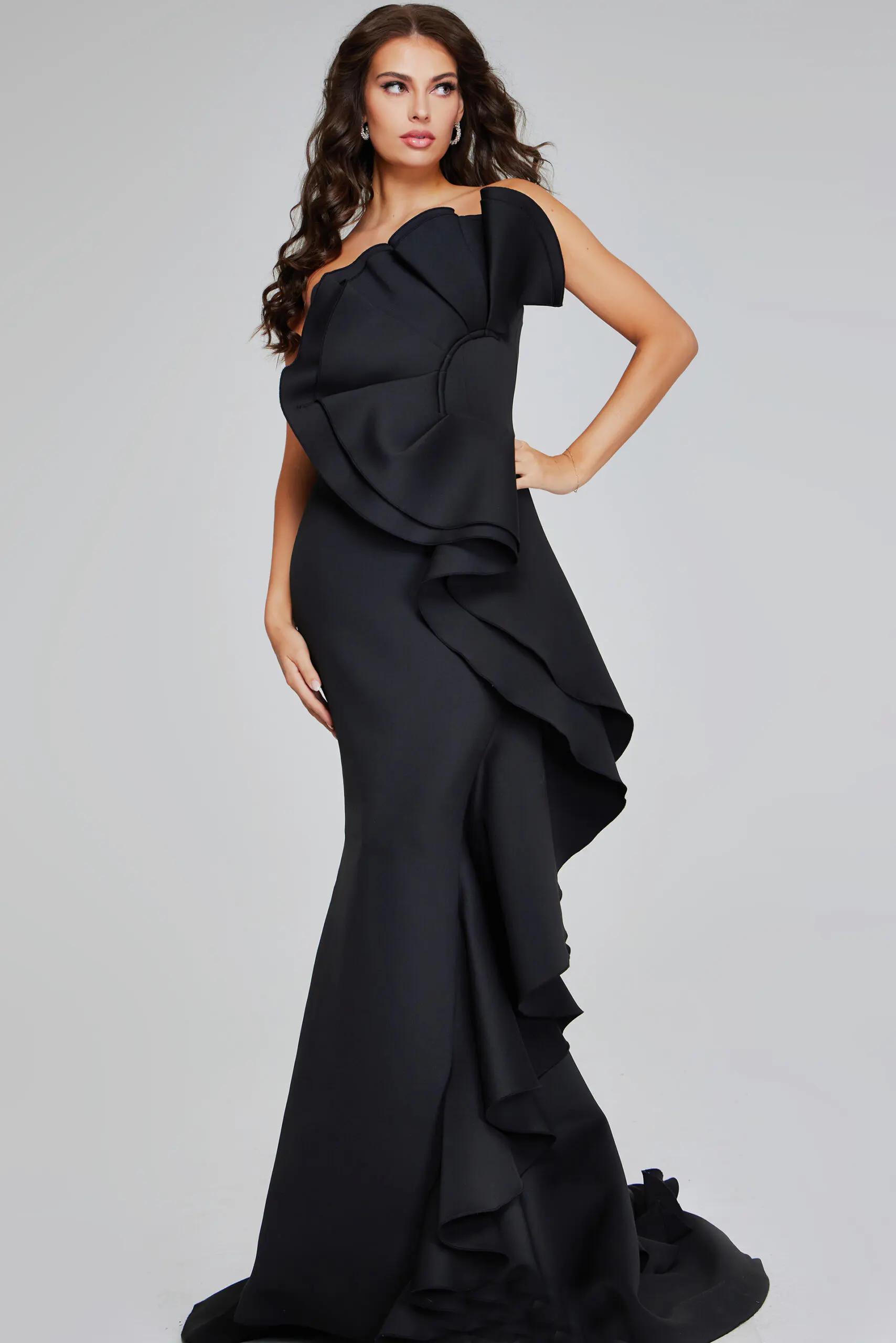
6 Colors
Strapless Black Ruffled Gown 42543
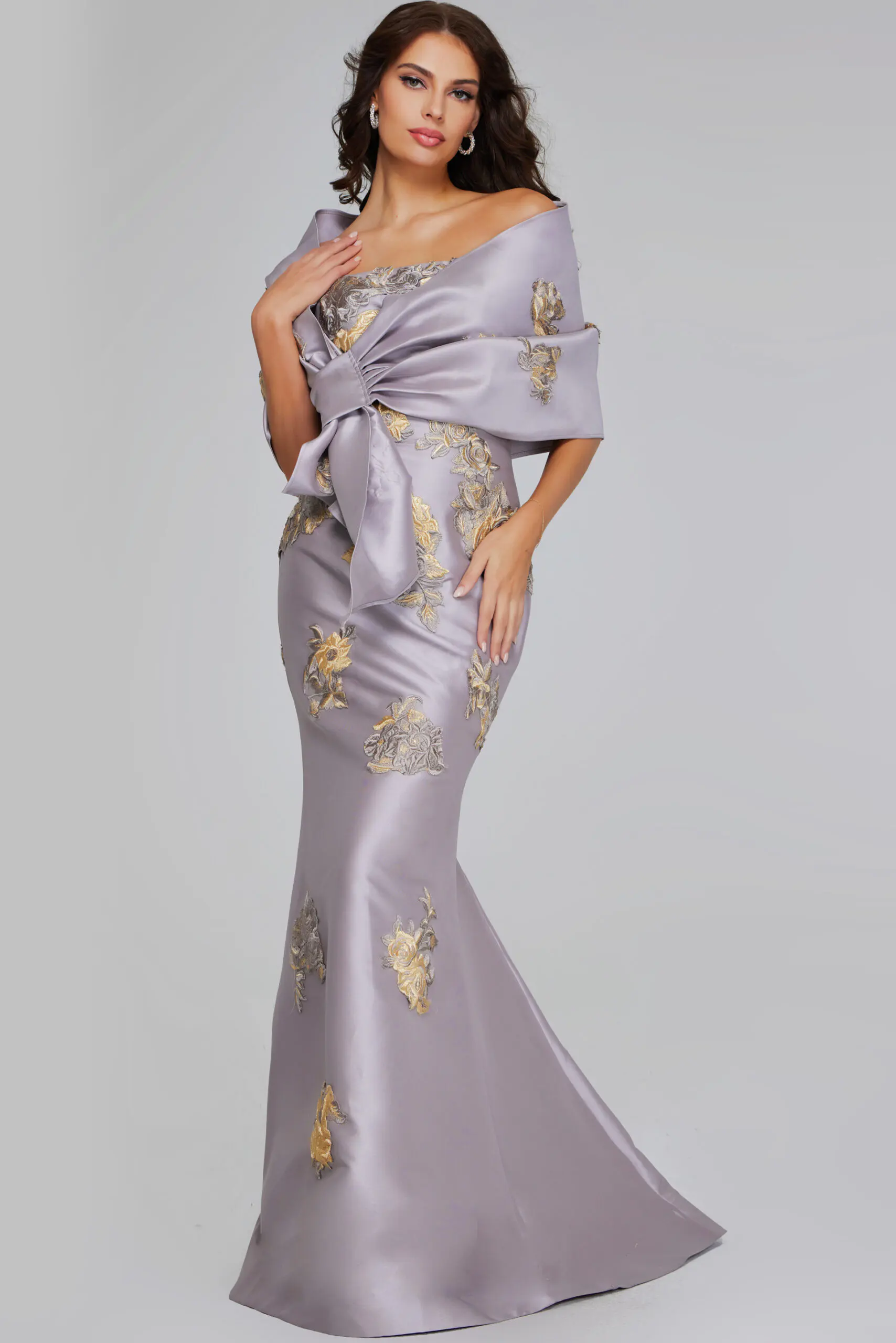
2 Colors
Strapless Blue Gown with Silver Floral Embellishments 39261
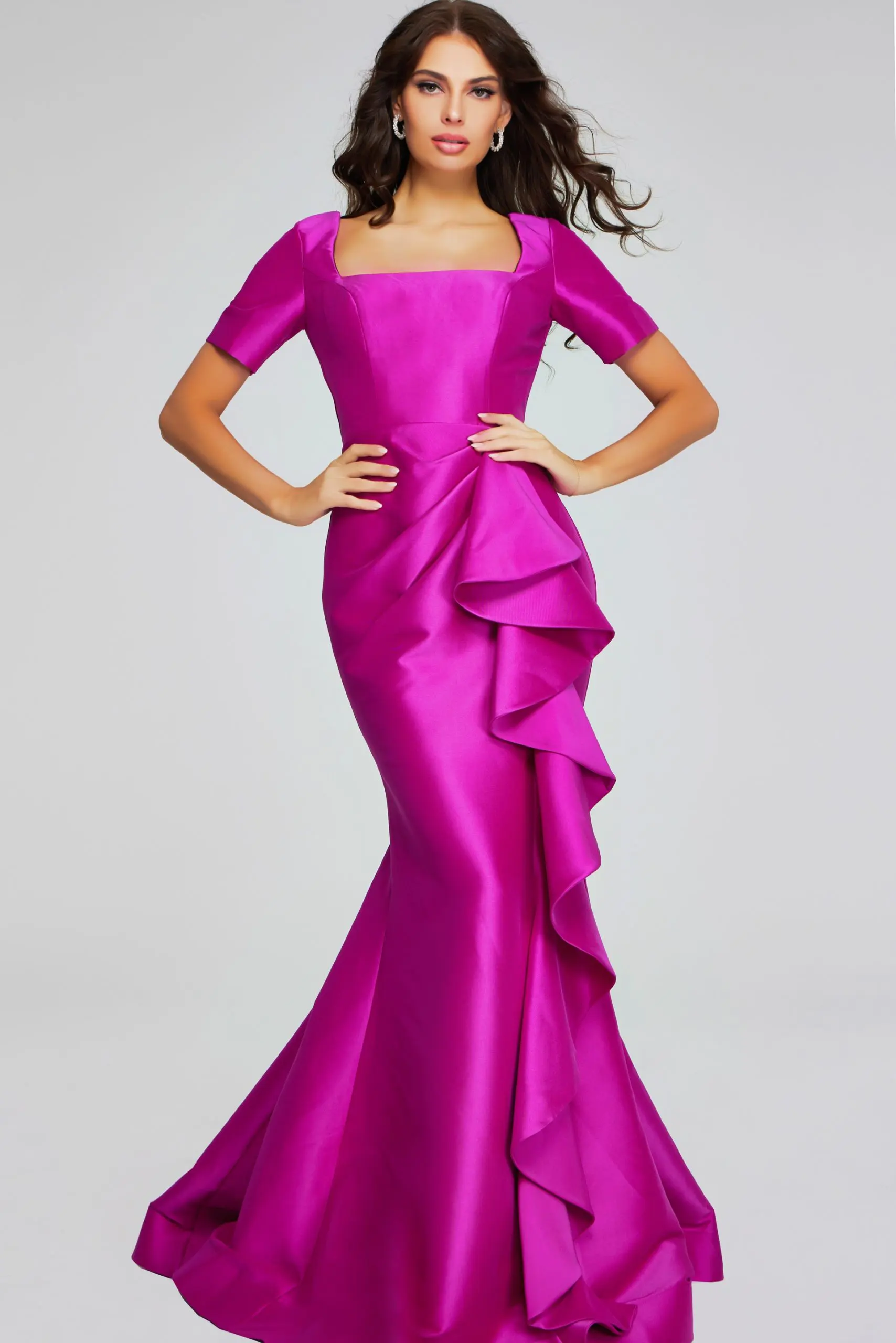
4 Colors
Vibrant Orchid Gown with Square Neckline and Ruffle Detail 41128
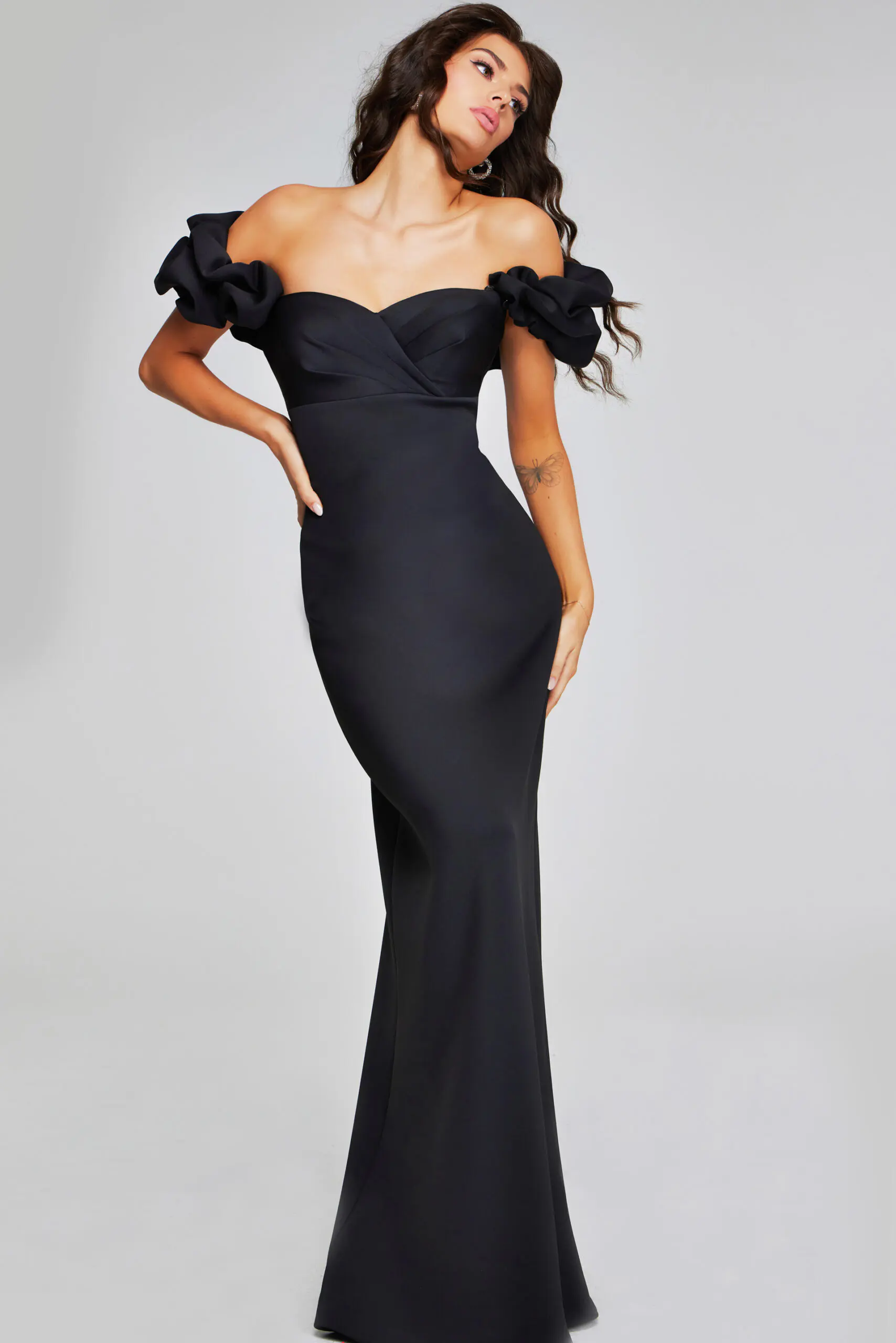
4 Colors
Elegant Black Off-Shoulder Gown with Ruffled Sleeves 41084
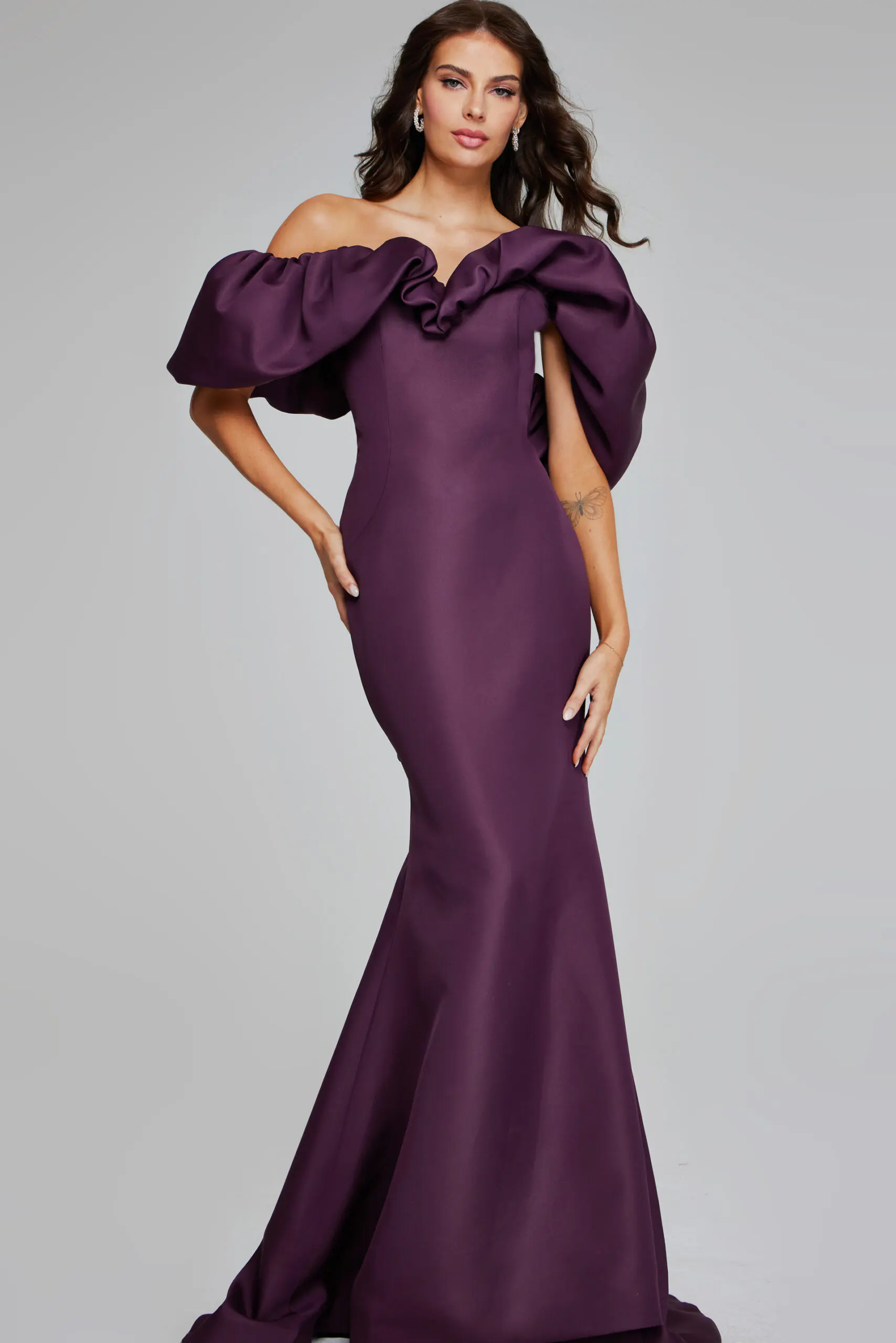
4 Colors
Wine Off-Shoulder Gown with Dramatic Ruffled Sleeves 40596
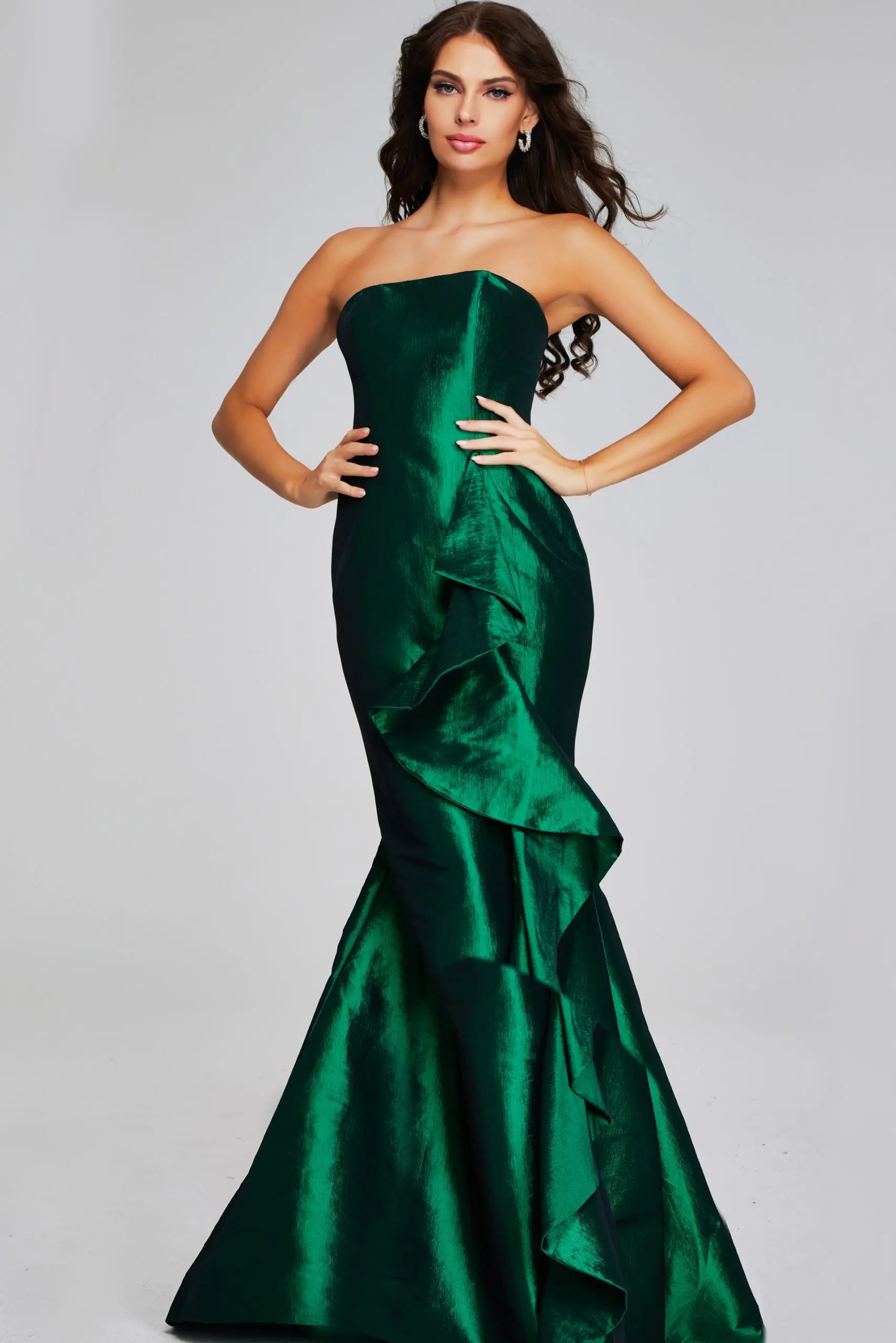
4 Colors
Emerald Green Strapless Evening Gown 39368
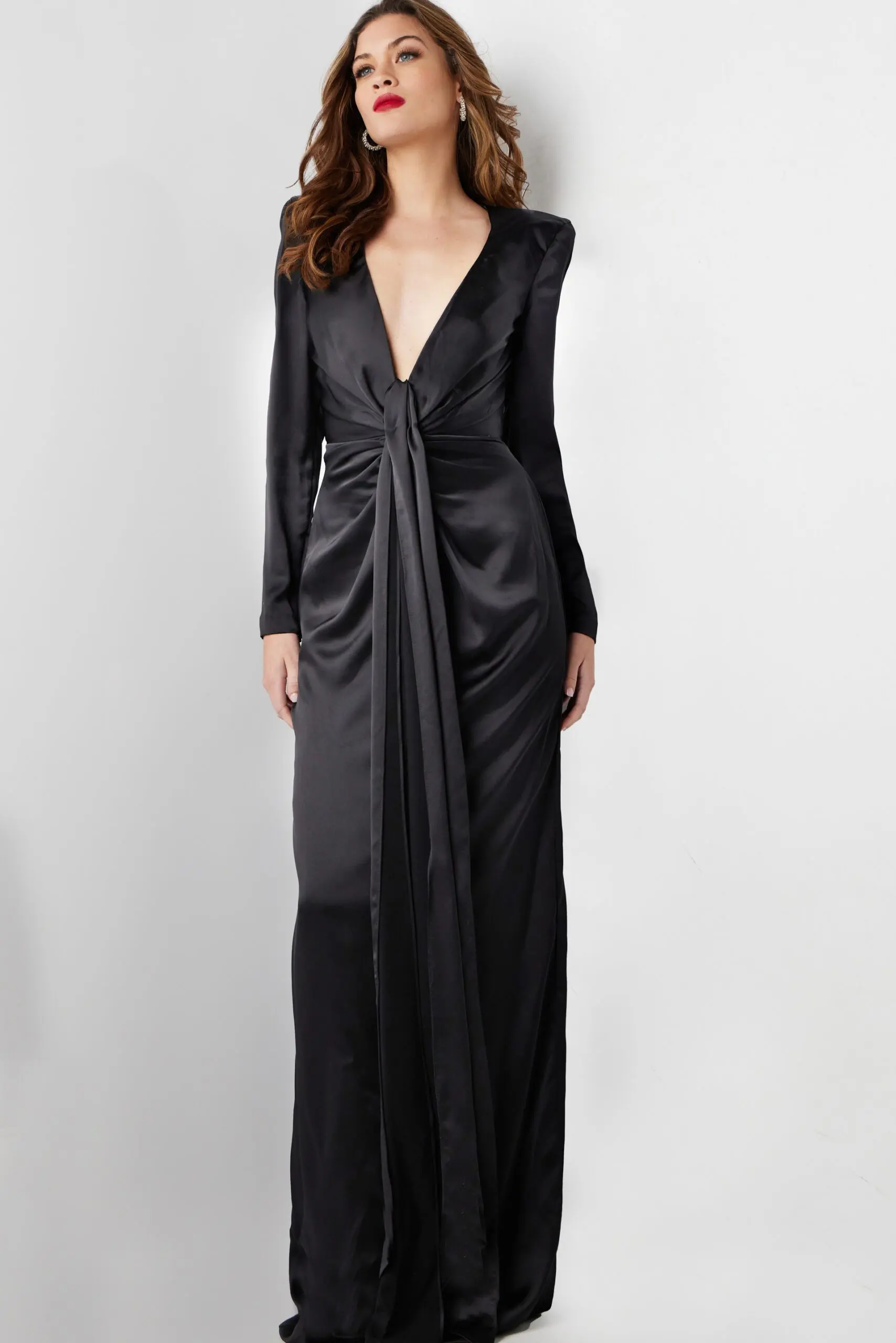
2 Colors
Black Sheath Low V Neck Formal Dress 23180
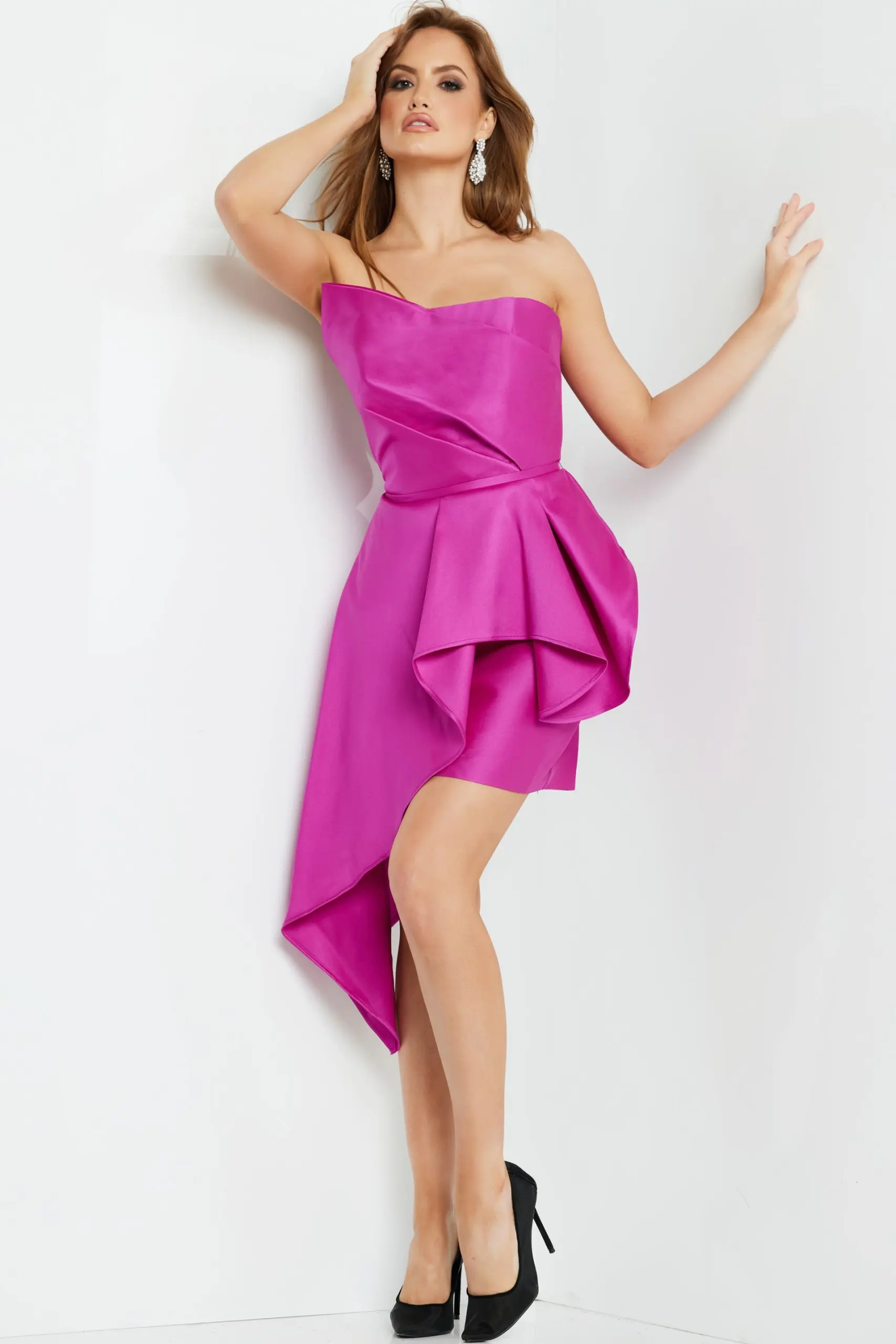
2 Colors
Orchid Strapless Knee Length Dress 63611
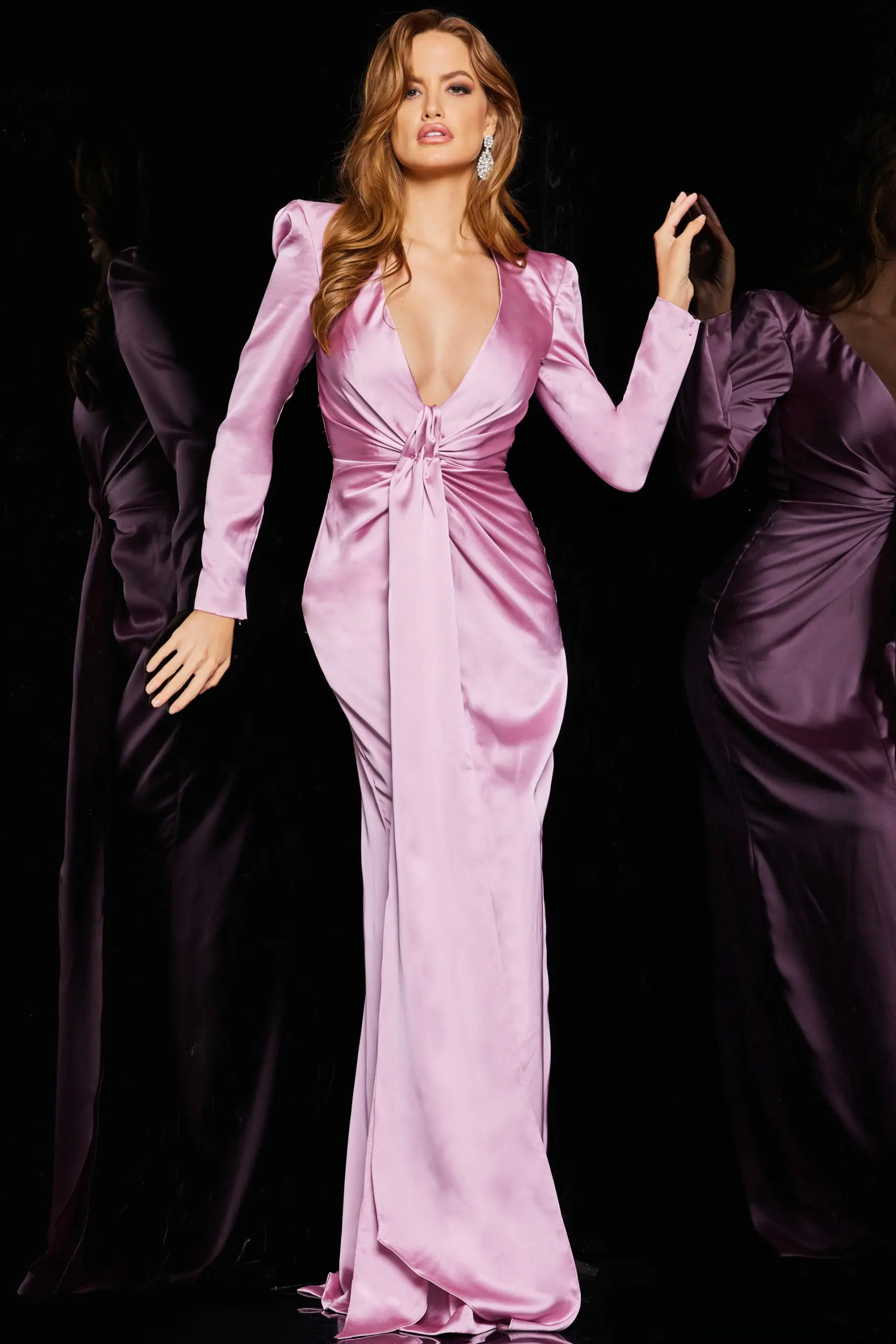
2 Colors
Lilac Satin Ruched Long Dress 23180
Trending Now
About This Category
Satin Wedding Guest Dresses: Start with Fabric and Construction
Satin wedding guest dresses can look very different depending on weight, weave, lining, and how the pattern is cut. A fluid satin cut on the bias tends to skim the body and move closely with it, while heavier satin can support pleats, sculpted draping, or a more defined skirt. For a wedding where you will be seated and dancing for several hours, check whether the fabric has enough body to recover after sitting rather than holding every crease.
Lining matters because satin reflects light and can reveal pulling more clearly than a matte fabric. A smooth lining can reduce friction, help the outer layer fall cleanly, and make a fitted silhouette easier to move in. On structured styles, look for secure bodice seams, boning, internal cups, or a firm waist seam so the dress does not depend on the satin alone for support. If you are still comparing formality, the broader wedding guest gowns selection can establish length and dress code before you narrow by fabric.
Compare Satin by Silhouette and Fit
A satin wedding guest dress should be chosen as much by how the fabric behaves on the body as by the outline of the dress. Bias-cut columns create a fluid line but usually have less forgiveness at the waist and hip, especially in non-stretch satin. A-lines place less tension across the lower body and can be easier for walking, sitting, and dancing. Mermaid shapes give stronger waist and hip definition, so seam placement and lining become more important.
Stretch satin can be useful in close-fitting designs because it gives slightly with movement, but recovery matters: the fabric should return to shape rather than bag at the seat or knees. For straighter satin with little stretch, leave enough ease through the hip to avoid horizontal pull lines. If shoulder freedom is a priority, sleeveless wedding guest dresses offer a useful comparison when deciding between a fitted bodice and softer draping.
Necklines Change How Satin Sits and Stays Secure
Because satin has a smooth surface, neckline construction affects both appearance and security. Cowl necklines need enough controlled drape to fall softly without collapsing too low. Halter and high-neck styles shift support toward the neck and upper back, while one-shoulder designs need firm internal structure so the neckline stays level rather than twisting across the bodice.
Strapless satin wedding guest gowns benefit most from a close fit through the rib cage, internal boning, and a stable top edge. Sweetheart or straight necklines can both work, but the better choice is the one that stays in place without repeated adjustment. If you like a defined focal point, Bow wedding guest dresses show how bows can sit at the shoulder, waist, or back without changing the main fabric story.
Choose Length for the Wedding Dress Code and Venue
Satin wedding guest dresses work across midi and floor-length proportions, but the fabric's sheen can make the same silhouette read more formal than a matte version. Midi lengths are useful for cocktail and semi-formal weddings because they allow easier movement on stairs, patios, or city venues. A floor-length column or A-line is better aligned with formal and black-tie weddings, especially when the design uses controlled drape rather than excessive volume.
Hem behavior matters because a long satin skirt can show folds and pressure marks. Check whether the skirt falls freely from the hip and whether a slit opens naturally when walking instead of pulling across the thigh. For patterned alternatives where print changes the visual weight of the fabric, floral wedding guest gowns provide a distinct comparison without shifting this page away from satin.
Match Satin Weight and Color to the Season
Lightweight satin can be comfortable for warm-weather weddings when the dress has an open neckline, a less restrictive skirt, and breathable lining. In cooler seasons, denser satin can give more structure and coverage, particularly in long columns or fitted gowns. The key is not simply thickness; a heavy fabric with poor drape can feel rigid, while medium-weight satin with good recovery can hold a clean line and still move well.
Color also changes how satin behaves visually because its surface catches light. Darker shades can emphasize highlights along folds and seams, while softer or brighter colors may show wrinkles and tension more readily in photographs. When comparing satin wedding guest gowns, look at the dress from the front, side, and back rather than judging color from one image. If you prefer a matte fabric with firmer body control, crepe wedding guest outfits are the clearest fabric comparison.
What to Check Before Choosing a Satin Gown
Before selecting satin wedding guest dresses, focus on the points that affect wear over several hours: bust support, waist placement, hip ease, lining, stretch, zipper stability, and hem length. Sit down in the dress if possible. Satin that looks smooth while standing can pull across the lap or crease sharply when seated, and a neckline that feels secure for a few minutes may need more support through a full ceremony and reception.
For a fitted satin wedding guest gown, inspect the side seams and center-back seam for rippling, which can indicate excess tension or a mismatch between the cut and your proportions. For a looser style, check that draping is intentional rather than simply oversized. Jovani's focus on fit and construction is most useful here: the best choice is the one whose internal structure supports the silhouette while allowing the satin to fall naturally. That balance gives you a dress that photographs cleanly, moves comfortably, and suits the wedding setting.