Beaded Wedding Guest Dresses: Where Detail Meets Shape
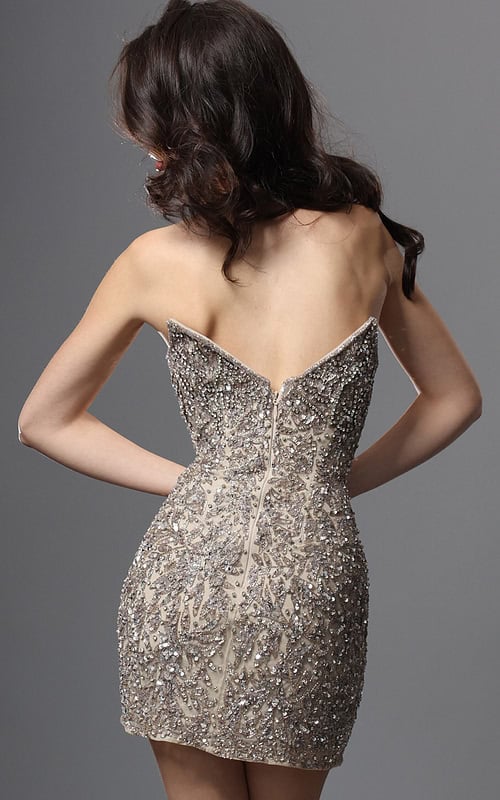
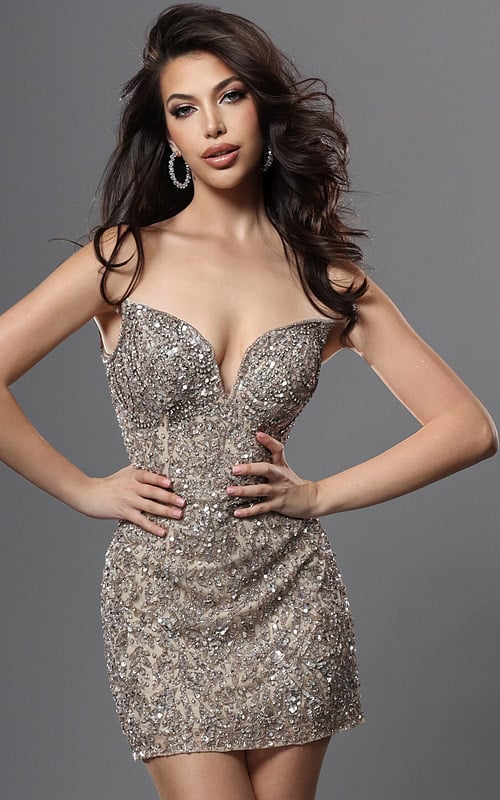
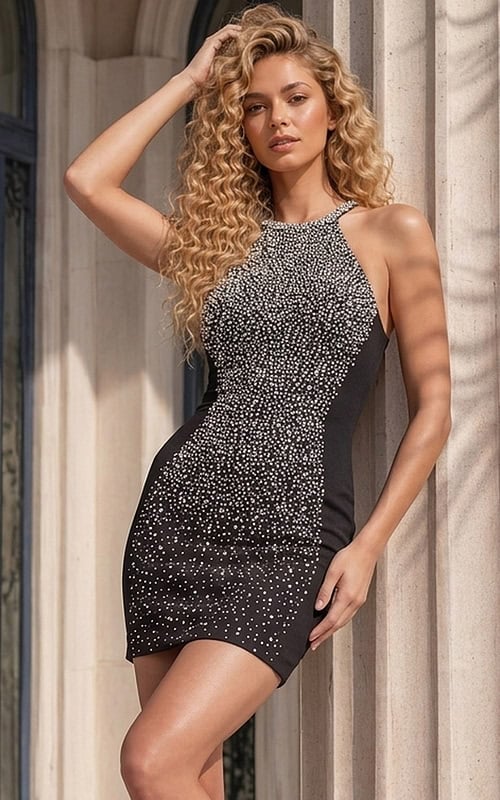
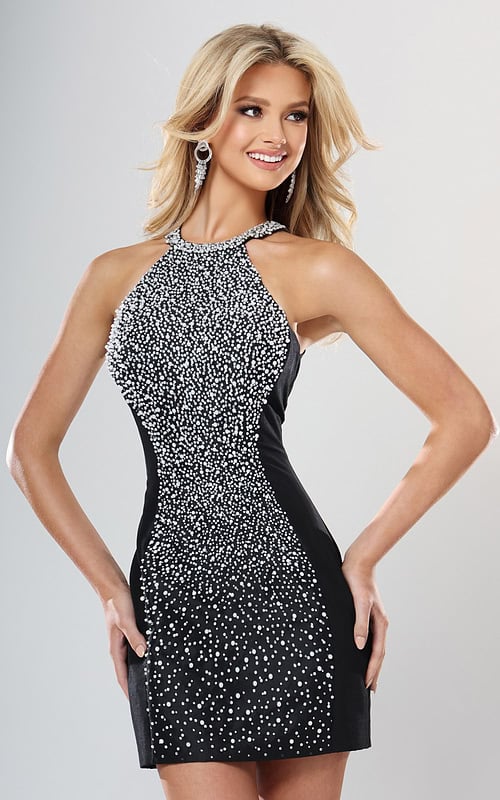
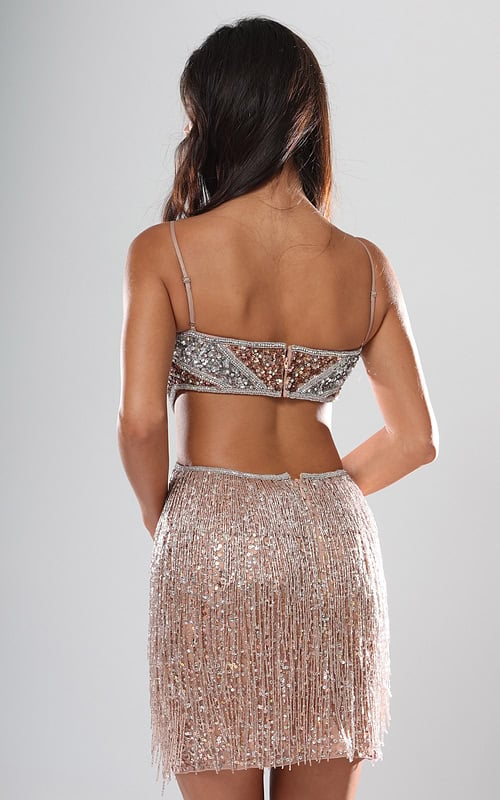
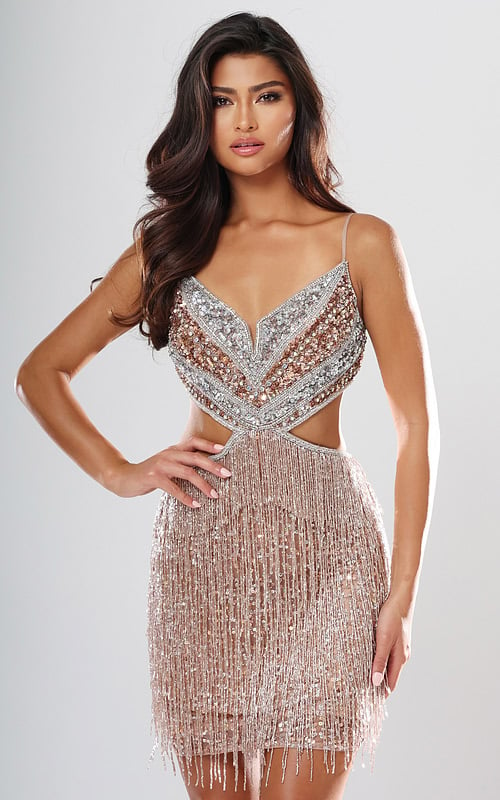
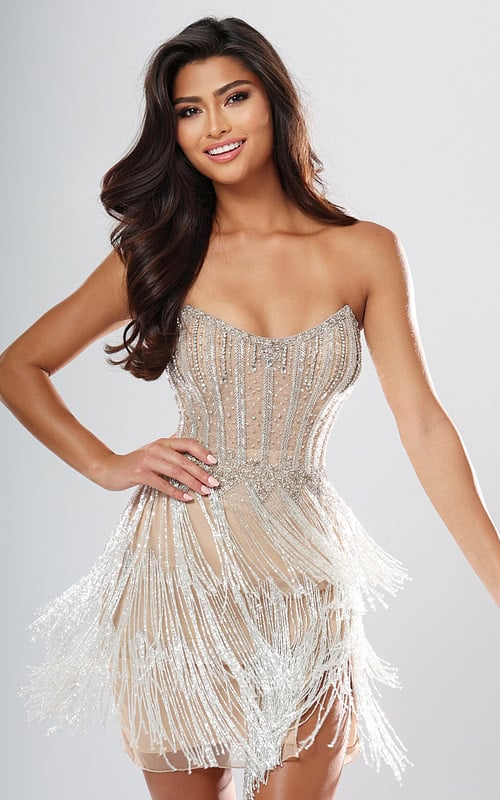
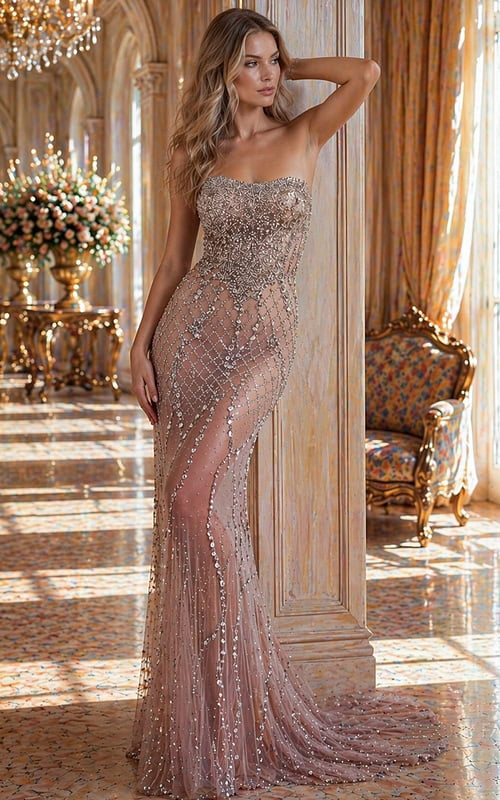
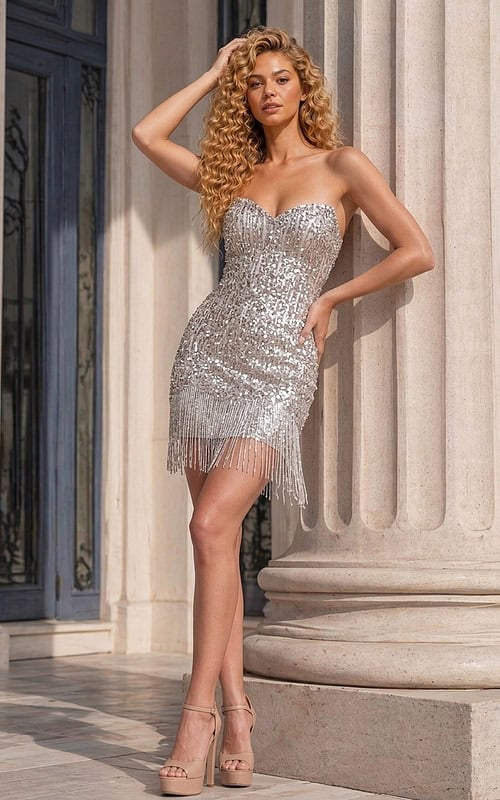
Beaded wedding guest dresses make their strongest impression when embellishment works with the cut. Crystals can sharpen a neckline, tonal beads can define the waist, and floral motifs can soften a fitted shape without adding unnecessary volume. The point is not simply more shine; it is controlled placement that gives the silhouette greater definition.
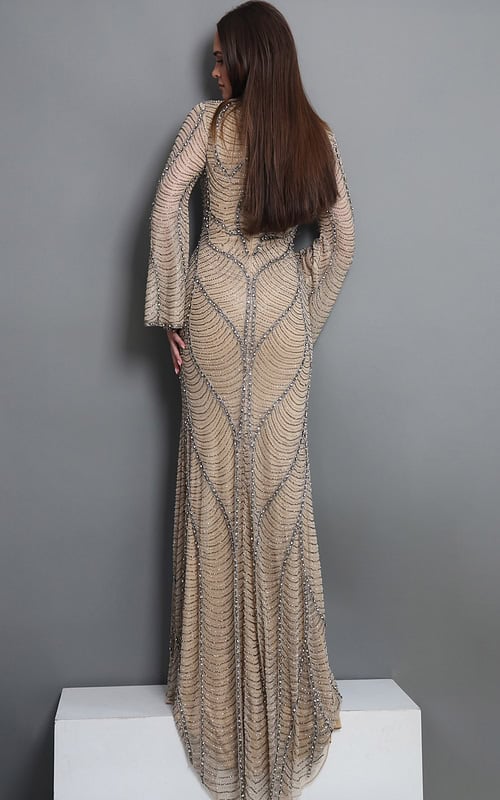
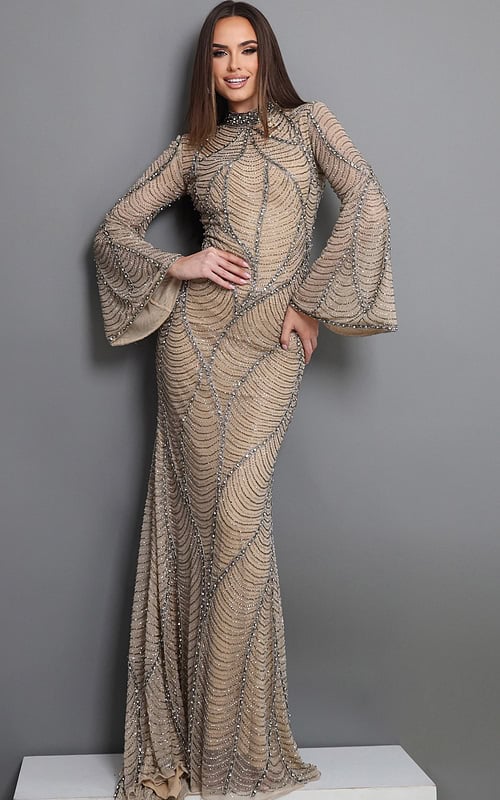
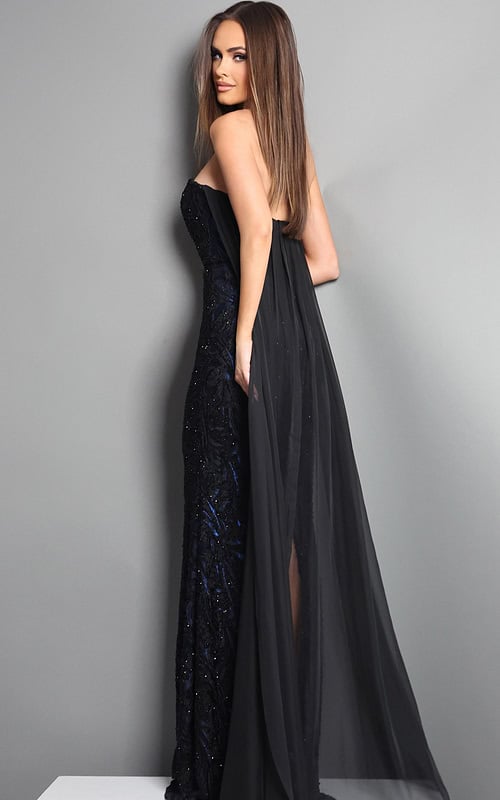
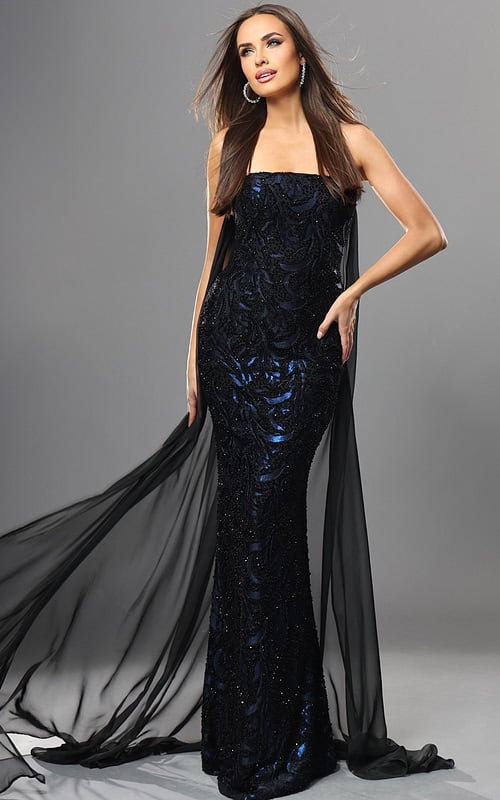
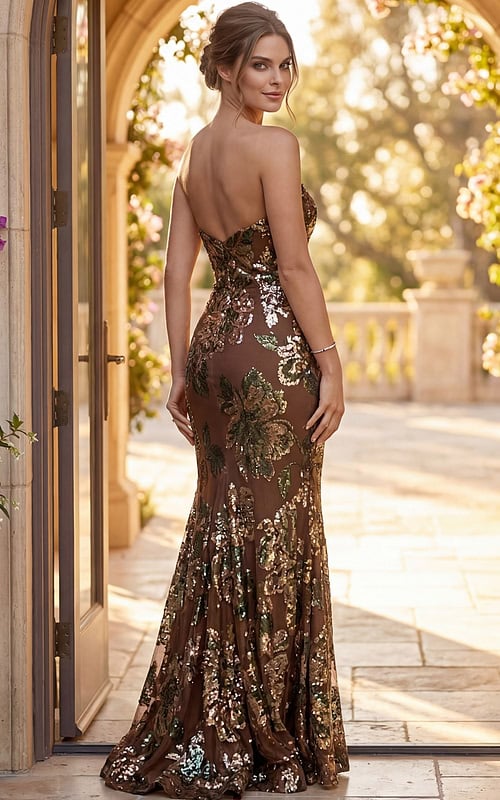
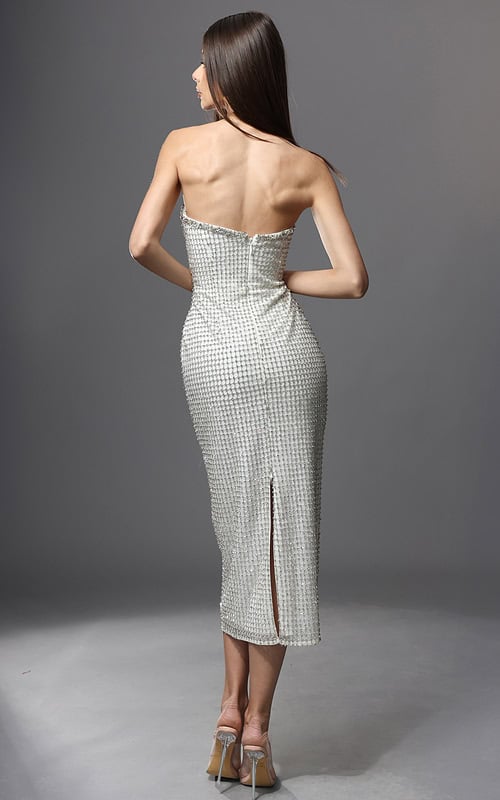
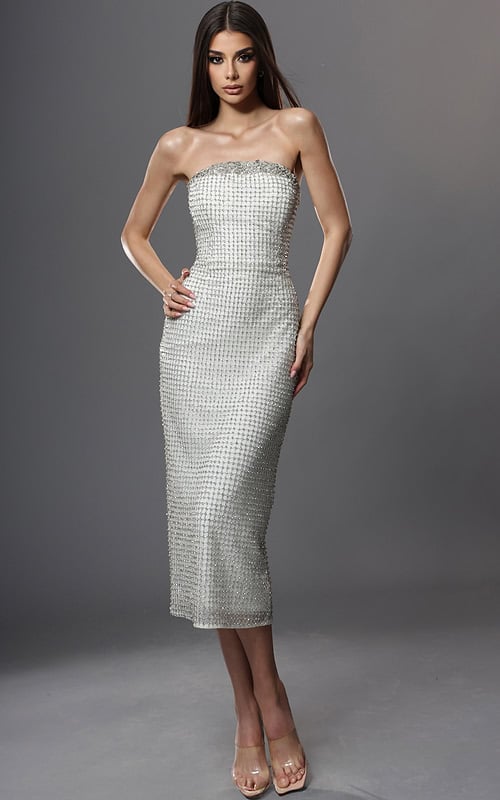
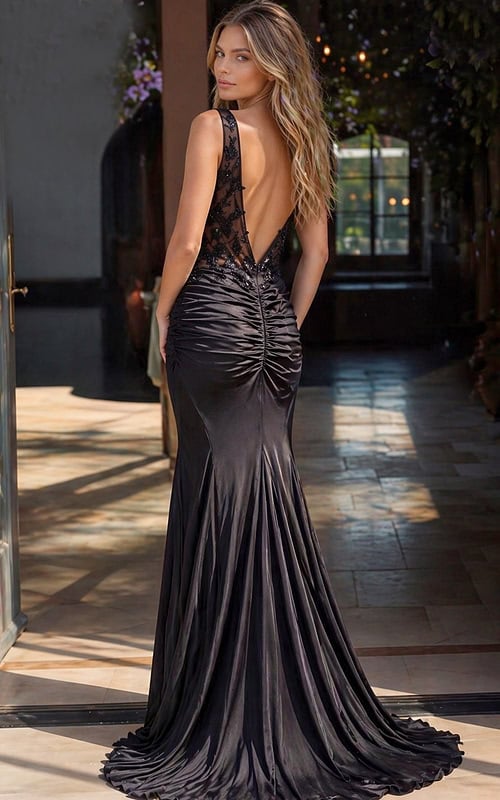
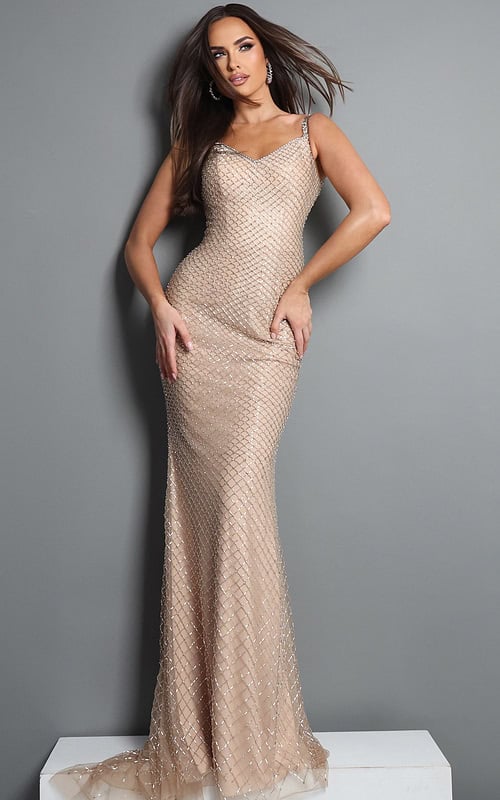
For shoppers comparing embellished and cleaner finishes, beaded wedding guest gowns provide a useful reference across different lengths and shapes. A column dress keeps beadwork close to the body, while an A-line allows motifs to open gradually through the skirt. A mermaid shape can carry denser detail through the bodice when the lower skirt is visually quieter. In each case, proportion matters more than the amount of embellishment.
Bead Placement Changes the Look
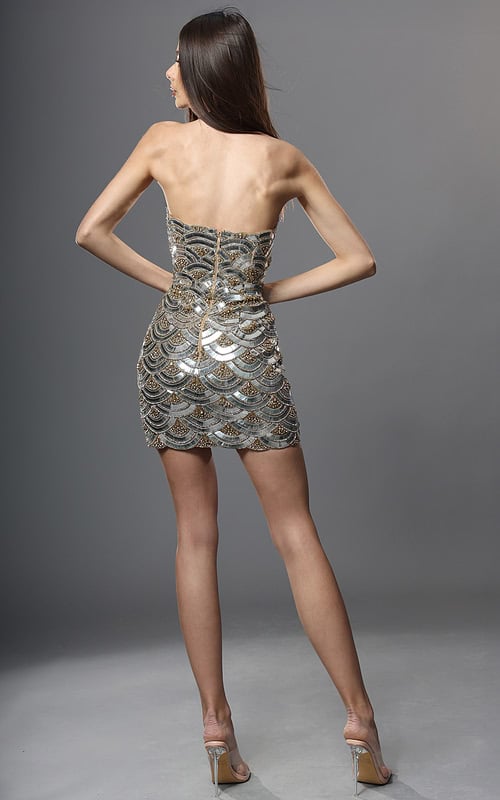
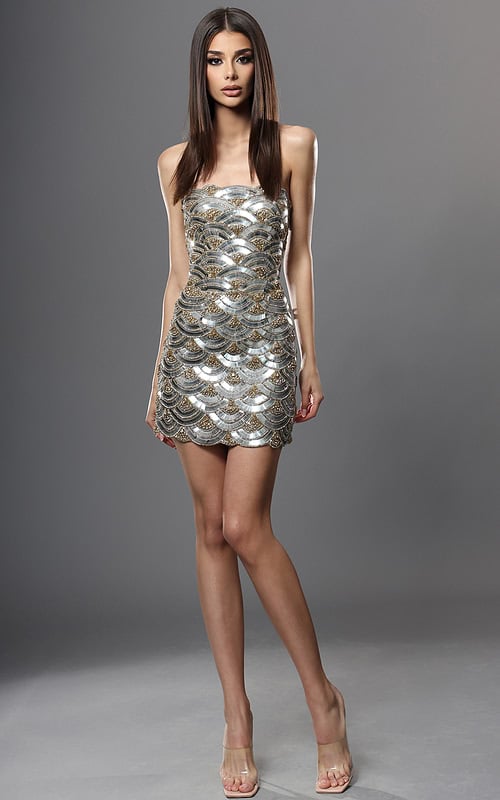
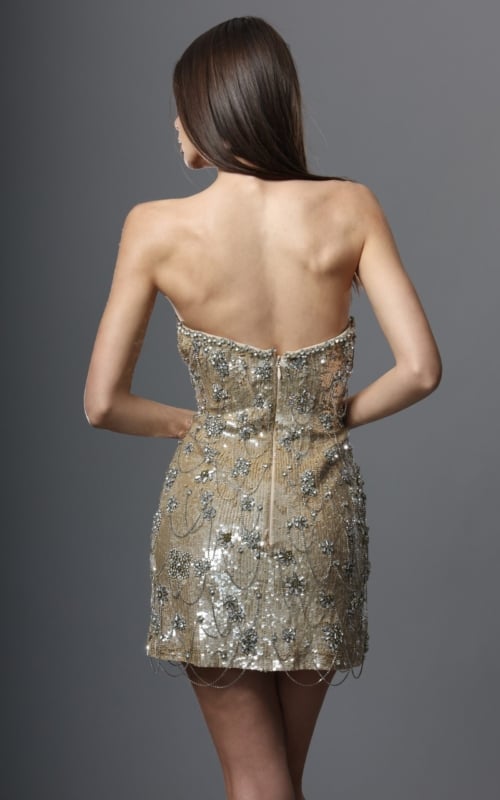
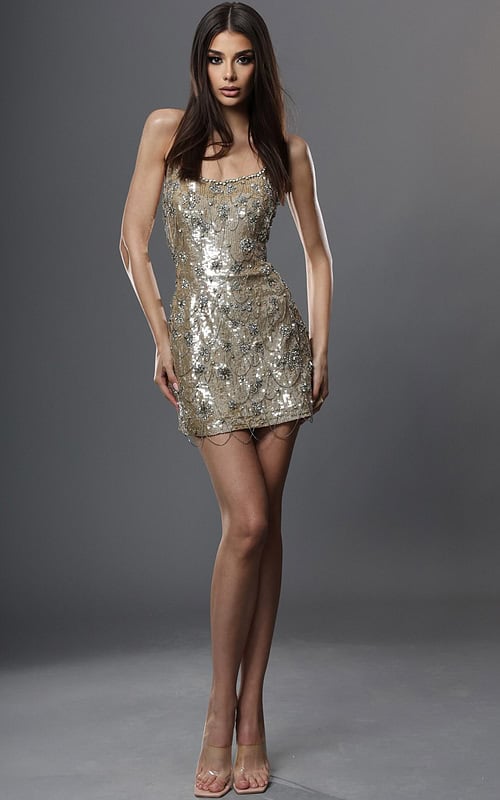
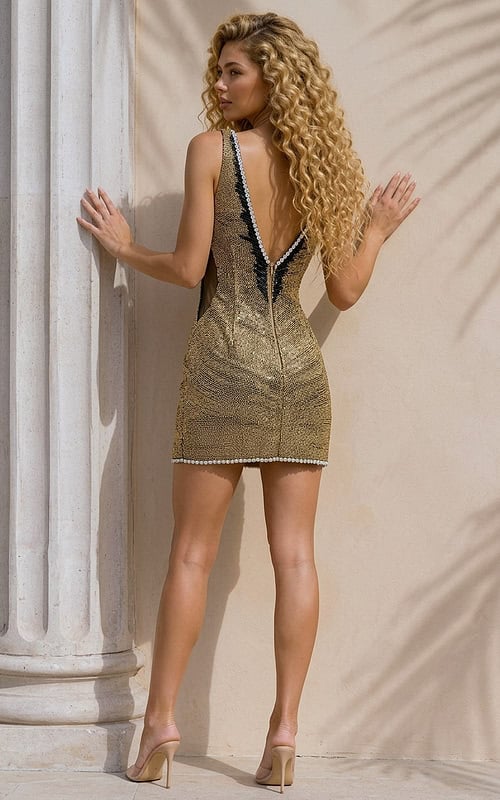
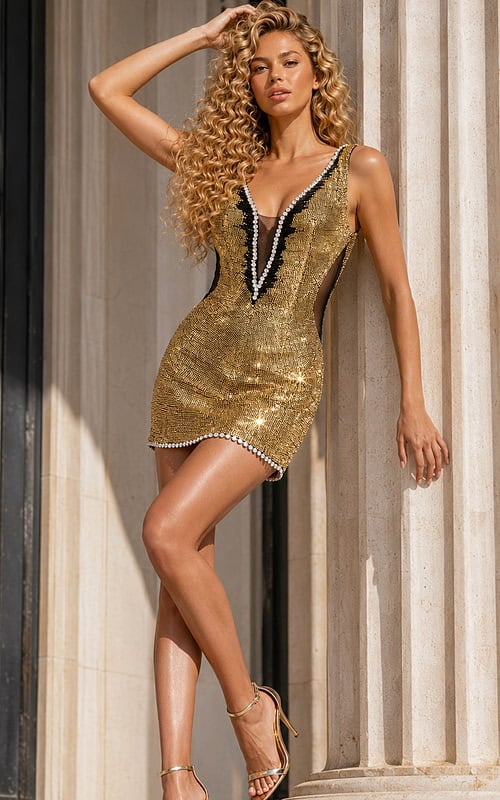
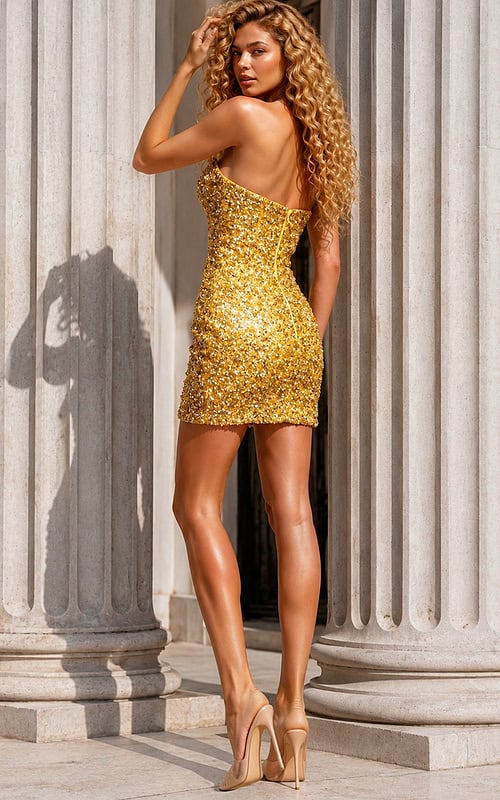
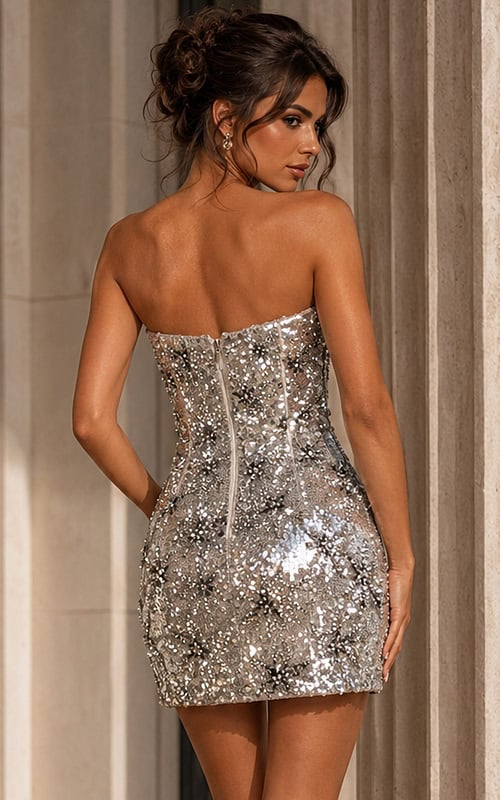
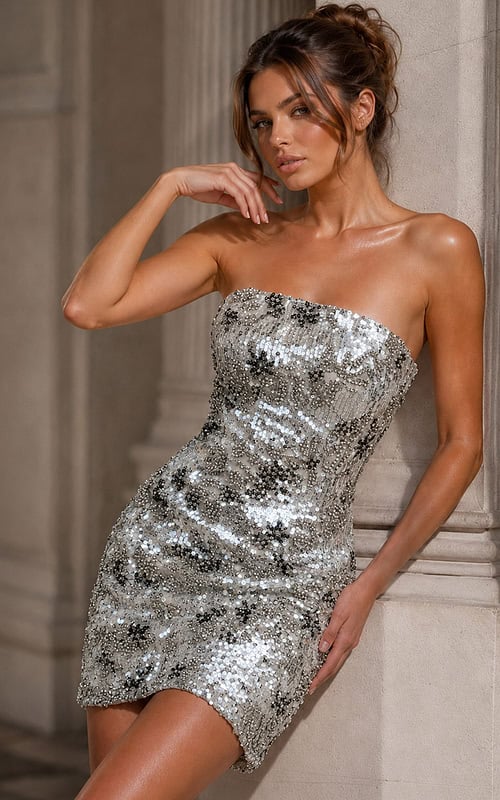
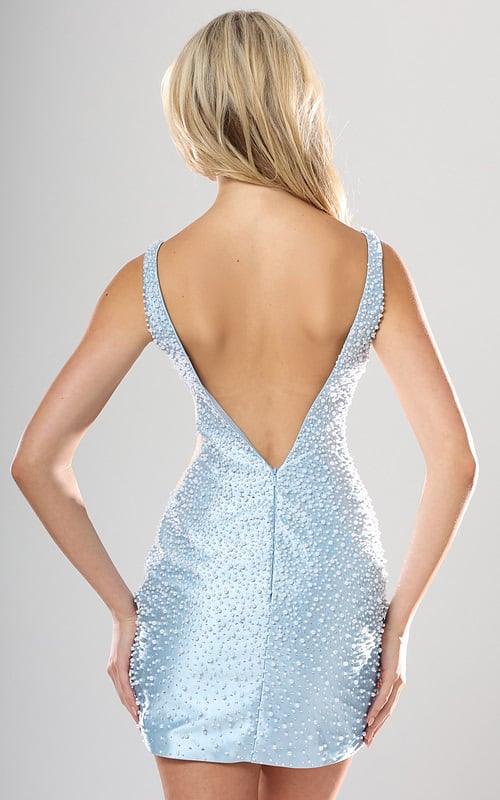
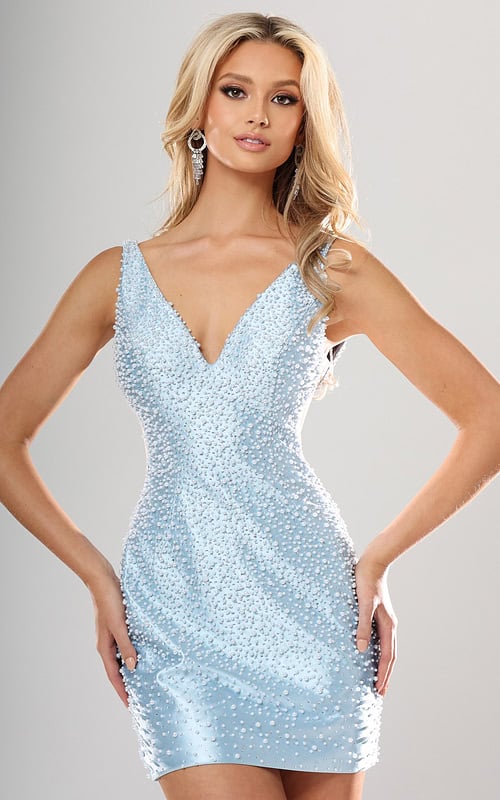
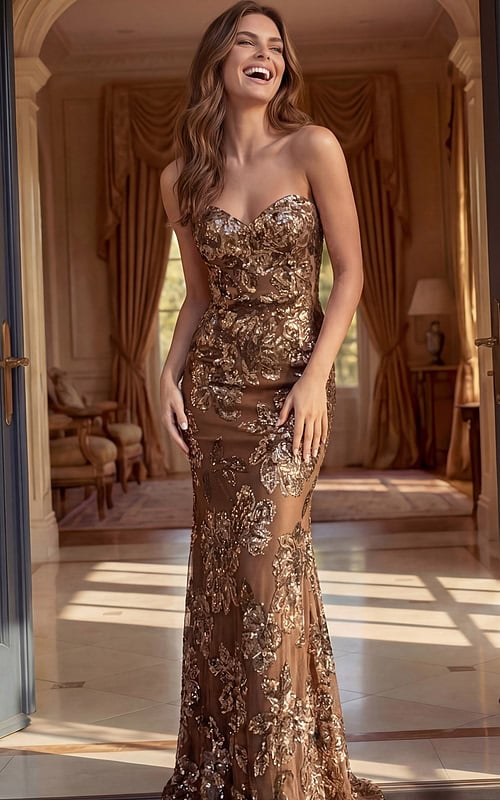
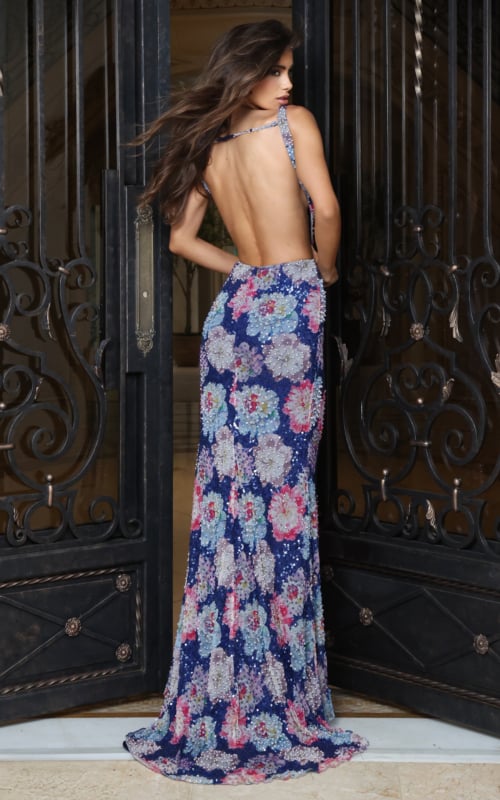
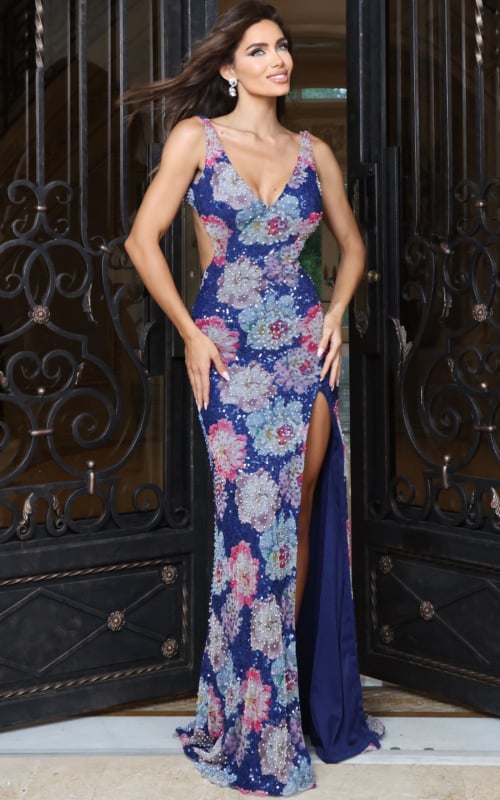
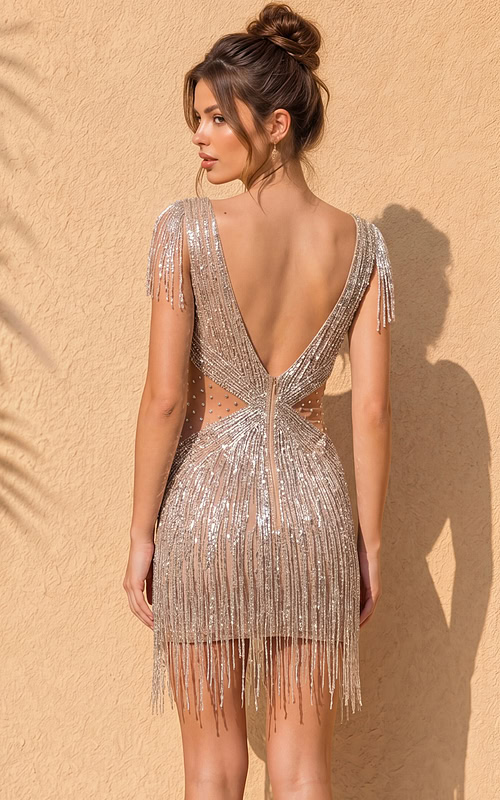
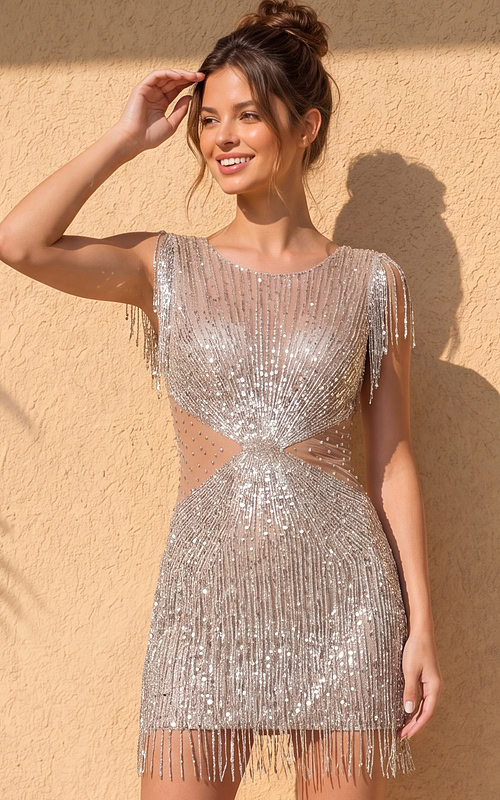
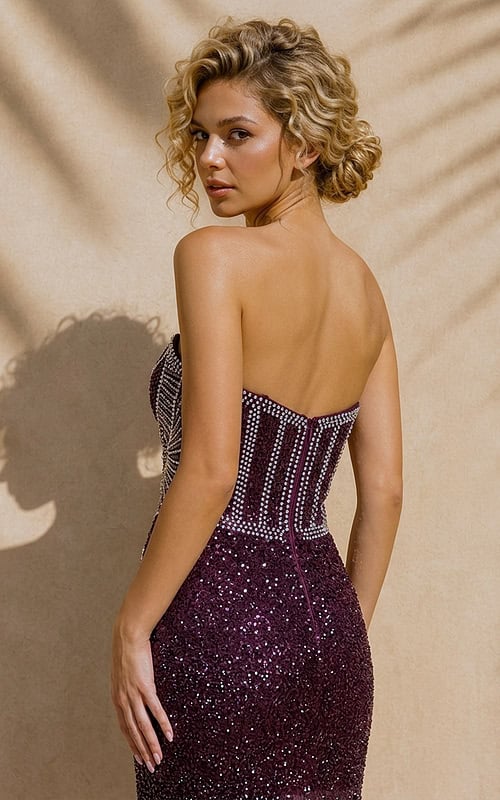
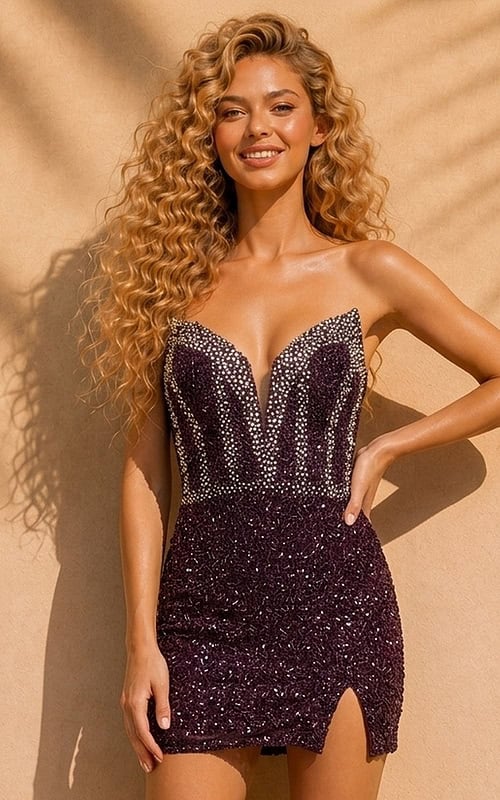
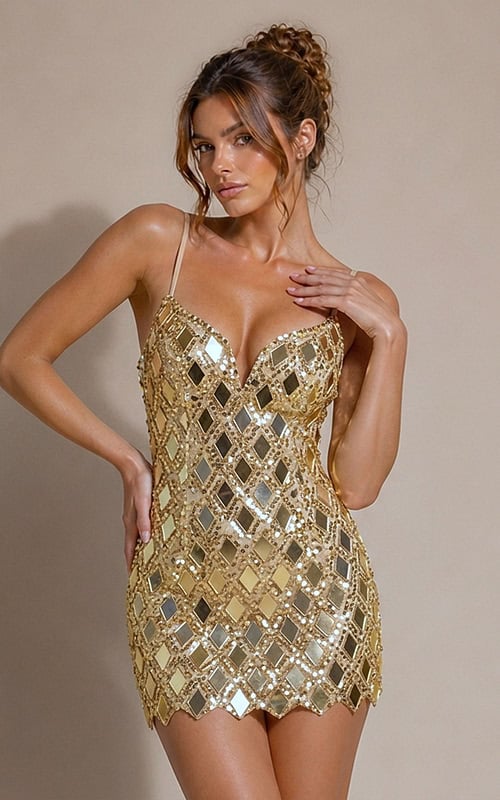
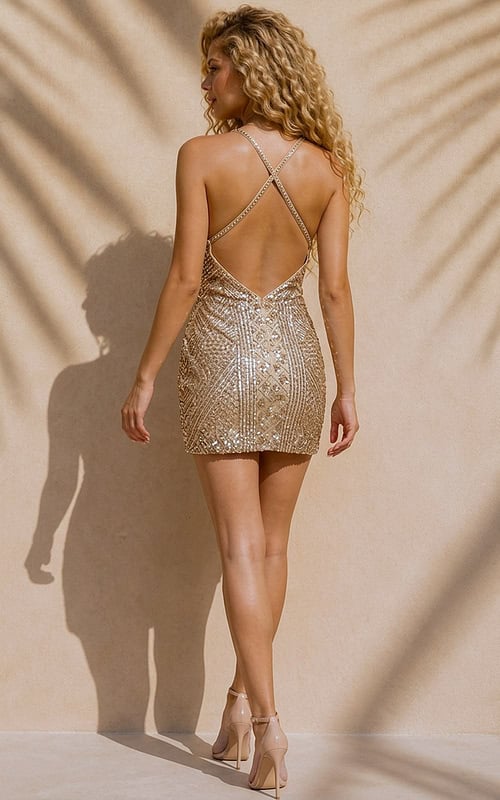
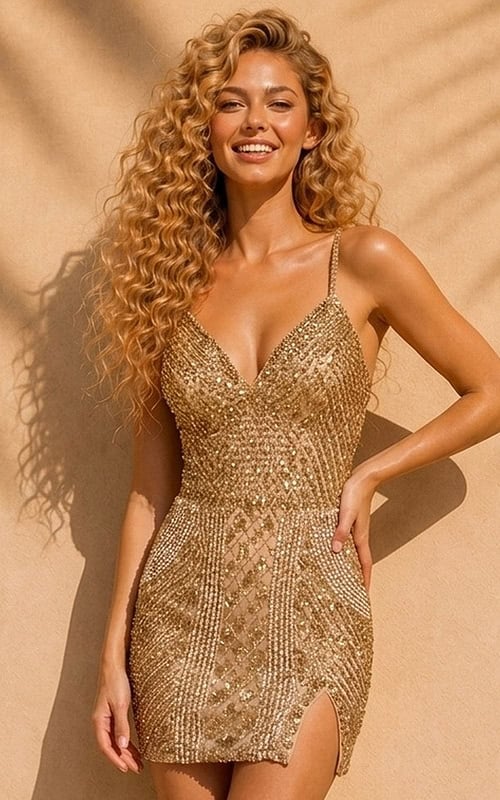
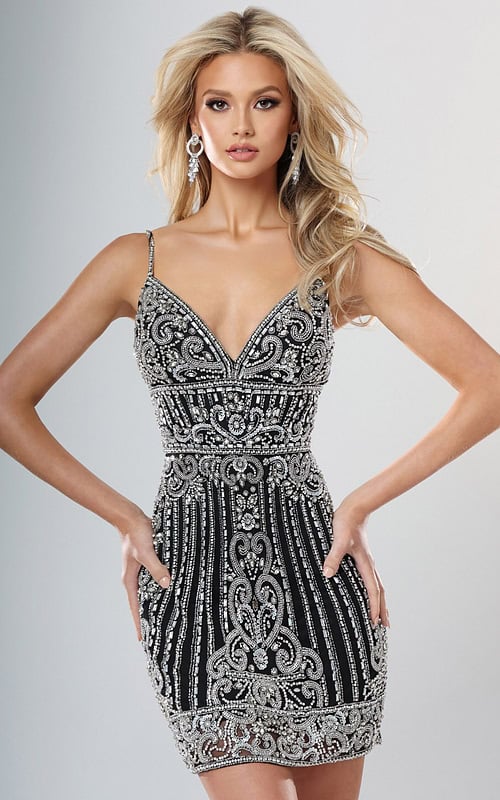
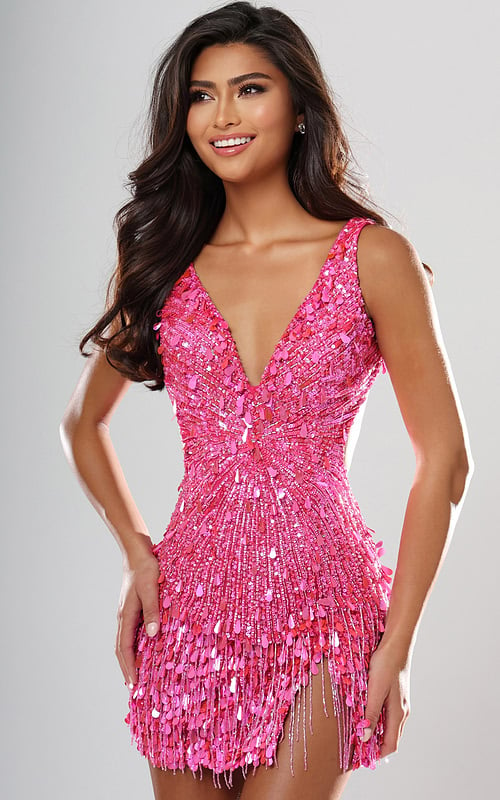
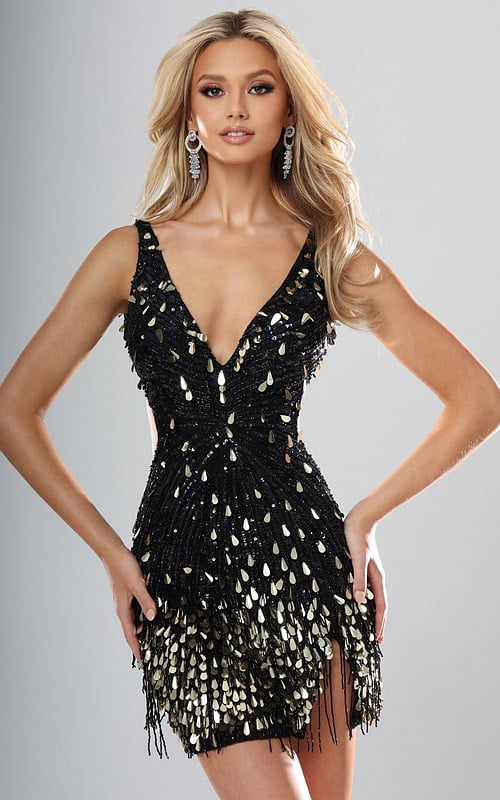
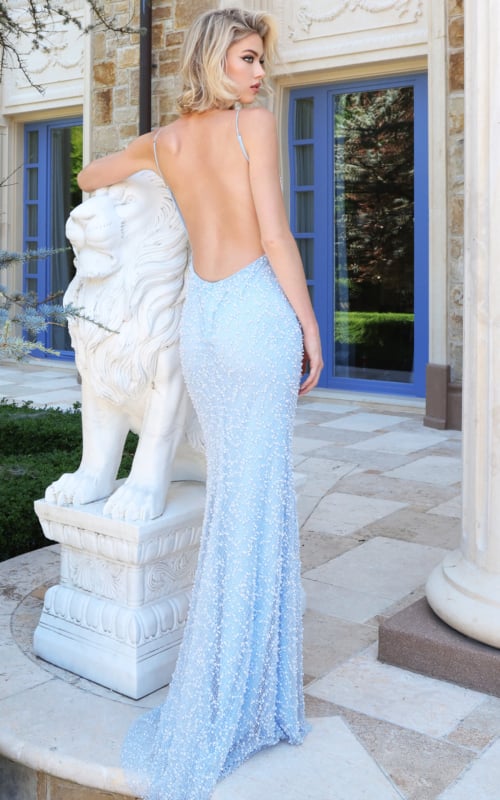
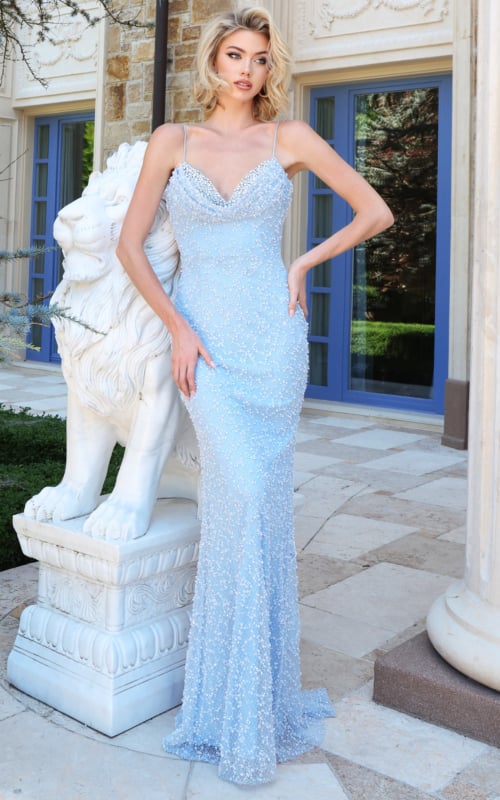
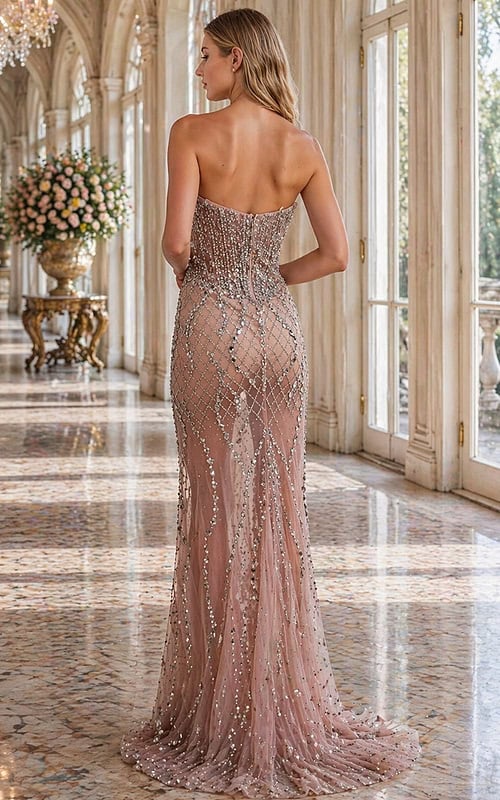
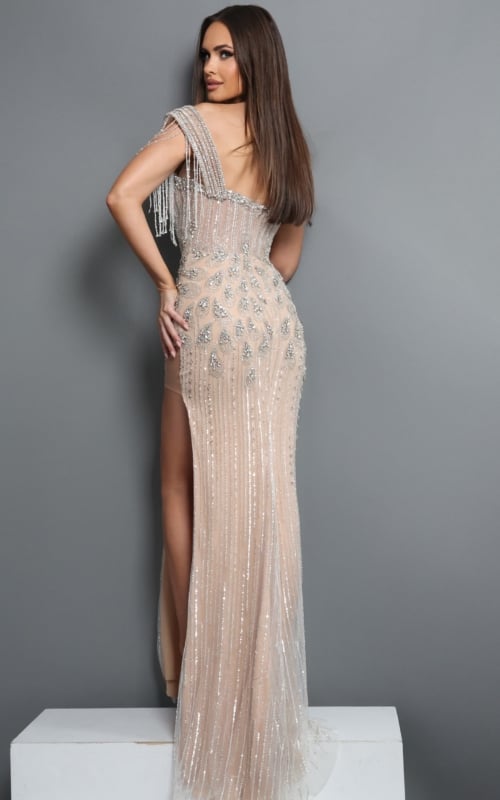
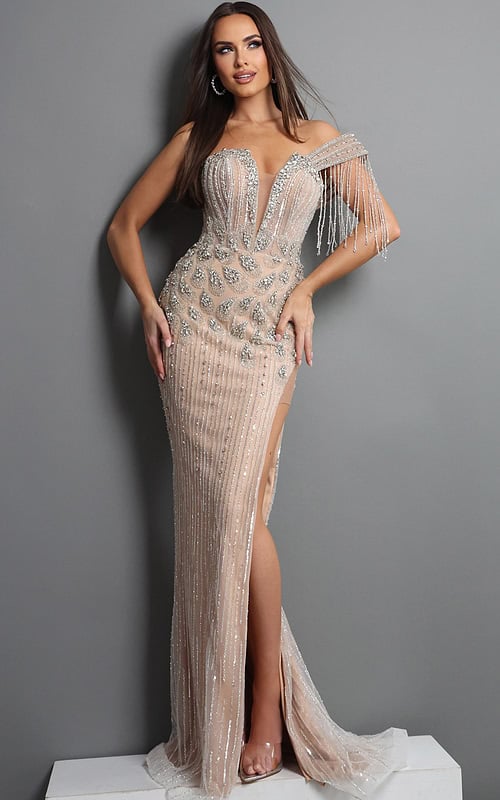
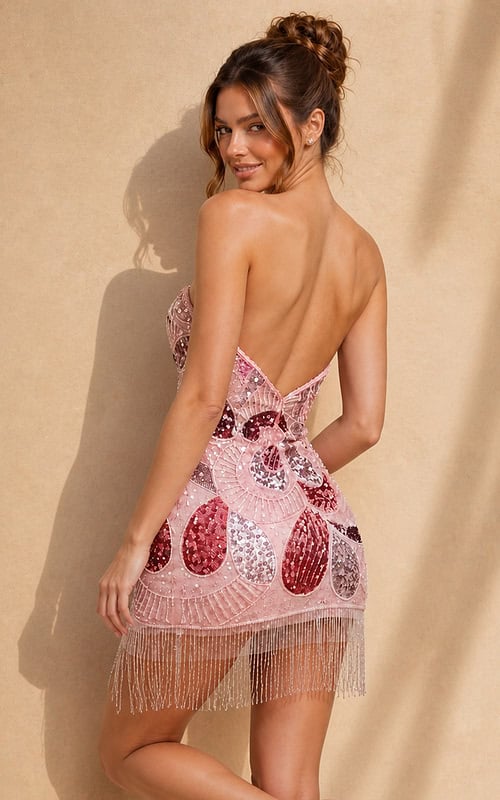
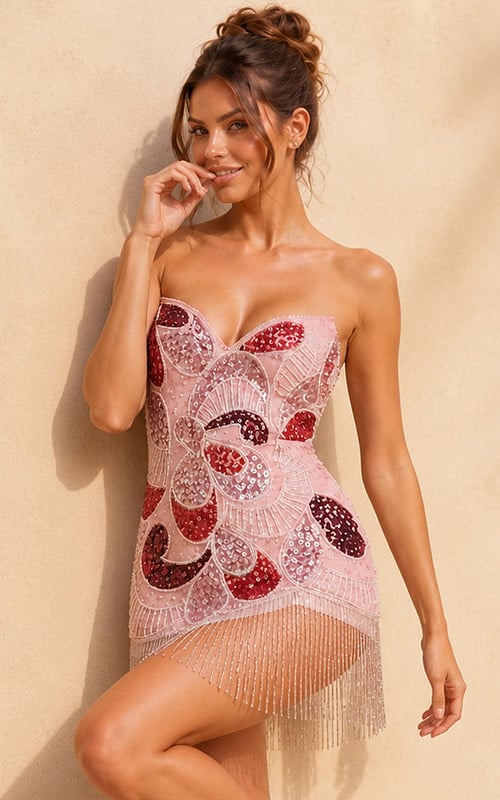
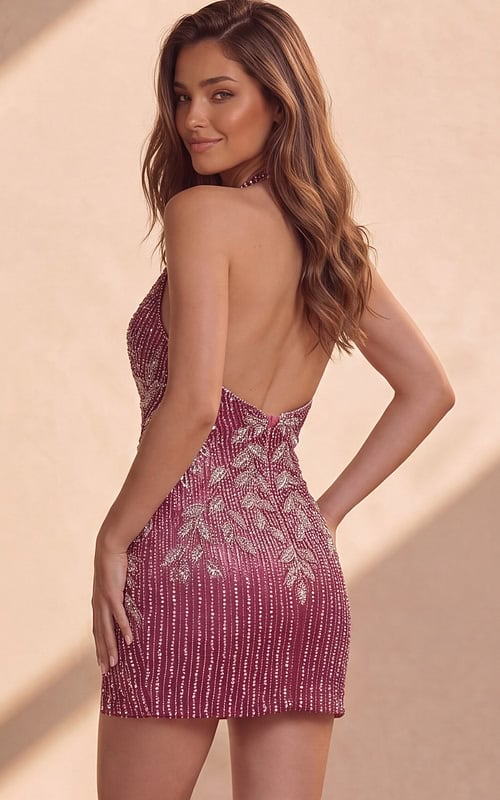
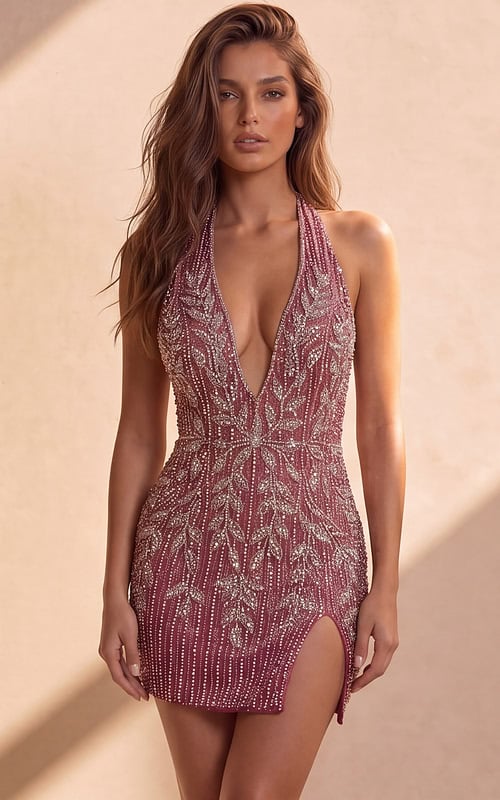
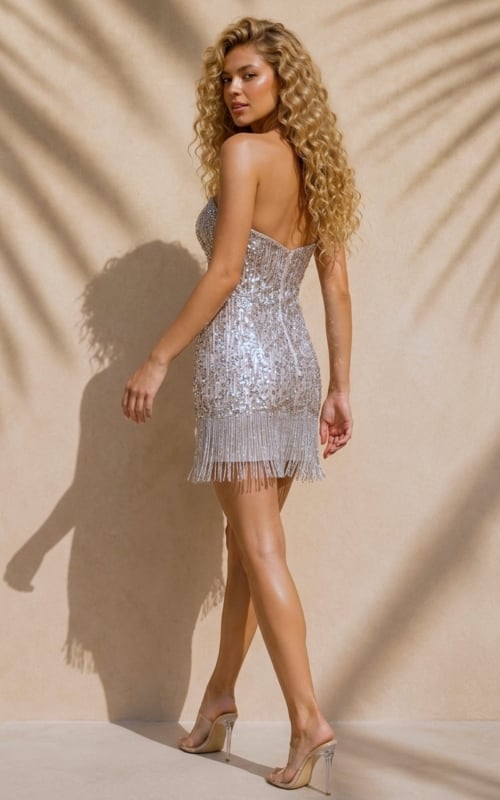
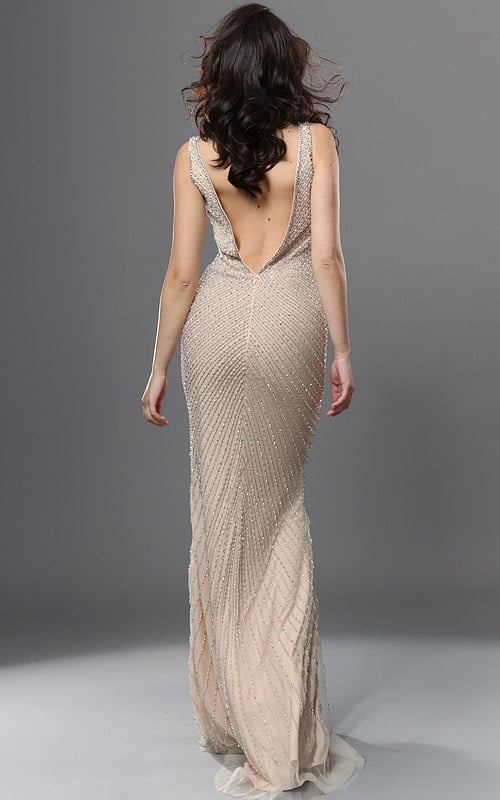
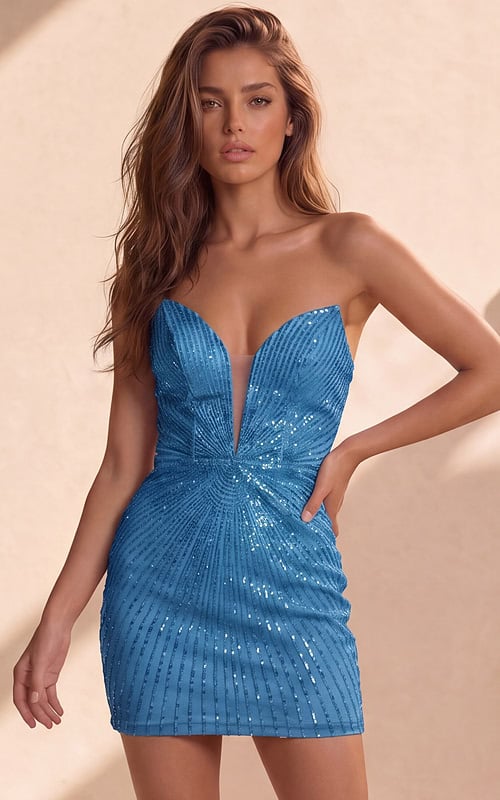
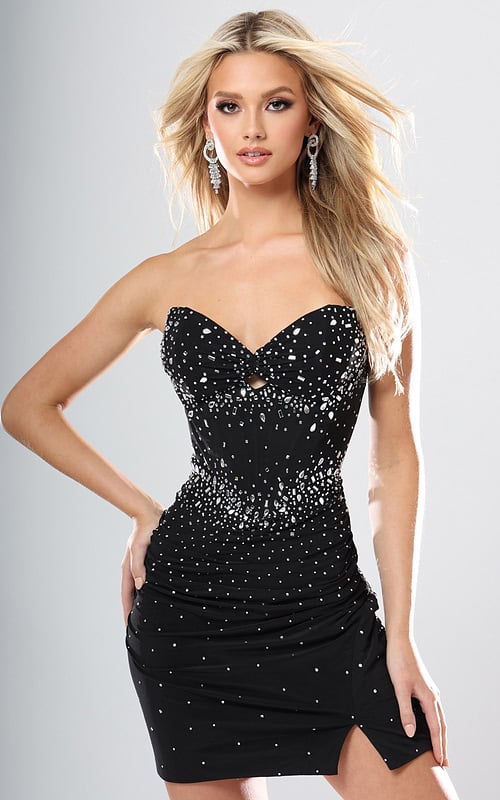
Two beaded dresses can feel completely different even when they use similar crystals or sequins. Concentrated detail at the neckline draws the eye upward. Vertical patterns lengthen the body visually. A defined beaded waist adds structure, while scattered crystals create a lighter surface. Floral beading has a softer effect, particularly when the motifs are spaced rather than packed tightly together.
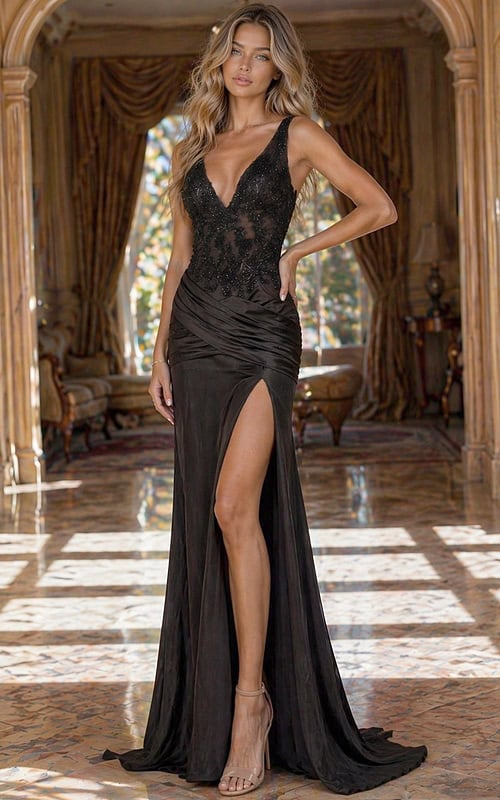
Fabric changes that balance. Tulle and mesh can support dimensional appliqué while keeping the look airy. Crepe gives beadwork a smoother base. Satin already has natural sheen, so selective crystal detailing is often enough; satin wedding guest dresses are a useful comparison when you want luminosity without an all-over embellished finish. The strongest beaded wedding guest dresses usually establish one focal point rather than combining heavy beads with several other dramatic details.
The Right Silhouette Keeps Embellishment Balanced
The silhouette determines how beadwork sits on the body and how much visual weight the dress can carry. Column and sheath shapes suit linear patterns, scattered crystals, and closely placed tonal beads because the uninterrupted line keeps the finish sleek. Mermaid silhouettes emphasize the waist and hip, so beadwork that follows the seams can reinforce the shape without making it feel heavy.
A-line dresses give beading more room to spread through the skirt and work particularly well with floral motifs or graduated crystal patterns. If the invitation calls for a longer hem, maxi wedding guest dresses provide a close comparison for judging embellishment across a floor-length silhouette. Strapless, one-shoulder, and V-neck beaded wedding guest dresses also frame the upper body differently. With beaded wedding guest gowns, balancing neckline, length, and decoration is especially important so the overall look does not become visually dense.
Match the Beading to the Wedding Setting
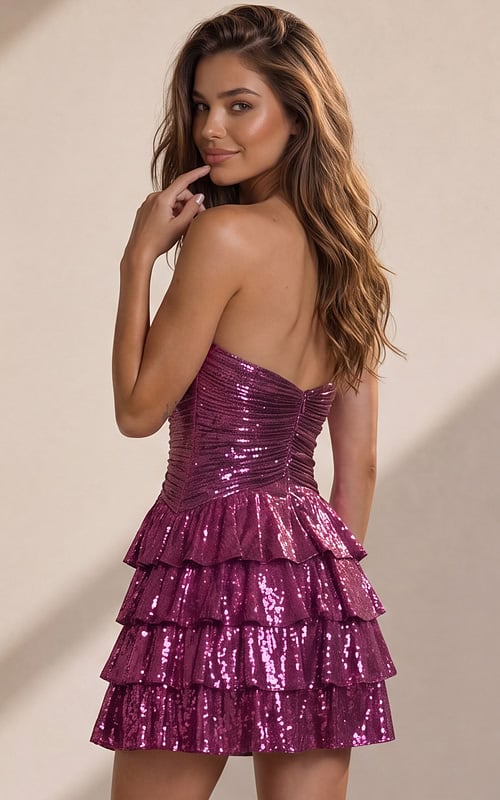
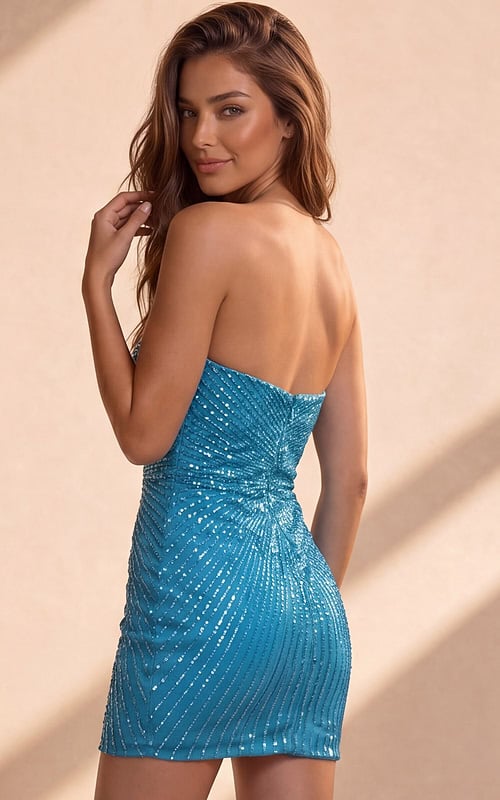
The setting should influence the scale of the detail. A black-tie ballroom wedding can support a floor-length dress with crystal-covered sections, intricate beaded mesh, or a defined embellished bodice. For cocktail weddings, a midi or shorter fitted shape often works better with concentrated beading rather than dense decoration from neckline to hem. Garden and destination settings tend to suit lighter motifs, softer fabrics, and beadwork that moves easily with the dress.
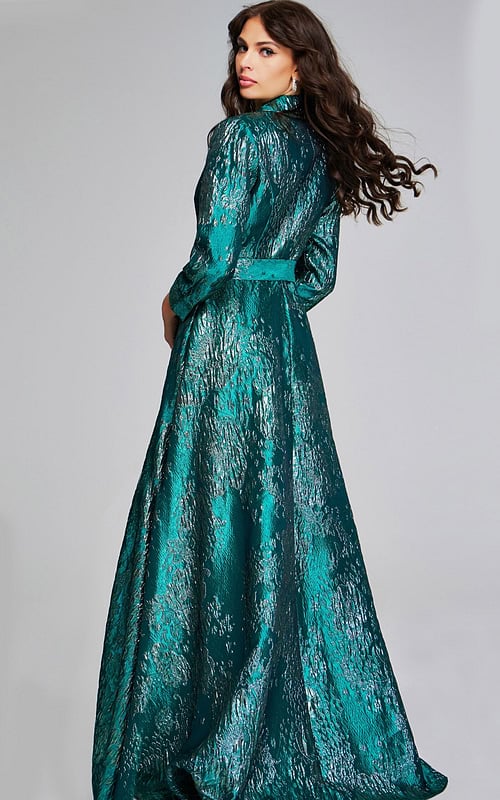
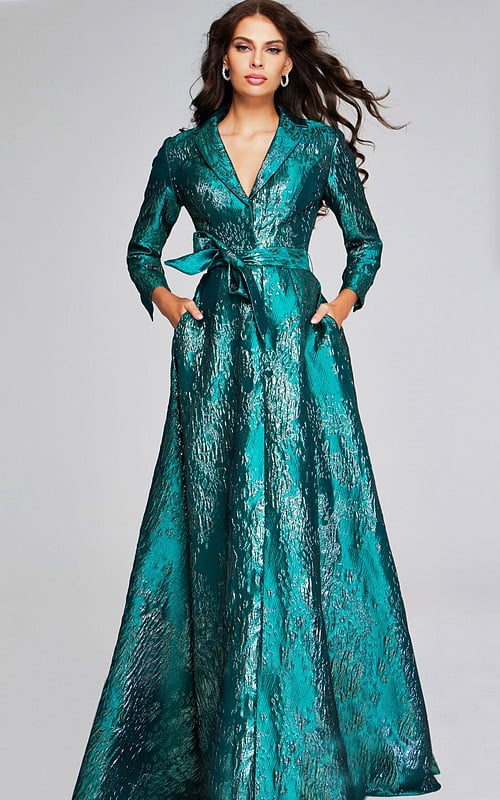
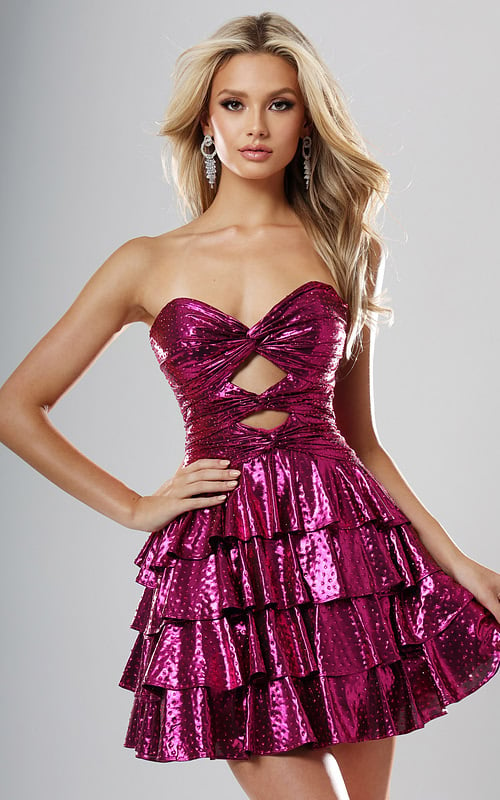
Color has an equally strong effect. Navy, burgundy, plum, black, and rich green can carry brighter crystal work without looking overly ornate. Lighter tones often feel more balanced with tonal beads, smaller motifs, or restrained sparkle. Shoppers considering deeper shades can compare green wedding guest gowns to see how beadwork changes against emerald, sage, and darker green bases.
Beaded wedding guest dresses should still read clearly as guest attire. White, ivory, and very pale champagne require particular care when paired with pearls, crystals, or bridal-style floral appliqué. The combined effect of color, motif, silhouette, and finish matters more than beading alone.
Fit and Construction Matter More with Beading
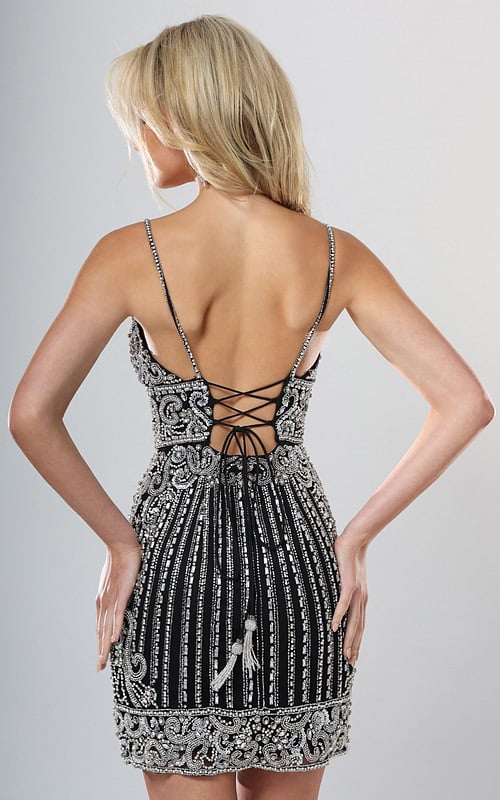
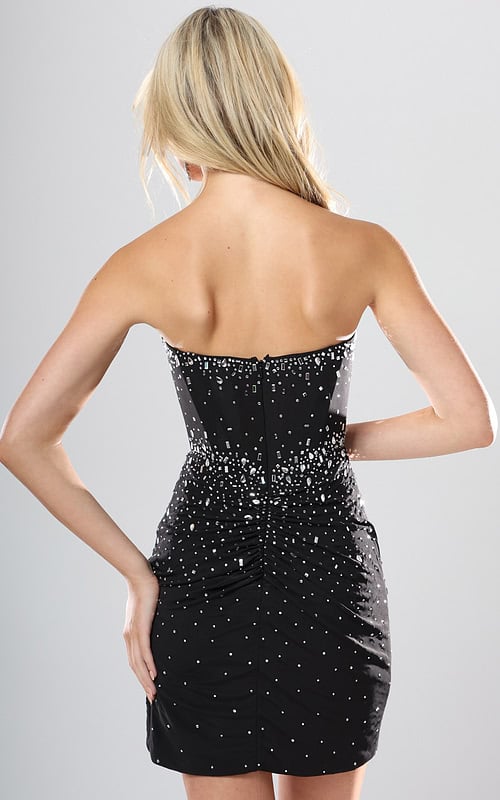
Beading adds weight, so fit needs to be judged differently from a plain fabric dress. A heavily embellished bodice can pull downward if the internal structure is not strong enough, and dense beadwork can reduce the flexibility of the outer fabric. Check whether the neckline stays stable, the waist remains in position, and the lining prevents rough embellishment from rubbing against the skin.
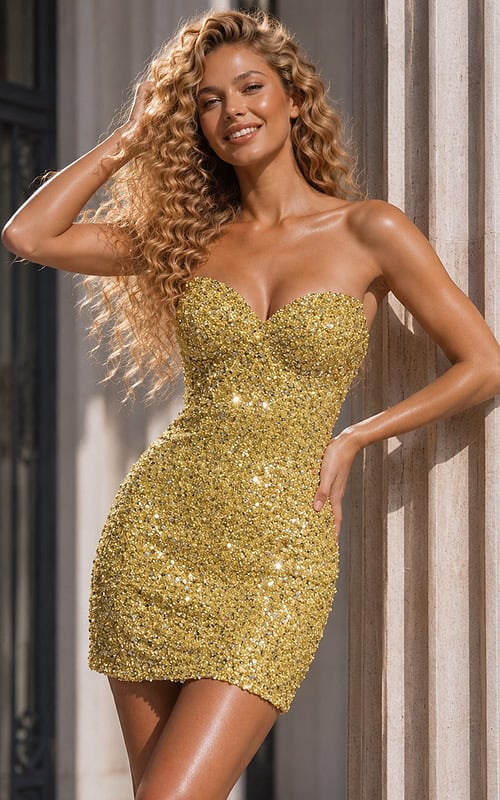
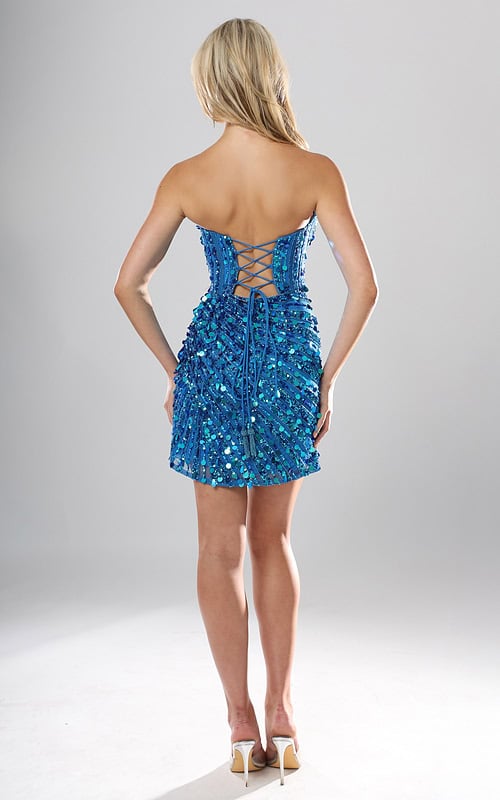
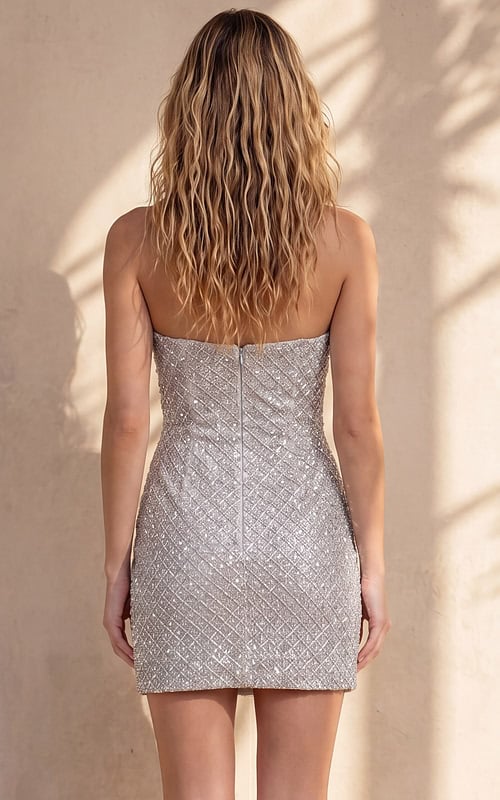
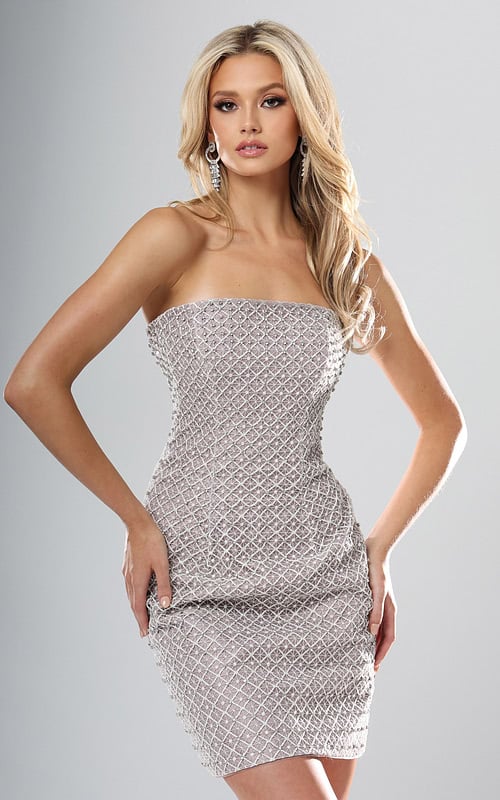
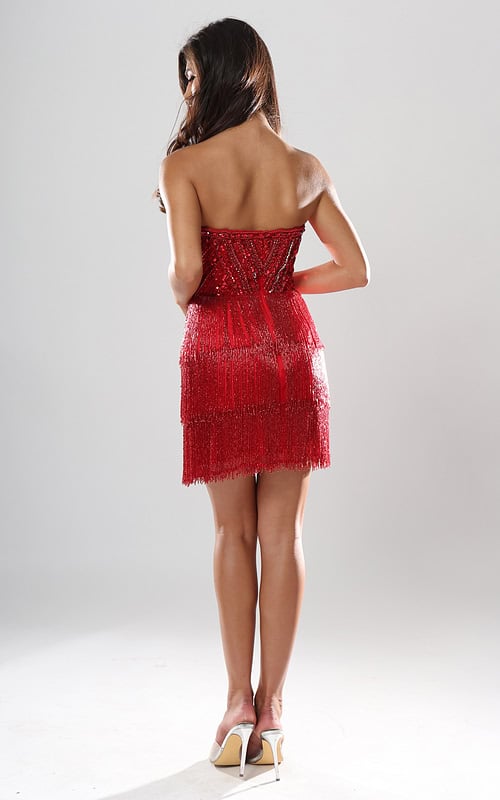
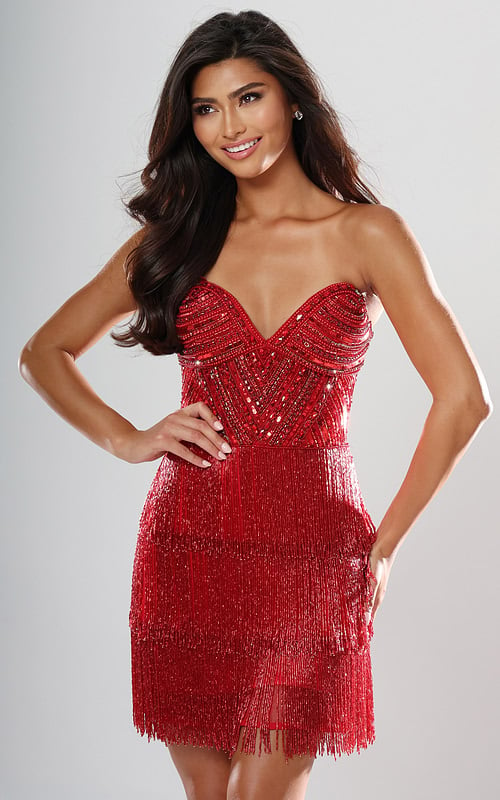
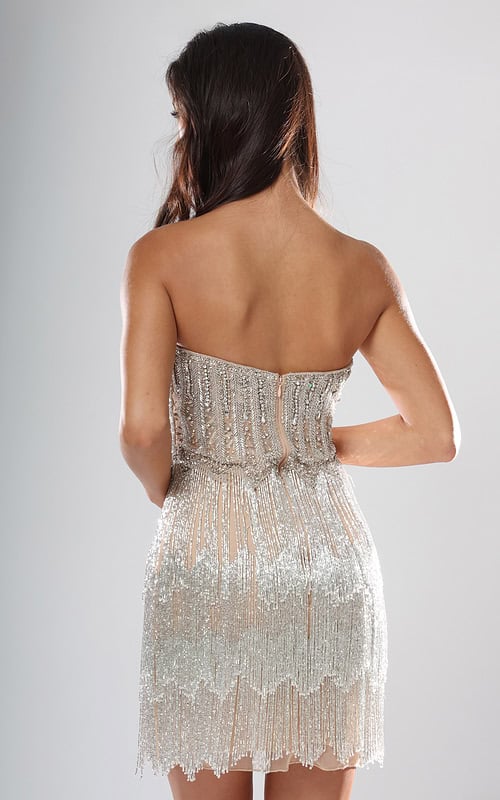
This is especially important with strapless wedding guest outfits, where boning, shaped cups, secure closures, and balanced bead placement contribute to support. A fitted beaded wedding guest gown should remain comfortable while sitting and walking, not only while standing.
Jovani’s construction expertise matters in these details. On well-built beaded wedding guest dresses, bead placement follows the pattern of the dress, seams stay clean, and heavier decorative areas are balanced so the bodice does not twist or drag after hours of wear.
How Color Changes the Look of Beadwork
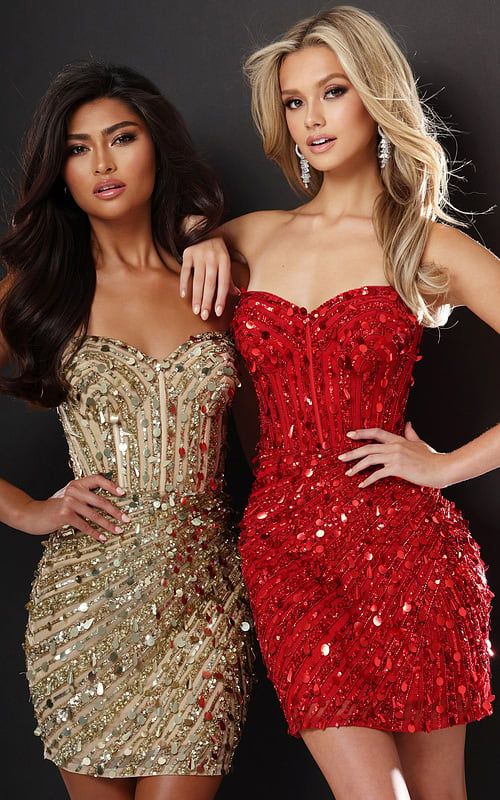
Bead color can shift the character of a dress as much as the base fabric. Tonal beading creates depth without sharp contrast, making it effective on navy, emerald, wine, muted blue, and other saturated shades. Clear crystals reflect more light and bring stronger definition to necklines and fitted bodices, while metallic beads change the finish depending on whether they lean gold, silver, or gunmetal.
A beaded wedding guest dress does not need matching jewelry to look resolved. When the neckline carries strong crystal detail, smaller earrings or a simple cuff can keep the focus on the dress. If the beadwork sits lower on the waist or skirt, there is more room for a stronger earring.
When comparing beaded wedding guest dresses, look at how color, bead placement, silhouette, and construction work together. The strongest option is rarely the one with the most decoration; it is the one where embellishment supports the shape, suits the wedding, and remains comfortable through the full event.