Backless Wedding Guest Dresses: Choosing the Right Back Detail
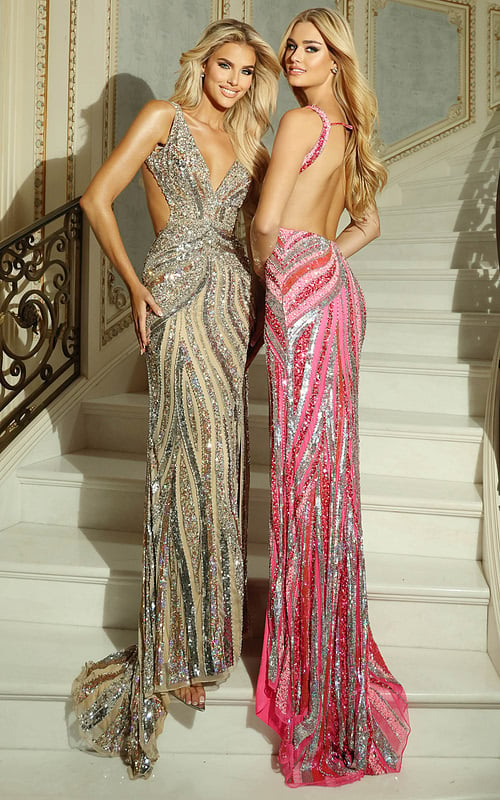
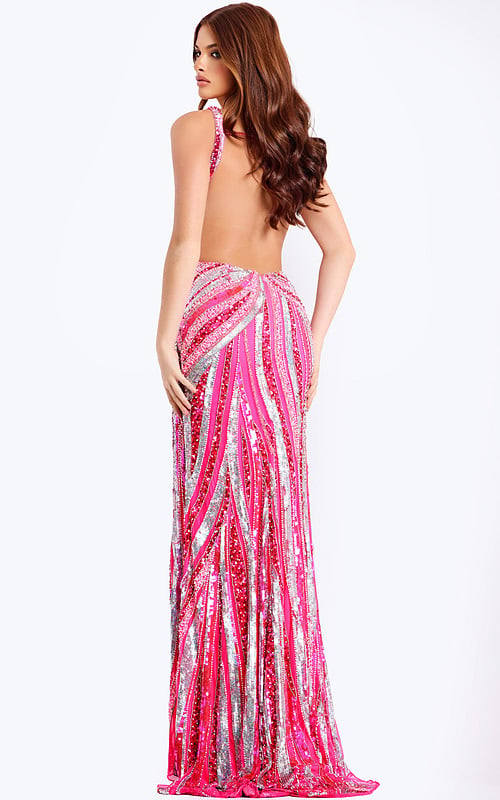
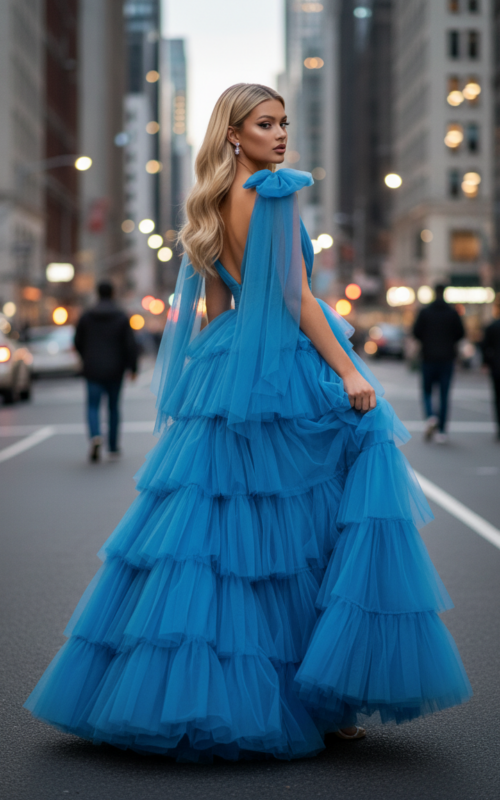
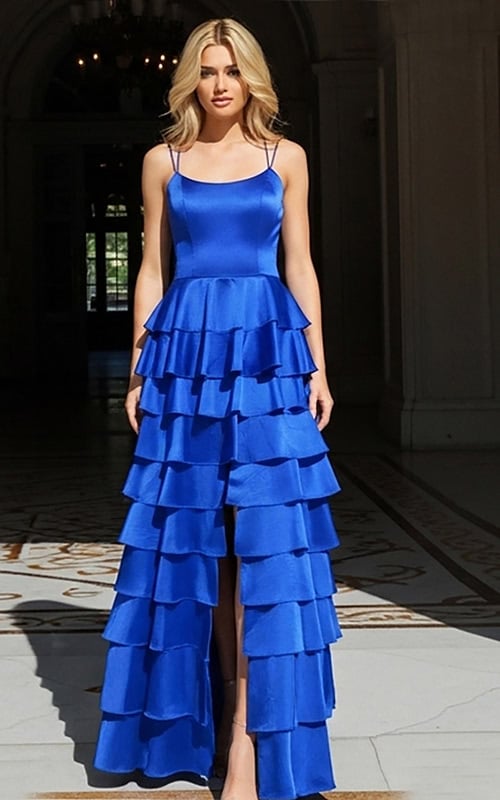
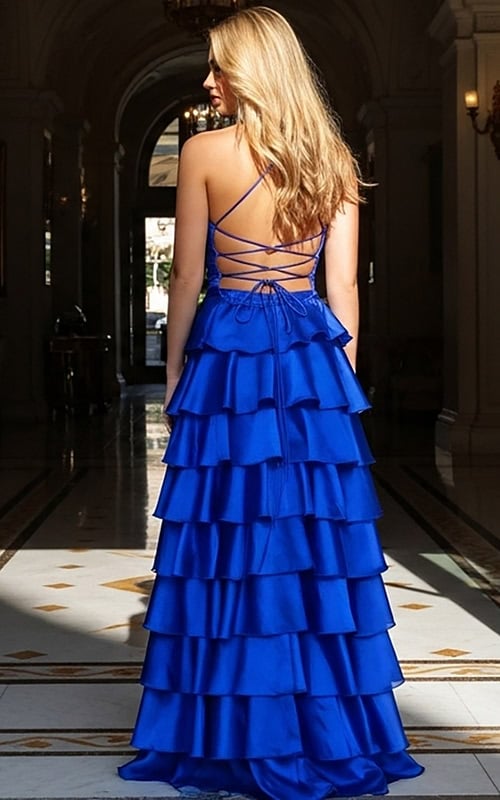
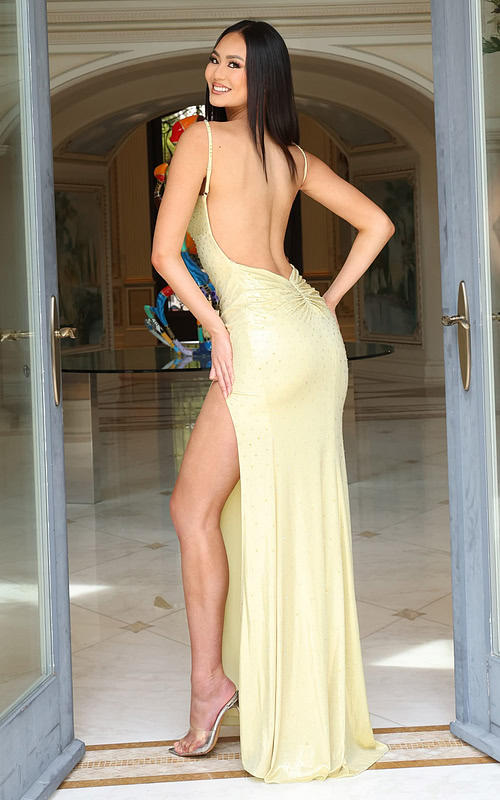
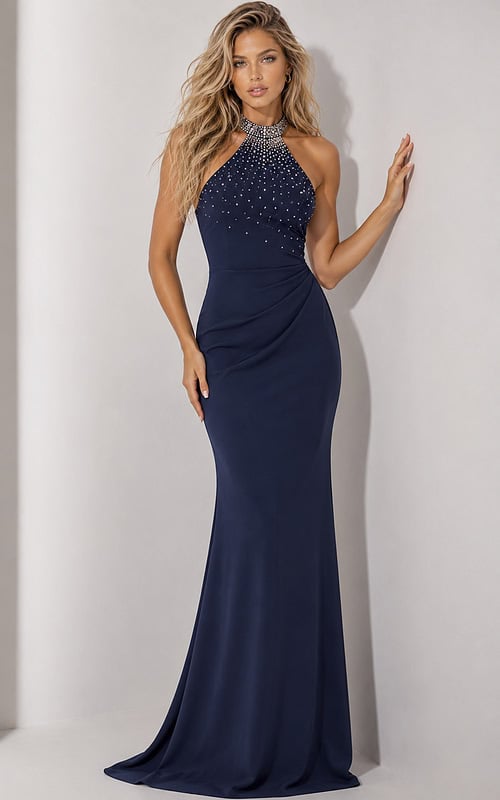
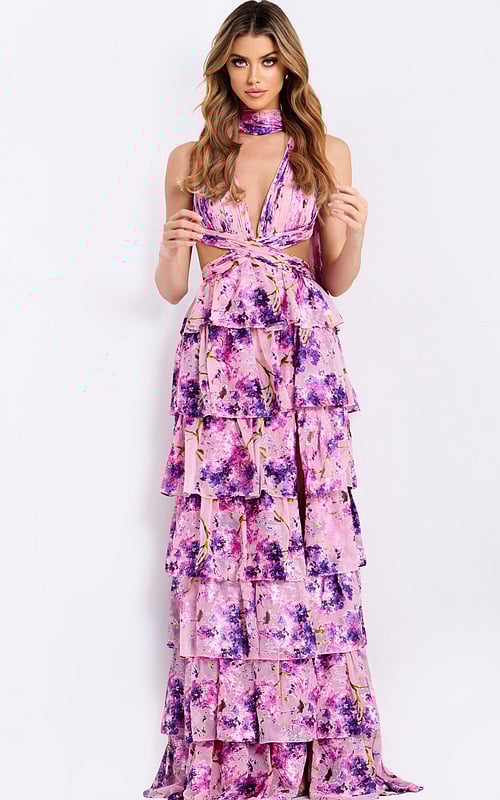
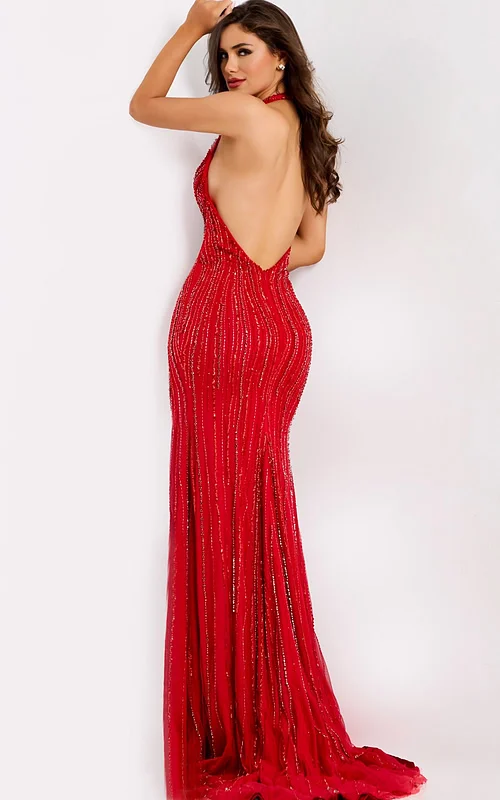
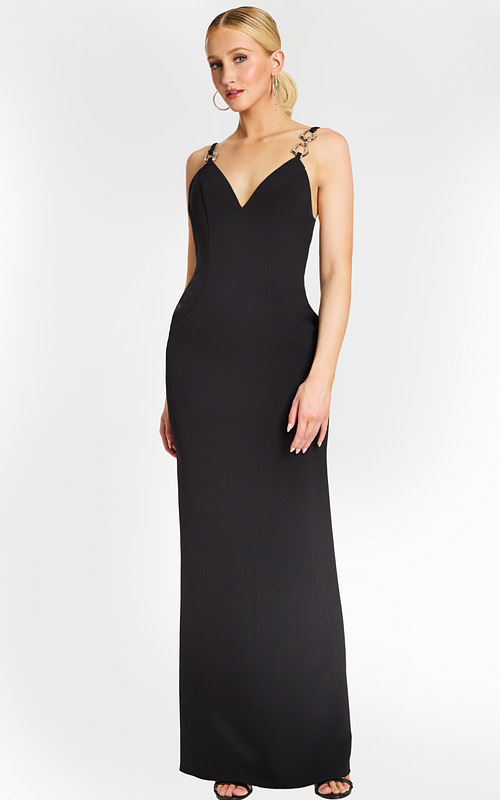
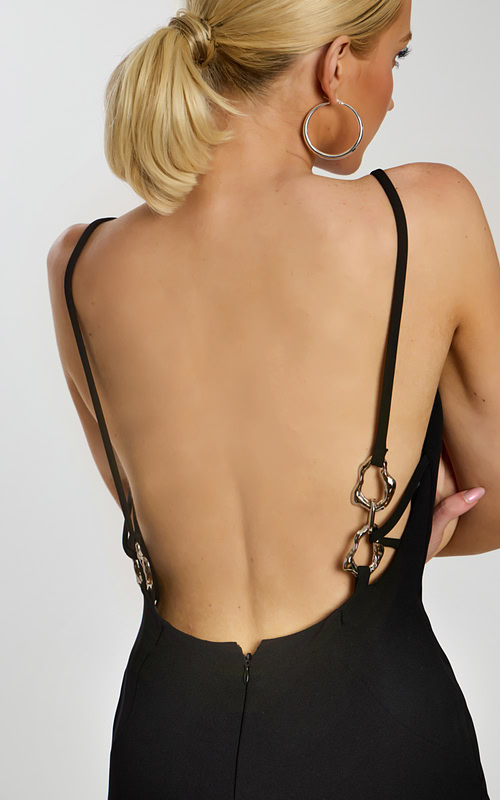
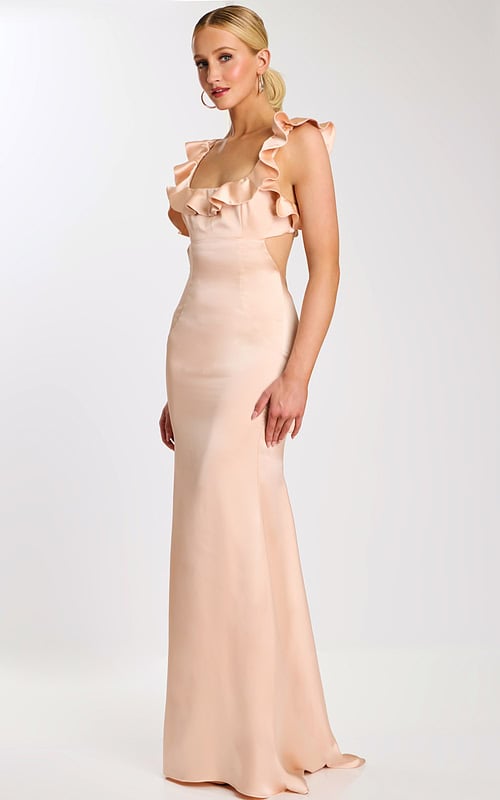
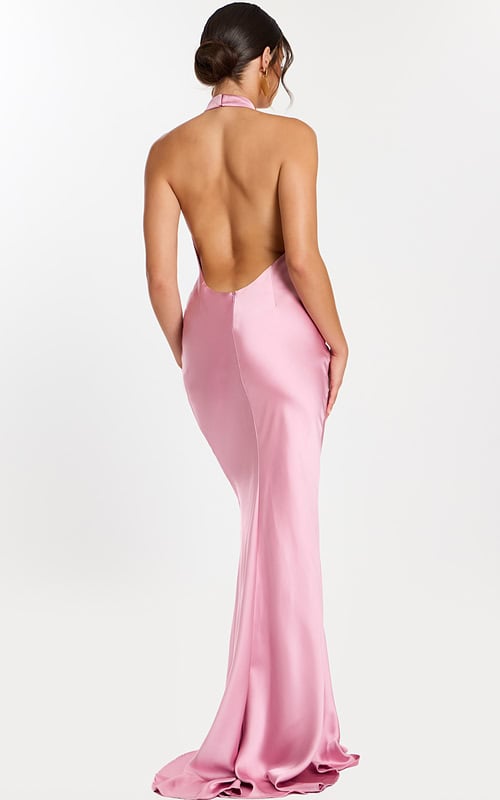
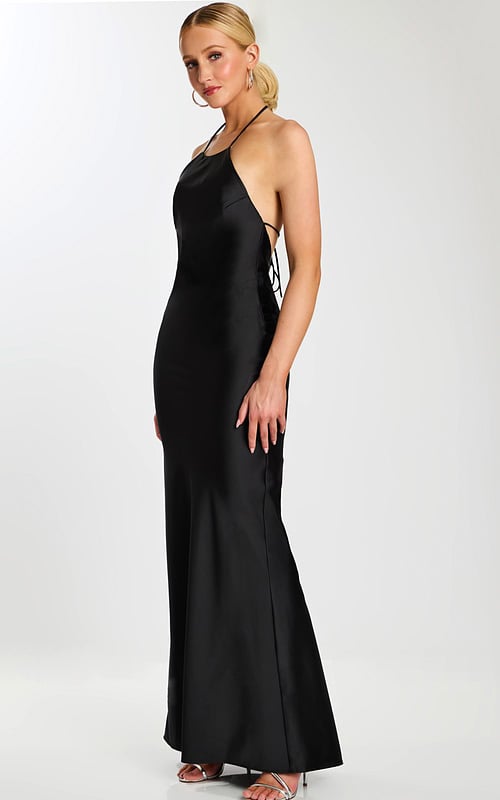
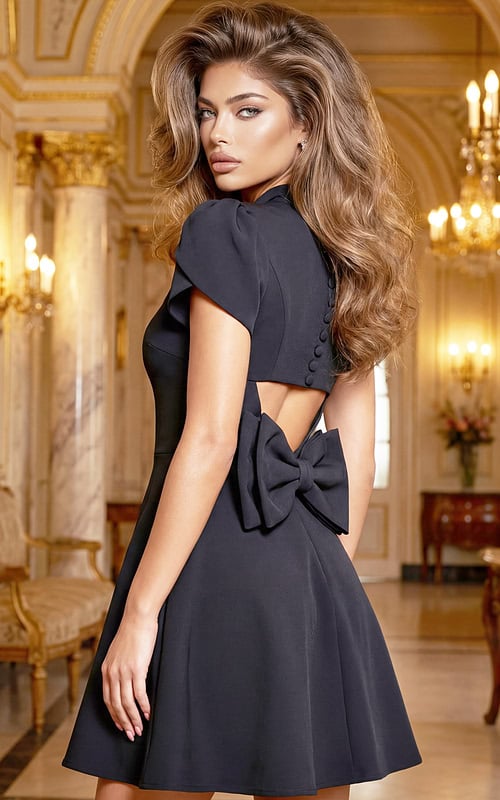
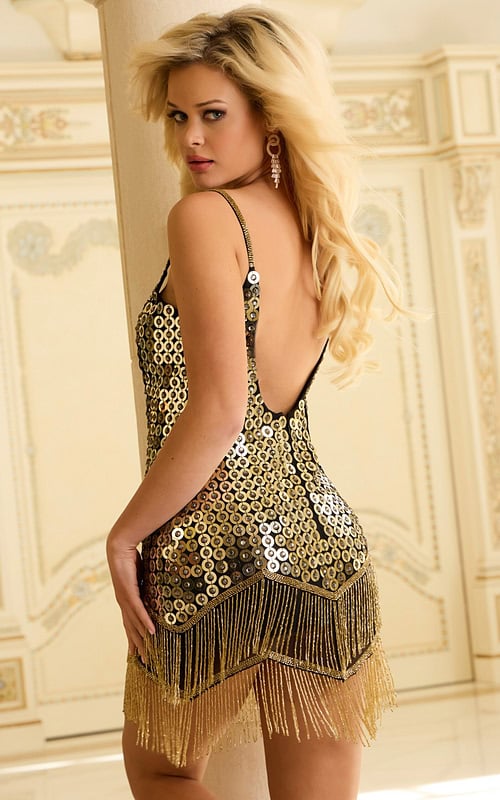
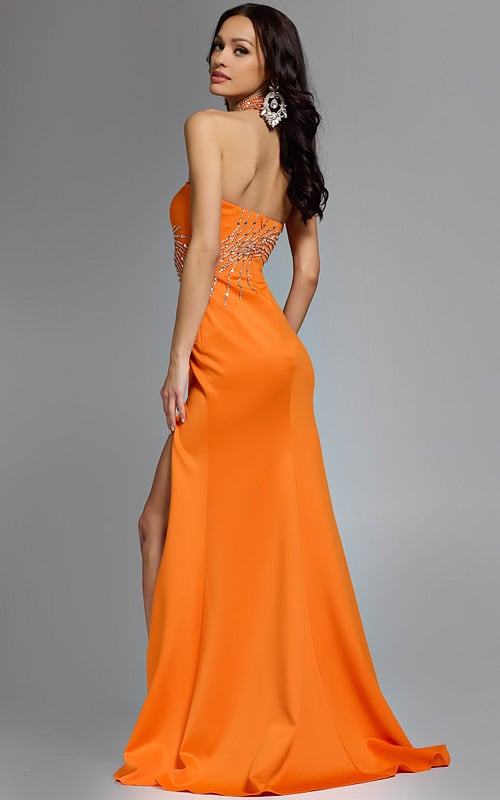
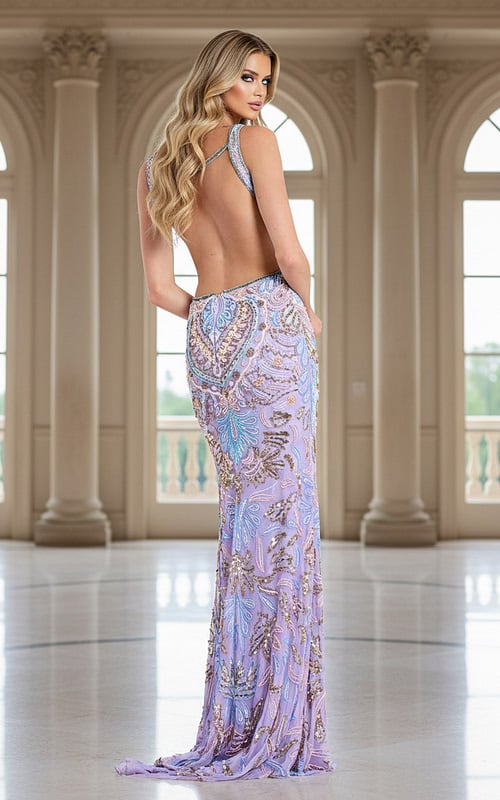
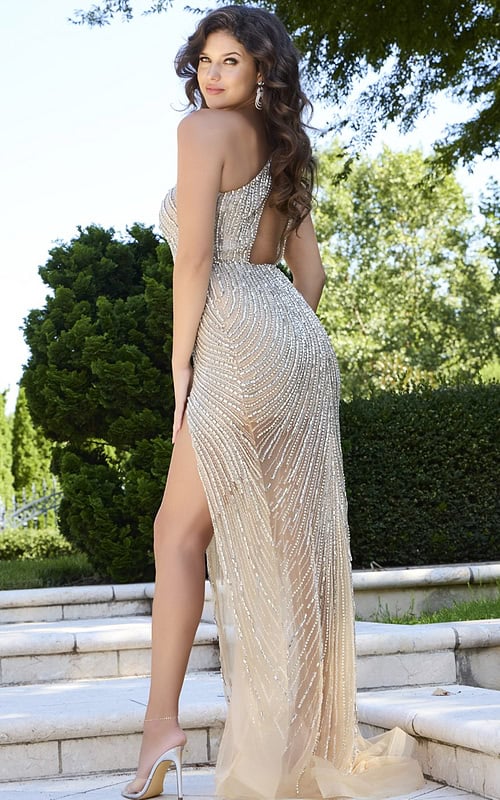
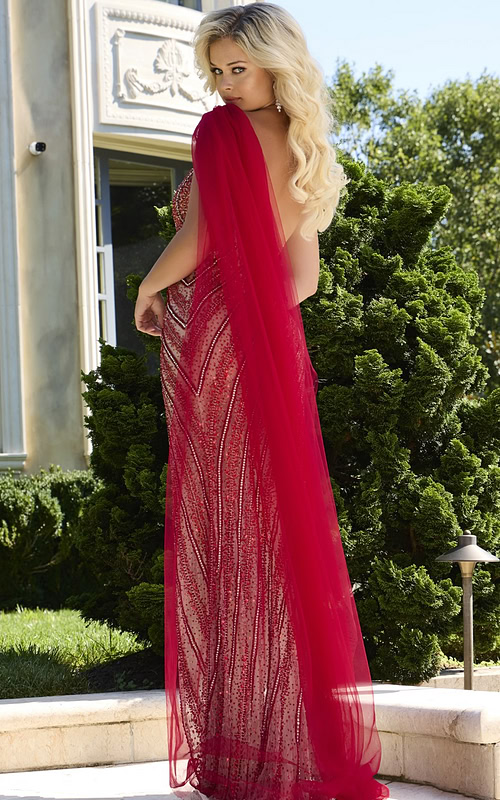
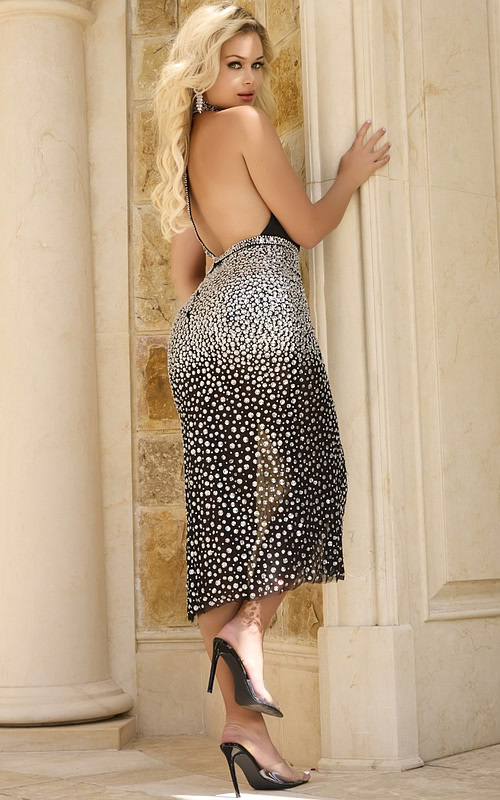
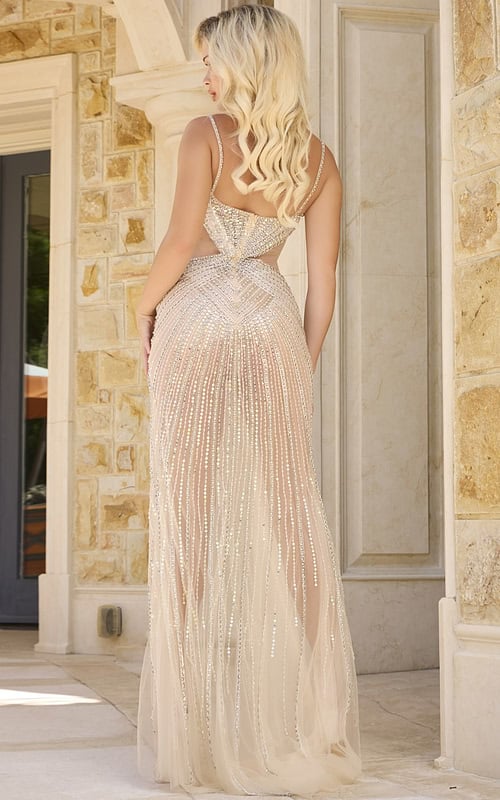
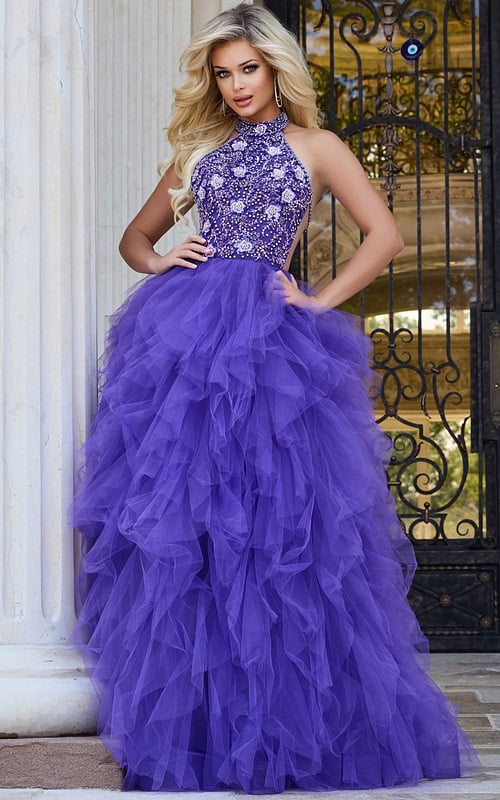
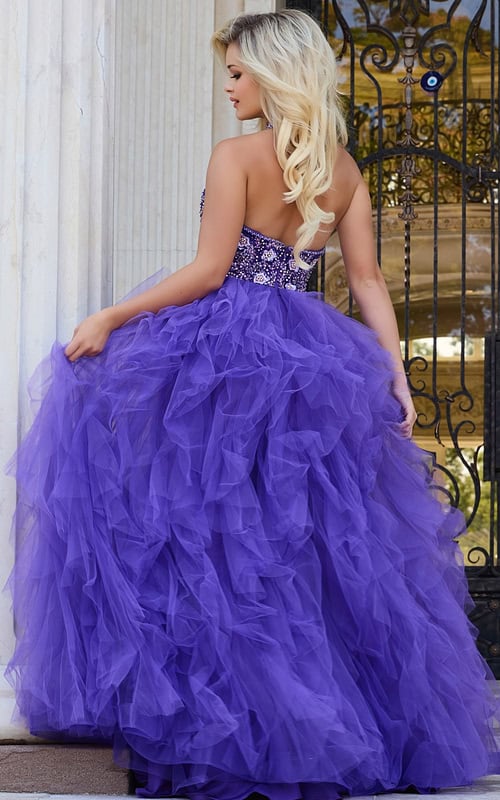
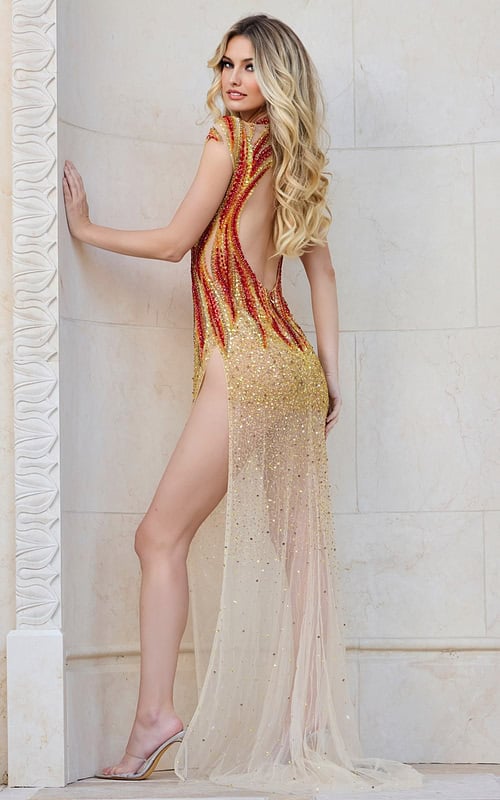
Backless wedding guest dresses range from subtly open to dramatically low, so the back shape is one of the first details worth comparing. A low scoop creates a softer curve, while a deep V-back gives the dress a sharper line. Halter styles frame the shoulders and often leave more of the upper back open. Strappy and lace-up designs add visual structure, while keyhole and cutout backs provide more coverage around the sides.
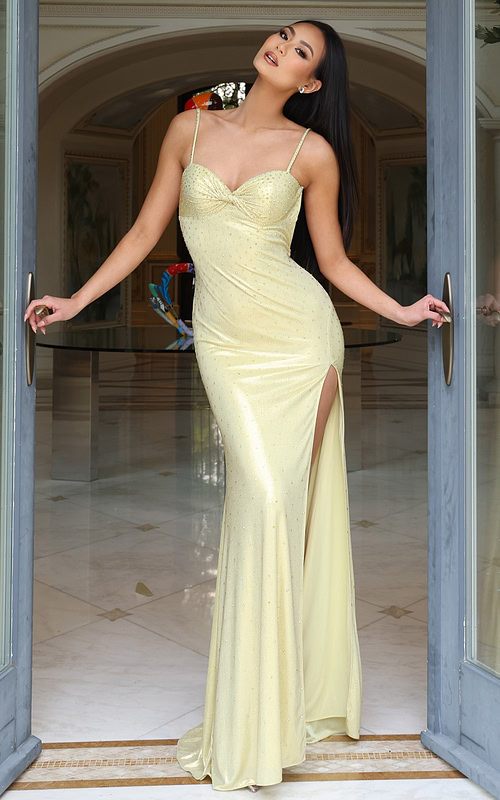
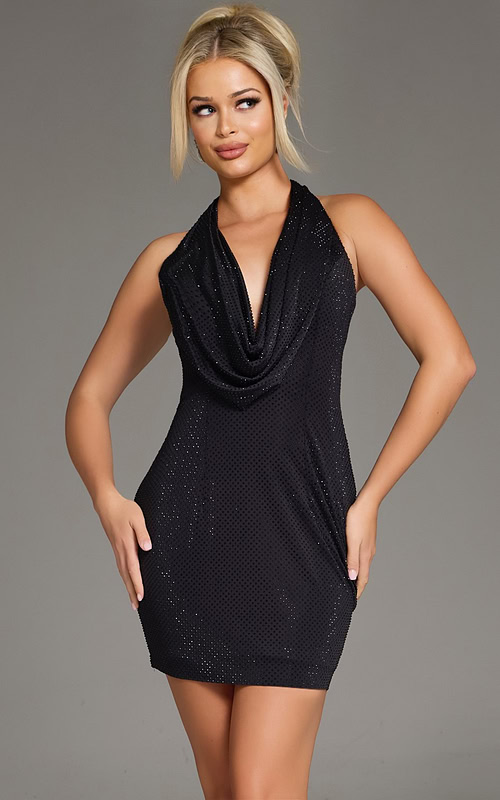
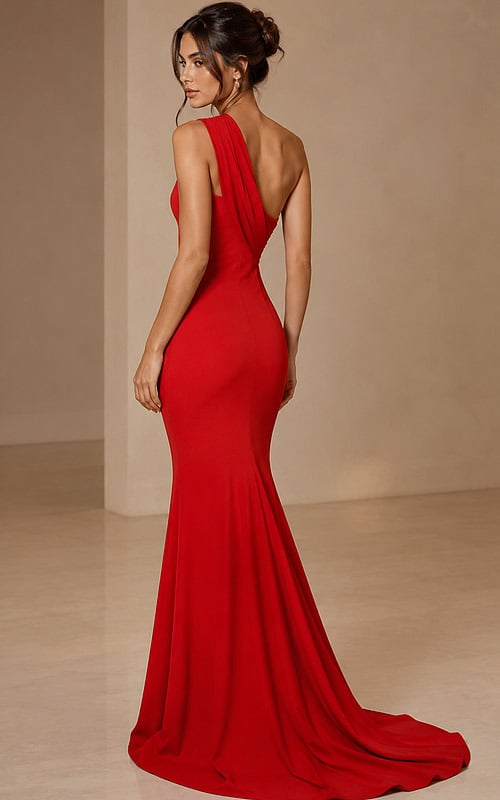
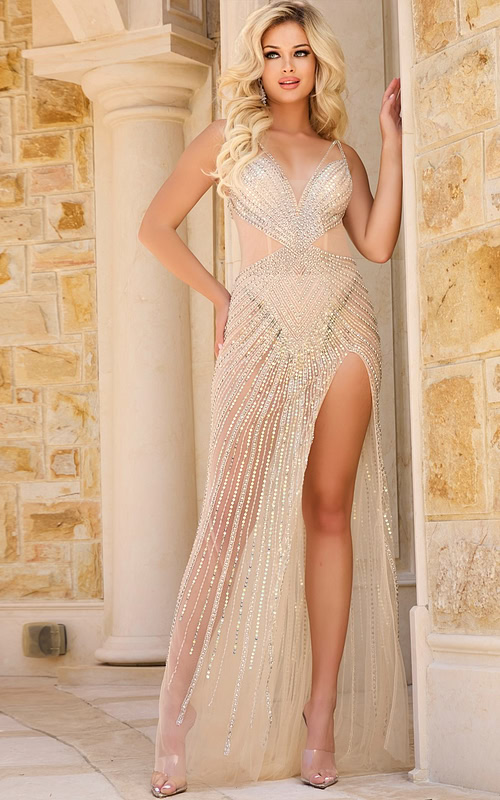
The front matters just as much. When the back is very open, a clean neckline or controlled draping helps keep the design balanced. Shoppers who prefer a longer silhouette can compare long wedding guest dresses across fluid A-lines, fitted columns, and mermaid shapes. For a wider view of lengths and silhouettes, wedding guest gowns offer another way to compare proportion before narrowing the choice by back detail.
How Fit and Bodice Construction Change an Open-Back Dress
A backless wedding guest dress relies heavily on construction because there is less fabric across the back to stabilize the bodice. Secure shoulder straps, halter ties, shaped waist seams, boning, built-in cups, and well-placed closures can all help the dress stay in position. The lower the back, the more important it is to check how the front and sides support the body.
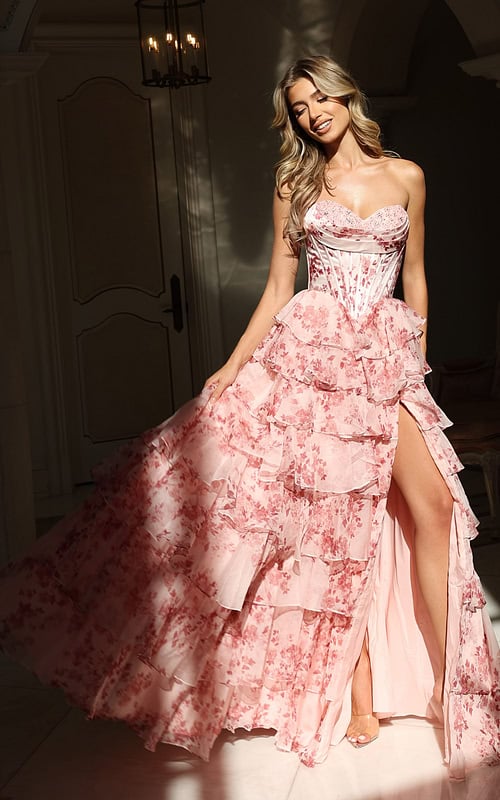
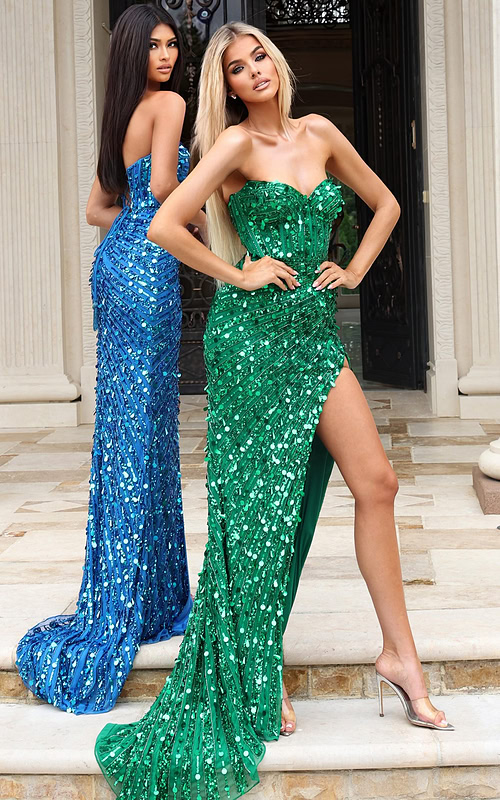
Fit should be assessed while moving, not only while standing still. Sit, raise your arms, walk, and turn to make sure the neckline stays in place and the opening does not shift. A fitted mermaid or column silhouette needs enough structure through the waist and hip to hold its line, while an A-line allows more ease through the skirt. If a completely open back feels too exposed, strapless wedding guest gowns create a similarly clean shoulder line with more coverage behind the bodice. Both styles depend on precise fit, but they distribute support differently.
Fabrics That Work Well with Backless Designs
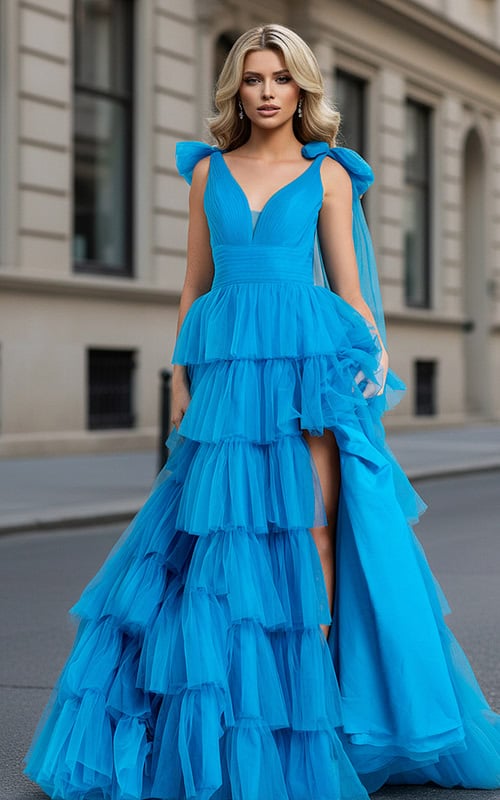
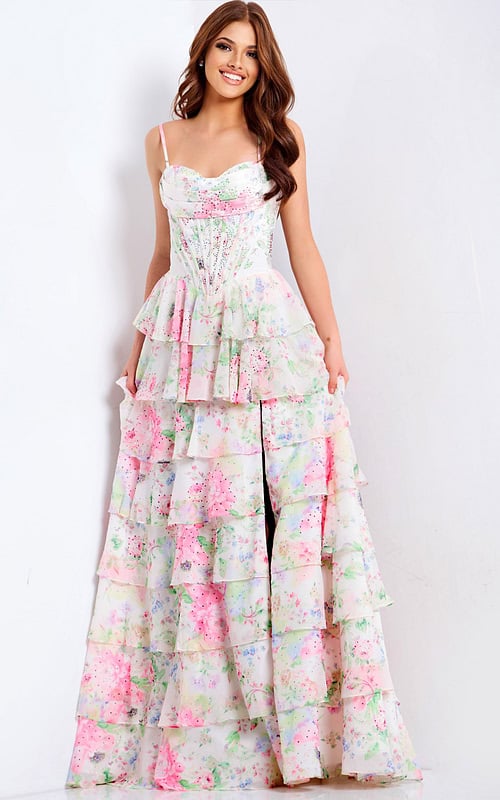
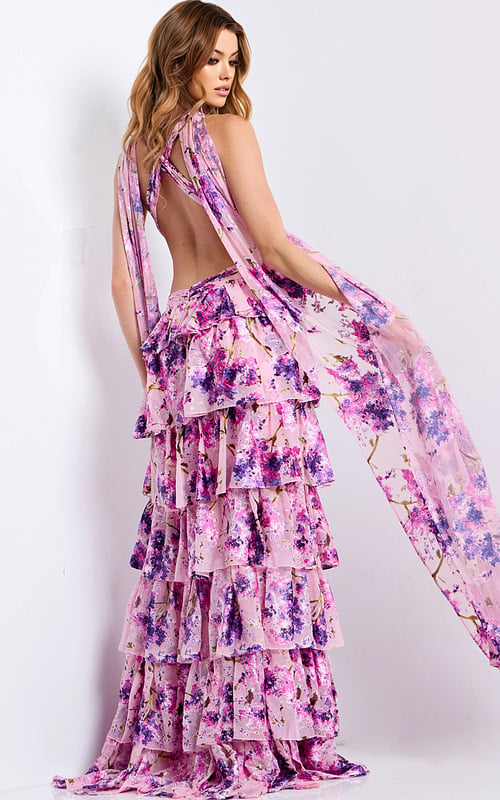
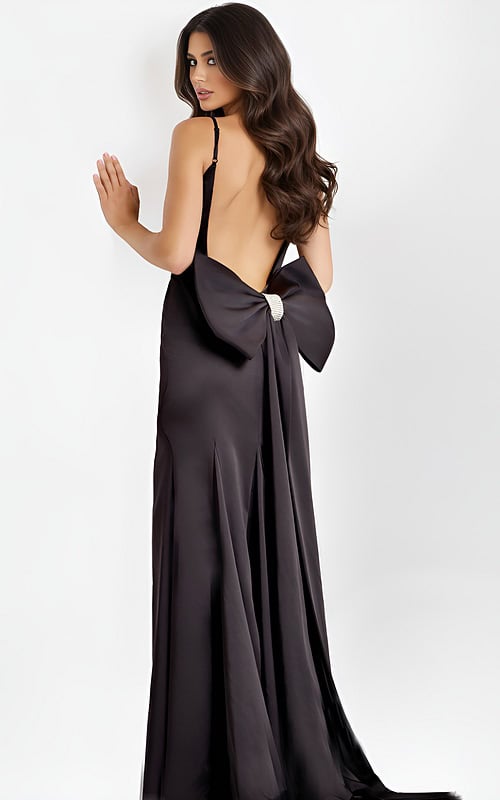
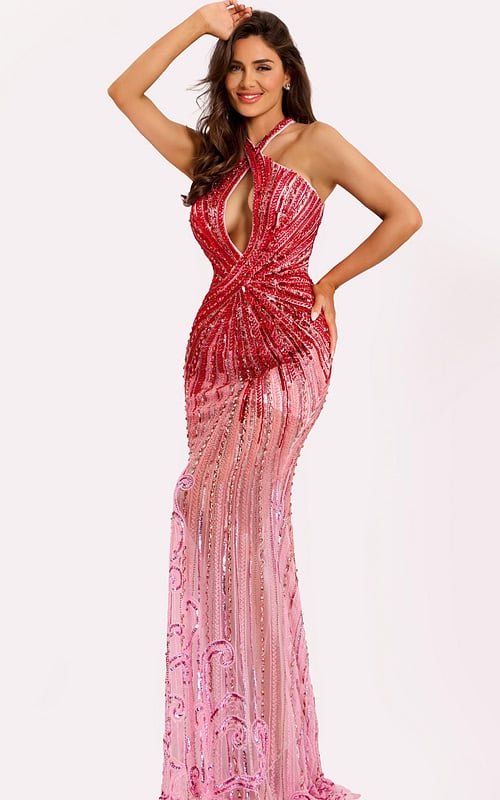
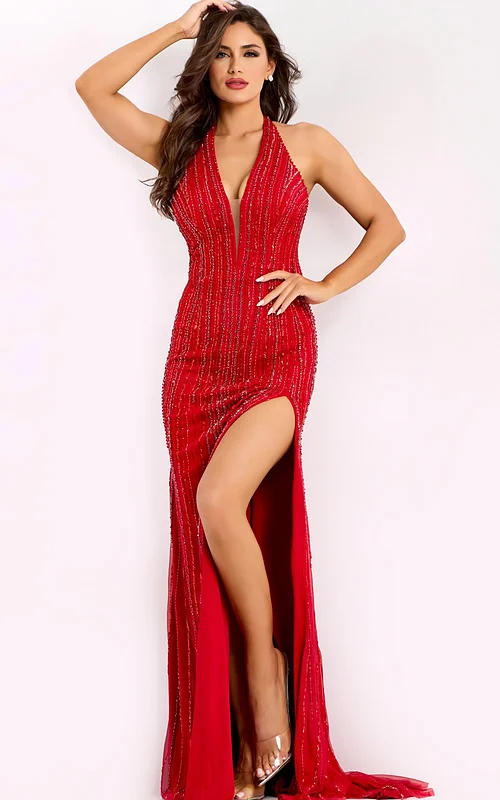
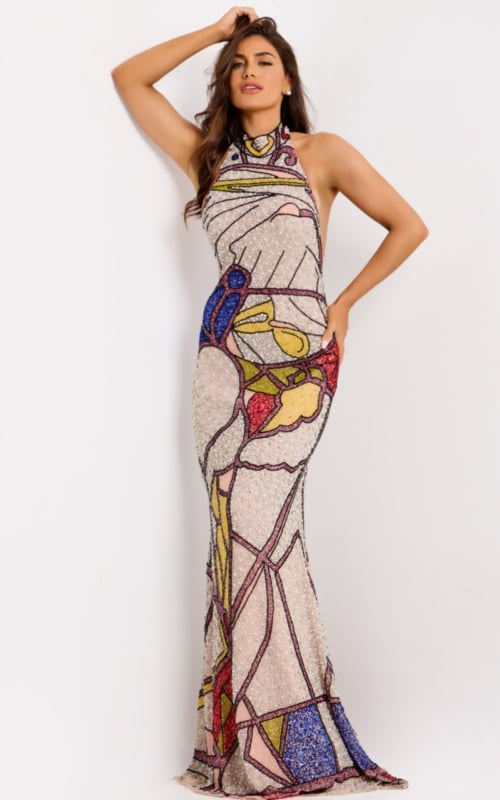
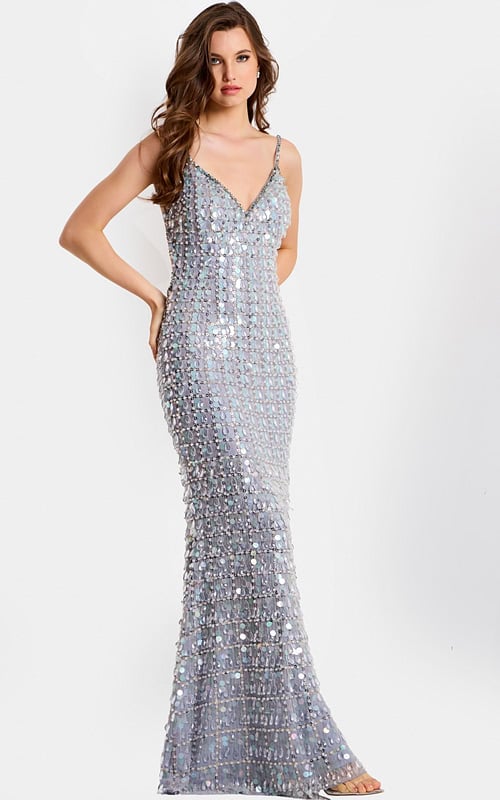
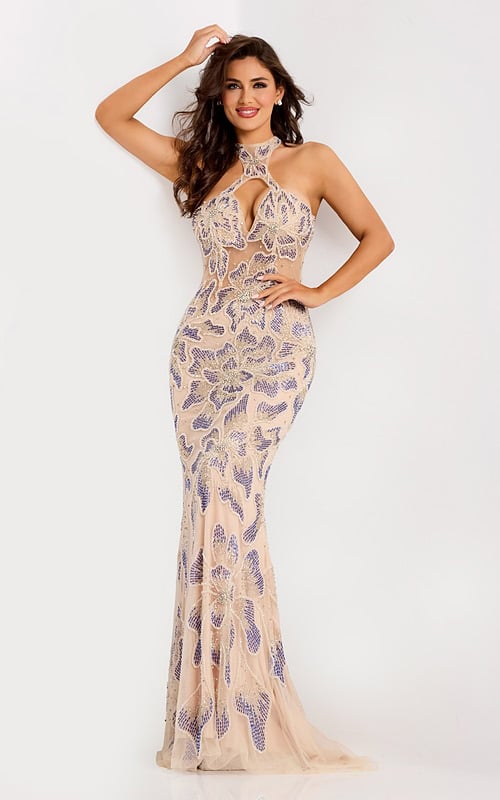
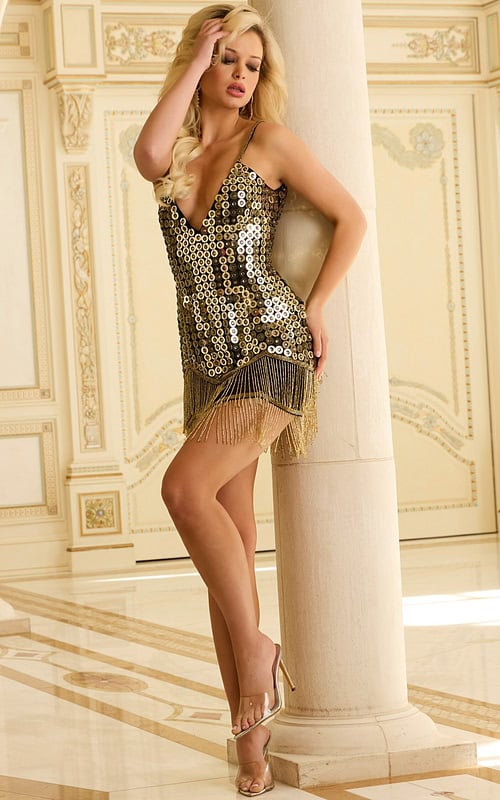
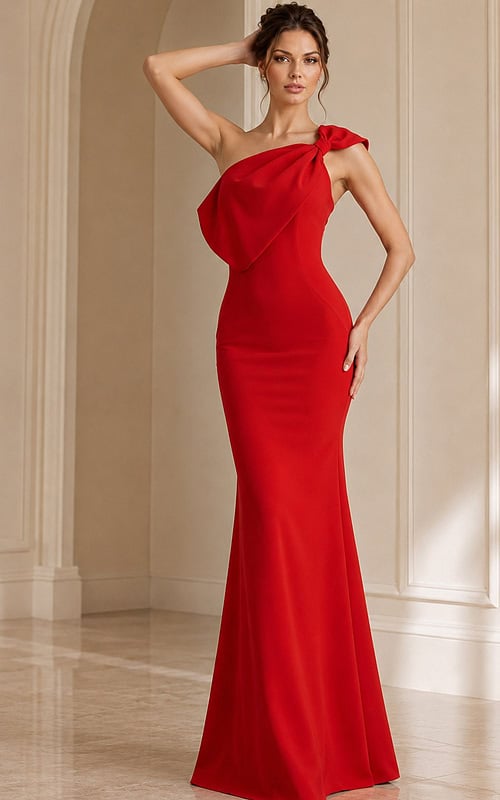
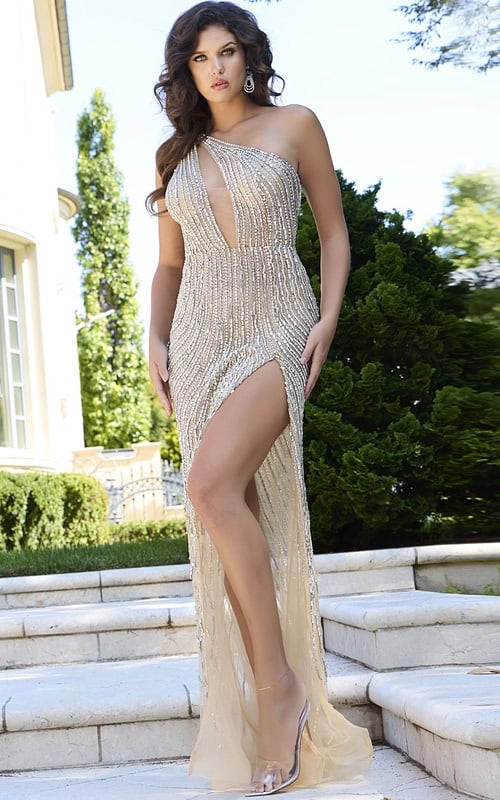
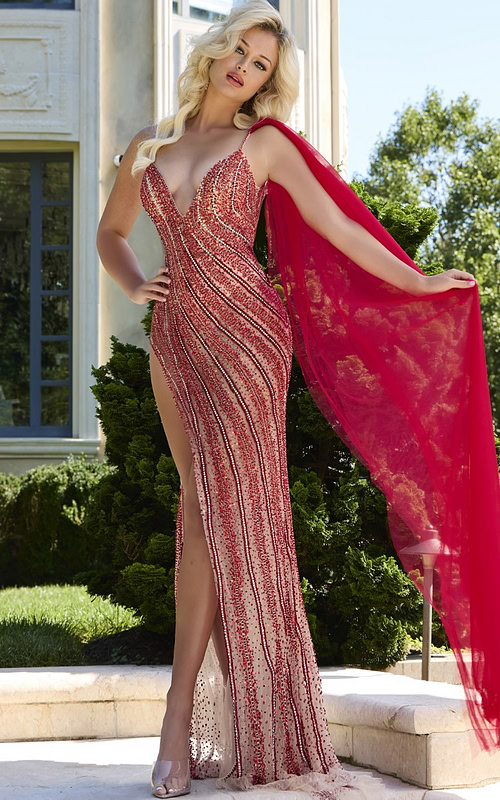
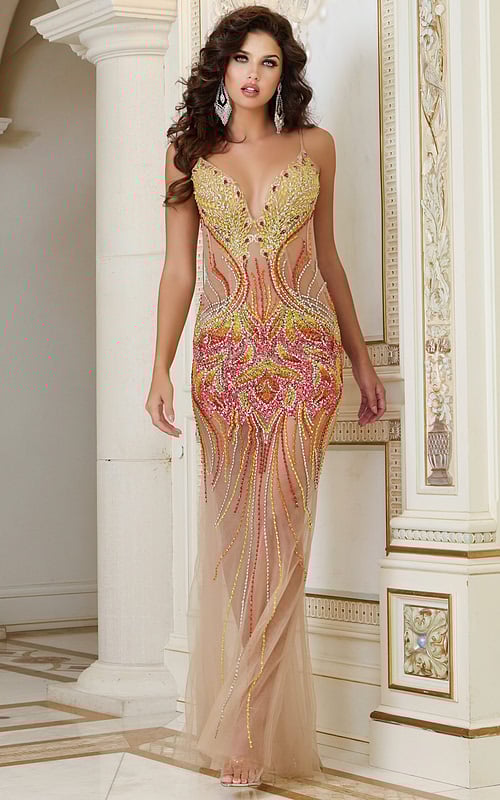
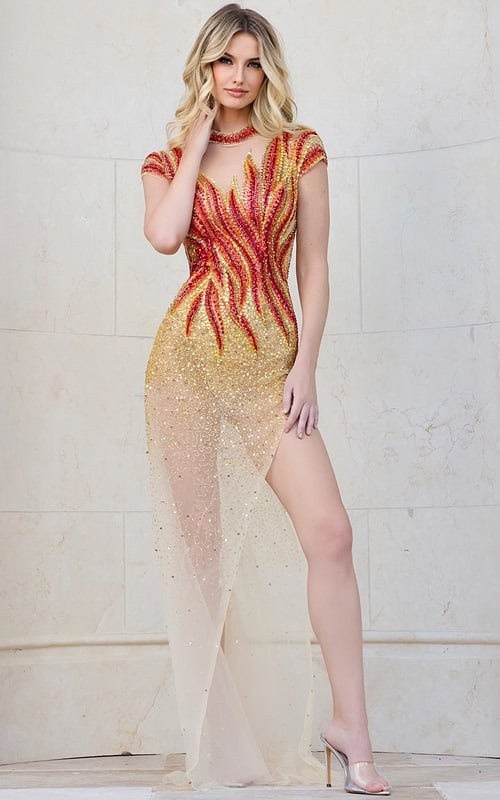
Fabric changes how backless wedding guest dresses sit, move, and hold their shape. Satin gives a smooth surface and enough visual weight for columns, fitted gowns, and softly draped silhouettes. Crepe has a quieter finish and works well when the design depends on sharp seams and controlled shaping. Chiffon creates lighter movement and pairs naturally with halter necklines, tiered skirts, and softer A-line forms. Stretch fabrics can make a close fit more comfortable, but they still need enough recovery to keep the back opening stable. Beaded or sequined fabrics add texture to a simpler shape, while floral prints can soften the effect of a lower back.
When comparing backless wedding guest gowns, look beyond the fabric name and consider lining, weight, and how the material responds around the waist and shoulder straps. A fabric that drapes beautifully but pulls at the closure can change the intended line of the dress.
Long, Short, and Bare-Shoulder Silhouettes
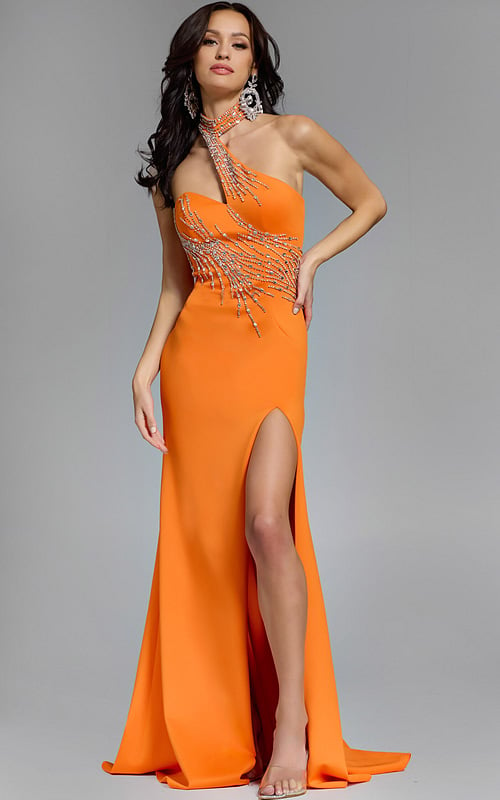
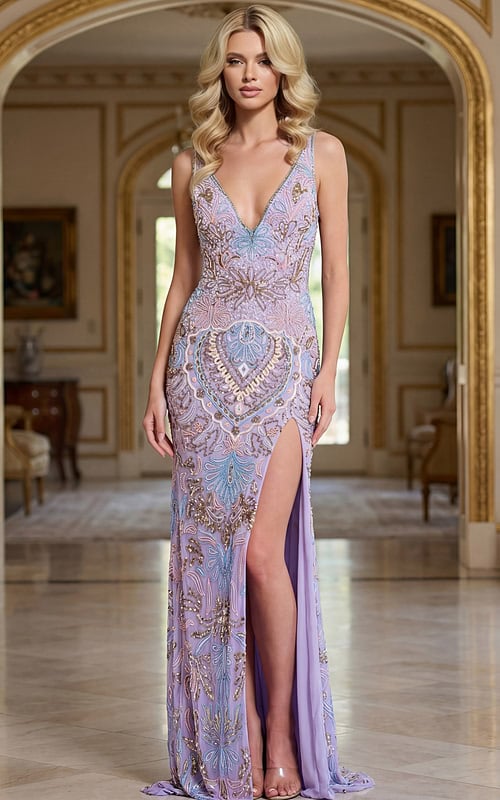
Length changes the visual balance of a backless design. A floor-length dress gives an open back more room to feel refined because the longer skirt creates a strong vertical line. Mermaid shapes add definition through the body, while A-lines feel softer and allow easier movement. A fitted column keeps the focus on clean proportions and works especially well with a low scoop or narrow V-back.
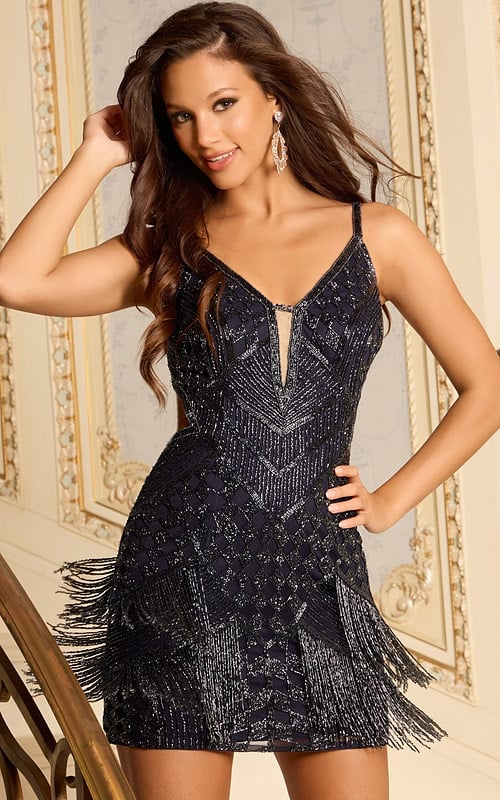
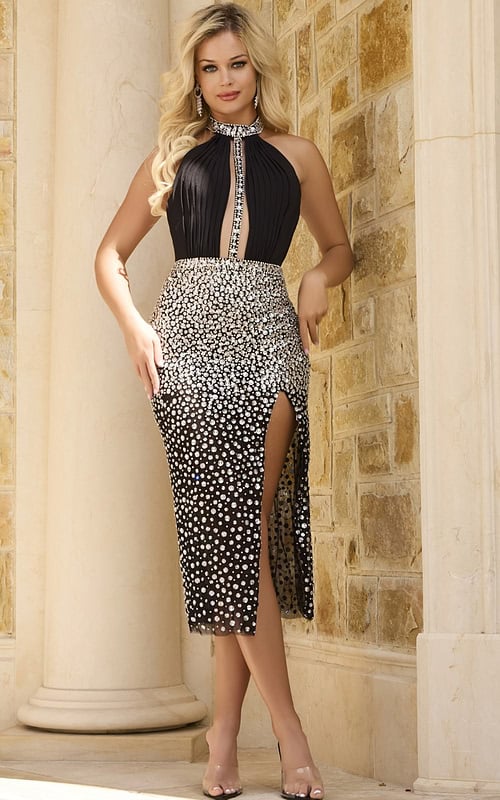
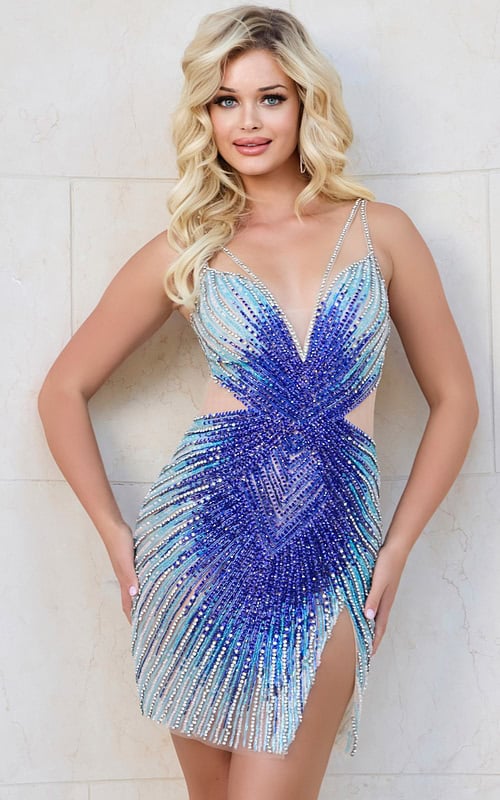
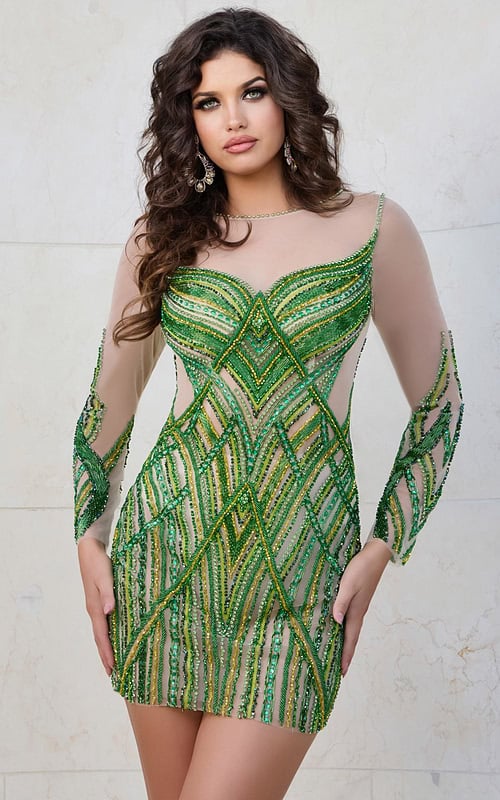
Shorter designs can also carry an open back, but proportion becomes more important as the hem rises. short wedding guest gowns with structured bodices, polished fabrics, or controlled embellishment keep the look intentional rather than overly exposed. For shoppers drawn to halters, narrow straps, or shoulder-focused shapes, sleeveless wedding guest outfits offer useful points of comparison. Shoulder treatment can change both the level of support and how open the back appears from different angles.
How Much Back Exposure Suits the Wedding Setting
A backless dress can be appropriate for a wedding when the overall design feels balanced and suits the setting. The question is less about whether the back is open and more about how the back, neckline, length, and fabric work together. A low scoop paired with a longer skirt may feel restrained, while a deep open back with a very short hem creates a stronger effect.
For a more traditional setting, consider a higher open back, a keyhole, or straps that add coverage. Outdoor and destination celebrations may suit lighter fabrics and softer shapes, while more formal settings can support stronger structure and longer lines. Color changes the impression as well. Rich jewel tones, black, navy, deep green, burgundy, and muted metallics give a low-back design more visual weight, while softer shades and prints create a lighter effect. The aim is to choose a backless wedding guest gown that feels considered from the front, side, and back rather than focusing on one feature alone.
Details Worth Comparing Before Choosing Your Dress
Before choosing among backless wedding guest dresses, compare the details that determine how the dress will wear for several hours. Check whether the bodice is lined, whether cups or boning are built in, how the straps are anchored, and whether the zipper or closure lies flat. For lower backs, consider whether the design works comfortably with adhesive cups, fashion tape, or another support option if needed.
Seam placement matters too. Ruching can soften the fit around the waist, while corset-inspired seams create more definition. A lace-up back offers some adjustability, but it should still sit smoothly rather than pulling across the sides. Jovani uses these construction details to support open-back shapes while keeping the silhouette clean.
Finally, think beyond the first wear. A simpler satin, crepe, chiffon, or lightly embellished design can work across different wedding seasons with a change of accessories. Stable straps, quality lining, and a silhouette that remains comfortable through sitting and movement add more value than a back detail that requires constant adjustment.