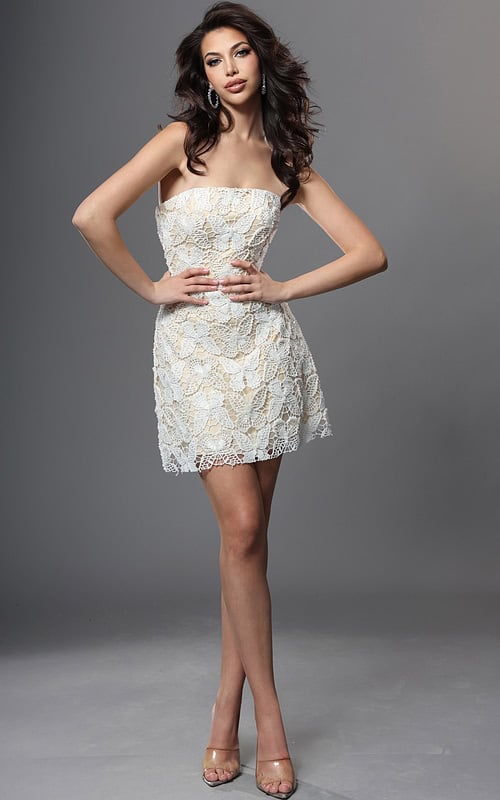
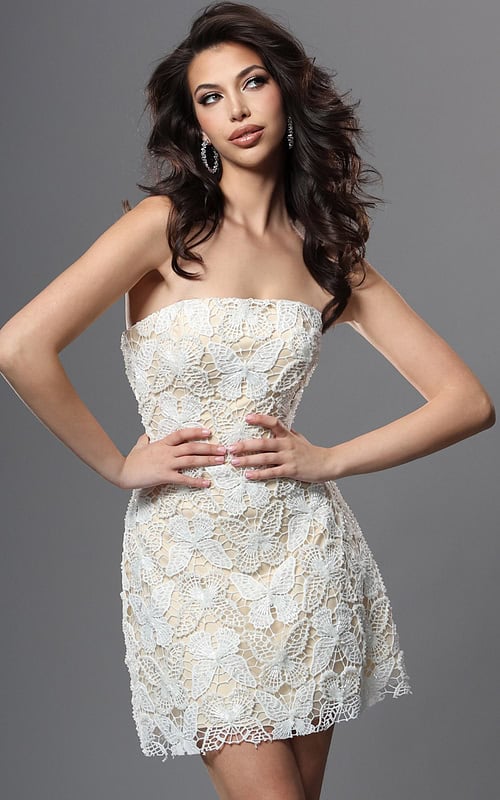
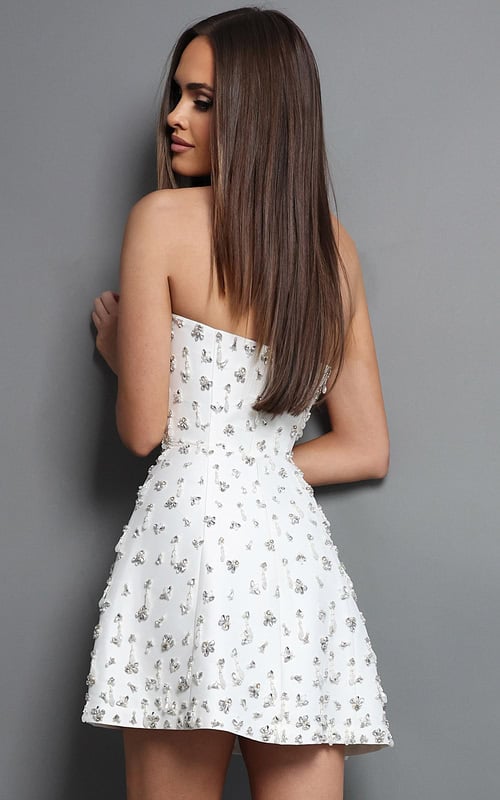
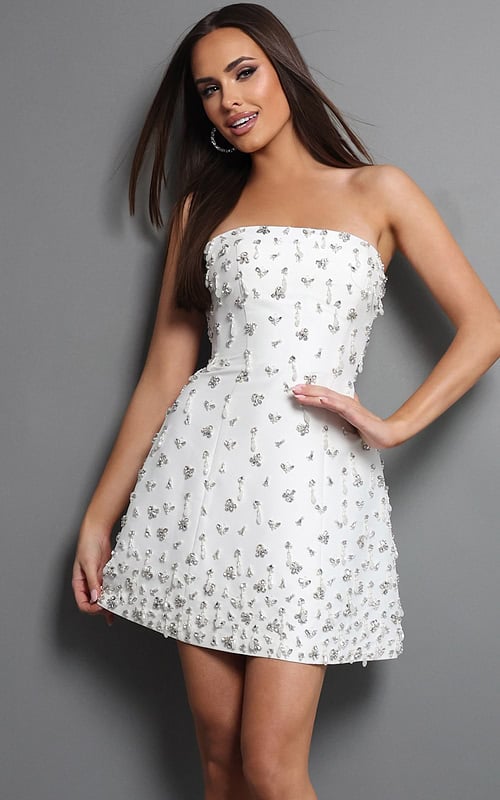
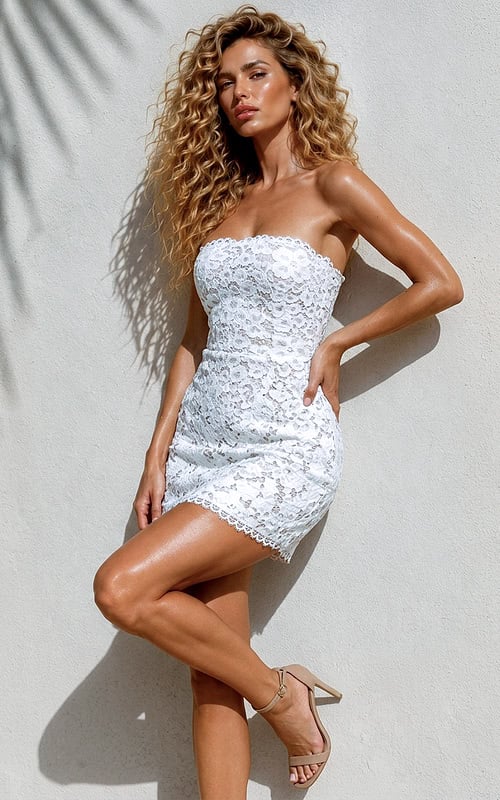
Wedding reception dresses for the second look
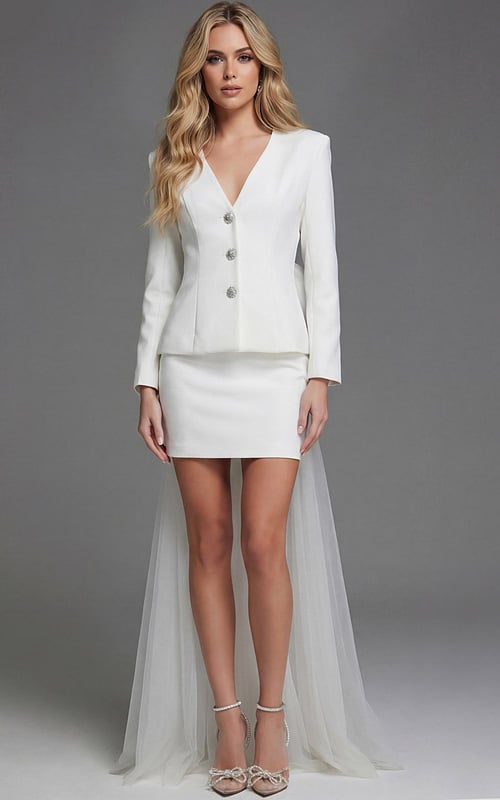
A reception change works best when it feels intentional rather than simply easier than the ceremony gown. Wedding reception dresses can introduce a different proportion, texture, or level of embellishment while remaining connected to the bride’s overall style. A structured mini after a full skirt creates a sharper, more modern silhouette; a fluid satin column offers contrast after lace or dimensional appliqué; sequins, crystals, feathers, or floral details can shift the mood toward the evening.
Brides who want continuity may carry one element from their wedding gowns into the second look a similar neckline, waist treatment, fabric finish, or motif—without repeating the entire design. Brides whose ceremonies are smaller or less formal may also find inspiration among casual wedding dresses, particularly when a longer reception silhouette suits the venue. The strongest second look is still unmistakably bridal, but it has its own point of view.
Short, midi, and long silhouettes
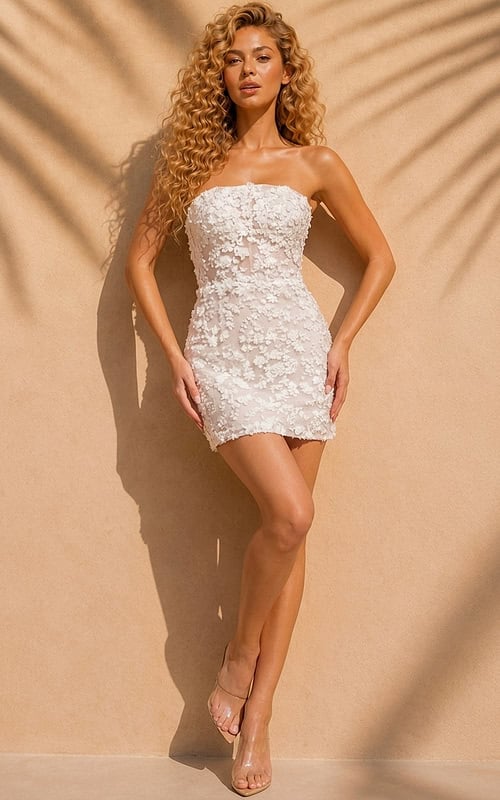
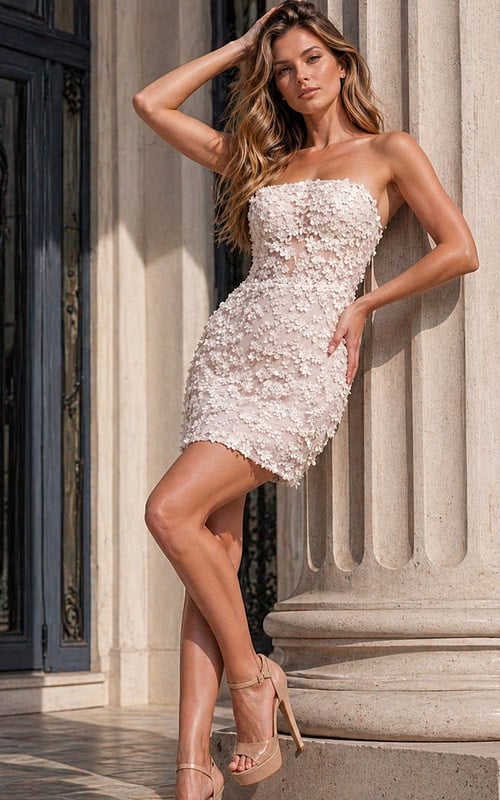
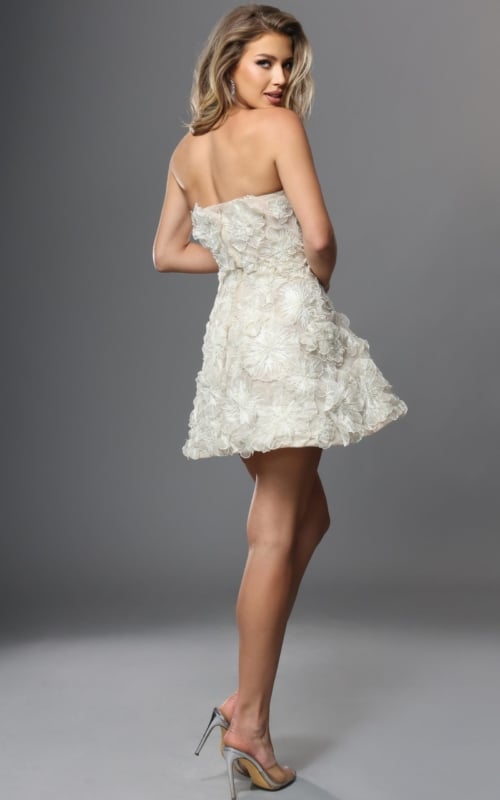
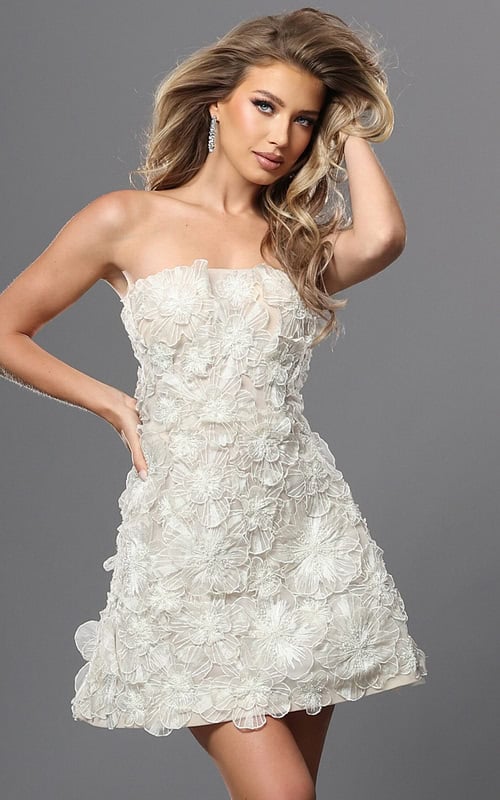
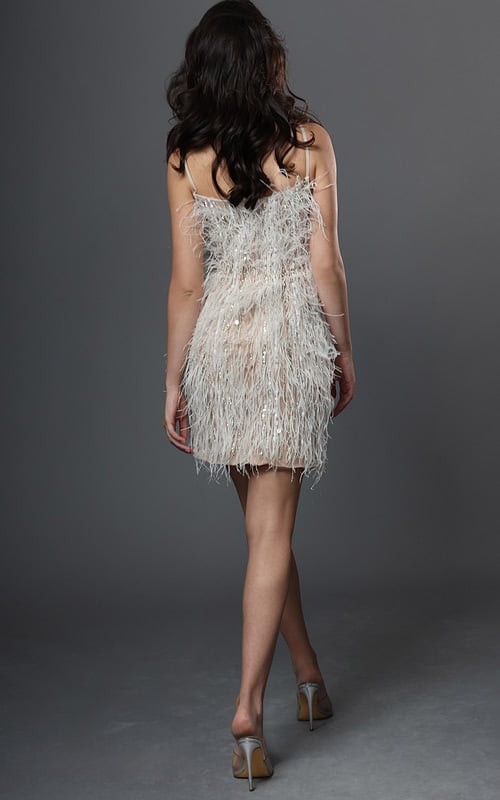
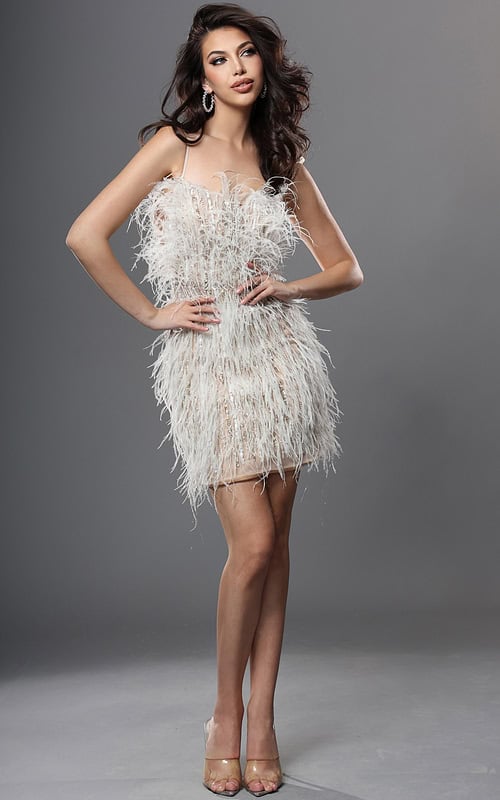
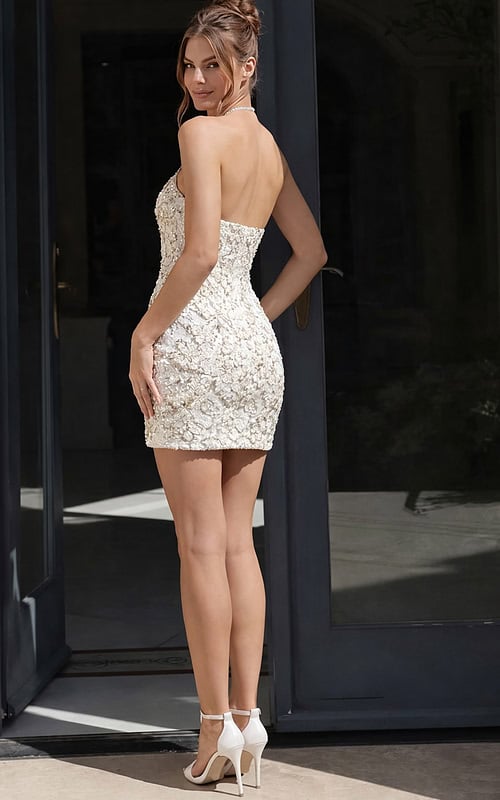
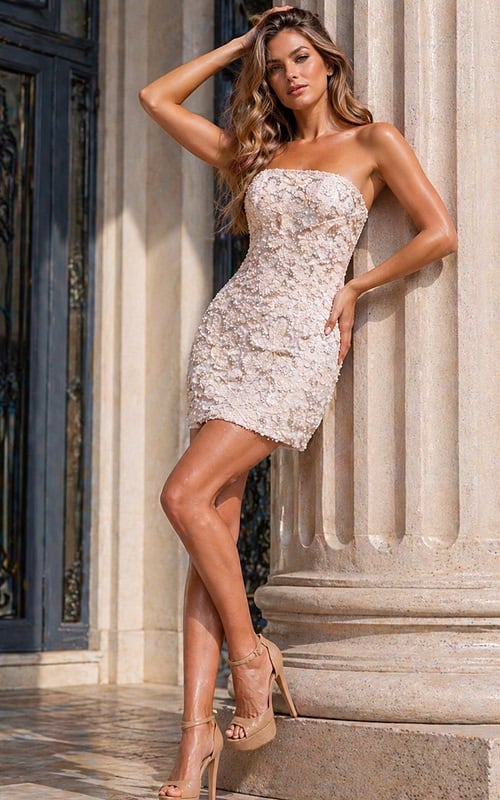
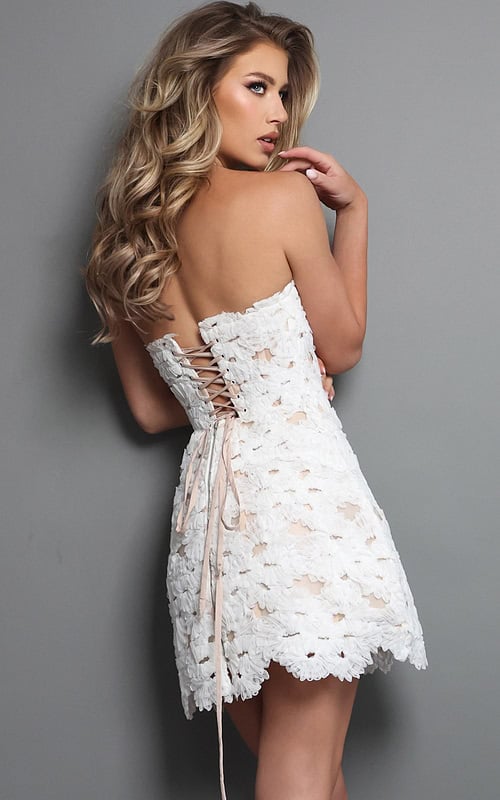
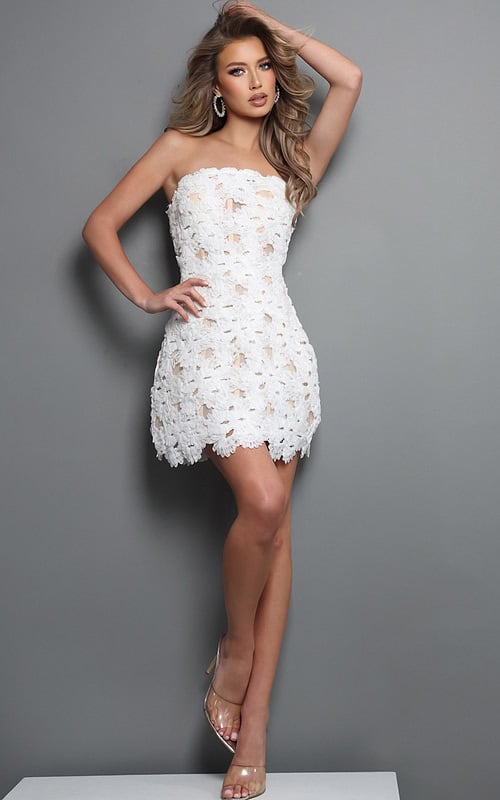
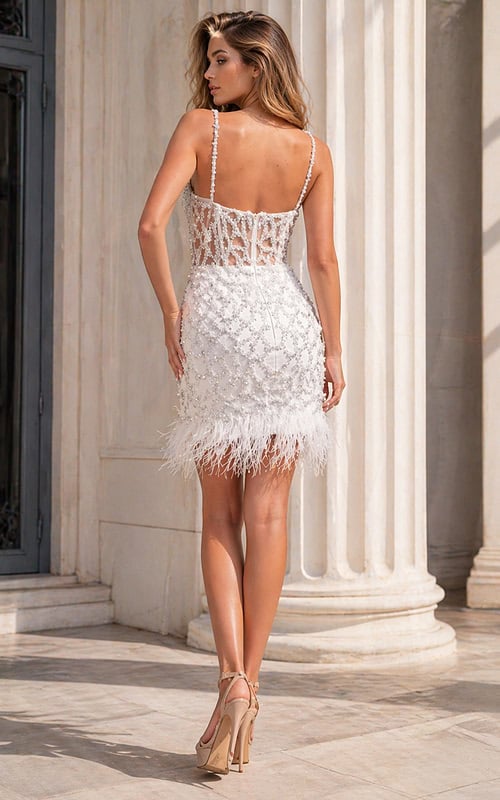
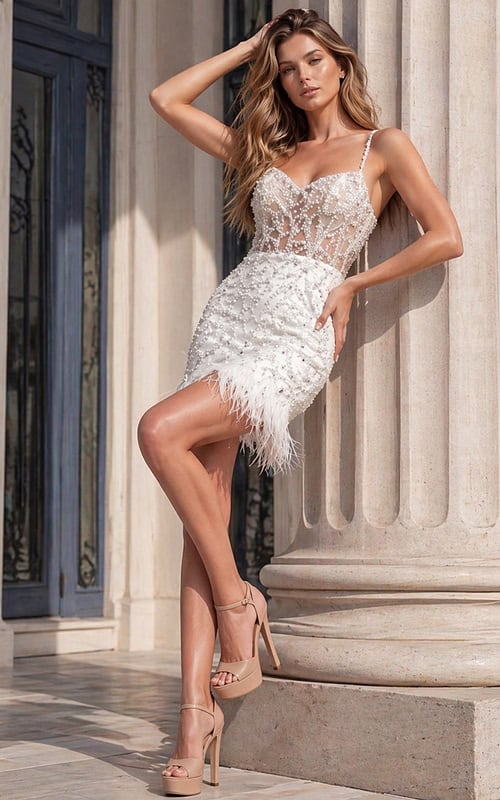
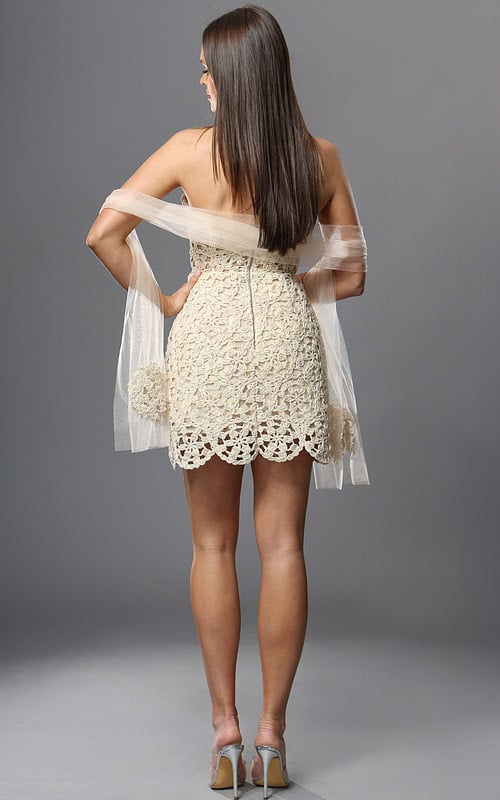
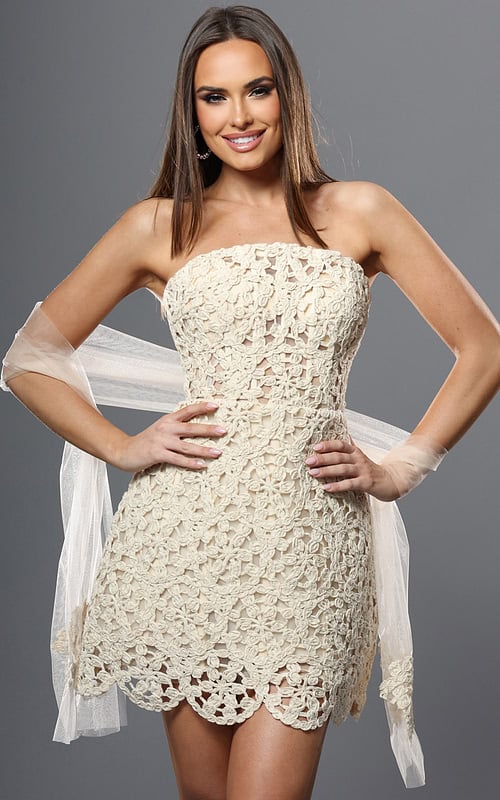
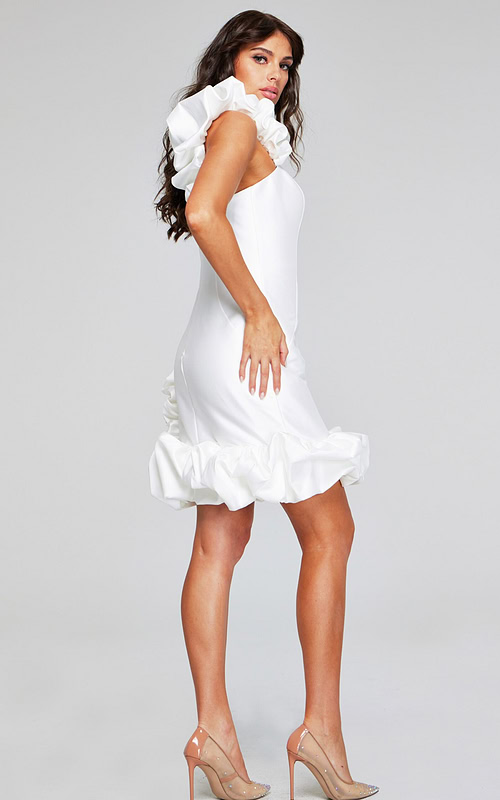
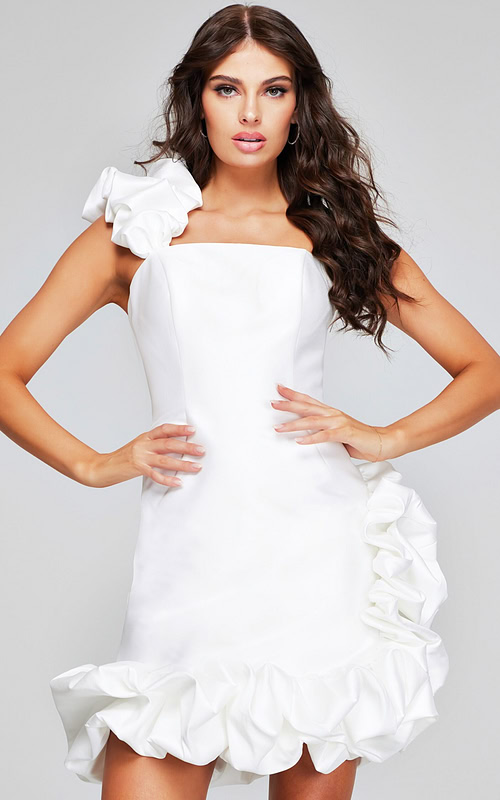
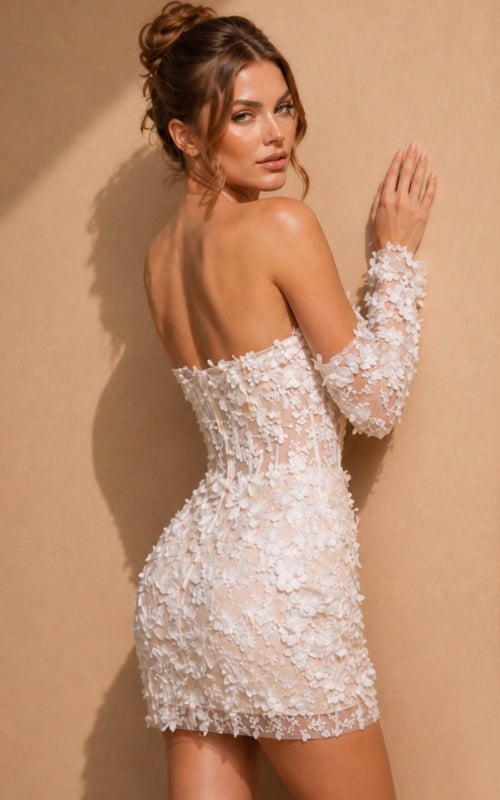
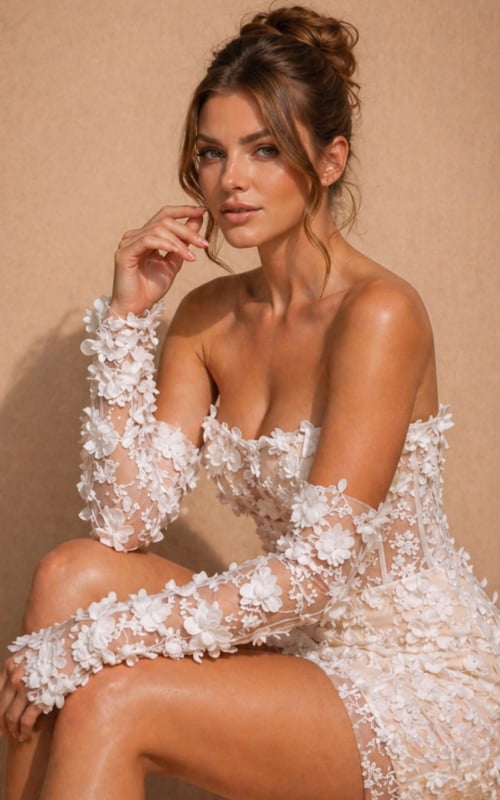
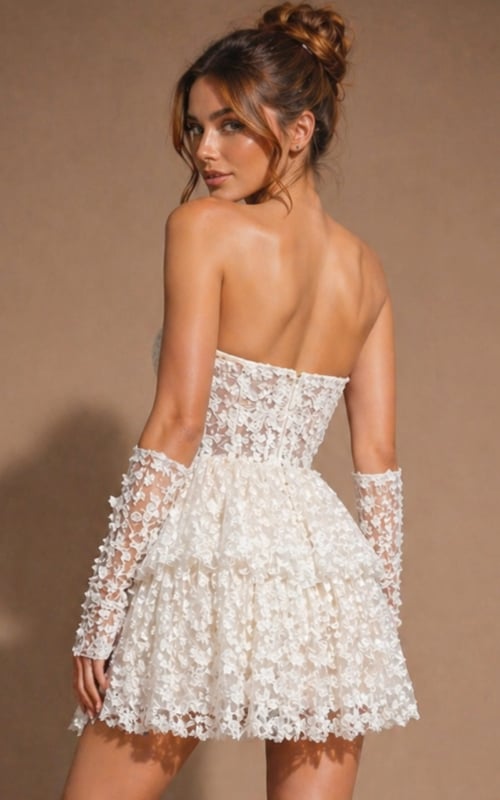
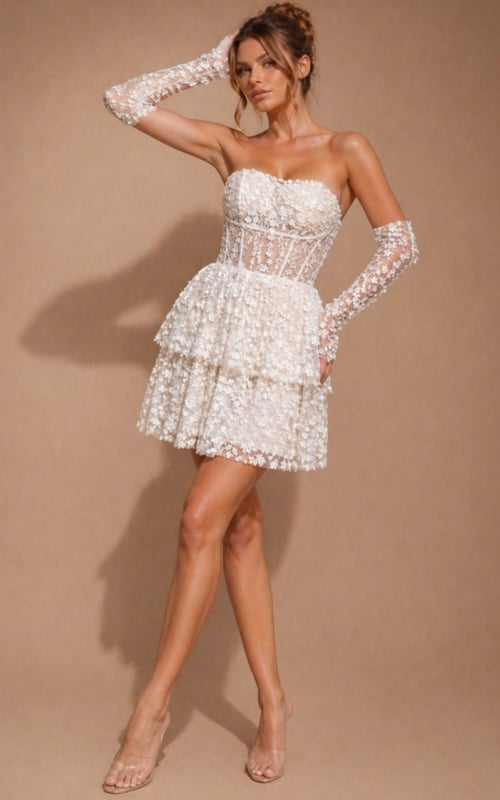
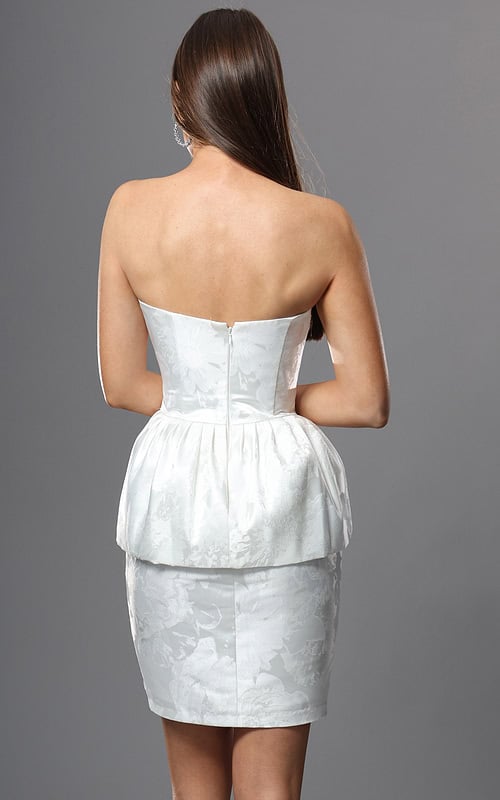
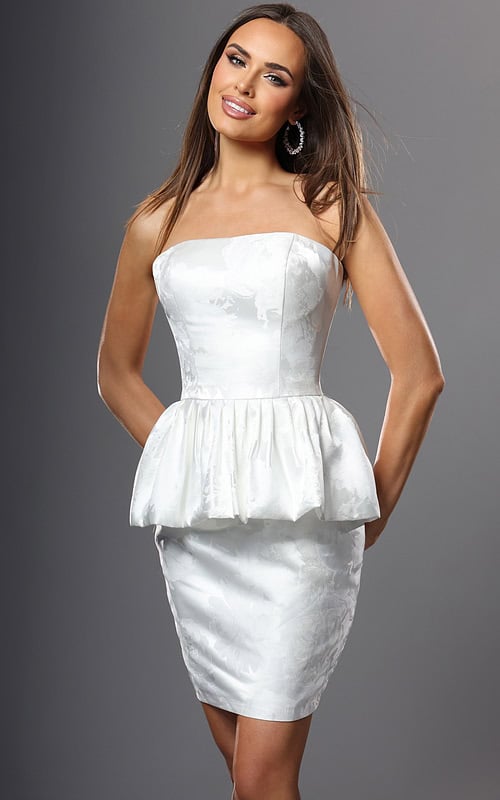
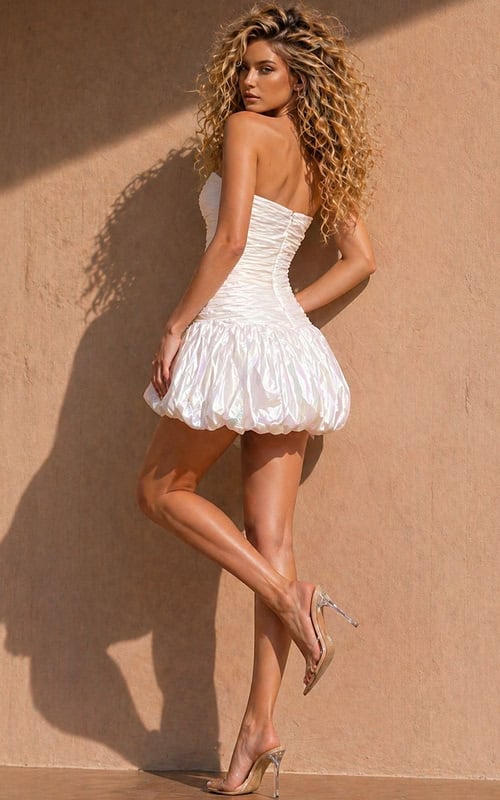
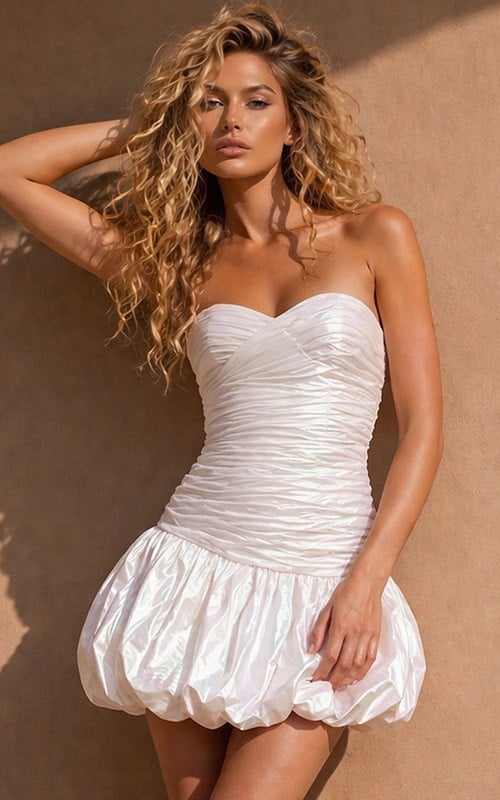
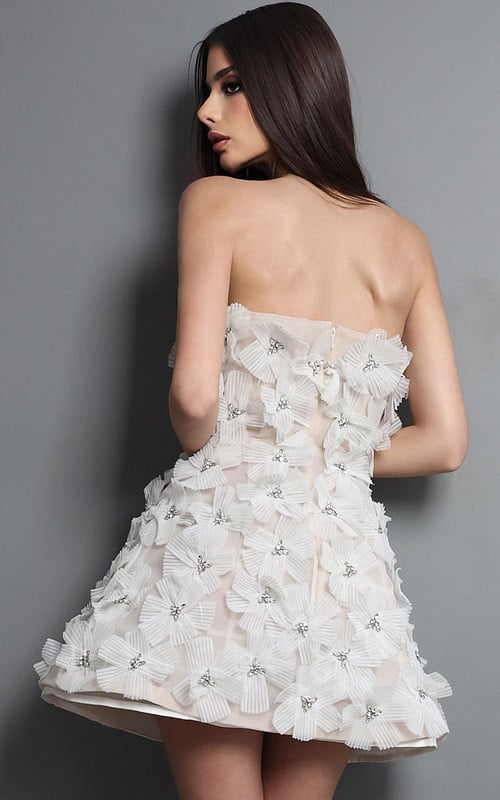
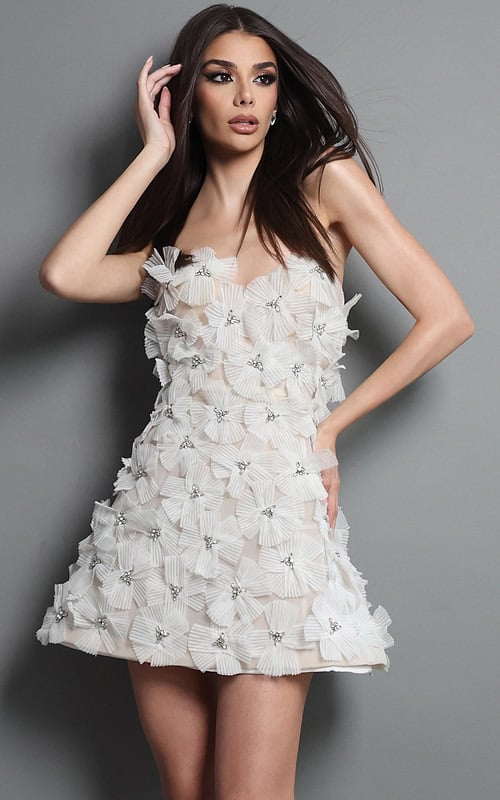
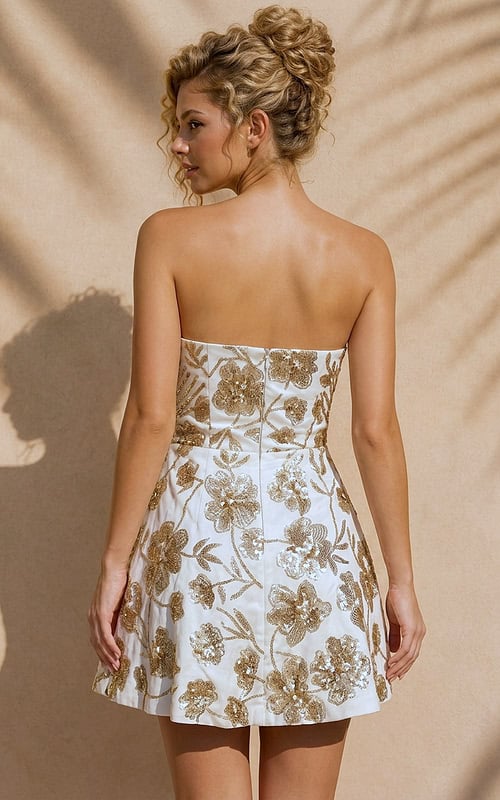
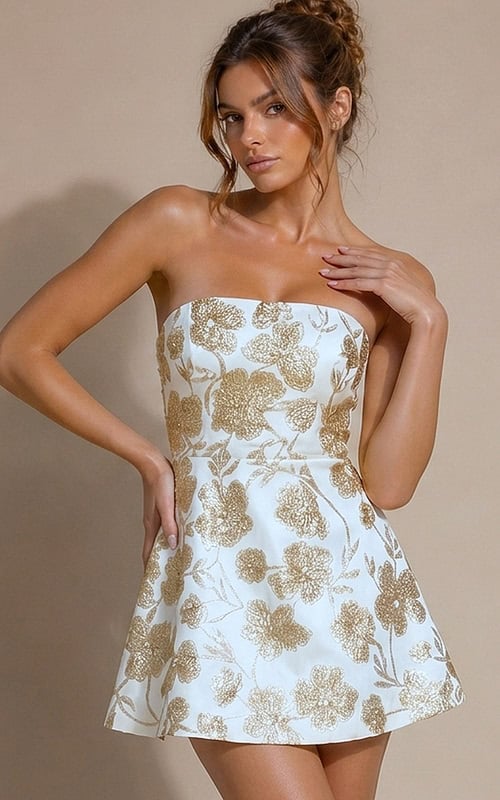
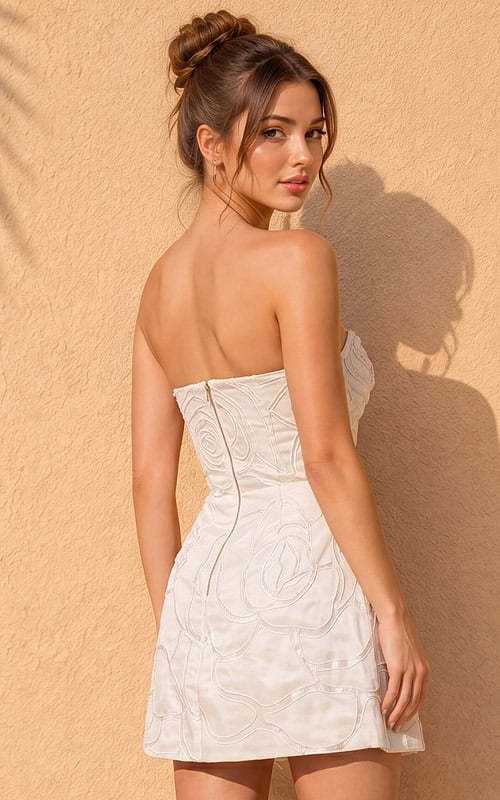
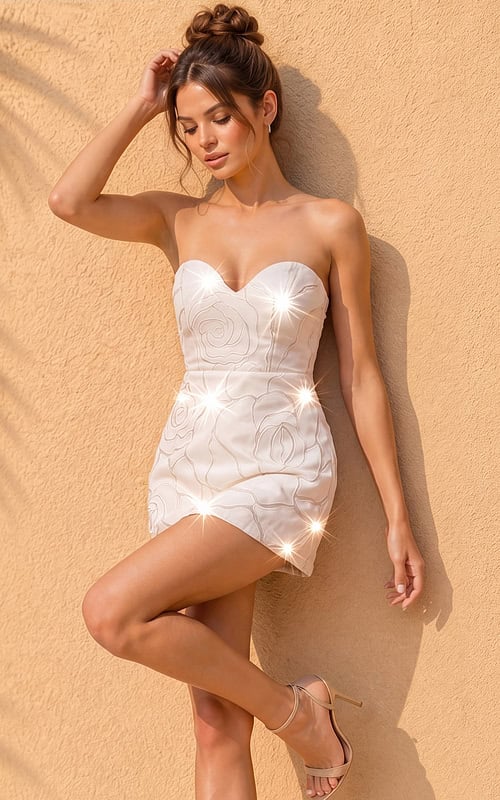
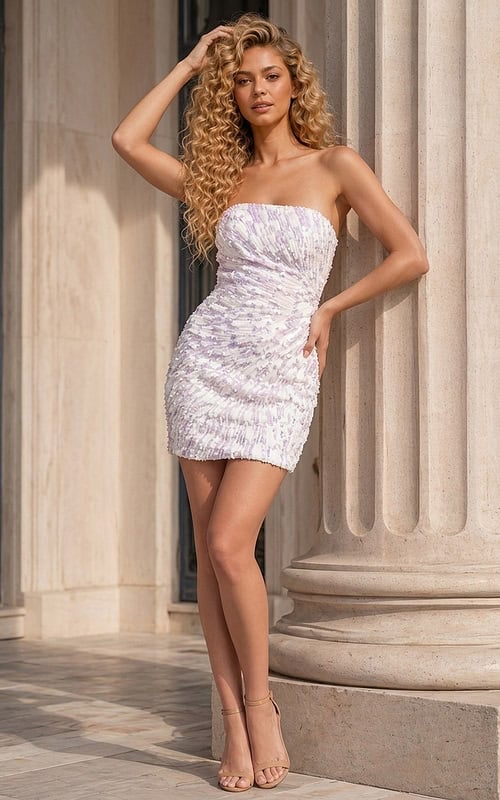
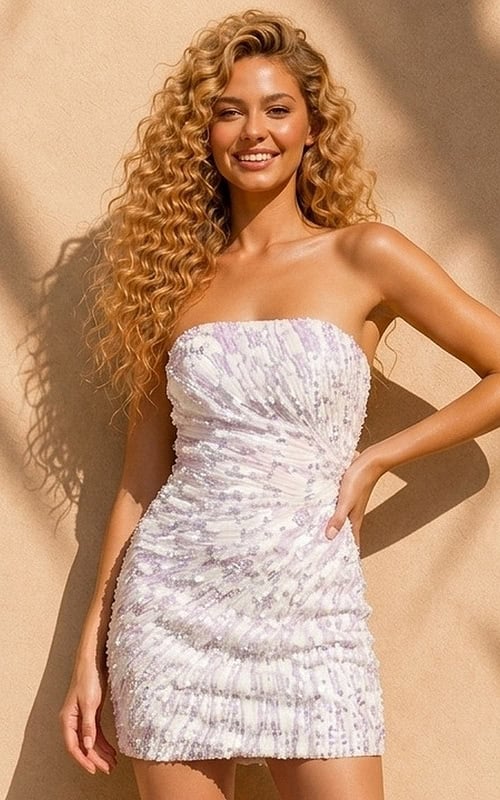
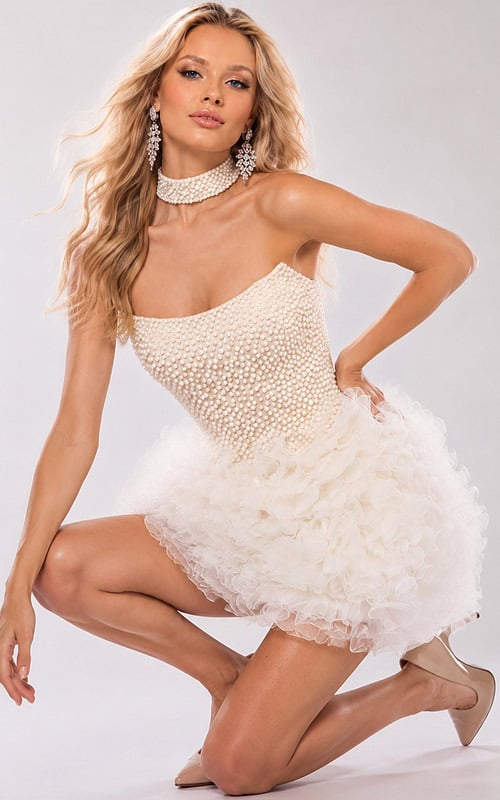
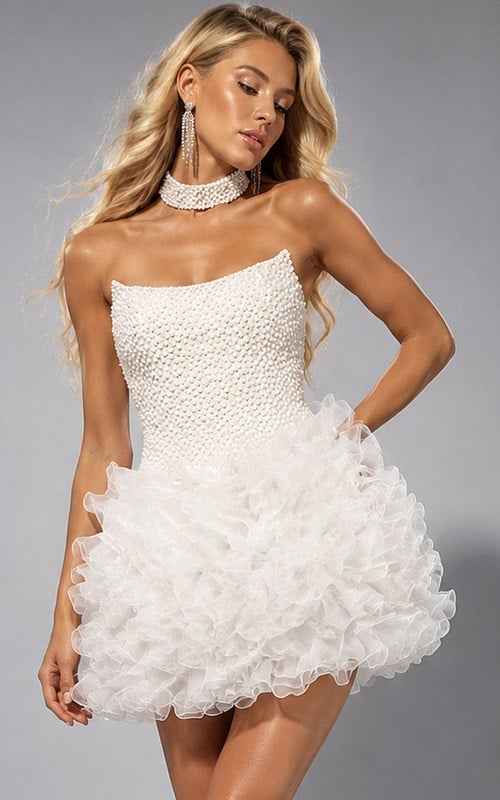
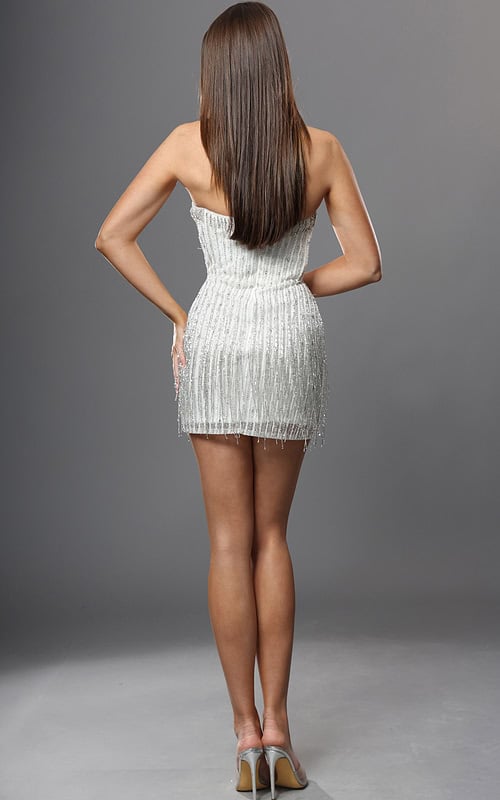
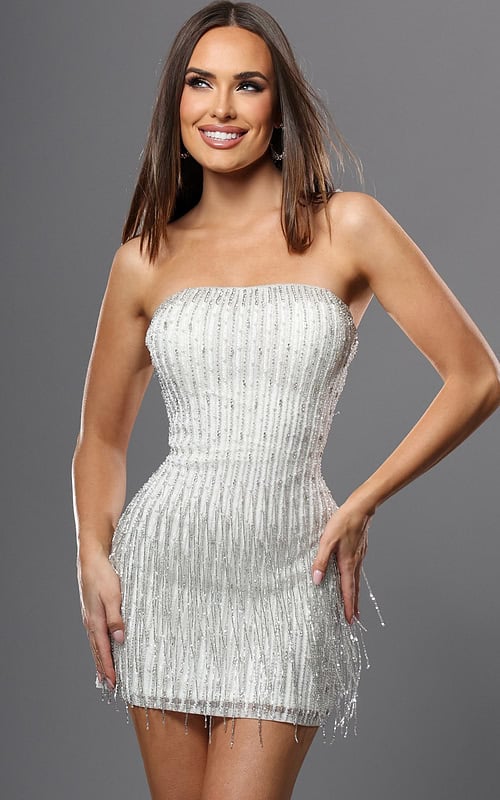
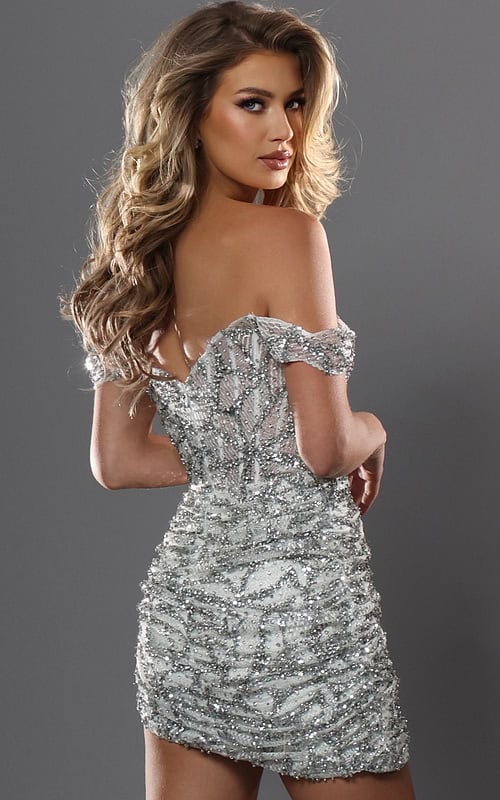
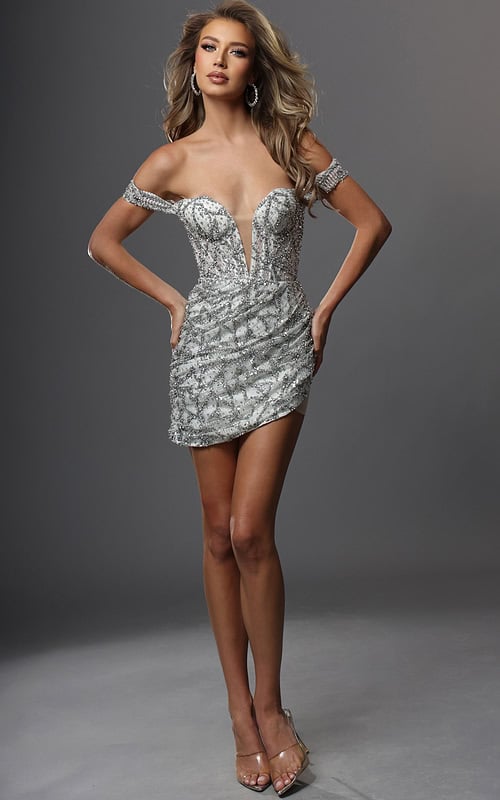
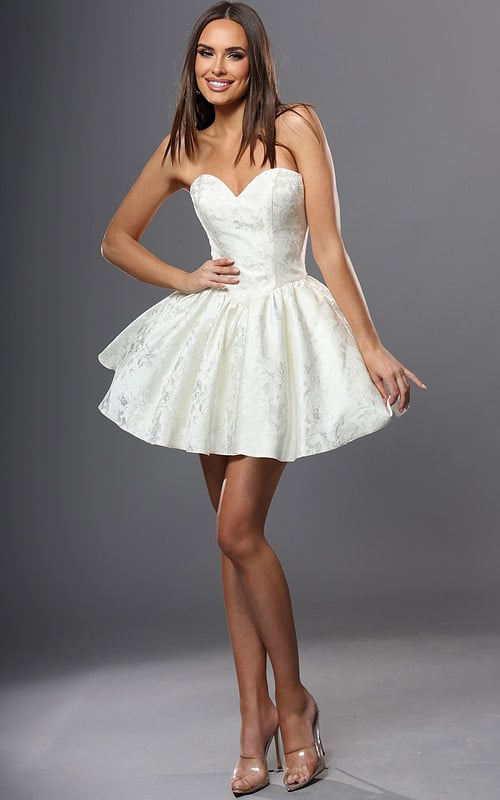
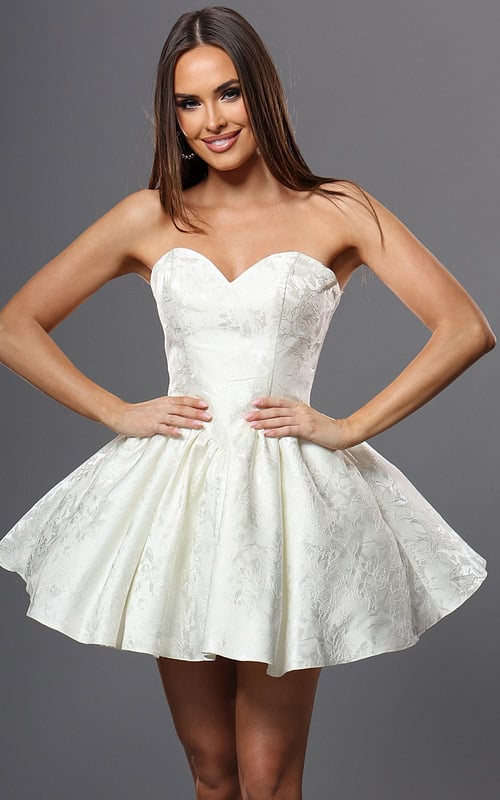
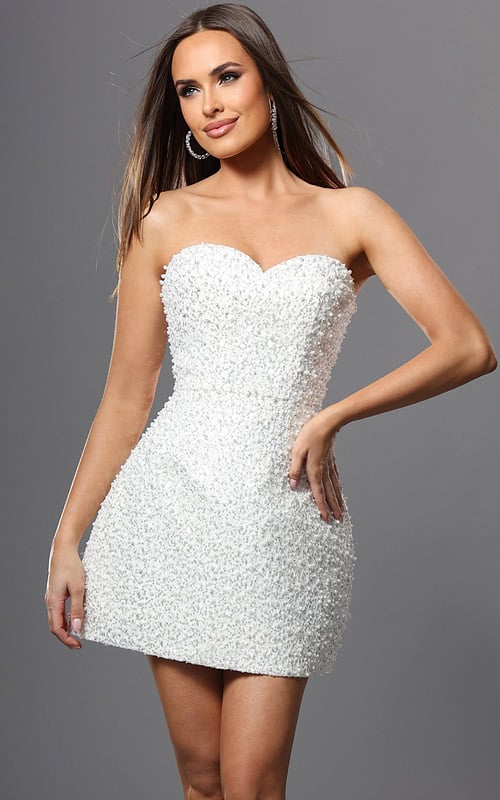
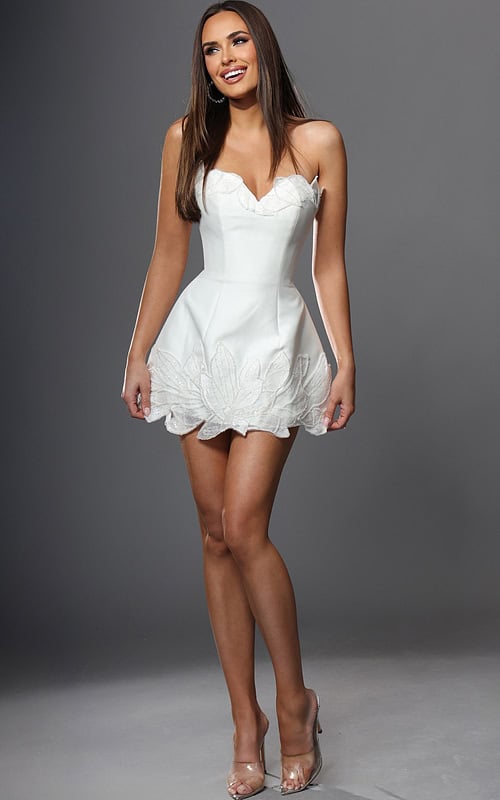
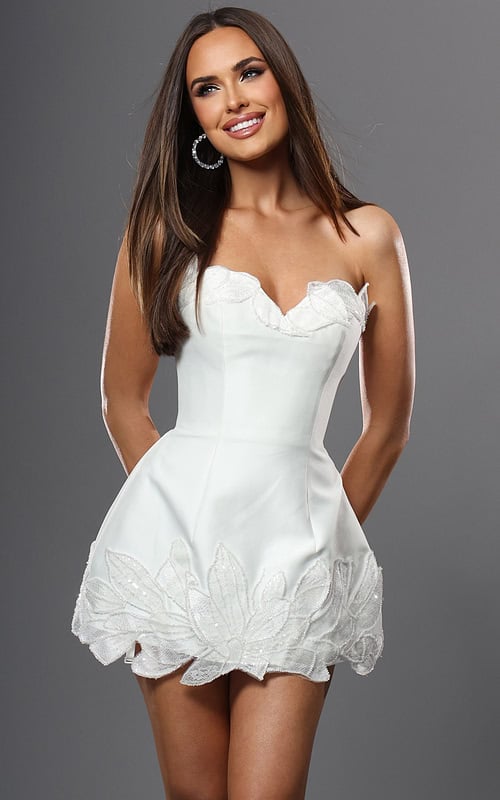
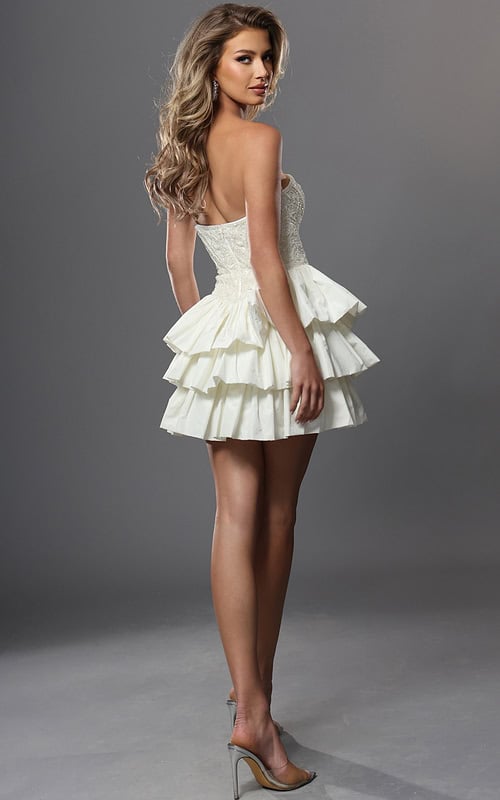
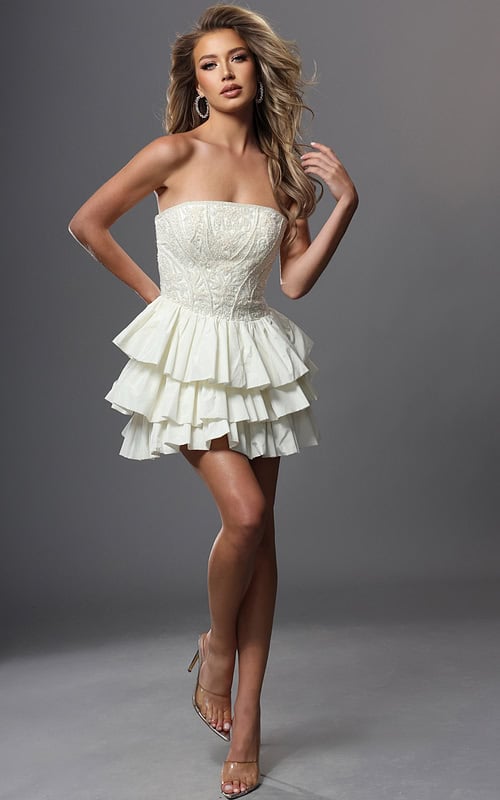
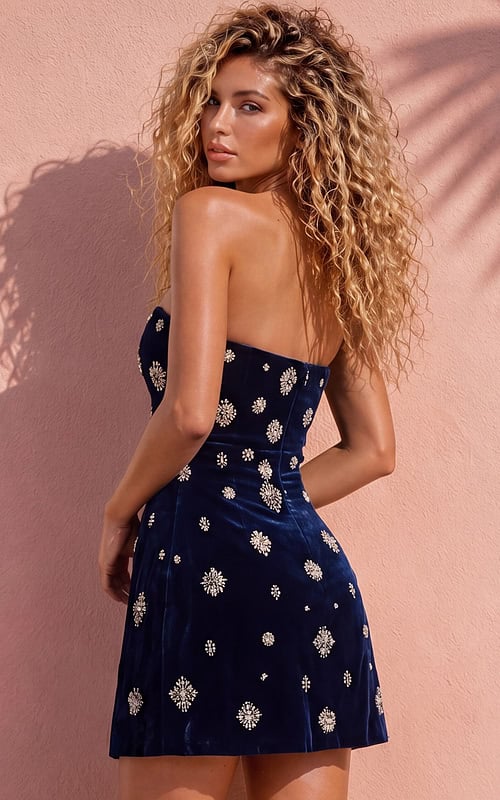
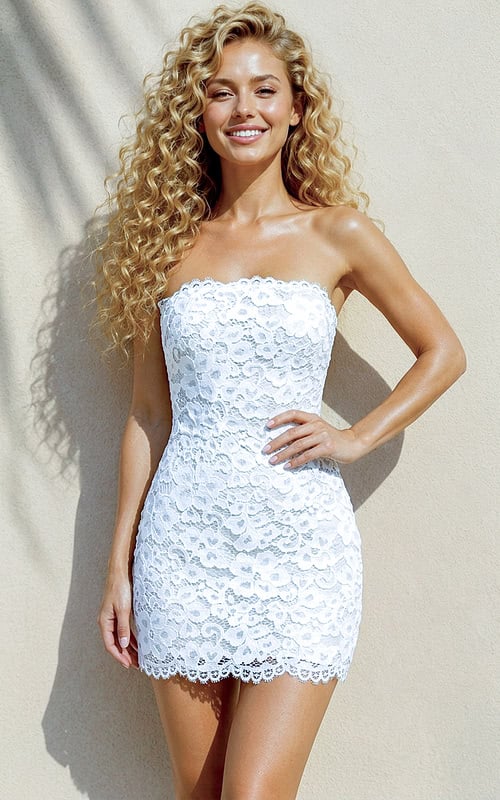
Length immediately changes the character of a wedding reception dress. Minis feel energetic and directional, particularly with structured corsetry, bubble hems, feathers, dimensional flowers, or crystal embellishment. A little white dress can work especially well when the reception shifts toward cocktails, music, and dancing later in the evening.
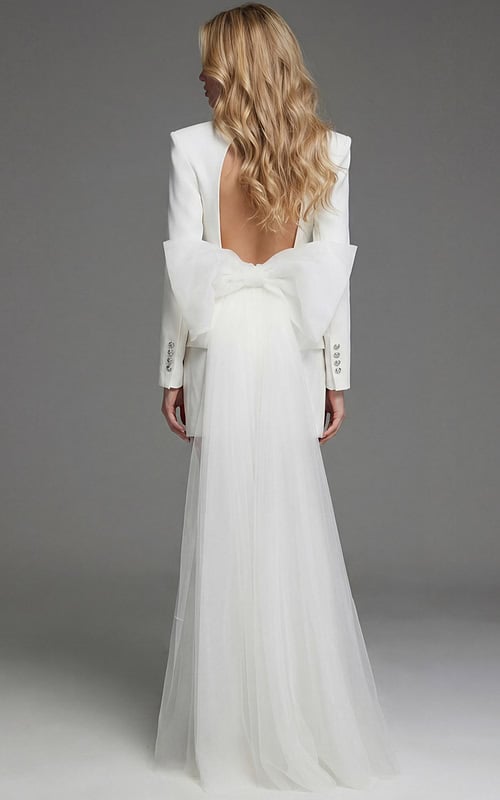
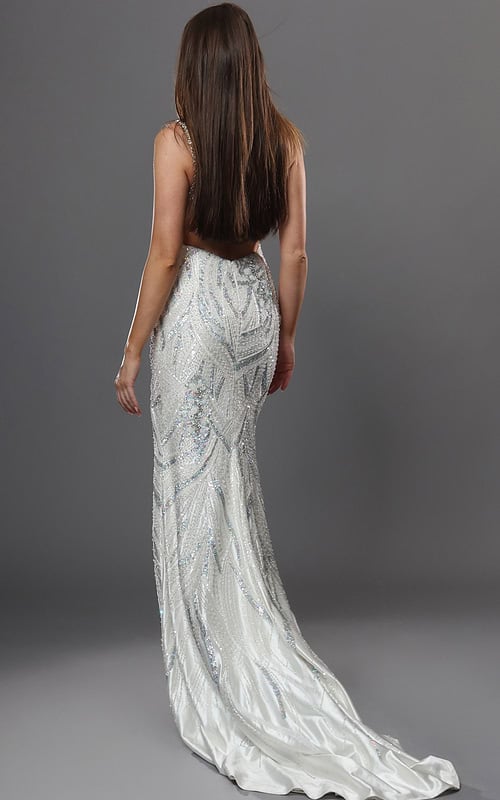
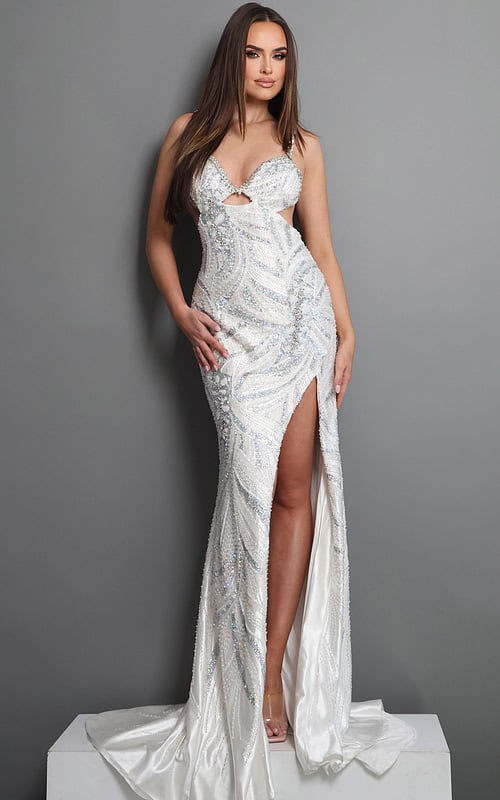
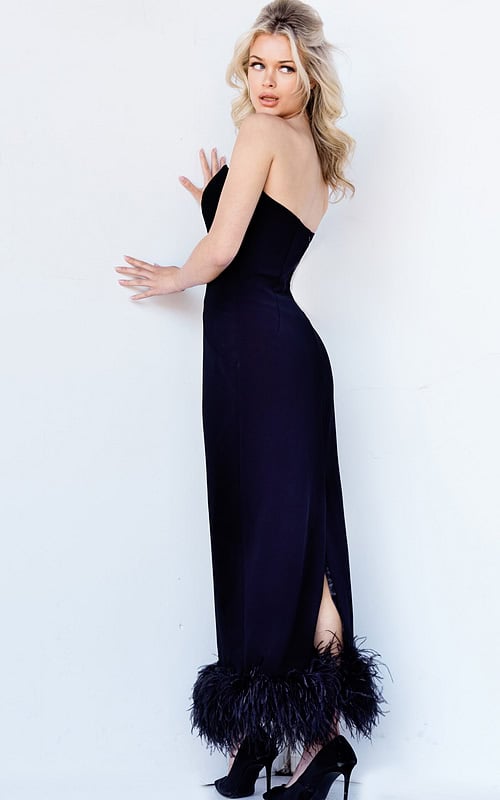
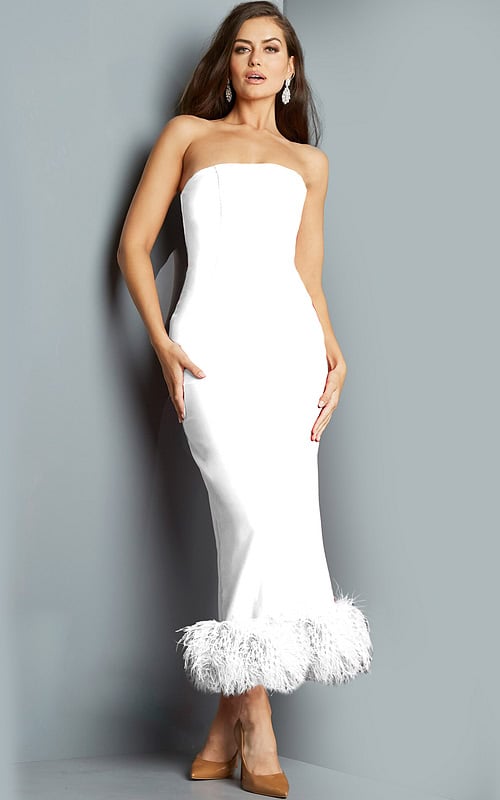
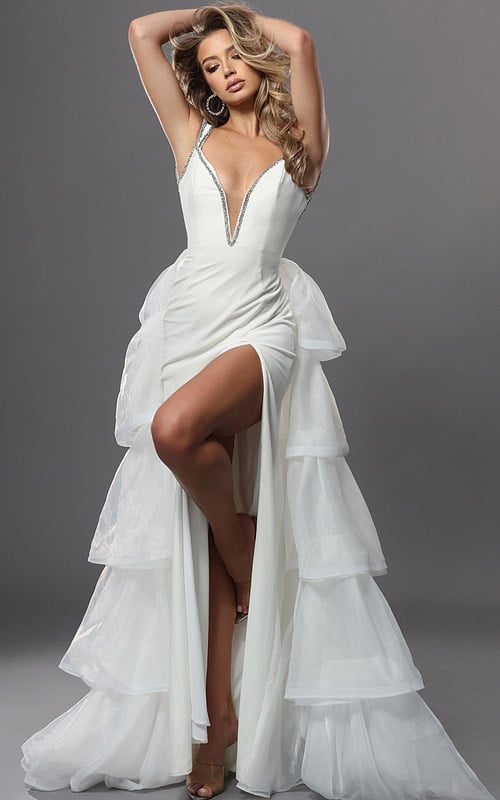
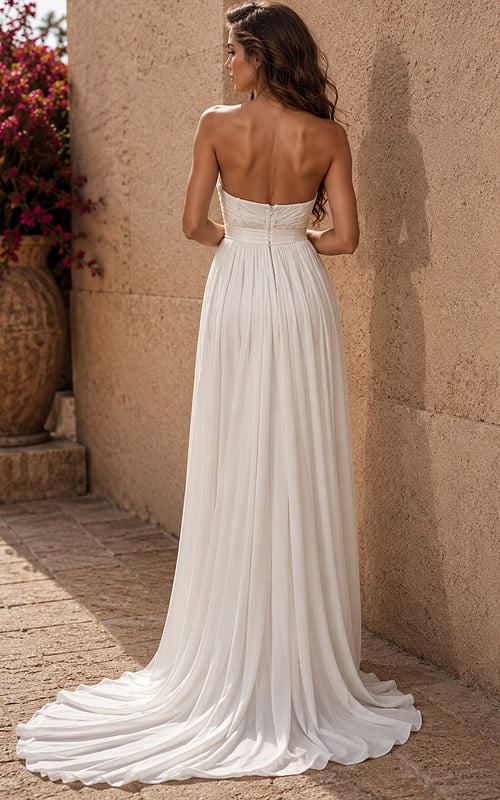
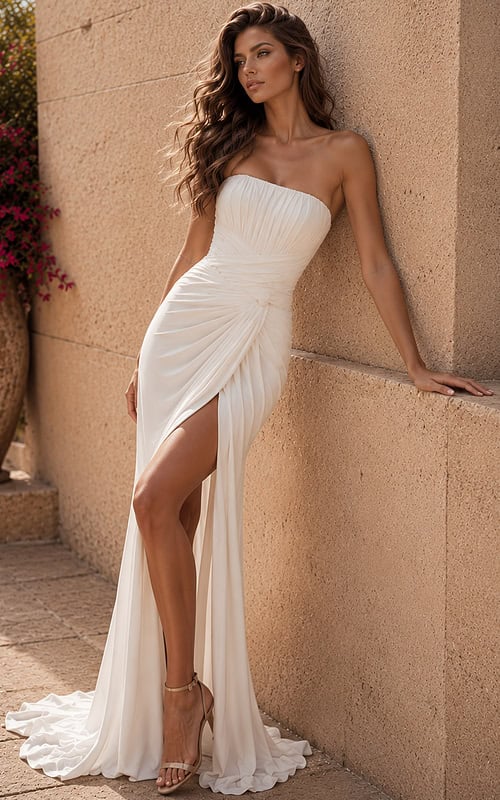
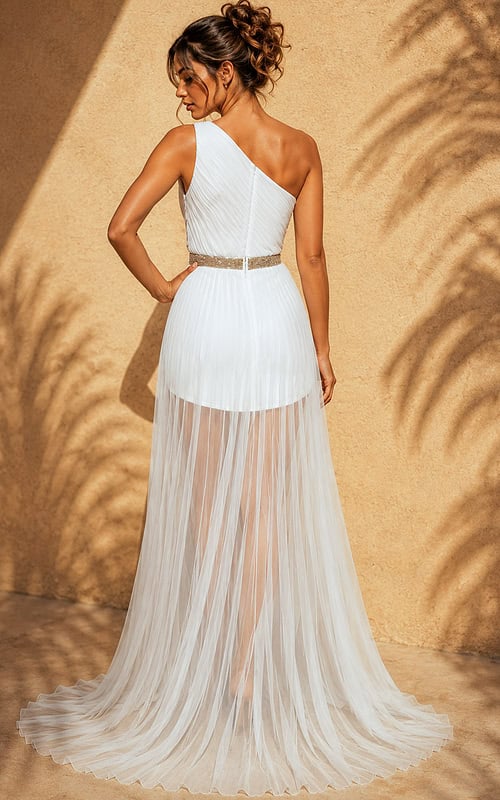
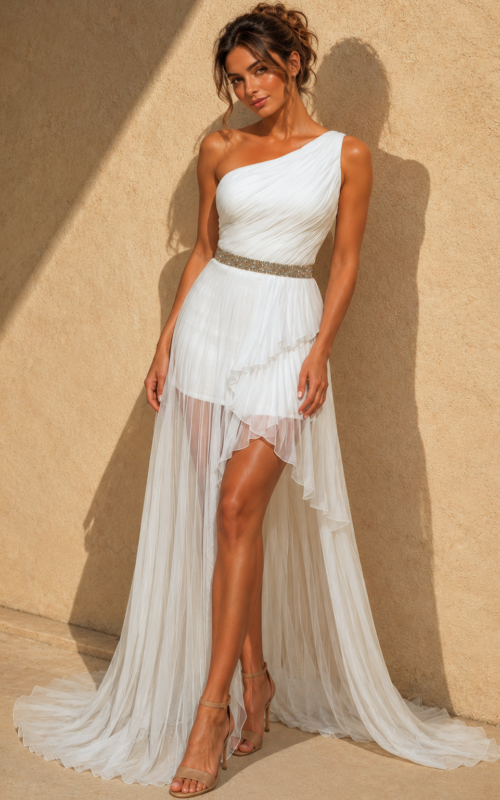
Midi lengths have a different presence. They retain the ease of a shorter hem while offering more polish through fitted columns, fit-and-flare skirts, asymmetric lines, or sculpted draping. They also place greater emphasis on the shoe, which can become an intentional part of the bridal look. Long reception dresses suit brides who want the formality of a gown without the volume, train, or layers of their ceremony dress. Sleek columns, fitted silhouettes, and skirts with controlled slits keep the line formal while allowing easier movement.
Structure and fit matter after the ceremony
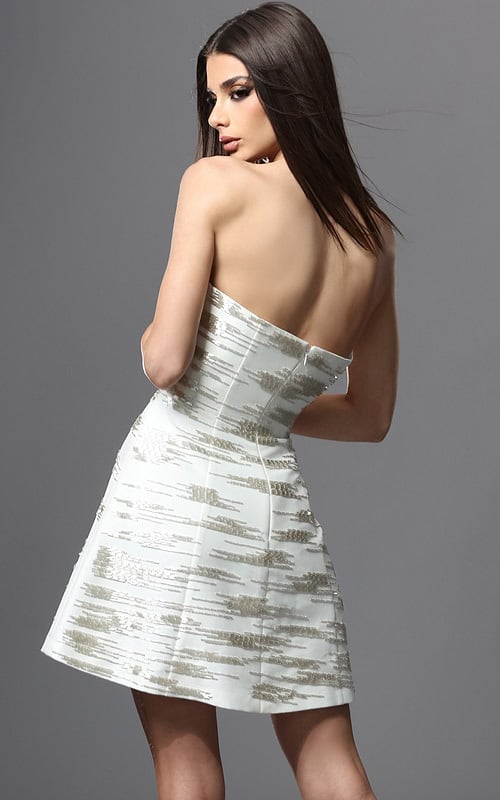
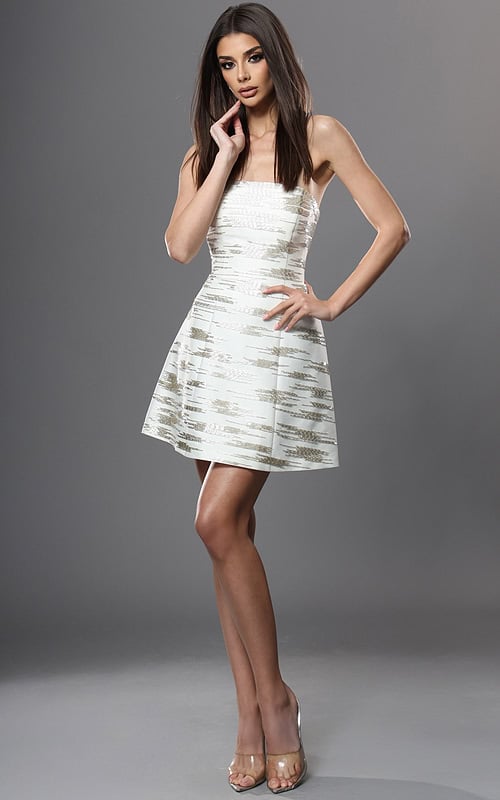
A second dress may be shorter and lighter, but fit remains critical. A well-built bodice should stay secure through dinner and dancing without requiring constant adjustment. Corset-inspired construction, defined waist seams, internal support, and carefully placed boning can shape the figure while keeping strapless and fitted silhouettes stable.
Fit-and-flare dresses offer room through the skirt while maintaining definition through the waist. Fitted minis create a cleaner line, while A-line shapes provide more movement around the hips and legs. For brides planning a wardrobe change around the reception timeline, cake cutting dresses also provide useful inspiration for shorter designs that remain polished in photographs. The goal is not simply comfort. The dress should maintain its intended silhouette as the evening becomes more active.
Satin, lace, sparkle, and dimensional detail
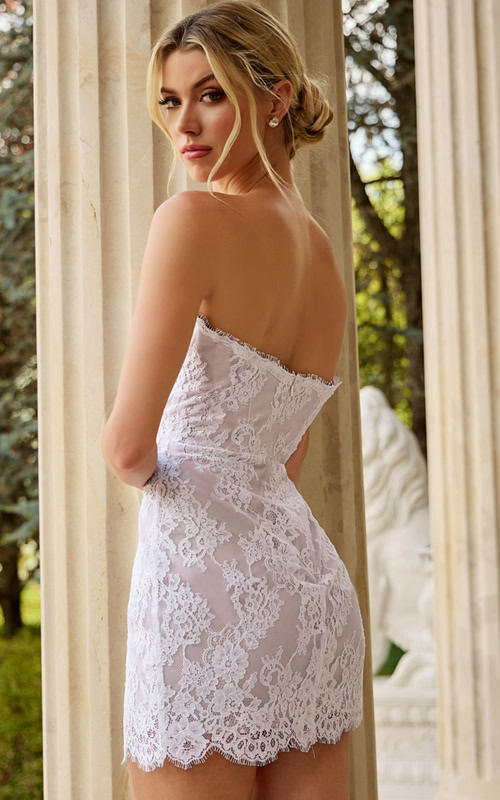
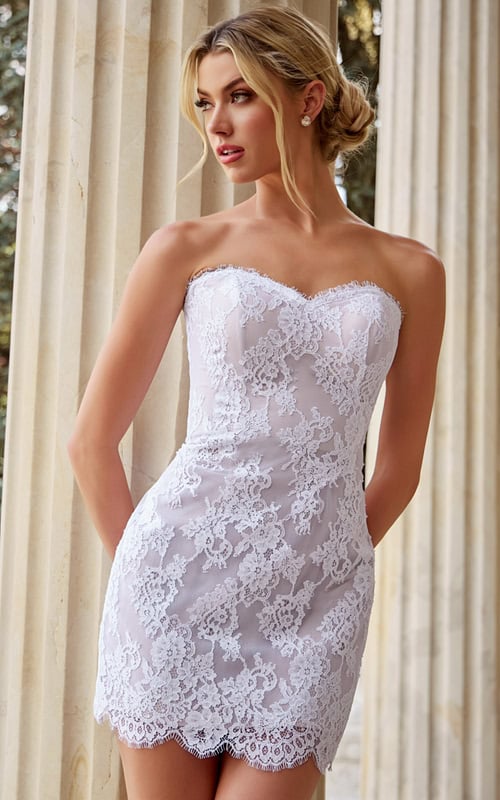
Fabric determines how a reception dress behaves almost as much as its cut. Satin reflects evening light and gives clean silhouettes a richer surface, making it particularly effective for minimalist minis, midis, and columns. Crepe creates a smoother, quieter line, while lace introduces texture without requiring heavy embellishment.
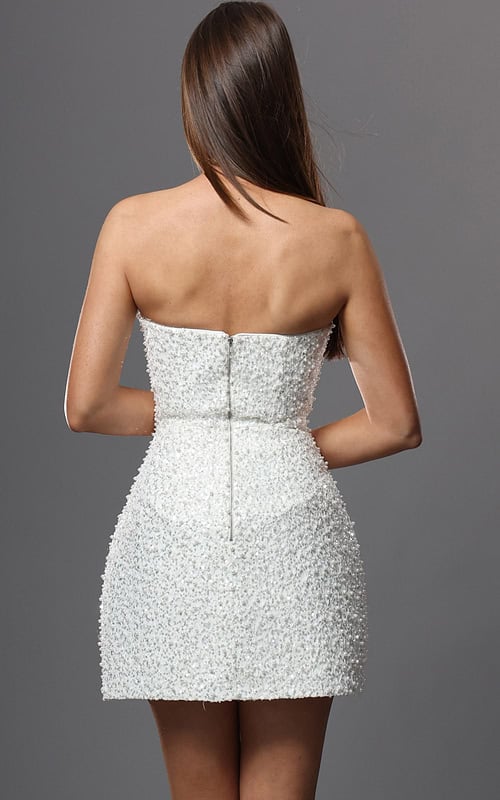
For a more expressive second look, sequins, beading, crystal mesh, feathers, fringe, and three-dimensional floral appliqués respond beautifully to movement. These details are especially effective on shorter silhouettes because the reduced length keeps strong surface decoration from overwhelming the dress. Jovani often approaches these fabrics through eveningwear construction rather than conventional bridal softness. That distinction works particularly well for reception dressing, where a bride may want a more fashion-led look once the ceremony is complete.
Match the dress to the pace of the reception
Think about the evening as a sequence rather than one static occasion. A bride changing immediately after portraits may still want a relatively formal midi or long dress for dinner and speeches. Someone remaining in her gown through dinner and changing before the dance floor can move toward a shorter, more embellished silhouette.
A reception dress should also make sense beside the formality requested of guests. At a black-tie celebration, a highly casual mini can feel disconnected unless its fabric, structure, and embellishment give it sufficient visual presence. At a destination or intimate wedding, a lighter satin or lace style may be entirely appropriate. Planning the wider bridal wardrobe helps prevent each white outfit from feeling interchangeable. rehearsal dinner dresses may lean refined and dinner-focused, while the reception look can take on more movement, shine, or dramatic proportion.
Choosing a wedding reception dress that feels distinct
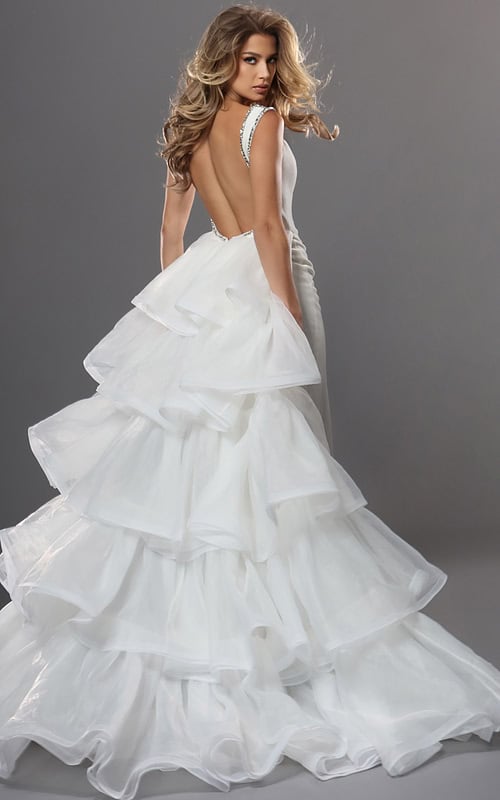
Start by identifying what the ceremony gown does most strongly. If it is voluminous, consider something streamlined. If it is minimal, the reception can introduce beading, floral appliqué, feathers, or a sculptural skirt. If the gown is already highly embellished, a clean satin second look can create the stronger contrast.
Then consider what will actually happen while wearing it. A wedding reception dress may need to accommodate sitting through dinner, greeting guests, walking between tables, photographs from multiple angles, and several hours of dancing. Hem length, skirt volume, neckline security, and fabric weight all become practical design decisions. The best reception looks do not feel secondary to the wedding gown. They simply express a different part of the same bridal style lighter in movement, often stronger in fashion detail, and designed for the celebration after the ceremony.