
1 Colors
A-line Wedding Dresses
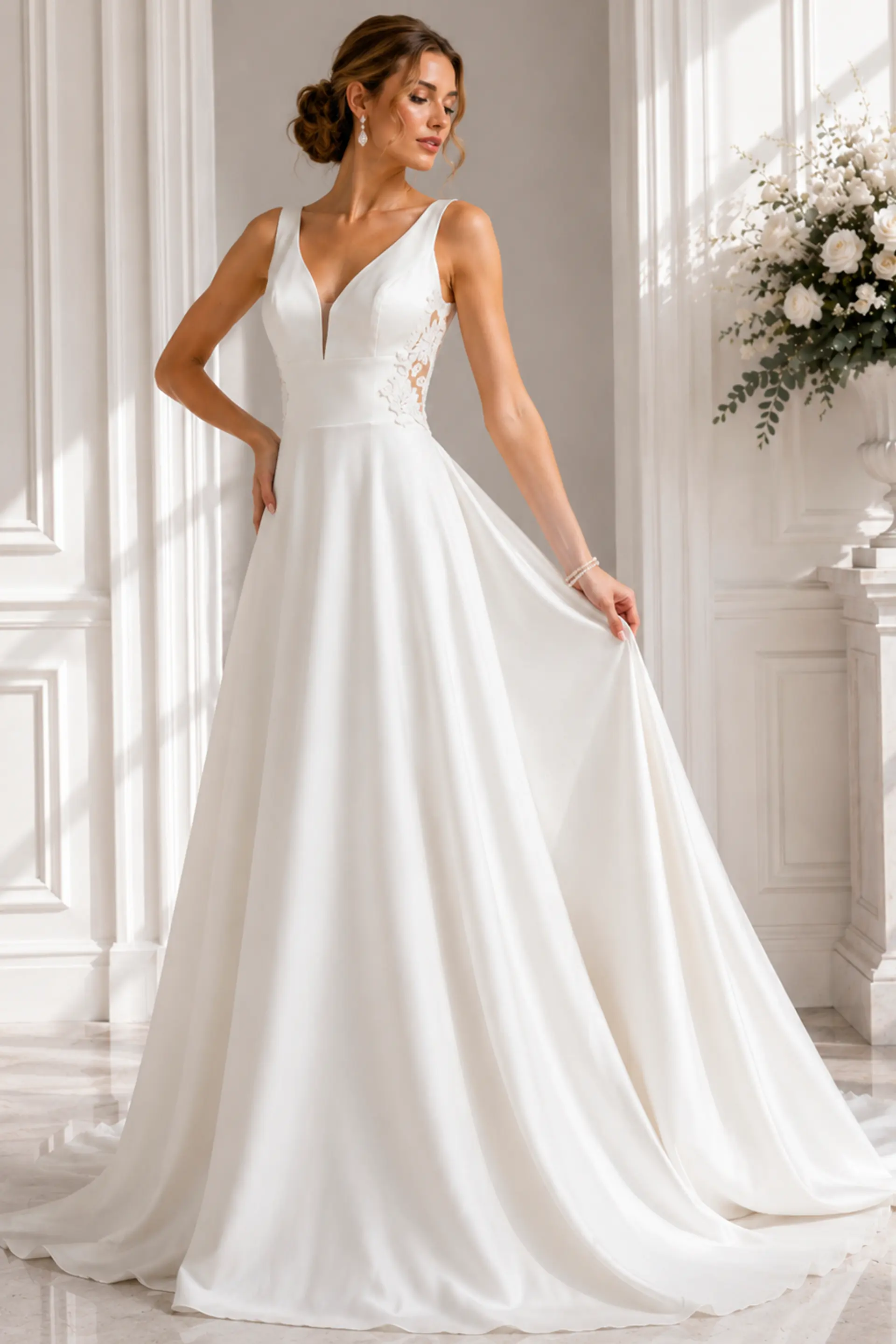
A-line wedding dresses create definition through the bodice and waist before the skirt opens gradually toward the hem, giving the silhouette shape without the full scale of a ball gown. Jovani A-line bridal gowns range from structured corset styles and smooth satin designs to floral lace, embroidered tulle, and softly layered skirts. Compare where the waist is placed, how firmly the bodice is built, and how much volume the skirt carries. Necklines, sleeves, fabric weight, and train length further change the proportion, allowing the same A-line foundation to feel clean and architectural, softly romantic, or more detailed and formal.
1 Colors
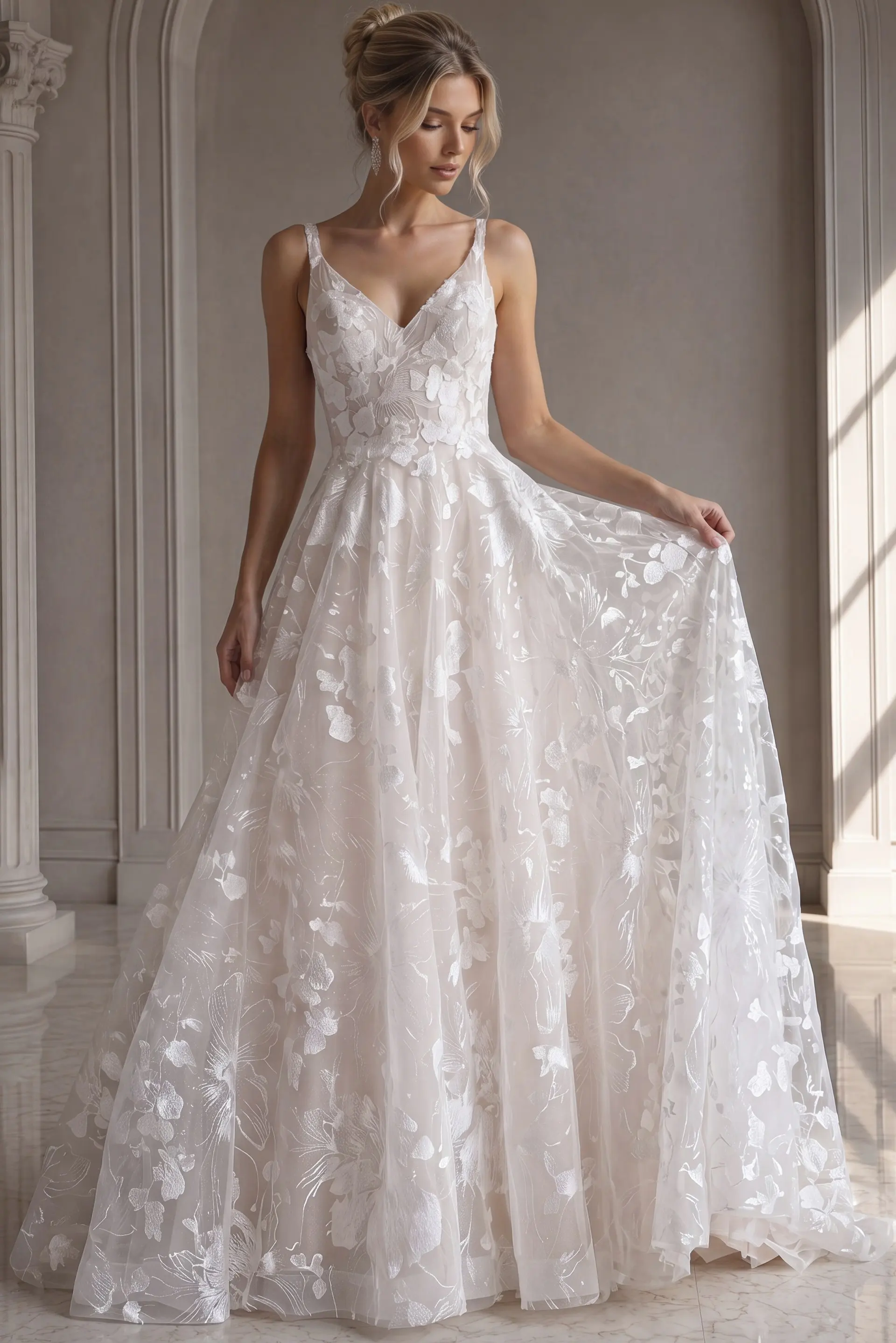
Lace Ball Gown Wedding Dress with V Neckline JB37434
1 Colors
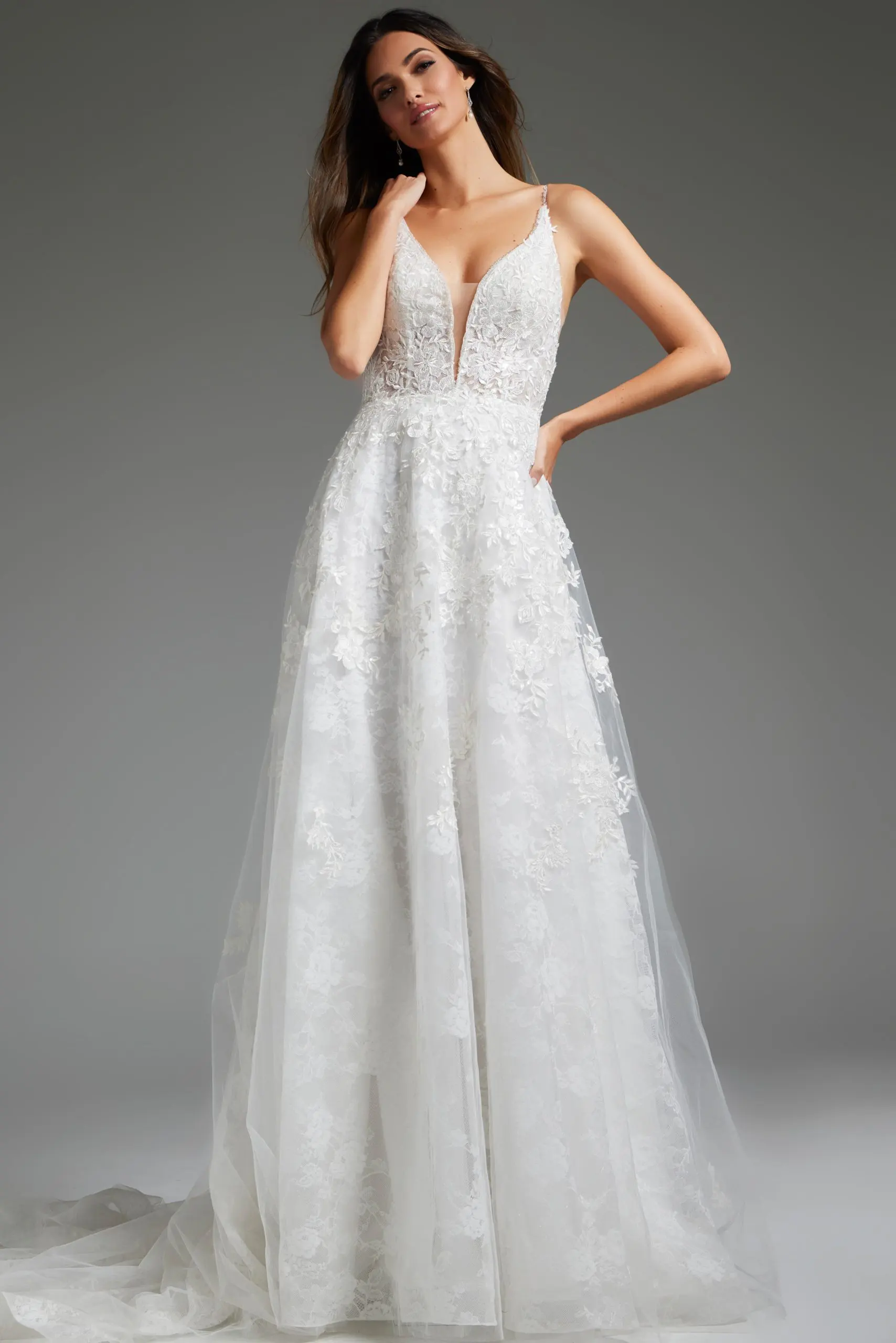
Jovani JB07147 Ivory Embellished Spaghetti Strap Bridal Ballgown
3 Colors
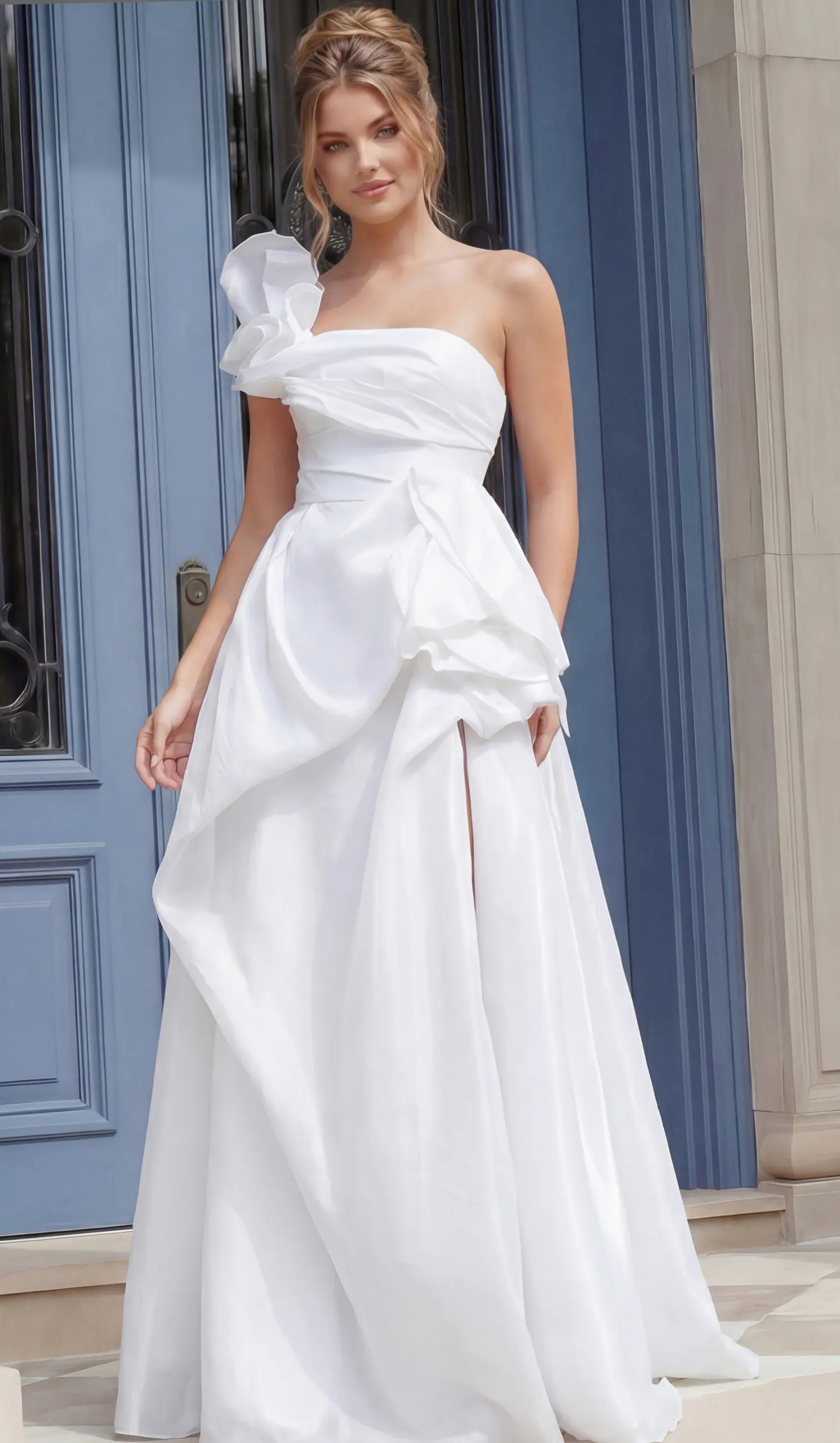
Elegant One Shoulder Bridal Gown with Floral Detail and Side Slit 39796
6 Colors
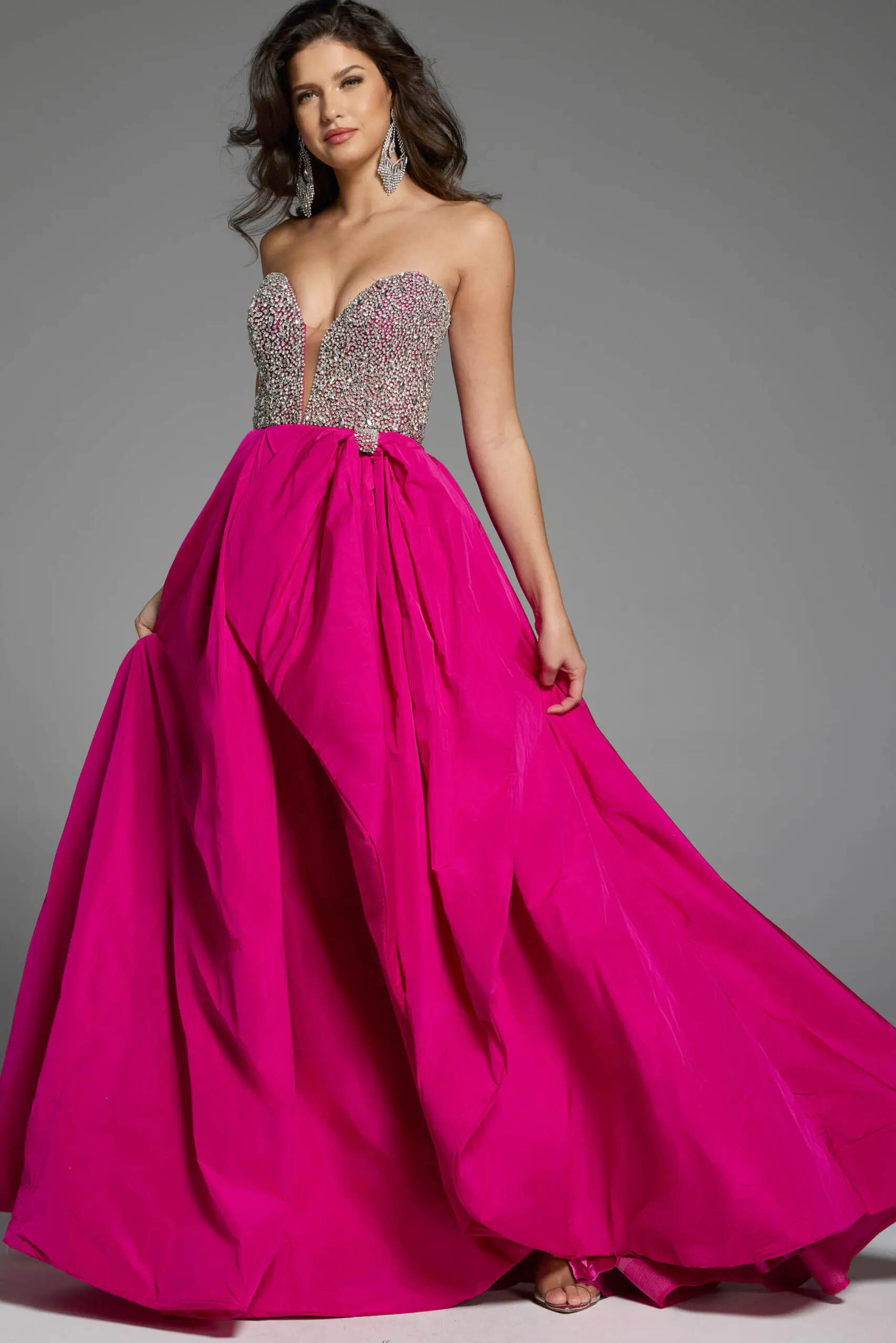
Strapless Crystal Embellished Gown With Bold Ruffle Skirt 41141
3 Colors
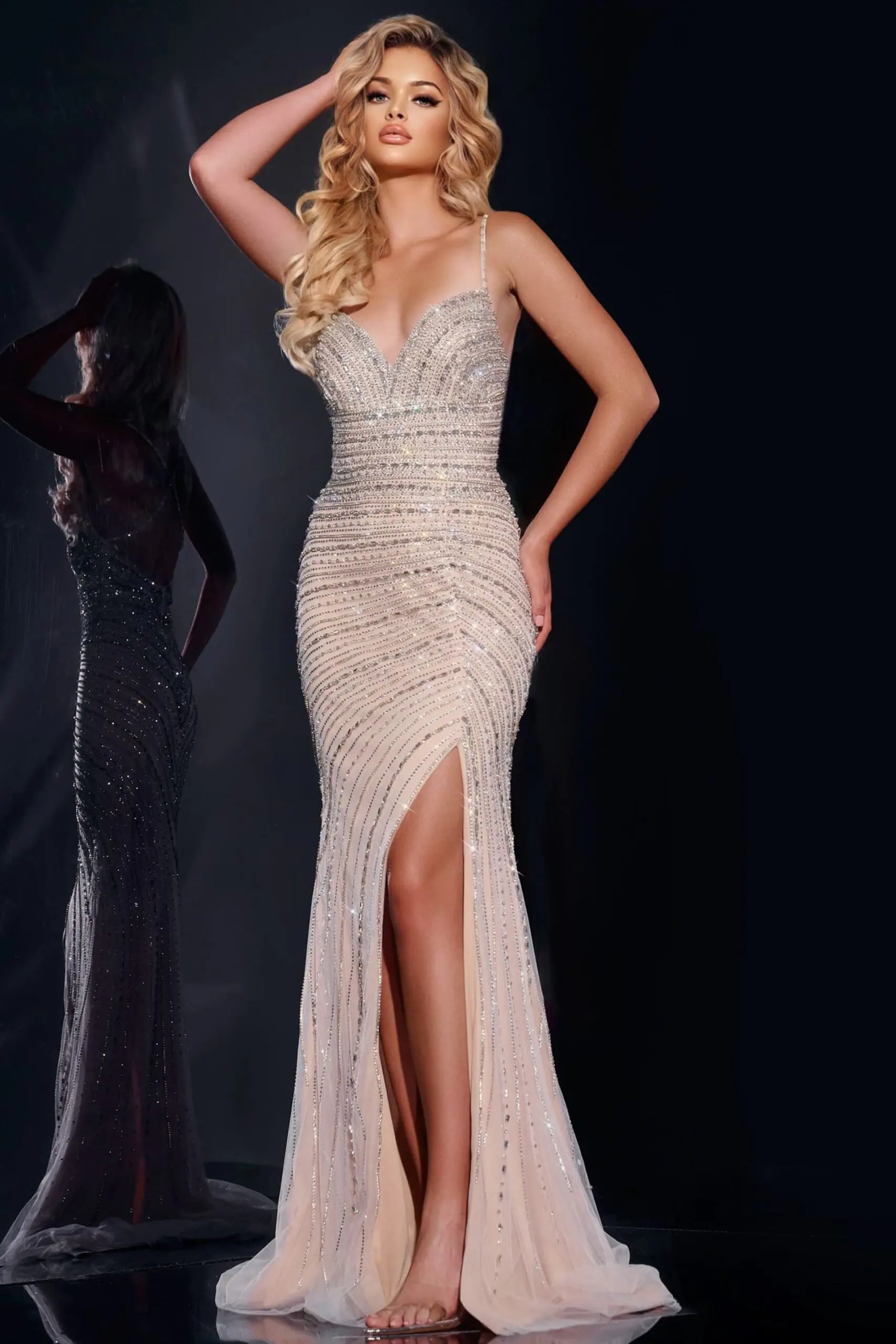
Beaded Evening Gown with Sparkling Details 40820
1 Colors
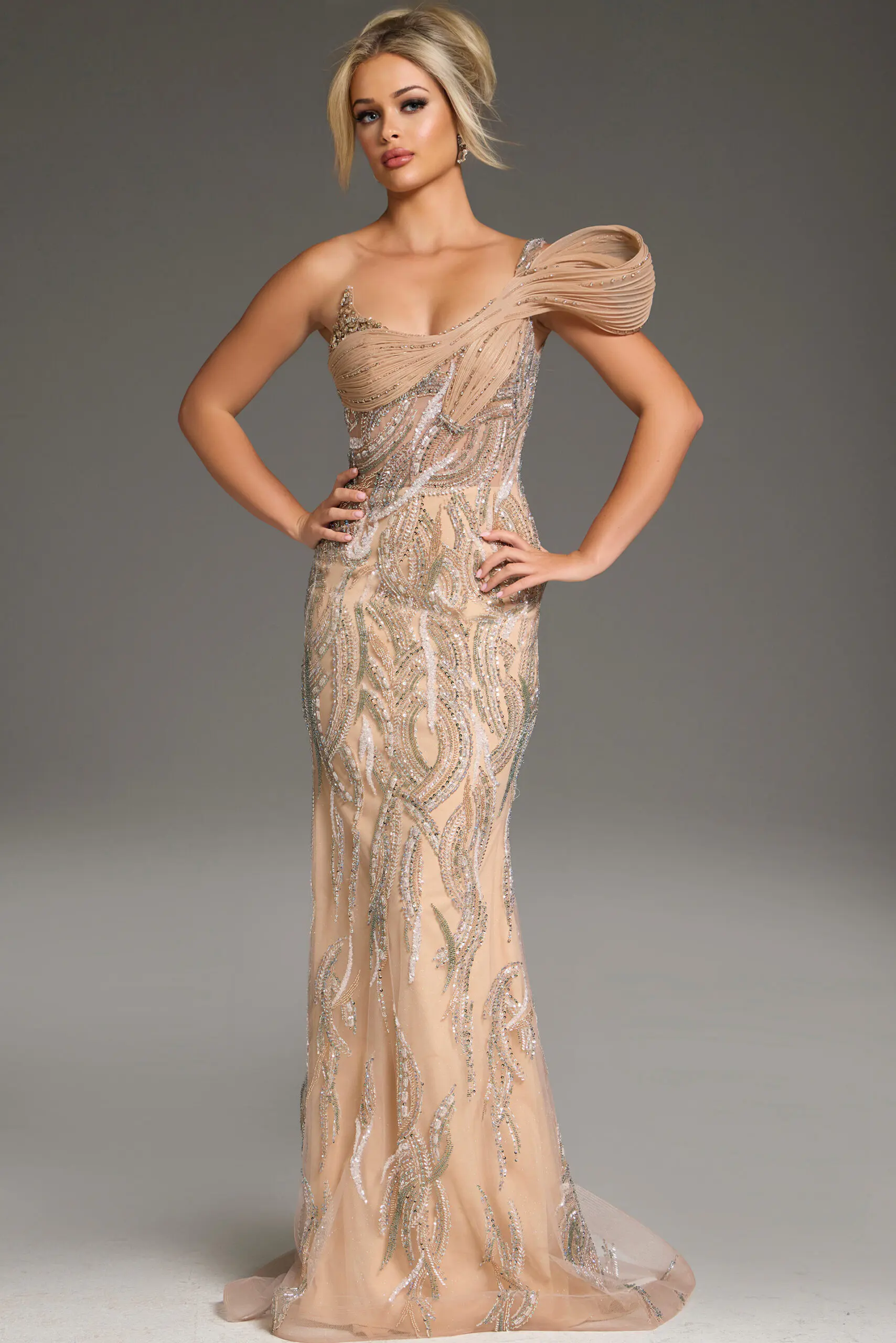
One Shoulder Embellished Gown With Dramatic Sculpted Detail 45073
Trending Now
About This Category
Browse our stunning collection of A-line Wedding Dresses.
A-Line Wedding Dresses: Shape, Waist and Skirt Volume
The defining feature of an A-line wedding dress is the transition from a shaped upper body into a skirt that widens progressively from the waist. That gradual release creates a clear bridal silhouette while leaving more space through the hips and skirt than a fitted gown. The exact proportion depends on where the waist is emphasized and how quickly the skirt begins to open.
A natural-waist seam creates a distinct break between bodice and skirt, while an elongated corset or sculpted torso can extend the vertical line before the skirt expands. Light layering keeps the shape fluid; additional tulle, organza, or structured underskirts create more presence at the hem. Brides comparing broader silhouettes across the full assortment can also review Wedding Dresses to see how A-line proportions differ from ball gowns, sheath silhouettes, and more closely fitted shapes.
Bodice Construction Changes the A-Line Proportion
Because the skirt releases below the waist, the bodice carries much of the visual structure in an A-line gown. Corsetry, boning, seam placement, and lining determine how firmly the dress defines the bust and torso before the skirt begins. A sharply constructed bodice creates a more architectural transition, while softer construction produces a gentler line through the waist.
Strapless designs place even greater emphasis on this structure because the neckline remains open and the bodice must create both support and shape. Sweetheart, straight, and sculpted strapless necklines each change the upper-body balance. Brides comparing those options can explore Strapless Wedding Dresses, while off-the-shoulder and V-neck A-line gowns create different visual lines across the shoulders and décolletage.
Lace, Tulle and Satin A-Line Bridal Gowns
Fabric affects both the movement and the visual weight of an A-line wedding gown. Lace adds pattern across the silhouette, and its placement can draw attention to the bodice, waist, skirt, or train. Floral appliqué that continues from the bodice into the skirt creates a more connected surface, while concentrated lace at the top allows the skirt shape to remain cleaner. The Lace Wedding Dresses collection offers a useful comparison for brides who want texture to play a larger role in the overall design.
Tulle creates lighter volume and can soften the transition from a fitted bodice into a wider skirt. Embroidered or layered tulle adds dimension without relying on a dense fabric surface. Satin works differently: its smooth finish makes seam placement, pleating, waist construction, and skirt architecture more visible. A satin A-line can therefore read as restrained and sculptural even when the skirt has significant movement.
Necklines, Sleeves and Details That Shift the Balance
The same A-line skirt can look noticeably different depending on the neckline and upper-body treatment. Deep V-necks create a longer vertical line through the bodice, while square necklines introduce stronger horizontal and vertical edges. Off-the-shoulder sleeves broaden the visual line across the shoulders, and one-shoulder construction adds asymmetry above the balanced skirt shape.
Surface detail changes the balance as well. Crystal accents, beadwork, and embroidered motifs concentrate light and texture in specific areas, while cleaner fabrics keep attention on proportion and cut. Brides who prefer more reflective or densely embellished surfaces can compare Beaded Wedding Dresses without shifting the focus of this collection away from A-line construction.
How A-Line Differs from Mermaid and More Fitted Shapes
A-line and fitted bridal silhouettes handle the hip line very differently. An A-line begins opening at or near the waist and does not depend on a close fit through the hips. A mermaid or fitted gown stays nearer to the body for longer before releasing lower down, which creates a more pronounced contrast between the torso, hips, and lower skirt.
This distinction matters when comparing movement and proportion. A-line skirts generally allow more room through the lower body and create a continuous widening line toward the floor. Brides considering a more sculpted alternative can view Mermaid Wedding Dresses to compare where the skirt begins to flare and how closely the gown follows the body before that point.
Choosing the Right A-Line Wedding Gown
Start with the amount of structure you want through the bodice, then compare waist placement and skirt volume. A corseted style with a defined waist produces a stronger transition into the skirt; softer bodices and lighter fabrics create a more relaxed line. Next, look at how the neckline works with that structure and whether the train adds the degree of formality you want for the ceremony and venue.
Movement is equally important. Layered tulle can create an airy sweep, satin carries more visual weight, and lace introduces texture that changes how the skirt reads in photographs and at a distance. Jovani A-line bridal gowns use these materials across both clean and highly detailed designs, so the most useful comparison is not simply one fabric against another, but how fabric, bodice construction, waist definition, and skirt volume work together in the finished silhouette.
Choose from our wide selection of gorgeous wedding dresses today!
Beautiful Styles: Whether you're looking for a classic or modern style, our selection of wedding dresses includes various fabric choices, embellishments, necklines, sleeves, and hemlines. wedding dress is one of the most popular styles, perfect in the form of a sweetheart neckline, plunging neckline, square neckline, and flowing skirt. The fabric used for this type can be chiffon or organza, with tiny beads sewn on the bodice to give an added element.
An bridal gown cut is flattering on all body types because the fabric hugs the waist while flowing out towards the bottom of the dress. It creates an hourglass silhouette that looks perfect on bodies with big hips or petite.
- Timeless Styles: These bridal gowns are anything but outdated. Whether it's strapless or sleeveless or some other unique detail, they're sure to impress any bride.
- Fit For Every Bride: Our styles range from classic princess gowns to fun two-piece dresses, and no matter what type of bride you are short, tall, curvy, or thin, we've got a dream wedding dress for you!
If you're looking for an elegant wedding dress with a timeless style, look no further than the Jovani selection of silhouette. Whether you're looking for a sexy wedding dress or one with sleeves, Jovani can help you find the perfect style. You'll also be able to try out different a line dresses, such as strapless gowns with trains!
A-line wedding dresses are an excellent choice for petite brides because they will create the illusion of looking taller. This is especially true when these wedding dresses are paired with high heels. The design gives the illusion of height without compromising your curves. The perfect beach wedding dress is a simple, chic style that can be paired with any number of different accessories for an elegant look. A line wedding dresses are amazing option.
Fall In Love With Your Wedding Dress
The best selection of stunning a line wedding dresses is at Jovani. A line silhouettes are a classic choice for a reason - they flatter every figure! If you're looking for a dress that will make you look and feel your best on your big day, an is a way to go. And our collection of wedding dresses has something for everyone. We have a dress for every bride, from simple, understated gowns to embellished ball gowns.
How do I choose my favorite a line wedding dress?
Jovani offers a line wedding gowns with multi-colored beads and intricate floral patterns. The dresses are beyond gorgeous. The dresses are decorated with beautiful floral lace covering a tightly lined dress. The collection features a wide range of dresses in various styles to suit the bride. Soft, clean lines and embroidered details create an exceptional style. Obviously! You can find a ballgown you have dreamed of ever since a teenager!
Explore a variety of these princess inspired styles, including short sleeves, plunging v neckline, sweetheart neckline, sleeveless, or strapless ball gowns with lace details that are as timeless and elegant with a perfect fit.
Feminine Designs: Find an dress with sweetheart necklines or short sleeves that show a hint of skin or are ultra-feminine with lace or intricate detailing.
Bridal Party Upgrades: Find matching bridesmaid dresses, mother-of-the-bride options, or even dress sets, all designed with fresh colors, unique details, and romantic silhouettes that will fit any A-line wedding dress.
Gorgeous Designs: Choose from various designs in luxurious fabrics and beautiful embellishments.
Exclusive Selection: From evening wear to bridal gowns, Jovani offers a perfect dress for any occasion.
Exceptional Quality: We spend months on each dress so they can look perfect on any bride on her wedding day!
At Jovani, we make your dream dress a reality. If you're looking for a bridal look that's classic and sweet, then an A-line wedding dress or bridal ball gown with a sweetheart neckline is a perfect choice. This timeless silhouette flatters all body types and can be worn with a perfect combination of short sleeves or strapless for a more modern look. Whether you choose a simple A-line dress or a more embellished bridal ball gown, this silhouette will make you feel like a princess on your wedding day.
We understand the importance of finding your perfect dress on your special day. We offer a range of styles in sizes 0-24 for every body type and height so that every bride can look her best on her wedding day. Some of these romantic, chic and beautiful wedding a line gowns are made with a unique material called "tulle." The way it shines provides an elegant look for the modern bride.
There's a dress for every bride! Get your figure perfectly aligned in an gown that will show off all of its elegance. From boho style to glamorous, there is a perfect for just what you're seeking!
A-line wedding dresses are The most timeless style choice for your wedding day. No matter the style, you can ensure that our selection of A-line gowns includes attractive options in every fabric and embellishment. A-line wedding dresses are the ultimate choice to give any bride that classic, refined style she's after. With a fitted top and a beautiful full skirt, this timeless style is the best fit for any special day. Stylish but not fussy, A-line wedding gowns come in all sorts of different styles. From vintage lace to modern beading, there's bound to be one that speaks to you. Minimal detailing ensures these pieces can take center stage on your big day without stealing too much attention from the décor. We even have plus size dresses! You don't need to spend big bucks on alterations, either. We've paid special attention to ensure these bridal gowns are designed with the plus size bride in mind.