Black Tie Dresses by Silhouette
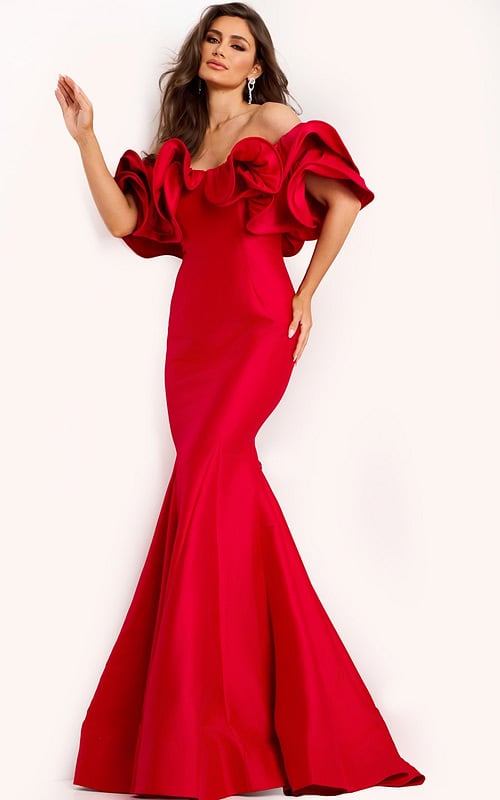
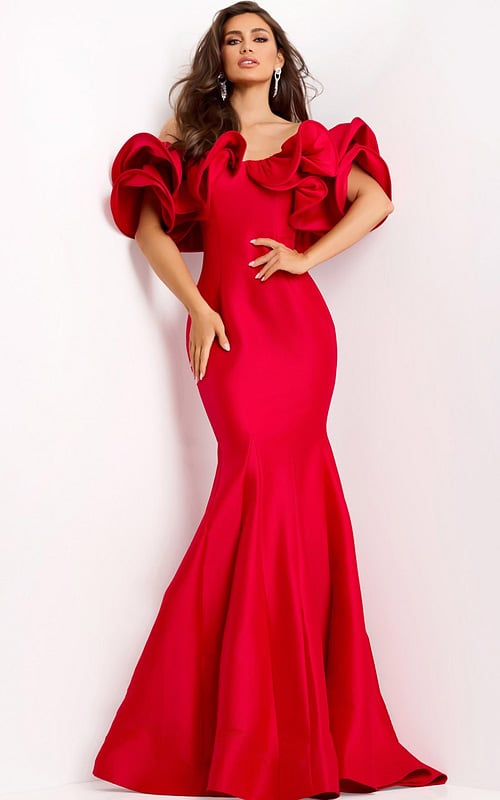
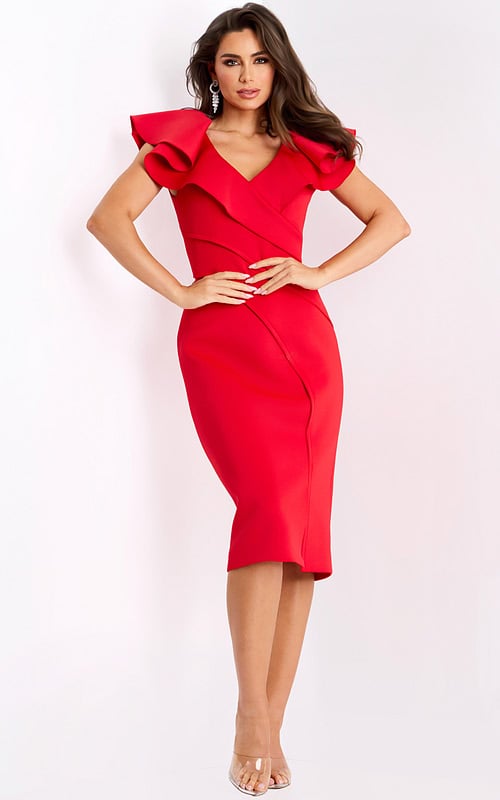
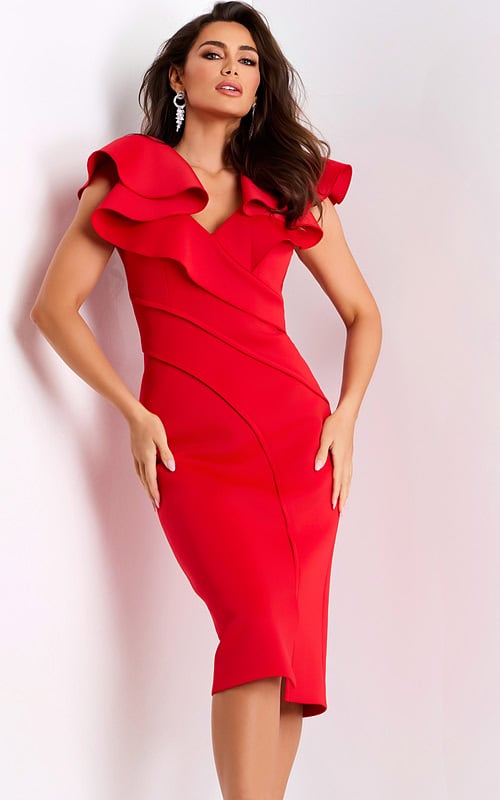
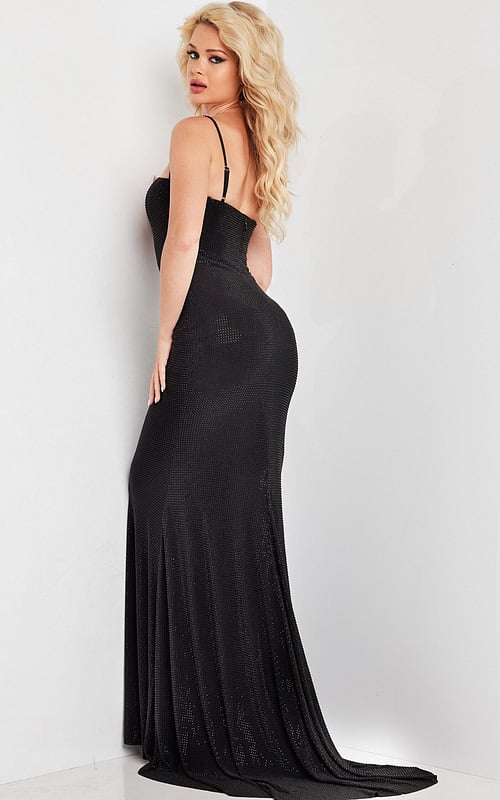
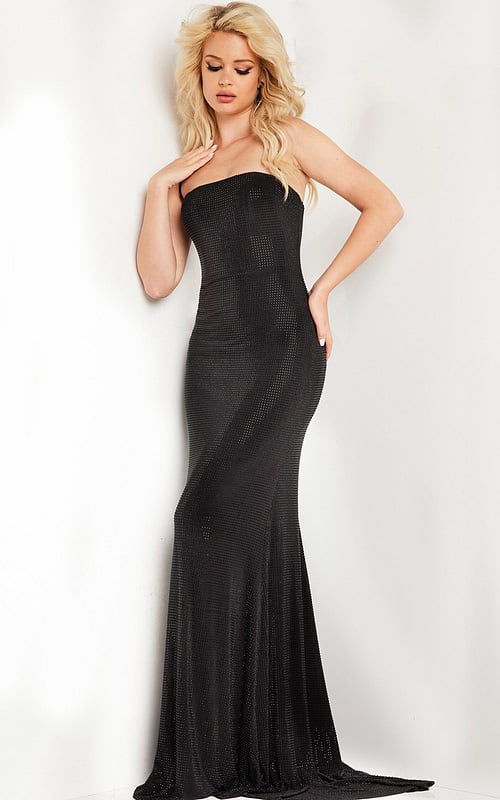
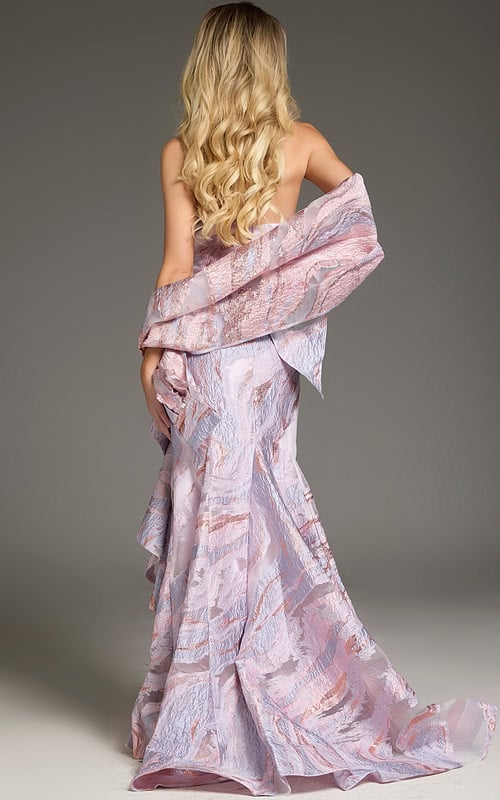
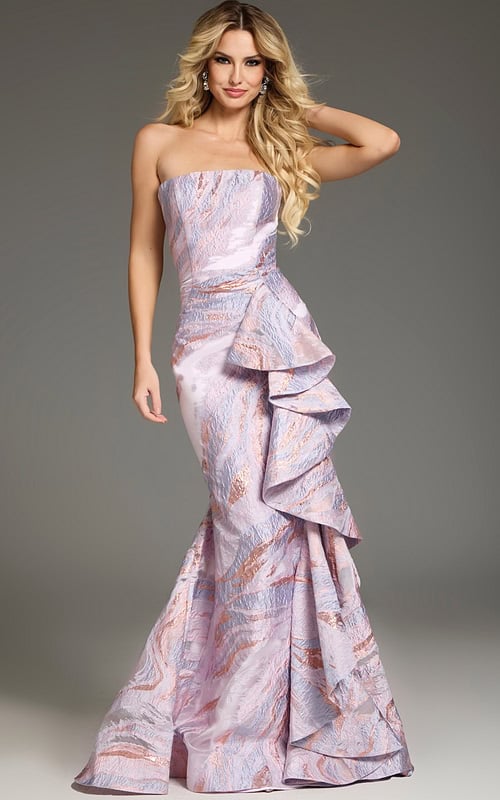
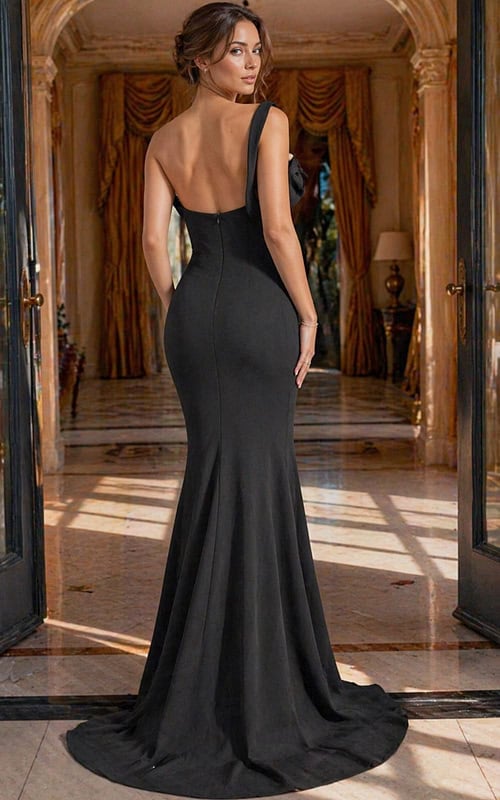
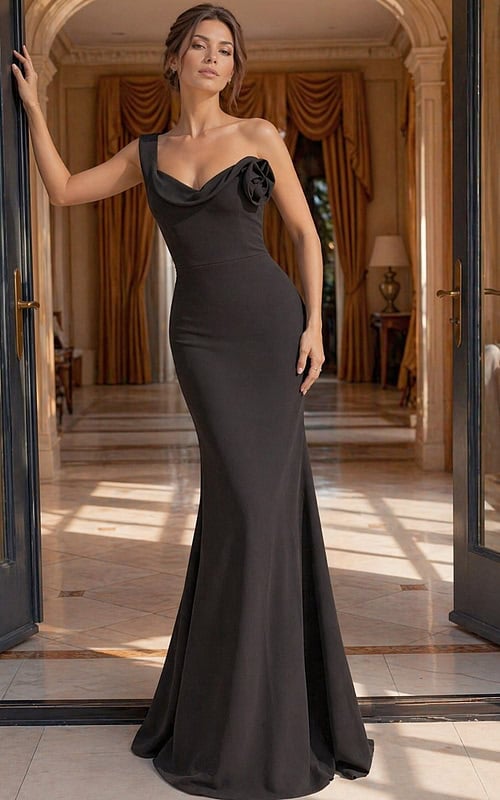
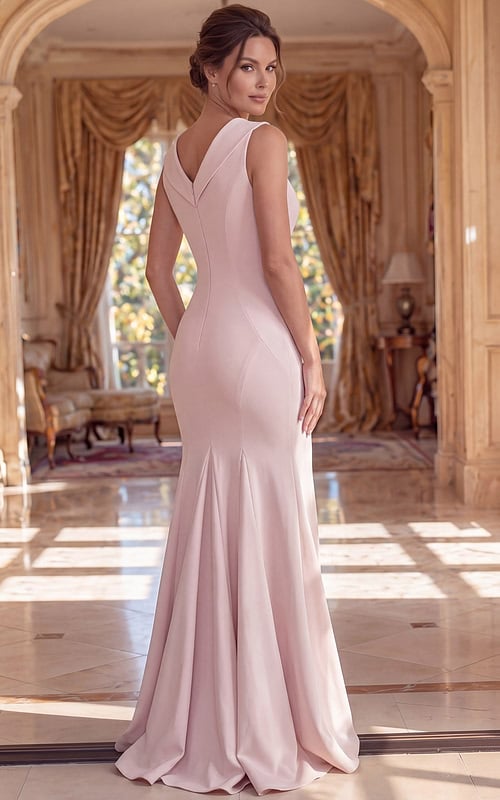
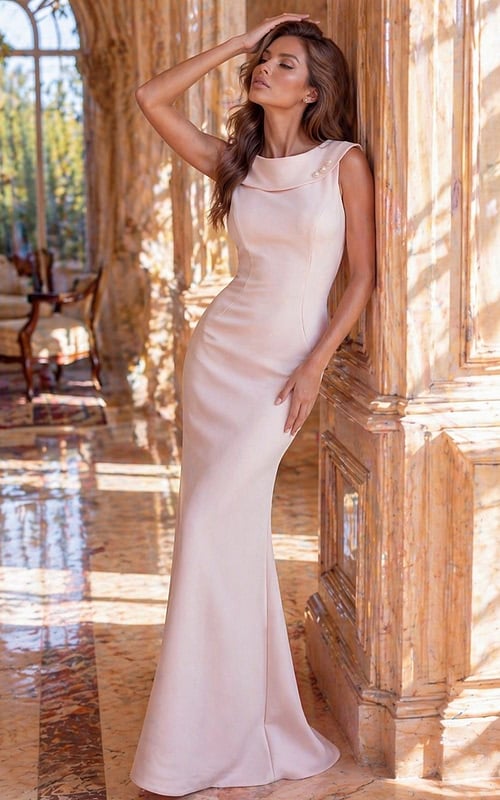
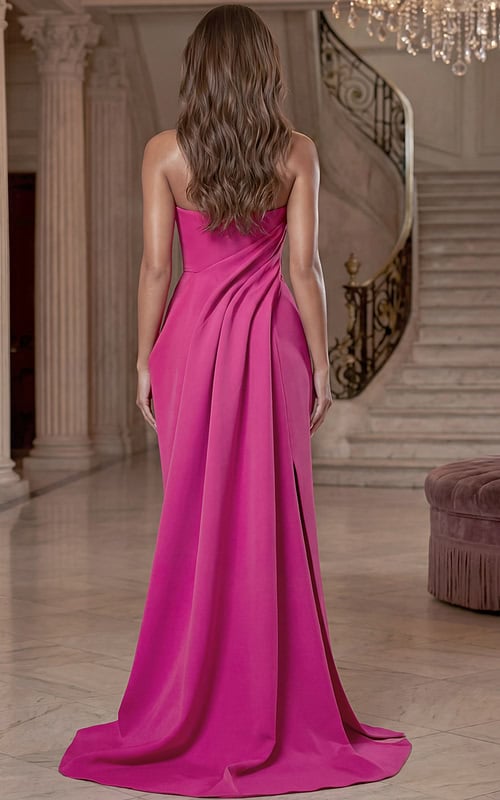
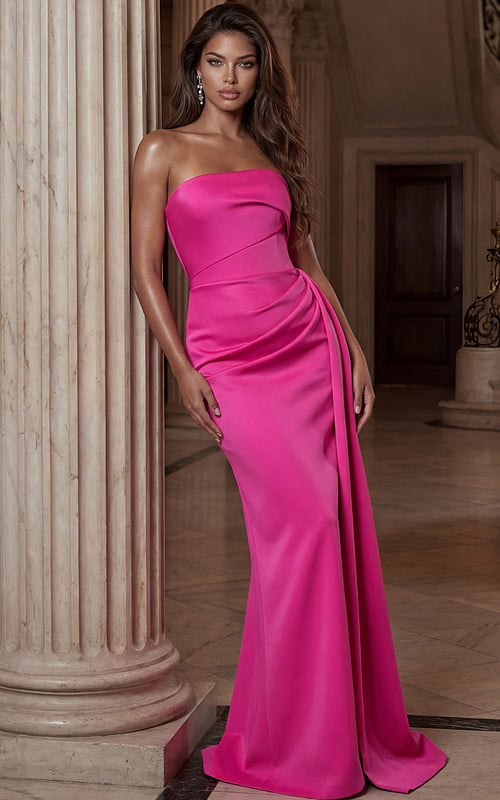
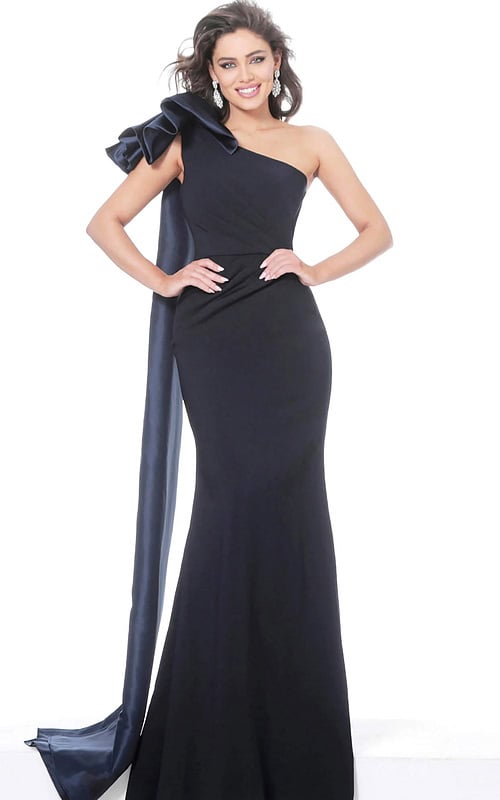
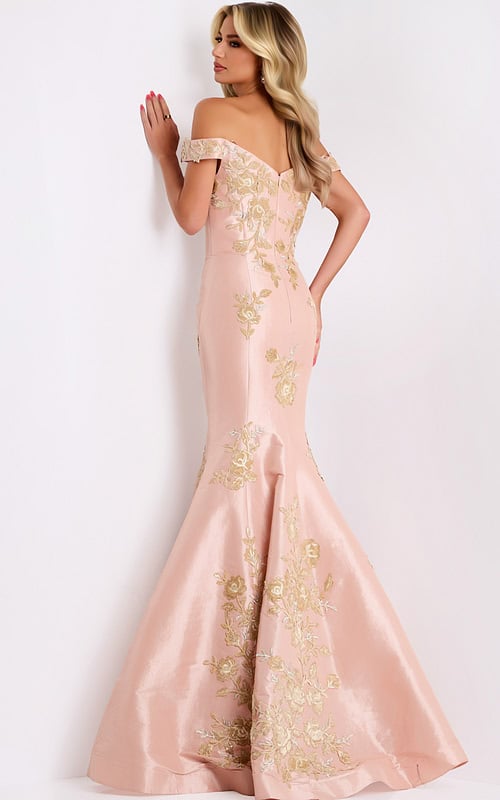
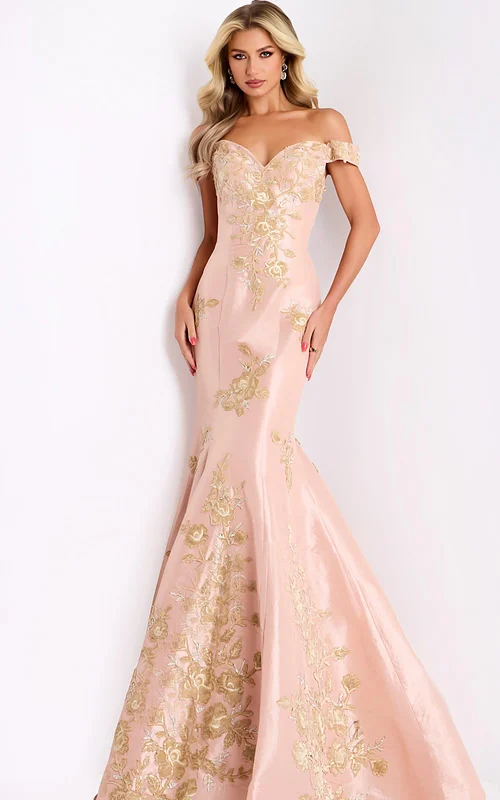
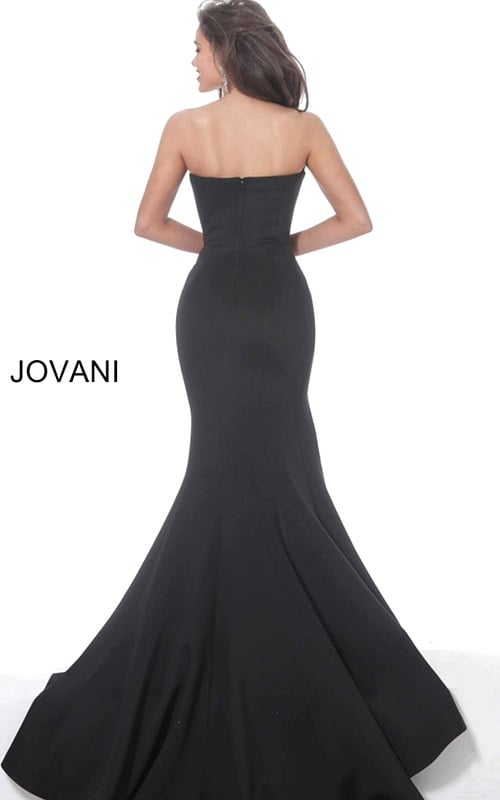
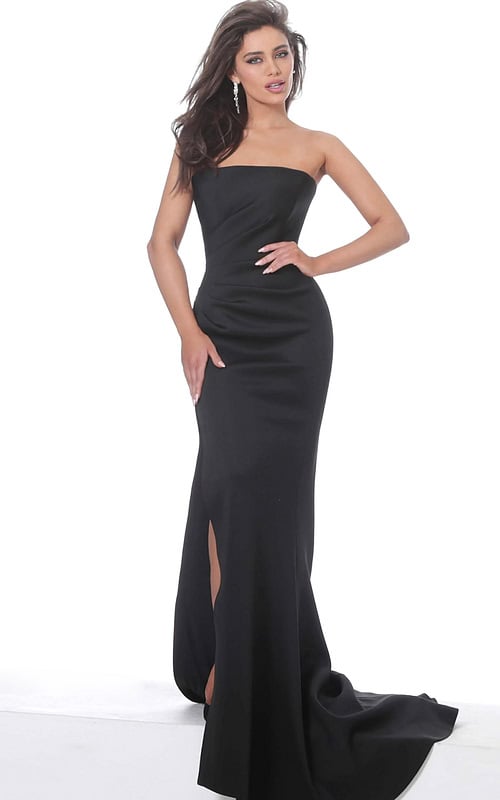
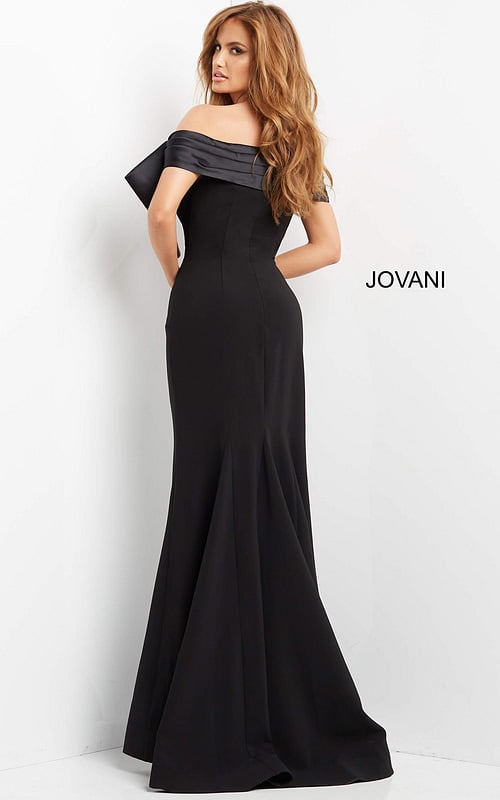
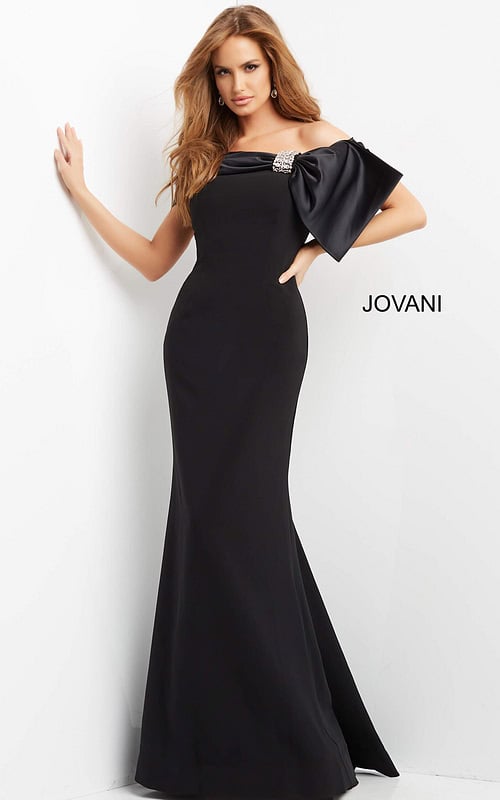
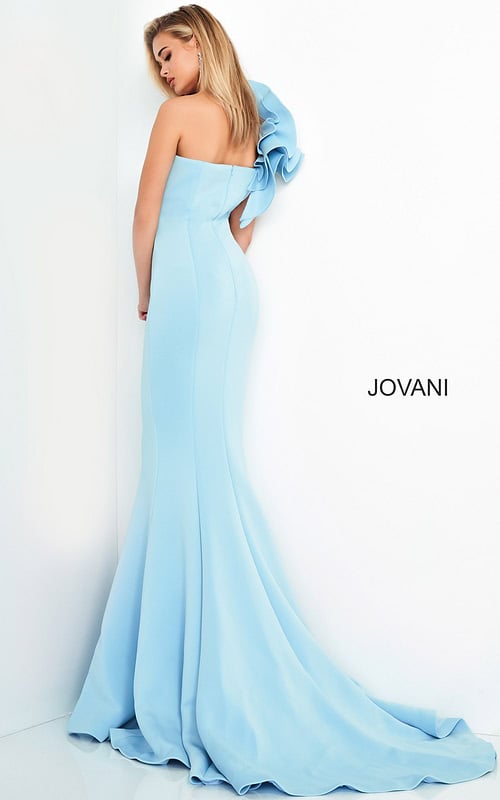
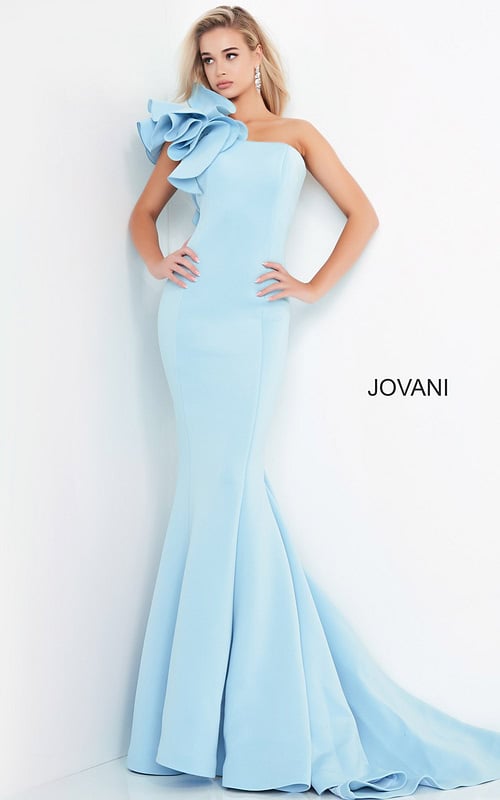
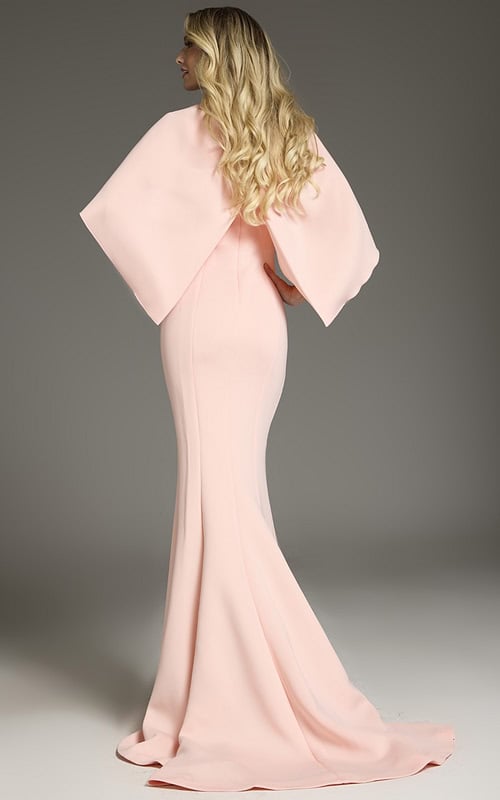
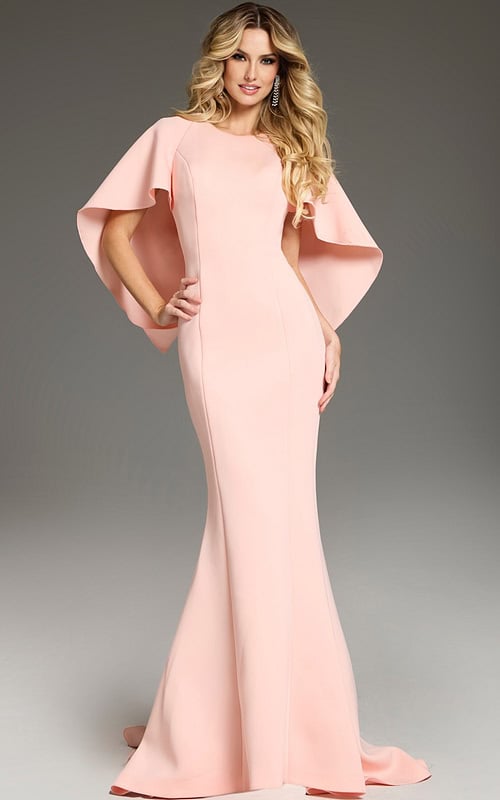
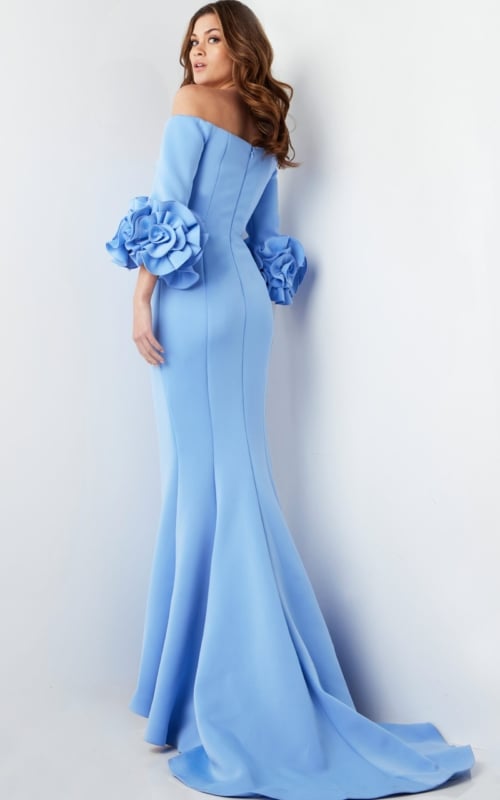
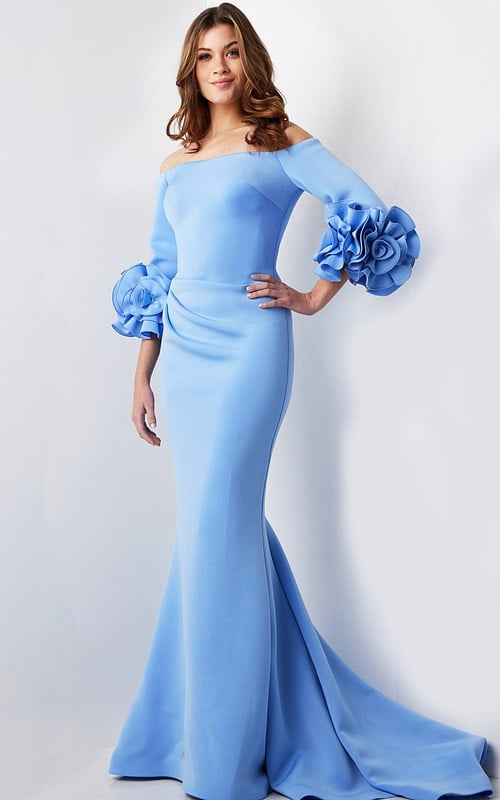
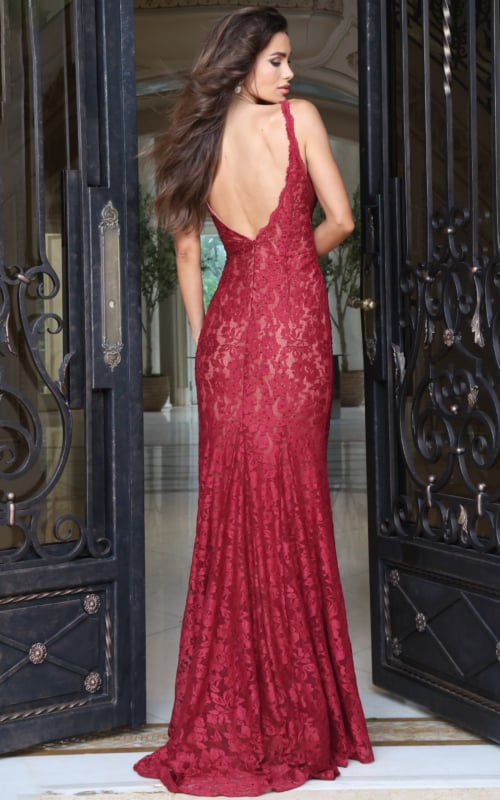
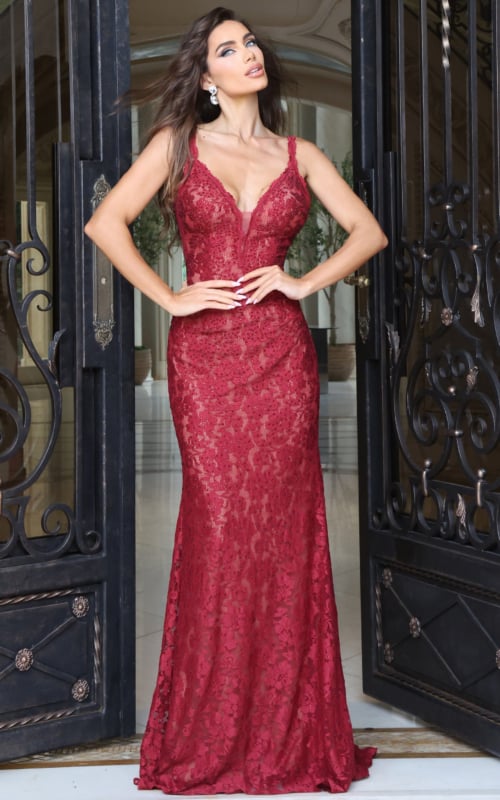
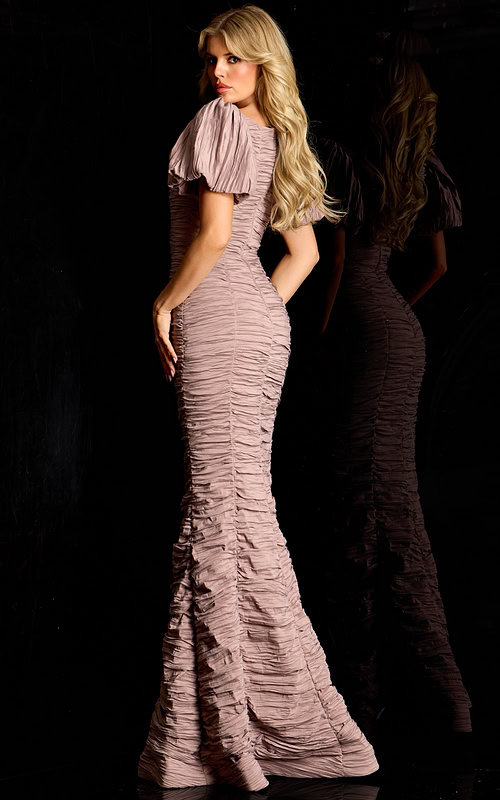
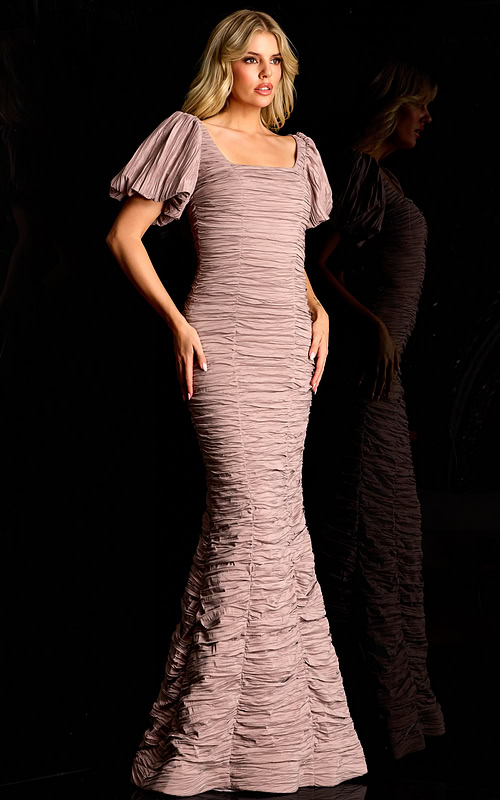
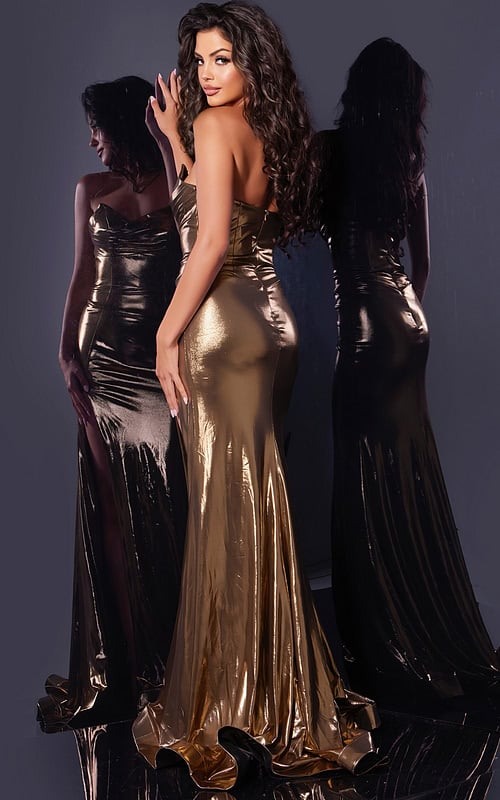
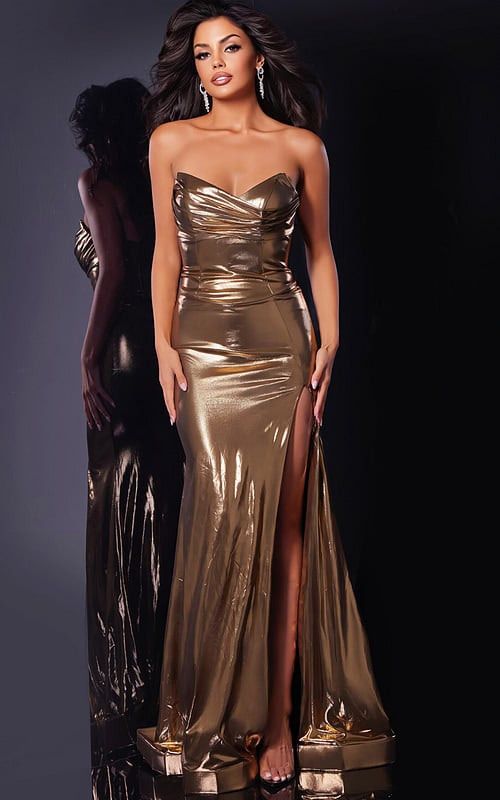
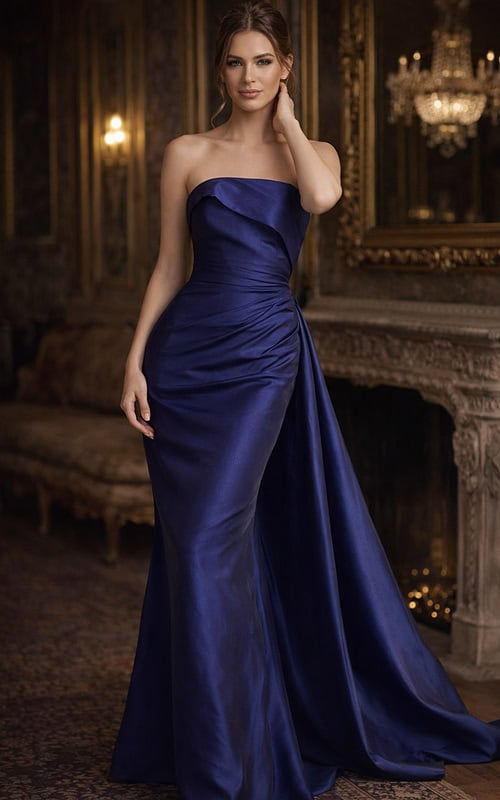
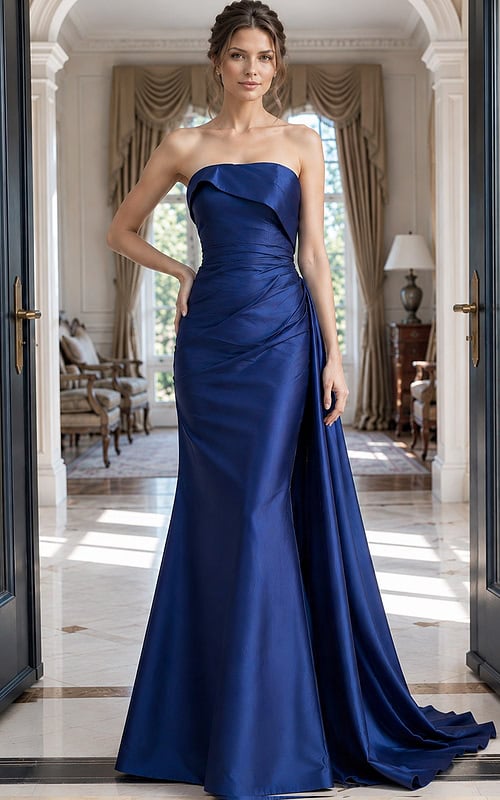
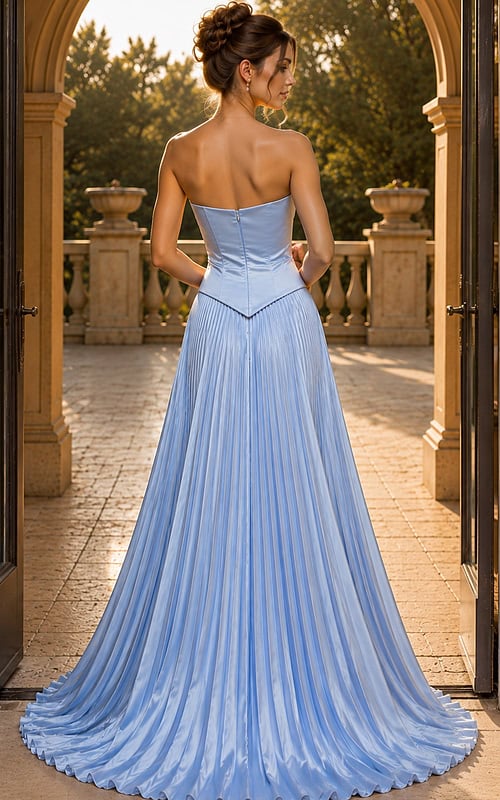
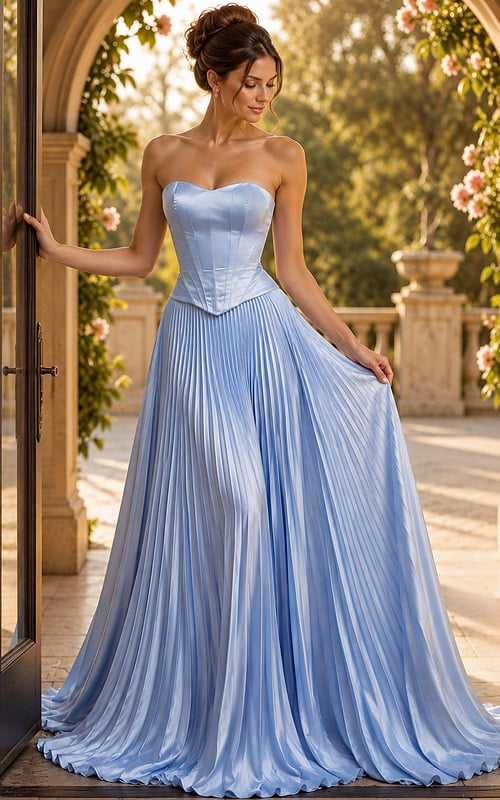
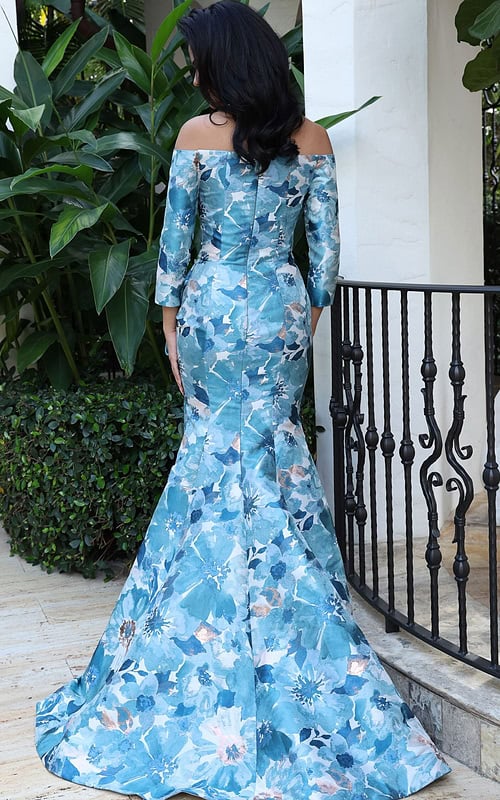
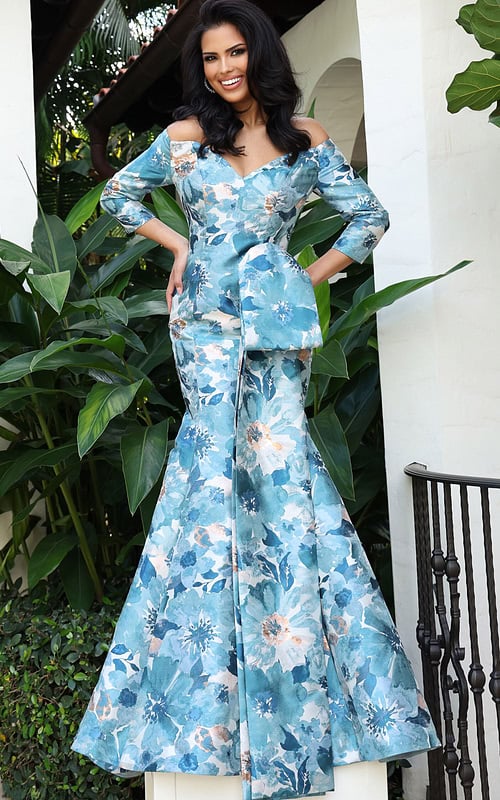
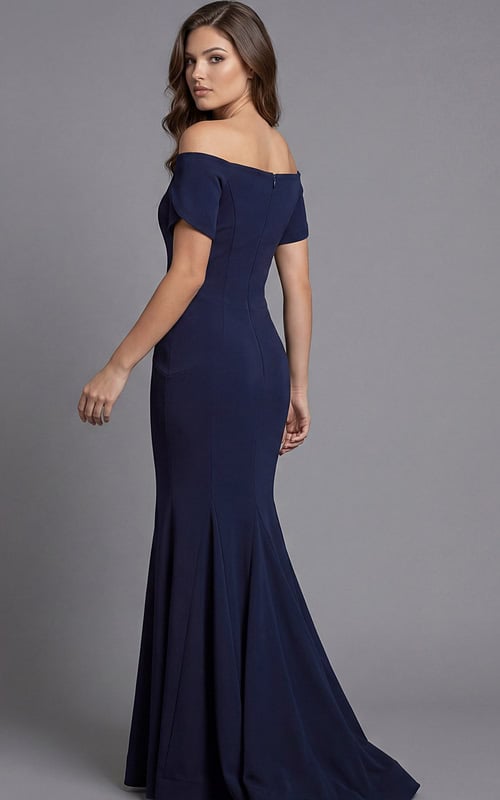
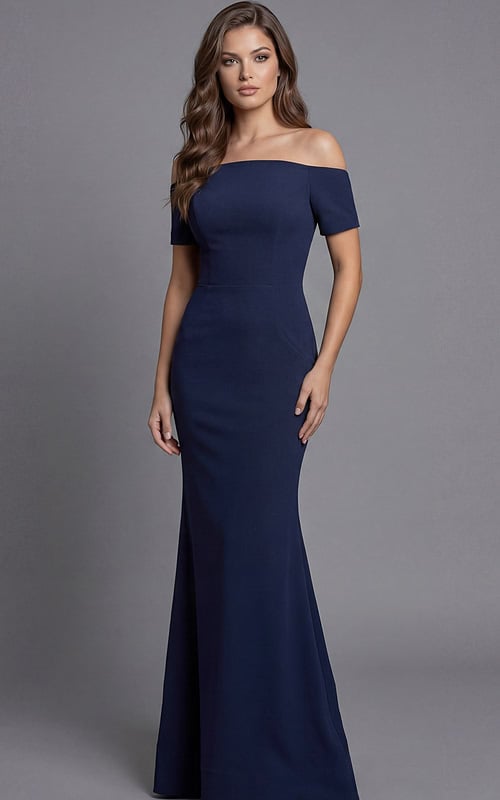
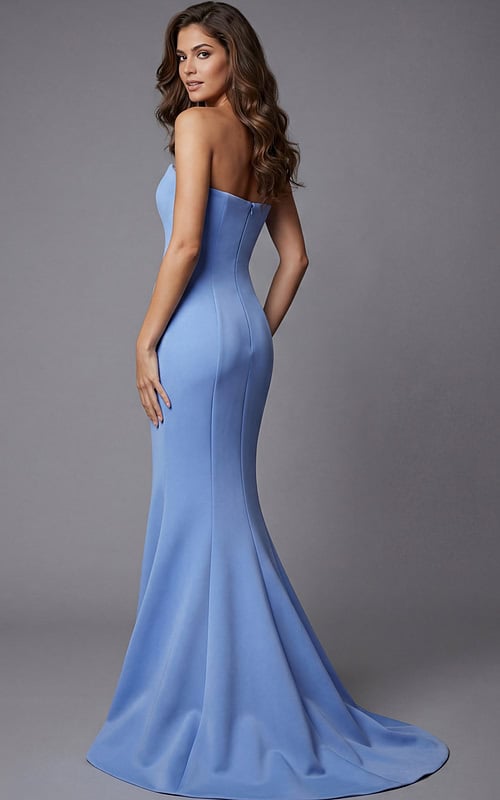
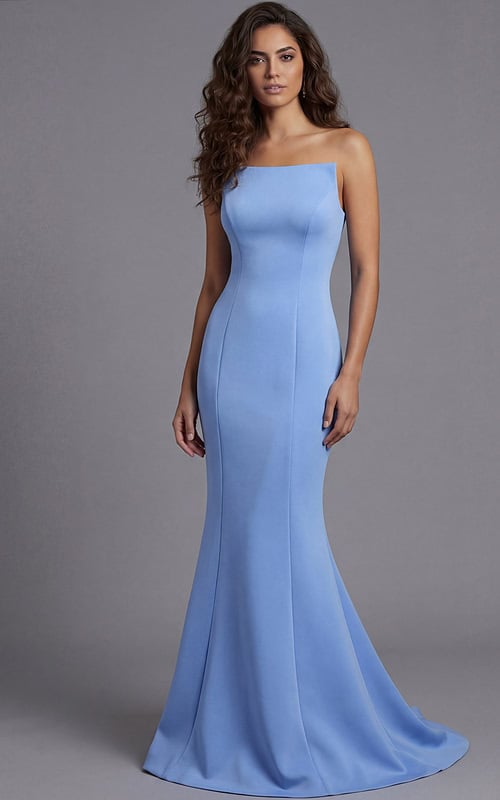
Silhouette is one of the most useful starting points when comparing black tie dresses. A mermaid shape follows the body through the waist and hips before opening toward the hem, creating a more sculpted profile. Column dresses keep the line narrow from shoulder to floor and suit a cleaner, less voluminous approach. A-line shapes add movement through the skirt while maintaining definition at the waist.
For occasions that call for greater scale, ball gowns bring volume through structured satin, tulle, organza, or layered skirts. The fuller proportion works particularly well in grand venues, formal galas, and celebrations where a stronger silhouette feels appropriate. Length matters as much as shape. Floor-length designs remain the clearest choice for a strict black-tie dress code, while midi and shorter styles tend to sit closer to cocktail or black-tie optional dressing. The most convincing black tie gown does not rely on volume alone; the overall proportion should feel deliberate from neckline to hem.
Fit, Structure, and Proportion
A formal gown needs to work while standing, sitting, walking, and dancing, so fit should be assessed beyond the first impression. A structured bodice should feel secure through the bust and waist without pulling across seams or restricting movement. Corset-inspired construction can give strapless and off-the-shoulder shapes greater definition, while softer draping allows the fabric to follow the body with less rigidity. Hem length should be considered with the shoes intended for the event. This is particularly important with trains, fitted skirts, and layered hems, where even a small alteration can change the balance of the silhouette.
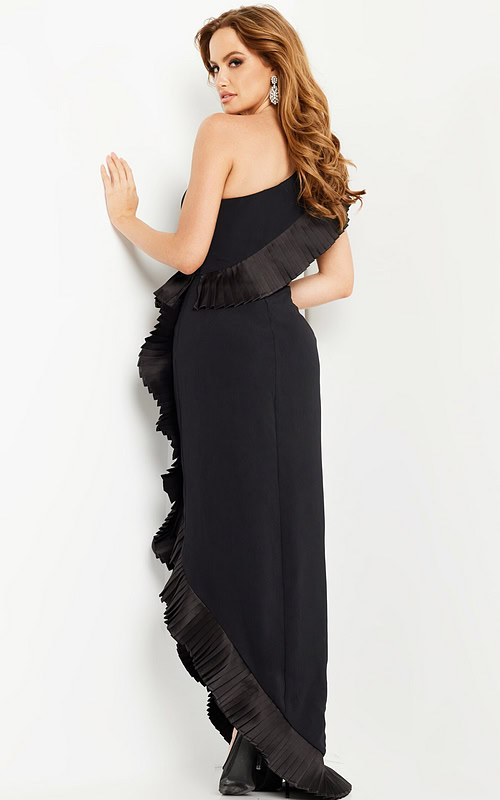
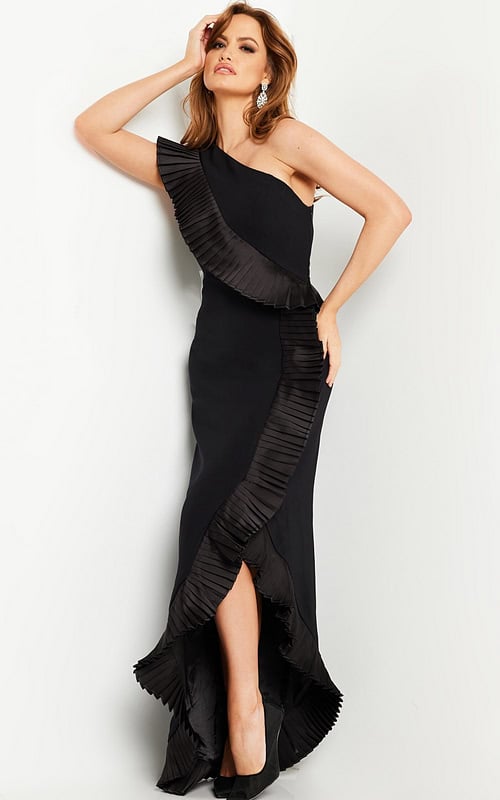
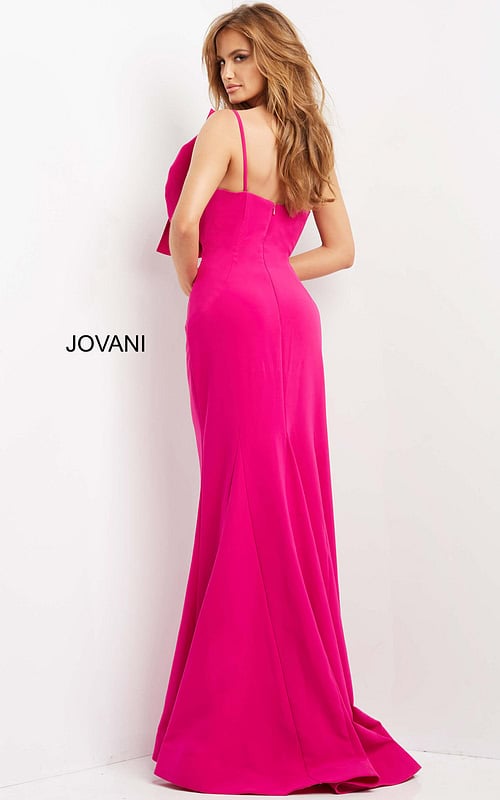
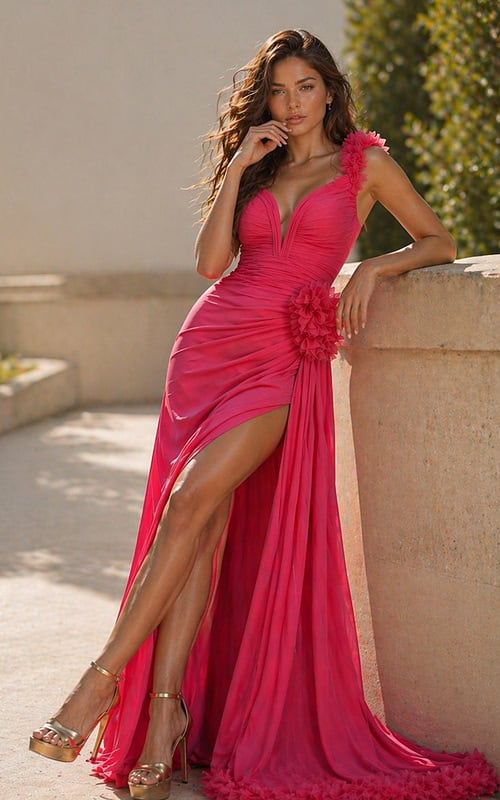
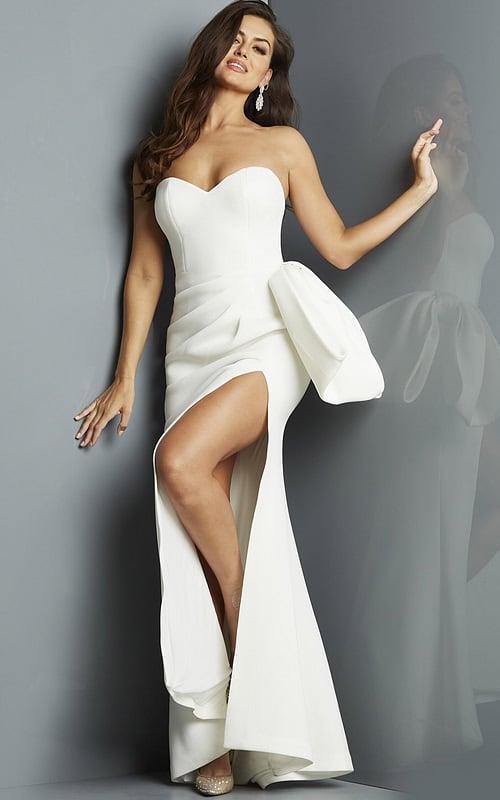
Proportion also affects how individual details read. A high slit can add movement to a narrow column or fitted gown, while a fuller skirt may need very little additional detail. A defined waist can balance volume below it; an elongated bodice can make a mermaid shape feel more streamlined. Jovani designs formal silhouettes with close attention to these relationships between structure, movement, and line. The result should look composed from different angles rather than depending on a single statement detail.
Satin, Crepe, Velvet, and Embellished Fabrics
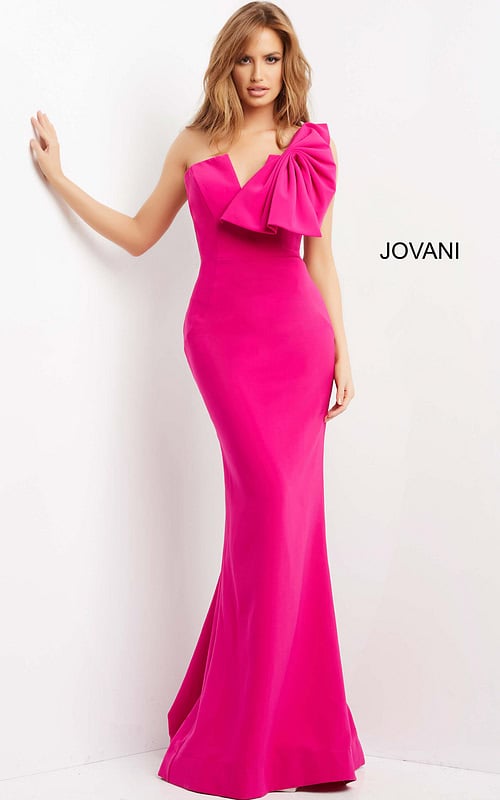
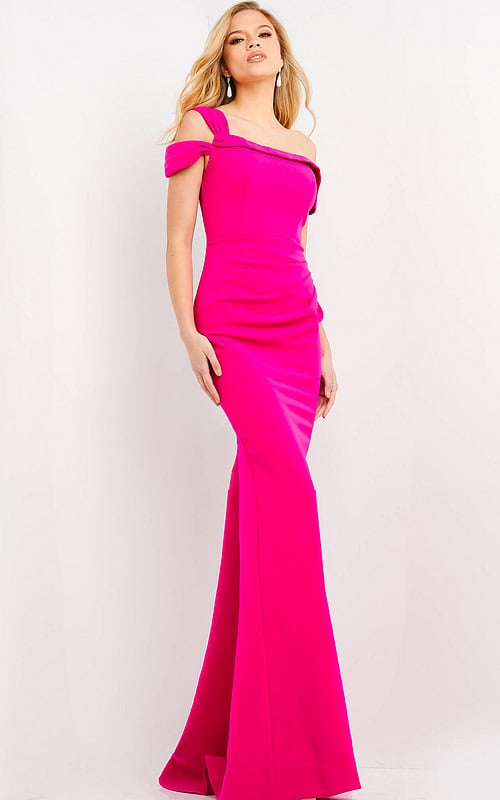
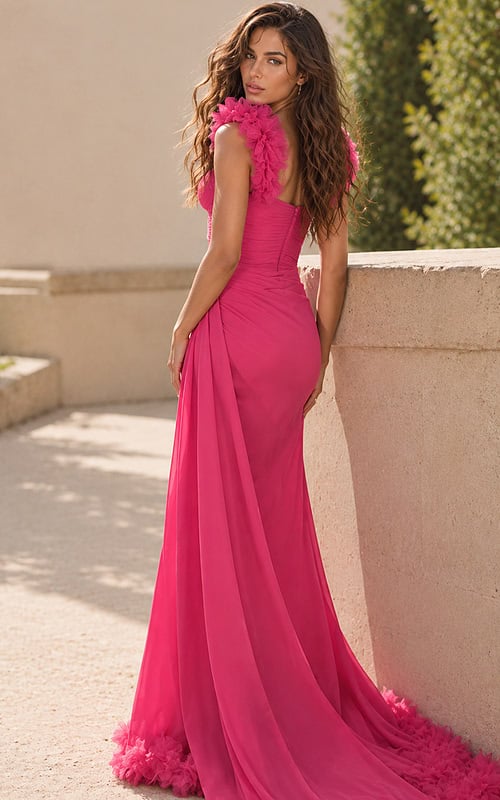
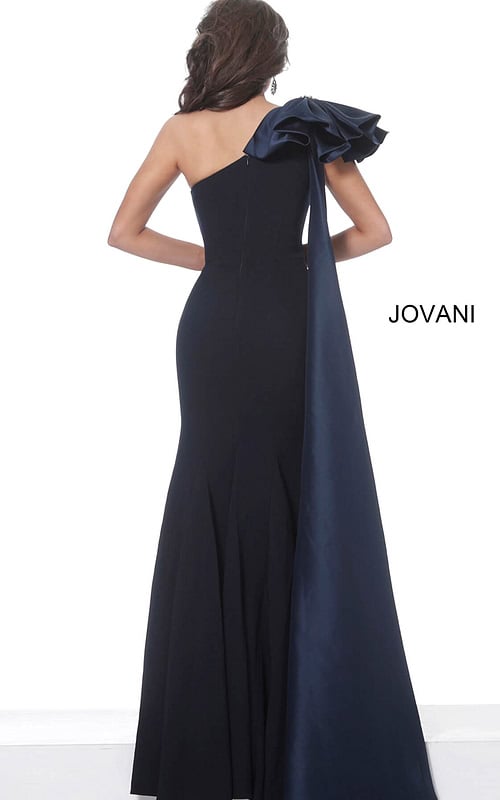
Fabric determines much of a black tie gown’s character. Satin reflects light and gives draped, corseted, and bias-cut silhouettes a smoother surface. Crepe has a more matte appearance and works particularly well on clean columns, sheath shapes, and understated one-shoulder designs. Velvet brings visual depth and weight, making it especially suited to cooler seasons and formal evening settings. Chiffon and tulle create a lighter effect through movement and layering. They work naturally in A-line skirts, soft sleeves, overlays, and fuller silhouettes where the fabric needs to move rather than hold a rigid shape.
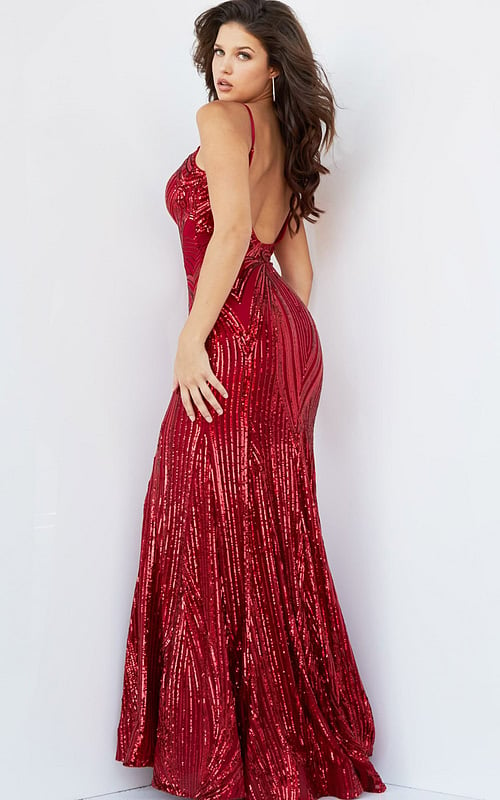
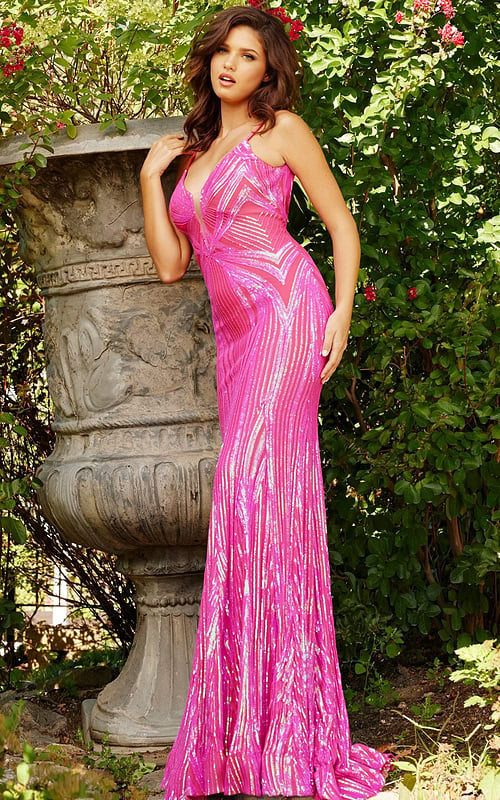
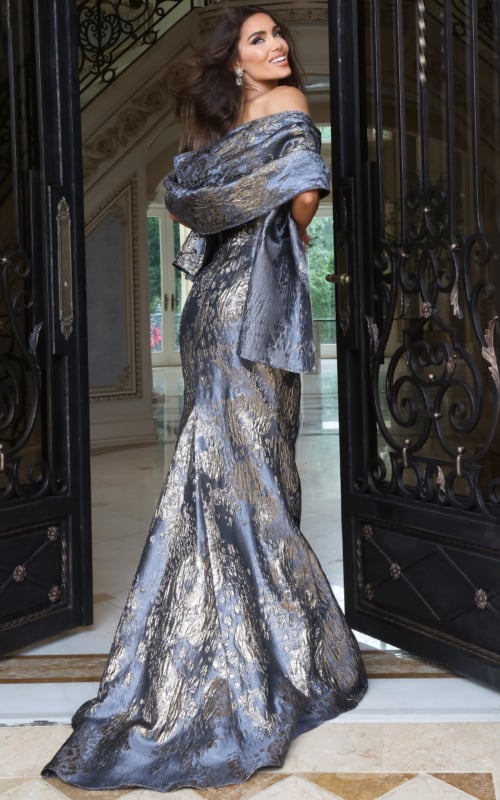
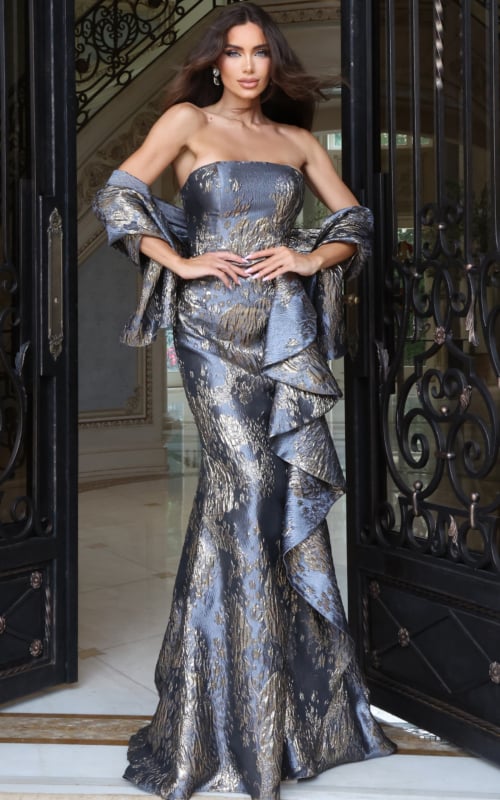
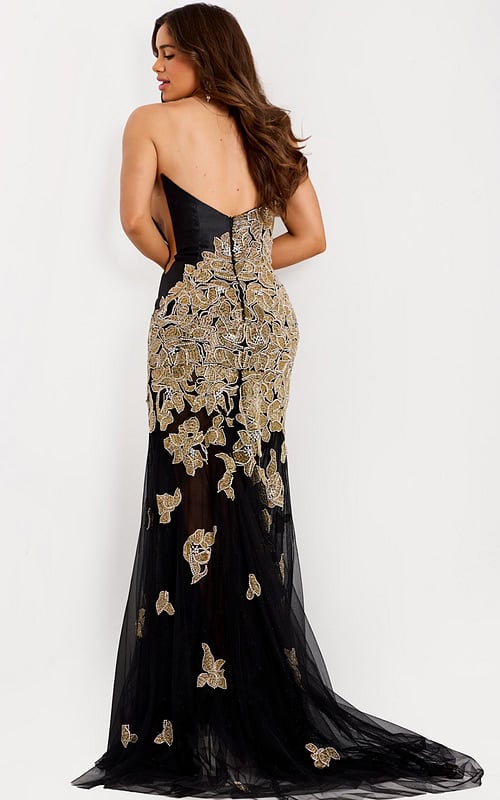
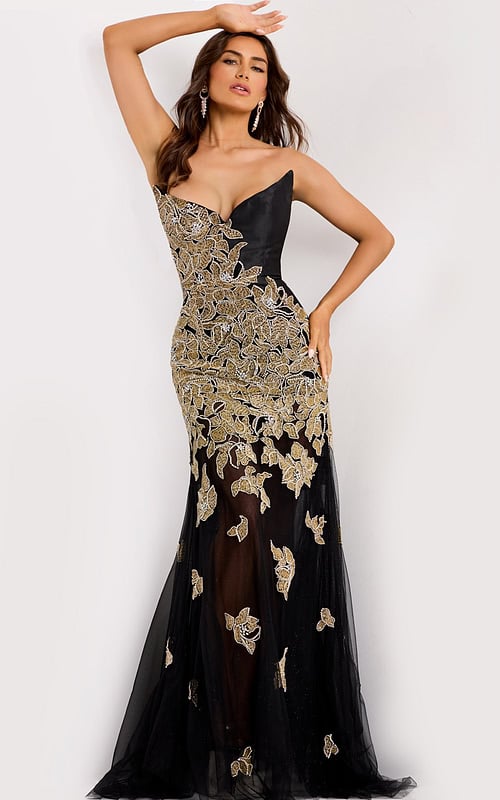
At the more detailed end of formalwear, couture dresses use embellishment, appliqué, surface texture, and more complex construction as part of the design rather than as an afterthought. For shoppers drawn specifically to long, highly considered silhouettes, floor-length couture dresses offer another way to compare proportion, structure, and decorative detail within a formal context. Beaded mesh, sequins, metallic finishes, floral appliqué, and jacquard can all work within black tie. The strongest looks usually allow one element to lead rather than combining several competing focal points.
Modern Details That Keep Formal Dressing Current
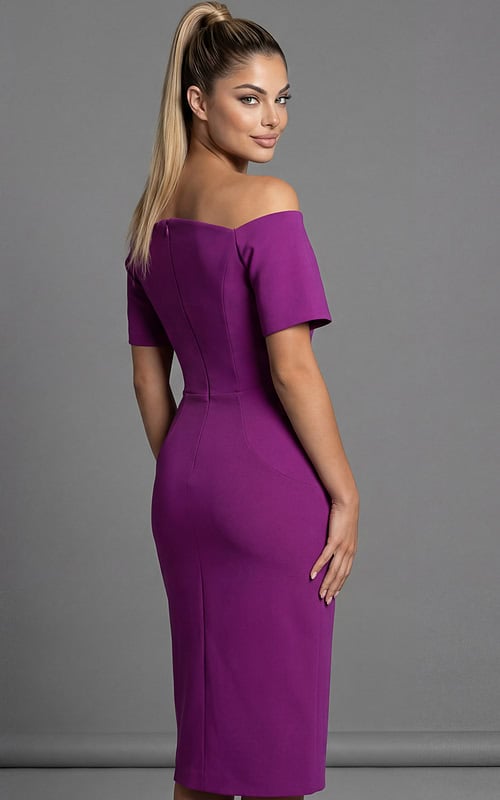
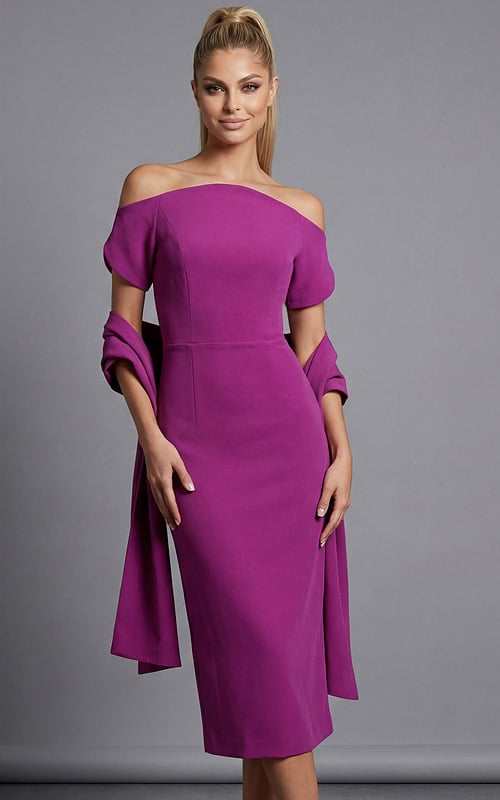
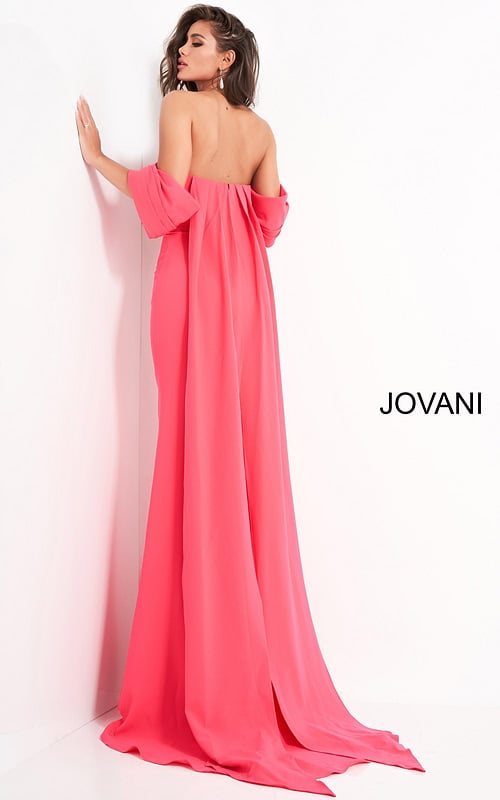
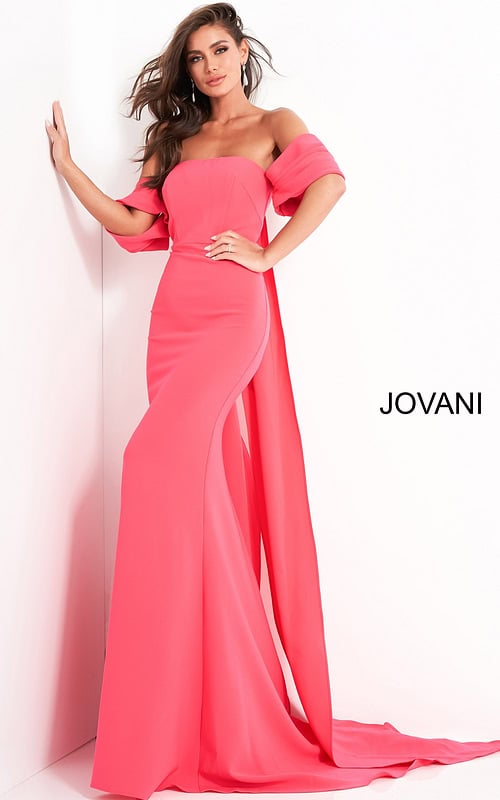
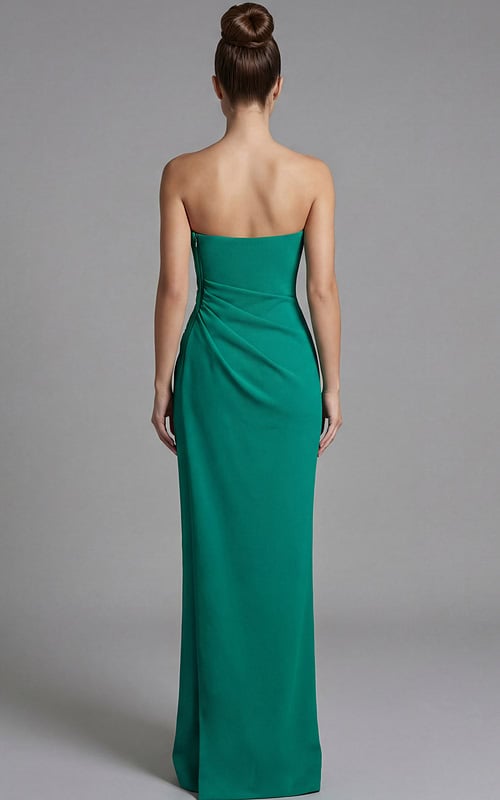
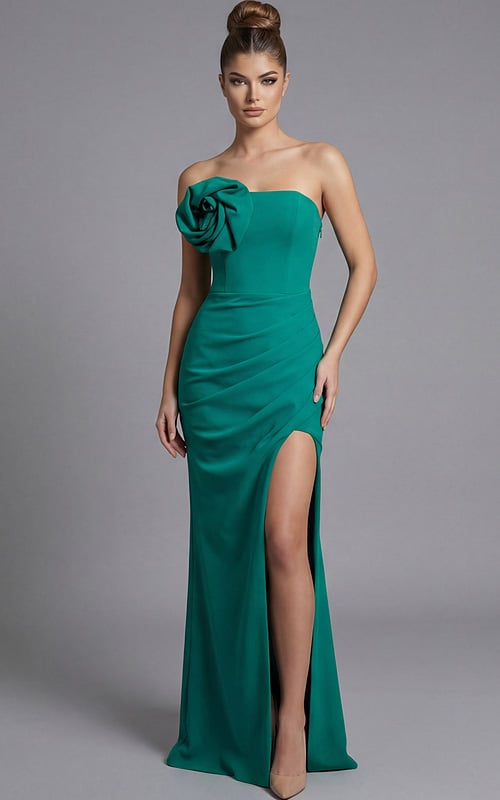
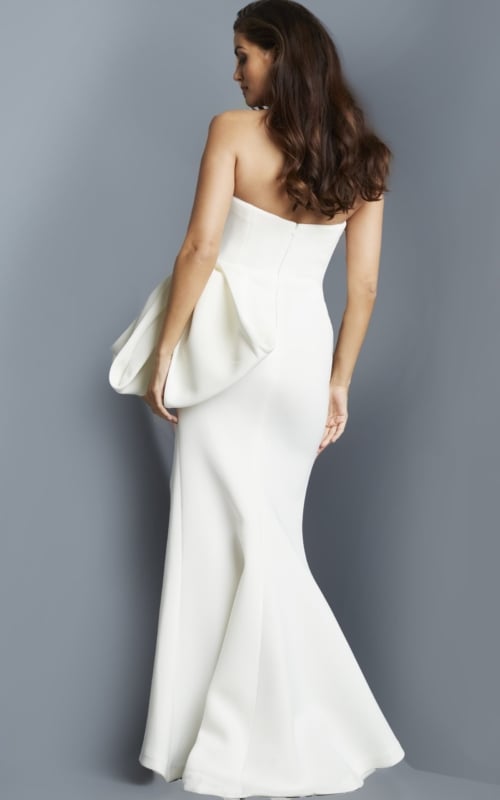
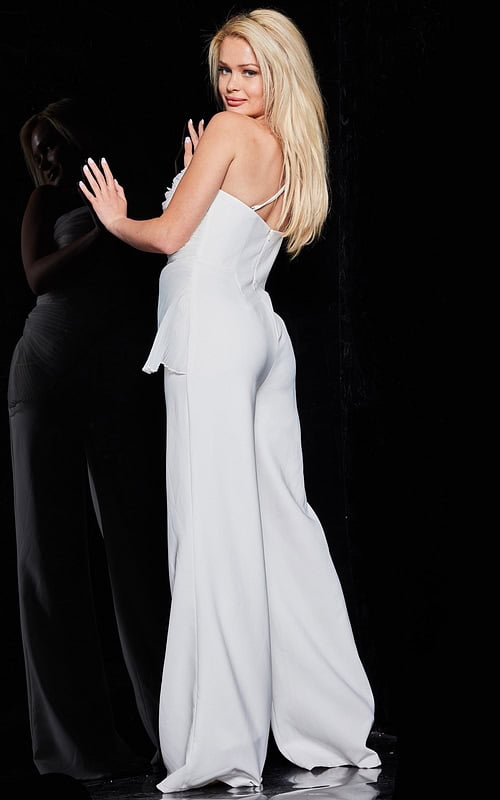
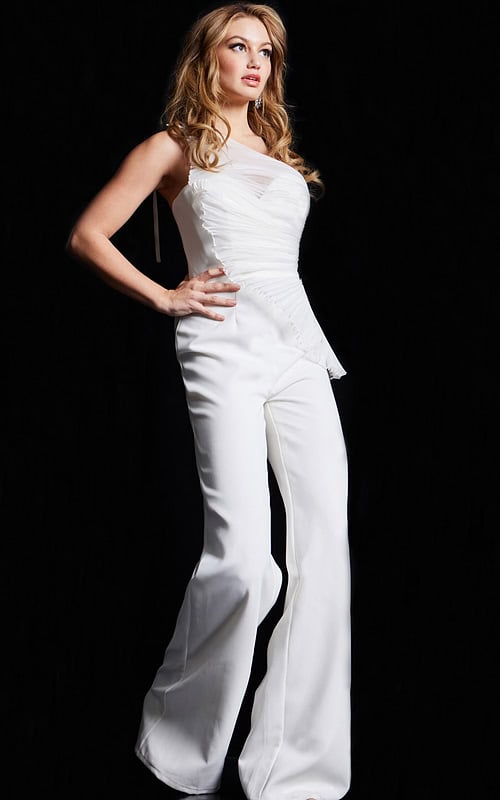
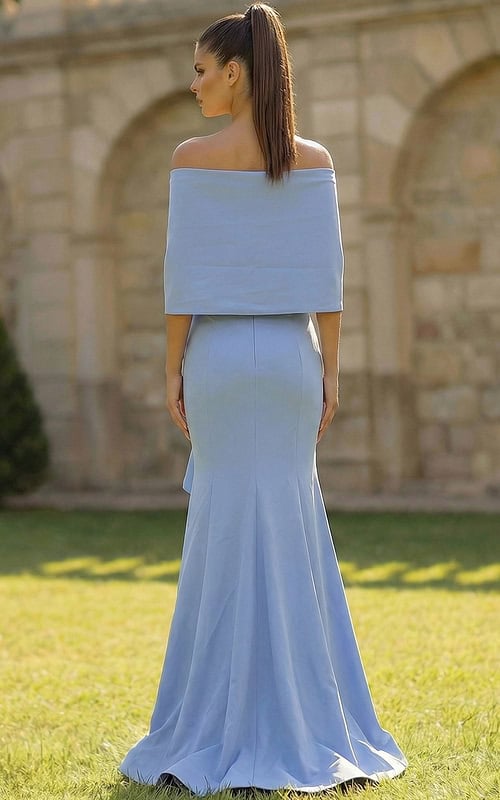
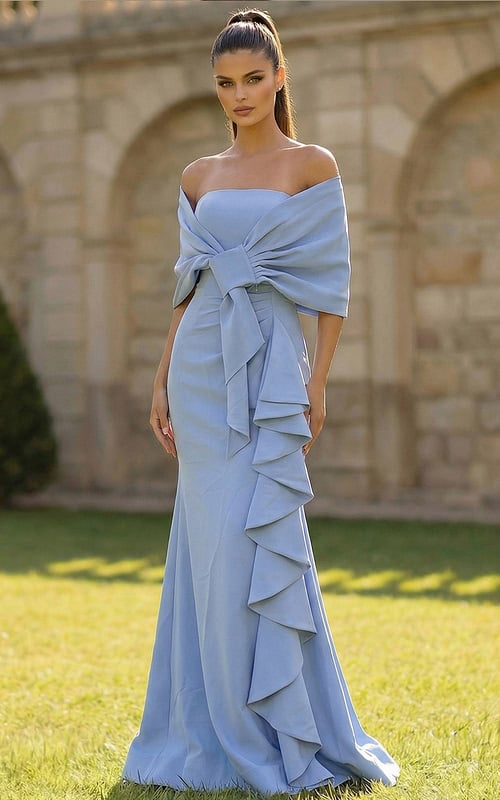
Contemporary black tie dresses often rely on controlled detail rather than excessive ornamentation. Strapless necklines create a clean upper line and pair naturally with both fitted skirts and fuller silhouettes. One-shoulder designs introduce asymmetry, while off-the-shoulder shapes frame the neckline without losing the formality expected from a long gown. High slits, open backs, sculptural bows, cape sleeves, dimensional flowers, and sheer sections can all shift the character of a dress. Their effect depends on placement. A high slit feels more considered when balanced by a structured bodice; an open back can work with a simple front; a large floral detail has more impact when the rest of the silhouette remains controlled.
Modern prom trends have also influenced formal dressing through corseted bodices, fitted mermaid shapes, crystal detailing, and dimensional appliqué. In black tie gowns, these details usually appear with more restraint, allowing construction and fabric quality to remain visible. Color offers another way to change the mood. Black remains a strong formal option, but navy, burgundy, emerald, deep blue, metallic tones, and saturated jewel shades can carry the same level of formality when the silhouette and fabric are appropriate.
Black Tie Dresses for Weddings, Galas, and Formal Events
The invitation establishes the dress code, but the type of event can help narrow the final choice. Galas and benefit dinners can support stronger proportions, including full skirts, architectural draping, metallic finishes, and concentrated embellishment. Formal dinners and professional events often suit cleaner column dresses, refined A-lines, or one-shoulder silhouettes with less surface decoration. Black-tie weddings require an additional consideration: the dress needs to meet the formality of the celebration without competing with the bridal party. The broader wedding guest dresses selection can be useful when comparing silhouettes across different wedding dress codes, while black wedding guest gowns narrow that choice for guests specifically considering a dark, formal palette.
For a strict black-tie wedding, a long dress is generally the clearest direction. Black can work particularly well for evening ceremonies and formal receptions, while jewel tones and deeper seasonal colors provide alternatives without reducing the level of formality. Black-tie optional allows more flexibility. A refined midi or formal cocktail silhouette may be appropriate depending on the venue, whereas a true black-tie invitation points more strongly toward a floor-length black tie dress or gown.
Choosing a Black Tie Gown You Will Want to Wear
A practical way to narrow the selection is to make four decisions first: silhouette, fabric, level of detail, and event setting. Someone looking for a defined shape can begin with mermaid and column gowns. For greater movement, A-line silhouettes create more ease through the skirt, while ball gowns place the emphasis on volume. Fabric then refines the direction. Satin gives a polished surface, crepe keeps the line clean, velvet adds depth, and chiffon introduces softness. Beading and sequins change how the gown responds to light and can make even a simple silhouette feel more detailed.
Comfort should remain part of the decision. Consider bodice support, strap placement, skirt weight, slit height, train length, and whether alterations will be needed. A formal dress can look precise without feeling rigid, and the right construction should allow the silhouette to hold its shape throughout the event. For versatility beyond a single night, restrained embellishment, a balanced neckline, and a strong silhouette tend to offer more styling options. Accessories can change; proportion and fit cannot. The most successful black tie dress is therefore not necessarily the most elaborate one, but the design in which fabric, construction, and silhouette work together naturally.

 Couture Dresses
 Little Black Dresses