
Blog
The Ultimate Guide to Formal Wear: Cocktail Dress vs Evening Gown

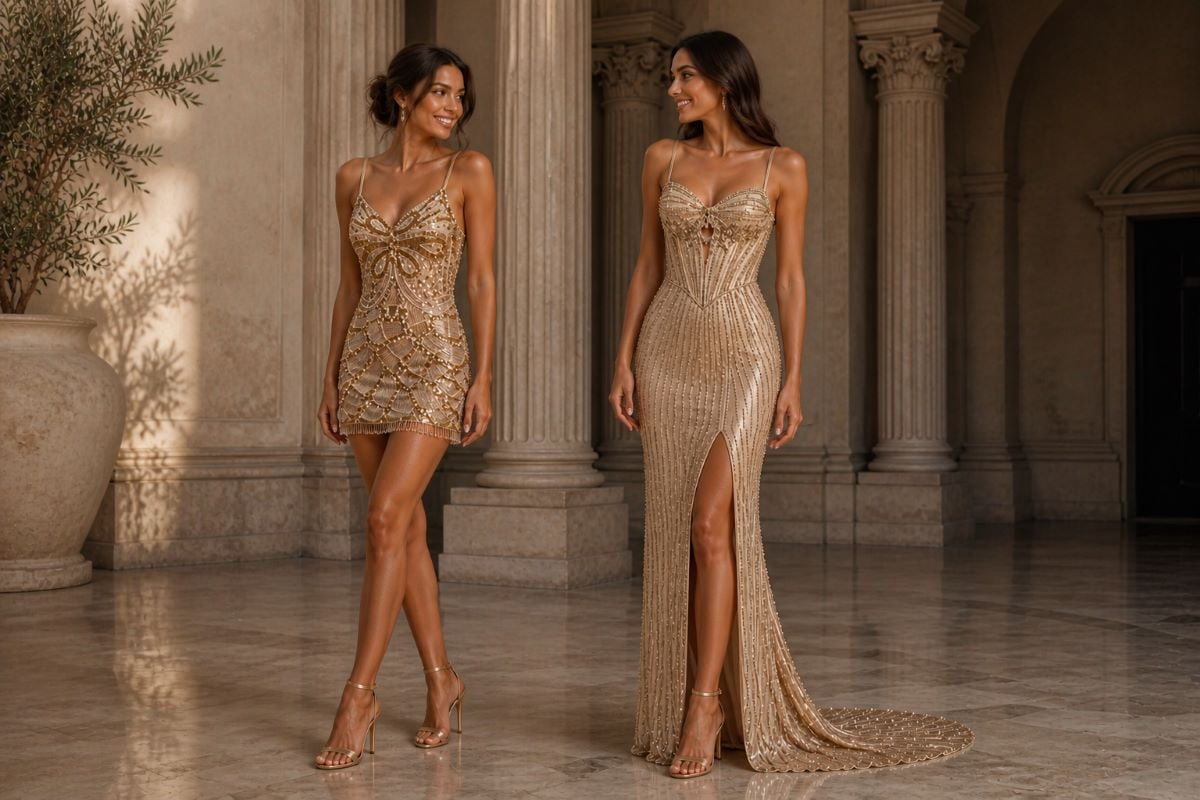
Every season brings a wave of new invitations, and with them comes the inevitable question of what exactly to wear. Navigating the nuances of formal dress codes can sometimes feel like deciphering a secret language, especially when trying to understand the exact parameters of a cocktail dress vs evening gown. While both categories represent a significant step up from everyday wear, they cater to entirely different atmospheres, venues, and levels of formality.
As a design house dedicated to the art of occasion wear, Jovani understands that the right silhouette does more than just respect the host’s dress code; it completely transforms how you feel when you enter a room. Whether you are stepping into a lively twilight reception or walking down a grand staircase at a gala, mastering the difference between cocktail and evening dress ensures you always arrive with confidence, grace, and impeccable style.
The Defining Characteristics of the Cocktail Dress
To fully appreciate the versatility of a cocktail dress, one must understand its core design elements. From where the hem falls to the modern fabrics used, these details define its semi-formal charm and enduring appeal.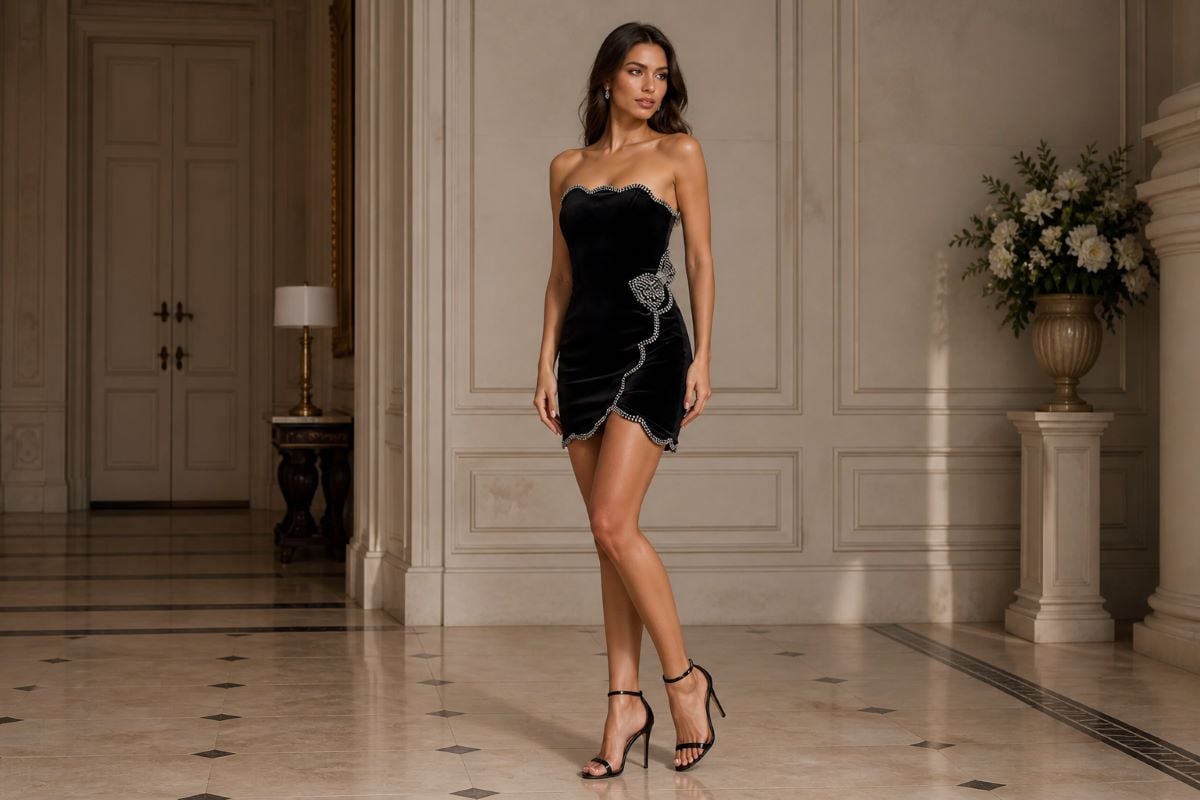
Hemlines and Proportions
The cocktail dress is the quintessential garment for semi-formal event wear. Born in the early 20th century as a stylish, transitional piece for late-afternoon and early-evening gatherings, it has since evolved into one of the most versatile staples in a woman’s wardrobe.
When observing dress length guidelines, the defining characteristic of cocktail dresses is their hemline. Typically falling anywhere from mid-thigh to just below the knee, these designs offer a perfect balance of refined elegance and practical mobility. Anything that grazes the ankle or sweeps the floor firmly steps out of this category.
Fabrics and Modern Expressions
Because of the shorter length, cocktail attire for women allows for a distinct degree of playfulness and modern expression. You will often see vibrant, eye-catching colors, intricate beadwork, daring asymmetrical cuts, and textured fabrics like playful tulle or structured mikado. A beautifully tailored little black gown is perhaps the most universally recognized iteration of this style, providing a sophisticated blank canvas that can be dressed up or down depending on the accessories you choose.
Ultimately, the goal of a cocktail outfit is to appear highly polished without looking overly traditional or restricted. When considering a cocktail dress vs evening gown, this shorter option is the garment you choose when the evening promises mingling, dancing, and socializing without the heavy weight of a trailing skirt.
The Timeless Elegance of the Evening Gown
When an occasion demands the highest level of formality, the evening gown steps into the spotlight. These garments are masterclasses in design, offering unparalleled grace, intricate construction, and traditional beauty.
Structural Mastery and Silhouette
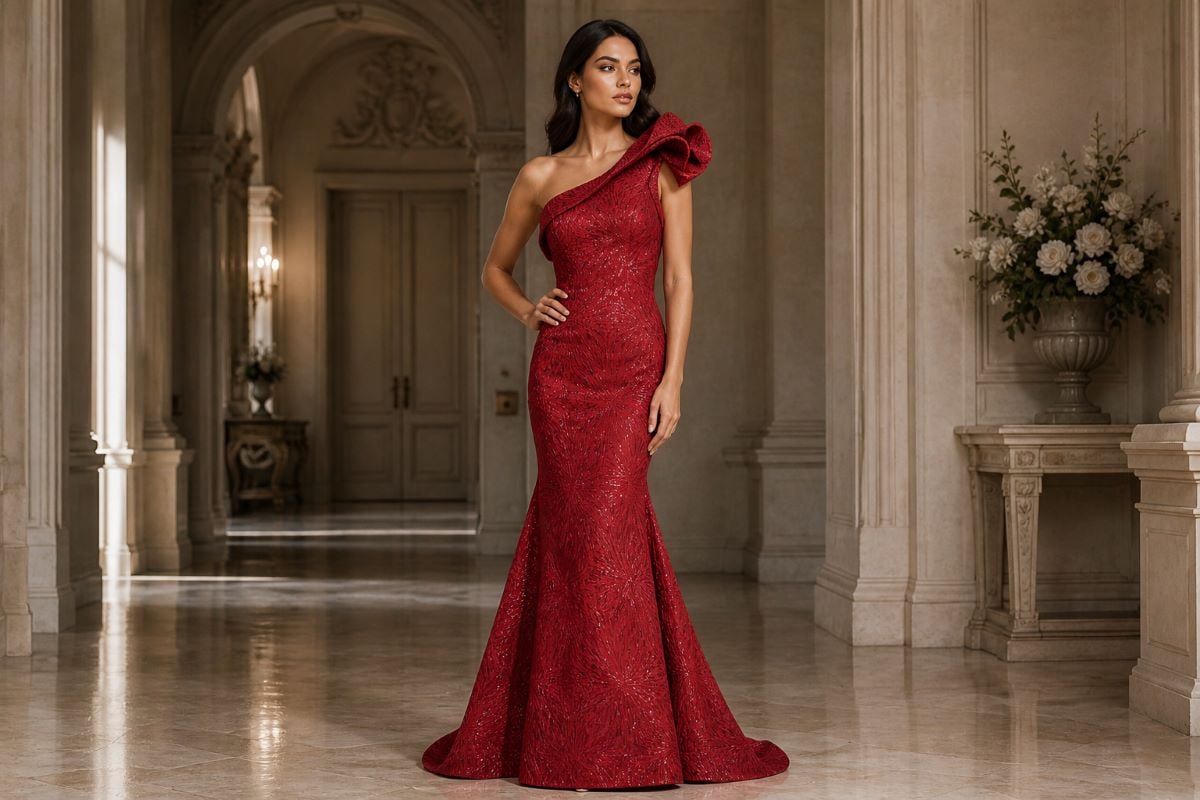
In sharp contrast, formal evening gowns represent the absolute pinnacle of sartorial grandeur. When an invitation signals a high-formality event, the aesthetic expectation shifts dramatically toward sweeping lengths, luxurious draping, and architectural construction.
Floor-length evening dresses are specifically designed to make a lasting impact through their graceful movement and structural mastery. They are reserved for the most significant, monumental occasions on the social calendar. While a cocktail dress thrives on its spirited, approachable energy, the evening gown commands the room through pure, unadulterated sophistication.
For a white-tie or strict black-tie affair, long formal dresses are not merely a stylish preference; they are a strict requirement. The creation of these garments involves complex dressmaking techniques, from built-in corsetry that ensures a flawless fit to voluminous skirts and sleek, pooling trains. Every single stitch in a Jovani gown is intentionally placed to ensure the fabric moves beautifully with the wearer, creating an unforgettable silhouette that respects the gravity and prestige of the event.
The Core Difference Between Cocktail and Evening Dress
Understanding the distinction between these two styles involves looking beyond just the hemline. The choice of material and the overall mood the garment evokes play equally crucial roles in defining these formalwear categories.
Fabric Weight and Movement
The ultimate choice of a cocktail dress vs evening gown comes down to three primary factors: length, fabric weight, and overall mood.
The most obvious visual cue is, of course, the hemline. However, the fabrics chosen for evening dress styles also differ significantly from their shorter counterparts. While a cocktail piece might utilize lighter or stiffer fabrics to hold a fun, architectural shape, high-end evening wear leans heavily into rich silk velvets, heavy flowing crepes, delicate layered chiffons, and intricate brocades. These luxurious materials require maximum length to truly show off their drape and beauty.
The Psychological Mood
Another key difference lies in the psychological mood of the design. A semi-formal event encourages bold, trend-driven choices. Depending on your personal aesthetic, you might lean toward chic fitted formal styles that highlight the body’s natural lines with sharp precision. On the other hand, monumental galas, state dinners, and formal weddings often call for timeless, aristocratic elegance, where a classic A-line prom silhouette provides the necessary gravitas and traditional charm. Recognizing the difference between cocktail and evening dress means understanding whether the night calls for spirited, modern socializing or a more traditional, monumental celebration.
Navigating Dress Codes: When to Wear What
The invitation is your ultimate guide, but decoding event terminology can sometimes be tricky. Here is a breakdown of how to perfectly match your dress choice to the specific requirements of the evening.
Black Tie and White Tie Extravaganzas
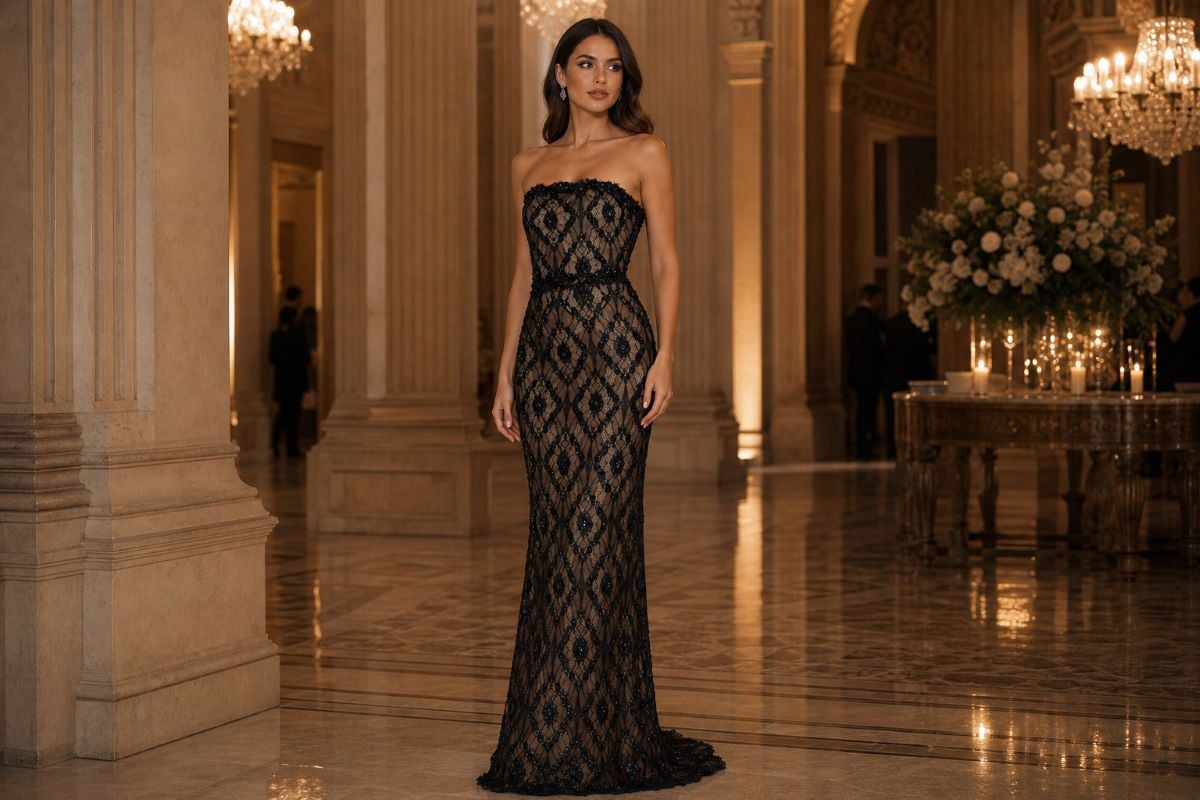
Decoding the invitation is the crucial first step in selecting the right attire. If the card specifies a black tie dress code, the expectation is crystal clear: floor-length gowns are standard. For highly formal environments—such as prestigious award ceremonies, charity galas, or traditional evening weddings—choosing anything less than a full-length gown can leave you feeling underdressed and out of place. For venues or personal preferences that require a more covered, traditional approach to elegance, modest evening dresses offer elegant high necklines and elongated sleeves without sacrificing an ounce of luxury.
Semi-Formal and Cocktail Attire
Conversely, if the invitation reads “cocktail attire,” “semi-formal,” or “dressy casual,” you have the absolute green light to embrace shorter hemlines. These styles are the impeccable choice for holiday parties, art gallery openings, upscale anniversary dinners, or corporate celebrations.
The “Black Tie Optional” Grey Area
A common area of confusion is the “Black Tie Optional” dress code. In this scenario, you are presented with a choice. You may wear a formal floor-length gown, but a highly elevated, exceptionally elegant midi or knee-length dress is also acceptable. Navigating a cocktail dress vs evening gown in these grey areas requires considering the venue and the time of day. Daytime and late-afternoon events almost universally call for cocktail lengths, while events beginning after six o’clock naturally transition into the realm of formal evening gowns and strict black tie events.
Styling and Accessorizing Your Silhouette
The dress is only the beginning of your ensemble. How you choose to accessorize—from your footwear to your jewelry—can significantly influence the formality and final presentation of your overall outfit.
Emphasizing Footwear
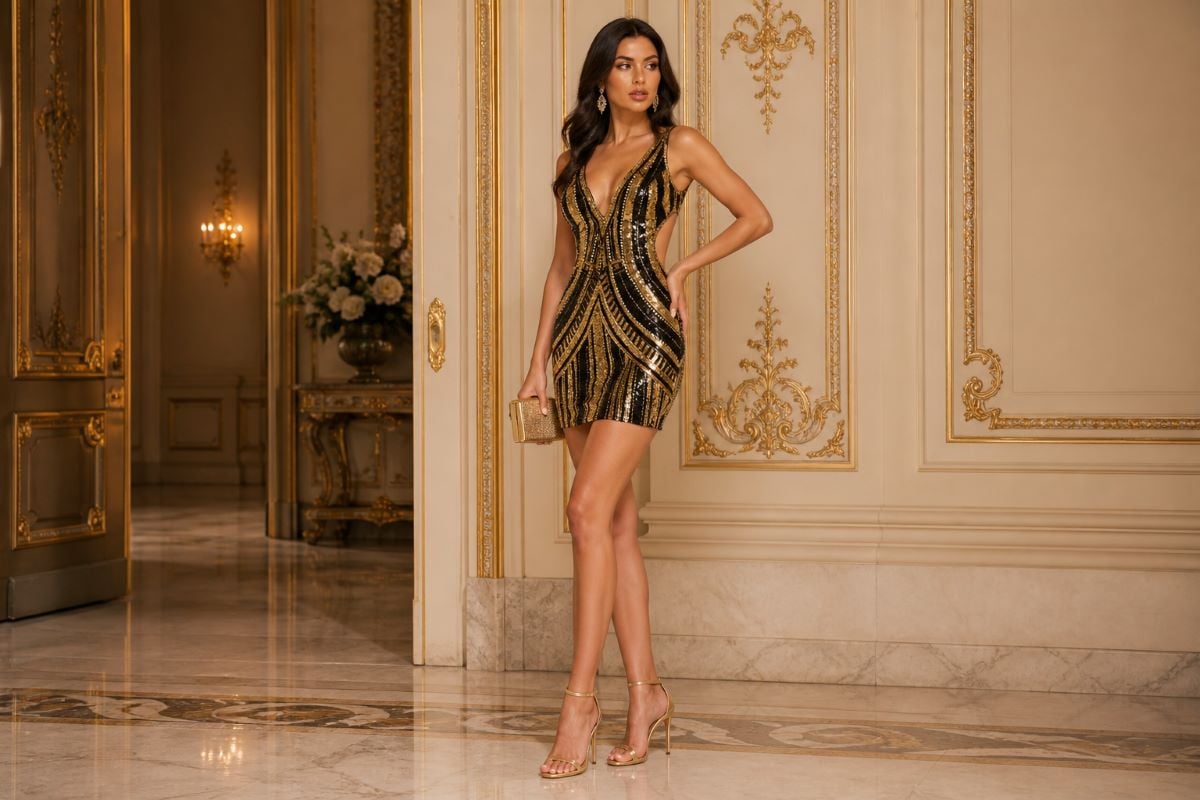
When evaluating how to style a cocktail dress vs evening gown, the way you choose to accessorize further defines the boundary between these two distinct looks. Because cocktail attire for women features a shorter hemline, your footwear naturally becomes a focal point of the entire outfit. This is the perfect opportunity to wear dramatic, statement-making heels, paired with bold, chunky jewelry and an embellished clutch.
Refined Elegance for Gowns
Styling evening dress styles, however, requires a much more refined and restrained touch. Because the floor-length gown itself is a magnificent, sweeping statement, your accessories should elevate rather than compete with the garment. Fine, delicate jewelry, a sleek and understated evening bag, and elegant footwear are ideal. Hair and makeup should also follow this formal trajectory; a chic, architectural updo or classic brushed-o
About Cocktail and Evening Attire FAQs
Still unsure about the finer points of formal wear? We have gathered answers to the most common questions regarding dress codes to help you confidently finalize your look.
1. Is a midi dress considered a cocktail dress or an evening gown?
A midi dress, which typically falls below the knee but hovers above the ankle, falls firmly under the category of semi-formal event wear and is considered a cocktail dress. It is an incredibly sophisticated option for parties and dinners. However, unless it is crafted from exceedingly formal fabric and heavily embellished, it is usually not suitable for a strict black tie dress code.
2. Can I wear a short dress to an evening event?
This depends entirely on the specific dress code stated on the invitation. If the evening event is designated as semi-formal or black-tie optional, an elevated, beautifully embellished short dress can work perfectly. However, if you are comparing a cocktail dress vs evening gown for a truly formal, white-tie, or strict black-tie affair, a short dress will look out of place. It is always safer and more respectful to the host to opt for floor-length when formality is at its highest.
3. How do I choose the right color for these different dress codes?
While black is a universally accepted, foolproof choice for both, cocktail events allow for a much broader spectrum of brighter, trendier colors and bold, graphic patterns. Formal evening gowns, due to their traditional nature, often lean toward rich jewel tones (like emerald and sapphire), metallics, or classic black and navy to maintain an air of timeless, understated sophistication.
Find the perfect silhouette for your next unforgettable occasion by viewing the full collection at your nearest authorized Jovani retailer.