
The modern social calendar is no longer bound by traditional seasonal boundaries. From high-profile winter weddings and early spring galas to summer garden soirées and crisp autumn charity events, the classic cocktail hour remains an enduring, year-round constant. For the discerning woman, curating a versatile wardrobe does not require sacrificing sartorial excellence or indulging in excessive consumerism; rather, it demands a strategic, minimalist focus on transitional fashion. Central to this approach is investing in the premium four-season cocktail dress—a singular, exquisitely constructed garment that possesses the structural integrity, textile balance, and aesthetic neutrality to be effortlessly restyled throughout the year.
By mastering the subtle mechanics of fabric behavior, color harmony, and layering, you can easily adapt your style to any ambient temperature without ever feeling overdressed or under-prepared. A truly masterful garment relies on immaculate tailoring, balanced proportions, and luxury textiles that drape flawlessly—whether kissed by a warm summer breeze or shielded beneath a heavy winter overcoat. When you select a premium design, you are not merely purchasing another piece of clothing; you are securing an artistic canvas for personal expression that responds beautifully to creative, seasonal styling. This guide explores the essential rules of transitional fashion, material dynamics, and accessorizing strategies required to elevate your year-round formal wardrobe, positioning you as an exemplar of sophisticated adaptability.
The Anatomy of an All-Weather Formal Masterpiece
Selecting a garment capable of transitioning effortlessly from a humid July night on a rooftop terrace to a brisk January gala requires looking past temporary, fleeting trends and focusing intensely on the fundamentals of luxury garment construction. Not all cocktail dresses are created equal when it comes to multi-season wear. To identify a true transitional masterpiece, you must evaluate the design through three distinct lenses: textile composition, silhouette versatility, and the tonal adaptability of the color palette. The goal is to isolate a design that feels neither inherently summer-specific nor exclusively winter-coded, but instead serves as a neutral anchor upon which you can layer textures, outerwear, and jewelry to reflect the emotional and visual landscape of the current season.
Fabric Weight, Weave, and Breathability
The absolute cornerstone of any multi-season garment is the structural and thermal performance of its fabric. Ultra-lightweight fabrics, such as tissue-weight linen, sheer cotton lawn, or flimsy rayon, read instantly as summer resort wear, making them impossible to style for elegant winter gatherings. Conversely, incredibly heavy fabrics, like dense winter wool felt, thick metallic brocades, or stiff quilted jacquards, feel stifling and look visually oppressive during the warm spring and summer months. The ideal middle ground lies in high-performance, mid-weight luxury fabrics that offer exceptional structural drape while permitting the skin to breathe. When searching for the perfect foundation piece, the curated selection of cocktail gowns provides an exceptional starting point, offering the ideal length to balance seasonal transitions with ease.
Double-woven luxury crepe, premium mid-weight silk-satin, and high-density scuba knit are the premier choices for sophisticated transitional style. A high-quality crepe, for instance, possesses a refined, matte finish that reflects light elegantly in both bright outdoor summer settings and dimly lit winter venues. Its unique weave has a natural, subtle elasticity that holds its tailored shape under heavy outerwear but remains fluid and cool when worn completely on its own. Understanding the unique thermal dynamics of these premium textiles is paramount when you seek to adapt your style across seasons, ensuring your garment works in perfect harmony with your body’s needs while maintaining an immaculate, pristine aesthetic. It is precisely within these details that the true value of a premium four-season cocktail dress lies, elevating it from a simple garment to a lifetime wardrobe asset.
Silhouette Geometry and Layering Potential
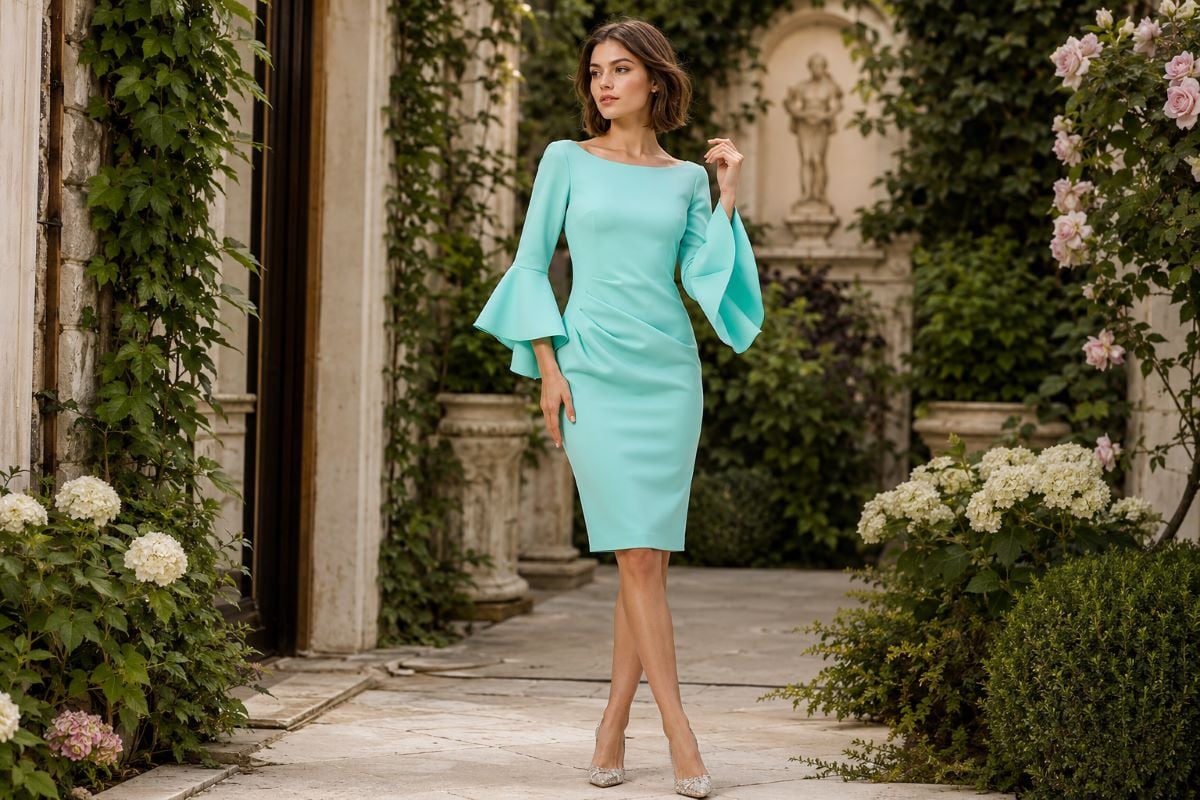
To maximize the wearing potential of your formal attire, the silhouette must welcome layering rather than resist it. Extreme, highly stylized cuts—such as dramatic, oversized puff sleeves, highly restrictive multi-tiered ruffles, or heavily structured, asymmetrical three-dimensional peplums—are notoriously difficult to adapt. Instead, the focus should rest upon clean, architectural lines that define the natural figure while leaving ample physical space for outerwear, tailored blazers, wraps, and statement footwear.
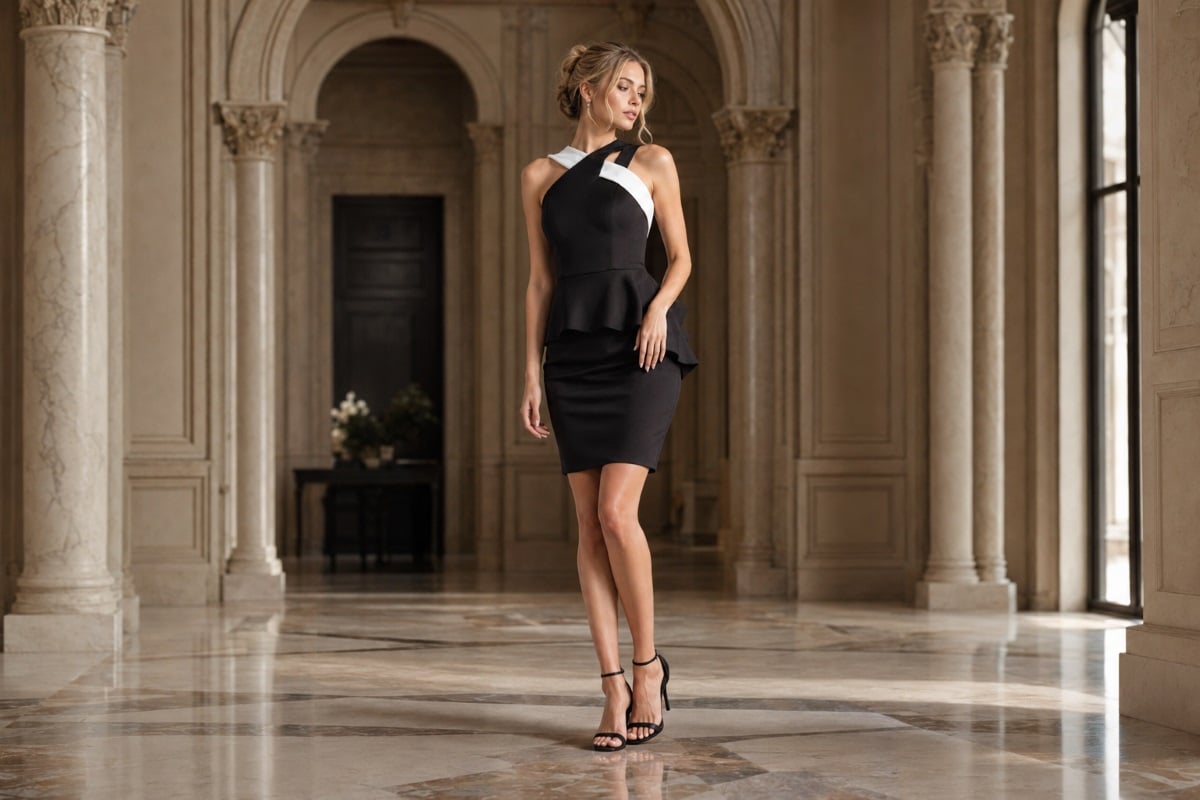
Sleek sheath dresses, timeless column cuts, and elegant fitted straight formal dresses serve as the absolute gold standard for foundational silhouettes. A sleeveless or delicate cap-sleeve design is highly recommended; it keeps you cool and sophisticated during the peak of summer, yet slides effortlessly into the sleeves of a tailored blazer, a cashmere wrap, or a structured overcoat during the colder months without bunching or wrinkling the fabric. The neckline must also be chosen with meticulous care. A modest V-neck, a refined boatneck, or an elegant scoop neck provides a beautifully balanced frame for the collarbones, accommodating both bare skin in July and elaborate statement necklaces, high-necked lace under-layers, or cashmere scarves in December.
The Tonal Chameleon: Color Palette Matrix
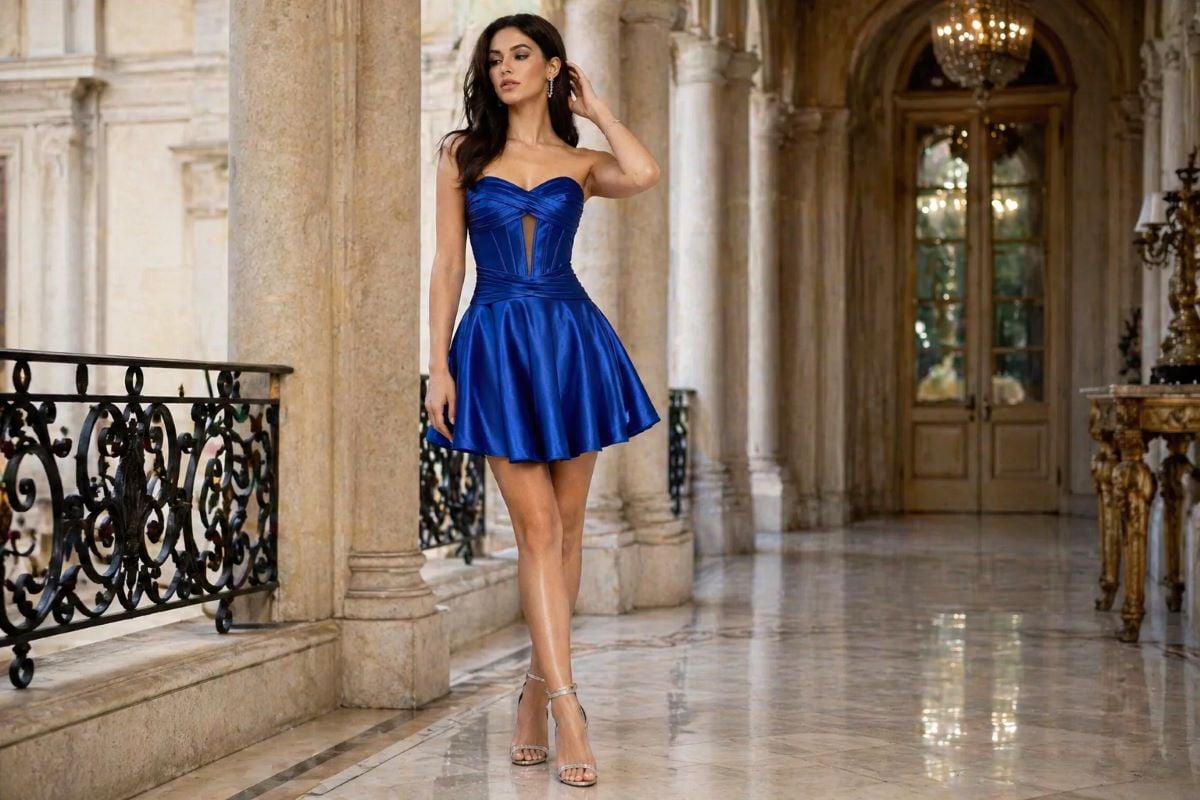
While classic black remains the undisputed, universally accepted champion of formal eveningwear, building a truly versatile four-season wardrobe allows you to explore other deep, rich neutrals that carry emotional and visual resonance across all twelve months. The key is to avoid hyper-seasonal colors—such as neon oranges, pastel mint greens, or holiday-specific bright metallics—unless they are styled with intense, deliberate contrast. If you wish to stray from classic black, consider a rich royal navy, deep emerald green, sophisticated plum, or a luxurious slate grey.
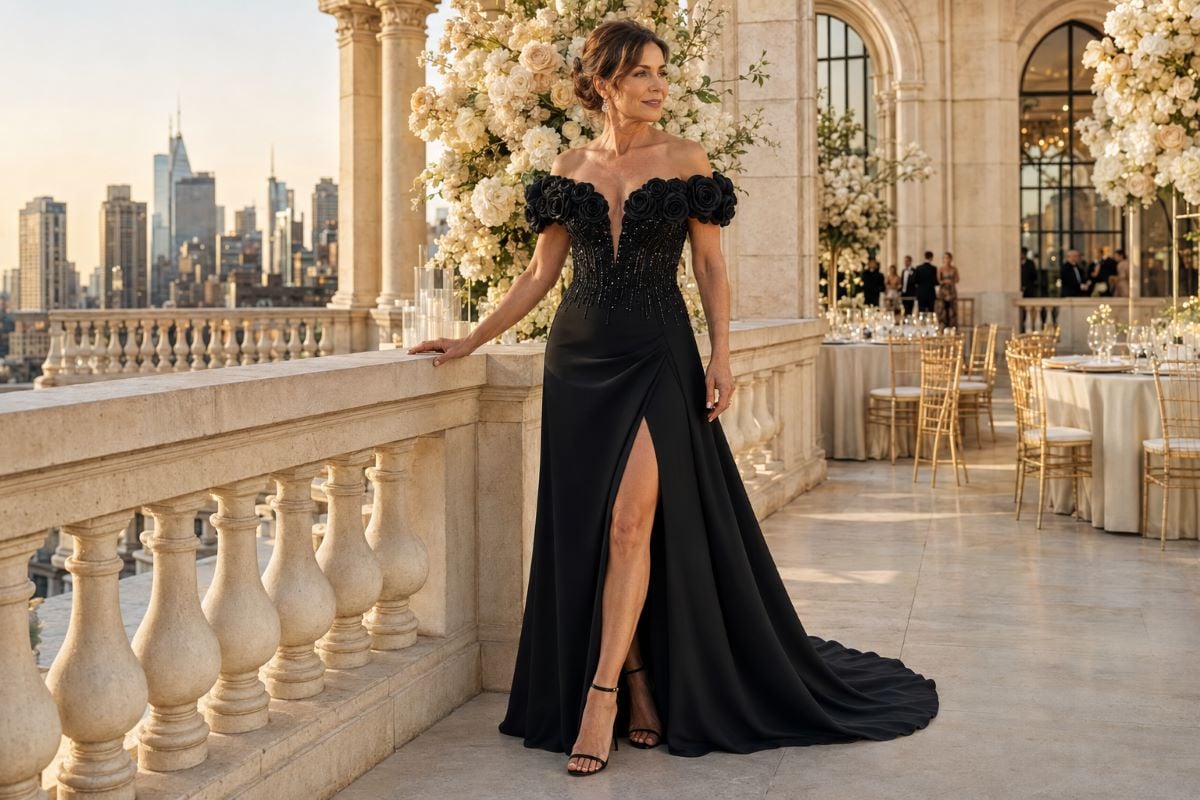
These jewel-toned neutrals possess a chameleon-like quality under different light sources. In the bright, warm natural light of spring and summer, they pair beautifully with metallic gold sandals, light-reflective pearl jewelry, and soft, luminous makeup. As the temperature drops and the natural light cools, these same shades gain rich visual depth when combined with darker, textured accessories, matte leather boots, and deep wine-colored lipsticks. This tonal versatility ensures your investment remains appropriate, striking, and deeply attuned to the atmospheric mood of any event on the calendar. To achieve ultimate versatile coverage, incorporating classic styles like black cocktail dresses provides an irreplaceable anchor that remains beautifully adapted to every social climate.
Spring: Fresh Textures and Light Transitional Layering
Spring is a season defined by change, marked by unpredictable weather patterns and a collective, psychological desire to shed the heavy, dark layers of winter. Outdoor afternoon ceremonies, rooftop bridal showers, and early evening charity cocktail hours demand an aesthetic that feels fresh, hopeful, and airy, while still offering practical protection against sudden, chilly winds and dropping temperatures. Adapting your year-round formal wardrobe for spring requires a delicate balance of light layering and fresh textural details.
The primary challenge of spring styling is navigating the temperature shift from a warm, sunny afternoon to a cold, breezy evening. To adapt your formal style effectively during this period, your layering choices must look highly intentional rather than like an afterthought. A structured, tailored blazer in a soft pastel shade—such as blush pink, lavender, ice blue, or soft sage—draped casually over the shoulders instantly softens the seriousness of a dark-toned dress. Alternatively, a cropped, double-breasted trench coat in a high-sheen satin can be worn closed over the dress during transit, creating a sophisticated, structured silhouette that protects against the elements while maintaining a formal, polished air. For celebratory spring occasions, transitioning towards floral cocktail gowns infuses a natural, blooming freshness that instantly shifts the aesthetic from the cold weight of winter into light, sun-filled optimism.
To visually transition a deep neutral dress into spring, look to your accessories to do the heavy lifting. Swap out dark, heavy leathers and dense metals for light-reflective, organic materials. Consider pairing a classic navy or slate grey dress with soft nude suede heels, a pearl-embellished clutch, and delicate drop earrings. For outdoor garden events, footwear must balance style with practical utility. A block-heeled sandal or an elegant slingback mule in a pale champagne or metallic silver prevents heels from sinking into soft lawns while keeping the overall aesthetic airy. Makeup should similarly reflect the season’s clarity, prioritizing dewy skin, soft rose lips, and a hint of light shimmer on the eyelids to catch the natural spring light, ensuring your four-season cocktail dress remains perfectly aligned with the botanical freshness of the season.
Summer: Minimalist Precision and Heat Management
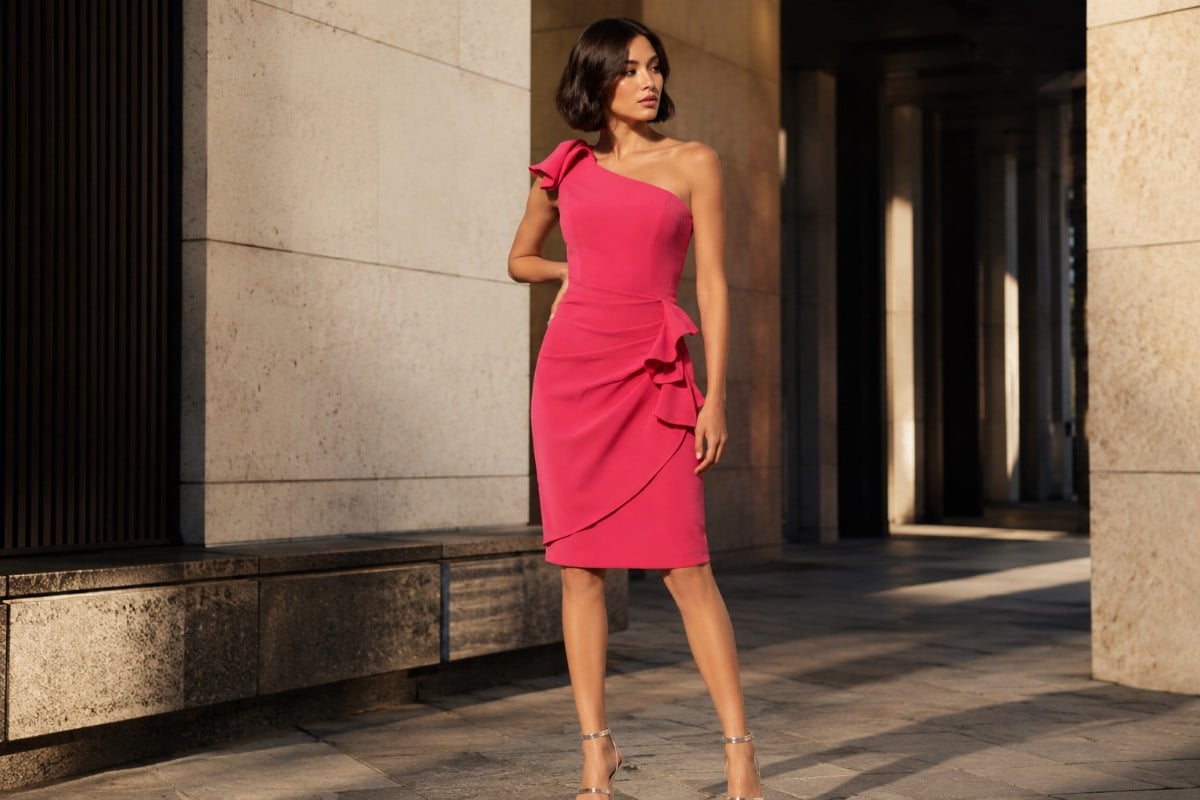
When midsummer arrives, the styling focus shifts entirely from insulation to heat management. High temperatures and elevated humidity levels can easily compromise your comfort, making it essential to style your garment with minimalist precision and effortless grace. The goal of summer cocktail styling is to look completely polished, cool, and refined, even during outdoor twilight receptions and seaside soirées. The secret to summer elegance lies in letting the dress speak for itself without the distraction of heavy layers, transforming your core four-season cocktail dress into a summer-ready ensemble that highlights immaculate tailoring and clean lines.
Since your premium transitional garment is constructed from a high-quality, breathable fabric like double-crepe or a breathable satin blend, it will naturally drape beautifully without clinging to the skin. To maximize physical comfort, keep your hair swept up in a sleek, high ponytail, a modern chignon, or an effortless low bun, exposing the neckline and collarbones to create a clean, elongated line that allows heat to dissipate. Avoid heavy, thick statement neckpieces that can trap heat against the chest; instead, draw focus to your face with bold, sculptural drop earrings or a pair of high-shine metallic hoops. If you require a light cover-up for air-conditioned indoor spaces or breezy coastlines, choosing off-shoulder cocktail dresses provides an exquisite solution that highlights the collarbone while leaving ample physical geometry to coordinate sheer silk organza wraps without adding visual weight.
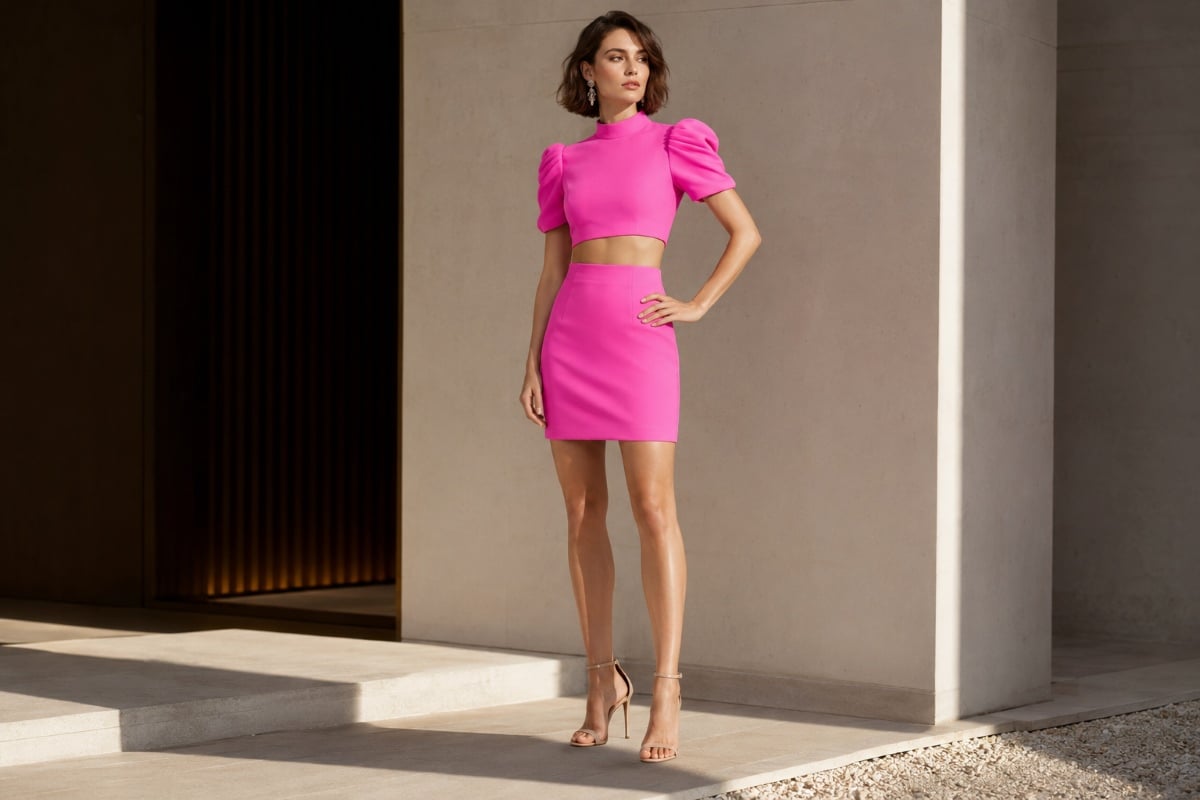
Summer footwear should lean into minimalist, skin-baring designs that elongate the leg and allow your feet to breathe comfortably. A delicate, multi-strap metallic stiletto in gold, bronze, or rose gold is a simple choice that instantly elevates any cocktail length. If the event takes place on a terrace, yacht, or lawn, choose a sculptural block heel or a metallic wedge to ensure confident, stable movement. Pair your footwear with a matching structured clutch in a natural material like woven straw with gold hardware, or a sleek lucite box clutch that adds a modern, high-fashion edge to your ensemble. Maintain a clean, minimalist aesthetic with your manicures, opting for neutral alabaster, soft peach, or a classic French tip to keep the visual focus on the luxurious fabric of your gown.
Autumn: Tactile Contrasts and High-Contrast Fabric Mixing
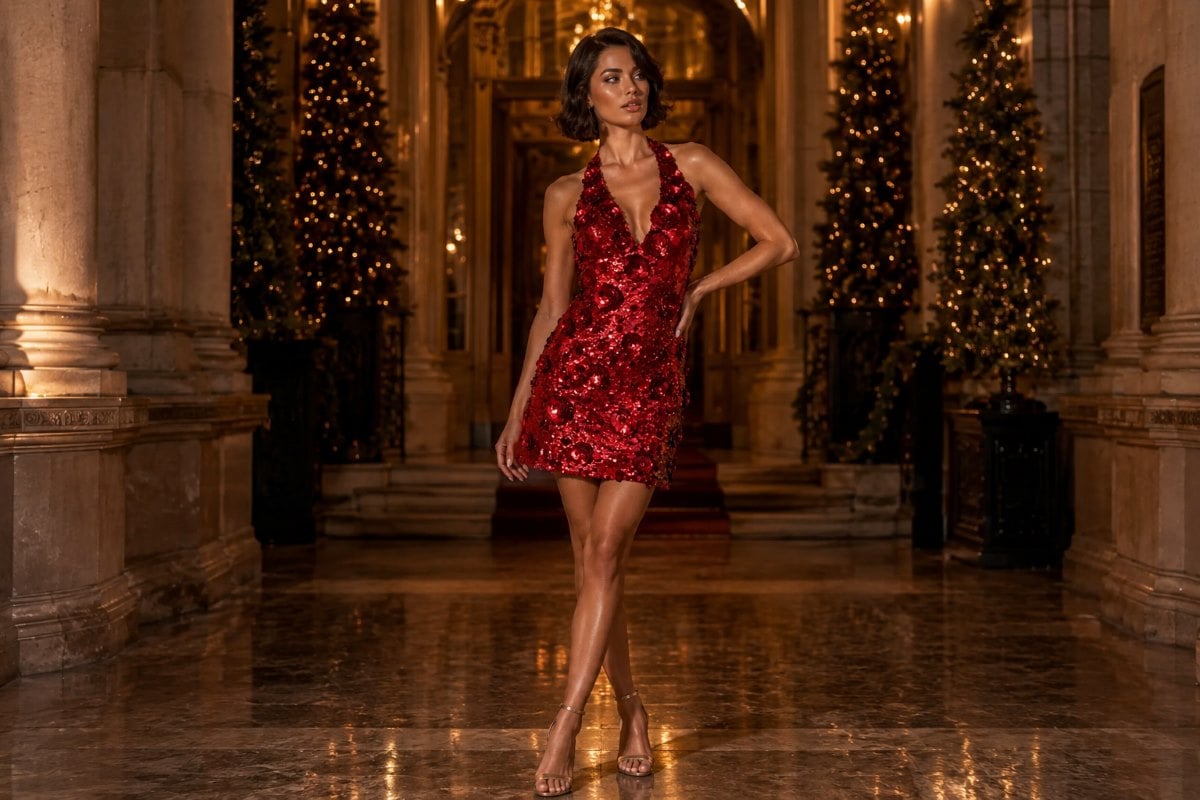
As the leaves change and the air crisps, the fashion landscape turns toward richness, depth, and texture. Autumn is perhaps the most exciting season for styling, as it invites a harmonious blend of contrasting elements—pairing the delicate, clean lines of your evening wear with the rugged, tactile warmth of fall’s signature materials. Adapting your cocktail style for autumn involves deepening your color palette and mastering the art of high-contrast fabric mixing.
To ground your dress for fall, you must introduce weightier textures that reference the season’s cozy aesthetic. One of the most effective ways to do this is through a high-low textural pairing. Overlaying your smooth crepe or satin dress with a structured, buttery-soft leather jacket or a plush suede trench coat creates an incredibly chic, modern contrast. If the dress has a sleeveless or cap-sleeve design, you can experiment with layering an ultra-fine, sheer mesh turtleneck underneath in a coordinating shade, instantly transforming the dress into a stylish, layered pinafore-style garment. For formal autumn events requiring a higher level of sartorial coverage, coordinating your base garment with lace cocktail outfits infuses instant tactile warmth and rich visual density, allowing you to bridge the gap between structural mid-weight crepe and the luxurious texture of winter garments, ensuring your premium four-season cocktail dress transitions beautifully.
Autumn is the ideal time to transition your accessories into warm, earthy tones. Swap out spring’s pastels and summer’s bright metallics for rich, saturated hues like burnt sienna, deep mustard, espresso brown, and olive green. A deep navy dress styled with tortoiseshell jewelry, chocolate-colored suede pumps, and a matching envelope clutch feels deeply attuned to the autumn season. Your beauty routine should shift in tandem: opt for richer, matte eyeshadows in terracotta or bronze, and select lip colors in warm plum, brick red, or spiced berry to complement the rich, seasonal aesthetic. This tonal transition represents the very essence of masterful transitional fashion.
Winter: Decadent Opulence and Tactical Warmth
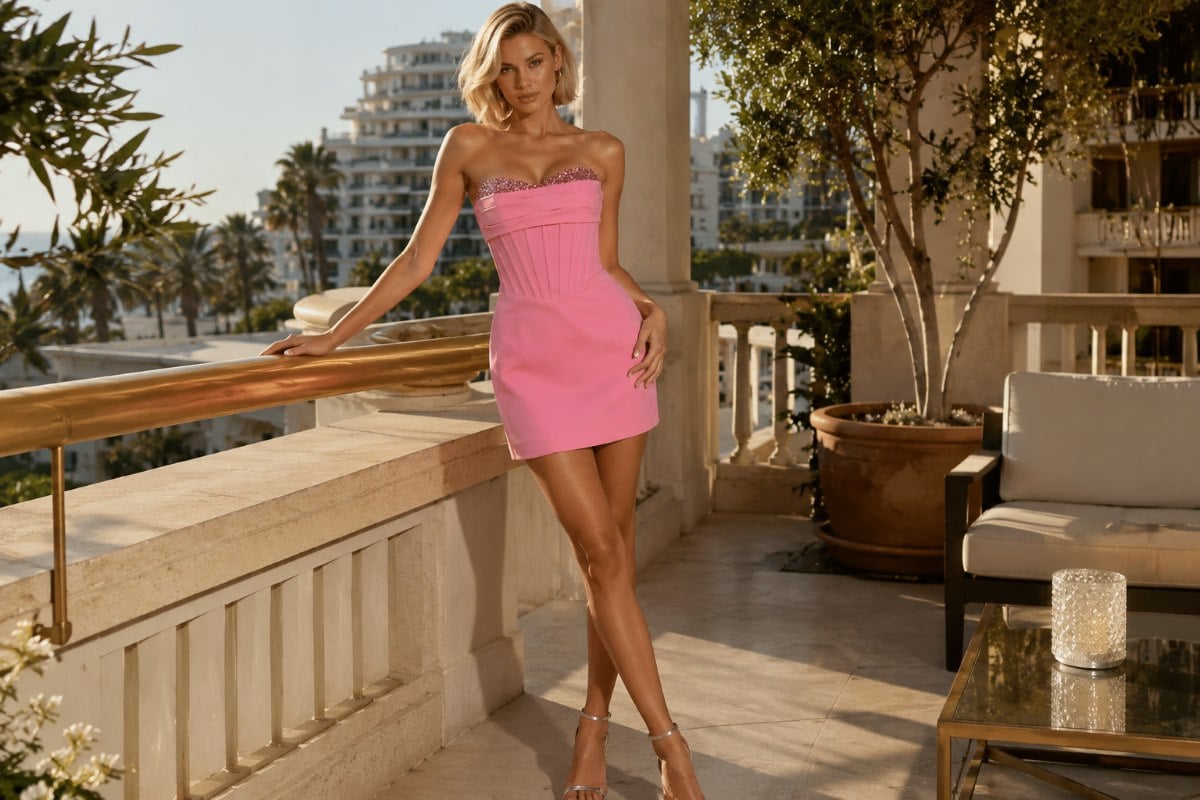
Winter formal events are characterized by a sense of high drama, opulence, and festive celebration. However, navigating freezing temperatures while traveling to and from a venue can pose a significant style challenge. The goal of winter styling is to maximize warmth and comfort without compromising the sleek, elegant silhouette of your evening wear. Through strategic under-layering, dramatic outerwear, and the introduction of rich winter textiles, your garment can easily be adapted for the coldest months of the year, ensuring your silhouette remains the focal point of your ensemble.
The key to surviving winter events in a short dress is invisible insulation. Start with seamless, fleece-lined shaping shorts that provide warmth around your core without adding visible bulk under the dress. When it comes to legwear, the choice of hosiery can make or break your look. Avoid thick, opaque athletic tights, which can cheapen the appearance of fine evening fabrics. Instead, opt for ultra-sheer black hosiery (between 10 to 20 denier) which adds a layer of warmth while creating a highly sophisticated, editorial shadow on the legs. For those glamorous holiday galas, introducing high-shine metallic textures such as gold cocktail dresses provides an opulent festive depth that captures indoor light gorgeously while maintaining appropriate formal standards under heavyweight cashmere or wool outerwear.
In winter, your outerwear is not just a utility garment; it is the first impression you make when arriving at the venue. Your coat should be treated as an extension of your evening wear. A tailored wool-cashmere overcoat that extends past the hem of your cocktail dress creates a long, elegant line of continuous color. For a more glamorous aesthetic, a plush faux fur cropped jacket or an elegant fur stole draped over the shoulders adds instant old-Hollywood drama while sealing in body heat. Finish the look with closed-toe velvet pumps, a high-shine crystal clutch, and statement jewelry to sparkle under the warm, indoor event lighting.
Maintenance and Longevity Guidelines for Premium Eveningwear
Because a high-quality, masterfully constructed garment is a significant financial and emotional investment, maintaining its condition across multiple seasons of wear is paramount. The mechanical stress of layering, exposure to varying weather conditions, and frequent cleanings can take a toll on delicate fibers if the garment is not cared for with meticulous attention to detail. Establishing a consistent care routine will protect the structural integrity of your investment-grade cocktail garment for years, ensuring it remains pristine and ready for any event.
How you store your dress between events is just as important as how you wear it. Always avoid thin wire hangers, which can stretch out the shoulder seams and alter the original drape of the neck over time. Instead, invest in a padded satin or wide-shouldered wooden hanger that supports the weight of the garment evenly. Keep the dress stored in a breathable cotton garment bag rather than a plastic one, as plastic can trap moisture and lead to fabric yellowing or mildew growth. For heavily embellished or beaded designs, store the garment flat in a tissue-lined preservation box to prevent the weight of the beads from stretching the fabric over time.
Always read the care label carefully before attempting any cleaning. While dry cleaning is necessary for removing perspiration and deep oils, excessive chemical processing can strip the natural luster from luxury fibers and weaken the seams. Whenever possible, spot-clean minor spills immediately with a damp white cloth and gentle detergent, working from the outside of the stain inward to avoid ringing. For home steaming, always use a clean steamer filled with distilled water to prevent mineral buildup from staining the fabric, and keep the steamer head a few inches away from the garment to avoid water spotting or fabric scorching.
Mastering Transitional Styling FAQs
1. Can a sleeveless four-season cocktail dress be worn comfortably during winter events?
Yes, a sleeveless gown can absolutely be worn during winter through strategic thermal layering and dramatic outerwear. The key is protecting your core temperature during transit. Pair your dress with a luxury faux fur wrap or a tailored cashmere trench coat, and incorporate sheer black hosiery (10 to 20 denier) along with elegant closed-toe velvet pumps to block cold drafts without adding bulky layers.
2. What is the optimal fabric weight for year-round cocktail garments?
The ideal multi-seasonal textile is a mid-weight, double-woven luxury crepe or premium high-density satin. These fabrics offer the structural weight needed to drape perfectly beneath heavy winter outerwear while retaining the necessary breathability to keep you comfortable and cool during a humid summer evening.
3. How do I style a dark neutral gown for a bright, outdoor summer wedding?
To lighten a deep tone like royal navy, plum, or charcoal for summer, contrast it with high-shine metallic sandals, delicate pearl jewelry, and a soft, luminous makeup palette. Swap out leather handbags for an organic satin or pearl-embellished clutch to bring a fresh, summer-ready perspective to a deep neutral gown.
4. Is it acceptable to wear tights or hosiery with short cocktail dresses?
Yes, hosiery is highly appropriate and adds incredible sophistication during autumn and winter. We highly recommend opting for ultra-sheer black hosiery between 10 and 20 denier, which creates a highly polished, editorial shadow on the legs. Avoid heavy, opaque tights, which can read as casual daywear and disrupt the formal elegance of your attire.
To discover your own perfect silhouette that transcends the boundaries of the seasons, explore the signature collections of versatile formalwear today.