
Quiet Luxury or Glamour? How to Choose Between Matte and Shiny Dress Fabrics
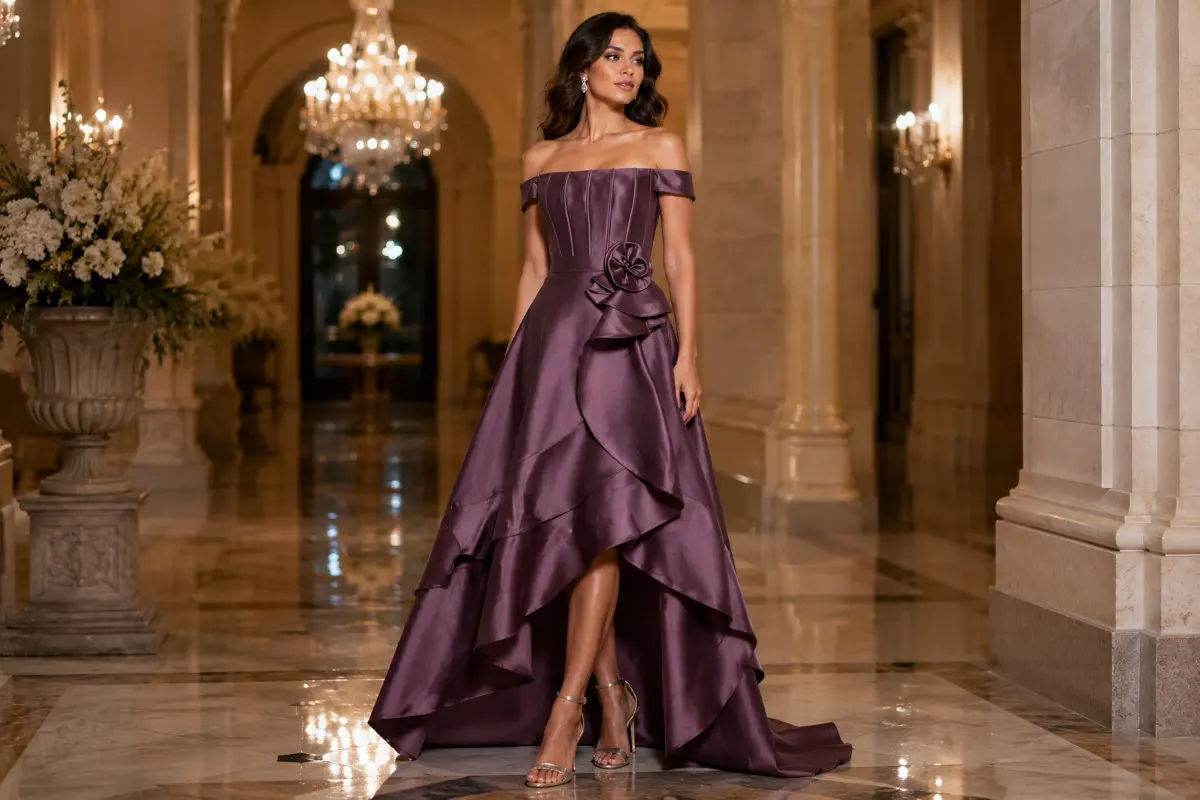
As the mother of the bride or groom, your role on the wedding day is one of immense pride, intense emotion, and extraordinarily high visibility. You are a central figure in the celebration, welcoming esteemed guests, appearing in countless formal family photographs, and standing proudly by your child during one of their most significant life milestones. Naturally, you want to look your absolute best, projecting an image of grace, refinement, and timeless sophistication.
When shopping for elegant formal attire, one of the most common and complex stylistic questions that arises is the debate between matte vs shiny mother of the bride dresses. You are ultimately searching for a gown that flatters your unique figure, seamlessly suits the chosen venue's aesthetic, and, most importantly, looks undeniably expensive and refined.
Understanding exactly how different fabric finishes interact with ambient light, how they drape and sculpt over the human body, and how they translate through a professional camera lens is crucial in achieving that highly coveted "quiet luxury" aesthetic. The physical texture and light-reflecting qualities of a gown can completely alter its perceived financial value, its formality, and its appropriateness for the occasion. A poorly chosen, overly reflective synthetic fabric can easily look inexpensive, harsh, and outdated, while the right heavyweight matte fabric can effortlessly exude modern sophistication. Conversely, a premium, high-quality shiny fabric can offer an unparalleled level of regal, celebratory glamour that a flat matte fabric simply cannot replicate.
This comprehensive style and fabric guide deeply explores the subtle nuances of matte and shiny materials, helping you confidently navigate this stylistic crossroads. We will assist you in determining which option best suits your personal style, your body type, and the overall tone of the wedding. Furthermore, we will delve into the styling secrets of how to make a dress look expensive, identify the absolute best dress fabric for photos, and explain how Jovani’s decades of specialized design expertise ensure you look nothing short of spectacular, regardless of which exquisite fabric finish you ultimately choose.
The Allure of Matte Fabrics: Mastering Quiet Luxury and Understated Elegance
There is a distinct, historical reason why so many high-end, luxury fashion houses rely heavily on matte fabrics for premium evening wear. Matte finishes—materials that inherently absorb surrounding light rather than reflecting it back—are the absolute epitome of understated, confident elegance. They offer a remarkably smooth, continuous visual line that is deeply calming to the eye and incredibly sophisticated.
If you are intentionally searching for quiet luxury evening gowns that whisper elegance and taste rather than desperately shouting for attention in a crowded ballroom, matte fabrics are almost always the correct, most reliable starting point for your shopping journey.
Why Matte Consistently Looks More Expensive
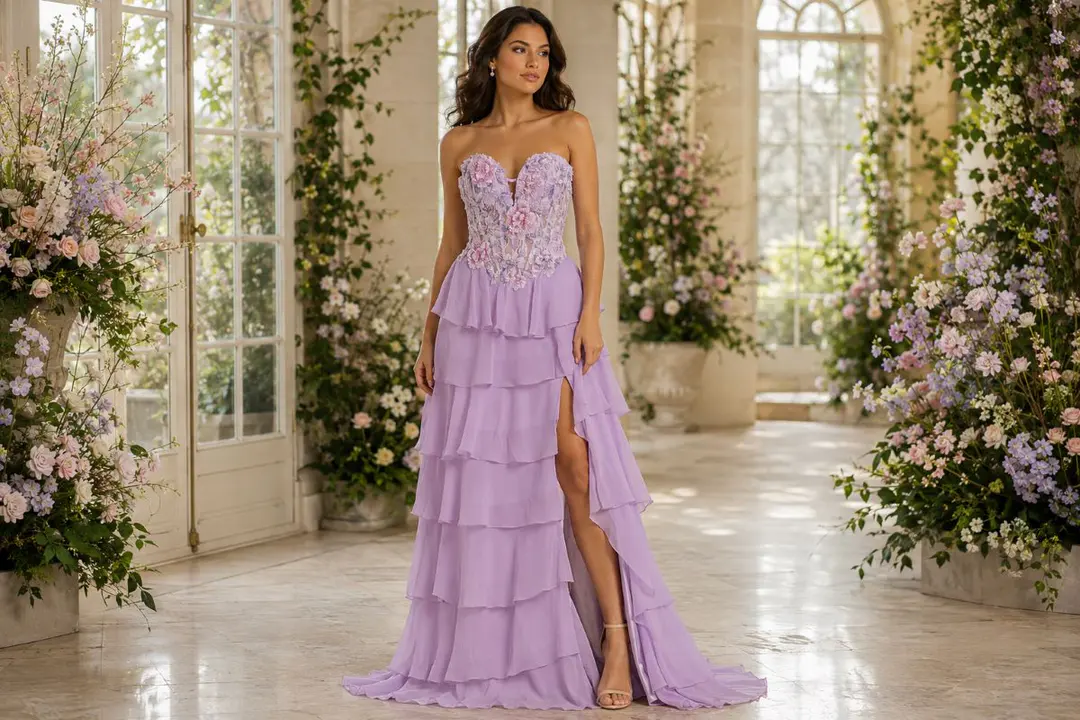
The core secret to why matte fabrics so frequently and effortlessly appear more expensive lies directly in their light-absorbing properties. When a garment does not possess a high-gloss, distracting shine, the viewer's eye is naturally drawn to the foundational, architectural elements of the design. The focus shifts entirely to the quality of the professional tailoring, the precision of the fit, and the saturated, rich depth of the color dye.
For example, beautifully constructed crepe mother of the groom dresses will almost always look instantly bespoke and custom-made. The deliberate lack of surface shine allows the intricate architectural details of the garment to take center stage. Strategic darts, sharp pleats, elongating princess seams, and intricate, hand-pinned draping become the primary focal points, vividly showcasing high-level dressmaking skills and premium construction.
In sharp contrast to shiny materials that can sometimes look plastic or overly synthetic if the silk blend isn't top-tier, matte fabrics like high-grade stretch crepe, luxurious silk georgette, and double-layered chiffon naturally possess a rich, tactile, and substantial quality. They drape beautifully and fluidly over the human form, offering a sweeping movement that inherently speaks to high-end construction and long-term wardrobe investment.
The Ultimate Flattering Fabrics for the Mother of the Bride
One of the primary and most understandable concerns for many mature women when choosing formalwear is finding a silhouette and a fabric that smooths, supports, and gracefully contours the body. In the global fashion industry, heavy matte fabrics are universally acknowledged as the most flattering fabrics for mother of the bride and groom.
Because they absorb light rather than bouncing it back into the viewer's eye, matte fabrics do not visually highlight every minor physical contour, targeted undergarment line, or natural skin texture. If you are actively looking for the best fabric to hide belly fat or to seamlessly smooth over the hips and thighs, a structured, heavy matte material is your greatest sartorial ally. It actively works to create a seamless, streamlined silhouette that elongates the frame and visually drops weight.
This distinct structural advantage is exactly why luxury designers creating plus size mom of the groom gowns frequently utilize heavyweight matte crepe, dense jersey, or multi-layered chiffon. These specific materials provide a forgiving, elegant, and highly supportive drape that enhances and celebrates natural feminine curves without inappropriately clinging to the body or causing discomfort during a long event.
The Best Dress Fabric for Wedding Photos
Modern wedding photography involves a highly unpredictable and challenging mix of natural sunlight, harsh venue spotlights, romantic candlelight, and intense professional camera flashes. Shiny fabrics can inadvertently act like literal mirrors when a powerful camera flash goes off in a dimly lit reception hall.
This high reflectivity creates "hot spots" or blown-out, overexposed white areas in photographs that distract heavily from your face, artificially alter the true color of the dress, and can completely ruin the overall composition of a cherished family portrait.
Matte fabrics, on the other hand, are definitively and scientifically the best dress fabric for photos. They photograph consistently and beautifully well in all possible lighting conditions. Because the fabric actively absorbs the light, the chosen color remains incredibly vibrant, deep, and true to life, and the texture doesn't cause unpredictable, harsh reflections that add visual bulk.
When you look back at the wedding album decades from now, a matte gown will look completely timeless, ensuring you appear poised, polished, perfectly contoured, and beautifully lit in every single frame.
The Glamour of Shiny Fabrics: How to Wear Shine Luxuriously
While matte fabrics offer a very safe, guaranteed, and highly effective route to quiet elegance, shiny fabrics provide an unparalleled level of festive, celebratory glamour that is often perfect for a grand, highly formal wedding. However, shiny fabrics require much more careful consideration, a highly discerning eye, and an understanding of fabric blends. The stylistic line between a luxurious, high-end sheen and a cheap-looking, synthetic shine is exceptionally thin.
When debating matte vs shiny mother of the bride dresses, understanding exactly how to wear shine correctly, and which specific shiny fabrics to look for, is the absolute key to achieving an expensive-looking outcome.
The Danger of "Cheap Shine"
The main reason shiny dresses can sometimes look inexpensive is directly tied to the nature of the synthetic polyester fibers often used to mass-produce them in fast fashion. Lower-quality satins, cheap stiff taffetas, or overly metallic sequined fabrics can look incredibly rigid, crinkle easily upon sitting for the ceremony, and reflect light in a harsh, unforgiving, and almost blinding way.
Furthermore, highly reflective fabrics act as a powerful magnifying glass for every single wrinkle, minor seam pucker, and underlying body curve. If the fit is not absolutely customized, professionally tailored, and perfectly aligned with your body, a highly shiny dress will aggressively broadcast those minor imperfections to the entire room. Shine naturally draws the human eye, and if what the eye finds is poor tailoring or cheap fabric, the illusion of luxury is immediately and irreversibly broken.
Elevated Shine: The Mikado vs Satin Debate
To ensure a shiny dress looks genuinely expensive and appropriate for the dignified role of the mother of the bride, you must purposefully choose high-quality materials that offer a subtle, rich luster rather than a blinding, glossy glare. This is where the specific distinction between fabric weaves becomes critically important, particularly the essential difference between crepe vs satin dress styles, and more specifically, mikado vs satin.
Standard liquid satin is highly reflective, notoriously slippery, and incredibly fluid. While undeniably beautiful on a hanger, it requires impeccable, couture-level tailoring and top-tier silk blends to avoid looking like inexpensive lingerie or cheap prom wear on the body.
Mikado, however, is a significantly heavier, more dense blended silk fabric that possesses a subtle, rich luminosity—often referred to as a "sheen"—rather than a high-gloss, reflective shine. It is incredibly structured and dense, allowing modern designers to create stunning, architectural silhouettes that hold their shape beautifully throughout an entire evening of dining, socializing, and dancing.
When choosing satin mother of the bride dresses, elite brands like Jovani purposefully utilize premium, heavyweight duchess satins and architectural mikados that offer a sophisticated, muted gleam. This deliberate fabric choice ensures the garment moves with regal grace, holds its intended voluminous structure, and completely avoids the stylistic pitfalls and clinging nature of cheaper, flimsy materials.
Mastering the Art of Embellishment as the Perfect Compromise
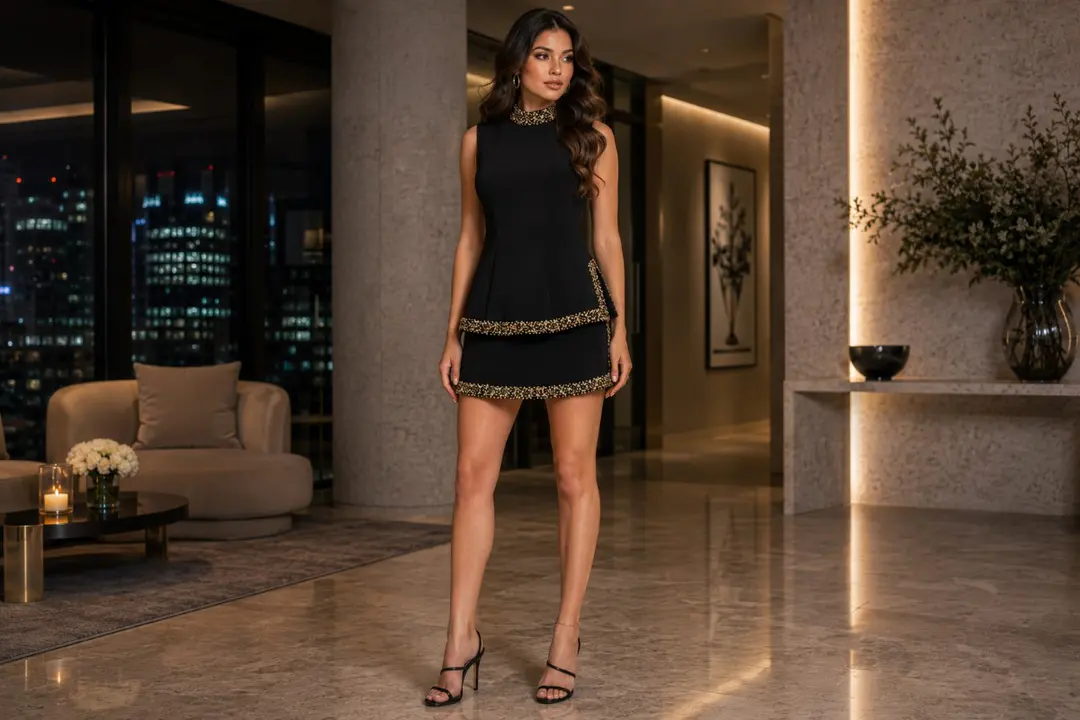
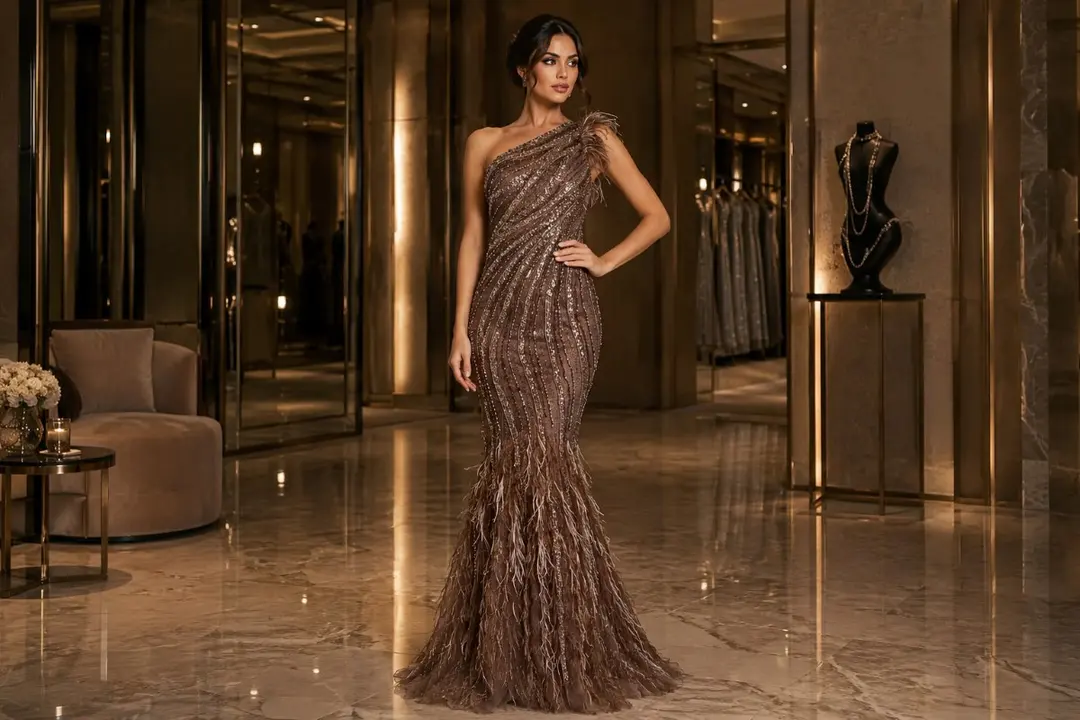
If you deeply desire the festive, celebratory nature of shine but are reasonably hesitant about wearing a fully reflective satin or mikado fabric across your entire body, embellished gowns offer the ultimate, flawless stylistic compromise. Instead of relying on the woven fabric itself to catch the ambient light, strategically placed beads, sequins, or premium crystals can provide a luxurious, multidimensional sparkle that feels highly expensive.
Opting for tastefully beaded gowns allows for a highly flattering, light-absorbing matte base (like a smoothing stretch crepe skirt or a delicate dark tulle overlay) with the added celebratory dimension of shine near the face. This clever, highly strategic design technique draws the viewer's eye upwards to specific, flattering areas—such as a beautifully detailed sweetheart bodice, intricate sheer long sleeves, or an illusion neckline—while keeping the main body, waist, and hips of the dress matte and heavily contoured.
This strategic placement of light-catching elements is a hallmark of truly expensive looking mother of the bride dresses; the shine is intentional, highly artistic, meticulously hand-placed, and never visually overwhelming or distracting from the woman wearing it.
Seasonality, Venue, and Dress Codes: Context Dictates Fabric
When making the final decision between a matte or shiny finish, the specific context of the wedding itself—the season, the time of day, and the venue—should be a major, if not the primary, guiding factor. A dress that looks breathtaking and appropriate in a grand, candlelit ballroom might look entirely out of place, overly heavy, and uncomfortable on a sun-drenched tropical beach.
Spring and Summer Weddings (Daytime and Outdoor)
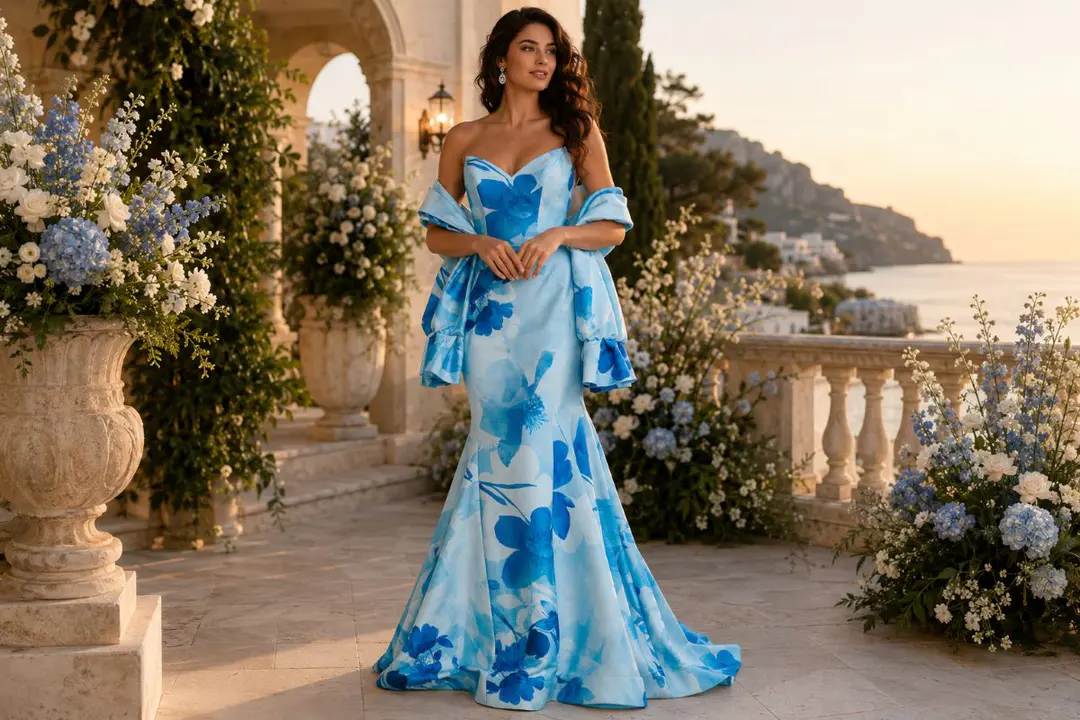
Warmer months, daytime ceremonies, and outdoor venues typically demand lighter, breathable, and matte fabrics. A highly reflective, heavy satin gown can look visually heavy, physically uncomfortable, and stylistically out of sync with a breezy summer botanical garden or a sandy beach setting. For these joyful, sunlit occasions, matte chiffon, light silk georgette, and breathable stretch crepe are absolutely ideal. They flow beautifully in the natural wind, look effortless in daylight, do not blind the photographer with glare, and most importantly, keep you physically comfortable in higher temperatures.
Fall and Winter Weddings (Evening and Indoor)
Colder months and grand, indoor evening venues (like historic estates, luxury hotels, or country clubs) are the exact environments where shiny and heavily structured fabrics truly thrive and belong. The substantial heavier weight of mikado, the rich, deep luster of a thick duchess satin, or the subtle, regal sheen of stretch velvet feel inherently appropriate and cozy for the winter season. These fabrics hold their dramatic shape well, offer vital physical warmth, and reflect the warm, ambient light of chandeliers and fireplaces beautifully, dramatically adding to the luxurious, festive atmosphere of a winter black-tie event.
Furthermore, if the wedding is taking place in a traditional house of worship that requires covered shoulders, you might opt for elegant modest mob designs. Matte fabrics often lend themselves beautifully to modest silhouettes with higher necklines and long sleeves, ensuring the dress looks chic, modern, and respectful without feeling dowdy.
How to Make a Dress Look Expensive: The 5 Golden Rules
Regardless of whether you ultimately choose a light-absorbing, slimming matte finish or a grand, light-catching shiny finish, certain foundational styling and shopping principles dictate how to make a dress look expensive. The fabric itself is merely the foundation; the execution, the fit, the color palette, and the final finishing details are what truly elevate a garment from standard formalwear to true luxury status.
1. The Non-Negotiable Importance of Impeccable Fit
The single most expensive, hand-woven fabric in the world will look incredibly cheap if it does not fit your body properly. A dress that pulls tightly across the hips, gapes loosely at the bust, wrinkles heavily at the waist, or is hemmed to an awkward, floor-dragging length instantly loses its sophistication. Professional tailoring is absolutely non-negotiable for the mother of the bride. Ensure the gown is altered by a skilled seamstress to fit your specific, unique measurements perfectly. A well-tailored, moderately priced matte crepe dress will universally look more expensive, refined, and luxurious than an ill-fitting, high-end designer satin gown.
2. Utilizing Deep, Rich Color Palettes
Color plays a massive, often subconscious psychological role in the perceived value of clothing. While pastels, soft blushes, and brights certainly have their proper place (especially in spring garden weddings), deeper, richer, and highly saturated hues tend to look inherently more luxurious and regal. This is especially true when dealing with matte fabrics. Colors like deep navy blue, rich emerald green, regal plum, dark burgundy, and charcoal gray absorb light beautifully and convey a powerful sense of gravitas, maturity, and elegance suitable for expensive looking mother of the bride dresses. If you are committed to wearing a shiny fabric, dark jewel tones often look significantly richer and more expensive than pale or pastel colors, which can sometimes look washed out, overly youthful, or reminiscent of prom dresses if the fabric is highly reflective.
3. Prioritizing Architectural Structure and Seaming
A gown that features distinct, intentional architectural details feels custom-made, thoughtful, and inherently high-end. Look for dresses with intentional construction elements, such as a sharply tailored V-neck that frames the face and elongates the neck, a beautifully draped and structured cowl back, elegantly folded off-the-shoulder sleeves, or a dramatic asymmetric peplum. These specific, highly tailored details, particularly when executed by a skilled designer in a structured matte fabric like heavy crepe or a subtly shiny mikado, visibly demonstrate high-level craftsmanship. They draw the viewer's eye upward toward your face and physically encourage a regal, confident posture.
4. Investing in Proper Foundation Garments
The most crucial secret to making any fabric look expensive—whether it is an unforgiving shiny satin or a forgiving matte crepe—is what lies beneath it. High-quality, seamless foundation garments and supportive undergarments are vital. They ensure that the fabric drapes exactly as the designer intended, without catching on undergarment lines or natural skin folds. A smooth foundation allows the fabric to shine (or remain beautifully matte) without distraction, vastly increasing the overall perceived value of the entire ensemble.
5. Accessorizing with Deliberate Intent
How you choose to accessorize your gown can completely make or break the grand illusion of luxury.
- Styling Matte Dresses: Because the dress itself is beautifully understated and quiet, you have the stylistic freedom to wear bolder, more intricate, and sparkling jewelry. A brilliant statement diamond necklace, elaborate chandelier earrings, or a highly embellished clutch pair beautifully with a simple, high-neck matte crepe gown, creating a stunning, balanced contrast between quiet fabric and loud accessories.
- Styling Shiny Dresses: The shiny dress is already a massive visual statement piece. To keep the look expensive, refined, and avoid looking cluttered or overly flashy, you must opt for minimalist, high-quality accessories. A simple pair of diamond studs, a delicate tennis bracelet, and a classic matte clutch allow the luxurious, light-catching fabric to take center stage without fiercely competing for visual attention.
Jovani: The Pinnacle of Mother of the Bride Elegance
When navigating the overwhelming and emotional choices between matte vs shiny mother of the bride dresses, partnering with a heritage designer brand that fundamentally understands the subtle, complex nuances of fabric, fit, and mature elegance is vital to your peace of mind. Jovani has spent decades meticulously perfecting the intricate art of formalwear, ensuring that every single mother feels confident, radiant, completely supported, and perfectly dressed for such a monumental family occasion.
We deeply understand that modern mothers are actively seeking flattering fabrics for mother of the bride that absolutely do not force them to compromise on contemporary, chic style. Our dedicated, expert design team meticulously selects, tests, and sources materials globally—from the densest, most forgiving, and body-sculpting heavy stretch crepes to the richest, most subtly luminous premium satins and architectural mikados available on the market.
Furthermore, Jovani prioritizes what you cannot see: the interior construction. We incorporate hidden inner corsetry, supportive structural boning, soft linings, and thoughtful strategic seaming into our gowns. This unseen architecture provides all-day physical support and creates a beautiful, elongated, and lifted silhouette, ensuring the dress looks incredibly expensive both on the hanger and on your body.
Jovani does not rely on cheap design tricks, flimsy materials, or excessive, blinding shine to create visual impact. Our dedicated approach to quiet luxury evening gowns involves impossibly clean lines, expert, couture-level tailoring, and the highly strategic use of high-quality, hand-placed crystal embellishments that add genuine value and artistry rather than visual clutter. Whether you desire the strict, understated sophistication of a minimalist matte column gown or the classic, regal glamour of a subtly shiny ballgown skirt, Jovani’s collections offer unparalleled quality and craftsmanship that guarantees an expensive, refined, and unforgettable look on your child's special day.
To explore a highly curated, breathtaking selection of impeccably designed gowns that masterfully utilize both matte and shiny finishes, discover the full Jovani collection of mum of the groom gowns today and find the ultimate gown that will make you look and feel truly extraordinary.
FAQs Mastering Fabric Choices for Mothers
1. Are highly shiny dresses considered appropriate for a daytime or morning wedding ceremony?
As a general rule of traditional formal etiquette, highly shiny fabrics like high-gloss liquid satin or fully sequined metallic gowns are much better suited for evening events, sunset cocktail hours, or formal black-tie weddings. The high reflectivity of these fabrics can look visually harsh, glaring, and stylistically out of place in bright, natural morning sunlight. For a daytime event, matte fabrics like breathable chiffon, silk georgette, or a lighter-weight matte crepe are vastly more appropriate. They look effortlessly chic, ethereal, and natural in daylight. If you truly want a touch of shine during the day, opt for very subtle, scattered crystal embellishments or a fabric with a very slight, muted sheen rather than a high-gloss reflective satin.
2. What specific fabric is best if my primary goal is to look slimmer and hide belly fat in photographs?
Matte, heavyweight, and highly structured fabrics are universally the most flattering fabrics for mother of the bride who wish to create a visibly slimming, contoured effect. A high-quality, dense heavy stretch crepe is arguably the absolute best fabric to hide belly fat, smooth over the hips, and visually elongate the silhouette. This is because it physically holds its shape like gentle shapewear and absorbs light entirely, rather than clinging to the body's natural dips or reflecting light off every curve (which visually expands the area to the eye and the camera).
3. Is there a risk that wearing a shiny dress will make me look older or matronly?
It depends entirely on the modernness of the gown's silhouette and the specific quality of the fabric used. Cheap, stiff, synthetic satins or overly ornate, overwhelmingly shiny fabrics paired with dated, high-coverage designs can indeed look matronly and age the wearer. However, a high-quality, subtly luminous fabric like mikado, when expertly cut into a sharp, modern, and clean architectural silhouette (such as a sharp V-neck bodice or an elegant off-the-shoulder A-line skirt), looks incredibly sophisticated, powerful, and timeless. When in doubt, lean towards modern matte finishes or keep the shine minimal and strategically placed for a much more youthful, contemporary, and fresh look.
4. I am highly anxious about how I will look in the professional wedding photos. Which fabric finish is the absolute safest choice?
If you are anxious about professional photographs and want 100% guaranteed flawless results, absolutely choose a matte fabric. Matte materials are universally considered the best dress fabric for photos by professional wedding photographers because they completely absorb light and do not reflect the intense camera flash or harsh venue spotlighting. Shiny fabrics can very easily create bright white "hot spots" in photos, artificially emphasizing areas you might prefer to minimize and completely altering the true, intended color of the gown. A heavyweight matte crepe, georgette, or chiffon ensures you will look elegantly contoured, beautifully colored, and perfectly lit in every single picture in the wedding album.
5. Can I wear a completely matte, unembellished dress to a very formal, black-tie evening wedding?
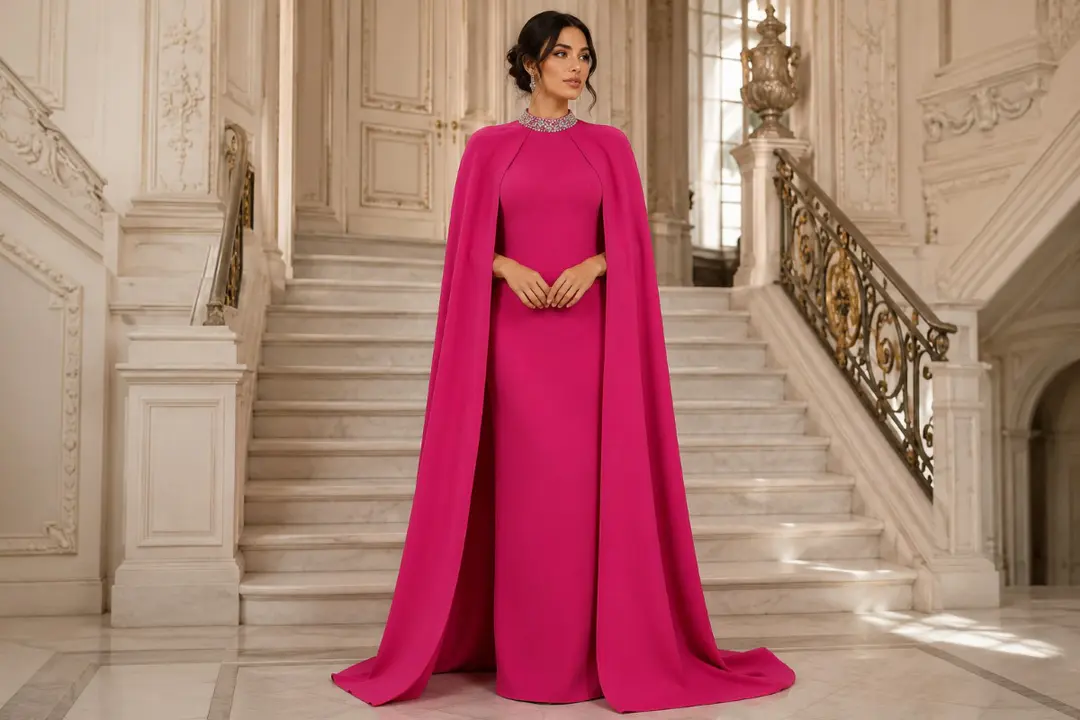
Absolutely, without a shadow of a doubt. A matte dress can be exceptionally formal and represents the very definition of modern quiet luxury evening gowns. To ensure a simple matte dress looks formal and grand enough to meet a strict black-tie dress code, focus heavily on choosing a dramatic, floor-sweeping silhouette. Look for highly elevated, structural details like a sweeping long train, an elegant chiffon cape overlay, or a dramatic, sculptural, asymmetrical neckline. Additionally, prioritize rich, deep, dark colors (like midnight navy, stark black, or deep emerald) and elevate the matte fabric by pairing it with your most elegant, high-end, sparkling diamond or crystal statement jewelry. A beautifully tailored, minimalist matte crepe gown is very often much more striking, powerful, and memorable in its confident simplicity than a highly embellished, noisy dress.
6. What exactly is the difference between satin and mikado, and which should a mature woman choose?
While both are generally categorized as "shiny" fabrics when compared to a flat matte crepe, they perform very differently on the human body. Traditional satin has a very high-gloss, smooth, and slippery finish with a very fluid, liquid drape. It reflects a massive amount of light and requires absolutely perfect, seamless undergarments. Mikado, on the other hand, is a much heavier, denser blended silk fabric. It does not possess a high-gloss, wet-looking shine; instead, it has a subtle, rich, pearl-like luminosity or "sheen." Mikado is significantly stiffer and more structured than satin, making it the ideal choice for sharp, architectural dresses (like dramatic, voluminous ballgowns or structured, sweeping A-lines). Because of its impressive thickness, mikado tends to be much more forgiving, supportive, and smoothing on the body than liquid satin, making it a highly preferred, elegant "shiny" option for mature women.