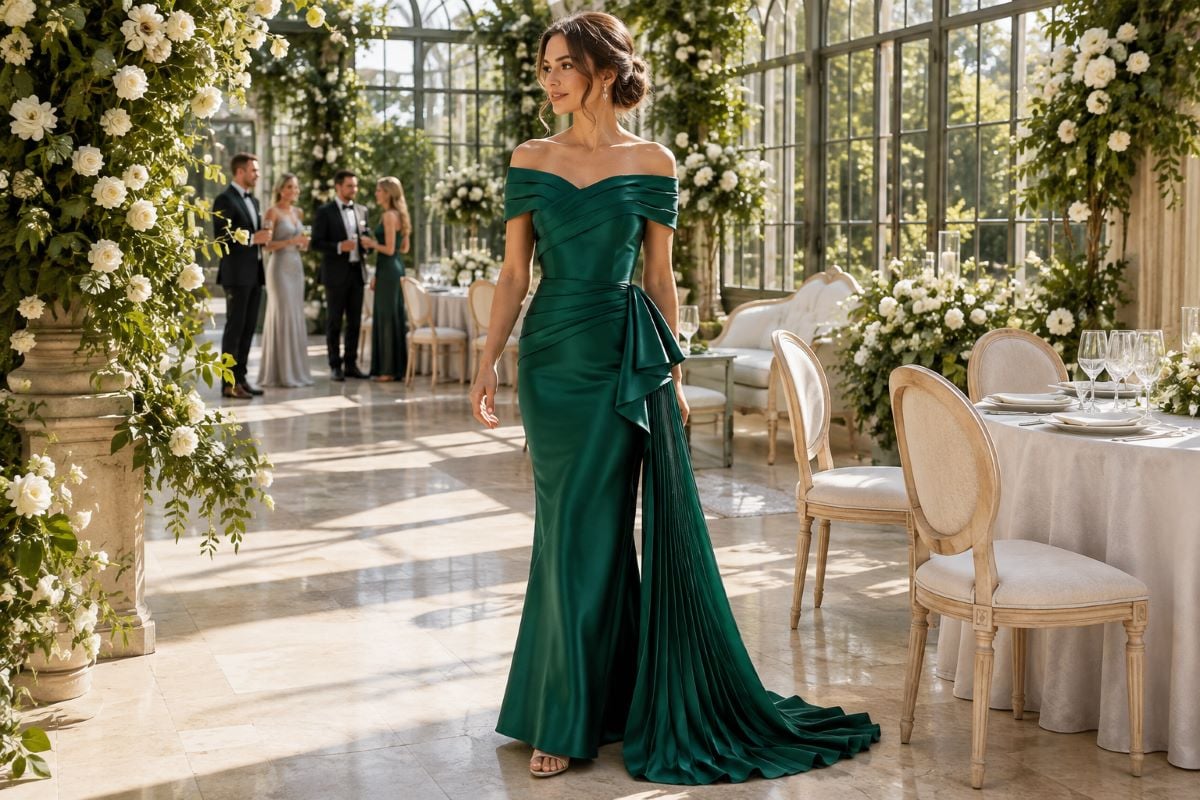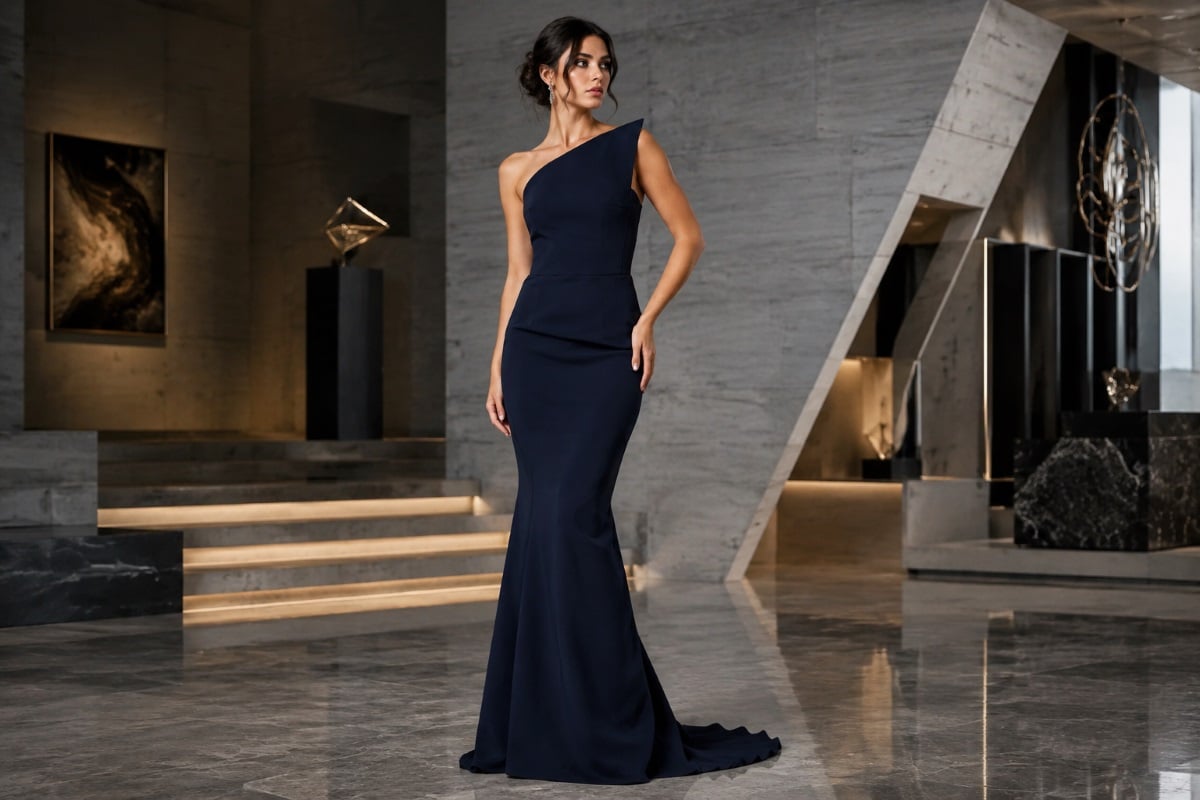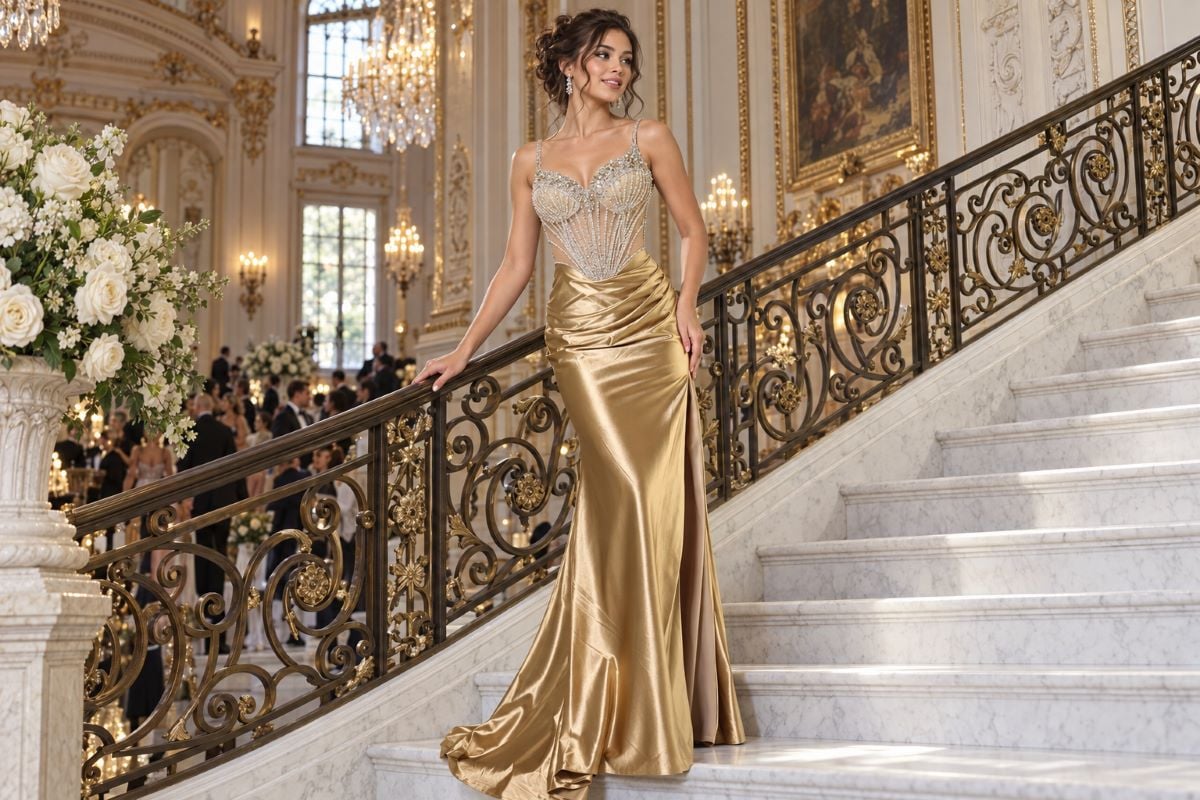

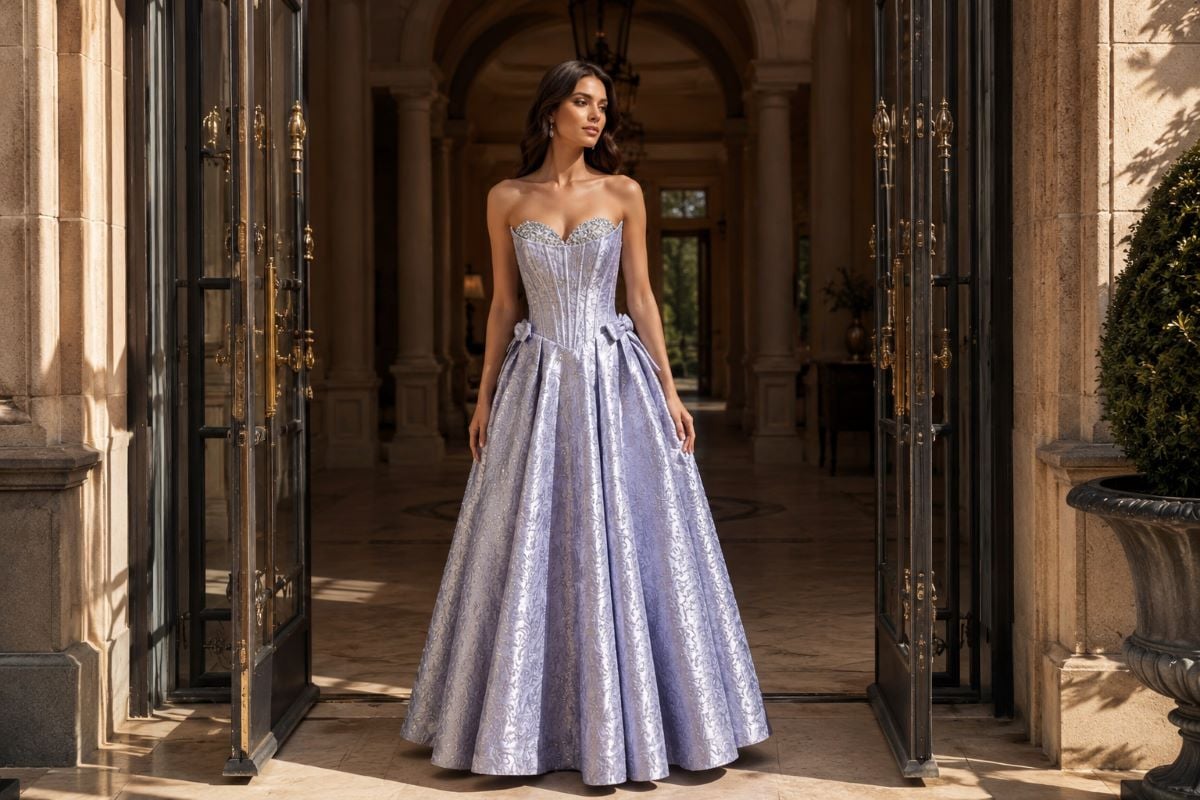
There is an undeniable, intoxicating romance in tracing the seams of a garment that has danced through an entirely different era. For many women, the search for vintage evening gowns is not merely about finding a dress to wear to a local charity gala, a winter formal, a military ball, or a high-society wedding. It is a passionate pursuit of wearable history. It is about discovering a sartorial artifact that carries the elegance, the structural integrity, and the whispers of decades past. The sheer appeal of stepping into a crowded ballroom wearing something entirely unique—something that no one else could possibly purchase off a modern department store rack—drives fashion enthusiasts to scour estate sales, high-end consignment boutiques, and hidden thrift shops across the country.
However, the world of archival fashion is as complex as it is beautiful. While the dream of uncovering a pristine, 1950s silk taffeta ballgown or a 1930s bias-cut slip for a fraction of its original cost is thrilling, the reality of sourcing, fitting, and maintaining older garments requires a profound understanding of garment construction, fabric history, and specialized care. What begins as a quest for sustainable luxury or a unique aesthetic can very quickly evolve into a masterclass in textile preservation and advanced tailoring. This comprehensive guide explores the intricate process of sourcing archival fashion, the harsh realities of vintage sizing, the hidden costs of restoration, and how to achieve that coveted retro formal style without sacrificing the structural integrity, modern comfort, and flawless fit required for a contemporary special event.
The Enduring Appeal of Archival Fashion in Modern Culture
The fascination with retro formal wear stems from a profound appreciation for a level of craftsmanship that is rarely seen in mainstream, mass-produced fast fashion today. Decades ago, formalwear was constructed with the fundamental expectation of longevity. Garments were meticulously designed to be worn, cherished, passed down through generations, and carefully altered over time. This meant garments featured generous seam allowances, beautifully hand-finished hems, intricate interior corsetry, and fabrics woven with a density and richness that immediately command attention.
A Connection to Fashion History
Today, the red carpet is heavily saturated with A-list celebrities dipping into fashion house archives, bringing decades-old designs back into the mainstream spotlight. This high-fashion trend trickles down directly to how we approach formal events. Shoppers are drawn to the distinctive, dramatic silhouettes that defined specific cultural movements. The drop-waist fluidity of the 1920s speaks to an era of post-war liberation, jazz-fueled nightlife, and speakeasy glamour. The structured, wasp-waisted bodices of the 1950s reflect a post-WWII return to highly feminine, voluminous glamour. The sleek, minimalist lines of the late 1990s offer a masterclass in quiet, understated luxury. Wearing a piece from these eras allows the wearer to physically embody the aesthetic language of the past, communicating a deep appreciation for design evolution.
Sustainability and the Circular Economy
Beyond sheer aesthetics, there is a massive environmental component driving the resurgence of older garments. Participating in the circular economy by purchasing thrifted formal wear allows conscientious consumers to bypass the environmental toll of modern mass production. It is a stylish way to celebrate high fashion while making a sustainable, eco-friendly choice. Yet, navigating this landscape requires a highly discerning eye. Not every old dress is a hidden masterpiece, and distinguishing a valuable, wearable vintage find from a degraded, unsalvageable garment is the very first vital skill a collector or shopper must develop before making an investment.
Decoding the Eras: A Guide to Retro Formal Style
To successfully shop for vintage evening gowns, you must first deeply understand the defining characteristics of the eras you are most drawn to. Fashion history is quite literally written in the drape of a skirt, the placement of a waist dart, and the composition of a lining. Knowing these intricate details not only helps you authenticate a piece but also allows you to accurately anticipate the fit and the specific level of care the fabric will inevitably require.
The 1920s and 1930s: Beading and the Bias Cut
The roaring twenties and the glamorous thirties completely revolutionized evening wear. The 1920s did away with restrictive corsets in favor of the drop-waist, straight-up-and-down “flapper” silhouette. These garments often featured heavily embellished silk georgette or exceptionally delicate chiffon. If you are fortunate enough to find genuine 1920s beaded formal dresses, you will immediately notice the incredible, surprising weight of the glass beadwork contrasted with the extreme fragility of the silk backing. These antique pieces are often incredibly delicate and are generally best viewed as collector’s items rather than functional party wear, as the 100-year-old silk is highly prone to shattering under the heavy weight of the beads.
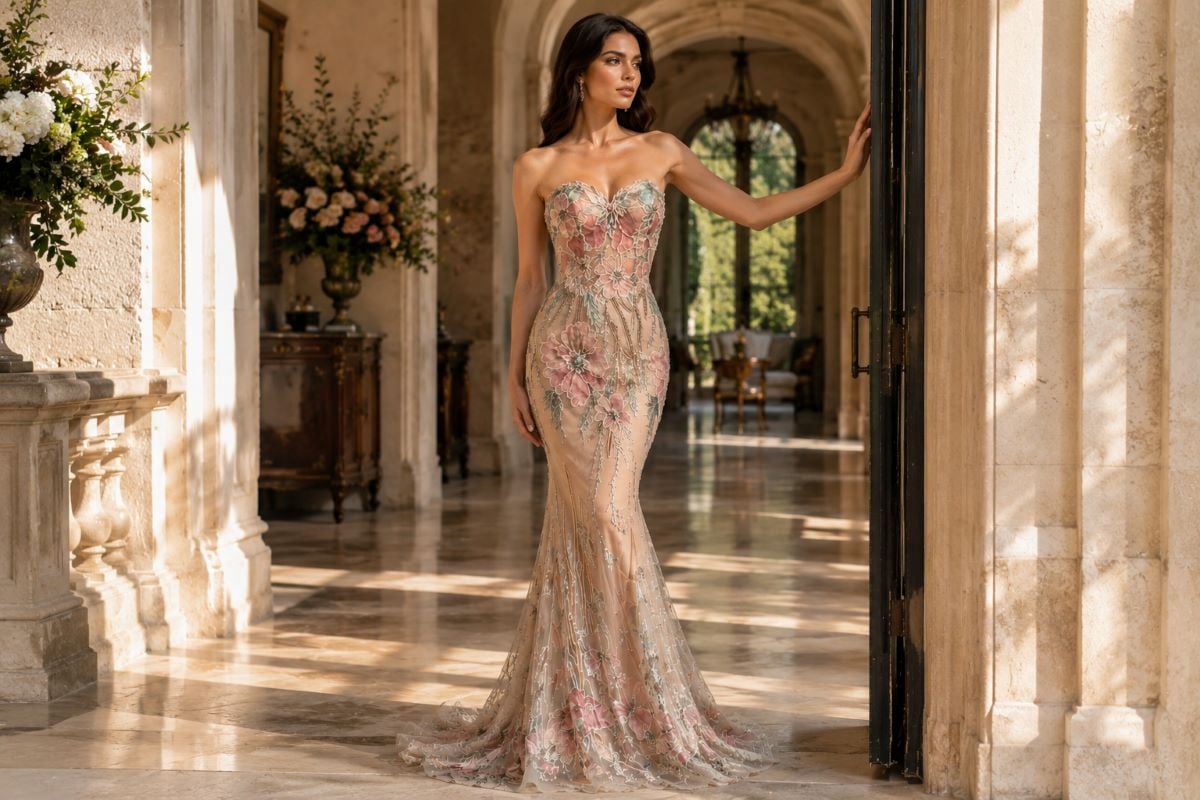
Moving into the 1930s, designer Madeleine Vionnet popularized the bias cut, a revolutionary tailoring technique where fabric is cut at a 45-degree angle to the woven grain. This allowed the material to stretch slightly and cling fluidly to the body’s natural curves without the need for rigid corsets. These Old Hollywood gowns require seamless undergarments and a deep appreciation for how gravity affects draped silk charmeuse and satin over the course of an evening.
The 1940s and 1950s: Structured Glamour and Volume
The 1940s were heavily defined by wartime fabric rationing, resulting in narrower skirts, strong shoulder pads, and the widespread use of early synthetic fabrics like rayon crepe. Evening wear from this time is elegant, utilitarian, and relatively scarce on the secondary market due to the strict limitations placed on fabric consumption during WWII.
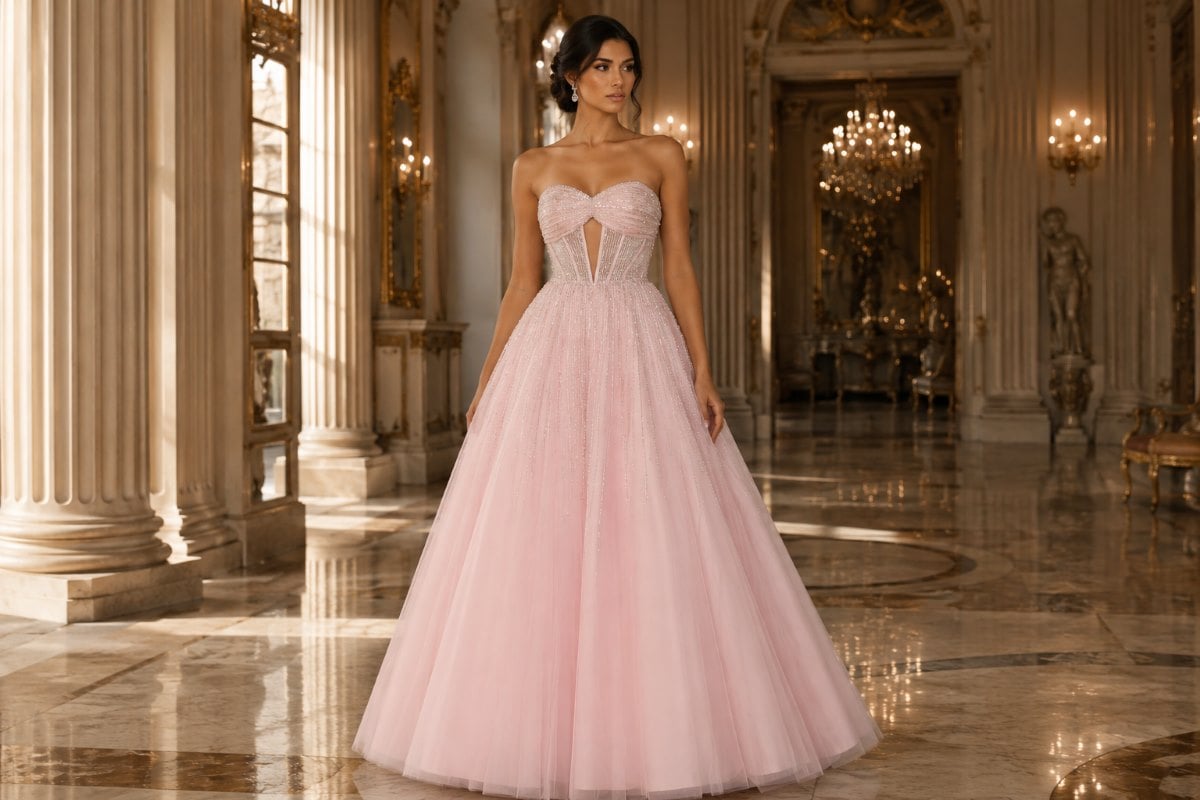
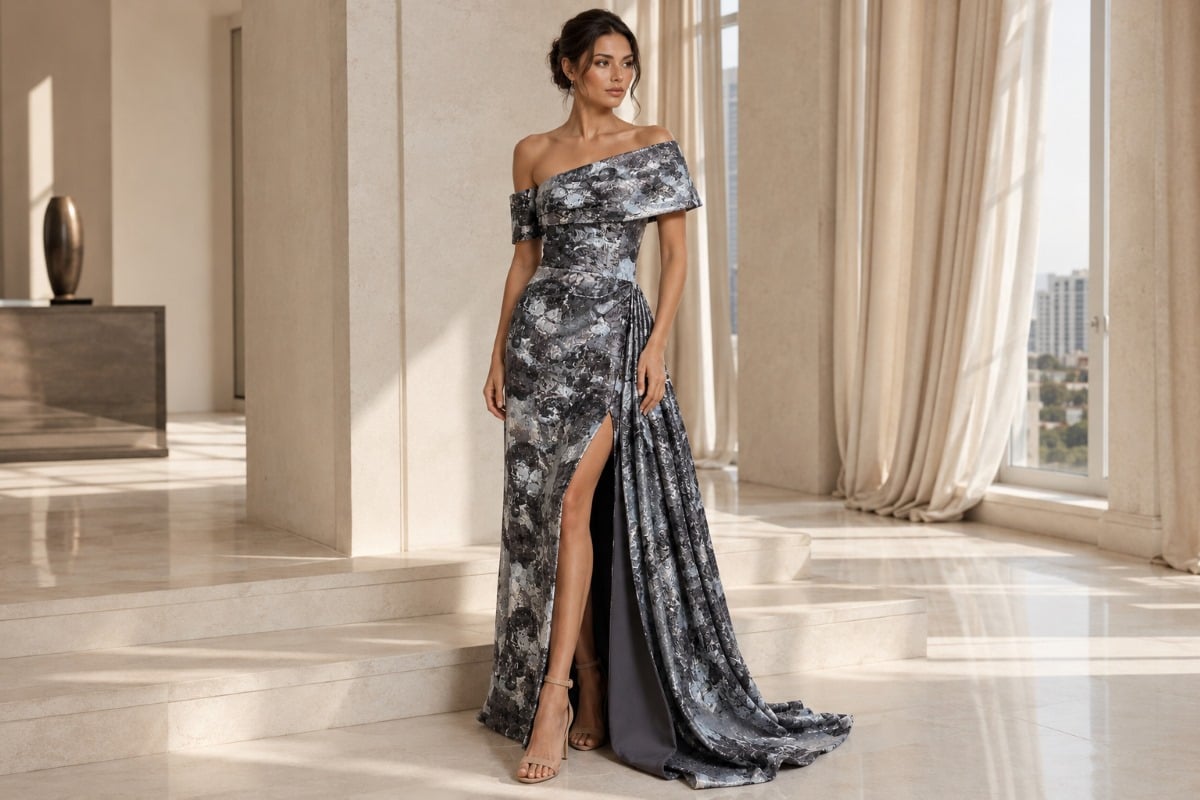
However, the 1950s marked the absolute golden age of haute couture construction. Post-war fabric rationing ended abruptly with Christian Dior’s “New Look,” leading to an explosion of sheer volume. This highly romantic era is heavily characterized by sweeping, classic A-line silhouettes that featured dramatic, bell-shaped skirts. These skirts were often supported by multiple built-in layers of stiff crinoline and rigid structural boning within the bodice. Fabrics of choice included heavy silk mikado, structured brocades, and stiff, rustling taffetas. The construction techniques from this era are remarkable, often featuring built-in waist stays—internal grosgrain belts that take the weight off the zipper—and impeccably hand-finished zipper plackets designed to withstand hours of dancing.
The 1960s and 1970s: Fluidity and Disco Era Draping
The 1960s saw a departure from heavy structure, introducing the stiff, architectural A-line shift dress, often featuring high boat necklines or jewel necks made from modern synthetic blends. Embellishments shifted from delicate glass beads to large, bold plastic paillettes, heavy guipure lace, and chunky, oversized rhinestones. Couture became slightly more accessible, but the silhouettes remained crisp and tailored.
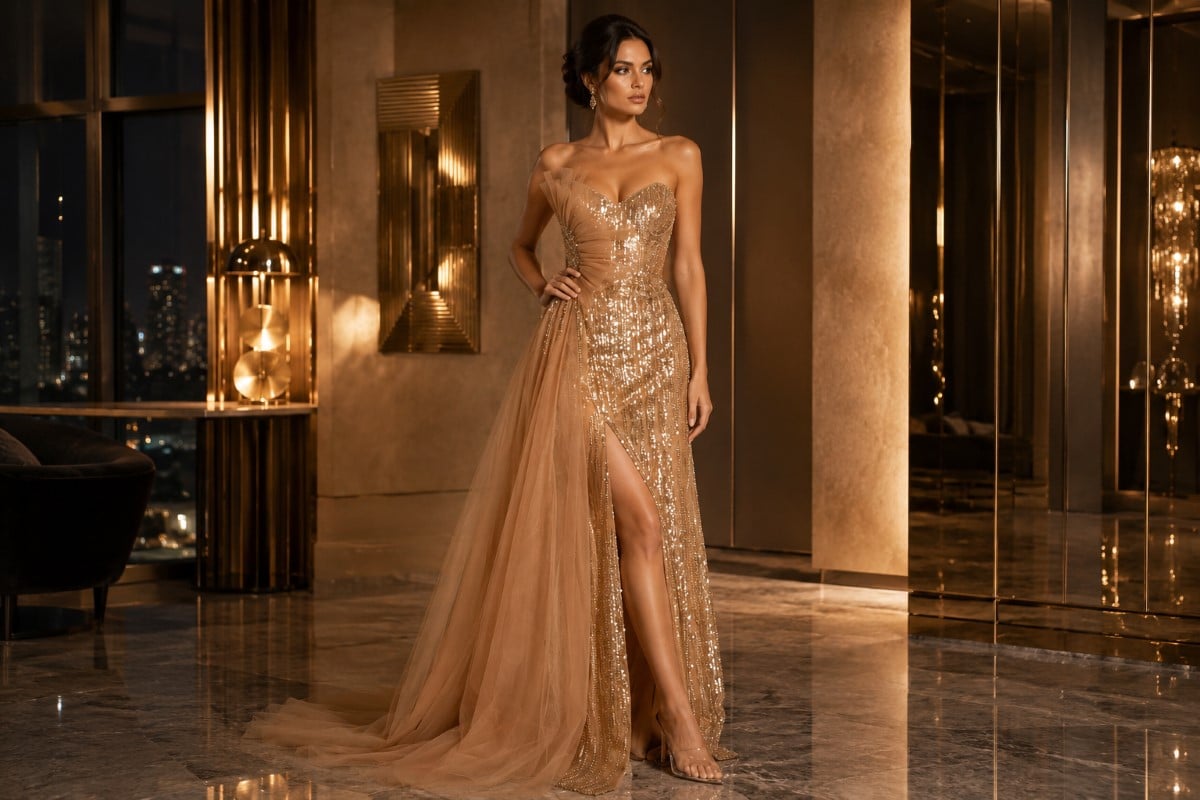
The 1970s brought a return to fluid movement. Evening wear embraced the disco era with ultra-slinky jersey fabrics, wrap silhouettes popularized by Diane von Furstenberg, and heavily sequined, plunging halter necklines. The use of synthetic fabrics like polyester and Lurex became standard, making garments from this era generally more durable, easily washable, and slightly more forgiving in fit than those highly structured pieces from the mid-century. Designers like Halston defined this era with unrestrained minimalism that prioritized the natural drape of the fabric over heavy interior corsetry.
The 1980s and 1990s: Excess to Sleek Minimalism
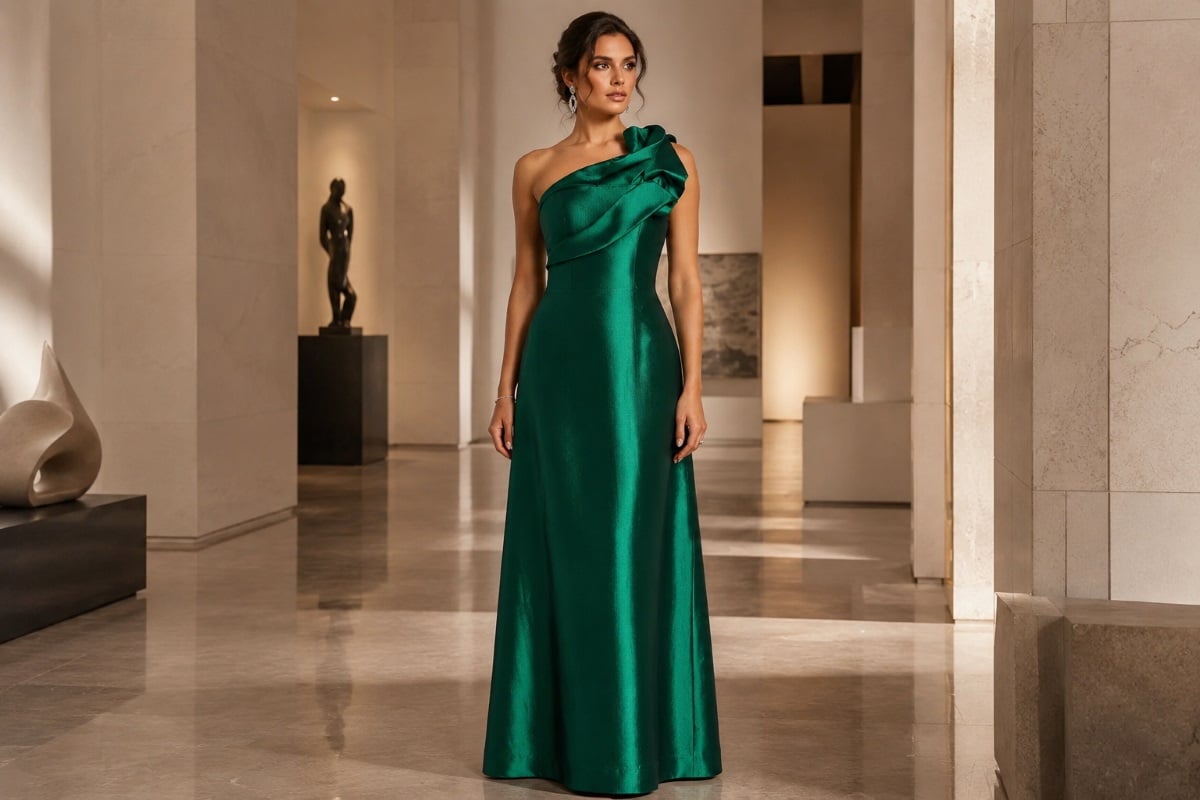
The 1980s were all about unapologetic visual excess. Think dramatic textures, striking jewel-tone colors, exaggerated shoulder pads, dropped basque waists, and an abundance of ruching. While often visually overwhelming in their original state, many gowns from this era feature spectacular draping techniques and high-quality velvets that can be tailored and modernized by simply removing the oversized shoulder pads to suit contemporary tastes.
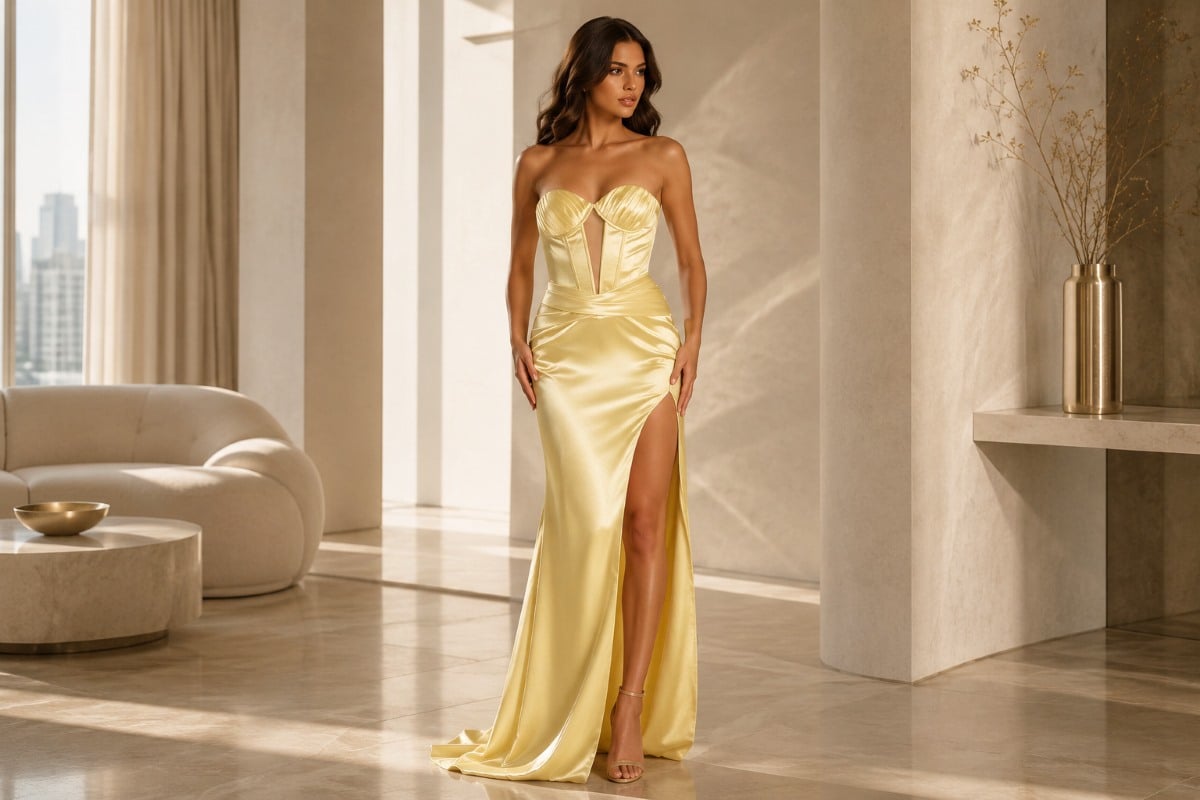
As the 90s progressed, the fashion pendulum swung violently back toward extreme minimalism. This era favored sleek silk crepe, velvet burnout fabrics, and figure-hugging, bias-cut slip styles that relied entirely on impeccable tailoring and sheer fabric quality rather than heavy volume for their visual impact. The 90s slip dress remains one of the most sought-after vintage styles today due to its seamless transition into modern formalwear.
Identifying Authentic Vintage: The Secret Life of Tags
When sourcing second-hand formal pieces, the garment’s tags are your greatest tool for authentication and dating. Modern tags are typically printed with universal care symbols, detailed fabric compositions, and standardized sizing numbers. Conversely, mid-century tags tell a much more localized story, revealing the garment’s origins, the labor laws of the time, and the specific boutique where it was originally sold.
Union Labels and Designer Marks
Before the globalization of garment manufacturing, a vast majority of American-made formalwear featured the ILGWU (International Ladies’ Garment Workers’ Union) label. The specific design and wording of this small, blue or black and white tag changed every few decades, making it one of the most reliable ways to date an item from the 1950s through the 1990s. If a beautiful gown features a union label, you can be assured it was manufactured in the United States under regulated labor conditions.
Furthermore, luxury designer tags from previous eras often featured location markers that have since changed, such as “Christian Dior – New York” or “Givenchy Nouvelle Boutique.” Recognizing the specific typography and design of these historical tags requires research, but it prevents you from being fooled by modern reproductions posing as archival pieces. Missing tags are common, as women frequently cut scratchy labels out of high-end formalwear, which means you must also learn to identify eras by zipper placement, seam finishes, and fabric weight.
The Reality of Sizing: Why Vintage Numbers Deceive
Perhaps the most jarring and universally frustrating experience for anyone buying used formal wear is the realization that sizing has changed drastically over the last half-century. The retail phenomenon known as “vanity sizing” has gradually, but significantly, shifted standard measurements over the decades to make consumers feel better about the number on the tag.
To put it bluntly: a dress labeled a size 12 from 1960 will almost certainly not fit a modern size 12 wearer. In the vast majority of cases, a vintage size 12 aligns much closer to a modern size 6 or 8. Understanding this discrepancy is crucial to avoiding expensive purchasing mistakes.
Vanity Sizing and Historical Proportions
When evaluating an archival piece, you must train yourself to completely ignore the size tag. Instead, arm yourself with a flexible tailor’s measuring tape and know your exact, unpadded measurements: bust, natural waist, and hips. Keep in mind that older formalwear rarely incorporated elastane, spandex, or stretch fibers. If a vintage woven silk dress measures 28 inches at the waist, it will genuinely only fit a waist that is 27.5 inches or smaller. There is absolutely no give. You must leave room for breathing, sitting, and digesting a formal dinner.
The Importance of Modern Foundations
Furthermore, the foundation garments worn underneath these dresses historically dictated their entire shape. A woman attending a formal event in the 1950s wore highly structured, rigid undergarments—such as longline bras, waist cinchers, and heavy elastic girdles—designed specifically to compress the natural waist, smooth the hips, and lift the bust into a very specific, pointed silhouette. The dresses themselves were patterned and cut to fit tightly over these rigid foundations.
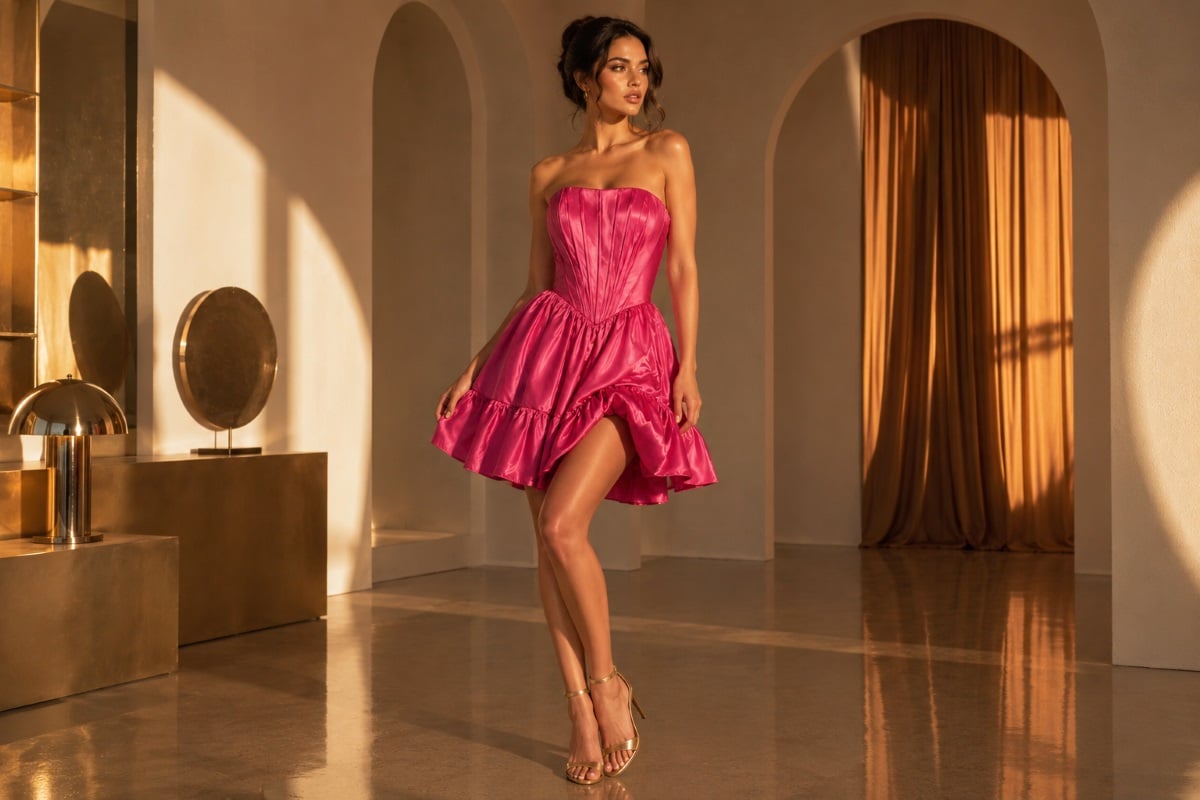
Today, modern bodies are generally larger, taller, differently proportioned, and accustomed to comfortable, stretch-infused fabrics. Trying to fit a modern, athletically built ribcage into a rigid 1950s bodice often requires significant, and sometimes impossible, structural alteration. Many modern shoppers seeking highly structured vintage evening gowns turn to modern equivalents instead. Contemporary corset prom gowns offer the exact dramatic visual impact and snatched waistline of vintage structure, but are brilliantly engineered with modern comfort, breathable fabrics, and flexible movement in mind, completely bypassing the extreme discomfort of mid-century girdles.
Assessing Condition: The Hidden Dangers of Second-Hand Evening Dresses
Finding a vintage piece in a beautiful style and an appropriate size is only half the battle; assessing the garment’s actual structural integrity is where the true challenge lies. Time is the ultimate enemy of textiles. What looks beautiful hanging on a padded hanger may literally disintegrate the moment you attempt to wear it. Before purchasing any archival garment, you must meticulously inspect it under strong, natural daylight, as the dim, atmospheric lighting in thrift stores and vintage boutiques can frequently mask severe flaws.
Recognizing Fabric Degradation and Dry Rot
A critical, deal-breaking factor when inspecting vintage evening gowns is “dry rot,” a terminal condition primarily affecting silks manufactured from the early to mid-20th century. This chemical deterioration occurs when the metallic salts (often tin or lead) originally used during the manufacturing process to “weight” the silk—giving it a heavier, more luxurious drape and rustle—begin to actively break down the fibers from the inside out.
A dress suffering from dry rot may look incredibly pristine on the rack, maintaining its vibrant color and shape. However, the moment you put it on, zip it up, or apply slight tension to a seam, the fabric will split effortlessly like wet tissue paper. There is no saving a dry-rotted garment. To test for this before buying, find an inconspicuous internal seam allowance and give the fabric a gentle but firm tug. If the fabric tears with no resistance, the dress is completely unwearable and belongs in a museum archive, not on a dance floor.
Inspecting Hardware, Zippers, and Hems
You must also evaluate the original hardware. Metal zippers from the mid-century can oxidize, rust, and become fused shut. If the teeth are rusted or damaged, replacing the zipper requires a highly skilled tailor who deeply understands how to insert modern nylon hardware without puckering the delicate, aged fabric around the placket.
When you are specifically looking for dramatic silhouettes or long evening dresses with sweeping trains, you must inspect the hemline closely. Floor-sweeping gowns from previous decades inevitably bear the physical scars of their past events. Look closely for stiletto heel punctures in the train, deep mud stains that have permanently set into the rolled hem, and torn layers of delicate tulle. While a hem can sometimes be raised to cut away damage, doing so fundamentally alters the intended proportions and elegant flow of the gown.
Dealing with Oxidation and Odors
The final invisible threat to check for is oxidation. Stains such as clear soda, white wine, or perspiration may have dried completely clear and invisible decades ago. However, over the course of thirty or forty years, the residual sugars and proteins in these invisible stains slowly oxidize when exposed to air, turning into deep, permanent brown or yellow marks. These oxidized stains are notoriously difficult, and frequently impossible, to remove from delicate vintage silks without aggressively bleaching and subsequently destroying the surrounding fabric fibers.
The Hidden Costs of Altering Vintage Gowns
There is a widespread misconception that tailoring older formalwear is the exact same process as altering a modern garment from a fast-fashion retailer. In reality, altering archival wear requires a highly specialized skill set that many standard, neighborhood dry-cleaning tailors simply do not possess. The internal architecture of a 1950s ballgown is vastly different from a dress manufactured in 2024.
Finding Specialized Tailors
If a vintage dress is slightly too large, it can generally be taken in. However, the tailor must be incredibly careful to preserve the original style lines, intricate darts, and intended proportions of the era. Bias-cut garments are particularly treacherous; if cut, pinned, or hemmed incorrectly, a bias dress will ripple unpleasantly, hang unevenly, and twist around the wearer’s legs as they walk.
If the dress is too small, the situation becomes incredibly complicated and often incredibly expensive. While high-quality mid-century garments do often feature generous seam allowances intended for future alterations, you are relying entirely on the hope that a previous owner has not already utilized that extra fabric. If the seam allowance has been trimmed away by a previous tailor fifty years ago, letting the dress out is impossible without adding entirely new panels of fabric.
The Challenge of Fabric Matching
Sourcing matching fabric to insert panels into a 60-year-old dress is a near-impossible task. Fabrics fade, oxidize, and age uniquely over time. This means a brand new piece of silk satin will never perfectly match a naturally aged piece of silk satin, even if they are technically listed as the exact same color code. Furthermore, matching thread tension is a nightmare, as modern synthetic threads can easily slice through weakened, aged natural fibers. The cost of these highly specialized alterations—reconstructing bodices, sourcing vintage hardware, and delicately re-hemming aged silk—can easily, and often does, exceed the original purchase price of the thrifted dress itself. You must always factor in substantial tailoring costs when deciding if a vintage find is truly a bargain.
Strategic Sourcing: Expert Tips for Buying Used Formal Wear
If you are fiercely committed to the vintage hunt, knowing exactly where to look is crucial to your success. Standard neighborhood thrift stores rarely house pristine formalwear, as these garments were historically quite expensive investments and were usually stored away carefully in attics, cedar chests, or garment bags rather than bagged up and donated with everyday wear.
Estate Sales vs. High-End Consignment
High-end consignment boutiques located in affluent, historic neighborhoods are excellent starting points. These shop owners curate their collections, clean the items, and often authenticate the garments, saving you the exhausting trouble of sorting through decades of modern discards. Because these pieces are vetted, you will pay a premium, but you drastically reduce the risk of buying a damaged garment.
Estate sales are another incredibly lucrative resource for sourcing second-hand evening dresses. When an entire household is liquidated, you can often find garments that have been meticulously stored in dark, climate-controlled cedar closets for half a century, untouched by damaging UV light, humidity, or clothes moths. Showing up early on the first day of a reputable estate sale is essential for securing the best, museum-quality pieces.
Navigating the Online Archival Market
Online platforms specializing in archival fashion offer the widest global selection, allowing you to search for specific designers or decades. However, they come with the significant drawback of not being able to touch the fabric, test for dry rot, inspect the zippers, or try on the garment. When sourcing specific vintage evening gowns online, never trust the stated size. Ensure the seller provides exact flat measurements (bust, waist, hips, and shoulder-to-hem length), detailed close-up photos of the interior seams and hardware, and a highly descriptive condition report detailing any flaws, odors, alterations, or discoloration. Ask the seller explicitly if the fabric passes a gentle “tug test” to rule out dry rot before finalizing your purchase.
The Jovani Solution: Vintage-Inspired Formal Dresses with Modern Reliability
While the pursuit of archival fashion is undoubtedly a beautiful endeavor, it is frequently fraught with anxiety, hidden expenses, and inevitable disappointment. The lingering fear of a fragile, rusted metal zipper breaking right before you walk out the door, the intense stress of a dry-rotted seam splitting on the dance floor, and the endless, exhausting search for a tailor willing to risk altering an antique gown can quickly overshadow the joy of the special event itself.
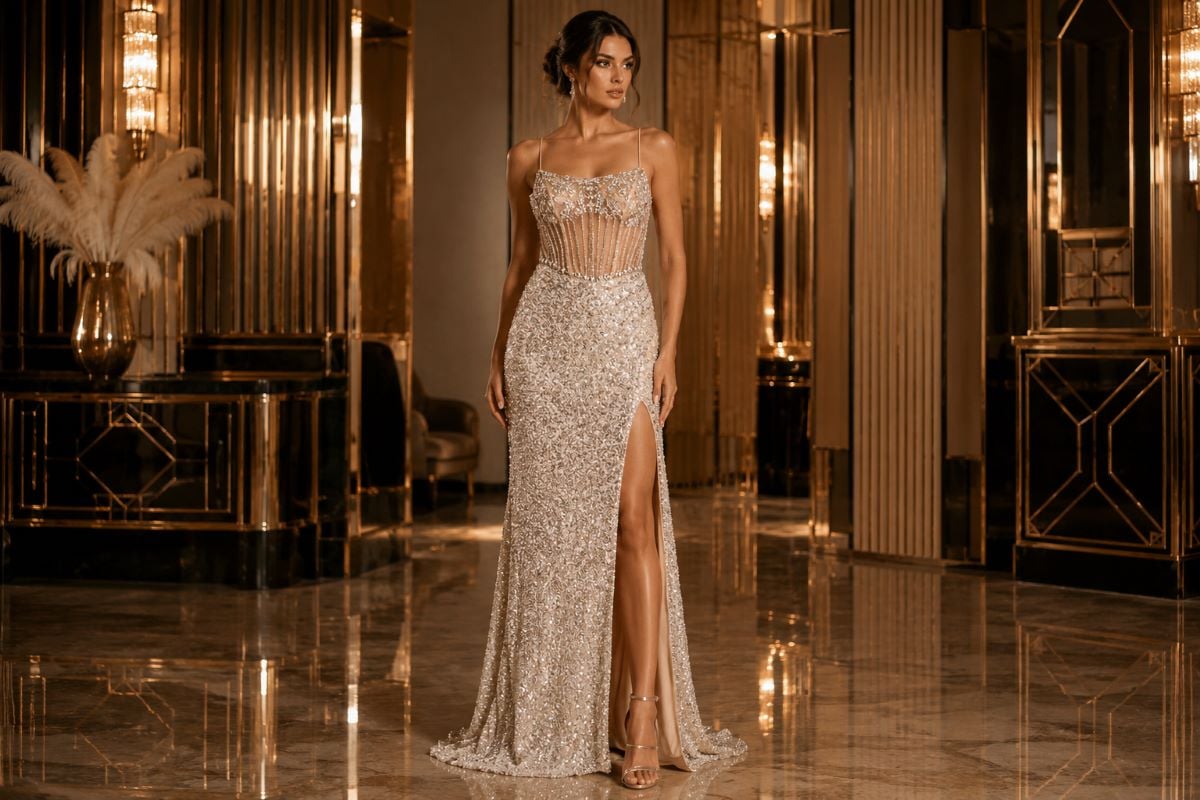
For the modern woman who deeply desires the timeless, classic elegance of the past but absolutely requires the reliability, durability, and flawless fit of contemporary construction, Jovani provides the ultimate sartorial solution. As a premier design house, Jovani intimately understands the specific elements that make historical fashion so compelling—the dramatic sweeping skirts and sweetheart necklines of the 1950s, the intricate hand-beadwork reminiscent of the 1920s, and the sharp, architectural draping of the 1980s.
By interpreting these stunning aesthetics through the lens of advanced modern tailoring, Jovani completely eliminates the severe risks associated with authentic vintage evening gowns. When you are searching for vintage prom dress look ideas or inspiration for a gala, choosing a new design from Jovani ensures you are not gambling your evening on weakened threads or permanent oxidized stains.
You are actively investing in premium, highly durable fabrics engineered to move dynamically with your modern body. You benefit immensely from standardized sizing and structural innovations—like flexible synthetic boning, breathable stretch linings, and built-in bra cups—that provide unparalleled support and all-night comfort. Whether you are seeking the romantic volume of a mid-century ballgown or the sleek sophistication of 90s minimalism, Jovani ensures you achieve that breathtaking, cinematic retro formal style with absolute confidence and zero wear-and-tear anxiety.
FAQs About Vintage Formal Wear
1. What is the technical difference between a vintage and an antique dress?
In the fashion and textile industry, a garment is generally considered “vintage” if it is between 20 and 99 years old, and it must be somewhat representative of the specific era in which it was produced (e.g., a 1980s power suit or a 1950s swing dress). A garment is officially classified as “antique” once it is 100 years old or older. Antique garments, such as Edwardian lace tea gowns or heavily boned Victorian bodices, are generally considered far too fragile for normal wear and belong in preservation archives, not at modern formal events.
2. Can I actually remove the distinct “old clothes smell” from a thrifted gown?
The musty odor often associated with older clothing is usually caused by dormant mold spores, decades of poor air circulation, or the chemical breakdown of original fabric finishes. For sturdy fabrics, hanging the garment outdoors in a shaded, breezy area for several days can help immensely. For delicate formalwear, placing the dress inside a sealed plastic storage bin alongside a small bowl of activated charcoal or baking soda (ensuring the powder does not physically touch the fabric) can safely absorb odors over a few weeks. Never spray modern alcohol-based perfumes directly on old fabrics, as the alcohol can cause permanent spotting and rapid deterioration.
3. Should I take a delicate vintage silk gown to a standard dry cleaner?
It is highly risky and generally strongly discouraged to take a true archival piece to a standard, neighborhood commercial dry cleaner. The harsh chemical solvents and extreme heat used in modern dry cleaning processes can melt early plastics used in 1940s sequins, completely shatter delicate older silks, and dissolve vintage glues used in 1950s appliques. If the garment must be cleaned, you must seek out a specialized textile conservator who focuses on theatrical costumes, bridal gown preservation, or antique museum textiles.
4. Why do so many high-quality second-hand evening dresses have no size tags?
Prior to the widespread standardization of mass-produced, ready-to-wear clothing in the mid-to-late 20th century, many high-end formal garments were either custom-made by local, independent dressmakers or altered heavily at the point of purchase in luxury department stores. Custom garments inherently will not have size tags. Furthermore, even if a tag was originally present, it was a very common practice for women to physically cut scratchy labels out of the necklines of their delicate formalwear for comfort. This is why you must always rely on flat measurements rather than searching for a tag.
5. Can a vintage evening dress be dyed to hide stains or discoloration?
Dyeing an older dress is an incredibly high-risk procedure. Mid-century garments were often constructed using different materials for the shell, the lining, and the thread. Because natural fibers (like silk) and synthetic fibers (like the nylon thread used to sew the seams) absorb dye completely differently, attempting to dye a dress at home usually results in a splotchy garment with drastically mismatched, contrasting seams. The dye bath process itself can also destroy weakened vintage fibers. It is generally better to consult a professional restoration expert rather than attempting to dye an archival piece yourself.
6. What is the safest way to store a heavy vintage gown at home?
Never store heavy gowns, especially those featuring dense beadwork or heavy brocades, on thin wire or unpadded hangers. Over time, the sheer weight of the gown pulled downward by gravity will permanently stretch, warp, and distort the shoulder seams, ruining the garment’s structural integrity. Fragile or exceptionally heavy gowns should be stored flat in an acid-free archival textile preservation box, carefully lined and stuffed with unbuffered, acid-free tissue paper to prevent sharp creases. If the dress absolutely must be hung, use a heavily padded, structured hanger and cover the garment with a breathable, 100% cotton garment bag—never use plastic dry-cleaning bags, which trap moisture and encourage fabric-destroying mold.
To experience the perfect fusion of timeless, vintage-inspired elegance and reliable modern structural perfection, we invite you to explore the full collection of formal gowns at your nearest authorized Jovani retailer.