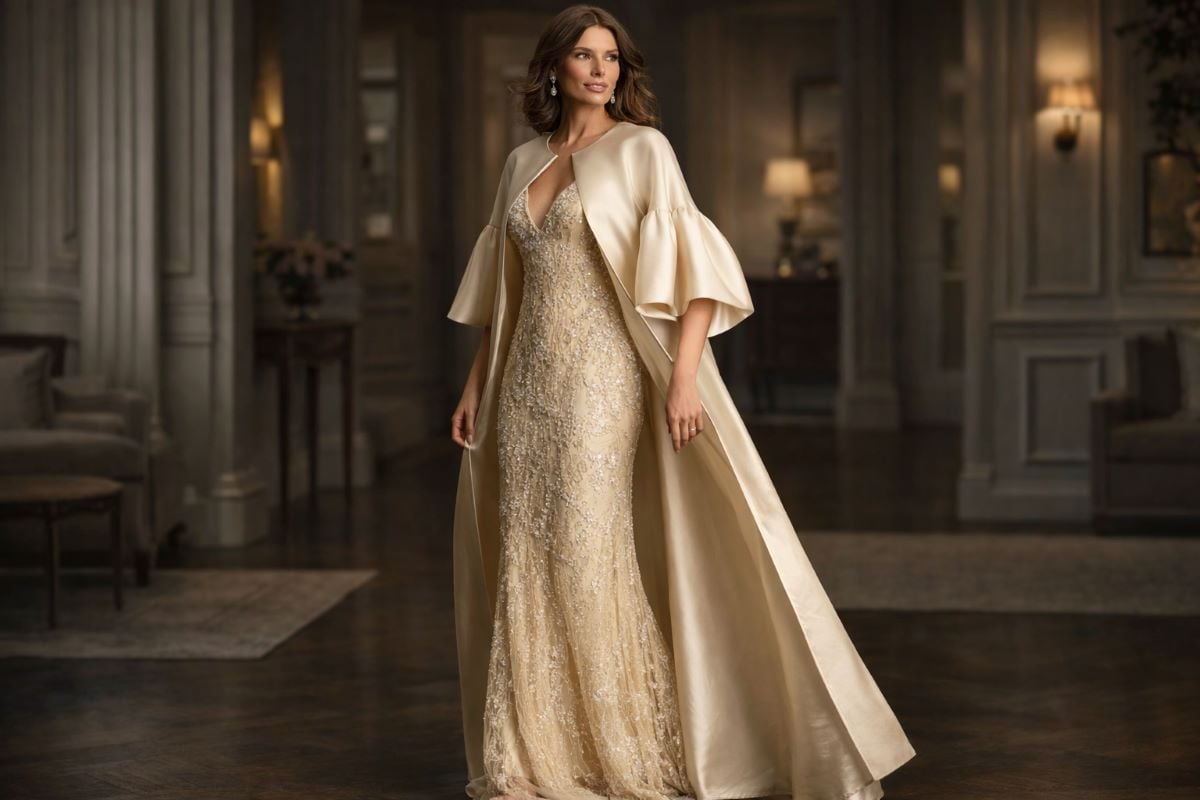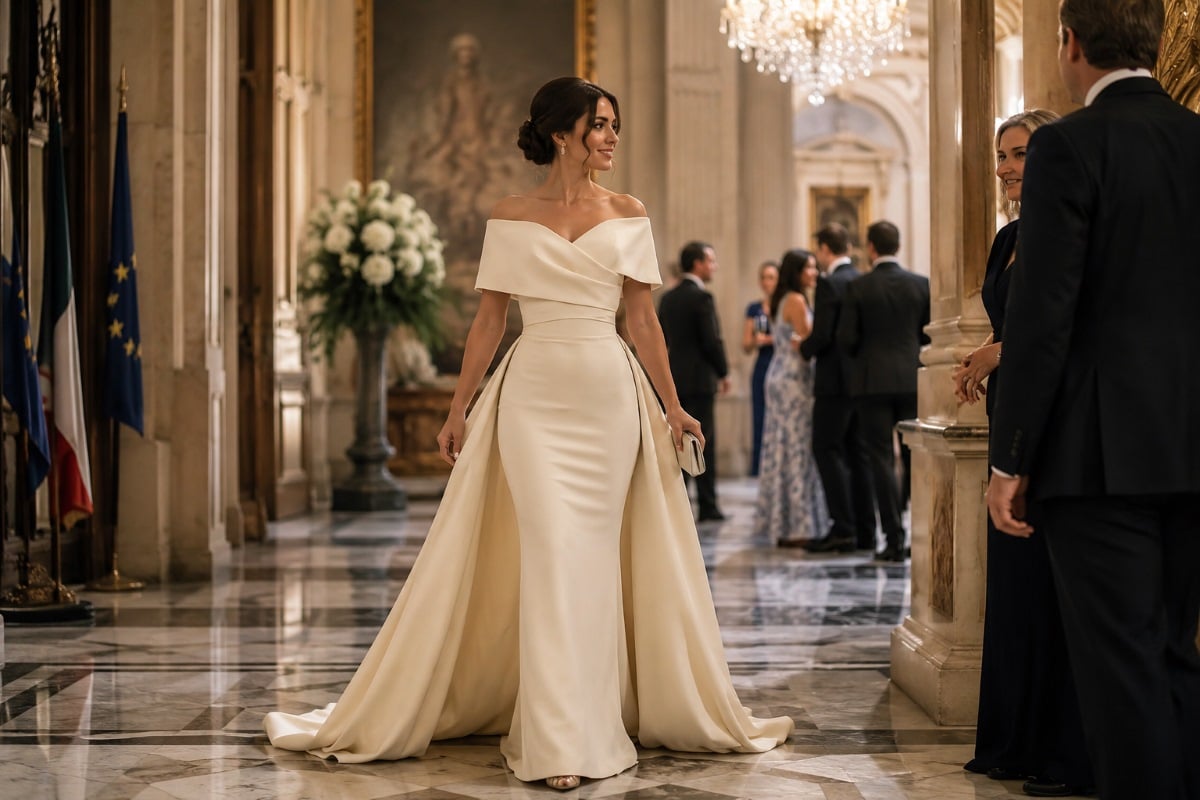

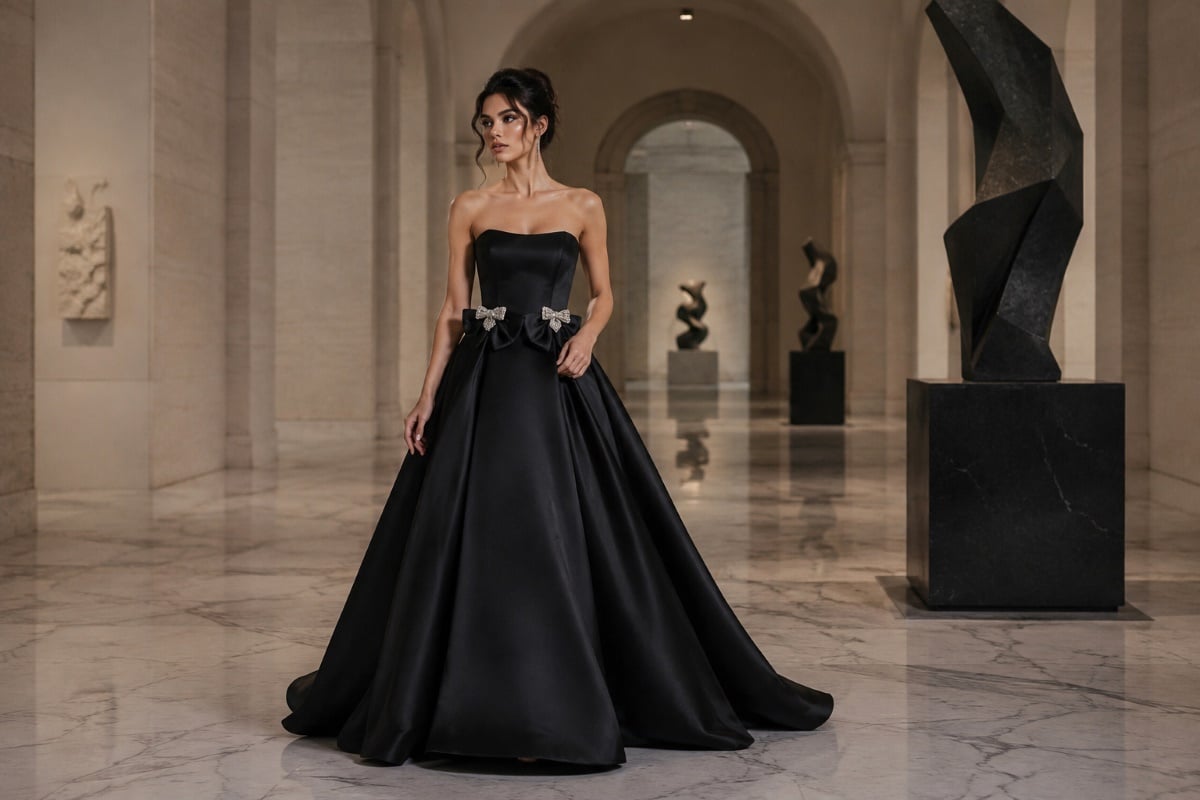
A gala invitation is both exciting and a little intimidating, because a gala sits among the most formal events you will ever be invited to. Learning how to dress for a gala comes down to one early decision, since most galas call for a floor-length evening gown, and full-length formality is the safest assumption when the details are thin. That said, the right answer depends on the specific dress code printed on your invitation, the venue, and the nature of the event. This guide reads the invitation with you, line by line, so you can decode every dress code you might encounter, settle whether floor-length is truly required, and get an honest answer to the question so many people search, whether you can wear a short dress.
Why a Gala Calls for Formality in the First Place
The word gala comes from an old term meaning a festive occasion, and that heritage still shapes the expectation today. A gala is a formal celebration, usually held in the evening at an upscale venue such as a ballroom, hotel, or museum, and it almost always has a purpose beyond the party itself.
The Purpose Behind the Dress Code
Most galas raise money or mark a milestone, charity fundraisers, museum benefits, awards nights, and institutional anniversaries among them. Because guests include donors, honorees, and community leaders, the evening is built around elegance and ceremony, often with a seated dinner, a program, and sometimes a red-carpet entrance. The formal dress code exists to create a shared sense of occasion, so everyone in the room feels part of something significant rather than comparing outfits. Knowing how to dress for a gala is really about reading those signals correctly, since the event itself tells you most of what you need to know before you ever open the invitation.
Where Gala Dressing Sits on the Formality Scale
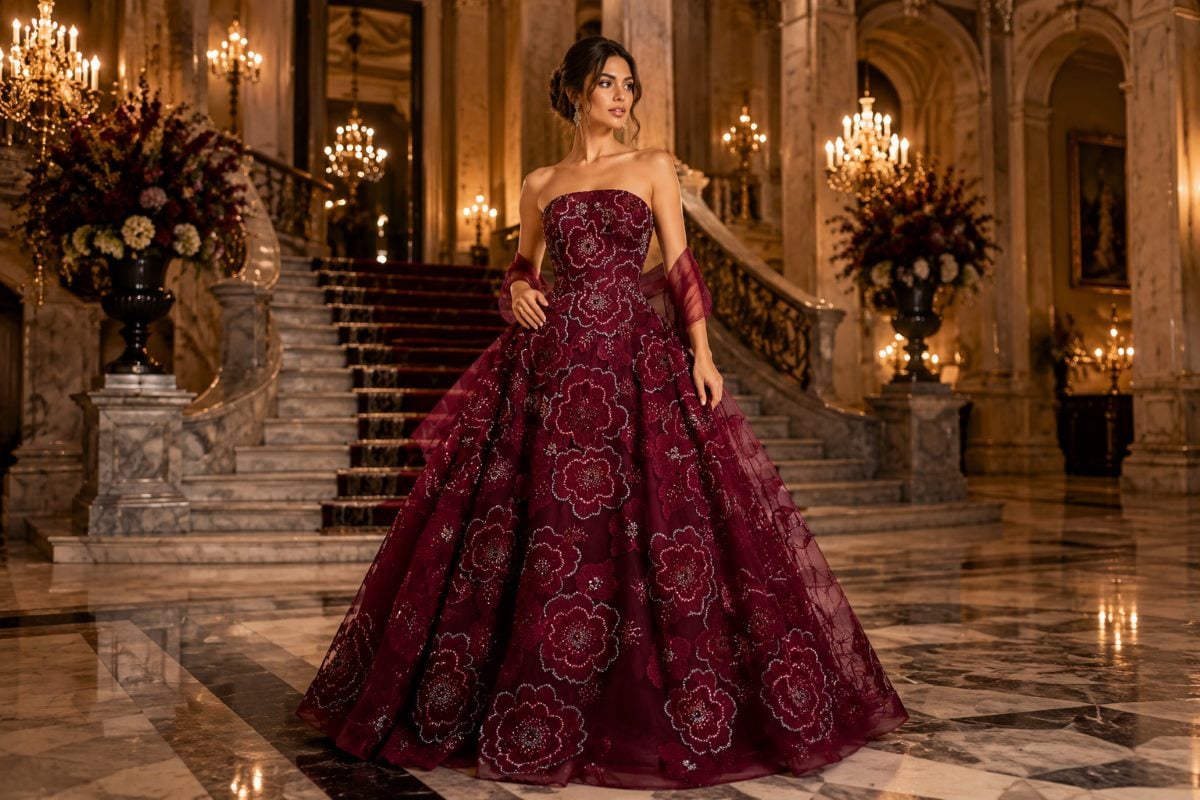
Gala attire generally lives at the top of the formality spectrum, most often aligning with black tie. For women that traditionally means a floor-length evening gown in a refined fabric. Some galas climb even higher to white tie, and others relax slightly to cocktail or creative codes, which is why the invitation is your single most important source of truth. Reading it carefully before you shop saves you from both underdressing and overshooting. The rest of how to dress for a gala flows from this one placement, because once you know which tier the event sits in, the choices about length, fabric, and accessories follow naturally.
How to Dress for a Gala by Decoding the Invitation
Hosts rarely leave you guessing entirely. The line at the bottom of the invitation is a roadmap, and each phrase carries specific expectations once you know how to translate it. This is the part most guests skim, and it is the part that determines everything else.
Black Tie and Black-Tie Optional
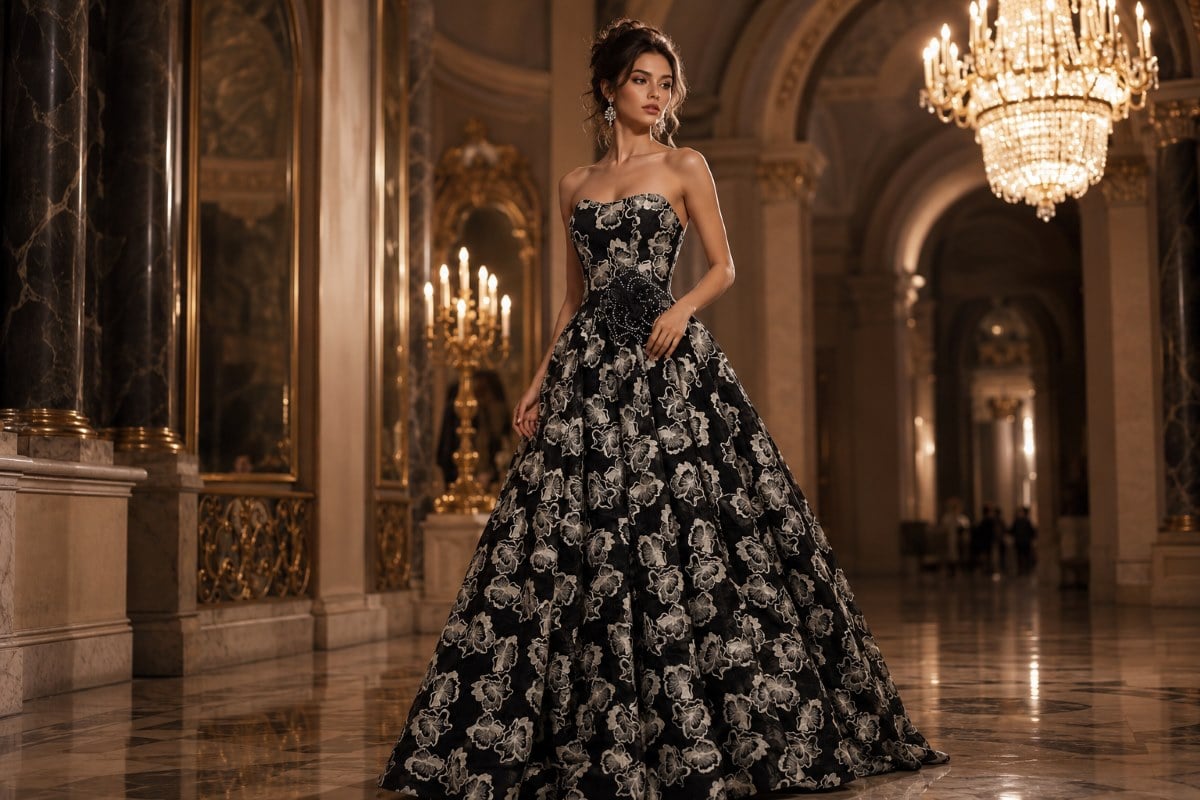
Black tie is the most common gala dress code. For women it calls for a floor-length gown in a quality fabric, paired with elegant heels and refined jewelry. Black-tie optional gives a little leeway, so a long gown is still ideal, but a very formal midi or a sophisticated dark cocktail dress can also work. Our collection of black tie gowns is designed around exactly this standard, where length and fabric quality do the heavy lifting.
White Tie, the Rarest and Most Formal
White tie is the most formal code in existence and the one you will encounter least often. The expectation is the highest level of glamour, a floor-length ball gown, often with long gloves, and refined jewelry. Short dresses, however glamorous, fall outside what white tie permits, and trousers are traditionally not considered. If you are ever unsure how white tie differs from black tie, our explainer on the difference between black tie and white tie lays out both codes side by side so the gap between them is clear.
Formal, Cocktail, and Creative Galas
A gala marked simply formal still points toward a floor-length gown or a very refined midi. Some modern galas specify cocktail or semi-formal, which opens the door to an elegant shorter dress or a polished jumpsuit. Creative black tie invites personal expression, bold color, unexpected texture, or a dramatic silhouette, while keeping the overall formality high. When the code is creative, treat black tie as your base and add one distinctive element rather than abandoning the formality altogether.
Whether Floor-Length Is Really Required
For the majority of galas, a floor-length gown is the gold standard, and it is the choice that signals respect for the host and the occasion. The length is the clearest visual cue that you understood the formality, which is why it deserves your attention first.
Why Length Communicates the Most
At a black-tie gala, the floor-length hemline is the single element that most clearly communicates that you are dressed to code. Everything else, color, silhouette, embellishment, is personal choice within that baseline. A full-length gown also changes how you carry yourself, encouraging a measured, graceful presence that suits the room. Our range of long formal gowns is built for this exact level of formality, with construction details like steel boning and hand-sewn finishing that hold a silhouette beautifully through a long evening.
The Role of Fabric and Construction
At a gala, fabric carries the formality in a way it does not at casual events. Structured crepe, heavy satin, velvet for winter, beaded mesh, and embellished tulle all project the right visual weight. Jovani, founded in 1983 in New York City’s garment district, builds its gowns with the internal construction that keeps these fabrics looking polished from the first photo to the last dance. The combination of a refined fabric and a true floor-length cut is what separates gala dressing from ordinary formal wear.
Can You Wear a Short Dress to a Gala?
This is the question that sends so many guests searching, and the honest answer is nuanced. As a default, floor-length is safest, and for a strict black-tie or white-tie gala a short dress will usually fall short of expectations. But fashion has loosened, and some galas genuinely allow an elegant shorter dress.
When a Shorter Length Can Work
A short or midi dress can be appropriate at a gala that specifies cocktail or semi-formal attire, at a daytime benefit, at a more modern or creatively themed event, or at a venue with a relaxed atmosphere like an art gallery. The key is elevation, so choose a luxurious fabric like satin, velvet, or beaded mesh, keep the silhouette tailored, and lean on statement accessories to carry the formality. If you do go shorter, just below the knee reads as more sophisticated than a true mini, which tends to look out of place in a room of gowns. Our midi evening dresses hit that refined, below-the-knee register that can work when the code allows it.
The Safe Rule When You Cannot Tell
If the invitation gives no dress code, or you cannot confirm the formality, assume floor-length. Being slightly overdressed at a gala reads as respectful, while being underdressed in a short dress among a room of gowns can feel uncomfortable all evening. When nothing is stated, a full-length gown is never the wrong answer.
Choosing a Gala Gown That Suits the Night
Once length is settled, the fun begins with choosing a shape and palette that flatter you and suit the evening. This is where your personality enters the formal framework.
Silhouettes That Command a Room
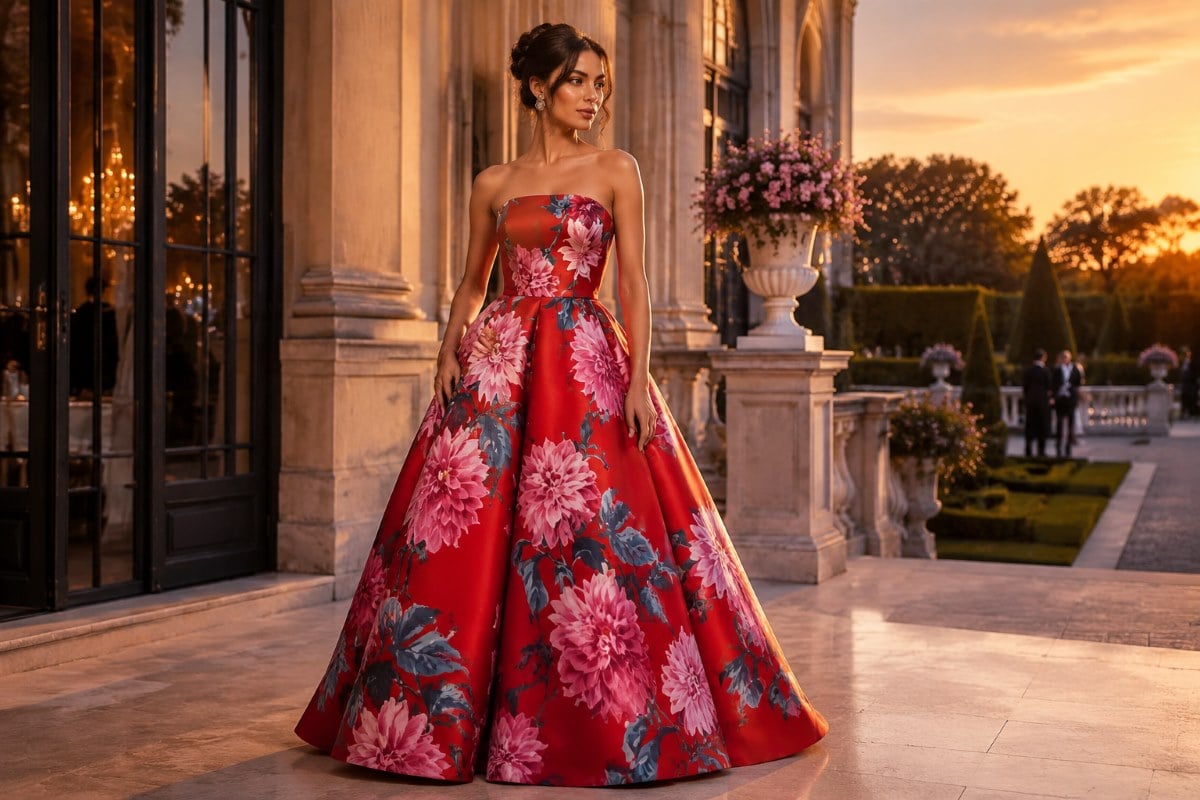
The ball gown, with its fitted bodice and dramatic full skirt, is the most regal choice and feels right in a grand ballroom or at a white-tie event. Our ball gowns deliver that sweeping, memorable entrance. The mermaid silhouette hugs the body before flaring below the knee for high-impact glamour, the A-line is universally flattering and easy to move in, and the column or sheath offers a sleek, modern minimalism. Your choice should reflect both the venue and how you want to feel walking in, since a voluminous skirt suits a spacious ballroom while a column reads beautifully in a sleek, contemporary space.
Colors and Fabrics for Gala Nights
Black is the timeless gala default, but rich jewel tones like emerald, sapphire, burgundy, and ruby stand out elegantly in a sea of dark gowns. Metallics and subtle beadwork read as celebratory and luxurious, while deep navy and plum offer refined alternatives to black. For fabric, look to silk mikado, heavy crepe, beaded tulle, and velvet for winter, materials with structure and a natural sheen that photograph beautifully under event lighting. For more direction on building a complete gala look, our guide to evening dresses for gala nights goes deeper on pairing silhouette with occasion.
Dressing for the Season Your Gala Falls In
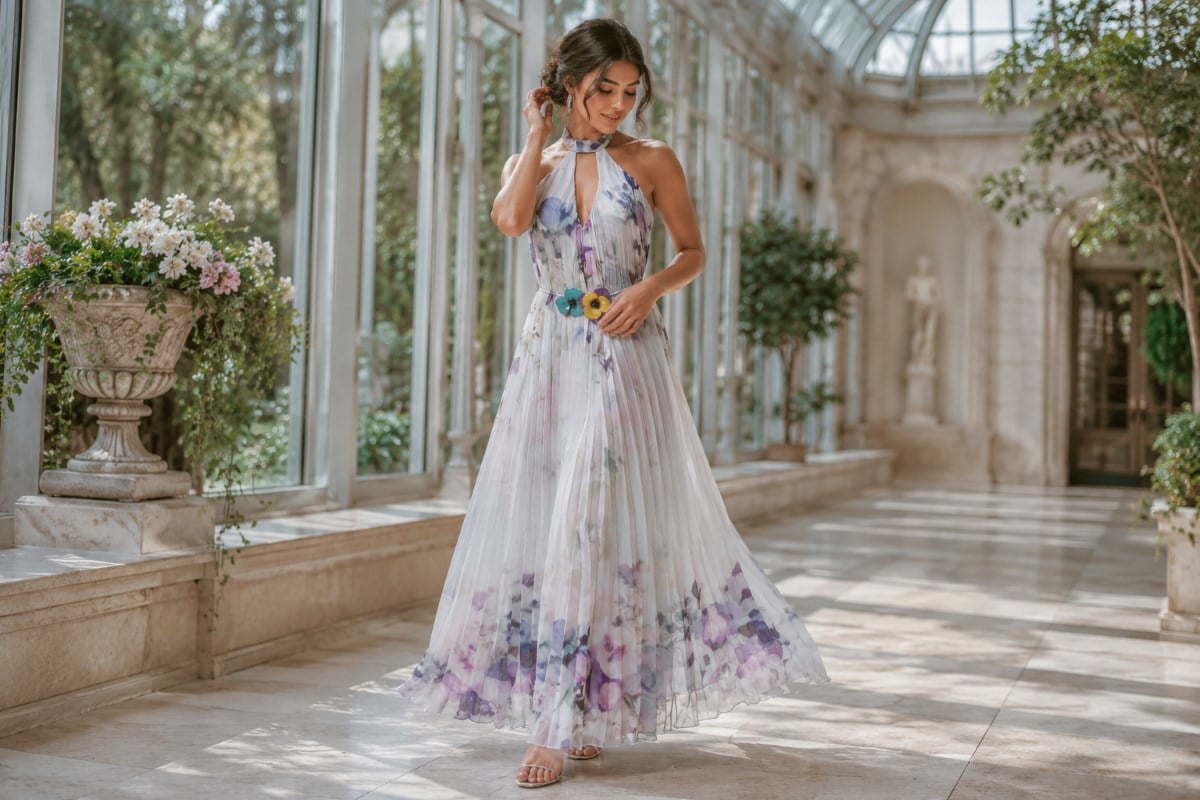
The time of year shapes a gala look more than people expect, and accounting for it keeps you comfortable as well as appropriate. A winter gala invites velvet, long sleeves, and deeper, richer colors, along with a proper wrap or evening coat for the walk from the car. A spring or summer gala welcomes lighter fabrics like silk and chiffon, fresher colors, and a little more openness in the neckline or back, though the formality of the hemline stays the same. Autumn sits in between, where jewel tones and medium-weight fabrics feel right. Matching your fabric to the season is a small detail that separates a guest who simply bought a gown from one who genuinely planned the evening, and it is the kind of thoughtful touch that photographs well and feels right all night.
Accessories, Shoes, and Finishing Touches
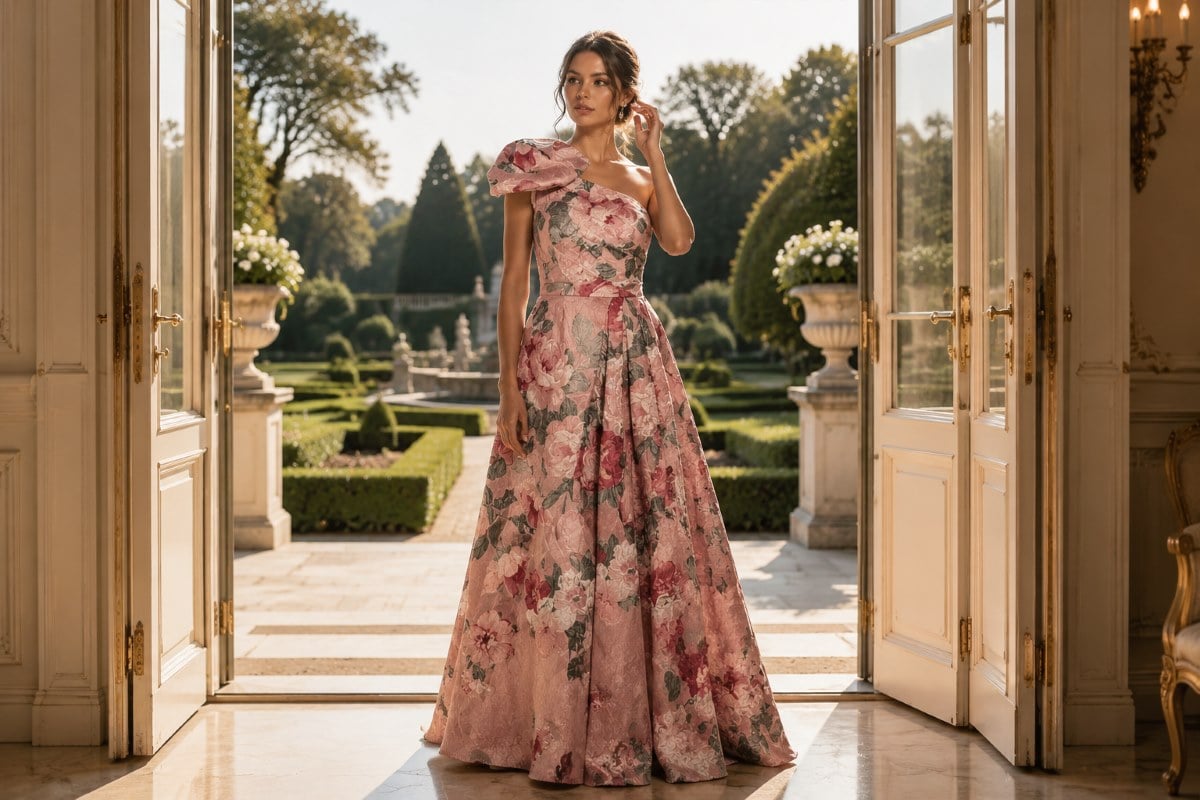
Gala accessories follow a less-is-more philosophy. One or two refined pieces, statement earrings or a single necklace plus a cuff, are far more elegant than a pile of jewelry. A small clutch or minaudiere is the correct bag, since oversized totes break the formality. For specific guidance on tying jewelry, bags, and wraps together, our overview of finishing the look with accessories is a useful reference. A polished updo, classic makeup, and a refined wrap or evening coat for arrival complete the picture.
Choosing Shoes That Carry the Night
Heels are the traditional gala choice, and a comfortable pair matters more than people expect, since you will be standing, mingling, and possibly dancing for hours. Make sure your gown’s hem clears the floor when you wear your chosen heels, and consider breaking in new shoes beforehand. Our advice on choosing the right shoes covers how to balance elegance with comfort across a long evening.
What to Do When No Dress Code Is Stated
Sometimes an invitation names a gala but never specifies attire, which leaves you to read the clues. Start with the venue, since a historic ballroom or grand hotel points to a long gown, while a modern gallery or rooftop may welcome something slightly more contemporary. Consider the host organization and the time of day, since evening events skew dressier. One of the most reliable tricks is to look at photos from the organization’s previous galas, which reveal the unwritten norms better than any guess. And when you still cannot tell, default to a floor-length gown, because at a gala it is always better to be slightly overdressed than underdressed.
Giving Yourself Enough Time to Get It Right
The single most practical part of how to dress for a gala has nothing to do with style and everything to do with timing. A formal gown often needs alterations to sit correctly, and a proper hem, take-in, or strap adjustment takes time that a last-minute purchase does not allow. Visiting a boutique a few weeks ahead gives you room to try silhouettes you might not have considered, order a size if your first choice is unavailable, and have the dress fitted properly to your body. Rushing the process is how guests end up tugging at a hemline all evening, while a little lead time is what lets a gown look effortless from the first photo to the last dance.
Common Gala Dressing Mistakes to Avoid
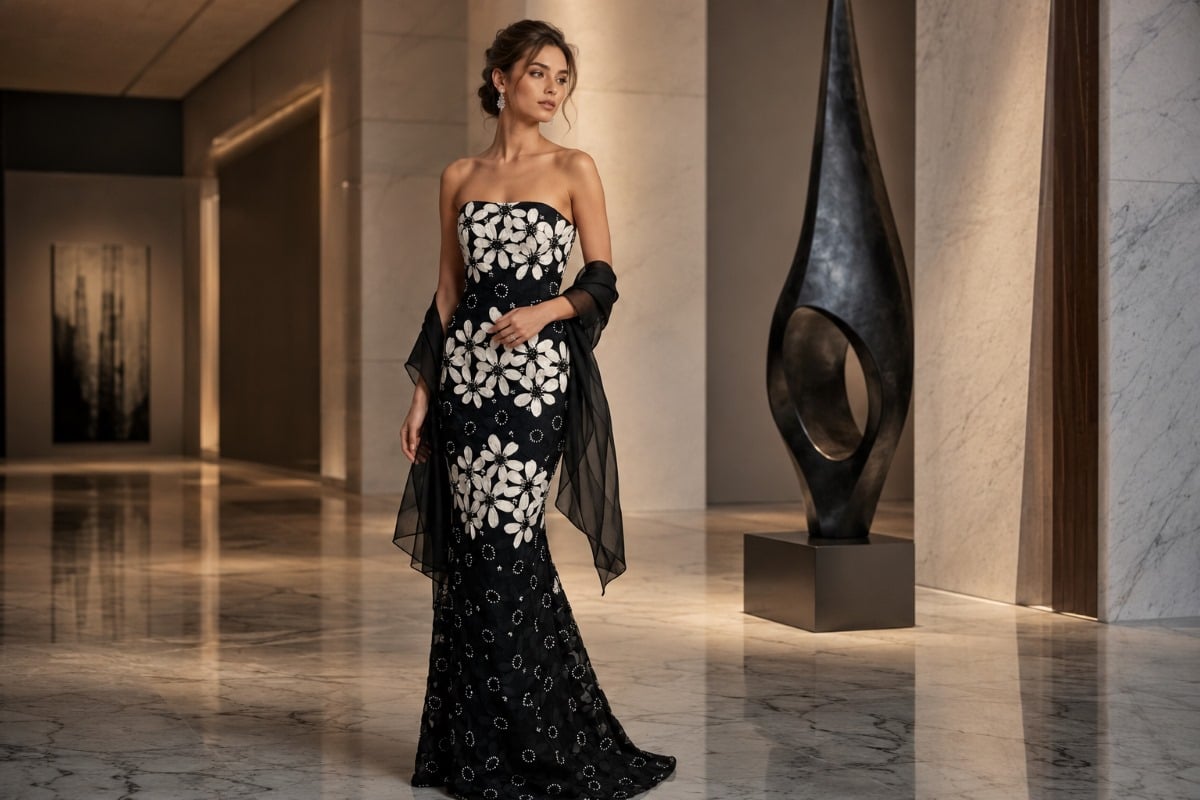
A few missteps come up again and again. The biggest is underdressing, choosing a casual or semi-casual look that ignores the event’s formality. Another is wearing fabrics that read as casual, like jersey, cotton, or denim, when silk, satin, velvet, and beaded materials are what the setting asks for. Over-revealing styles are a frequent error too, because gala glamour lands best when you highlight one feature, a slit or a neckline, rather than several at once. Over-accessorizing dilutes an elegant gown, so restraint wins. Finally, ignoring the printed dress code entirely is the one mistake guests regret most, because the invitation always tells you what the host expects.
Frequently Asked Questions About Gala Dress Codes
Can you wear a short dress to a gala?
Generally, floor-length is the safest choice, and for a strict black-tie or white-tie gala a short dress will usually read as underdressed. However, an elegant midi or just-below-the-knee dress can work at a gala that specifies cocktail or semi-formal attire, at a daytime benefit, or at a modern or creatively themed event. If you do go shorter, choose a luxurious fabric and refined accessories, and if the invitation states no dress code at all, assume long.
What does a gala dress code usually mean?
Most galas follow a black-tie dress code, which for women means a floor-length evening gown in a quality fabric with elegant accessories. Some galas specify white tie, the most formal code, while others relax to formal, cocktail, or creative black tie. Always check the invitation, because the specific wording determines exactly how formal you should go.
Is floor-length required at a gala?
For black-tie and white-tie galas, floor-length is effectively the expectation, and it is always the safe default when you are unsure. It is not an absolute law for every gala, since cocktail or creative-coded events can allow a refined shorter dress, but length is the clearest signal of formality, so a full-length gown is never wrong at a gala.
What colors are best for a gala gown?
Black is the timeless classic, but rich jewel tones like emerald, sapphire, ruby, and burgundy stand out beautifully and photograph well under event lighting. Metallics and subtle beading add a celebratory, luxurious feel, and deep navy or plum make elegant alternatives to black. Choose a shade that flatters your skin tone and suits the season.
What should I wear to a charity gala specifically?
A charity gala usually leans classic and polished, so a full-length gown or a very elegant formal dress in a refined fabric is the safe choice. Avoid anything overly revealing or trend-heavy if the event is traditional or donor-focused. For an evening charity gala, a floor-length gown is the most reliable option, while a daytime benefit may allow a sophisticated midi.
Can I wear a jumpsuit to a gala?
Yes, a tailored jumpsuit in a luxurious fabric like silk or satin can be a striking and appropriate gala option, especially at modern or creative events. Style it with statement accessories and elegant heels so it holds its own among floor-length gowns. For the most traditional black-tie or white-tie galas, a long gown remains the safest choice.