
When preparing for a monumental event, the sheer volume of choices can feel overwhelming. From selecting the perfect silhouette that flatters your unique body shape to deciding on a color palette that complements your complexion, every single detail matters. Yet, one of the most critical decisions in high-end fashion—and one that directly impacts how luxurious and striking your garment appears—is the textile itself. Specifically, the ongoing debate of matte vs shiny fabrics remains a central conversation among top-tier designers, celebrity stylists, and fashion enthusiasts worldwide.
The finish of your dress dictates far more than just how the garment interacts with ambient light; it determines the emotional, psychological, and aesthetic message you convey the moment you step through the doors. A dress is never just a piece of clothing; it is a wearable form of self-expression.
The persistent question of which looks more expensive does not have a singular, universal answer. Luxury is highly subjective, yet it is deeply rooted in objective textile science, masterful garment construction, historical context, and the environment in which the dress is worn. A high-shine fabric can effortlessly emulate the brilliance of precious gemstones, radiating unabashed glamour. In contrast, a matte finish can project an air of understated elegance, whispering wealth and confidence rather than shouting for attention. Understanding the intricate nuances of fabric texture is the ultimate key to mastering your formalwear choices.
As a premier design house with decades of couture experience, Jovani understands that the true hallmark of a high-end garment lies in the precise harmony between the fabric’s finish and its structural execution. Whether you are walking a red carpet, attending a prestigious black-tie gala, or making an unforgettable entrance at your senior dance, the textile you wear speaks long before you utter a word.
In this comprehensive guide, we will dissect the scientific and aesthetic characteristics of both finishes. We will explore how they interact with modern photography, diverse body types, and varying lighting conditions, ultimately helping you discover the best fabrics for your evening gown to ensure you look breathtakingly expensive.
The Psychology and Physics of Fabric Texture and Light Reflection
To truly understand the core of the matte vs shiny fabrics debate, we must first look beyond mere fashion and delve into how the human eye and brain perceive luxury through the physics of light reflection. Fabrics are essentially woven or knitted networks of microscopic threads. How these raw fibers are spun, treated, and ultimately woven determines exactly how light rays bounce off the surface of the finished garment.
The Science of Shine
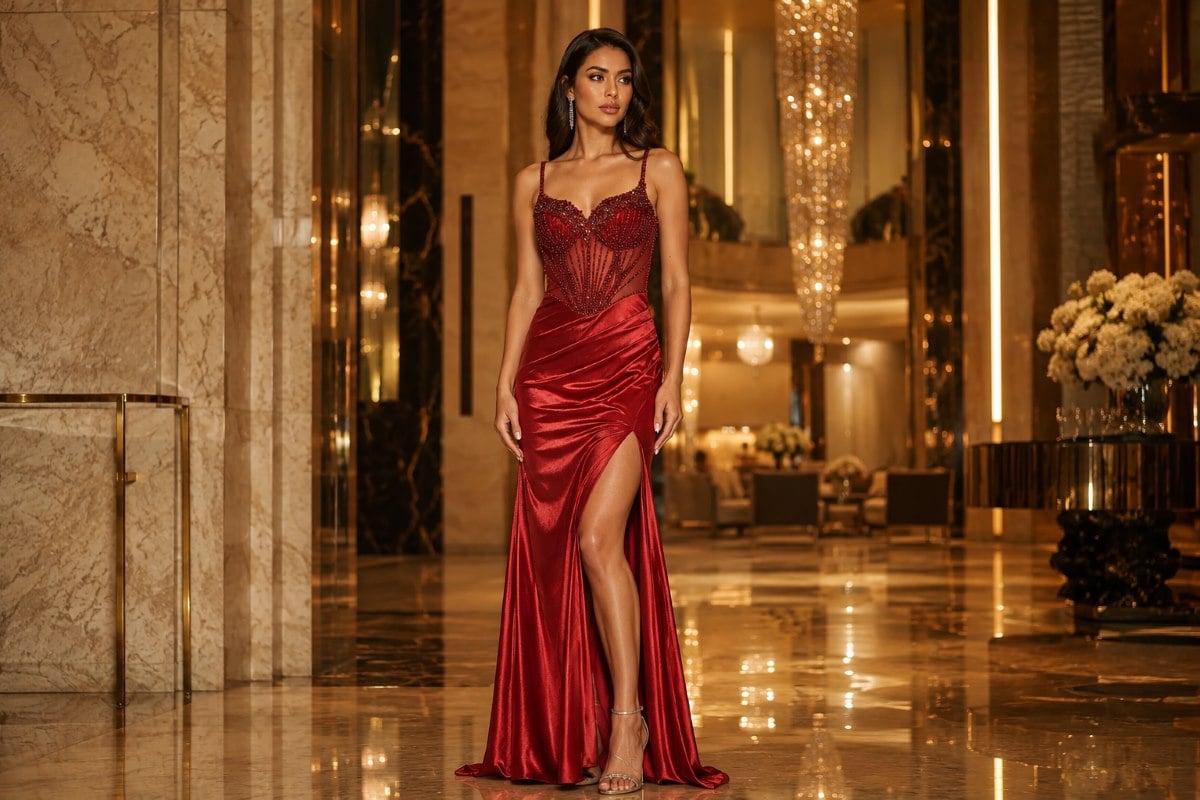
Shiny fabrics feature remarkably smooth, flat surfaces on a microscopic level. Because there are few rough fibers to scatter the light, these fabrics reflect light directly back to the viewer in a concentrated manner, creating what is known as “specular reflection.” This high level of direct reflection mimics the natural properties of flowing water, polished glass, and refined metals—elements historically and universally associated with wealth and rarity.
When a garment catches the light and gleams, it instinctively draws the human eye, overriding other visual stimuli in the room and making the wearer the undeniable focal point. This is the precise reason why you will almost always see prominent celebrities and performers adorned in light-reflecting materials during stage performances. Understanding this potent reflective property is crucial if your primary goal is to command immediate attention and radiate traditional glamour.
The Grounding Power of Matte
On the opposite end of the spectrum, matte fabrics possess a microscopic roughness or a highly twisted yarn structure. Instead of reflecting light directly like a mirror, they absorb and scatter the light rays in multiple directions—a phenomenon known as “diffuse reflection.” This light absorption creates a deep, saturated, and opaque look that feels rich, grounded, and substantial.
Psychologically, matte finishes are intrinsically associated with modernity, solemnity, professional authority, and quiet luxury. They do not rely on the external manipulation of light to stand out; instead, they command a powerful presence through flawless tailoring, profound color depth, and sheer architectural form. The absence of shine forces the viewer’s eye to focus entirely on the structural integrity of the dress and the natural beauty of the wearer. It is a confident choice that says, “I do not need to sparkle to be seen.”
Decoding the Allure of Shiny Prom Dresses and Evening Gowns
There is an undeniable, almost hypnotic magic to a dress that shimmers, shifts, and changes character as you move through a space. Shiny prom dresses and formal evening gowns have dominated formalwear for centuries, evolving from the gold-threaded brocades of the Renaissance to the sleek sequin columns of the modern red carpet. They are inherently celebratory garments, designed specifically to interact with the dramatic lighting of grand ballrooms, crystal chandeliers, and the flash of cameras.
The Ultimate Statement of Extroverted Opulence
Shiny fabrics are the undisputed extroverts of the textile world. They are fundamentally designed to be seen, admired, and remembered long after the event has concluded. When you choose to wear a high-shine garment, you are making a deliberate, bold sartorial choice to embrace the spotlight. This finish is perfect for milestone events where you want to project supreme confidence and youthful energy.
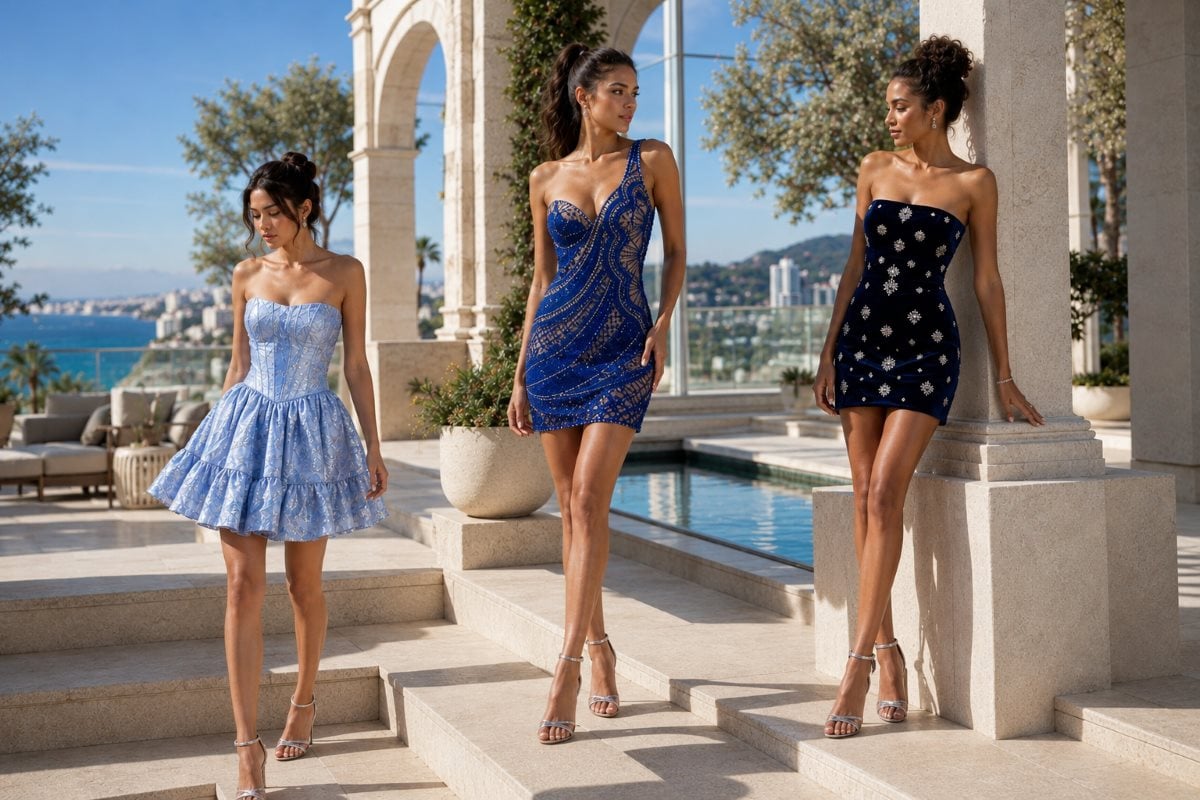
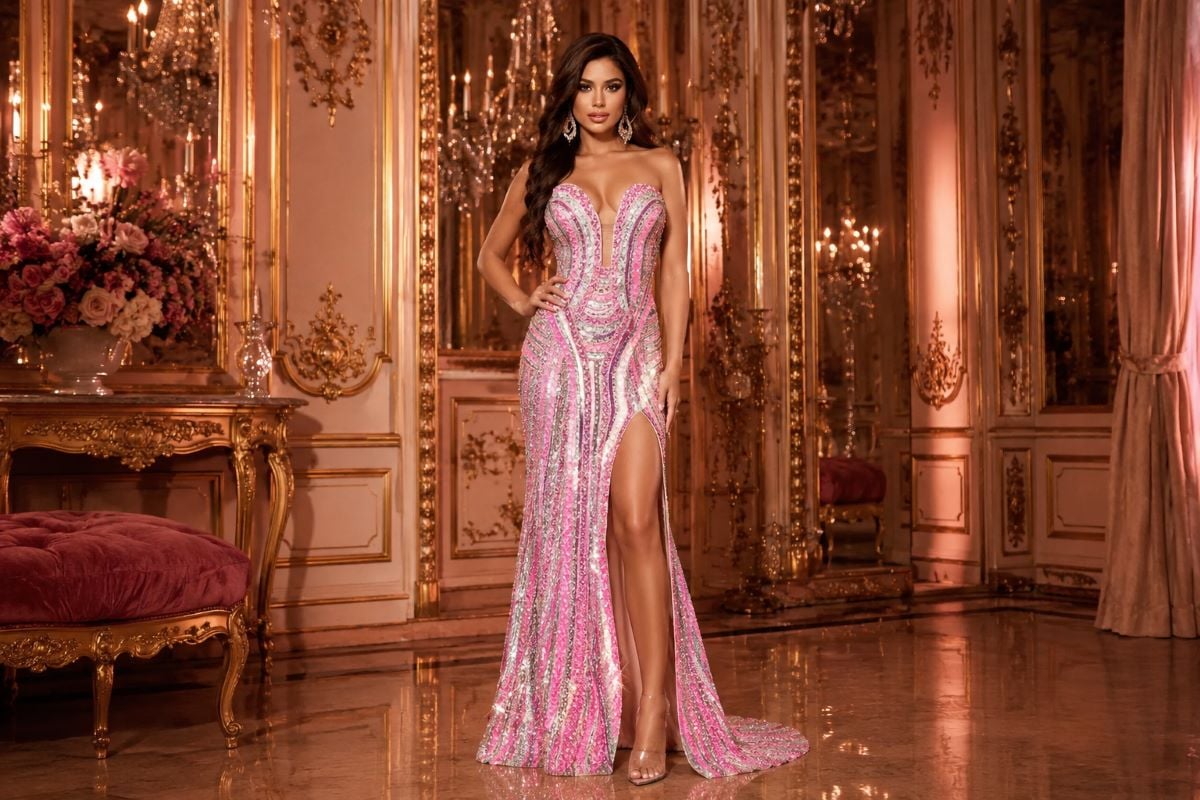
Consider the profound visual impact of a fully beaded prom dress. The intricate glass beads, sequins, or crystals meticulously sewn into the fabric act as thousands of tiny, individual prisms. As you walk, turn to speak to a friend, or dance, the dress comes alive. It creates a kinetic visual experience that a flat, unembellished fabric simply cannot replicate. High-quality beaded embellishments elevate the garment from a mere piece of clothing to a spectacular work of wearable art, inherently solidifying its status as one of the most expensive looking prom dresses available in couture fashion.
Top Shiny Fabrics for High-End Fashion
To achieve a truly luxurious shiny aesthetic that avoids looking synthetic or inexpensive, master designers rely on specific textiles known for their superior light-reflecting qualities:
- Silk Satin and Charmeuse: True silk satin remains the gold standard of shiny fabrics. Woven using a specific technique that floats warp yarns over weft yarns, it creates a liquid-like drape and a luminous, organic gleam rather than a harsh glare. It feels cool and fluid to the touch and looks exponentially expensive because of its natural origins and breathability.
- Sequins and Paillettes: Once considered purely theatrical, sequins have been refined into a permanent staple of luxury fashion. Modern sequin prom dresses utilize tiny micro-sequins or uniquely shaped paillettes that offer a complex, starry-night gleam rather than a blinding glare.
- Lamé and Lurex Metallics: Woven seamlessly with ultra-fine metallic threads, lamé gives the breathtaking illusion that the dress is literally spun from molten gold, liquid silver, or crushed copper. It is a bold and futuristic choice that drapes beautifully.
- Silk Organza and Taffeta: While typically sheer or semi-sheer, high-quality silk organza possesses a crisp, crystalline sheen that catches the light beautifully, especially when layered in voluminous ball skirts. Taffeta offers a similar crispness with a subtle, pearlescent glow.
When navigating the world of shiny fabrics, one must be cautious. High-quality shiny fabrics glow organically from within, whereas lower-quality synthetic knock-offs often look wet, sticky, or distinctly plastic. Jovani’s meticulous global fabric sourcing ensures that every gleaming gown reflects true, undeniable opulence.
The Sophisticated Restraint of Matte Finish Dresses
If shiny fabrics are the vibrant extroverts of the party, matte fabrics are the supremely confident, effortlessly mysterious introverts of the fashion world. Over the past decade, the global fashion industry has witnessed a massive cultural shift toward the aesthetic of “stealth wealth” and quiet luxury. This powerful movement prioritizes flawless craftsmanship, superior raw materials, and perfect fit over obvious branding or glittering details. Matte finish dresses are the absolute epitome of this refined philosophy.
Why Matte Communicates Stealth Wealth
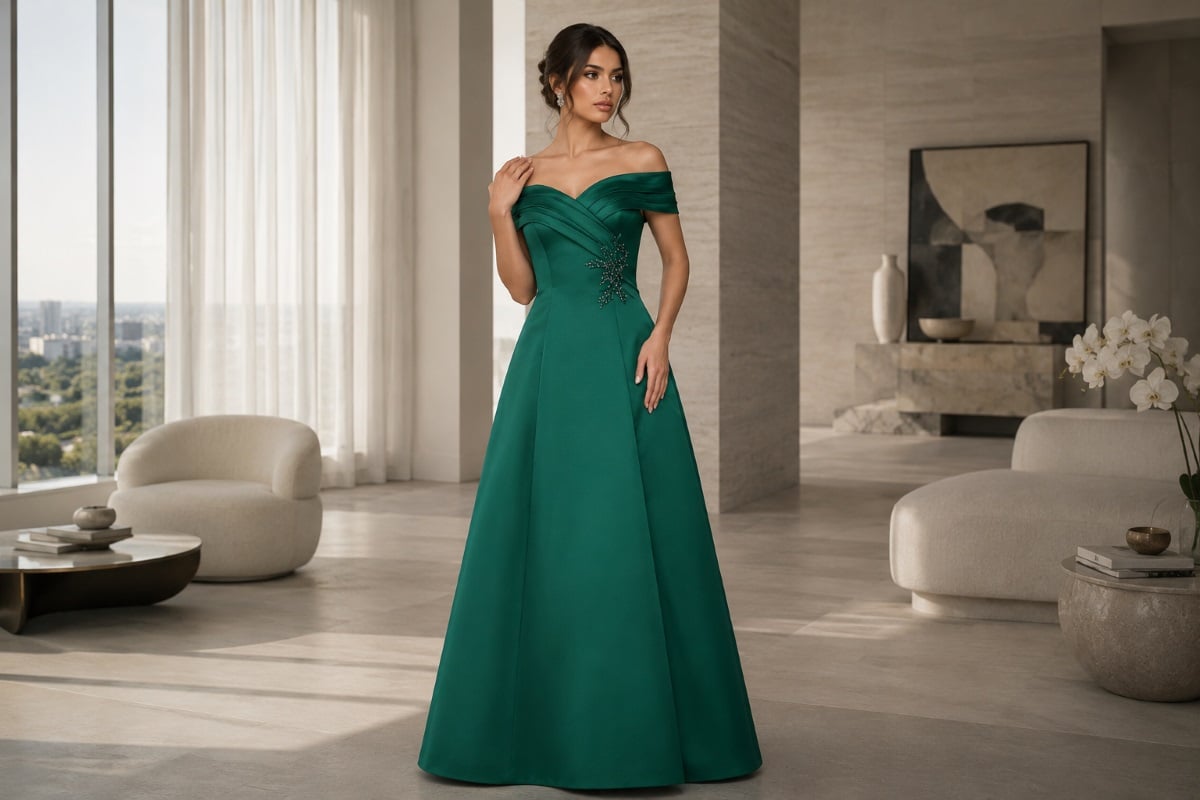
A matte dress provides nowhere to hide poor craftsmanship. Without the glittering distraction of sequins, dense beadwork, or high-gloss reflection to dazzle the eye, the garment must rely entirely on its architectural cut, the precision of its drape, and the intrinsic quality of the fabric itself. Because of this high demand for perfection, a well-made matte dress almost always looks inherently more expensive to the trained sartorial eye. It signals that the wearer is secure enough in their personal style to comfortably forgo the sparkle, opting instead for a sophisticated silhouette that speaks volumes through the meticulous nature of its tailoring.
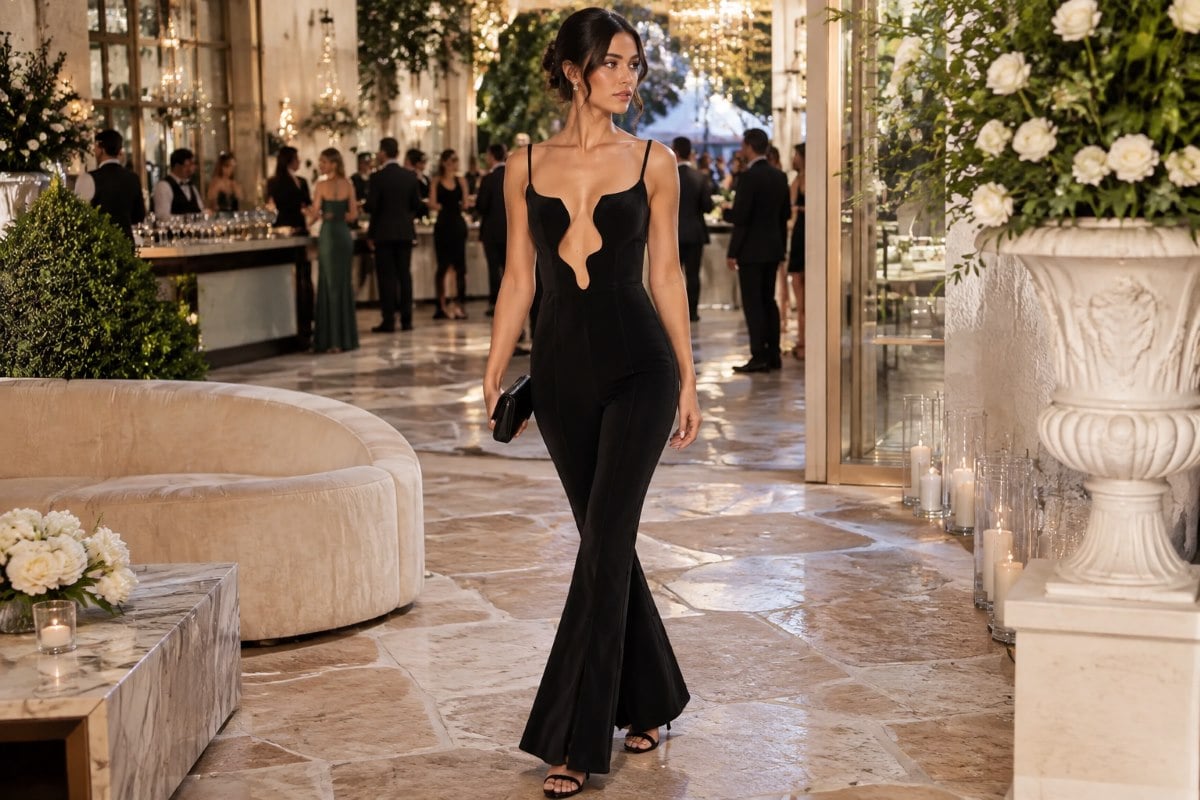
For those fashion-forward individuals who prefer a chic, minimalist approach, simple prom dresses crafted from heavy, luxurious matte fabrics offer a modern alternative to traditional beaded ballgowns. These meticulously designed dresses utilize striking architectural elements—such as plunging asymmetrical necklines, dramatic thigh-high side slits, structural corsetry, or mathematically precise ruching—to create compelling visual interest. The final result is a look that is deeply elegant and eternally timeless.
Top Matte Fabrics for Couture Details
To achieve a flawless matte aesthetic, couture designers utilize fabrics that aggressively absorb light and hold structural shapes beautifully:
- Heavy Silk Crepe (Crepe de Chine & Cady): A permanent staple in luxury evening wear and bridal couture, crepe features tightly twisted yarns that give it a slightly pebbled, granular texture. This texture absorbs light perfectly, preventing any glare. It drapes beautifully over the body while maintaining internal structure.
- Silk Chiffon and Georgette: These incredibly sheer, lightweight, and breathable fabrics are entirely matte. When expertly gathered, ruched, or layered by the yard, they create a soft, ethereal aesthetic that moves like a gentle breeze.
- Heavyweight Matte Jersey: For sultry, body-hugging silhouettes, heavy matte jersey is unparalleled. It features a dense knit that skims and contours the body’s natural curves without reflecting a single ray of light, creating a smooth and forgiving line.
- Silk Mikado: Mikado is a fascinating hybrid fabric because it masterfully straddles the line between matte and shiny. It is a heavy, rigidly structured silk blend with a very subtle, pearlescent luster. It reads as a solid matte from a distance but reveals a rich, glowing luster up close.
The Ultimate Texture Showdown: Velvet vs Sequin Prom Dress
Perhaps nowhere in the entire realm of formalwear is the complex texture debate more starkly illustrated than in the direct comparison between luxurious velvet and glittering sequins. These two iconic materials represent the polar extremes of light absorption and light reflection, and both have cemented their status as permanent staples in the world of high-end evening wear.
Choosing between a velvet vs sequin prom dress entirely changes the aesthetic vibe, seasonal appropriateness, and emotional resonance of your ensemble.
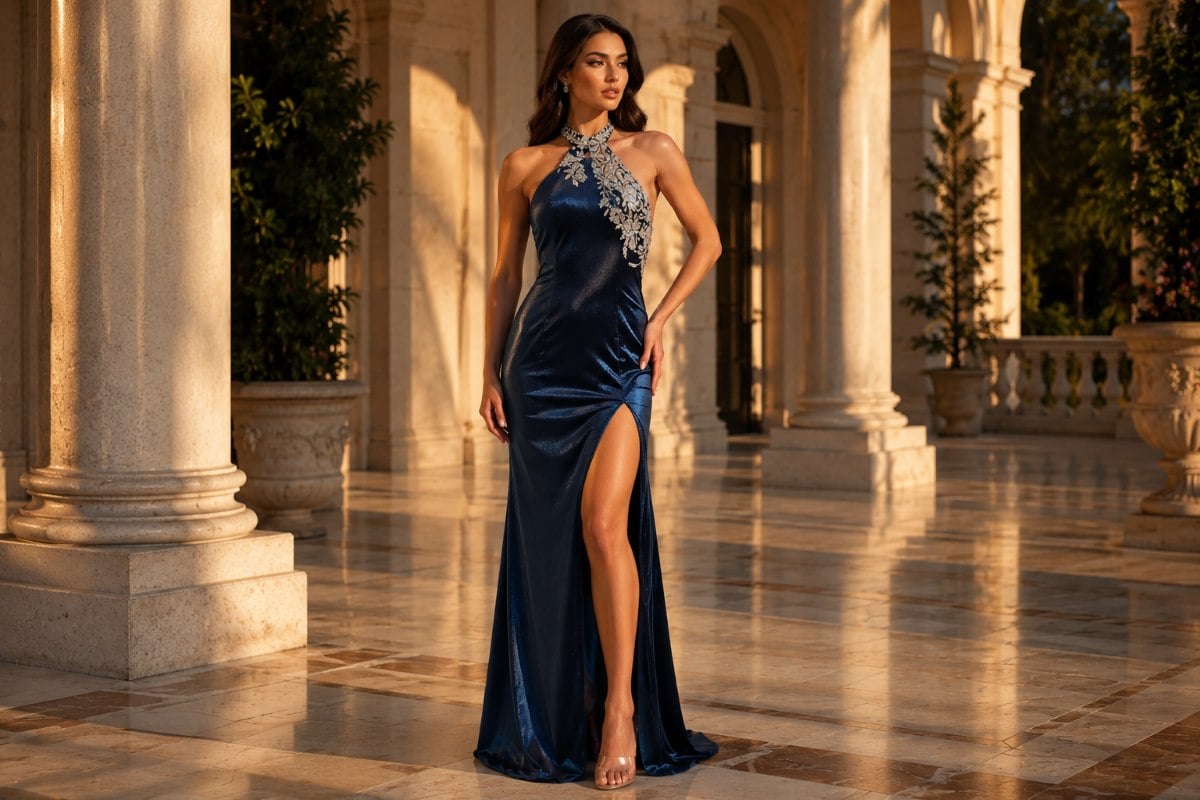
Velvet is the master of total light absorption. A high-quality silk or rayon-blend velvet essentially consumes ambient light, creating a profound depth of color that is scientifically impossible to achieve with any other woven fabric. This unique property gives velvet an inherently regal, historical, and deeply luxurious feel, reminiscent of vintage Hollywood and European royalty. Dark, saturated jewel tones like emerald green, midnight navy blue, deep plum, and rich burgundy look their richest when rendered in velvet. Furthermore, the tactile, plush nature of velvet adds a powerful sensory layer of luxury; it looks exactly as soft and expensive as it feels to the touch. Opting for velvet dresses signals a refined glamour that feels exceptionally wealthy, making it a phenomenal choice for winter formal events and autumn galas.
Conversely, sequins are the masters of visual energy. A sequin dress is dynamic, aggressively modern, and unapologetically vibrant. The true expense and luxury in a high-end sequin dress come from the sheer density of the embellishment, the quality of the base mesh, and the intricate pattern of the beadwork. A meticulously crafted sequin gown from a design house like Jovani will feature complex, hand-sewn geometric or floral patterns specifically designed to contour the body, utilizing light reflection to strategically highlight the wearer’s best features.
Ultimately, both velvet and sequins look expensive when constructed with couture techniques, but they cater to vastly different personalities and moods.
The Master Class: Blending Matte and Shiny (Mixed Media)
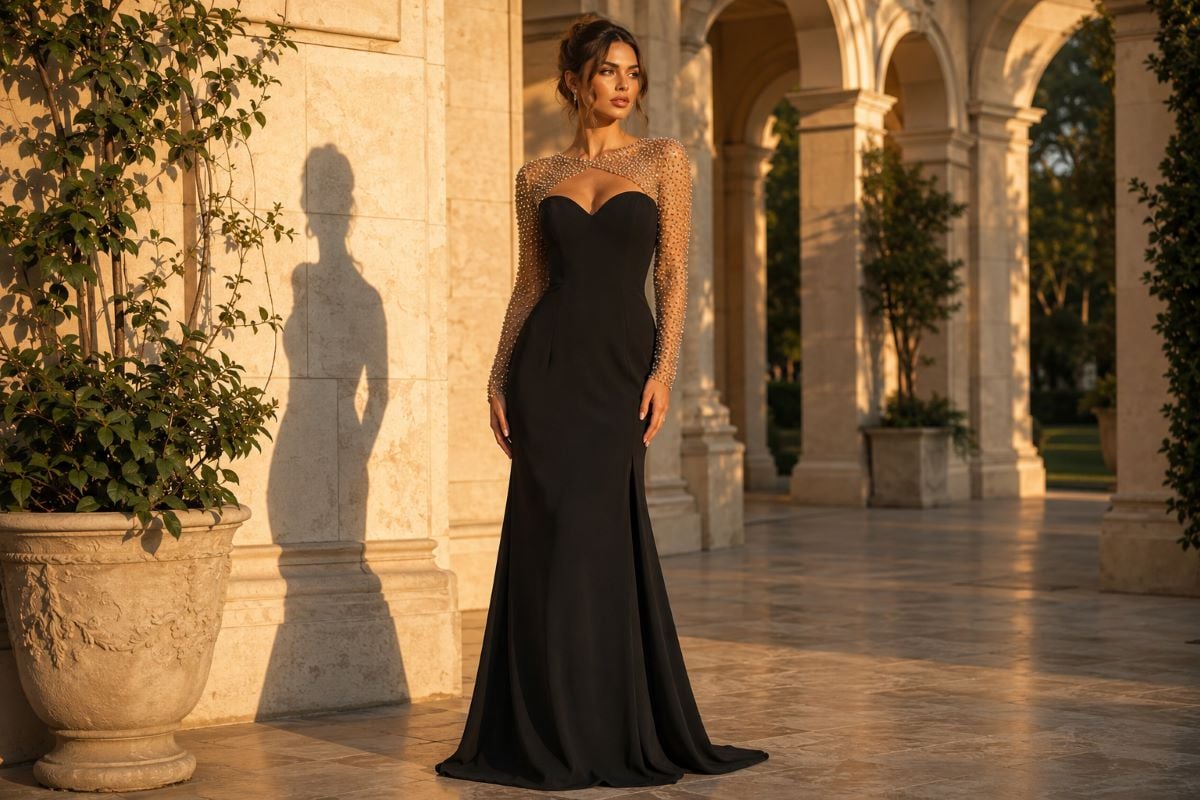
While the debate often pits matte against shiny, the most sophisticated gowns frequently refuse to choose just one. Master designers employ “mixed media”—the strategic combination of highly reflective and light-absorbing fabrics within a single garment—to create breathtaking optical illusions and unparalleled visual depth.
Imagine a gown featuring a densely beaded, sparkling sequin corset bodice paired seamlessly with a heavy, sweeping matte crepe skirt. This brilliant contrast does two things: first, the eye is immediately drawn upward to the face and the glittering bodice, making the wearer the center of attention. Second, the light-absorbing matte skirt visually recedes, grounding the look and creating the powerful illusion of a dramatically smaller waist and elongated legs. This harmonious balance proves that when applied with intention, these textiles are perfect complements in the pursuit of luxury.
Silhouette and Body Type Mastery: Accentuating vs. Camouflaging
The success of any fabric depends entirely on the structural shape it is asked to hold and the body it is meant to drape. Pairing the wrong finish with the wrong silhouette can instantly ruin the intended aesthetic.
Holding the Architecture vs. Fluidity
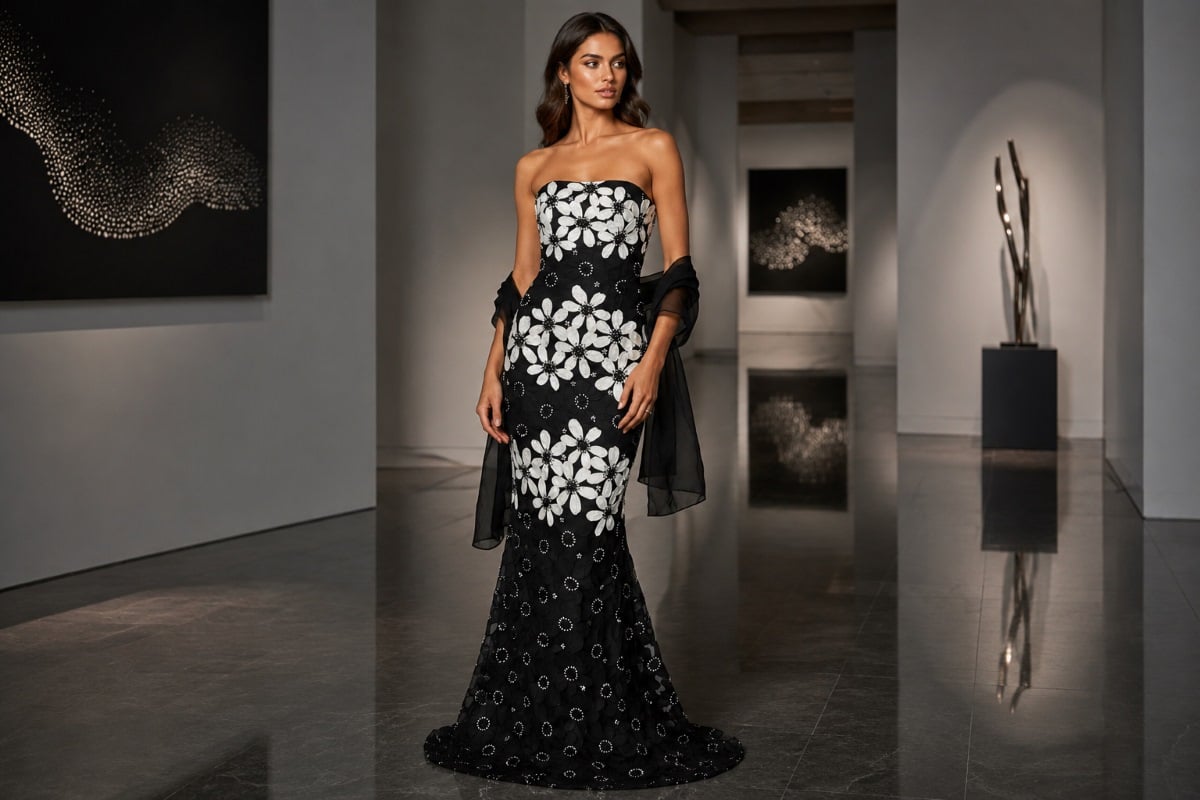
If you desire a highly dramatic, structural gown—such as one of our beautifully structured mermaid prom dresses featuring a dramatic flared skirt, or a regal ballgown with precise pleating—you need a fabric with physical “memory” and stiffness. Semi-matte fabrics like Silk Mikado or heavy matte fabrics like structured crepe and taffeta are ideal. They rigidly hold the specific architectural shape the designer intended, creating a crisp, clean profile that resists collapsing.
If, however, your goal is a fluid, romantic silhouette that moves like water across the skin, you need fabrics with frictionless drape. This is exactly where shiny silk charmeuse, bias-cut satin, or matte chiffon truly excels. A shiny satin slip dress clings organically to the body and flows with every step, creating a nostalgic aura of 1930s Old Hollywood glamour.
The Rules of Visual Illusion
It is a universal, unbreakable rule of fashion styling that light reflection highlights and expands, while light absorption minimizes and smooths. Shiny fabrics will inevitably draw the eye to whatever area they cover, and their reflective nature can sometimes visually amplify curves. If you wear a dress entirely covered in high-shine sequins, it will boldly highlight every curve and contour of your body.
Matte fabrics, due to their distinct light-absorbing properties, are incredibly forgiving and visually slimming. They gently smooth over the body’s natural contours, masking undergarment lines and creating a continuous, uninterrupted vertical visual line. This makes heavy matte crepe, stretch scuba, or matte jersey exceptionally ideal for crafting deeply flattering plus size prom dresses, or for anyone who simply prefers a sleek, elongated silhouette that prioritizes height and leanness over volume.
How Lighting Environments and Photography Impact Fabric Choice
A luxury dress does not exist in a vacuum; it exists in a highly specific physical environment, and that environment will drastically alter how the fabric looks in person and on camera. When deciding between matte vs shiny fabrics, you must pre-calculate the lighting conditions of your specific venue.
The Midnight Ballroom vs. The Sunset Venue
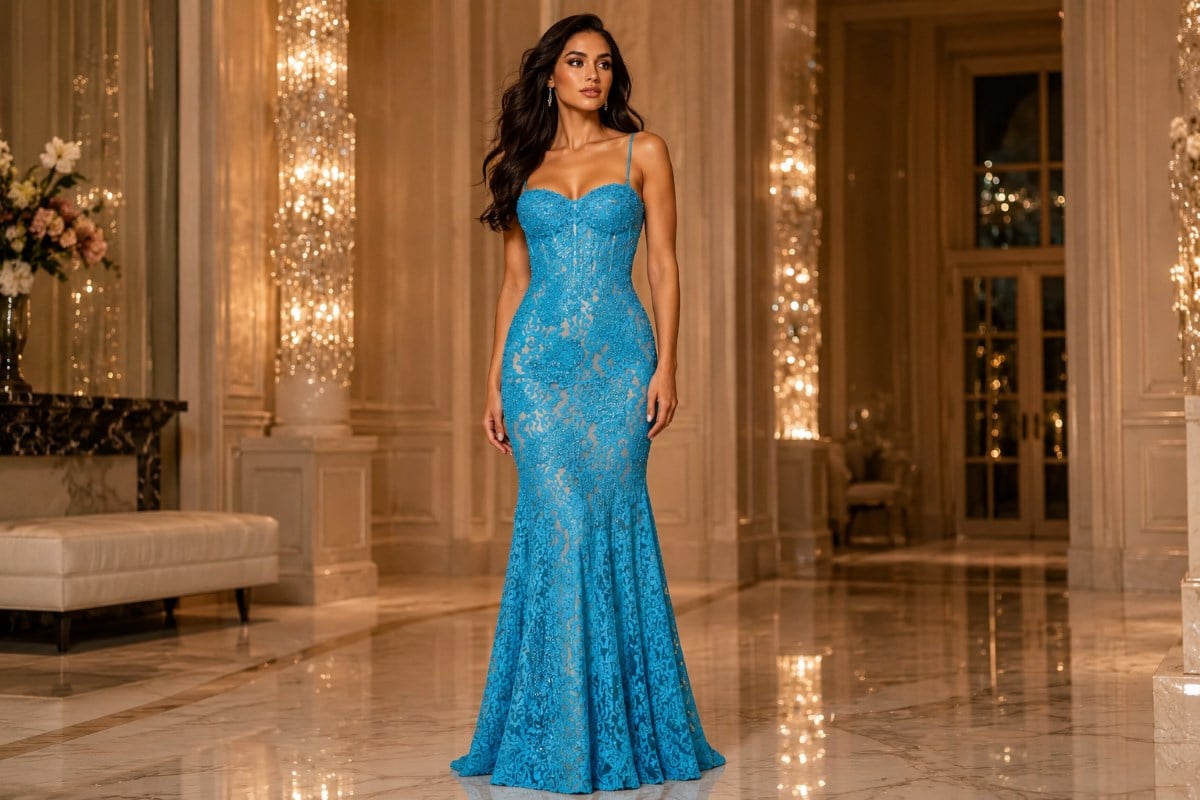
If your event is being held indoors in a dimly lit, atmospheric ballroom illuminated primarily by spotlights and crystal chandeliers, shiny fabrics will thrive. Sequins, glass beads, and liquid satins need an external, targeted light source to activate their reflective properties. In a low-light environment, a shiny dress will beautifully catch the ambient glow of the room, making you stand out like a beacon. Conversely, a matte dress in a very dark room—especially in a dark tone like navy, burgundy, or black—runs the serious risk of absorbing so much light that the intricate details of the dress’s silhouette are completely lost in the shadows.
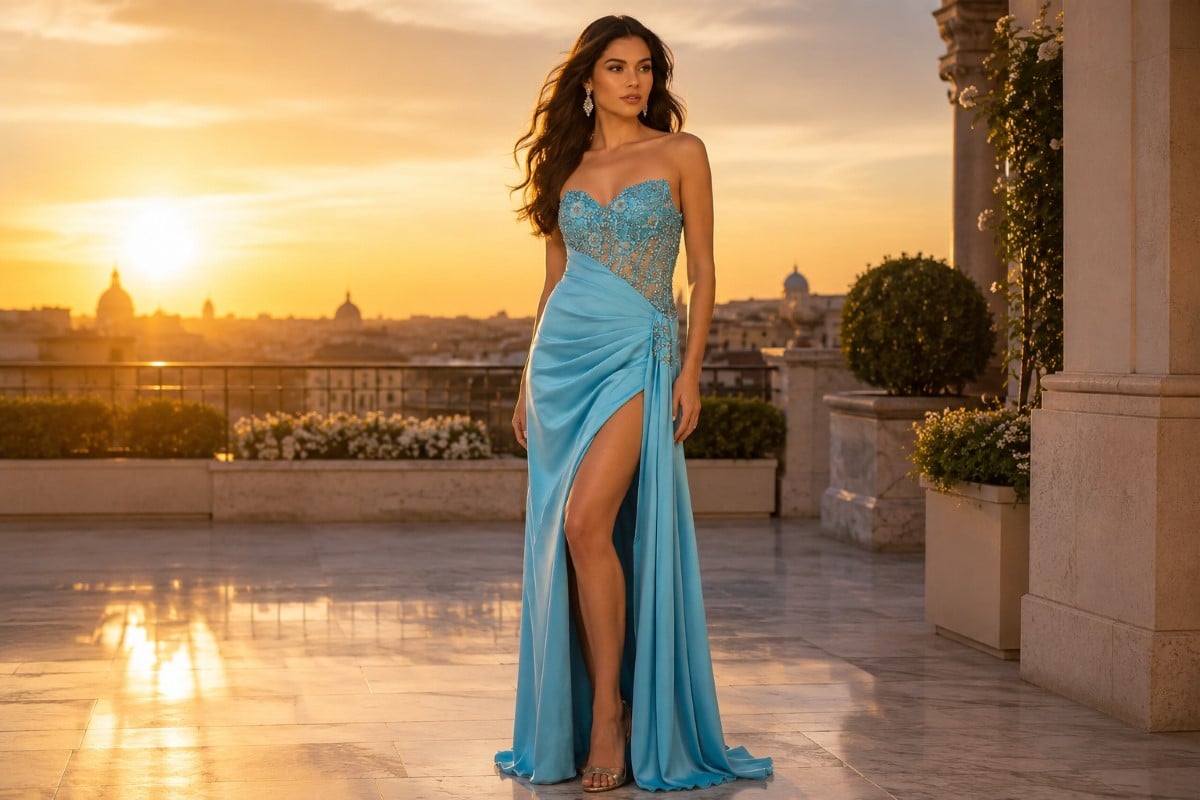
On the other hand, if you are attending an outdoor event, a daytime garden gala, or a sunset gathering, matte fabrics truly shine (metaphorically speaking). Direct, natural sunlight is incredibly harsh and unforgiving. It can easily make synthetic shiny fabrics look cheap and overwhelming to the eye. Matte fabrics, however, look color-saturated and deeply elegant under the natural, full-spectrum rays of the sun, allowing the true dye of the fabric to take center stage.
The Camera Flash Factor and Red Carpet Reality
Photography is a massive, unavoidable component of any modern formal event. Here is a heavily guarded secret from professional fashion stylists: matte fabrics are universally much easier to photograph. Because they absorb light rather than bounce it back into the camera lens, lenses easily capture the true, rich color and the precise, tailored lines of the dress without any risk of glare or blowout.
Shiny fabrics are notoriously tricky for amateur photography and aggressive flash photography. A direct, harsh camera flash from a smartphone can reflect violently off a satin or sequin dress, completely washing out the color of the garment and creating unappealing, glowing white spots in the final photograph. If you are choosing a highly reflective dress and expect to be photographed often, it is essential to ensure the garment is of the highest couture quality, as superior, faceted shiny fabrics and glass beads diffuse harsh flash light much more softly than their cheaper counterparts.
Does Cost Dictate Quality in Formalwear?
When analyzing why a specific gown looks like it belongs on a Parisian runway while another falls entirely flat, we must address the underlying economics of fashion construction. A common and valid question among shoppers is: does cost dictate quality when it comes to formal evening wear? The harsh reality is that in the specific realm of fabric finishes, cost plays a massive, undeniable role—particularly with shiny fabrics.
Cheaply made shiny fabrics are the absolute quickest way to downgrade an entire look. Inexpensive, synthetic satins and low-grade sequins often emit a harsh glare that immediately betrays their low price tag. Furthermore, these rigid fabrics notoriously lack the weight and gravity necessary to drape elegantly across the body, causing them to pucker at the seams and highlight tailoring flaws.
Matte fabrics can sometimes be much more forgiving on a strict budget. A mid-tier synthetic crepe might not possess the luxurious hand-feel of a pure silk crepe de chine, but from ten feet away across a ballroom, it will still absorb light in a very similar manner, maintaining the optical illusion of expensive luxury.
However, it is vital to remember that true luxury evening gowns are never defined by the outer fabric alone; they are defined by their hidden, internal construction. The most expensive looking prom dresses feature bespoke couture details completely hidden on the inside: structured boning channels to support the bust and waist, high-quality linings that prevent the outer fabric from wrinkling, and meticulously finished seams. A Jovani dress looks expensive because the brilliant engineering beneath the fabric properly supports the textile, allowing it to perform beautifully throughout the entire night.
Achieving the Most Expensive Look: A Final Synthesis
So, after examining the science, the psychology, and the artistry of textiles, which finish looks more expensive? The definitive answer lies entirely in the execution, the context, and the confidence of the wearer.
A shiny dress looks the most expensive when it boldly utilizes high-grade, densely packed embellishments, features a flawless, liquid-like drape, and is constructed with heavy, supportive linings that prevent the sheer weight of the outer fabric from sagging. It speaks of wealth through its visual resemblance to jewels, diamonds, and precious metals, capturing the light and the imagination of everyone in the room.
A matte dress looks the most expensive when it features impeccable, mathematically precise tailoring, flawless seams, and deep, unadulterated color saturation. It speaks of immense wealth through its stunning restraint, proving to the world that you absolutely do not need to sparkle to command the attention and respect of the room.
The true secret to an expensive-looking formal ensemble is intentionality. It is about intelligently matching the fabric finish to the event’s specific lighting, the garment’s structural silhouette, your unique body type, and your personal comfort level.
When you make the choice to invest in a gown from a premier design house like Jovani, you are not just buying fabric; you are investing in decades of generational textile expertise and superior structural engineering. Whether you ultimately select a minimalist matte crepe masterpiece or a high-shine, fully embellished sequin fantasy, you are guaranteed a garment where the fabric and the construction work in absolute harmony to elevate your presence and make your formalwear moment truly unforgettable.
FAQs About Matte and Shiny Evening Wear
1. Does a matte fabric actually make you look slimmer than a shiny fabric?
Yes, as a general rule of styling, matte fabrics are visually slimming. Matte textiles absorb ambient light rather than reflecting it, which physically helps to smooth out the body’s natural contours and creates a sleek, uninterrupted vertical visual line. Shiny fabrics reflect light, which naturally draws the eye and highlights curves and contours of the body beneath it, sometimes emphasizing areas you may prefer to camouflage.
2. Are highly reflective fabrics like sequins and liquid satin harder to maintain?
Yes, shiny and embellished fabrics require a higher level of intentional care and maintenance. Dresses covered in sequins, crystals, and delicate beadwork can snag on your own jewelry, evening bags, or other people’s clothing on a crowded dance floor, so they must be worn with spatial awareness. Smooth, shiny fabrics like silk satin are prone to permanent water spots and visible thread pulling. Matte fabrics like crepe and jersey are generally much more resilient to visible snags and are often easier to safely spot-clean or steam before an event.
3. Is it considered a fashion faux pas to mix matte and shiny fabrics in the same outfit?
Not at all. Intentionally mixing contrasting textures is a definitive hallmark of expert fashion styling. A gown that features a sleek, light-absorbing matte crepe skirt paired intelligently with a highly embellished, light-reflecting shiny sequin corset bodice creates a mathematically stunning visual balance. This sharp contrast naturally highlights the waist and adds incredible three-dimensional depth to the overall look.
4. What is the best fabric choice for a daytime or outdoor formal event?
For daytime events like afternoon weddings or garden galas, the bright natural sun is your primary lighting source. Direct sunlight is incredibly harsh and can easily make synthetic shiny fabrics look blinding or costume-like. Therefore, light-absorbing matte fabrics like silk chiffon, flowing georgette, and tailored crepe are highly recommended for daytime formalwear. If you still desire a subtle sheen, a semi-matte fabric like silk mikado is a sophisticated option that will glow beautifully without creating a harsh glare.
5. How should I approach accessorizing a fully beaded dress versus a matte dress?
The rule of thumb in styling is balance. When your dress is highly reflective and heavily embellished, the garment itself must remain the undisputed focal point. Opt for understated, elegant accessories like simple diamond studs. A minimalist matte dress, however, acts as a beautifully blank canvas. This is your opportunity to wear bold, sparkling statement jewelry, intricate chandelier earrings, and dramatic metallic shoes without overwhelming your overall look.