Wedding Dresses Defined by Silhouette and Structure
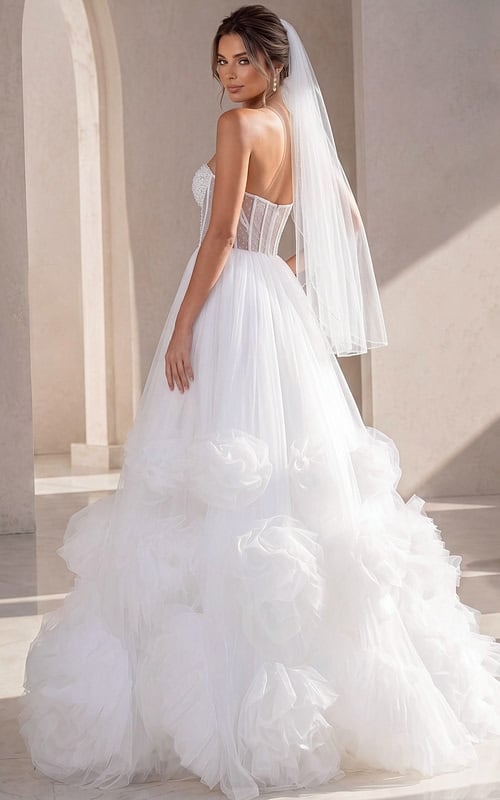
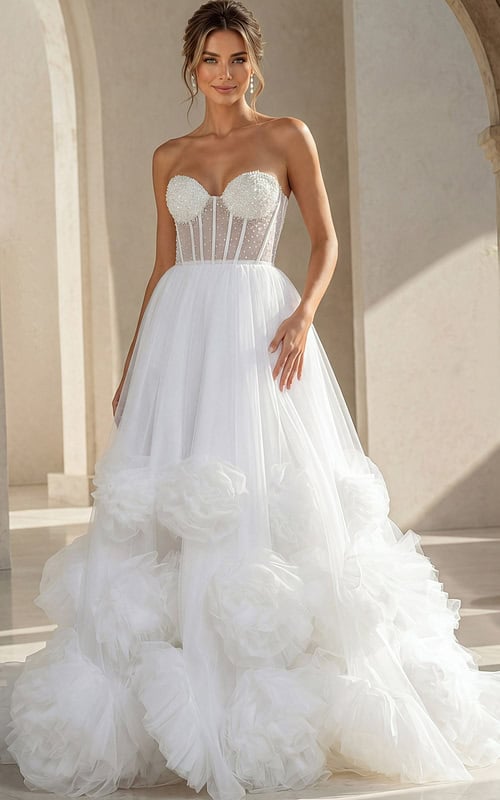
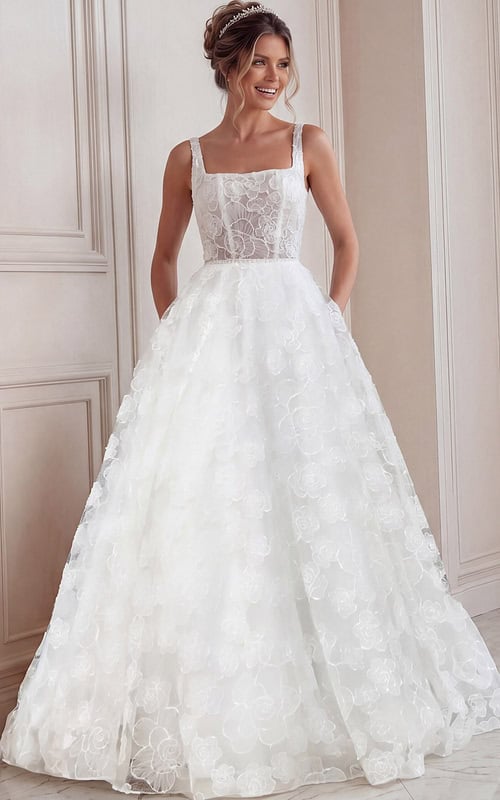
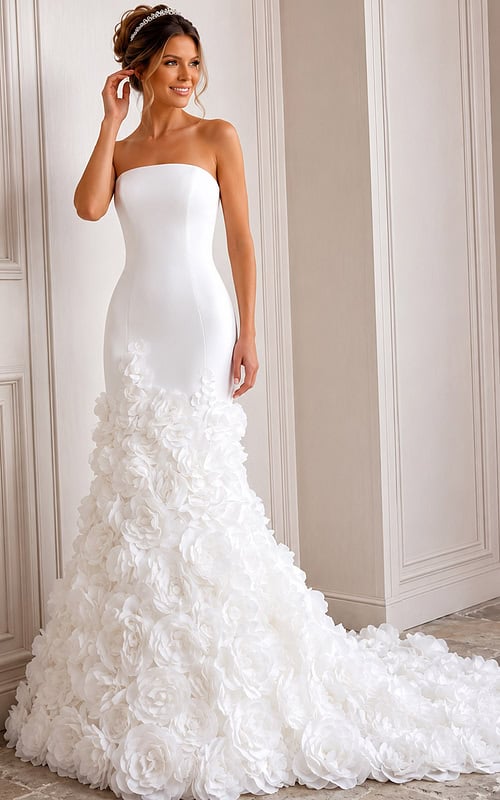
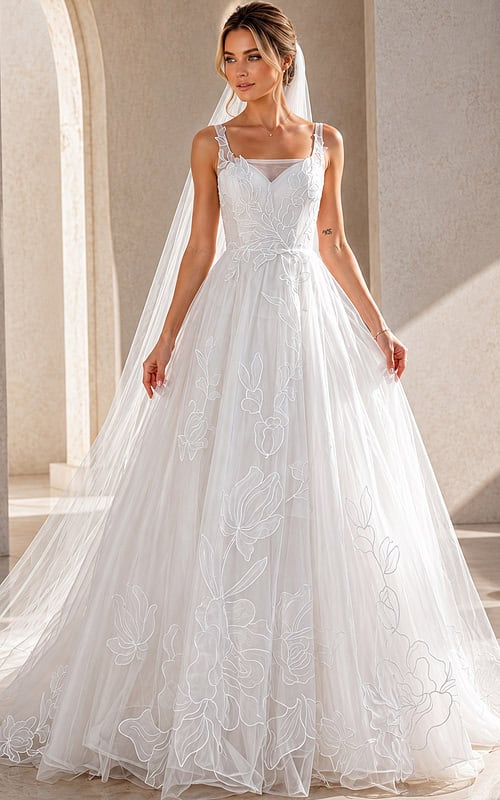
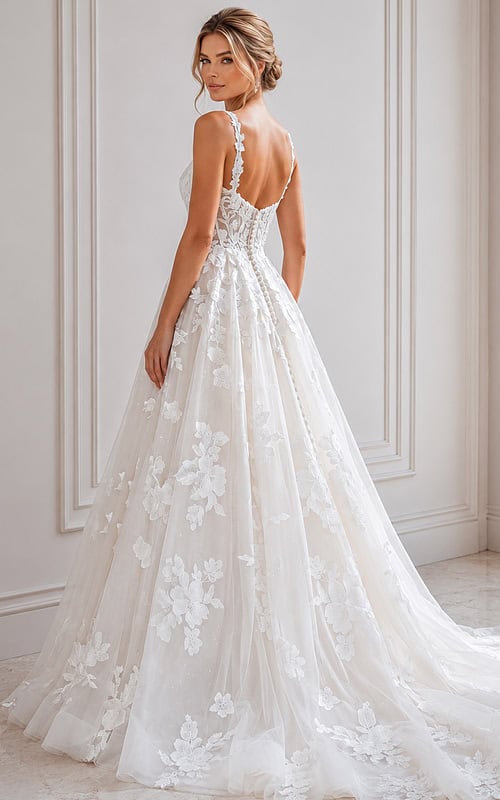
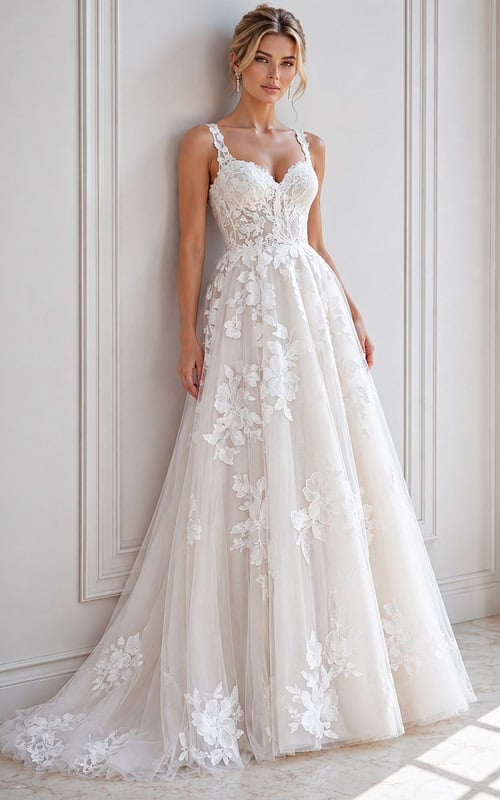
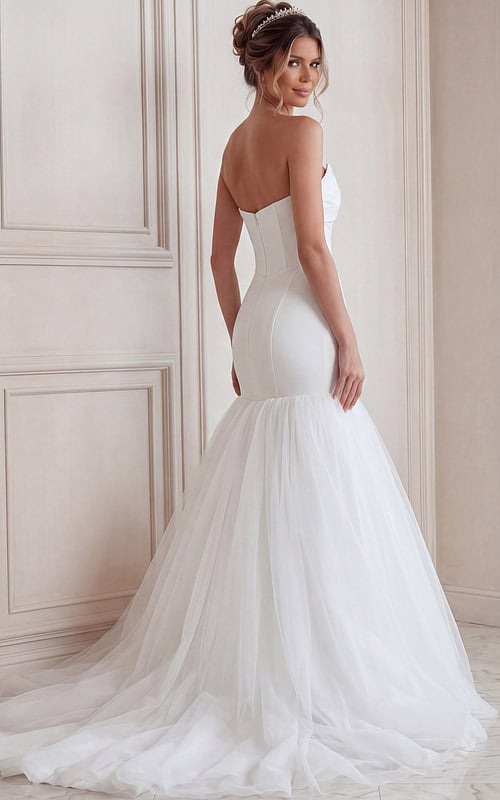
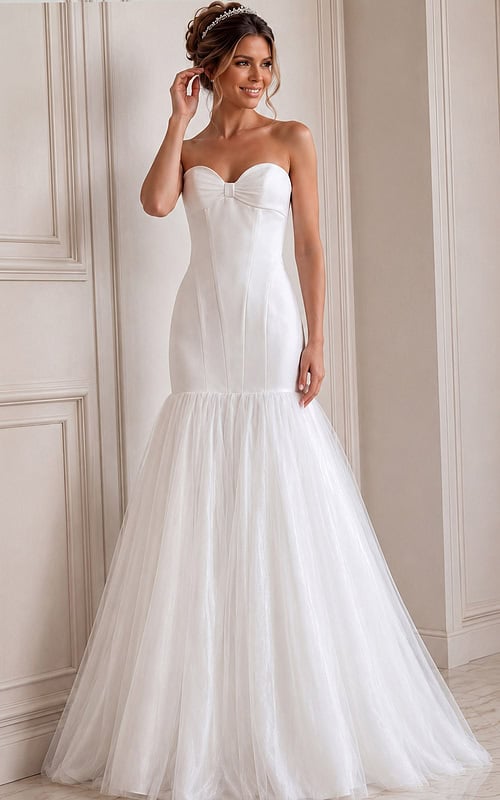
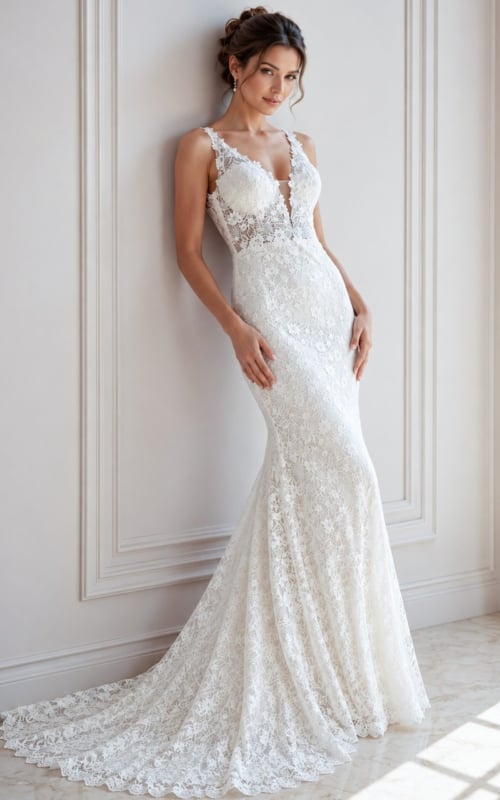
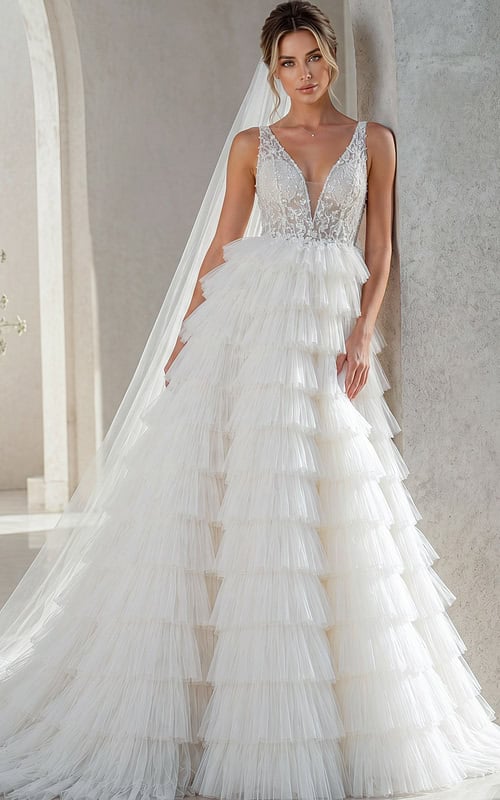
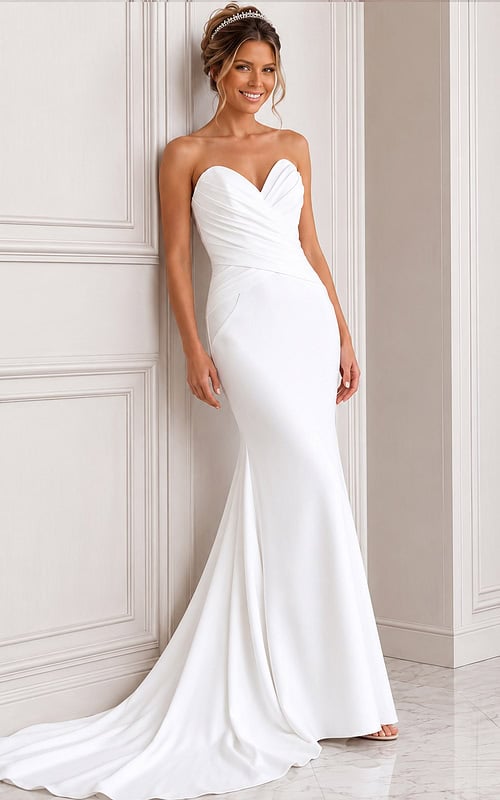
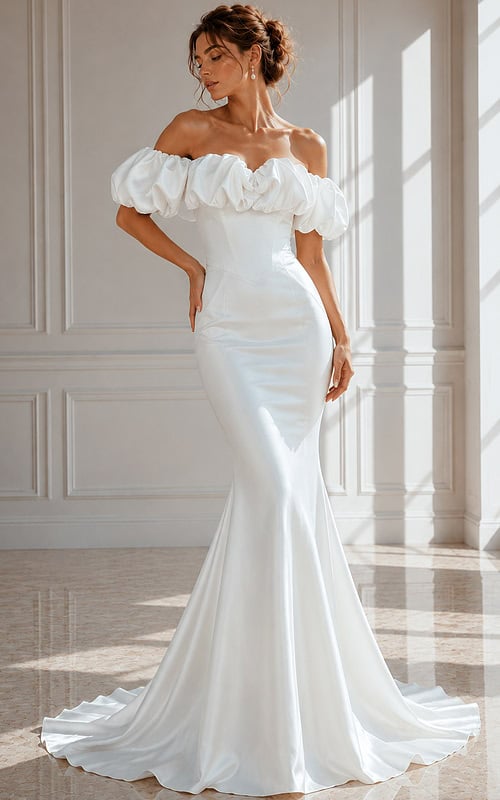
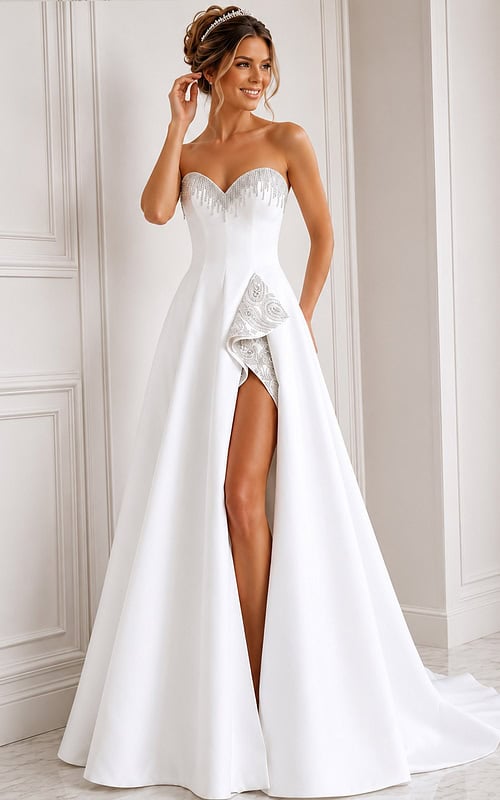
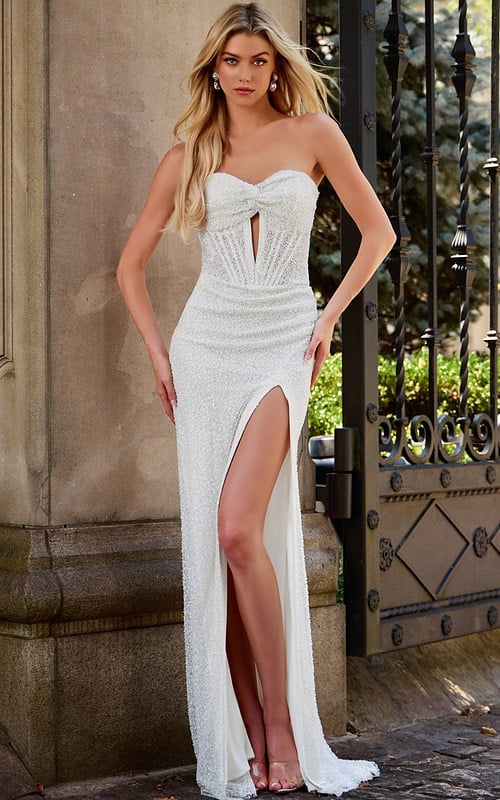
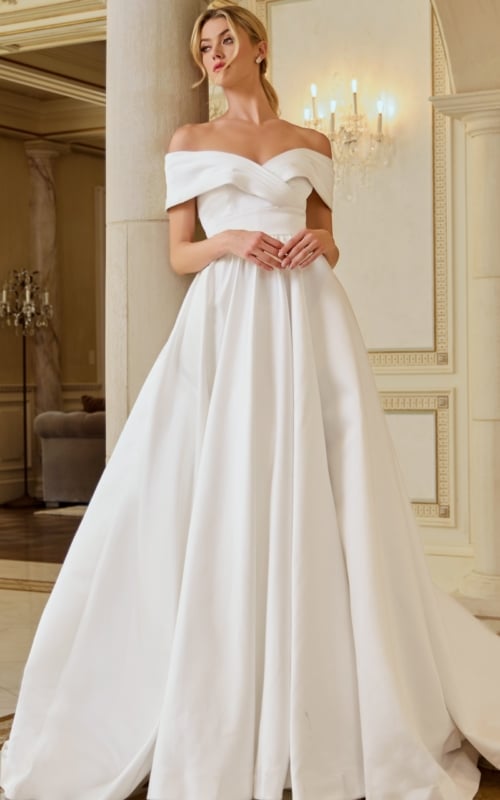
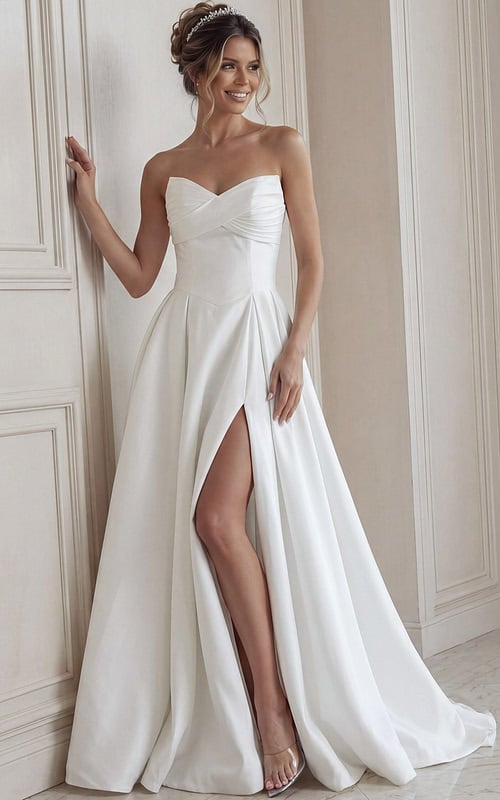
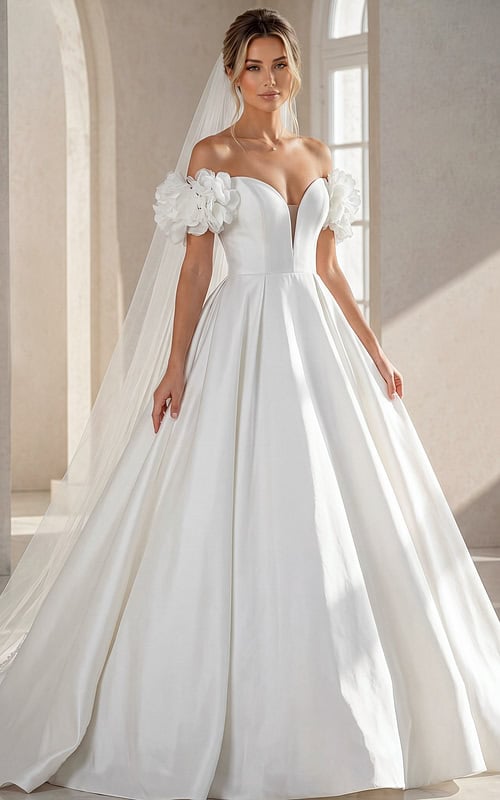
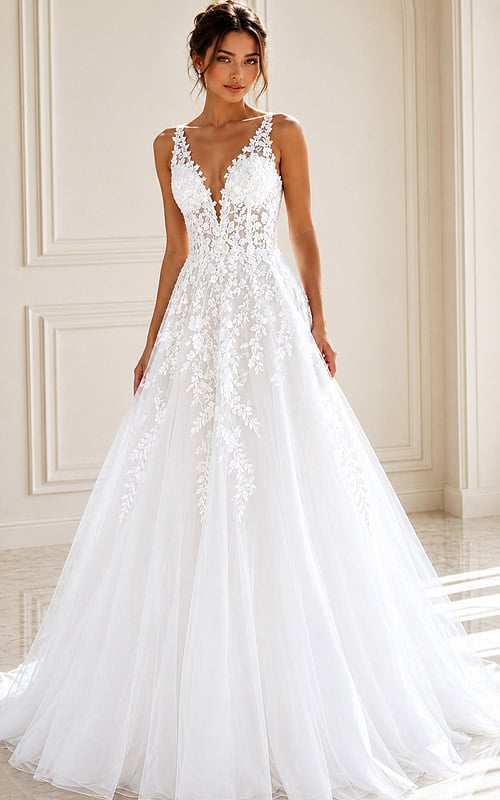
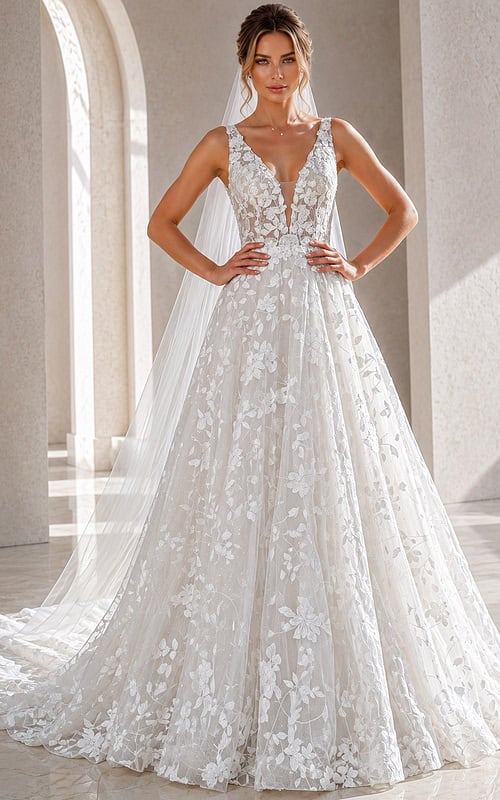
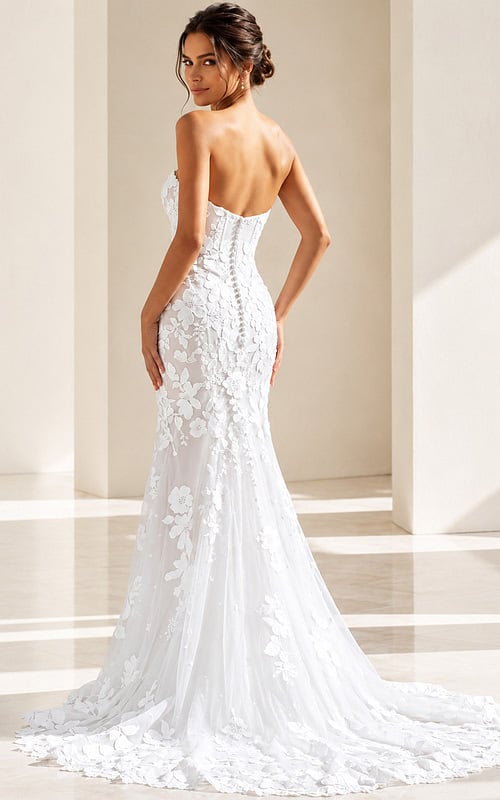
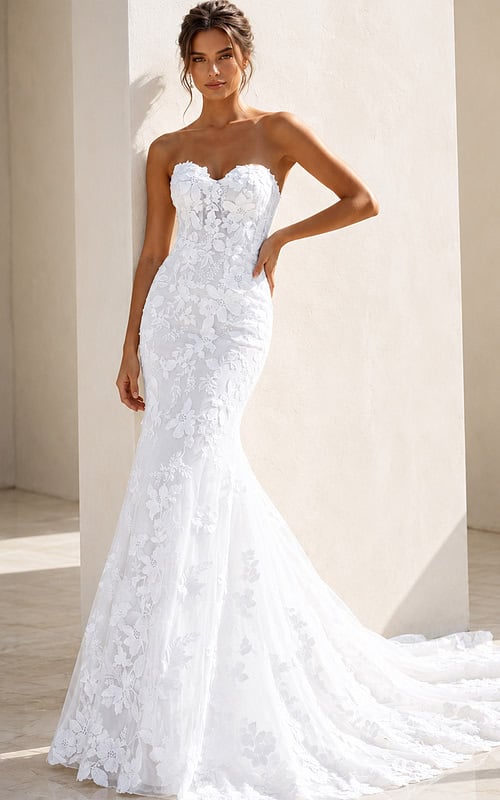
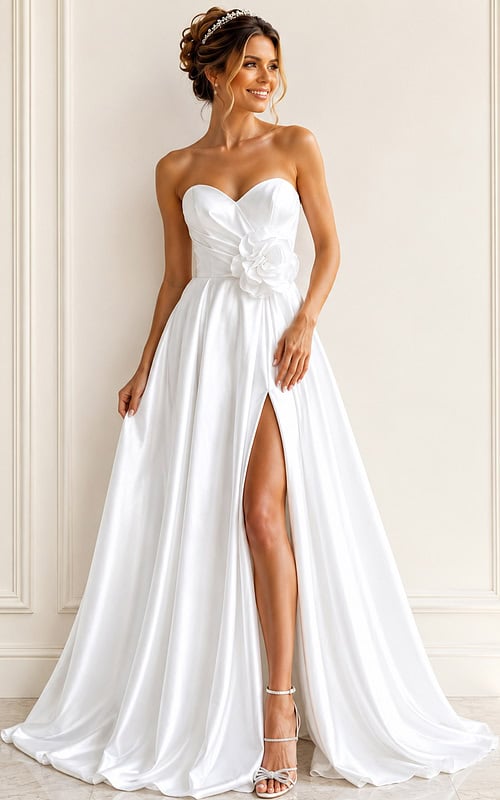
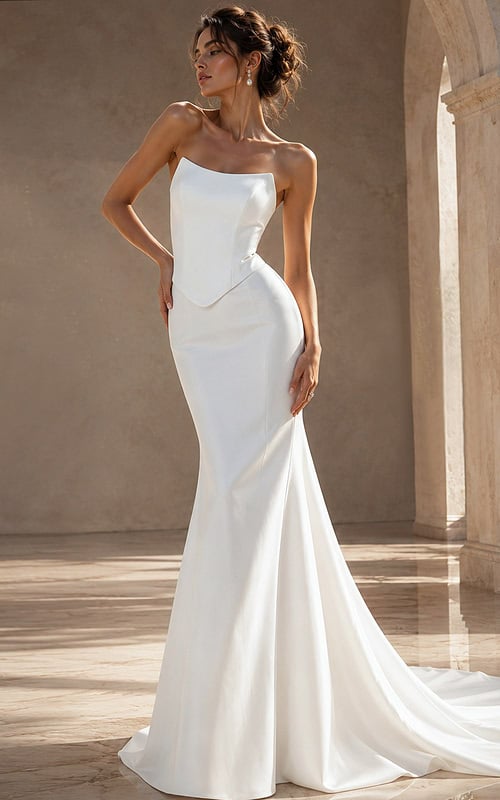
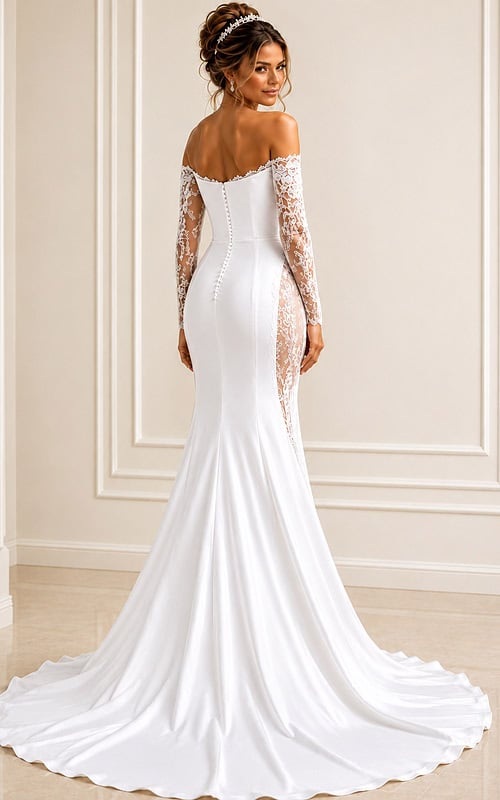
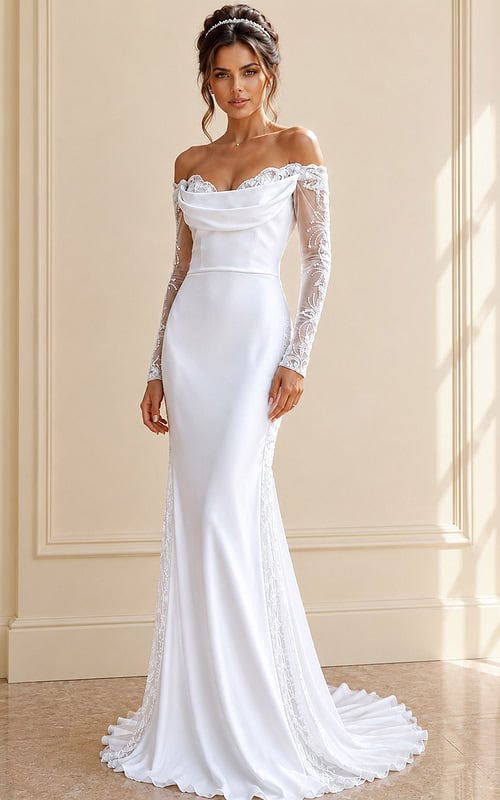
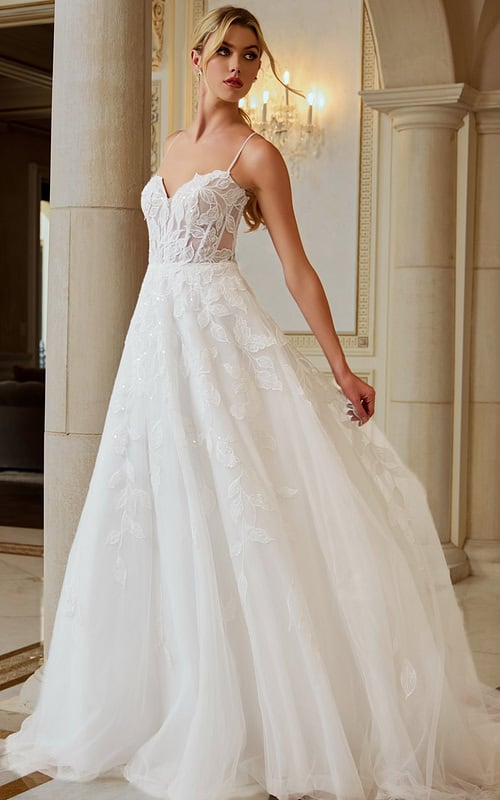
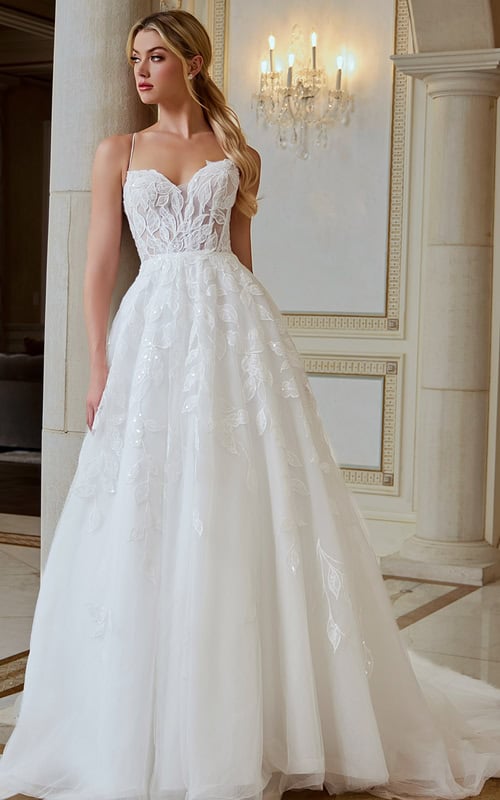
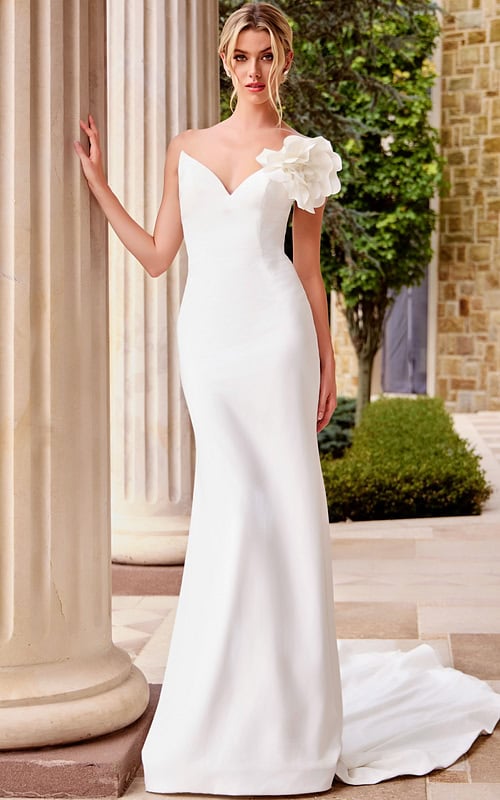
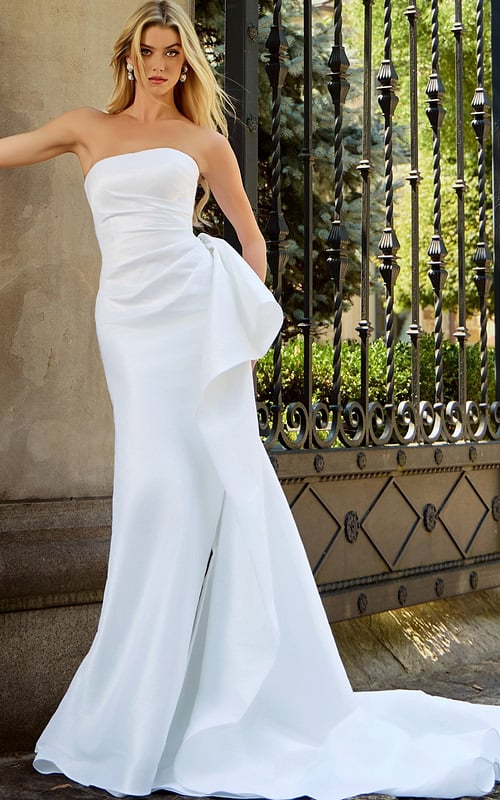
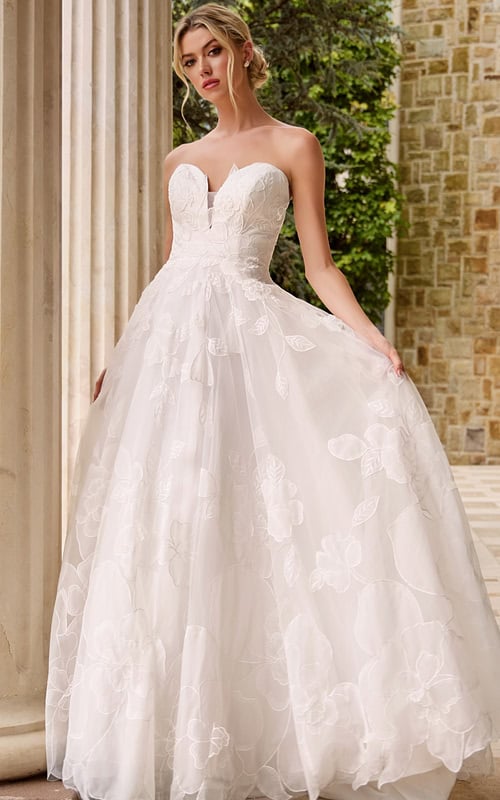
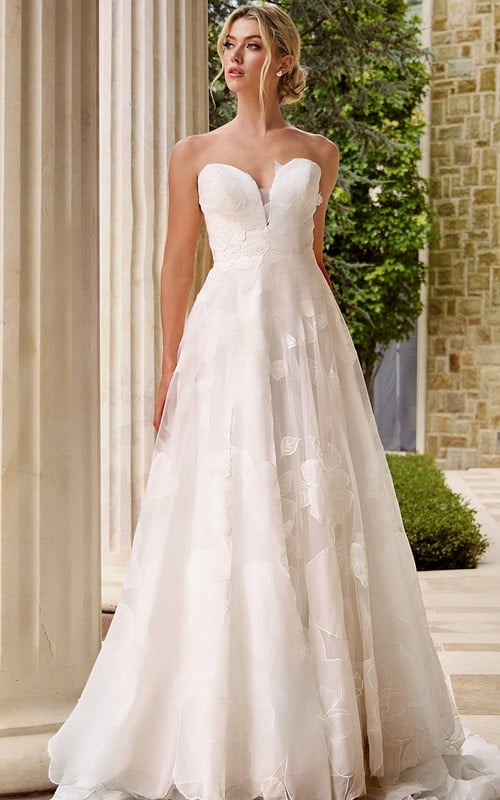
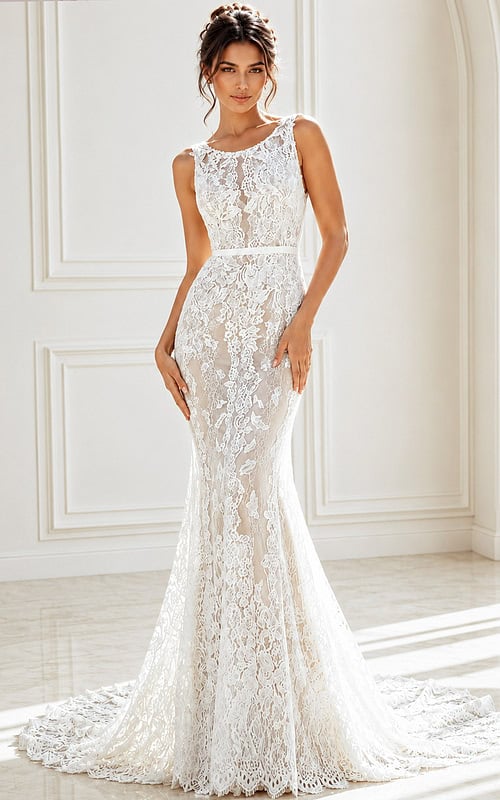
Wedding dresses can share a color palette and formal purpose while creating very different proportions. The most useful place to begin comparing gowns is the relationship between the bodice, waist, hips, and skirt. The A-line Wedding Dresses collection shows how a defined upper body can open progressively through the skirt, creating movement without the scale of a full ball gown. Ball gowns introduce more volume below the waist, placing greater visual contrast between a fitted bodice and a wider skirt. Mermaid and fitted silhouettes remain closer through the torso and hips before releasing lower on the body.
Construction changes those shapes further. Internal boning, corsetry, panel seams, and lining can give a bridal gown a more sculpted profile, while softer construction allows the fabric to follow the body with less rigidity. For a closer line through the torso and hips, Fitted Wedding Dresses provide a useful comparison point. Jovani uses these differences in structure to create bridal silhouettes that range from clean and controlled to layered and dimensional.
Compare Bridal Gowns by Fabric and Movement
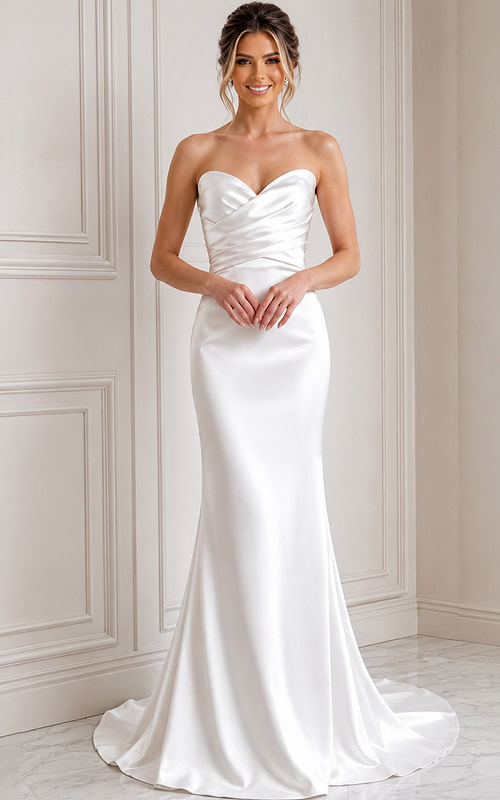
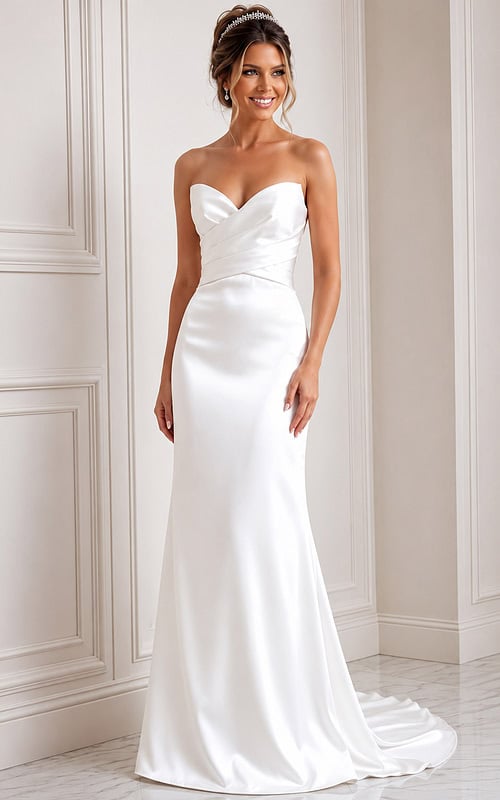
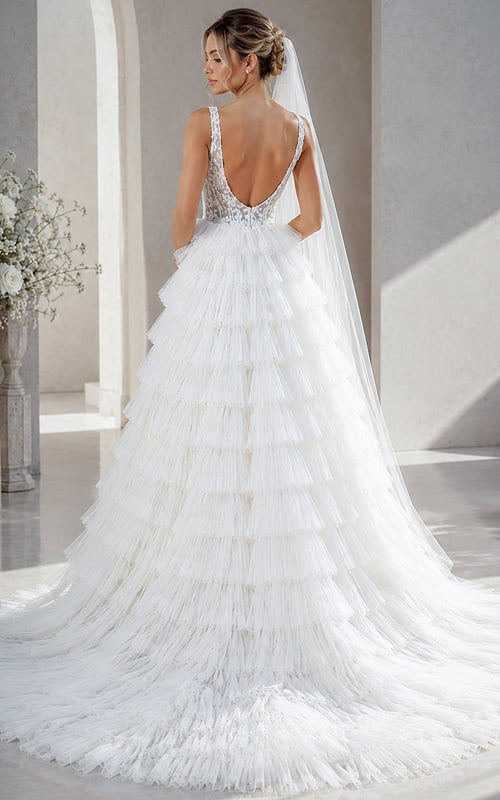
Fabric determines how a wedding gown holds its shape, responds to movement, and shows construction details. Satin creates a smooth surface that makes seams, draping, waistlines, and sculpted bodices especially visible. Its weight can support both fitted bridal dresses and gowns with greater skirt volume. Crepe typically produces a cleaner, more fluid line, making it well suited to silhouettes where precise fit and restrained texture are central to the design.
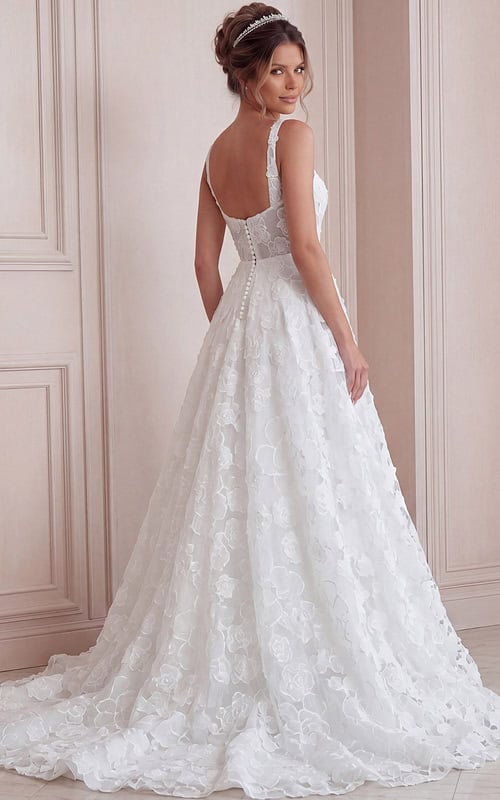
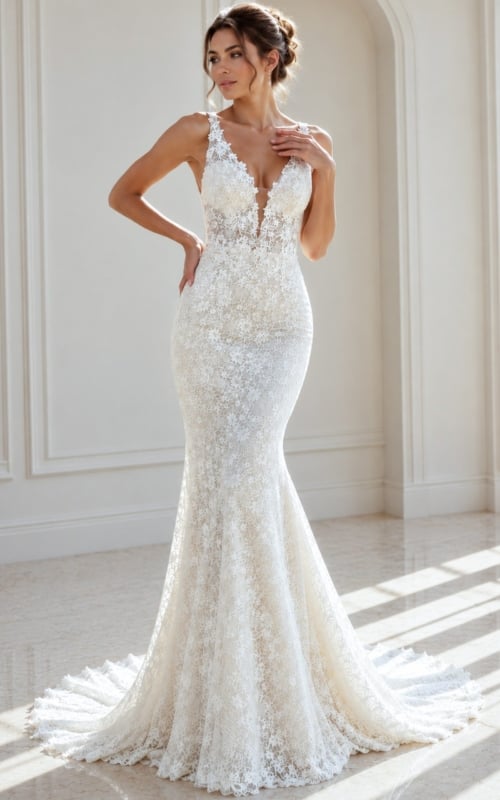
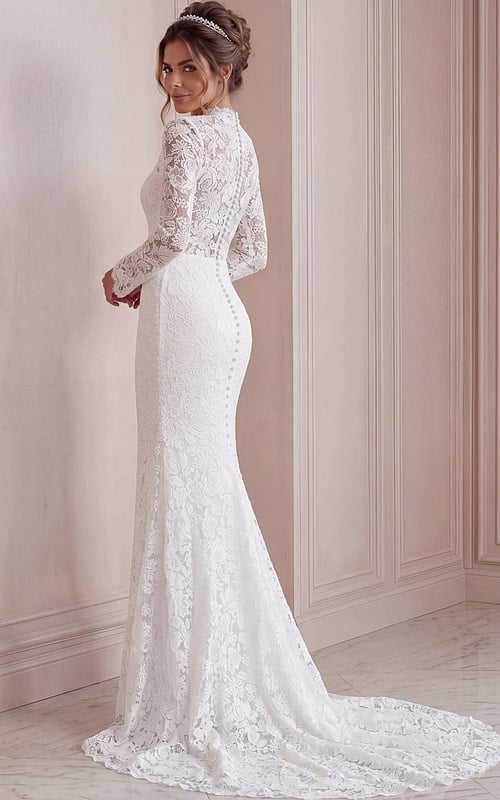
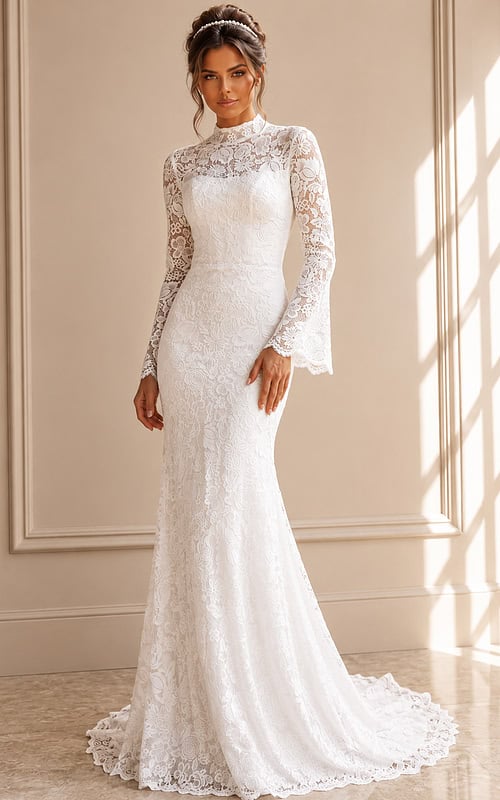
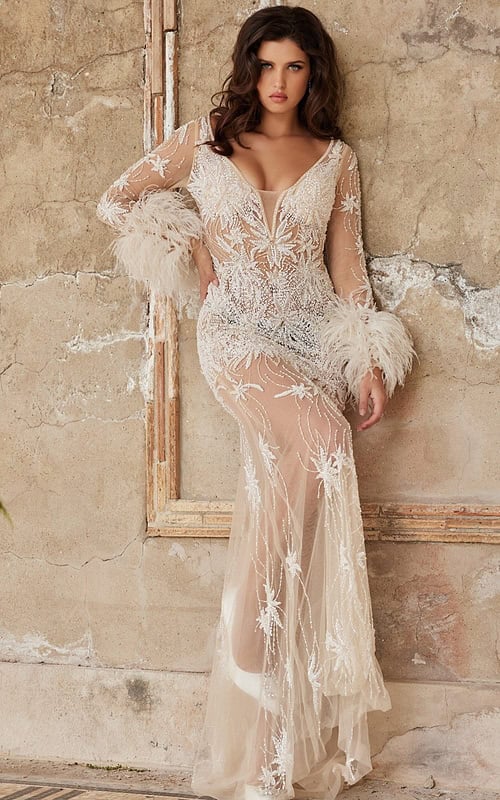
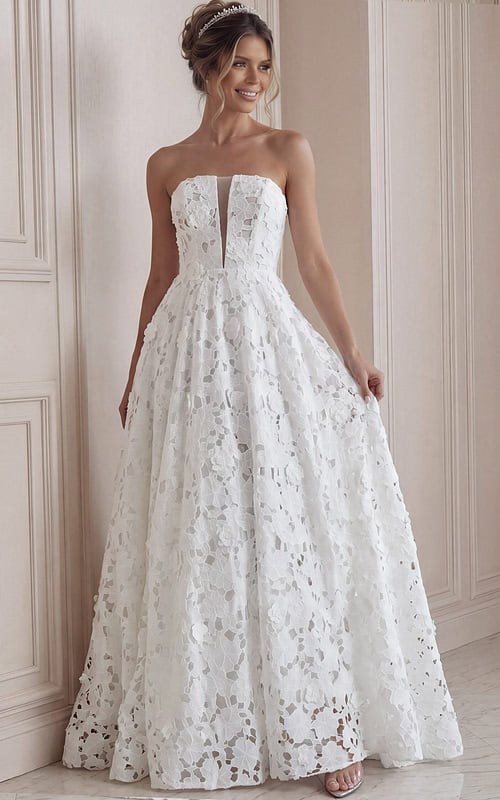
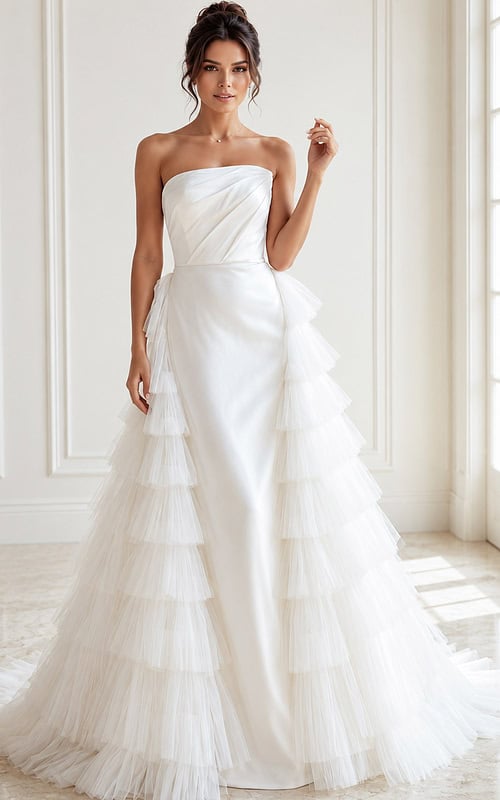
Lace introduces pattern and surface detail. Placement matters as much as the lace itself: an applique concentrated through the bodice creates a different balance from floral motifs extending through the skirt or train. For shoppers comparing this texture in greater depth, Lace Wedding Dresses provide a focused view of how lace can be used across fitted, A-line, sheath, and ball-gown shapes. Tulle offers lighter volume and can build fullness through multiple layers without producing the same visual weight as denser fabrics.
Many designer wedding dresses combine materials rather than relying on one surface throughout. A structured bodice may transition into tulle, or lace may sit over a lighter base to create depth while retaining movement.
Bodices, Waistlines, and Fit
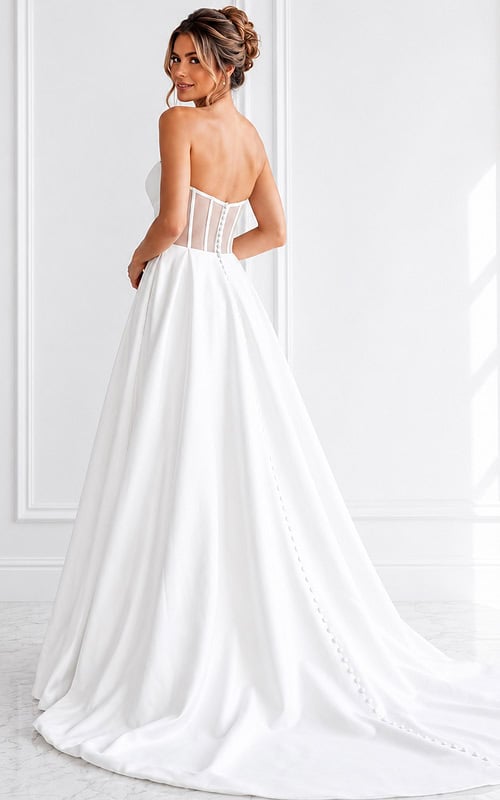
The upper structure of a wedding dress has a major effect on both appearance and security. A corset-inspired bodice can define the waist and create a firmer framework through the bust, while softer bodices produce a less architectural line. Look closely at where the waist seam or visual waist emphasis sits. A clearly defined natural waist creates a pronounced transition into the skirt. Lower waist construction can lengthen the torso visually before the skirt begins to widen, while gowns with minimal waist interruption create a more continuous vertical line.
Fit should also be considered in relation to movement. A fitted wedding gown may follow the hips closely, while an A-line or ball gown releases earlier through the skirt. Neither approach is inherently more suitable; the difference lies in the proportion, structure, and amount of movement you want from the dress.
Necklines and Upper-Body Proportion
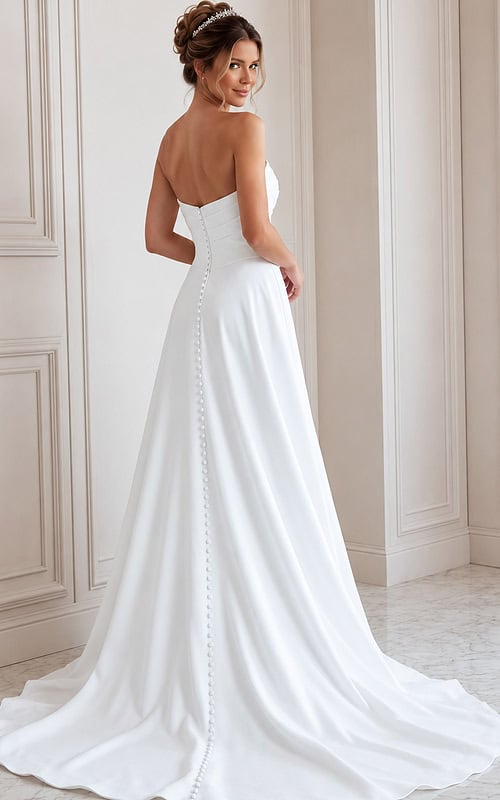
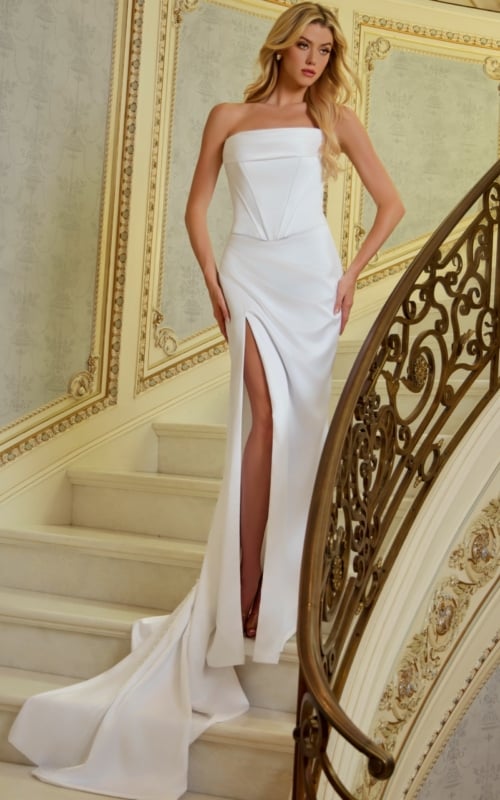
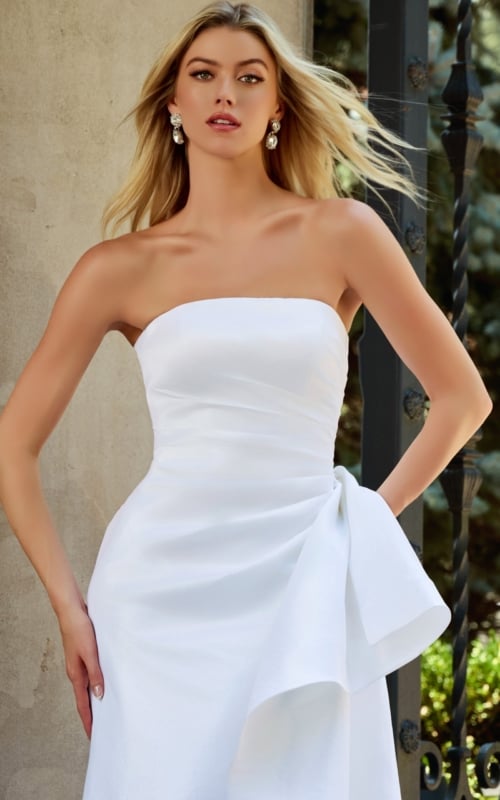
Neckline shape can significantly change the visual balance of a bridal gown even when the silhouette below the waist remains the same. Strapless Wedding Dresses keep the shoulder line open and place greater attention on bodice construction. Sweetheart necklines introduce a curved shape across the bust, while straight strapless necklines create a more geometric finish. Square necklines add definition through clear horizontal and vertical lines.
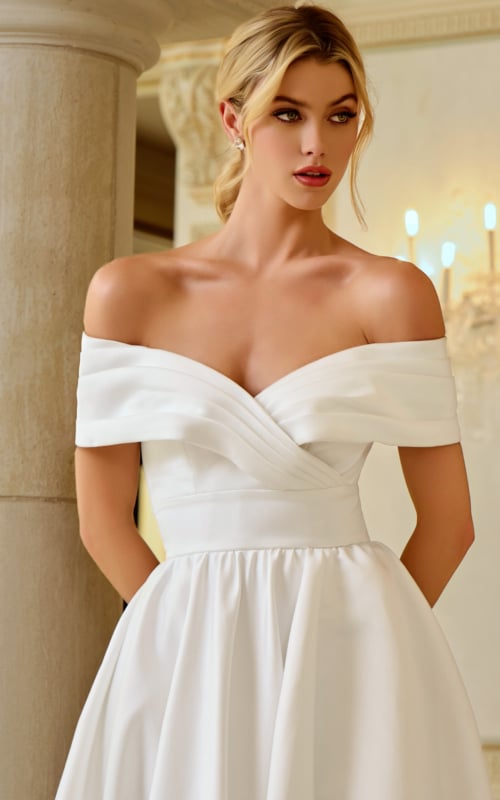
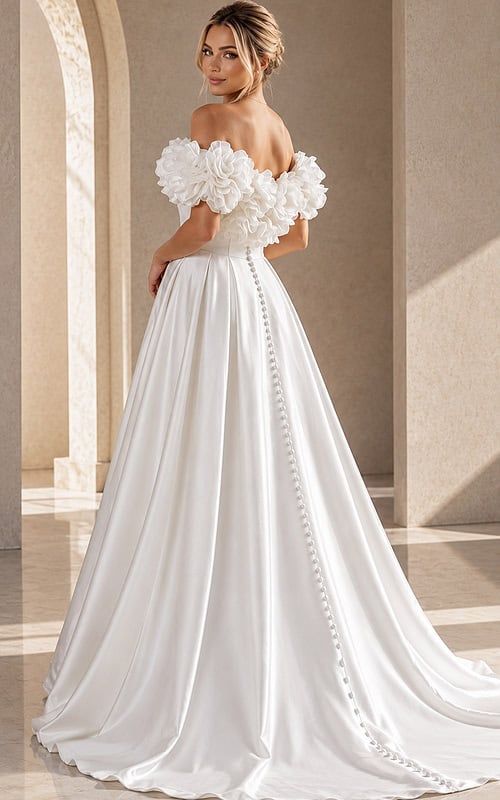
Off-the-shoulder gowns extend the visual line across the shoulders and may be paired with fitted sleeves, draped details, or sculptural accents. Halter and high-neck styles direct the eye upward and can create a longer uninterrupted line through the bodice. Rather than treating neckline as a decorative afterthought, compare it with the width of the skirt, position of the waist, and amount of detail through the bodice.
Lace, Floral Detail, Beading, and Clean Finishes
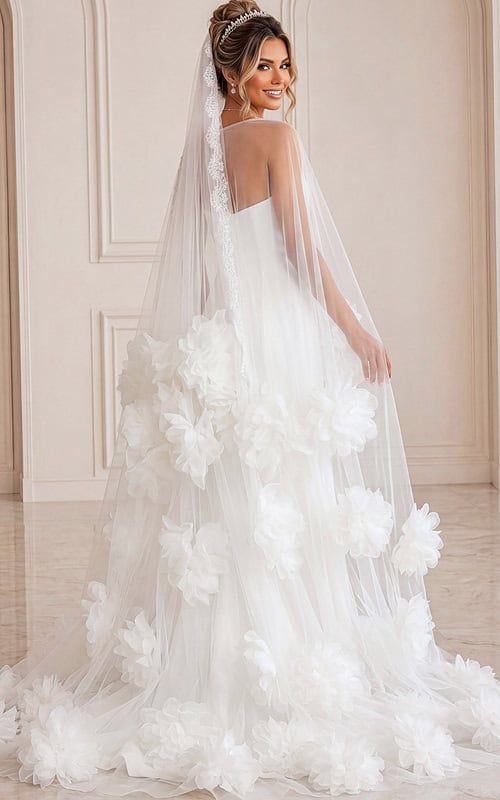
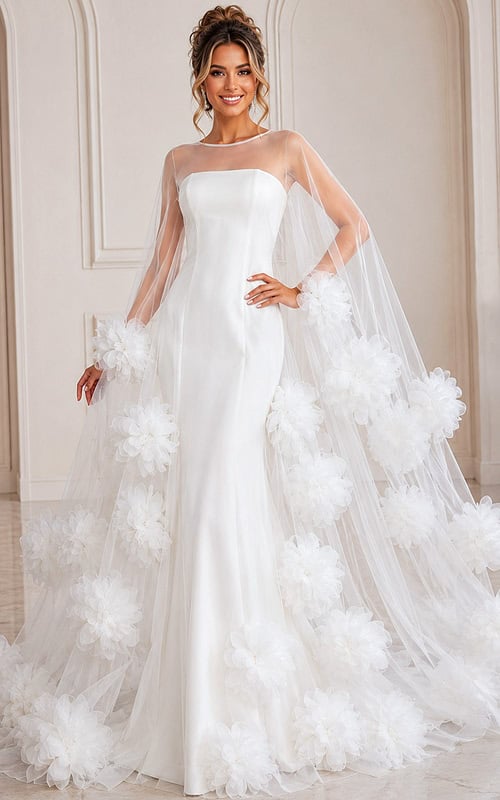
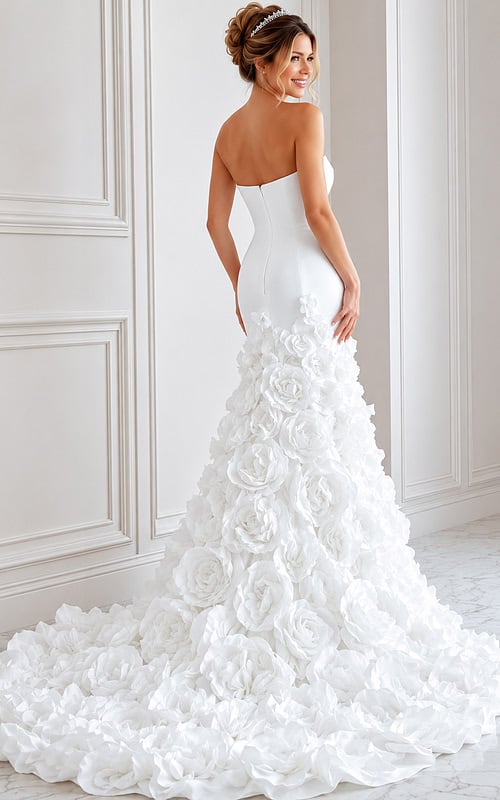
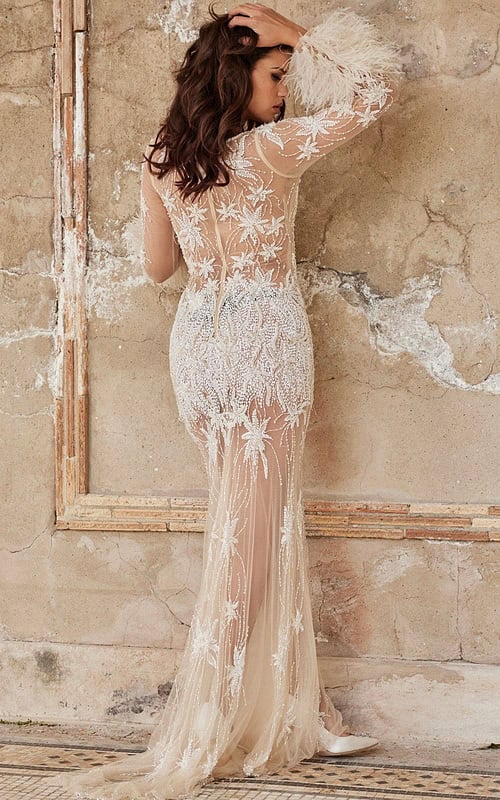
Surface detail can alter the character of a wedding gown without changing its basic shape. Floral appliques add dimensional texture, particularly when motifs extend beyond the bodice into the skirt or train. Embroidery can create a more integrated pattern, while beadwork catches light and adds visual density to specific areas. Clean satin and crepe gowns place greater emphasis on cut. Without dense surface decoration, draping, pleating, seam placement, neckline construction, and skirt architecture become more visible.
Some bridal gowns balance both directions. A relatively clean skirt can offset a detailed corset bodice, while restrained applique can add texture to an otherwise simple silhouette. Looking at the distribution of detail helps distinguish gowns that may initially appear similar in product images.
Choosing a Wedding Gown for the Full Bridal Look
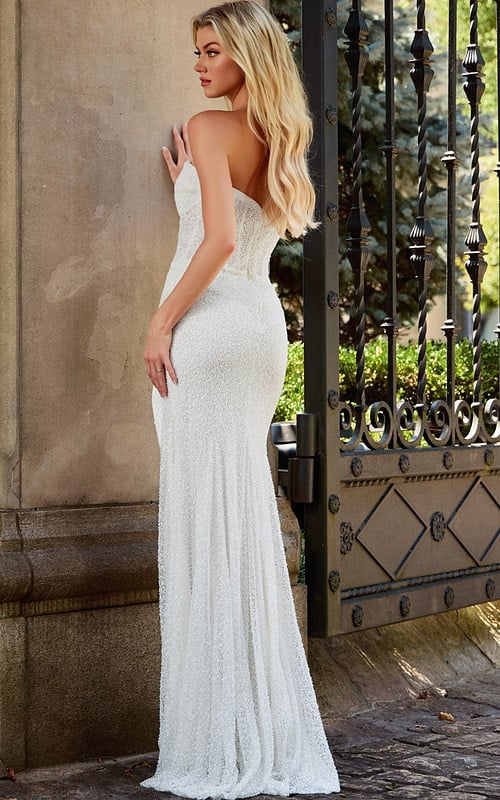
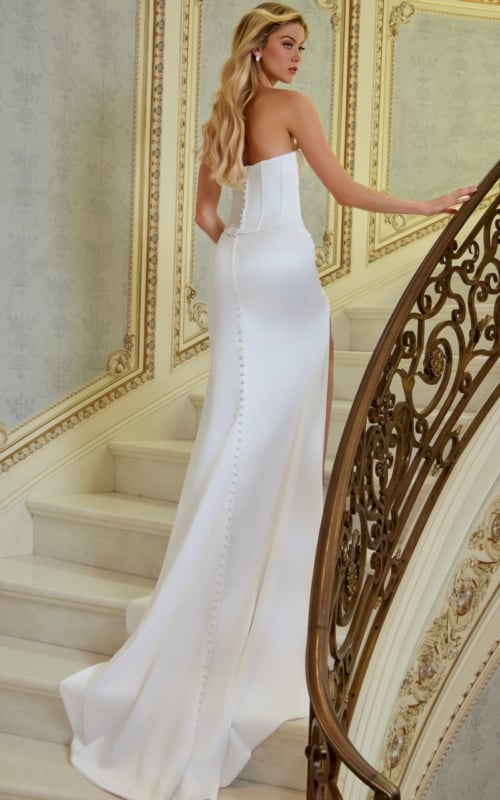
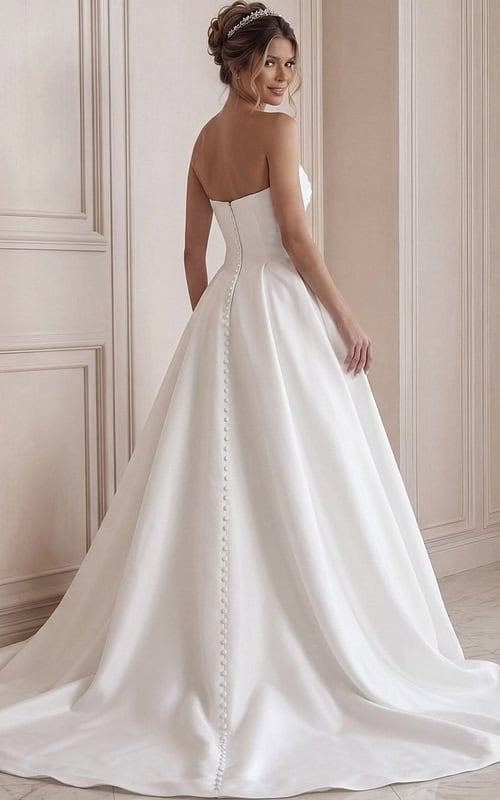
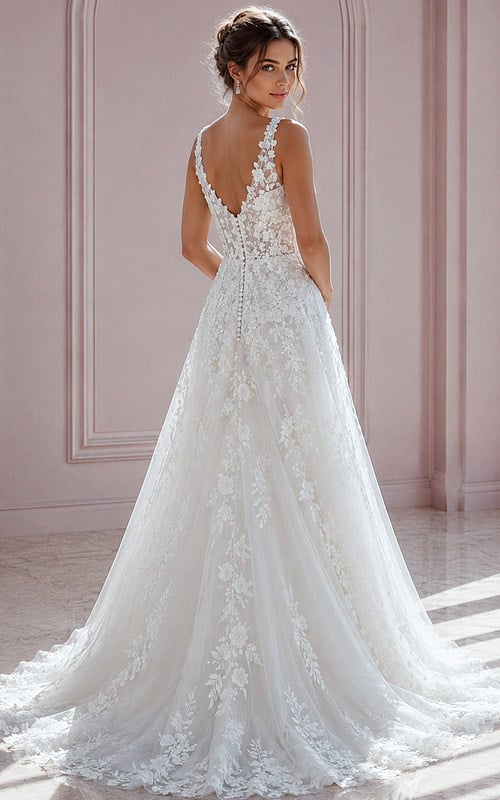
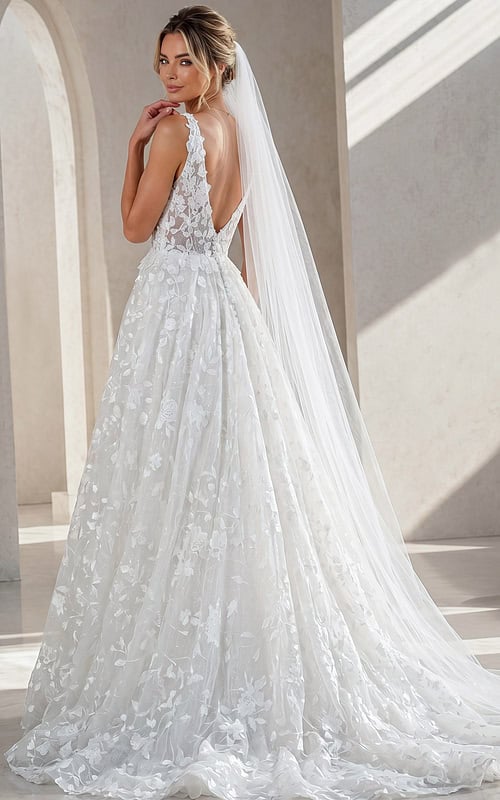
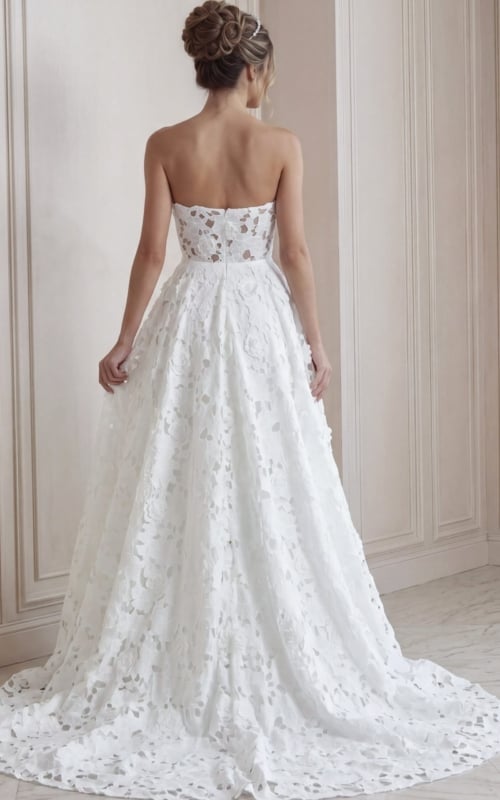
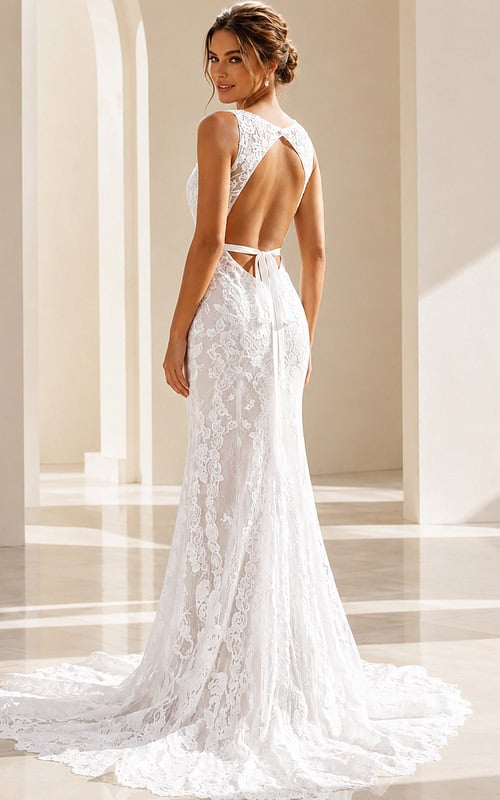
Once silhouette and fabric have been narrowed down, consider how the dress works from every angle. The front establishes the primary proportion, but the back construction, skirt release, and train affect how the gown appears during the ceremony and in movement. A longer train adds visual extension behind the dress, while a shorter train keeps the profile more contained. Open backs, covered buttons, corset details, and lace panels also influence how much attention shifts toward the back of the gown.
Brides planning a second look or a more relaxed celebration can also compare Wedding Reception Dresses without letting that secondary occasion take focus away from the main bridal collection. The strongest comparison is not simply between one wedding dress style and another. Consider how silhouette, bodice structure, neckline, fabric, skirt volume, and detailing work together. A structured satin ball gown communicates shape differently from an airy lace A-line, just as a clean crepe sheath produces a different line from a floral mermaid gown.
Jovani’s bridal assortment gives these elements different levels of emphasis, allowing the selection process to begin with the details that matter most to the intended fit, movement, and overall bridal silhouette.