Wedding Guest Dresses by Dress Code and Setting
Wedding guest dresses should reflect both the dress code and the setting, whether that means a floor-length satin gown for a black-tie reception or a polished crepe midi for cocktail attire. Formal evening weddings often suit column, mermaid, and A-line silhouettes with controlled drape or subtle embellishment, while daytime ceremonies allow lighter fabrics, softer colors, and shorter hems.
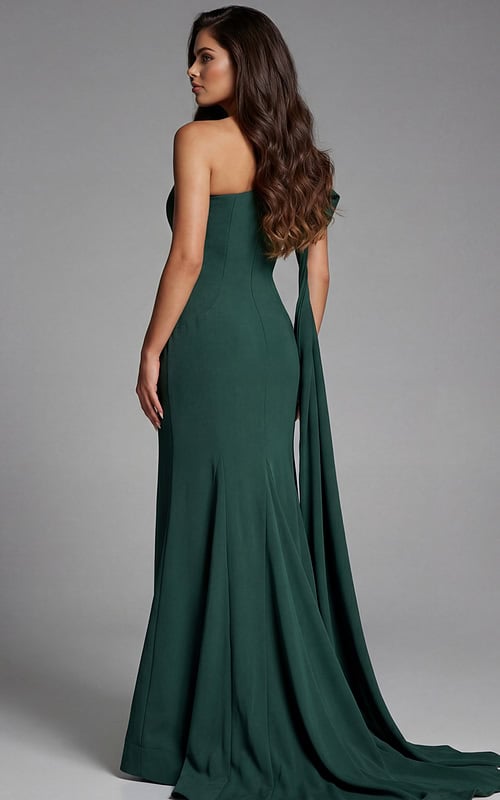
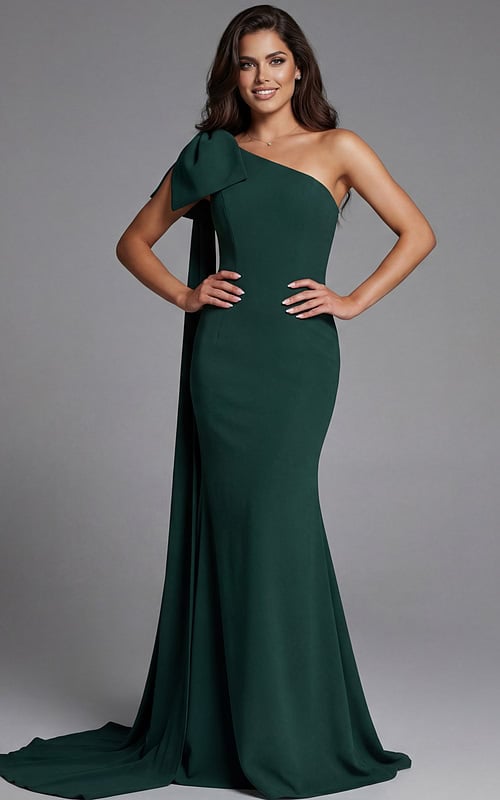
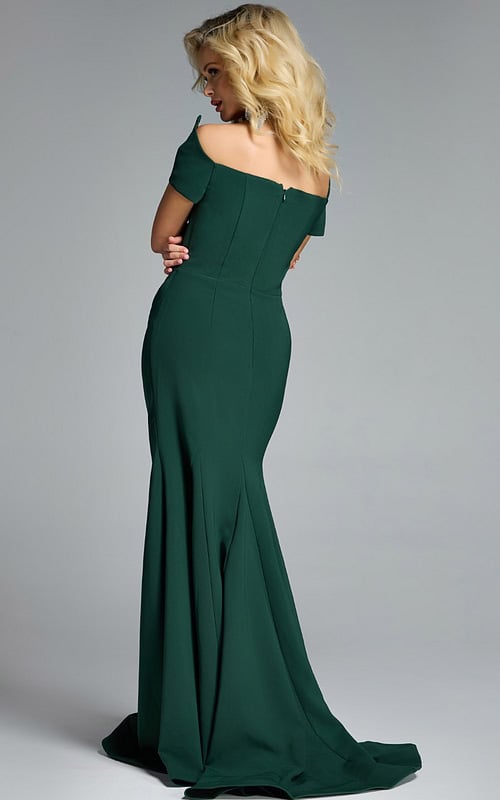
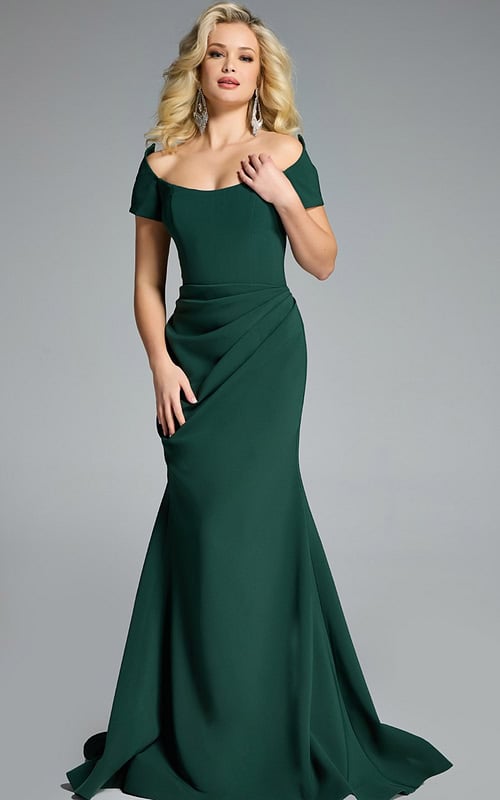
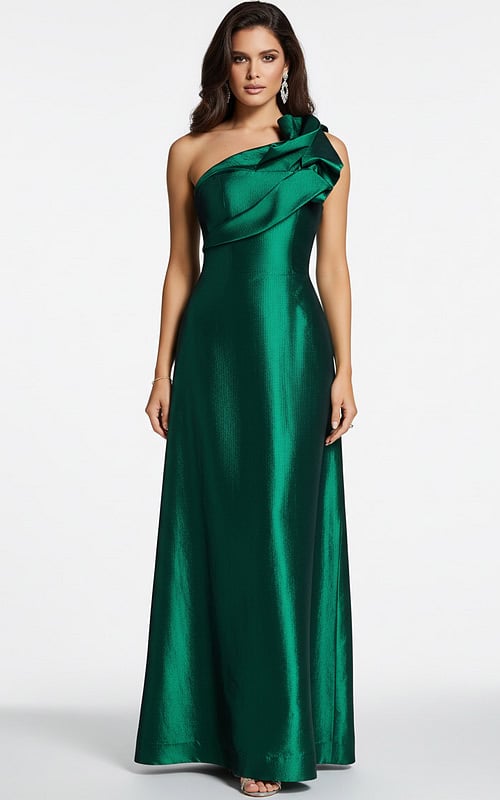
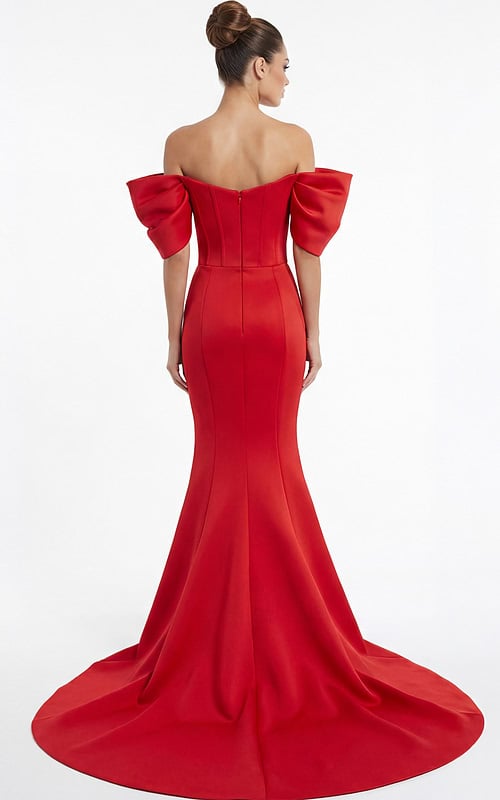
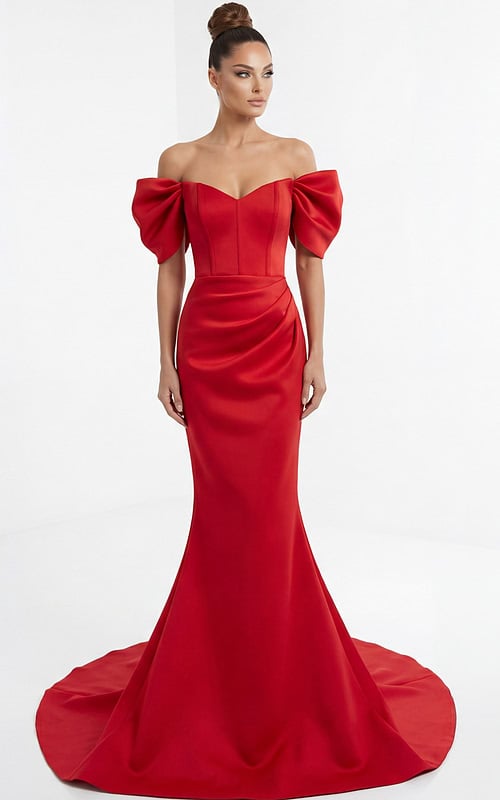
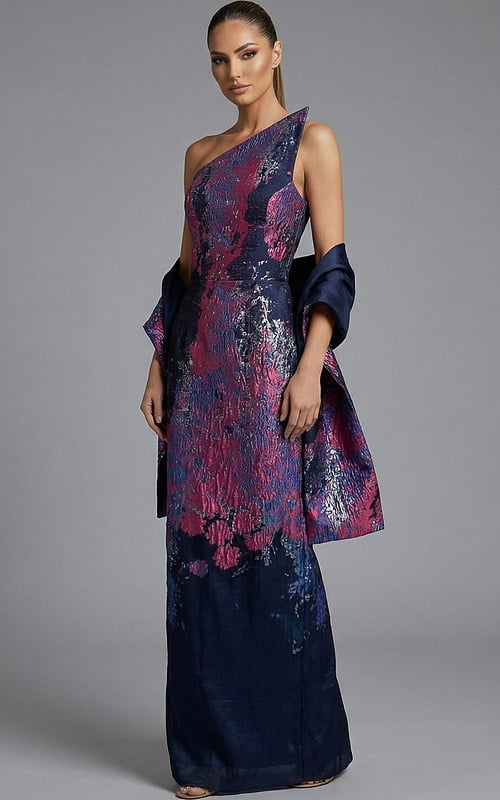
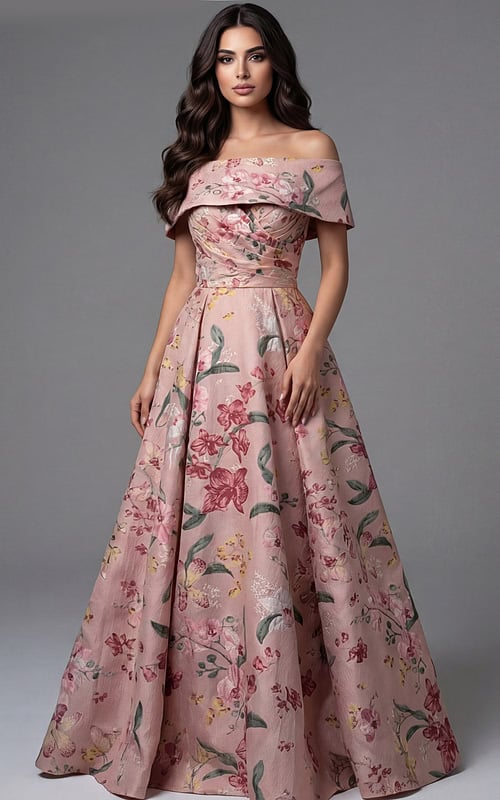
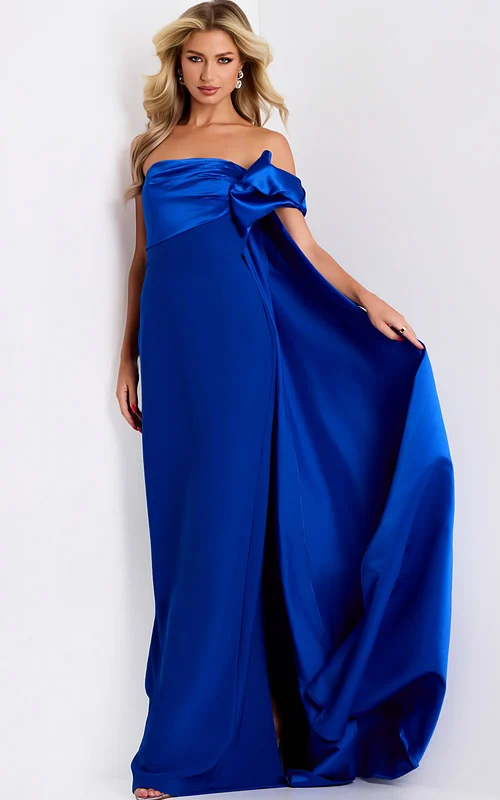
For shoulder-framing styles, off shoulder wedding guest gowns bring attention to the neckline while keeping the overall silhouette refined. Other wedding guest gowns may rely on clean straps, one-shoulder construction, or a higher neckline to create a more understated formal look.
Venue changes how a wedding guest dress feels in practice. Hotel ballrooms can carry richer fabrics and more structured silhouettes, while garden, vineyard, and destination weddings usually benefit from skirts with movement and lighter materials. Consider walking surfaces, ceremony length, temperature, and time spent seated or dancing. Secure bodice construction, appropriate fabric weight, and enough movement through the skirt can make as much difference as the visible design.
Choose the Right Length for the Invitation
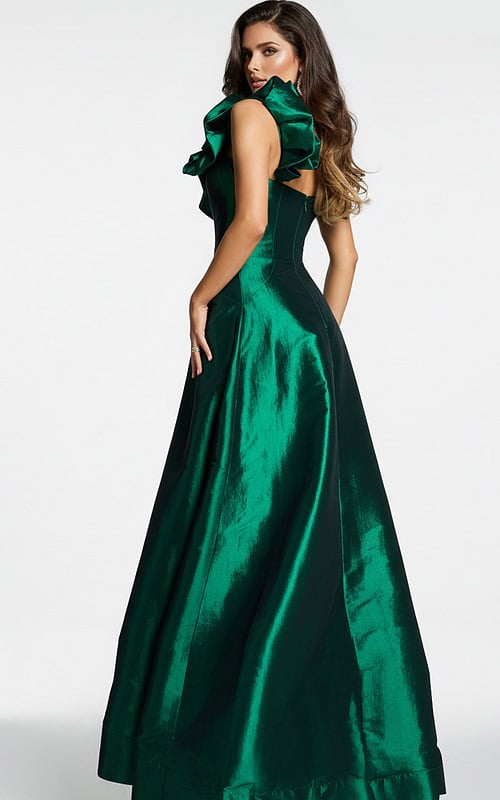
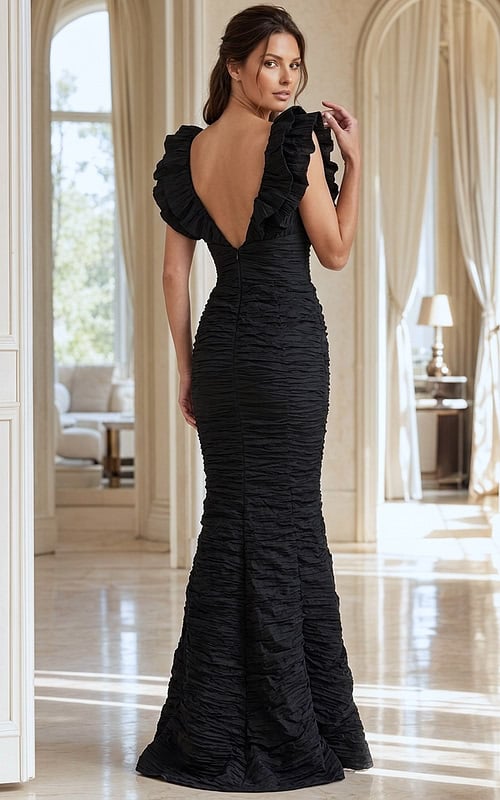
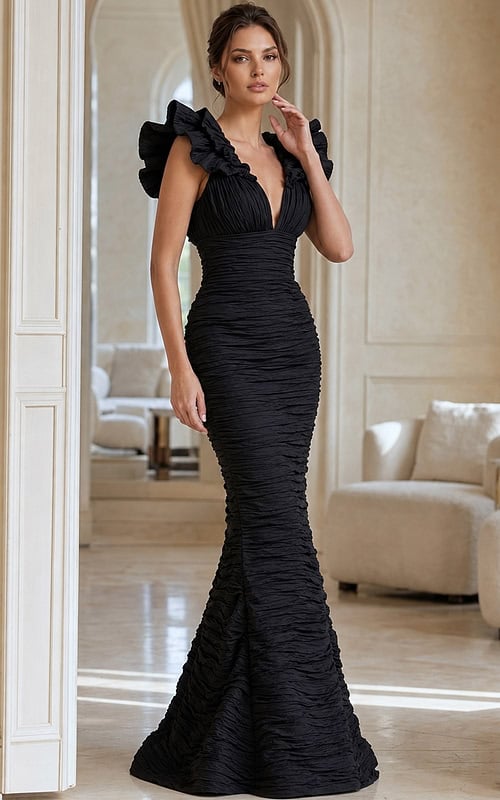
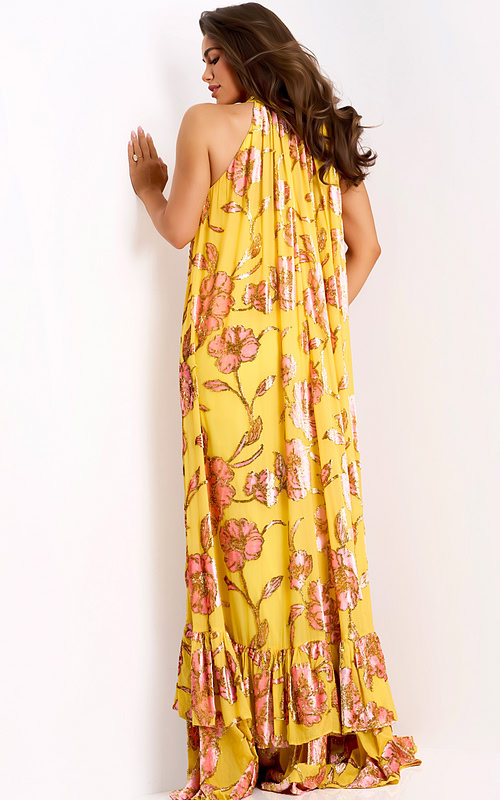
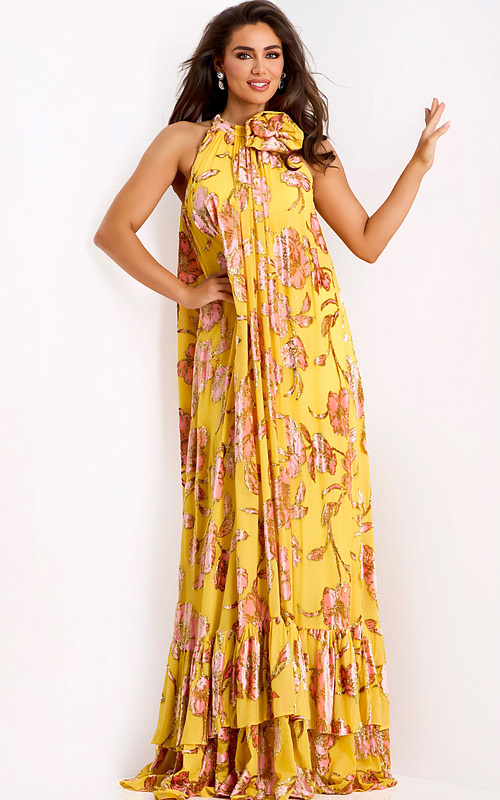
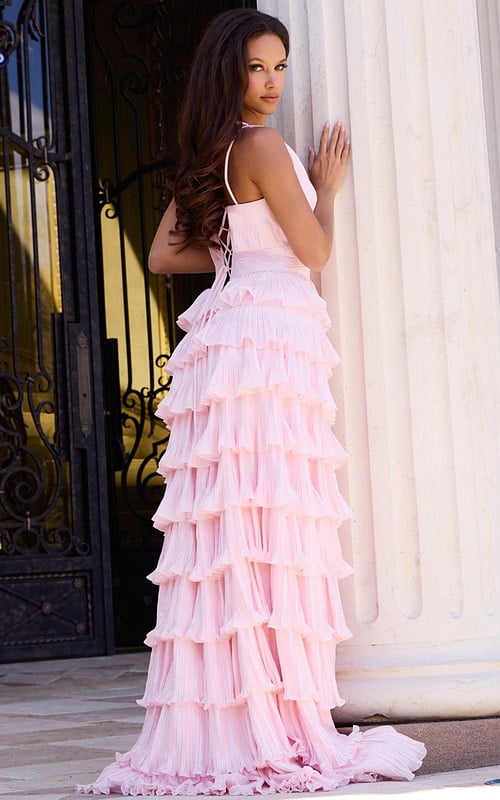
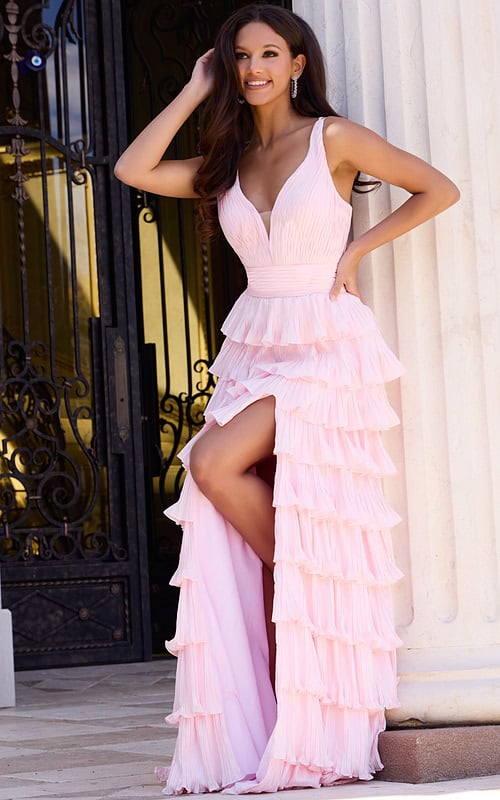
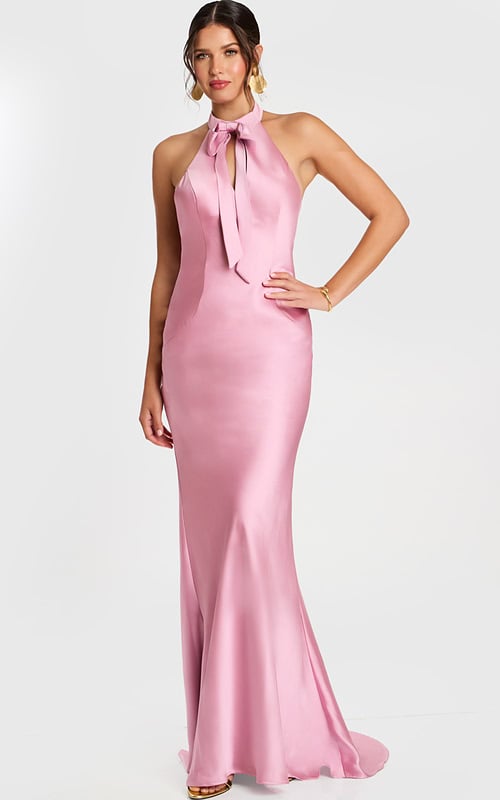
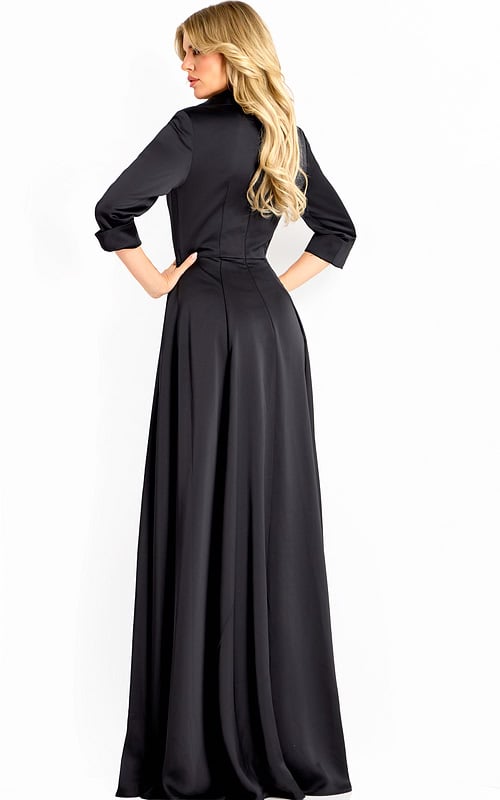
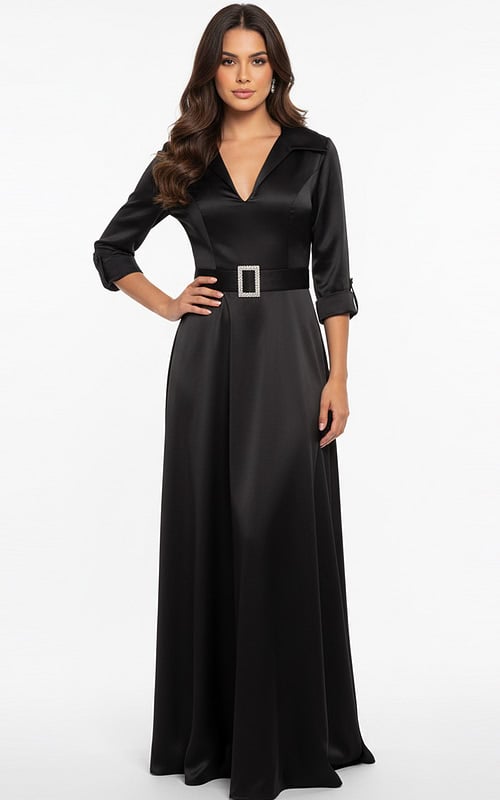
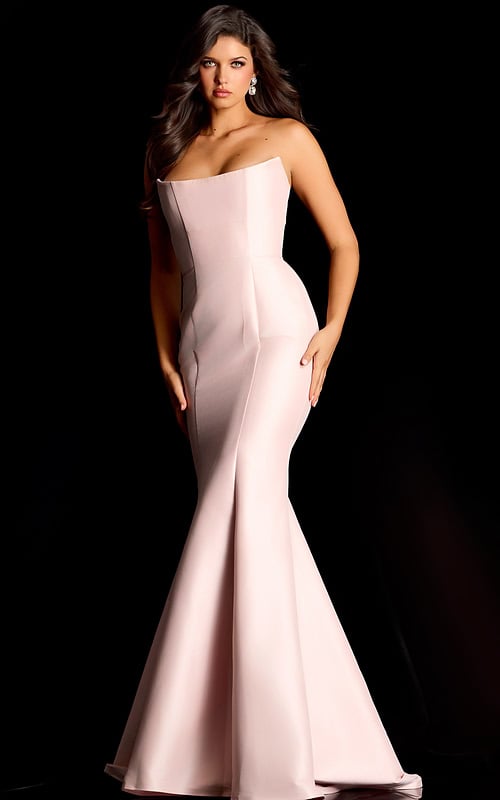
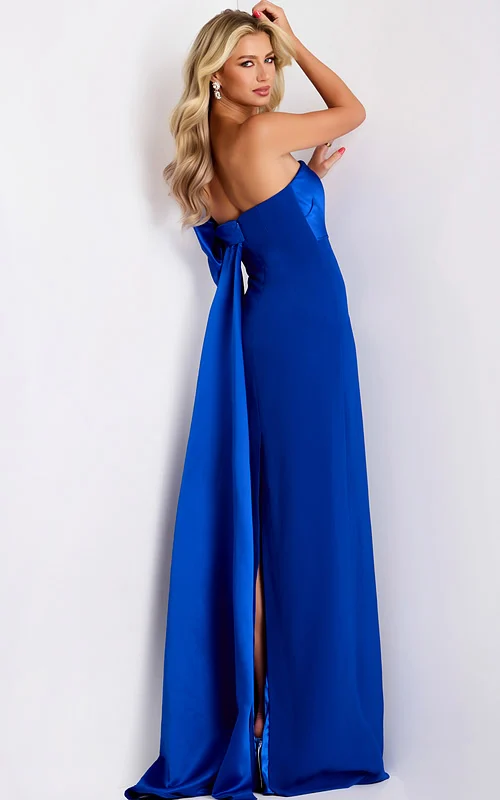
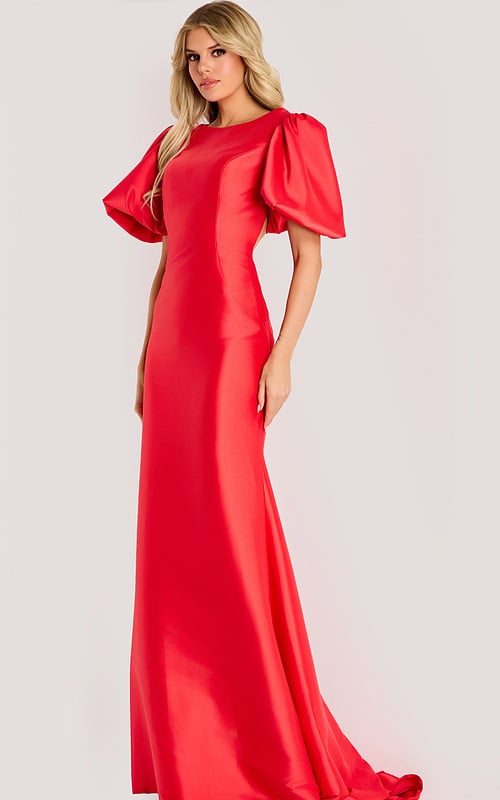
Length is one of the clearest ways to interpret wedding formality. long wedding guest dresses work naturally for black-tie weddings, formal evening receptions, and grand indoor venues. Satin columns create a clean vertical line, chiffon A-lines add softer movement, and fitted crepe wedding guest gowns offer structure without depending on heavy embellishment.
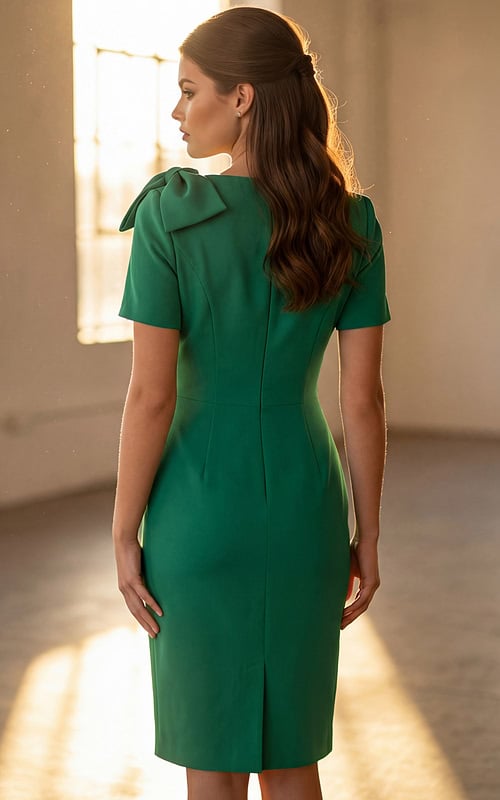
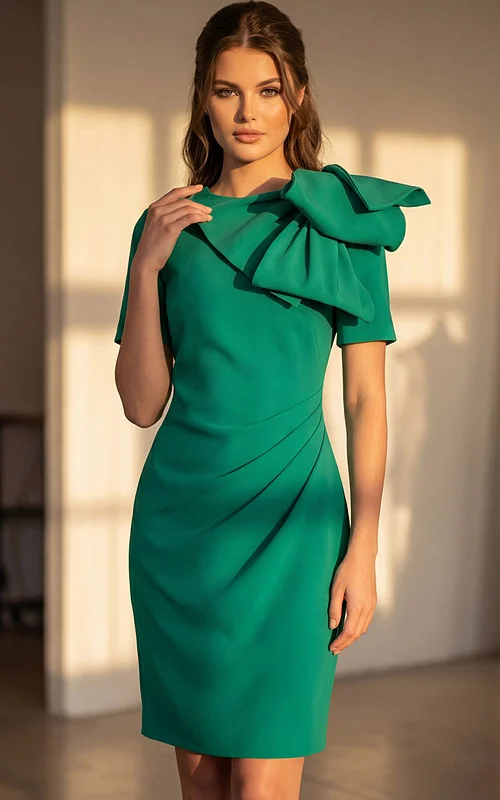
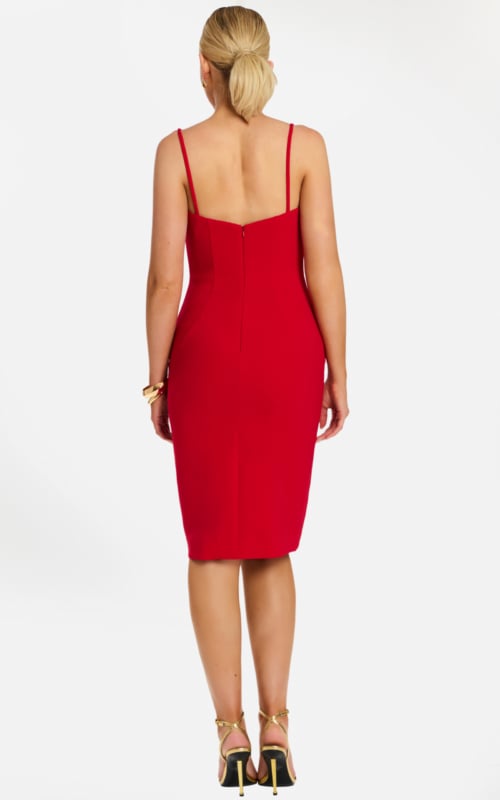
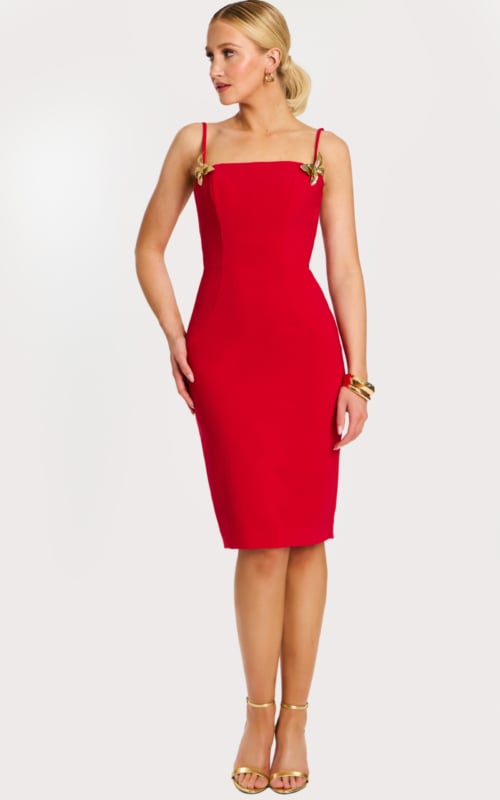
Midi wedding guest dresses sit comfortably between formal and cocktail dressing. They are especially useful for city weddings, daytime receptions, and venues where a full-length skirt may feel unnecessary. A midi wedding guest dress can still feel highly polished when the fabric has enough structure and the neckline and waist are precisely finished.
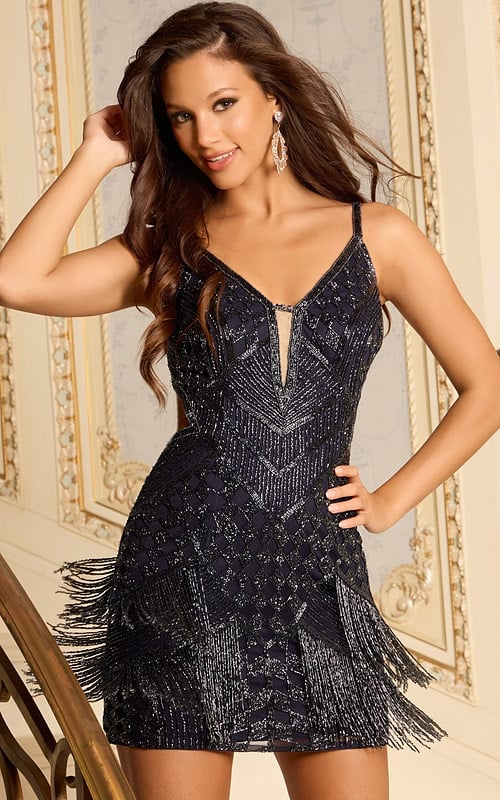
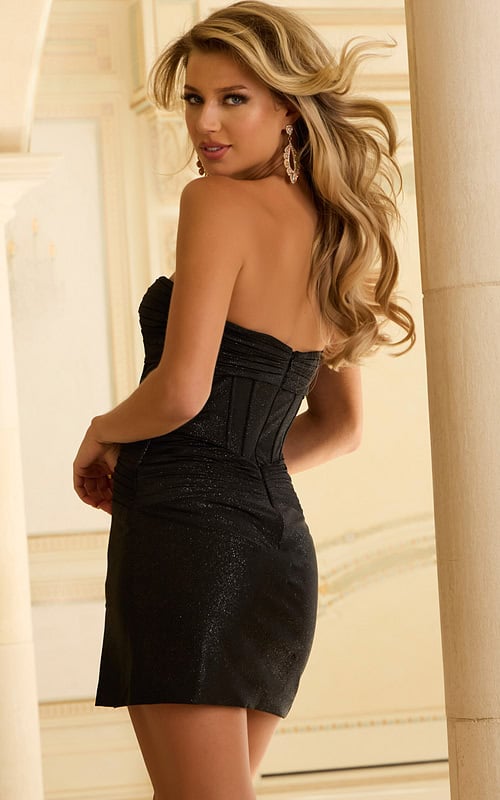
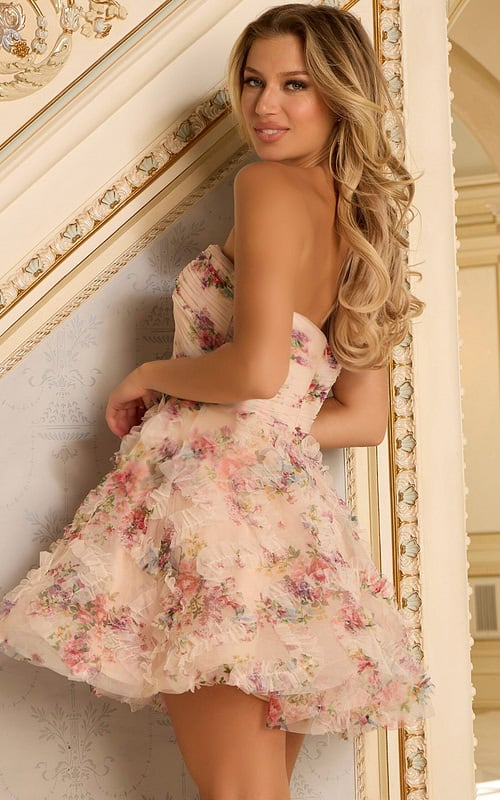
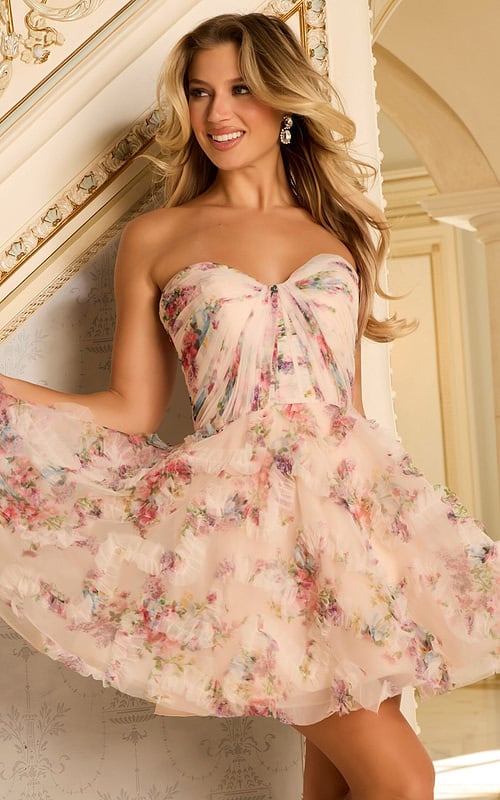
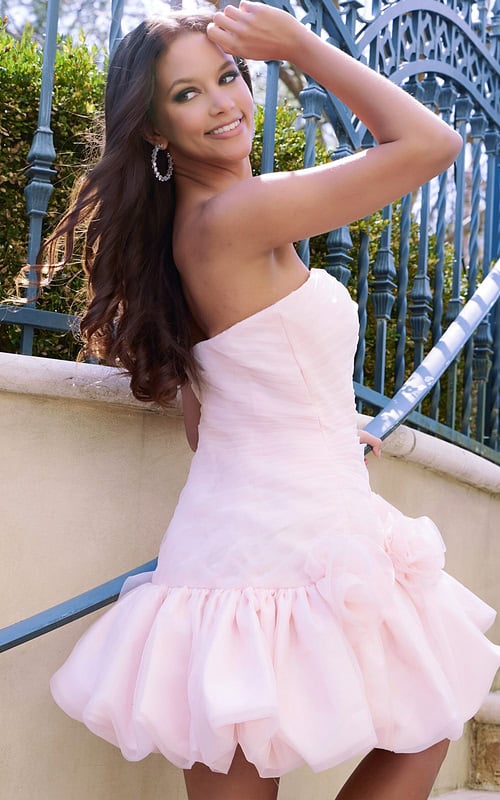
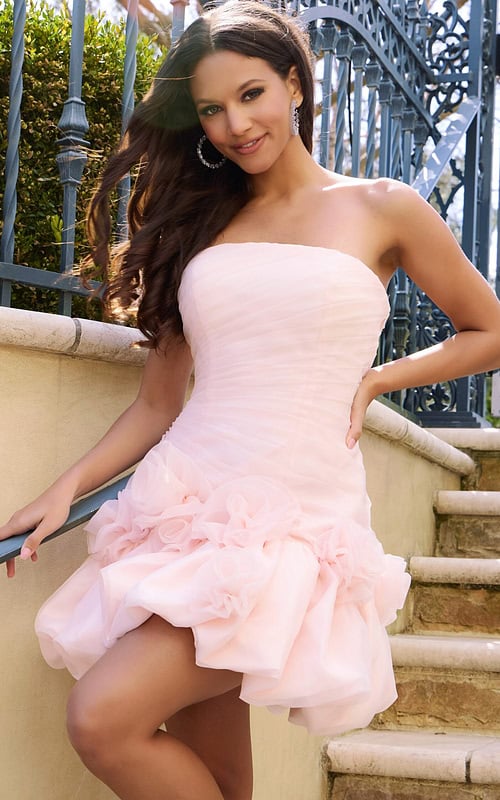
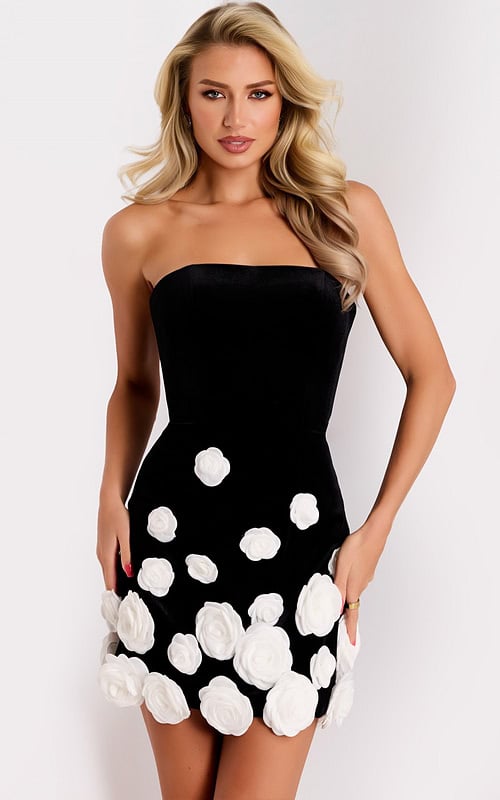
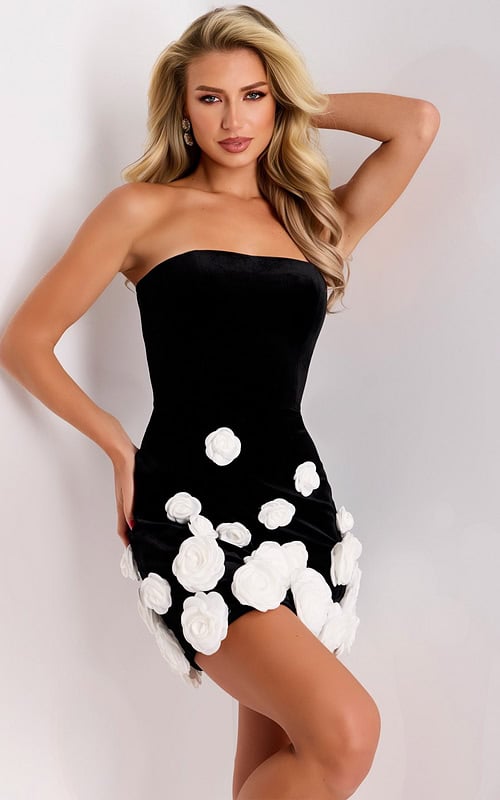
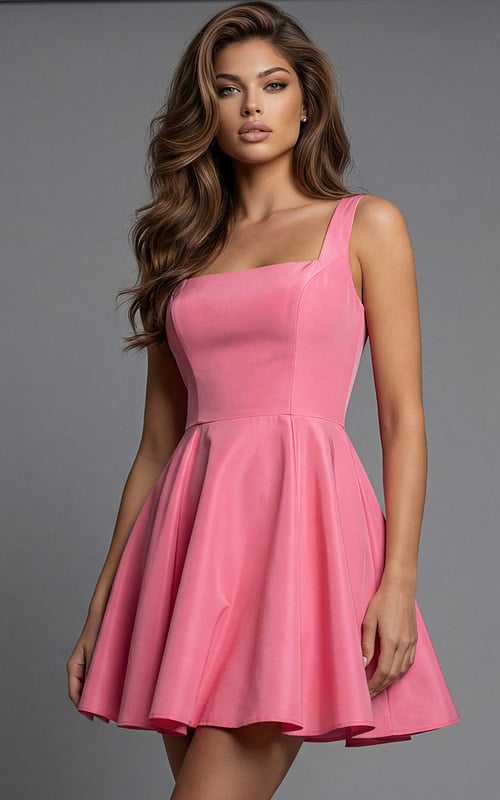
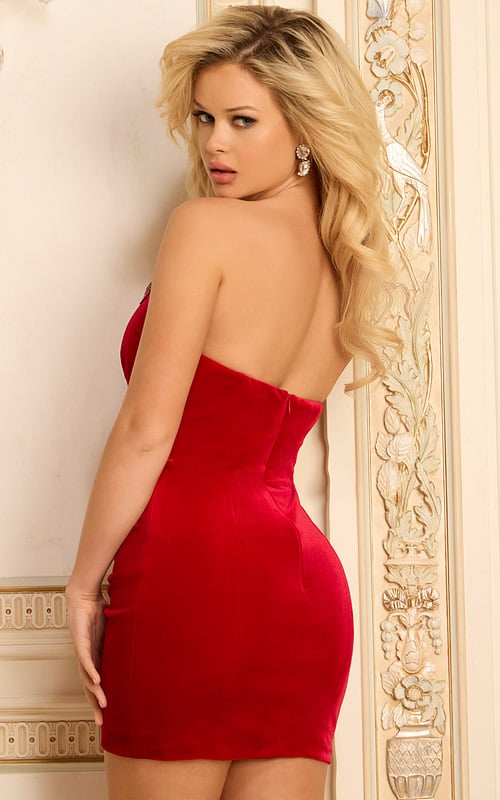
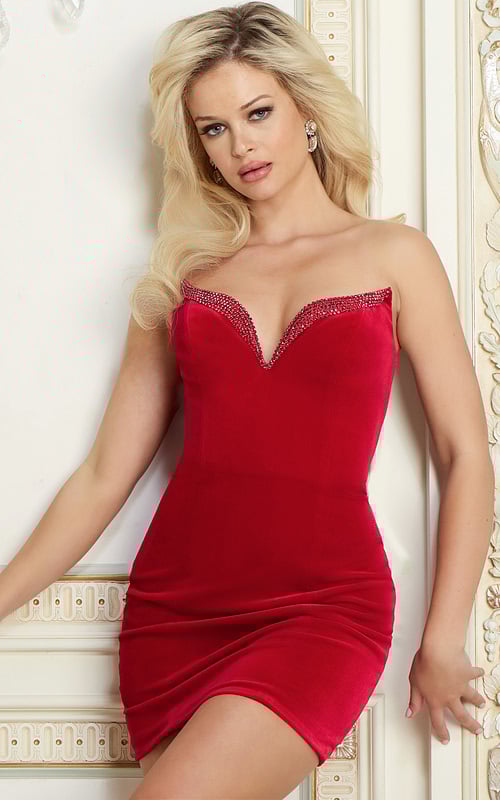
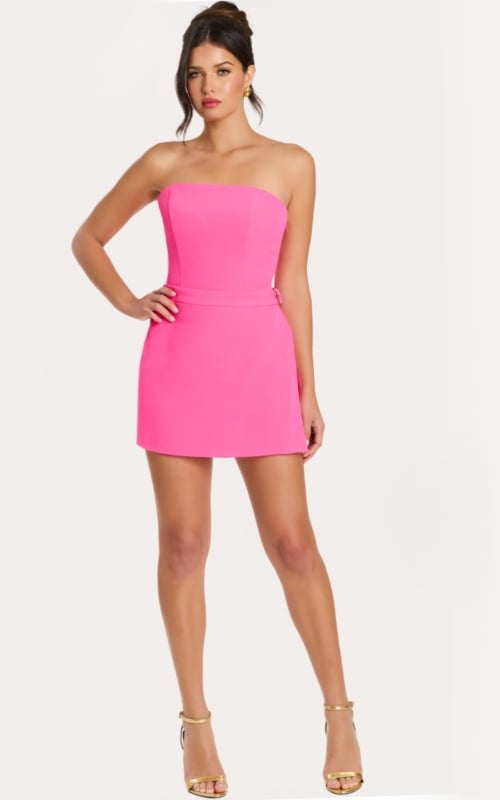
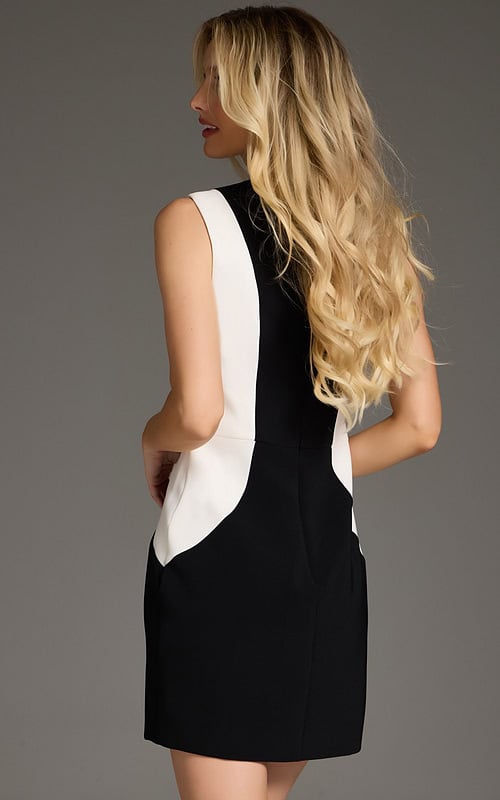
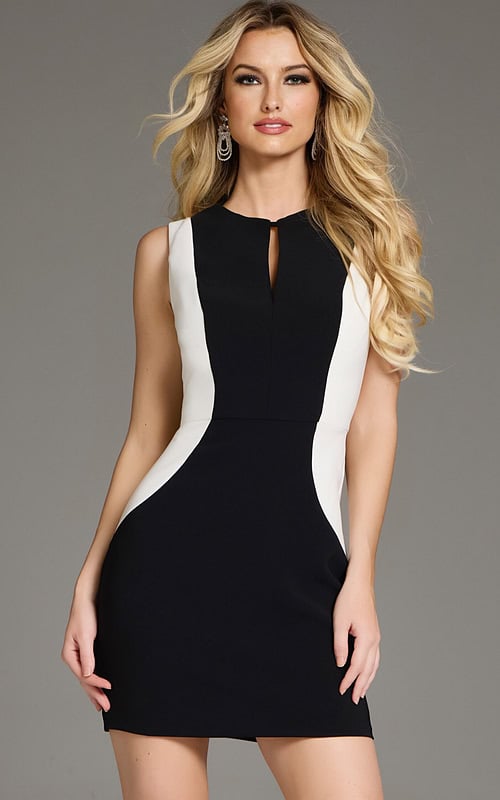
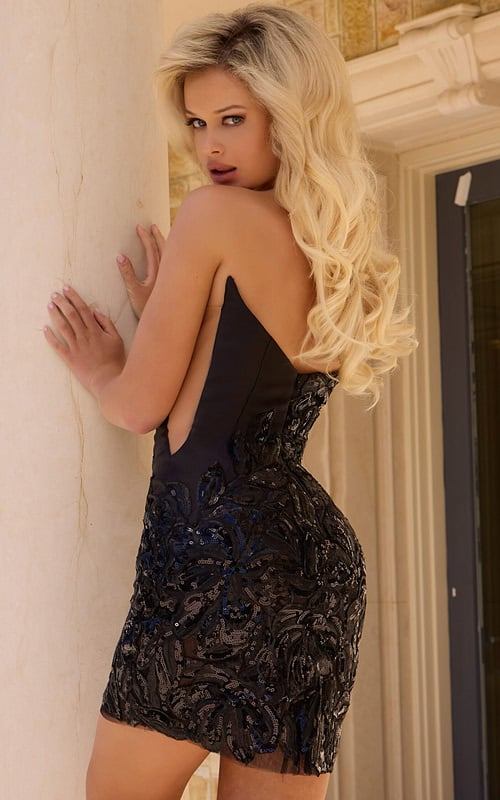
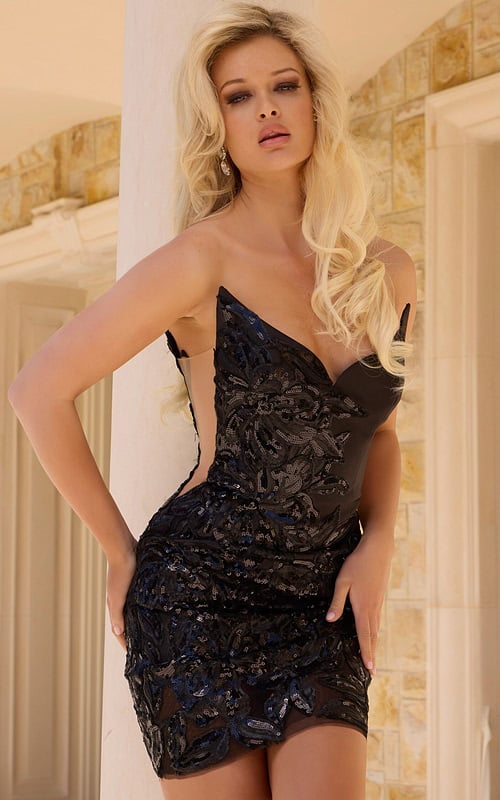
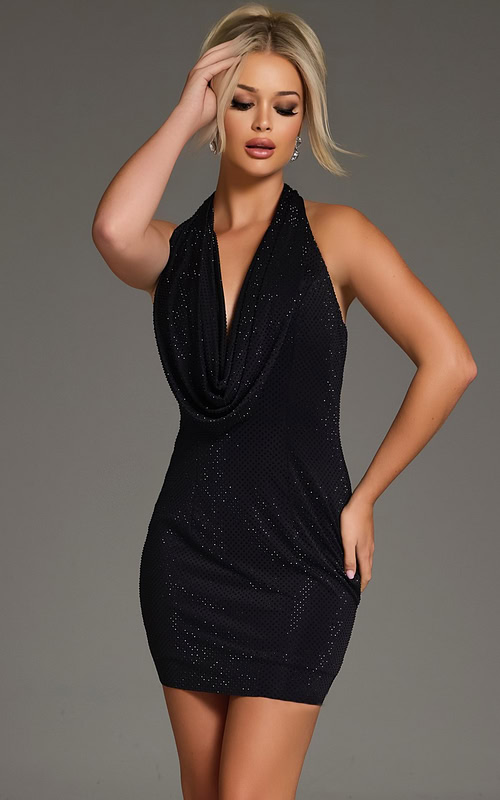
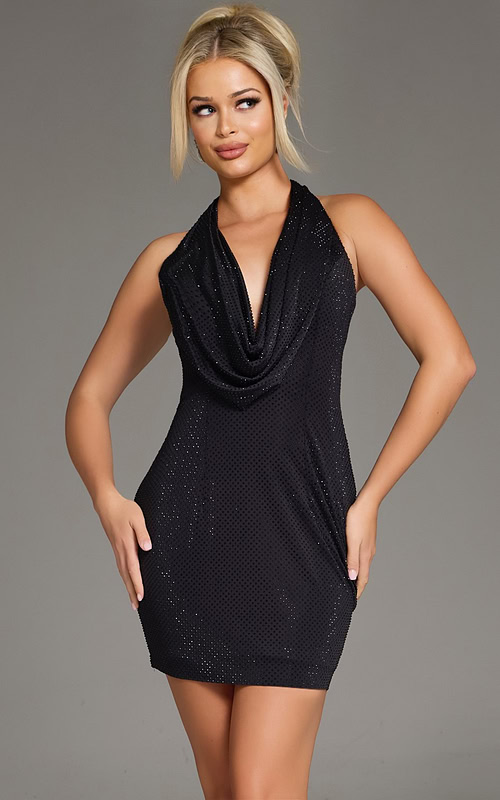
short wedding guest gowns can work for cocktail, destination, and less formal celebrations when the fabric and construction keep the look occasion-focused. Structured satin, lace, brocade, crepe, and embellished finishes generally read more formal than lightweight day fabrics.
Whatever the hemline, proportion matters. A long wedding guest gown may need a slit or shaped skirt for easier movement, while a mini or midi benefits from a secure bodice and a hem that stays balanced when sitting and walking.
Silhouettes and Necklines That Shape the Fit
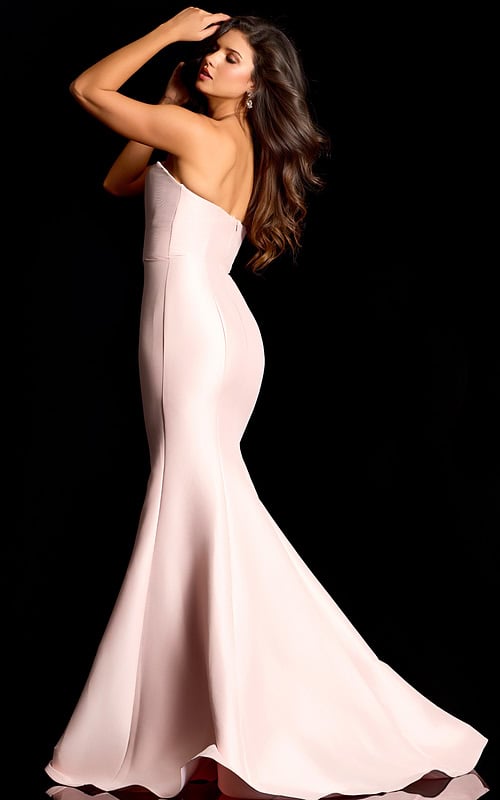
The silhouette of wedding guest dresses determines where the fabric holds the body and how the dress moves. A-line styles define the waist before releasing through the skirt, making them useful across formal, garden, and destination settings. Column and sheath silhouettes create a straighter line, while mermaid and trumpet wedding guest gowns bring more definition through the waist and hip.
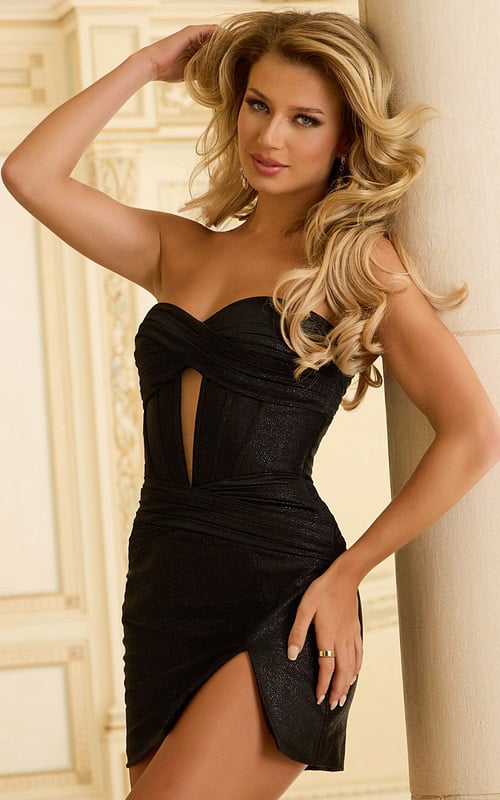
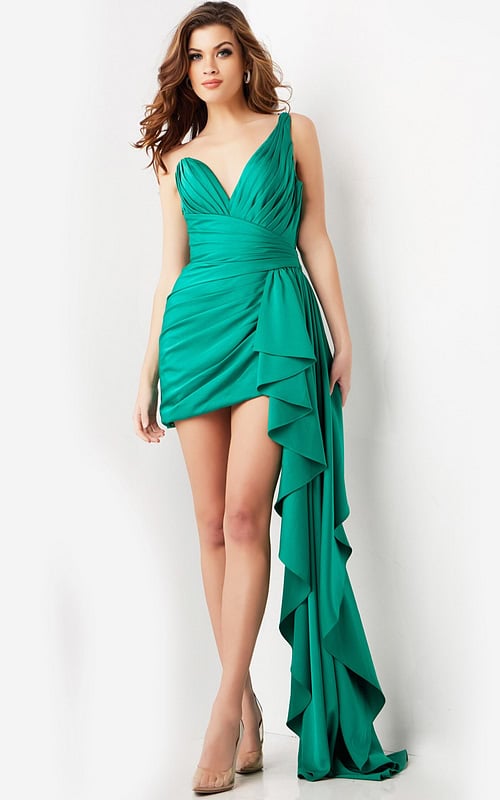
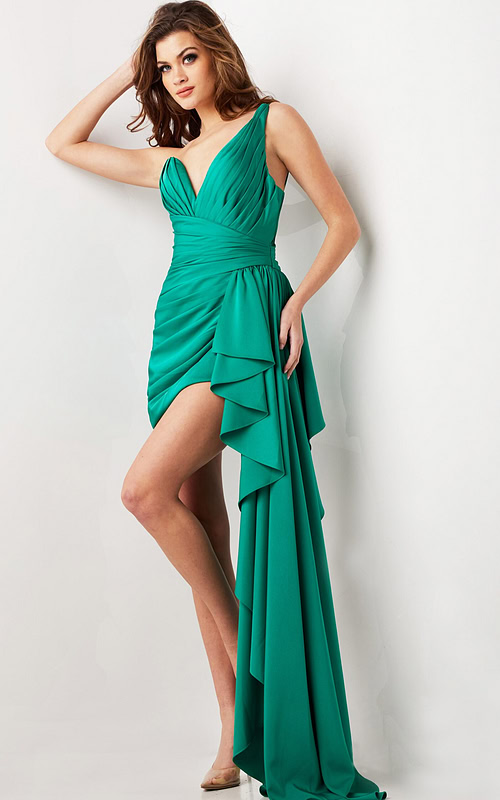
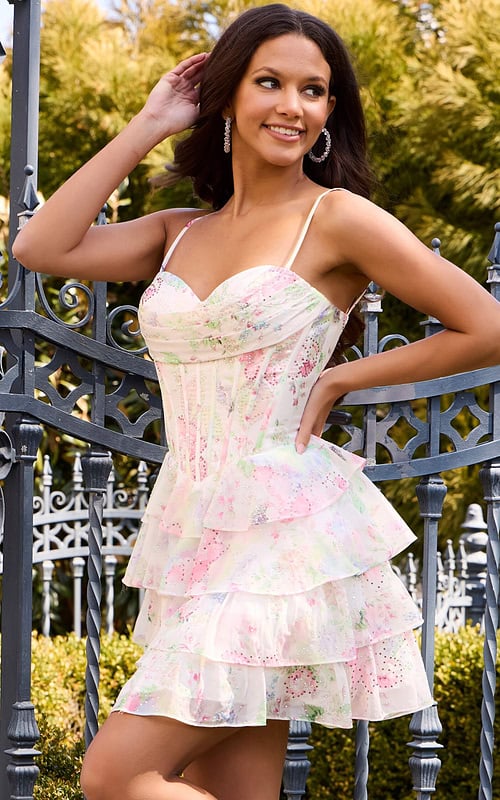
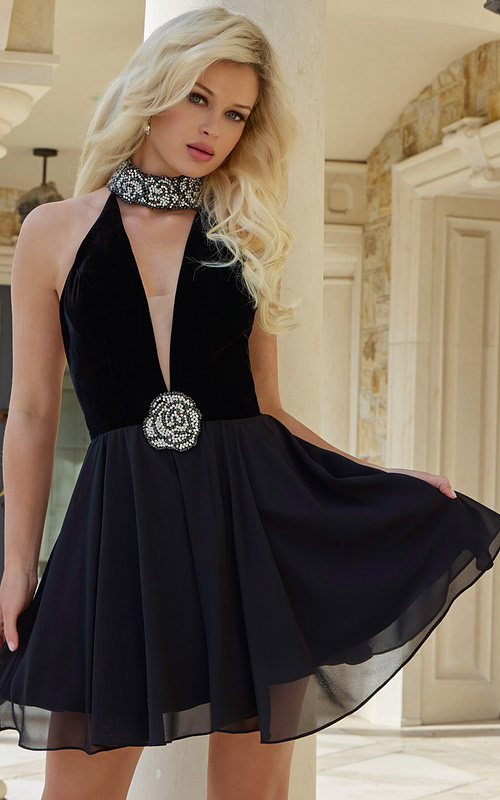
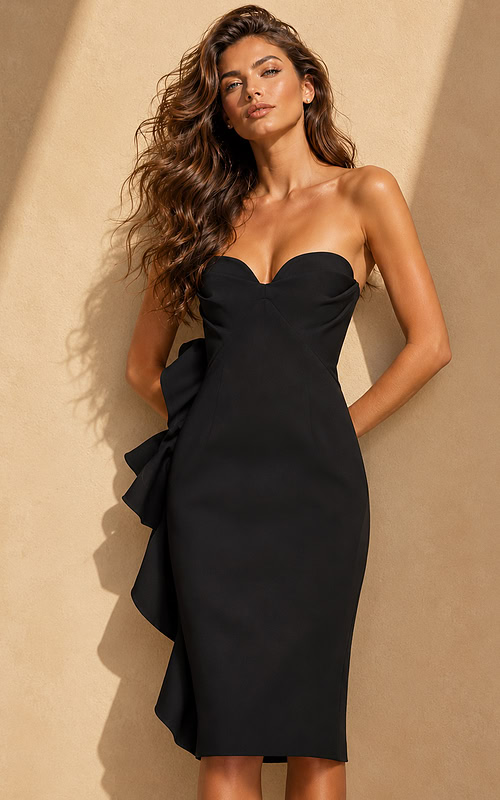
Neckline should be considered alongside support and proportion. sweetheart wedding guest dresses soften the upper line and work particularly well with structured strapless or corset-influenced bodices. One-shoulder and off-the-shoulder shapes draw attention upward, while halter and V-neck styles can create a longer visual line through the torso.
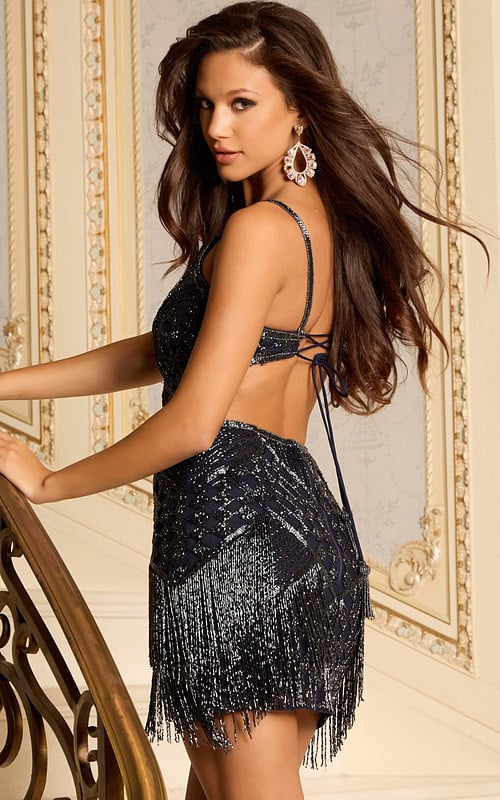
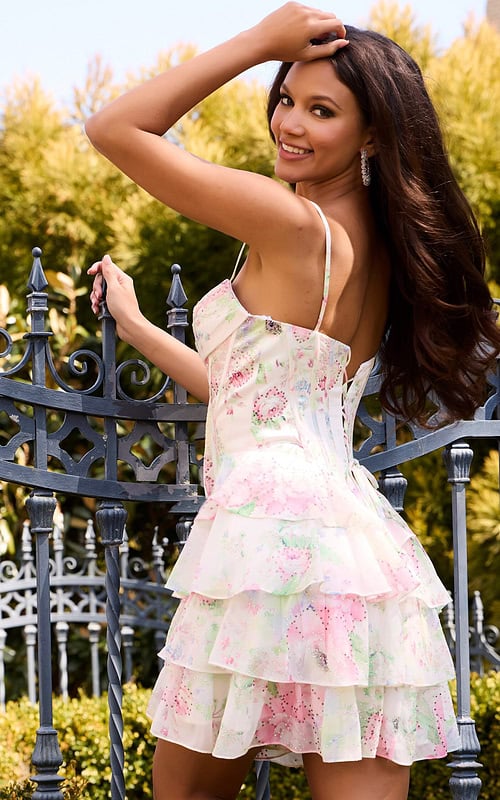
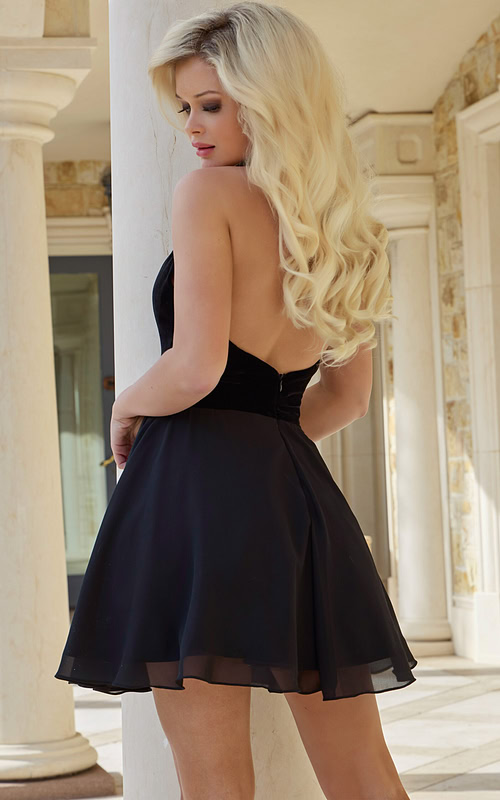
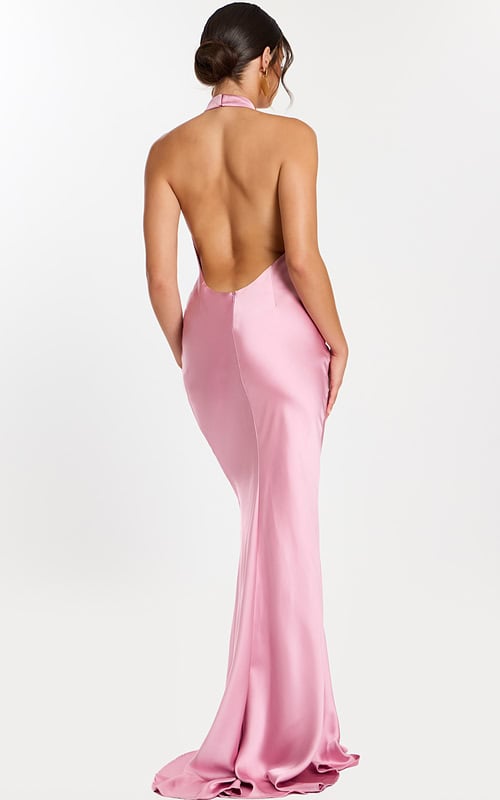
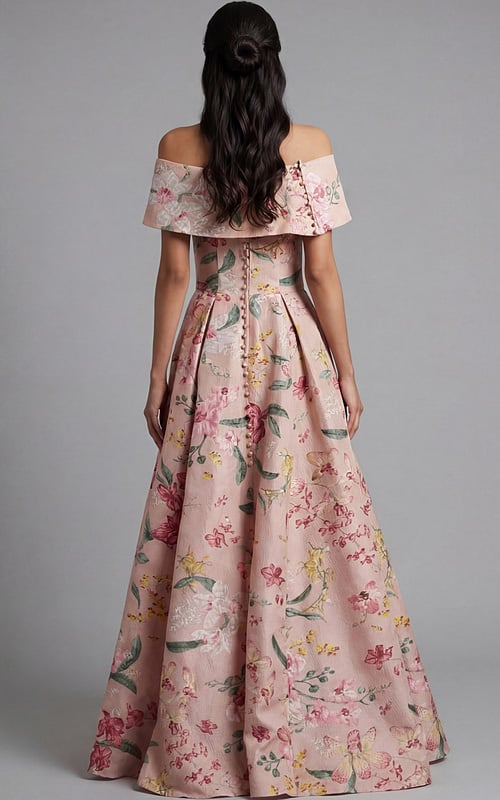
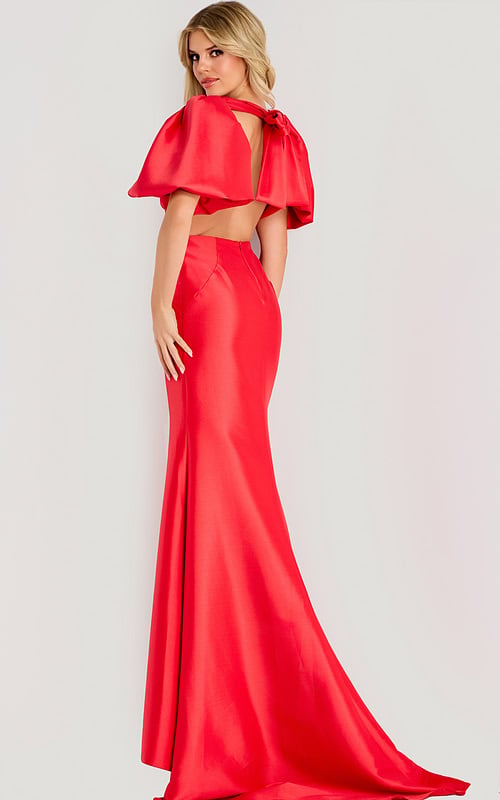
Open-back designs make a stronger statement, but a wedding guest gown still needs to feel secure. backless wedding guest outfits work best when straps, closures, waist placement, and internal structure keep the dress stable through the ceremony and reception. Jovani’s eveningwear approach is especially relevant here, where seam placement and support are as important as the visible neckline.
Fabrics and Colors for the Season
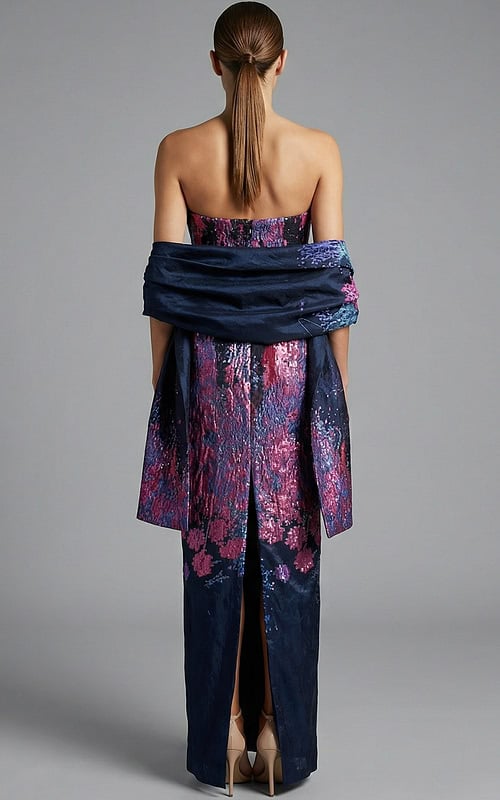
Fabric changes the character of wedding guest dresses as much as silhouette does. Satin has a smooth, light-reflecting surface that works particularly well for formal dinners and evening receptions. Crepe gives a wedding guest dress cleaner structure with a quieter finish, while chiffon adds movement that feels natural for spring, summer, garden, and destination weddings. Lace, jacquard, brocade, mesh, and floral appliqué introduce texture without requiring heavy accessories. Velvet has greater visual weight and is better suited to cooler months, while lightweight layered fabrics make wedding guest gowns easier to wear in warm-weather settings.
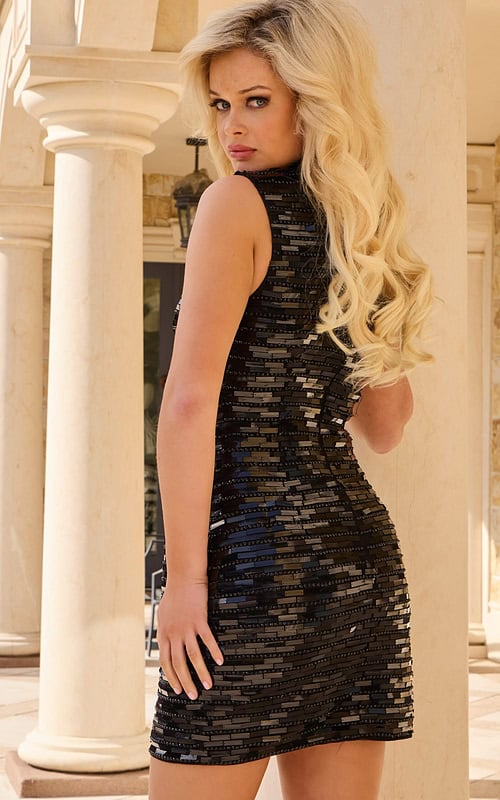
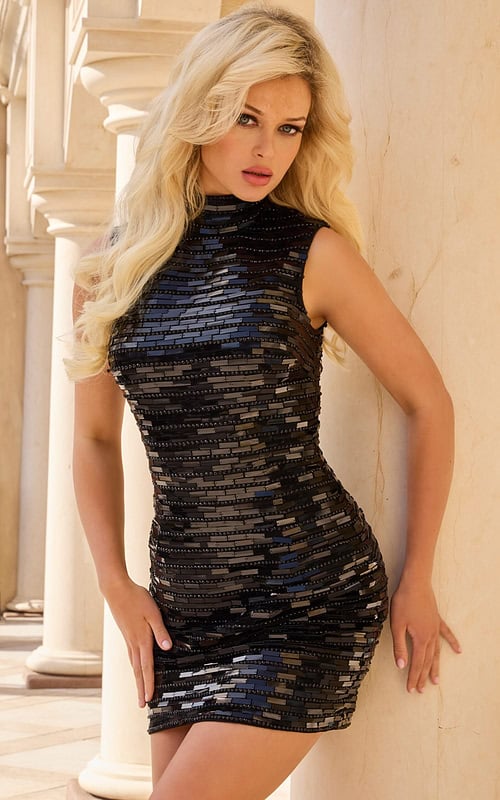
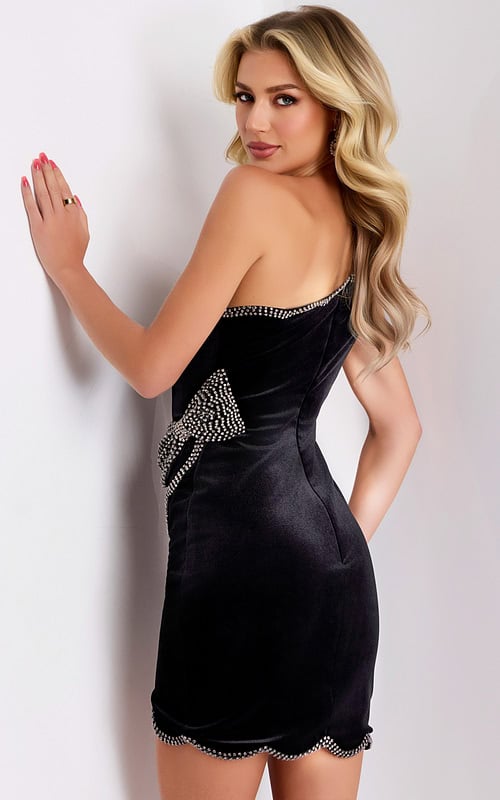
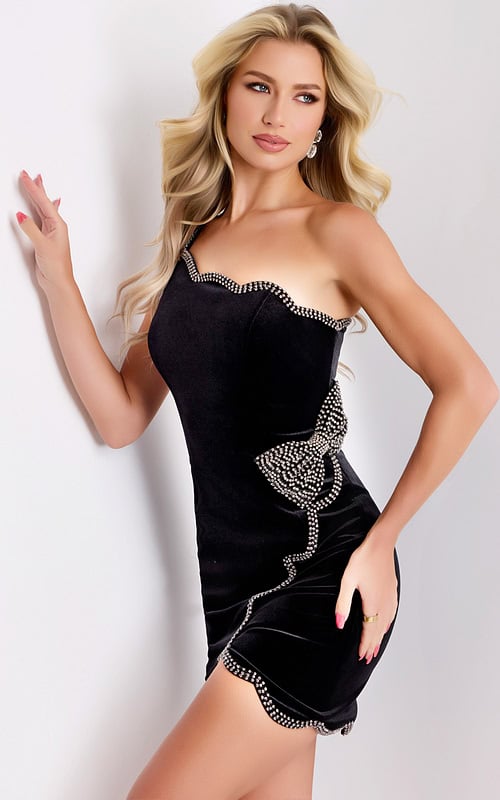
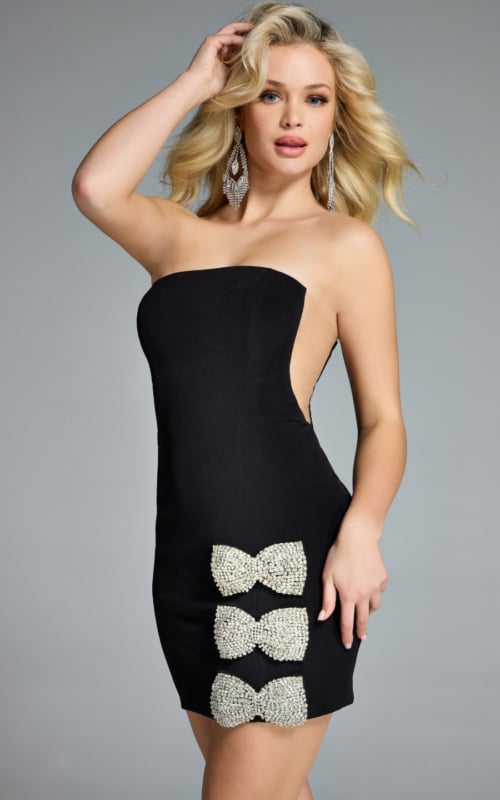
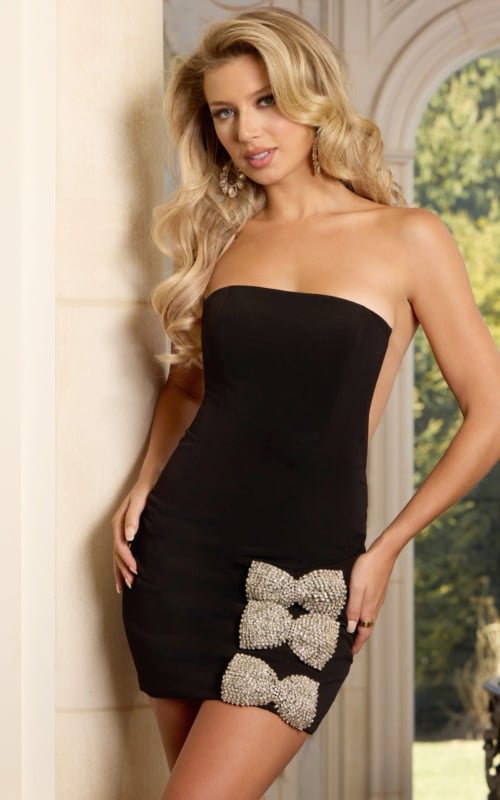
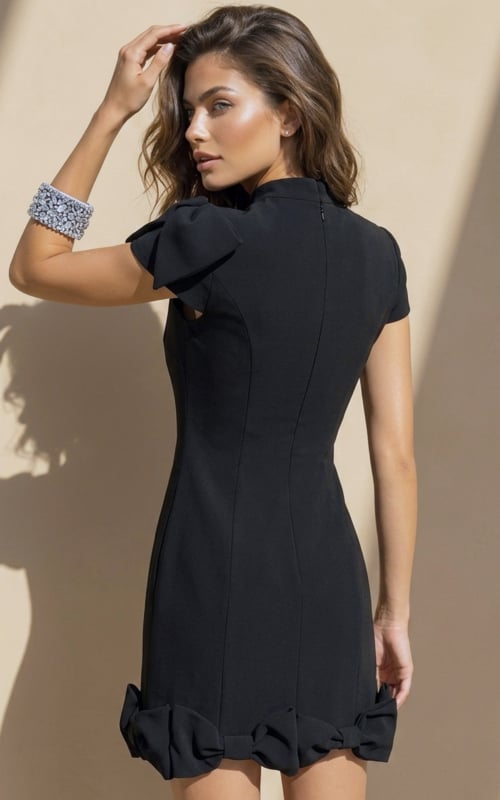
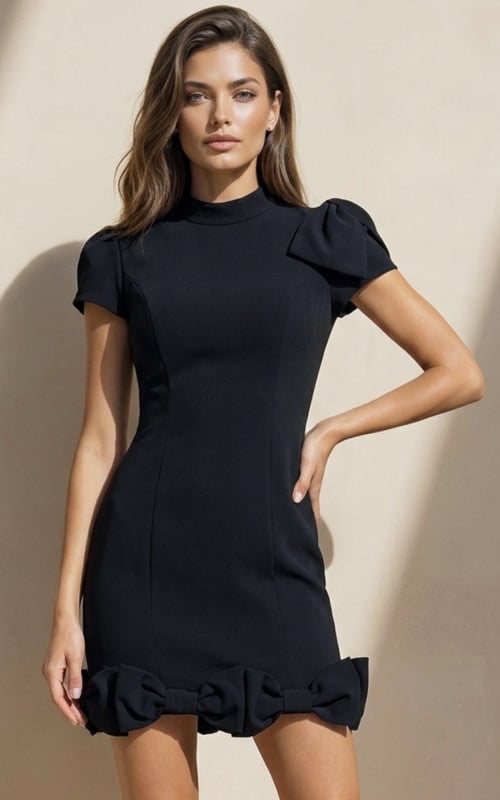
Color helps connect a dress to season and venue. Soft blue, lilac, blush, green, and floral prints suit daytime and warmer celebrations. Navy, emerald, burgundy, plum, chocolate, and black bring more depth to fall, winter, and evening weddings. Black wedding guest dresses are now a common choice for modern formal celebrations, particularly after dark, unless the invitation or cultural setting suggests otherwise. White, ivory, and shades that photograph close to bridal white require more caution. When choosing between colors, let the dress code, venue, season, and any guidance from the couple take priority over a passing trend.
Modern Details in Wedding Guest Gowns
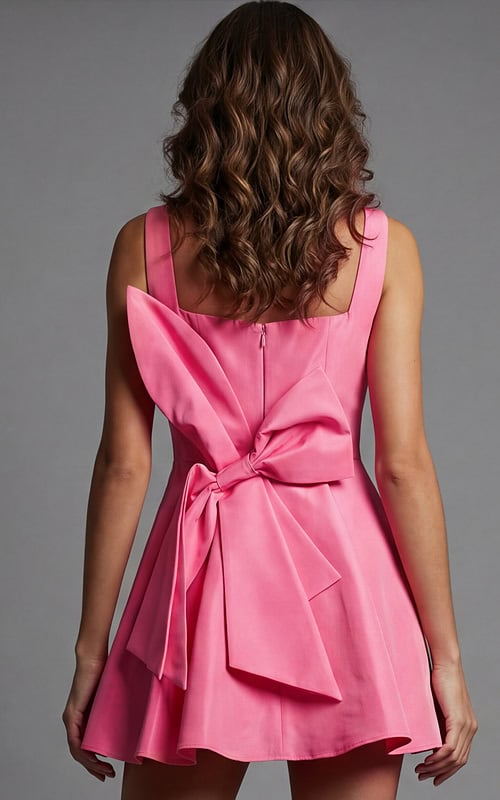
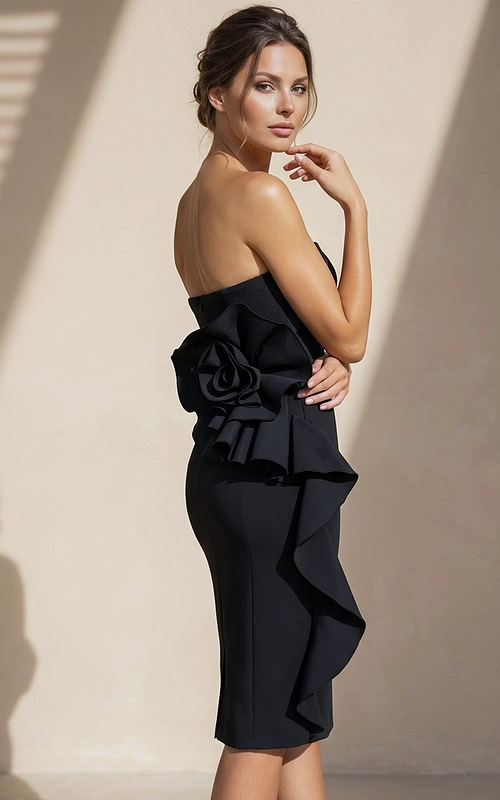
Current wedding guest gowns often focus on one clear design feature rather than combining several competing details. Draped necklines, sculpted floral accents, corset-inspired seams, asymmetrical shoulders, refined cutouts, bows, and streamlined column silhouettes can give a dress a contemporary point of view without making it feel overworked.
Embellishment works best when it supports the shape of the wedding guest dress. Beading and sequins can suit black-tie and evening weddings, particularly when paired with a clean silhouette. Floral texture works naturally for garden and spring ceremonies, while metallic finishes and deeper jewel tones feel more at home at evening receptions.
Accessories can then follow the dress rather than compete with it. A strong neckline may need little more than earrings, while a detailed fabric usually works better with a simpler shoe and clutch. With Jovani, modern detailing is supported by the construction underneath it, helping the silhouette hold its intended shape through an extended formal event.
Choose a Wedding Guest Dress You Can Wear Again
A designer wedding guest dress becomes more useful when it can move beyond one invitation. A well-cut satin column, crepe midi, floral A-line, or restrained evening gown can return for formal dinners, engagement parties, galas, holiday events, and other celebrations simply by changing shoes, jewelry, or outerwear. When comparing wedding guest gowns, look beyond the first impression. Consider whether the fabric works across more than one season, whether the neckline allows different styling, and whether the silhouette can accommodate minor alterations without losing its proportions. Versatile colors such as navy, black, deep green, wine, and softer metallics can also make repeat wear easier.
For a wedding guest gown that will remain useful beyond one event, construction matters too. Lining, secure closures, clean seams, and fabric with enough recovery can help a dress maintain its shape after several hours of wear and make future styling more practical. Start with the dress code and preferred length, then narrow the selection by silhouette, fabric, neckline, and color. This keeps the search focused and makes it easier to compare wedding guest dresses that suit both the setting and the way you want the dress to fit.

 Black Wedding Guest Dresses
 Blue Wedding Guest Dresses
 Red Wedding Guest DressesGreen Wedding Guest DressesPurple Wedding Guest Dresses