Wedding Guest Dresses for Different Dress Codes
Choosing between wedding guest dresses starts with the dress code on the invitation. A black-tie wedding generally calls for a floor-length gown with a more refined fabric and finish, while cocktail attire leaves room for midi, knee-length, and shorter silhouettes. For a daytime garden or destination wedding, lighter fabrics and less structured shapes can feel more natural for the setting.
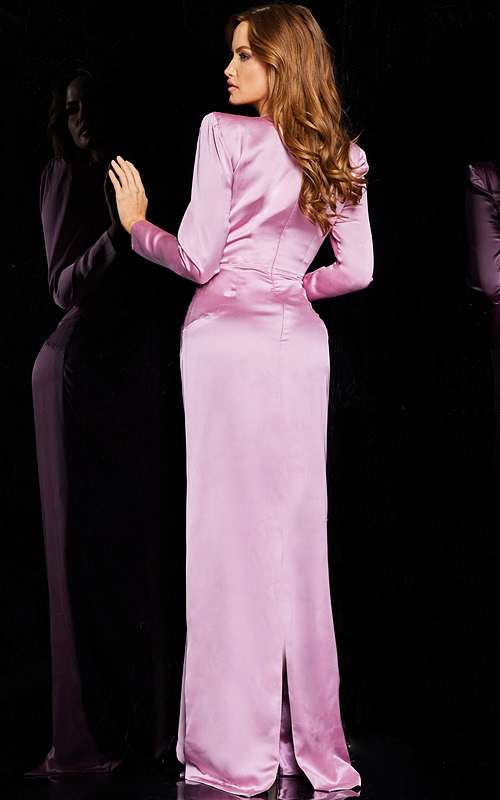
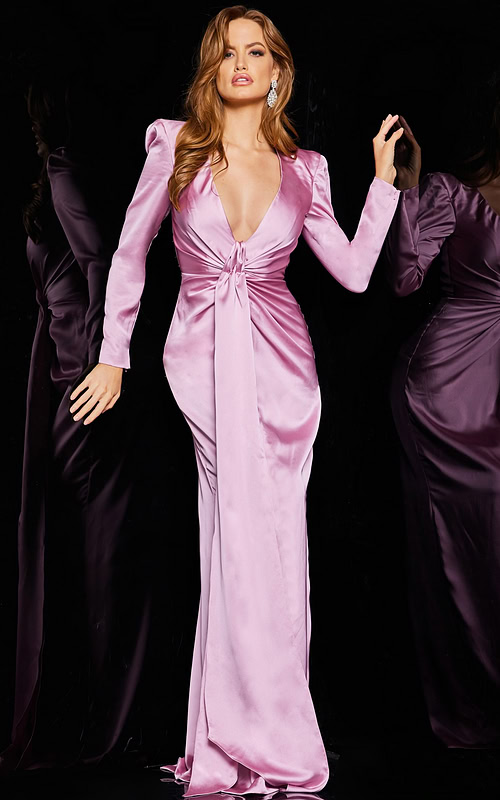
Length is only part of that decision. Fabric weight, construction, and embellishment can change how formal a dress feels. Satin has a smooth surface and defined drape that works well when the setting calls for a polished look. Chiffon creates softer movement and is easier to wear in warm weather, while crepe can provide a cleaner line with enough structure to define a fitted silhouette.
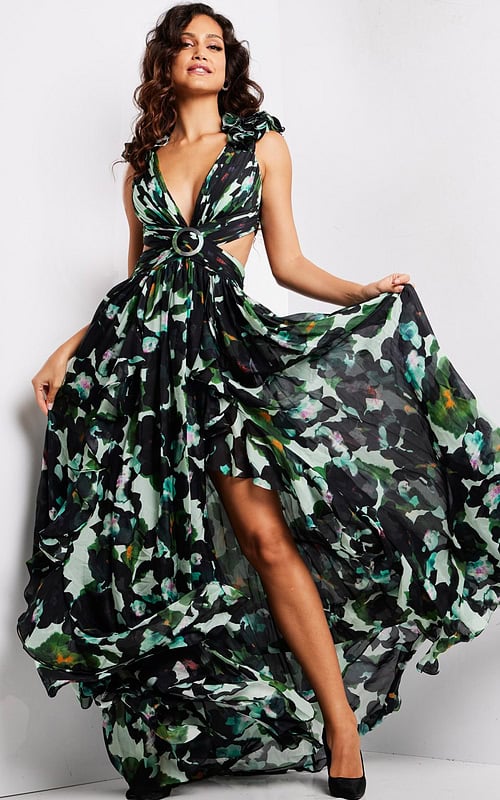
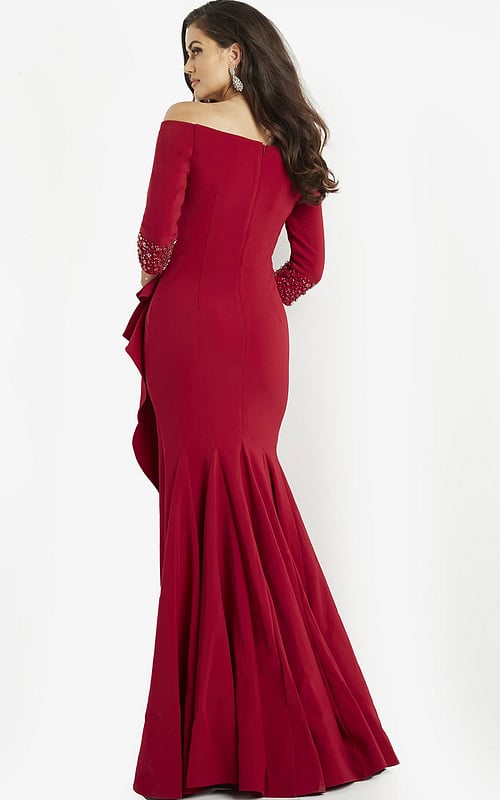
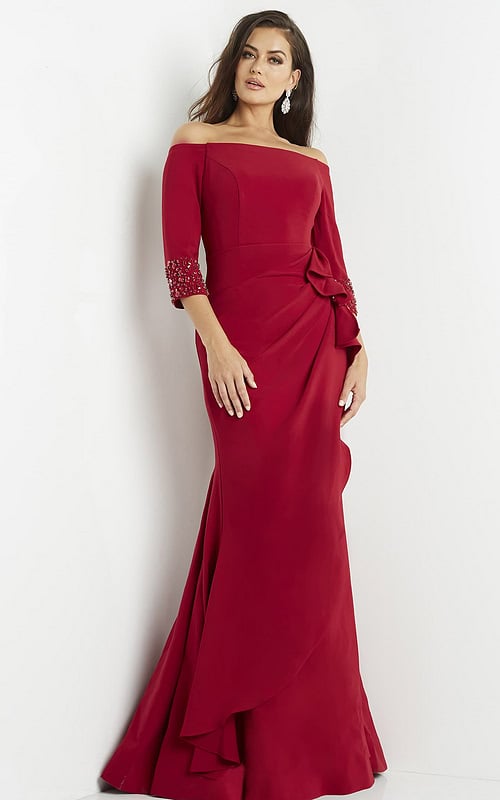
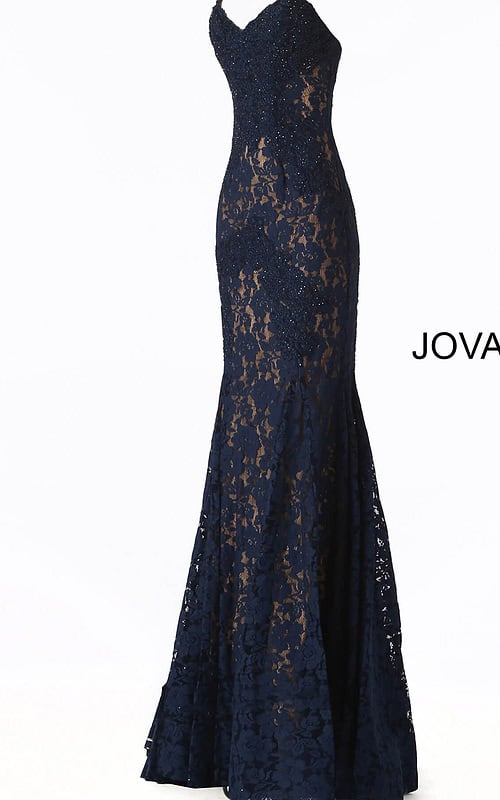
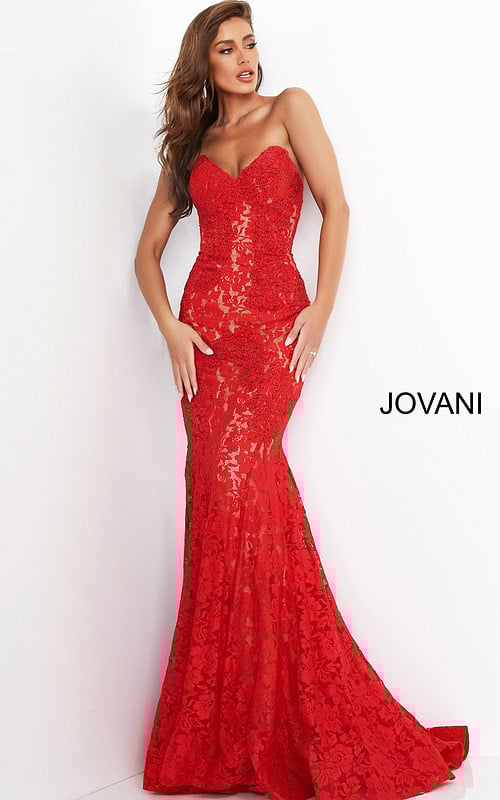
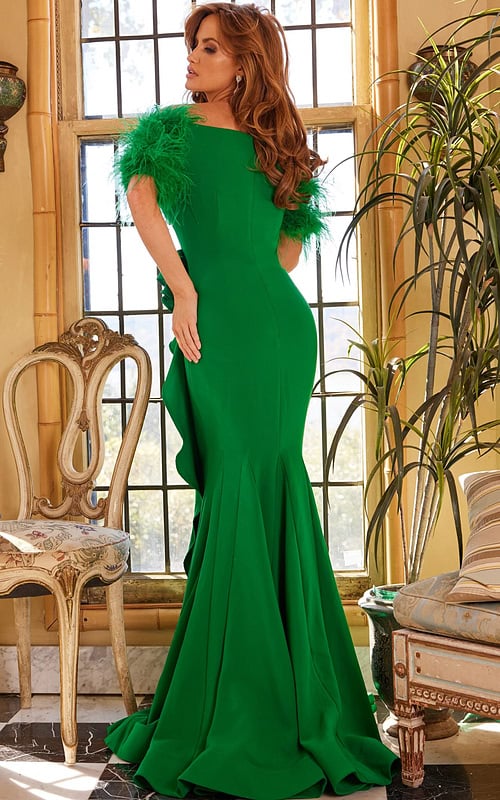
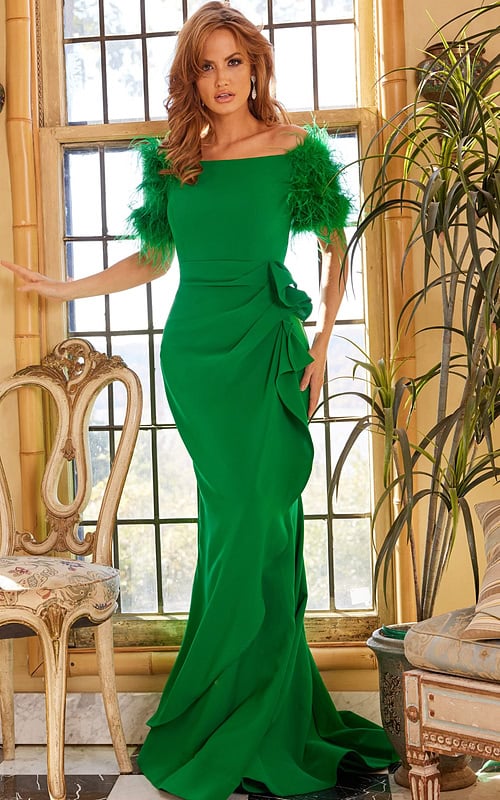
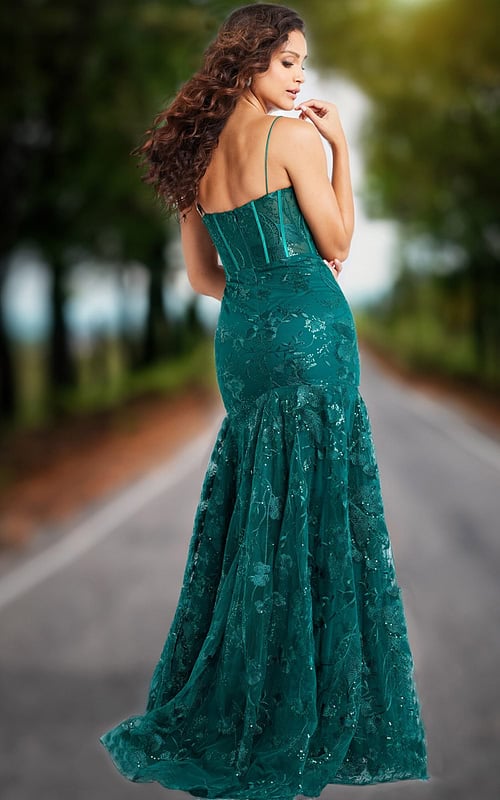
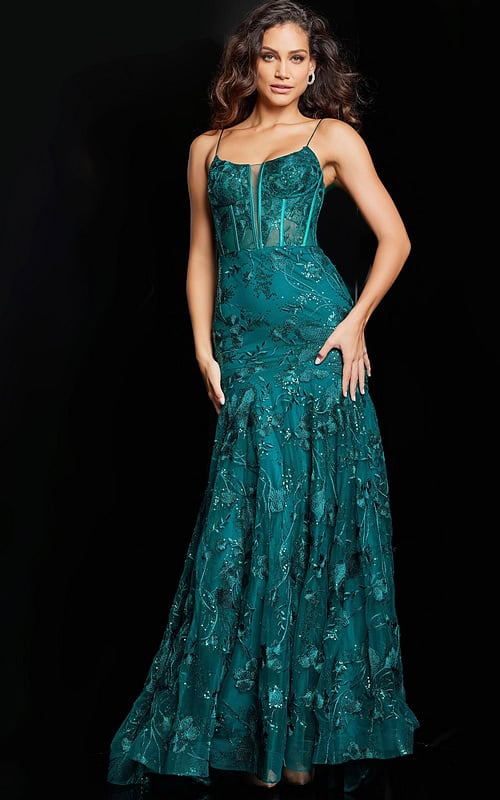
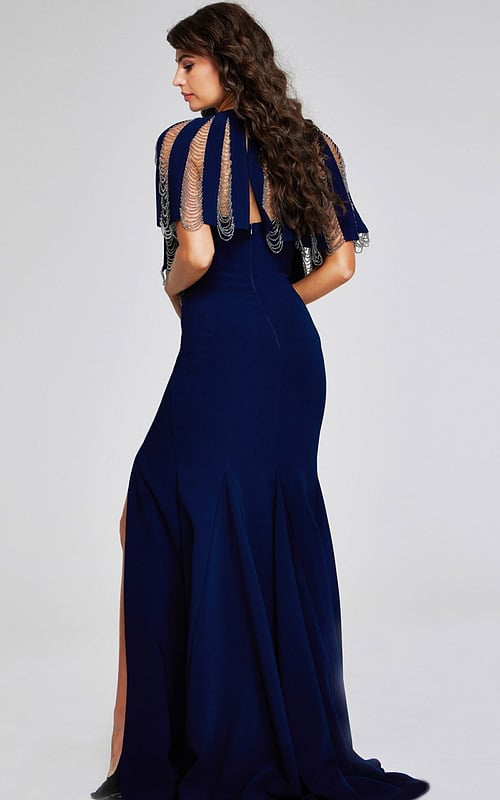
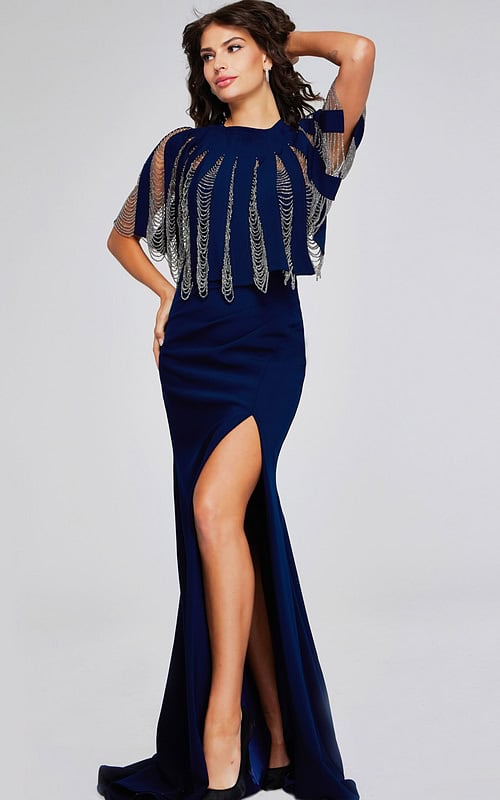
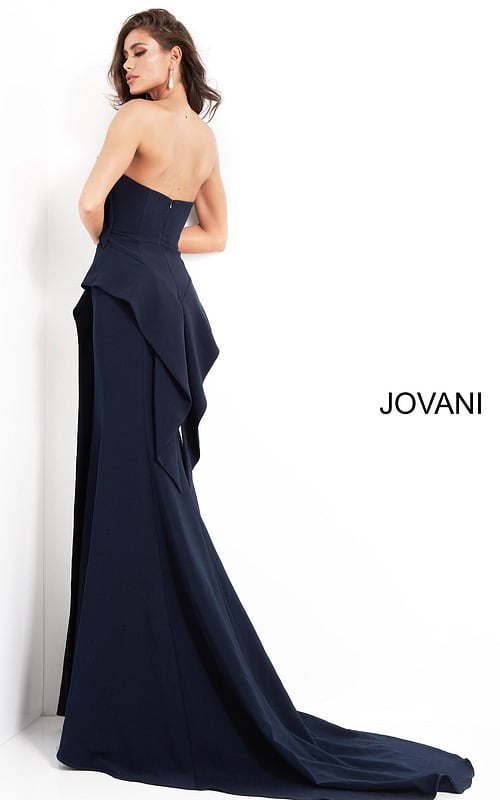
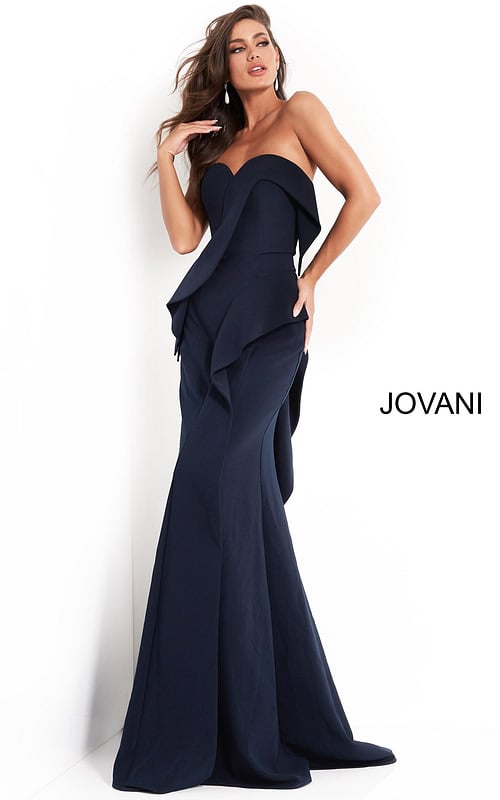
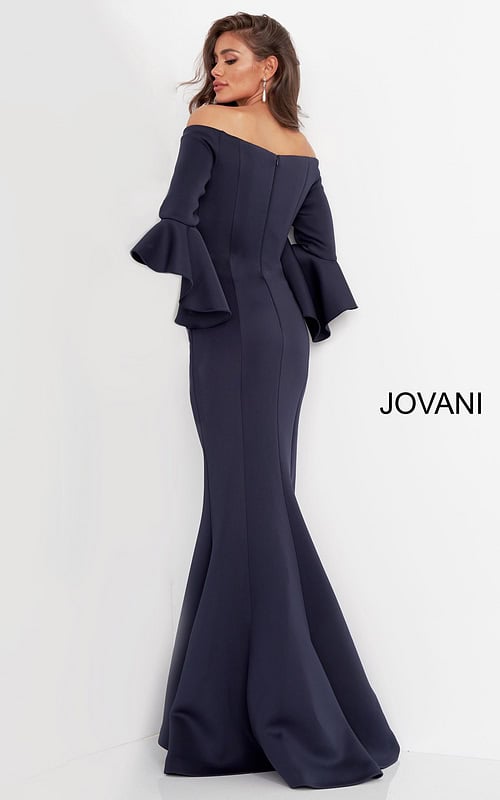
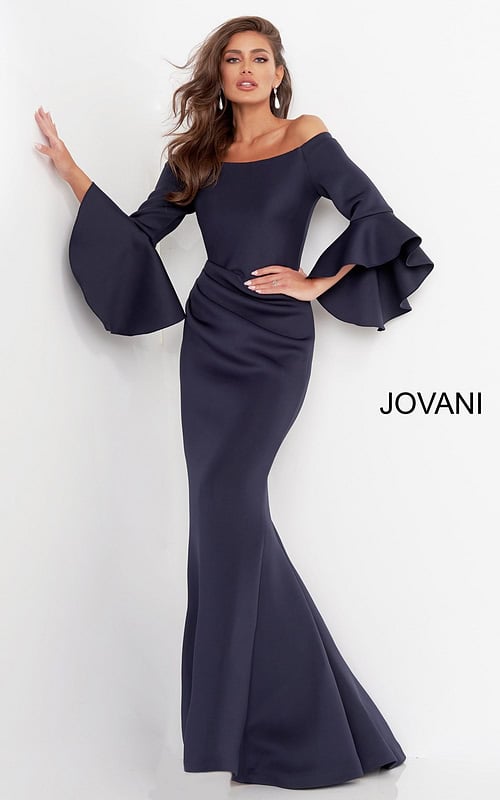
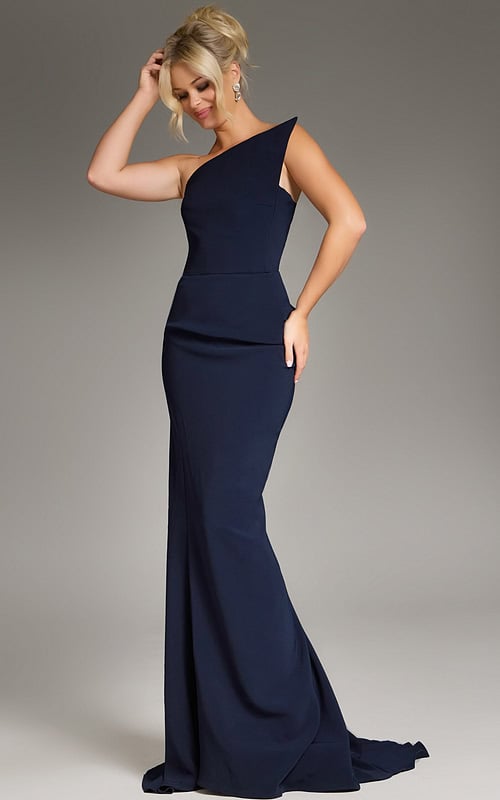
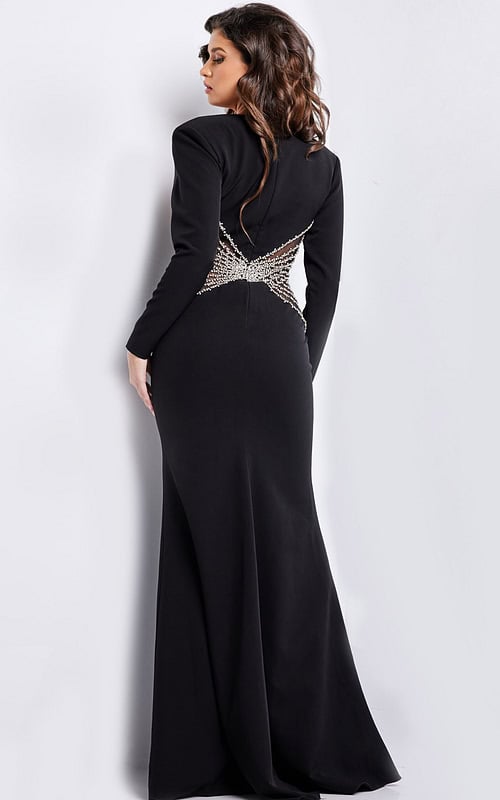
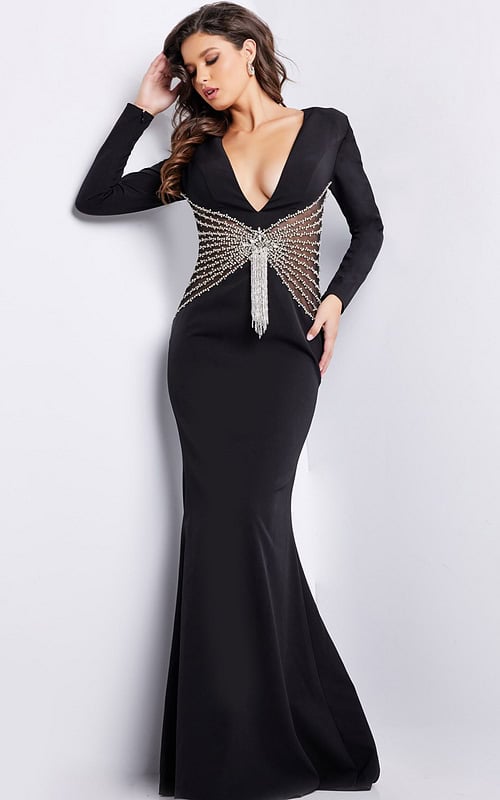
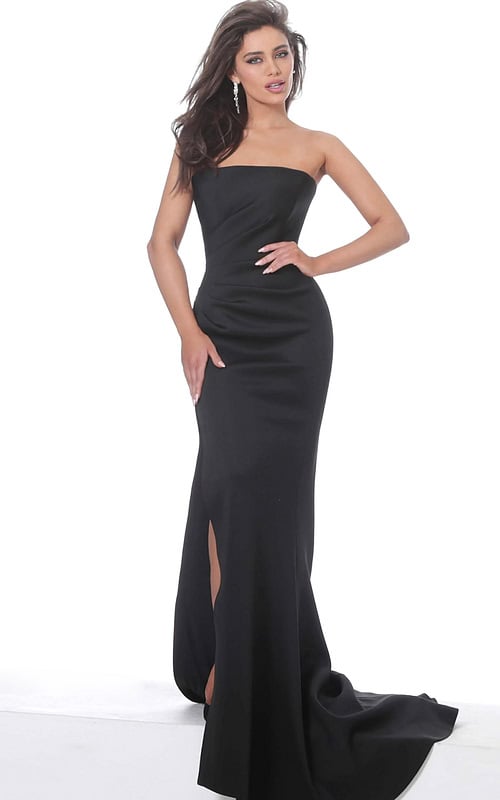
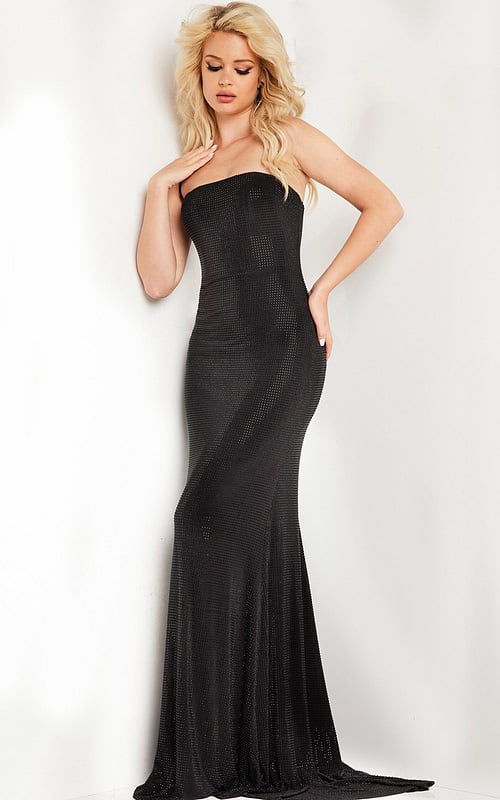
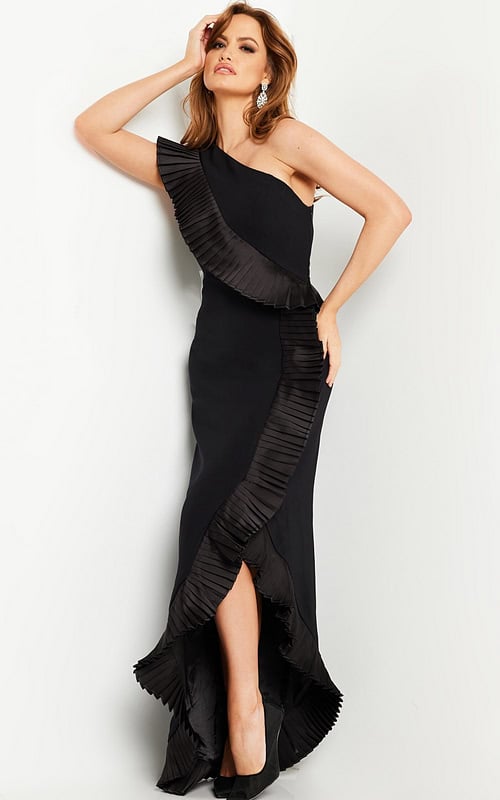
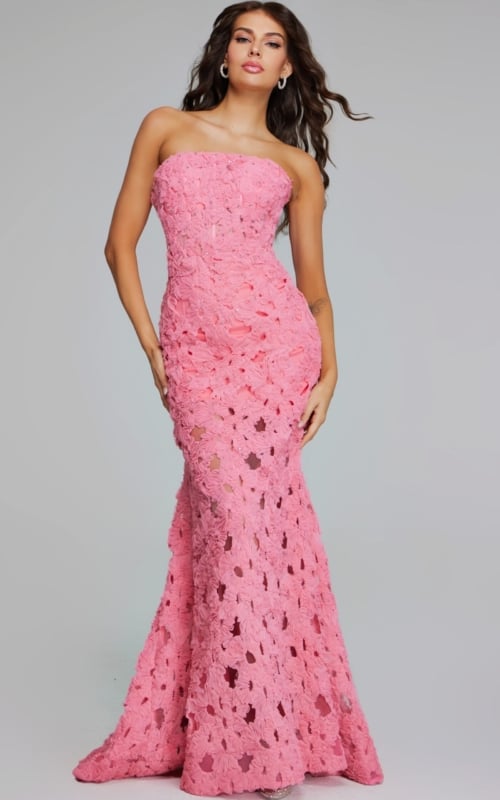
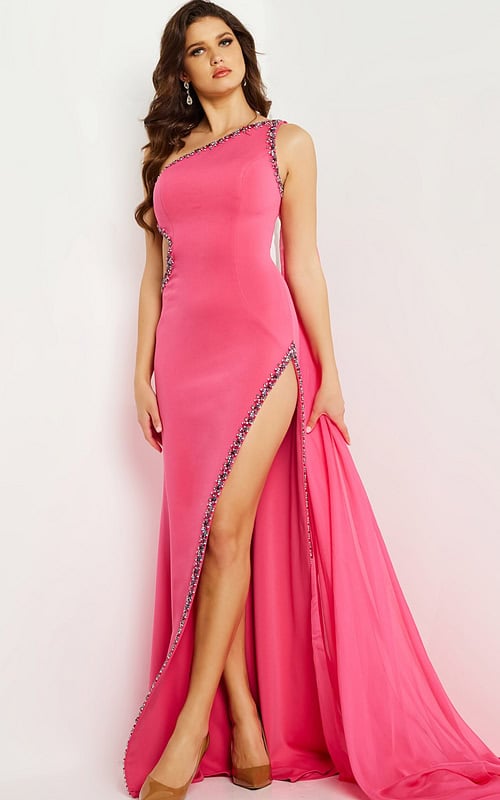
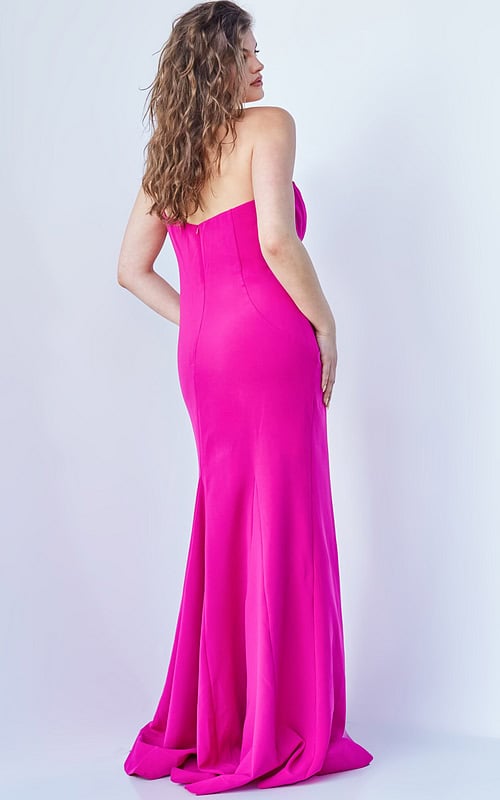
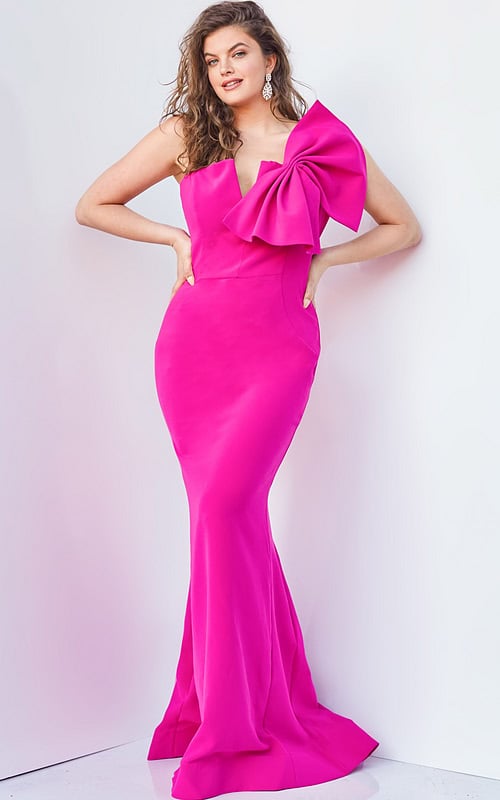
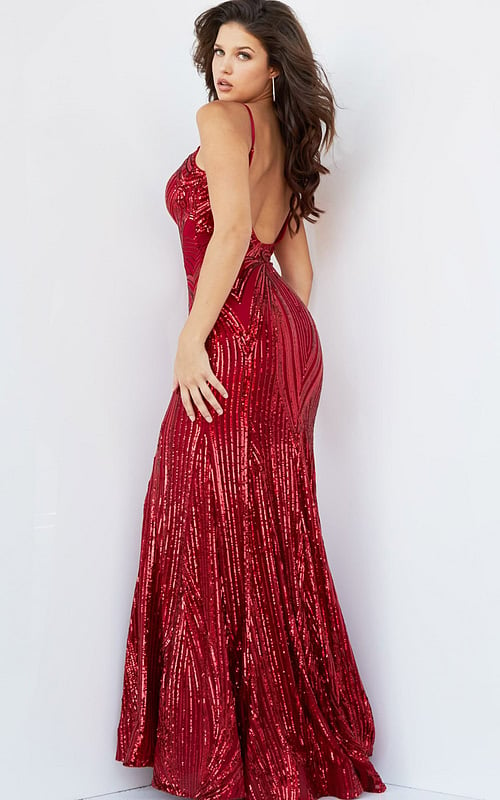
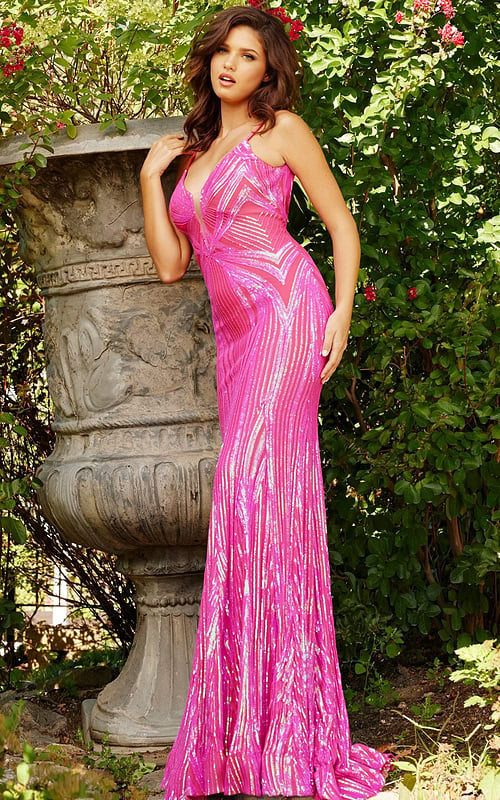
For the most formal invitations, long wedding guest gowns give you the coverage and proportions expected at a black-tie or formal wedding. Look at the skirt as well as the overall length: an A-line gown gives you more room through the hips and legs, while a fitted wedding guest gown follows the body more closely and may require stretch, a back slit, or another construction detail to make sitting and dancing comfortable.
Shorter Dresses for Cocktail and Daytime Weddings
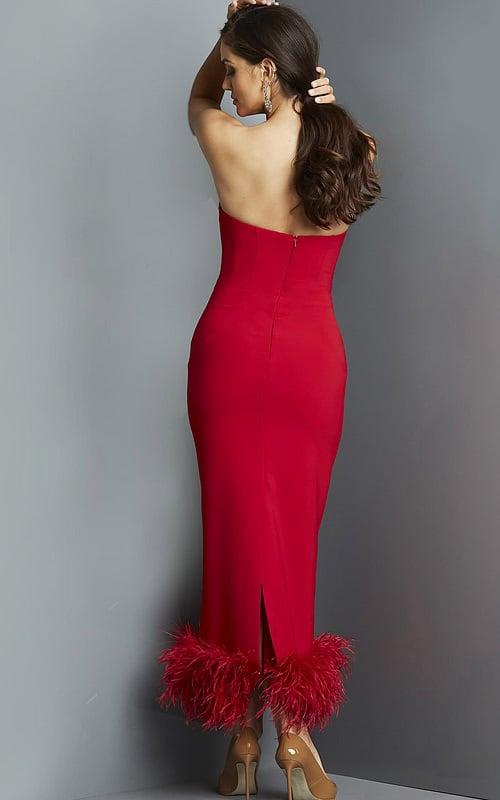
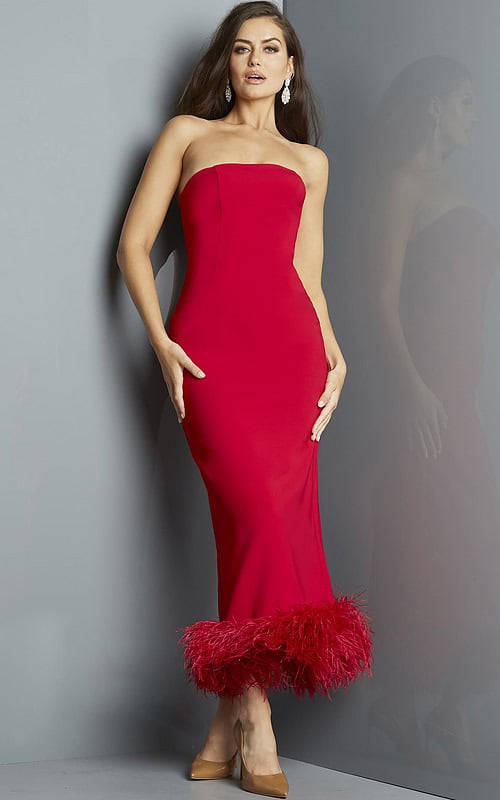
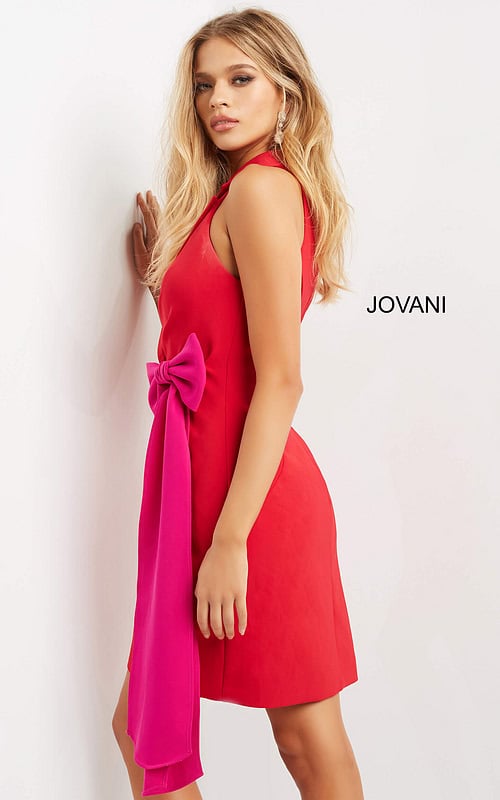
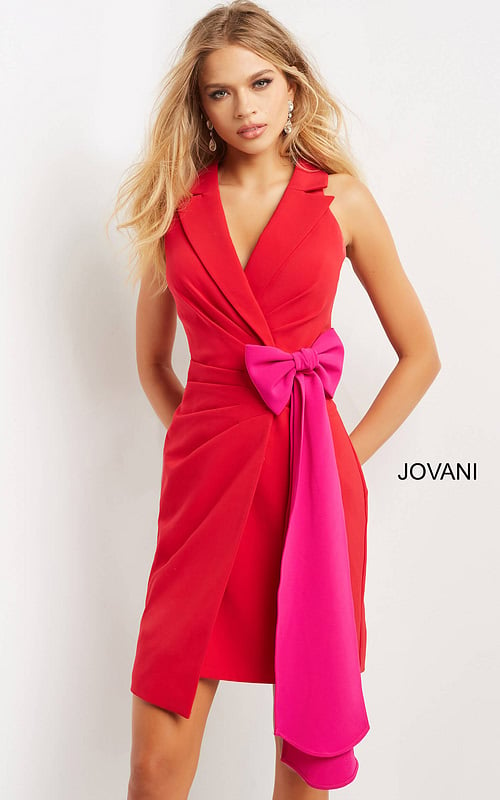
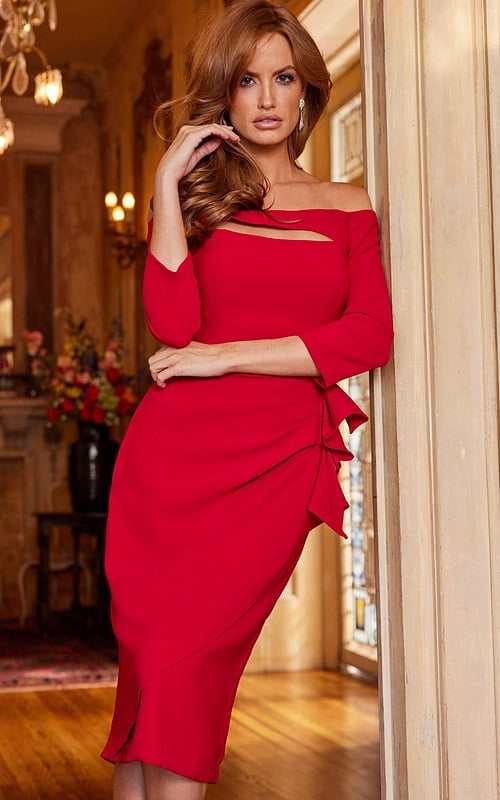
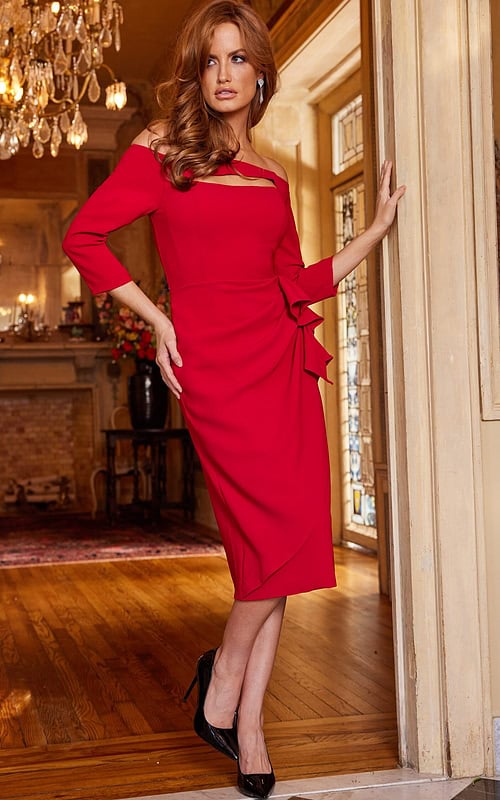
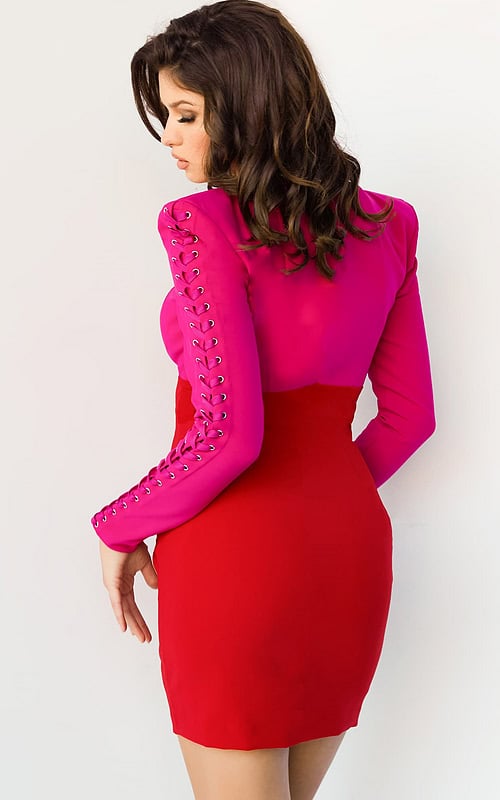
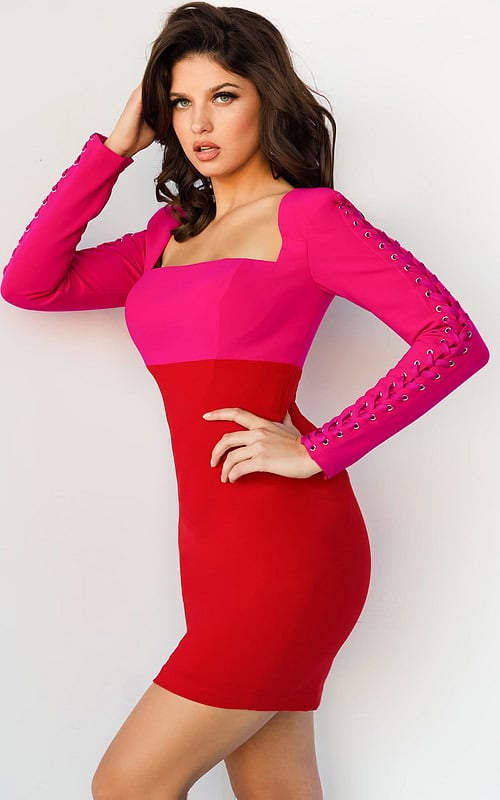
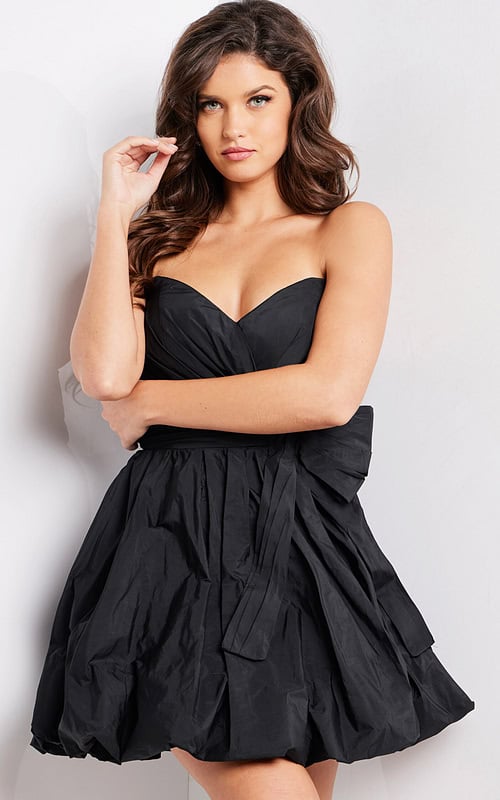
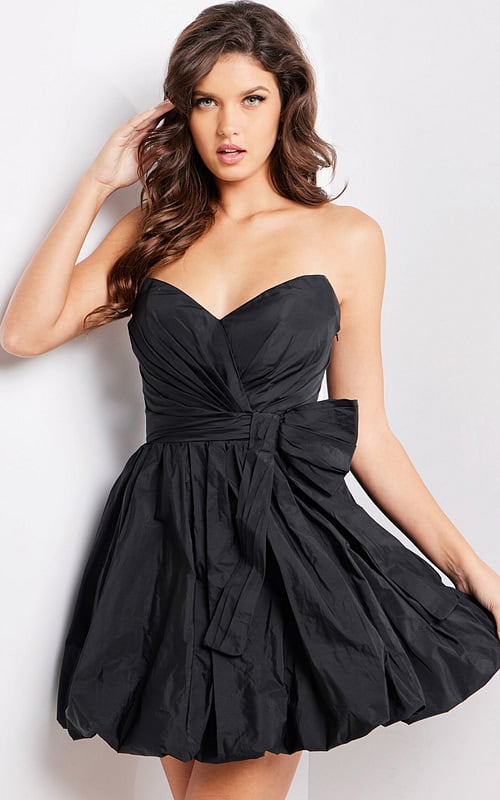
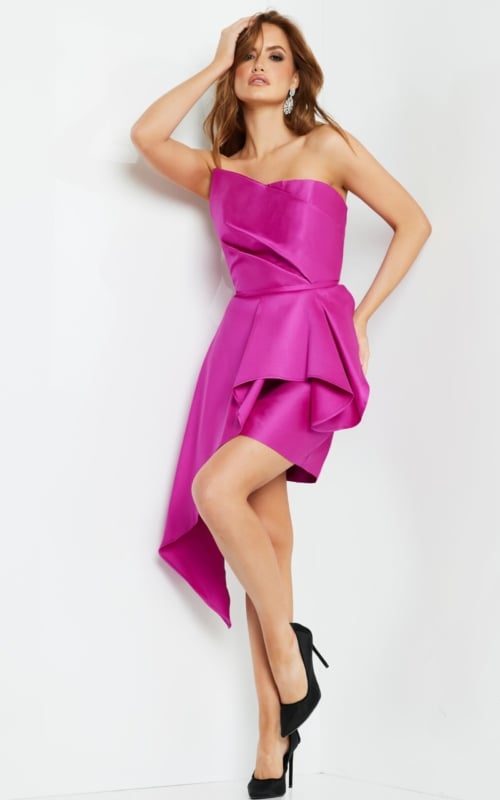
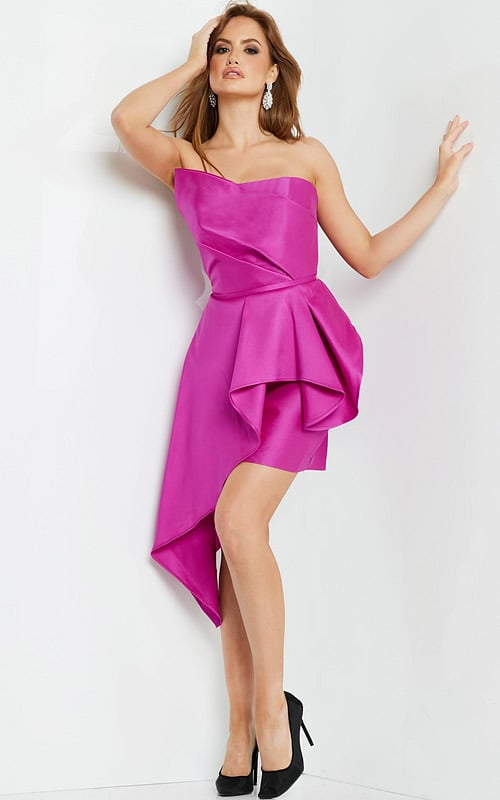
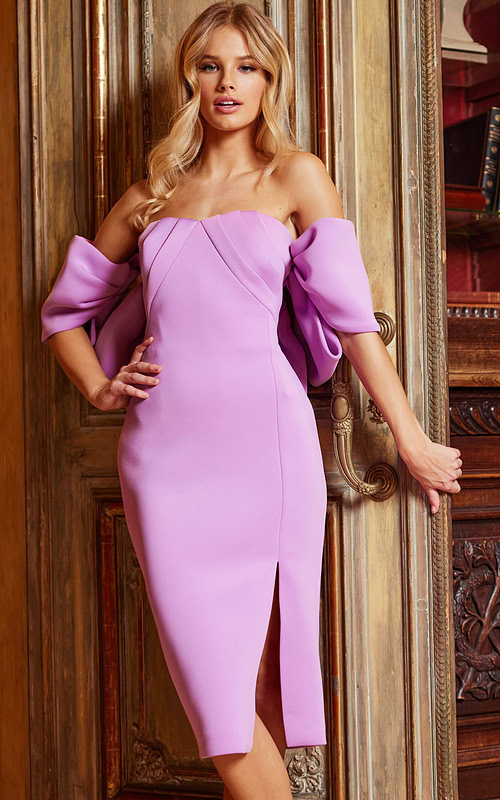
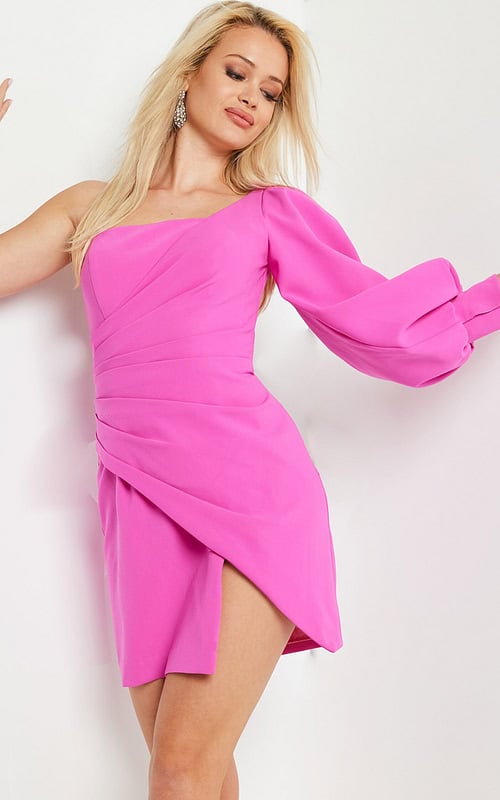
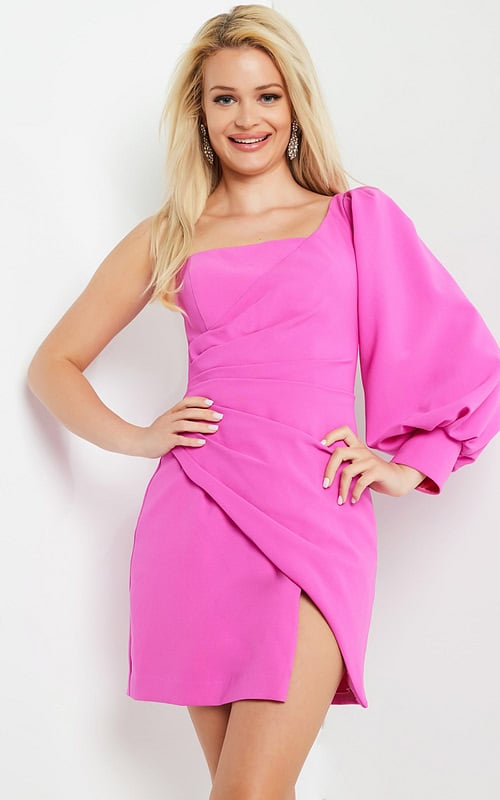
A shorter hemline can work particularly well for cocktail dress codes, daytime ceremonies, and weddings where a floor-length gown would feel too formal. Rather than choosing by length alone, compare how the skirt, neckline, and fabric work together.
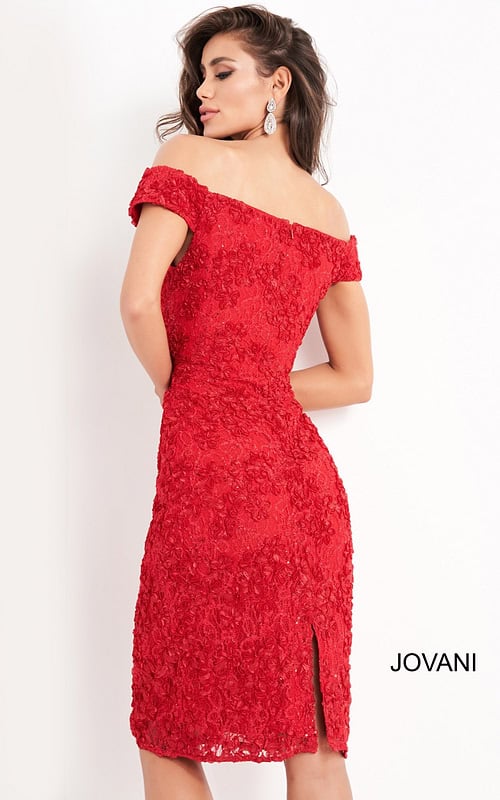
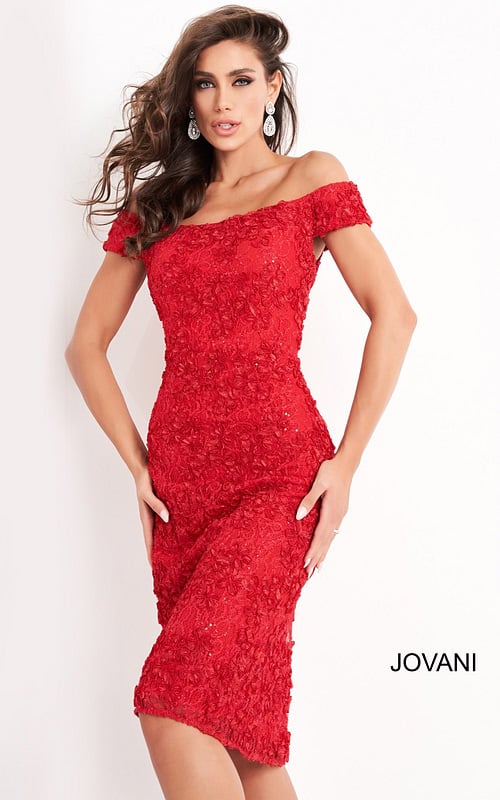
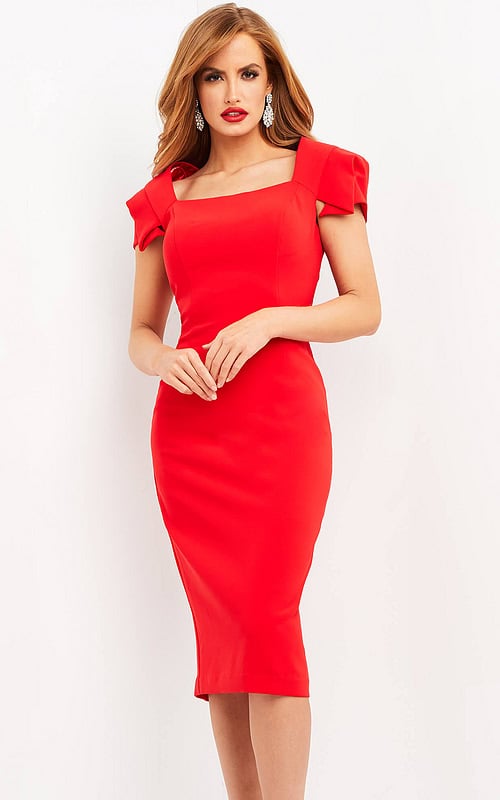
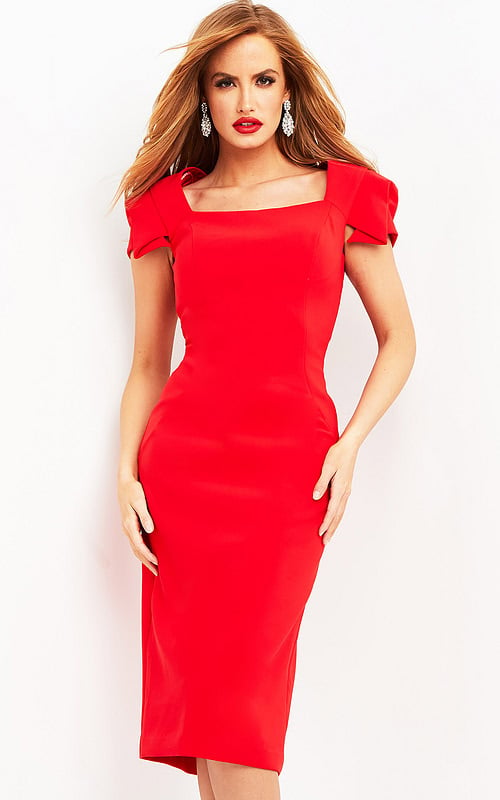
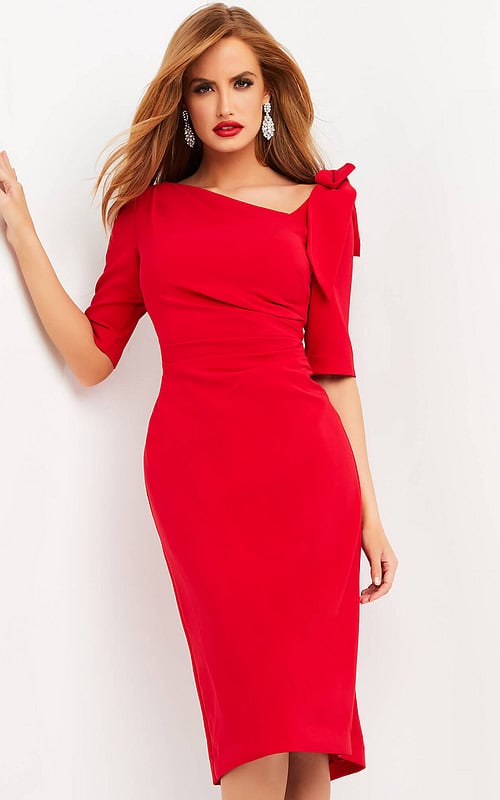
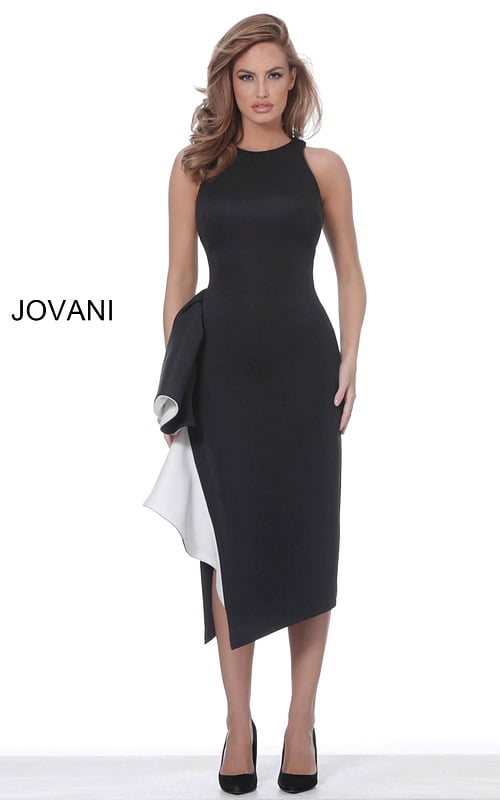
A structured mini in satin or crepe will usually hold its shape more clearly, while a softer A-line dress allows more movement. Midi and knee-length silhouettes provide additional coverage without the formality of a full-length gown. When browsing short wedding guest dresses, consider where the hem falls on your leg and how the dress feels when you sit as well as when you stand.
Balance can also make a shorter wedding guest dress easier to wear. A higher neckline, wider straps, or a structured bodice can offset a shorter hem, while ruching and strategically placed seams can shape the waist without requiring a heavily fitted skirt. For an outdoor wedding, think about movement before choosing a very light or full mini skirt. A slightly heavier fabric, lining, or a closer-cut silhouette may be easier to manage in an open-air venue.
Choosing a Silhouette That Fits and Moves Well
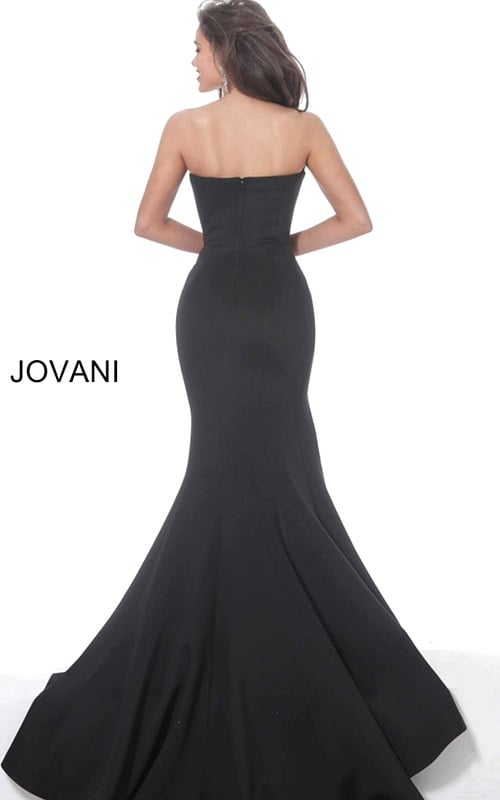
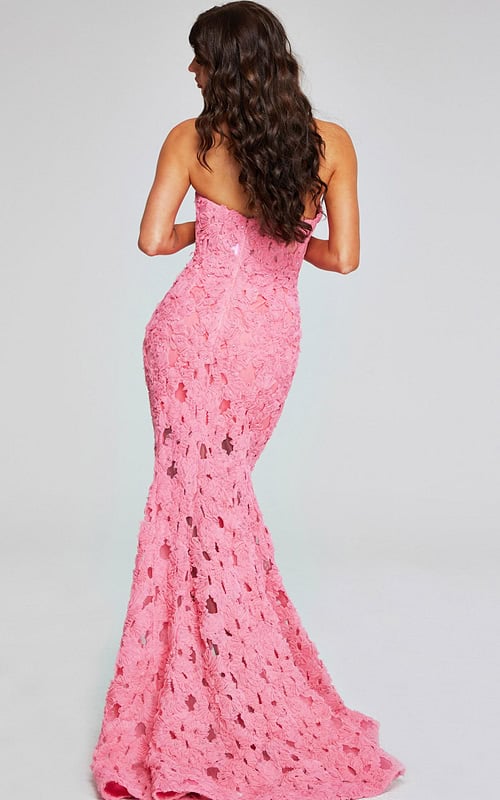
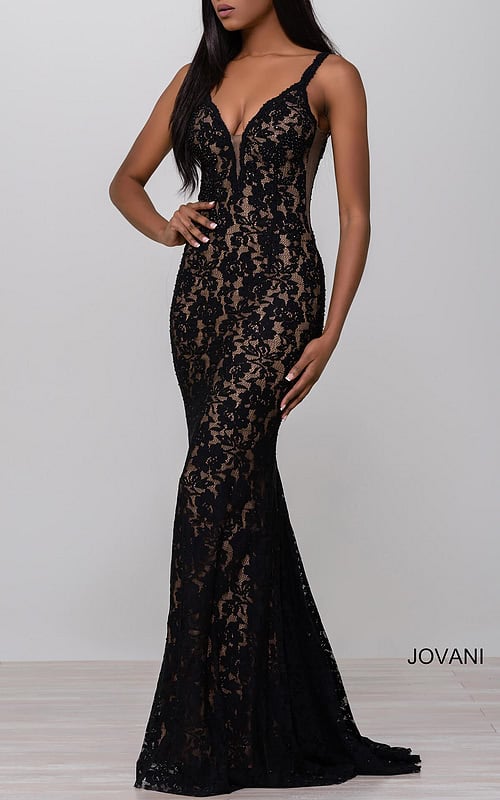
A dress can look right standing still and feel completely different once you walk, sit, or dance. That makes silhouette and construction especially important when comparing wedding guest gowns. A-line dresses provide space through the hip and skirt and are useful if unrestricted movement is a priority. Column and sheath silhouettes create a straighter line but should have enough ease or stretch through the hip. Mermaid shapes fit more closely through the torso and upper leg before opening toward the hem, so check where the flare begins and whether the skirt gives you a comfortable stride.
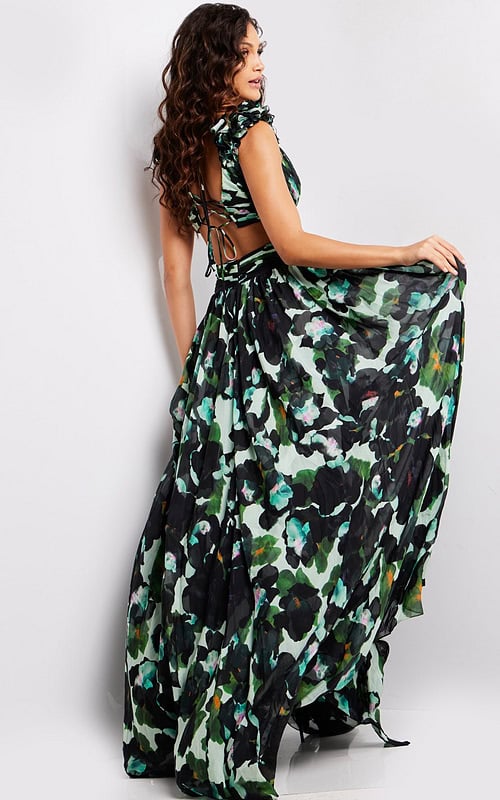
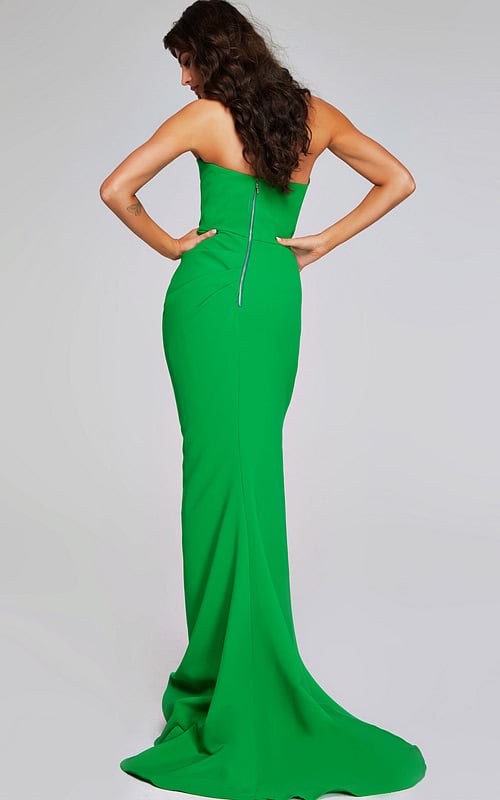
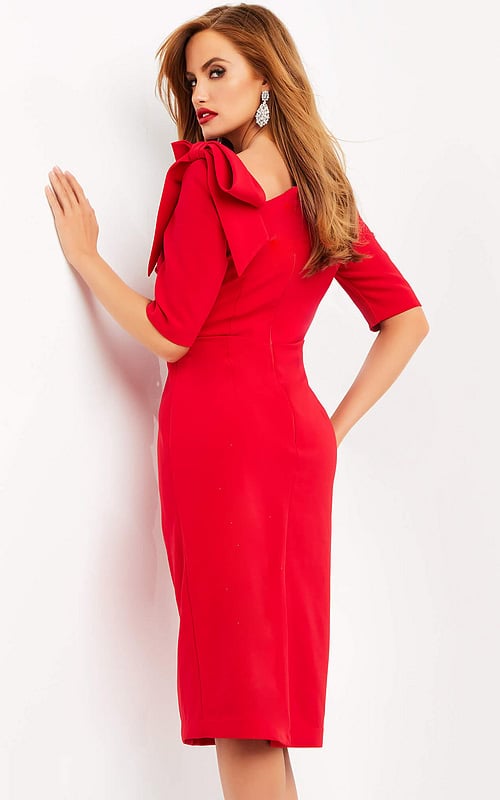
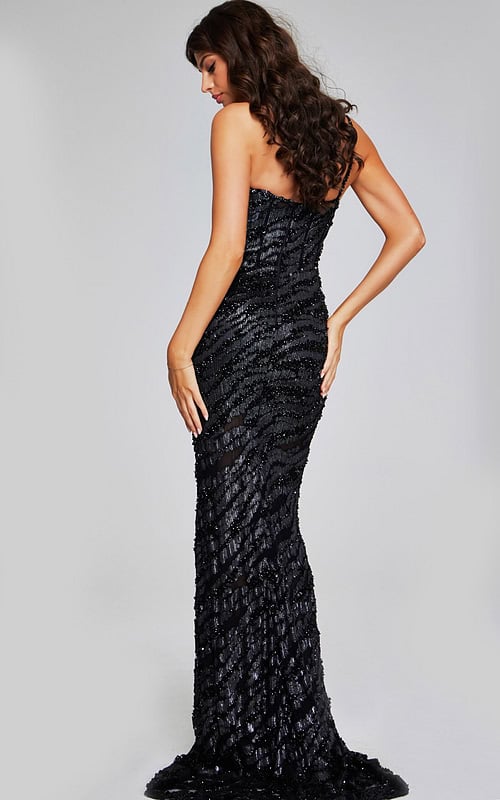
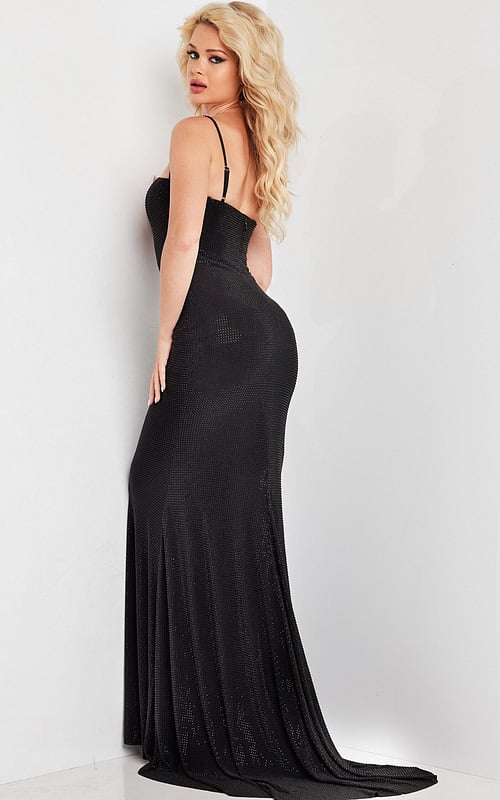
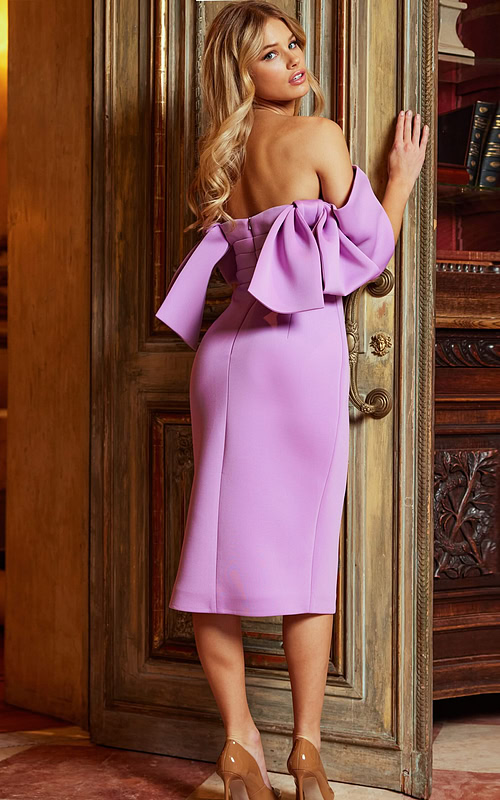
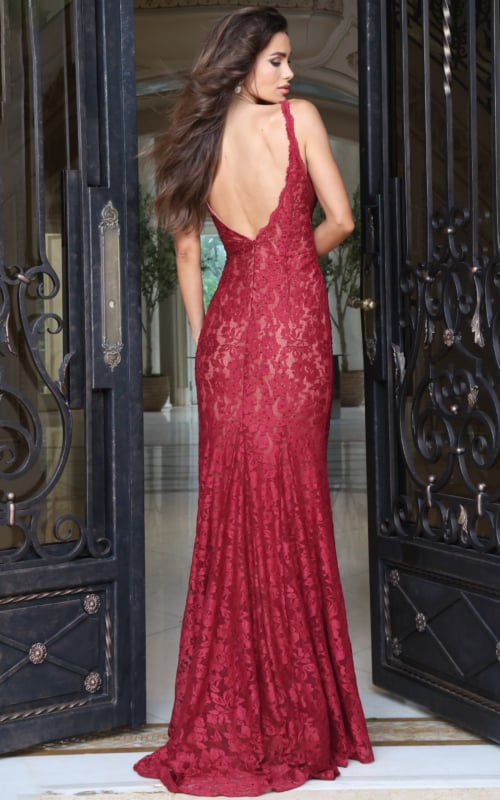
Stretch can make a fitted style easier to wear, but it does not replace correct sizing. A dress that pulls horizontally across the hip or causes seams to shift is likely too tight even if the fabric stretches. With non-stretch satin or structured crepe, darts, princess seams, ruching, and panel construction become more important because they determine how the garment follows the body. Back construction matters too. backless wedding guest dresses can reduce your options for a standard bra, so compare the depth of the back with the support built into the bodice. A fitted waist, secure straps, or internal structure can make an open-back design feel more stable throughout the wedding.
Necklines, Sleeves, and Bodice Support
The neckline changes more than the appearance of a wedding guest dress; it also affects support and how securely the bodice sits on the body. Strapless styles depend more heavily on internal construction and a close bodice fit. Sweetheart necklines shape the bust while leaving the shoulders open, and V-necks create a longer visual line through the upper body.
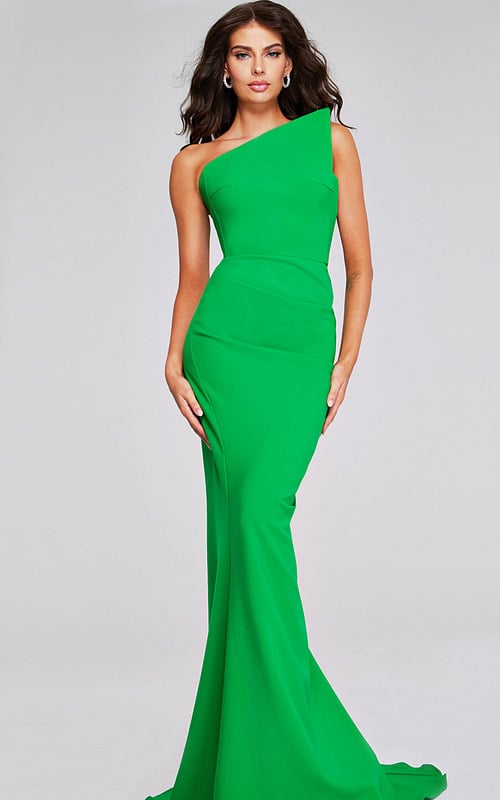
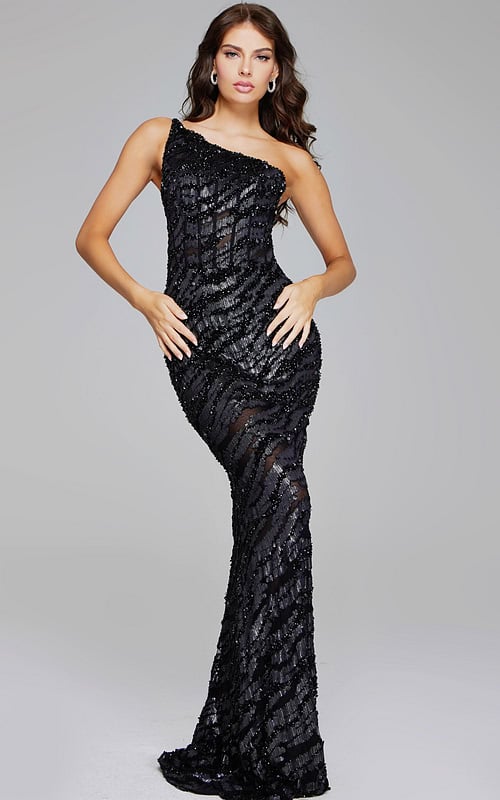
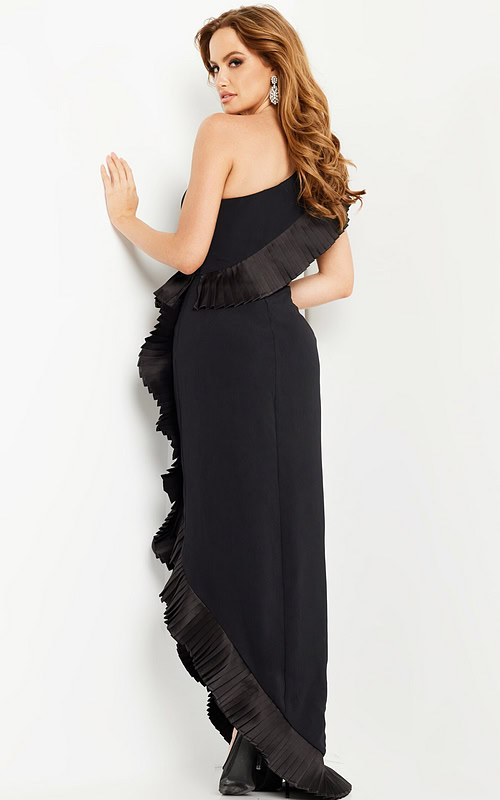
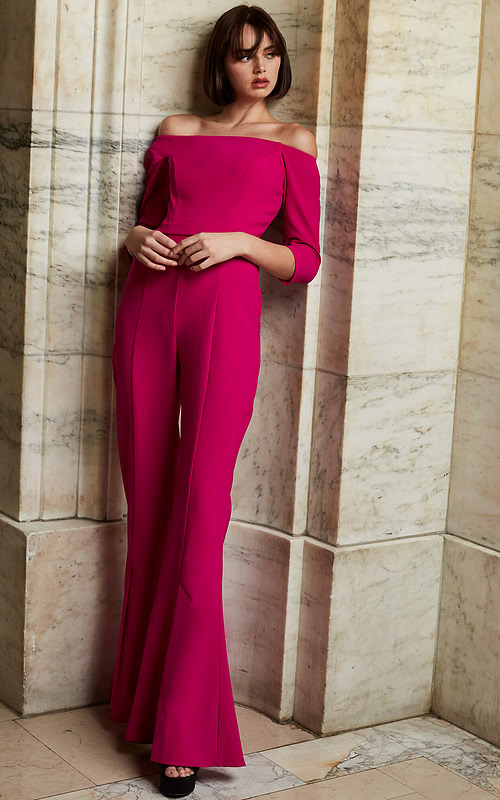
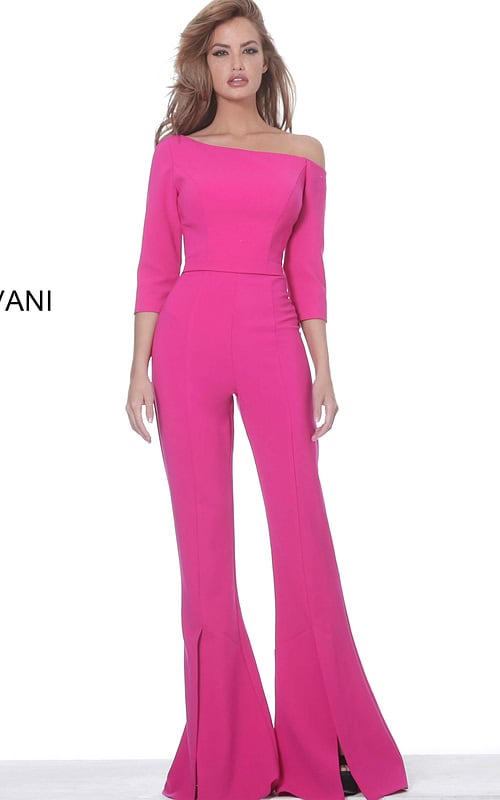
One-shoulder and halter designs shift support toward the shoulder or neck, while sleeveless styles can provide a cleaner, simpler upper silhouette. When considering sleeveless wedding guest gowns, look at strap width, armhole placement, and bodice structure rather than treating all sleeveless dresses as the same fit.
Lining is another detail worth checking. A lined bodice can provide a smoother fit and more coverage, particularly with lighter fabrics. In fitted styles, lining may also help the outer fabric sit cleanly over the body. With chiffon, layers and lining prevent the dress from becoming too sheer while preserving the fabric’s fluid movement. If you plan to wear the dress for a long ceremony and reception, choose a neckline you will not need to repeatedly adjust. The right design should stay in position when you sit, raise your arms, and move.
Color and Fabric Through the Wedding Seasons
Season can help narrow the selection, but fabric behavior matters more than following a fixed seasonal color rule. Spring and summer weddings often suit chiffon, lightweight satin, floral fabrics, and brighter or softer colors because these materials move easily and can feel less heavy in warm weather. For fall and winter weddings, richer colors and fabrics with more body can work well, particularly for indoor receptions and formal dress codes.
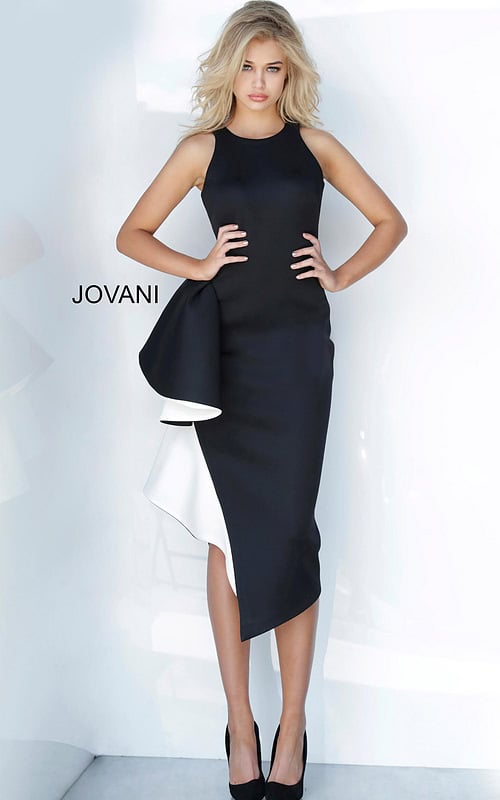
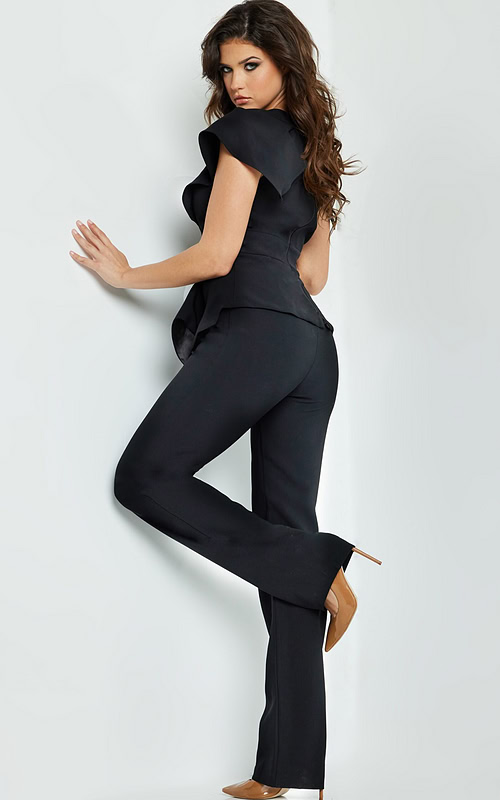
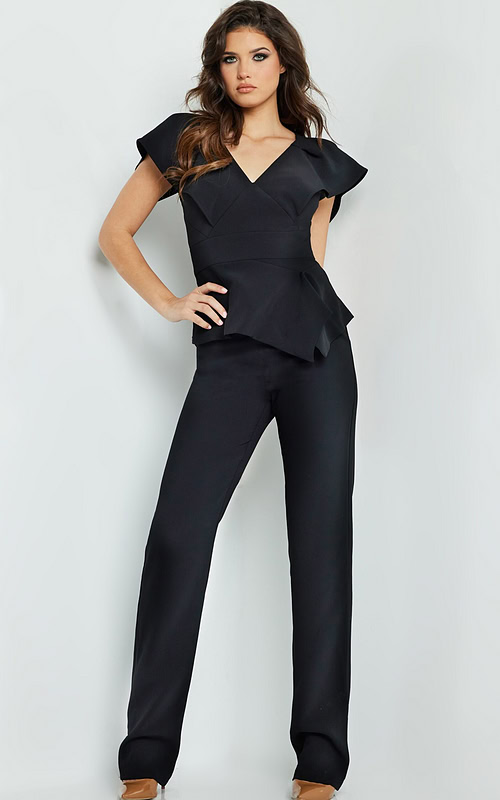
Dark shades such as navy, deep green, burgundy, and black can provide a clean backdrop for interesting construction or texture. If black suits the dress code and the couple has not requested otherwise, black wedding guest outfits can range from restrained cocktail silhouettes to floor-length designs for more formal weddings.
With lighter colors, consider how the shade photographs as well as how it looks in person. Very pale ivory, cream, or near-white tones can read differently under natural light and photography, so a clearly colored option is often a simpler choice when you want to avoid anything that could resemble bridal white. Prints can also change the level of formality. A soft floral chiffon dress naturally suits many garden and daytime weddings, while a darker print on a structured fabric can transition more easily into an evening reception.
Comparing the Details Before Choosing Your Dress
Once you have narrowed the options by dress code, length, and color, compare the details that will affect how each dress actually wears. Start with the fabric: does it stretch, skim the body, or hold a structured shape? Then look at the lining, seams, closure, neckline, and skirt construction. If two dresses have a similar silhouette, these details can make the difference. Ruching may provide more flexibility around the waist or hip. Princess seams can create shaping without relying on stretch. A back slit can improve movement in a narrow skirt, while a fuller skirt naturally gives you more room. Adjustable or wider straps can also change how secure a dress feels over several hours.
Think about the venue at the same time. Floor-length hems require more consideration at a beach, lawn, or outdoor ceremony, while a very short dress may feel less suited to a formal evening wedding. Shoes matter as well: the heel height you intend to wear can change where a long hem falls and how comfortably you walk.
Jovani’s focus on fit, fabric, and construction gives you different ways to approach the same wedding dress code. Rather than choosing a dress because it fits one trend or season, compare how the silhouette sits on your body, how the fabric moves, and whether the level of structure matches the wedding. The strongest choice is the one that meets the dress code and still feels comfortable from the ceremony through the reception.

 Black Wedding Guest Dresses
 Blue Wedding Guest Dresses
 Red Wedding Guest DressesGreen Wedding Guest DressesPurple Wedding Guest Dresses