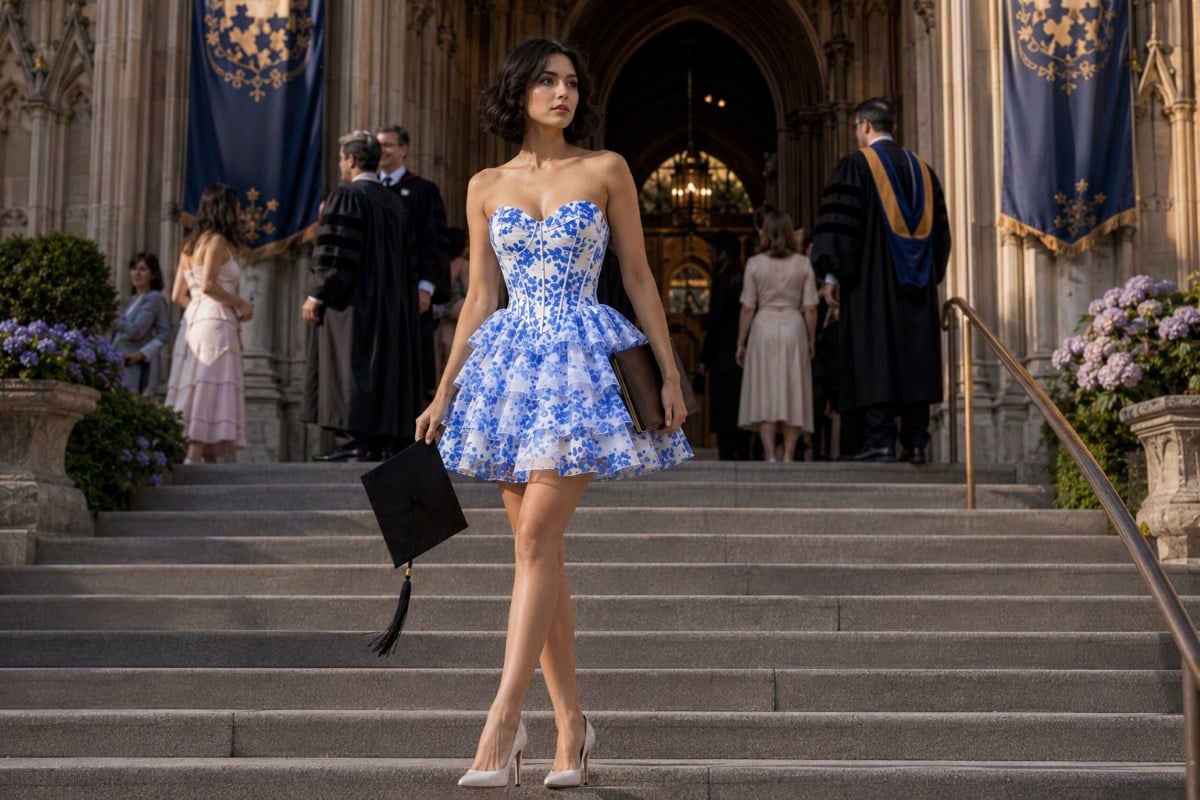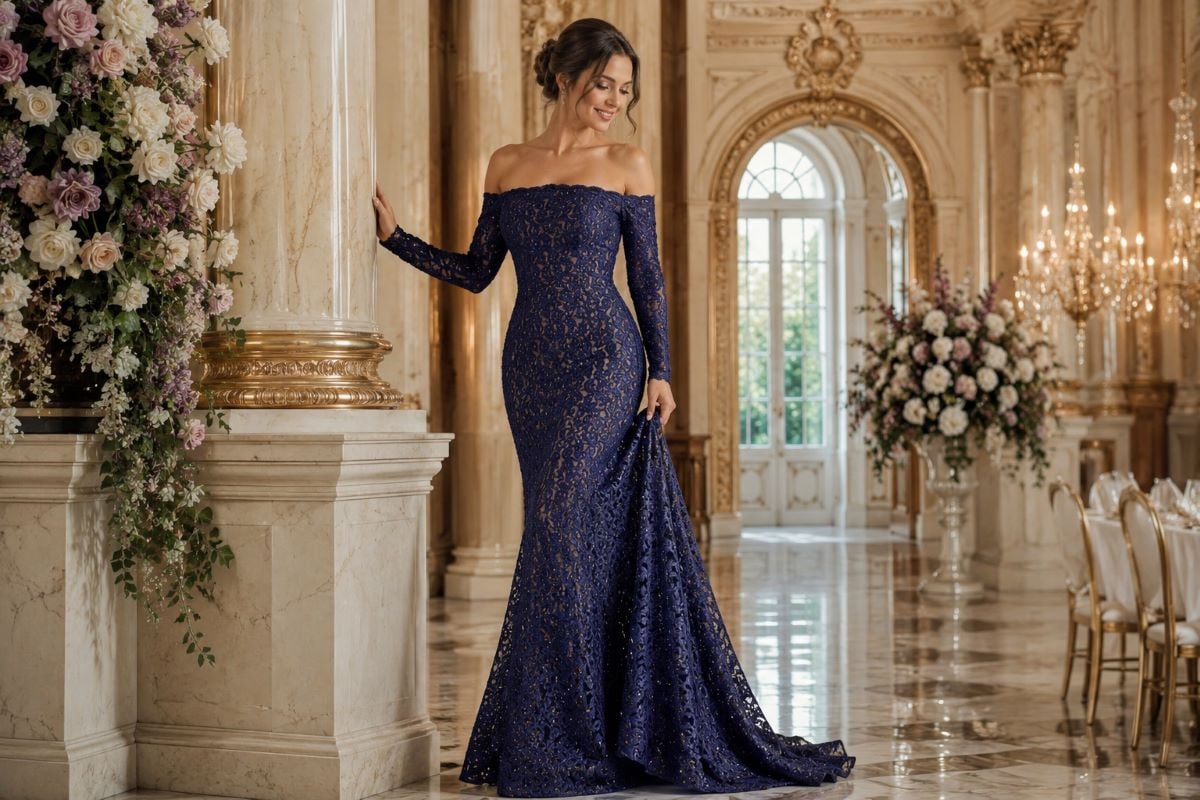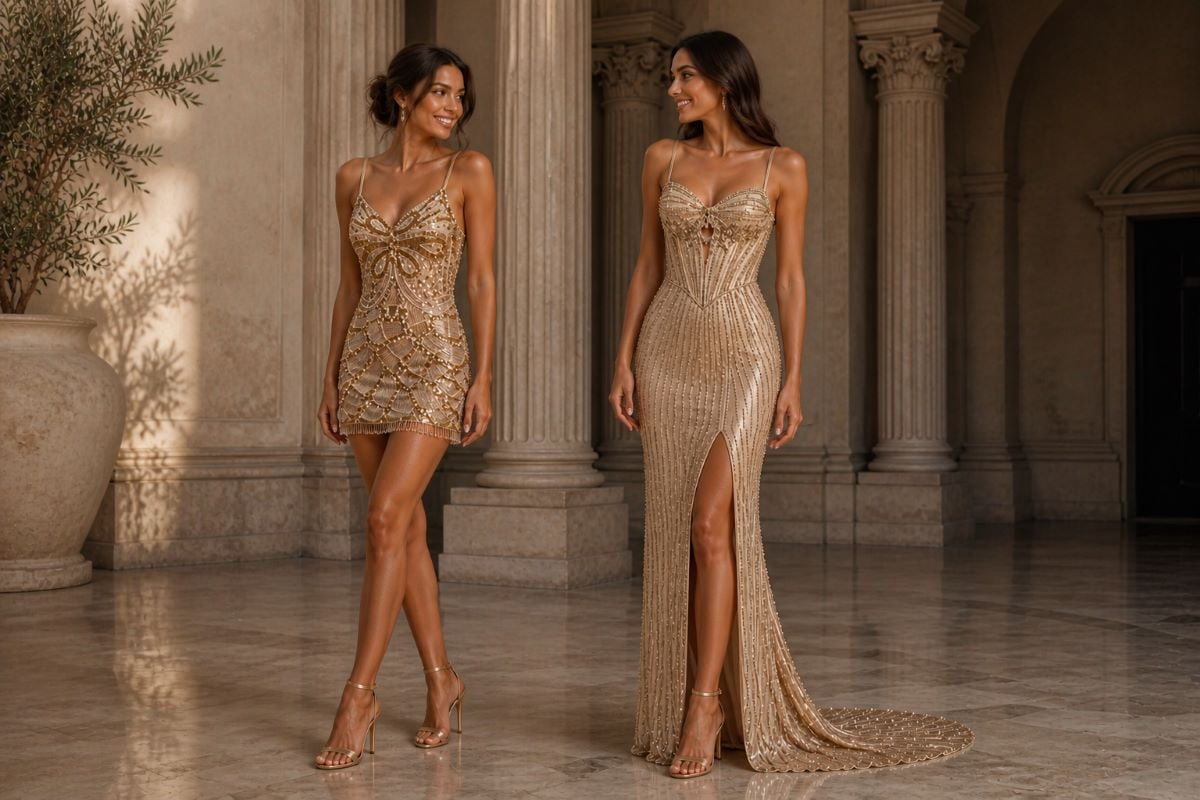

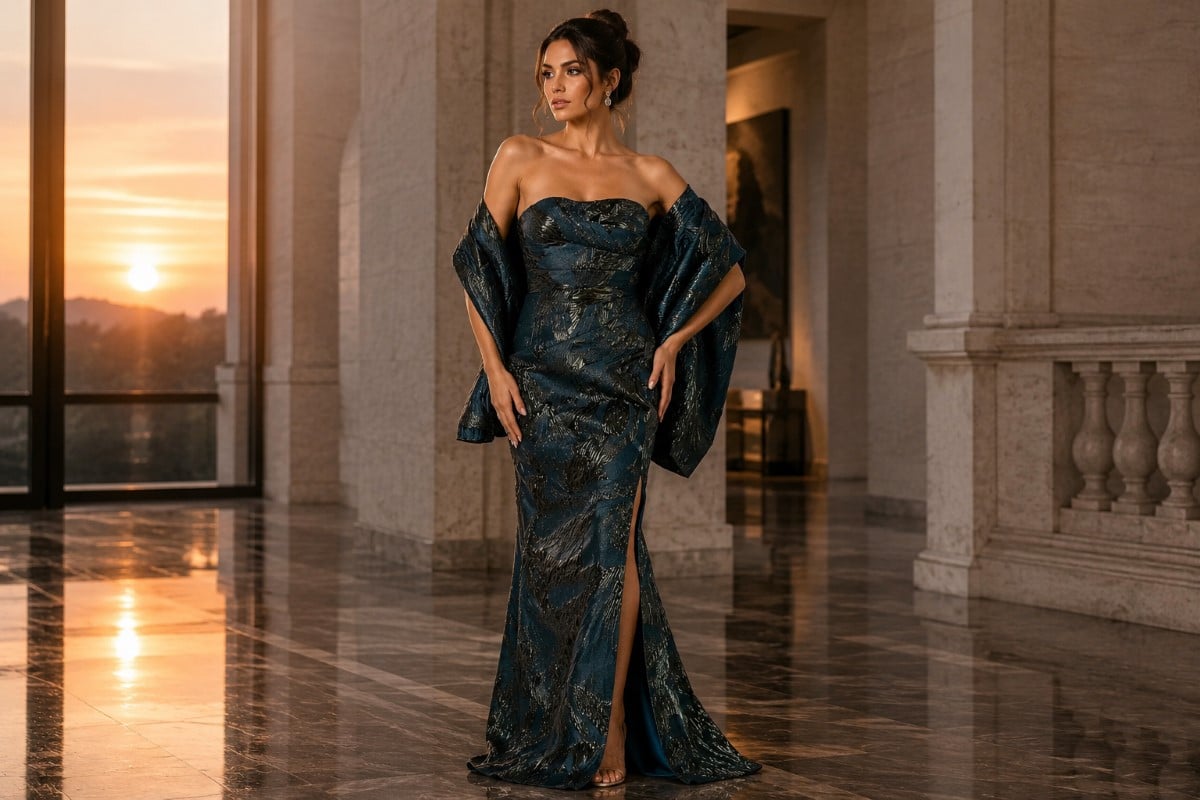
As the mother of the bride or groom, your role on the wedding day is deeply significant. You are not just a host and an emotional anchor for your child; you are a central figure in a family milestone, beautifully captured in photographs that will be cherished for generations. Because of this high-profile and deeply emotional position, choosing the perfect dress is one of the most crucial parts of your wedding preparation journey. The process of finding the ideal gown goes far beyond simply picking a favorite color or a matching fabric. It involves a delicate balance of timeless elegance, personal style, venue appropriateness, and, most importantly, discovering a silhouette that makes you feel spectacular. When navigating the vast, luxurious world of formal wear, the most foundational and impactful decision you will face is the choice between structured vs unstructured mother of the bride dresses.
This core choice dramatically influences every aspect of your experience. It dictates not only how the dress looks in dramatic lighting, but how it functions as you move, how it feels over the course of a demanding twelve-hour day, and how it complements your unique figure. Understanding structured vs unstructured mom of the groom dresses is essential for selecting a gown that offers both uncompromising confidence and radiant comfort. From the emotional opening moments of the ceremony to the final, joyous dance of the reception, your attire should be a source of empowerment. Whether you envision yourself in a sharply tailored, regal masterpiece or a flowing, ethereal gown that catches the evening breeze, this highly comprehensive guide will explore the technical nuances, hidden benefits, styling strategies, and practical realities of both approaches. We will delve deeply into how each style supports different body types, suits various wedding venues, and ultimately helps you determine which design philosophy best aligns with your vision for this momentous occasion.
The Fundamentals of Garment Architecture
To truly appreciate the distinction between these two primary categories of formal wear, one must first look at what fashion designers refer to as “garment architecture.” This concept relates to how a dress is engineered from the inside out. A luxury evening gown is never merely a piece of fabric draped casually over the body; it is a carefully constructed garment designed to achieve a specific visual effect. The level of internal engineering—specifically the use of specialized linings, interfacings, boning channels, and advanced tailoring techniques—is exactly what dictates whether a dress falls into the structured or unstructured category.
Understanding this foundational concept is a highly valuable skill for any formal event. The rules of superior construction and design apply universally across all forms of luxury apparel. Jovani’s renowned design philosophy prioritizes flawless execution in both realms, ensuring that whether a gown is built like a wearable sculpture with rigid support or designed to float like a soft cloud, the quality, fit, and elegance remain unparalleled. By mastering the terminology and mechanics of dress construction, you elevate your shopping experience from a stressful search to an empowered, informed selection process.
What Defines Structure in Evening Wear?
Structure in fashion refers to a garment’s ability to hold its own shape independent of the wearer’s body. When a structured dress is placed on a hanger or a dress form, it largely maintains its silhouette. This is achieved through the integration of firm, often heavy fabrics combined with a complex internal framework. This framework is designed to mold, lift, smooth, and support the body, creating crisp lines and a highly polished finish.
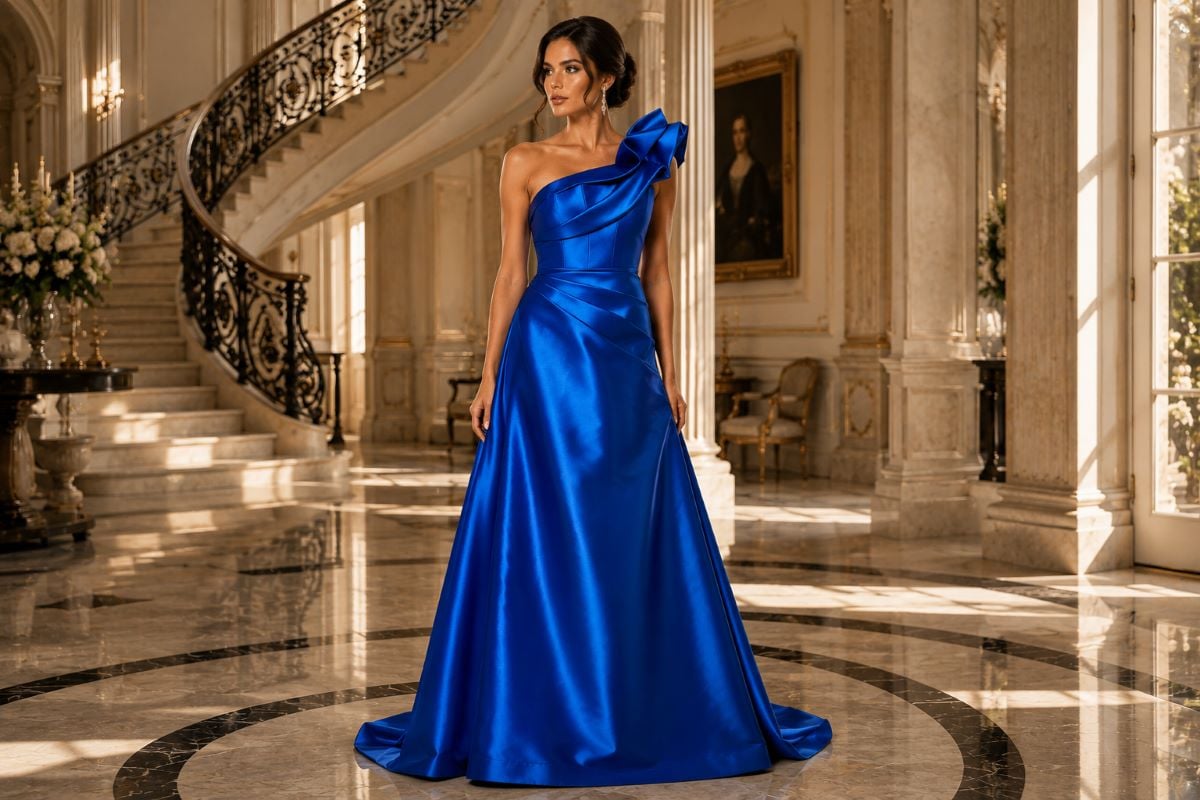
The Art of Fluidity and Softness
Conversely, unstructured fashion relies on the natural behavior of lightweight, pliable fabrics interacting with gravity and air. An unstructured garment has very little internal framework; if placed on a hanger, it simply falls straight down. The beauty and shape of these dresses are entirely dependent on how the fabric drapes over the wearer’s physical form. The design focuses on organic movement, breathability, and an effortless, relaxed aesthetic that moves dynamically with every step you take.
Exploring Structured Mother of the Bride Dresses
Structured mother of the bride dresses are the epitome of traditional, high-end tailoring. These classic styles are meticulously crafted using specific techniques and supportive elements built directly into the inner layers of the bodice and skirt. The primary goal of a structured dress is to intentionally shape and define the body, offering a highly refined, commanding, and immaculate appearance. They are often the definitive choice for highly formal affairs, black-tie dress codes, and women who prefer a pristine look that resists wrinkling and shifting throughout a long event.
Key Characteristics and Tailoring Techniques
The true magic of a structured dress lies hidden beneath the luxurious surface fabric. These garments do not rely on the drape of silk or satin alone to create their shape; instead, they utilize firmer materials and complex internal construction to sculpt a highly specific silhouette. Many of these gowns feature built-in corsetry, flexible spiral steel or dense plastic boning, and carefully molded bust cups. These elements work in harmony to provide exceptional support, particularly through the bodice and midsection. This internal framework acts as an integrated foundation, defining the natural waistline, providing necessary lift, and often eliminating the need for complex, uncomfortable separate shapewear.
Ideal Fabrics for a Sculpted Look
To maintain their sharp architectural lines, structured gowns require textiles with significant “body” and inherent weight. Lightweight, flimsy materials simply cannot hold a crisp pleat, a dramatic flare, or a sharp structural angle. Designers rely on premium, heavyweight fabrics to achieve this commanding aesthetic. Mikado is one of the most celebrated fabrics in this category. It is a luxurious, heavy silk blend with a subtle, luminous sheen, prized for its ability to hold grand, sculptural shapes without feeling overly stiff or theatrical. Duchess satin is another classic choice; a dense, highly lustrous material that falls in heavy, majestic folds, perfect for traditional ballgowns. Taffeta, known for its crisp, smooth surface and signature rustling sound, is exceptional for creating dramatic, origami-like folds and voluminous skirts that purposefully stand away from the body.
The Benefits: Support, Posture, and Smoothing
Opting for a structured design offers several distinct and highly desirable advantages. First and foremost is the promotion of superior posture. The firm, boned bodice of a structured dress gently but firmly encourages you to stand taller, pull your shoulders back, and project a commanding presence. It is inherently difficult to slouch when wearing a properly fitted, lightly boned bodice.
Embracing Unstructured and Flowing Silhouettes
In beautiful contrast to their architectural counterparts, unstructured mother of the bride dresses prioritize fluidity, organic drape, and effortless, unencumbered movement. These gowns are thoughtfully designed to gently skim the body rather than mold, compress, or reshape it. They embrace the natural fall and delicate behavior of lightweight fabrics to create a silhouette that feels distinctly romantic, highly breathable, and effortlessly chic.
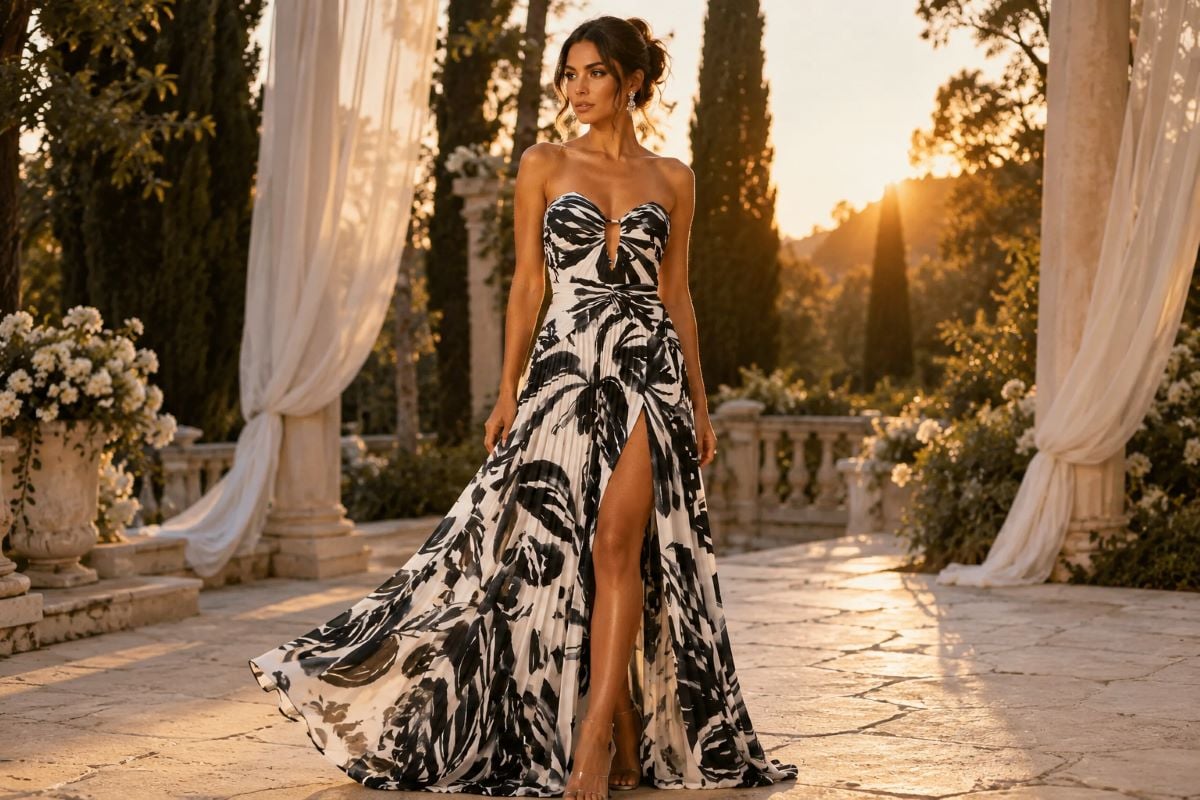
The Essence of Movement and Breathability
Unstructured dresses rely almost entirely on gravity, combined with clever, relaxed pattern cutting, to create their shape. You will generally not find rigid boning, heavy corsetry, or stiff interfacings within these garments. While they may feature a simple silk lining or very lightly molded cups for basic modesty and comfort, unstructured dresses intentionally lack the firm internal architecture of structured styles. The fabric is allowed to cascade, pool, and move organically with the wearer, creating sweeping, poetic lines every time you walk, turn, or dance.
Best Fabrics for Ethereal Designs
The absolute cornerstone of a successful unstructured dress is the selection of premium, fluid fabrics. Designers must use textiles that respond beautifully to movement and air, creating a liquid-like visual effect. Silk Chiffon is arguably the ultimate unstructured fabric. It is sheer, incredibly lightweight, and literally floats on the air. It is almost always layered or gathered to create soft, romantic volume without adding any burdensome weight. Georgette is similar to chiffon but slightly heavier, featuring a subtle crinkled texture that drapes magnificently and provides a beautiful, soft matte finish. Charmeuse, a lightweight silk with a liquid-like, glossy drape, skims the body beautifully to create a sensual, elegant aesthetic.
The Advantages: Ultimate Comfort and Grace
The most compelling and frequent reason mothers choose an unstructured dress is for supreme, uncompromising comfort. Without the constraints of boning, tight, unyielding waists, and heavy fabrics, unstructured dresses are an absolute joy to wear for extended periods. A wedding day is a marathon event, often spanning over twelve hours of standing, taking photos, greeting guests, sitting for dinner, and dancing. They are incredibly easy to move in, making them a wonderful option alongside lighter knee-length dresses for garden settings or daytime ceremonies where long, heavy fabrics might be too cumbersome.
Structured vs Unstructured Mother of the Bride Dresses: Making the Right Choice
With a deep understanding of the technical differences, the process of deciding between styles ultimately requires analyzing the specific details of the wedding itself alongside your personal comfort preferences. There is no universally “correct” answer; the perfect dress is the one that flawlessly marries the tone of the event with your unique physical needs and style aspirations.
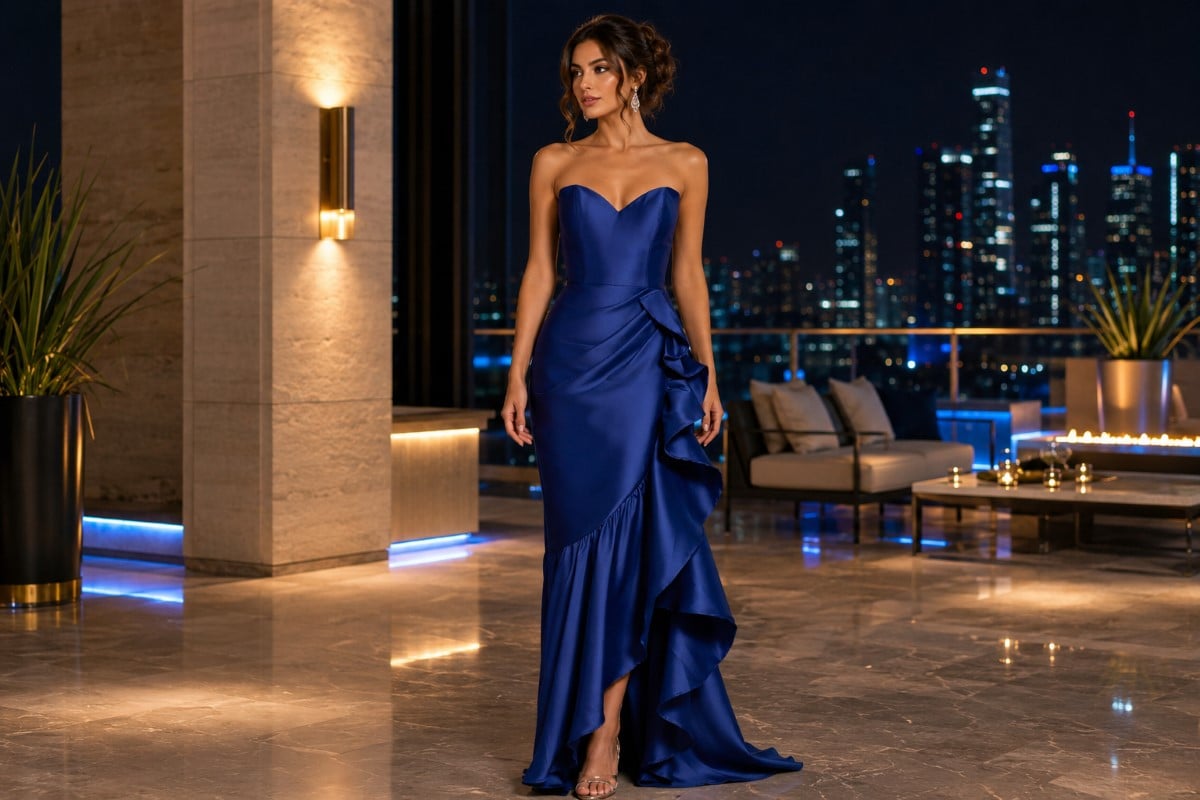
Aligning with the Wedding Formality and Venue
When evaluating structured vs unstructured mother of the bride dresses, the venue plays a crucial role in dictating the appropriate aesthetic. For formal evening weddings held in grand, indoor venues like luxury hotel ballrooms, historic mansions, or ornate, traditional cathedrals, the architectural presence of a structured gown is unparalleled. The environment itself is grand, and your dress should rise to the occasion. Many mothers prefer modest mother of the groom gowns with sheer sleeves that offer coverage while maintaining the formal, structured integrity required for religious ceremonies. Conversely, if the wedding is taking place on a sun-drenched tropical beach, an outdoor botanical garden in July, or a rustic countryside vineyard, an unstructured dress is infinitely more appropriate. The soft, moving fabrics harmonize beautifully with the natural environment. A heavy, highly structured satin ballgown would feel stifling and look starkly out of place walking across sand or grass, whereas a flowing chiffon mum of the bride dress perfectly mirrors the organic, relaxed beauty of an outdoor setting.
Seasonal Considerations for Formal Wear
The time of year is a heavily influential factor. Structured dresses naturally involve multiple layers of fabric—the outer shell, the interfacing, the structured lining, and sometimes crinolines. This layering creates a very warm garment. In the cold months of winter, late autumn, or early spring, a structured gown in heavy crepe or velvet provides welcome warmth and luxurious seasonal styling. In contrast, during the peak of summer humidity, the breathable, single-layer nature of an unstructured silk or georgette dress is a necessity to prevent overheating and ensure you remain comfortable and radiant throughout the celebration.
Matching Dress Architecture to Your Body Type
While personal preference should always guide your final decision, understanding how different dress architectures interact with various body proportions can significantly help you narrow down your choices to the most flattering silhouettes. The right garment construction can enhance your best features and provide confidence.
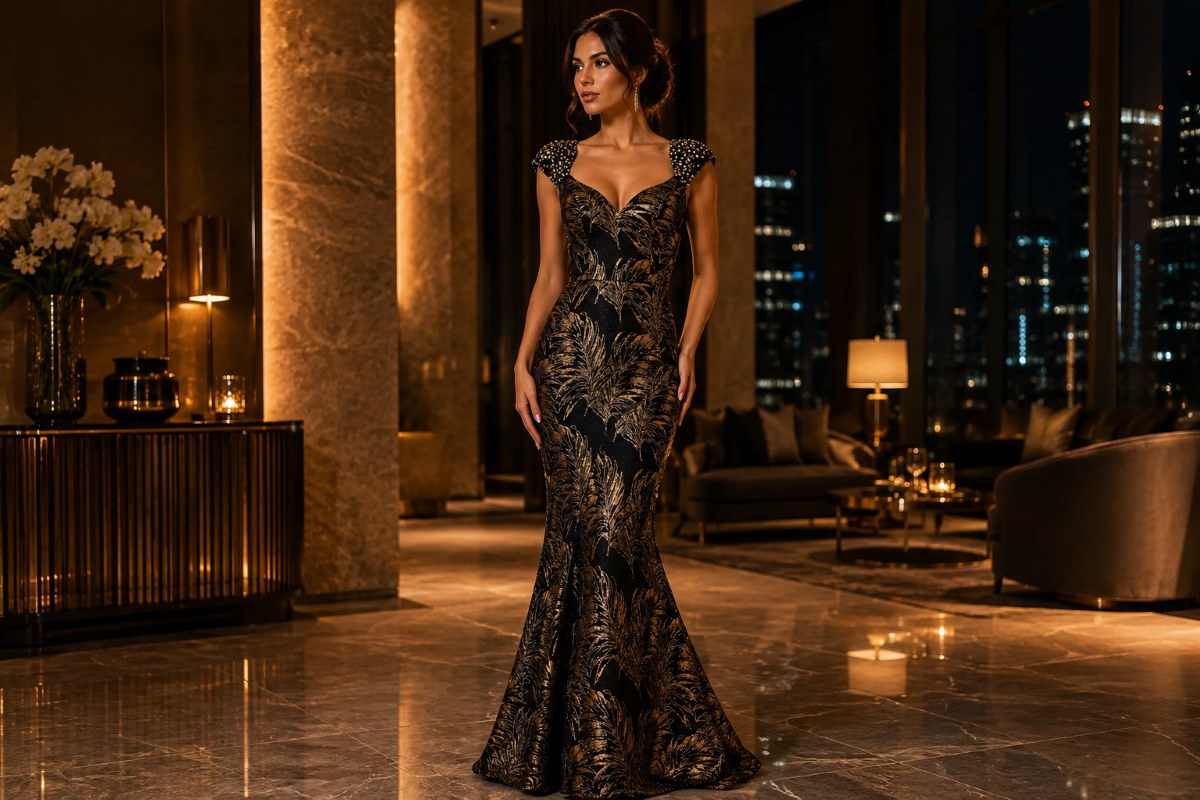
Enhancing Curves with Tailored Fits
For women with a true “Hourglass” figure, where the bust and hips are roughly equal with a clearly defined, narrow waist, a fully structured dress is a spectacular way to celebrate these proportions. A sharply tailored sheath mob style will perfectly map the body’s natural curves, providing support exactly where it is needed while highlighting the waist. Jovani offers an exquisite range of plus size mother of the bride dresses designed to provide expert internal support, ensuring every mother feels secure, beautifully shaped, and exceptionally comfortable regardless of the silhouette she chooses.
Skimming the Silhouette with Soft Drapes
For an “Apple” shape, where weight is carried more in the midsection with narrower hips and legs, an unstructured empire waist gown is often a brilliant choice. The soft, lightweight fabric flows freely from just under the bust, elegantly skimming over the stomach without clinging, while comfortably highlighting the shoulders and décolletage. For a “Pear” shape, characterized by narrower shoulders and a smaller bust with wider hips and thighs, both styles can work beautifully depending on the skirt.
Embodying Elegance and Confidence
Ultimately, the debate of structured vs unstructured mother of the bride dresses comes down to personal comfort, the specific logistics of your child’s wedding day, and radiant confidence. The technical distinction between these styles is simply a helpful vocabulary to assist you in articulating your preferences to stylists and understanding the mechanics of how formal wear interacts with your body.
Some women feel their absolute best, most powerful, and most regal when wearing a sharply tailored, fully structured gown that perfects their posture and commands the room. Others feel their most beautiful, authentic, and joyful in a soft, flowing dress that moves gracefully with them, allowing them to forget what they are wearing and simply immerse themselves in the celebration. Jovani’s expansive and meticulously crafted mother of the bride dresses collections offer breathtaking options across the entire spectrum of garment architecture, ensuring you find the gown that makes you feel truly spectacular.
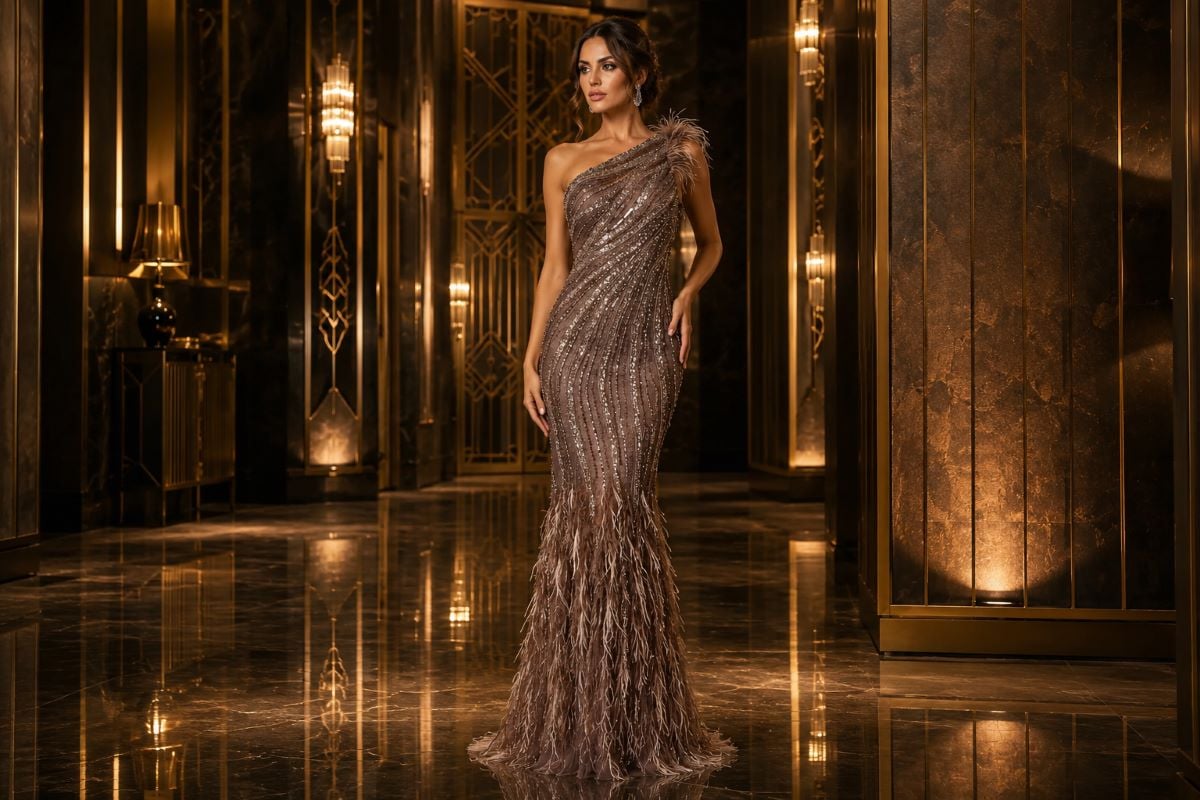
Structured vs Unstructured Mother of Bride Dresses FAQs
1. Can a structured dress be comfortable for a 12-hour wedding day?
Yes, absolutely. While older, vintage styles of structured gowns might have felt unyielding, modern luxury designers utilize superior, high-tech interfacings and flexible spiral boning. This creates dresses that hold a beautiful, crisp architectural shape while still allowing the wearer to breathe comfortably, sit with ease, and move with dignified grace. A perfectly tailored structured dress provides elegant support, not rigid restriction.
2. Are flowy, unstructured dresses appropriate for a strict black-tie dress code?
Yes, an unstructured dress can easily meet a black-tie standard provided you focus heavily on the quality of the fabric and the richness of the embellishments. While a simple cotton blend flowing dress is too casual, a sweeping, unstructured gown made of heavy silk charmeuse, or an ethereal tulle dress heavily embellished with intricate hand-beading, will look incredibly glamorous and perfectly suited for the most formal evening events.
3. How do I decide between structured vs unstructured mother of the bride dresses if I love both styles?
If you are torn between the two, look to the venue and the season as your primary tie-breakers. A grand, indoor winter wedding practically demands the heavy, regal elegance of a structured gown. A breezy, outdoor summer wedding heavily favors the lightweight breathability of an unstructured dress. If venue and season don’t sway you, a semi-structured dress—combining a fitted, boned bodice with a soft, flowing skirt—is the perfect, universally flattering compromise.
4. Do unstructured gowns require special undergarments?
Yes, they do. Because unstructured dresses use thin, lightweight fabrics and lack built-in support, they will easily reveal textures and lines from underneath. Investing in high-quality, supportive, and completely seamless laser-cut foundation garments (in a color that matches your skin tone) is essential to ensure a smooth, flawless appearance beneath fluid silks and chiffons.
5. Which silhouette is best if I am concerned about my midsection?
Both architectural styles offer excellent solutions for the midsection, but through opposite methods. An unstructured dress with a soft empire waist is naturally very forgiving, as the fabric flows loosely and completely bypasses the stomach without clinging. Conversely, a highly structured dress with firm, strategic ruching or built-in corsetry acts like wearable shapewear, firmly smoothing the midsection and visually cinching the waist. Beautiful pleated dresses can also offer an excellent middle ground, utilizing folded fabric to create visual interest while elegantly masking the midsection.