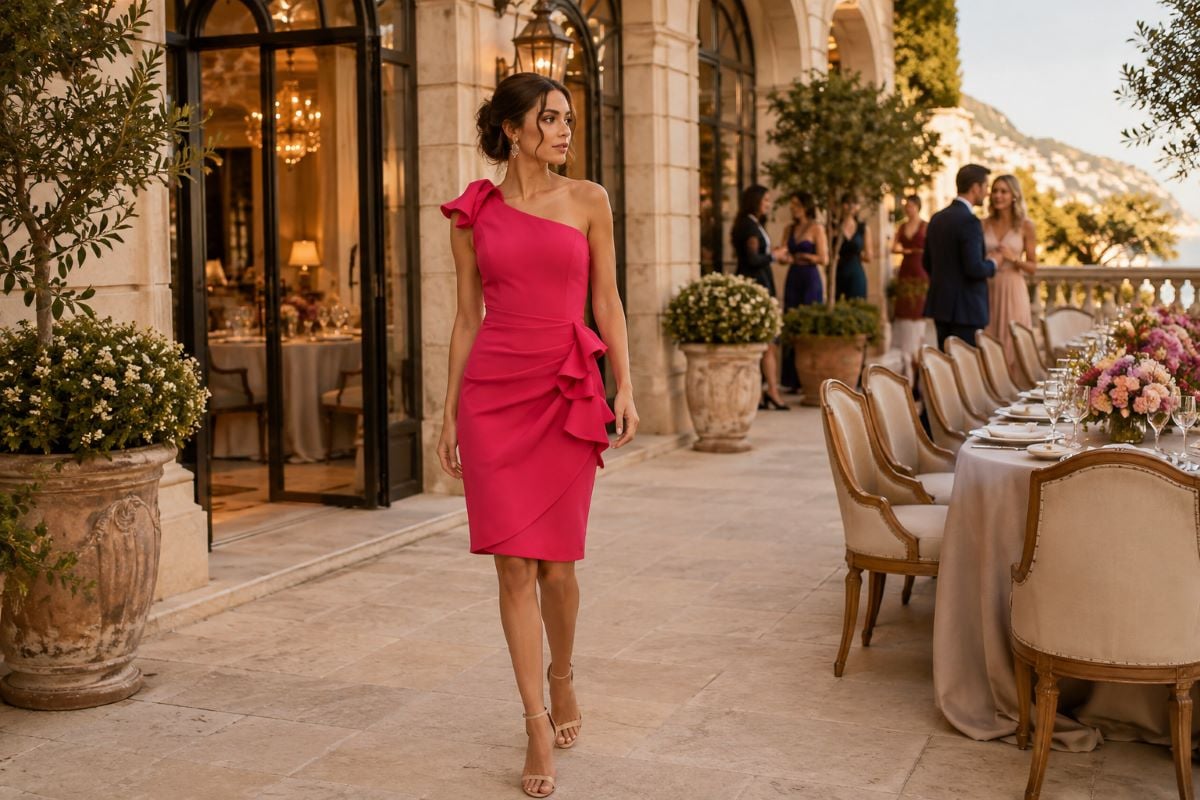

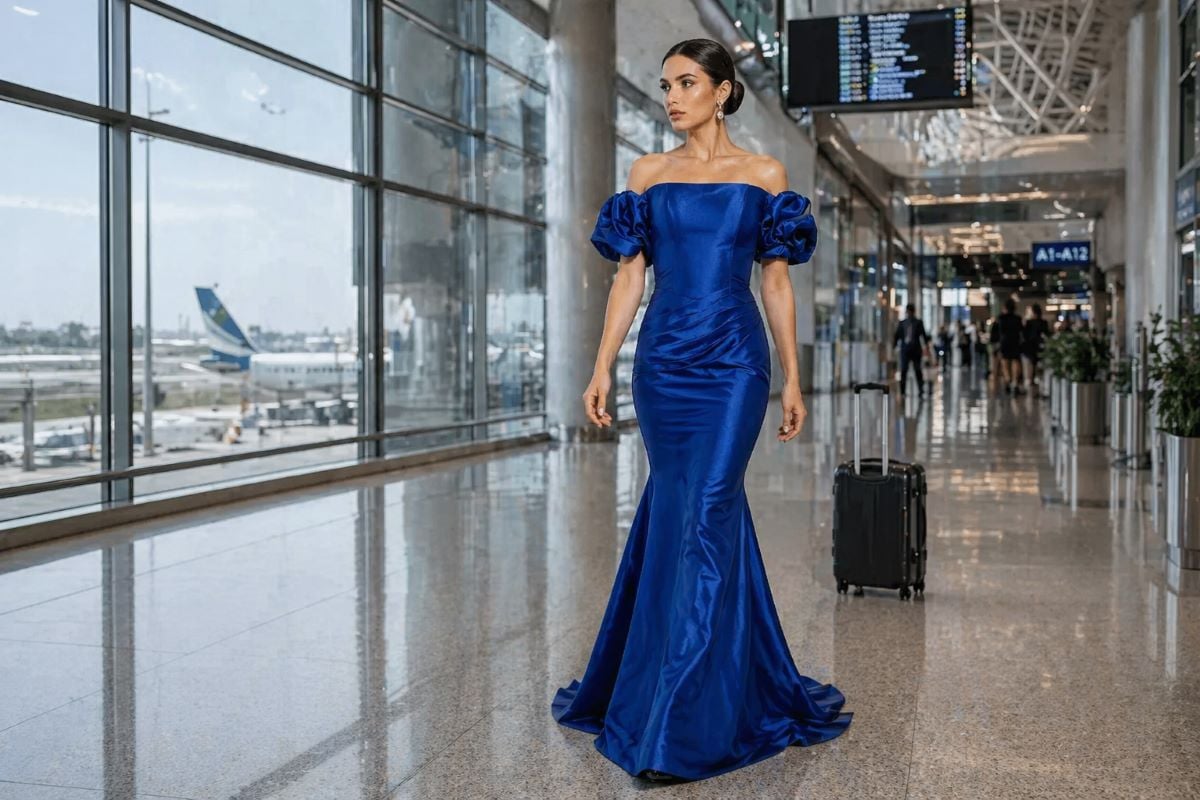
Stepping off a plane to attend a destination wedding, an international gala, or a highly anticipated pageant should feel like the beginning of a glamorous adventure. Whether you are walking down a red carpet in another country or celebrating a milestone moment at a faraway resort, the anticipation is palpable. However, for many women, the excitement of the trip is often overshadowed by a single, nerve-wracking question: how do you transport a luxury garment across the country, or even the world, without ruining it? At Jovani, we spend countless hours designing and perfecting gowns crafted from the finest fabrics, intricate beadwork, and architectural tailoring. Knowing the meticulous craftsmanship that goes into every stitch, we understand that protecting your investment during transit is a top priority.
When you travel with a formal dress, you are navigating the unpredictable world of crowded airport terminals, narrow aircraft aisles, compact overhead bins, and dramatically changing climates. The stress of packing an evening gown is entirely understandable. A beautiful gown is not just an article of clothing; it is an exquisite piece of wearable art, often featuring delicate layers of sheer fabric, elaborate hand-sewn embellishments, and structured bodices with specialized boning that require expert attention. Fortunately, the process does not have to induce panic. With the right techniques, a bit of strategic preparation, and the proper travel tools, you can ensure your attire arrives looking just as immaculate as it did the moment you first tried it on in the boutique.
The Best Way to Transport a Formal Dress
The golden rule of traveling with luxury garments is to never check them into the cargo hold unless it is entirely unavoidable. Lost, delayed, or mishandled luggage is an unfortunate and all-too-common reality of modern travel. Arriving at a prestigious, once-in-a-lifetime event without your carefully chosen attire is a scenario no one wants to face. Furthermore, the cargo hold of an airplane experiences extreme temperature and pressure fluctuations that can negatively affect delicate textiles and the adhesives used in haute couture. Therefore, the best way to transport a formal dress is to keep it securely by your side in the aircraft cabin.
For garments with less volume and shorter hemlines, such as cocktail gowns, packing them carefully into a standard hard-shell carry-on suitcase is a highly effective method. These shorter silhouettes naturally require fewer folds, which significantly reduces the risk of deep, permanent creases. A hard-shell suitcase also offers superior exterior protection against impact compared to a soft duffel bag.
However, for sweeping floor-length gowns, dramatic cathedral trains, and highly architectural silhouettes, you will need to utilize a dedicated travel bag designed specifically to hold the extended length and considerable weight of high-end evening wear.

Choosing the Right Garment Bag
Not all garment covers are created equal, and the flimsy, transparent plastic sleeves provided by local dry cleaners will not survive the rigors of international or domestic air travel. To truly protect your wardrobe from the elements and the chaos of the airport, investing in a high-quality garment bag for formal dress travel is an essential step in your trip preparation.
Look for a bag constructed from durable, water-resistant materials like heavy-duty nylon or thick woven canvas. It must be breathable to prevent trapped humidity and moisture buildup, yet strong enough to shield the delicate fabric from accidental coffee spills in the overhead bin or severe snags from the sharp wheels and zippers of neighboring luggage. A premium garment bag for formal dress transport should also feature robust, snag-proof zippers, a reinforced top opening for the hanger to prevent tearing, and ideally, internal securing straps to keep the garment from shifting around and crumpling at the bottom of the bag.
If you are packing formal gowns for destination events, selecting a travel bag equipped with built-in exterior pockets is also a brilliant organizational strategy. These compartments allow you to safely store your matching accessories—such as metallic clutch purses, statement jewelry, and your chosen footwear—ensuring your entire cohesive look remains together in one secure place from departure to arrival.
How to Pack a Formal Dress for a Flight
Mastering how to pack a formal dress for a flight comes down to the strategic, liberal use of acid-free tissue paper and a deep understanding of the architecture of your specific gown. Tissue paper is the ultimate secret weapon of professional fashion stylists and luxury designers around the world. It provides a soft, forgiving barrier that prevents fabric from tightly rubbing against itself, thereby minimizing friction and preventing the formation of sharp, difficult-to-remove creases.
Start by placing your gown on a high-quality, padded, or velvet-flocked hanger. Thin wire hangers can permanently distort the shape of the shoulders and stretch the neckline under the weight of the dress, and they should always be strictly avoided. Lay the dress completely flat on a clean, dry bed or a large dining table.
If your gown features a structured bustier or built-in corset cups, gently stuff the bodice with crushed tissue paper. This helps the bodice maintain its intended three-dimensional shape and prevents the boning from snapping or bending awkwardly inside your luggage. If you are traveling with beaded formal dresses, you must take extra, meticulous precautions to ensure the heavy glass beads, crystals, or sequins do not scratch the softer, surrounding fabrics. Layer generous amounts of tissue paper over the entirety of the embellished sections before carefully initiating any folds.
When dealing with exceptionally smooth, highly reflective, and easily creased fabrics like traditional satin, the physical folding technique is crucial. Do not fold the dress cleanly in half directly at the waistline, as this immediately creates a hard horizontal line across the most visible part of the gown. Instead, use the stylist-approved “Z-fold” method. Place a thick, rolled layer of tissue paper at the center of the dress, gently fold the bottom third of the skirt up, place another rolled layer of tissue paper on top of that fold, and then fold the top third of the bodice down over it. This technique creates soft, rounded, cushioned curves rather than sharp, pressed angles. Slide the carefully folded or draped dress into your garment bag, utilizing extreme caution to ensure the bag’s zipper does not catch on any loose threads, delicate mesh, or hidden appliqués.

Packing Voluminous & Delicate Fabrics
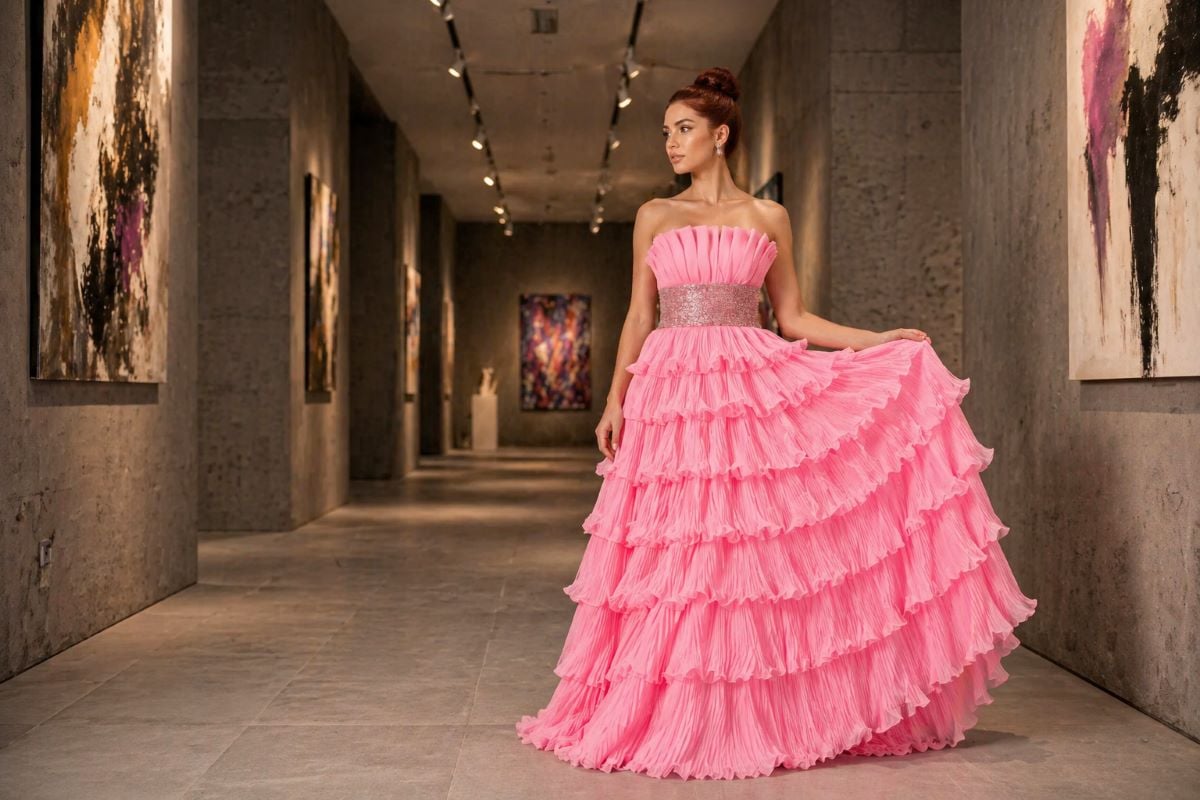
Different design silhouettes demand entirely different packing strategies. The breathtaking grandeur of ball gown formal gowns comes directly from their multiple, sweeping layers of stiff tulle, ethereal organza, and structural crinoline. To travel with a formal dress of this incredible magnitude, folding is simply out of the question. You will need to expertly compress the skirt slightly without breaking the fibers. Gently roll the tulle layers from the hem upward toward the waistline, treating the stiff fabric much like you would roll a premium sleeping bag. This rolling technique helps the layered skirt retain its natural, voluminous bounce and completely prevents deep, permanent wrinkles from setting in during a long, pressurized flight.
Conversely, when packing delicate lace evening styles, your primary and most critical concern is preventing disastrous snags and tearing. Intricate lace can easily catch on internal zippers, metallic clasps, stray jewelry, or even the rough inner lining of a standard suitcase. Wrap the entire lace garment securely in a clean, undyed white cotton sheet, or place it inside a secondary, breathable protective muslin bag before sliding it into your primary travel luggage.
Destination Events & VIP Wardrobe Care
Destination weddings require meticulous, advanced planning, especially for the immediate family and VIP guests. When packing an evening gown for a humid tropical beach wedding, an elegant European chateau ceremony, or a breezy mountaintop vow exchange, the environmental preservation of the garment is paramount. Elegant mother of the bride attire often features highly sophisticated draping techniques, sheer illusion necklines, and structured stretch crepe that requires a decidedly gentle touch.
Mothers of the bride and groom facing the realities of flying with a formal wear ensemble should proactively communicate with their chosen airline well ahead of their departure date. Many commercial airplanes feature a small, specialized first-class hanging closet near the front of the cabin. While this coveted space is never guaranteed to economy passengers, flight attendants are exceptionally understanding of wedding parties and are often willing to hang a neatly packed, slim garment bag in this closet if you ask politely upon early boarding.
If the closet is unfortunately full or reserved, do not panic. Gently lay your garment bag completely flat horizontally on top of all the other hard-shell suitcases in the overhead bin. You must remain vigilant during the boarding process to ensure that late-boarding passengers do not aggressively shove heavy backpacks or wheeled luggage on top of your delicate gown. Furthermore, keep this protective mindset as you transition to ground transportation. When taking a taxi or private car from the airport to your resort, never throw your garment bag into a dirty, crowded trunk. Instead, gently lay it across your lap or drape it over the empty seat next to you.
Preventing Wrinkles Upon Arrival
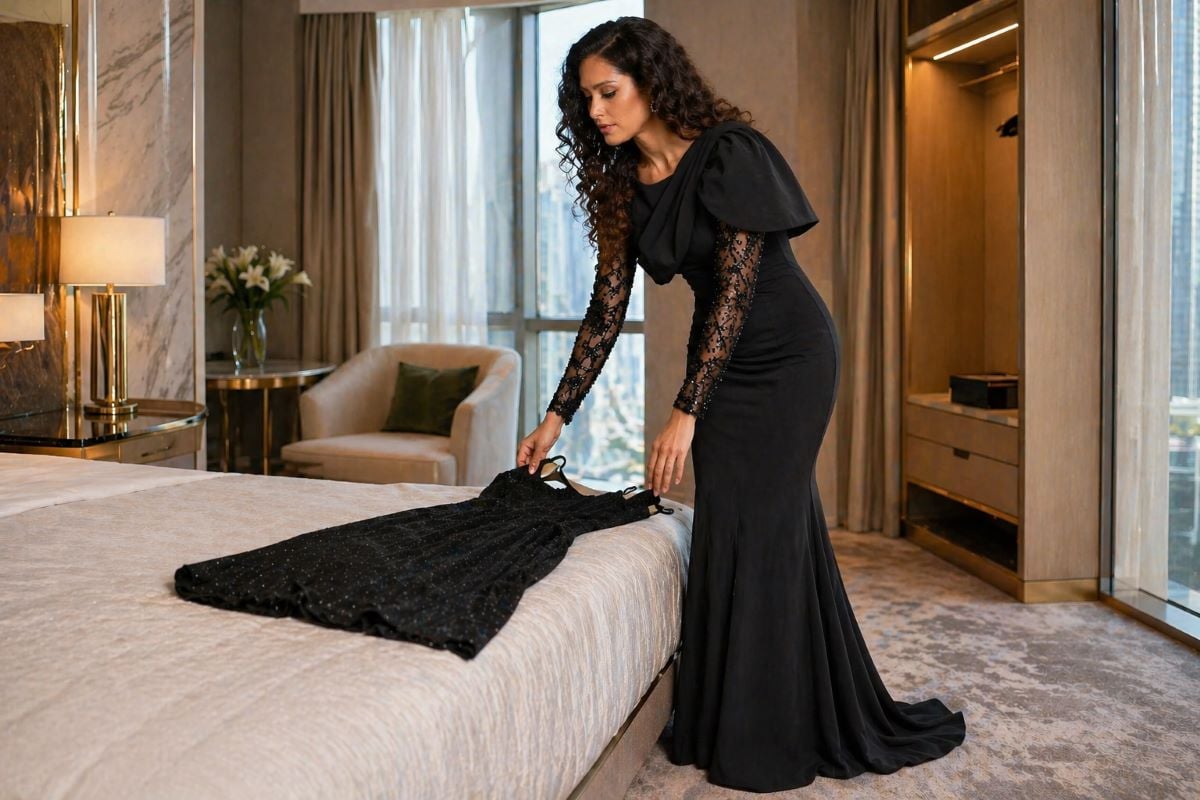
The journey truly does not end when the airplane finally touches down on the tarmac. Knowing how to pack a formal dress for a flight is only half the battle; the immediate unpacking process at your destination is equally, if not more, important. To keep formal dress from wrinkling permanently, you must proactively remove it from its dark, compressed confines the absolute moment you arrive at your hotel or accommodation suite.
Immediately unzip the travel bag entirely and let the beautiful dress breathe in the open air. Hang it as high as possible—on a sturdy door frame, a tall curtain rod, or inside a highly spacious, uncrowded closet—so the hem and any attached train can fall naturally toward the floor. Simple gravity is an incredibly helpful and natural tool in gently pulling out minor, superficial travel creases over the course of 24 to 48 hours.
If you notice stubborn lines that gravity alone cannot fix, the classic bathroom steam method works wonders for most standard formal fabrics. Run a very hot shower, tightly close the bathroom door to trap the moisture, and let the ambient steam gently relax the woven fibers for about twenty minutes. However, be exceptionally cautious with this DIY method; ensure the dress is placed far away from the direct path of the water, and never use heavy steam on water-sensitive textiles like real silk, which can develop permanent water spots.
For more severe, stubborn creases, or if you simply want your gown to look perfectly crisp and fresh off the runway for photographs, utilizing a professional, high-quality handheld garment steamer is the best way to transport a formal dress back to its original, flawless glory. Always steam carefully from the inside of the garment outward, keeping the hot steam nozzle a few safe inches away from the exterior fabric. If you are ever unsure about treating the delicate fabric yourself, our comprehensive, expert guide on caring for delicate evening dress fabrics offers further, detailed insights into specialized textile maintenance, which applies beautifully to all forms of luxury formal wear. Remember, to keep formal dress from wrinkling in the very first place, careful, thoughtful, and unhurried packing at home is always your most powerful tool.
FAQs: Traveling With Formal Wear
1. Can I carry my formal dress on the plane instead of packing it in a checked suitcase?
Yes, carrying your high-value dress onto the plane is highly recommended by fashion professionals. You can confidently use a dedicated garment bag for formal dress transport and carry it as your designated personal item or carry-on, depending on the specific airline’s baggage policies. Always double-check your airline’s exact dimension restrictions online prior to arriving at the airport to avoid any surprise gate-check fees or forced checking.
2. Will flight attendants hang my dress in the airplane closet?
Many modern airplanes feature a small, narrow closet usually reserved exclusively for first-class passengers’ suit jackets or the crew’s winter coats. If you manage to board early and ask the lead flight attendant politely, explaining the special nature of your garment, they will very often accommodate you by carefully hanging your garment bag. However, because this is considered a courtesy and never a guarantee, you must always be mentally and physically prepared to gently lay the bag flat in the overhead bin on top of other luggage if the closet is unavailable.
3. How do I travel with a formal dress that has heavy beading or sharp sequins?
Heavily embellished luxury gowns require maximum extra protection to prevent the sharp glass beads from snagging, scratching, or tearing the surrounding sheer fabric. Lay the dress flat and place generous amounts of acid-free tissue paper between every single layer of the dress before attempting any folds. Always turn heavily beaded dresses completely inside out if the design and internal lining allows for it. This crucial step protects the delicate exterior beadwork from friction during the turbulent transit.
4. Is it safe to iron an evening gown in my hotel room before the event?
It is generally highly advised against using a standard, unverified hotel room iron on any form of luxury formal wear. Hotel irons are notoriously unreliable; they can unexpectedly spit dirty rust water, run dangerously too hot despite the dial setting, and easily melt or burn delicate, synthetic fabrics like chiffon, tulle, or satin in seconds. Instead, rely on a high-quality handheld travel steamer that you brought from home, or better yet, plan ahead and seek out a highly-rated local professional dry cleaner for a safe, low-heat press-only service immediately upon your arrival.