
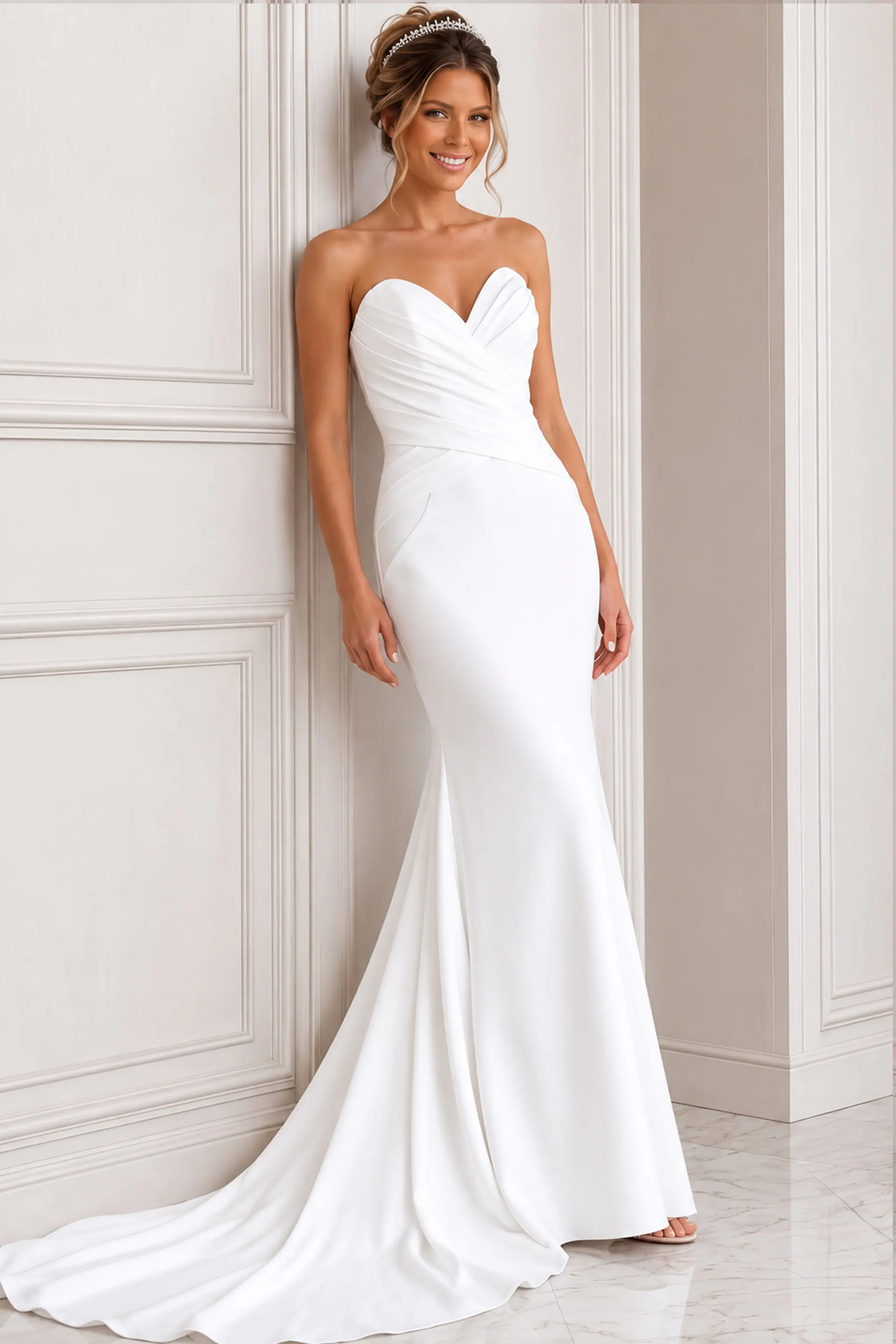
1 Colors
Wedding Dresses
Wedding dresses 2027 move between sculpted structure and fluid movement, with lace, satin, Mikado, and tulle shaping a more individual bridal look. The season’s wedding gowns range from clean A-lines and modern mermaids to corseted ball gowns, draped columns, and halter-neck silhouettes. Look closely at bodice construction, waist placement, train length, and fabric weight: these details determine how a gown sits, photographs, and moves from aisle to reception. For brides comparing traditional proportions with fresher styling, 2027 brings texture, asymmetry, dimensional appliqué, and refined embellishment into focus without losing the discipline of a beautifully balanced fit.
Products
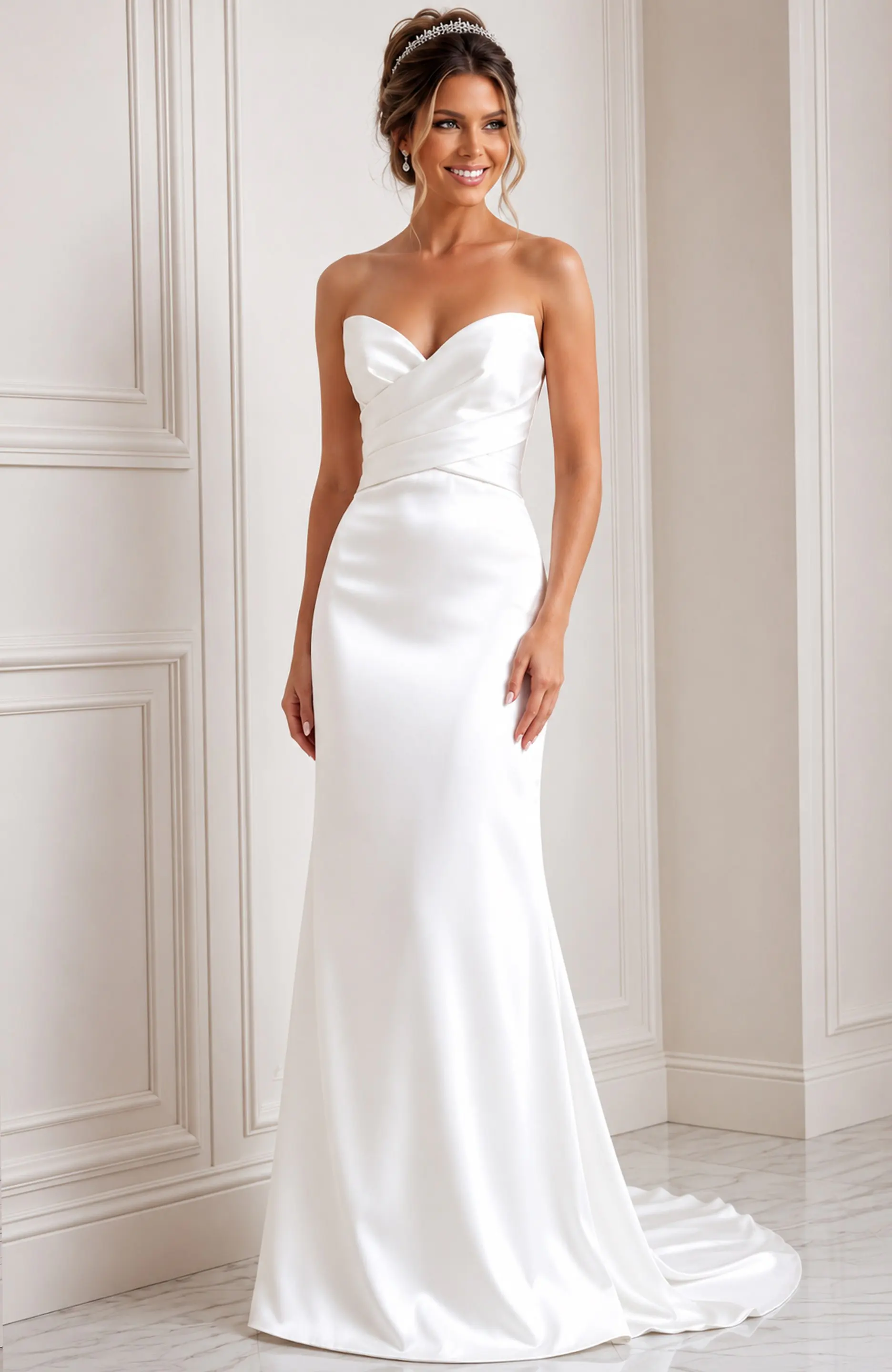
1 Colors
Satin Strapless Sheath Wedding Dress JB45837
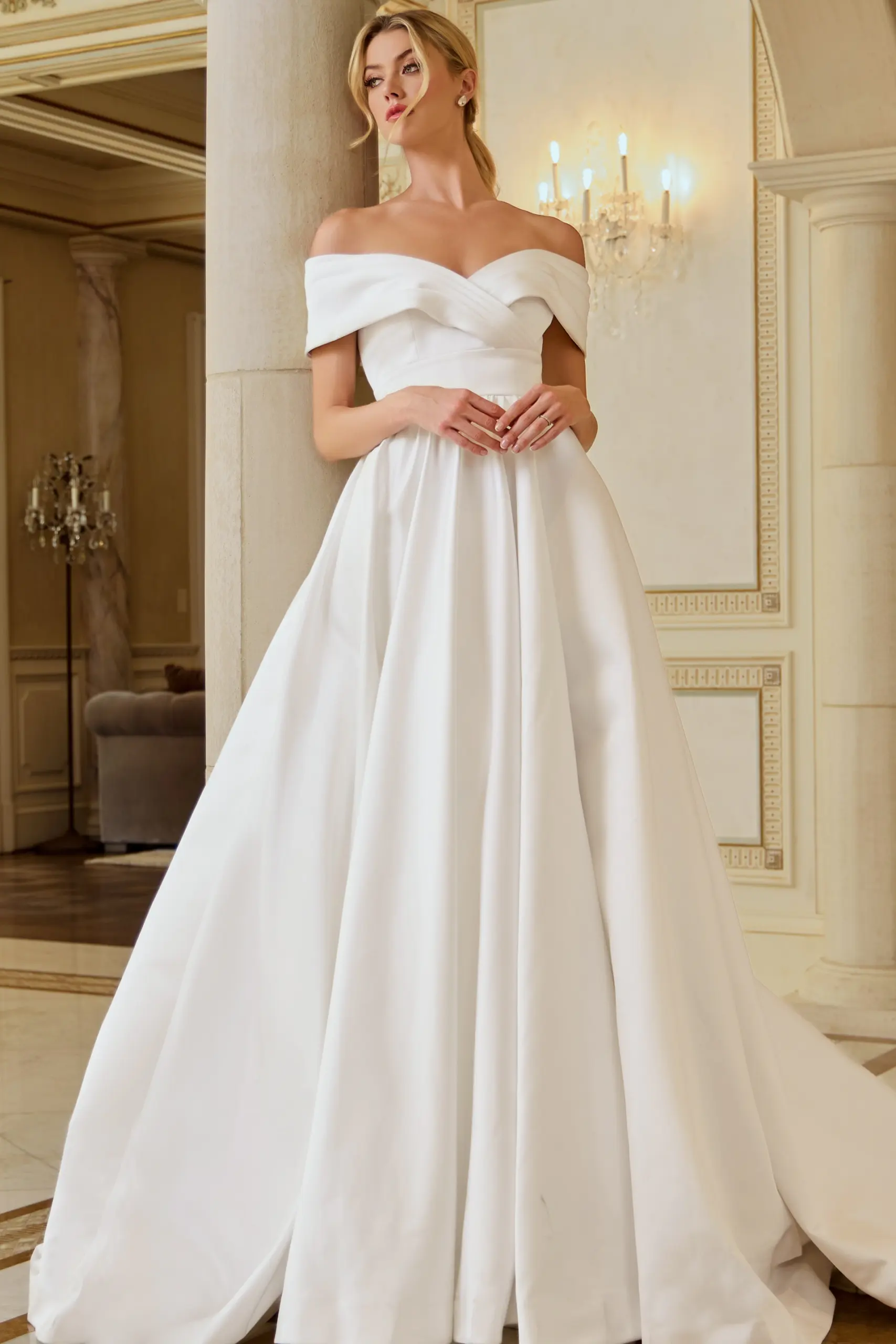
1 Colors
Strapless Satin Ball Gown with Crystal Beaded Bodice JB45169
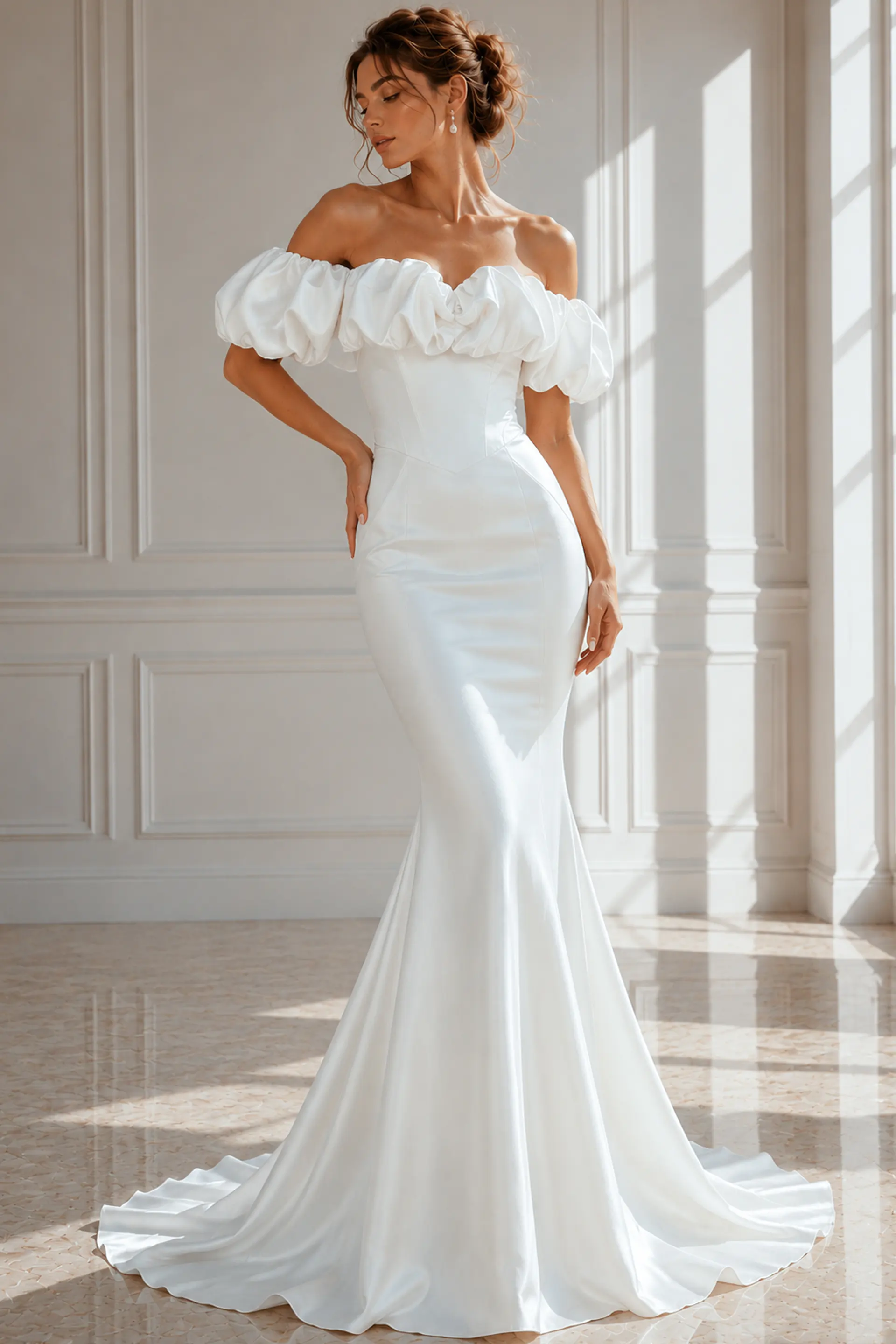
1 Colors
Off the Shoulder Satin Bridal Gown with Ruffled Sleeves and Train JB43896
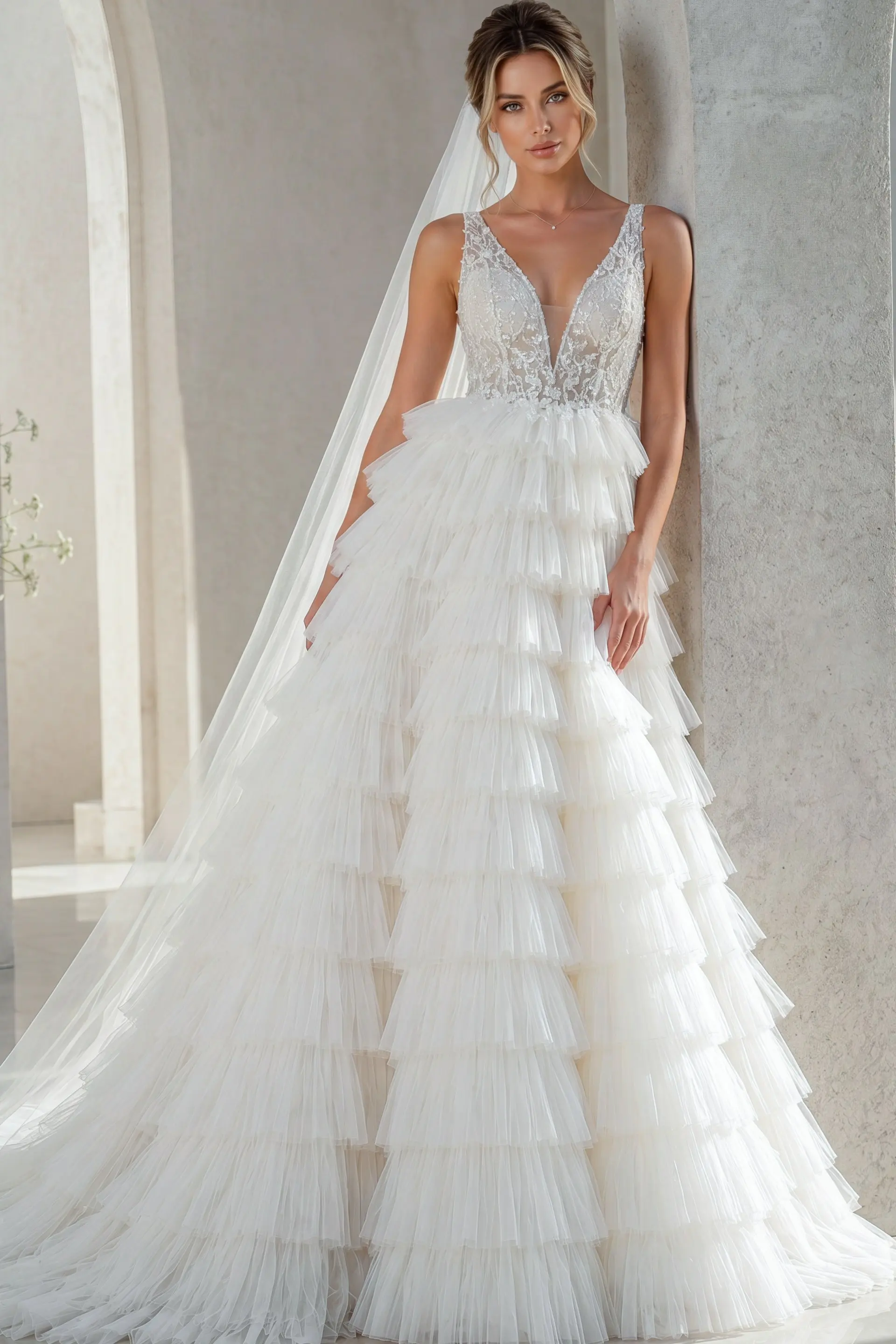
1 Colors
Lace Bodice Ball Gown with Layered Tulle Skirt JB43318
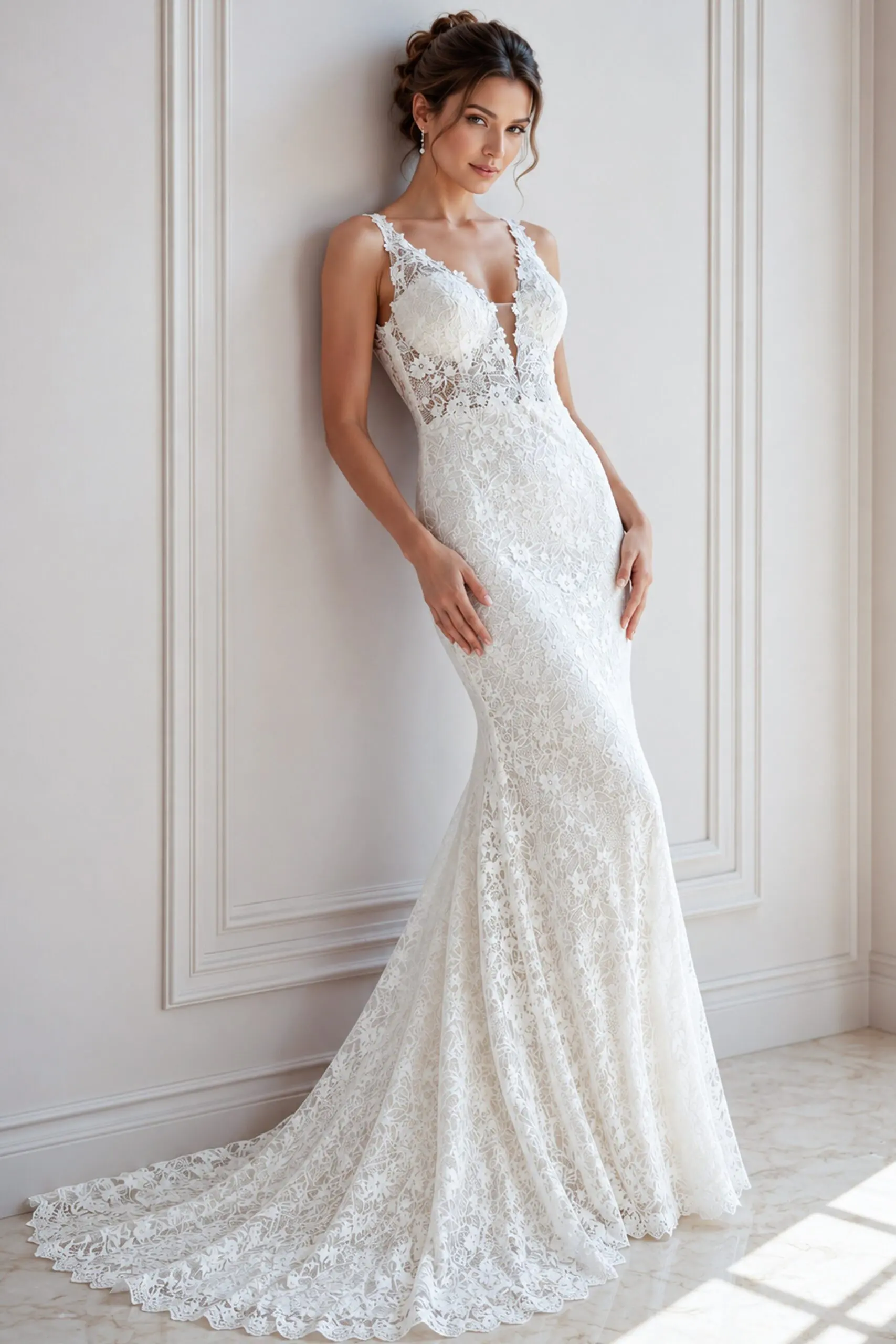
1 Colors
Lace Sheath Wedding Dress with Plunging Neckline JB47331
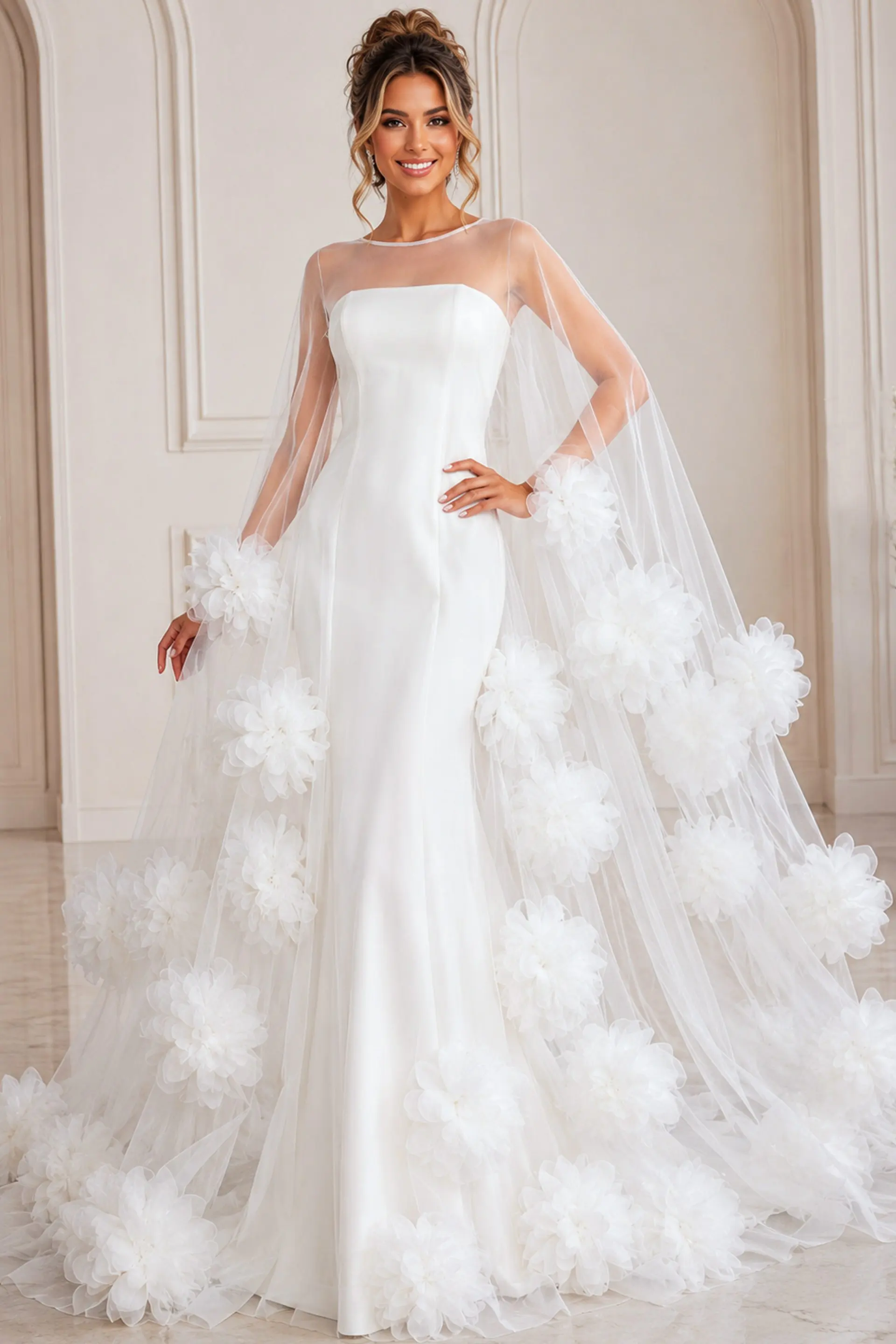
1 Colors
Elegant Strapless Bridal Gown with Floral Tulle Accents JB40091
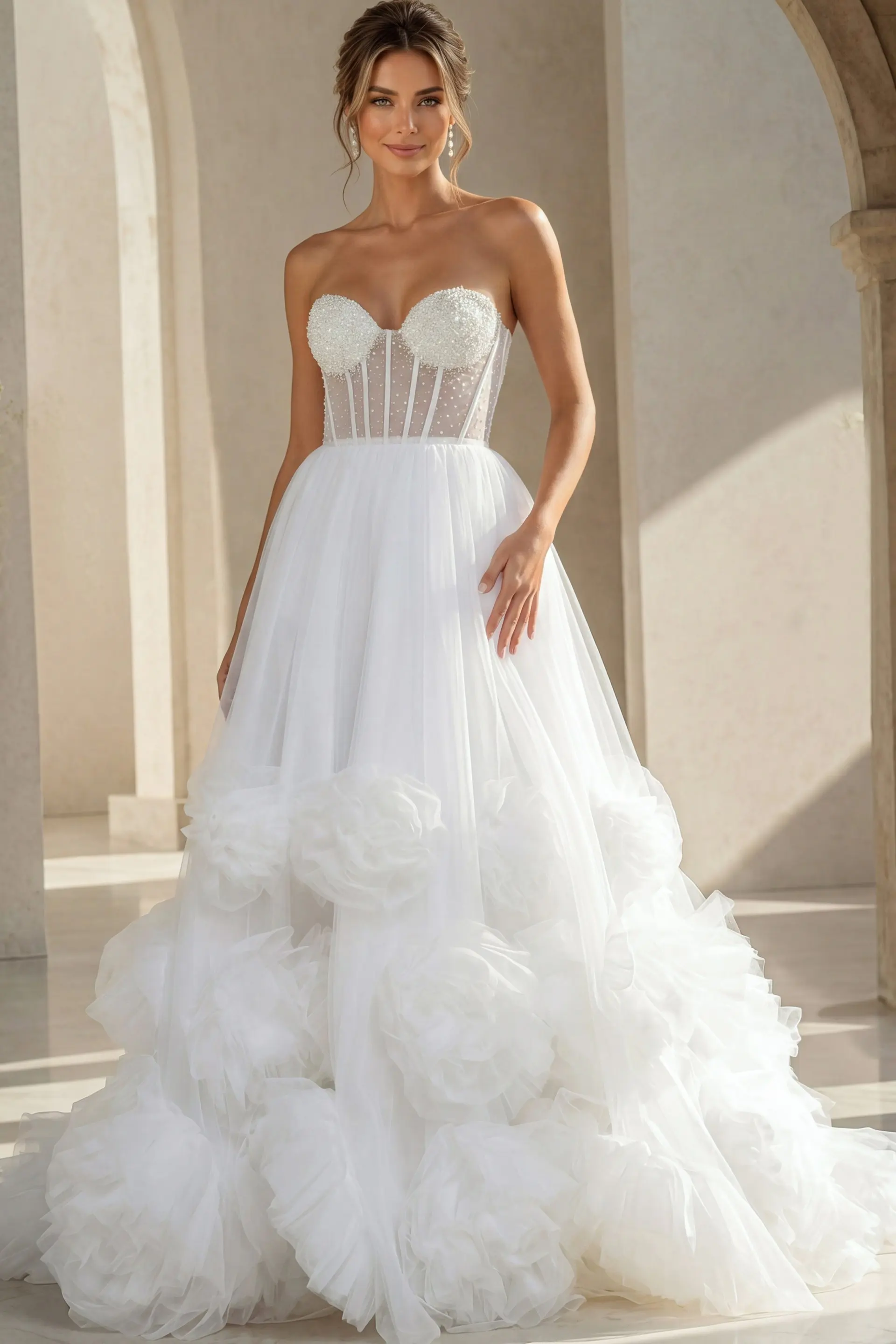
1 Colors
Strapless A Line Wedding Dress with Floral Ruffle Details JB42782
1 Colors
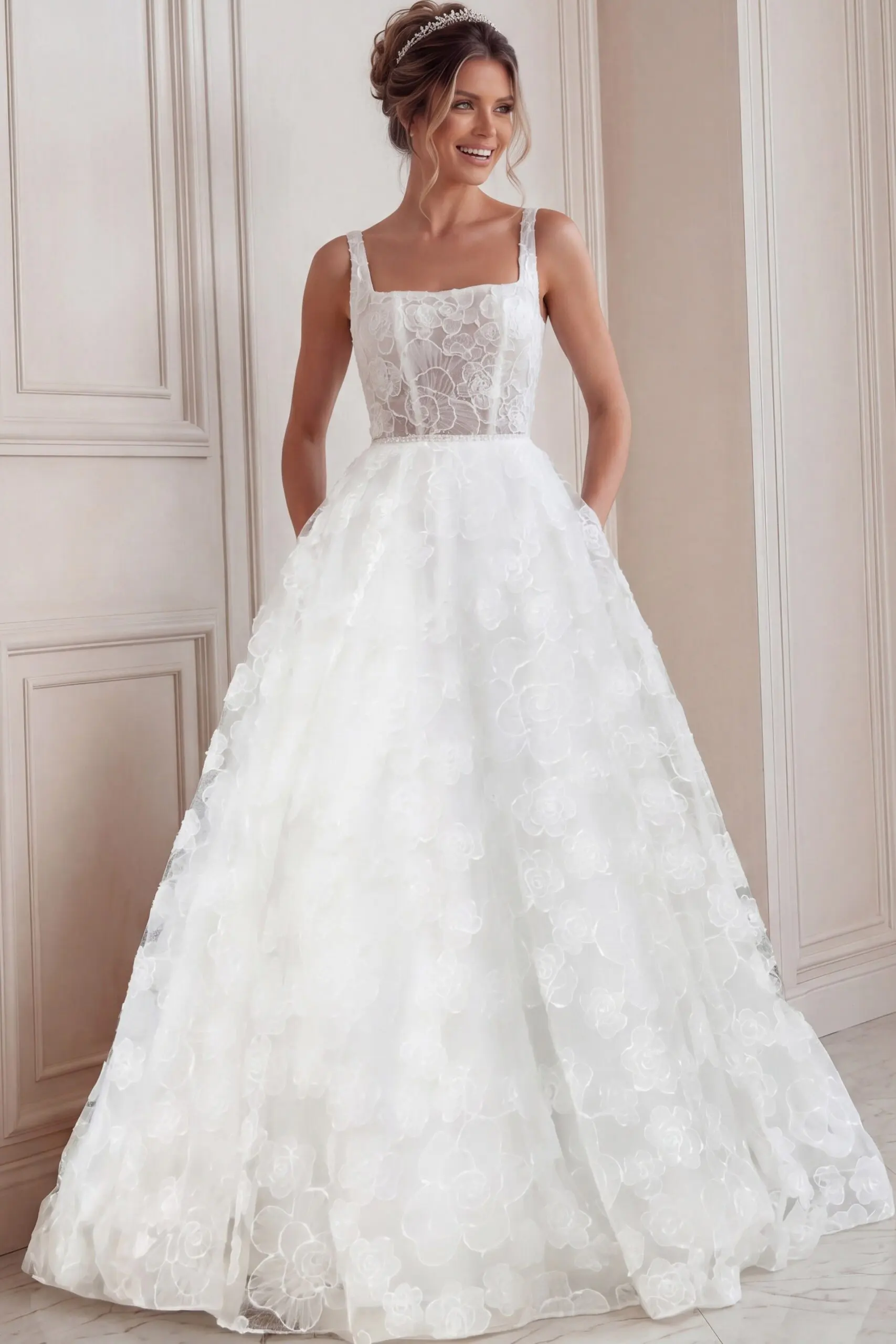
Square Neck Lace Ballgown with Floral Appliqué JB45834
2 Colors
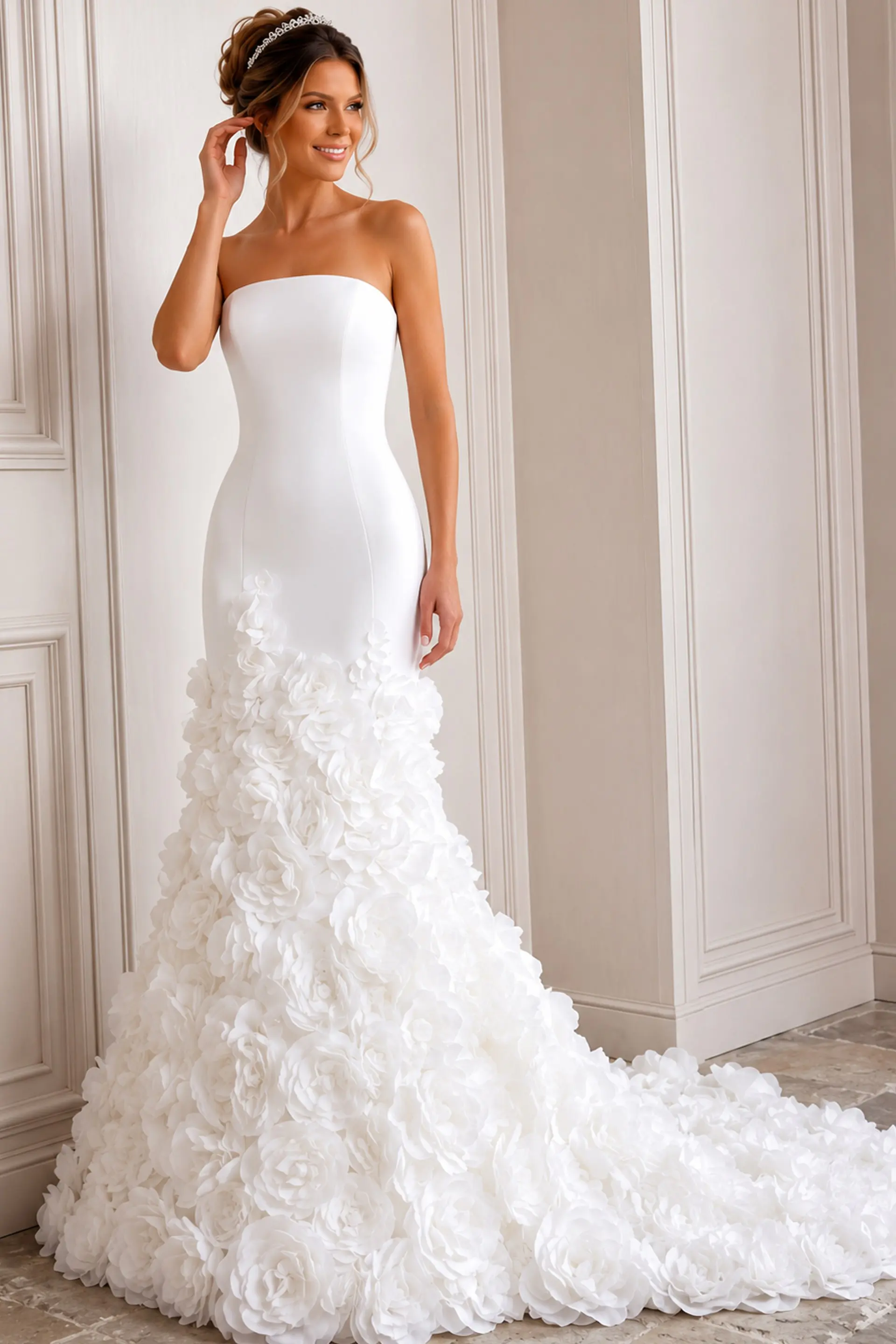
Strapless Mermaid Wedding Dress with 3D Floral Train JB45120
1 Colors
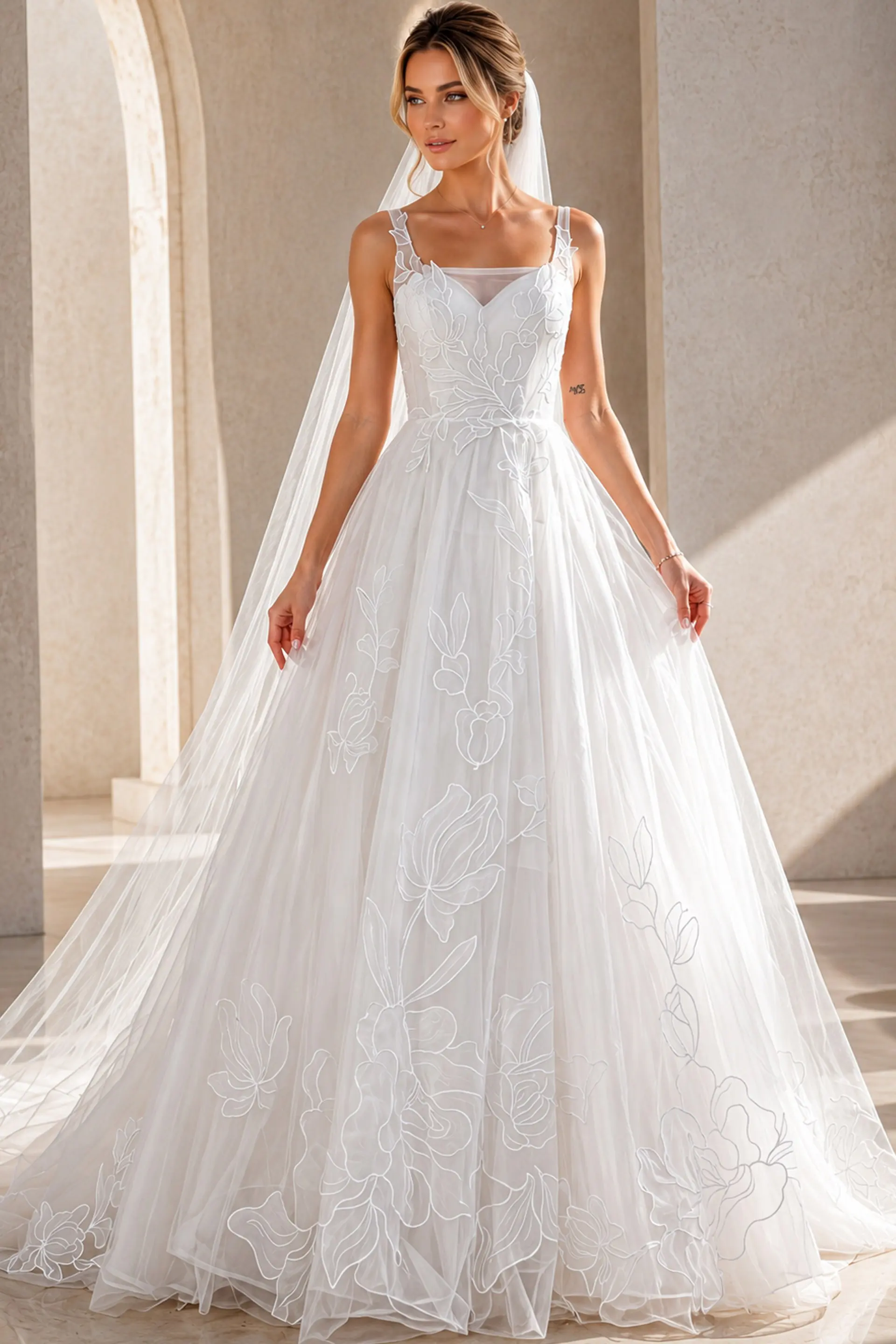
Floral Embroidered A Line Bridal Gown JB49761
1 Colors
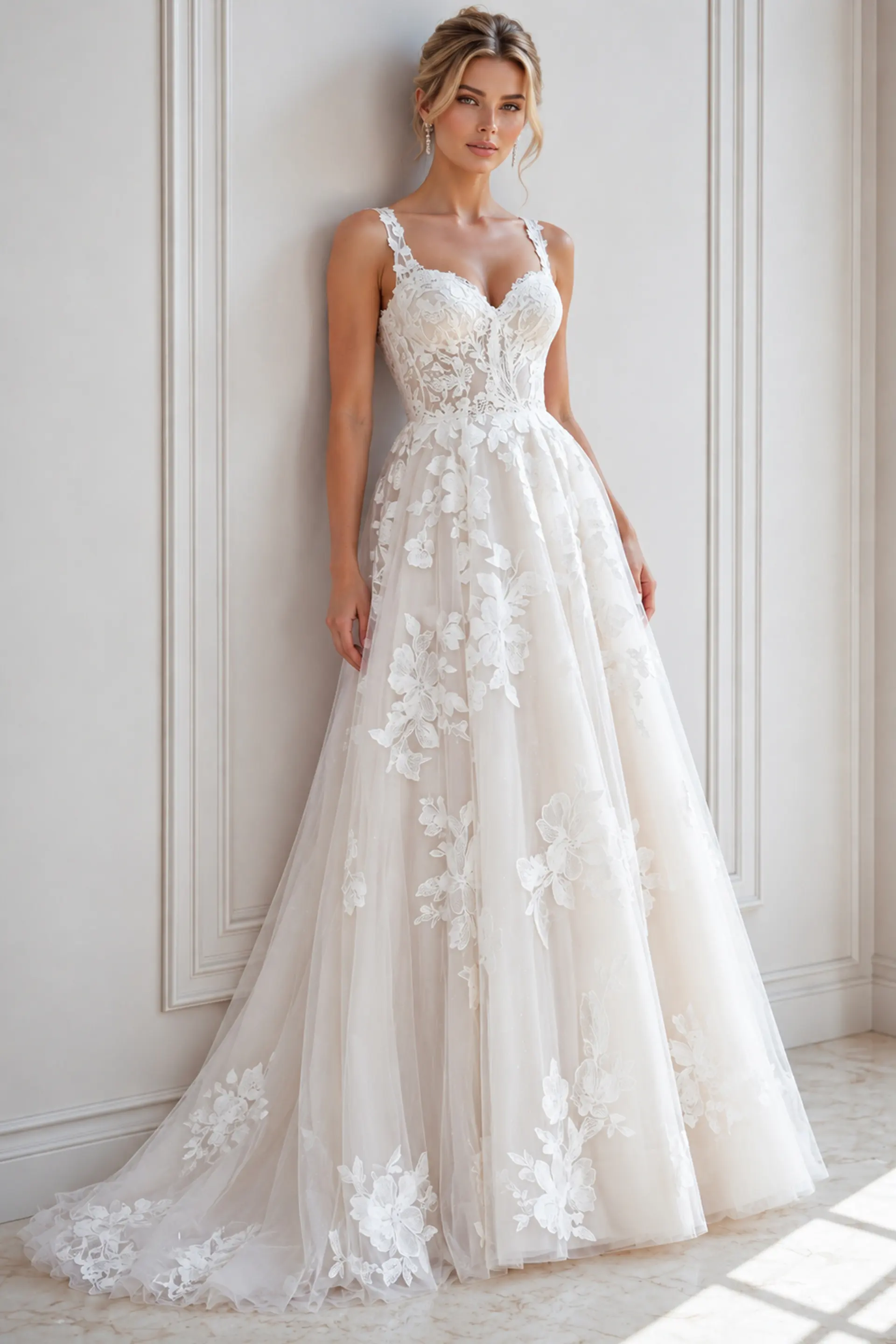
Floral Lace A Line Bridal Gown With Sheer Bodice JB99062
1 Colors
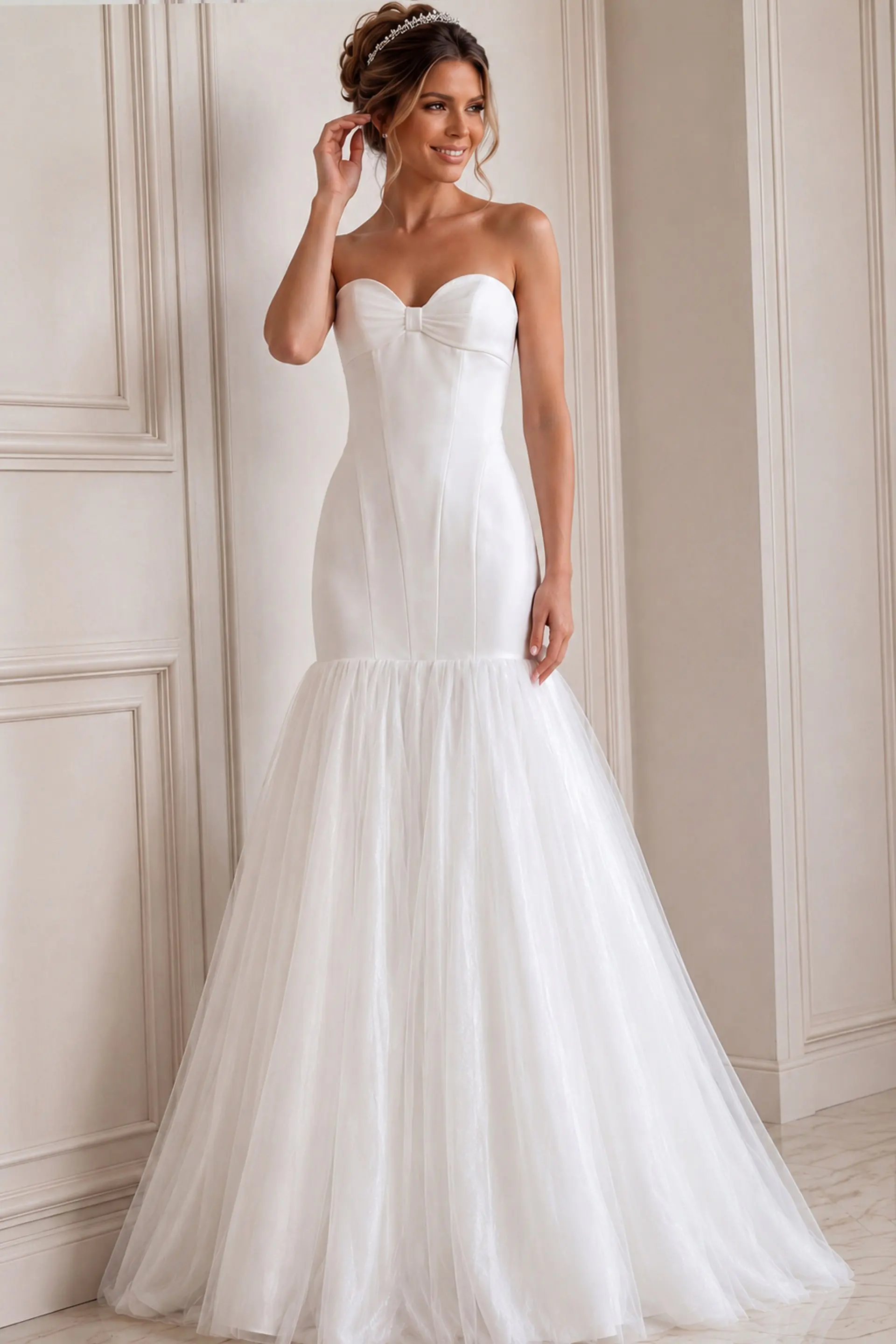
Strapless Mermaid Wedding Dress With Tulle Skirt JB45361
1 Colors
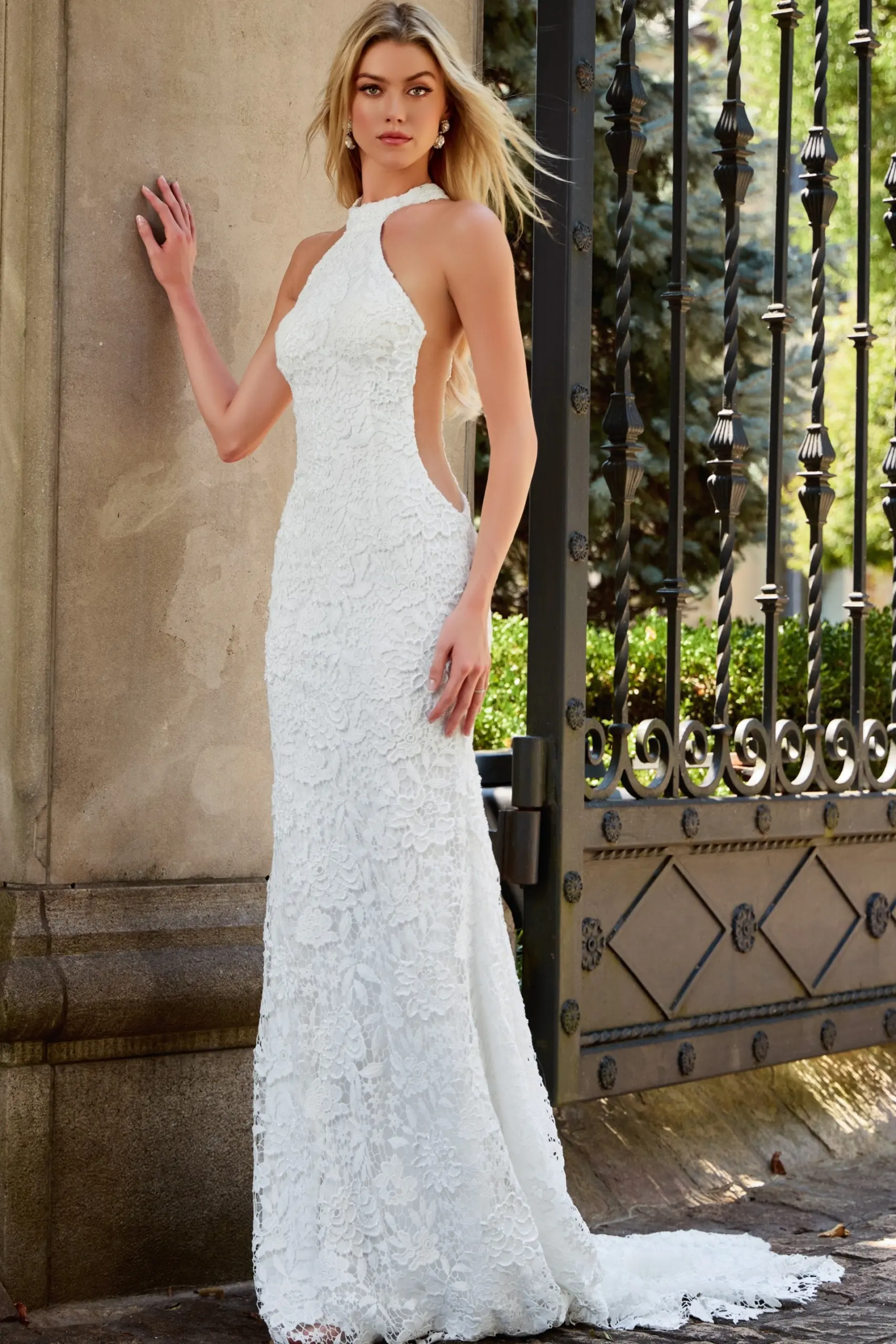
Halter Lace Sheath Wedding Dress JB42770
1 Colors
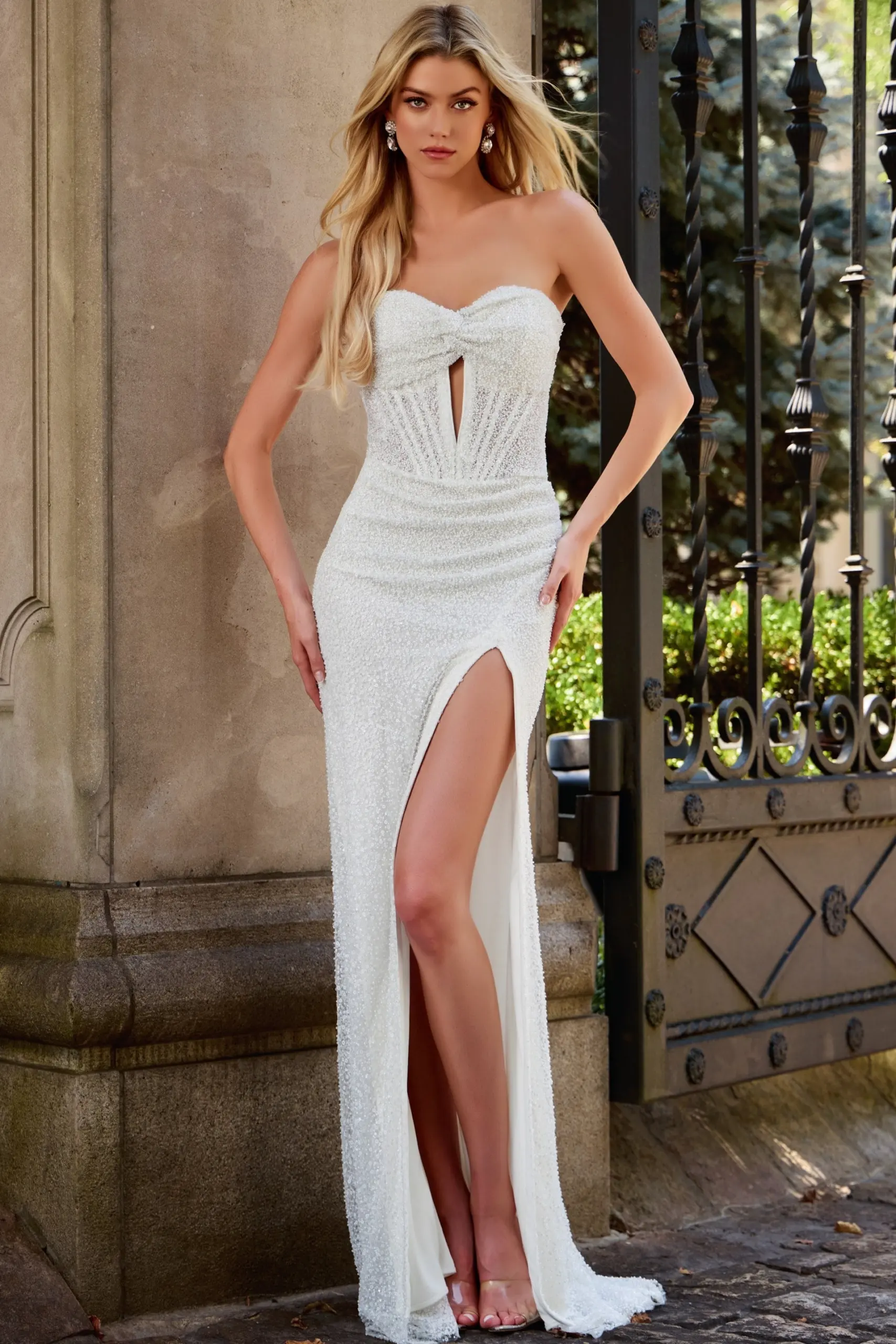
Strapless Beaded Sweetheart Gown JB43119
1 Colors
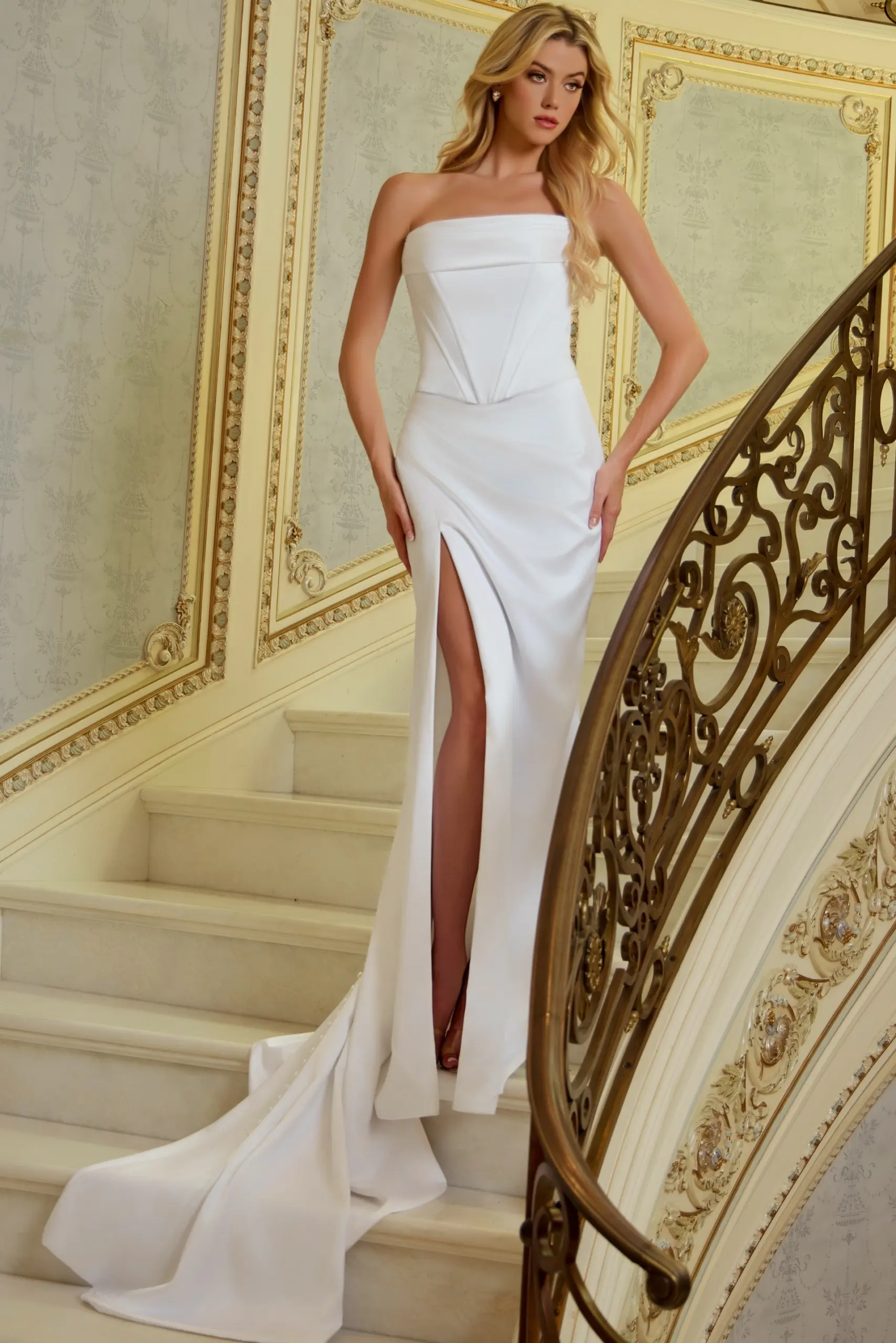
Strapless Satin Sheath Wedding Dress with Slit JB42353
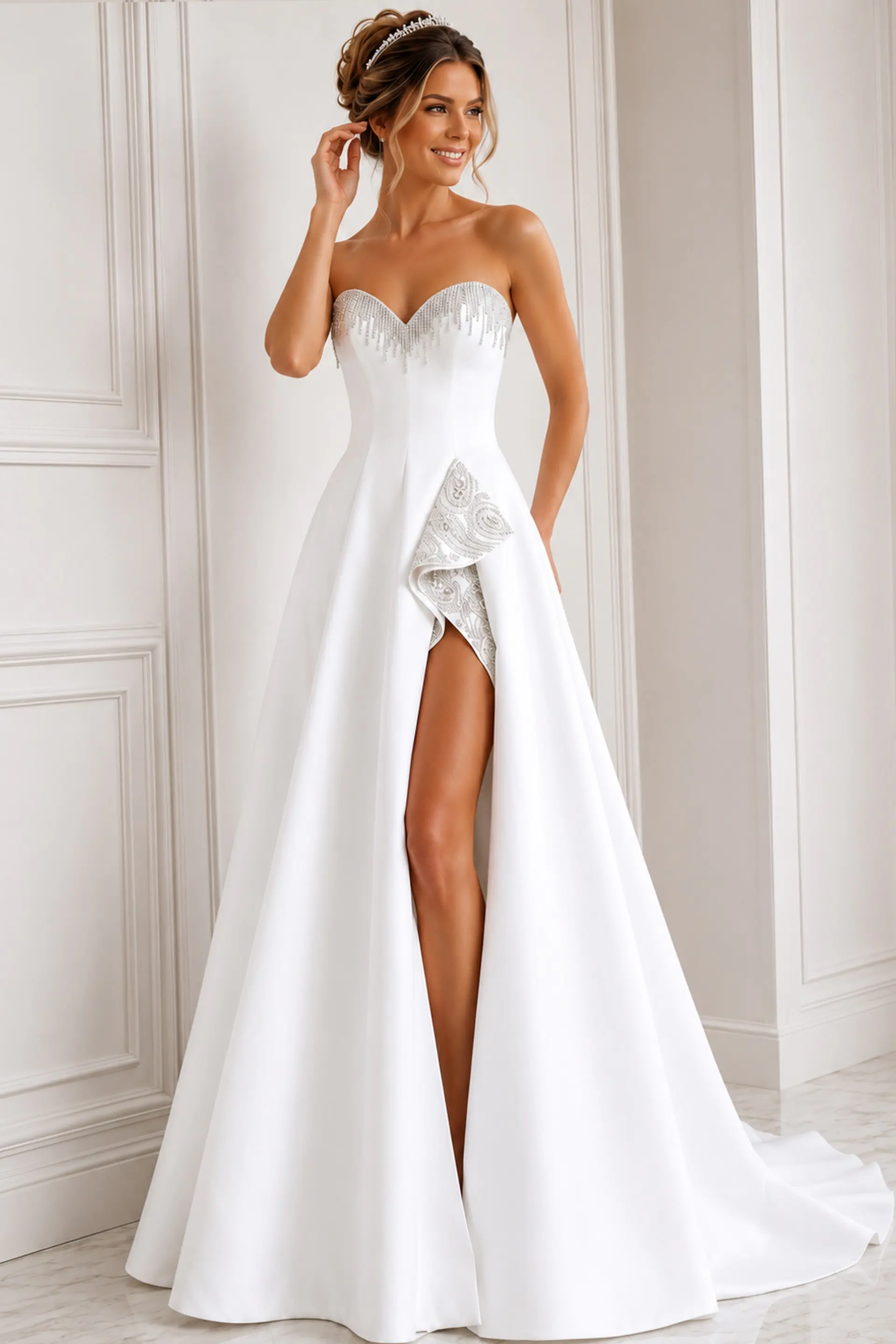
1 Colors
Strapless Ball Gown Wedding Dress with Crystal Bodice JB45132
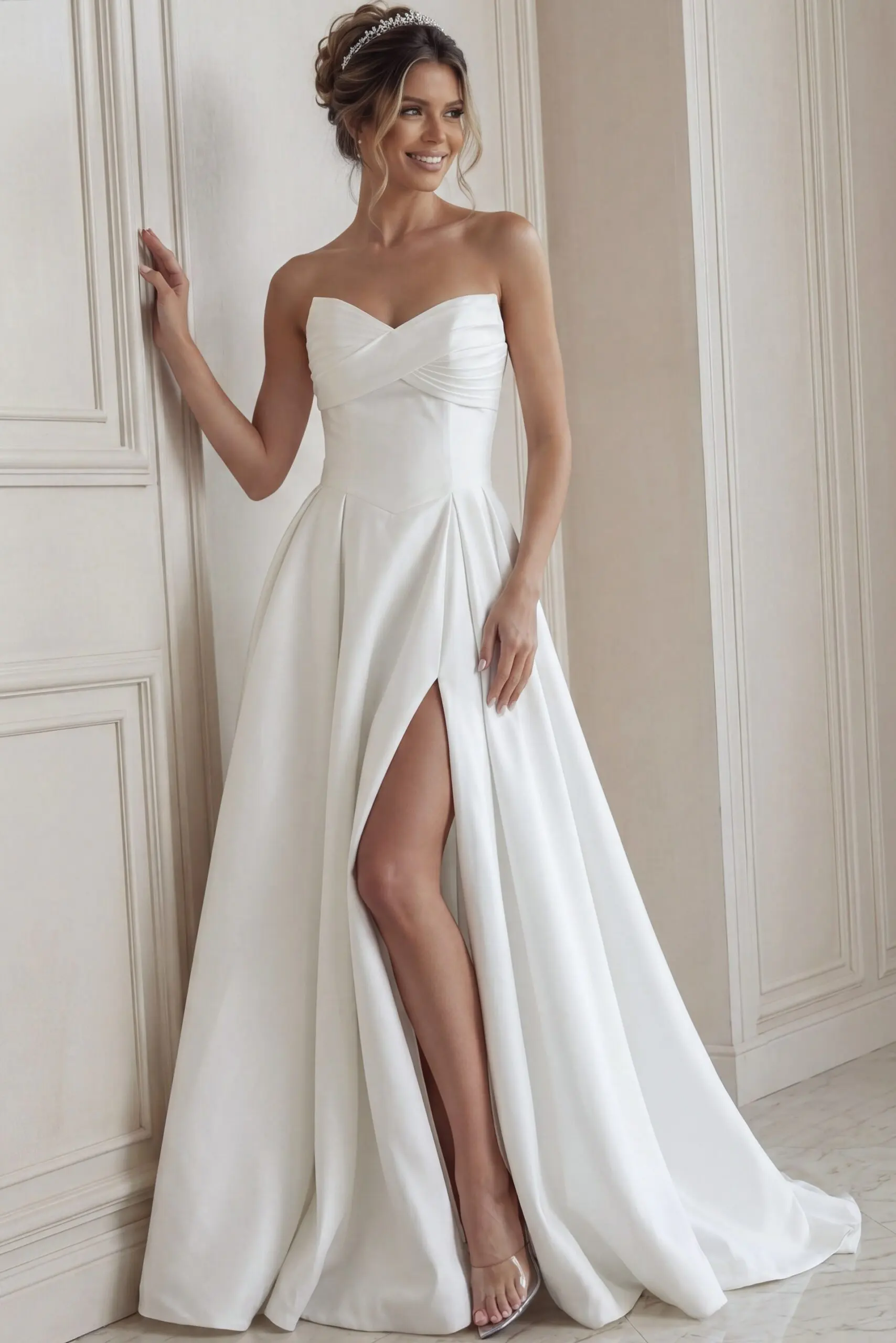
1 Colors
Strapless Sweetheart Satin Wedding Dress JB46880
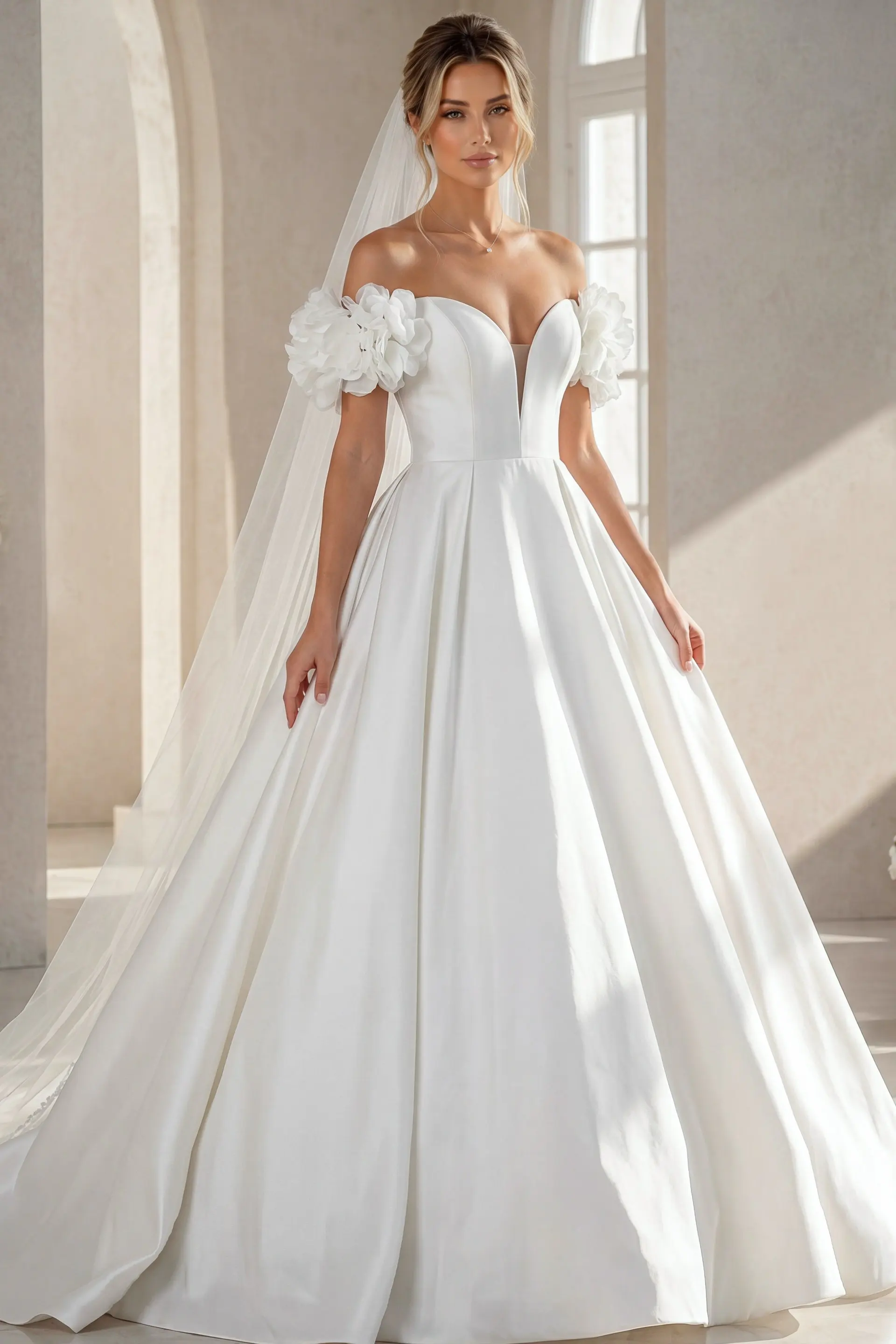
1 Colors
off the Shoulder V Neck Wedding Dress JB40795
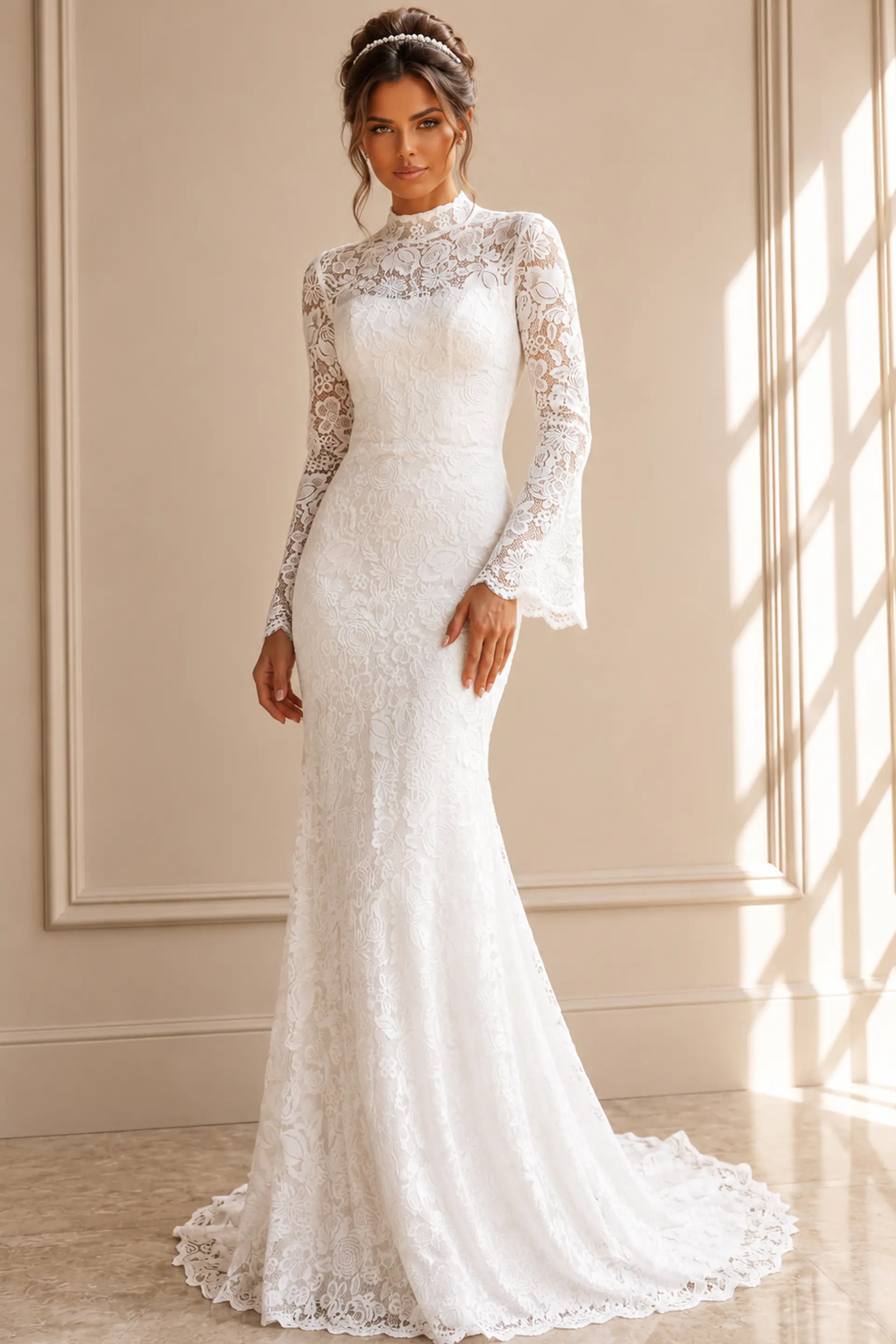
1 Colors
High Neck Lace Wedding Dress Sheath Gown JB45767
1 Colors
Jovani JB07527 White Embellished Long Sleeve Special occasion Dress
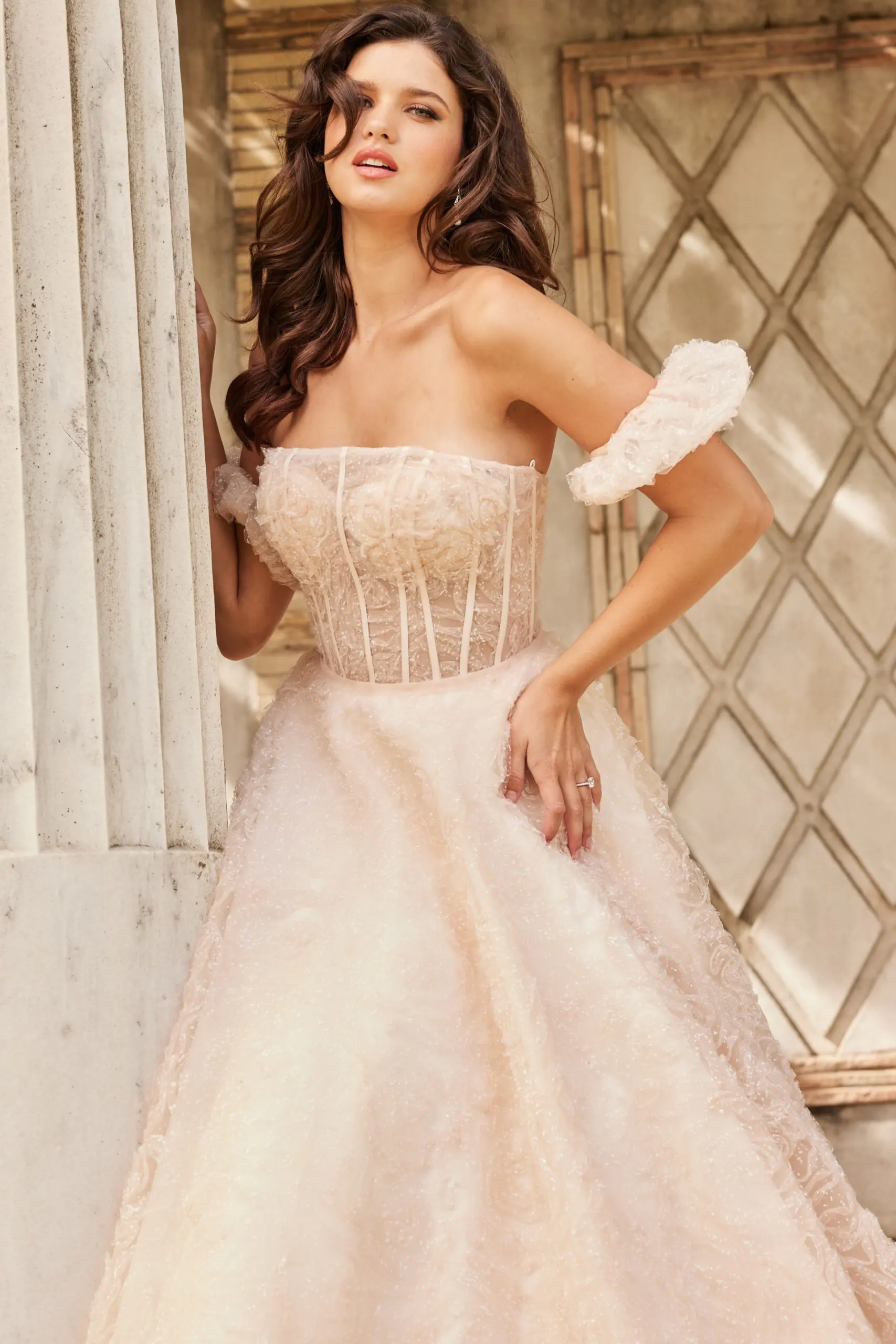
2 Colors
Nude Corset Bodice A line Dress JB26341
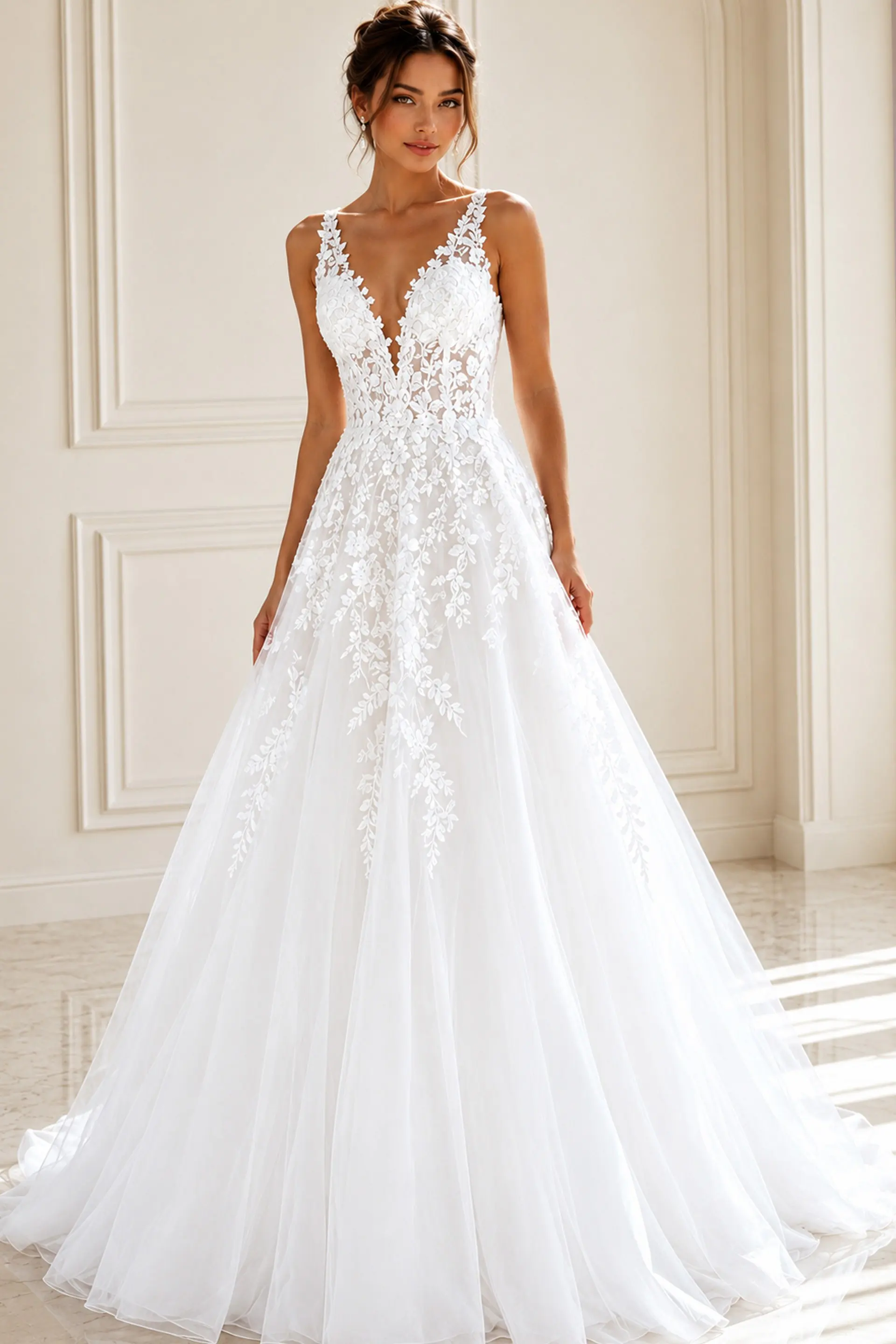
1 Colors
Floral Lace A Line Bridal Gown JB42323
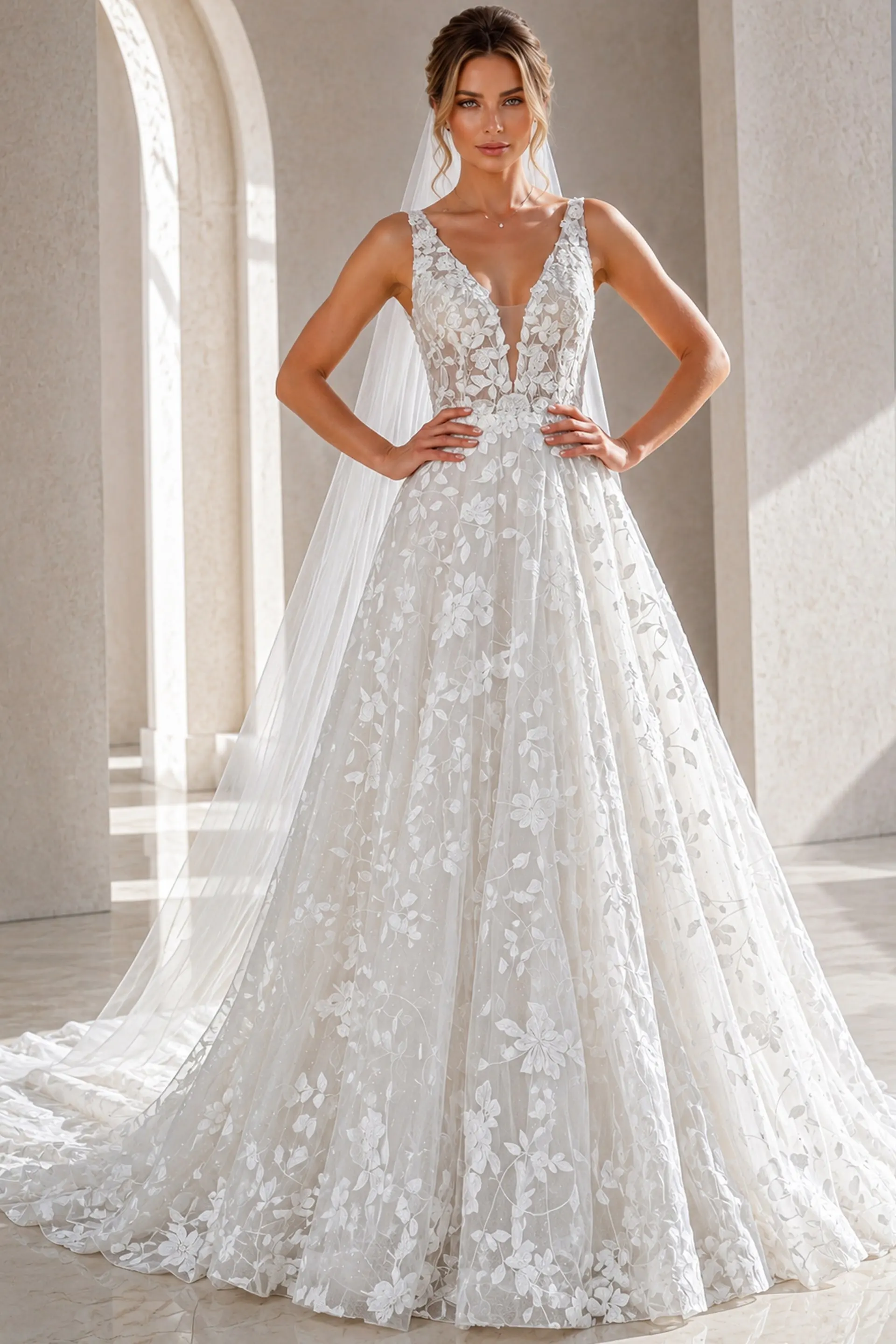
1 Colors
Floral Lace A Line Gown with Deep V Neckline JB49748
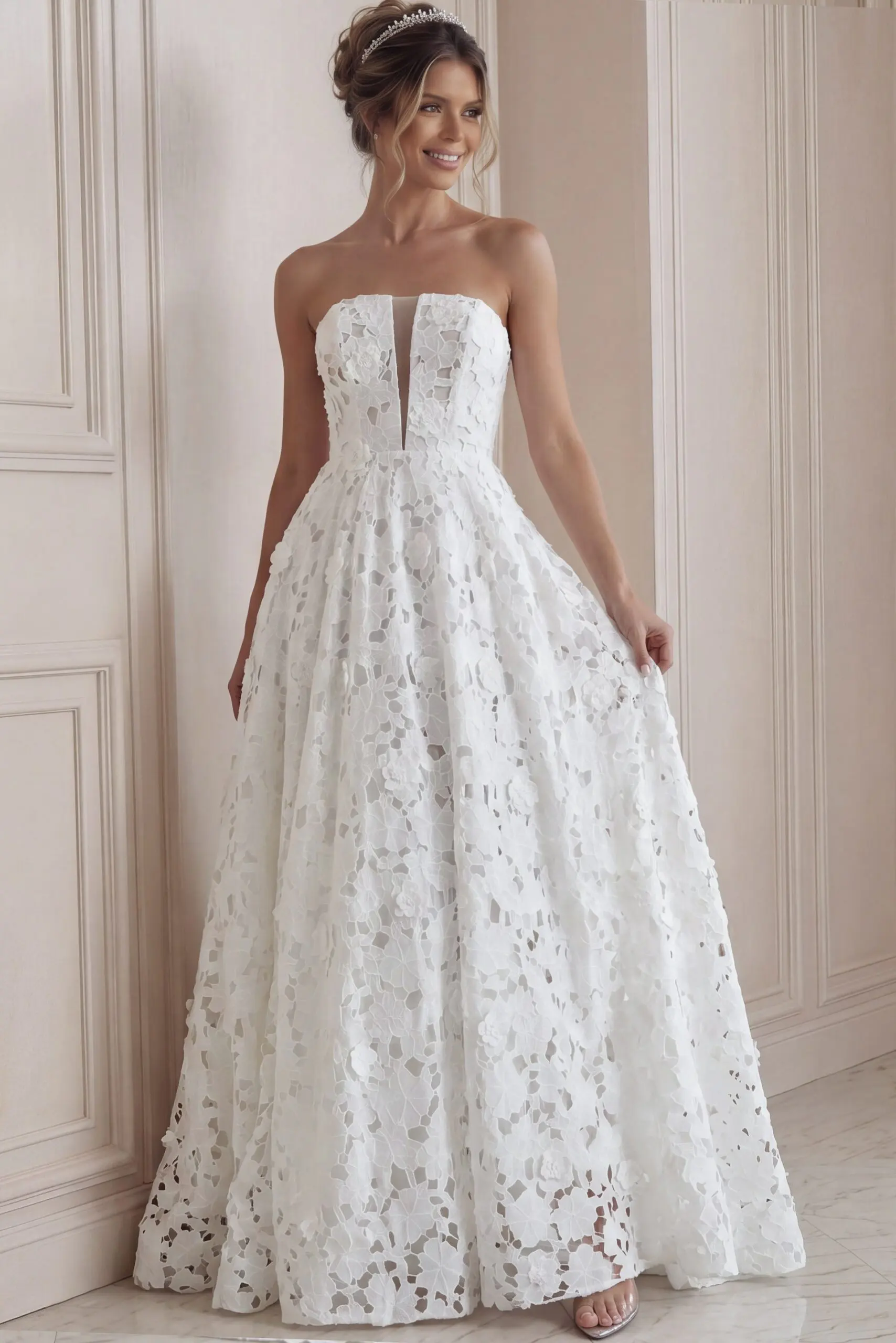
1 Colors
Lace Ball Gown Wedding Dress With Floral Appliqués JB45912
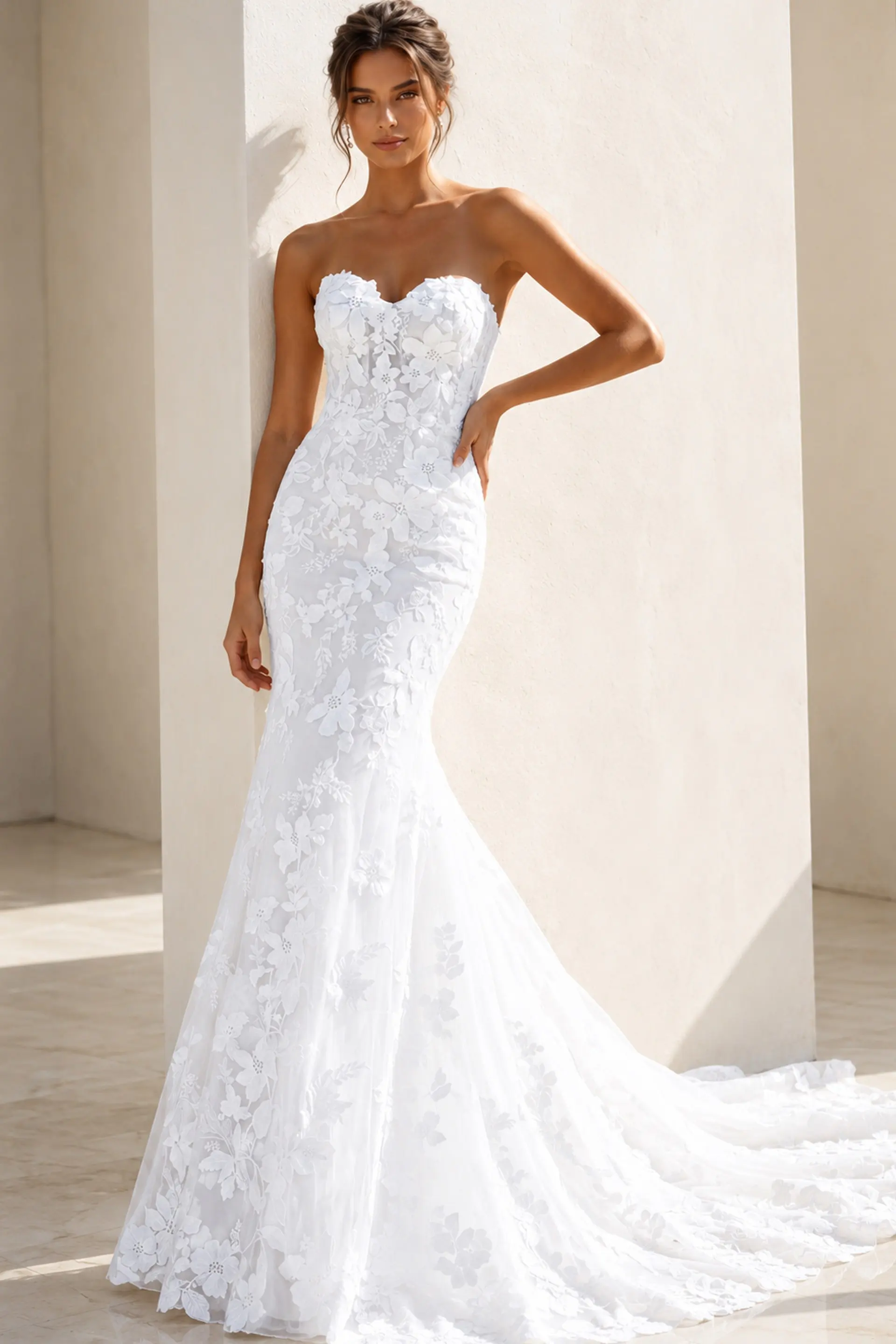
1 Colors
Floral Lace Bridal Gown With Sparkle Tulle JB99063
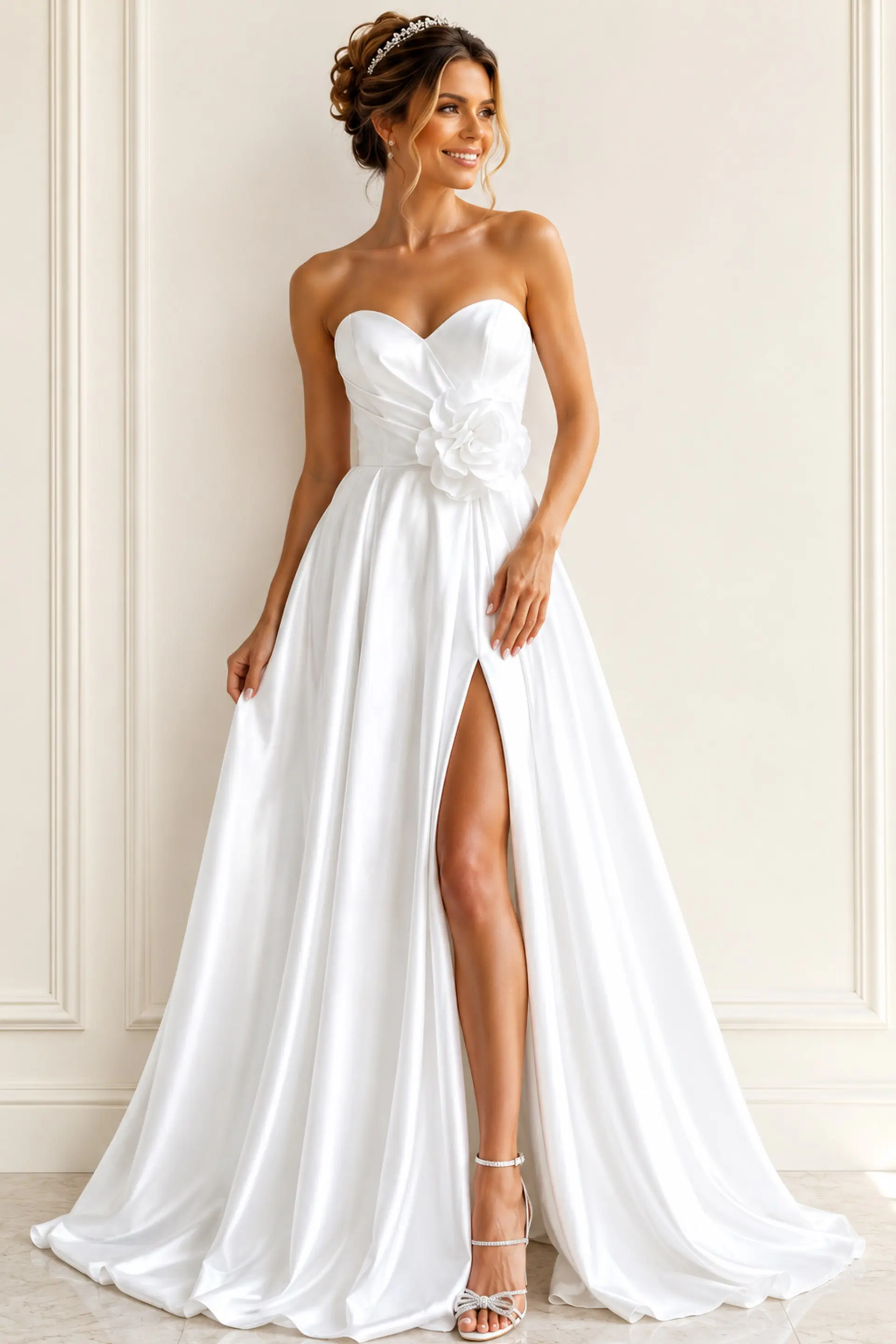
1 Colors
Sweetheart Neckline Corset Bodice Wedding Dress JB40825
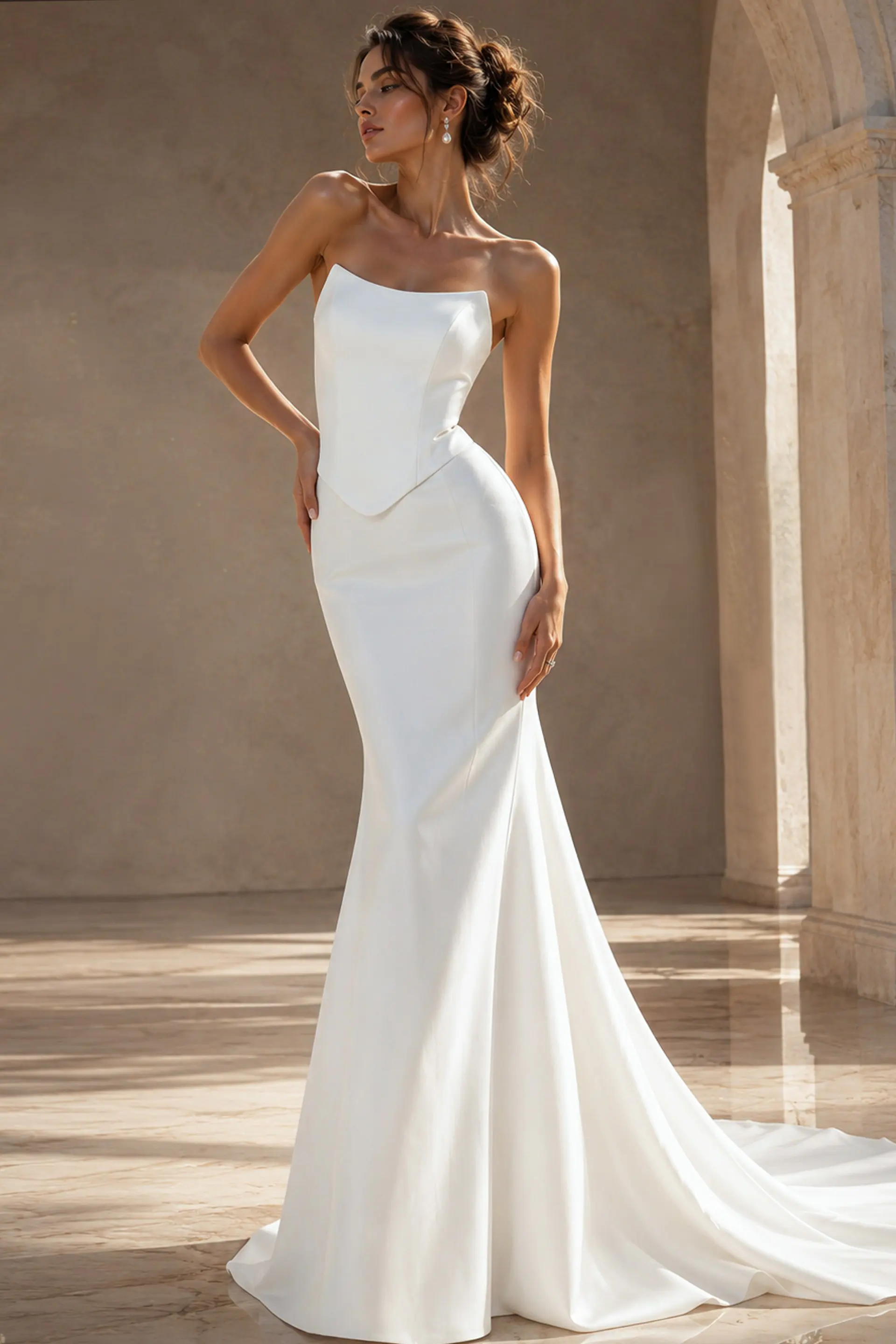
1 Colors
Strapless Crepe Bridal Gown With Button Detail Train JB49077
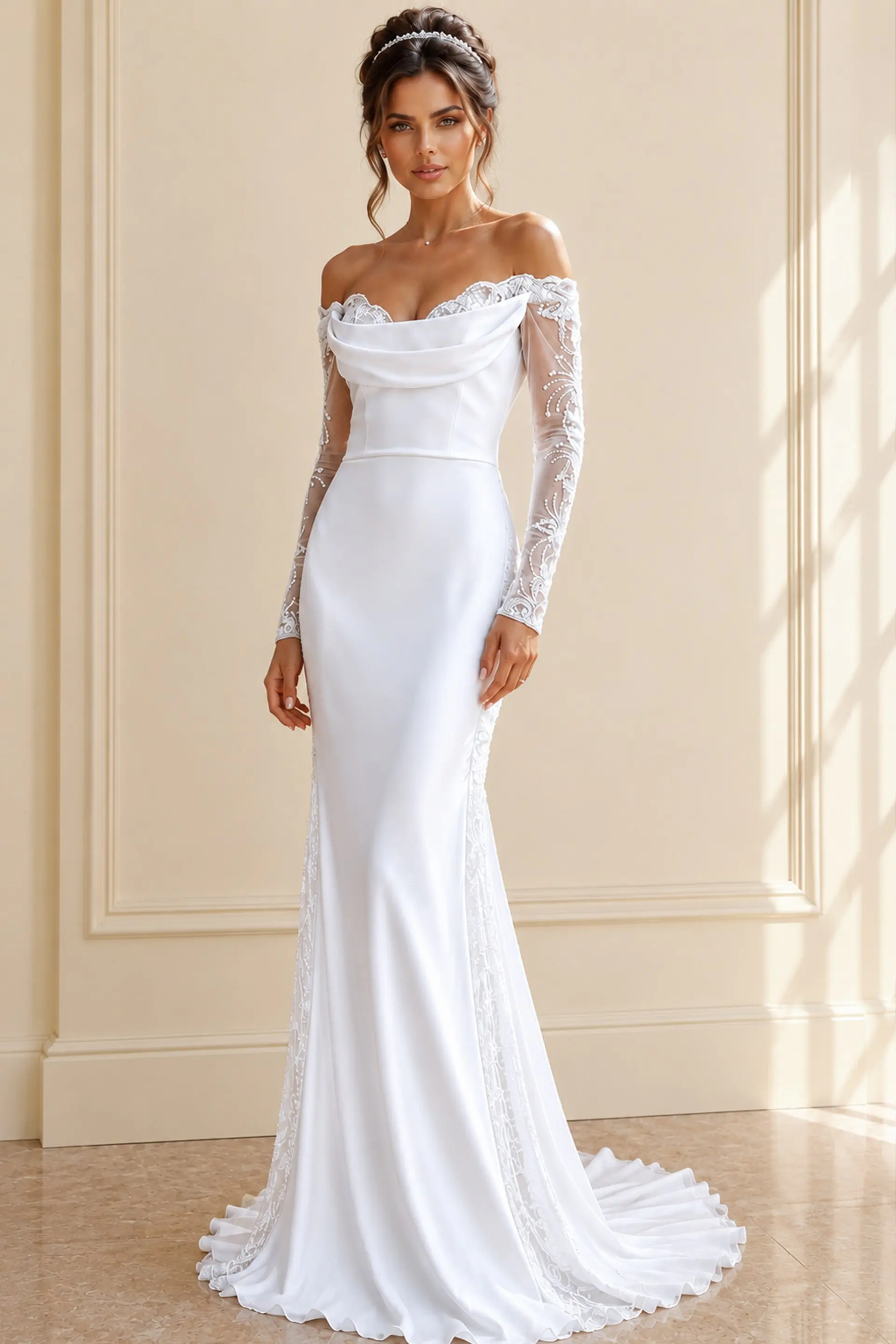
1 Colors
Elegant Off Shoulder Fitted Bridal Gown JB41163
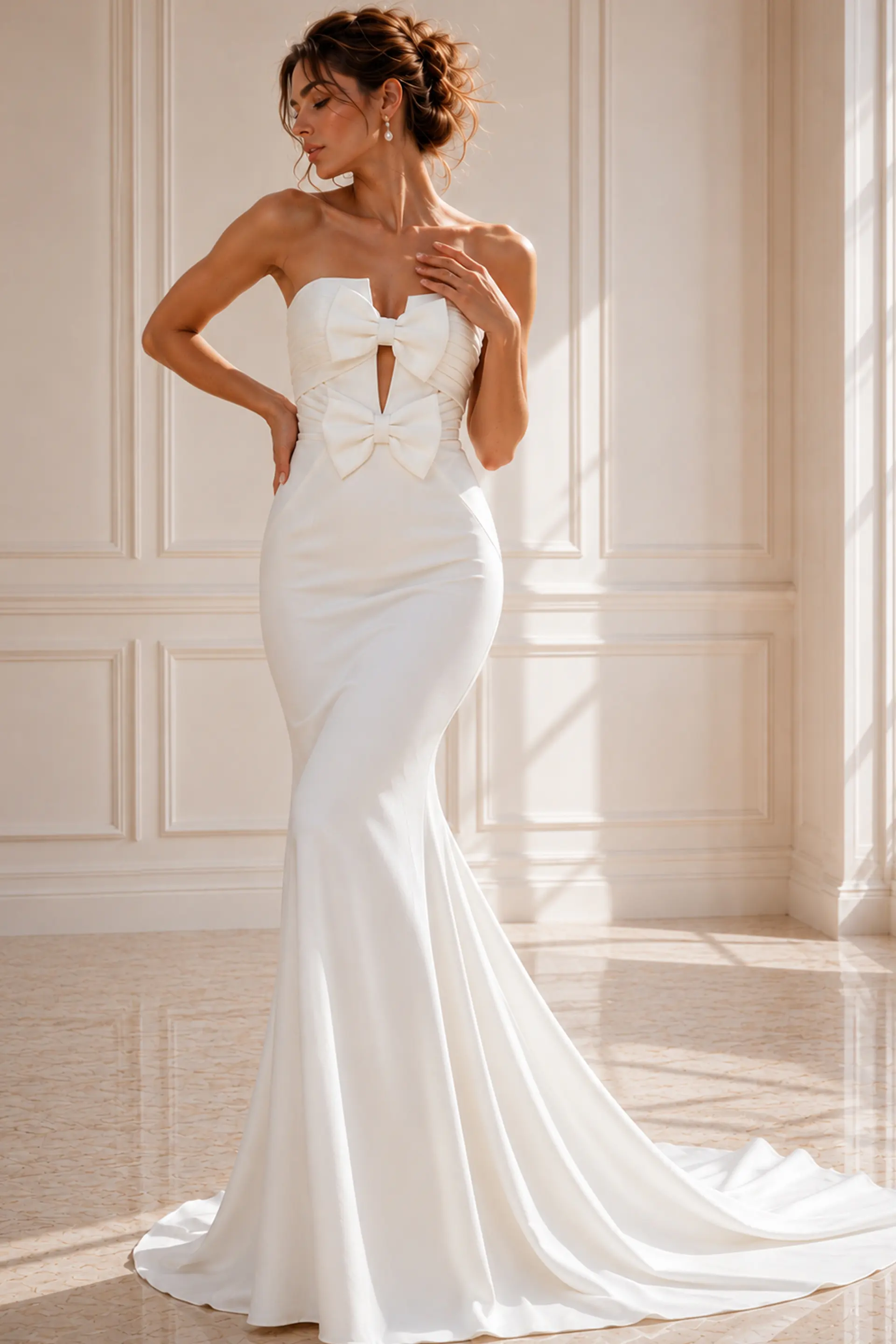
1 Colors
Sheer Lace Mermaid Bridal Gown JB44597
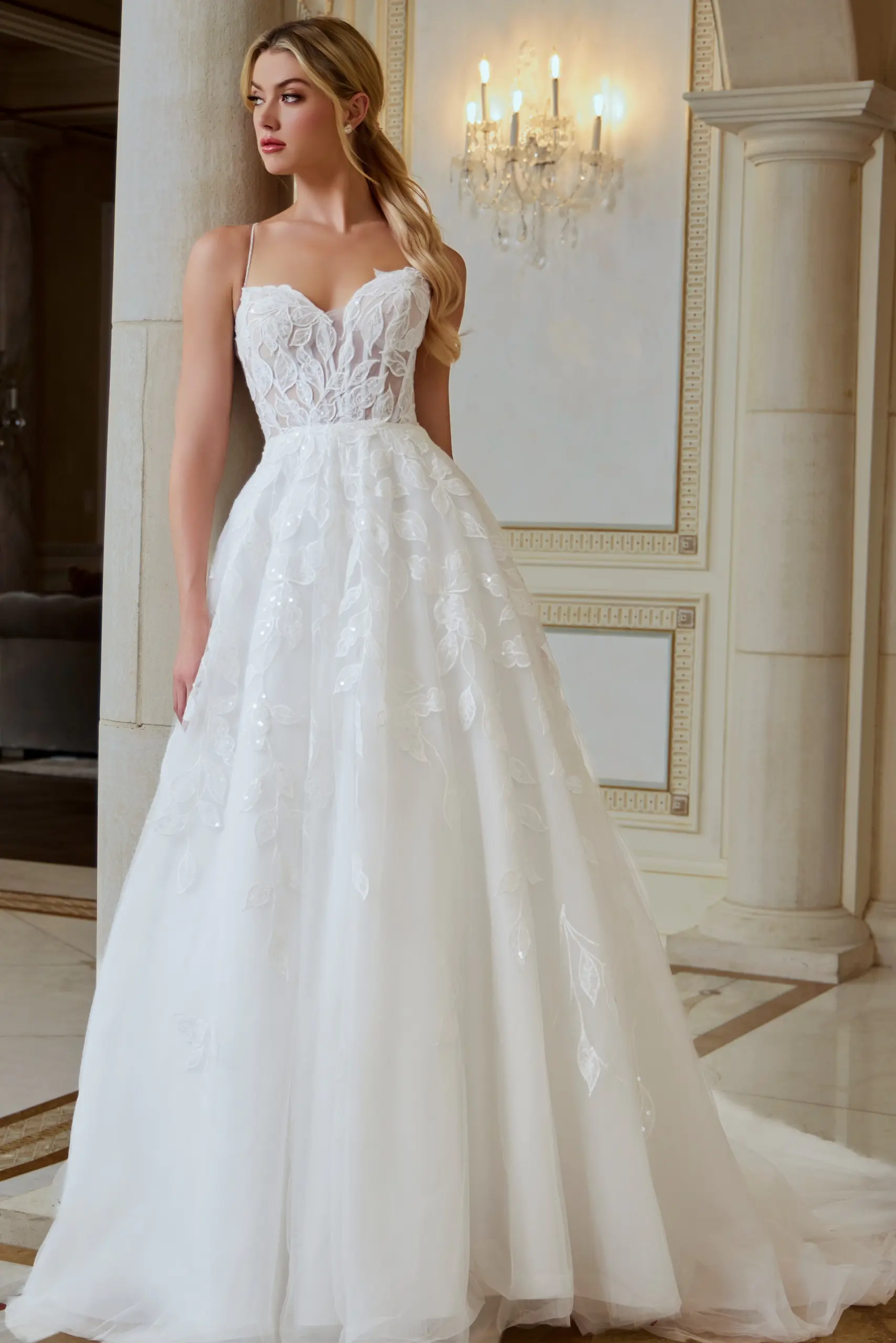
1 Colors
Floral Lace Ball Gown Wedding Dress JB43863
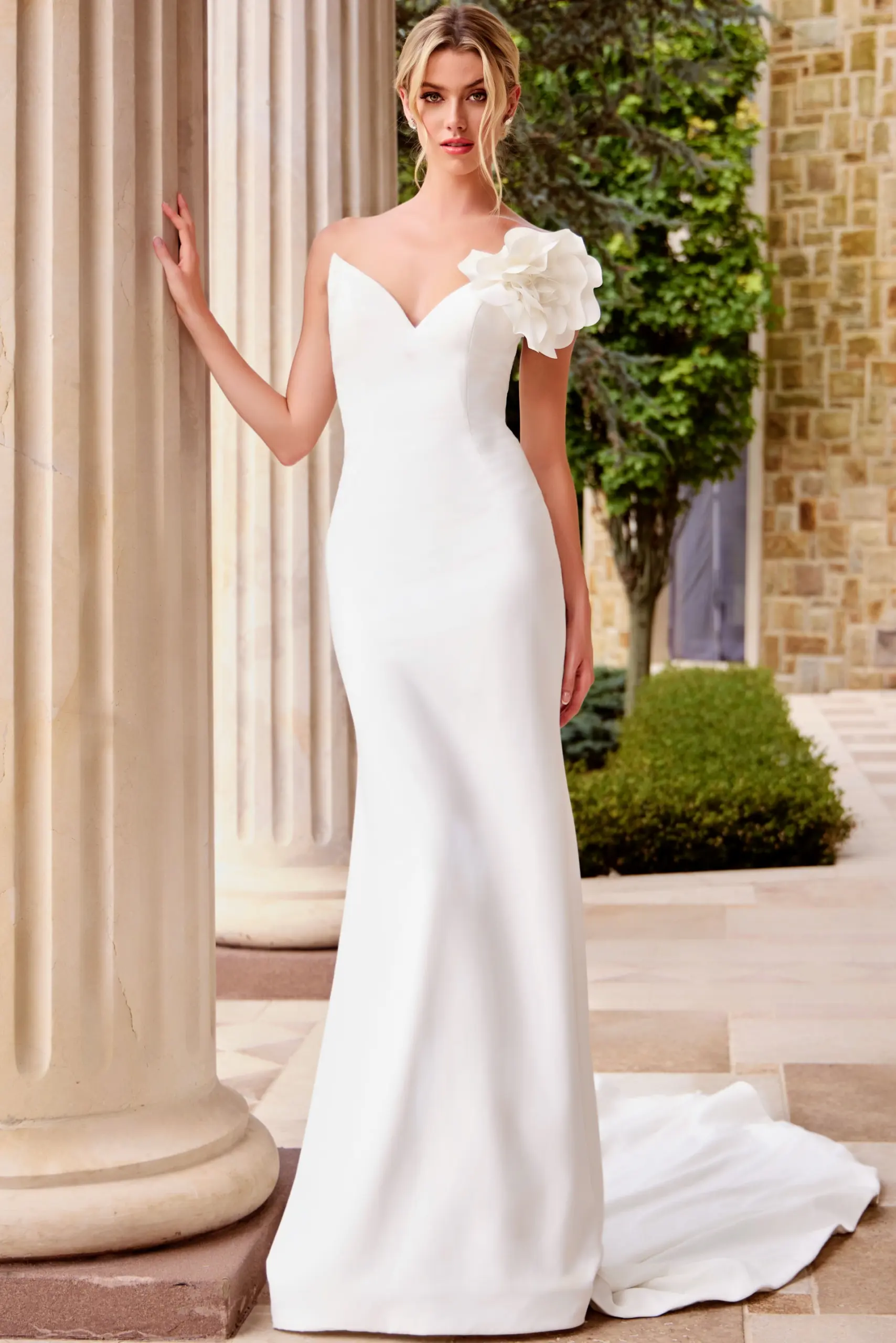
1 Colors
One Shoulder Floral Crepe Bridal Gown JB43815
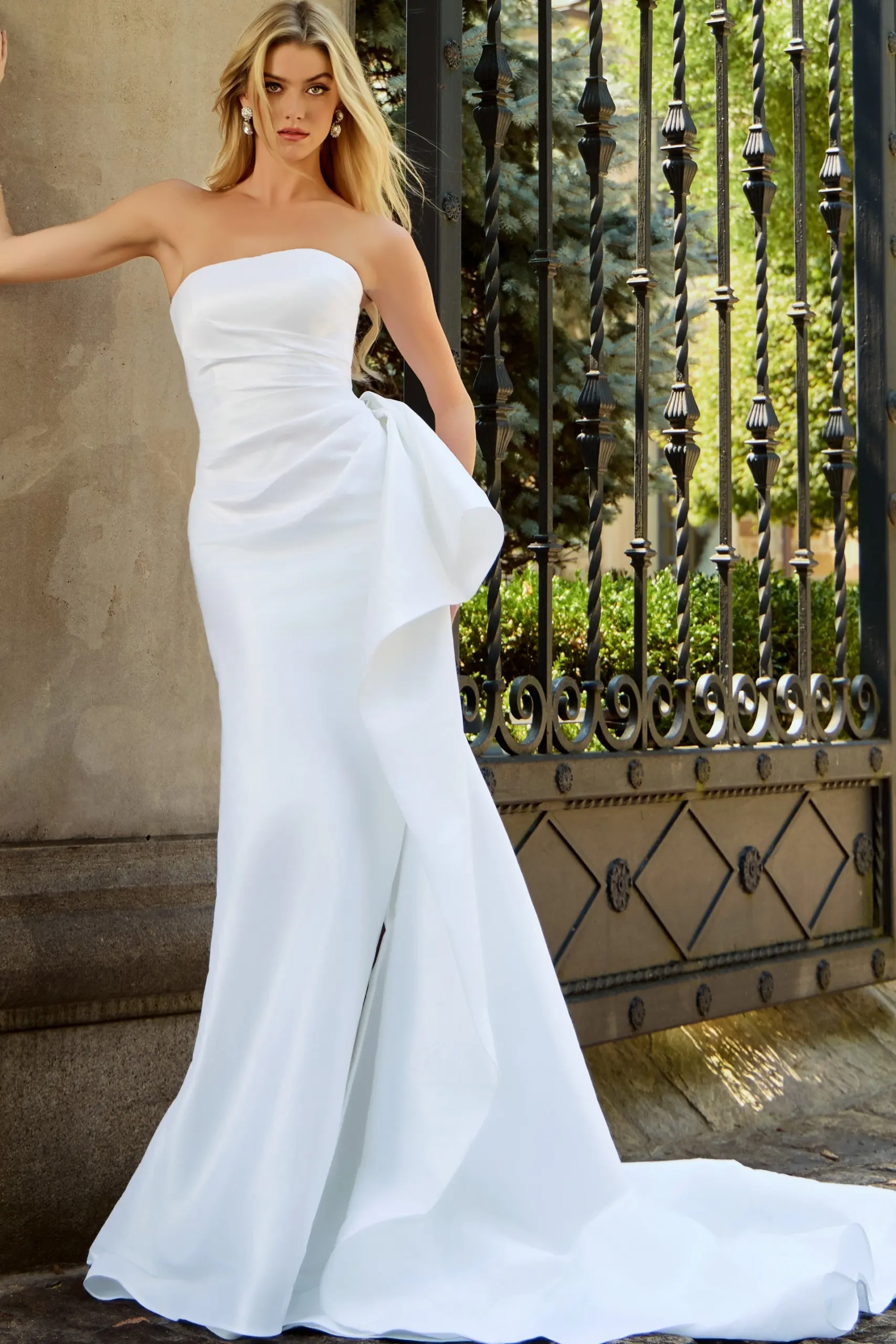
1 Colors
Strapless Satin Bridal Gown with Draped Overskirt JB43622
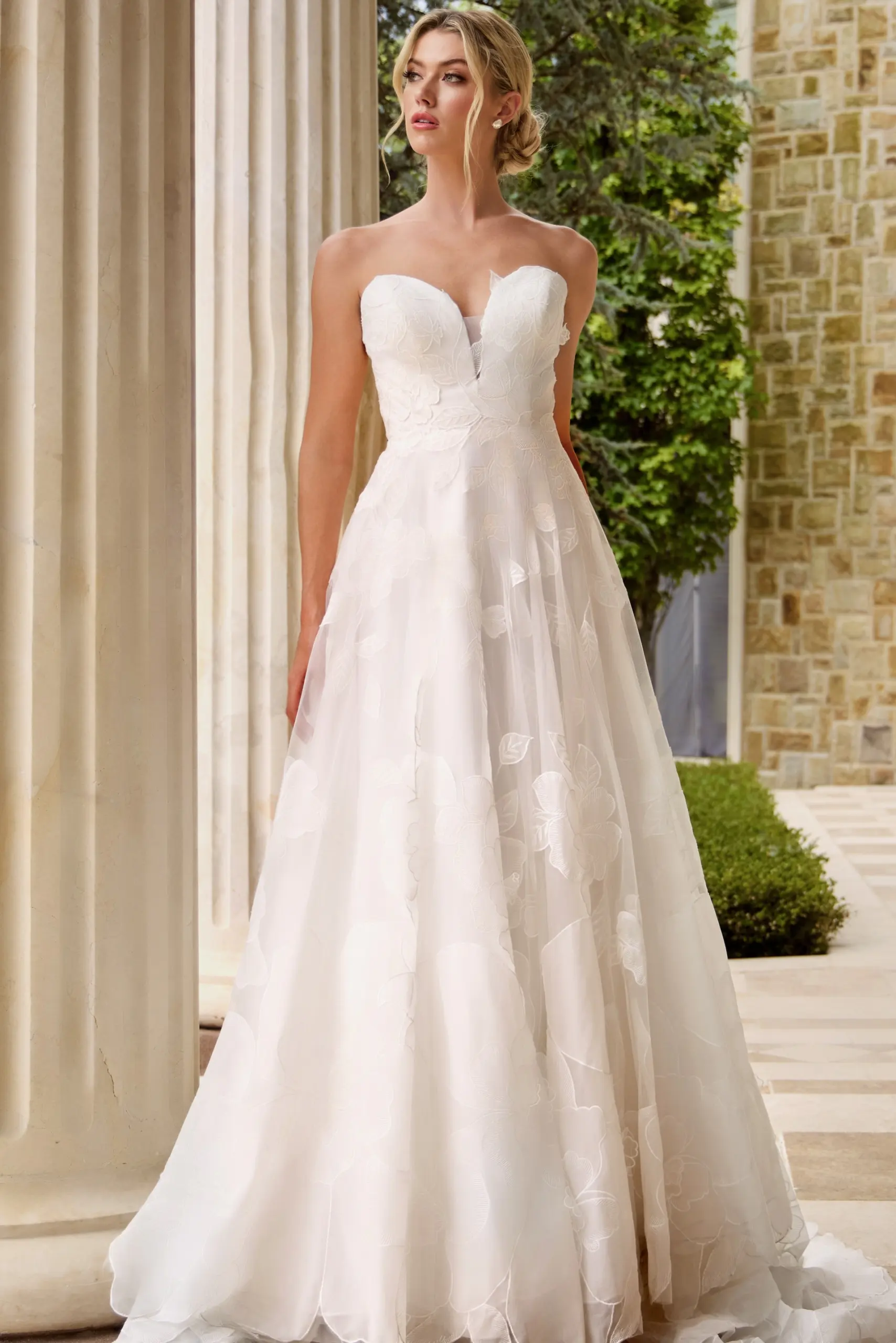
1 Colors
Floral Lace A-Line Wedding Gown JB42324
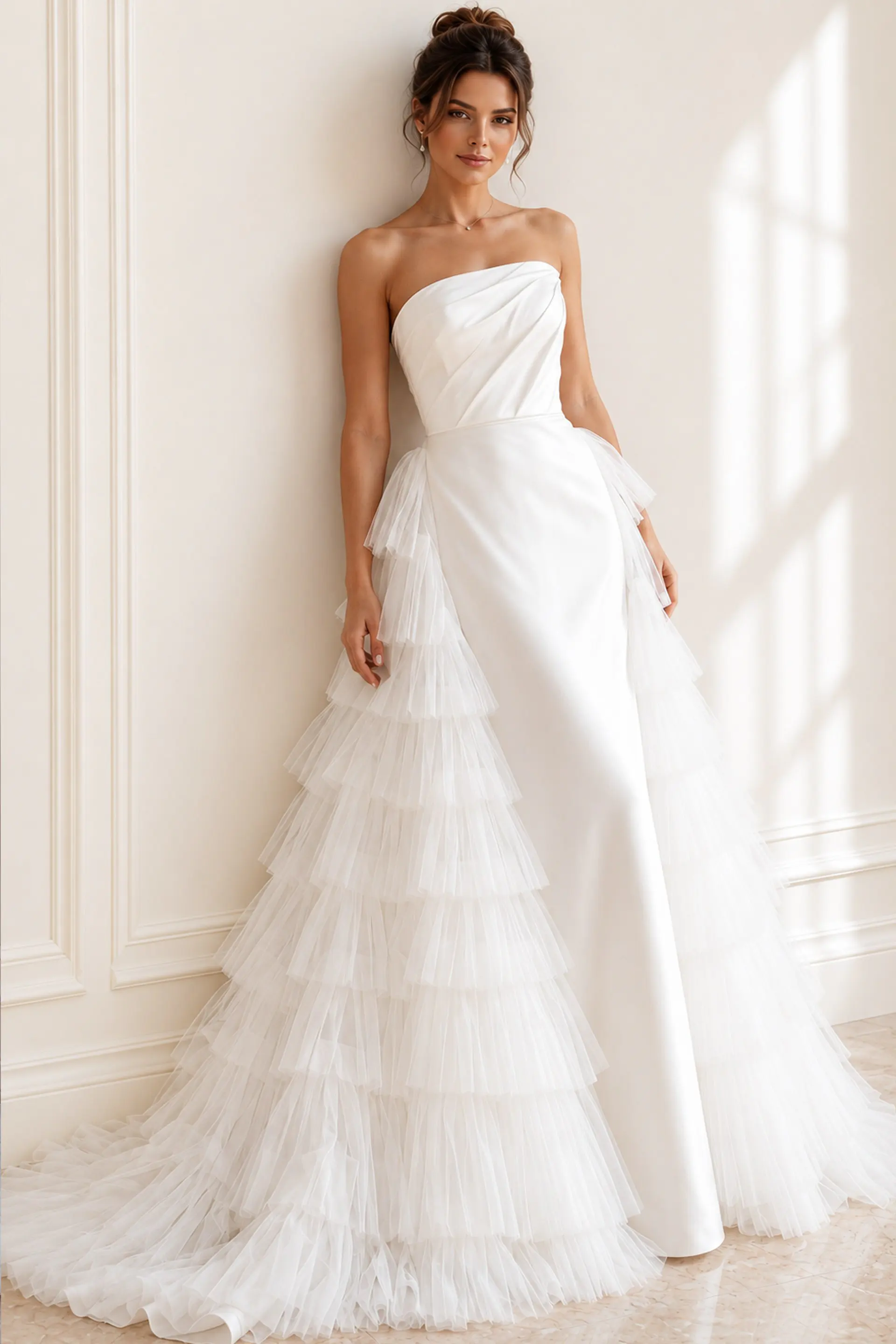
1 Colors
One Shoulder Tiered Tulle Bridal Gown JB42769
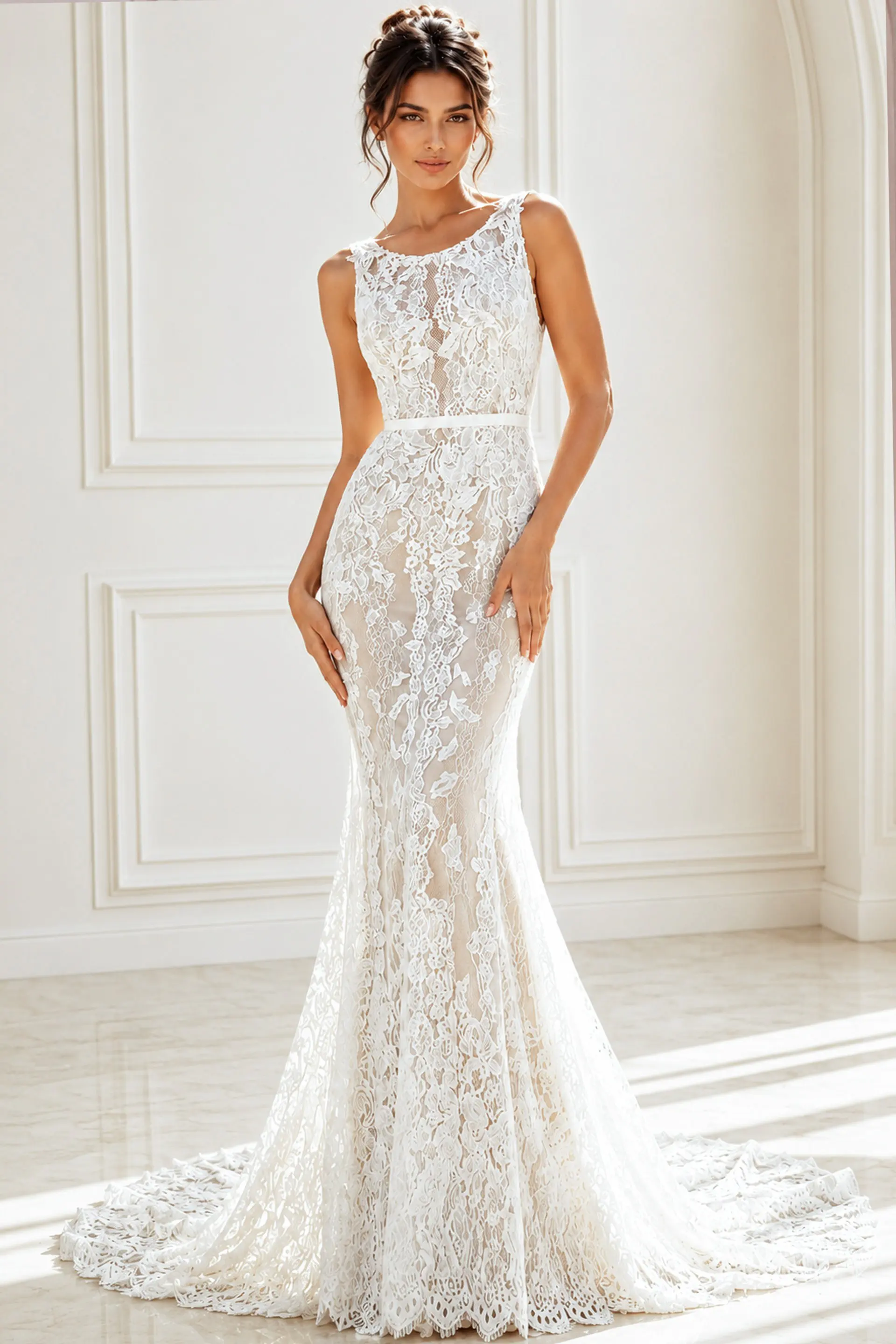
1 Colors
Strapless Crepe Bridal Gown With Sculpted Bow Bodice JB45671
Trending Now
Wedding trends: what boutiques are ordering
Boutiques order months before the season starts. Here is what Jovani retailers are choosing.
The most popular wedding styles
10 Colors
Strapless Gown with Sequin Embellishments 46714
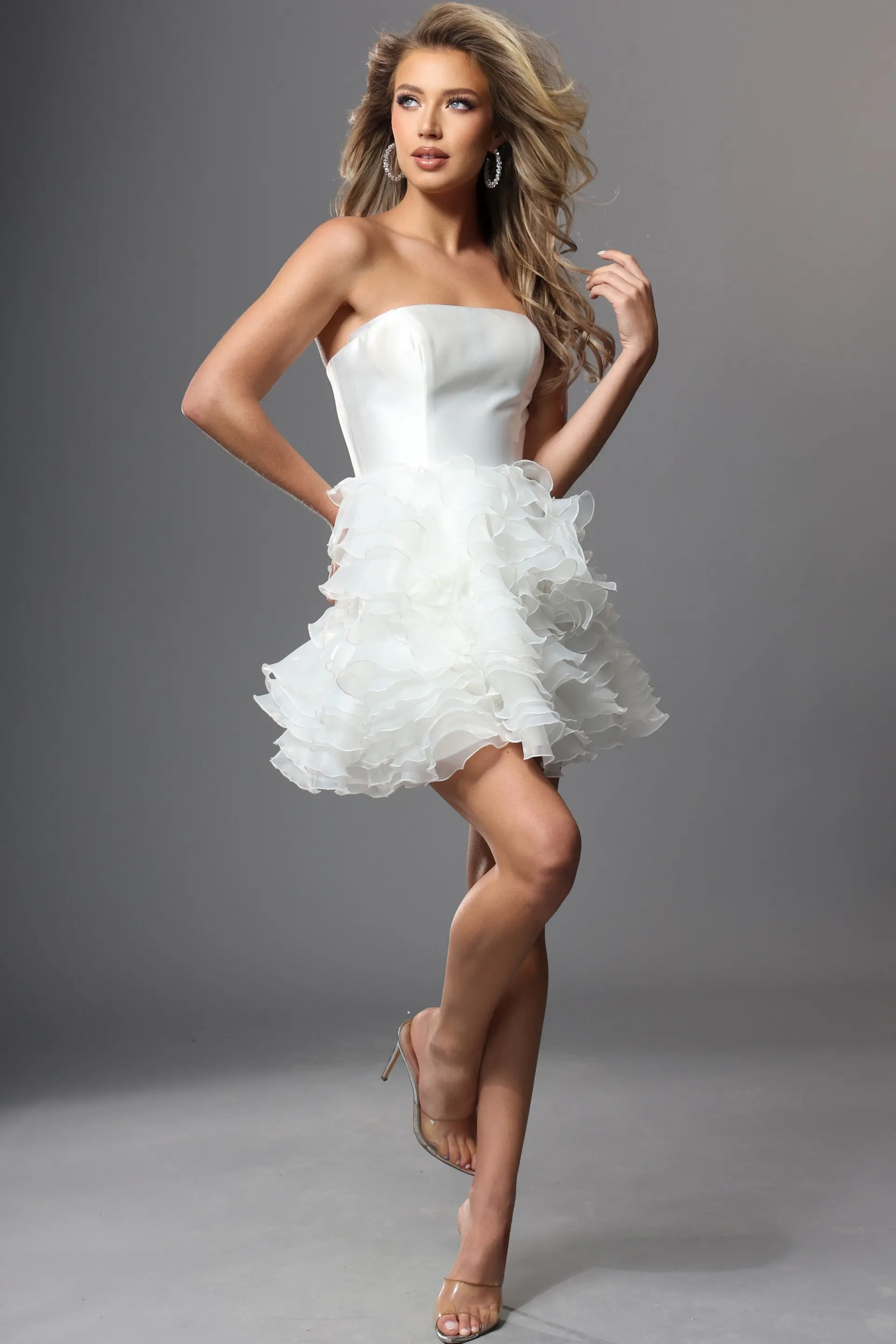
3 Colors
Strapless Ruffle Mini Dress 53955
5 Colors
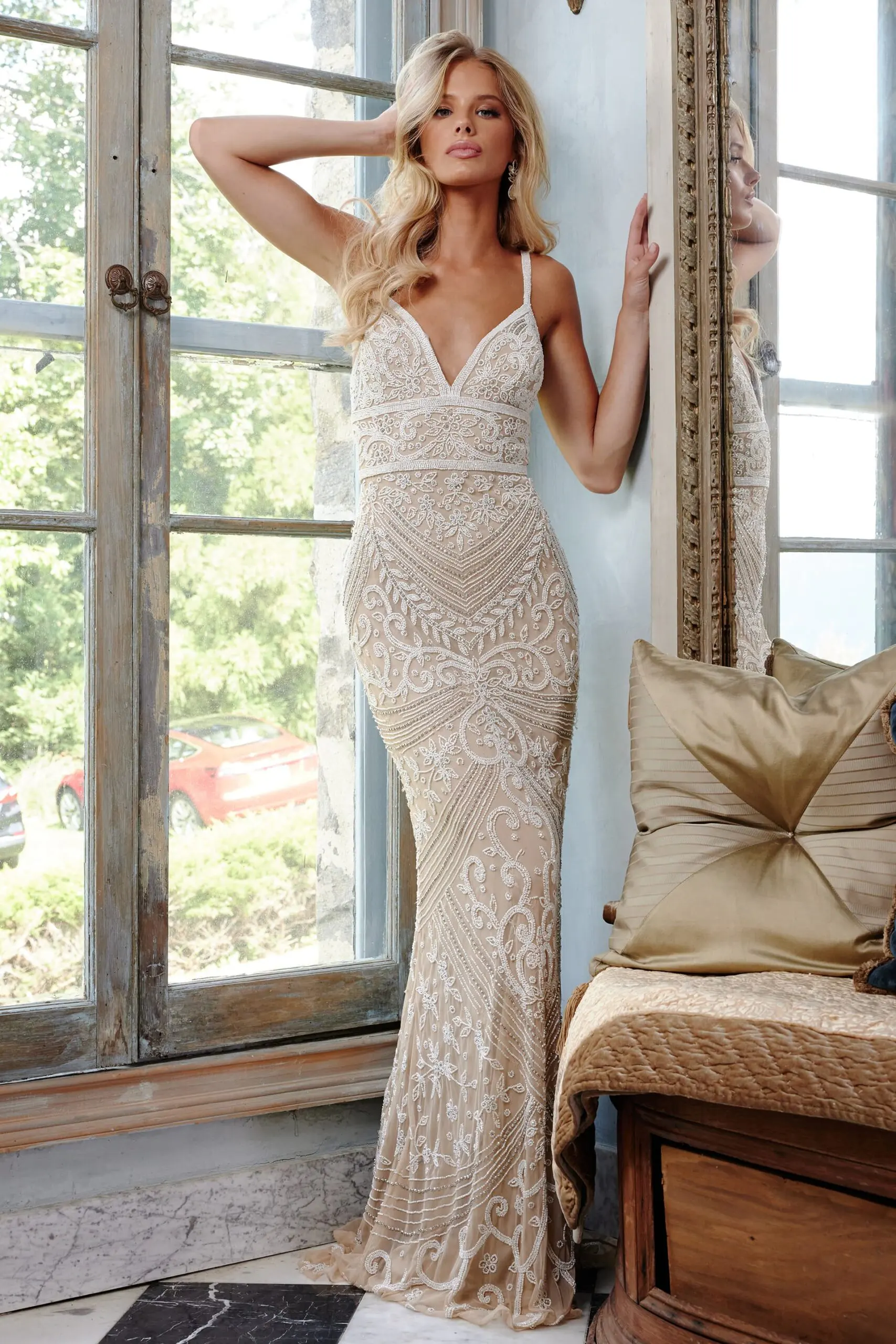
White Embellished Tie Back Prom Dress 22286
6 Colors
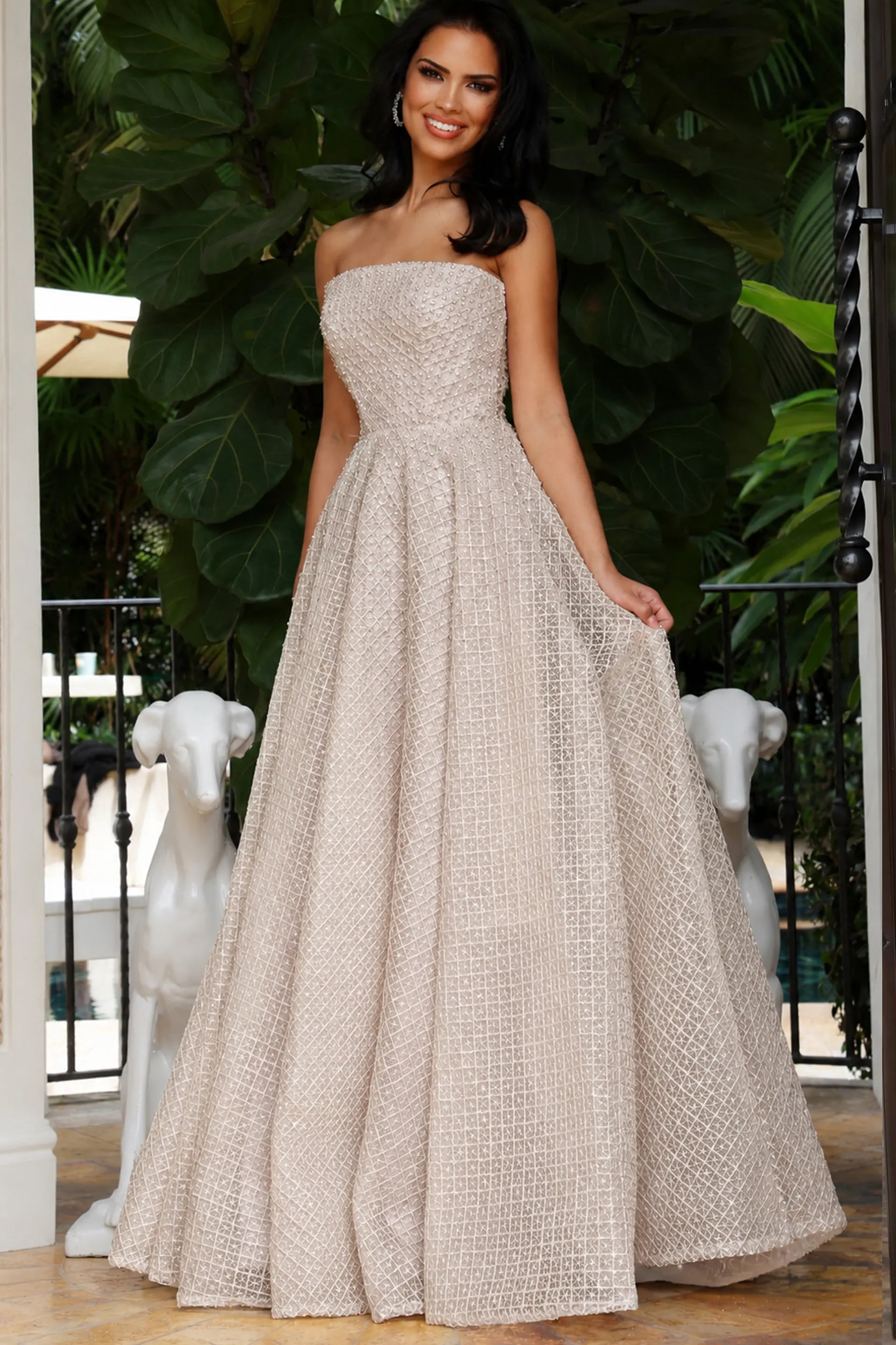
Strapless Textured A-Line Gown With Flowing Skirt 45788
5 Colors
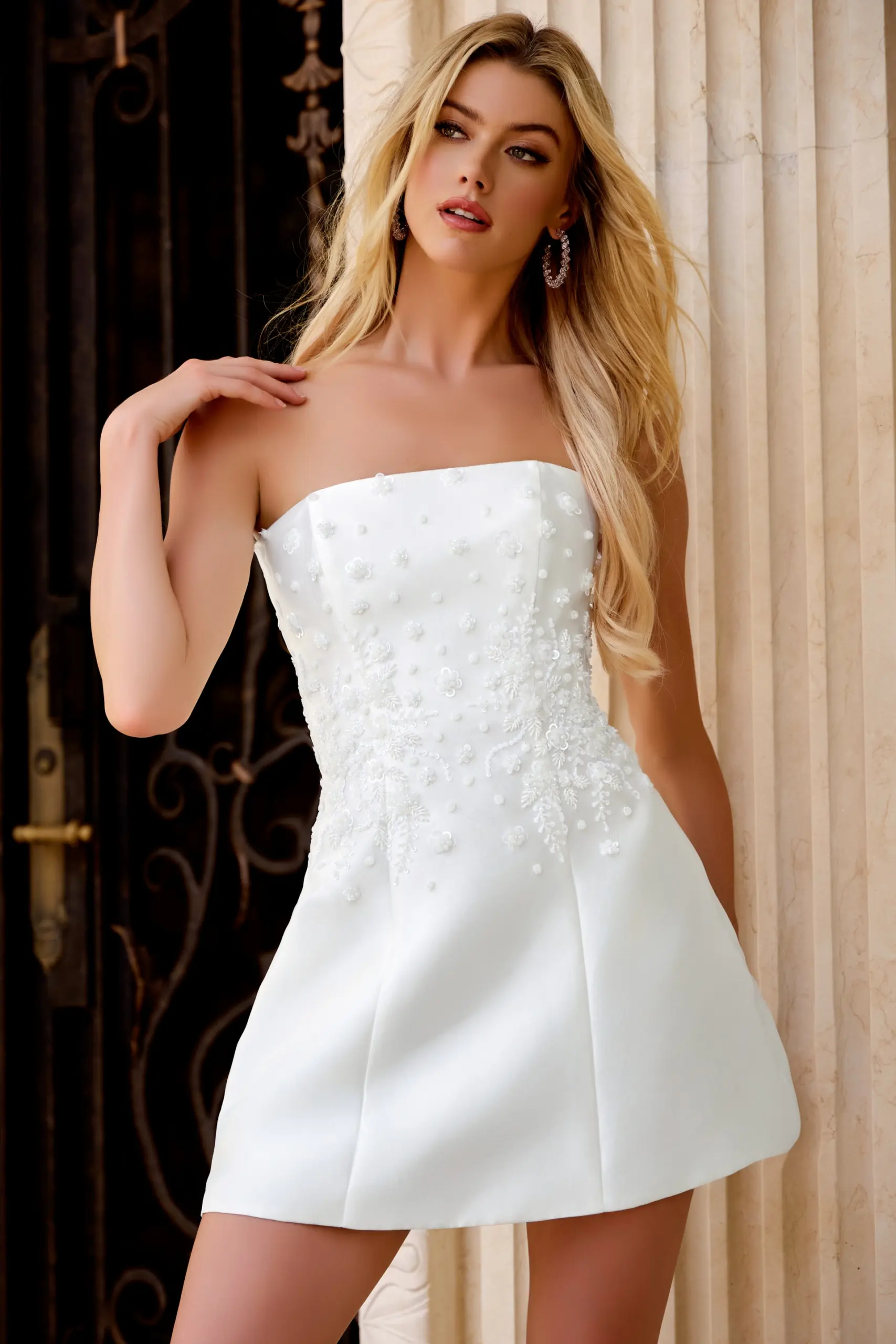
Mini Dress with Beaded Floral Embroidery 44855
4 Colors
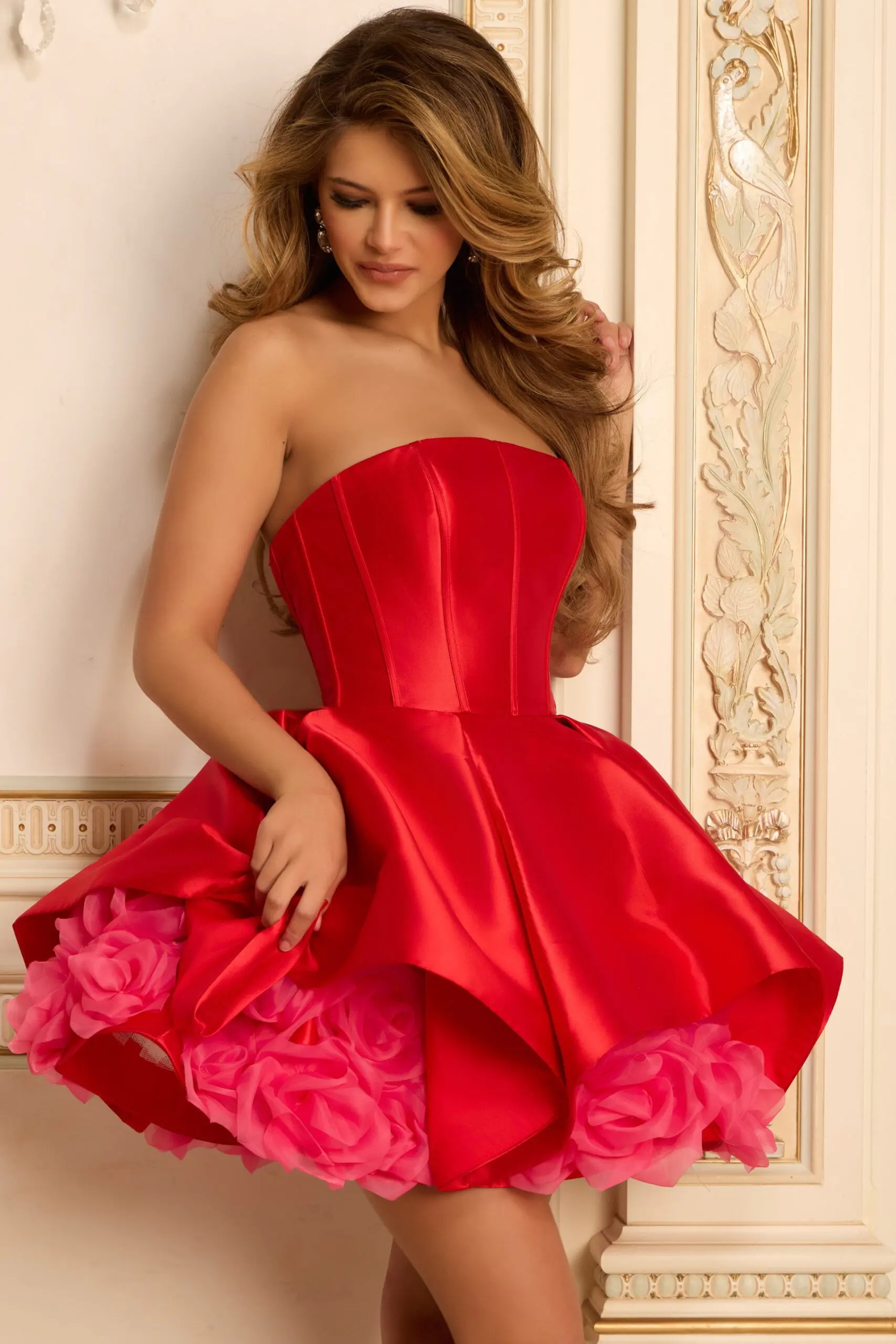
Strapless Red Pouf Dress with Rose Embellished Hem 47419
3 Colors
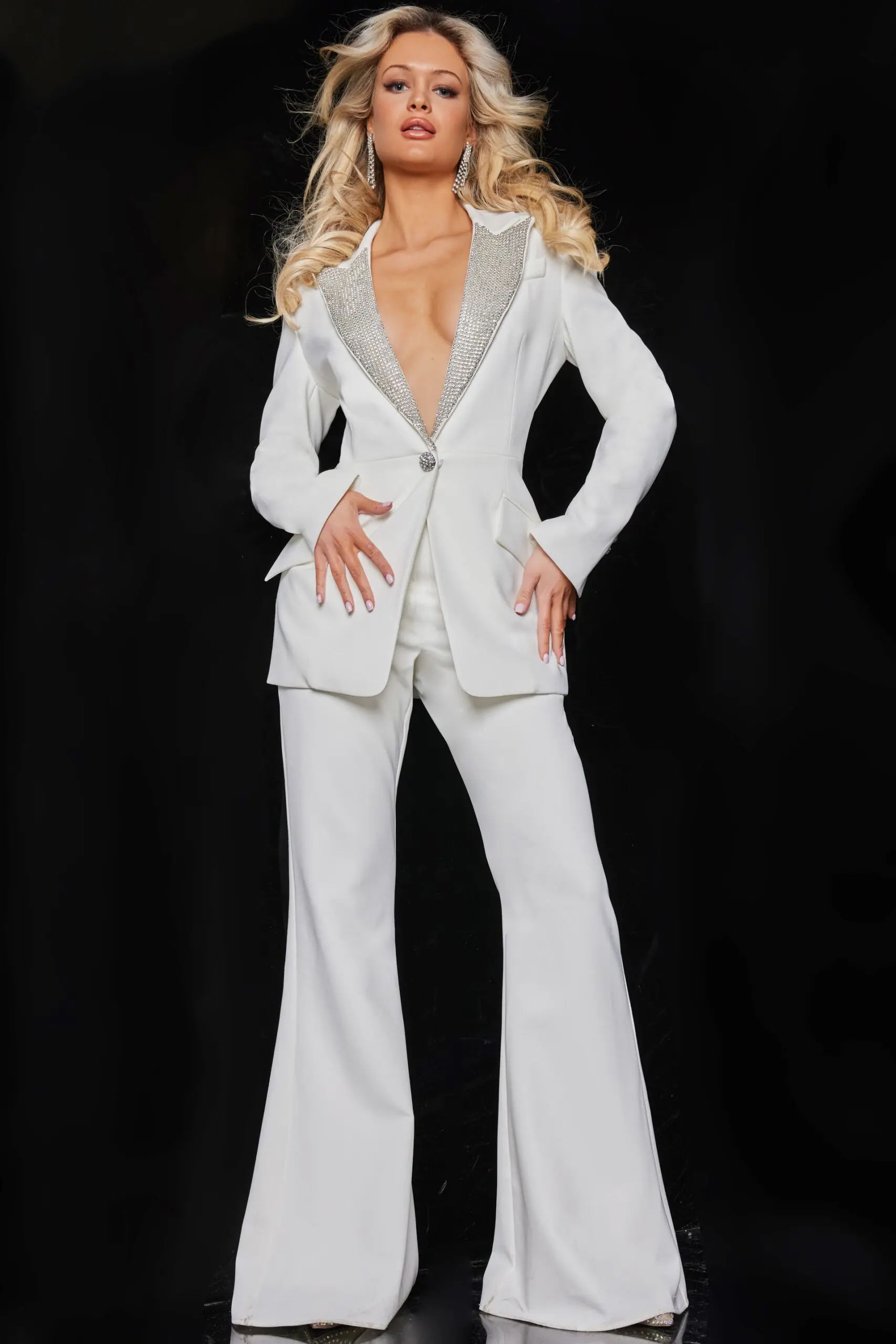
Jovani 23336 Off White Embellished Collar Two Piece Suit
7 Colors
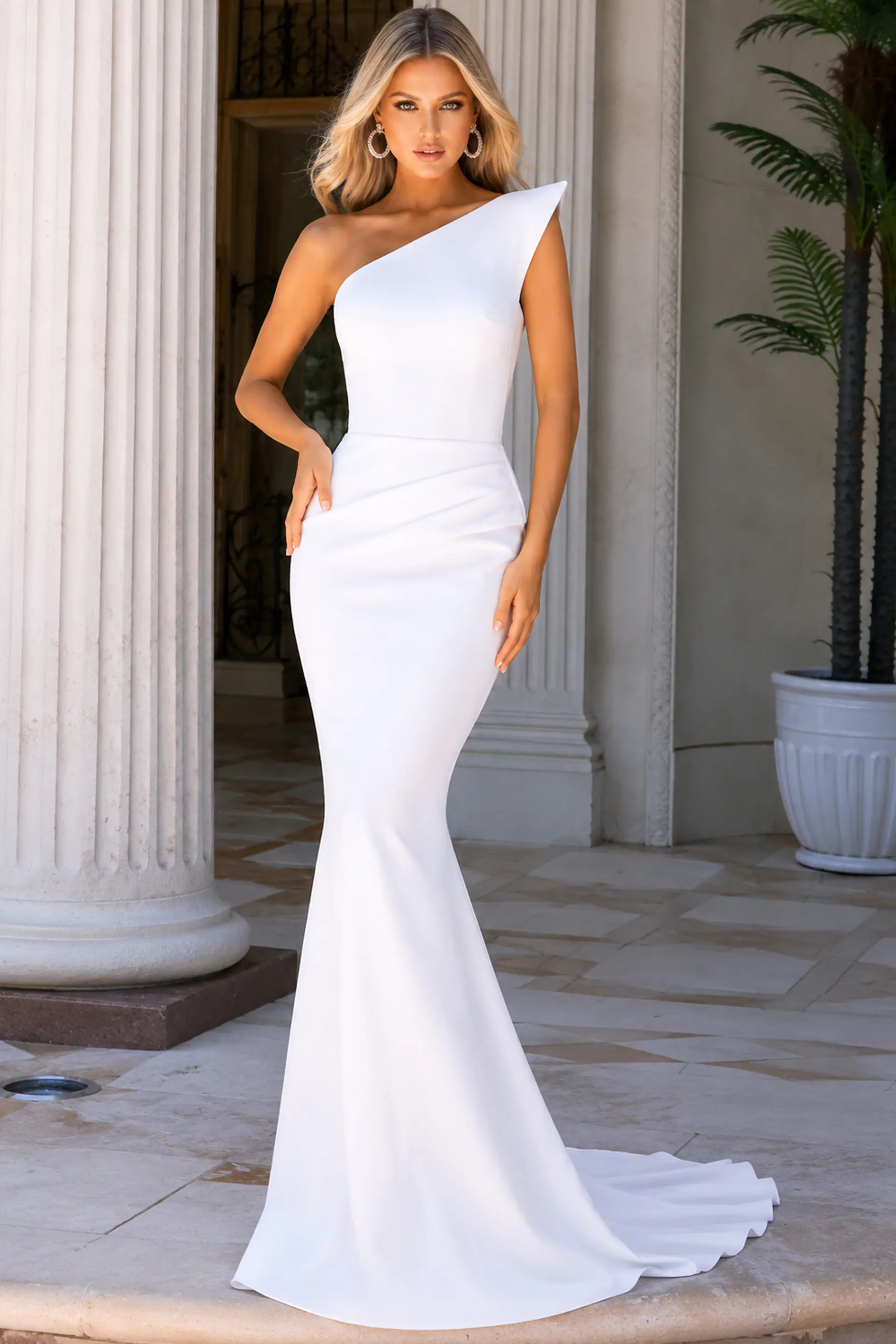
One Shoulder Fitted Bridal Gown With Clean Silhouette 40301
The wedding colors boutiques ordered most
White led the orders, with blue, pink and black close behind.
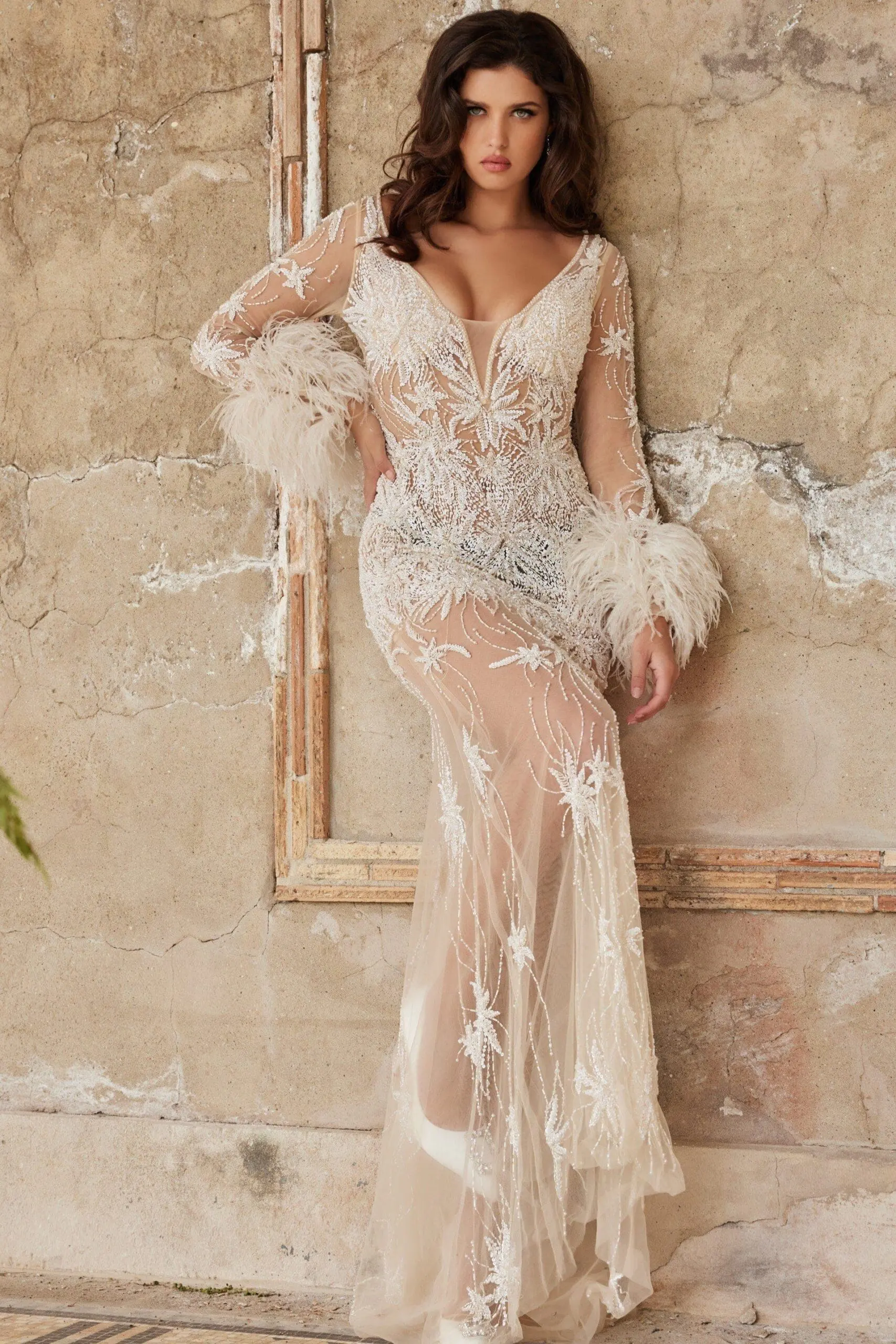 White wedding dresses50% of dresses ordered · off white, ivory and white
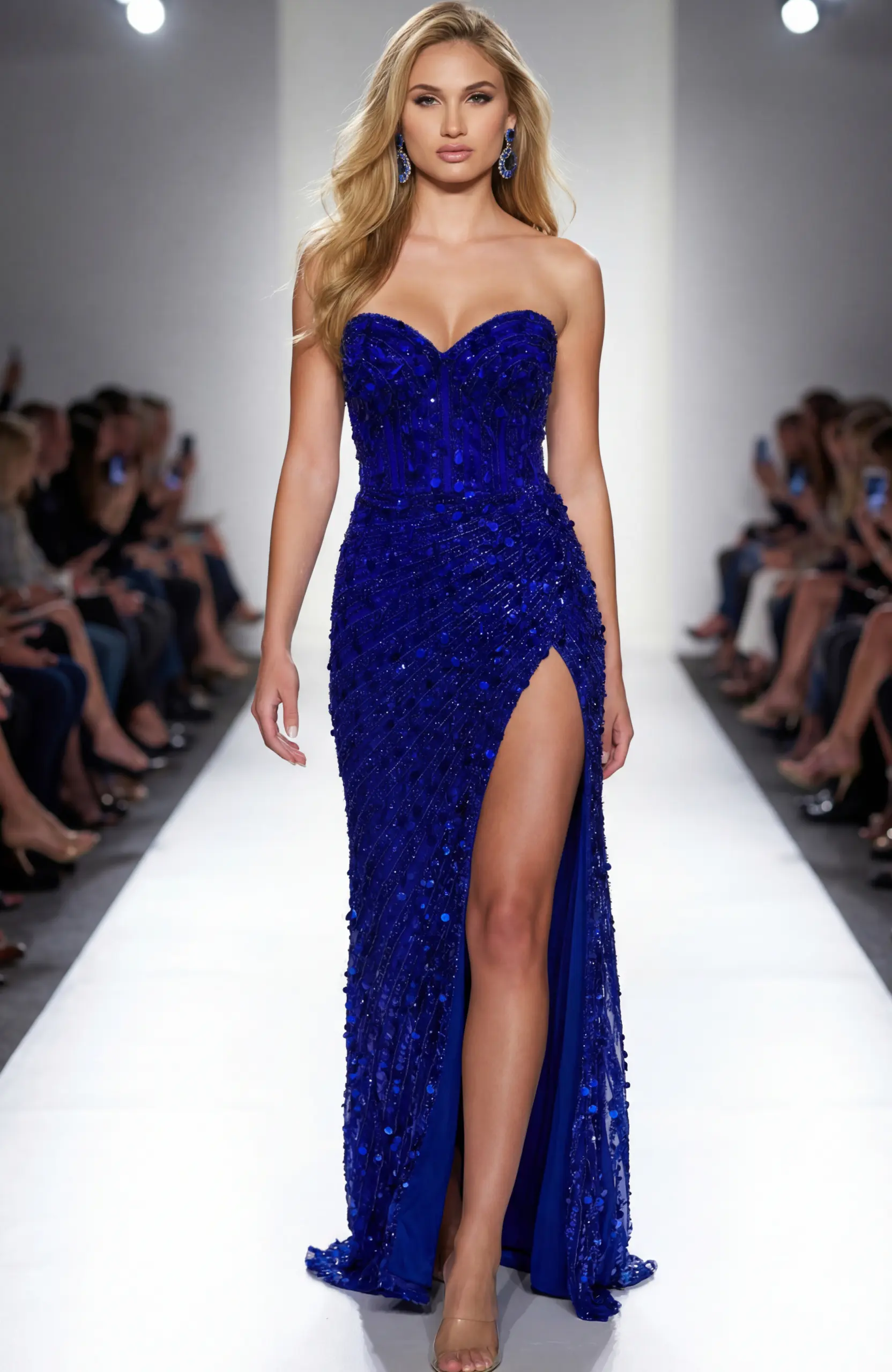 Blue wedding dresses9% of dresses ordered · peacock blue, navy and royal
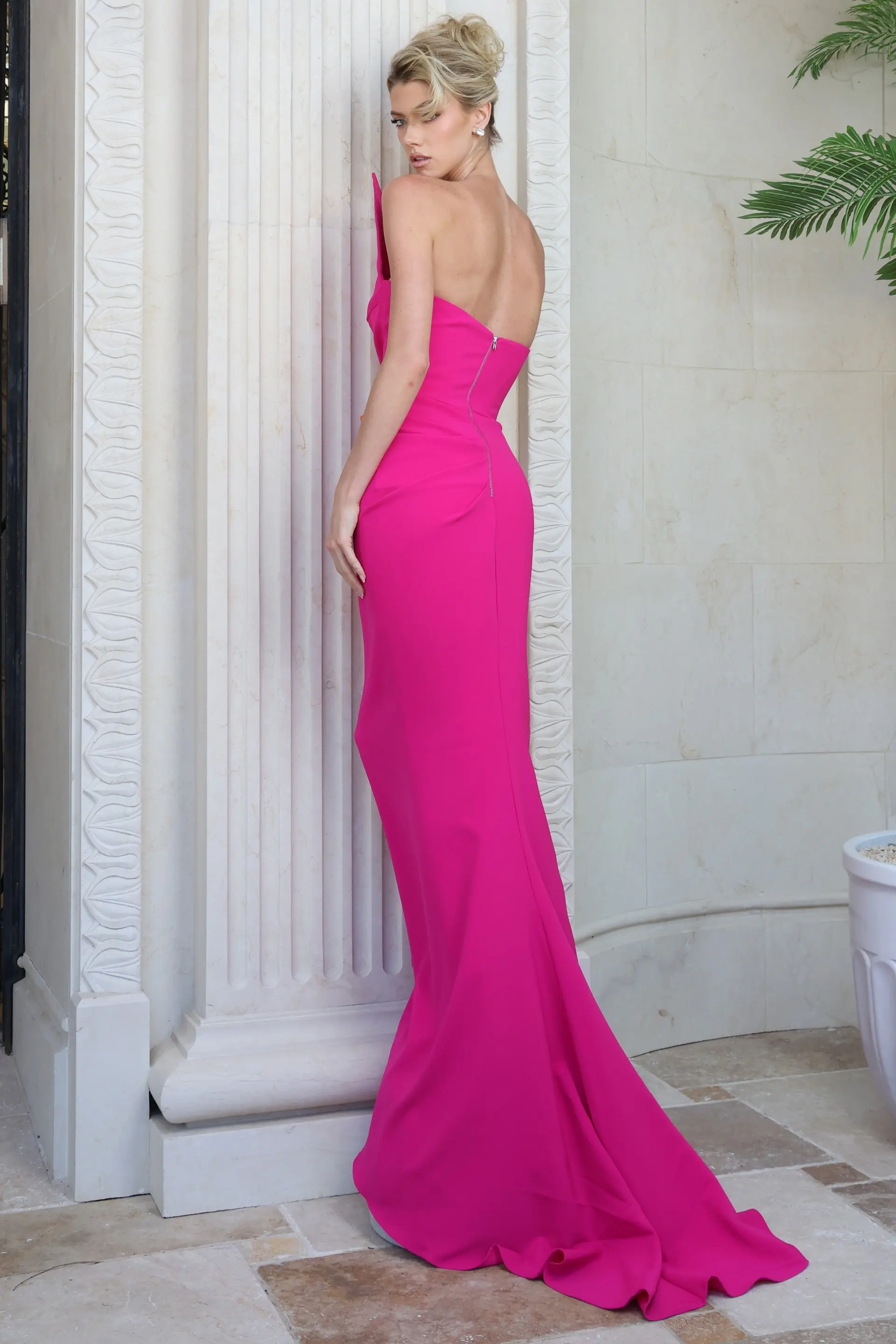 Pink wedding dresses9% of dresses ordered · coral, fuchsia and light pink
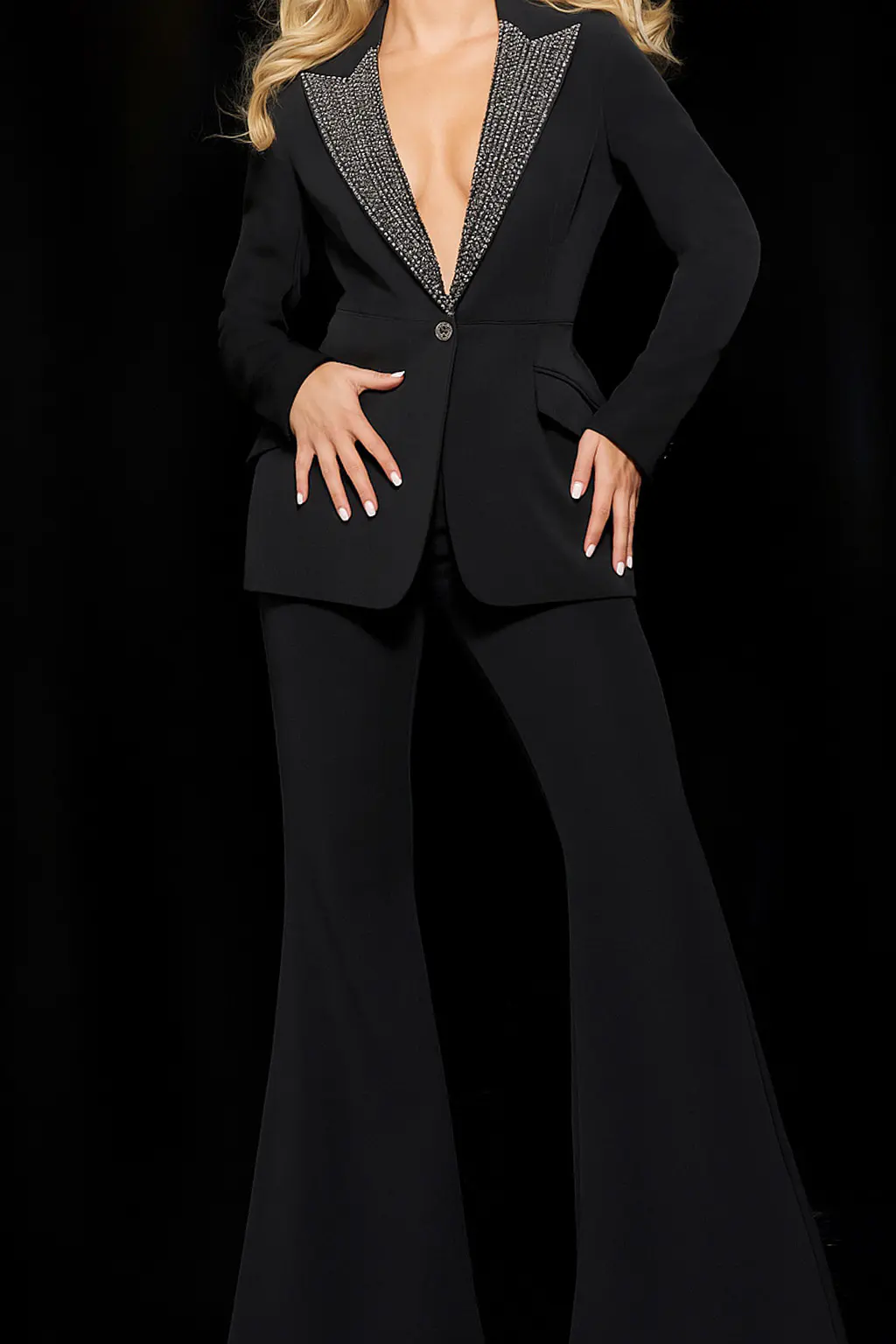 Black wedding dresses8% of dresses ordered · black, black nude and black white
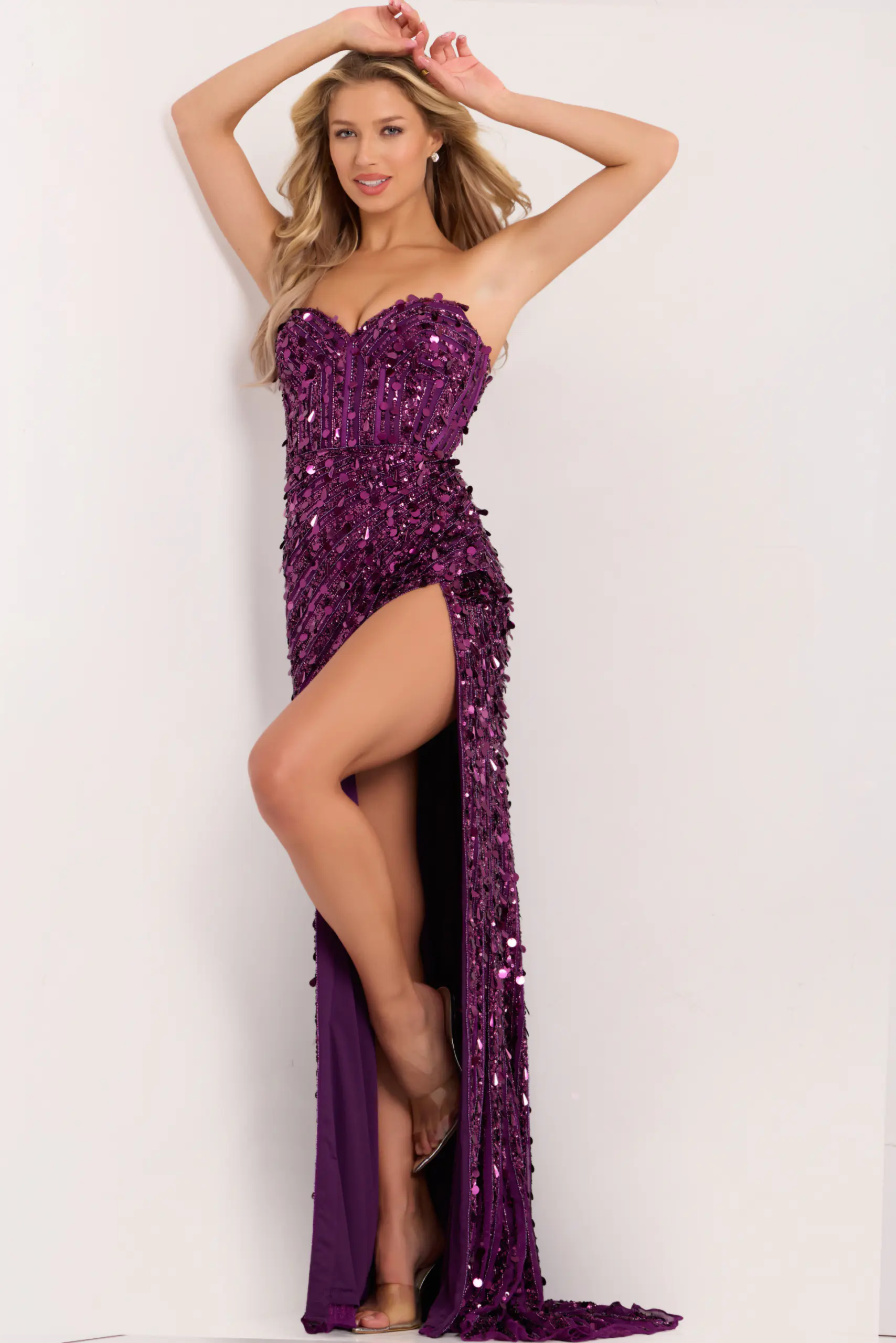 Purple wedding dresses6% of dresses ordered · plum, purple and lilac
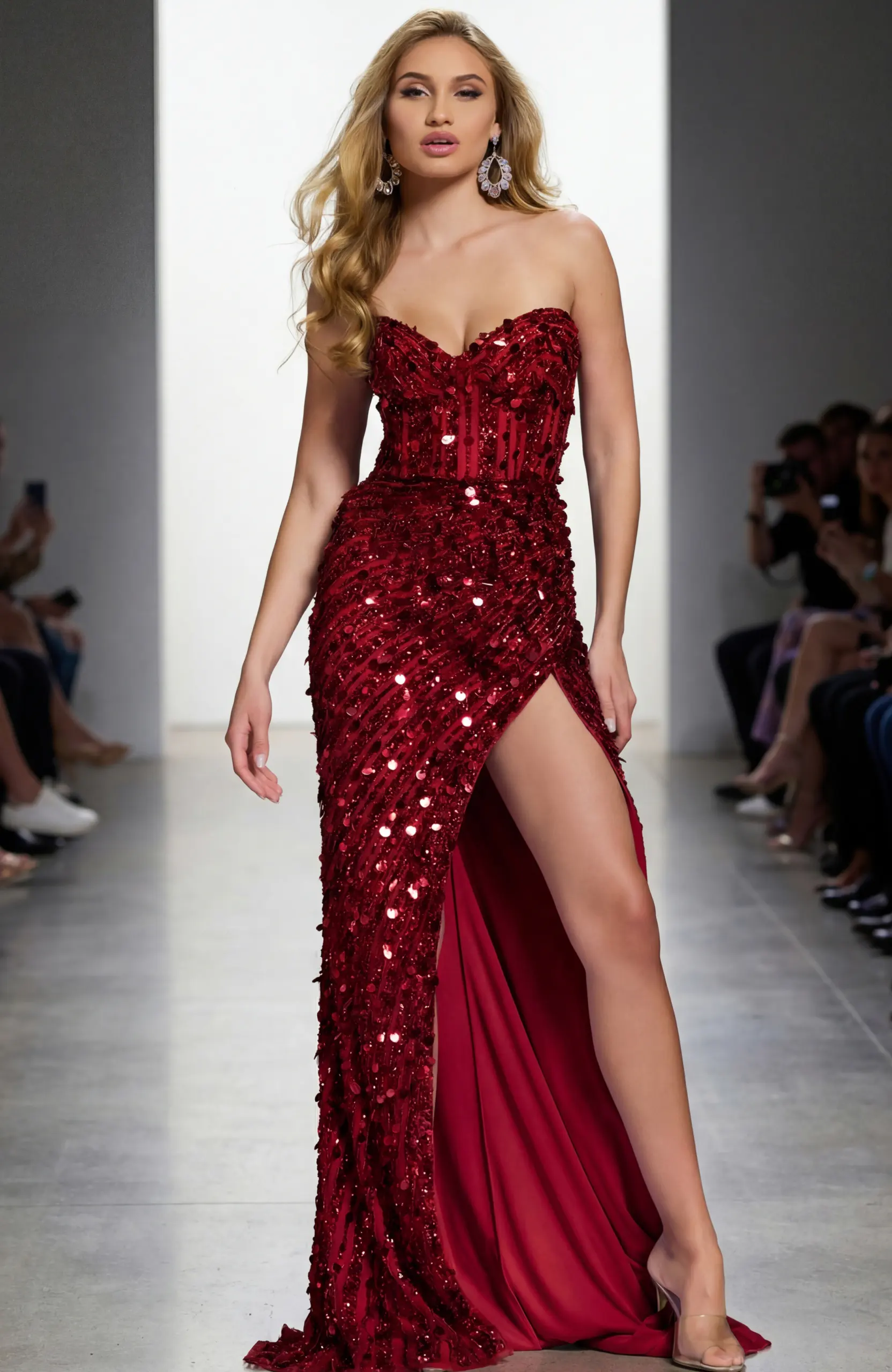 Red wedding dresses6% of dresses ordered · red and red nude
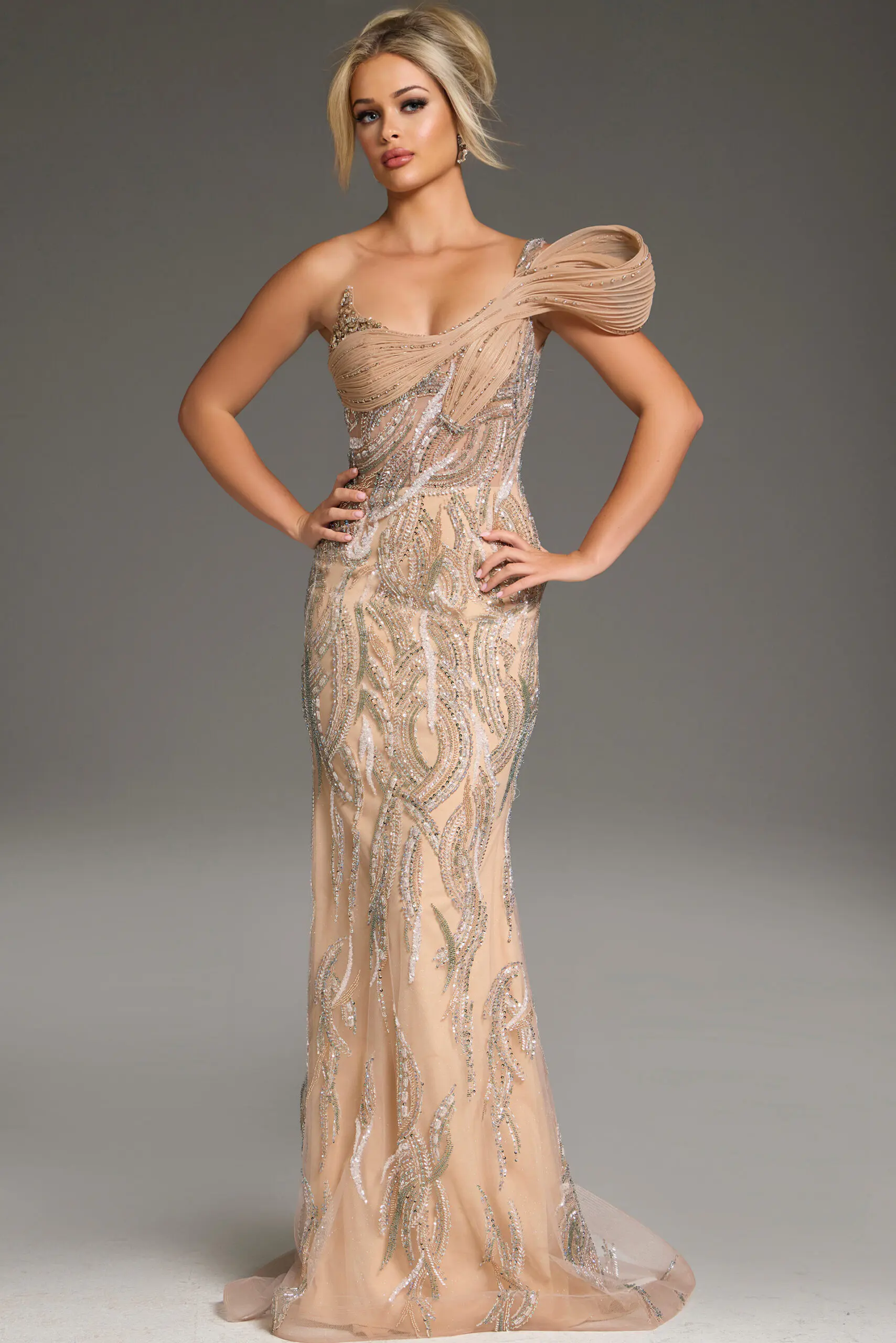 Champagne wedding dresses5% of dresses ordered · champagne, cafe and nude white
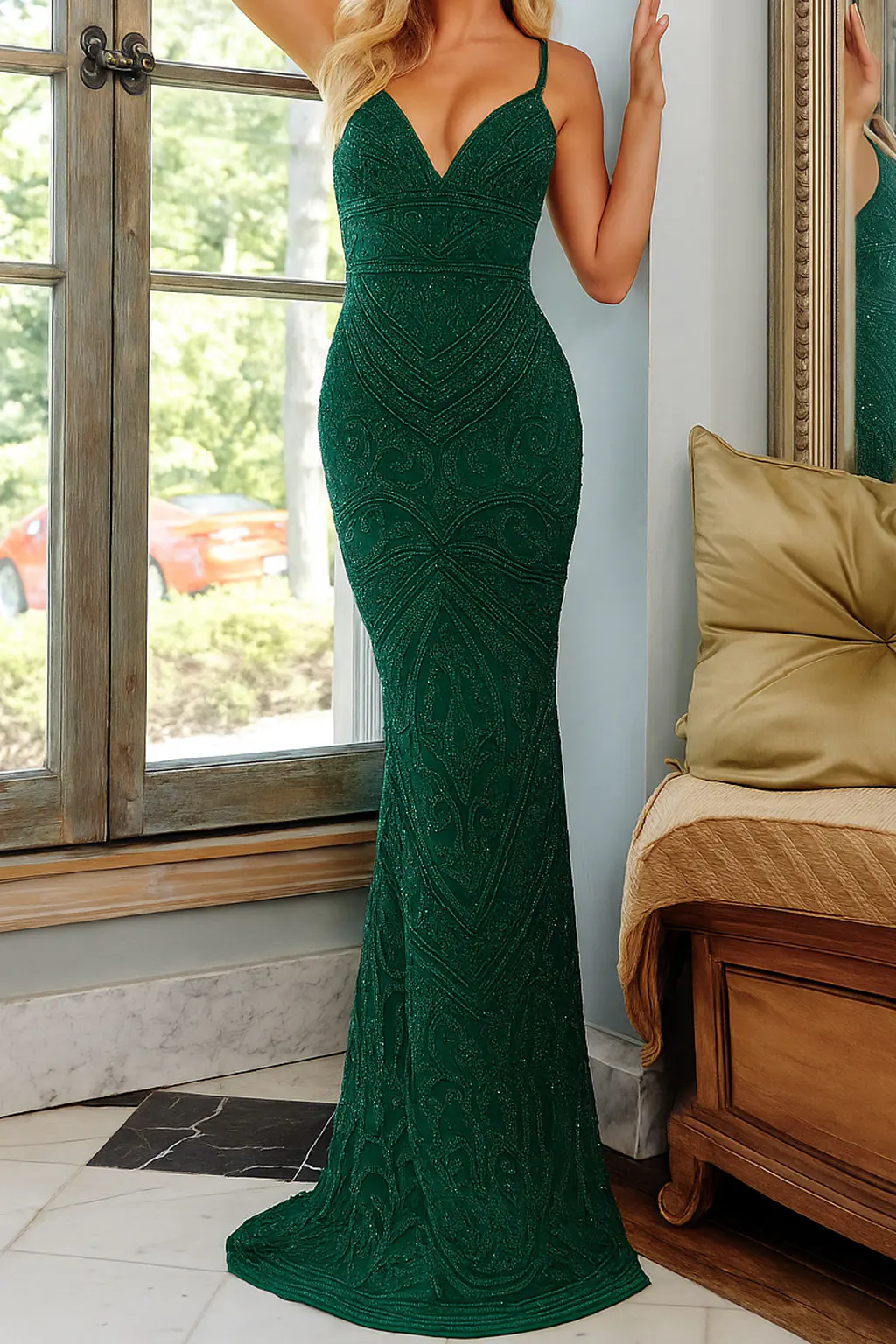 Green wedding dresses3% of dresses ordered · green, sage and lime
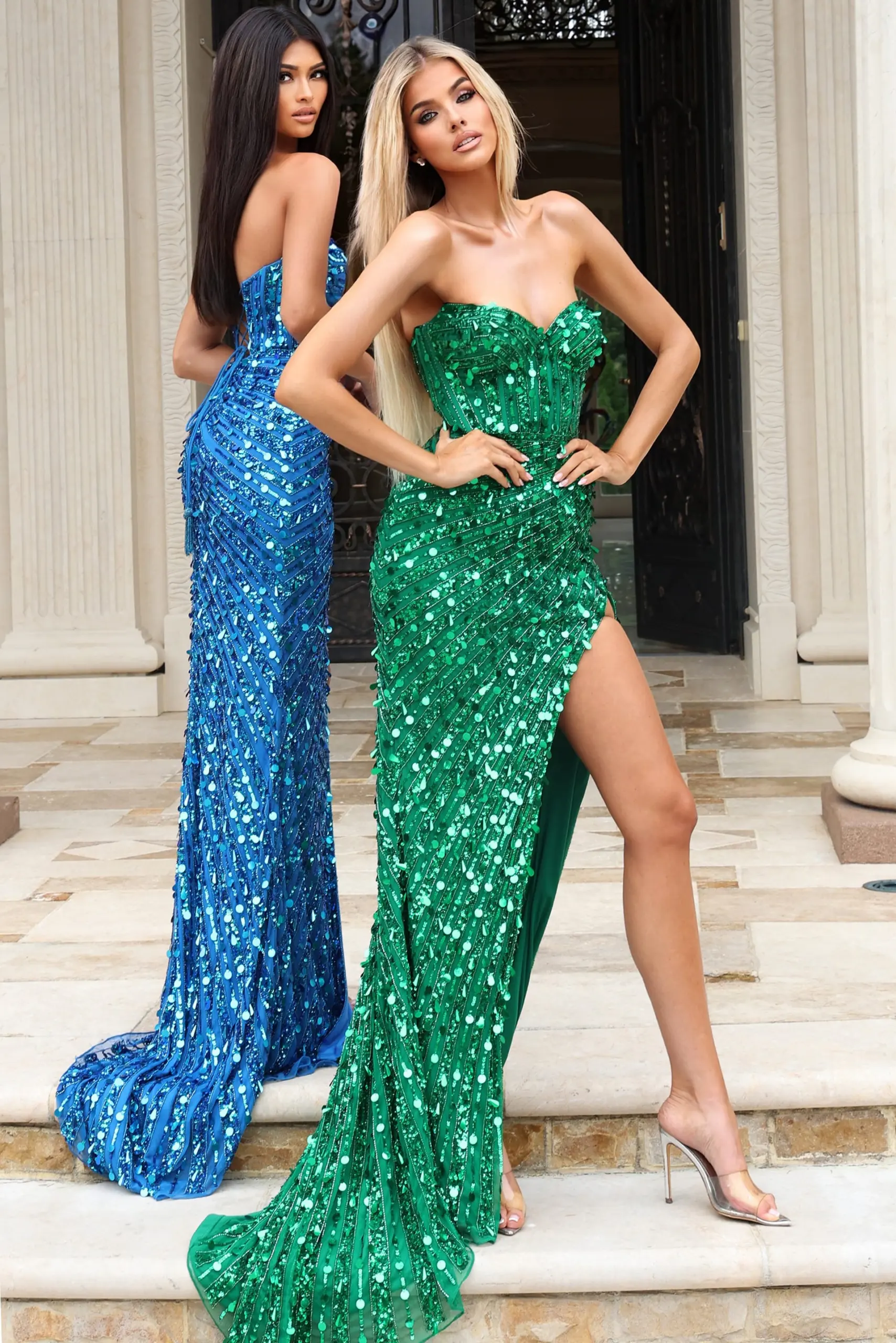 Gold wedding dresses3% of dresses ordered · gold
- Brown wedding dresses1% of dresses ordered · brown
Based on wholesale orders from Jovani retailers, April 2026 to October 2026.
About This Category
Jovani wedding dresses: timeless elegance, modern design, and perfect fit.
Wedding Dresses 2027: Silhouette, Structure, and Direction
Wedding dresses 2027 are defined less by one dominant look than by a sharper contrast between structure and softness. Clean satin and Mikado gowns sit beside layered lace, dimensional appliqué, and airy tulle, while corseted bodices are balanced by draped skirts and fluid trains. Halter necklines, asymmetric details, elongated waists, and sculptural mermaid shapes bring a contemporary line to bridal dressing without making the gown feel overly trend-led. The strongest approach is to start with proportion: decide how closely you want the bodice to shape the torso, where the waist should sit, and how much volume or movement you want below it. From there, fabric and surface detail can refine the mood rather than dictate it.
Silhouettes That Shape the 2027 Bridal Look
Silhouette remains the fastest way to narrow a large selection of wedding gowns. A-line shapes create definition through the bodice before opening gradually through the skirt, giving room for movement while keeping the overall line controlled. Brides comparing volume without the scale of a ball gown can use A line wedding gowns as a useful reference point. Mermaid and trumpet silhouettes take the opposite approach, staying close through the waist and hips before releasing lower on the body. For 2027, that fitted line feels more architectural, often paired with textured skirts, pleating, floral appliqué, or a dramatic train. Ball gowns remain important too, especially when a structured corset, dropped waist, or fuller skirt creates a deliberate sense of proportion.
Lace, Satin, Mikado, and Texture in Focus
Fabric changes both the appearance and behavior of a wedding dress. Satin creates a smooth, light-responsive surface that makes draping, seams, and waist placement more visible. Mikado holds a firmer shape, making it especially effective for crisp A-lines, sculpted bodices, and fuller skirts. Crepe follows the body with a cleaner, quieter finish, while chiffon introduces softer movement. Lace is especially relevant for 2027, appearing as allover texture, sheer layering, appliqué, and detailed trains rather than a single traditional treatment. Tulle adds volume with less visual weight, and beading or crystal work can be concentrated through the bodice instead of covering the entire gown. Brides building a broader wedding wardrobe can contrast these full-length textures with little white dresses in satin, lace, or embellished finishes.
Fit, Bodice Construction, and the Details That Matter
A gown can look minimal and still rely on complex internal construction. Boning, corsetry, panel seams, lining, and cup placement affect how securely the bodice sits and how clearly the waist is defined. A lower or elongated waist can lengthen the torso visually, while a natural waist creates a more immediate transition into the skirt. Necklines change the balance again: strapless and sweetheart shapes keep attention on the bodice, square necklines feel graphic, and halter styles draw the eye upward while often opening the back. When comparing a wedding gown, look beyond the front view and consider how the side seam, back construction, train, and hem behave in motion. For a formal evening setting, black tie wedding dresses offer a useful point of comparison for fabric weight, polish, and floor-length proportion.
From Ceremony Gown to Wedding-Weekend Wardrobe
The ceremony dress is no longer the only bridal look worth planning. A second outfit can shift the silhouette without losing continuity with the main gown. Shorter hemlines, lighter fabrics, and more concentrated embellishment work well when the reception moves from dinner into dancing, while a structured midi can feel just as considered as a full-length dress. Before the wedding day, rehearsal dinner dresses can introduce a cleaner or more playful version of the bridal palette. Later in the celebration, cake cutting dresses create a natural transition into a shorter second look. The key is contrast with a connection: repeat a fabric, neckline, or design detail, or deliberately change the proportion while keeping the overall styling coherent.
Choosing by Venue, Formality, and Personal Style
Venue and dress code should refine the choice, not overwhelm it. A formal ballroom can support a fuller skirt, longer train, or more structured satin, while a destination or outdoor setting may favor lighter layers, softer movement, or a more compact train. Minimal spaces can work well with a clean column or sharply cut A-line; ornate settings can hold richer lace, dimensional floral work, or crystal detail. It is also worth thinking about the full day rather than the aisle alone: how the fabric responds to sitting, walking, photographs, and dancing matters as much as the first impression.
Jovani approaches bridal design through fit, construction, and silhouette expertise, which is especially relevant when similar shapes differ in subtle but important ways. Compare how each gown defines the waist, supports the bodice, and releases into the skirt. The right choice should feel visually intentional from every angle and remain comfortable enough to wear through the pace of the celebration. For brides shopping the 2027 season, the most useful distinction is not simply classic versus modern, but how structure, fabric, and proportion work together to create a bridal look that feels current without becoming disposable.