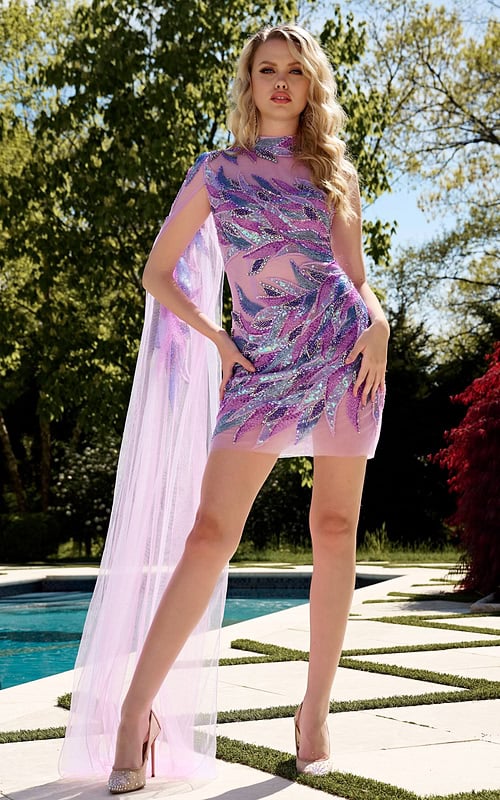
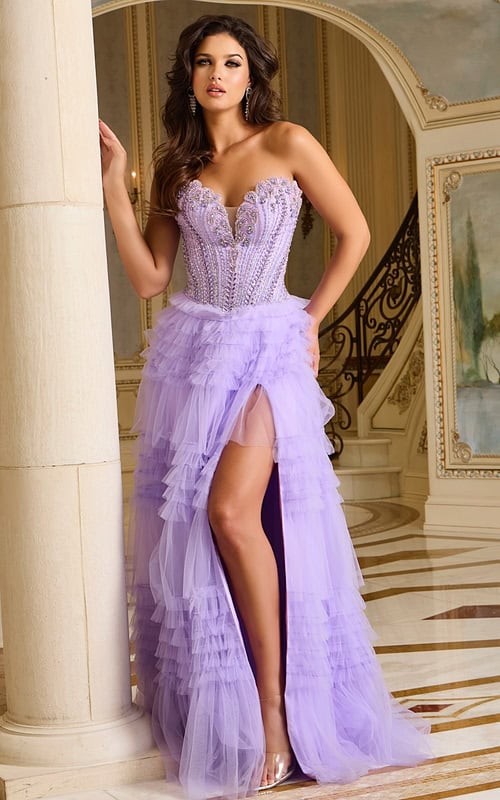
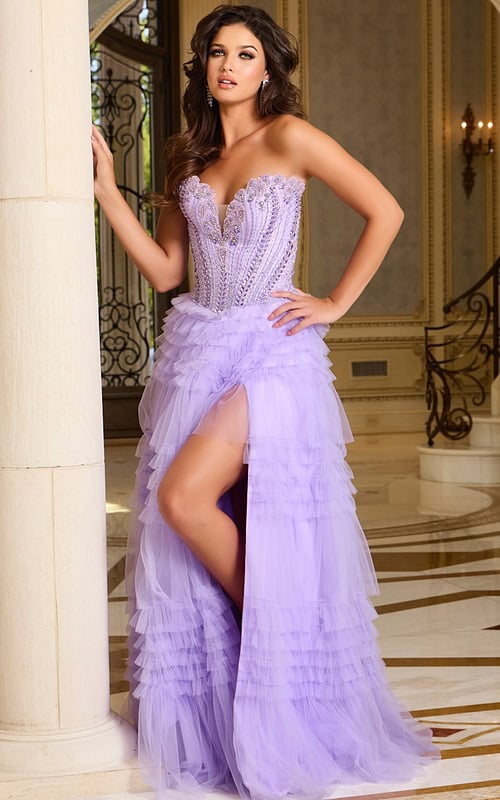
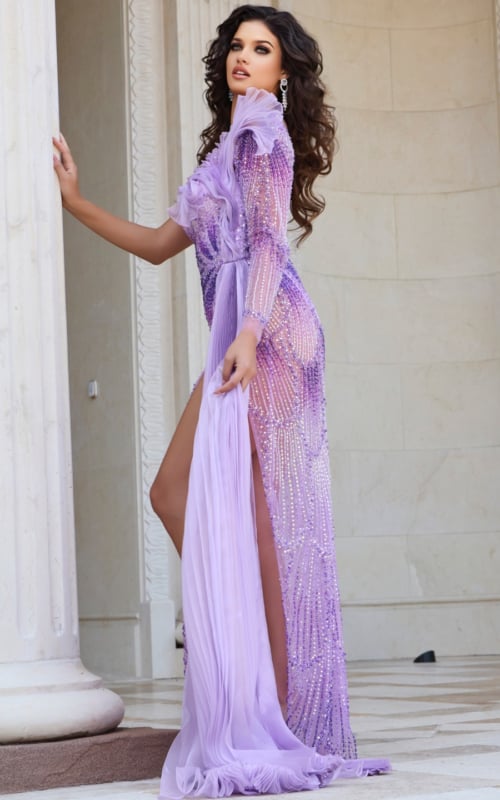
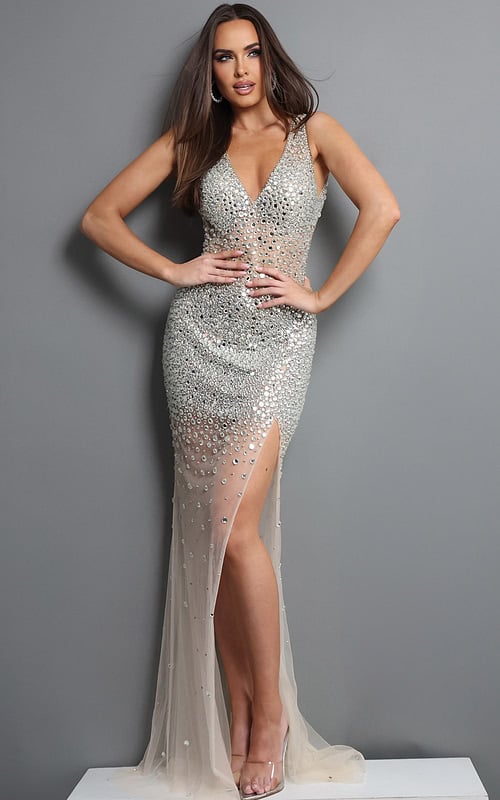
What Makes a Pageant Gown Different From a Formal Dress
A pageant gown and a formal dress can look identical on a hanger. The difference is not visible until the contestant steps onto the stage, and by that point it is too late to change the choice. Understanding what makes a gown built for competition different from a gown built for a formal occasion is the most important piece of knowledge a contestant can have before she starts shopping.
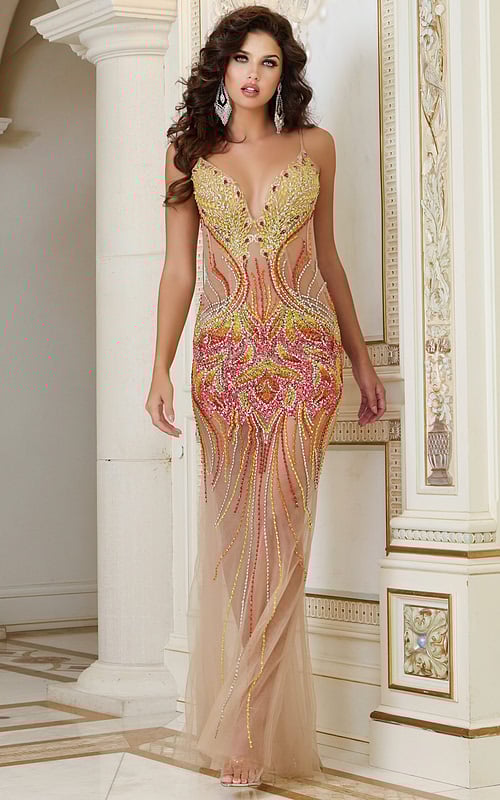
The first difference is how the gown reads at distance. A formal dress is designed to be seen up close, at a dinner table, in a reception line, across a room at a party. A pageant gown is designed to be seen from the back row of an auditorium and from the judges’ table simultaneously. Embellishment that looks refined and detailed up close can disappear completely at 30 feet. The scale of the design, the density of the beading, the size of the silhouette, all need to be calibrated for the distance at which the judges and the audience will actually see the dress.
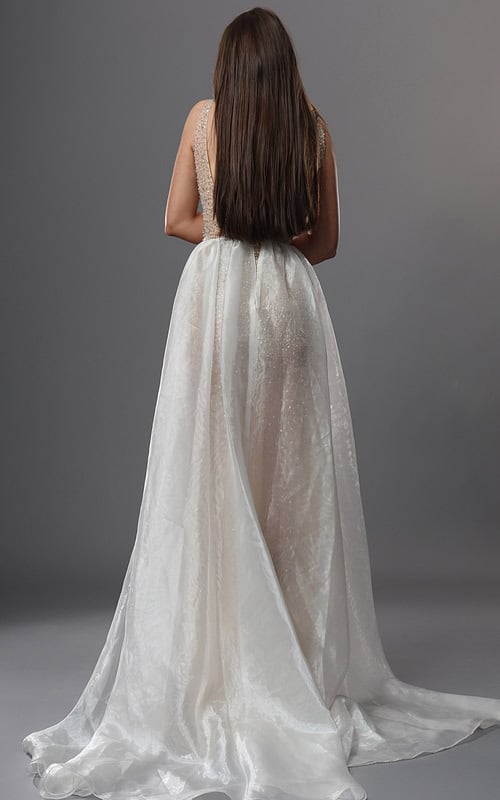
The second difference is how the gown performs during movement. A formal dress needs to look good while standing and sitting. A pageant gown needs to look good during a walk that lasts between 60 and 90 seconds, which includes an entrance, a structured walking pattern across the stage, turns, and an exit. The fabric needs to move correctly during that walk. A train needs to follow the contestant rather than drag or catch. A mermaid skirt needs to allow the stride required by the stage dimensions.
The third difference is how the gown holds up across a full competition day. Pageant contestants wear their competition gown through rehearsals, through the actual competition, through photographs, and in some cases through multiple rounds of competition. A gown that loses its structure, whose embellishment shifts, or whose hem becomes compromised under extended wear creates a visible problem at the worst possible moment.
Pageant Gown Silhouettes in the 2026 Collection
Silhouette is the single most important decision in pageant gown selection because it determines how the contestant’s body reads on stage before the judges register any other detail. The right silhouette creates a visual line that communicates presence, poise, and confidence from the moment the contestant walks into the light.
Mermaid
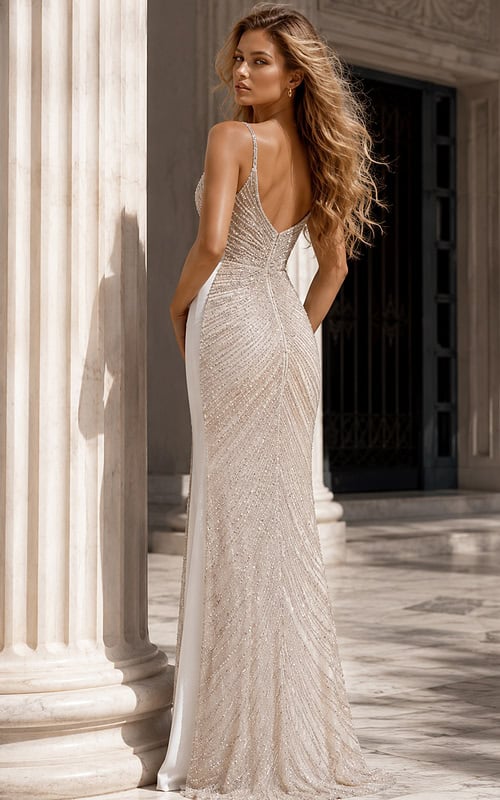
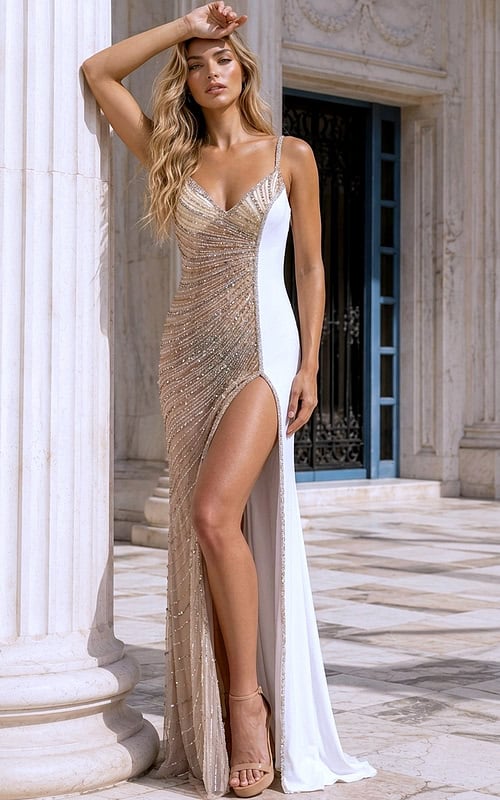
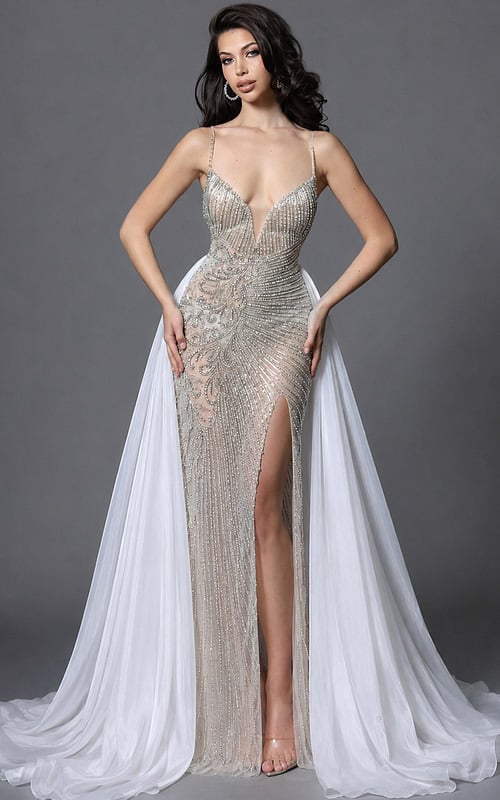
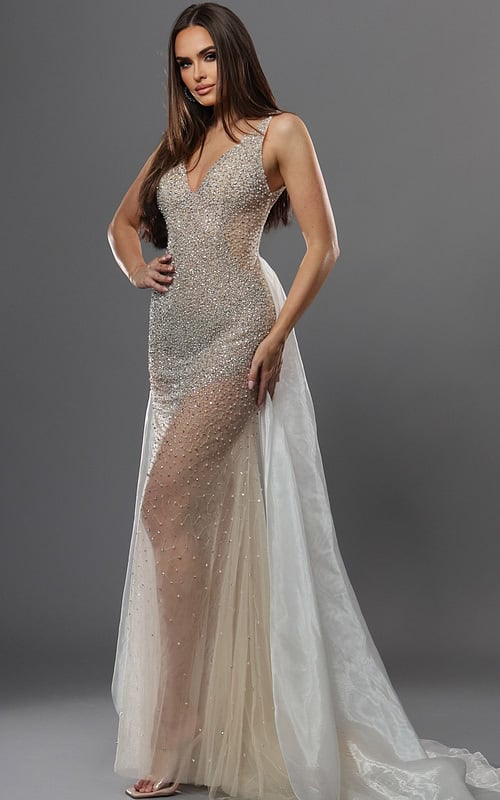
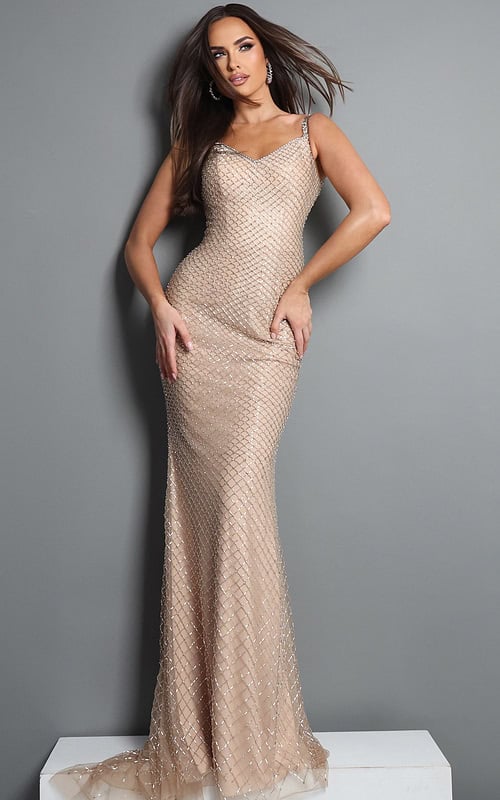
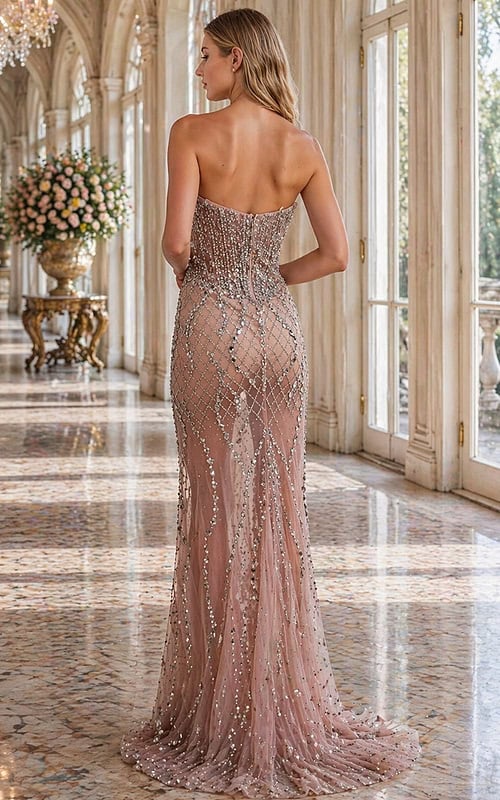
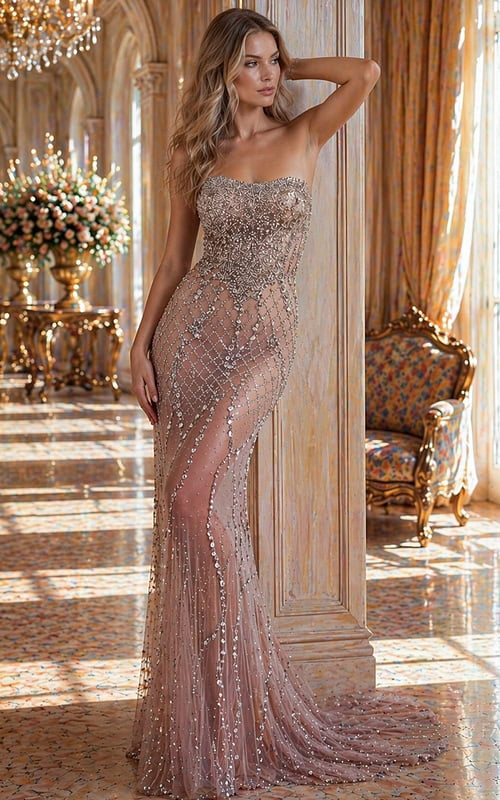
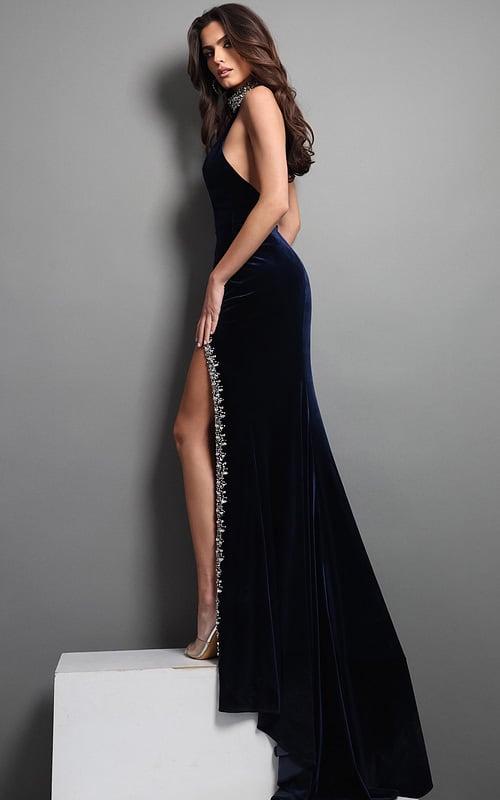
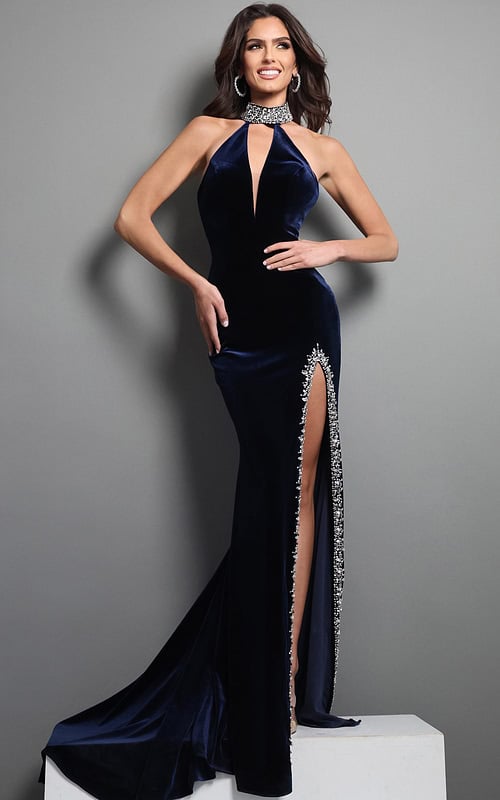
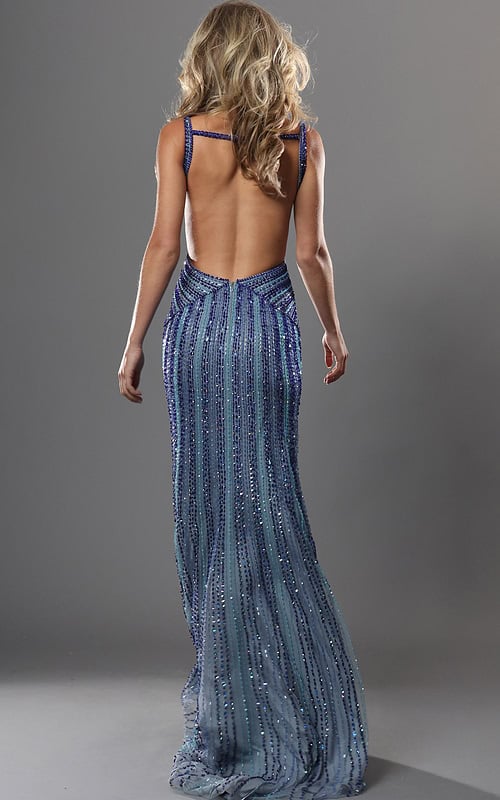
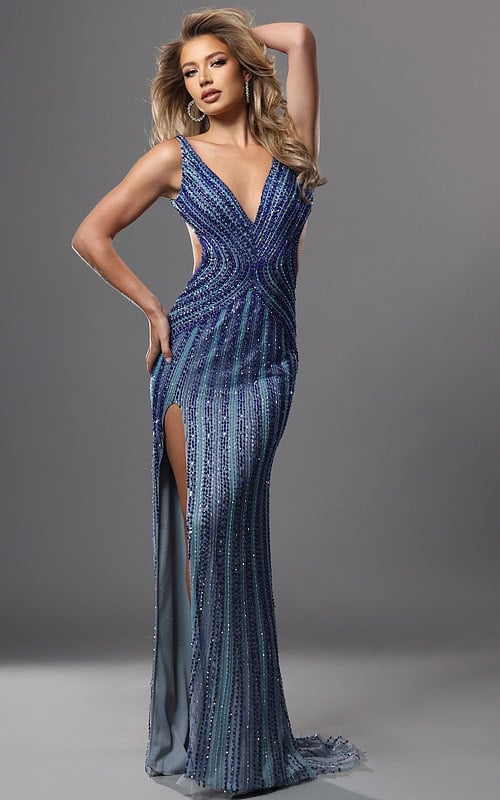
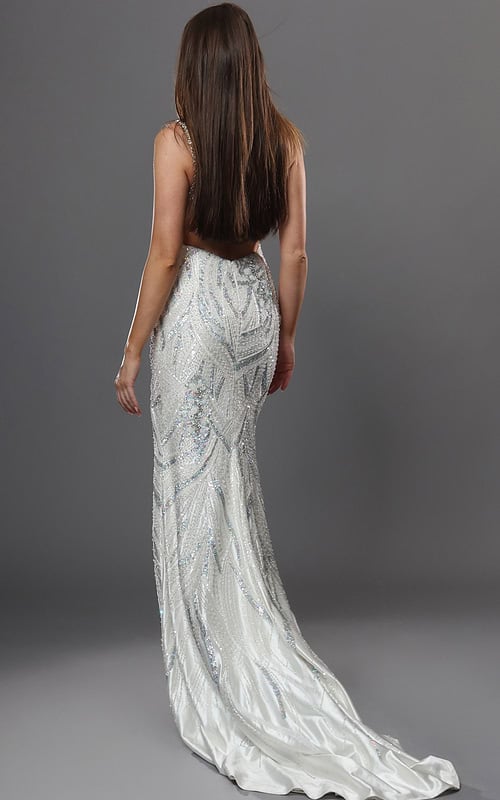
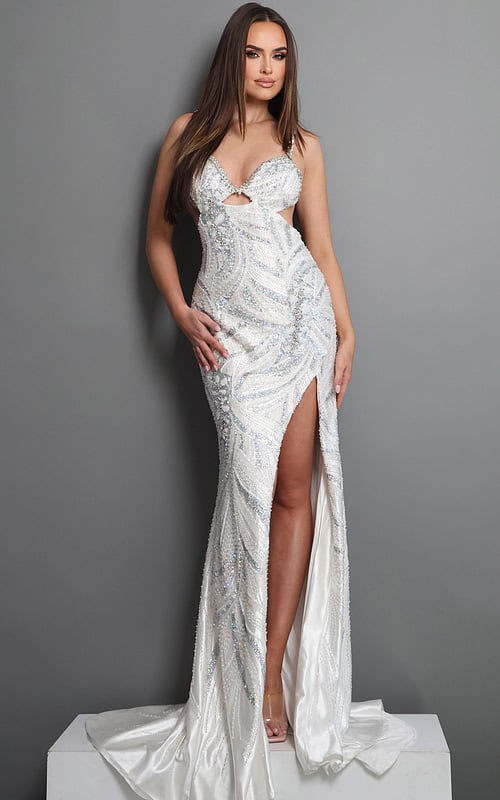
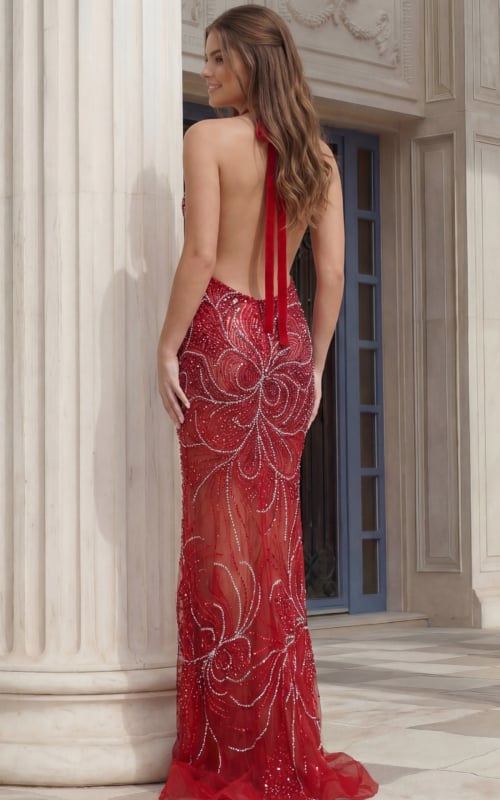
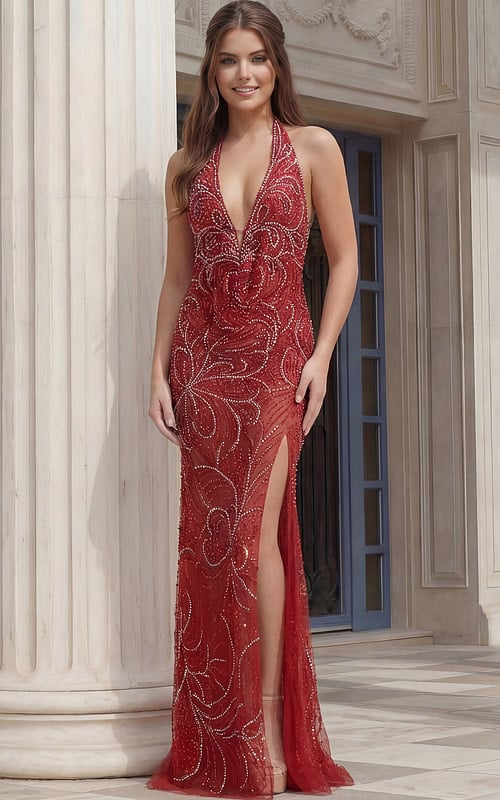
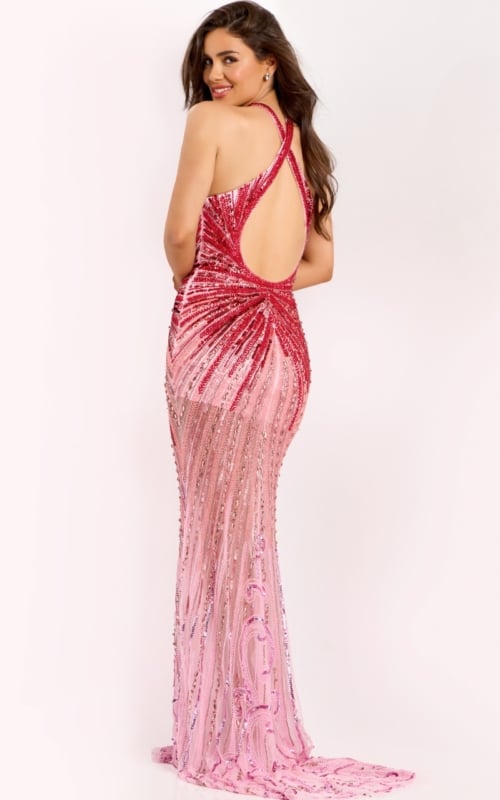
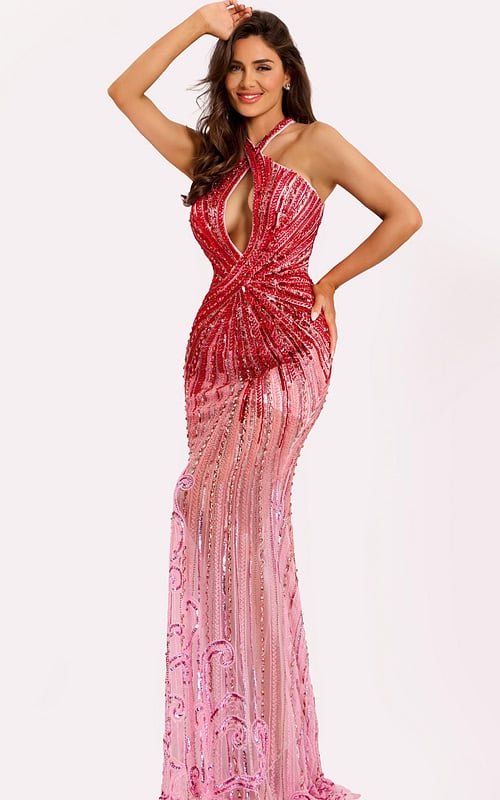
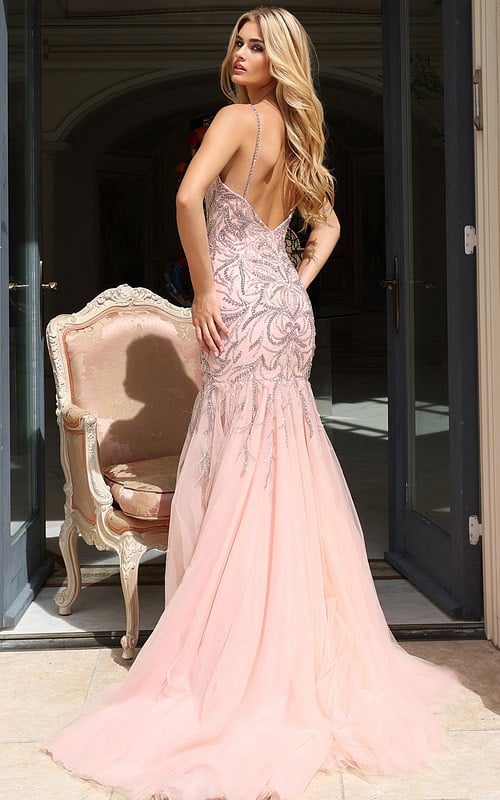
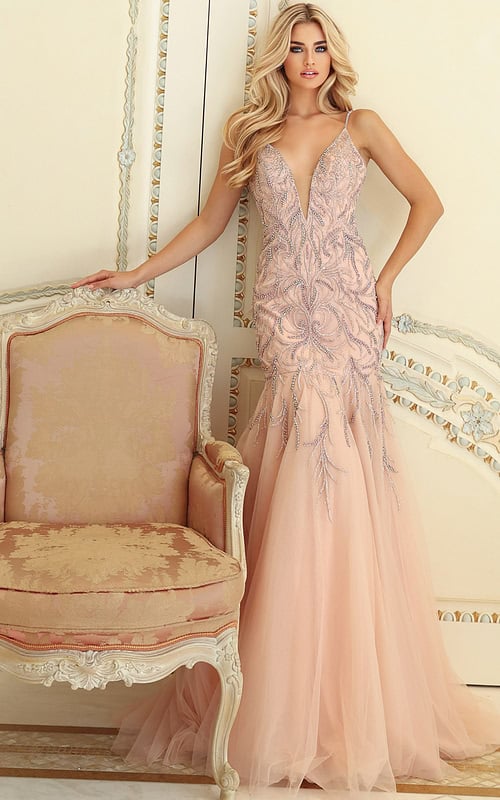
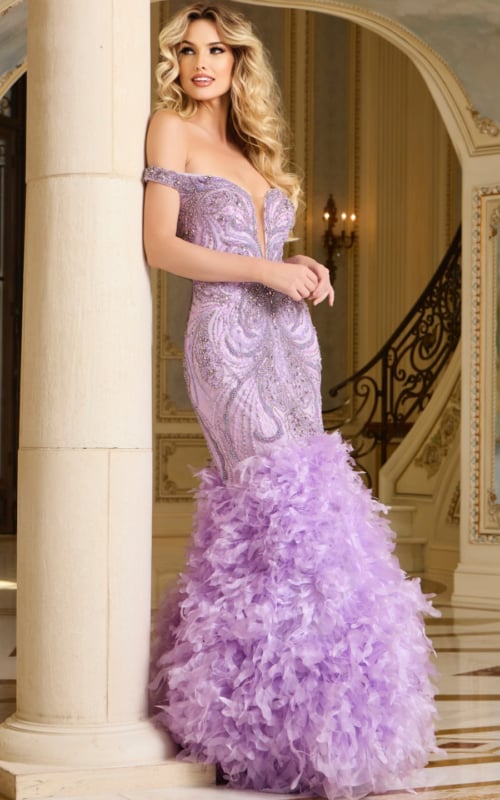
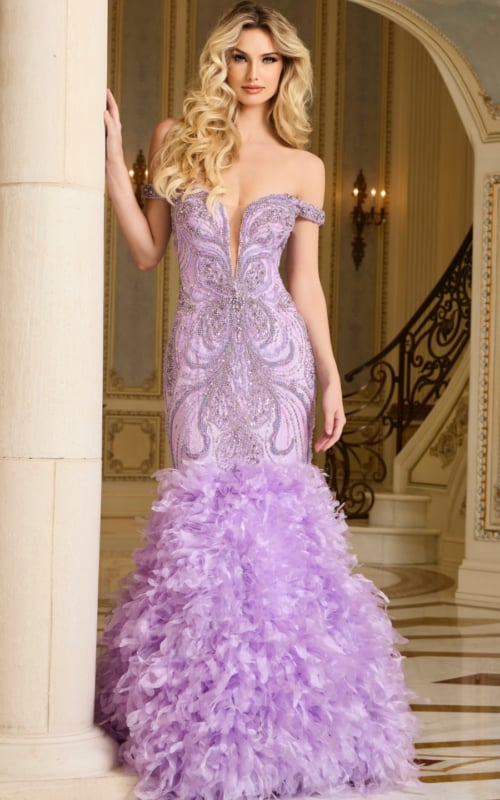
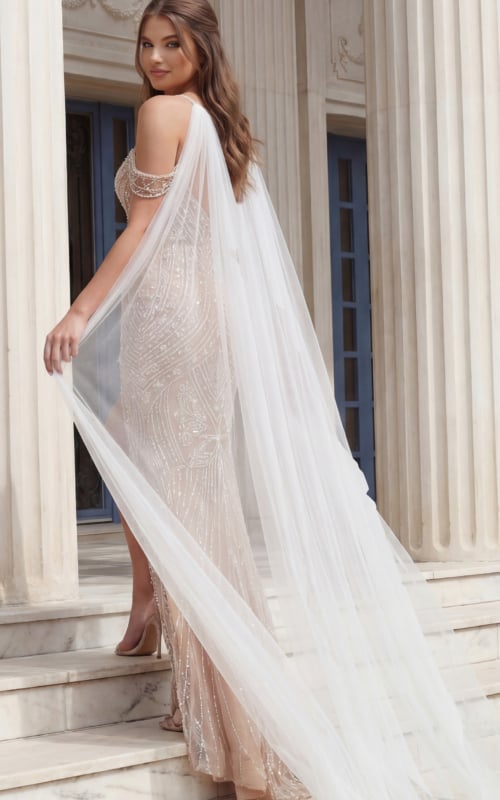
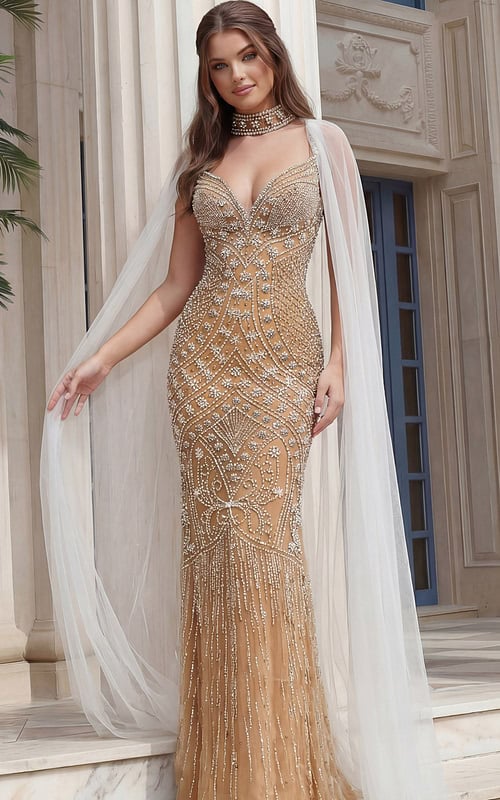
The mermaid silhouette is the most consistently strong choice for pageant competition across every level and every system. It follows the natural line of the body through the torso and hips, creating a defined, elongated visual that reads as elegant and powerful at stage distance. The flare at the knee creates movement during the walk and a dramatic visual as the contestant turns. For contestants who want a gown that communicates confidence and physical presence simultaneously, the mermaid is almost always the strongest choice. The practical consideration is that the fitted construction through the hips requires more precise tailoring than more forgiving silhouettes, and the skirt width at the knee must be sufficient to allow the contestant’s natural stride on the specific stage dimensions of her competition.
Ball Gown
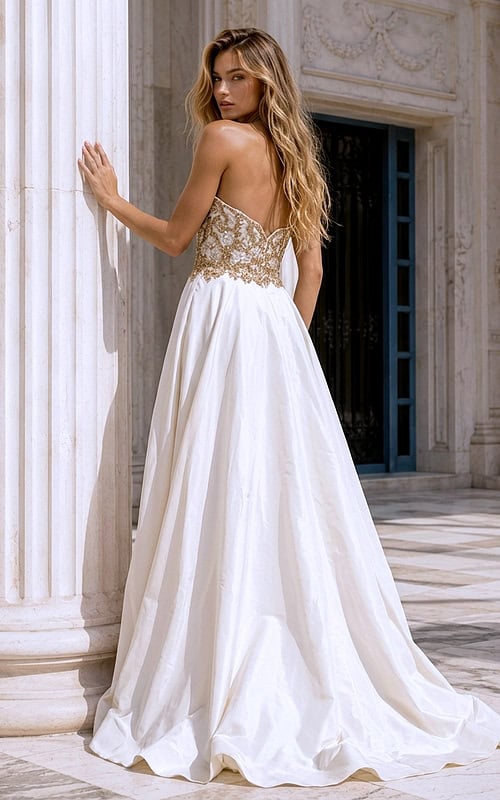
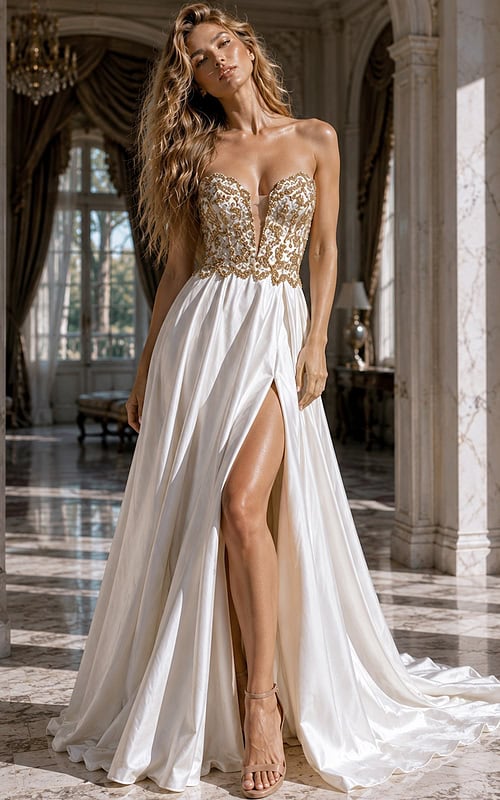
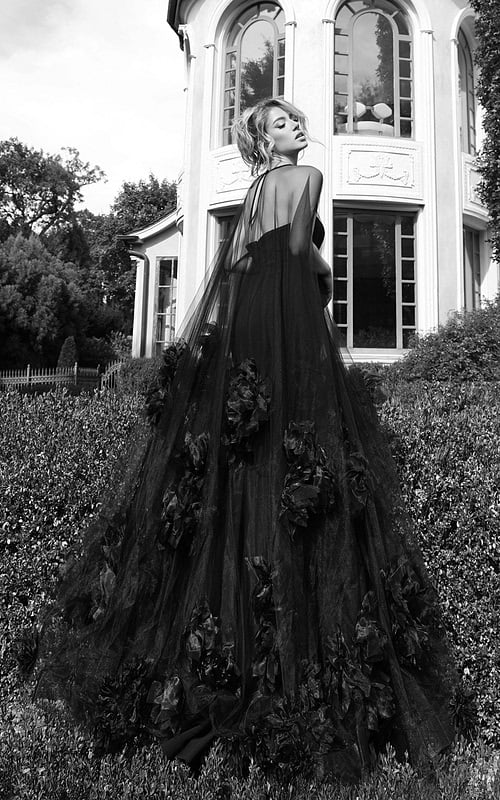
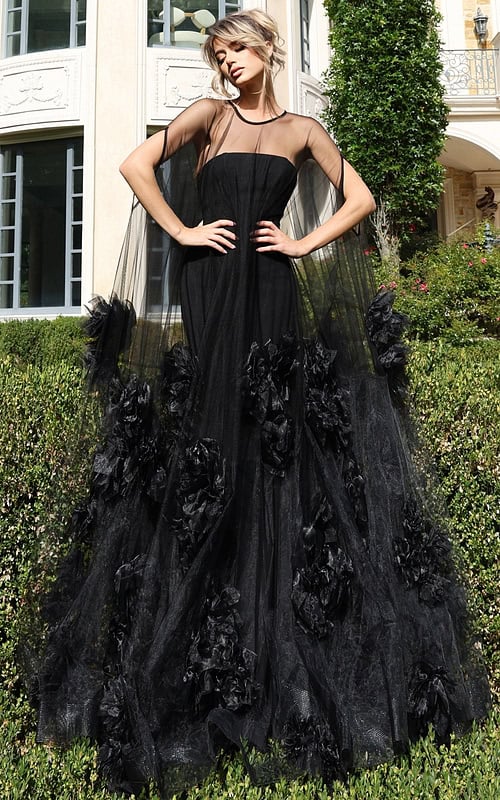
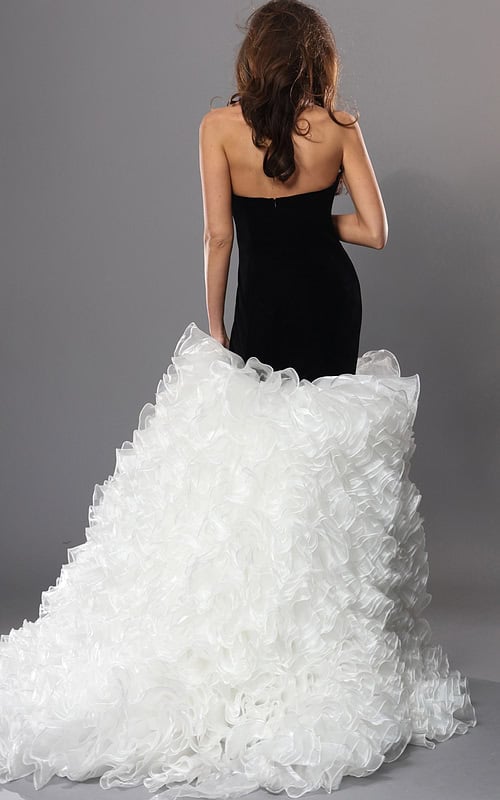
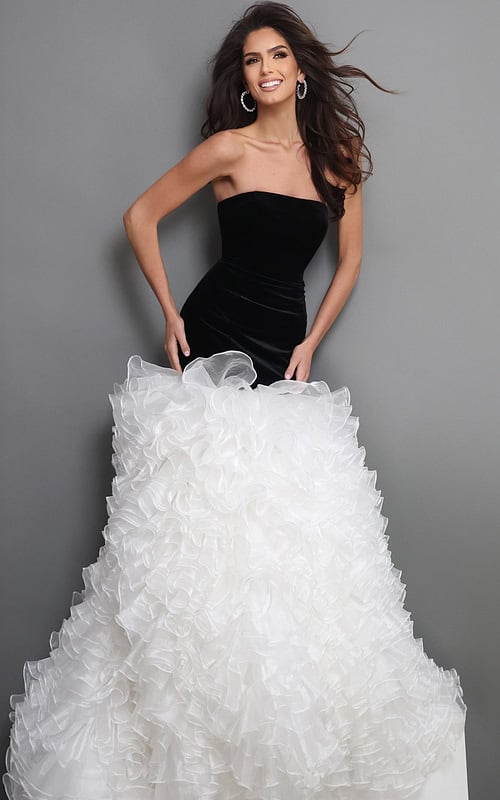
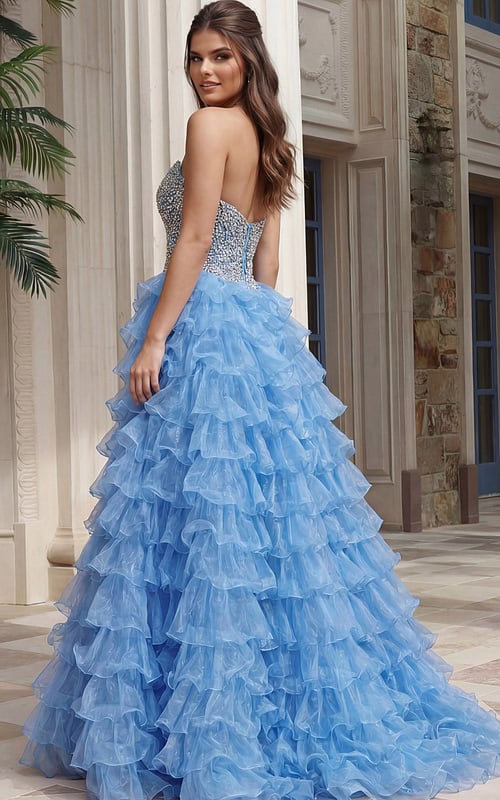
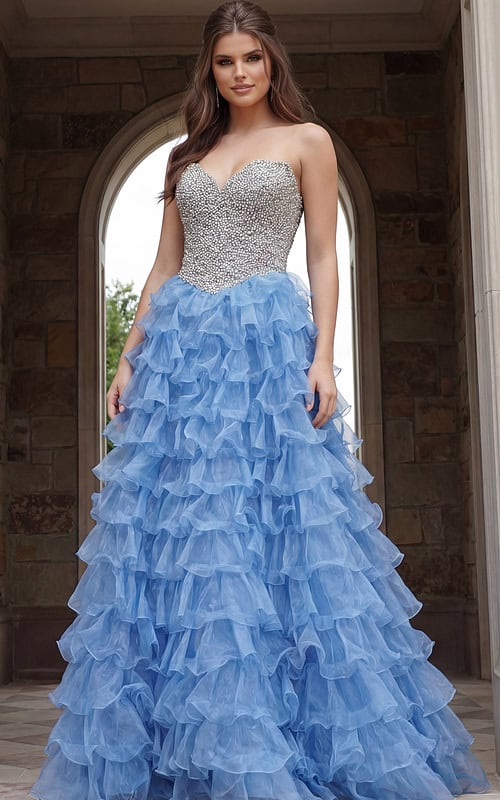
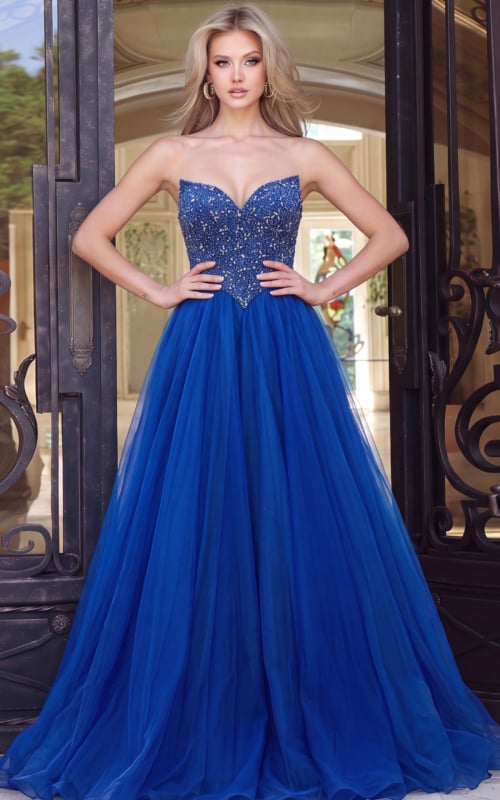
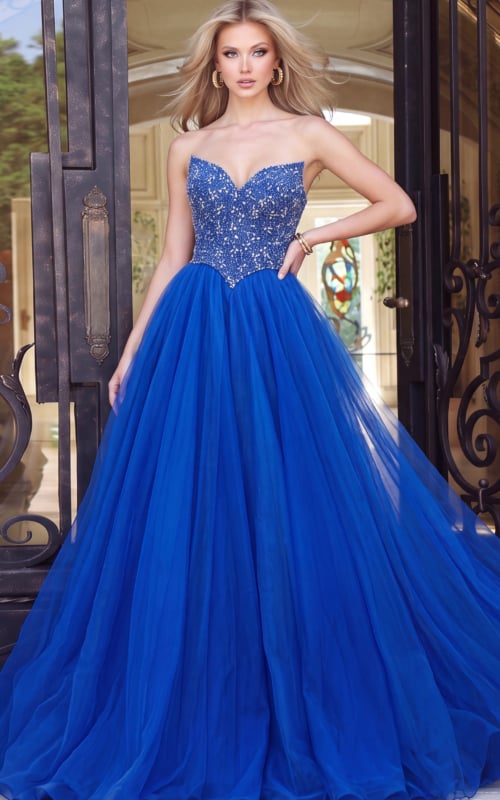
The ball gown silhouette creates the most dramatic visual presence of any pageant silhouette and is the strongest choice for systems and competition levels where traditional elegance and grandeur are part of the judging aesthetic. A full ball gown skirt creates movement and volume that reads powerfully from the back of any auditorium, and the fitted bodice creates a defined waist that anchors the drama of the skirt. For contestants competing in more traditionally oriented systems or at competition levels where a classic pageant aesthetic is rewarded, the ball gown remains one of the most reliable choices in the collection.
A-Line
The A-line silhouette is the most versatile and the most forgiving in the pageant context. The gradual flare from the waist creates a clean, graceful line that works across body types and across competition levels without the precise tailoring demands of the mermaid or the volume management demands of the ball gown. For contestants who are newer to competition, who are competing at the local or regional level, or who want a gown that moves comfortably through a longer competition day, the A-line is a consistently strong choice.
Column
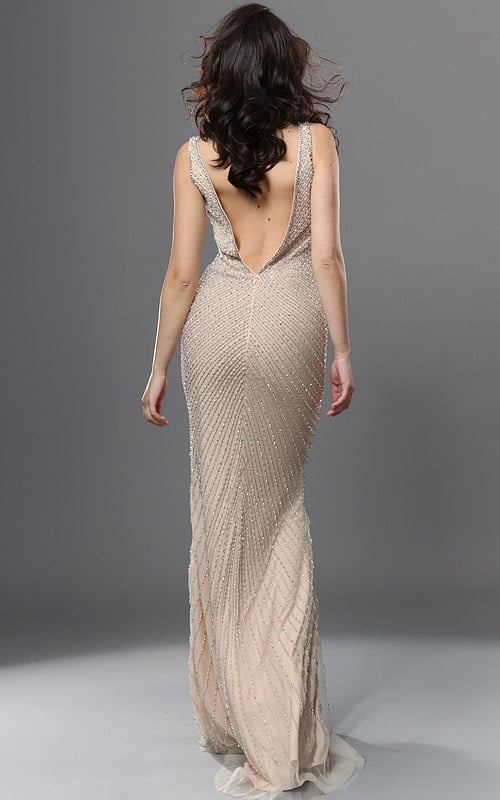
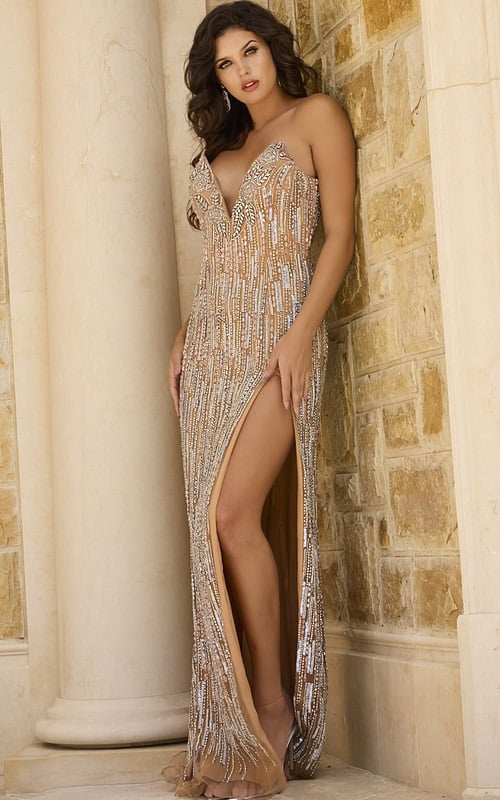
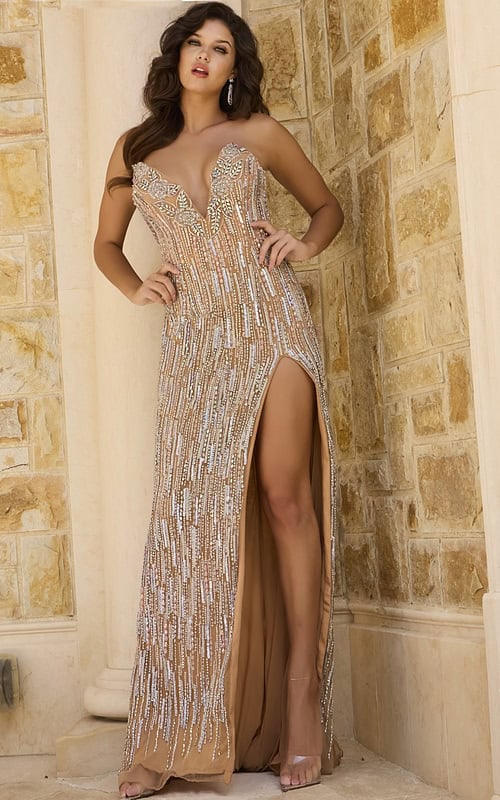
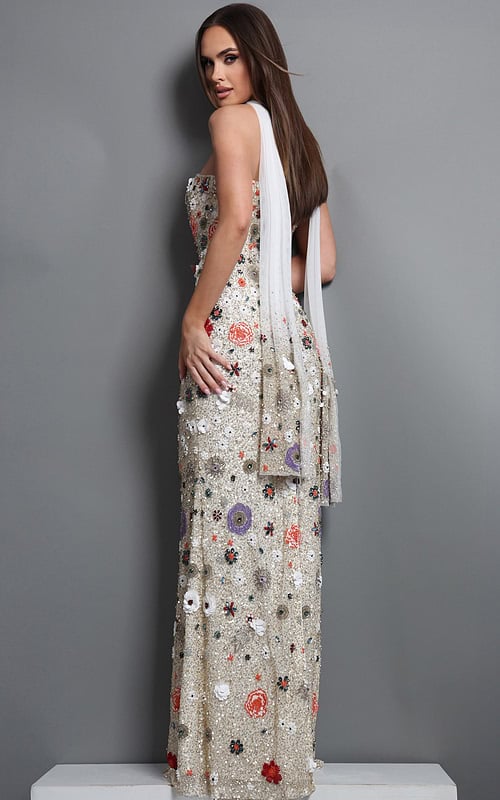
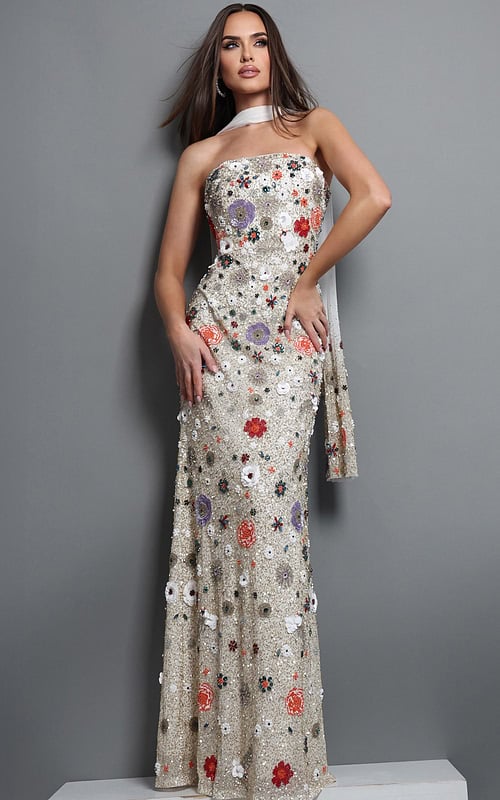
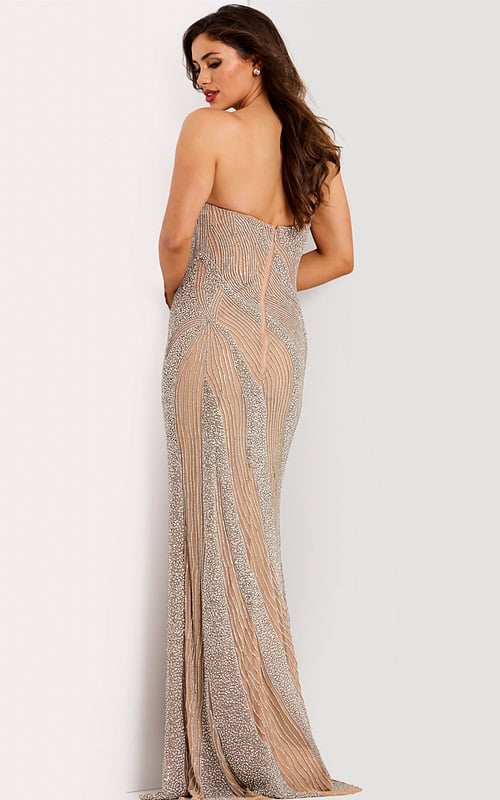
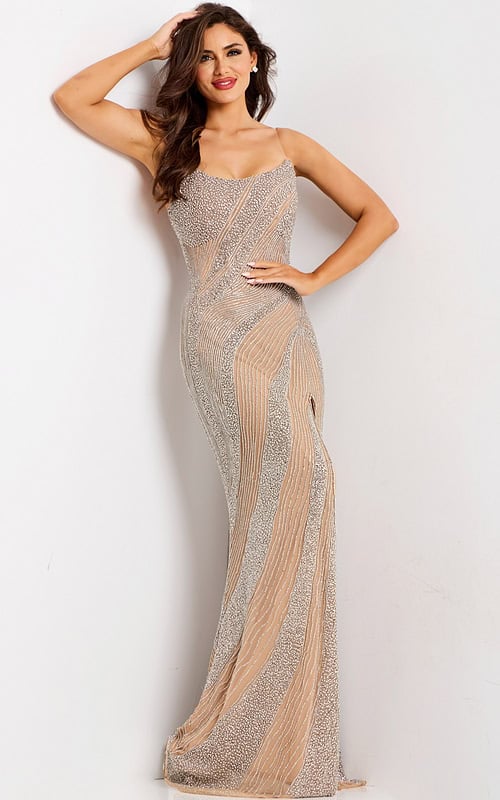
The column silhouette is the most fashion-forward choice in pageant dressing and works best in systems where a modern, editorial aesthetic is rewarded alongside traditional elegance. A clean column in a heavily embellished or high-quality fabric creates a strong stage presence through the quality of the material and the precision of the fit rather than through silhouette drama. This choice requires the most confidence in fit because the unforgiving line of a column gown reveals any tailoring imprecision immediately.
One-Shoulder
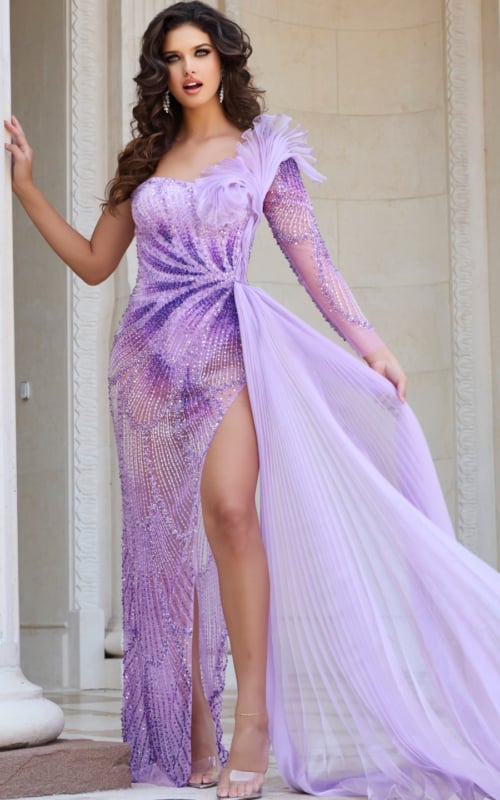
The one-shoulder silhouette has emerged as a strong trend in competition dressing for 2026 because the asymmetric neckline creates an immediate focal point that draws the judges’ eye upward toward the contestant’s face. This is a meaningful strategic advantage in a competition format where facial expression and stage presence are evaluated simultaneously with the gown. A one-shoulder neckline in a mermaid or A-line construction combines the asymmetric focal point advantage with a proven competition silhouette.
How to Choose Your Pageant Gown for Your Competition Level
Pageant competition exists across a wide spectrum of formality, aesthetic expectation, and judging criteria, and the gown that wins at a local scholarship pageant is not necessarily the gown that performs at a national or international competition. Understanding the aesthetic expectations of the specific system and level you are competing in is as important as understanding your own body and coloring when making the gown selection.
Local and Regional Competition
Local and regional pageants typically reward a polished, age-appropriate look that communicates genuine elegance without requiring the level of gown investment that national and international competition demands. At this level, a well-fitted A-line or mermaid in a quality fabric with appropriate embellishment reads as entirely competitive. The most important factor at local and regional competition is fit and confidence rather than the drama or scale of the gown. A contestant who moves comfortably and confidently in a well-fitted gown will consistently outperform a contestant in a more dramatic gown that she is not yet comfortable wearing.
State Competition
State competition raises the stakes on every dimension. The field of contestants is more experienced, the stage is larger, and the judges are evaluating at a more sophisticated level. At state competition, the scale of the gown needs to match the scale of the stage. Embellishment that reads well in a small local venue can feel underwhelming in a large state competition auditorium. Silhouette choices that work at local level are still valid at state, but the execution, the tailoring, the fabric quality, and the embellishment density all need to be elevated to match the competitive environment.
National Competition
National competition represents the highest domestic level of the major pageant systems and demands gowns that perform at the highest level of any American stage. At Miss USA, Miss Teen USA, and Miss America competition, the contestants are wearing gowns that have been selected with the input of coaches, stylists, and in many cases the pageant organization itself. The gown at national competition needs to be the single strongest version of the contestant’s personal brand and competition aesthetic, executed at the highest possible standard.
International Competition
International competition at Miss Universe and similar global pageants introduces an additional dimension that domestic competition does not require. The gown needs to read not just on a large stage but on a broadcast stage where camera angles, broadcast lighting, and the visual language of international television all affect how the gown performs. At this level, working directly with the Jovani team at the New York showroom gives contestants access to the custom work and direct expertise that international competition demands.
Pageant Gown Colors That Perform on Stage
Color is the first thing the judges register when a contestant steps onto the stage, before they have processed the silhouette, before they have evaluated the movement, before they have read the embellishment. The color of the gown creates the first impression of the evening gown presentation and sets the visual tone for everything that follows.
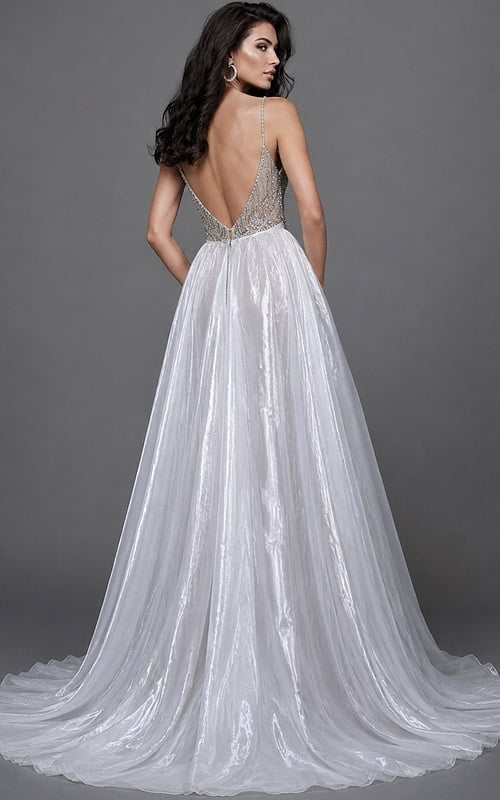
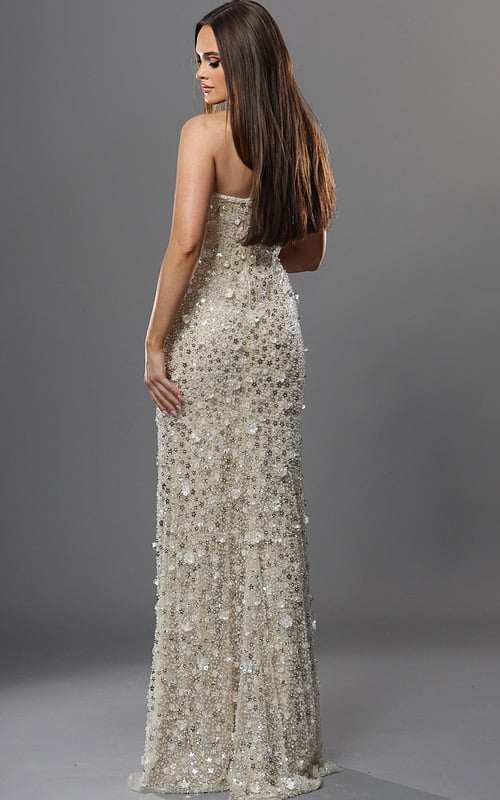
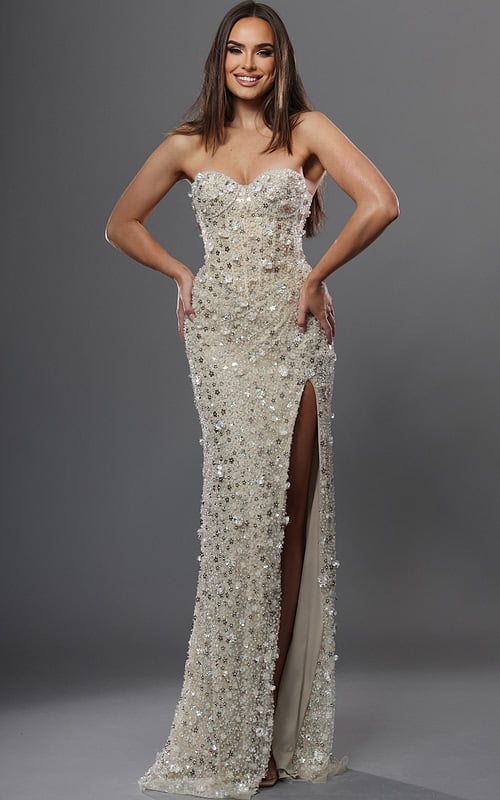
White is historically the single most powerful color in pageant competition across every major system. A true white gown creates a clean, luminous visual that reads from every distance and in every lighting condition. White also reads as confident, intentional, and unafraid of the spotlight in a way that few other colors communicate. For contestants who can wear white, it remains one of the most reliable color choices in the collection at every competition level.
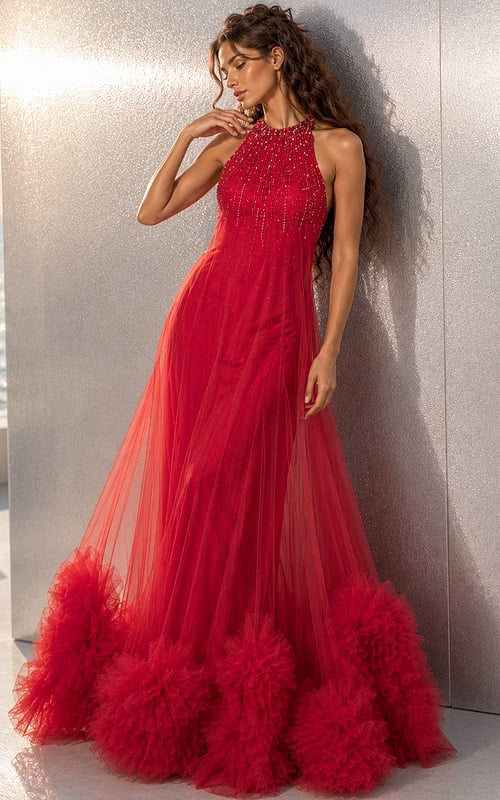
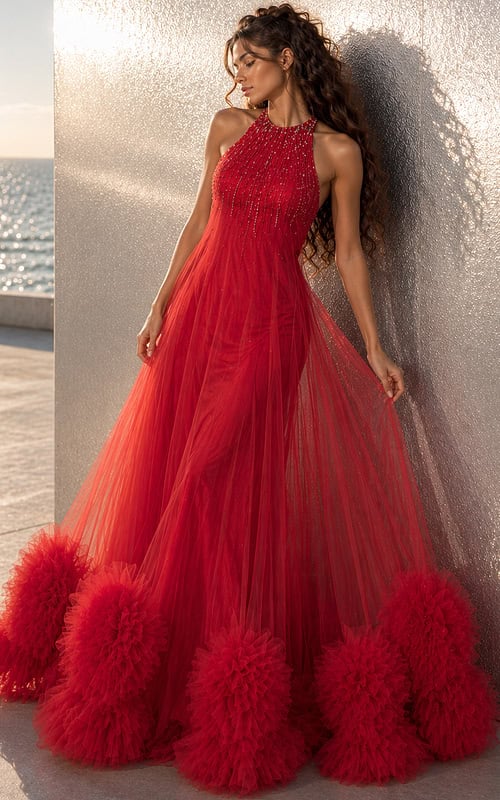
Power red is the strongest non-neutral choice in pageant dressing. It creates an immediate, visceral visual impact that reads from the back of any auditorium and registers before any other detail of the gown. A contestant in a deep, true red is immediately distinguishable in a field of more neutral gowns. The risk of red is that it requires confidence and physical presence to carry on a competition stage.
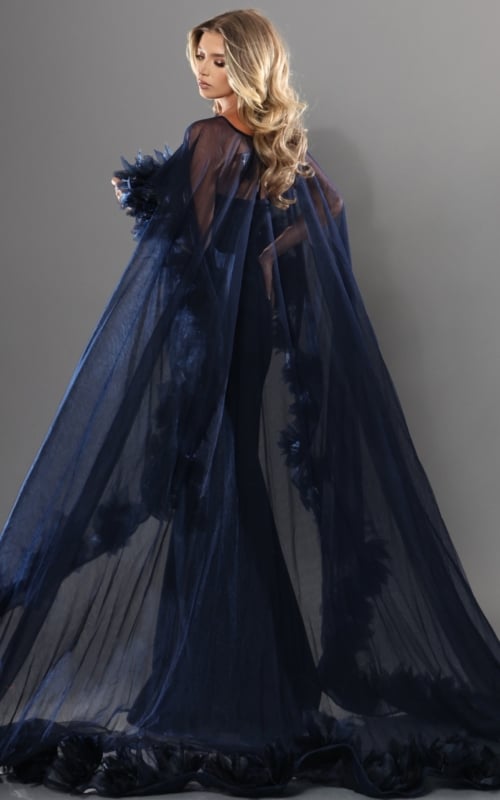
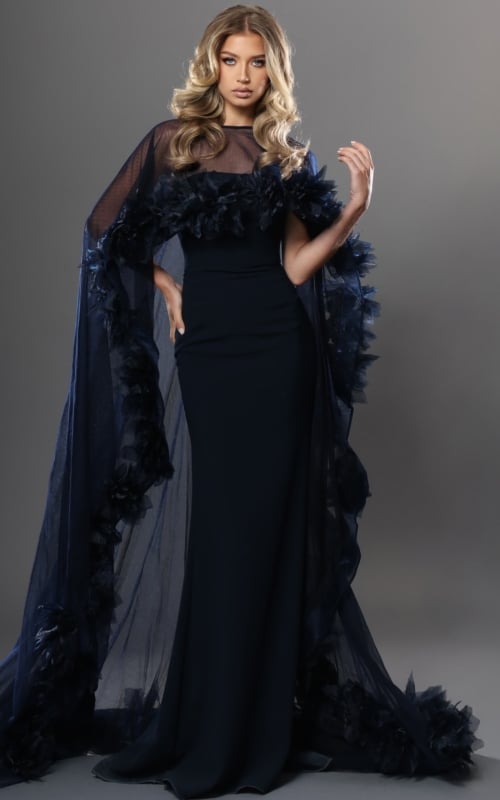
Jewel tones, deep sapphire, rich emerald, deep amethyst, and true royal blue, are the strongest color family for contestants who want impact without the full commitment of white or red. These colors hold their saturation at distance and complement a wide range of skin tones and hair colors. Deep sapphire has been one of the most consistently successful colors in Miss USA and Miss Universe competition because it reads as authoritative and fashion-forward simultaneously.
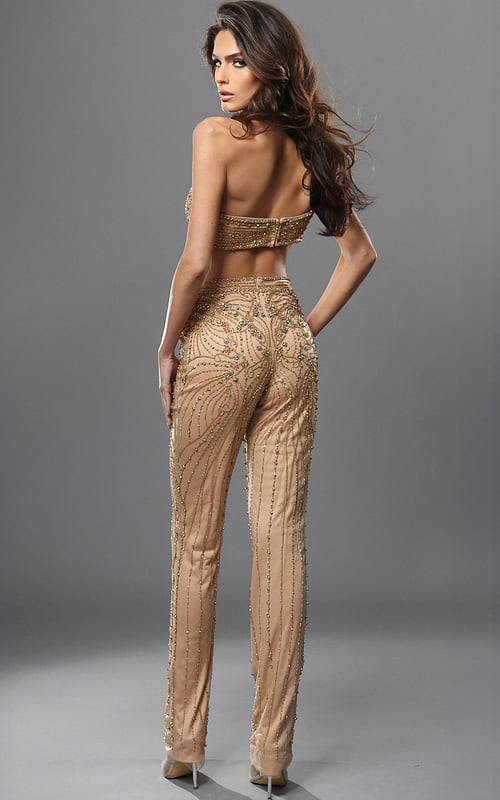
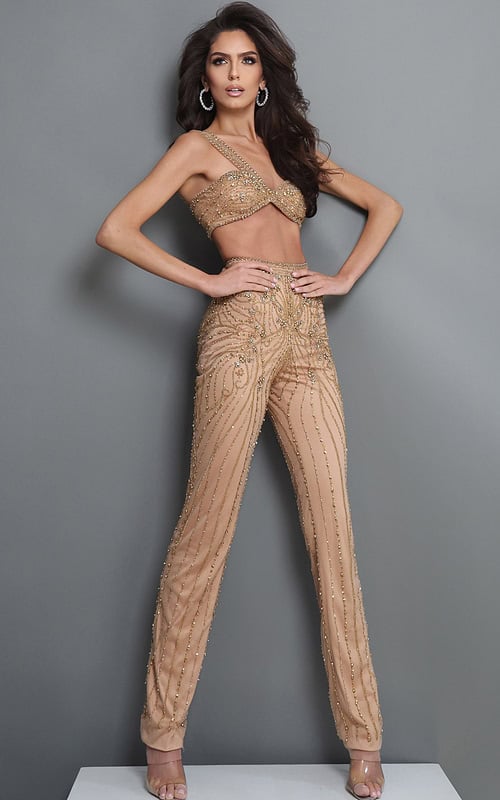
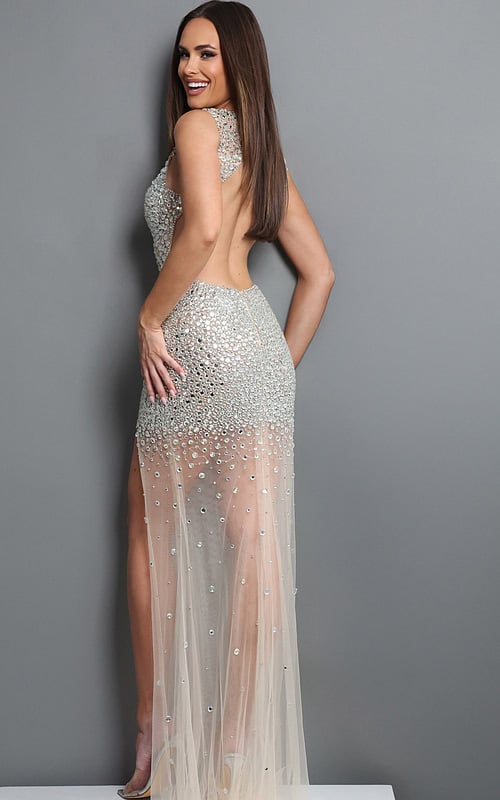
Metallics in gold and silver create a unique visual effect that solid colors cannot replicate. The reflective quality of metallic fabric means the gown changes with every angle and every movement, creating a dynamic visual that rewards the turn and the walkaway in ways that a solid color does not. For contestants who want a gown that looks more powerful in motion than it does standing still, a metallic is a strategically strong choice.
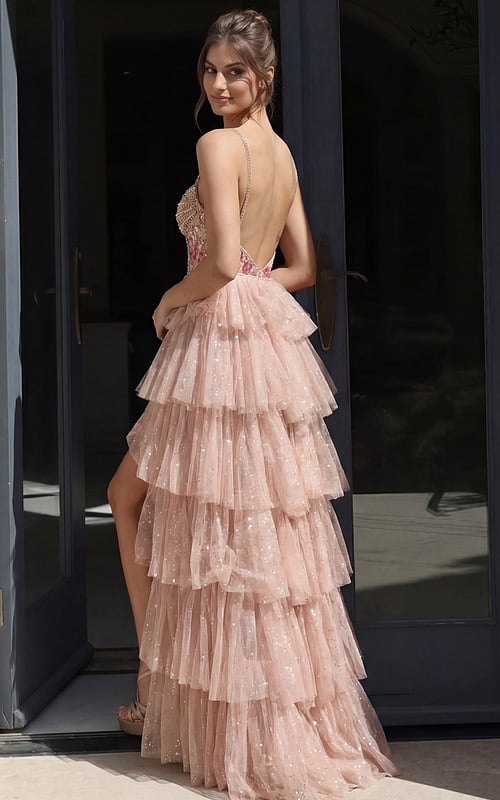
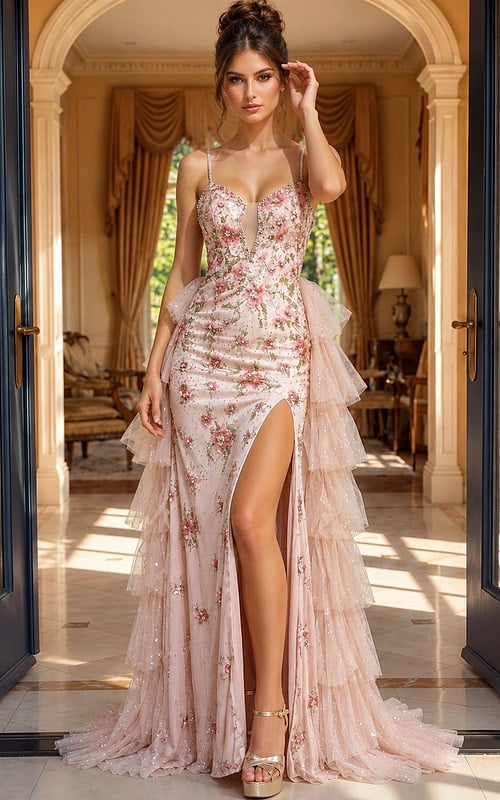
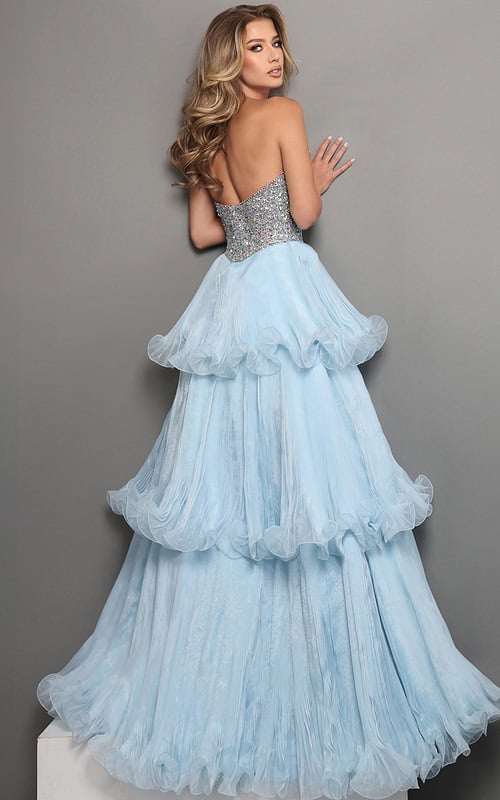
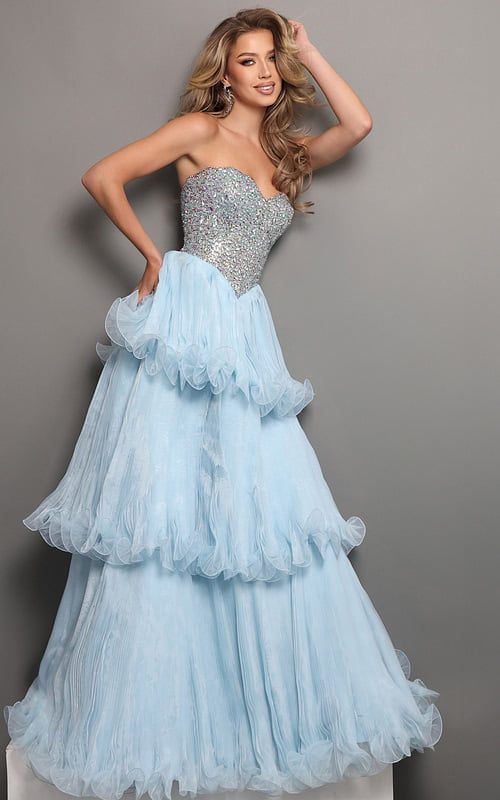
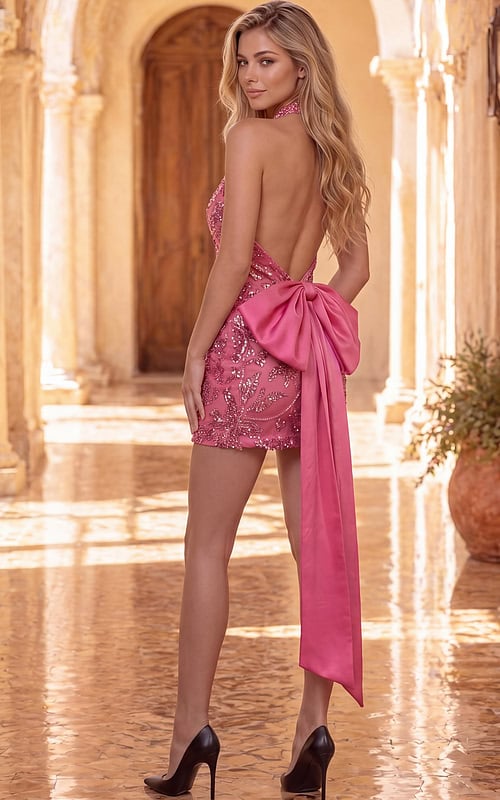
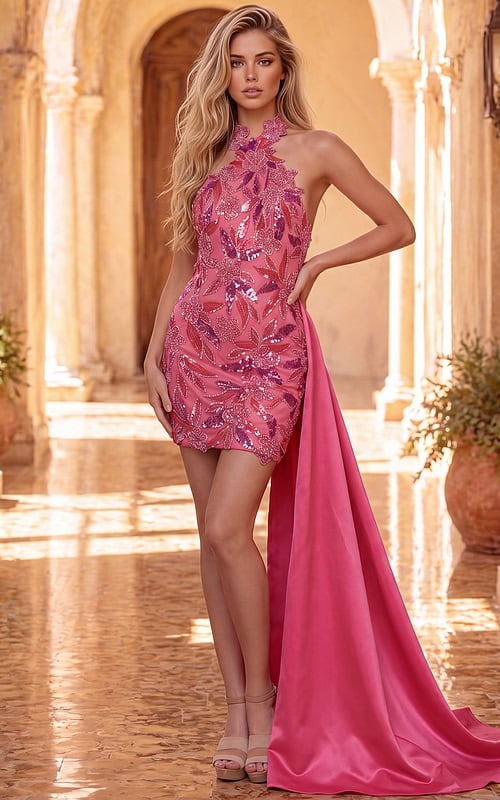
Colors to approach with caution in competition include very pale pastels, which can read as underpowered at distance. Light pink, soft lavender, and pale champagne are beautiful in person but require careful evaluation under actual stage lighting before a competition commitment. If you are drawn to these colors, test the specific shade under the brightest available lighting before finalizing the choice.
How to Find Your Jovani Pageant Gown
For most contestants, the process of finding a Jovani pageant gown begins with an authorized retailer. Jovani’s network of authorized retailers includes boutiques that specialize in pageant dressing and carry the collection specifically for competition clients. When you contact a Jovani retailer and tell them your competition system, your level, and your timeline, a retailer with pageant experience will guide you through the styles that are most appropriate for your specific stage rather than simply showing you the most popular styles in the general collection.
For contestants who want to go further, the Jovani showroom in New York City is the most comprehensive pageant gown experience available anywhere. Contestants visit the showroom at 42 West 39th Street, typically accompanied by their authorized retailer or their agent. At the showroom they have access to the full collection, the complete range of custom options, and the direct expertise of the Jovani team. Showroom visits are the starting point for custom work, whether that means a color change, a specific embellishment modification, or a fully original gown designed and built for a particular contestant and a particular competition.
Custom gowns from Jovani cover everything from adjustments to existing styles to completely original designs built from scratch. A contestant preparing for Miss USA who needs a specific color that does not exist in the current collection, or a Miss Universe competitor who needs a gown designed around a specific national brand or theme, can work with Jovani directly to create exactly that. The custom process begins at the showroom and is available to contestants at every level of competition, not exclusively to titleholders or celebrities.
The timing for both the retailer and the showroom process is the same. For national and international competition, begin the process six to nine months before your competition date. For state competition, four to six months. For local and regional competition, three to four months. Pageant gown alterations are mandatory regardless of whether the gown is from the existing collection or a custom build, and the alteration timeline needs to be built into the overall schedule before the competition deadline.
Use the store locator on this page to find an authorized Jovani retailer near you. If you are interested in a showroom visit or custom work, ask your retailer to facilitate the introduction. The Jovani team works with retailers and their clients directly to make the showroom and custom process as straightforward as possible for contestants at every level.