
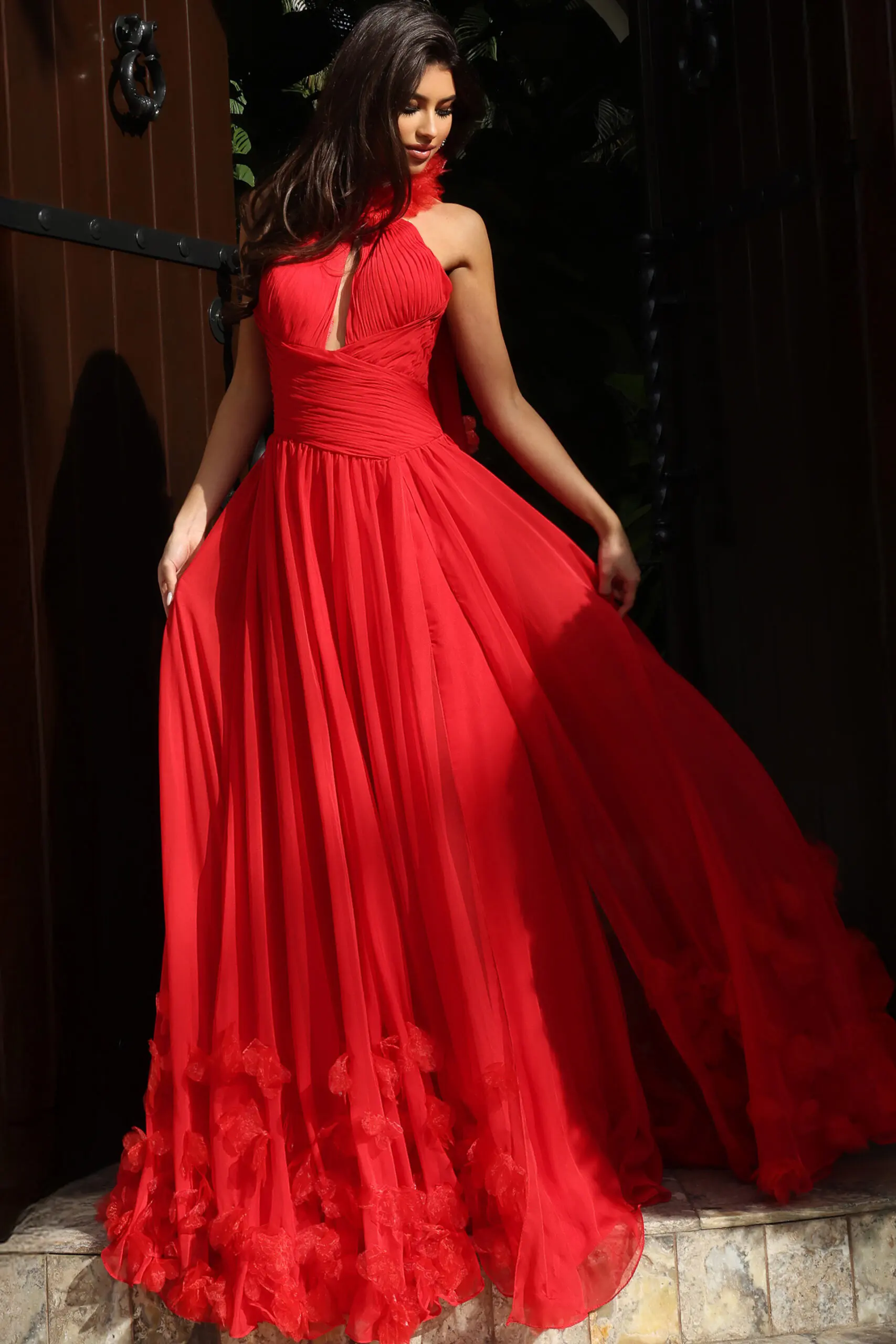
6 Colors
Couture Dresses
The Jovani Couture collection is built on a different standard from the rest of the collection. Each style involves significantly more design and production time, is produced in limited quantities, and uses fabrics and materials chosen specifically for their quality and performance at the highest level of formal dressing. The result is 110 styles that occupy a distinct category from occasion dressing. These are gowns for women who are not simply attending an event but investing in a piece that reflects a level of craft and intention that standard formal wear does not reach.
Products
2 Colors
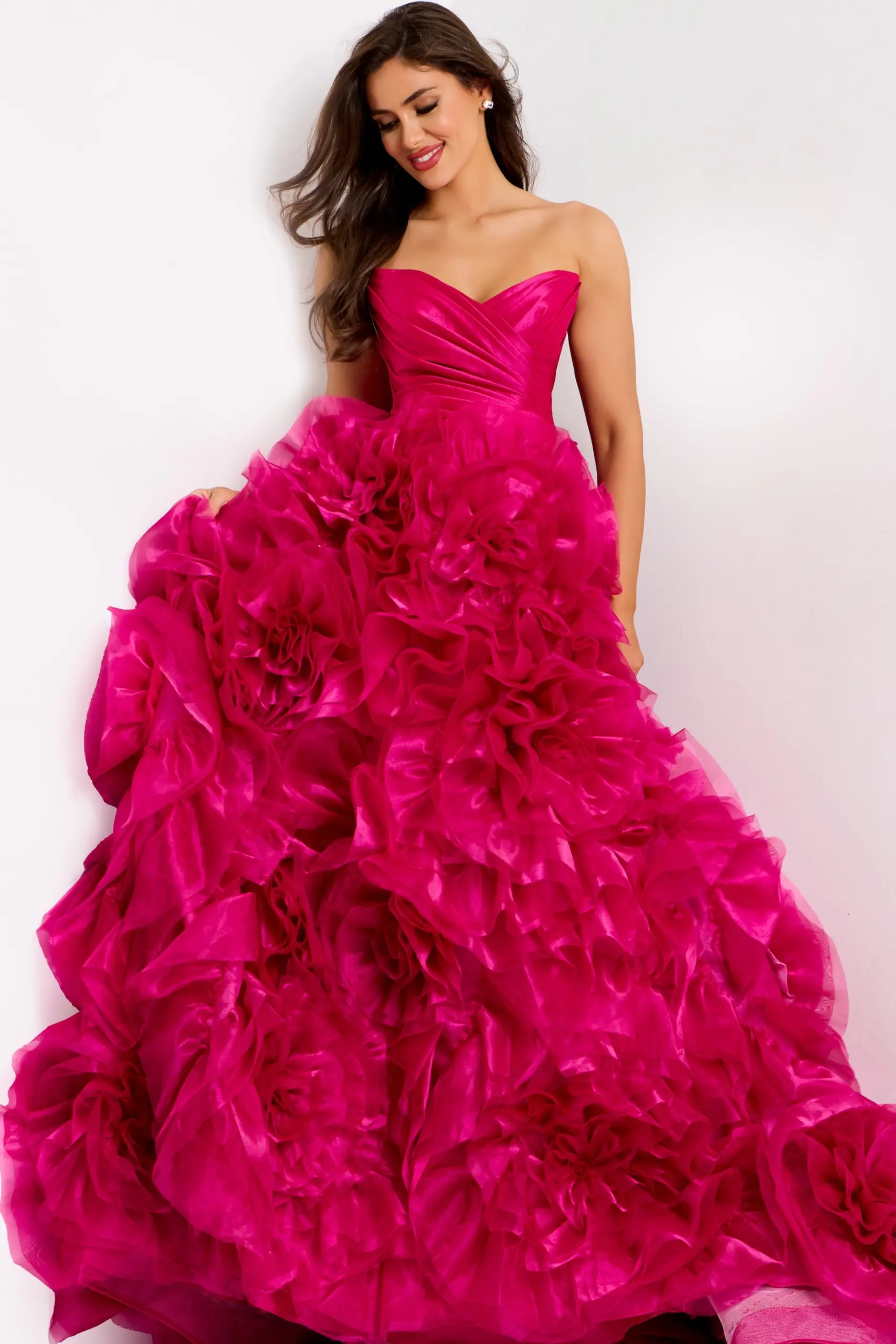
Strapless Ball Gown with Floral Ruffles 45495
2 Colors
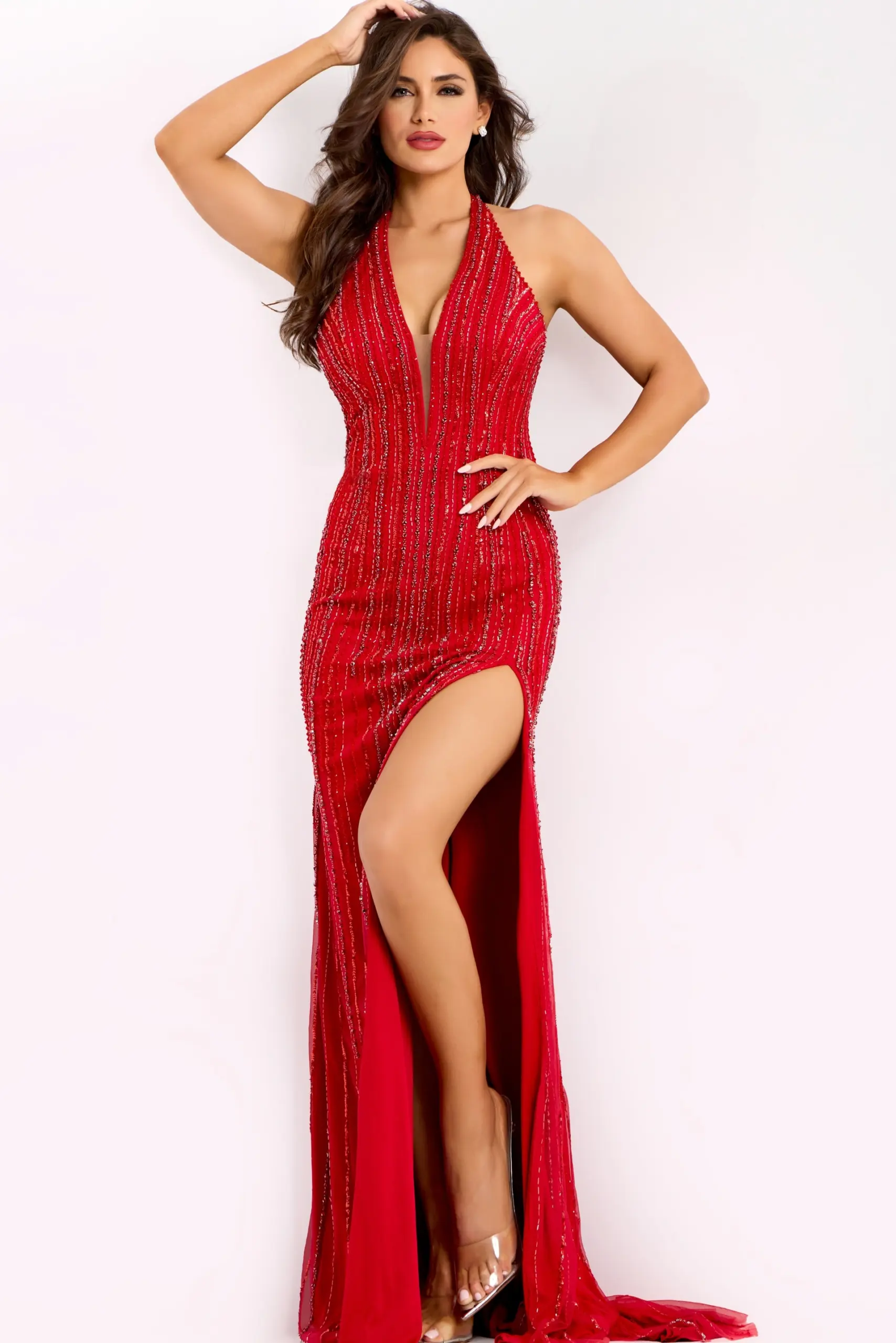
Halter Beaded Gown with Open Back 40735
2 Colors
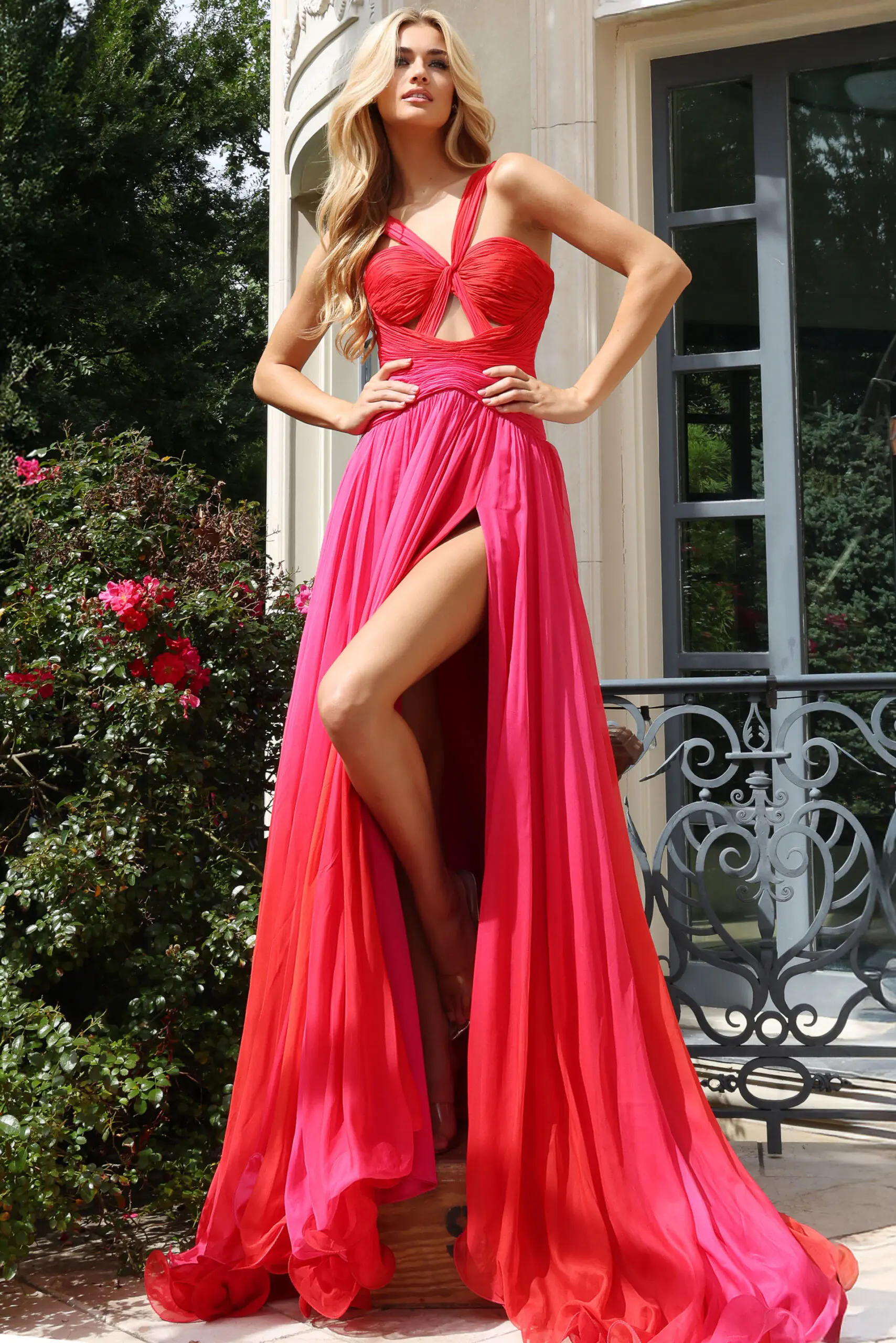
Flowing Two-Tone Gown With High Slit S40412
1 Colors
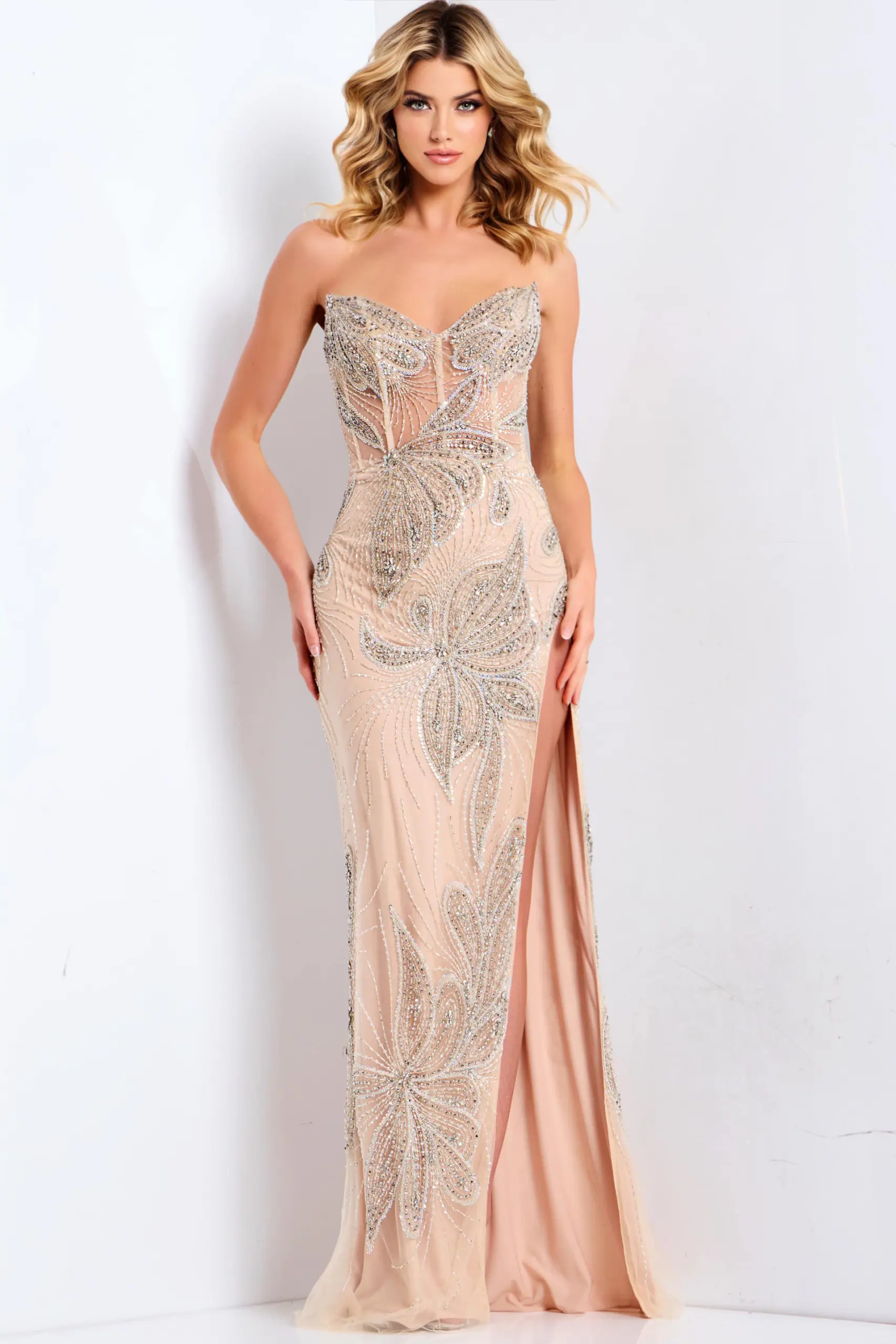
Strapless Beaded Gown with Sheer Bodice 38812
1 Colors
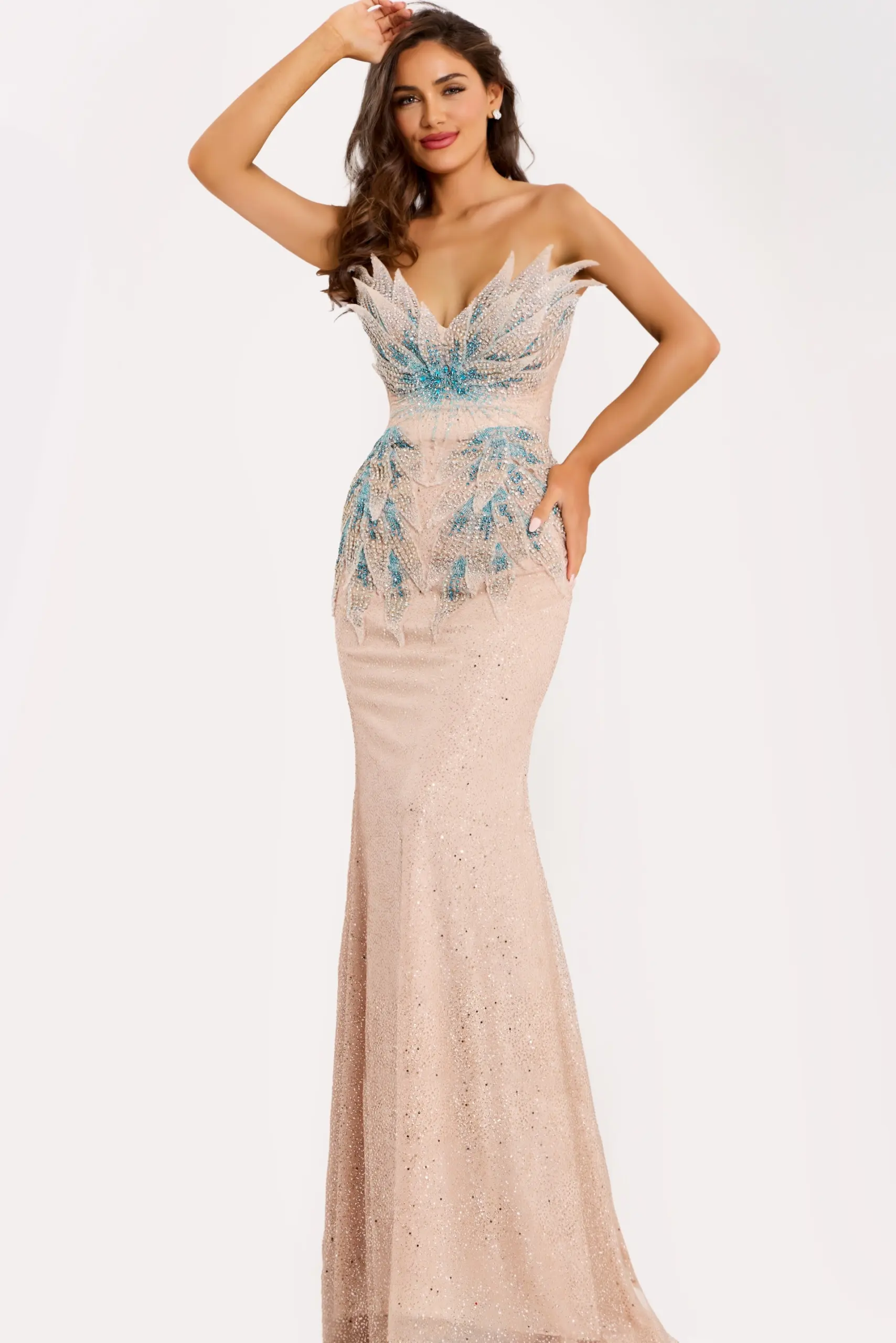
Mermaid Gown with Blue Beaded Leaf Detail 39944
1 Colors
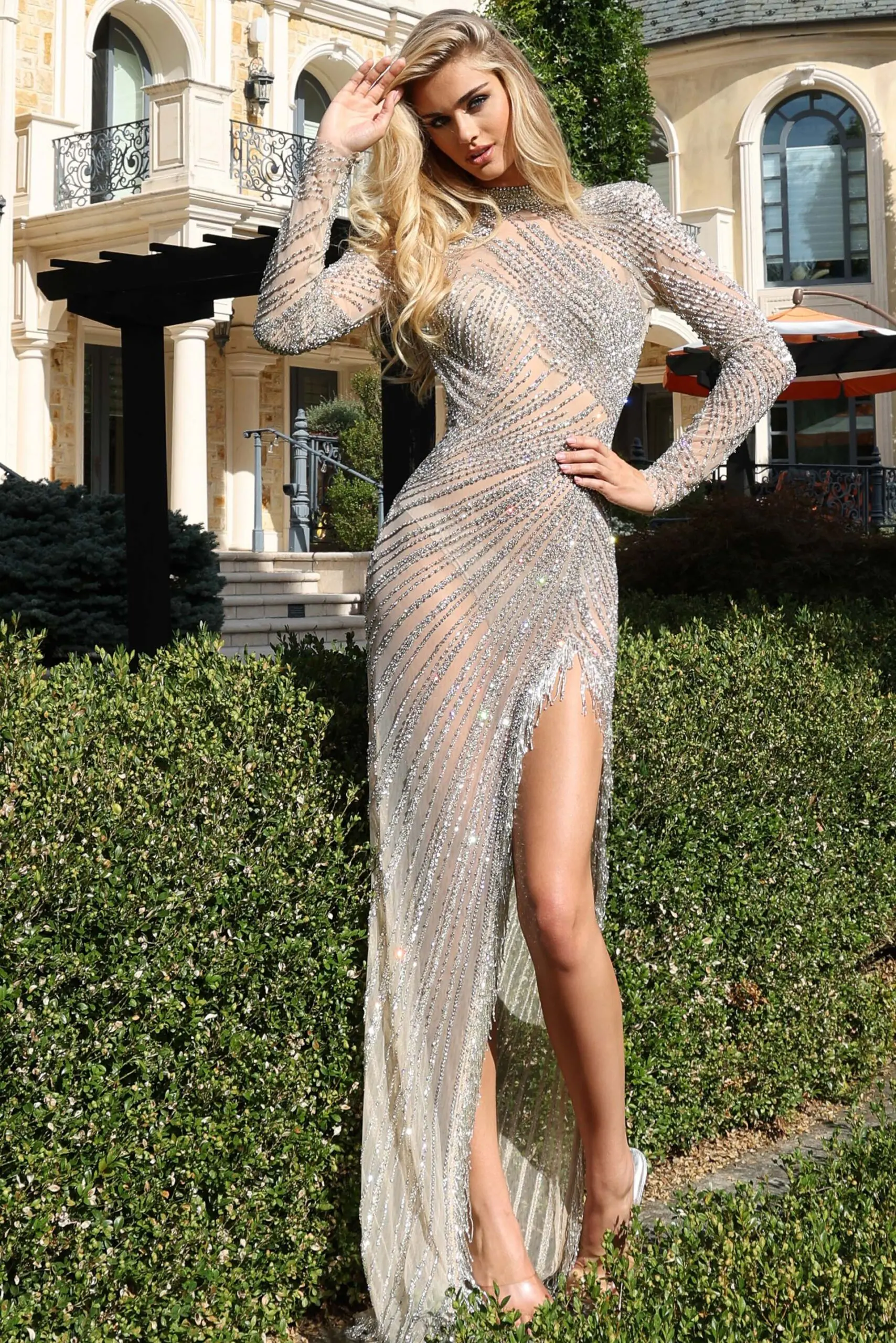
Sparkling Long Sleeve Beaded Gown With High Slit S05821
1 Colors
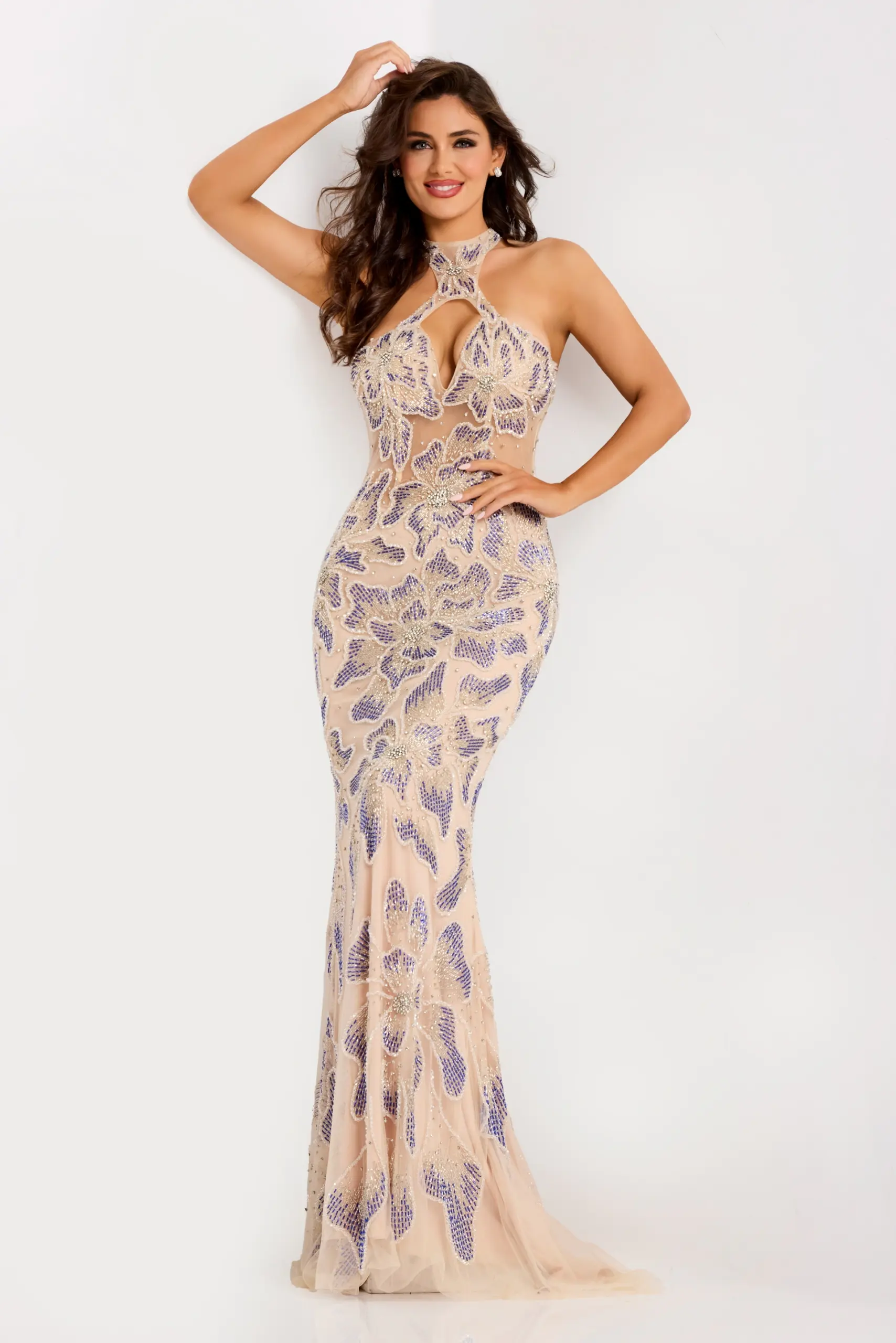
Halter Embellished Gown with Open Back 38856
1 Colors
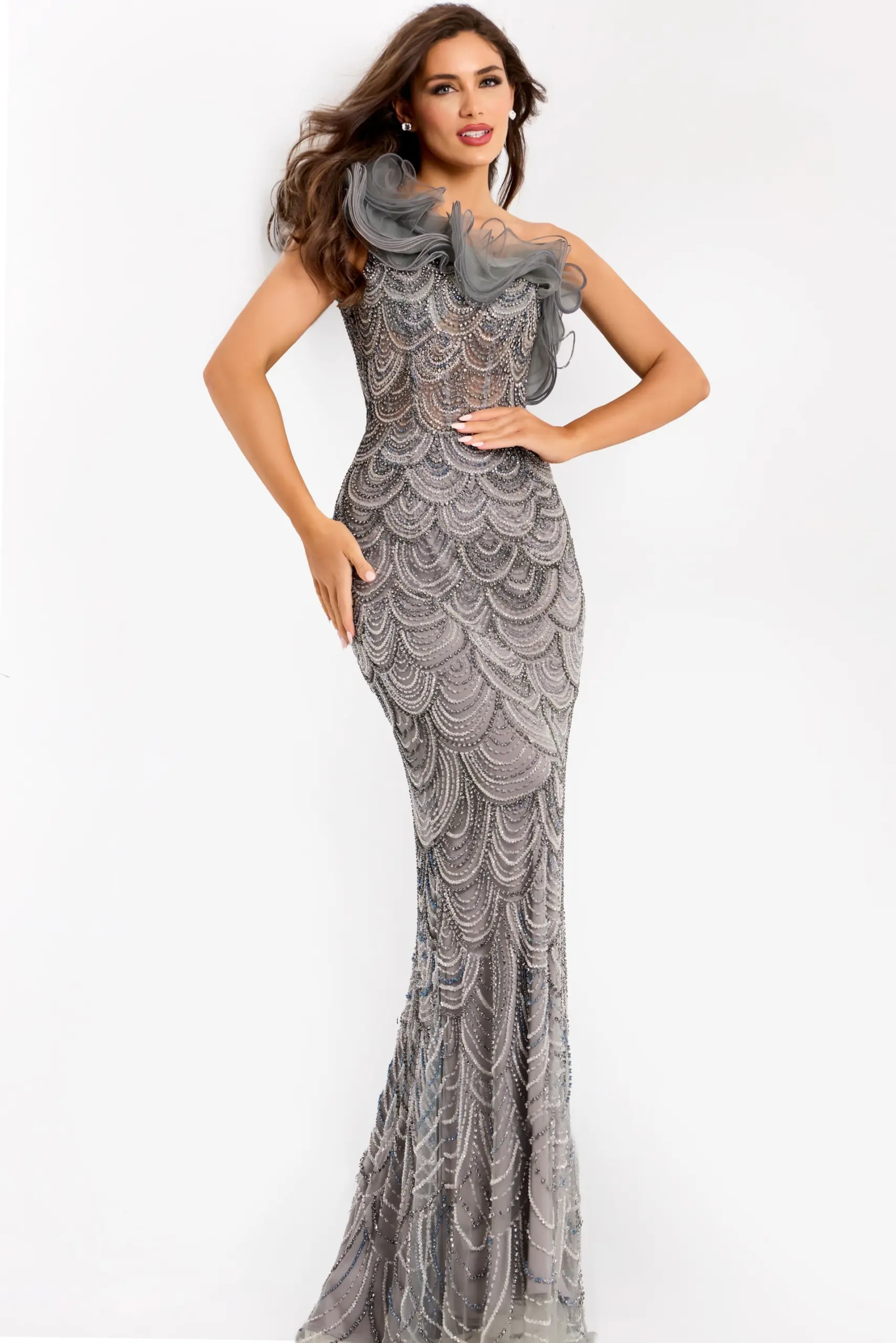
Beaded Mermaid Gown with Ruffle Neck 40889
1 Colors
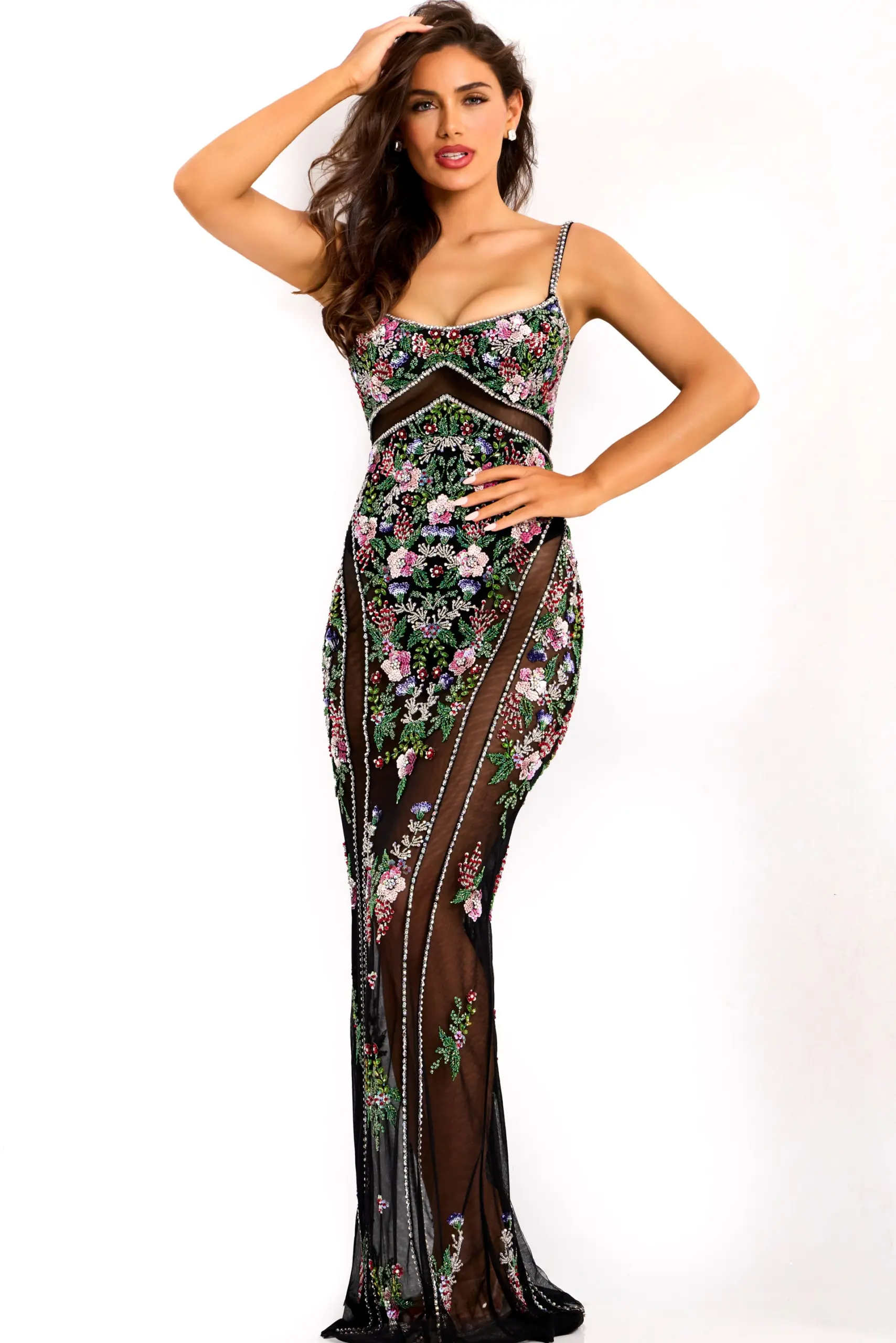
Floral Embroidered Sheer Mermaid Gown 39709
2 Colors
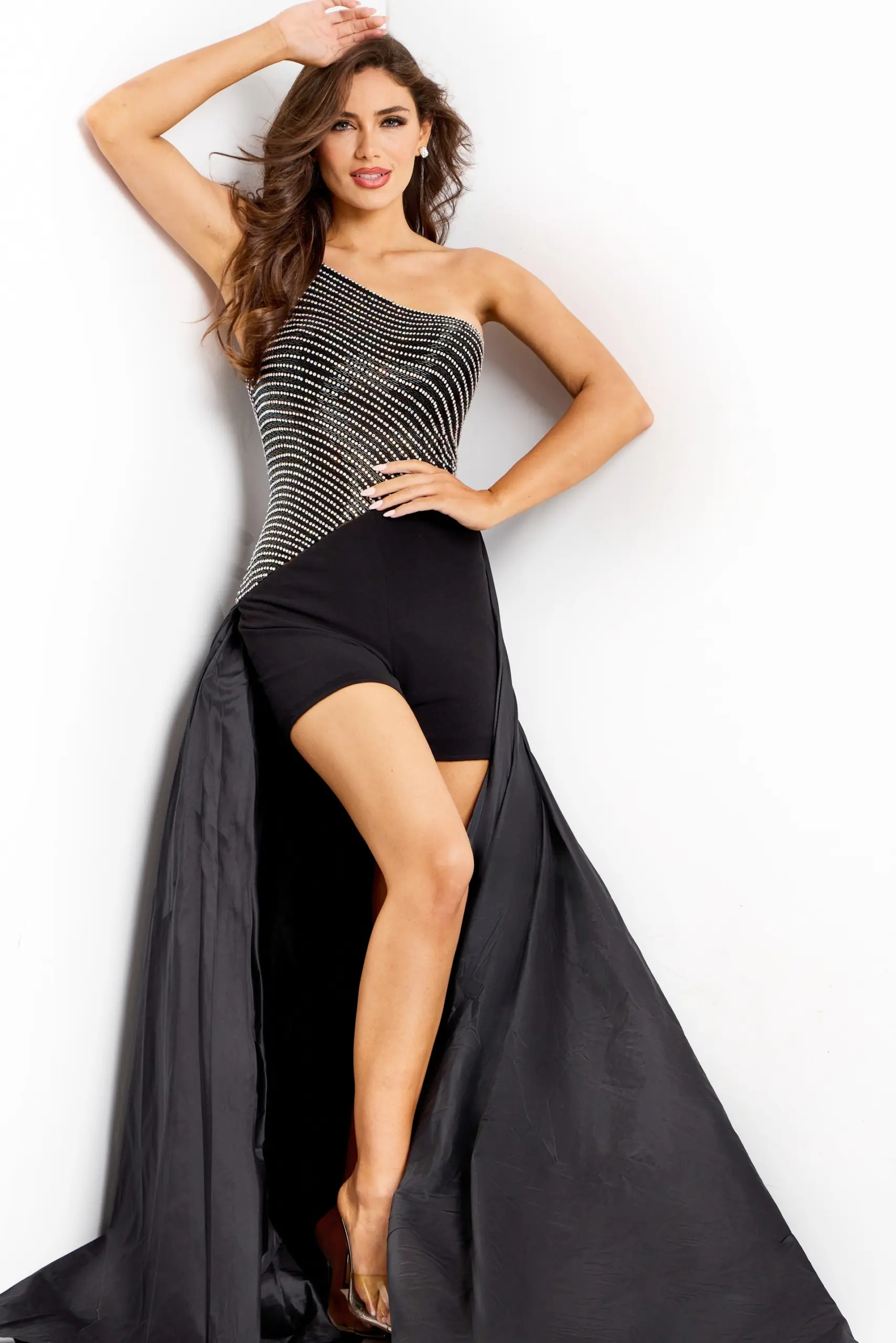
Beaded Bodice Gown with Overskirt 47783
1 Colors
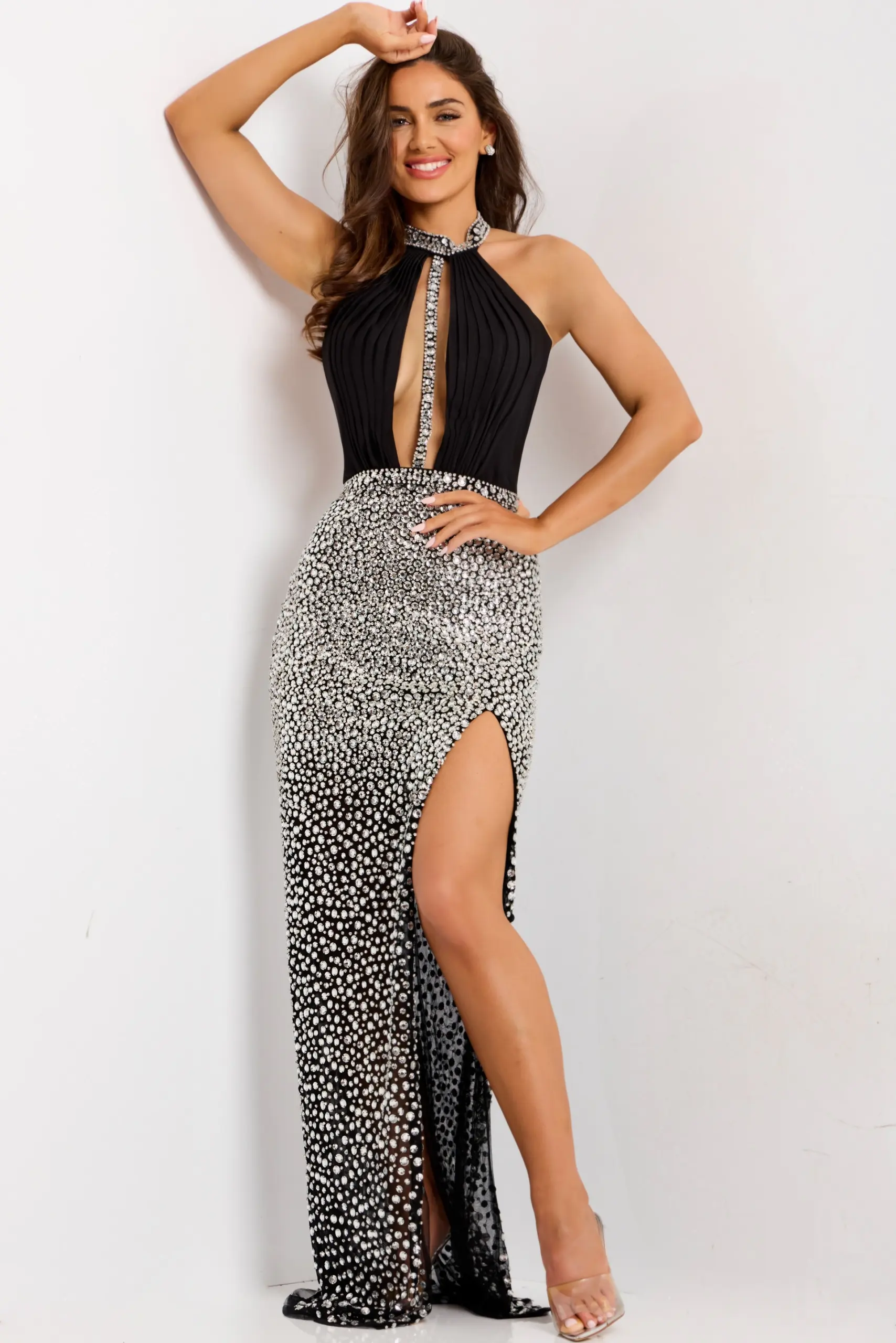
Halter Keyhole Evening Gown with Crystal Skirt 48125
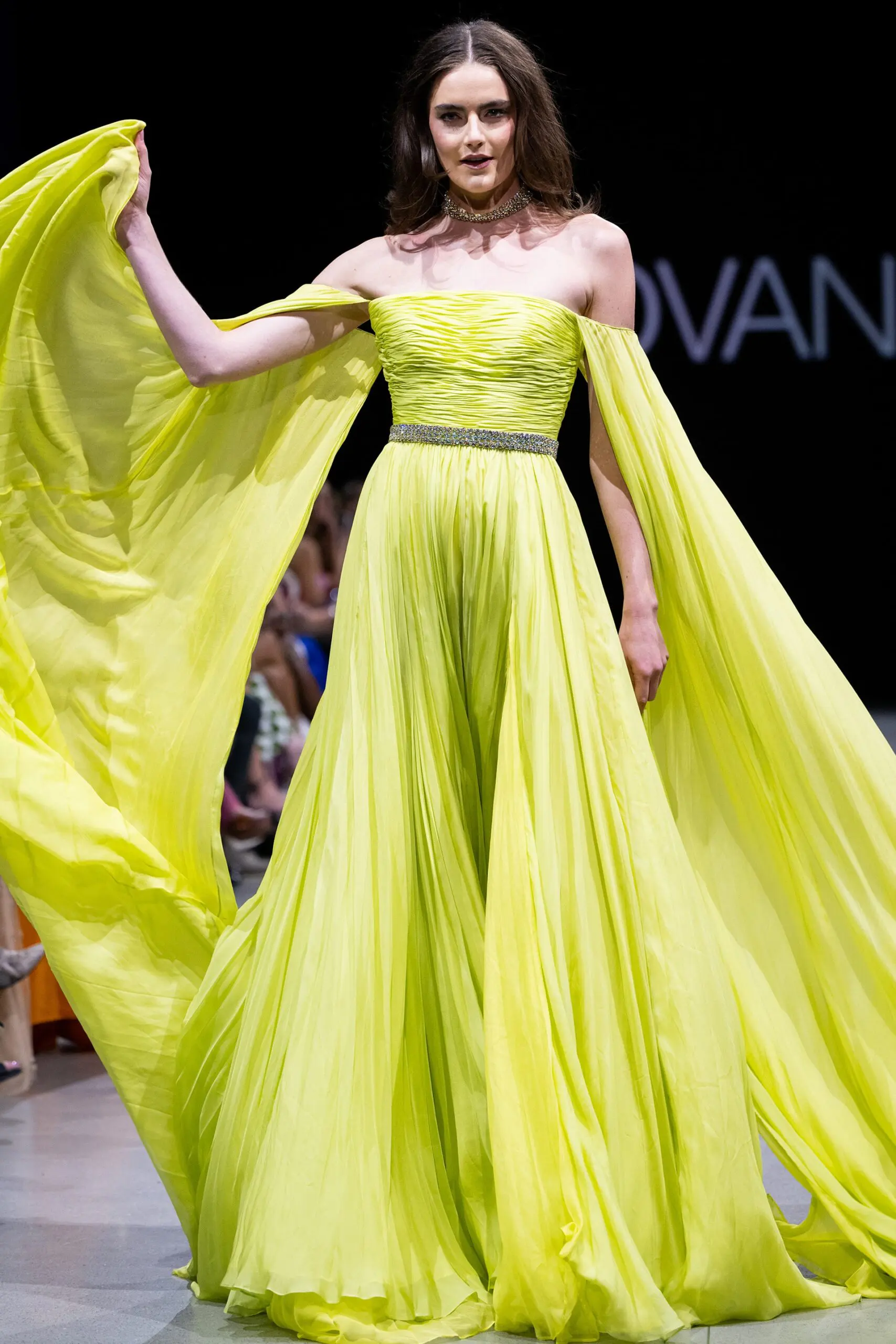
1 Colors
Jovani S36443 Strapless Green Ruched Dress
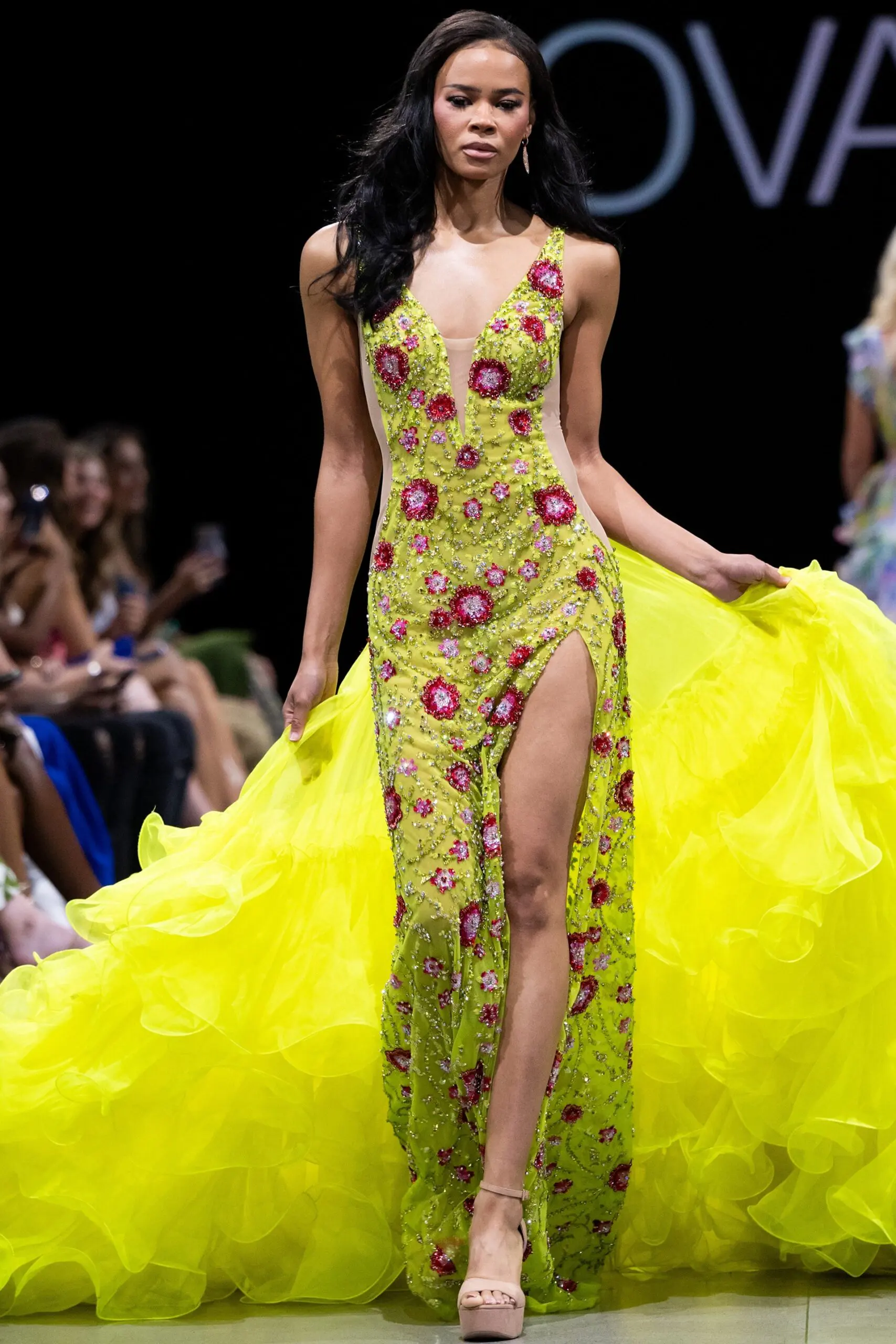
1 Colors
Multi Color Beaded Couture Dress Style S24070
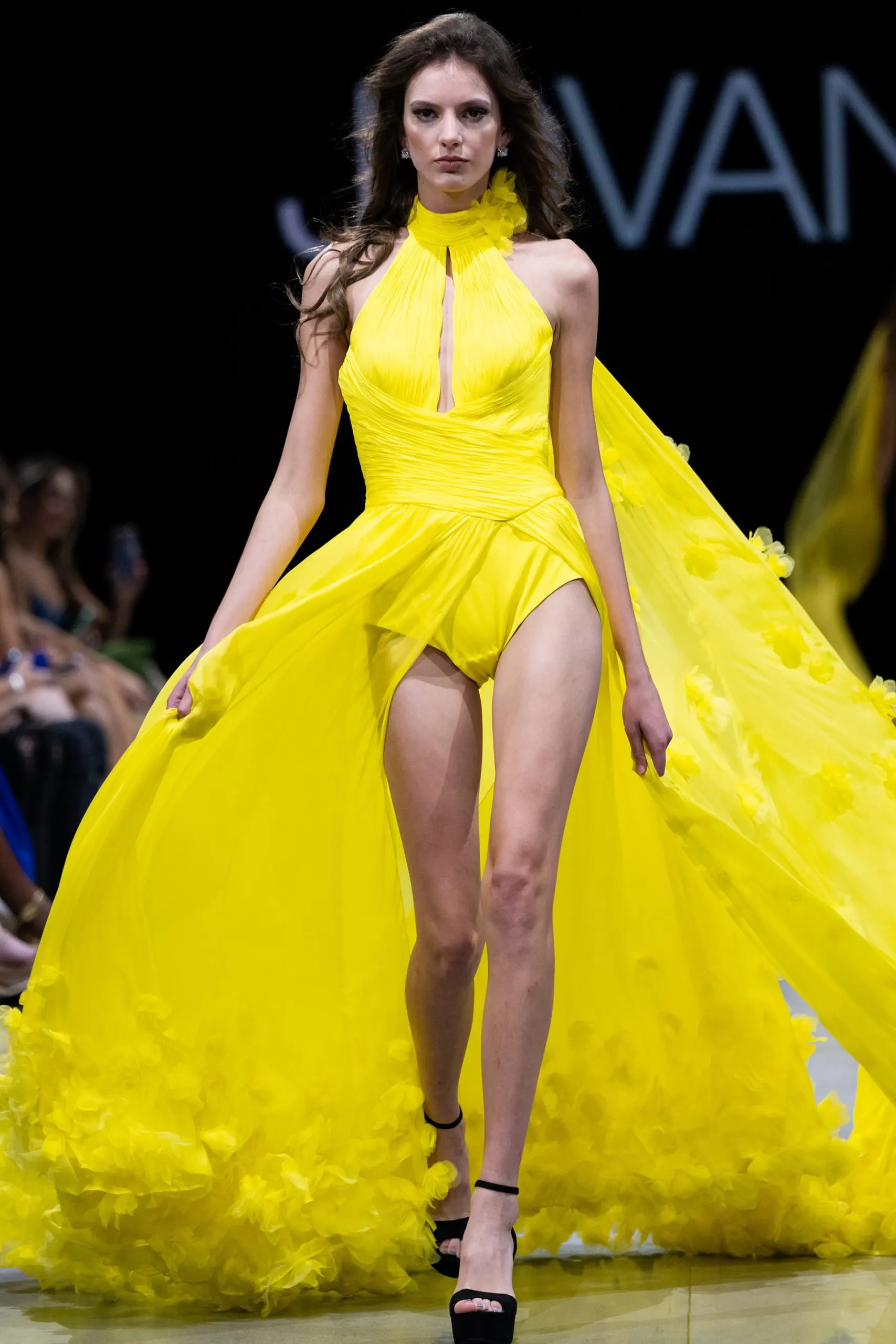
1 Colors
Yellow High Neck Ruched Bodice Couture Dress Style S38104
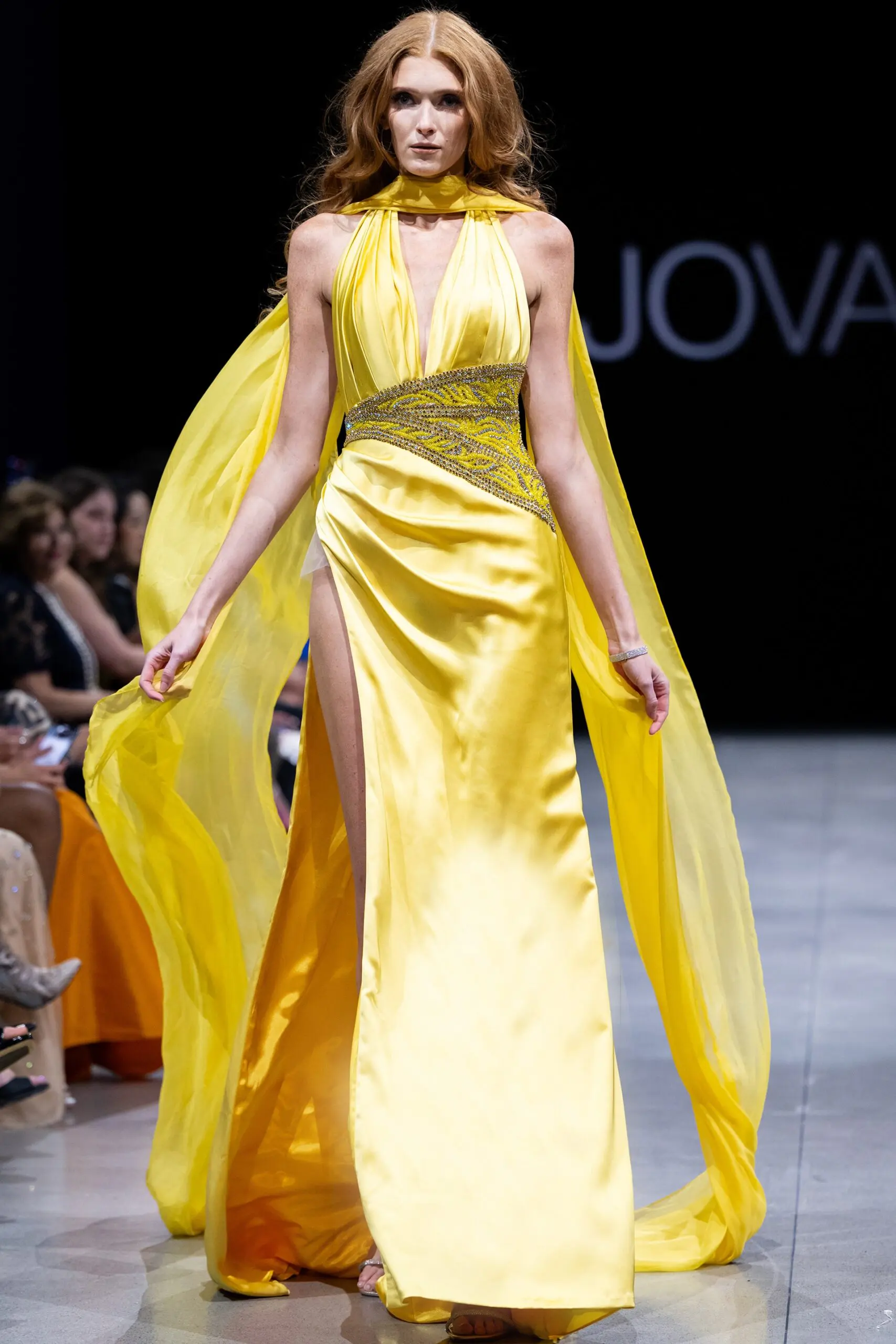
1 Colors
Jovani S22826 Satin Yellow Halter Couture Dress
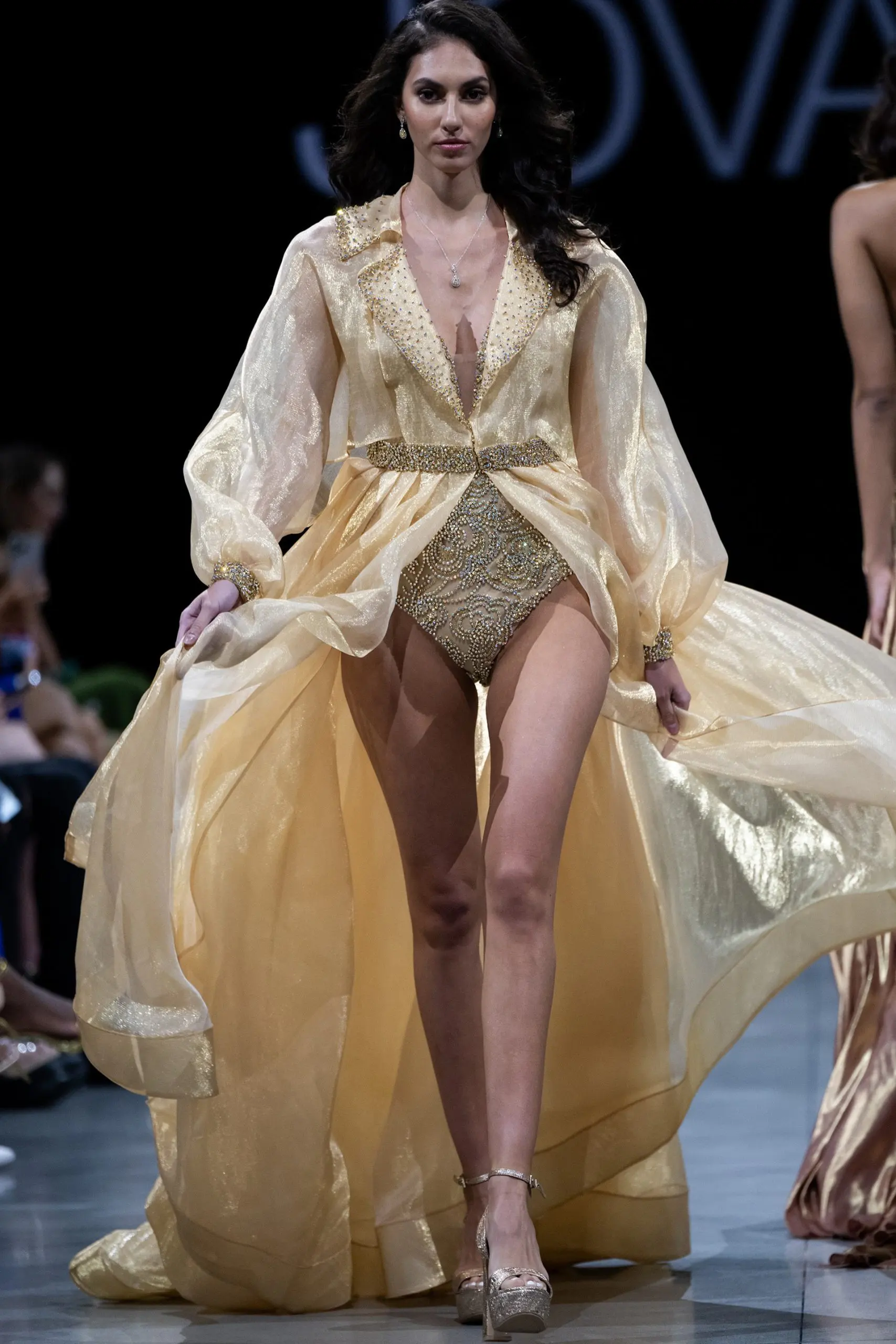
2 Colors
Jovani S38445 Gold Long Sleeve Couture Dress
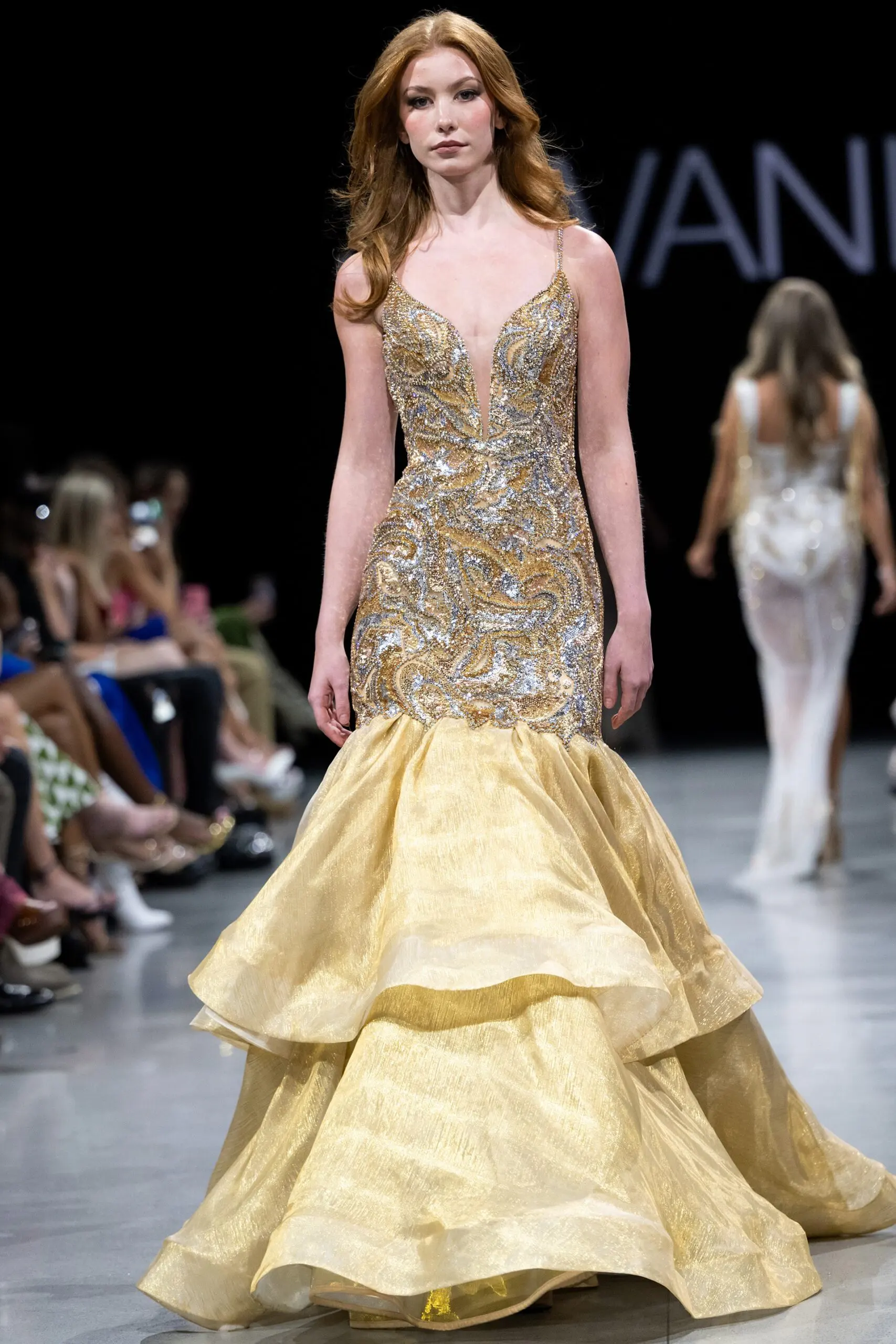
1 Colors
Jovani S38449 Gold Beaded V Neckline Dress
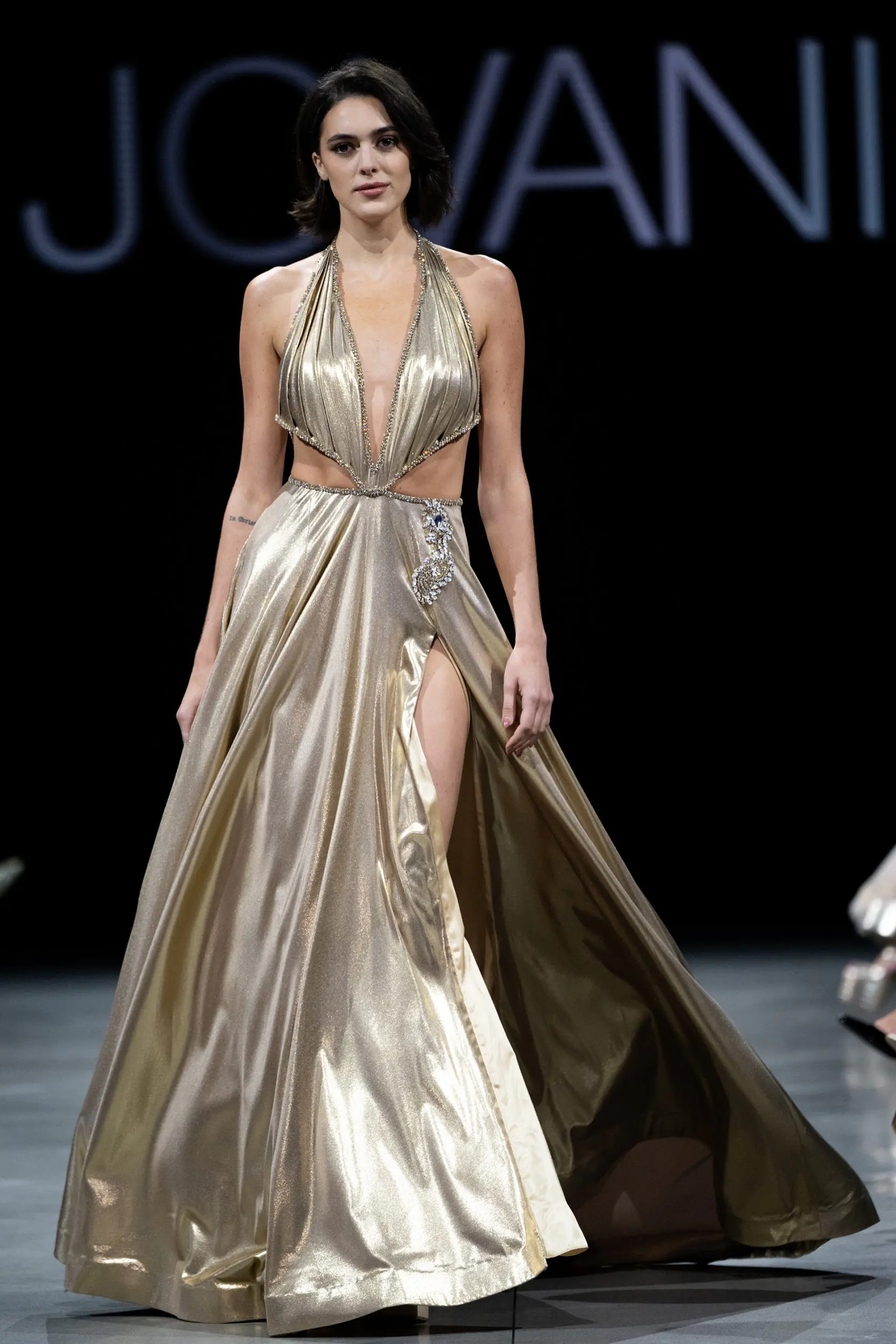
1 Colors
Gold Halter Neckline Metallic Dress S37498
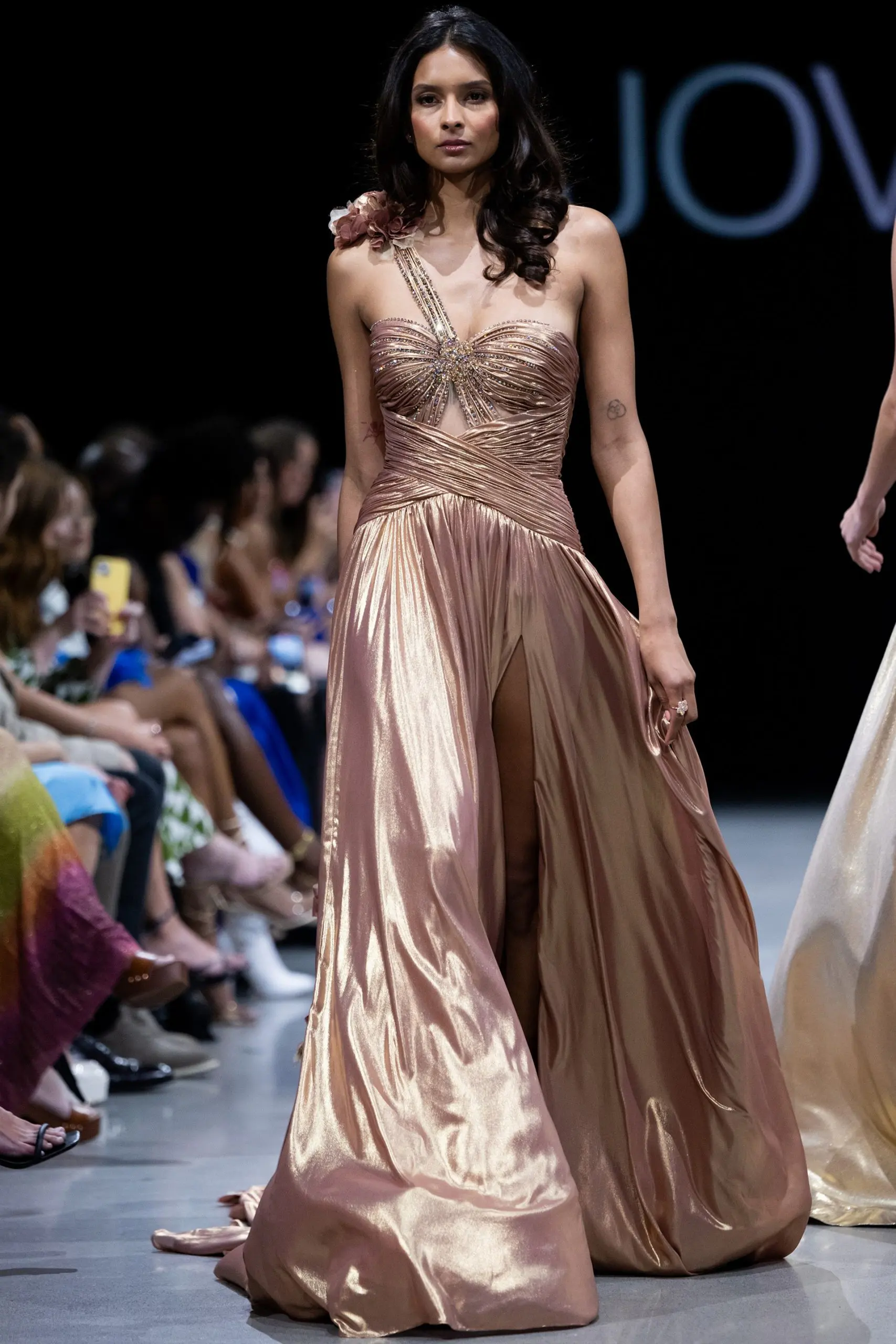
1 Colors
Jovani S38095 Copper Metallic Couture Dress
1 Colors
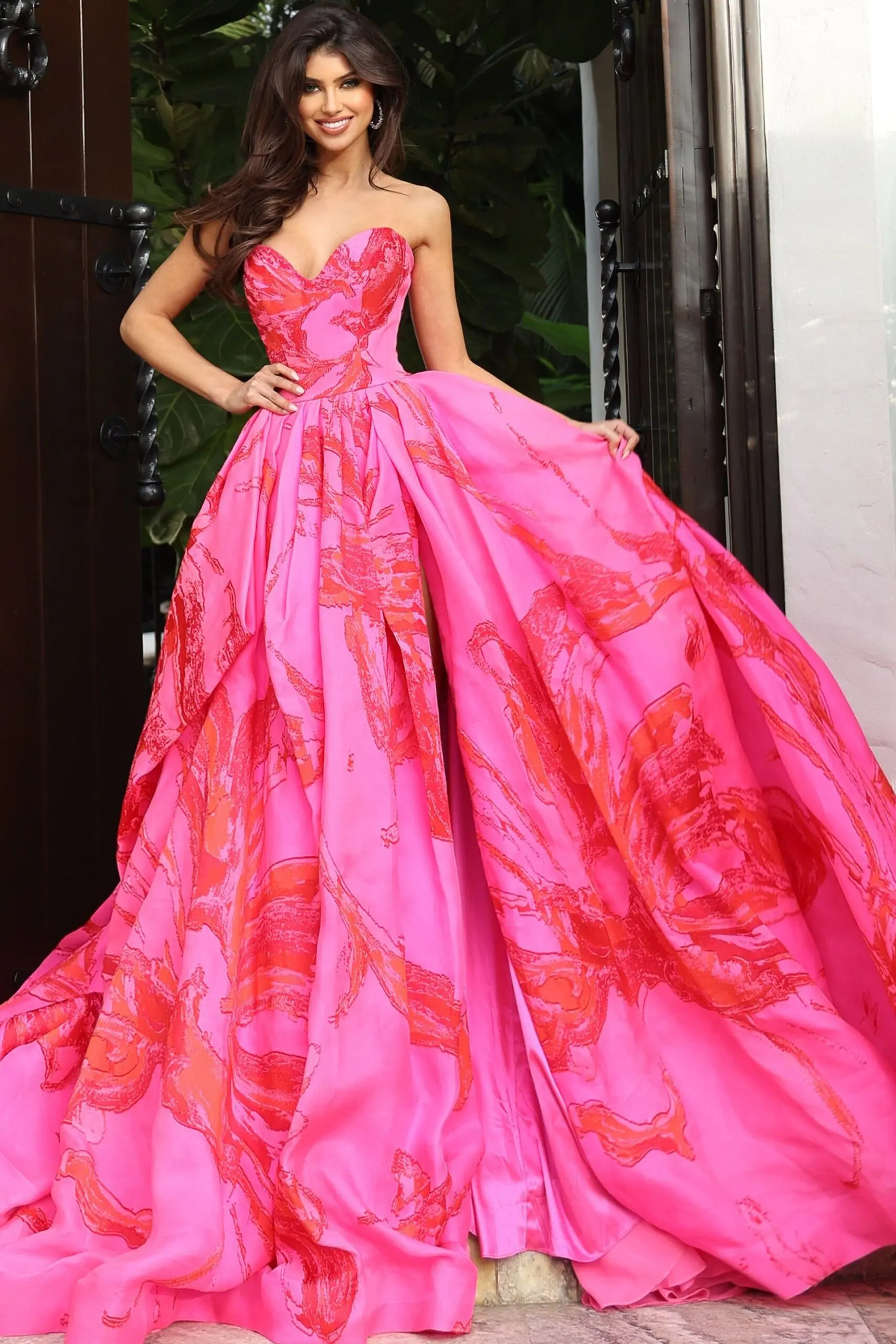
Strapless Couture Ball Gown With Printed Skirt S40409
1 Colors
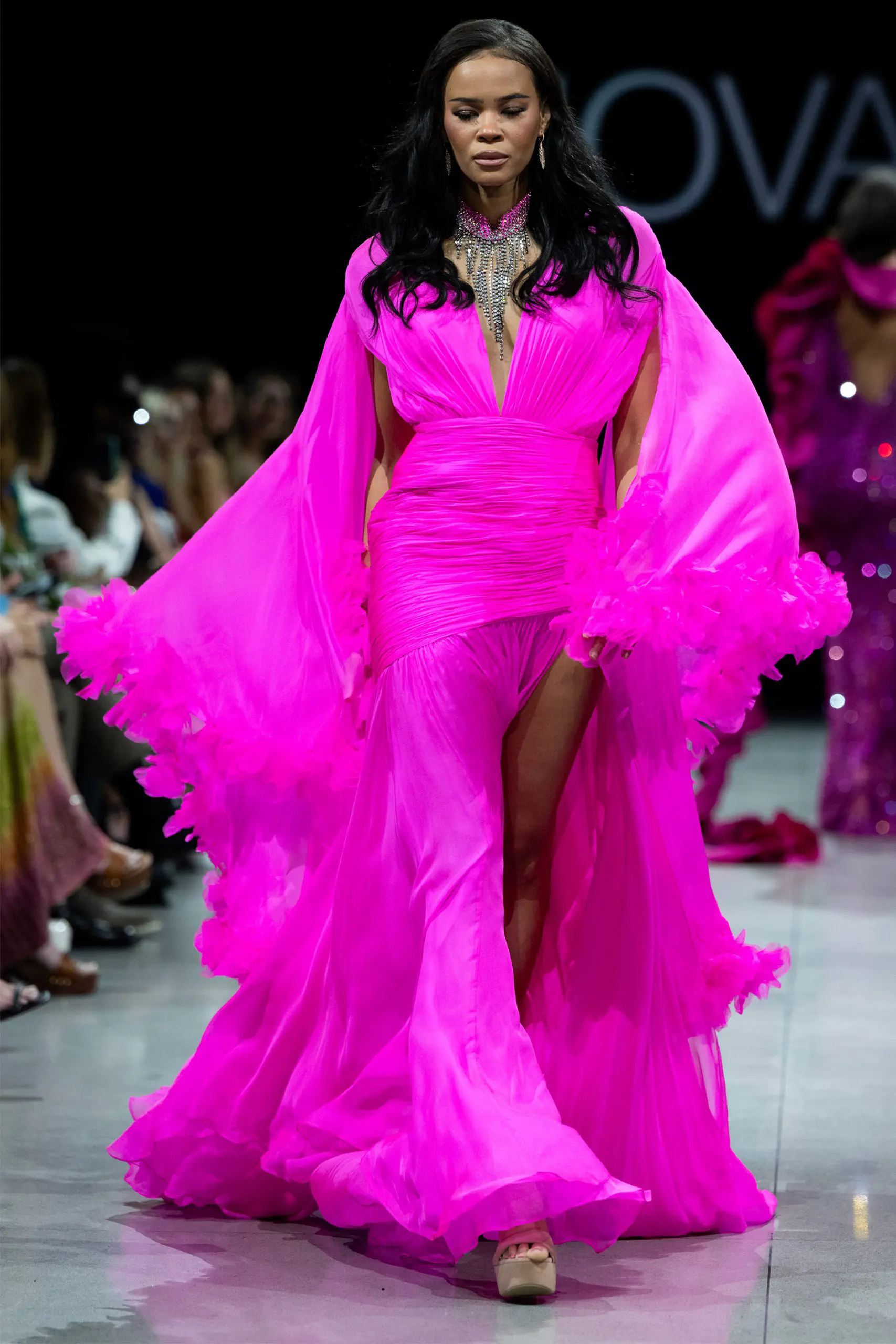
Fuchsia Long Couture Dress S36352
1 Colors
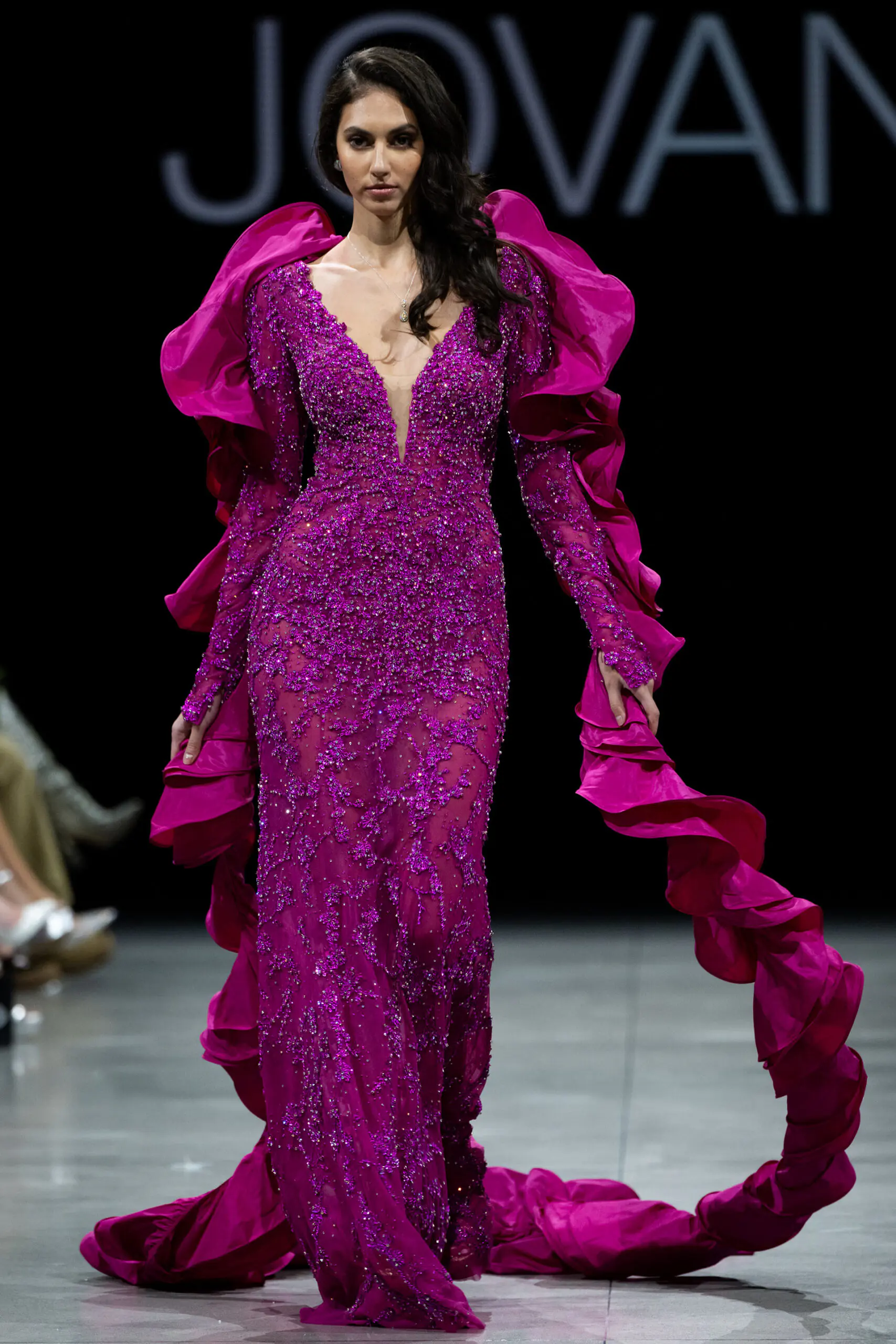
Magenta Long Sleeve Sheer Couture Dress S36413
1 Colors
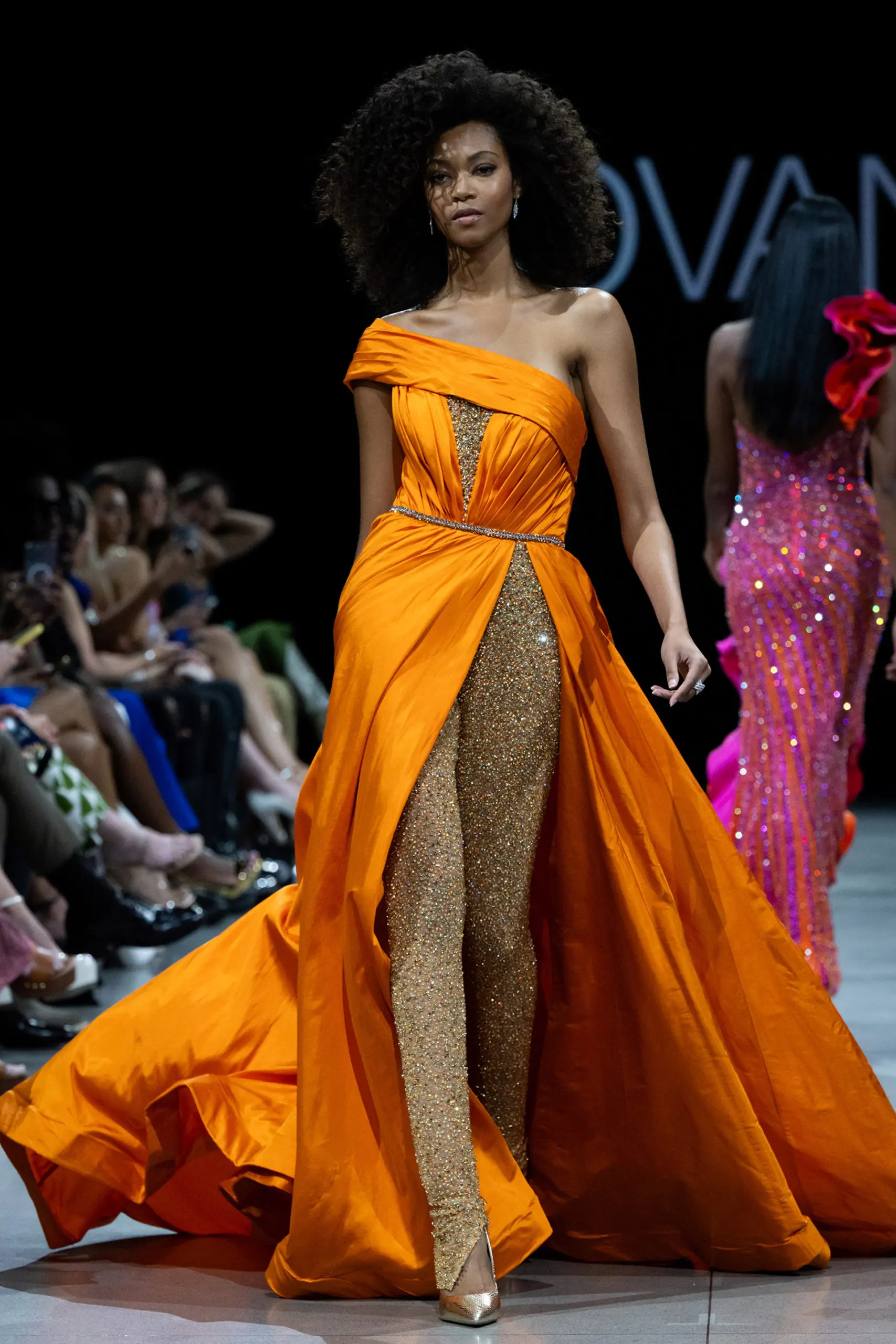
Orange One Shoulder Taffeta Pageant Dress S38441
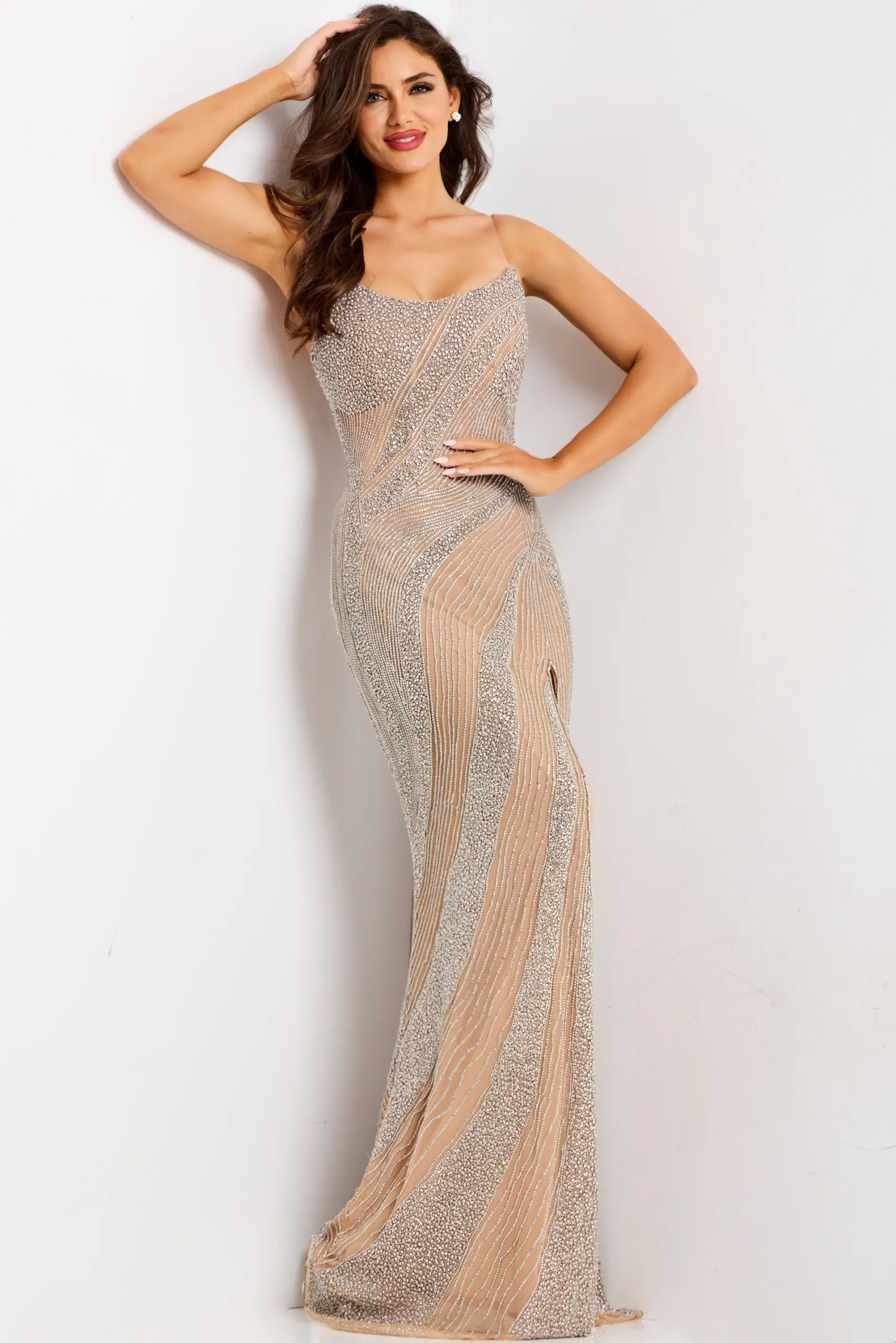
1 Colors
Beaded Sheath Gown with Spaghetti Straps 48572
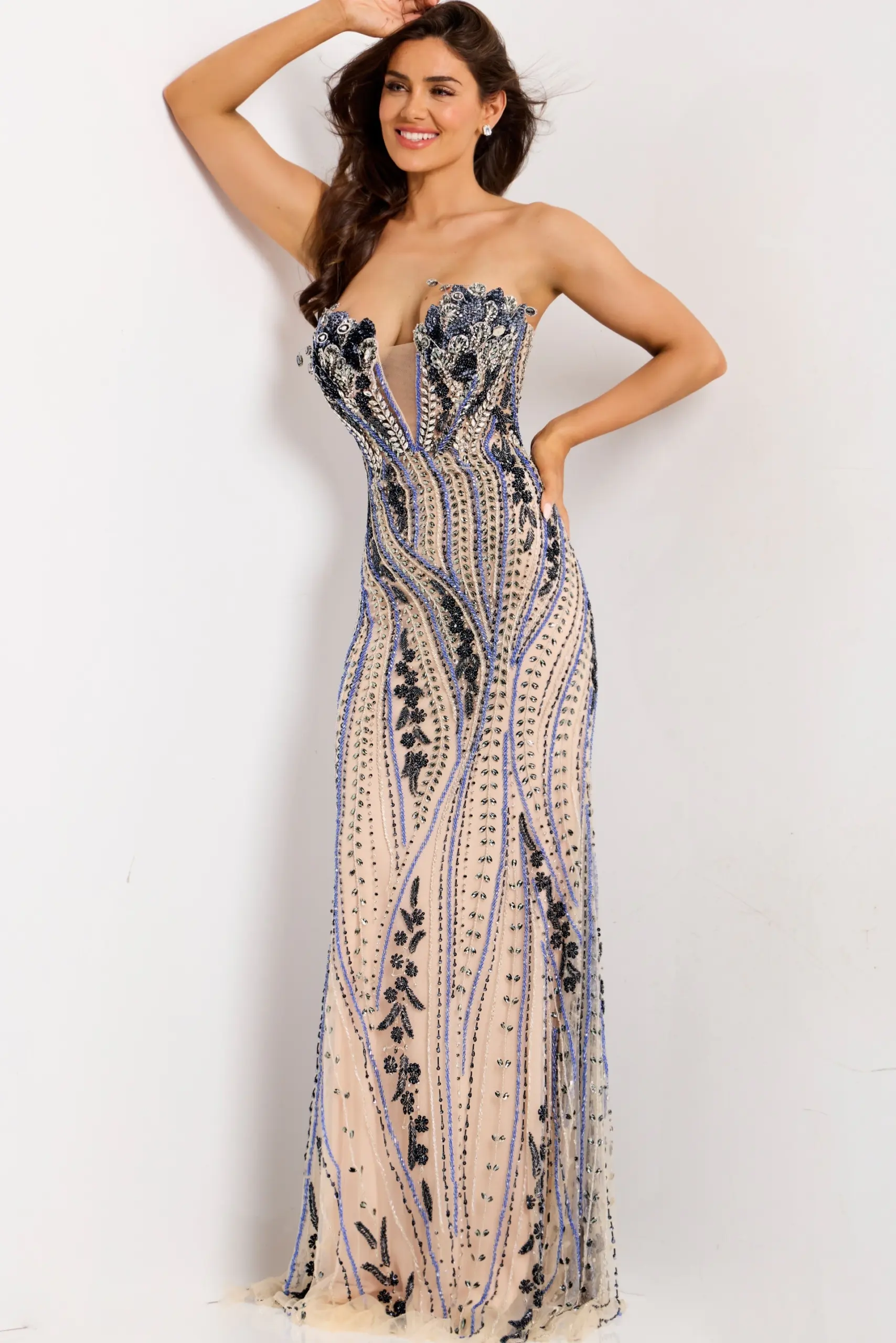
1 Colors
Beaded Sheer Bodice Evening Gown 43705
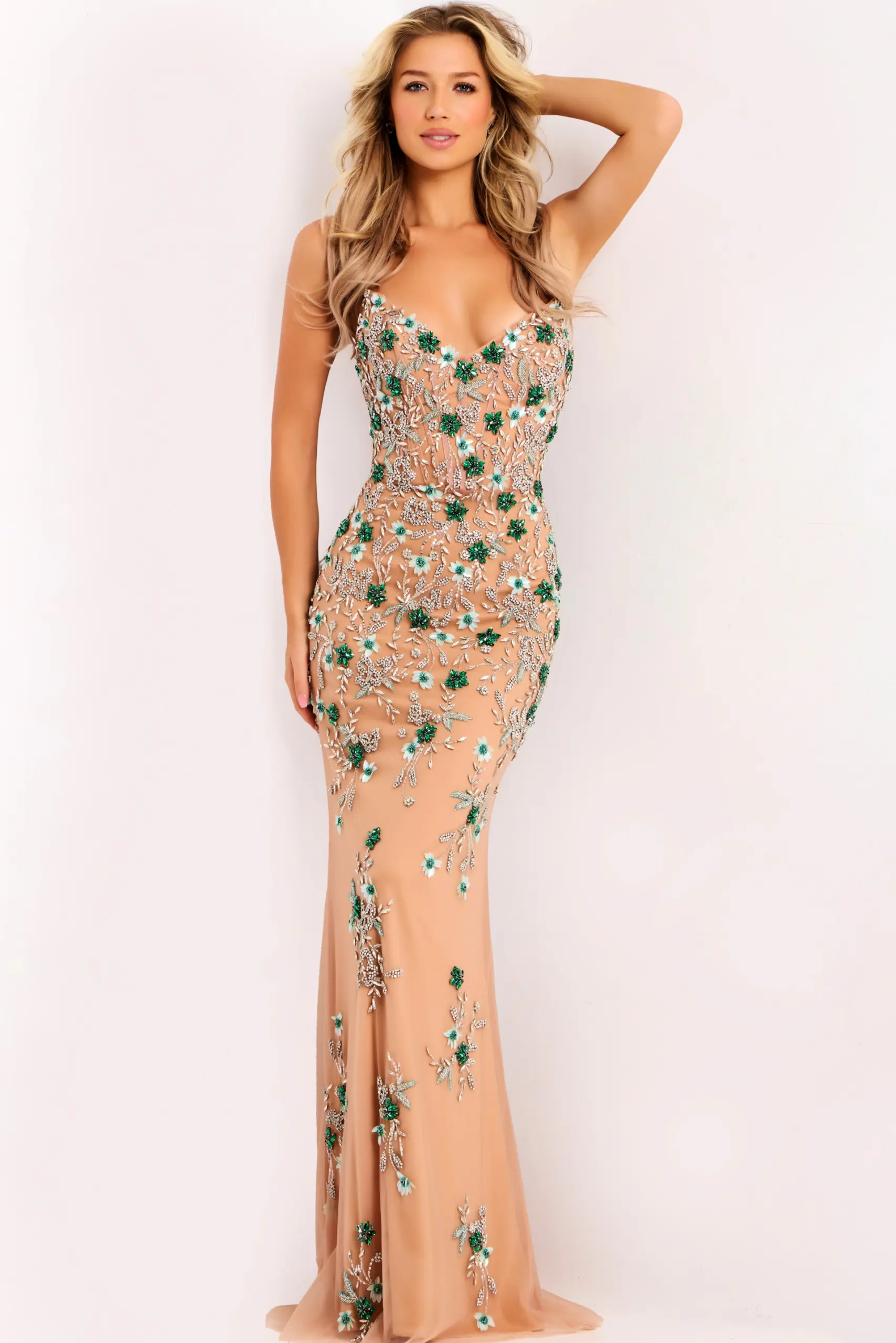
1 Colors
Strapless Embellished Nude Mesh Mermaid Gown 46401
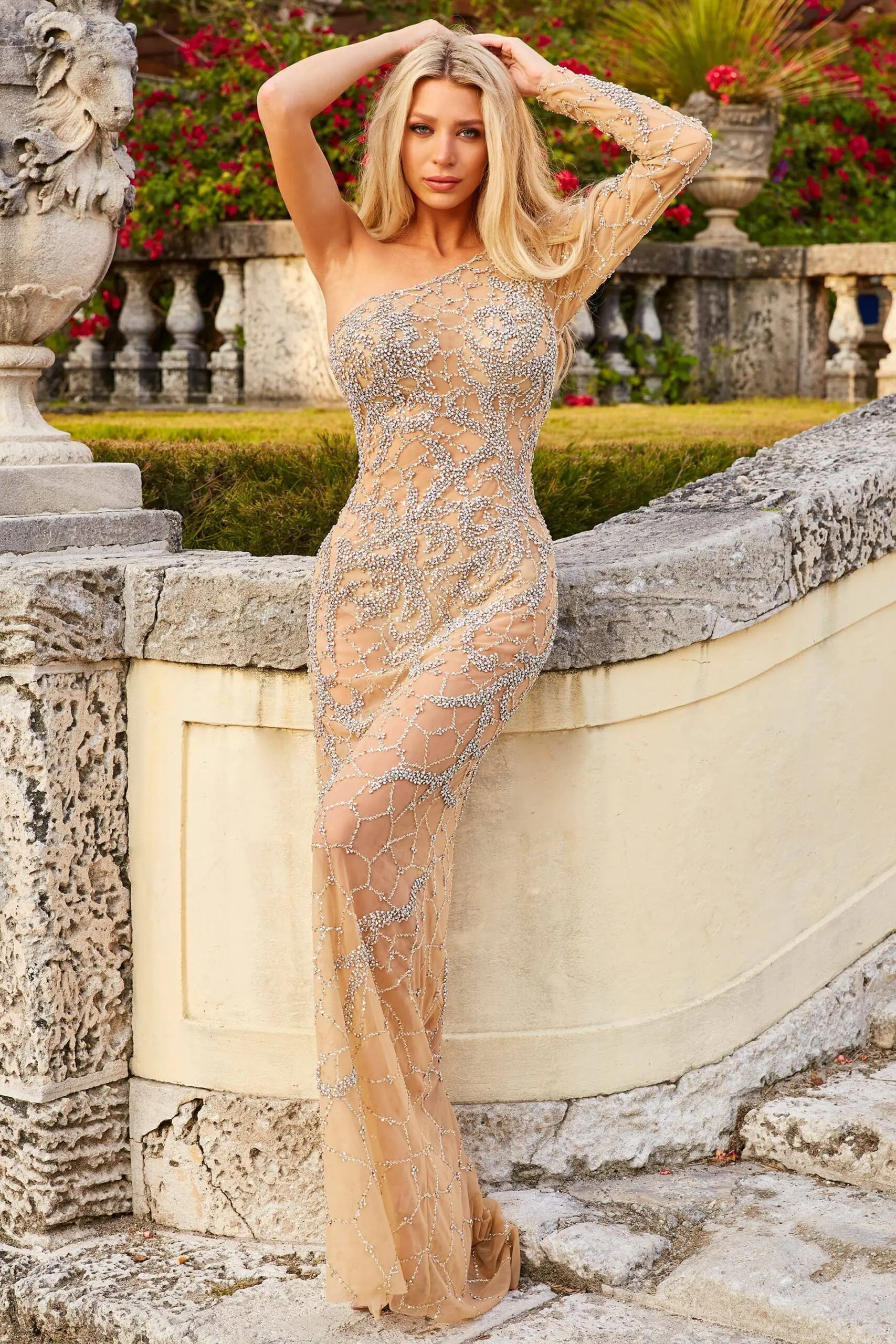
1 Colors
Jovani S00936 Nude Sheer One Shoulder Beaded Pageant Gown
1 Colors
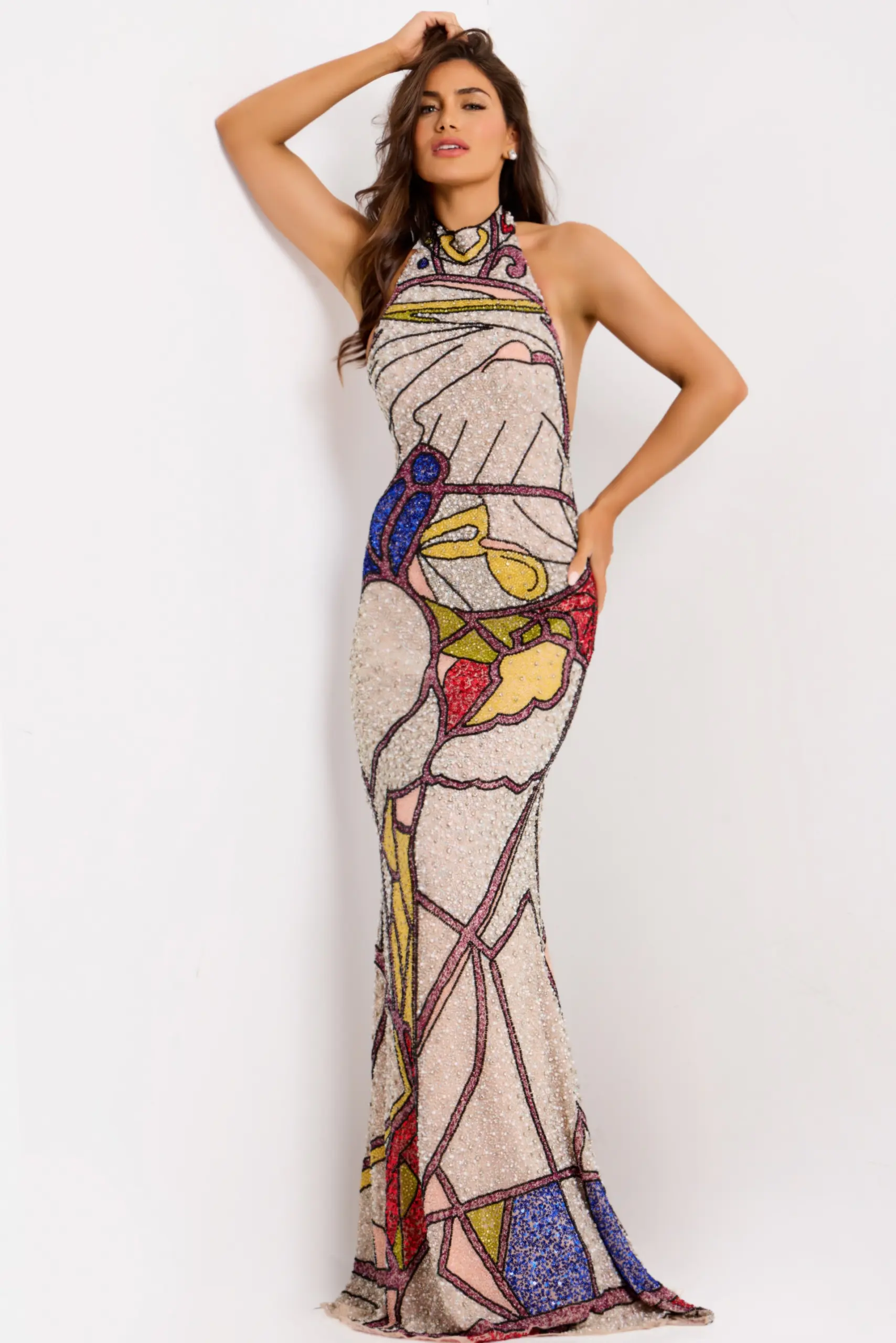
Beaded Halter Gown with Open Back 47882
2 Colors
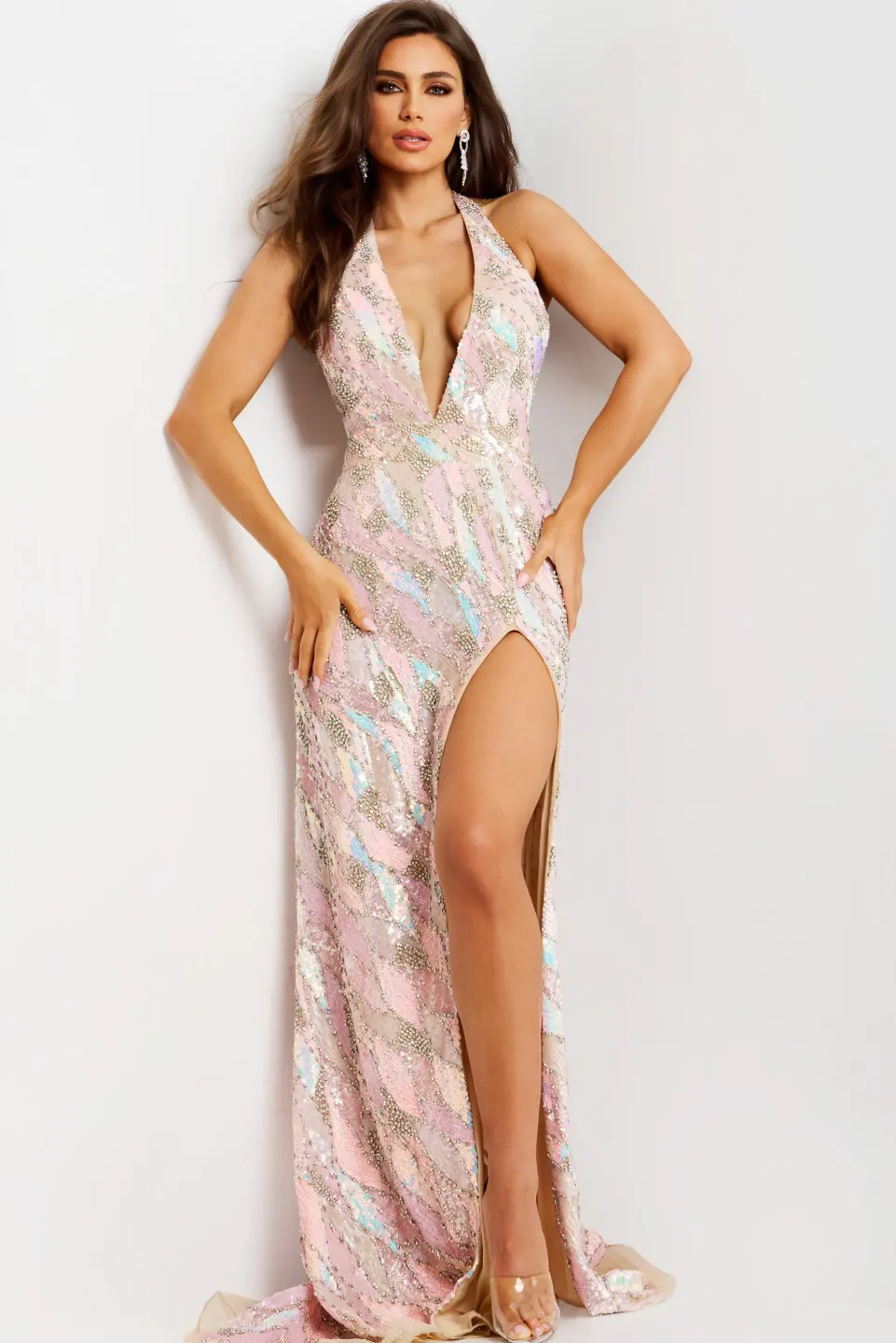
Plunging V-Neck Sequin Gown with High Slit D5707
1 Colors
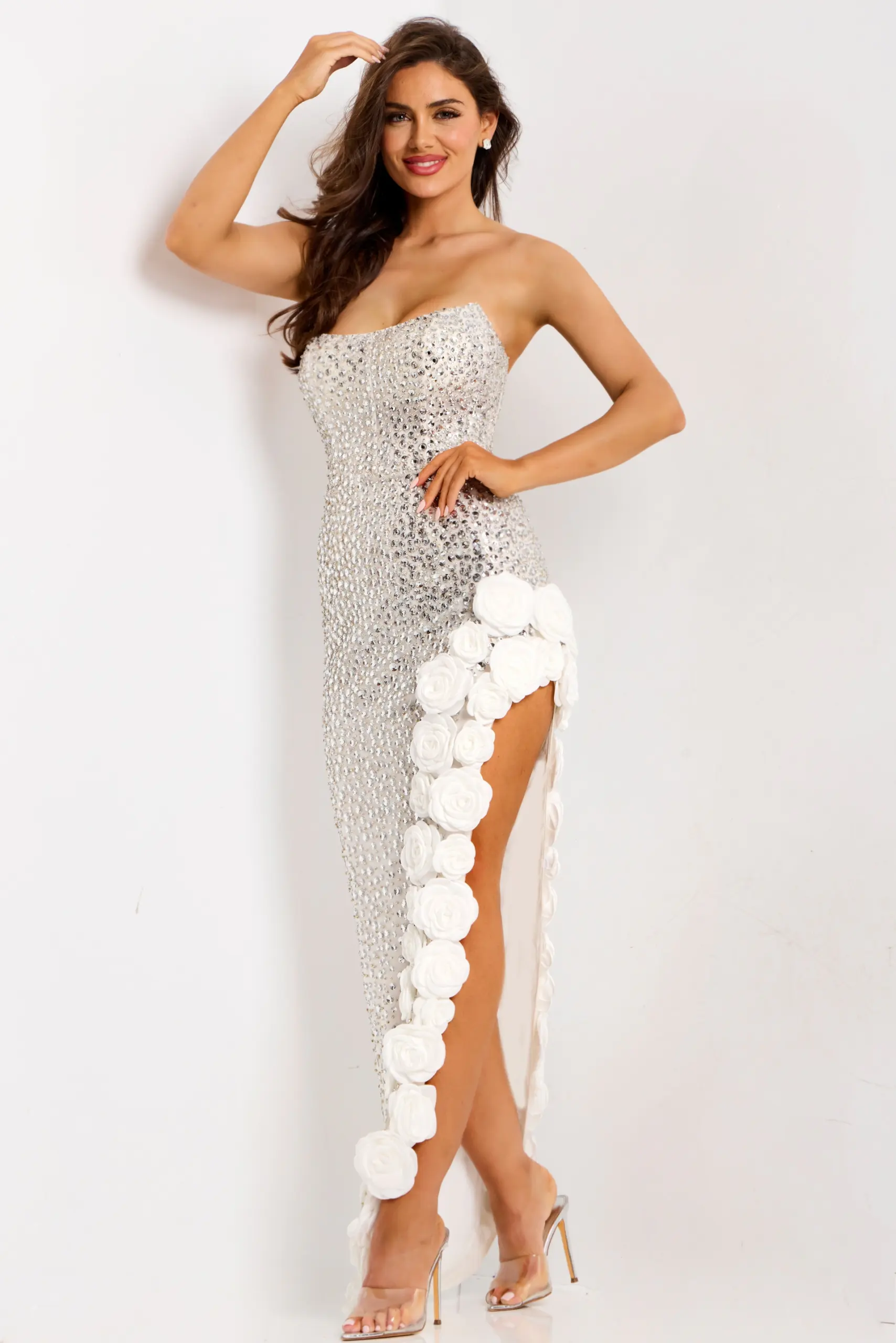
Crystal Embellished Gown with 3D Floral Appliqué 47797
1 Colors
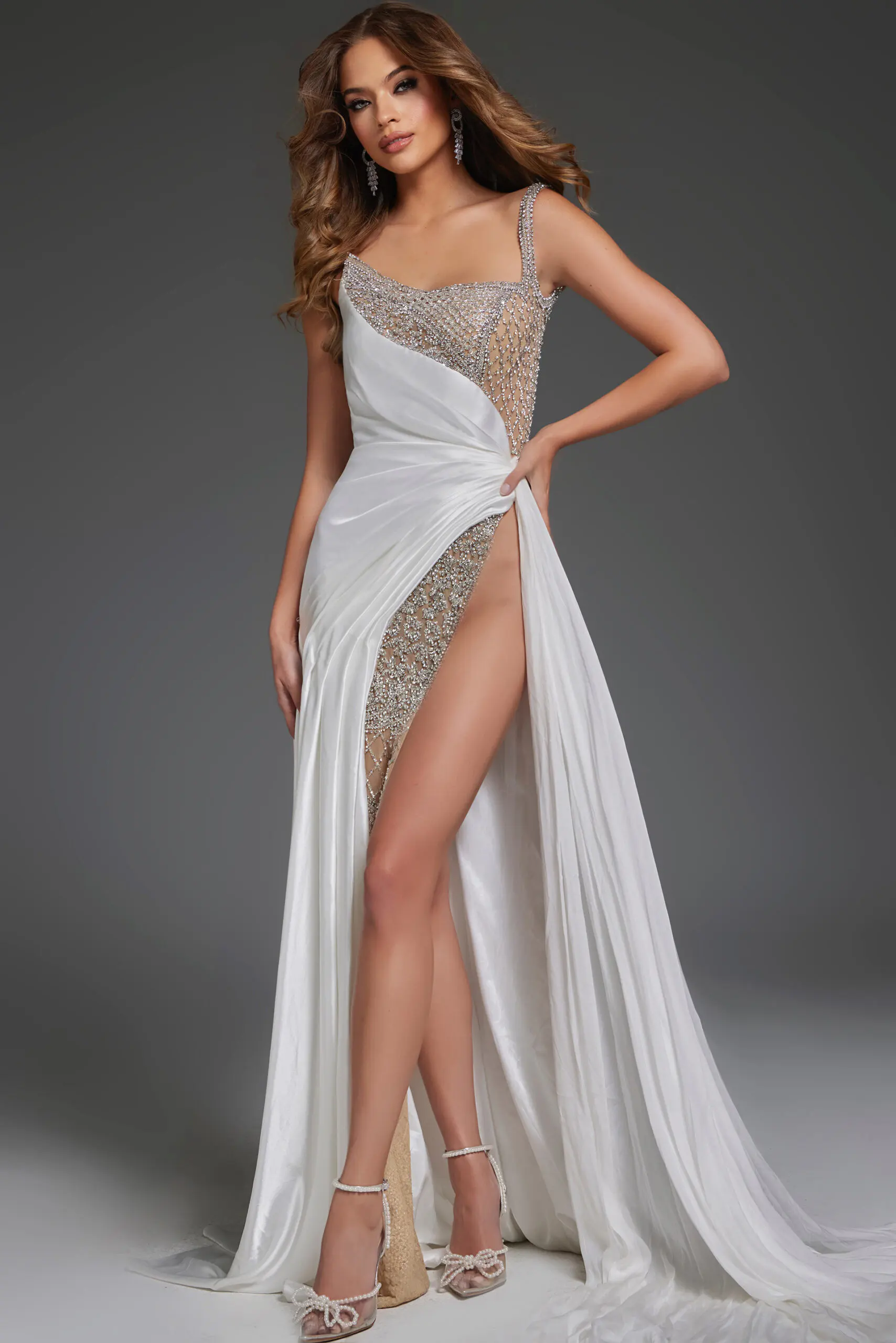
Embellished One Shoulder Gown With Sheer Panels S40406
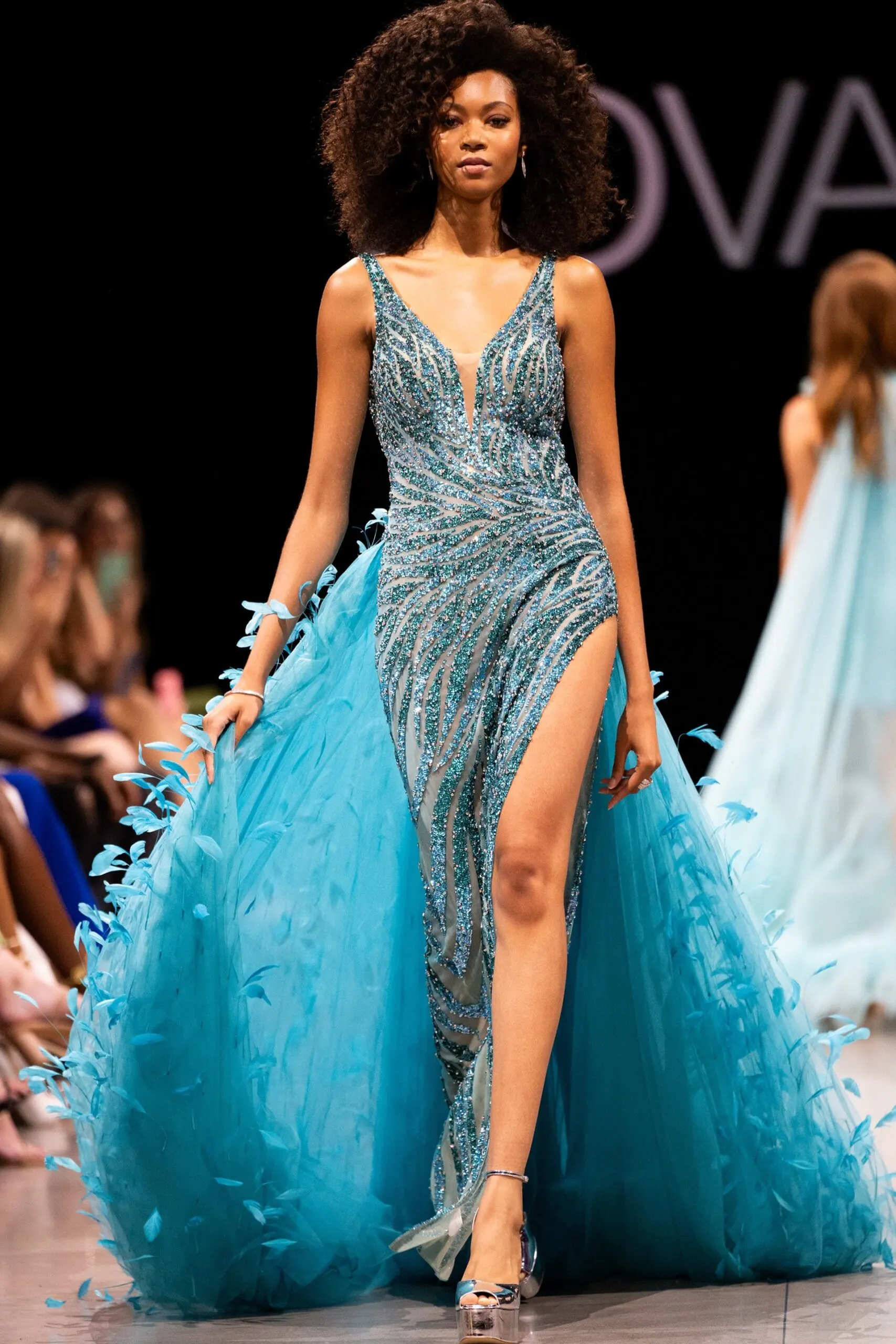
2 Colors
Jovani S23074 Teal Embellished V Neckline Couture Dress
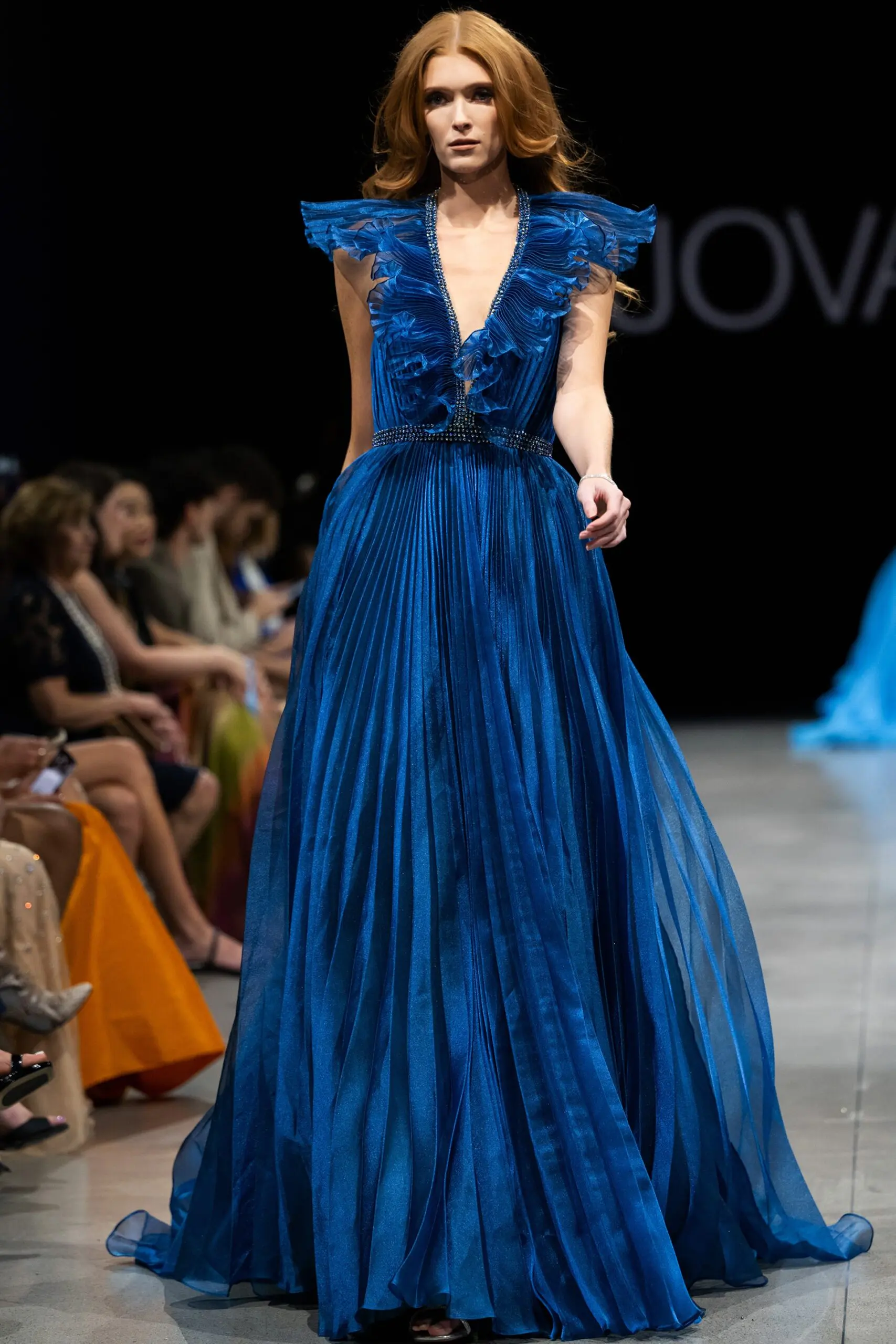
2 Colors
Teal Ruffled Neckline Beaded Couture Dress S22362
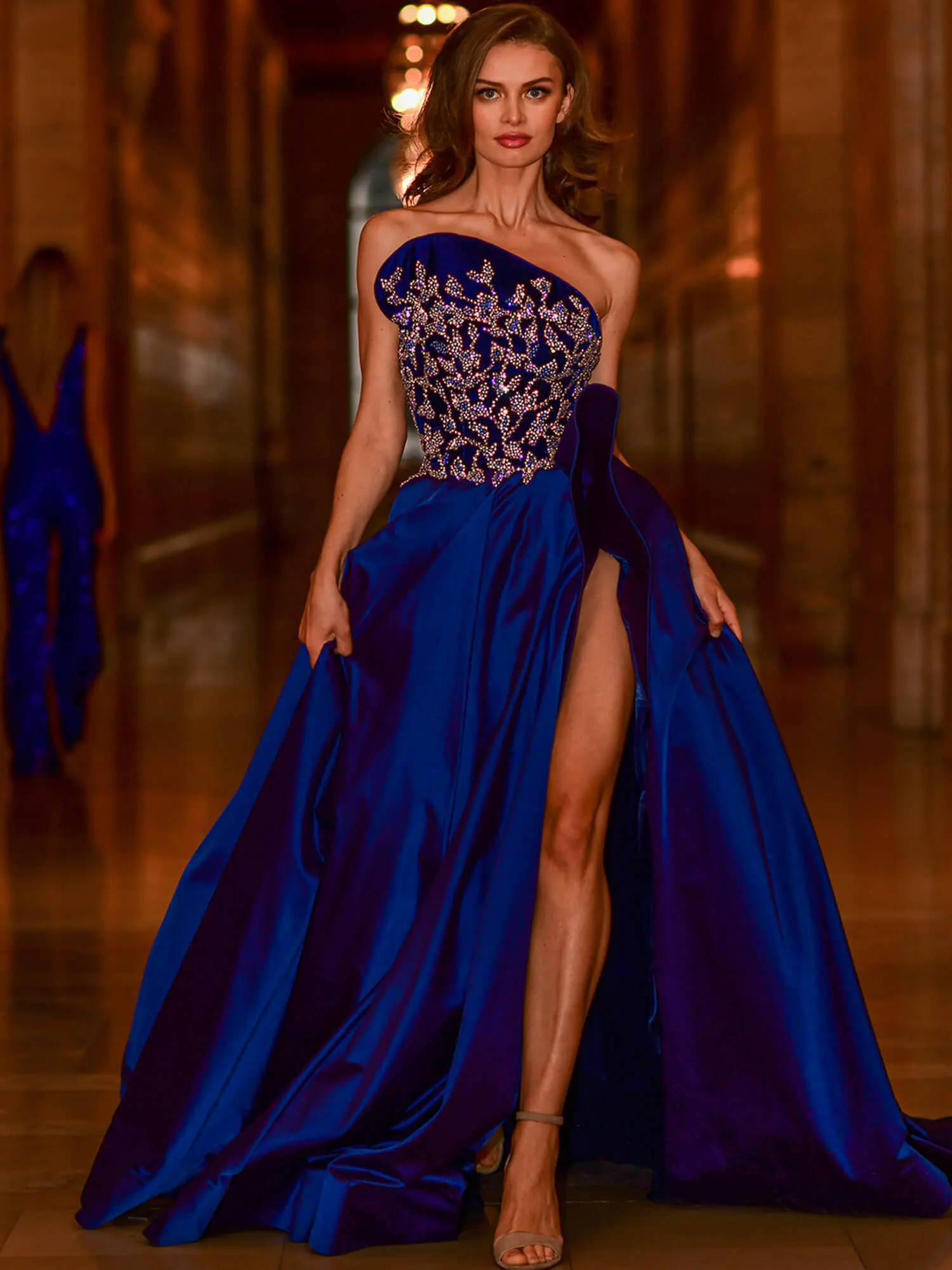
8 Colors
Jovani S06347 Navy Strapless Taffeta Couture Gown
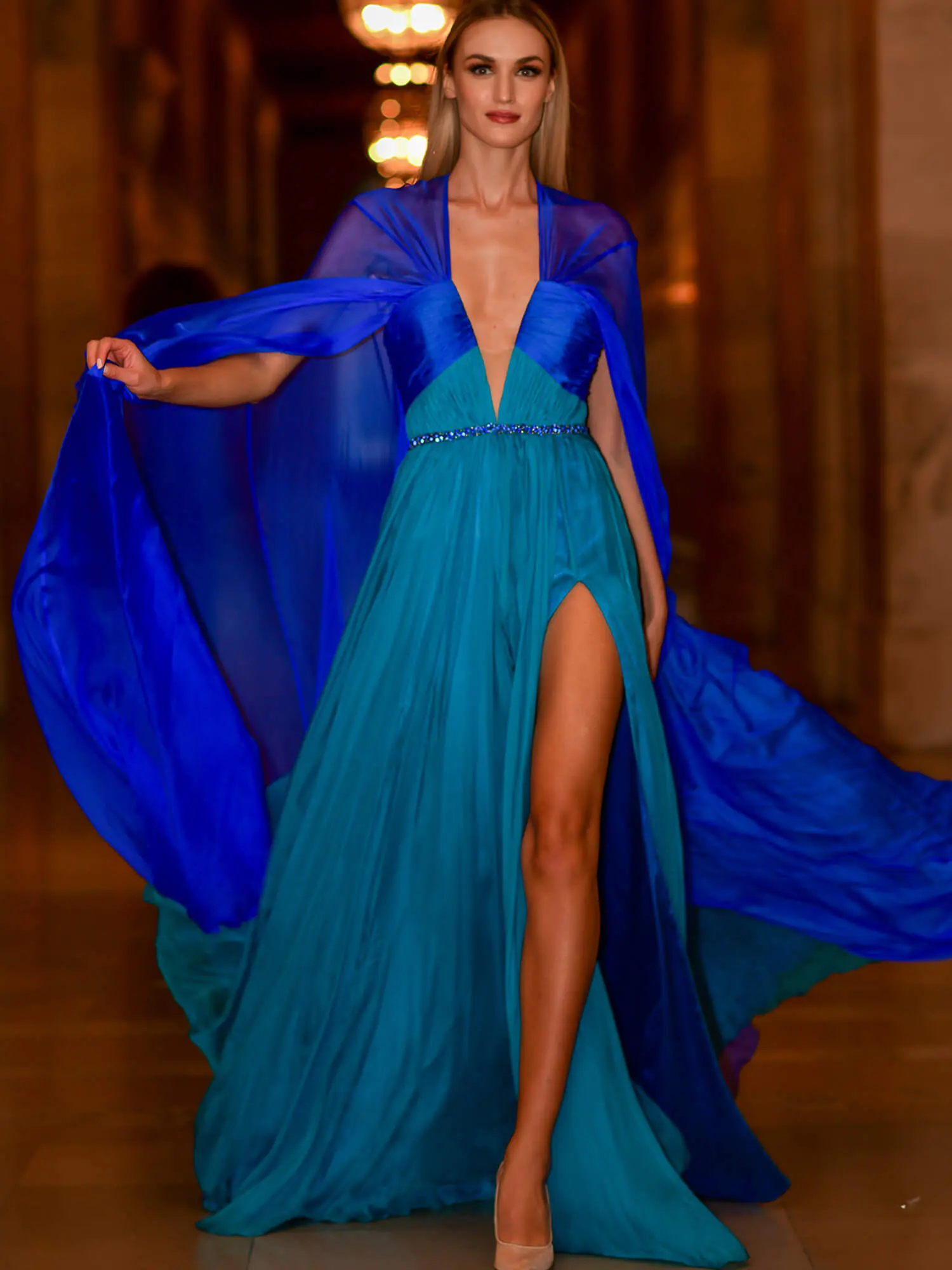
1 Colors
Jovani S04102 Royal Turquoise Plunging Neck Chiffon Couture Dress
Trending Now
About This Category
Explore JOVANI’s Couture Dresses, with formal and casual styles for weddings, parties, and bridesmaids, in pink, black, and white for a chic, refined look.
What Separates Couture From Formal Wear
The word couture is used loosely across the fashion industry, applied to dresses that have no meaningful distinction from standard formal wear beyond a higher price tag and more aspirational marketing language. Understanding what the word actually means at Jovani requires looking at the specific differences in how these dresses are made rather than how they are described.
The first difference is design time. A standard Jovani formal dress moves through the design process at the pace required to produce a collection that serves a broad market across multiple occasions and price points. A couture piece moves at a completely different pace. The design process for a single couture style involves significantly more development time, more rounds of revision, more attention to the relationship between every individual design element, and more consideration of how the finished piece will perform across the full range of occasions and environments it will encounter. The result is a dress where every detail is there for a reason that has been thought through rather than a reason that simply worked well enough.
The second difference is production quantity. Standard collection styles are produced in quantities sufficient to meet broad retail demand across the national and international retailer network. Couture styles are produced in limited quantities by design, not by constraint. The limited production is part of the standard, not a side effect of it. A woman wearing a Jovani couture gown to a black tie event is not wearing a dress that hundreds of other women in the room are also wearing. That exclusivity is not accidental. It is built into the production decision.
The third difference is materials. The fabrics used in the couture collection are selected from a different tier of the supply chain from the fabrics used in the main collection. Heavier silks, more complex brocades, embroidered fabrics that require significant production time before they reach the design studio, beading and embellishment sourced for their individual quality rather than their price efficiency. These are materials whose cost per yard would make standard collection production economically unviable. In couture, the material cost is part of the investment the buyer is making.
The fourth difference is embellishment complexity. The hand-sewn beading and embellishment work across the main Jovani collection is already at a standard above most formal wear brands. In the couture collection that standard is elevated further. Embellishment patterns that require more hours of work per piece, crystals and beading sourced for their individual optical quality, placement decisions made by eye rather than by template. The difference is visible in person in a way that it sometimes is not in photographs, which is one of the reasons that experiencing a couture piece in person before purchasing is more important at this level than at any other.
The Fabrics and Materials in the Couture Collection
Fabric is where the difference between couture and formal wear is most immediately felt and most difficult to articulate in a photograph or a product description. It is the difference between a dress that looks beautiful and a dress that feels like a genuinely different category of object when you hold it. The fabrics in the Jovani couture collection are chosen with that distinction as the primary criterion.
Silk and silk-blend fabrics at the couture weight carry a visual depth and a physical weight that synthetic alternatives cannot replicate regardless of how closely they approximate the appearance. The way a heavy silk drapes across the body, the way it catches and reflects light from multiple depths rather than a single surface, and the way it maintains its structure and its drape across extended wear are all characteristics that belong to the material rather than the construction. Jovani's couture collection uses silk and silk-blend fabrics in weights and weaves that are not used elsewhere in the collection specifically because the cost and the handling requirements make them appropriate only at this level.
Embroidered and brocade fabrics in the couture collection are sourced from mills that produce fabric as a distinct craft product rather than a commodity material. A brocade fabric used in a couture piece may take more production time per yard than many complete standard formal dresses take to manufacture. The pattern is woven into the structure of the fabric rather than printed or applied to its surface, which means the design has a dimensional quality and a longevity that printed alternatives do not.
Lace in the couture collection is a different material from the lace used in standard formal wear. Couture lace is produced in smaller quantities, with finer thread, more complex pattern structures, and greater dimensional variation between the pattern elements. The difference between couture lace and standard formal lace is immediately visible to the eye and immediately apparent to the hand. It is also immediately apparent in the finished garment, where the quality of the lace defines the quality of the piece in a way that no amount of good construction can compensate for if the lace itself is not at the right standard.
The linings, the boning materials, and the structural components used in the couture collection are chosen at the same standard as the exterior materials. A couture gown whose exterior is exceptional but whose internal structure is standard will not perform or wear at a couture level. Every component of a Jovani couture piece is selected for its contribution to the finished garment rather than for its cost efficiency.
Couture Silhouettes and Design Details
The 110 styles in the Jovani couture collection cover the full range of formal silhouettes, from architectural structured gowns to fluid column styles, from dramatic ball gown constructions to sleek minimalist designs where the quality of the fabric carries the entire visual weight. The breadth of the collection reflects the range of occasions and aesthetics that couture dressing serves, which is wider than most buyers expect before they begin exploring it.
Structured gowns with significant architectural detail are the strongest category in the couture collection. These are pieces where the silhouette is not simply the result of the fabric falling naturally but of a construction process that shapes the fabric into a specific form. Corset boning that creates a precise bodice shape. Structured skirt constructions that create volume and movement through internal architecture rather than fabric weight alone. Necklines and shoulder treatments that frame the upper body in ways that require precise pattern work and skilled construction to execute correctly. These are the pieces that most clearly demonstrate the distinction between couture construction and standard formal wear.
Embellishment in the couture collection operates at a level of complexity and density that places it in a different category from embellished formal wear. Full-gown beading patterns that cover every visible surface with individually placed crystals and beads. Embroidery work that creates dimensional floral or geometric patterns across the bodice and skirt simultaneously. Three-dimensional embellishment, flowers, sculptural elements, textural treatments, applied by hand to create surfaces that change in appearance with every shift in light and angle. These are not embellishment as decoration. They are embellishment as the primary design statement.
Column and minimalist styles in the couture collection demonstrate a different kind of design sophistication from the embellished pieces. A couture column gown in an exceptional silk or crepe makes its statement entirely through the quality of the material and the precision of the cut. There is no embellishment to compensate for an imprecise seam or an incorrect drape. The design is either right or it is not, which is why minimalist couture requires the same level of skill and attention as the most elaborate embellished piece in the collection.
Who Wears Jovani Couture
The women who shop the Jovani couture collection are not all the same and they are not all shopping for the same occasion. What they share is an understanding of what they are looking for that is different from the understanding that drives most formal wear purchases.
Some of them are shopping for a specific occasion at the highest level of formal dressing. A state dinner. A major charity gala. A black tie event at a significant venue where the visual standard in the room is genuinely elevated and a standard formal dress, however beautiful, would read as underdressed by the standards of the company. For these occasions the couture collection provides gowns that perform at the level the event demands.
Some of them are shopping for a milestone occasion where the significance of the event justifies an investment that goes beyond occasion dressing. A significant anniversary. A milestone birthday. An occasion that is specifically about marking a moment in a way that will be remembered and that the woman will want to remember every time she looks at a photograph from the evening. The couture collection is where Jovani serves this buyer because the pieces in it are genuinely worth preserving rather than retiring after a single wear.
Some of them are women who collect formal wear the way other collectors approach art or jewelry. They understand the construction, they recognize the materials, and they are shopping for a piece that will hold its quality and its relevance across years of ownership rather than seasons. For this buyer the limited production quantities are as important as the design quality because they determine whether the piece retains its distinctiveness across time.
Some of them are wearing Jovani couture because they have worn Jovani for significant occasions across years and they are ready to move to the level of the collection that reflects the level of their occasions and their own standards. These are the most loyal and the most knowledgeable buyers in the collection, and the couture line is where Jovani honors that relationship.
Acquiring a Jovani Couture Gown
The process of acquiring a Jovani couture gown is different from the process of shopping for a formal dress, and approaching it with the same timeline and the same expectations produces disappointing results. The limited production quantities that are part of the couture standard mean that styles sell through at a pace that standard collection styles do not, and the most significant pieces in any given season are typically gone before most buyers have begun their search.
For women who are shopping for a specific event on a specific date, the process should begin as early as the event timeline allows. For major galas, charity events, and formal occasions with fixed dates, beginning the process six to nine months in advance is not excessive. It is the timeline that gives access to the full range of styles before the most significant pieces have been acquired by other buyers.
The in-person experience is more important at the couture level than at any other level of formal dressing. The qualities that distinguish couture from formal wear, the weight and drape of the fabric, the dimensional quality of the embellishment, the structural precision of the construction, are qualities that exist in three dimensions and cannot be fully communicated in a photograph or a product description. A woman who chooses a couture piece based solely on its online presentation is making the decision with incomplete information regardless of how good the images are.
Authorized Jovani retailers who carry the couture collection provide the correct environment for this experience. They have the pieces in stock, the expertise to discuss the construction and the materials with genuine knowledge, and the fitting capability to assess how a specific piece works on a specific body. For women who want direct access to the full couture range and the option of custom work at the couture level, the Jovani showroom at 42 West 39th Street in New York City is the most comprehensive resource available. The showroom carries the complete couture collection and provides access to the Jovani team directly for women whose requirements go beyond what exists in the current range.
Use the store locator on this page to find an authorized Jovani retailer who carries the couture collection near you. Not every authorized Jovani retailer carries couture. When you call ahead, ask specifically about their couture inventory to confirm before making the trip.
Luxury Couture Dresses: Timeless Elegance & Exquisite Craftsmanship
Discover an exclusive selection of couture dresses, where elegance meets unparalleled craftsmanship, ensuring every piece is a statement of luxury and style. designed for women and girls who seek sophistication and style. Our curated collection includes handcrafted masterpieces featuring premium fabrics, intricate embellishments, and timeless silhouettes.
What Are the Different Categories of Couture Dresses?
Couture dresses come in various styles to suit different occasions, ensuring that every woman finds a design that reflects her personality and complements the event. Whether you're looking for a wedding gown, an elegant party dress, or a chic bridesmaid dress, we have the perfect selection.
- Wedding Dresses – Exquisite gowns for brides, mothers of the bride, and wedding guests, designed with intricate details and high-end fabrics.
- Cocktail & Party Dresses – Elegant attire for evening soirées, homecomings, and prom nights, featuring sophisticated cuts and stunning embellishments.
- Bridesmaid Dresses – Coordinated couture ensembles for your bridal party, ensuring a refined and cohesive wedding look.
How Do You Find Your Perfect Fit?
Choosing the right couture dress means considering various elements such as style, size, length, and color. We offer a wide range of options to meet your preferences: Styles: Formal, Casual, Workwear
Sizes: Petite, Regular, Plus Sizes (Numeric 4-16)
Lengths: Maxi, Midi, Mini
Colors: Black, White, Gold, Pink, Green, Purple, Brown
What Are the Most Popular Silhouettes & Designs?
Couture dresses are crafted in various silhouettes to complement different body shapes and fashion preferences.
- Sheath, Asymmetrical, Mermaid, Wrap, Fit & Flare, Empire Waist – Designed to enhance and flatter the natural figure.
- Necklines: Strapless, V-Neck, Sweetheart, Halter, Boat Neck – Offering diverse styling choices for every occasion.
- Sleeves: Puff, Bishop, Cape, Ruffle, Flutter, Sleeveless – Ranging from dramatic to minimalist designs.
- Shoulder Styles: One-Shoulder, Off-the-Shoulder, Cold Shoulder – Trendy, fashion-forward elements that elevate any dress.
What Materials & Embellishments Define Couture Dresses?
Couture dresses stand out due to their luxurious materials and detailed embellishments. Crafted from silk, velvet, lace, tulle, satin, sequin, and denim, each couture dress embodies premium quality. Experience exquisite beads, embroidery, rhinestones, applique, and custom prints, elevating every look to the next level.
Why Should You Choose Couture?
What is a couture dress?
A couture dress is a handcrafted, custom-designed garment made by leading designers, ensuring a unique and exquisite fit. Unlike mass-produced fashion, couture dresses are made with the finest materials and exceptional craftsmanship.
Why are couture dresses so expensive?
Each couture piece is meticulously crafted, often requiring weeks or even months of hand-stitching, embroidery, and finishing. This level of craftsmanship ensures that every dress is a true work of art, offering unparalleled fit, uniqueness, and a luxurious feel that mass-produced garments simply cannot replicate. From haute couture runway looks to bridal couture, these dresses are works of art designed for those who appreciate true luxury.
Where Can You Shop for Couture Dresses Online & In-Store?
With couture dresses being a significant investment, accessibility is key. Finding the perfect couture dress is now easier than ever. Browse our couture dresses online or visit our authorized stores near you for a personalized fitting experience.
Helpful Resources
- Dress to Impress: How to Find an Evening Dress That Truly Flatters
- Anatomy of an Evening Dress
- Best Fabrics for Your Evening Gown
- Types of Evening Dresses Every Woman Should Know About