
Blog
Mother of the Bride Dress Sizing Guide

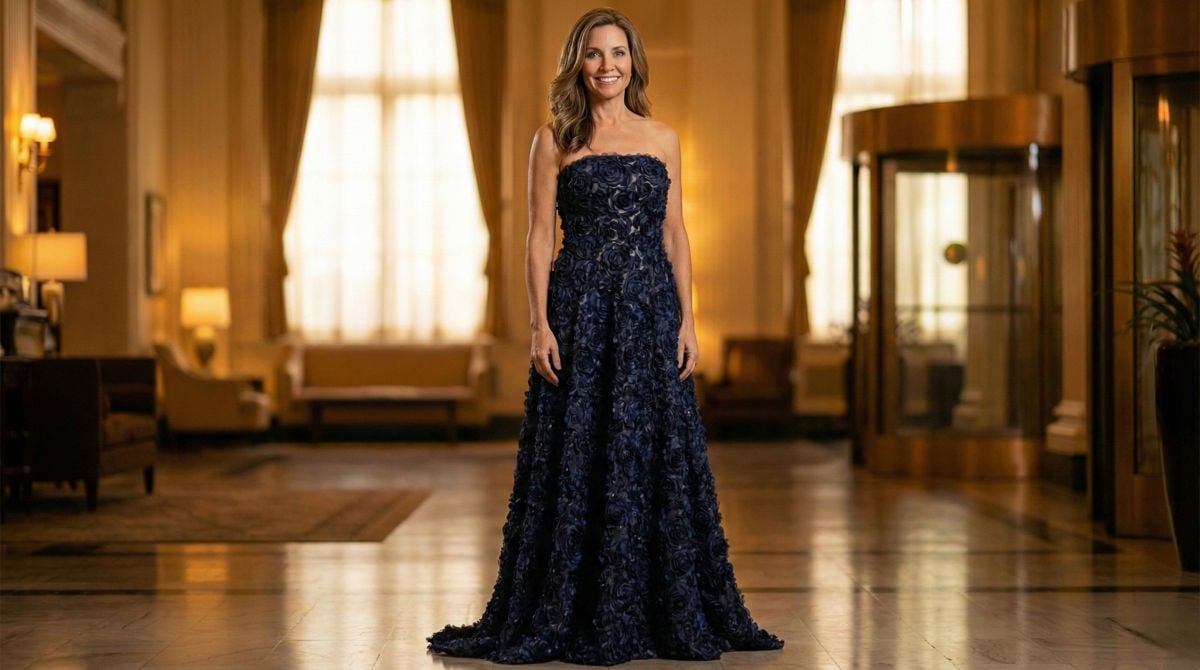
Finding the right fit for a Mother of the Bride gown is not just about choosing a number on a size tag. It is about understanding how formal gowns are engineered, how fabrics behave, and how different silhouettes interact with real bodies. A proper Mother of the Bride dress sizing guide should help you feel confident long before the first fitting appointment and avoid common mistakes that lead to last minute stress.
Every gown is developed with structure, balance, and proportion in mind, allowing alterations to enhance the final fit rather than fix major issues. This guide explains how Mother of the Bride dress sizing works, what to measure, how different styles affect fit, and how to approach tailoring with confidence.
Understanding Formal Gown Sizing Versus Everyday Clothing
One of the most common points of confusion with Mother of the Bride dress sizing is comparing it to everyday clothing. Formal gowns follow a different sizing standard. A woman who wears a size 8 in casual wear may find that a size 10 or 12 fits better in a formal gown.
This difference exists because evening gowns are structured garments. They often include boning, lining, internal support, and heavier fabrics that require precise proportions. Understanding how Mother of the Bride dresses should fit starts with letting go of your usual size expectations and focusing on measurements instead.
A Mother of the Bride gown should skim the body without pulling, gaping, or restricting movement. When properly sized, the dress will feel supportive but comfortable, especially through the bust, waist, and hips.
How to Take Accurate Mother of the Bride Gown Measurements
Accurate measurements are the foundation of proper fit. A Mother of the Bride dress sizing guide is only useful if measurements are taken correctly. Use a soft measuring tape and measure while wearing undergarments similar to what you plan to wear with the gown.
Key measurements include:
Bust: Measure around the fullest part, keeping the tape level
Waist: Measure at the natural waistline, not where pants sit
Hips: Measure around the fullest part of the hips and seat
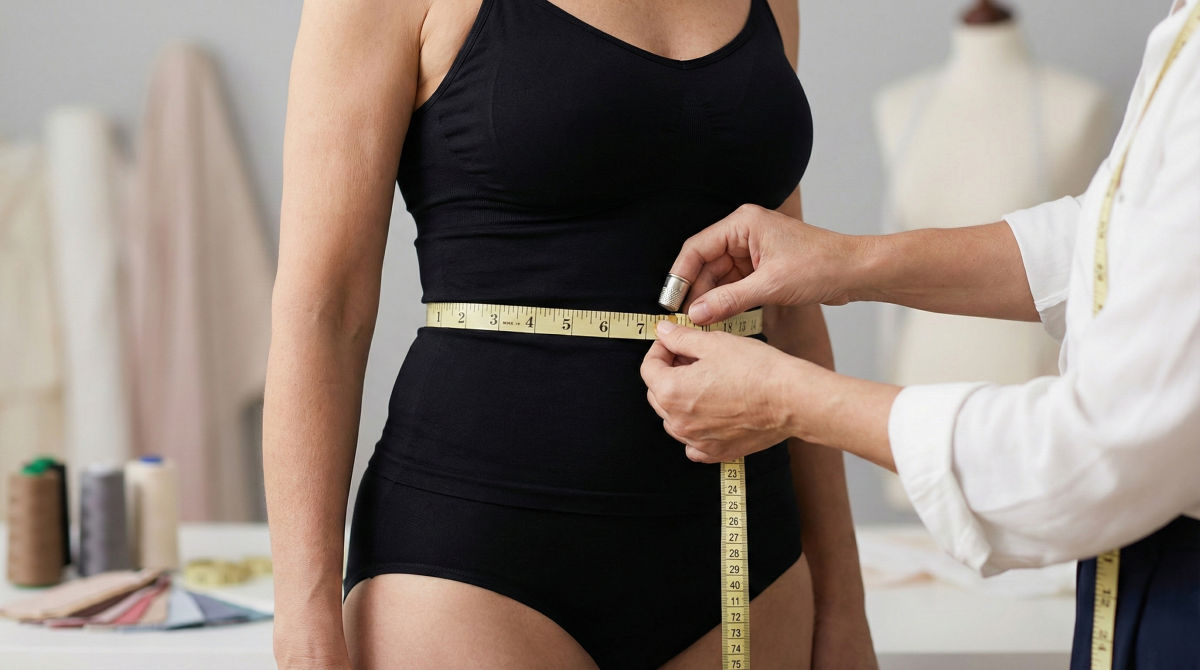
Hollow to hem: Important for length, especially for floor length gowns
These Mother of the Bride gown measurements help determine the closest size on a Mother of the Bride size chart. Always size to your largest measurement. A gown can be taken in, but letting it out is often limited by seam allowances and fabric type.
Choosing the Right Size Based on Silhouette
Silhouette plays a major role in how forgiving or structured a gown feels. Certain styles offer flexibility, while others require a more exact fit.
A Line Mother of the Bride Dresses are often the easiest to size because they flow away from the body from the waist down. This silhouette accommodates slight fluctuations in hip measurements and offers a flattering shape for many body types.
More fitted silhouettes require greater precision. Structured evening gowns with built in support rely on accurate bust and waist measurements to sit correctly. If these gowns are too small, they can feel restrictive. If they are too large, the internal structure cannot function as designed.
Understanding silhouette behavior is a key part of fitting Mother of the Bride gowns successfully.
Fabric Choice and Its Impact on Fit
Fabric is not just an aesthetic choice. It directly affects how a gown fits, moves, and feels.
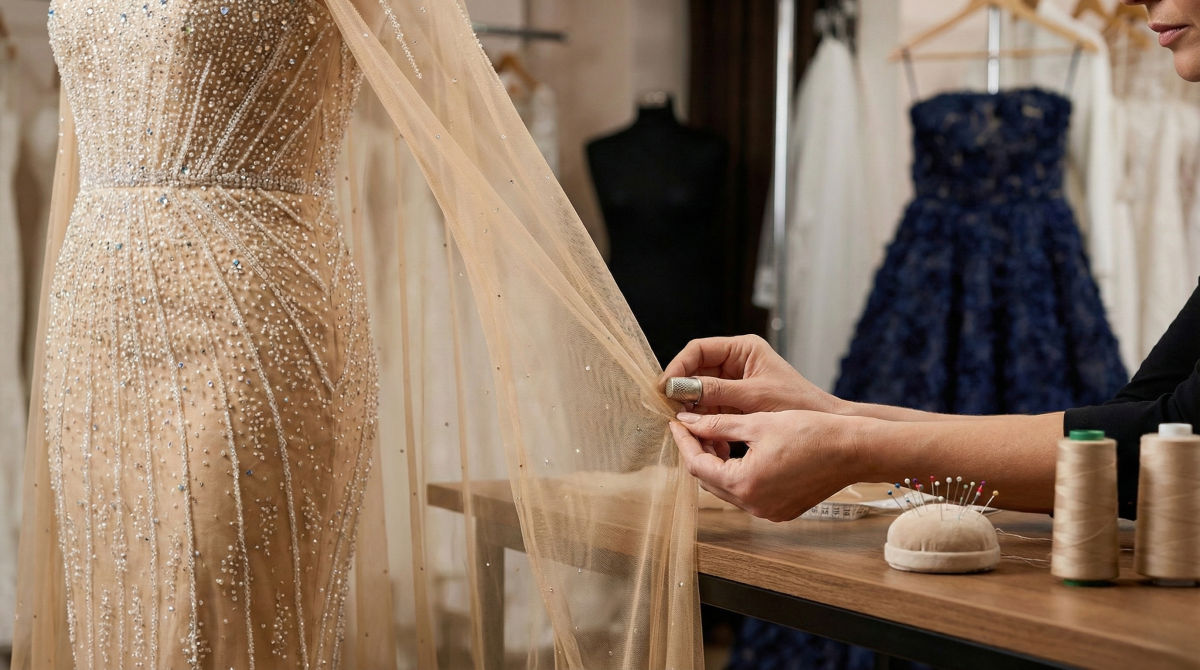
Beaded Mum of Groom gowns that affect fit and weight require careful sizing. Heavy embellishment adds structure but also reduces flexibility. These gowns should never be ordered too small, as beading limits how much a dress can be altered.
Chiffon Mum of Bride gowns with a softer drape offer more forgiveness. Chiffon moves with the body and allows for subtle adjustments without disrupting the overall look. This makes chiffon a popular choice for women who want ease of movement and a more relaxed fit.
When evaluating Mother of the Bride dress sizing, always consider how fabric weight and stretch will influence comfort throughout the event.
Sizing Considerations for Different Body Types
A well designed Mother of the Bride dress sizing guide must address different body proportions honestly and clearly.
Plus size Mother of the Bride sizing focuses on balance and support. Gowns are designed with reinforced structure, strategic seaming, and thoughtful draping to ensure comfort and confidence. Plus Size Mother of the Bride Gowns should feel secure at the bust and waist while allowing ease through the hips and arms.
Petite Mother of the Bride sizing emphasizes proportion. Length adjustments are common, but so are changes to waist placement and strap length. Petite Mother of the Bride Dresses are engineered to prevent overwhelming the frame while maintaining elegance.
Modest Mother of the Bride Dresses introduce additional fit considerations, especially in the shoulders, neckline, and sleeves. Coverage should never feel restrictive, and proper sizing ensures the gown moves naturally while maintaining the desired level of modesty.
Sleeves, Coverage, and Upper Body Fit
Sleeves and coverage styles deserve special attention in Mother of the Bride dress sizing. Long sleeve Mother of the Groom gowns for added coverage must allow enough room for arm movement without excess fabric pulling across the back or shoulders.
Sleeve length, arm circumference, and shoulder width all affect comfort. This is especially important for events that involve extended wear, seating, and movement. Proper upper body fit prevents constant adjusting and allows the gown to look polished from every angle.
When selecting a size, prioritize shoulder and bust comfort. Tailoring can refine sleeve length and shape, but structural tightness in the upper body is difficult to correct.
Alterations: What to Expect and When to Schedule Them
Alterations are a normal part of formalwear and should be expected, not feared. Alterations for Mother of the Bride dresses typically include hemming, taking in the waist, adjusting straps, and refining sleeve length.
A gown that fits well off the rack should require minimal alterations. This is why choosing the correct size initially is so important. Over sizing slightly is often safer than under sizing, especially for structured gowns.
Begin alterations at least six to eight weeks before the wedding. This allows time for adjustments and final fittings without pressure. A professional tailor familiar with evening gowns will understand how to preserve the design while refining the fit.
How Jovani Approaches Fit and Reliability
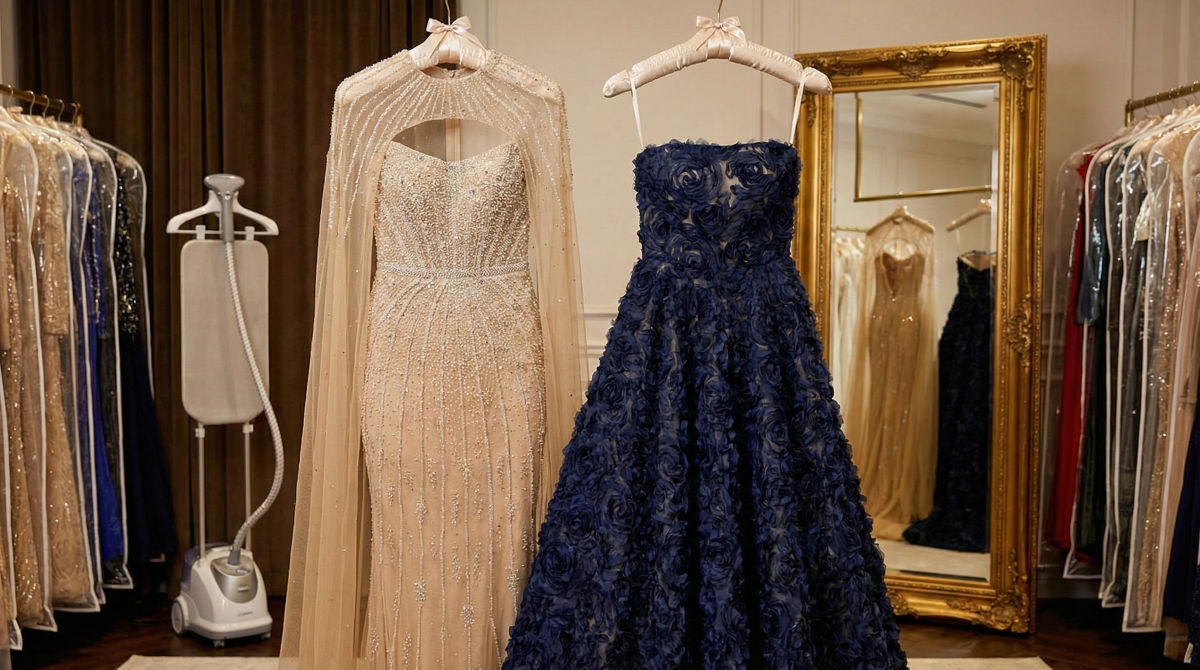
Jovani gowns are designed with real women in mind. Fit consistency, thoughtful construction, and quality materials ensure that sizing aligns with formalwear standards and allows tailoring to enhance rather than rebuild the gown.
From balanced proportions to reliable size grading, Jovani prioritizes fit as part of the overall design experience. This approach allows mothers to focus on the celebration rather than worrying about discomfort or last minute fit issues.
Final Thoughts on Mother of the Bride Dress Sizing
A successful Mother of the Bride dress sizing guide empowers women with knowledge. When measurements are accurate, silhouettes are chosen wisely, and fabrics are understood, the fitting process becomes smooth and predictable. The right size sets the foundation for confidence, comfort, and elegance on a meaningful day. With proper preparation and expert design, the final look feels effortless and refined.