
Blog
Mother of the Bride Dress Etiquette: A Complete Guide for Modern Weddings

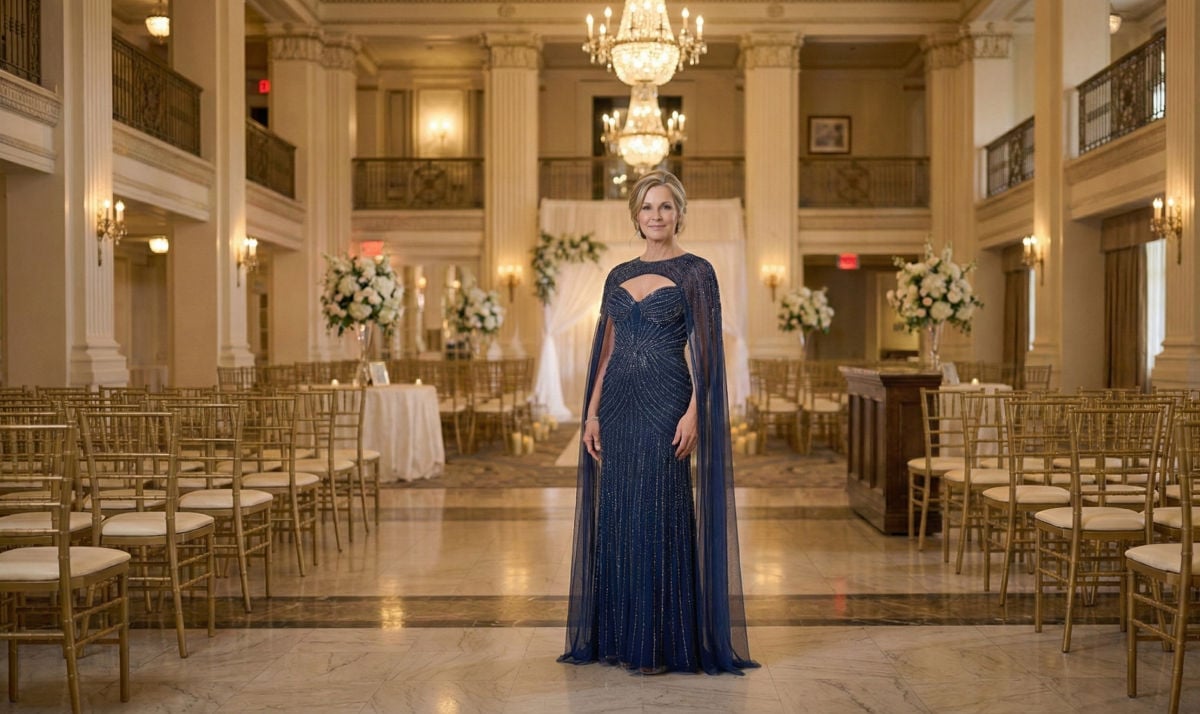
Mother of the bride dress etiquette is one of the most searched topics for wedding planning because the role carries both emotional and visual importance. Understanding proper mother of the bride dress etiquette helps ensure the outfit feels respectful, elegant, and aligned with the wedding vision. This guide explains modern mother of the bride dress etiquette clearly, answering what should be worn, when to shop, and how to avoid common mistakes.
Understanding the Role of the Mother of the Bride
Mother of the bride dress etiquette begins with understanding the role itself. The mother of the bride is highly visible throughout the wedding day, from the ceremony to formal photos and family interactions. Following mother of the bride gown etiquette ensures her attire supports the bride rather than distracting from her.
Traditional mother of the bride dress rules suggest setting the tone for the mothers’ attire while allowing personal style. Modern etiquette allows flexibility, but mother of the bride dress etiquette still emphasizes balance, refinement, and confidence.
When to Choose the Dress
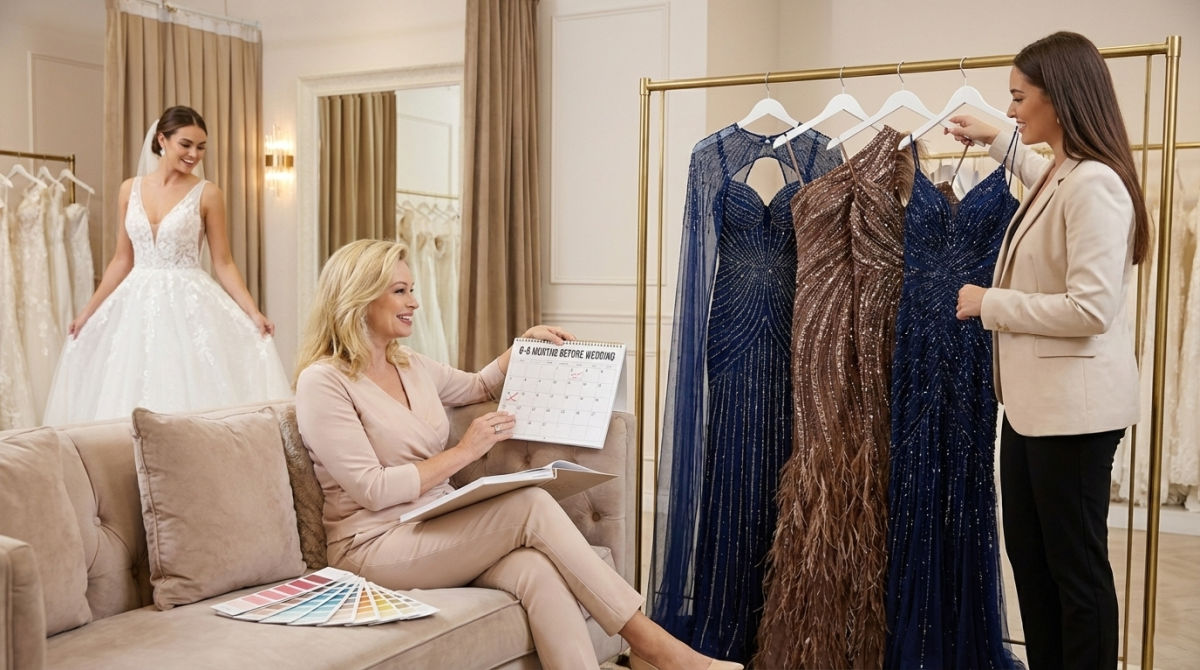
Timing is a critical part of mother of the bride dress etiquette. Experts agree that selecting the gown six to eight months in advance prevents last-minute stress and allows room for tailoring. Understanding what should the mother of the bride wear starts with knowing when to shop.
Mother of the bride dress etiquette also suggests choosing after the bride confirms her gown and color palette. Whether selecting from Mother of the Bride & Groom Dresses or narrowing down lengths like Short Mum of Bride Dresses, early planning ensures the final look feels intentional.
Coordinating With the Bride and Wedding Theme
Clear communication is essential to mother of the bride dress etiquette. Before finalizing a dress, discussing formality, venue, and colors helps avoid conflicts. Many questions around what should the mother of the bride wear stem from uncertainty about coordination.
Mother of the bride dress rules do not require matching the bride or bridesmaids, but harmony matters. A beach wedding, ballroom reception, or garden ceremony all influence appropriate style choices and silhouettes.
Color Etiquette and Common Mistakes
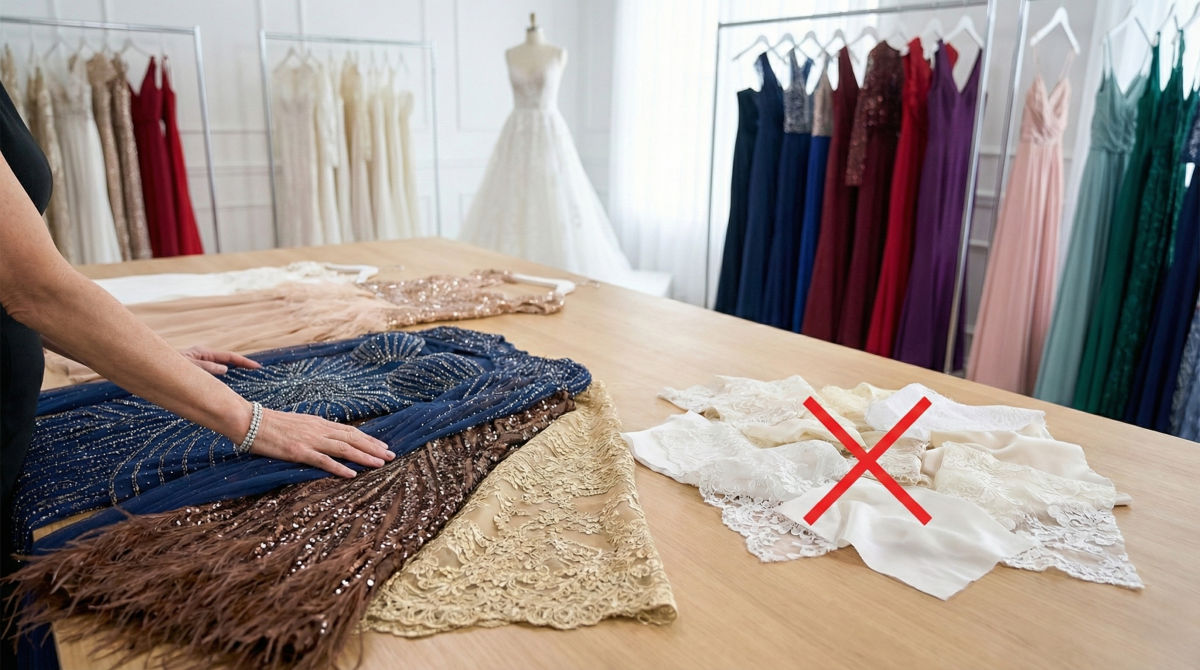
Color selection plays a major role in mother of the bride dress etiquette. Traditional rules discourage white, ivory, or overly bridal tones, while modern mother of the bride outfit guide standards allow more flexibility.
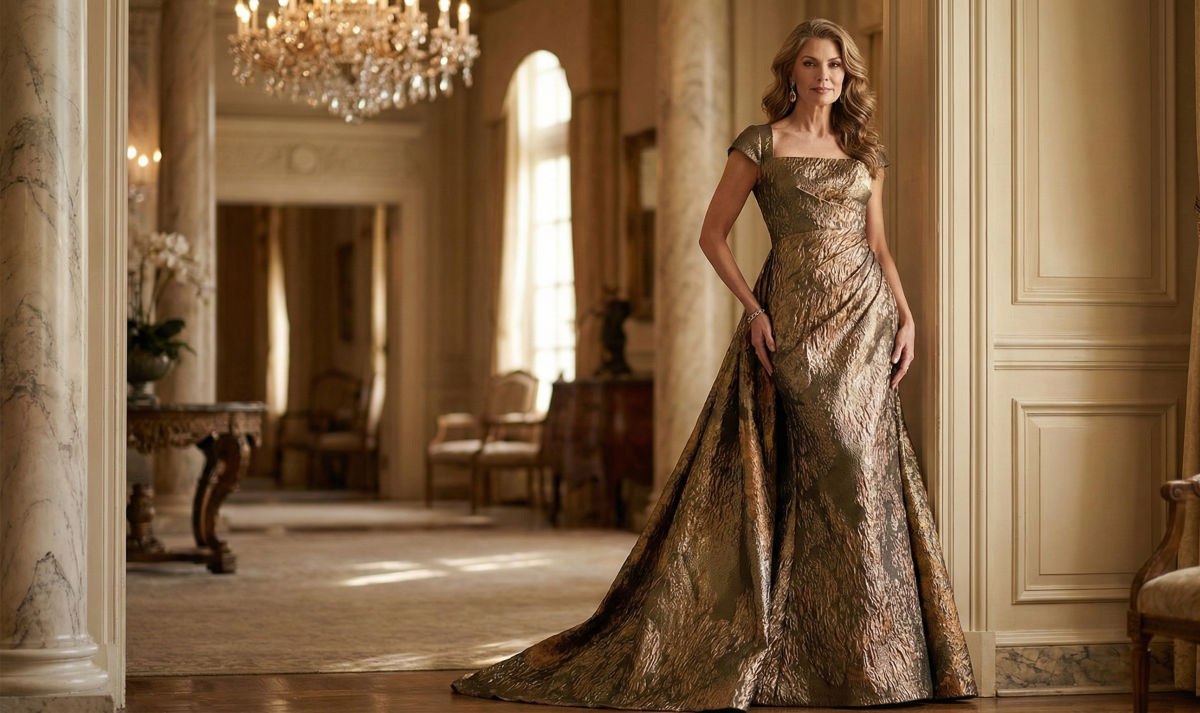
Popular options include navy, soft metallics, muted jewel tones, and neutral shades. Styles such as Gold Mother of the Groom Gowns work well for evening weddings when done tastefully. Mother of the bride dress etiquette prioritizes avoiding colors that compete with the bride or dominate photographs.
Choosing the Right Silhouette
Silhouette selection is another core principle of mother of the bride dress etiquette. The goal is elegance and comfort rather than trend-driven drama. Many mothers choose timeless shapes that photograph well and flatter naturally.
Classic options like A line Mother of The Bride Dresses are favored under traditional mother of the bride gown etiquette because they balance structure and ease. More tailored looks, including Sheath Mother of the Groom Gowns, suit mothers who prefer clean lines while still respecting mother of the bride dress rules.
Fabric and Embellishment Guidelines
Fabric choice directly affects how mother of the bride dress etiquette is perceived. Lightweight fabrics suit daytime weddings, while structured materials elevate evening ceremonies. One common question in wedding etiquette for mothers is how much embellishment is appropriate.
Mother of the bride dress etiquette allows beading, lace, and embroidery when applied thoughtfully. Designs such as Beaded Mother of the Bride Dresses demonstrate how detail can enhance elegance without appearing excessive.
Dressing for Body Type and Size
Modern mother of the bride dress etiquette fully embraces size inclusivity. The most important rule is wearing a gown that fits correctly and feels supportive. Questions about what should the mother of the bride wear often stem from fit concerns.Purpose-built designs like Plus Size Mother of The Bride Dresses prioritize structure and proportion.
Modesty, Coverage, and Alternative Options
Coverage preferences are an important part of mother of the bride dress etiquette, especially for cultural or religious weddings. Long sleeves, higher necklines, and layered fabrics are all appropriate within modern standards.
Collections such as Modest Dresses show that coverage does not mean sacrificing style. Pantsuits have also become acceptable under updated wedding etiquette for mothers, with tailored options like Pantsuits for Mother of the Bride offering refined alternatives.
Coordinating With the Mother of the Groom
Mother of the bride dress etiquette traditionally places the mother of the groom’s selection after the mother of the bride. This ensures visual balance without duplication. Coordination matters more than matching. Mother of the bride dress rules suggest similar levels of formality, complementary colors, and aligned fabric weight. This approach supports cohesive photography and ceremony aesthetics.
Final Thoughts on Mother of the Bride Dress Etiquette
Mother of the bride dress etiquette is about respect, confidence, and thoughtful presentation. Understanding mother of the bride dress etiquette removes uncertainty and helps mothers feel comfortable in their role.