
Blog
The Most Charming Girls’ Formal Dresses for 2026

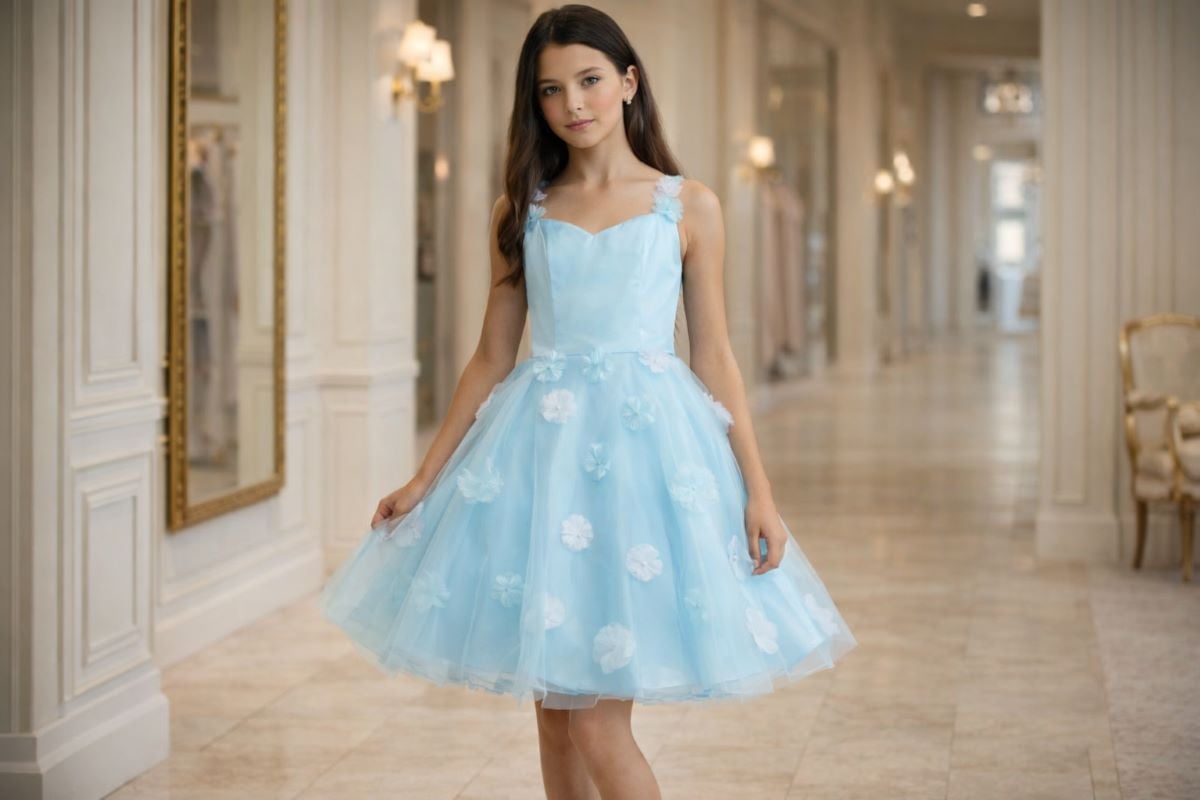
Fashion for formal occasions continues to evolve, and in 2026, the direction is noticeably more refined. Parents are no longer drawn to overly embellished styles that feel heavy or impractical. Instead, they are prioritizing girls’ formal dresses that offer a balance between elegance, comfort, and age-appropriate design. A formal dress should do more than look beautiful. It should support movement, feel comfortable over several hours, and reflect the tone of the event. This shift in expectations has reshaped how formal dresses for girls are designed, moving away from excess and toward thoughtful construction. Jovani approaches this category with a clear design philosophy. Rather than creating miniature versions of adult gowns, the focus is on developing girls’ special occasion dresses that feel natural, polished, and suitable for real-life events across the United States.
The evolving definition of charm in girls’ formalwear
Charm in 2026 is no longer defined by volume or sparkle alone. Instead, it comes from proportion, fabric quality, and subtle detailing. The most successful styles rely on restraint, where every design element has a purpose. This includes carefully structured bodices, soft flowing skirts, and refined finishing details that enhance the dress without overwhelming it. Small elements such as a clean waistband, delicate pleating, or light shimmer often create a stronger impression than heavy embellishments. Color palettes are also becoming more intentional. Soft neutrals like blush, champagne, and ivory remain strong, while deeper tones such as navy, burgundy, and emerald bring a more formal presence. These tones help define elegant girls’ dresses that can transition across multiple occasions. Another important shift is versatility. Families are increasingly choosing dresses that can be worn more than once, which makes balanced design even more important.
Silhouettes that define 2026 trends
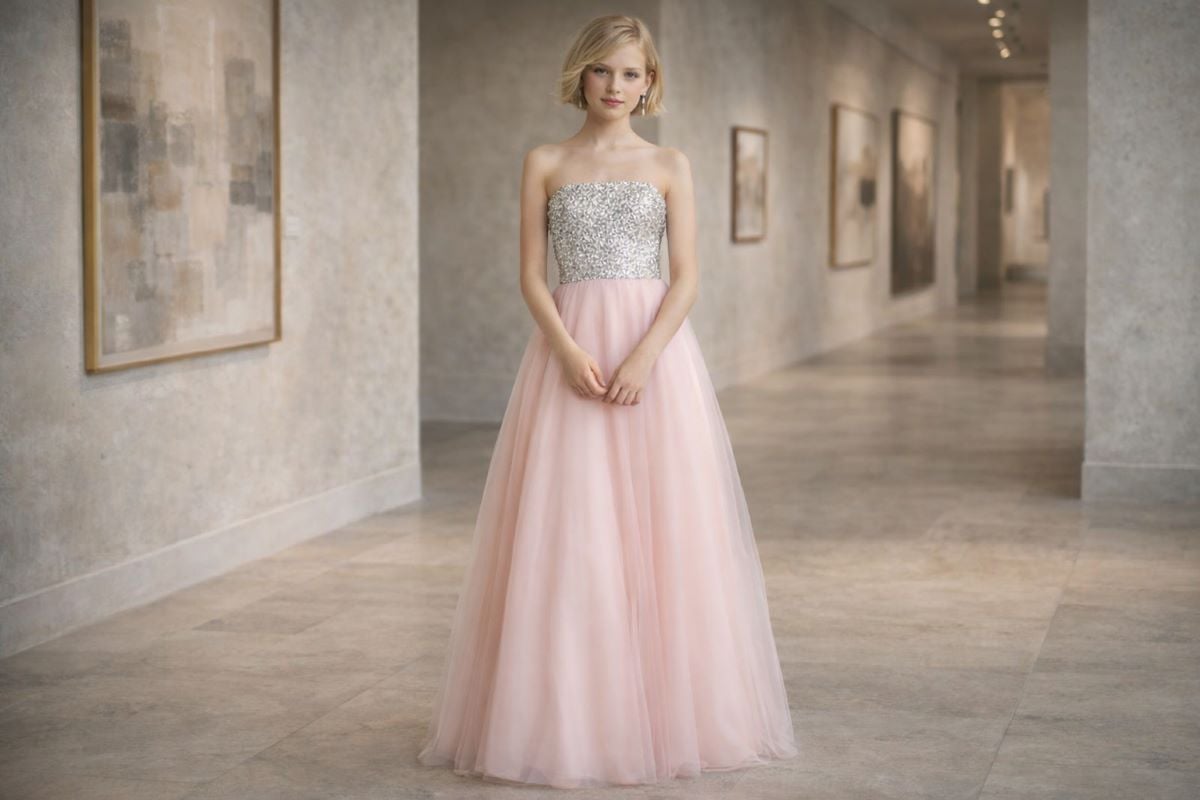
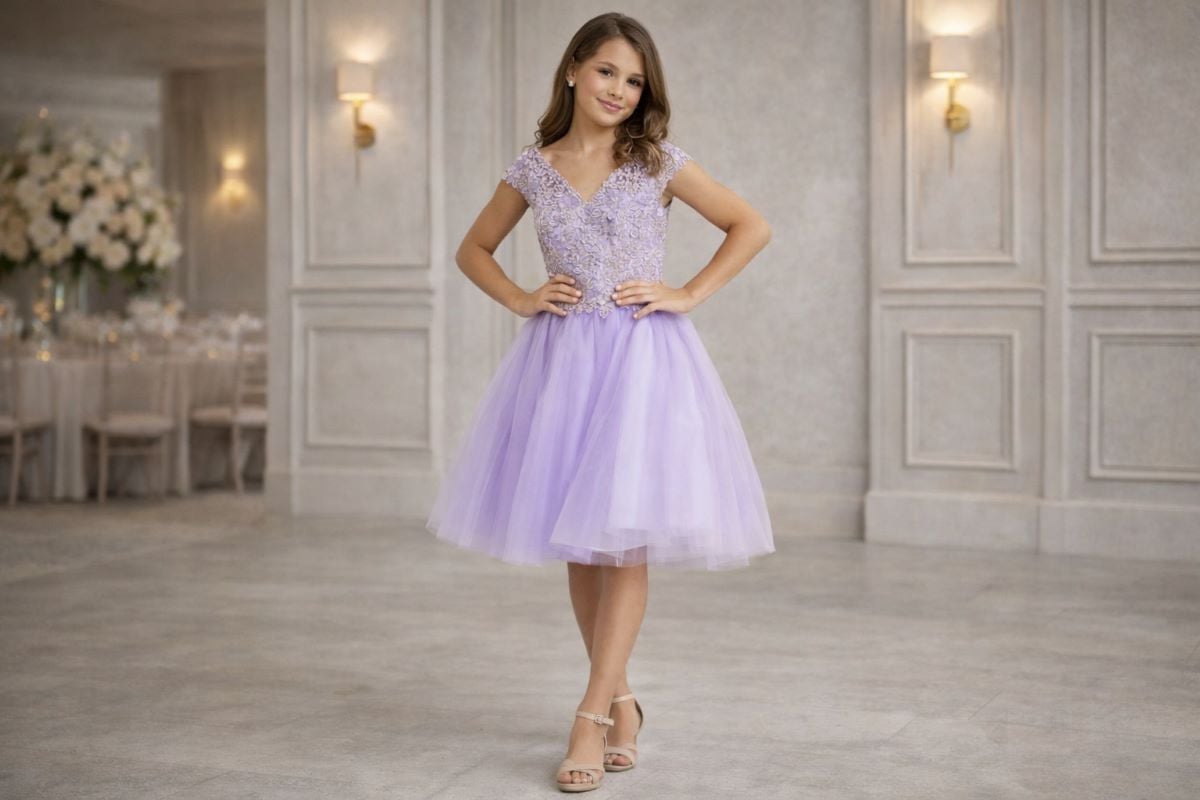
Silhouette remains one of the most important factors when choosing a formal dress. While trends evolve, certain shapes continue to perform well because they combine elegance with practicality. Full-length styles remain a strong option for formal settings. Long formal dresses for girls create a refined, elongated look that works particularly well for weddings and evening events. Shorter styles are equally relevant. Short formal dresses for girls are often preferred for daytime events and parties, offering more flexibility and comfort. Tea-length and midi silhouettes provide a balanced alternative, sitting between formal and playful. These styles are especially useful for mixed-formality occasions. There is also a growing focus on age-appropriate formal dresses. These designs prioritize proportion and comfort, ensuring the dress feels natural rather than forced. At the same time, modest styles are becoming more important. Dresses with more coverage can feel just as stylish when they rely on structure and fabric rather than exposure.
Fabric as a defining factor
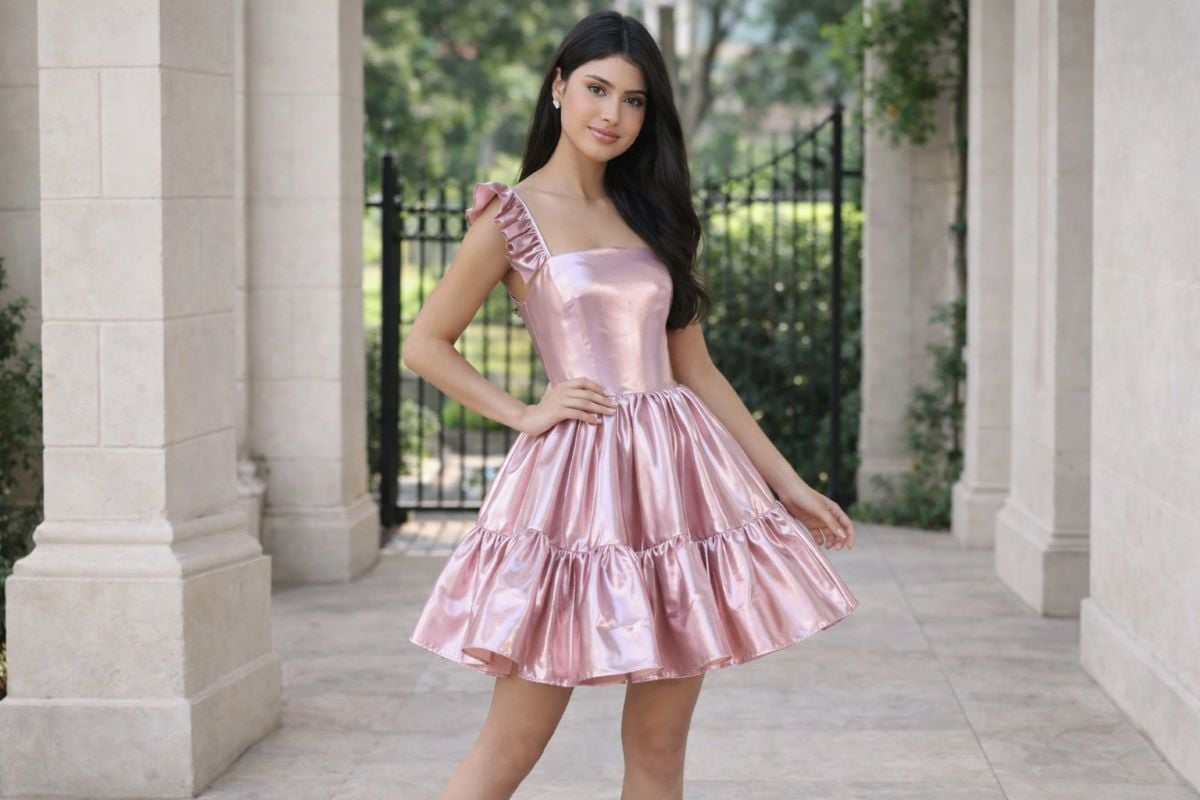
Fabric plays a critical role in how a dress looks and feels. The most successful designs are built on materials that support both structure and comfort. Satin remains one of the strongest choices because of its smooth texture and natural shine. It creates a polished appearance that works well for formal events. Tulle adds softness and volume, chiffon offers movement, and organza provides structure. Crepe introduces a more minimal and modern finish. The key is not just the fabric itself, but how it works with the silhouette. A simple design made with high-quality material often feels more elevated than a complex one made with weaker fabric.
Matching the dress to the occasion
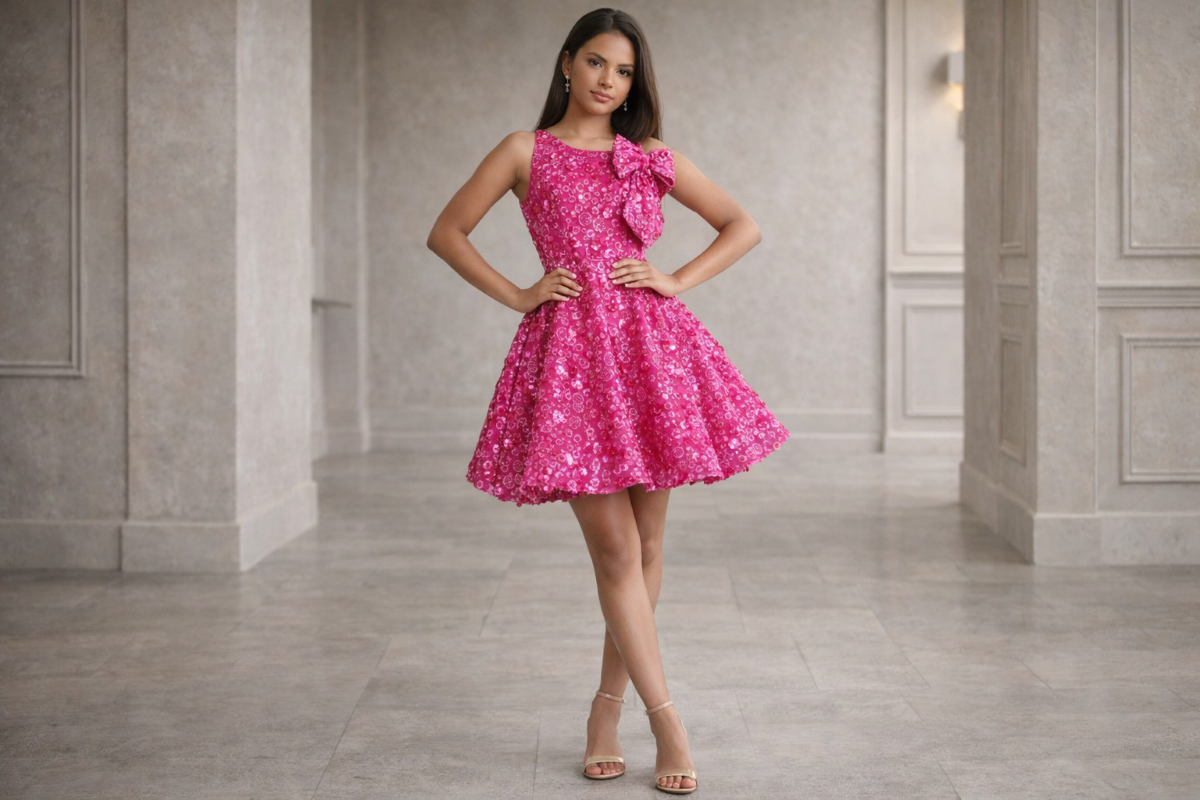
Choosing the right dress starts with understanding the event. Different occasions require different levels of formality, and the dress should reflect that. For weddings, the look should feel elegant without being overpowering. Soft fabrics and balanced silhouettes usually work best. For parties and family gatherings, the style can be slightly more relaxed while still maintaining a formal touch. Evening events typically call for a more refined approach, often achieved through fabric and structure rather than decoration. Many families search broadly for girls’ dresses for events, and in these cases, versatility becomes essential. A well-designed dress should adapt to multiple settings. For a complete overview of available styles, the collection at Girls’ dresses offers a clear and structured starting point.
Why Jovani stands out
Jovani’s strength comes from its experience in formalwear design. This allows the brand to approach girls’ dresses with a deeper understanding of structure, proportion, and fabric. Instead of focusing only on trends, Jovani creates designs that feel relevant over time. The result is a collection that balances style with reliability. Compared to many alternatives, the difference is in the details. Better construction, more thoughtful materials, and cleaner silhouettes lead to dresses that feel more refined. For families looking for consistency and quality, this approach makes a noticeable difference.
Girls’ Formal Dresses for 2026 FAQ’s
1. What defines high-quality Girls’ Formal Dresses?
High-quality dresses are defined by fabric, construction, and fit. The design should feel balanced, with attention to both comfort and appearance.
2. Are long dresses necessary for formal occasions?
Not always. Long formal dresses for girls are ideal for more formal events, but short formal dresses for girls can be equally appropriate depending on the setting.
3. Which fabric is best for a formal look?
Satin, chiffon, and organza are among the best choices. Girls’ satin dresses are especially popular for their polished appearance.
4. How can I ensure the dress is age-appropriate?
Focus on proportion, coverage, and simplicity. Age-appropriate formal dresses avoid overly mature elements while still looking elegant.