
Dressing for your body type starts with one rule: define the narrowest point of your frame and balance the rest around it. Pear shapes draw the eye upward, apple shapes elongate through the center, hourglass figures follow the waist, rectangles create curves, and inverted triangles add flow below the hips. The guide below shows how to identify your shape and which formal dress styles work for each one.
Finding the right formal dress for your body type is about more than size. Your body shape is unique, and understanding it is the first step toward a dress that shows off your best features and makes you feel confident.
This guide walks through how to identify your shape and which dress styles work best for pear, apple, hourglass, rectangle, and inverted triangle figures, so you can start your search for the perfect formal dress with a clear picture of what to look for.
Understanding Different Body Types
Understanding your body type is crucial when searching for the perfect dress. Let’s take a closer look at each type.
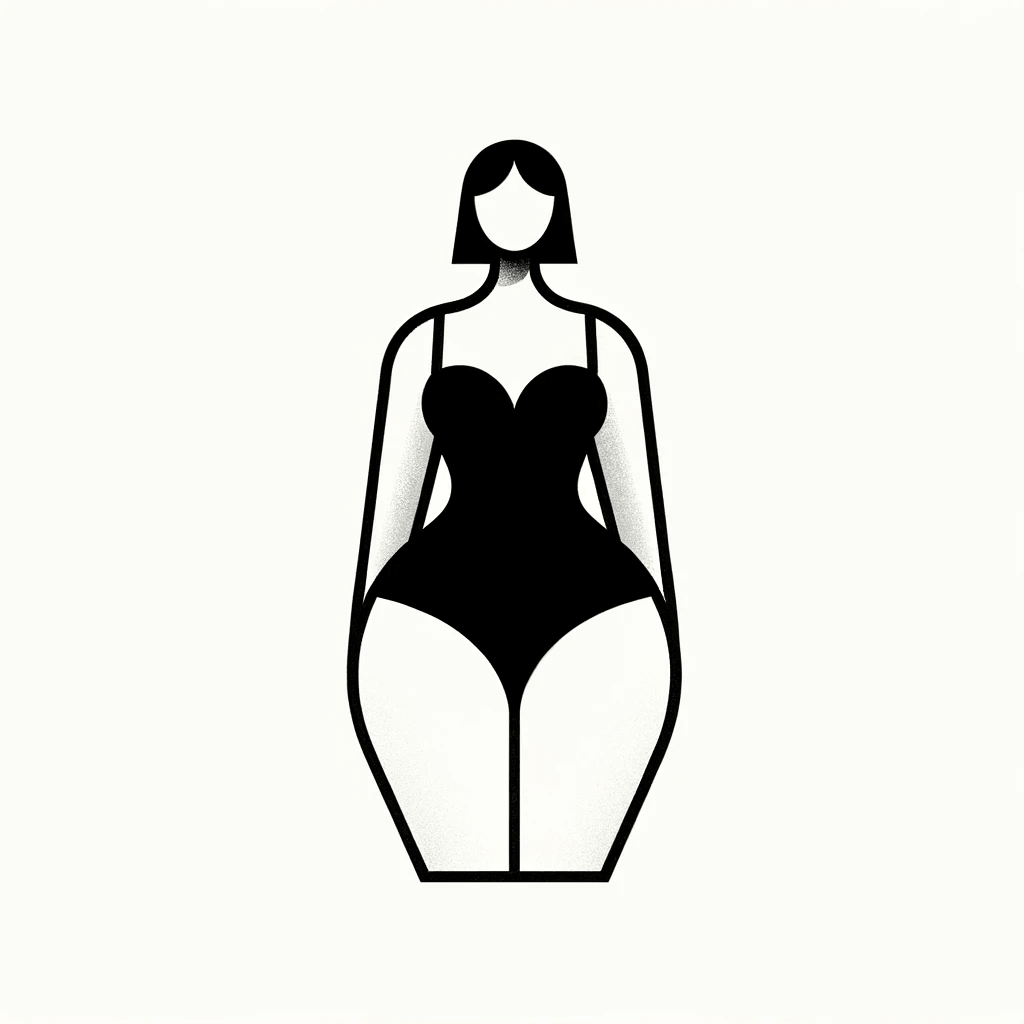
A pear shape is characterized by hips that are wider than the shoulders and chest. The lower body is more prominent compared to the upper body. People with this body type usually have a smaller waist. Their thighs and buttocks might be the biggest parts of their body.
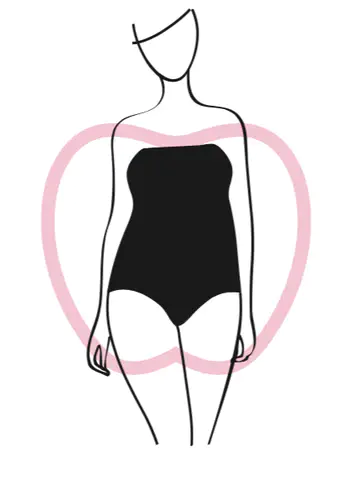
People with an apple shape usually have wide shoulders and a full waistline. The waist is not as defined compared to the hips. The weight tends to accumulate around the midsection, and the legs and arms are often slimmer.
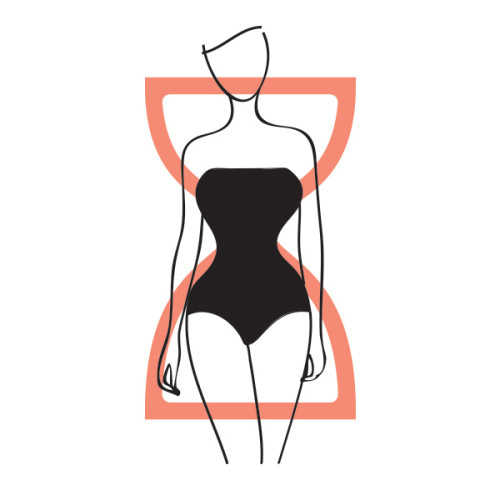
The hourglass figure is determined by a clearly defined waist. The shoulders and hips are about the same width. This body type is considered balanced and proportional, with curves evenly distributed.
If your shoulders, waist, and hips are roughly the same width, you have a rectangle body type. This shape is sometimes described as straighter or athletic, with fewer defined curves and a more uniform silhouette.
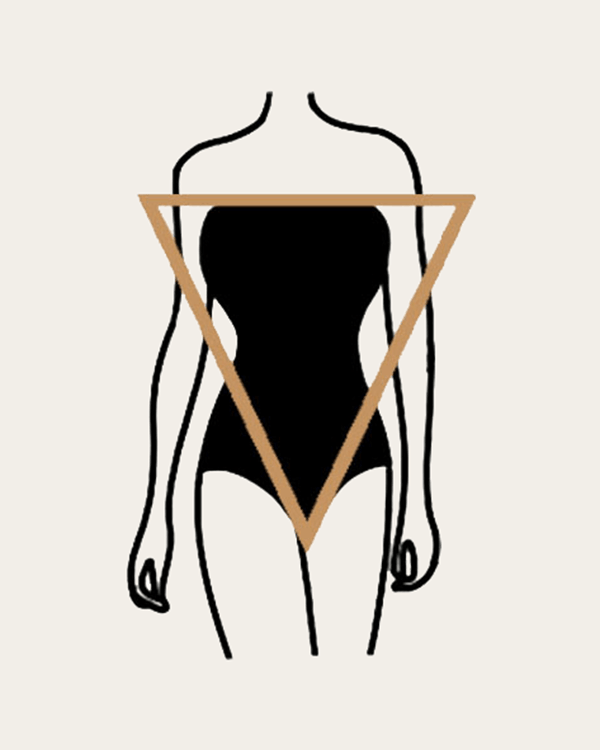
The inverted triangle is marked by shoulders and a chest wider than the hips. The upper body is more prominent, and the hips are narrower. This can create a more top-heavy look.
Knowing your body type helps you choose dress styles that highlight your best features and balance your proportions, so you feel confident rather than guessing.
Not sure which of these five shapes describes you best? Take two minutes with the Jovani body type calculator and start your search with a clear answer.
General Tips for Dress Shopping
When you’re on the hunt for the perfect formal dress, these general tips will guide you in the right direction.
Before you start shopping, it’s important to know your measurements. Measure your bust, waist, and hips. This will help you quickly find the right size and reduce the time spent trying on dresses that don’t fit well.
The fabric and color of a dress can have a significant impact on how it looks on you. Some fabrics, like silk or chiffon, drape softly and can be flattering for many body types. Stiffer fabrics like taffeta or brocade might hold a specific shape. Color is equally important. Choose colors that complement your skin tone and make you feel confident.
A dress might look beautiful, but if it’s not comfortable, it’s not worth it. You should be able to move, sit, and dance comfortably in your dress. Make sure it’s not too tight or too loose and that you can breathe easily. Comfort also includes the dress’s length, sleeves, and neckline.
Don’t limit yourself to one style. Sometimes a dress you never thought would look good on you can be surprisingly flattering. Try on a variety of styles to see what works best for your body type.
Lighting in stores can be deceiving. If possible, check how the dress looks in natural light. This can give you a better idea of the actual color and how the fabric looks.
Consider the type of event you’re attending. Is it a formal evening gala, prom or an outdoor wedding? The setting and time of the event can influence the style and length of the dress you choose.
When trying on dresses, wear the undergarments and shoes you plan to wear with the dress. This helps you see how the dress will actually look and ensures the right fit.
Dress Styles for Each Body Type
Finding the right dress for your body type can highlight your best features. Here is what works for each shape.
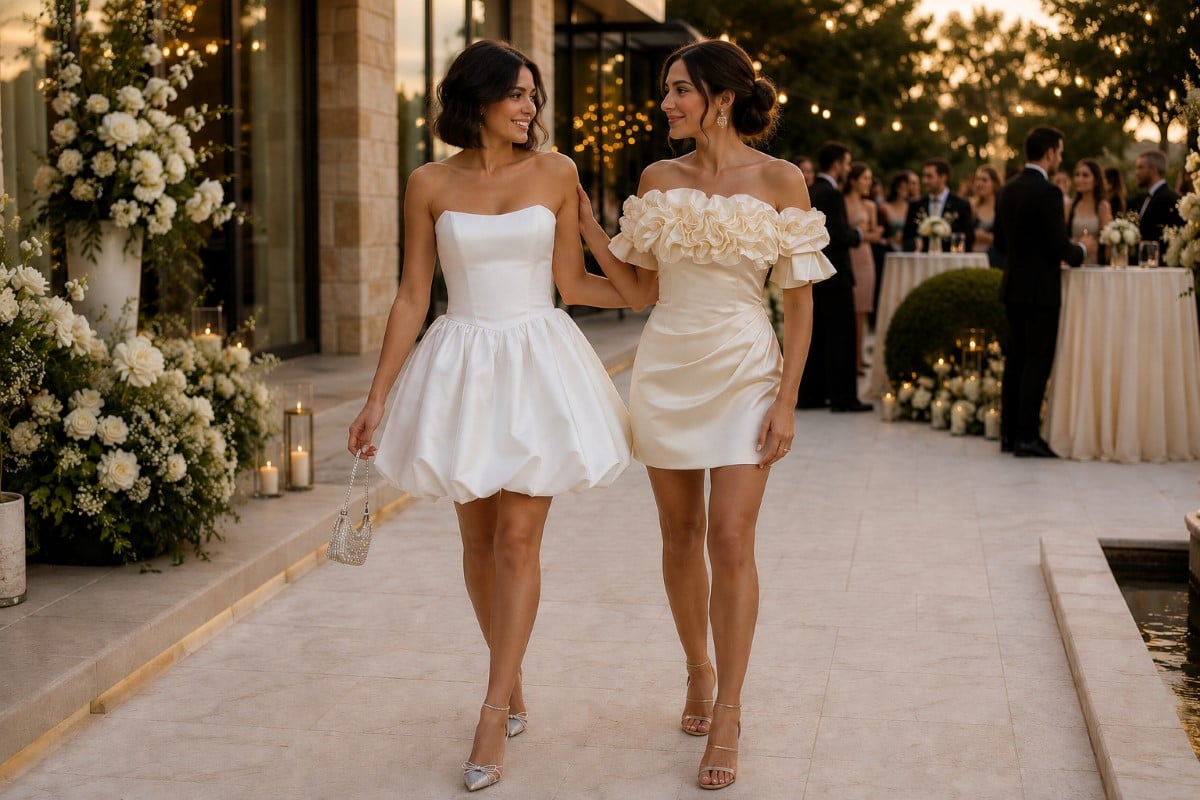
Pear-shaped bodies are characterized by wider hips and thighs compared to the shoulders and bust. The goal is to balance your silhouette by accentuating the upper body. A-line dresses are a great choice as they flare gently from the waist, providing a balanced look. Empire waist dresses draw attention upwards, focusing on the narrowest part of your waist. Tops with embellishments, ruffles, or interesting necklines like boat necks or off-shoulder styles can draw the eye upward and balance out wider hips. Skirts that flow softly over the hips without adding volume are ideal.
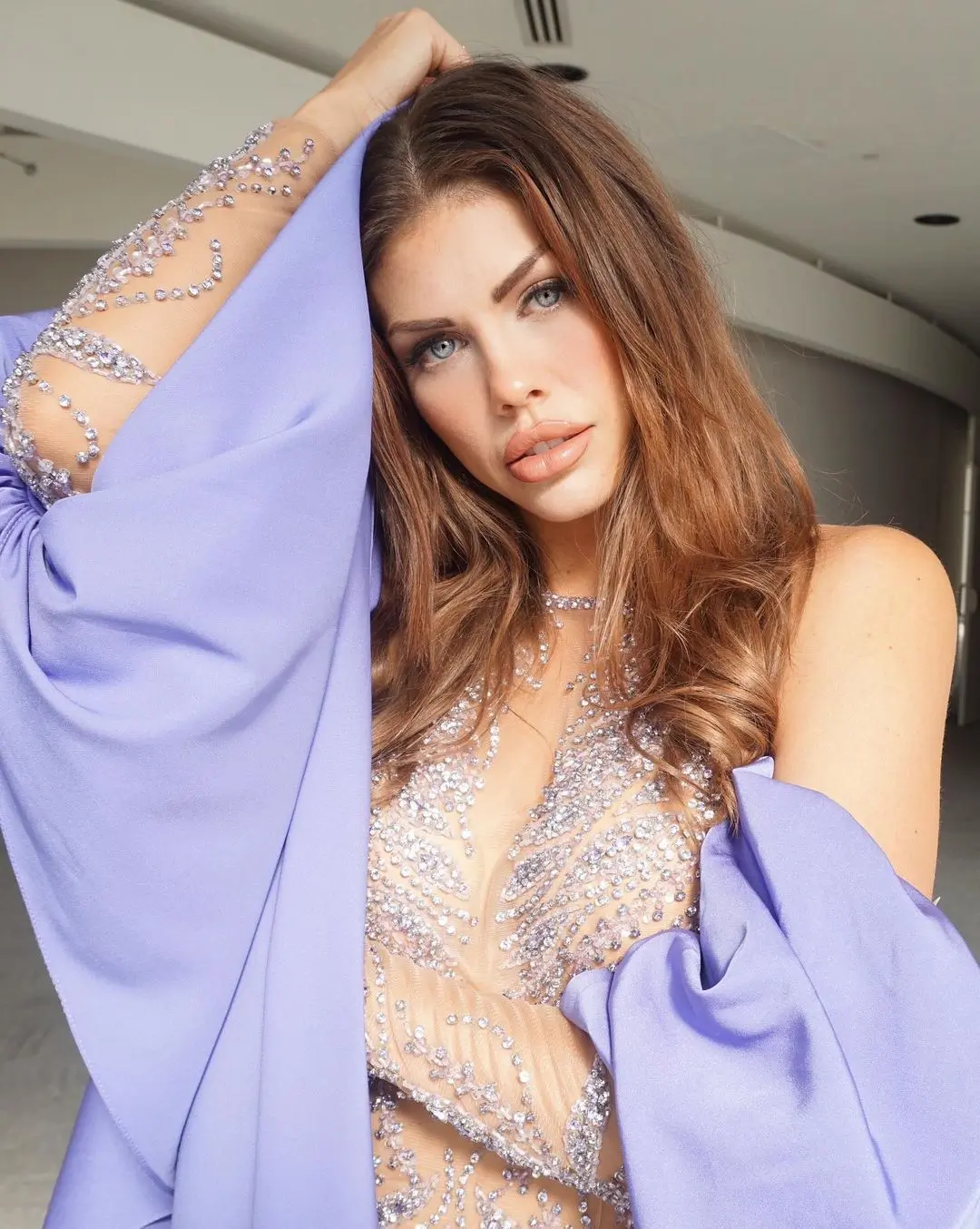
If you have an apple shape, your midsection is likely your widest part, and you may have slimmer legs and a less defined waist. Dresses that create a visual balance and avoid clinging too tightly to the midsection are ideal. Empire lines can work well, as they draw attention to the upper body and flow over the stomach. Wrap dresses can be very flattering, as they cinch in at the waist and create a more defined silhouette. Opt for V-necklines, which elongate the body and draw the eye vertically rather than horizontally. Structured materials can provide shape without clinging to the body.
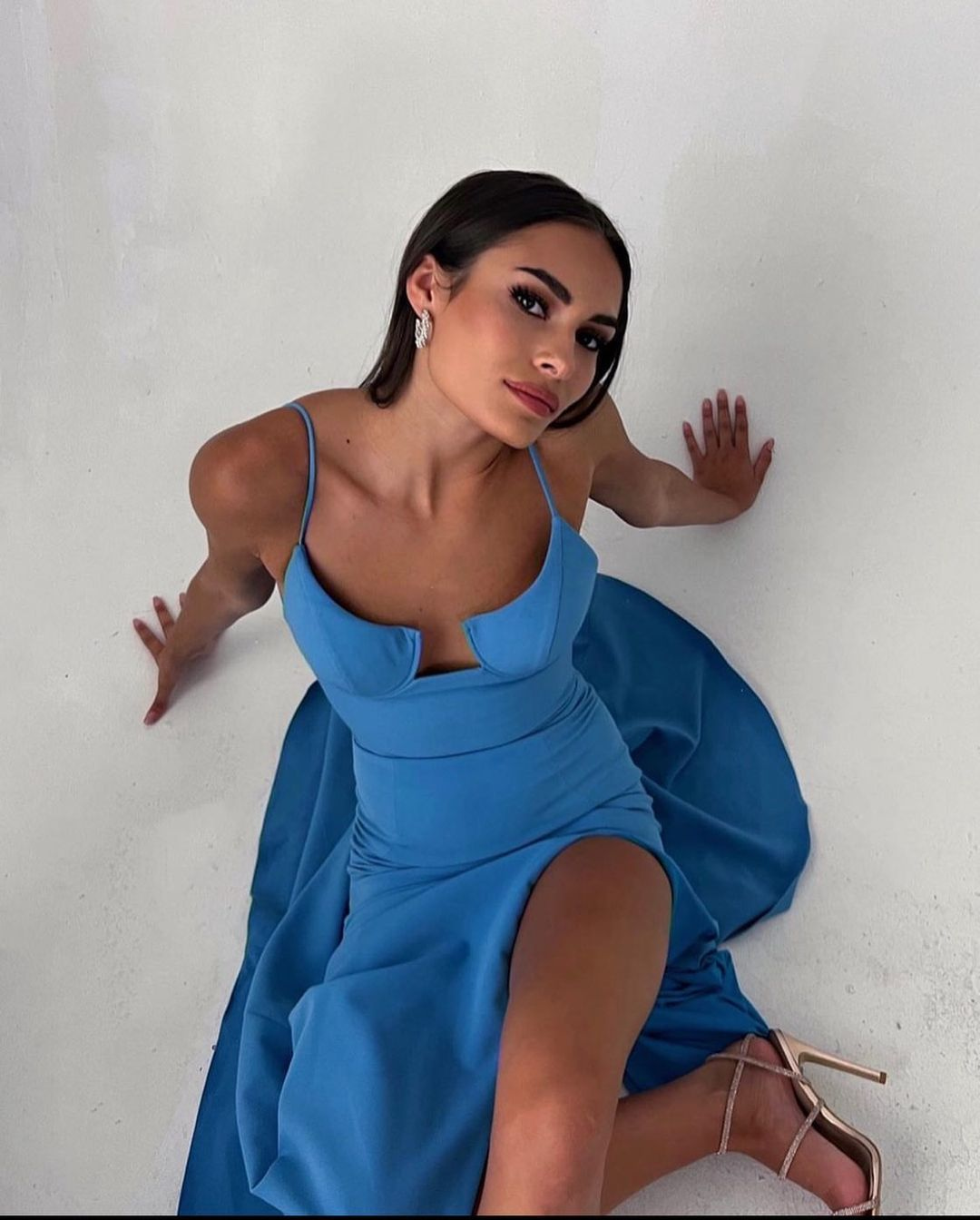
Hourglass figures are defined by a well-proportioned upper and lower body with a defined waist. Dresses that cinch at the waist and follow the natural line of the body will flatter this shape. Body-hugging styles like bodycon dresses can highlight natural curves. Fit-and-flare dresses accentuate the waist and flare out at the hips, honoring your proportions. Avoid dresses that are too loose and hide your waist. V-necks and scoop necks can also complement your figure by drawing attention to your upper body.
For rectangle body types, where the bust, waist, and hips are roughly the same width, creating curves is key. Look for dresses that cinch at the waist or create the illusion of curves. Belted dresses can help define your waist. Peplum styles add volume at the hips, creating a curvier silhouette. Ruching or draping can add texture and shape to the dress. A-line skirts can give the illusion of wider hips, and details like horizontal stripes or embellishments can add the appearance of curves.
With an inverted triangle body type, the shoulders and bust are wider than the hips. The aim is to balance the broader upper body with the lower body. A-line skirts and dresses can add volume to the hips and lower body, creating a more balanced silhouette. Avoid adding extra volume to the upper body, such as puff sleeves or wide collars. Instead, choose styles that draw attention to your lower body, like dresses with fuller skirts or details like ruffles or layers near the hip area.
Every body type has its own strengths, and dressing for your shape rather than against it is what makes a formal dress feel effortless instead of like a compromise.
Quick Reference: Best Formal Dress Styles by Body Type
The table below sums up the strongest choices, the one mistake to skip, and where to read more for your specific shape.
| Body type | Best formal dress styles | One thing to avoid | Full guide |
|---|---|---|---|
| Pear | A-line and empire waist gowns with detailed necklines | Heavy volume at the hips | Evening dresses for a pear shape body |
| Apple | Empire lines, wrap styles, and V-necklines | Clingy fabric at the midsection | Evening dresses for an apple body shape |
| Hourglass | Fitted, mermaid, and fit-and-flare gowns | Shapeless cuts that hide the waist | Evening dresses for an hourglass figure |
| Rectangle | Belted, peplum, and ruched dresses | Straight columns with no waist detail | Covered in this guide |
| Inverted Triangle | A-line skirts with fuller hems | Puff sleeves and wide collars | Covered in this guide |
Accessorizing Your Dress
The right accessories can enhance your look once you’ve found the perfect dress. Here are some tips for each body type.
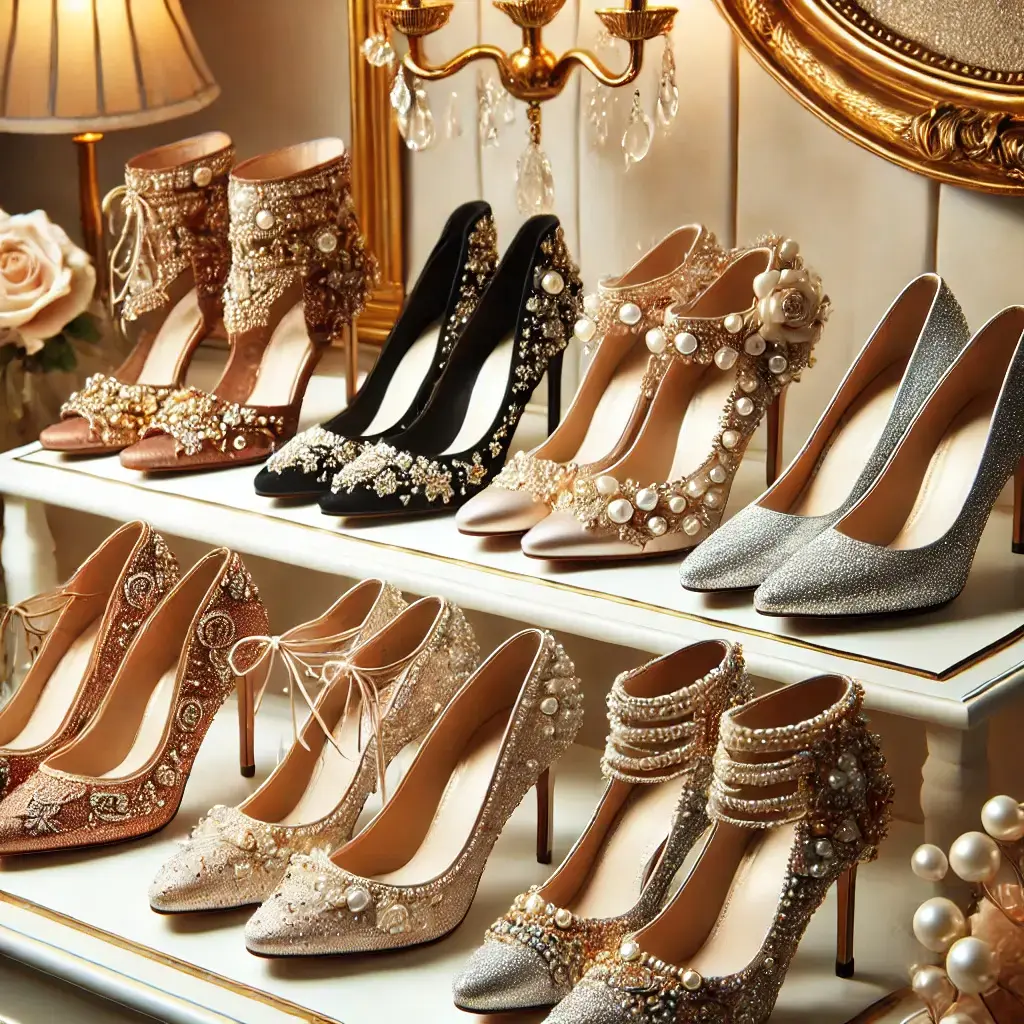
For a pear shape, the goal is to draw attention upward, so statement necklaces or eye-catching earrings are great choices. A higher neckline can be balanced with longer earrings. A bold necklace can add interest if your dress is simpler on the top. Be mindful of the shoe choice, heels can elongate your legs, making your silhouette appear more balanced.
Accessories for the apple shape should aim to elongate and create a sense of balance. Long necklaces can draw the eye down and elongate the torso. Dangling earrings can also add length and draw attention to your face. Choose shoes that provide a comfortable fit, especially if you have a fuller midsection, as comfort is key.
With an hourglass shape, you should highlight your waist. A thin belt can be a great addition to accentuate your waistline further. If your dress is lower cut, a delicate necklace can add sophistication. Earrings should complement the dress rather than compete, so choose something elegant but understated.
To add curves to a rectangle shape, choose accessories that add femininity and softness. Scarves, rounded necklaces, or layered bracelets can add visual interest. Belts, especially those worn at the waist, can create the illusion of curves. Shoes with a bit of a heel can give the appearance of more shapely legs.
For the inverted triangle, the focus should be on balancing the broader upper body. Accessories that draw attention to your lower body, like bright shoes or a statement skirt, can be effective. Opt for simpler tops to avoid adding volume to your upper body. A striking handbag or clutch can also help draw the eye downwards.
The goal with any accessory choice is balance: pieces that complement your dress and finish the look, not compete with it.
Before You Buy: Comfort, Budget, and Alterations
When you’re almost ready to make your dress selection, keep these final thoughts in mind.
No matter how beautiful a dress is, if you’re not comfortable in it, it won’t work. You should feel confident and at ease, able to move around without restrictions. This is especially important for events where you’ll sit, stand, or dance for long periods.
Consider the nature of the event you’re attending. A dress perfect for a formal evening gala might not suit a daytime garden wedding. Think about the event’s location, time, and expected dress code.
While finding a dress that suits your body type is great, it should also reflect your style. If you love bold prints, but the guide suggests solid colors for your body type, don’t be afraid to go with what you love. Your confidence in your style choice will shine through.
Be mindful of your budget. A gorgeous dress doesn’t have to break the bank. There are beautiful options at various price points. Sometimes, a less expensive dress with the right accessories can look just as good as a high-end gown.
Sometimes, the perfect dress needs a little tweaking to fit just right. Consider the possibility and cost of alterations when making your choice. A simple adjustment might make a good dress perfect for you.
Think about whether you can wear the dress again to different events. A versatile dress that can be styled differently for various occasions can be a great investment.
Finding Your Perfect Formal Dress
The fastest way to a formal dress that works is combining shape, styling, and fit: identify your body type, lean into the silhouettes and necklines that balance it, and let comfort and budget guide the final choice rather than trends alone.
Shape rules narrow the search, but fit decides the winner, and fit is easiest to judge in person. Visit an authorized Jovani retailer to try the styles for your shape with expert sizing help.
Body Type Dress Questions
How do I figure out my body type?
Measure your shoulders, bust, waist, and hips, then compare the numbers. Wider hips than shoulders point to a pear shape, a full midsection points to an apple, matching shoulders and hips with a defined waist mean an hourglass, even measurements throughout mean a rectangle, and wider shoulders mean an inverted triangle. An online body type calculator turns the same measurements into an answer in about two minutes.
What if I fall between two body types?
Most women combine two shapes, so start with the one that best explains where dresses pull, cling, or gap on you, then borrow ideas from the second. A pear and hourglass mix, for example, can follow hourglass advice through the bodice and pear advice through the skirt.
Can my body type change over time?
Yes. Bone structure stays the same, but weight shifts, muscle changes, and age can move where you carry volume, which changes how dresses fit at the waist, hips, and shoulders. Re-measure before any major dress purchase rather than relying on old numbers.
Which formal dress style flatters every body type?
The A-line gown is the closest thing to universal because it defines the narrowest point of the torso and flows past the hips without clinging. Fit through the bodice and fabric with structure matter more than any single style rule.
What should each body type avoid in a formal dress?
Pear shapes should avoid heavy volume at the hips, apple shapes should avoid clingy fabric at the midsection, hourglass figures should avoid shapeless cuts that hide the waist, rectangles should avoid straight columns with no waist detail, and inverted triangles should avoid puff sleeves and wide collars that add width up top.
Does height change which dress styles work for my shape?
Height changes length decisions, not shape decisions. A petite pear and a tall pear follow the same balance rules through the shoulders and hips, but the petite frame benefits from higher waistlines and floor skimming hems, while a taller frame can carry longer trains and dramatic skirts.