
Blog
Evening Dresses Styling Rules Every Woman Should Know

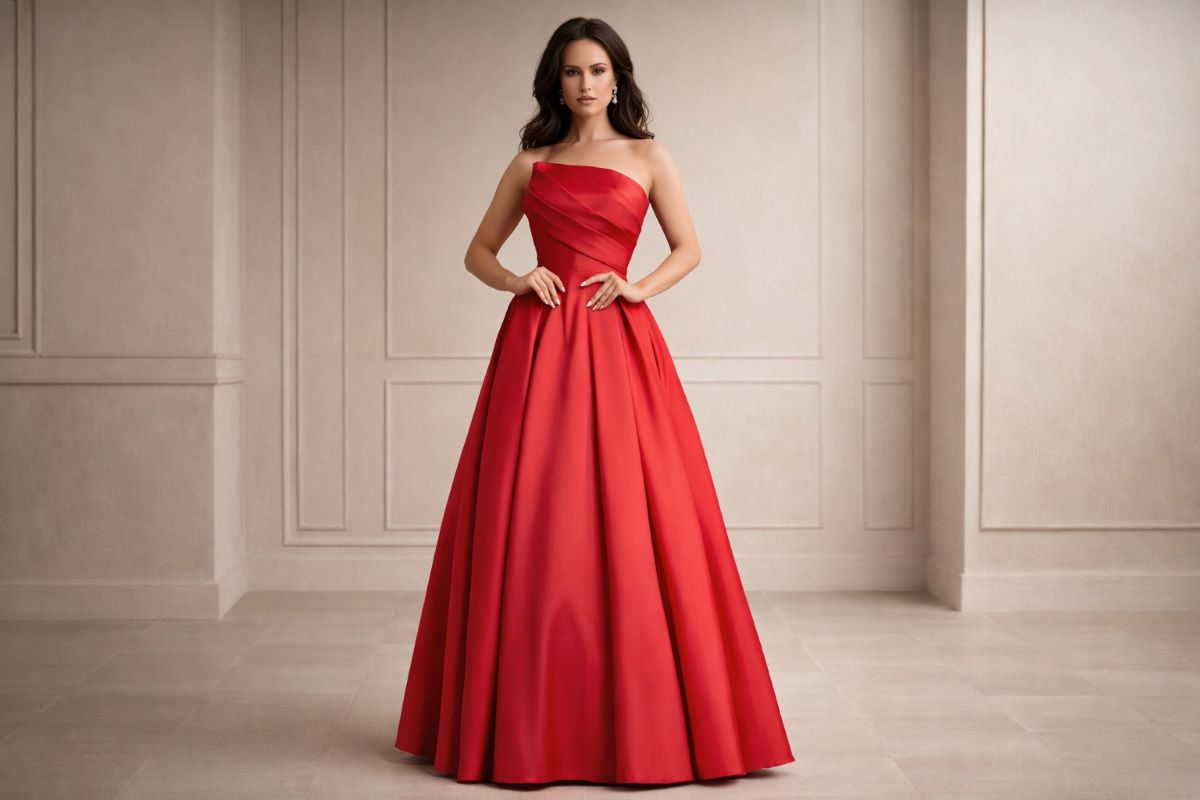
Evening Dresses Styling Rules are not optional details. They are the difference between a gown that looks impressive on a hanger and one that looks intentional on a woman. Evening wear follows a different logic than everyday fashion. It is slower, more deliberate, and far less forgiving. Understanding evening dress styling rules allows women to make confident choices instead of guessing their way through fit, fabric, and accessories.
This guide focuses on Evening Dresses Styling Rules Every Woman Should Know, with a clear purpose. It explains how to style evening dresses correctly, how to avoid common mistakes, and how thoughtful design makes styling easier. At Jovani, evening dress styling is never an afterthought. Each gown is designed so that proportion, structure, and fabric behavior work together before styling even begins.
Why Evening Dresses Styling Rules Matter
Evening Dresses Styling Rules exist because formalwear magnifies every decision. A small imbalance in fit, fabric, or accessories becomes obvious under lighting, movement, and close attention. Proper styling for evening dresses is not about following trends. It is about respecting the structure of the gown and the formality of the occasion.
Evening dress styling rules start with one principle. The dress should lead, and everything else should support it. When women ignore this, they end up fighting the gown instead of letting it do its job.
Start With Structure and Proportion
Evening dress fit and proportion are the foundation of all evening dress styling. A gown that fits correctly requires far less styling effort. This is why well-designed Evening Dresses and Evening Gowns rely on internal structure rather than surface decoration alone.
Long Evening Dresses create a strong vertical line that naturally elongates the body. Styling long evening dresses should reinforce this effect. Clean heels, controlled jewelry, and minimal interruption allow the silhouette to remain uninterrupted. When the structure is right, elegance feels effortless.
Midi Evening Dresses introduce a different challenge. Because the hemline breaks the leg line, evening dress styling rules demand more attention to balance. Shoes and posture become more important, and accessories must be chosen carefully to avoid visual heaviness.
Fabric Determines Styling Choices
Evening dress fabric and styling are inseparable. Fabric decides how light behaves, how movement is perceived, and how accessories interact with the gown.
Satin Formal Dresses reflect light and highlight form. Evening dress styling tips for satin always emphasize restraint. Clean jewelry and smooth hairstyles allow the fabric to speak for itself.
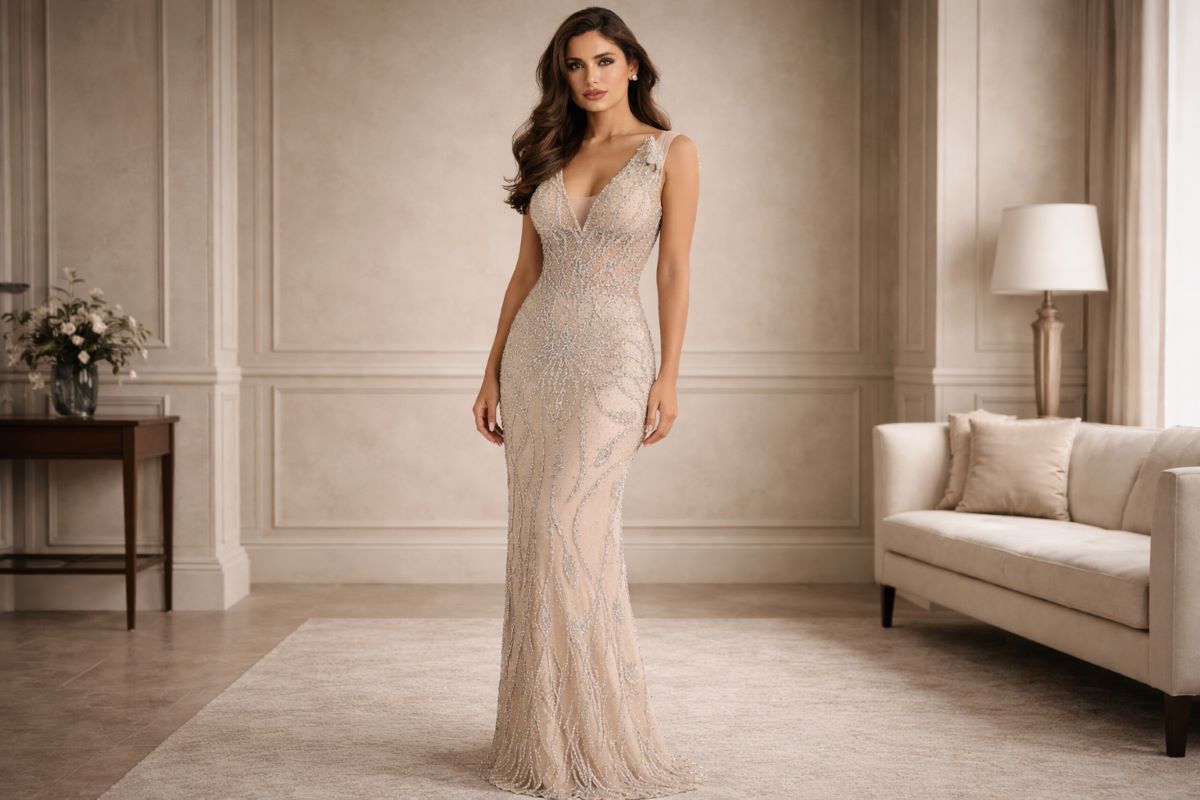
Beaded Evening Gowns already carry visual complexity. Evening dress styling rules here focus on reduction rather than addition. Jewelry for evening dresses should be subtle, and shoes should fade into the overall look rather than compete with the embellishment.
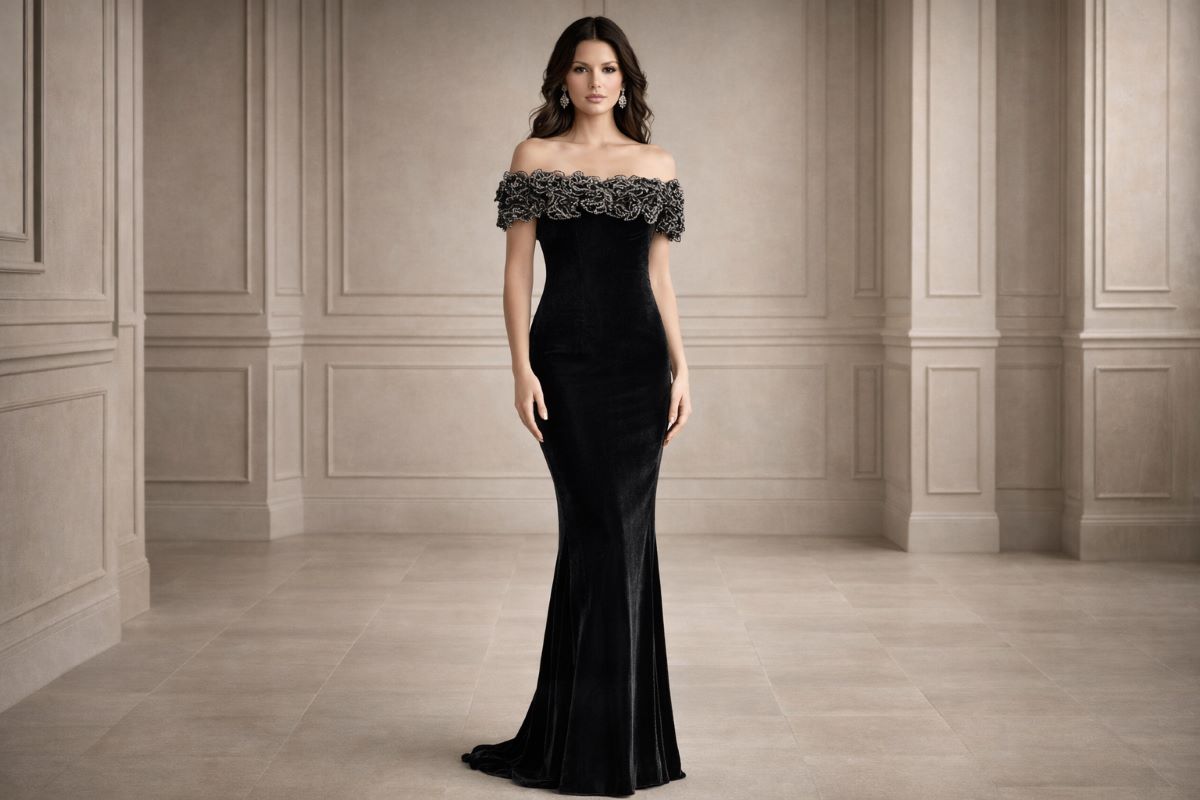
Velvet, silk, lace, and brocade all require different approaches. Velvet absorbs light and pairs best with refined metallic accents. Silk benefits from fluid styling that mirrors its drape. Lace and brocade rely on texture, which means accessories must stay secondary.
Choose Silhouettes That Support the Body
Evening dress styling by body type is not about hiding. It is about directing attention with intention. A Line Evening Dresses remain popular because they create balance across many body types. Evening dress styling rules for this silhouette emphasize centered accessories and controlled proportions.
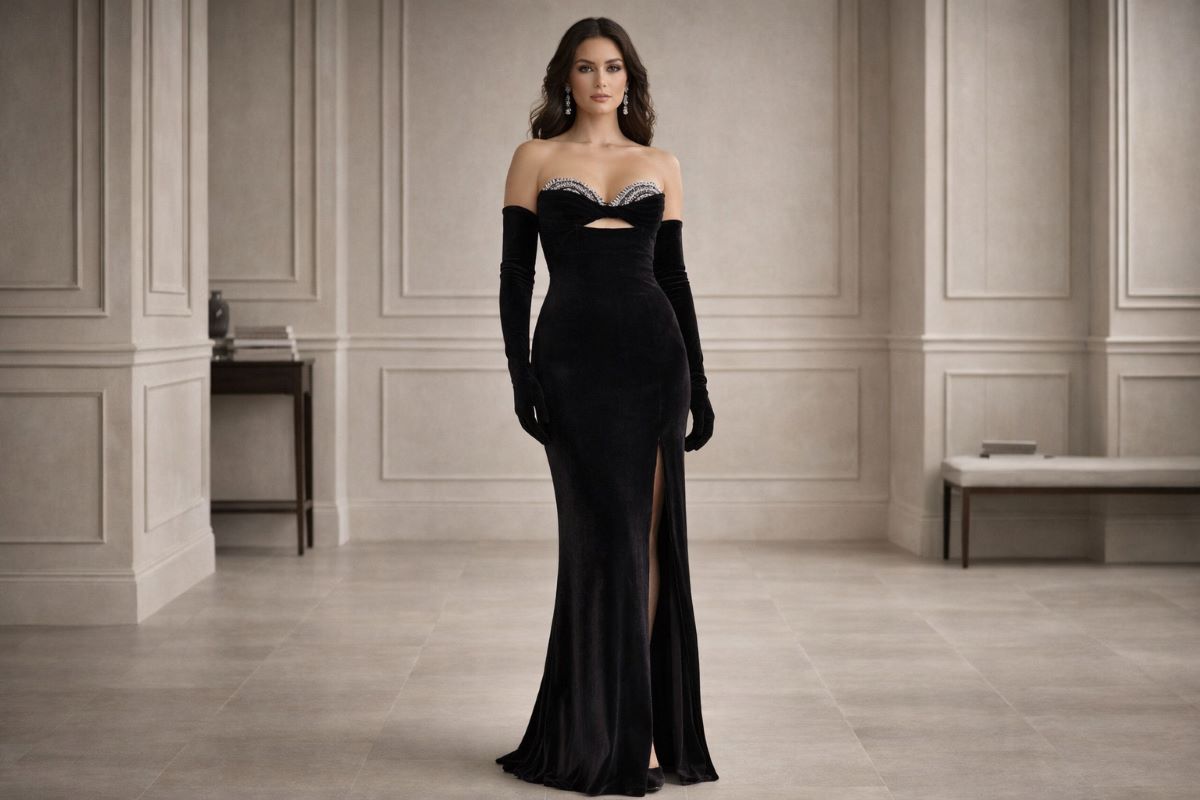
Mermaid Formal Gowns demand precision. Because the silhouette is fitted through the torso and hips, even small styling mistakes become obvious. Shoes to wear with evening dresses in this category should feel integrated, not decorative. Plus Size Evening Dresses benefit from thoughtful construction and fabric choice. Evening dress styling rules here prioritize comfort, support, and proportion. When the gown fits correctly, styling becomes about refinement rather than correction.
Necklines Set the Styling Direction
Necklines quietly control how the entire look behaves. V neck evening gowns elongate the upper body and often require minimal jewelry. High neck designs shift focus upward, making earrings and hairstyles more important.
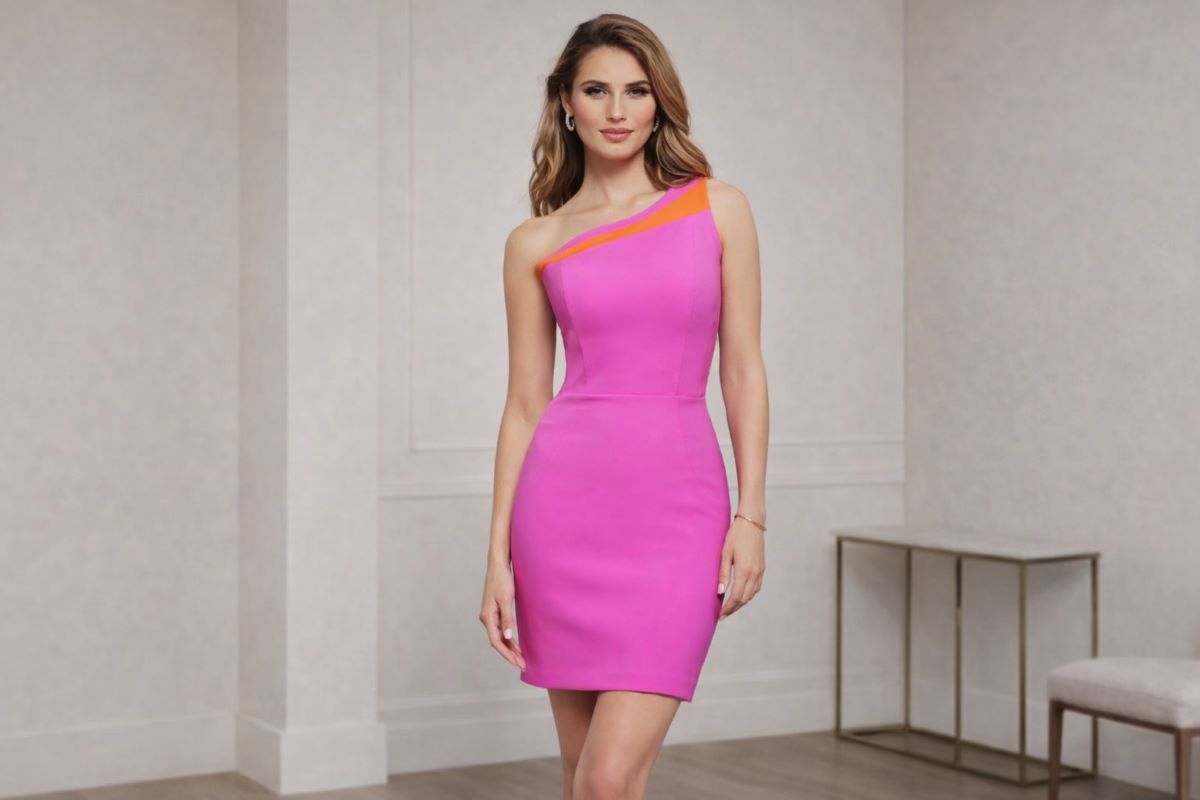
Off shoulder and one shoulder designs introduce asymmetry. Evening dress styling rules recommend restoring balance through intentional accessory placement rather than excess.
Sleeves, Coverage, and Elegance
Sleeves change the styling equation. Long sleeve evening gowns already provide visual weight, so evening dress accessories should remain light and refined. Heavy bracelets or layered necklaces often disrupt the balance.
Covered Formal Dresses offer elegance through structure rather than exposure. Styling modest evening dresses relies on clean lines, fabric quality, and thoughtful tailoring. Modest Evening Dresses succeed when styling feels purposeful instead of compensatory.
Accessories Complete the Look
Evening dress accessories should never overpower the gown. Shoes to wear with evening dresses must match the formality and structure of the dress. A heavily embellished gown needs simple footwear, while a clean silhouette allows more freedom.
Jewelry for evening dresses follows the same logic. One focal point is enough. Multiple statement pieces dilute the overall effect.
Outerwear for evening dresses is often ignored, yet it plays a critical role. A refined wrap, tailored coat, or structured cape can elevate the entire look rather than conceal it.
Hair and Makeup Should Match the Dress
Hairstyles for evening dresses must align with the gown’s structure. Structured dresses pair well with controlled hairstyles, while softer designs allow movement and texture. Makeup should support the mood of the dress, never compete with it.
Avoid Common Styling Mistakes
Styling mistakes with evening dresses usually come down to excess or inconsistency. Over-accessorizing, mixing casual elements with formal gowns, or ignoring comfort undermines even the most beautiful dress.
What not to wear with evening dresses often includes oversized bags, casual shoes, or jewelry that distracts from the gown’s design. Confidence comes from cohesion, not accumulation.
Why Design Quality Simplifies Styling
Formal dress styling rules work best when the gown itself is designed correctly. This is where Jovani consistently stands out. Each gown is built with attention to structure, fabric behavior, and proportion, making elegant evening dress styling feel natural rather than forced. When a dress is engineered properly, women can focus on refinement instead of problem-solving.
To see how these Evening Gowns Styling Rules translate into real designs, explore the full Jovani evening dress collection available through authorized boutiques across the United States.