
Showing 37–72 of 82 results
Little White Dresses
The bride shopping this page has already chosen her wedding gown. She is now building the rest of her bridal wardrobe around the wedding weekend, and she needs multiple white dresses for multiple occasions across several days. The top content needs to speak to that reality immediately.
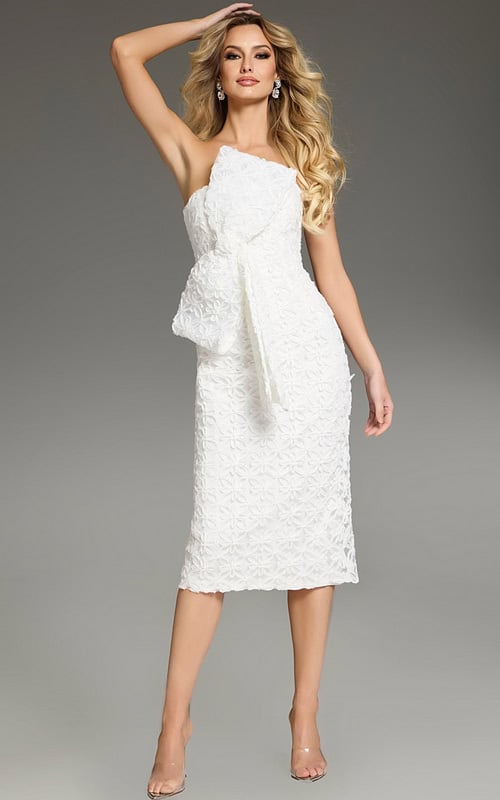
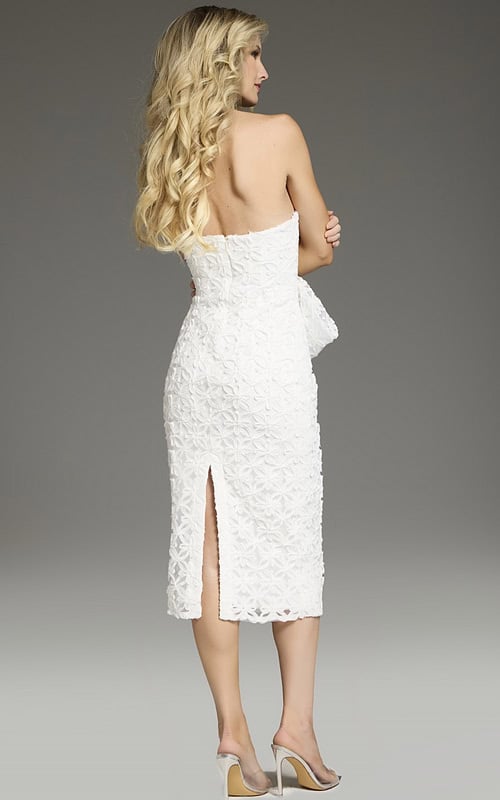
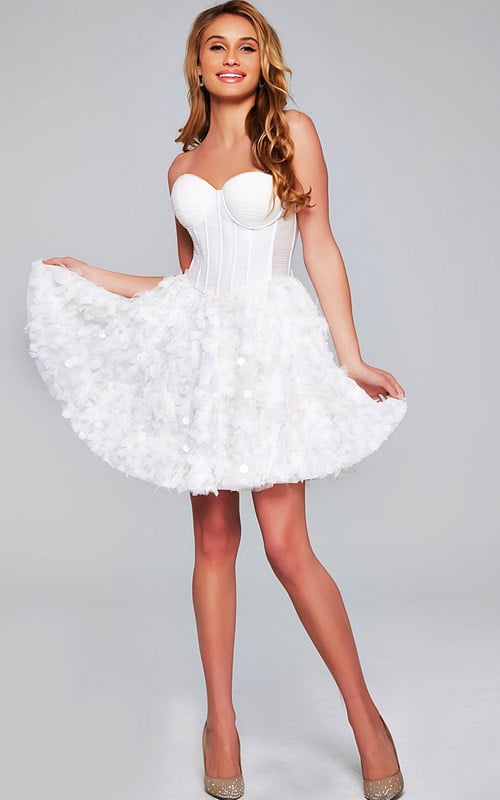
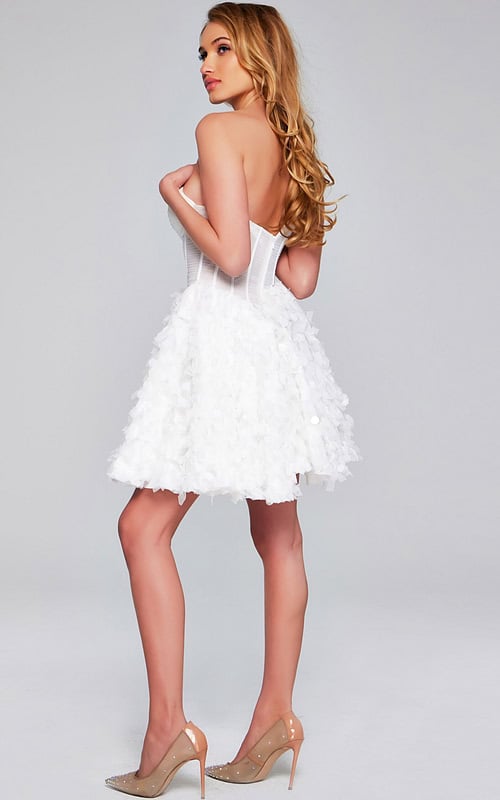
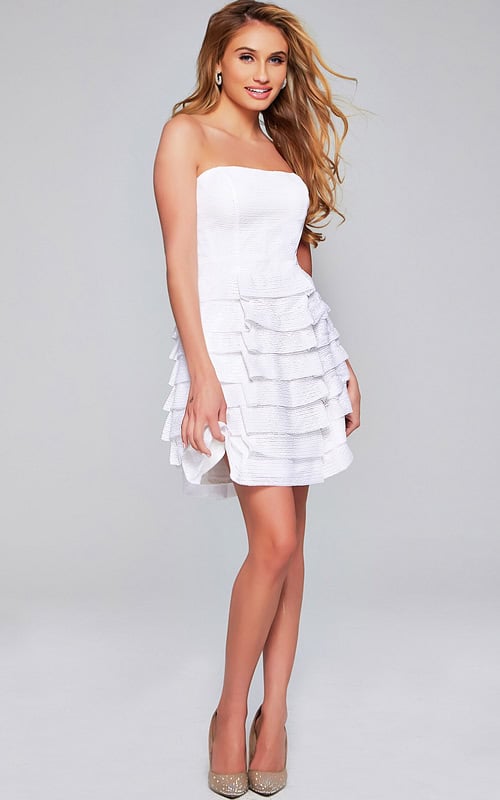
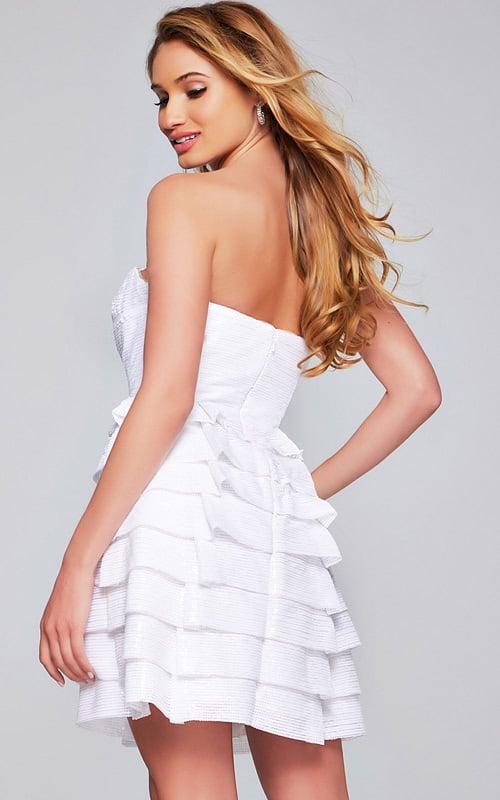
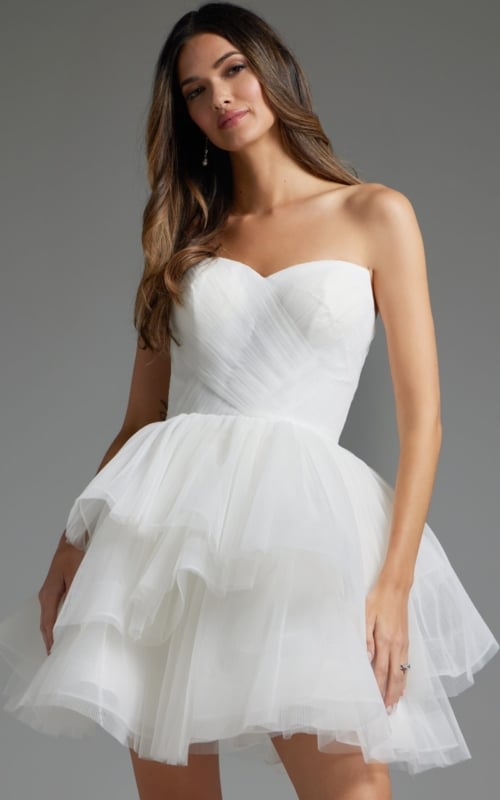
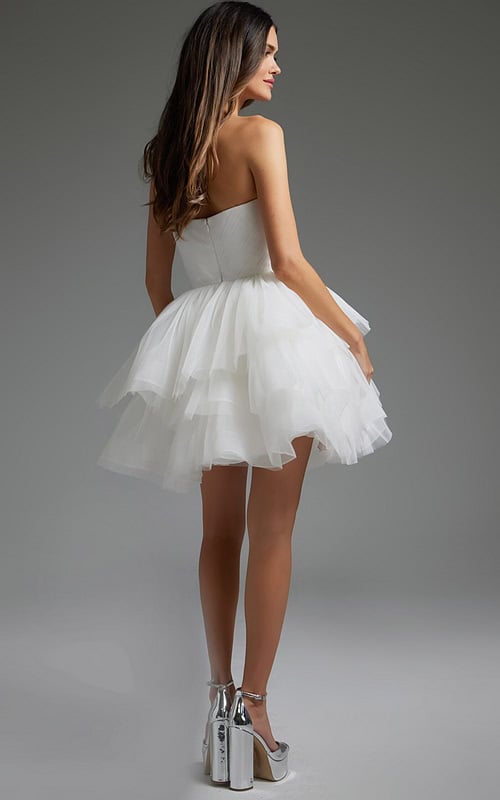




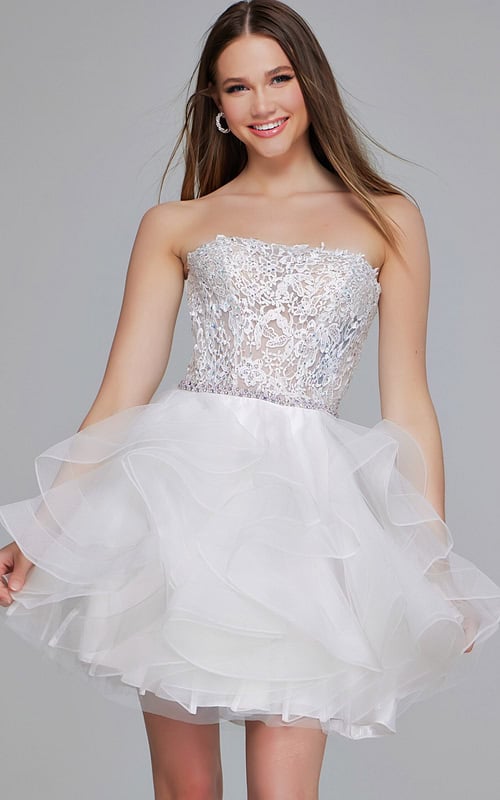
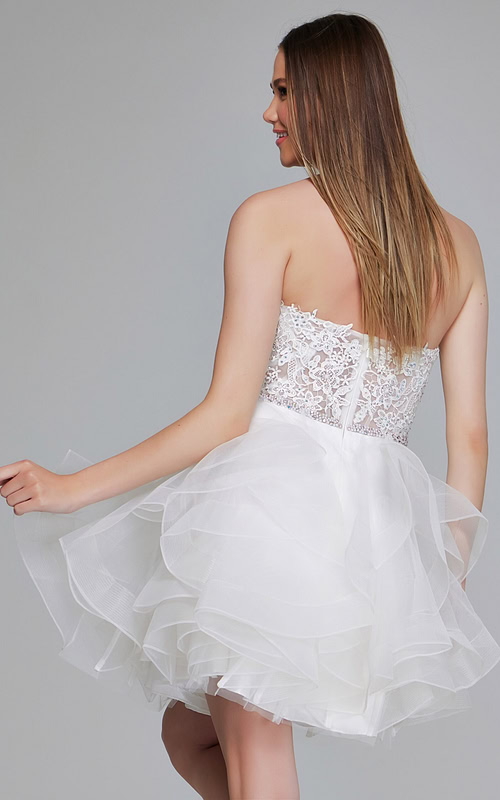
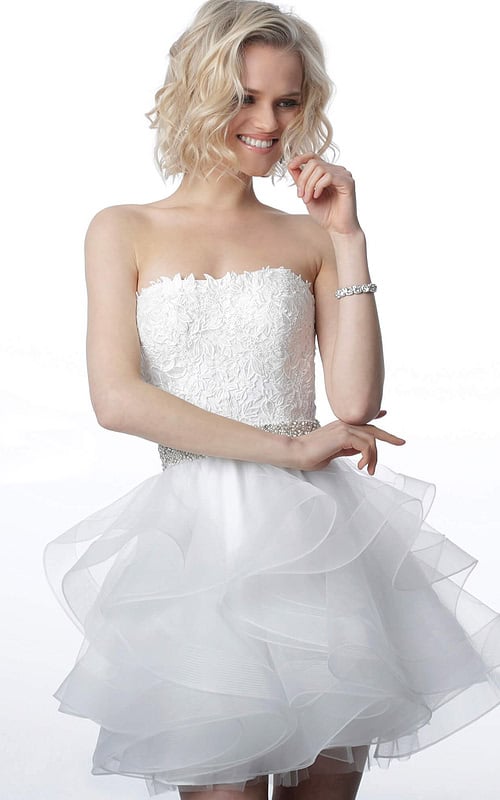
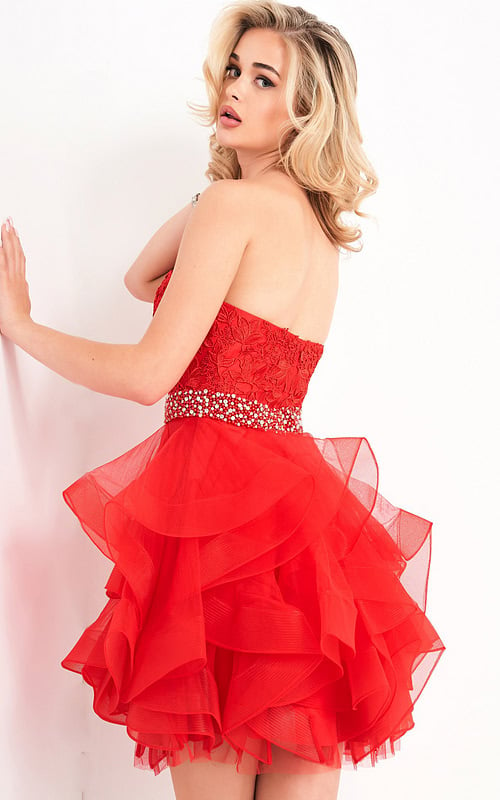
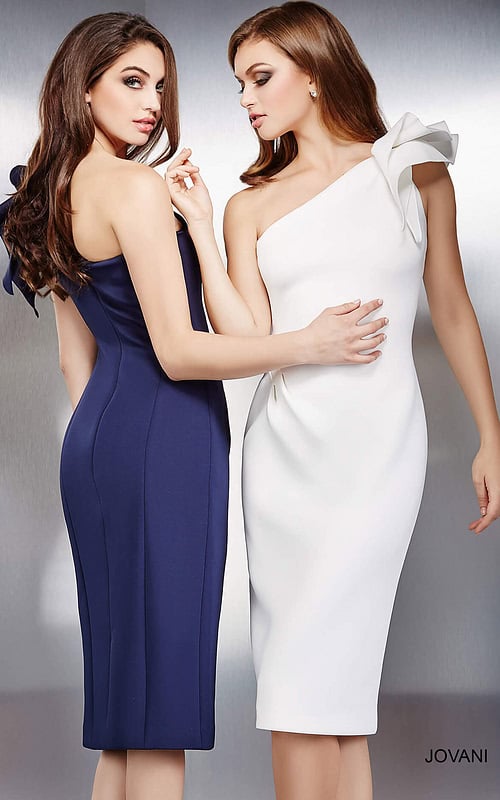
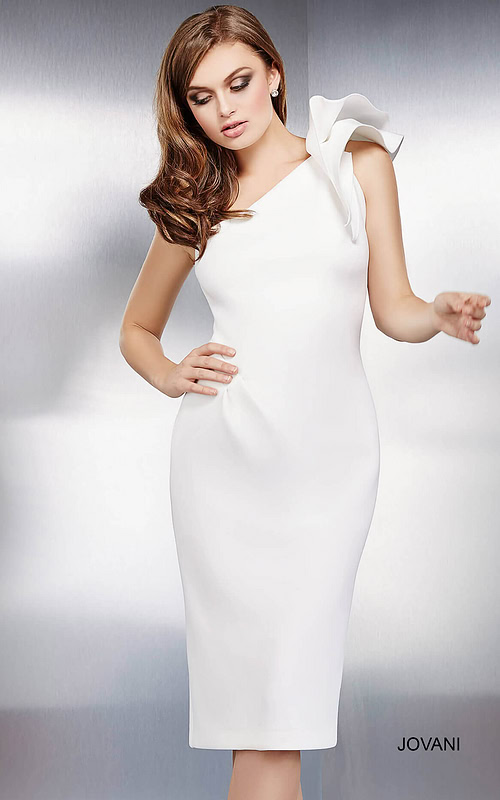
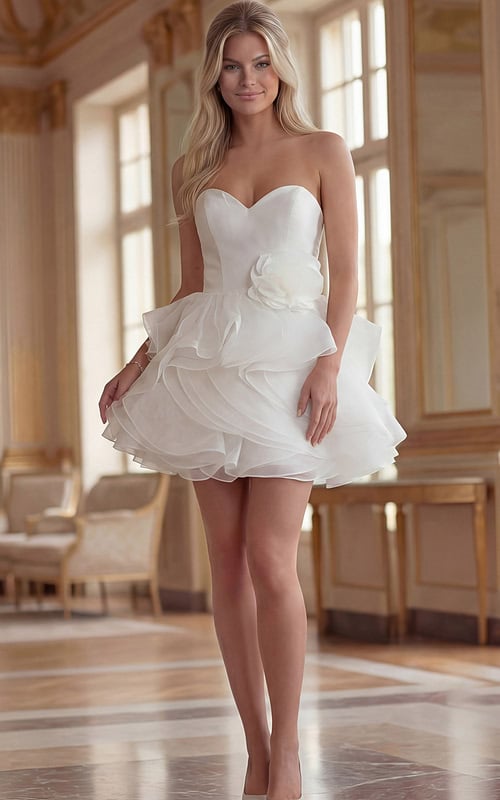
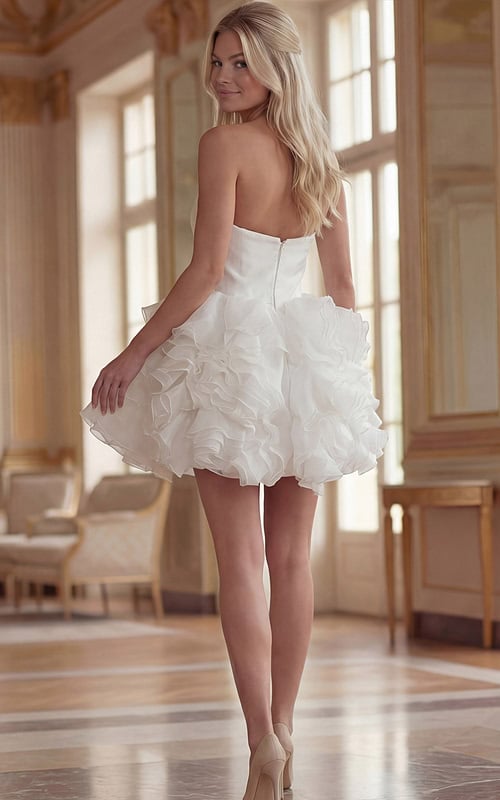
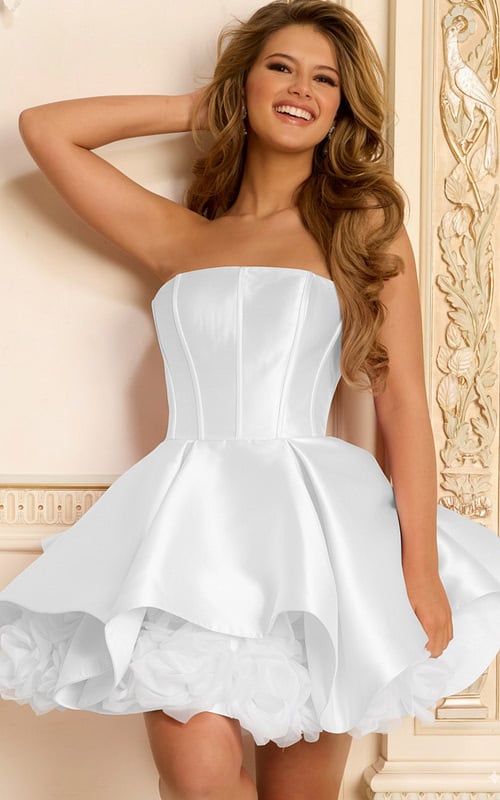

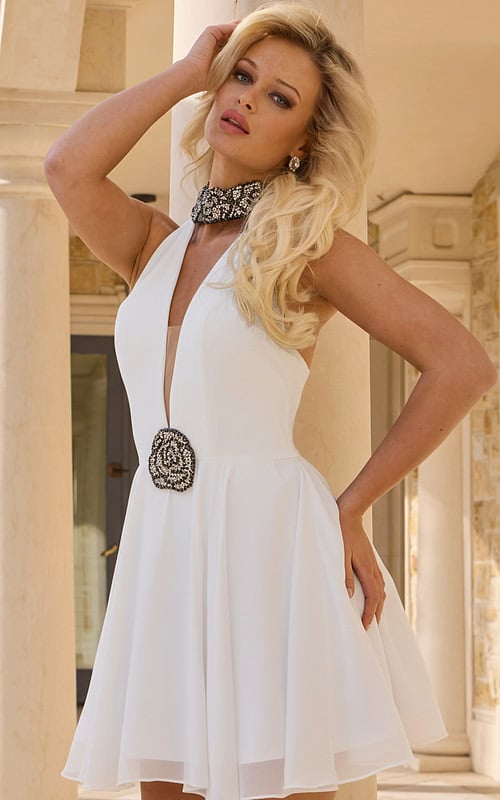
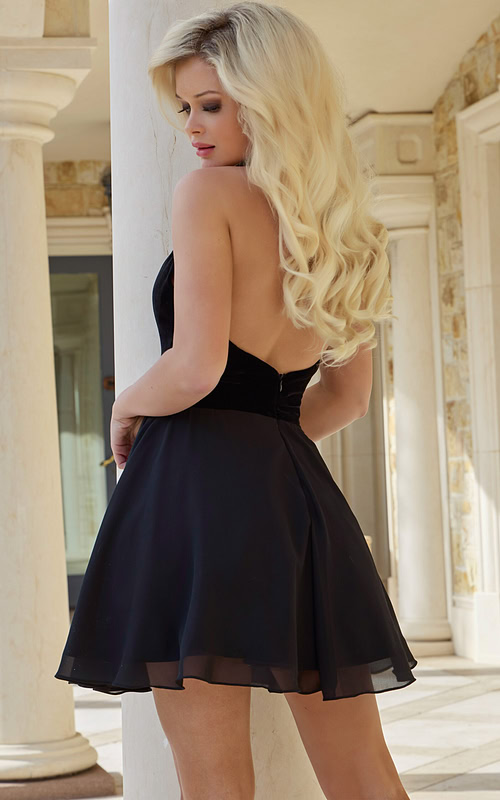
The Modern Bride’s Occasion Calendar
The idea that a bride needs one dress for her wedding and nothing else stopped reflecting reality at least a decade ago. A modern wedding weekend involves a series of distinct occasions, each with its own guest list, its own venue, its own energy, and its own expectation of how the bride should look. Mapping those occasions out before shopping makes the entire process more efficient and ensures that the bride arrives at each moment of her weekend feeling as considered and intentional as she does on the day itself.
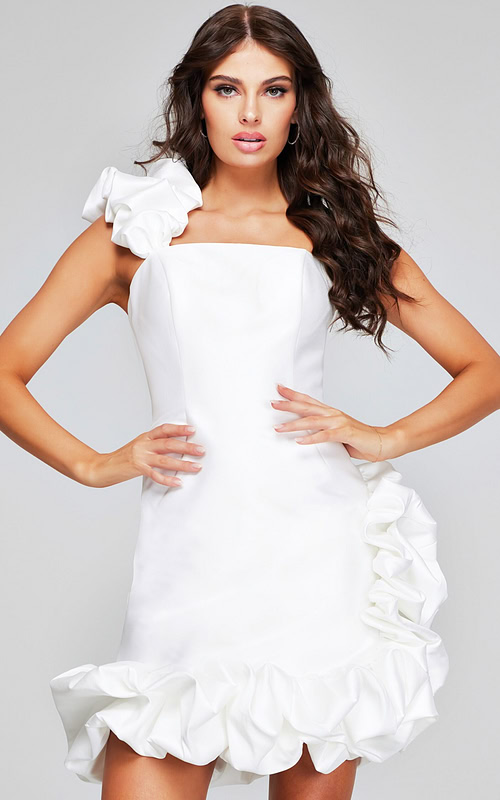
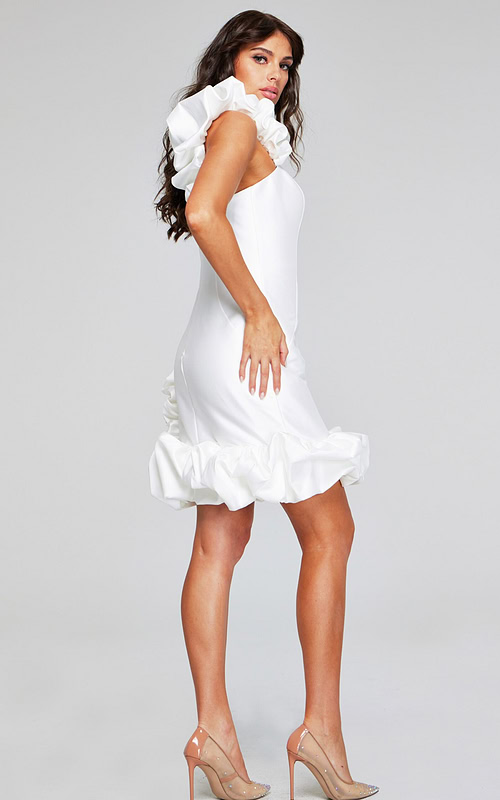
The engagement party is often the first occasion that calls for a white dress, and it sets the visual tone for everything that follows. This is a celebratory occasion rather than a formal one, and the dress should reflect that energy. A short, festive style in a quality fabric that signals celebration without the weight of bridal formality works best here.
The bridal shower is typically a daytime occasion with a mixed guest list of family and friends across multiple generations. The dress needs to be appropriate for a daytime setting, polished enough to honor the occasion, and personal enough to feel like the bride rather than a generic celebration outfit. Short styles in embellished or printed fabrics, midi lengths for more formal shower settings, and dresses with details that feel distinctly bridal without being costume-like all work well here.
The bachelorette celebration has the most relaxed dress code of any bridal occasion and the most freedom for personal expression. This is where the bride can choose the shortest, most embellished, most fashion-forward style in the collection without any of the considerations that apply to more formally observed occasions. The bachelorette dress is purely about how the bride wants to feel on a night that belongs entirely to her.
The rehearsal dinner is the most formally observed pre-wedding occasion and the one where the dress needs to carry the most weight. The guest list typically includes both families, close friends, and in many cases people who have traveled specifically for the wedding weekend. The dress should feel genuinely special and occasion-appropriate without competing with the wedding gown the guests are anticipating for the following day.
The reception change and the after party are the occasions most brides underplan for and most frequently regret not having a specific dress for. A bride who changes into a short white dress for the reception dancing portion of her wedding has a completely different physical experience of that part of her evening than one who remains in her gown. The after party dress is the one occasion where comfort and personal style can take full priority over formality.
Choosing the Right Style for Each Occasion
Understanding that different bridal occasions call for different dress energies is the insight that separates a bride who feels exactly right at every moment of her wedding weekend from one who feels slightly off at some of them despite having planned carefully.
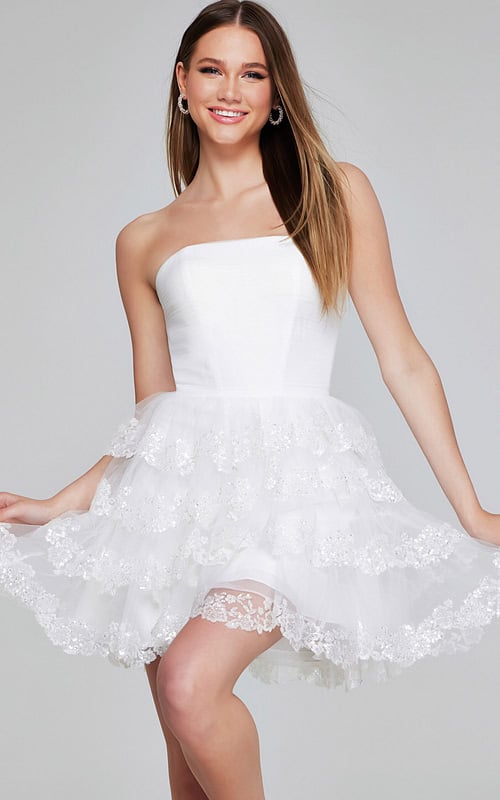
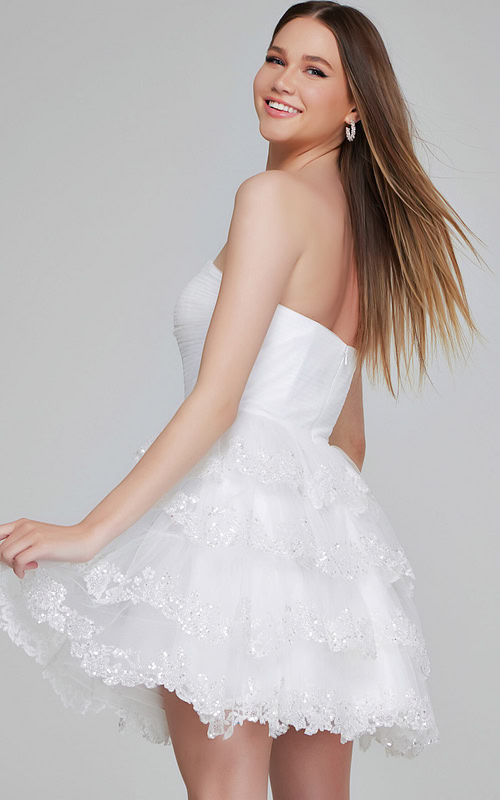
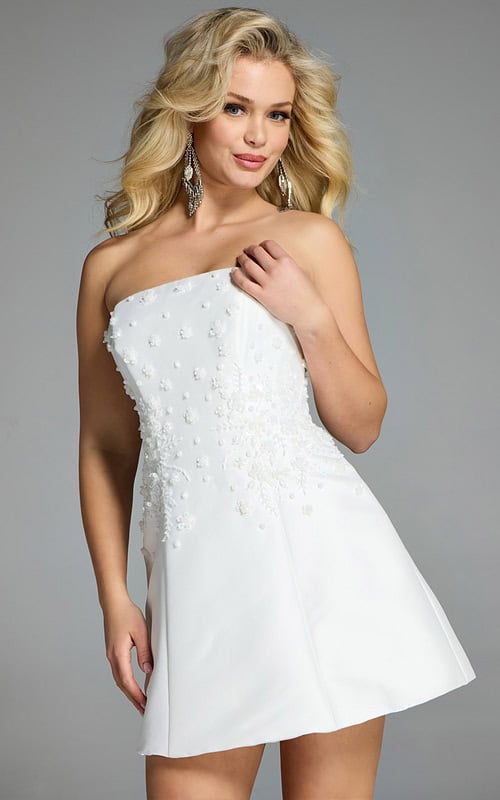
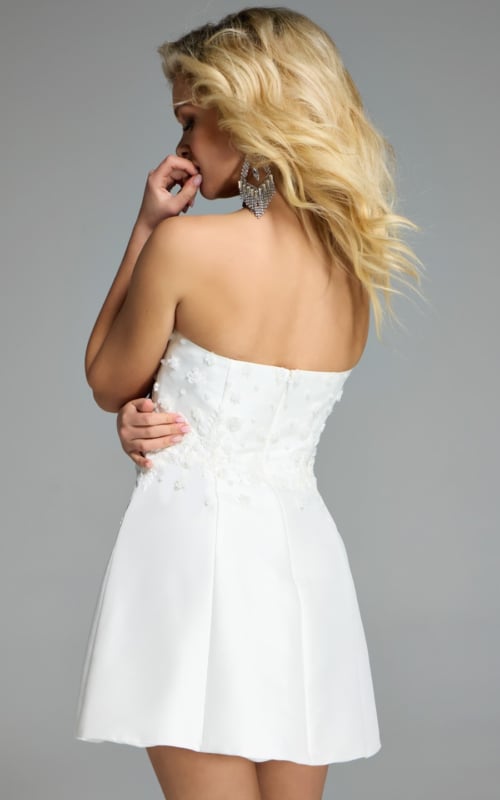
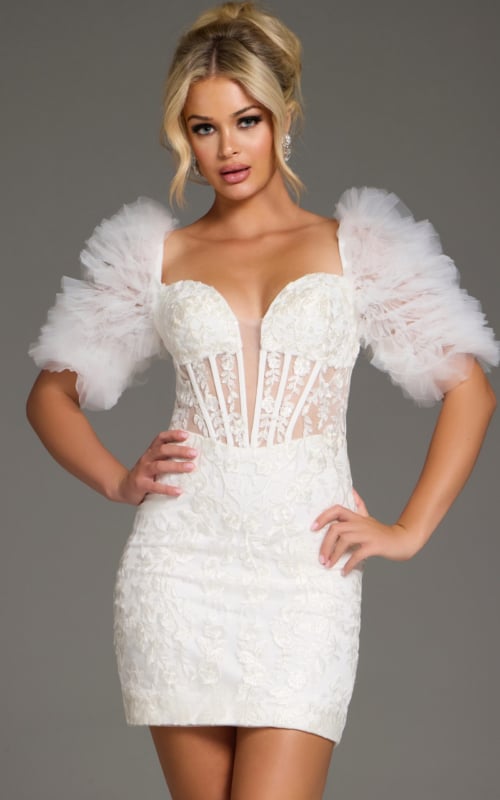
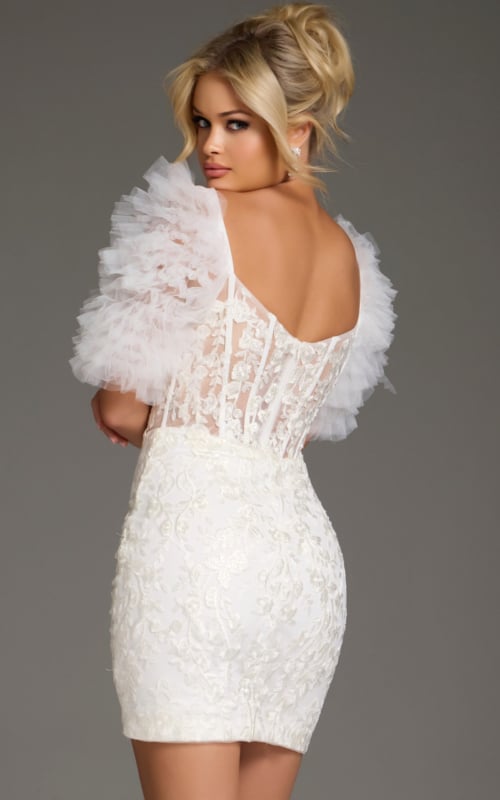
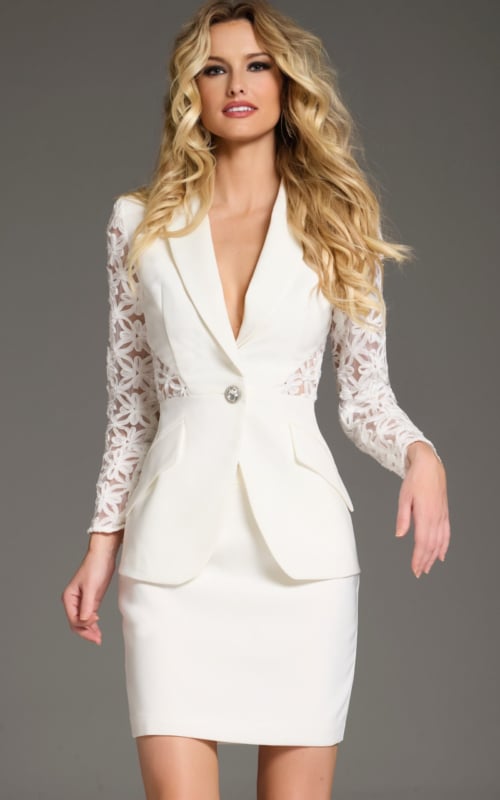
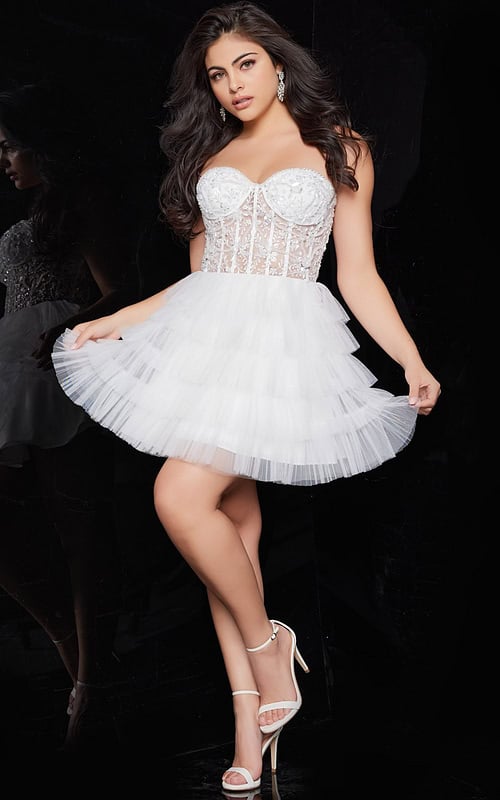
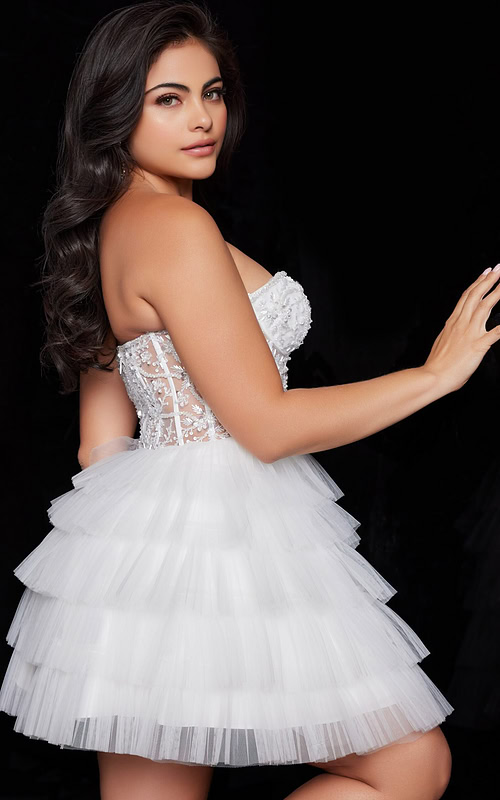
The bridal shower calls for a dress that reads as genuinely bridal without being overdressed for a daytime occasion. Soft embellishment, feminine details like lace overlay or delicate beading, and silhouettes that feel considered and polished rather than festive and bold all work well. A fit and flare style in a quality fabric with subtle embellishment is the most reliable choice for a traditional bridal shower setting. A cleaner, more minimalist style works better for a modern, fashion-forward shower where the aesthetic is more editorial than traditional.
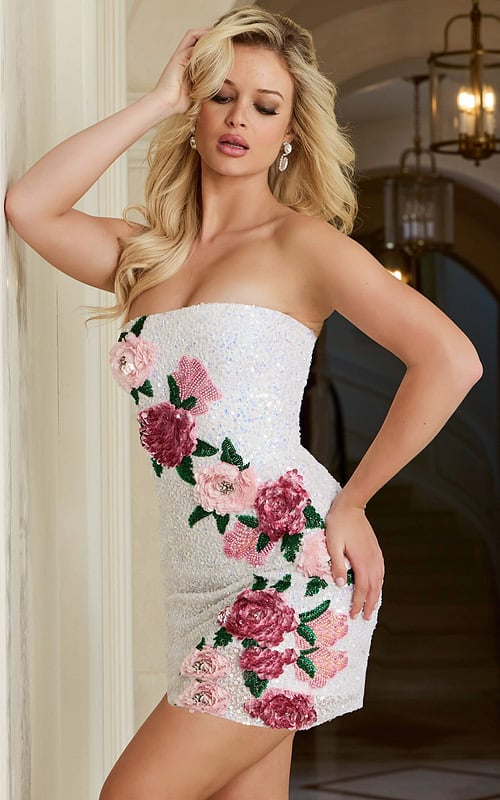
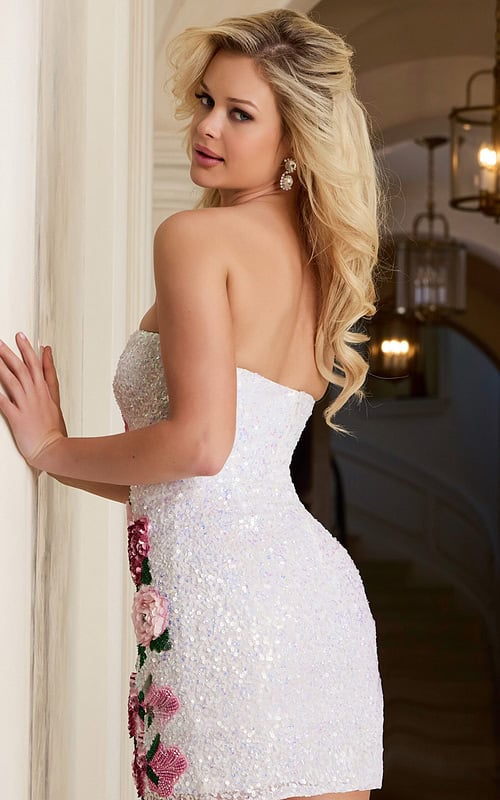
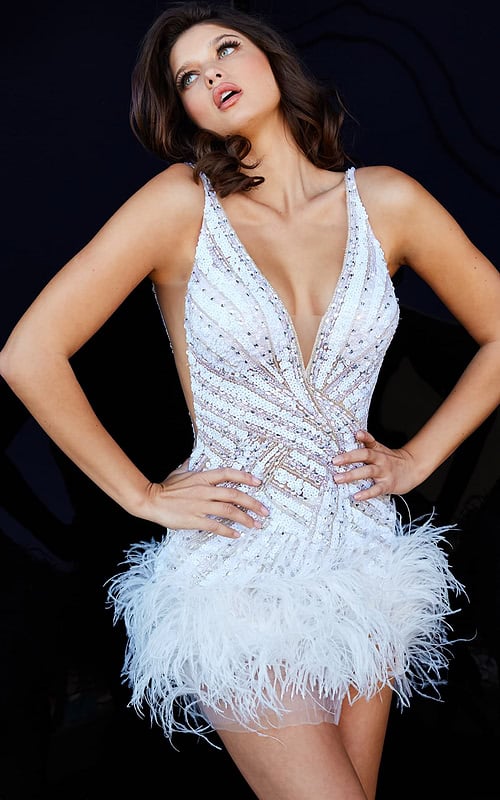
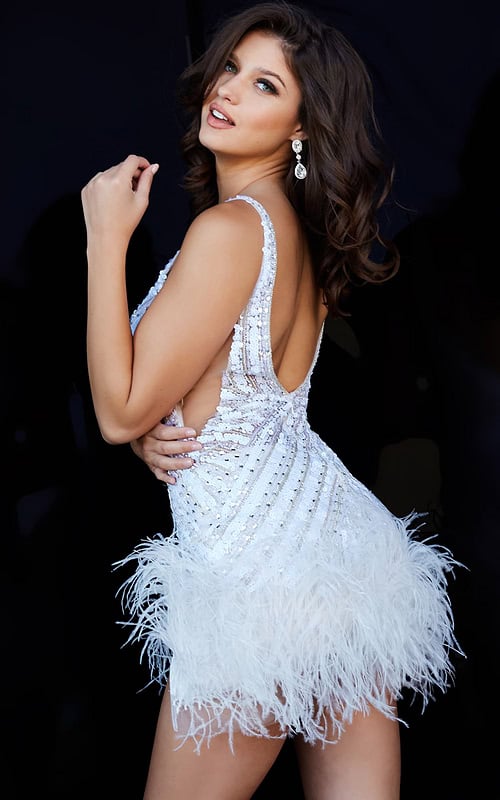
The bachelorette dress can be the most personally expressive choice in the bridal wardrobe. Mini styles, bodycon silhouettes, heavily sequined or embellished designs, and bold structural details all work at a bachelorette where the priority is how the bride feels rather than how the occasion reads to outside observers. This is the one occasion where the bride shops entirely for herself without any consideration of venue appropriateness or generational guest expectations.
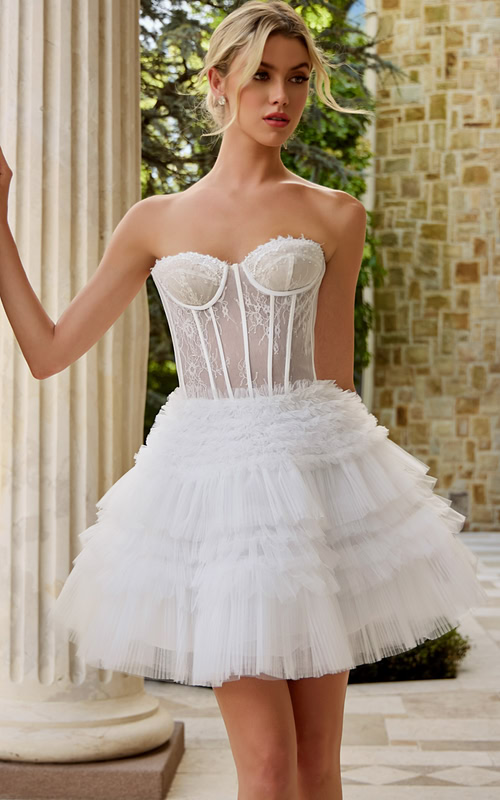
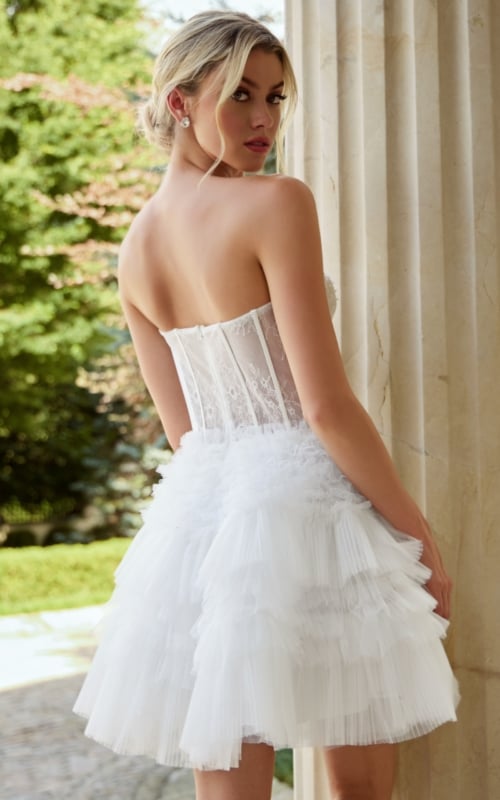
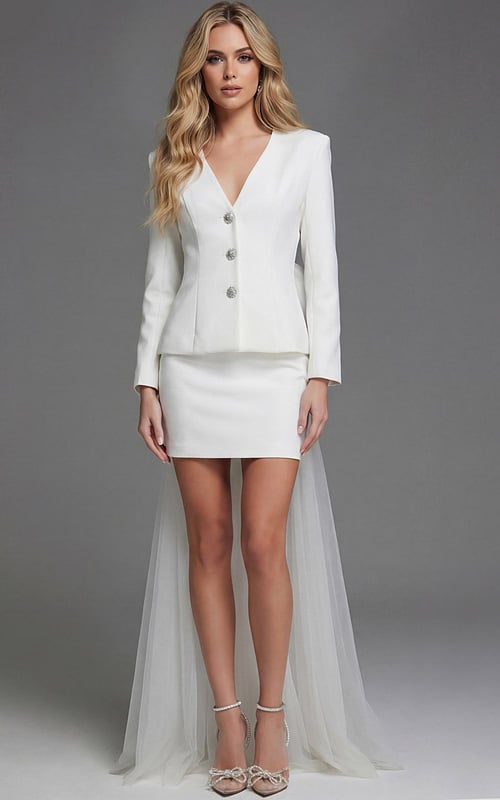
The rehearsal dinner dress occupies the most important position in the pre-wedding bridal wardrobe because it is the occasion where the most significant people in the bride’s life see her for the first time in the wedding weekend context. A dress that feels genuinely special, that has real design intention, and that strikes the balance between celebration and the anticipation of the following day is what this occasion requires. Structured styles with quality embellishment, clean silhouettes in exceptional fabrics, and dresses with details that feel meaningful rather than decorative all serve the rehearsal dinner well.
The reception change dress is the most practical purchase in the bridal wardrobe and the one that most directly affects how the bride experiences her own wedding. A short, comfortable style that allows full movement on the dance floor, that does not require the physical management of a gown, and that still reads as bridal and intentional rather than casual is the target. This is not the occasion for the most elaborate style in the collection. It is the occasion for the style that makes the bride feel completely free.
Little White Dress Styles in the 2026 Collection
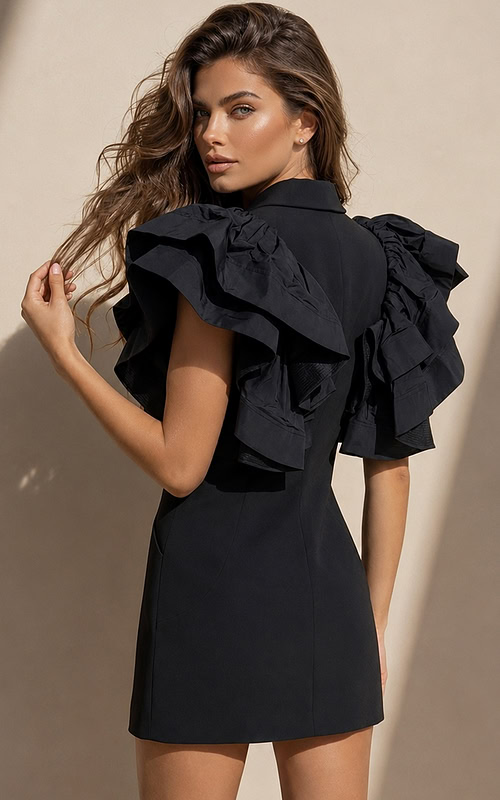
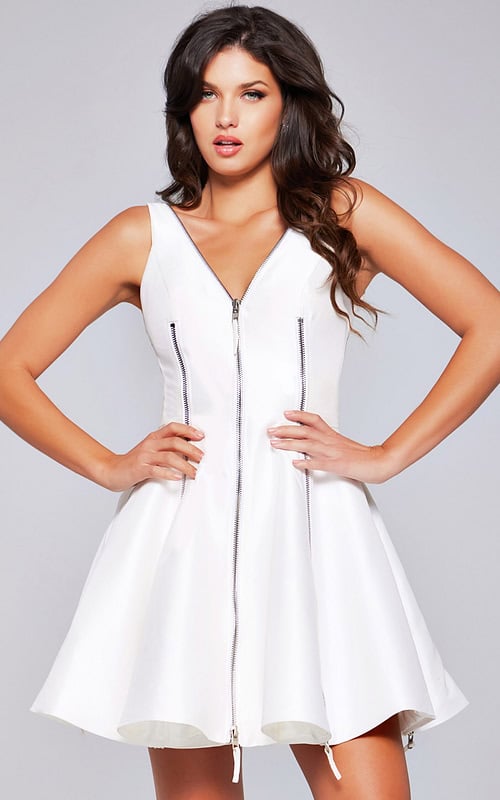
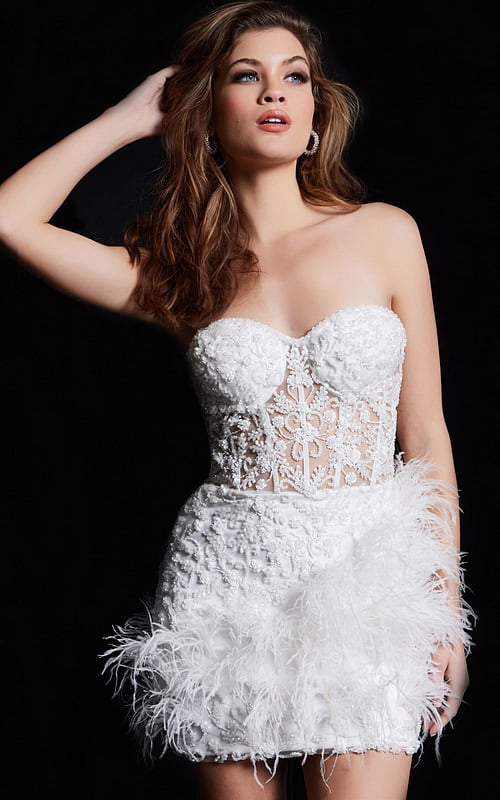
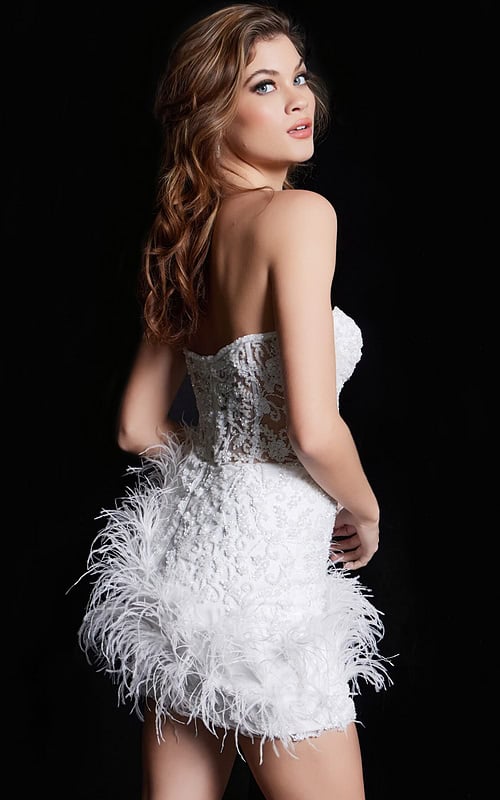
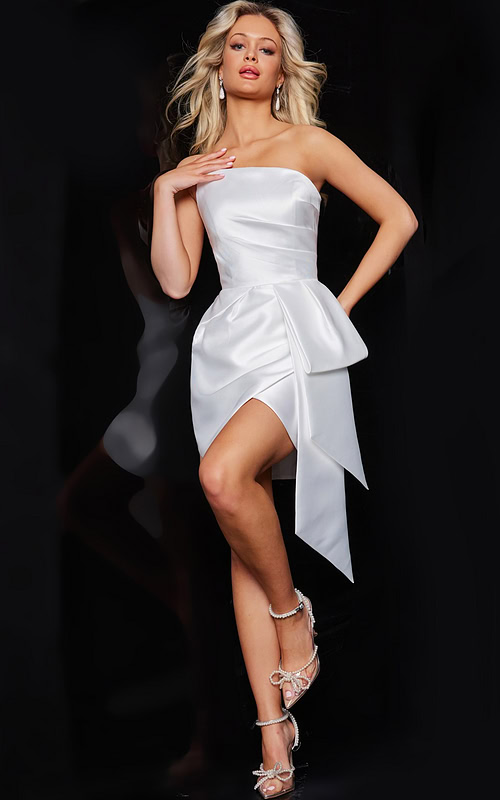
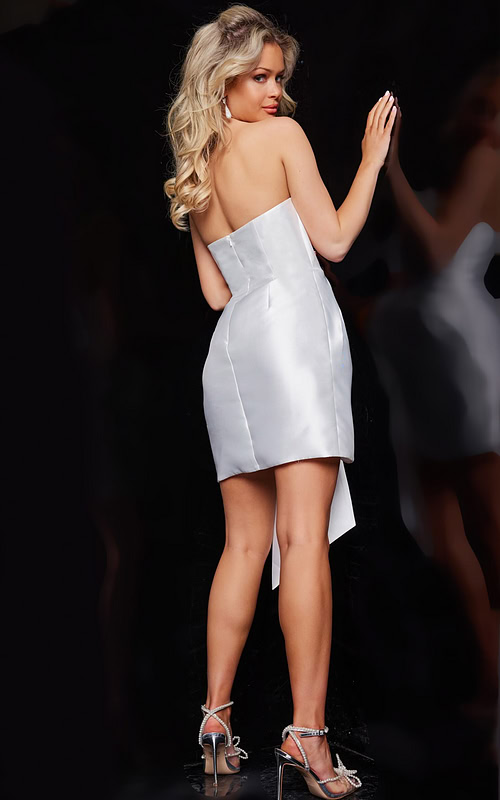
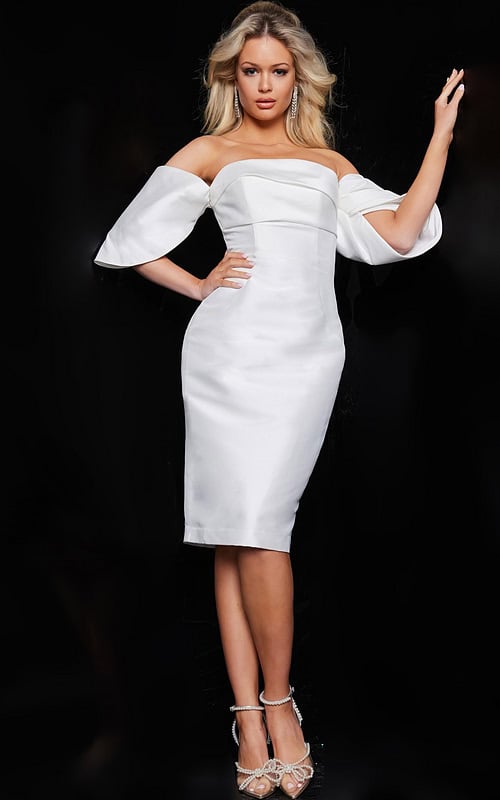
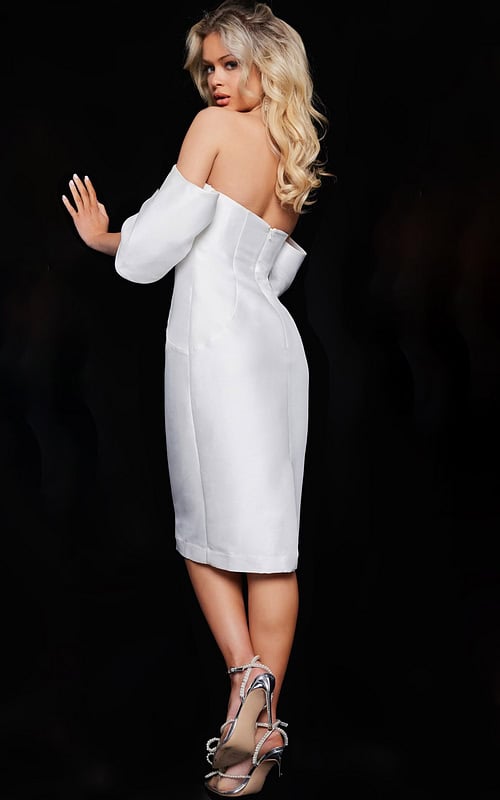
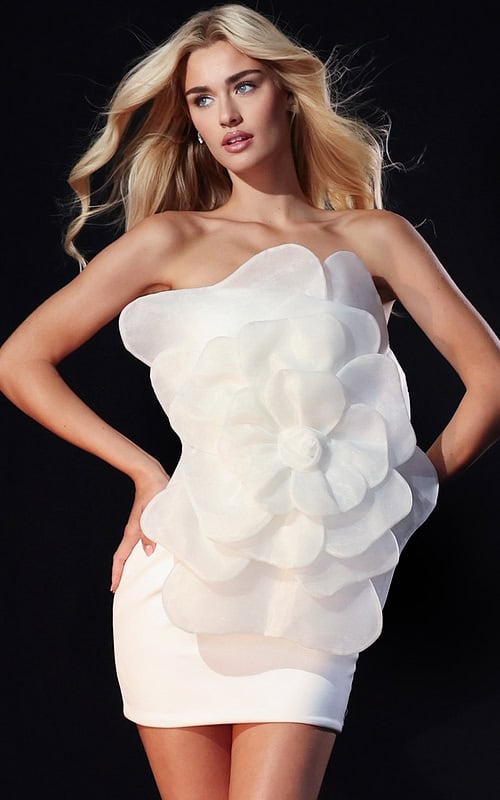
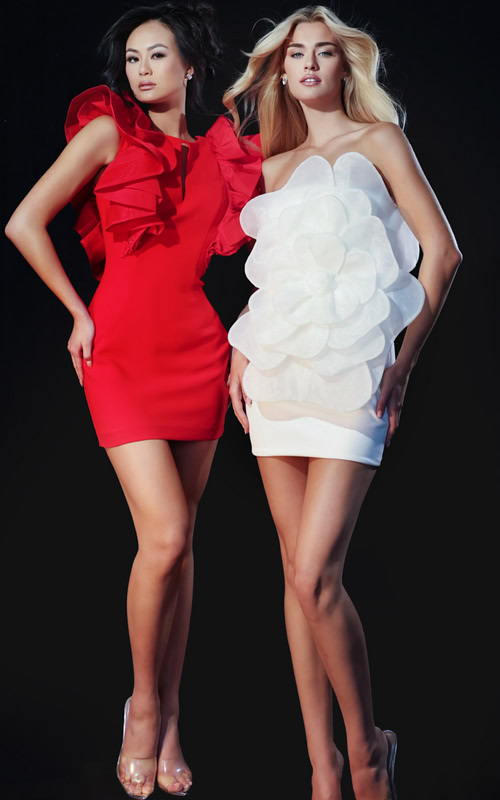
The 76 styles in the Jovani little white dress collection cover a range of silhouettes, embellishment levels, and design directions that serve the full breadth of bridal occasion dressing. Understanding what each style direction does makes the selection process considerably more efficient than browsing through the full collection without a framework.
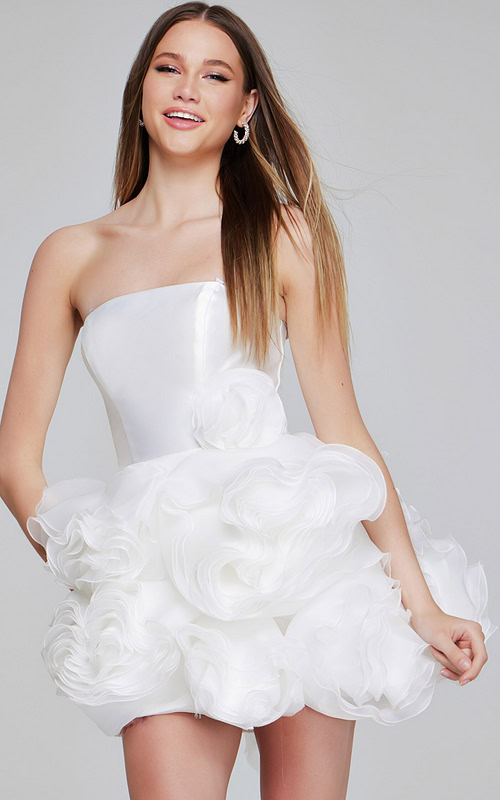
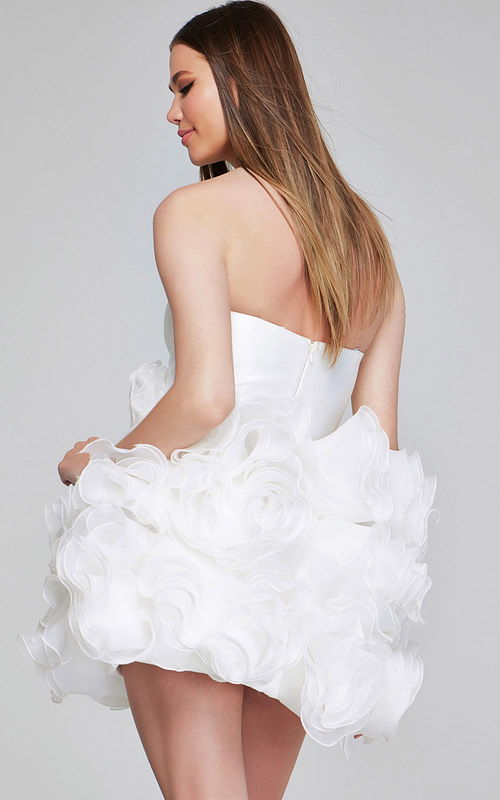
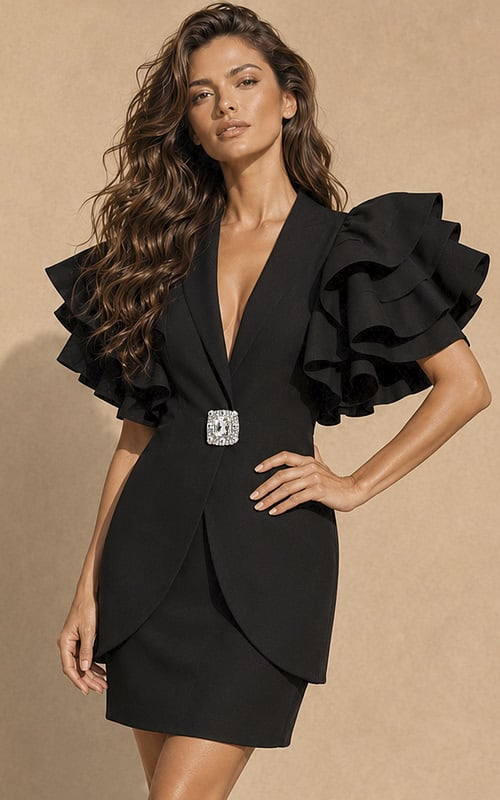
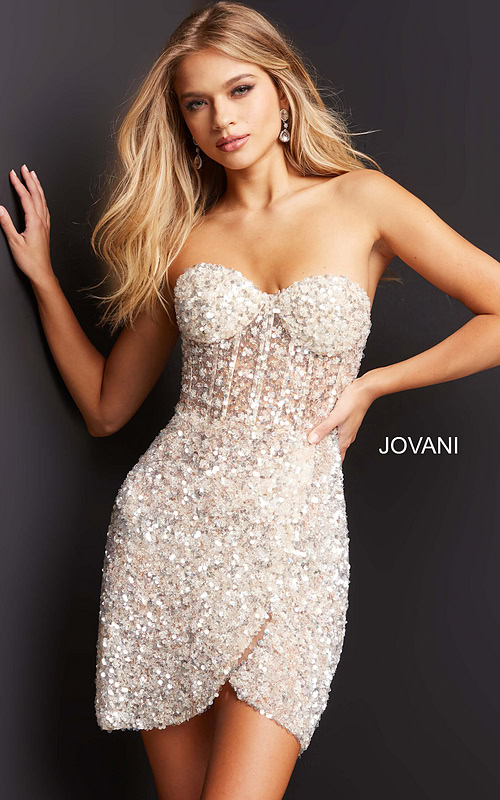
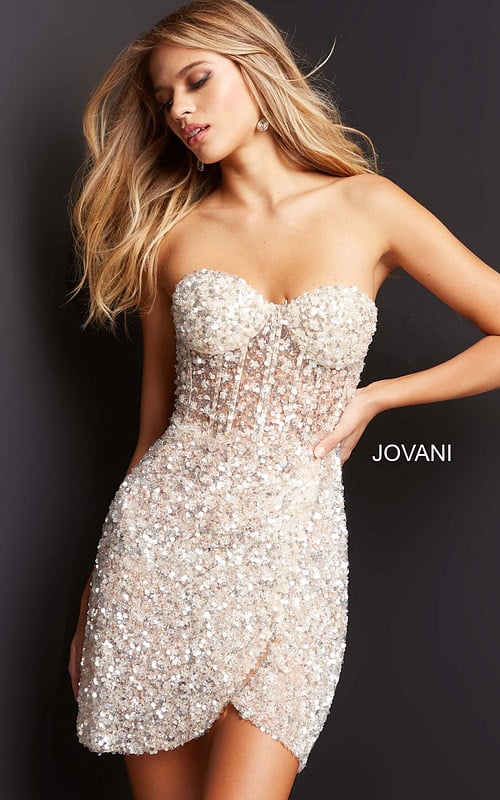
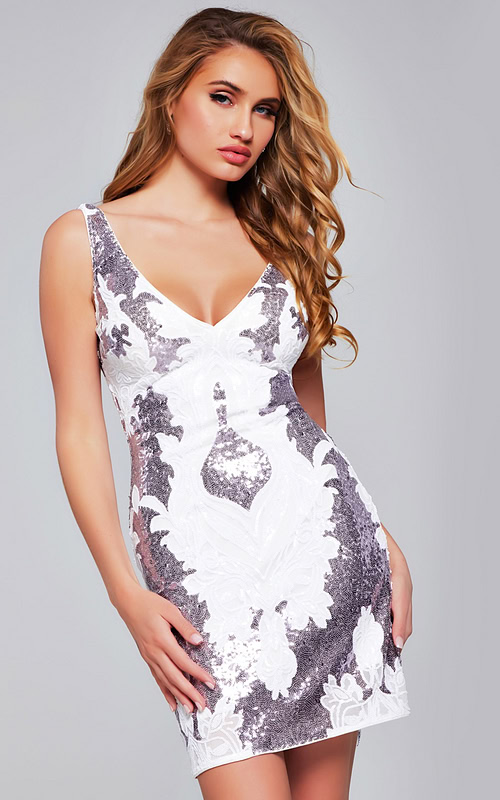
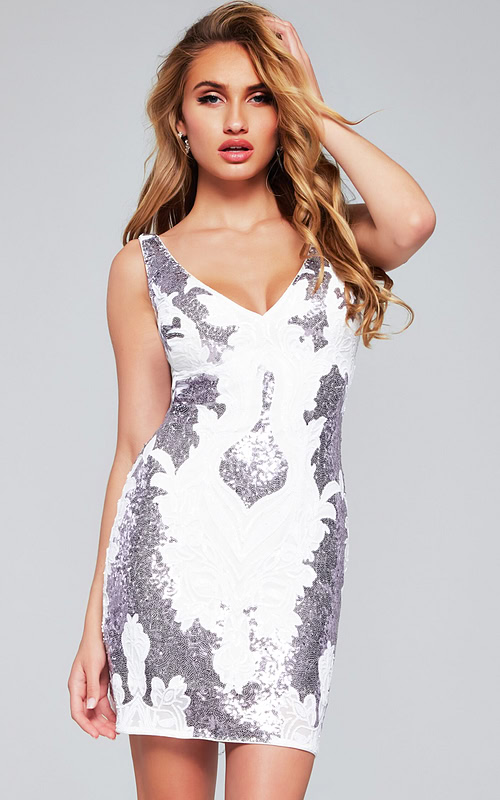
Mini styles are the most energetic and the most personally expressive option in the collection. They work best at bachelorette celebrations, after parties, and reception changes where the priority is freedom of movement and personal celebration rather than formal occasion dressing. A mini in a heavily sequined or embellished fabric makes a genuine statement at these occasions. A mini in a cleaner, more structured fabric works for slightly more formally observed celebrations.
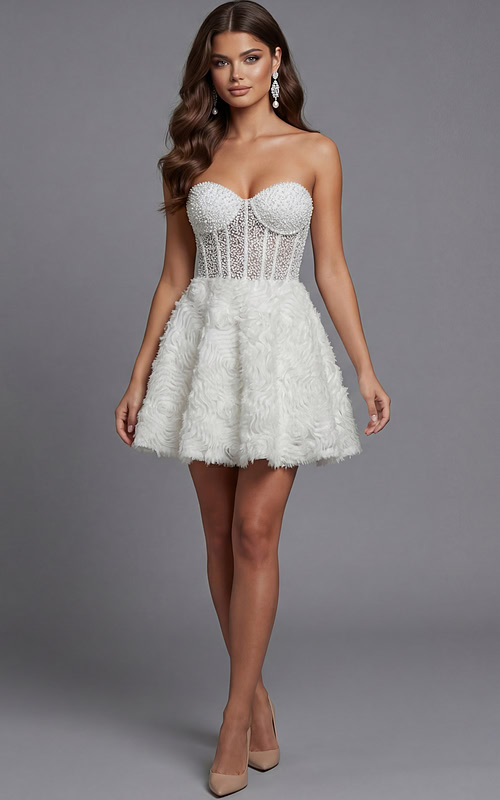
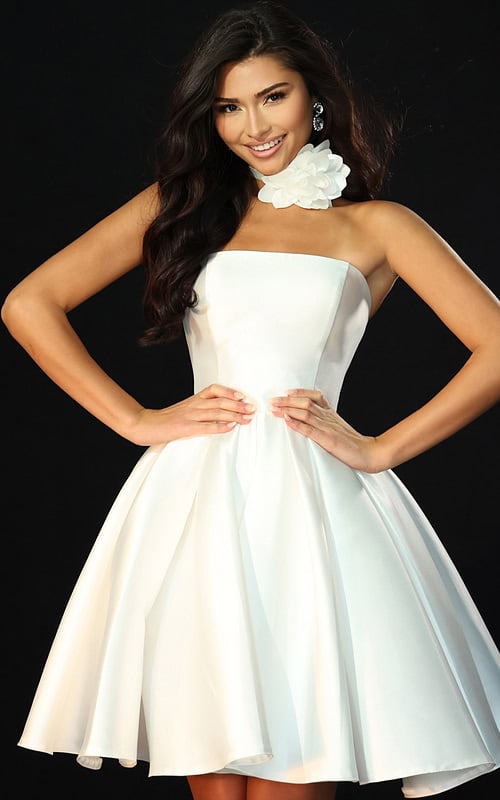
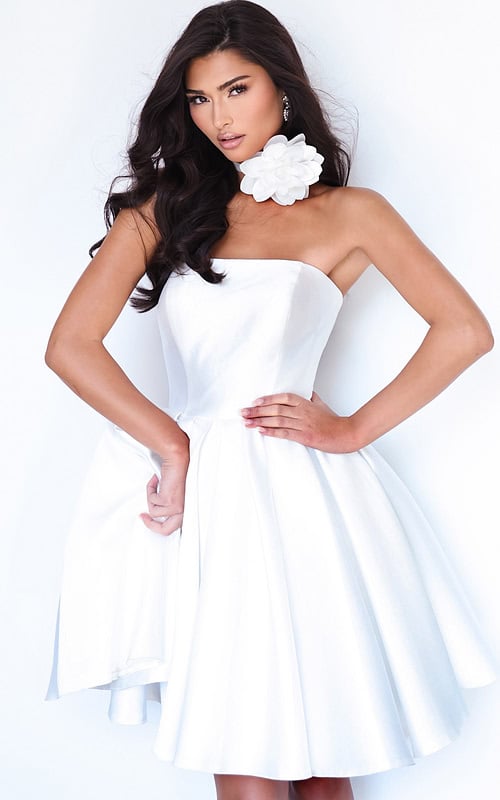
Fit and flare styles are the most universally flattering silhouette in this collection and the most appropriate for the widest range of bridal occasions. The fitted bodice and flared skirt create a shape that reads as genuinely bridal without the weight of a gown, and the silhouette works across body types and across occasions in a way that more extreme styles do not. For brides who want one style that serves multiple occasions across the wedding weekend, a fit and flare in a quality fabric is almost always the right answer.
Bodycon styles create the most direct visual impact of any silhouette in the collection and work best at occasions where the bride wants to feel powerful and completely herself rather than conventionally bridal. A well-fitted bodycon in a quality fabric at a bachelorette celebration or a reception after party is a strong and confident choice. At more traditionally observed occasions like a formal rehearsal dinner or a multigenerational bridal shower, a bodycon requires more careful consideration of the specific guest list and venue.
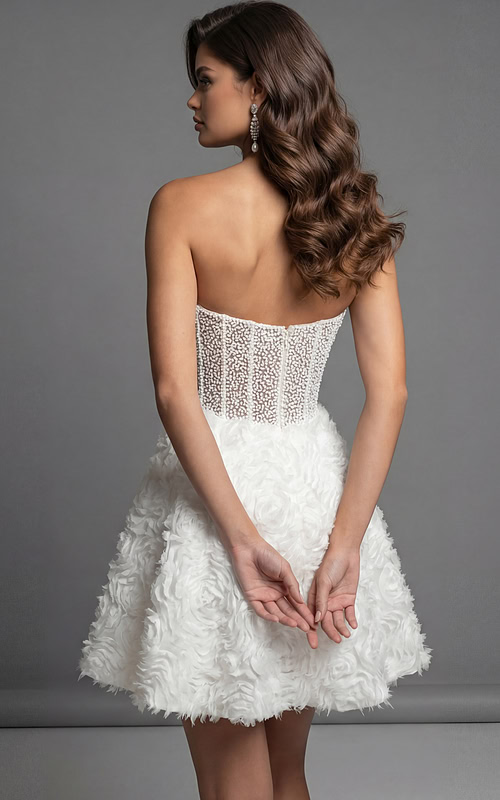
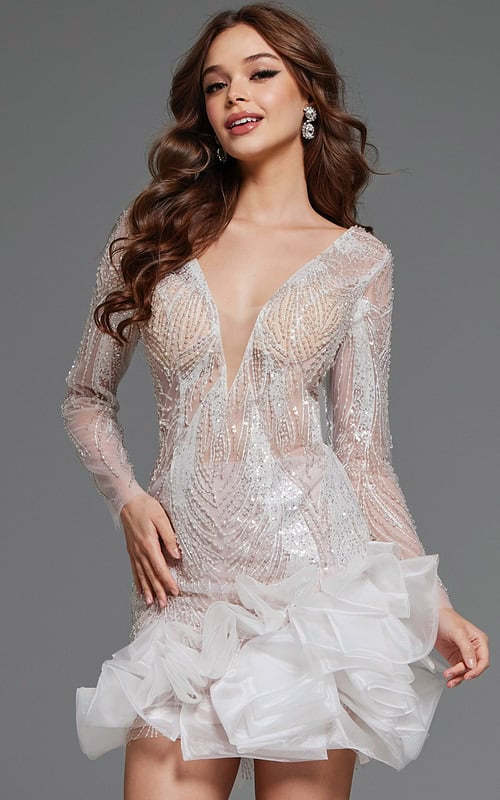
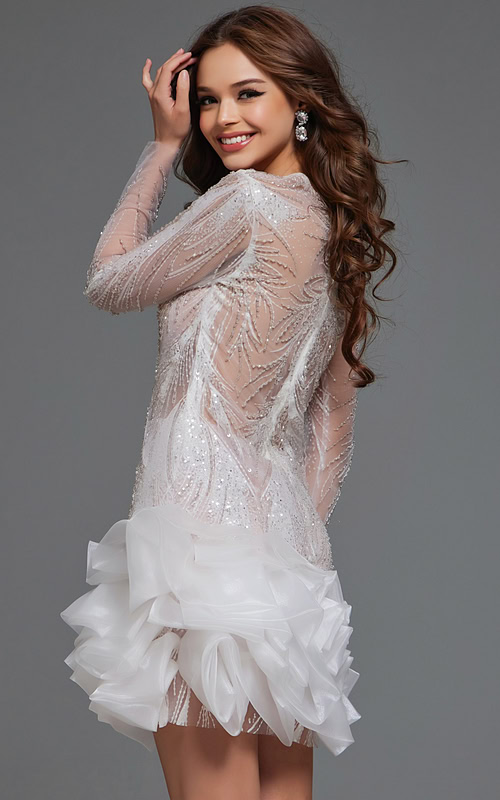
Embellished styles, lace overlay, beaded bodices, sequined fabrics, and dresses with significant decorative detail, carry the most visual weight in the collection and read as the most formally bridal of the short styles. These are the strongest choices for rehearsal dinners and formal bridal showers where the dress needs to communicate genuine occasion dressing rather than simply a pretty short white dress.
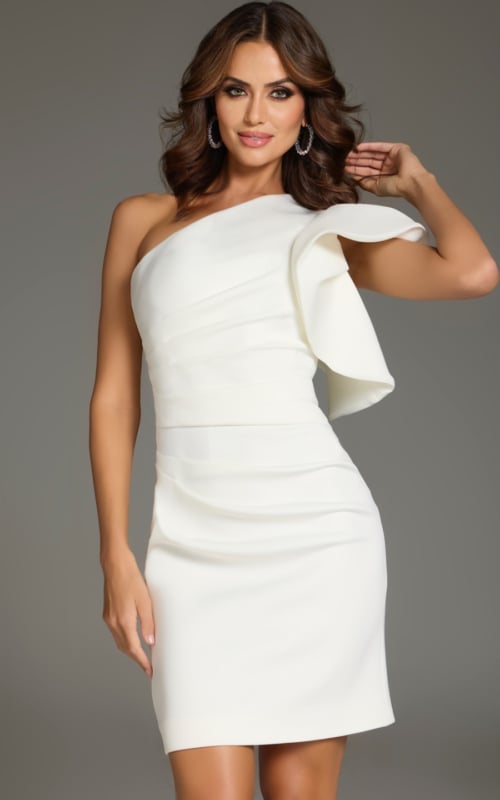
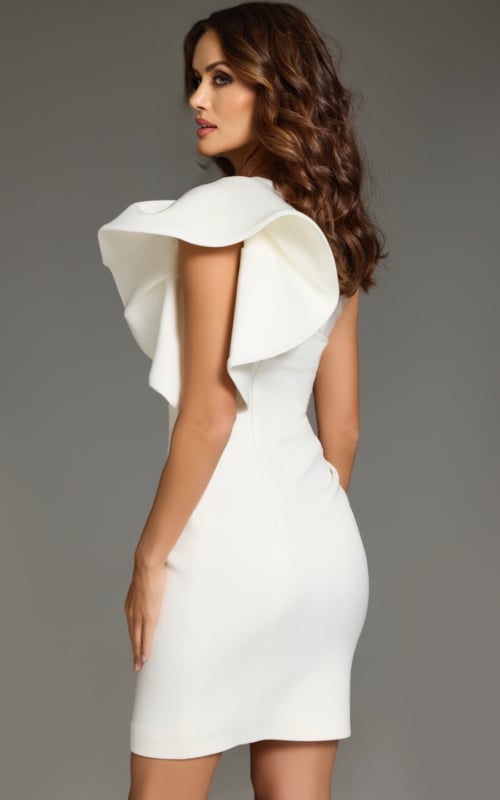
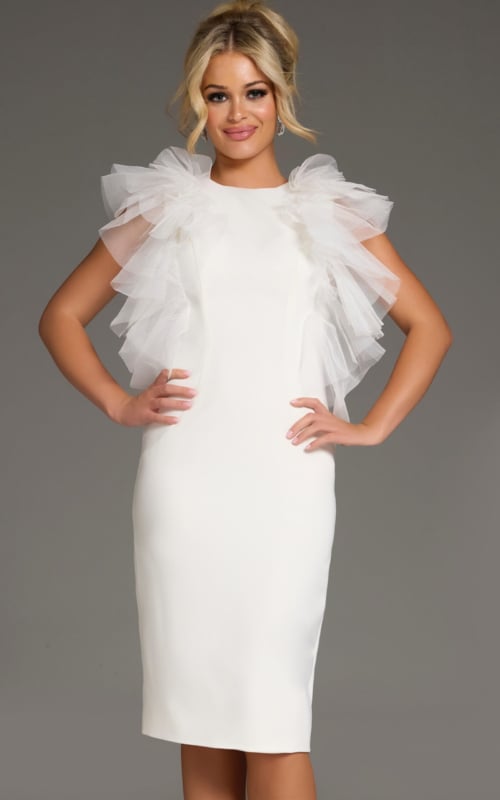
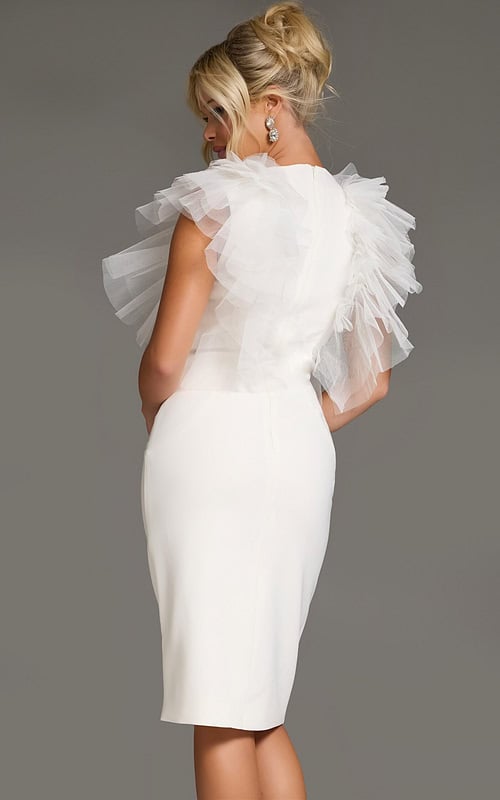
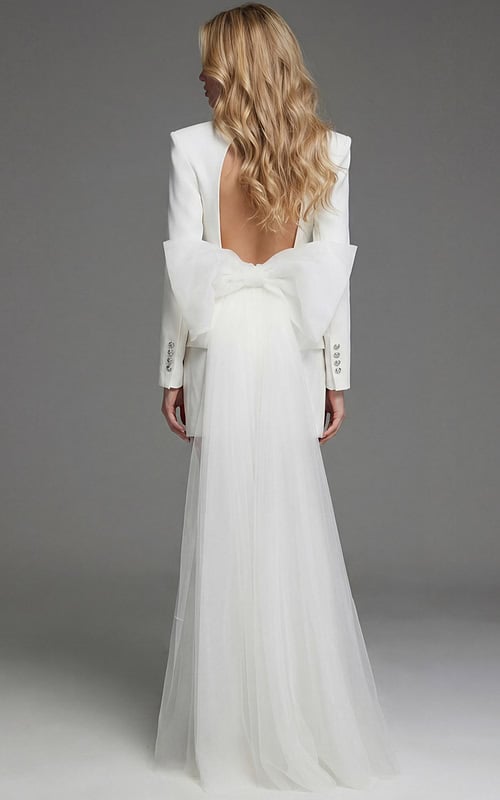
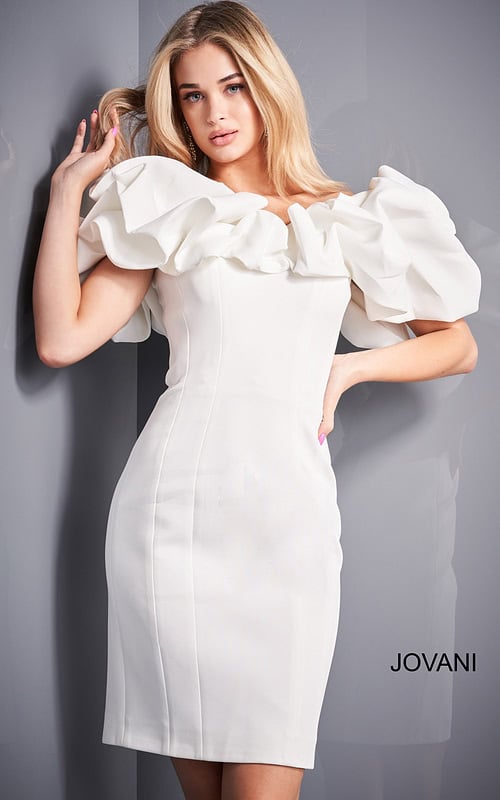
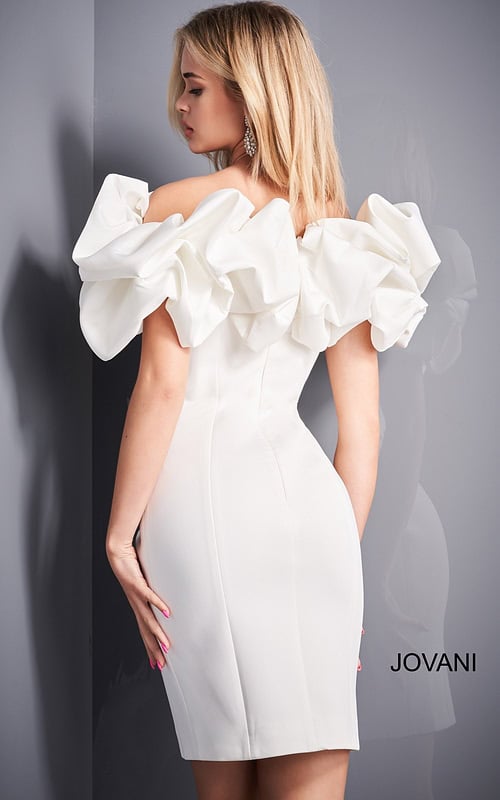
Minimalist styles in clean, unembellished fabrics make their statement through silhouette and fabric quality rather than decoration. A sleek mini or a structured short dress in a beautiful white crepe or satin reads as modern and deliberately styled in a way that embellished alternatives do not always achieve. For brides whose personal aesthetic leans toward clean lines and quality materials rather than decoration, the minimalist styles in this collection are where the most aligned choices exist.
White is Not One Color
Every woman who has shopped for a white dress more than once knows that white is one of the most varied color families in fashion, and the difference between the wrong shade of white on a specific skin tone and the right one is immediately visible and surprisingly significant.
Bright white is the most directional and the most high-contrast shade in the white family. It reads as clean, modern, and confident and works best on women with cool or neutral skin tones where the contrast between the fabric and the complexion creates a clear, defined visual. On warm skin tones, bright white can create a washed-out effect that reduces the visual impact of both the dress and the wearer. For brides with warm undertones who are drawn to bright white, trying the specific shade against the skin in natural light before committing is the most reliable way to assess whether it works.
Ivory and off-white are the most flattering shades for warm skin tones because the warmth in the fabric complements rather than contrasts with the warmth in the complexion. Ivory also reads as more romantically bridal than bright white in traditional settings, which makes it a natural choice for rehearsal dinners and formal bridal showers where the bridal aesthetic is being honored most deliberately.
Cream and champagne tones sit closest to neutral and work across the widest range of skin tones of any shade in the white family. They also read as the most sophisticated and least costume-like of the white shades, which makes them the strongest choice for brides who want to look genuinely bridal without the high-contrast visual of bright white or the more traditional associations of ivory.
The lighting of the specific occasion matters as much as the skin tone consideration. Bright white under outdoor natural light reads very differently from bright white under warm indoor lighting. Ivory under natural light reads very differently from ivory under the amber lighting typical of indoor evening venues. If the occasion has a specific lighting environment that you know in advance, considering how your chosen shade will read in that light is worth the extra thought before the final decision.
Finding Your Jovani Little White Dress
Jovani little white dresses are available both online at Jovani.com and through authorized retailers, and for brides who are building a bridal wardrobe across multiple occasions the combination of both channels is often the most practical approach. Online shopping gives immediate access to the full collection of 76 styles and makes it easy to compare options across occasions simultaneously. In-store shopping gives the fitting experience that makes the shade and silhouette decision considerably more reliable than photographs alone can support.
For brides who are shopping for multiple occasions across the wedding weekend, starting with the rehearsal dinner dress and the reception change dress is the most strategic approach. These are the two occasions where the dress choice has the most direct impact on how the bride experiences her own event. The bachelorette and bridal shower dresses, while important, have more flexibility and can be chosen after the most significant pieces are confirmed.
Timing matters differently for this collection than for other bridal purchases. Wedding gowns require months of lead time for ordering and alteration. Little white dresses, being short and less structurally complex, can typically be purchased and altered within a much shorter window. For most brides, beginning the little white dress search two to three months before the first occasion that requires one gives adequate time without the pressure of an approaching deadline.
Use the store locator on this page to find an authorized Jovani retailer near you. If you are shopping for multiple styles for multiple occasions, let the retailer know at the beginning of the appointment. A stylist who understands the full scope of what you are building across the wedding weekend will approach the appointment differently from one who thinks you are looking for a single piece, and the result will be a more productive and more enjoyable experience for both of you.