
Blog
Designer vs. Fast Fashion Prom Dresses: Is the Price Difference Worth It?

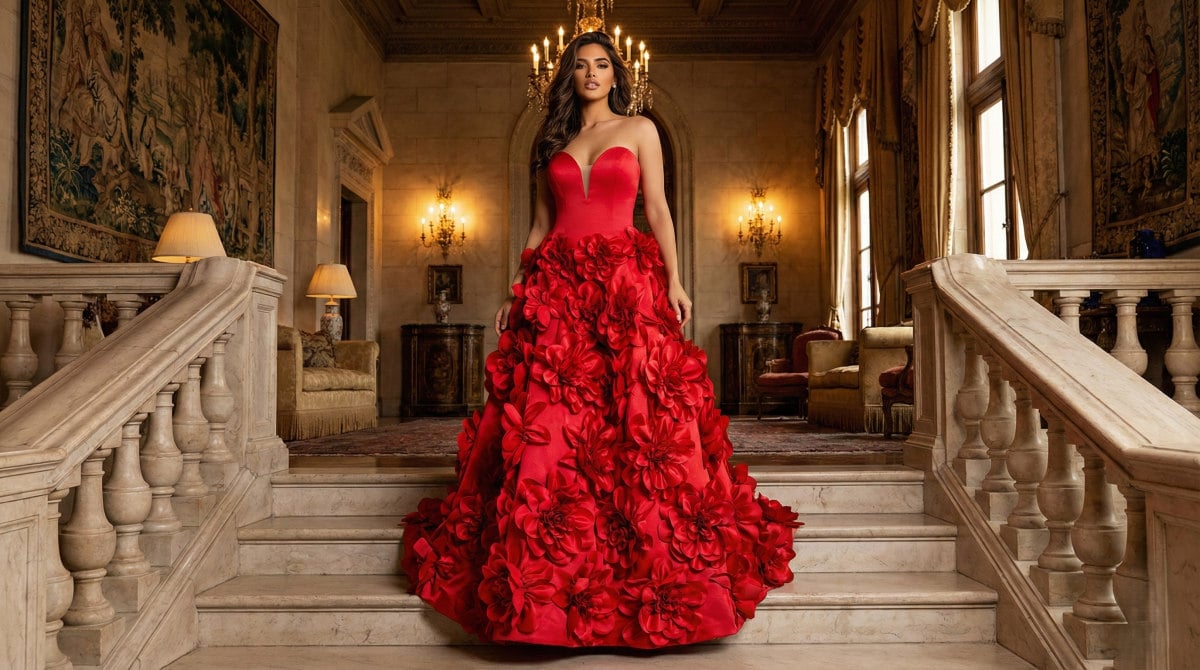
Prom night feels big for most teens. It is one of those moments when the dress matters as much as the experience. When you start searching, you quickly notice two major options: designer vs. fast fashion prom dresses. Both look beautiful online, both follow trends, and both promise to make the night special. But the truth is that they are built in completely different ways, and those differences affect everything: fit, comfort, confidence, durability, and even how you remember your night.
If you’re comparing designer vs. fast fashion prom dress styles for the first time, it’s normal to feel unsure. So let’s break it down clearly, in a way that feels honest and real.
The “Online Illusion”: Why Photos Can Be Dangerous
We have seen many fast fashion brands heavily rely on filters and photo edits to show a dress in “perfect” condition, but the reality often looks very different on your body. Worse, some of these sites copy images from legitimate designer sites and repost them as their own. They don’t clarify what the material or beading actually is it is simply a cheap copy of a designer dress.
For instance, a photo can’t tell you if the beading is high-quality glass or cheap plastic, or if the fit has been pinned in the back for the model. Imagine becoming a victim of one of these sites: you receive the package, compare it to what you saw online, and realize you have been misled. There are many reviews and forums online where disappointed customers share their stories of risking their most important night on unknown brands.
The Hidden Difference: Structure and Fit
The biggest difference between designer and fast fashion isn’t just how the dress looks, it is how it feels when you move. Fast fashion dresses are often mass produced using basic “cookie-cutter” patterns. They usually lack internal structure, meaning the fabric just hangs on your body. This often leads to the dreaded “pull-up” dance, where you spend the entire night tugging at your neckline because the dress keeps slipping down.
A designer dress, like a Jovani, is built with internal architecture. We use built-in corsets, boning, and molded cups that are hidden inside the lining. This structure does the work for you: it grips your waist and ribs so the dress stays perfectly in place without you having to touch it. When you buy designer, you aren’t just buying fabric; you are buying engineering that allows you to dance freely.
Also, consider the lining. Fast fashion often uses thin, unlined fabric that clings to everything and shows underwear lines. Designer gowns use high quality lining that smoothes your silhouette and makes the dress feel secure and comfortable against your skin.
The Investment: Resale Value Matters
One major factor parents and teens often overlook is what happens to the dress after prom. A fast fashion dress usually has almost zero resale value. Because the brand is unknown and the quality is lower, it is difficult to sell it once the night is over. It essentially becomes a “wear-once” item that ends up in the back of your closet or the trash.
In contrast, a designer dress holds its value. Because brands like Jovani are highly sought after, you can often resell your dress on platforms like Poshmark, Depop, or specialized prom resale groups for 50% to 70% of what you paid. When you do the math, buying a $500 dress and selling it for $300 means the dress actually only cost you $200 but you got to wear the superior quality and fit all night.
You Don’t Have to Sacrifice Quality for Price
We understand that price is a main factor, and as a student, you might have limitations on spending. That is why Jovani created a solution to make designer quality accessible without the high price tag.
How Different Prom Dress Silhouettes Reveal the Quality Gap
You can spot the difference between designer and fast fashion almost immediately when you look at specific silhouettes. For example, Mermaid Prom Dresses require precise, structured tailoring to hug the hips without bunching. Fast fashion versions often use stretchy, thin fabric that puckers at the seams and lacks the dramatic “flare” at the bottom.
The difference is even more obvious with embellishments. While Sequin Prom Gowns always catch the eye, cheap sequins are often sewn loosely and can scratch your underarms all night. Designer sequins are laid flat and lined properly for comfort. Similarly, high-quality Lace Prom Dresses have dimension and softness, whereas mass-produced lace often feels stiff and looks flat in photos.
Even simple styles like A-Line Prom Dresses show the gap in quality. A designer A-line prom gown uses generous amounts of fabric to create a full, sweeping skirt, while cheaper versions skimp on material, leaving the dress looking deflated and narrow.
Why Fabric and Details Matter More Than You Think
Some styles are notoriously difficult to get right on a budget. Take Backless Prom Dresses, for example. In fast fashion, these often rely on thin elastic that digs into your skin or gapes at the sides. Designer versions use reinforced edges and subtle gripping to ensure the dress stays flush against your skin while you dance.
The difference is also clear in Flowy Prom Styles. High-quality chiffon moves like water and breathes well. Cheap synthetic alternatives often generate static electricity, causing the skirt to cling awkwardly to your legs instead of floating.
If you are looking for Unique Prom Looks, examine the details. Artistic embellishments on designer gowns are hand placed to flatter your figure. On mass produced dresses, patterns are often stamped on randomly, sometimes cutting off awkwardly at the seams.
Finally, be careful with colors. Neutral Prom Gowns (like champagne or blush) require high grade lining to prevent transparency under bright flash photography, something fast fashion often skips. Conversely, Bold Color Prom Dresses in designer collections use deep set dyes that won’t fade or transfer onto your skin.
The Risk of Waiting Until the Last Minute
If you wait until the last minute to start shopping, you often force yourself to buy from these risky fast-fashion sites out of desperation. Unfortunately, last-minute panic purchases usually come with serious consequences.
First, the physical quality is often shocking. You might receive fabric that is much thinner than what was shown in the photo, zippers that break or stick, and seams that start pulling apart the moment you try the dress on. Because the material is cheap, alterations are often impossible seamstresses simply can’t fix fabric that dissolves under a needle.
Second, the logistics are a nightmare. Delivery dates on these sites are often unknown or delayed, leaving you empty-handed on the big day. And if the dress arrives and looks nothing like you expected? There is usually no valid customer service, no phone number to call, and no time left to return or exchange it.
The Reality of “Fast” Manufacturing
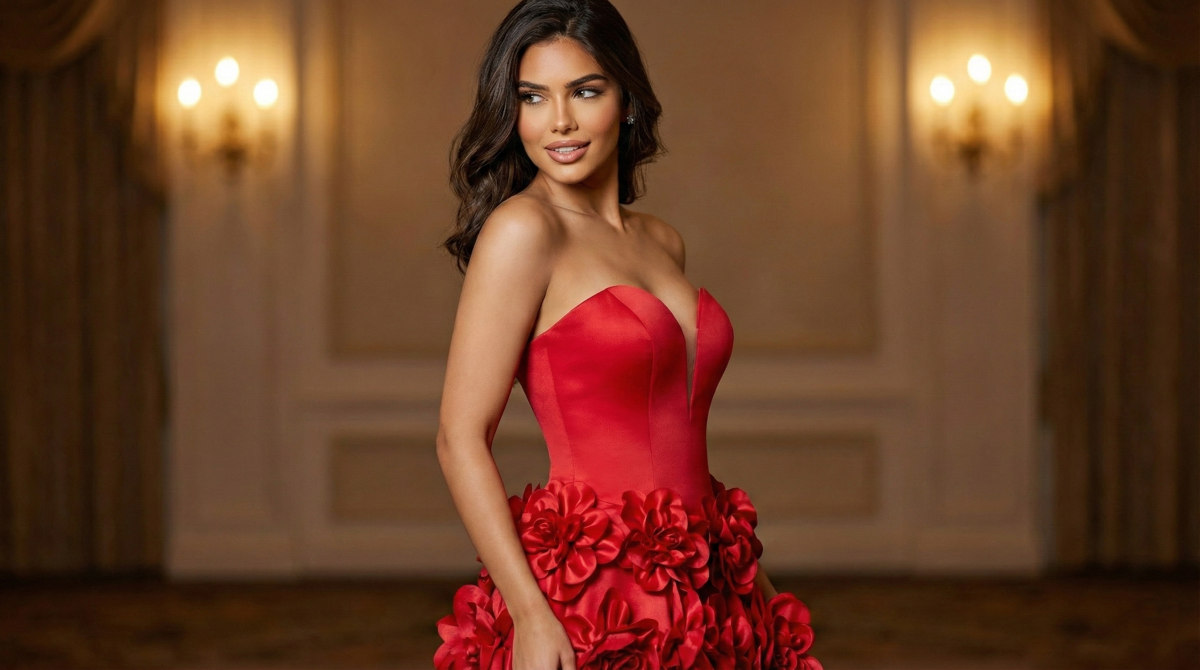
Fast fashion is built on speed, not precision. Manufacturers rush to copy viral trends within weeks, often skipping critical quality steps to cut costs. A dress may look trendy on a website, but because it was rushed through a factory, it feels completely different when it arrives.
Common production shortcuts include:
Fabric that wrinkles instantly the moment you sit down.
Beading that is glued on instead of hand-sewn, meaning gems fall off as you move.
Inconsistent sizing where a “Medium” fits like an “Extra Small.”
Thin, scratchy lining that irritates your skin.
Shoulders or bust areas that slip down due to poor patterning.
These problems matter when you need the dress to last from the first photo to the last dance without losing its shape. Fast fashion might work for a quick, disposable outfit, but not for a night where you want to feel secure and photograph beautifully.
The Fit Factor: Why Designer Gowns Feel Different
Designer prom gowns, especially from brands like Jovani, are created with a specific intention: they are meant to be worn, not just photographed. While fast fashion relies on flat, computer-generated patterns, designer styles go through rigorous fittings on real models. This ensures the dress accommodates actual curves and movement.
When you wear a designer gown, you notice the difference in these specific details:
Intelligent Draping: The fabric has the right weight and cut to fall smoothly over your body without bunching up when you walk.
Symmetrical Stitching: The seams are perfectly aligned, ensuring zippers don’t bulge and hemlines hang straight.
Skin-Friendly Lining: High-quality, soft lining prevents the itchiness and sweating often caused by cheap synthetics.
Anchored Embellishments: Beads and crystals are sewn securely into the fabric, so you don’t leave a trail of glitter behind you.
Reliable Sizing: A size 4 is a true size 4, providing a consistent fit that eliminates the guessing game of fast fashion charts.
This is why a designer dress is still comfortable at the end of the night. It is engineered for dancing, sitting, and celebrating real moments, not just a quick pose for a social media post.
The Hidden Cost of Alterations
One detail most shoppers forget until it is too late is alterations. Almost every prom dress requires a small adjustment, whether it is hemming the length or shortening a strap. This is where the difference in quality becomes a major issue.
Designer dresses are constructed with “seam allowance” extra fabric inside the seams that allows a tailor to take the dress in or let it out for a custom fit. The fabric is high-grade and stable enough to be steamed, pressed, and sewn without damage.
In contrast, fast fashion dresses are often impossible to alter. To save money on mass production, manufacturers cut the fabric without leaving any extra room inside. Even worse, the cheap synthetic materials often melt under a professional iron or tear when a needle passes through them. Many professional seamstresses will actually refuse to work on these “disposable” dresses because the risk of ruining them is too high. You might save money on the purchase, but you end up with a dress that fits poorly and cannot be fixed.
Durability and Memory: What You Take Away From Prom Night
A well-made gown becomes a memory you can keep. Some people save their prom dress as a keepsake, reuse it for future formal events, or even pass it down to a younger sibling. That isn’t usually possible with fast fashion, which is typically designed to last for a single wear before the seams stress or the fabric fades.
Designer dresses are built to withstand the night and what comes after. They hold up to steaming, professional dry cleaning, and storage without losing their luster. The structure doesn’t collapse, the beads stay intact, and the fabric maintains its original shape for years.
Ultimately, prom is emotional. The dress you pick is part of that core memory. Choosing between designer and fast fashion isn’t just about fabric it is about how you want to feel when you walk into the room, how confident you feel posing for photos, and how you want to remember the night when you look back years later.
Why Jovani Stands Out in Designer Prom Fashion
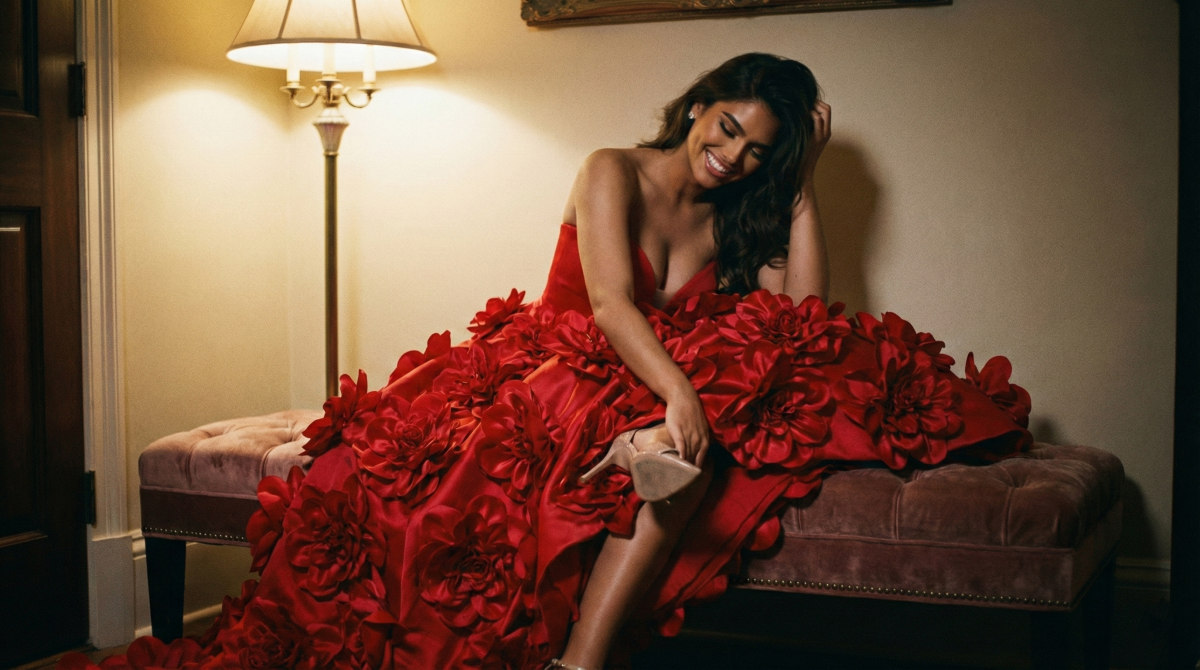
Jovani has spent decades defining the prom dress industry. We don’t just follow trends; we refine them. Every silhouette, from sleek mermaid cuts to dramatic ballgowns, is engineered with materials that move fluidly and capture the light beautifully. Embellishments are placed with artistic intention to highlight your best features, ensuring that each dress makes the wearer feel confident and celebrated.
When you choose a Jovani gown, you are choosing more than a label. You are choosing superior craftsmanship, a flawless fit, and a level of individuality that fast fashion simply cannot replicate.
Find the Dress That Fits Your Prom Experience
If you are ready to find a gown that elevates your entire night, explore our full Prom Dresses collection and discover the style that matches the moment you want to create.