
Blog
Can Prom Dresses Be Ironed?


Prom dresses are not made like your everyday outfits. The nature of a formal gown is totally different from casual wear. While a T-shirt is usually made of heat-resistant cotton, most special occasion gowns are made from polyester blends that are sensitive to high temperatures. Beyond the fabric itself, there are many other materials involved in the design. Beads are often sewn or glued onto the fabric, and corset bodices are structured with plastic boning. What you see on the outside is only half the design; there are hidden layers and adhesives underneath that can melt instantly. Because of this, ironing a gown requires a completely different approach than how you treat a simple outfit.
Because of these hidden layers and delicate materials, a simple mistake can turn into a permanent disaster. We see it happen every prom season. A customer thinks they are saving time, but they end up with a shiny iron mark right on the front of their gown. It usually starts with a story like this:
The High Cost of a Simple Mistake
“I bought a gorgeous dress with intricate beading, but I didn’t read the care label. I tried to iron it myself, and I ruined it immediately.”
Does this sound familiar? There is nothing worse than investing in your dream dress, jewelry, and shoes, only to damage the gown five minutes before the limo arrives. We know the temptation: you want to handle wrinkles at home to avoid a dry cleaning bill or a last-minute trip to the store. But without the right technique, you risk melting the fabric.
Understanding Your Fabric
Before you plug in the iron, you must identify your fabric. The most common prom styles involve beaded embellishments or delicate meshes, which are extremely sensitive to heat.
The Rule: Never iron beads, sequins, or crystals directly.
The Exception: Simple fabrics like Satin, Mikado, or Chiffon can be handled at home, but only if they are not heavily embellished.
How to Handle Beaded & Sequin Dresses
For heavily embellished dresses, put the iron down. Direct pressure will melt the sequins or dissolve the glue holding the beads in place.
Option 1 (Best): Take it to a professional dry cleaner.
Option 2 (Home): Use a handheld steamer from the inside of the dress.
Option 3 (Ironing): If you must iron, turn the dress inside out. Place a thick, fluffy towel on your ironing board, and lay the beaded section face down into the towel. Iron the lining only. The towel cushions the beads so they don’t break under pressure.
How to Handle Chiffon
For softer fabrics like Chiffon, you can use an iron, but you must take precautions:
Lowest Heat Setting: Use the “Synthetic” setting.
Inside Out: Always iron the wrong side of the fabric.
The Barrier Method: Never let the metal plate touch the dress. Place a clean white cotton T-shirt or a pillowcase between the iron and the dress to act as a heat shield.
Satin and Mikado
These are some of the more forgiving fabrics structurally, but they still demand respect. They are smooth, heavy, and often used in clean, fitted designs.
Satin: This fabric shows damage instantly. It is prone to “glazing” (shiny heat marks) that look terrible under bright lights, so you must work slowly.
Mikado: While Mikado is thicker and holds its structure better, do not let that fool you, it can still scorch if the iron is too hot.
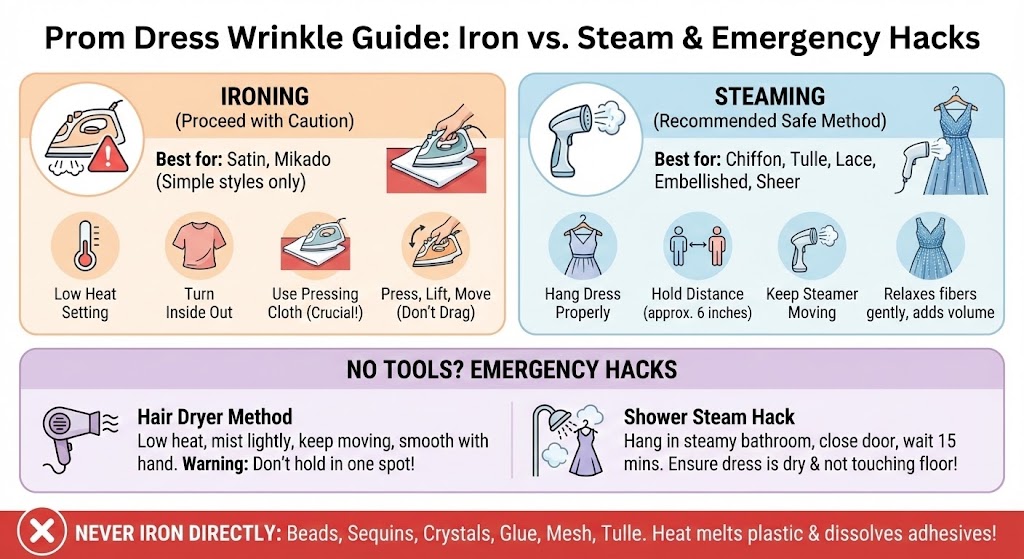
The Technique: Always work from the inside using a pressing cloth. The rule is “Press, Lift, and Move.” Never drag the iron across the fabric, as this stretches the weave. We strongly recommend testing a small, hidden area first to ensure the heat is safe.
Sheer Fabrics and Mesh Layers
Mesh, Tulle, and Organza are essentially fine plastic nets and they should never touch a hot iron. These fabrics melt instantly, causing the skirt to shrivel and lose its bounce.
This warning is especially critical for our Sheer Prom Gowns, which rely on air and volume to look effortless. Direct heat destroys that illusion in seconds.
Lace is delicate by nature. Ironing it directly can flatten the pattern or stretch it out of shape. Dresses made with Lace are best handled with steam from the inside of the dress so the lace softens without being crushed.
Even dresses that look simple can hide lining, padding, or structure underneath. That is why checking the fabric and construction matters so much when deciding whether the dress can be ironed.
Embellishments Change the Rules Completely
Beads, sequins, crystals, and embroidery change the game entirely. A common rookie mistake is thinking you can just “iron around” the decoration to get the wrinkles out.
Heat does not work that way. Heat radiates. Even if the iron doesn’t touch the crystal directly, the intense heat can melt sequins, dissolve the glue holding them in place, or crack the finish in seconds. This is especially true for our Sequin Prom Designs, where the sparkle comes from heat-sensitive materials.
Remember: Even if the fabric underneath feels sturdy, the decoration on top is fragile. If your dress has visible embellishments, direct ironing should be avoided.
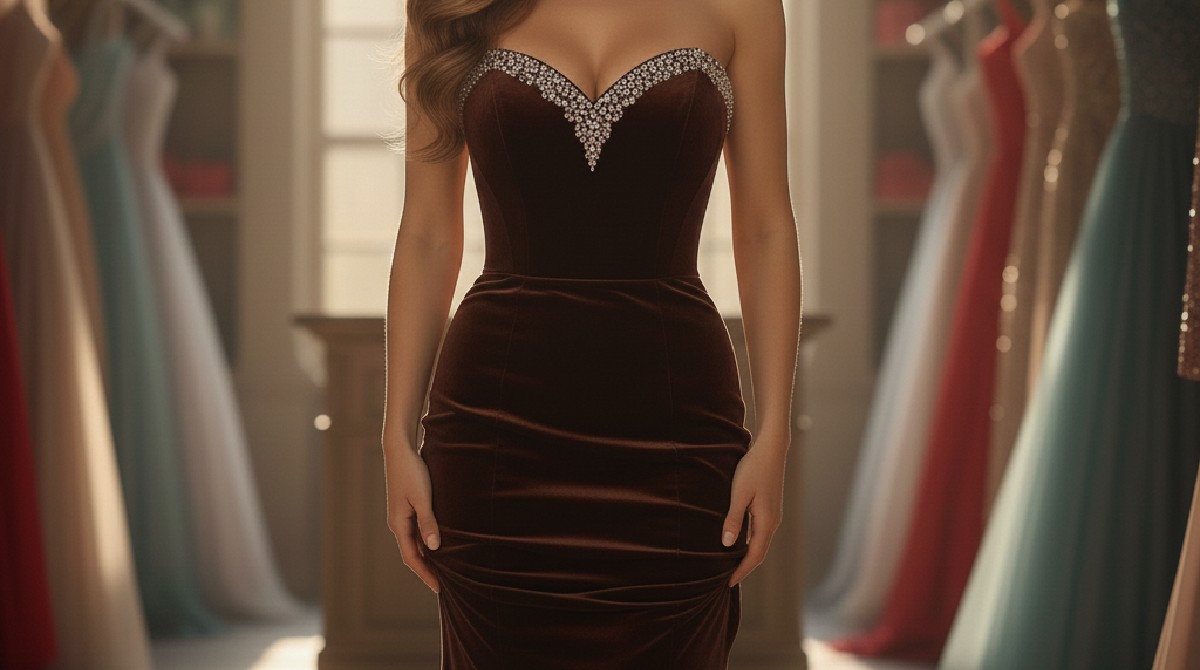
How to Iron a Prom Dress Safely at Home
If the fabric allows ironing, technique matters more than speed.
Use the lowest heat setting
Turn the dress inside out
Place a clean cotton cloth between the iron and fabric
Press gently, lift, and move
Never drag the iron
These steps are essential for anyone learning how to iron a prom dress without ruining it, especially with smooth, structured fabrics.
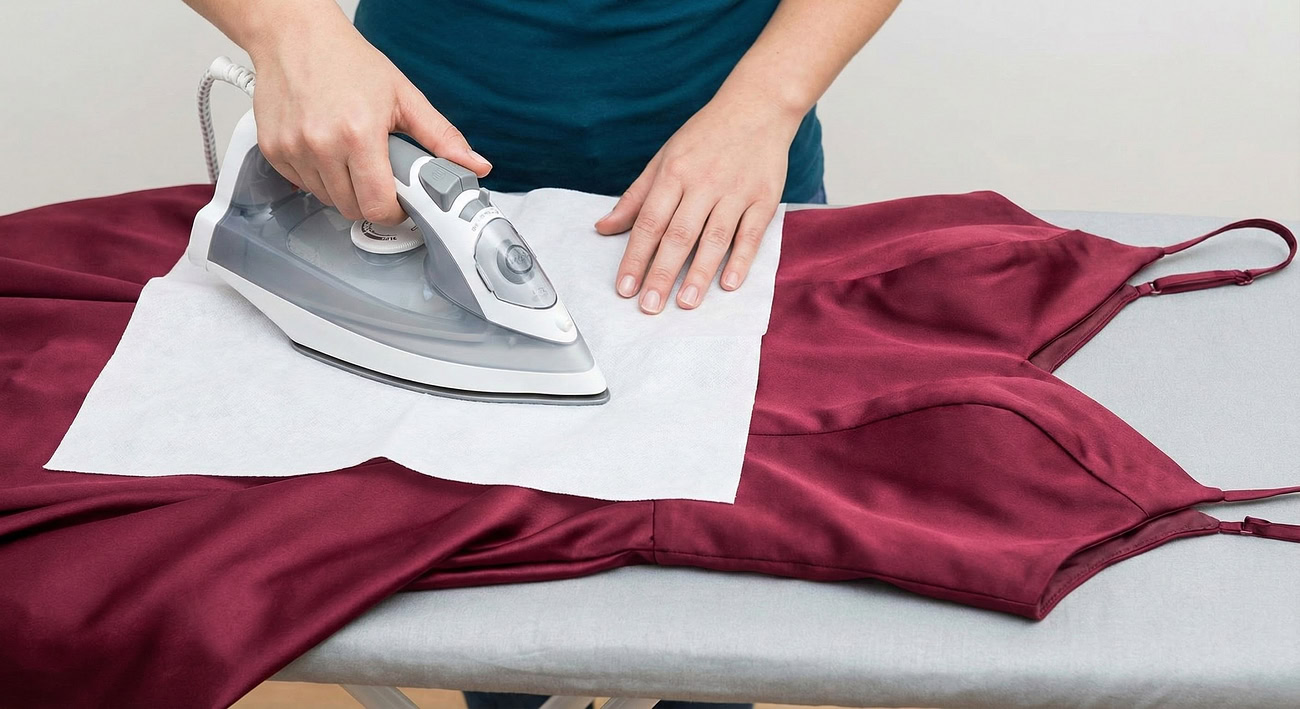
Your Safety Toolkit (What to Have Ready)
Before you start, gather the right tools. This makes a big difference.
White cotton pillowcase: Use this as a pressing cloth. Avoid colored towels that can bleed dye.
Distilled water: If steaming, distilled water prevents white mineral spots on dark fabrics.
Padded hanger: Hang the dress immediately after steaming or pressing so it cools in the right shape.
When Ironing a Prom Dress Is Not Recommended
There are certain scenarios where an iron should never touch your gown, regardless of the heat setting. If your dress falls into any of these categories, do not risk it:
Sheer Fabrics: Illusion mesh, tulle, or organza panels will melt.
Glued Embellishments: Heat dissolves the adhesive on rhinestones.
Multiple Layers: You cannot iron through 5 layers of tulle; you will just crush the outer layer while the inner layers stay wrinkled.
In these cases, ironing causes more harm than good. Steaming is the only safe option. It may be slower, but it relaxes the wrinkles without crushing the structure or melting the details.
Why Steaming Is Often Better Than Ironing
If you are looking for the absolute safest option, the answer is almost always steam.
Unlike ironing, which uses heavy pressure to crush the fibers flat, steaming uses moisture and heat to relax the fabric back into its natural shape. This distinction is crucial for formal wear. Steaming keeps ballgown skirts full, lace textures soft, and 3D details intact. It is the preferred method for Chiffon, Lace, Sheer Panels, and Tulle because it smooths the dress without stripping away its volume.
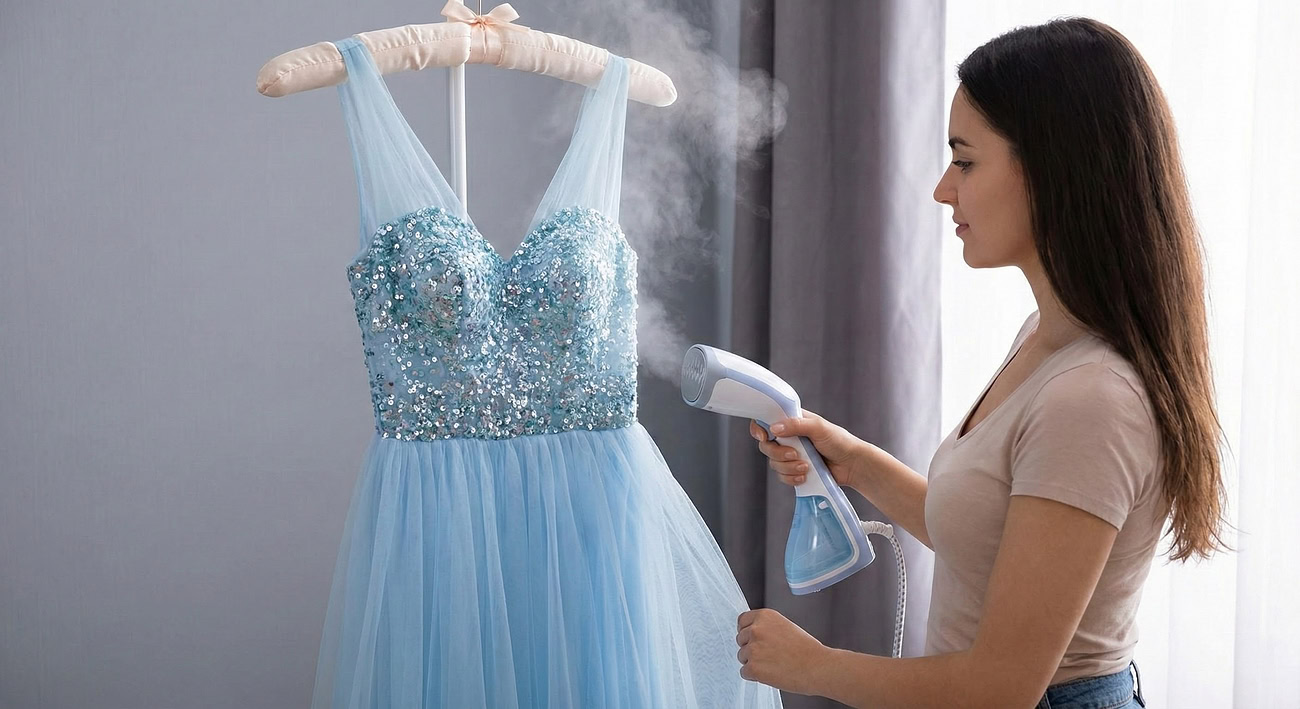
Panic Mode: No Iron, No Steamer
It is the nightmare scenario: You are at the hotel or venue, the limo is an hour away, and you realize you have zero equipment. Don’t panic. While you cannot achieve a “professional press” this late in the game, there are emergency hacks that can significantly reduce light wrinkles without a single tool.
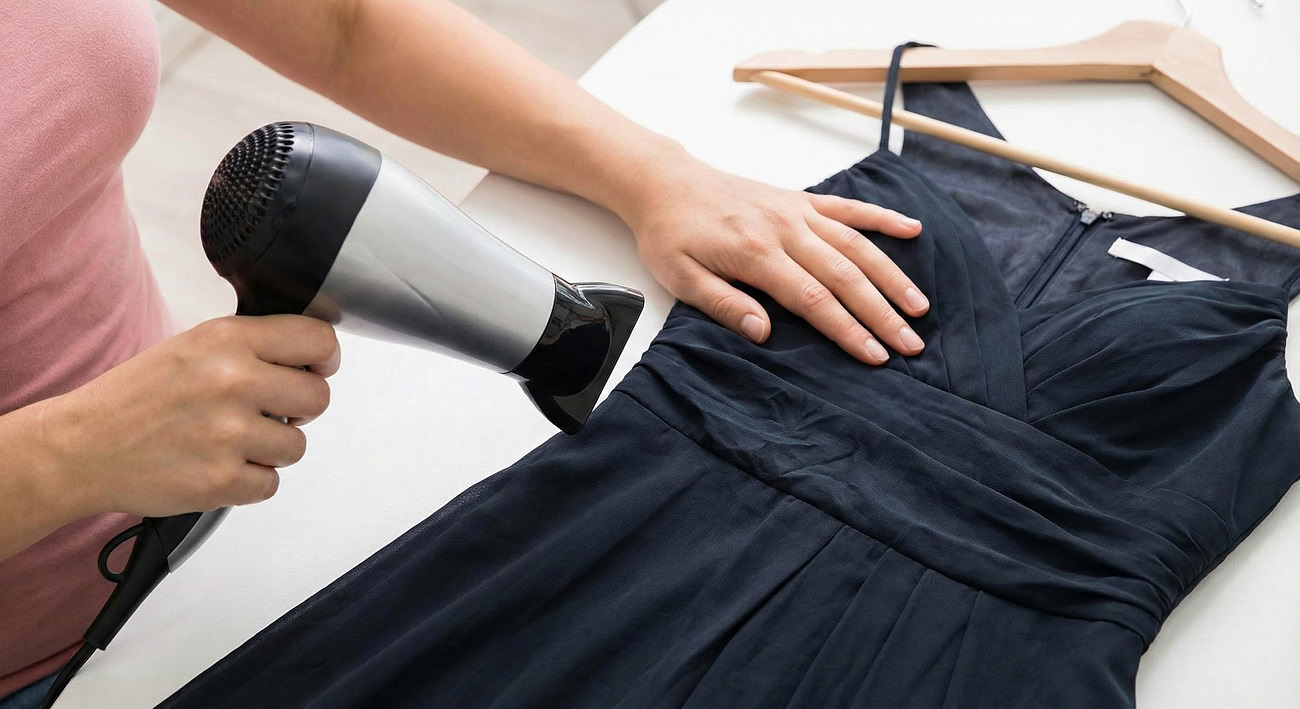
The Hair Dryer Method
If you have a hair dryer, you have a mini heat gun.
Mist: Lightly mist the wrinkled area with water (do not soak it).
Heat: Turn the hair dryer to Low Heat and hold it at least 6 inches away from the fabric.
Smooth: As you blow warm air on the spot, gently smooth the fabric down with your hand to release the crease.
Warning: Keep the dryer moving constantly. Holding it in one spot for too long can singe synthetic fibers.
The “Shower Steam” Hack (No Equipment Needed)
What happens if you are traveling or staying in a hotel room without an iron or steamer? This classic industry trick is a lifesaver, especially for heavily beaded gowns that cannot be touched by a metal plate.
This method uses moist heat and gravity to naturally relax the fabric without risking burns. It works exceptionally well for softer fabrics like Chiffon, Crepe, Sheer mesh, and lightweight Satin.
How to do it safely:
Prepare the Room: Turn your shower to the hottest setting to build up steam. Close the bathroom door and windows to trap the heat.
Hang the Dress: Place the dress on a sturdy hanger. Hang it on the back of the door or a towel hook as high as possible.
The Safety Rule: Ensure the dress is far enough away from the showerhead so it does not get wet. Crucial: Check that the hem is not touching the damp floor.
Wait: Leave the dress in the steamy room for 10 to 15 minutes. The moist heat will soften the fibers, and gravity will gently pull the wrinkles out.
Frequently Asked Questions
Can I use a hair straightener on my dress hem?
Only on very low heat and only on plain satin areas. Never use it on tulle, lace, or decorated sections.
Can I put my prom dress in the dryer to remove wrinkles?
Never. Heat from a dryer can melt embellishments and permanently damage fabric.
A Final Word Before You Press or Steam
Some prom gowns can be ironed carefully, but many should not. Fabric, decoration, and construction all matter. Understanding how to iron a prom dress properly, knowing when to steam instead, and avoiding direct heat on delicate areas can save a dress from permanent damage.