
Blog
How Much Should a Mother of the Bride Dress Cost? A Complete Guide to Budgeting for Style

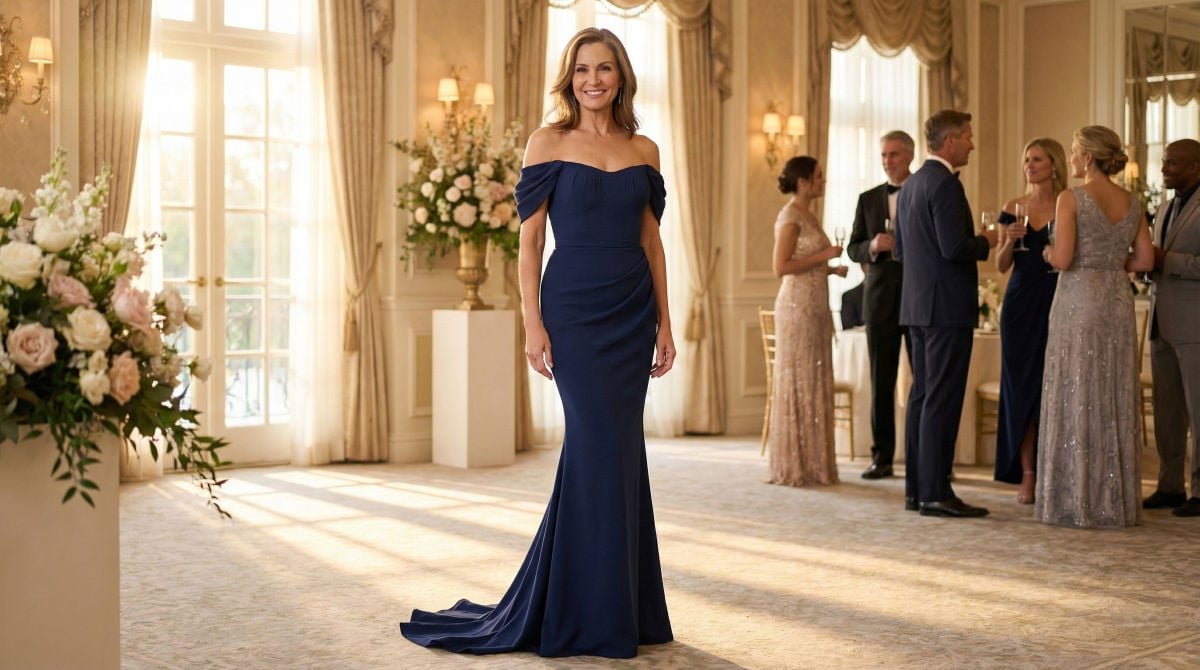
When you start shopping for a mother of the bride dress, comparing prices is one of the first things you’ll do. The range is wide, and for good reason. A mother of the bride dress can cost anywhere from $300 for a simple style to $1,500 or more for a designer gown with hand-sewn beadwork and premium construction. The price comes down to three things: the quality of the fabric, the brand behind the dress, and how much handwork went into the details.
Choosing a dress from a brand that specializes in evening wear makes a difference. A designer who focuses specifically on mother of the bride and formal occasion dresses understands what mothers actually want: flattering cuts, built-in support, fabrics that photograph well, and styles that feel elegant without being overdone.
Many companies design and manufacture dresses with an evening wear category, but the real question is whether they have a designer who truly understands the mother of the bride market. Do they know the fit issues? Do they understand what photographs well at a wedding versus what looks good on a hanger? How many mother of the bride dresses have they designed that actually sold, got worn, and received real feedback?
Jovani has specialized in evening and formal wear for over 40 years. Chief Designer Julie DuRocher doesn’t just sketch from a studio. She visits the showroom to speak directly with mothers shopping for dresses. She travels to stores that carry Jovani’s mother of the bride collection to hear what customers like, what alterations they’re requesting, and what they wish existed. Those conversations shape future designs. When a mother says she wants more coverage in the arms or a different neckline that’s more flattering for her body type, Julie takes note and builds it into the next collection.
Mother of the Bride Dress Price Tiers
Mother of the bride dresses fall into different price ranges, and understanding what each tier actually delivers helps you avoid disappointment.
Under $300 is where you’ll find mass-produced dresses with synthetic fabrics, no internal structure, and construction that looks fine on a hanger but falls apart in fit. These dresses typically need heavy alterations just to look acceptable, and even then, the fabric quality shows in photos. For a wedding, this tier rarely delivers what mothers expect.
$300 to $600 gets you into better territory with decent lining and basic construction, but you’re still missing the details that make a dress photograph well and feel supportive through a long day. At this range, you’re paying for a dress that works, but doesn’t impress.
$700 to $1,200 is where quality actually starts. This is the range for brands that specialize in evening wear and understand how to build a dress that flatters, supports, and lasts. You get steel boning, quality lining, fabrics with real weight and drape, and design details that elevate the look. Most Jovani Mother of the Bride Gowns fall in this range because this is what it costs to build a dress correctly.
$1,200 to $2,000+ adds extensive hand-sewn beadwork, premium fabrics, and more intricate construction. Beaded Mother of the Bride Dresses with full embellishment often land here because the handwork alone takes hours to complete.
Factors That Influence the Cost of a Dress
Why does one gown cost $300 while another that looks somewhat similar costs $900? The answer almost always lies in the details. The manufacturing process of formal wear is labor-intensive, and several key elements dictate the final price tag.
Fabric Quality and Type
The material is the foundation of any garment. Natural fibers like silk or high-grade satins are more expensive to source and difficult to work with. However, high-quality synthetics have come a long way and often provide durability and wrinkle resistance that natural fibers cannot.
If you are drawn to minimalism, sleek crepe Mum of The Groom designs are a popular choice. Crepe is a fabric that drapes beautifully and offers a matte finish, often associated with modern, sophisticated elegance. Because the fabric itself is the star, the cut must be impeccable, which can influence the cost.
Embellishments and Beading
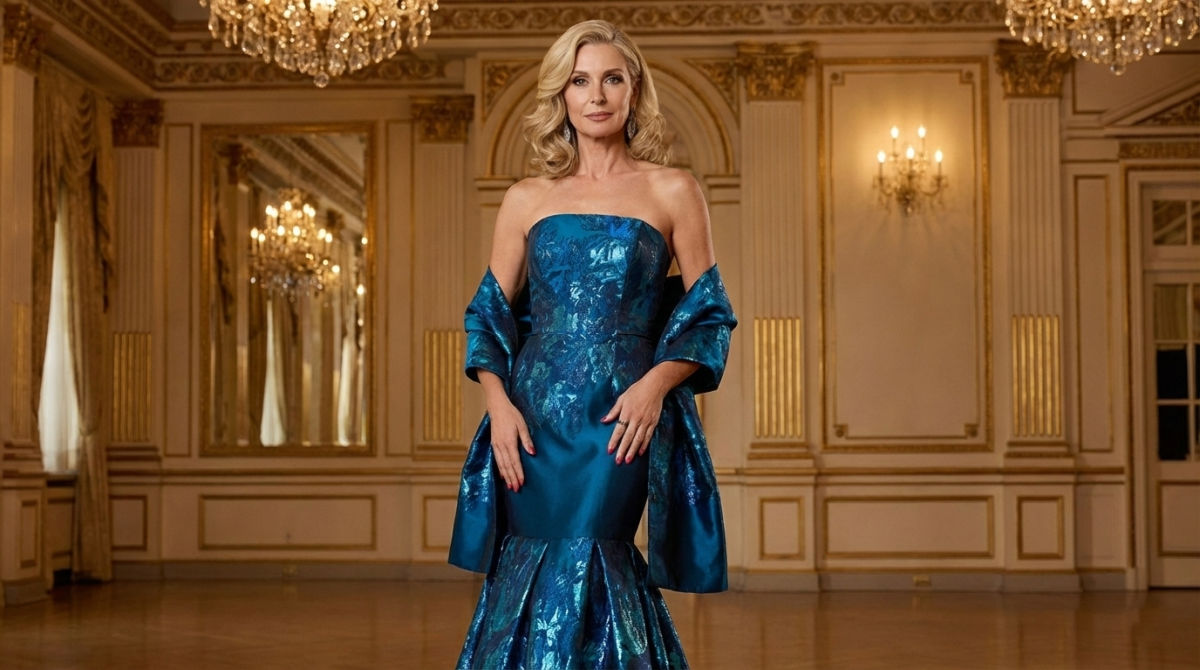
Hand-work is one of the biggest cost drivers in fashion. A dress that features intricate beadwork, sequins, or crystals requires hours of manual labor. Machine-applied embellishments are cheaper but often lack the durability and sparkle of hand-applied details.
Beaded Mother of the Bride Dresses are often priced higher than plain styles because of the artistry involved. The weight and shimmer of high-quality beading provide a sense of luxury that is difficult to replicate with lower-cost alternatives. If you are aiming for a black-tie look, allocating a larger portion of your budget to beading is often worth it for the visual impact.
Construction and Fit
A well-made dress does more than just cover the body; it shapes it. Higher-end dresses often include built-in corsetry, double linings, and reinforced seams. This internal engineering ensures the dress stays in place and smooths the figure without the need for uncomfortable, heavy shapewear.
Formality and Length
The formality of the event significantly dictates the style of dress required, which in turn affects the price. Generally, full-length gowns require more fabric and more complex tailoring than cocktail-length dresses.
Long Mother of The Groom Dresses are standard for evening and formal weddings. The sheer volume of fabric, especially if the skirt is full or includes layers of tulle or chiffon, adds to the manufacturing cost. However, the elegance of a floor-length silhouette is unmatched for formal venues.
For semi-formal or daytime weddings, you might opt for shorter styles, which can sometimes be more budget-friendly, though this is not a hard rule. A heavily embellished knee-length cocktail dress can easily cost more than a simple floor-length gown.
Trends vs. Timelessness
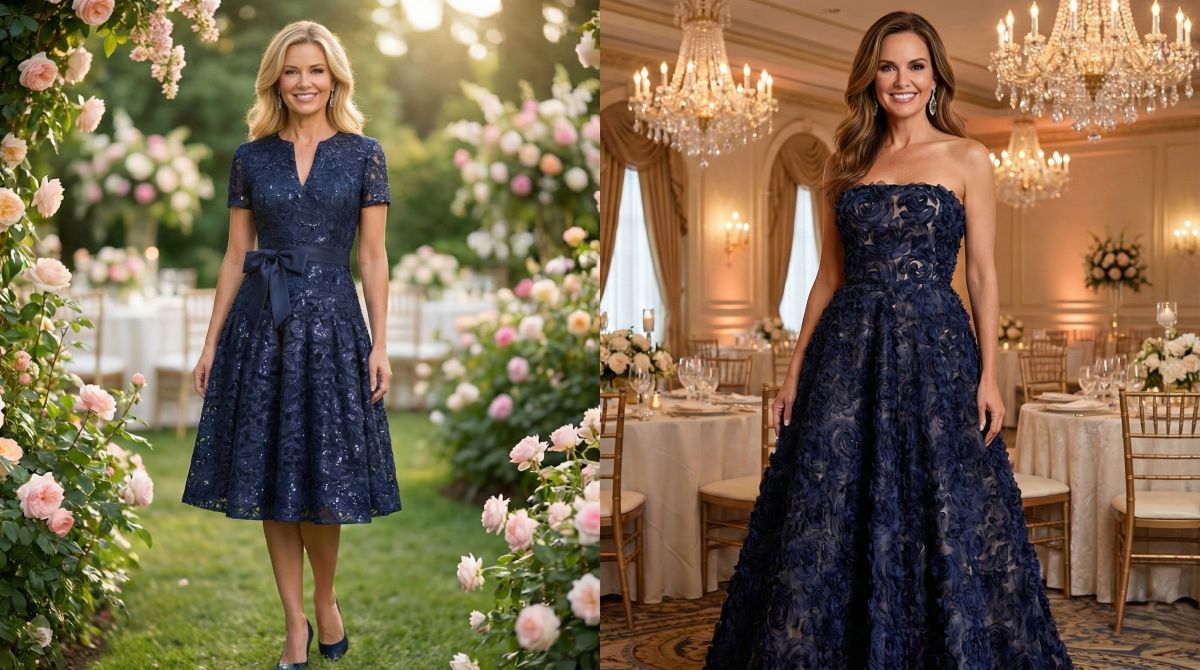
Navigating current fashion trends can also impact your budget. New season arrivals often command full price, while past seasons might be available at a discount. However, mother of the bride fashion tends to move slower than high-street trends, favoring timeless elegance over fleeting fads.
Browsing Best Sellers Mother of the Bride Dresses is an excellent strategy for seeing what other mothers are choosing. These styles are best-sellers for a reason, they usually combine excellent fit, popular colors, and a reasonable price point that offers good value for the cost.
Sizing and Inclusivity
A common concern is whether size affects the price. In the past, some manufacturers charged a “plus-size premium,” but the modern fashion landscape is shifting towards inclusivity. Reputable brands now strive to offer consistent pricing across standard and plus sizes, focusing on fit rather than penalizing body type.
Plus Size Mother of The Bride Dresses today are designed with the same attention to detail and fashion-forward aesthetics as any other category. When budgeting, you should expect to pay for quality engineering that supports curves, but you should not expect to pay more simply for the size tag.
Alternative Styles and Their Costs
Not every mother wants to wear a traditional gown. Modern weddings often embrace diverse fashion choices, and your budget might go further with a different silhouette.
Formal pantsuits have become incredibly chic and acceptable for even the most formal weddings. A well-tailored suit in a luxe fabric like jacquard or silk can make a powerful statement. While you might think a two-piece set would be cheaper, the tailoring required for a perfect trouser fit can rival the cost of a gown.
Similarly, if you love texture but want to avoid heavy beading, lace mum of bride gowns offer a romantic and classic alternative. Lace varies significantly in quality; delicate, soft lace that doesn’t scratch or snag commands a higher price but ensures comfort throughout a long day of celebration.
Who Pays for the Mother of the Bride Dress?
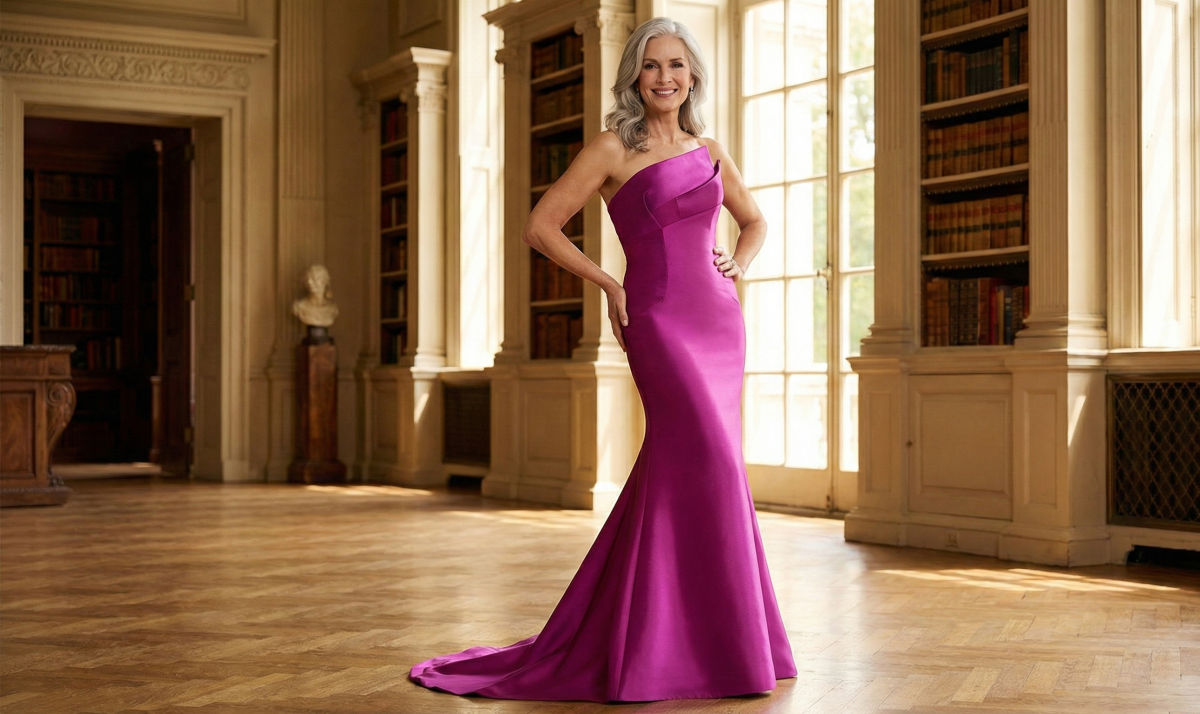
When discussing the mother of the bride dress cost, a common etiquette question arises: who is responsible for the bill?
Traditionally, the mother of the bride pays for her own outfit. It is considered part of her personal contribution to the wedding aesthetic. Unlike the bridesmaids, whose dresses might be dictated by the bride, the mother typically has more autonomy (within the bride’s color palette), and thus, the financial responsibility falls to her.
However, budget for the mother of the bride outfit is a personal matter. In some instances, if the bride has a very specific, high-cost vision for her mother, such as a specific couture designer, she may offer to contribute. Open communication is key here. It is important to set expectations early to avoid any awkwardness regarding the final bill.
Hidden Costs to Consider
When setting your budget, remember that the price on the tag is rarely the final amount you will pay. To get a realistic view of the total mother of the bride dress cost, you must factor in:
Alterations: Almost every formal gown requires some tailoring. Hemming, taking in the waist, or shortening straps are standard. Budget an additional $50 to $150 for professional alterations.
Undergarments: The right foundation garments are essential. You may need a specific strapless bra or seamless shapewear to suit the dress’s cut.
Accessories: Shoes, jewelry, and a clutch all contribute to the final look.
Shipping and Rush Fees: If you order your dress late, rush fees can add significantly to the total.
The Value of Brand Reputation
Ultimately, the mother of the bride dress cost is also a reflection of trust. When you buy from an established brand like Jovani, you are paying for consistency. You are paying for the assurance that the color you see online matches the fabric in real life, that the zipper won’t fail during the reception, and that the fit is standardized and reliable.
Cheaper knock-offs often use low-grade dyes that can transfer onto your skin or the bride’s dress, and they frequently lack the internal structure that makes a gown flattering. Investing in a reputable designer ensures peace of mind, which is priceless on such a high-stakes day.
Final Thoughts on Budgeting
There is no need to bankrupt yourself to look beautiful, but it is important to be realistic about what quality evening wear costs. By understanding the factors that drive the mother of the bride dress cost, from intricate beading to premium fabrics, you can make an informed decision that balances your financial comfort with your desire to look your best.
Remember, this dress will be part of your family’s history. Choosing a garment that makes you feel confident, comfortable, and elegant is the ultimate goal, regardless of the specific number on the price tag.