
Blog
Mastering Formal Evening Attire

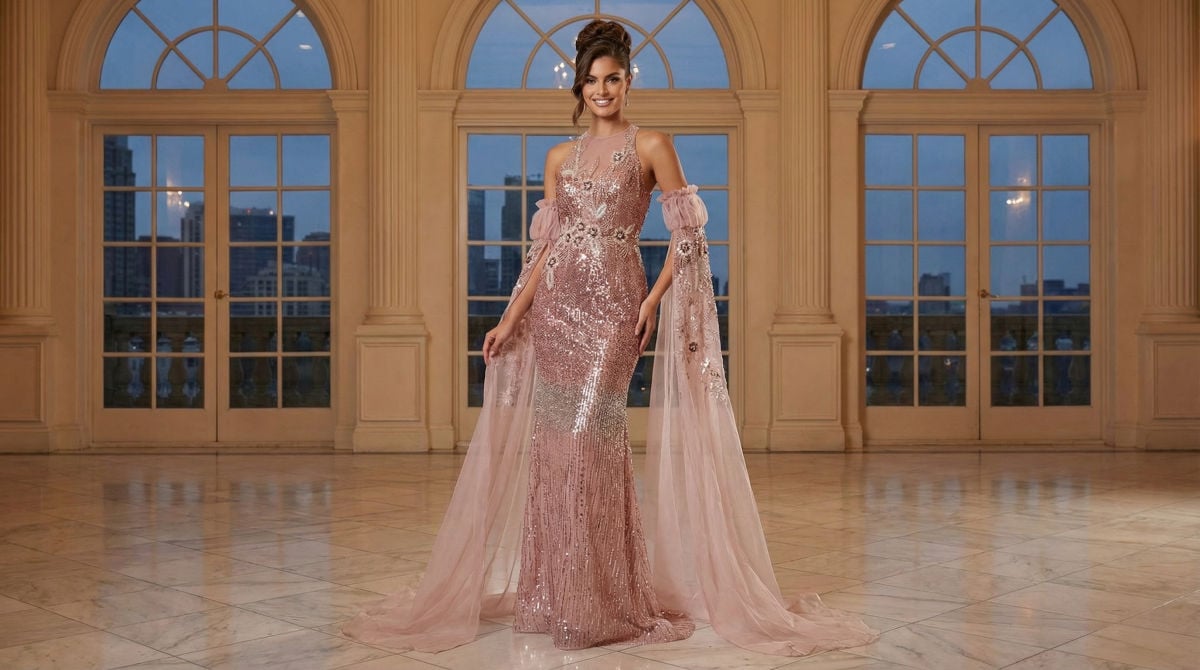
Receiving an invitation to a formal evening event is an exciting moment that almost immediately brings to mind one essential question: what will you wear? Preparing for a gala, a sophisticated charity ball, or an upscale evening wedding requires more than just picking out a nice outfit. It is an opportunity to embrace elegance, celebrate personal style, and honor the prestige of the occasion.
Navigating the world of formal wear can sometimes feel like stepping into a complex maze of etiquette and fashion rules, but understanding the foundational principles of evening attire makes the process incredibly rewarding. When you know how to interpret dress codes, choose the right silhouette, and select high-quality fabrics, finding the perfect attire becomes a joyful experience rather than a stressful task.
The goal is to walk into the room feeling entirely confident, knowing your look is appropriate, flattering, and undeniably chic. To achieve this, it helps to start by exploring a curated selection of formal evening dresses that serve as the foundation for a truly unforgettable night.
Decoding the Formal Dress Code
The first step in choosing what to wear to a formal evening event is to carefully review the invitation. The terminology used by the host dictates the baseline for your attire, and understanding these subtle distinctions is crucial for making a polished entrance. Every formal gathering has its own atmosphere, and your clothing should reflect the level of respect you have for the event’s significance.
The Grandeur of White Tie
When an invitation specifies a white tie dress code, you are stepping into the highest echelon of formal fashion. This is the time to embrace ultimate glamour and tradition. For women, a white tie event strictly demands a floor-length gown. This is the most formal of all dress codes, often associated with state dinners, royal events, or high-society galas where historical traditions are still very much alive.
This is the perfect occasion to explore voluminous evening ball gowns that sweep across the floor with grace and presence. The focus should be on rich textiles, dramatic sweeping skirts, and a sense of royal elegance. Short dresses or high-low hemlines are generally considered inappropriate for this level of formality. In a white tie setting, more is often more, provided it is handled with the utmost sophistication and architectural grace.
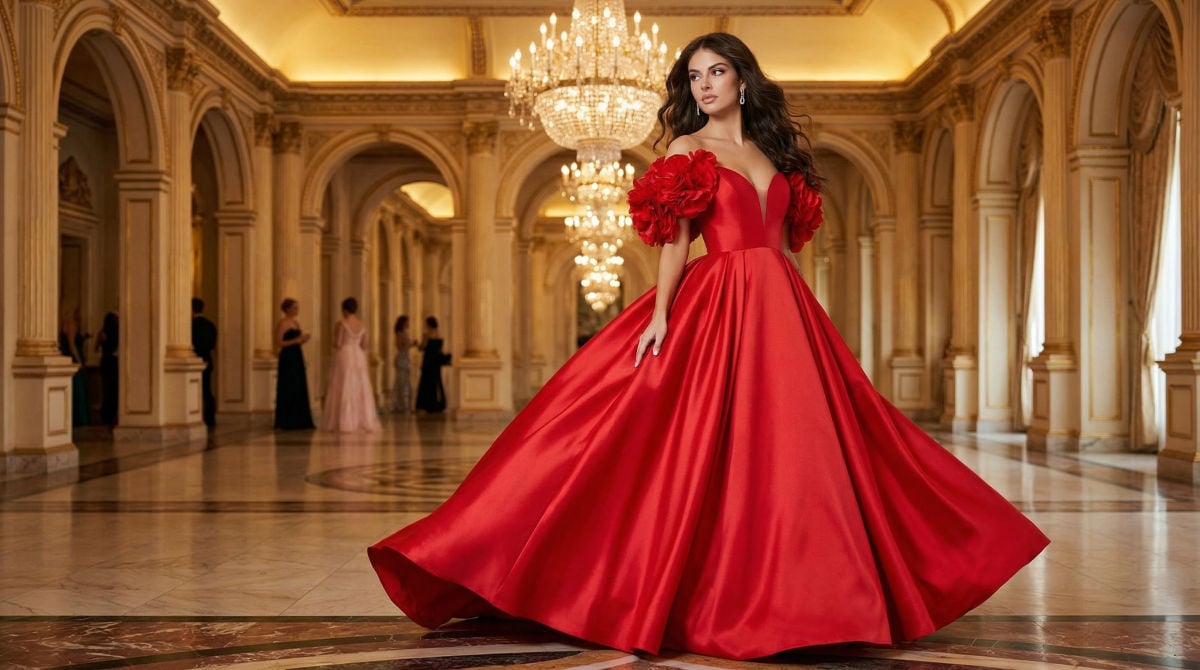
The Standard of Black Tie Elegance
The black tie dress code is slightly more relaxed than white tie but still maintains a very strict standard of elegance. It is the most common formal dress code you will encounter for upscale evening events like high-end weddings and corporate galas. While floor-length gowns are still the strongly preferred standard, women have slightly more flexibility in silhouette, color, and embellishment compared to the rigid rules of white tie.
Choosing the right black tie dresses involves finding a balance between red-carpet glamour and sophisticated restraint. You want a garment that feels elevated and luxurious without seeming overly theatrical. Deep jewel tones, classic black, and elegant metallic shades are universally welcomed in a black tie setting. The objective is to look effortlessly polished, ensuring your silhouette is clean and your fabric choice reflects the high-end nature of the gathering.
Finding the Perfect Silhouette for Your Figure
Once the dress code is clear, the next focus should be on the silhouette. The most breathtaking dress in the world will only shine if it is cut in a way that harmonizes with your natural body shape. Luxury designers understand that true elegance comes from a masterful fit, which is why the construction of a gown is just as important as its outer beauty. This is where Jovani’s design philosophy truly excels, offering meticulous tailoring that honors every body type while reflecting modern fashion sensibilities.
The Timeless Appeal of A-Line
For a universally flattering option that never goes out of style, many stylists recommend starting with A-line evening dresses. This classic shape is fitted through the bodice and gently flares out from the natural waistline, creating a beautiful and balanced proportion. It mimics the letter “A” and is celebrated for its ability to camouflage the lower body while highlighting the waist.
It is an incredibly comfortable silhouette for long evenings that involve dining and dancing, offering ease of movement while maintaining a highly formal appearance. Because of its structural versatility, an A-line gown can work for almost any formal venue, from a historic ballroom to a luxurious garden setting.
Modern Sophistication in Fitted Silhouettes
Conversely, if the event calls for a more contemporary and sharp aesthetic, you might lean toward sleek fitted silhouettes. These gowns skim the natural lines of the body, creating an elongated and statuesque look. Often called sheath or column dresses, they focus on verticality and minimalism.
A fitted straight dress exudes confidence and modern sophistication, often relying on impeccable tailoring and premium fabrics to make an impact rather than relying on volume. This style is particularly striking for tall figures or those looking to highlight an hourglass shape. It offers a streamlined look that pairs beautifully with bold accessories or a dramatic hairstyle.
Inclusive Design for Every Curve
True luxury fashion is inherently inclusive, recognizing that elegance knows no single size. When searching for the ideal gown, the focus should remain on structure, support, and design elements that make you feel radiant. A well-constructed gown should provide the wearer with a sense of security and poise, regardless of their measurements.
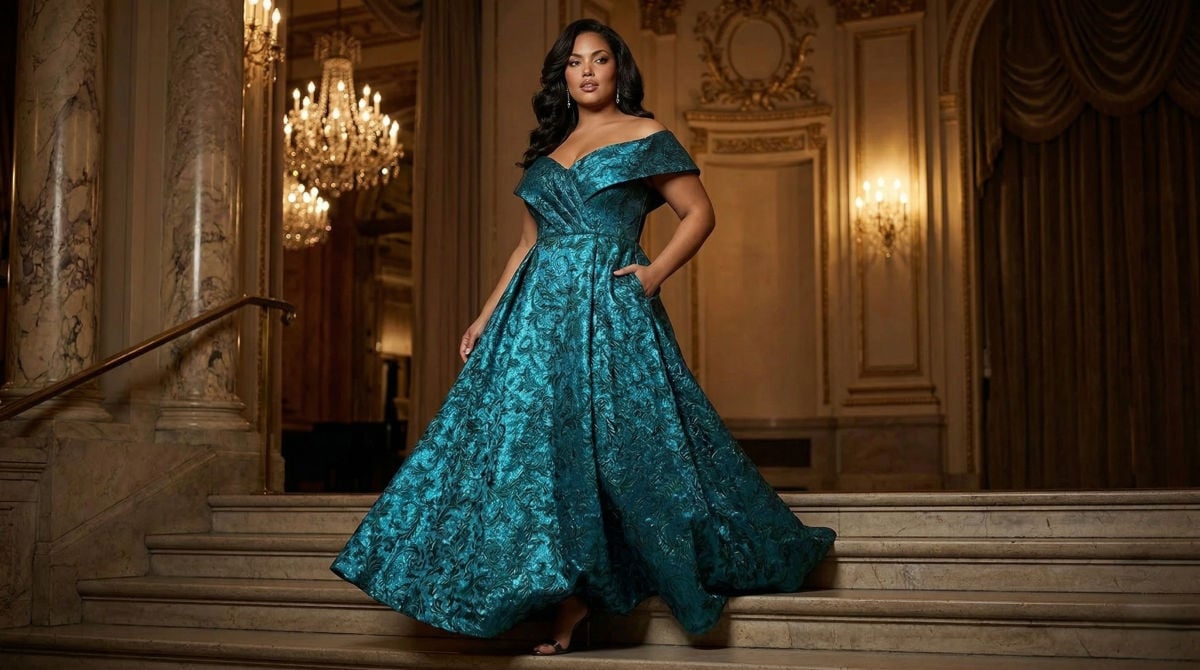
Exploring beautifully constructed plus size evening dresses ensures that women of all curves can find garments with the right foundational support and stunning architectural details. From built-in corsetry to strategically placed ruching, high-end design houses like Jovani prioritize the science of fit, proving that formal wear should celebrate the wearer above all else.
The Impact of Fabric and Exquisite Detailing
The material of your gown speaks volumes before you even say a word. In formal evening wear, the choice of fabric dictates how the dress moves, how it catches the light, and how appropriate it feels for the season. Choosing the right textile is a critical step in the design process, as different fabrics interact differently with the body’s movement.
Seasonal Fabric Choices
During the cooler months of late autumn and winter, heavier fabrics like velvet, brocade, and heavy silk satin take center stage. These materials offer a luxurious weight that drapes beautifully and provides a sense of warmth and depth. The tactile nature of velvet, in particular, adds a regal quality that is perfect for holiday galas or winter weddings.
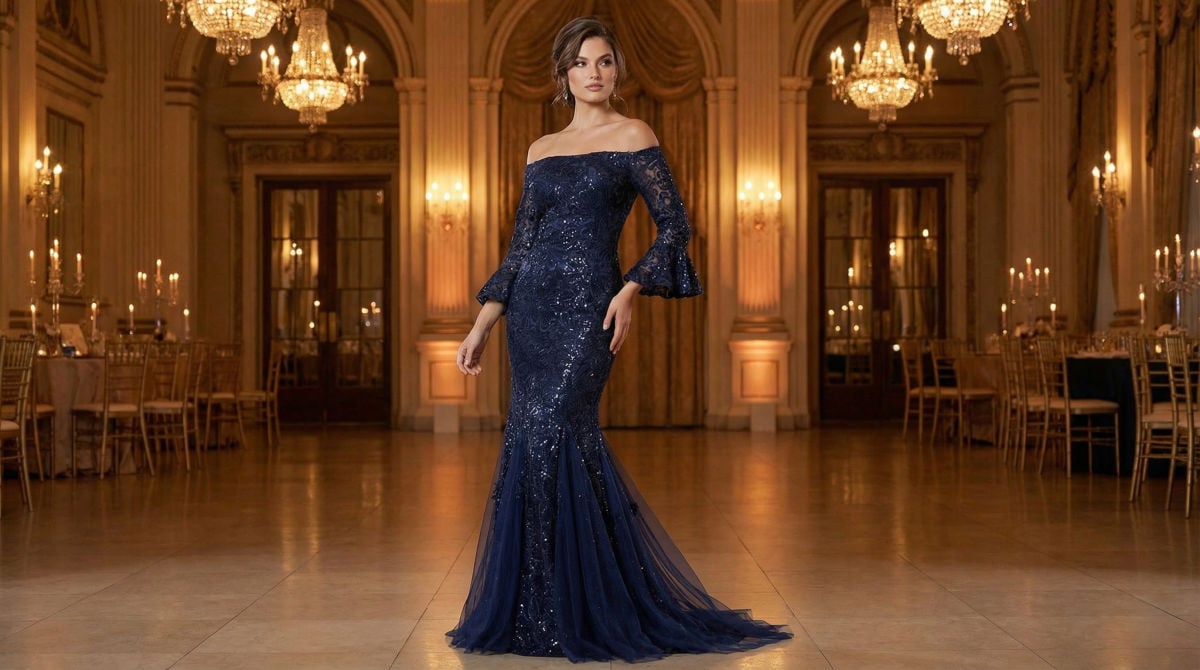
For winter galas or late-year weddings, sophisticated gowns with long sleeves not only offer practicality against the chill but also provide a canvas for stunning elegance. A long-sleeve gown in a rich, dark fabric presents a chic, modest, and incredibly powerful aesthetic that stands out in a room full of sleeveless styles.
The Art of Embellishment
For spring and summer events, the focus shifts toward lighter, more ethereal textiles. Chiffon, organza, and fine crepe allow for movement and breathability while retaining a formal edge. These fabrics are ideal for outdoor formal settings where the breeze can catch the movement of the skirt, creating a romantic and fluid look.
Regardless of the season, embellishments can elevate a simple dress into a work of art. If you want to capture attention under the ballroom chandeliers, looking for intricate beaded designs is a brilliant strategy. High-quality beadwork, sequins, and metallic threading reflect light beautifully and add a layer of texture that signifies premium craftsmanship. When investing in a highly embellished piece, it is wise to trust an established design house to ensure the beadwork is expertly applied and the dress remains comfortable to wear throughout the night.
Color Theory for the Evening
While the cut and fabric are vital, the color of your dress sets the immediate tone. Black is the eternal safe haven of formal wear, offering a slimming, universally accepted, and intensely chic option. It is the color of mystery and ultimate sophistication, allowing your features and accessories to take center stage.
However, stepping outside of black can yield spectacular results. Jewel tones such as emerald green, sapphire blue, and deep amethyst are phenomenal choices for formal events because they convey richness and royalty. These colors have a natural depth that looks particularly stunning in evening lighting and photographs.
If you prefer a softer look, metallics like champagne, soft gold, and silver offer a luminous quality that is perfect for celebratory events like anniversaries or high-end New Year’s Eve parties. It is usually best to avoid overly bright, neon colors or large, casual floral prints for highly formal evenings, as they can sometimes read as too relaxed for a gala setting.
Styling the Final Look
The accessories you choose will either elevate your gown or compete with it. The golden rule of formal styling is balance. If your dress features heavy beading or a dramatic neckline, opt for understated jewelry, such as a simple pair of diamond studs or a delicate tennis bracelet.
If your gown is minimalist and architectural, you have the freedom to introduce a statement necklace or bold chandelier earrings. Hair and makeup should follow the same principle of balance, leaning toward polished updos or sleek blowouts that complement the neckline of your dress.
Preparing for a formal evening event is an art form that blends etiquette, personal taste, and high-quality design. By understanding the environment, embracing the right silhouette, and selecting masterful craftsmanship, you ensure your presence is felt the moment you enter the room.
To discover the masterpiece that perfectly captures your unique elegance, explore the complete collection of Jovani evening dresses at your nearest authorized retailer.
Expert Advice for Your Formal Wardrobe
What is the main difference between Black Tie and White Tie dress codes?
The primary difference lies in the level of formality and tradition. White Tie is the most formal dress code, requiring a floor-length ball gown and often emphasizing ultra-glamorous, regal aesthetics. Black Tie is slightly less rigid but still demands high elegance, where a floor-length gown is standard, though modern interpretations may allow for more diverse silhouettes and contemporary details.
Can I wear a cocktail-length dress to a formal evening event?
While floor-length gowns are the gold standard for formal and black-tie events, a sophisticated, high-end cocktail dress may be appropriate for “Black Tie Optional” or “Formal” events that are less traditional. However, for true White Tie or strict Black Tie galas, a full-length gown is essential to ensure you meet the etiquette requirements of the host and respect the prestige of the occasion.
How do I choose the best fabric for an outdoor evening event?
For outdoor formal events, the season is your best guide. In warmer months, choose lightweight and breathable fabrics like chiffon or fine silk to stay comfortable and allow for movement. For evening events where the temperature may drop, consider heavier textiles like satin or crepe, and always have a matching wrap or structured cape available to maintain your formal silhouette while staying warm.