
Blog
How to Choose the Right Fabric for an Evening Dress

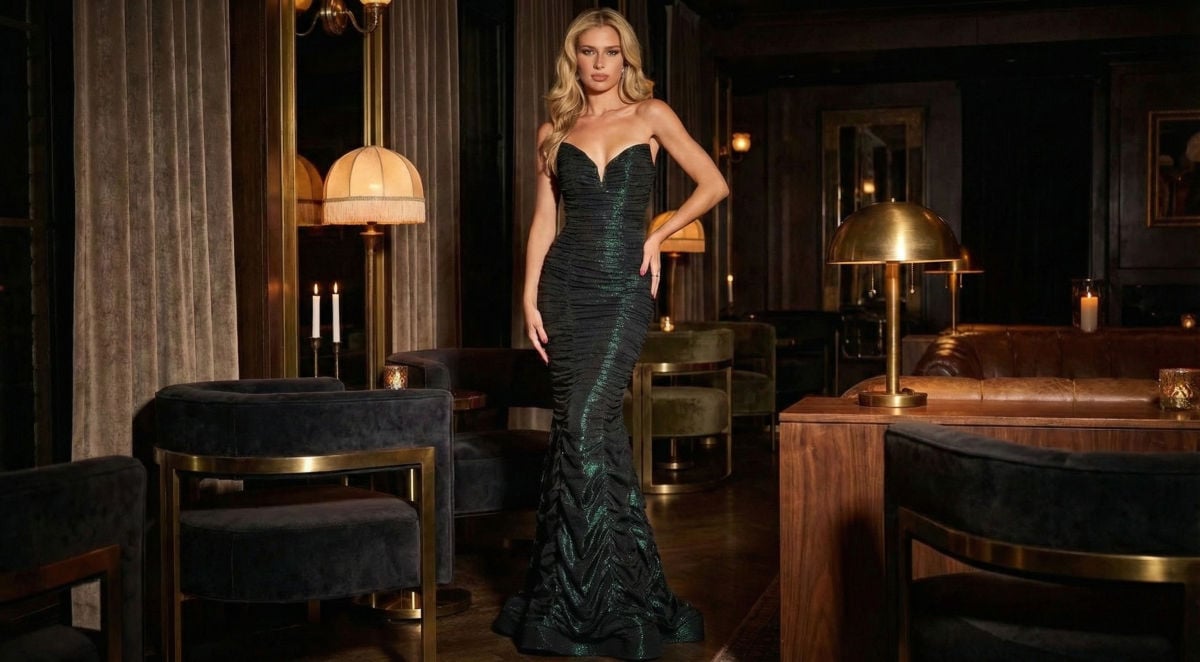
Choosing the right fabric can make an evening dress look expensive and refined, or it can make the same silhouette feel flat and uncomfortable. If you have ever tried on two dresses that looked similar on a hanger but felt completely different on your body, the difference was almost always the fabric. This guide is designed to help you understand how to choose the right fabric for an evening dress in a way that feels practical, realistic, and easy to apply when you are browsing styles or narrowing down options.
At Jovani, fabric decisions are made with purpose. The material is not just selected for how it looks under studio lighting. It is chosen for how it drapes, how it moves, how it holds shape, and how it wears over an entire night. Once you understand the basics of evening dress fabrics, you will notice details that most people miss, and you will feel more confident making the best choice for your event, your comfort, and your personal style.
Why fabric matters more than most people realize
Fabric is the foundation of the dress. It influences the shape, the shine, the softness, and the way the design looks from every angle. It also decides whether a dress flows when you walk or stays crisp and sculpted. When you are learning how to choose the right fabric for an evening dress, it helps to think of fabric as the engine behind the silhouette. A fabric can create romance, drama, elegance, or a clean modern look without changing a single seam.
Fabric also affects comfort. Some materials breathe and feel light on the skin. Others are heavier, warmer, and more structured. That does not mean one is better than the other, but it does mean the fabric should match the venue, the season, and how long you plan to wear the dress. If you are attending a formal event that lasts hours, the right material can keep you comfortable and confident the entire time.
The three main categories of evening dress fabric types
Most evening dress fabric types fall into three broad groups. Flowing fabrics that create movement, structured fabrics that hold shape, and embellished fabrics that add texture and sparkle. Understanding these groups makes it easier to choose fabric based on what you want the dress to do.
Flowing fabrics are for softness, drape, and graceful motion. Structured fabrics are for tailoring, support, and defined lines. Embellished fabrics are for shine, detail, and statement impact. When choosing between them, it helps to ask one question. Do you want your dress to float, sculpt, or sparkle?
Flowing fabrics that create movement
If your goal is a soft look with movement, focus on lightweight evening dress fabrics. These materials tend to glide over the body rather than gripping it, which is why many people choose them for weddings, galas, and warm weather events.
Chiffon Evening Dresses are one of the most popular options for a reason. Chiffon is airy and delicate, and it moves beautifully when you walk or dance. It is also forgiving in fit, which can make it a comfortable choice when you want a dress that feels elegant without feeling stiff.
Silk Evening Dresses are another classic. Silk feels smooth against the skin and has a natural richness that photographs beautifully. It can look soft and romantic, but it can also look very elevated depending on the cut and finish. If you want something timeless, silk is often considered a best in class option among evening dress fabrics.
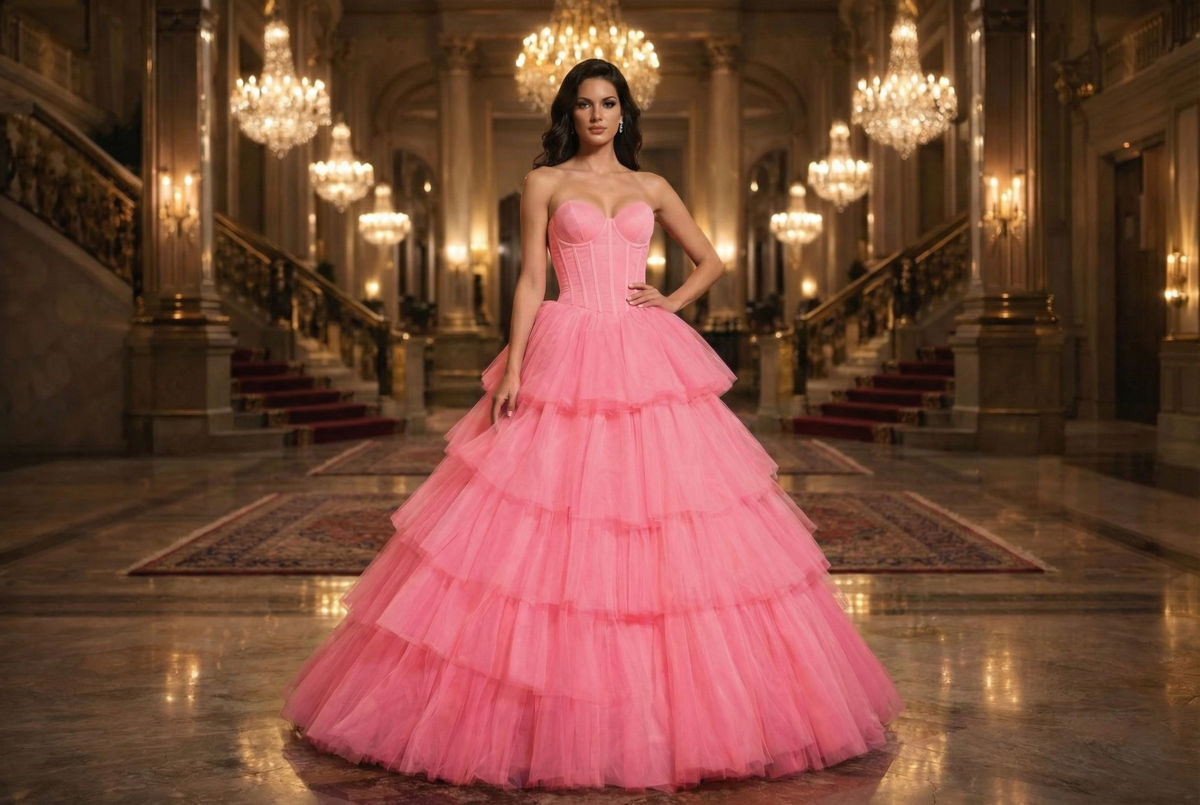
Tulle Evening Dresses are ideal when you want volume without heaviness. Tulle is often layered, which creates fullness and dimension while still feeling light. It can be playful, dreamy, or dramatic depending on how it is used in the skirt and bodice.
When your priority is ease, softness, and motion, these choices usually fit the goal of flowy evening dress materials.
Structured fabrics that hold shape
Some designs need more support and definition. If you are choosing a dress with a fitted bodice, a clean neckline, or a shape that relies on tailoring, you will usually want structured evening dress fabrics. These materials help the dress hold its form and maintain a polished look for the entire night.
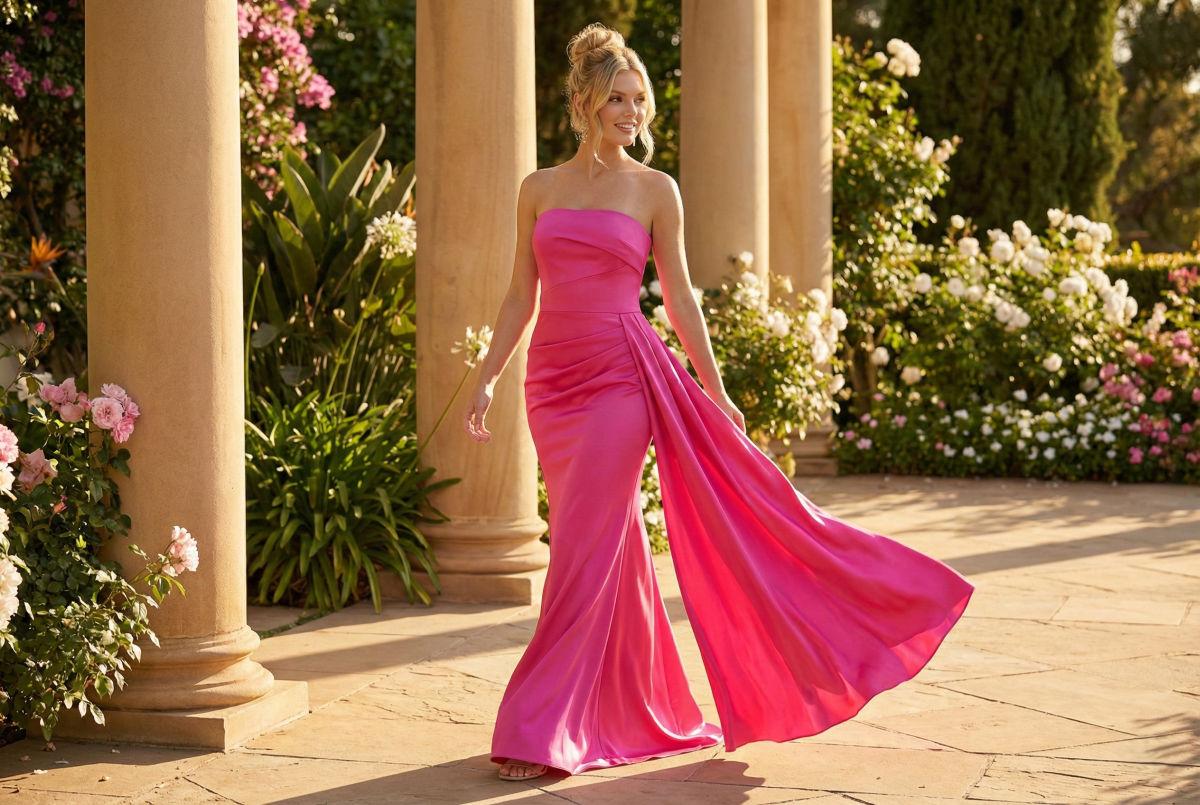
Satin Evening Dresses are a top choice for structure with elegance. Satin has a smooth surface and a refined sheen that looks formal without being overly flashy. It also supports clean seams and crisp silhouettes, which is why it works so well in fitted styles and more architectural designs.
Brocade Evening Dresses are known for their woven patterns and rich texture. Brocade tends to be heavier and holds shape well, which makes it ideal when you want a dress to feel substantial and formal. It has a luxury feel that stands out through texture rather than sparkle.
Velvet Evening Dresses offer depth, richness, and a plush finish. Velvet is especially flattering in cooler months, and it creates a dramatic look even in simpler silhouettes. The way velvet absorbs and reflects light can make the dress look very high end.
If you are comparing evening dress fabric types, structured materials are often the best option for defined lines, supportive fits, and a stronger formal presence.
Embellished fabrics for shine and detail
When you want impact, embellished materials are the fastest way to get it. These fabrics are designed to catch light, add texture, and create a memorable look in photos and in person.
Sequin Evening Gwons are made to sparkle. Sequins reflect light directly, which makes them ideal for events with evening lighting, chandeliers, flash photography, and a glamorous dress code. If you want a bold entrance, sequins deliver.
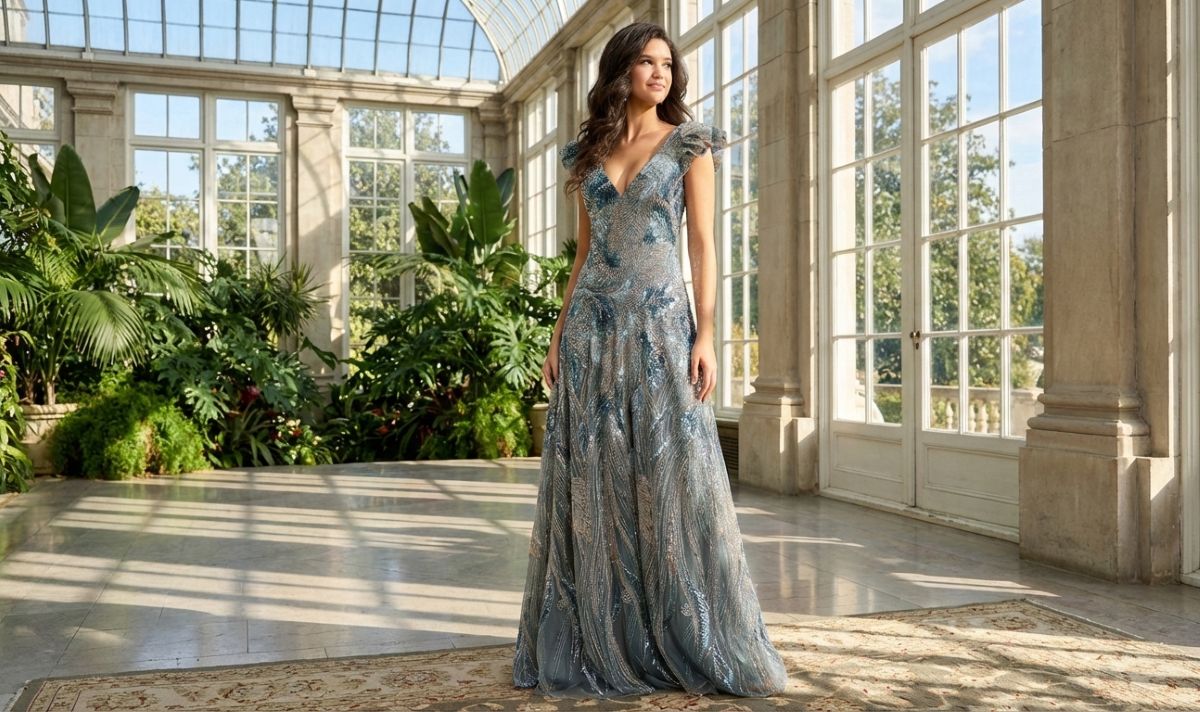
Beaded Evening Dresses offer a different kind of shine. Beading can look more dimensional and detailed because the embellishment is often placed in patterns that highlight the waist, neckline, or bodice. It can feel artistic and elevated while still giving you that special occasion look.
If your goal is attention, texture, and light reflection, embellished materials often become the best fabric for evening dresses in that moment, especially for parties, celebrations, and formal nights out.
Matching fabric to the silhouette you want
This is where fabric selection becomes practical. The silhouette and the fabric have to support each other. A dramatic skirt needs the right material to keep its shape. A fitted design needs the right material to smooth and sculpt.
For maximum volume and drama, evening ball gowns with layered fabrics are often built with tulle, satin, or layered combinations that create fullness without collapsing.
For body defining fits, figure hugging mermaid evening silhouettes usually look best in materials like satin or velvet because they create a smooth line and support the structure of the shape.
For versatile fits that flatter many body types, flowy A line styles pair beautifully with chiffon or softer satins because these fabrics balance movement and shape without feeling heavy.
This is a big reason why understanding fabric for evening gowns matters. The silhouette is the visual plan, but the fabric is what makes that plan work.
Choosing fabric for formal dresses based on comfort
A dress can be stunning and still feel wrong if it is uncomfortable. When you are thinking about choosing fabric for formal dresses, comfort should be part of the decision, not an afterthought.
If you plan to sit, stand, and move for hours, breathable and softer materials often feel better. If the event is in a warm environment, lighter fabrics help prevent overheating. If it is in a cooler season, richer materials like velvet and brocade can feel more appropriate and more comfortable.
Jovani designs fabrics and construction to work together. The right lining, the right support, and the right balance of structure and softness can make a material feel far more wearable than people expect. This is part of what separates a dress that simply looks good from a dress that performs well all night.
Fabric recommendations based on style goals
If you want a clean, minimal look, focus on materials with a smooth surface and refined drape. Simple Evening Dresses often look best when the fabric itself is high quality and does the work through finish and movement instead of heavy embellishment.
If you want a fitted look that highlights the body, Bodycon Evening Dresses often rely on fabrics that are smooth and supportive so the dress looks sleek rather than wrinkled.
If you want softness and romance, look toward chiffon, silk, and tulle. These are classic flowy evening dress materials that create graceful movement and a gentle finish.
If you want a strong, formal look with presence, satin and brocade are often the most reliable structured evening dress fabrics to achieve that goal.
Fabric quality and why it matters
Two dresses can both be labeled satin, chiffon, or velvet, but the quality can be completely different. Quality affects how a fabric drapes, how it photographs, and how it holds up after hours of wear. Higher quality fabrics are less likely to look thin, cheap, overly shiny, or wrinkled.
Jovani focuses on fabric selection that supports a consistent fit and finish. That consistency matters because it helps the dress look refined in real life, not just in styled photos. When people say a dress looks expensive, they often mean the fabric looks rich, the drape looks smooth, and the garment holds its shape properly.
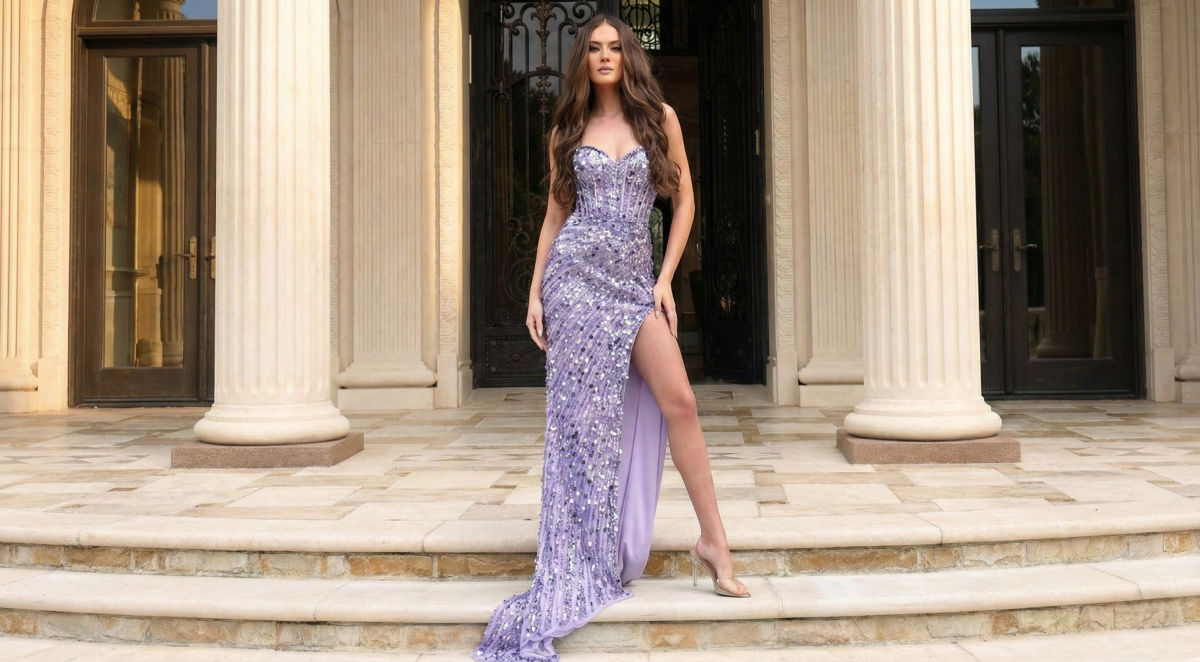
How to choose the right fabric for an evening dress with confidence
To make a confident choice, start with your event and your style goal. Do you want flow, structure, or sparkle. Then consider comfort, season, and the silhouette you feel best in. If you want movement and softness, prioritize lightweight evening dress fabrics. If you want clean lines and support, prioritize structured evening dress fabrics. If you want attention and shine, prioritize embellished options.
Most importantly, remember that how to choose the right fabric for an evening dress is not about rules. It is about matching the material to the result you want. When fabric and silhouette work together, the dress looks intentional, flattering, and elevated.