
Blog
How to Care for Delicate Evening Dress Fabrics


How to care for delicate evening dress fabrics is not complicated, but it does require intention. Formalwear is built differently than everyday clothing. Delicate textiles are chosen for movement, structure, and finish, not for surviving rushed laundry cycles. If you want an evening dress to keep its shape, color depth, and clean drape, evening dress fabric care has to be part of how you own it, not something you remember after damage shows up.
At Jovani, fabric choices are deliberate. The goal is reliable fit, graceful movement, and strong construction, even when the material is soft, detailed, or layered. Caring for delicate evening dresses protects what you see, the surface sheen, the crisp seams, the clean lines, and what you do not see, like internal support and finishing. This guide explains how to clean, store, and maintain formalwear in a way that preserves the fabric and the design.
Understanding what makes delicate fabrics delicate
Before you decide on cleaning or storage, step back and identify what you are dealing with. How to care for delicate evening dress fabrics depends on fiber type, weave, finishing, and any added details. Silk, satin, chiffon, velvet, lace, brocade, sequins, and beadwork are beautiful because they respond to light and motion, but they can also react to heat, friction, pressure, and moisture.
Many formal gowns combine multiple fabrics. A structured bodice might be brocade or satin, while the skirt might be chiffon or silk. That means evening gown fabric care must protect the most fragile section of the dress, not the most durable. If the dress includes embellishment, the risk increases because beads and sequins add weight and tension to the base fabric.
This matters across the full range of styles in Evening Gowns, where fabric performance is part of what makes the dress look elevated.
How to clean delicate evening dresses without damage
How to clean delicate evening dresses starts with a simple rule. Do not guess. If a dress is made for special occasions, treat it like special occasion clothing. Formal dress fabric care usually means professional cleaning, especially for silk, satin, velvet, lace, and anything embellished.
Dry cleaning is often the best choice, but only when done by a cleaner who understands formalwear construction. Always point out delicate zones, like an embellished bodice, a layered skirt, or structured elements. Ask for spot treatment first when possible, rather than a full process every time.
If you need to handle a small issue at home, be conservative. Blot, do not rub. Use minimal moisture. Test on an inside seam. This is especially important for chiffon evening dress care, because chiffon can show water marks and can stretch if handled roughly. Lace evening dress care also requires caution because lace can snag and distort easily.
For beaded evening dress care and sequin evening dress care, avoid home cleaning entirely. Beads are often hand attached, and sequins can crack or warp with heat. Even gentle agitation can loosen stitching. Professional cleaning is the safest path.
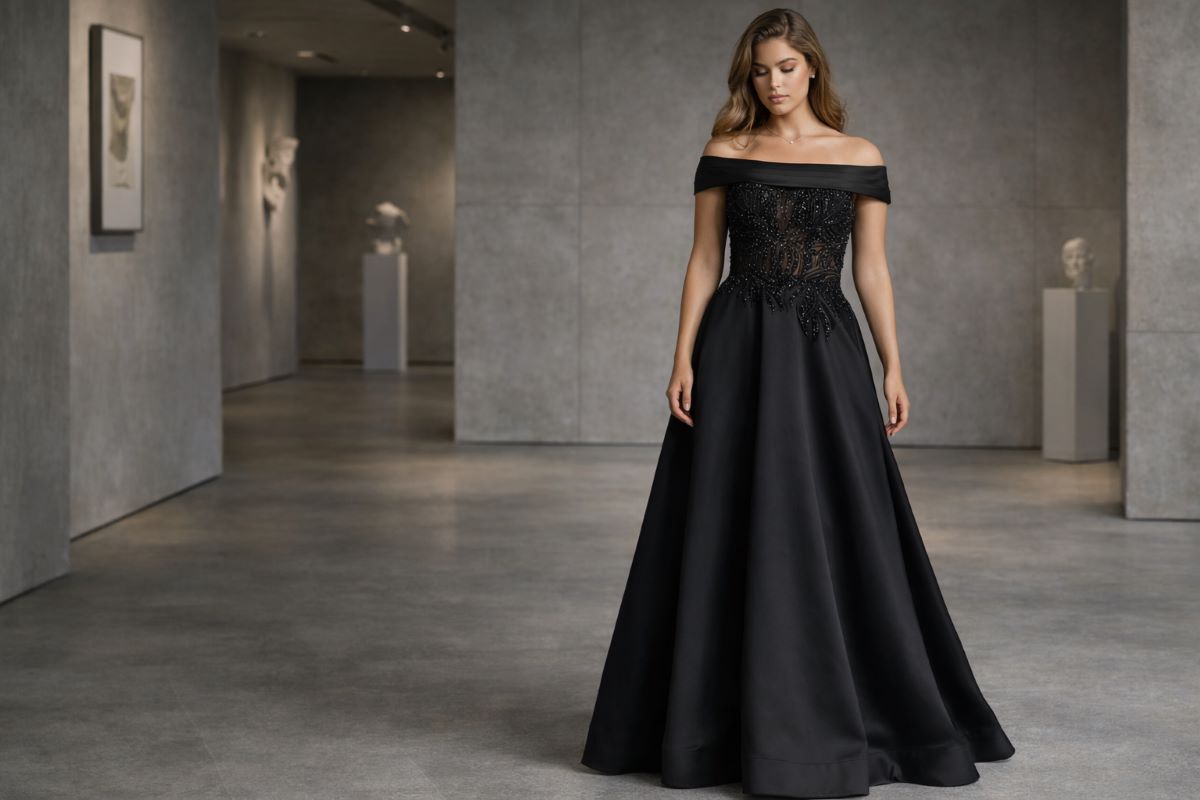
Fabric specific care that actually works
Silk evening dress care
Silk reacts to sweat, perfume, deodorant, and water. It can stain and dull quickly if exposed repeatedly. How to care for delicate evening dress fabrics like silk means preventing stains first. Apply fragrance and body products before dressing, let them dry, then put the dress on. If a stain happens, do not scrub. Get it to a specialist.
Satin evening dress care
Satin shows pressure marks and shine changes from friction. Even the way you sit can affect it. For evening dress fabric care with satin, avoid folding, avoid heavy bags that rub the fabric, and store it in a way that prevents creasing. Styles like Long Evening Gowns often have large satin areas that need space to hang smoothly.
Chiffon evening dress care
Chiffon pulls, snags, and stretches. It also holds static in dry environments. Use a breathable garment bag and keep it away from rough jewelry or sharp nails. When you learn how to care for delicate evening dress fabrics like chiffon, the biggest lesson is gentle handling. Let the fabric rest, do not tug.
Lace evening dress care
Lace is fragile because it is open, textured, and prone to snagging. Store lace away from hooks and zippers. If the lace is layered over another fabric, protect both layers. Formal dress fabric care for lace often requires professional cleaning to avoid distortion.
Velvet evening dress care
Velvet crushes under pressure and reacts to heat. Never press it flat with an iron. Steam from a distance and let it relax naturally. When storing velvet, avoid tight garment bags and make sure nothing presses against the pile.
Brocade evening dress care
Brocade is structured but can crease sharply and weaken at fold points. It also can snag. Store it with support and avoid folding across the same lines repeatedly. For dresses with more volume, including Evening Ball Gowns, brocade sections need room so the fabric is not stressed.
Beaded and sequin care
Embellishments add weight. That weight pulls on seams and base fabric. How to care for delicate evening dress fabrics with embellishment means reducing strain. Support the dress properly, keep it away from sharp surfaces, and clean it professionally.

How to store evening dresses properly
How to store evening dresses properly is the difference between a dress that looks ready and a dress that needs repairs. Use padded hangers so the shoulders keep their shape. Use hanger loops if the dress has them. Never use thin wire hangers.
Choose breathable garment bags, not plastic. Plastic traps moisture, which can weaken fibers and invite discoloration. Store in a cool, dark, dry place. Light fades, heat weakens, and humidity encourages odor and fabric breakdown.
For heavier dresses, consider additional support. Some gowns should be stored with the skirt lightly supported using acid free tissue, especially if embellishment adds weight. This matters for plus size formalwear too, because Plus Size Formal Gowns often contain more fabric weight and need stronger support to prevent shoulder stress and seam pull.
If the dress includes higher coverage, pay attention to the neckline and sleeves. Modest Evening Dresses often have long sleeves, illusion details, or layered construction, which can crease if stored incorrectly. Smooth the garment on the hanger so sleeves hang naturally.

Handling structured dresses and delicate construction
Evening gown fabric care is not only about the outer fabric. It is also about the structure underneath. Many formal dresses include boning, internal shaping, and carefully placed seams that create a clean silhouette. Never fold a structured bodice sharply. Never compress it under other clothing. If you do, you can warp the shape, and that changes the way the dress fits.
Embellished styles, like Beaded Formal Dresses, should not hang without support for long periods if the base fabric is delicate. If the dress is heavy, consider storing it folded with careful padding, but only if you know how to fold it without creating hard creases. For most people, hanging with proper support is safer.
Satin heavy dresses, such as Satin Evening Gowns, should be stored so the fabric is not pressed against other garments. Satin needs space, not pressure.
Travel tips that protect delicate fabrics
If you travel often, evening dress maintenance tips should include a travel routine. How to care for delicate evening dress fabrics during travel is mostly about reducing friction and pressure. Use a garment bag. If you must fold, place tissue between folds. Pack the dress on top, never under shoes or heavy items.
Unpack immediately. Hang the dress so fabric relaxes. If you need steam, use low steam and keep distance, especially for satin and velvet. Always let the dress cool and dry before putting it back into a bag.
Why Jovani dresses hold up better with proper care
Jovani designs are made with attention to construction details that matter over time. Seams are placed to support movement, fabrics are selected for the right balance of drape and structure, and finishing is designed to stay clean when cared for correctly. That is why luxury evening dress care feels worth it with a well made dress. The better the design and construction, the more your care routine preserves the original look.
If you remember one thing, remember this. How to care for delicate evening dress fabrics is a habit. Clean carefully, store correctly, and handle gently. Those three choices protect silk sheen, satin smoothness, lace detail, and embellishment security for years.