
Blog
Black Tie vs. White Tie: A Formal Style Guide

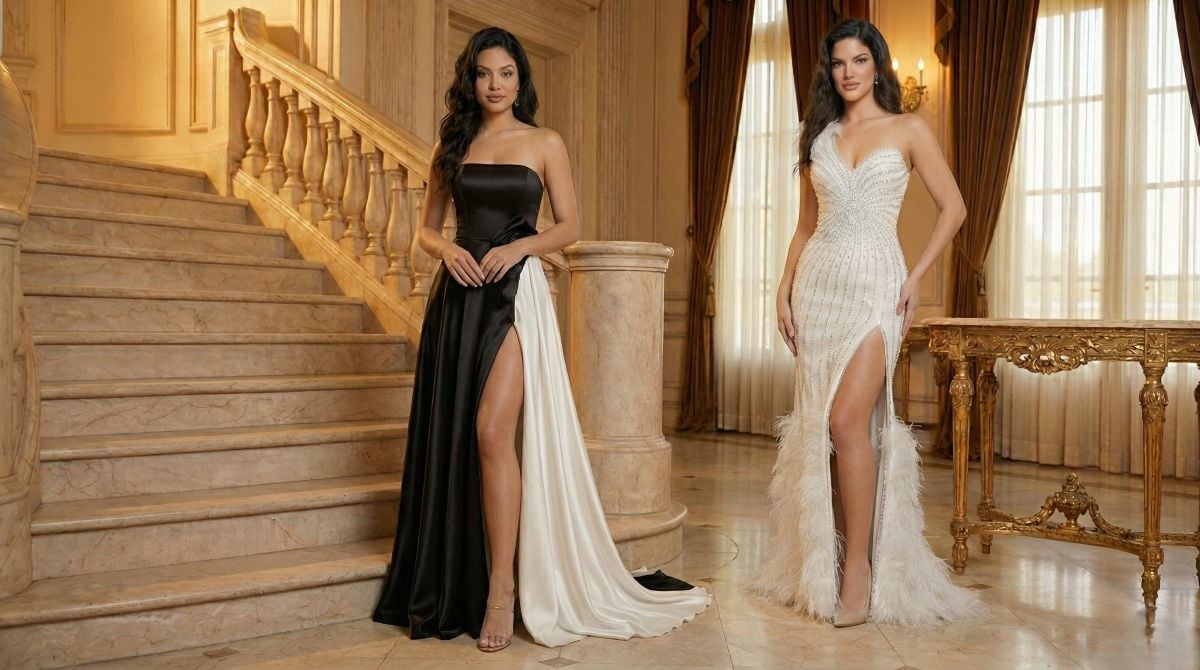
Receiving an invitation with a highly specific formal dress code is always an exciting moment, signaling a night of grandeur, celebration, and exceptional style. However, when the gold-lettered card specifies the required attire, many guests find themselves hesitating. The distinction between various tiers of formal wear can sometimes feel like a closely guarded sartorial secret. Understanding the nuances of evening dresses for black tie vs white tie events is absolutely essential for navigating high-society gatherings, diplomatic galas, and luxurious weddings with confidence and grace.
As a leading voice in luxury fashion, Jovani has spent decades perfecting the art of the formal gown. Our design philosophy is rooted in the fundamental belief that every woman deserves to feel impeccably appropriate and undeniably breathtaking when she steps into a ballroom. This comprehensive guide will demystify these two prestigious dress codes, exploring the history, rules, and styling secrets that ensure your wardrobe selection is nothing short of flawless.
Decoding the Black Tie Dress Code
When an event calls for black tie, it represents a standard of sophistication that sits just below the absolute highest tier of formalwear. For men, this traditionally means a classic tuxedo. For women, the expectations are centered around profound elegance, though there is a beautiful degree of modern flexibility woven into the contemporary rules.
The quintessential choice for this occasion is always drawn from a curated selection of black tie dresses that command attention without breaking the boundaries of classic taste. While highly structured, sophisticated cocktail-length options are occasionally accepted at less rigid or modern gatherings, the gold standard for women remains long evening dresses that gracefully sweep the floor. The elongated silhouette instantly elevates your posture and presence, aligning perfectly with the distinguished atmosphere of evening galas and formal weddings.
When considering fabrics for a black tie affair, it is vital to lean into materials that offer distinct movement, richness, and visual weight. Silk crepe, structured mikado, and fluid chiffon are universally excellent choices. Dark, jewel tones often dominate the winter season, while softer metallics, deep pastels, or rich emeralds can work beautifully for spring events.
Silhouettes and Styles for Black Tie Galas
The beauty of a black tie invitation lies in the freedom to express your personal style through various architectural cuts. You are not strictly bound to one singular shape, which allows you to highlight your best features while adhering to the formality of the evening.
For a universally flattering and timeless approach, A line evening dresses provide a sophisticated balance, fitted precisely through the bodice and cascading gracefully toward the hem. This particular shape allows for effortless movement across the dance floor and creates a naturally regal posture. Alternatively, a sleek, fitted column gown or a dramatic mermaid silhouette can offer a more contemporary, fashion-forward edge while remaining thoroughly appropriate for the dress code. The key is to ensure the tailoring is impeccable, a standard that Jovani meticulously maintains across every collection.
The Pinnacle of Elegance: White Tie Event Dresses
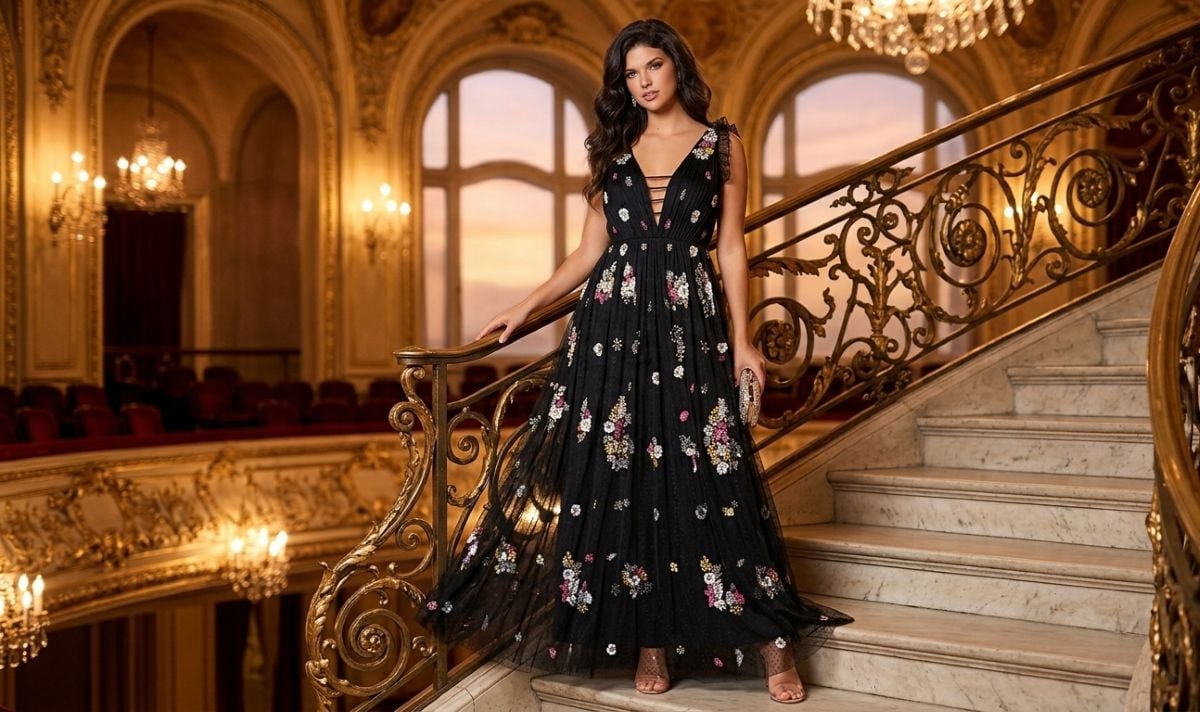
If black tie is an exercise in elegance, white tie is a breathtaking display of pure, uncompromising glamour. This is the most formal dress code in existence, historically reserved for royal banquets, state dinners, presidential inaugurations, and the most exclusive societal balls. There is absolutely no room for casual interpretation here; the rules are strict, steeped in tradition, and specifically designed to create an atmosphere of unparalleled majesty.
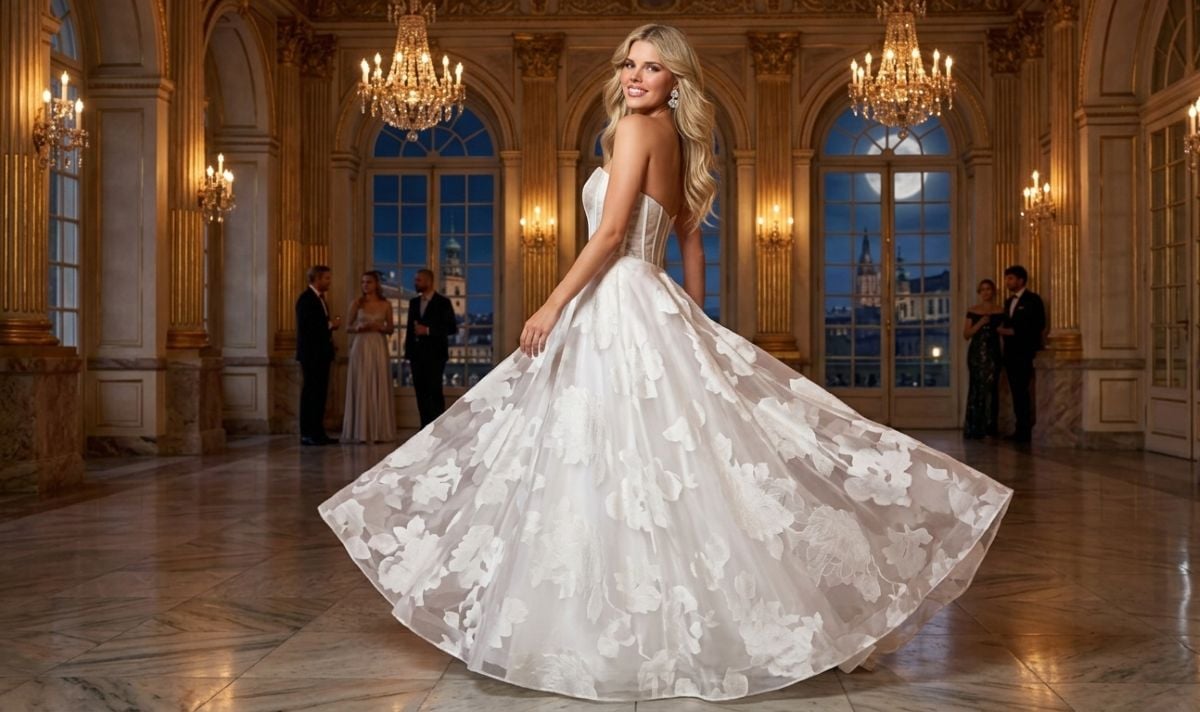
For a white tie event, your attire must be nothing short of magnificent. This is the moment to embrace the ultimate grandeur of evening ball gowns featuring voluminous skirts and impeccably structured bodices. The dress must absolutely be floor-length, completely obscuring the shoes when standing still. Revealing ankles is historically considered a faux pas in this highly traditional setting. The goal is to look as though you have stepped out of a highly curated fashion archive while maintaining a modern sense of luxury.
Essential Elements of White Tie Attire
Beyond the sweeping silhouette, white tie demands a level of material opulence that sets it distinctly apart from standard evening wear. The fabrics should carry significant weight and visual depth to match the gravity of the occasion. While silk satin, heavy brocade, and rich taffeta are historical favorites, the winter months provide the perfect opportunity to wear luxurious velvet gowns that absorb light and radiate a deep, royal warmth.
Furthermore, white tie is one of the few modern occasions where over-the-elbow opera gloves are not just a stylistic choice, but often an expected accessory. When wearing a sleeveless or short-sleeved gown, white or matching gloves complete the historical aesthetic. Jewelry should also be elevated to its highest potential; this is the time to wear your most substantial, sparkling pieces, such as diamond collars, tiaras (if appropriate to your status and the specific event), and statement earrings, as the overall look is meant to be highly decorative and monumental.
Black Tie vs White Tie: The Key Differences at a Glance
To summarize the distinction clearly, think of black tie as red-carpet Hollywood glamour and white tie as royal court majesty. While a sleek, minimalist sheath dress featuring a high side-slit might be perfectly celebrated at a black tie gala, it would likely feel entirely underdressed and overly modern at a white tie ball.
Black tie allows for experimental necklines, modern cutouts if executed with extreme taste and a variety of skirt widths ranging from fitted to flared. White tie, conversely, strictly demands full skirts, highly traditional necklines, and an overall sense of historical propriety. For those who frequently attend such varied and exclusive gatherings, mastering the styling rules for formal events is crucial to avoiding wardrobe missteps. Jovani’s expansive design range ensures that whether the invitation calls for modern chic or traditional majesty, the perfect, high-quality garment is already waiting to be discovered.
Choosing the Right Details and Embellishments
The finishing touches and structural details of a formal gown often dictate its true suitability for specific events. Embellishments should always be chosen with the venue, the host’s aesthetic, and the ambient lighting in mind.
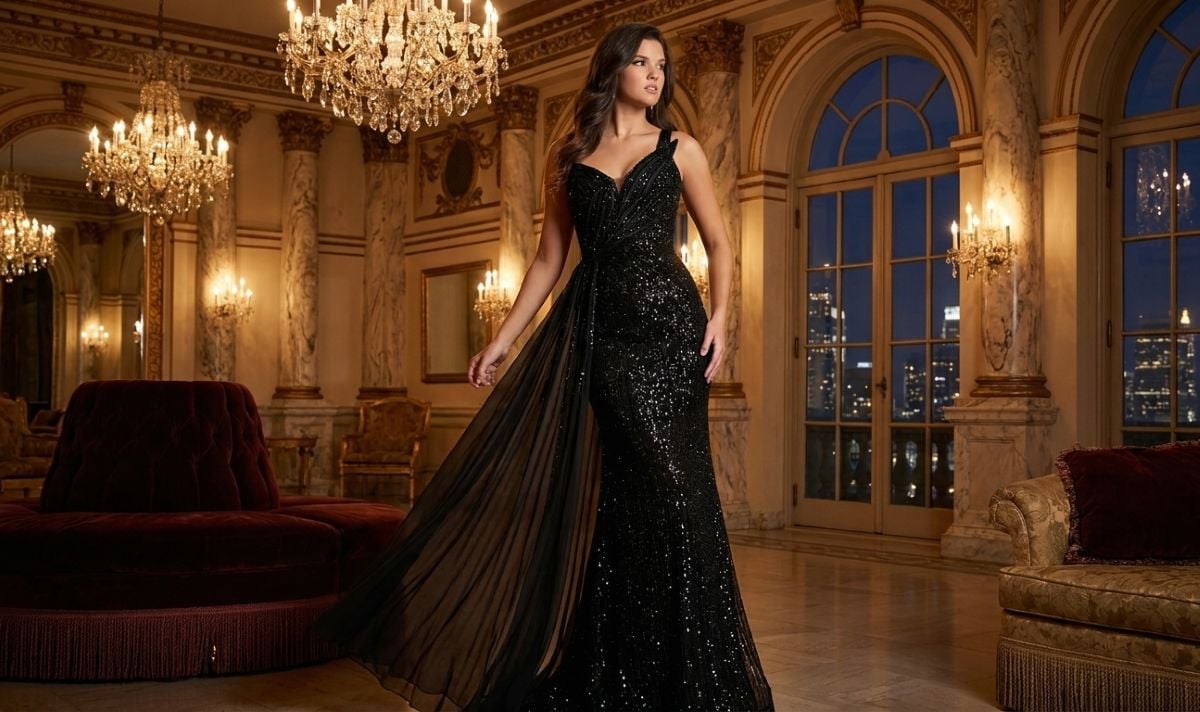
For high-profile evening events where camera flashes and crystal chandeliers are abundant, beaded evening dresses catch the light magnificently, creating a halo of shimmer and sophistication around the wearer. Jovani’s expert artisans spend countless hours hand-applying intricate beadwork, sequins, and crystal accents to ensure every single gown is a wearable masterpiece of texture and shine.
On the other hand, some invitations, cultural expectations, or personal preferences require a more understated approach to elegance. If you prefer high necklines, longer sleeves, or a less revealing cut without sacrificing an ounce of luxury, there are stunning modest formal options that rely entirely on exceptional draping, masterful tailoring, and premium fabrics to make a statement. This proves definitively that true high-society glamour does not always require baring skin; it simply requires exceptional design.
Ultimately, deciphering the nuances between black tie and white tie attire comes down to respecting the formality of the host’s vision while bringing your own refined, personal style to the occasion. Whether you are stepping into a modern charity gala surrounded by contemporary art or a historic state room echoing with centuries of tradition, your attire is a direct reflection of the importance of the evening. Jovani remains deeply dedicated to empowering women through fashion, providing meticulously crafted designs that meet the rigorous standards of the world’s most exclusive dress codes. By understanding these guidelines, you can approach your next formal invitation not with wardrobe anxiety, but with the thrilling anticipation of wearing a true work of art.
Frequently Asked Questions About Black and White Tie Events
1. Can I wear a short dress to a black tie event?
Generally, black tie expectations revolve around floor-length gowns. While a highly sophisticated, structured midi or cocktail dress might be acceptable at a more modern or creative black tie gathering, a long evening dress remains the safest, most elegant, and universally approved choice.
2. What is the defining rule for white tie dresses?
The absolute defining rule for a white tie dress is that it must be a full-length ball gown that completely covers the ankles. It should feature a highly formal silhouette, luxurious fabric, and is traditionally accompanied by formal white gloves and refined statement jewelry.
3. Are black dresses appropriate for white tie events?
Yes, black is a universally accepted and exceptionally sophisticated color choice for both black tie and white tie events. The appropriateness for white tie relies on the gown’s expansive silhouette, premium fabric (like heavy silk or velvet), and the level of formality in your accessories, rather than the color itself.
Explore our complete collection of exquisite evening wear to find the breathtaking gown that will make your next formal event unforgettable.