
Blog
What to Wear to a Black Tie Wedding in 2026

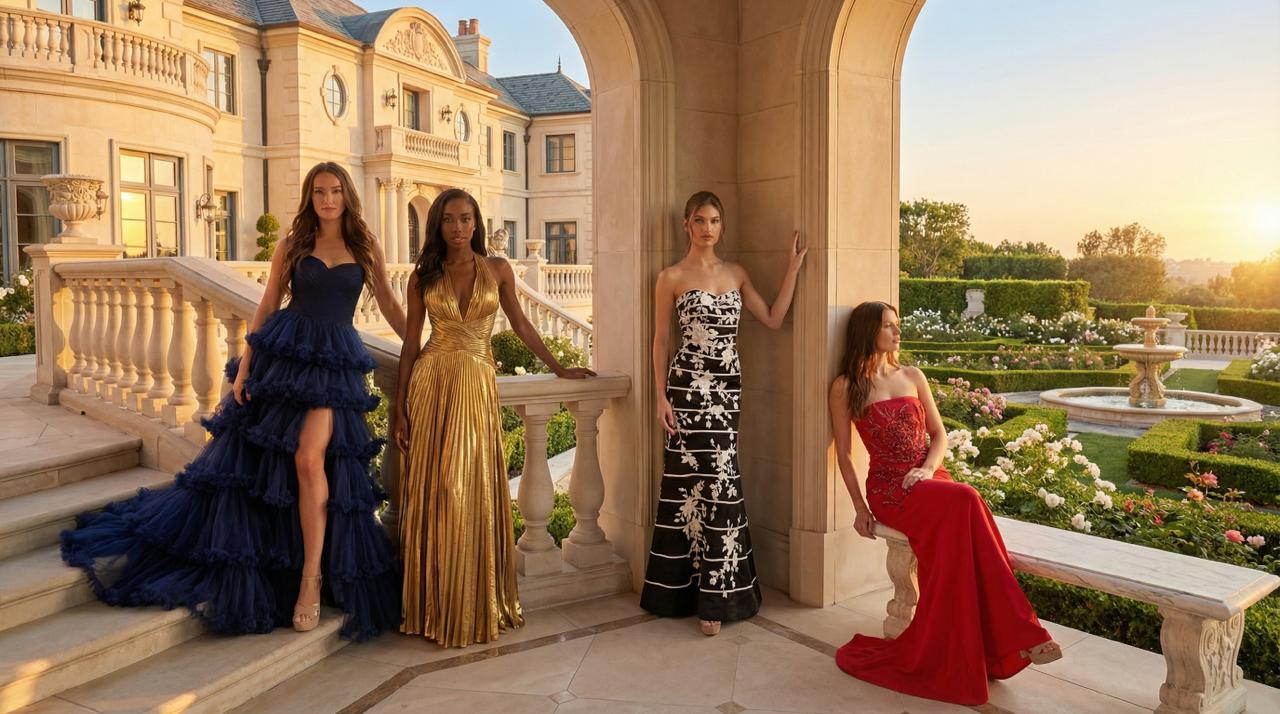
Seeing “black tie” on a wedding invitation is one of those moments that can make getting dressed feel unnecessarily complicated. It should not. Black tie is actually one of the clearest dress codes a wedding invitation can give you because it tells you exactly what the couple expects and exactly how to show up looking right. In practice, black tie means the wedding is a formal evening celebration and the couple wants their guests to dress accordingly. For women, that means a floor-length gown is the standard and the safest choice. It does not mean you need a designer gown, a brand new dress, or a specific color. It means the dress you choose should match the level of intention the couple has put into their celebration. A well-fitted gown in a quality fabric at any price point does that job. A cocktail dress, a midi, or anything that reads as casual does not. Black tie weddings in 2026 are still formal but they are not rigid. The dress code has loosened enough over the last decade that jewel tones, bold colors, and fashion-forward silhouettes are entirely appropriate alongside classic black and navy. What has not changed is the expectation of formality itself. When an invitation says black tie, the couple is asking their guests to show up at their best. The anxiety most women feel around this dress code usually comes from overthinking the details when the principle is simple: dress as if the occasion deserves your full effort, because it does.
What Black Tie Actually Means in 2026
The black tie dress code has its roots in formal evening dressing that goes back over a century, but in 2026 it lives in a different context. Weddings are more personalized, venues are more varied, and guests come from more diverse style backgrounds than any previous generation. The dress code itself has adapted to this reality without abandoning its core expectation. What black tie means in practice today is that the couple has chosen to celebrate at the highest level of formality available to them, and they are asking their guests to meet them there. For women, meeting them there means a floor-length gown in a quality fabric with appropriate embellishment or structure for an evening setting. It means shoes, accessories, and hair that match the intention of the dress. It means arriving looking like someone who understood the occasion and dressed deliberately for it. What black tie does not mean is that every woman in the room needs to look identical. The formality is the constant. The color, the silhouette, the personal style within that formality, those are entirely your own. With over 40 years designing gowns for formal occasions, Jovani’s approach to black tie dressing has always been the same: the occasion sets the standard, the woman defines everything else within it.
Black Tie Optional, Preferred, and Invited – What Each One Actually Means
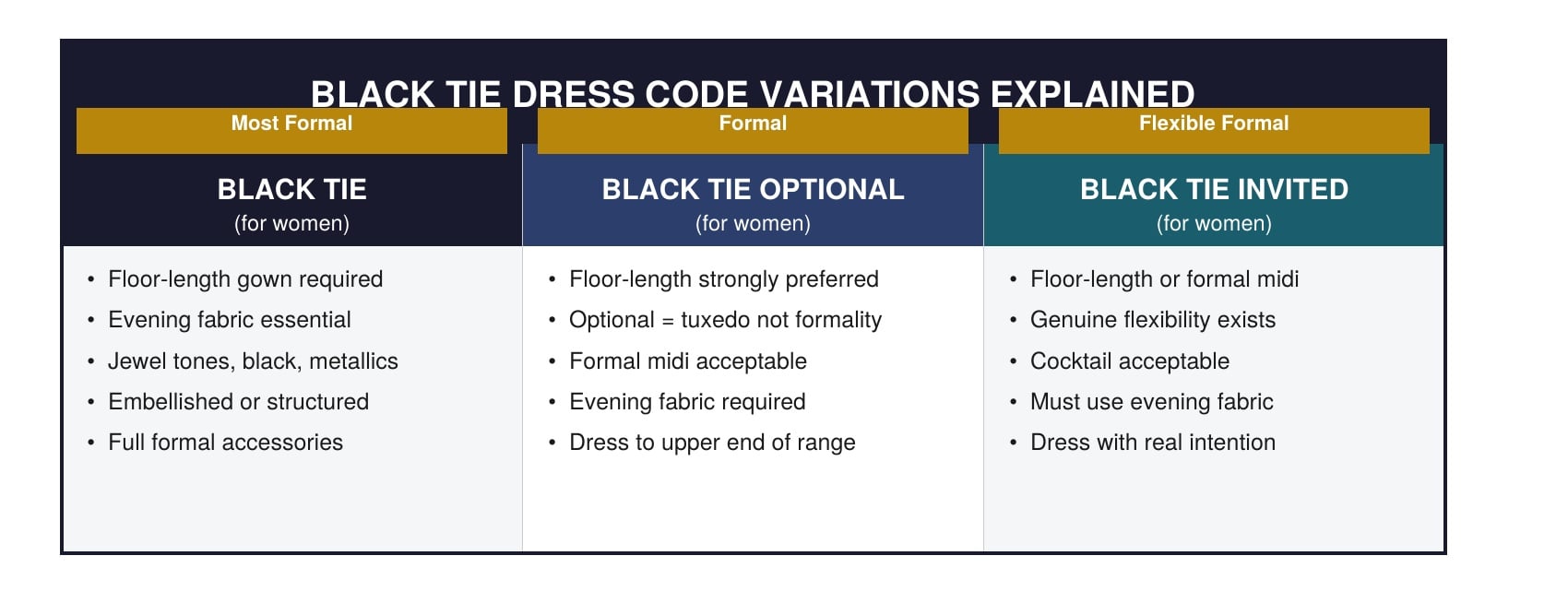
The variations of black tie cause more wardrobe anxiety than the original dress code itself, and for good reason. The modifiers, optional, preferred, invited, suggest flexibility that does not always translate the way guests expect.
Black Tie Optional
This is the most commonly misread variation. The word optional refers to the tuxedo, not to the level of formality. It tells men they can wear a dark formal suit instead of a tuxedo. For women, it changes almost nothing. A floor-length gown remains the strongest and most appropriate choice. A formal cocktail dress that reads as evening wear can work, but the emphasis is on formal. A standard midi or a dressed-up cocktail dress that you would wear to a work event does not meet the spirit of this dress code. When Jovani’s authorized retailers receive calls from women asking whether their dress is appropriate for a black tie optional wedding, the question they ask back is always the same: would you feel comfortable if everyone else arrived in a floor-length gown. If the answer is uncertain, that is the answer.
Black Tie Preferred
This signals that the couple genuinely wants a formal celebration and is asking guests to honor that without making it a requirement. In practice it sits between black tie and black tie optional. A floor-length gown is always right. A sophisticated formal cocktail dress in an evening fabric like structured satin or embellished crepe is acceptable. When in doubt, go longer and more formal rather than shorter and more casual.
Black Tie Invited
This is the newest and most genuinely flexible variation. Here the couple is extending a real invitation to dress formally if you choose to, while genuinely accepting a polished cocktail dress as an alternative. This is the one variation where a well-chosen midi or formal knee-length dress in a quality fabric does not risk looking out of place. Even here, the word invited is worth taking seriously. If you have a floor-length gown that works for the occasion, wearing it honors the couple’s intention more fully than defaulting to the easier option.
What to Wear to a Black Tie Wedding – Silhouettes and Fabrics
Once you understand what black tie requires, the next decision is finding a dress that actually delivers it. The silhouette and fabric you choose determine whether your gown reads as genuinely formal or merely long.
The Mermaid Gown
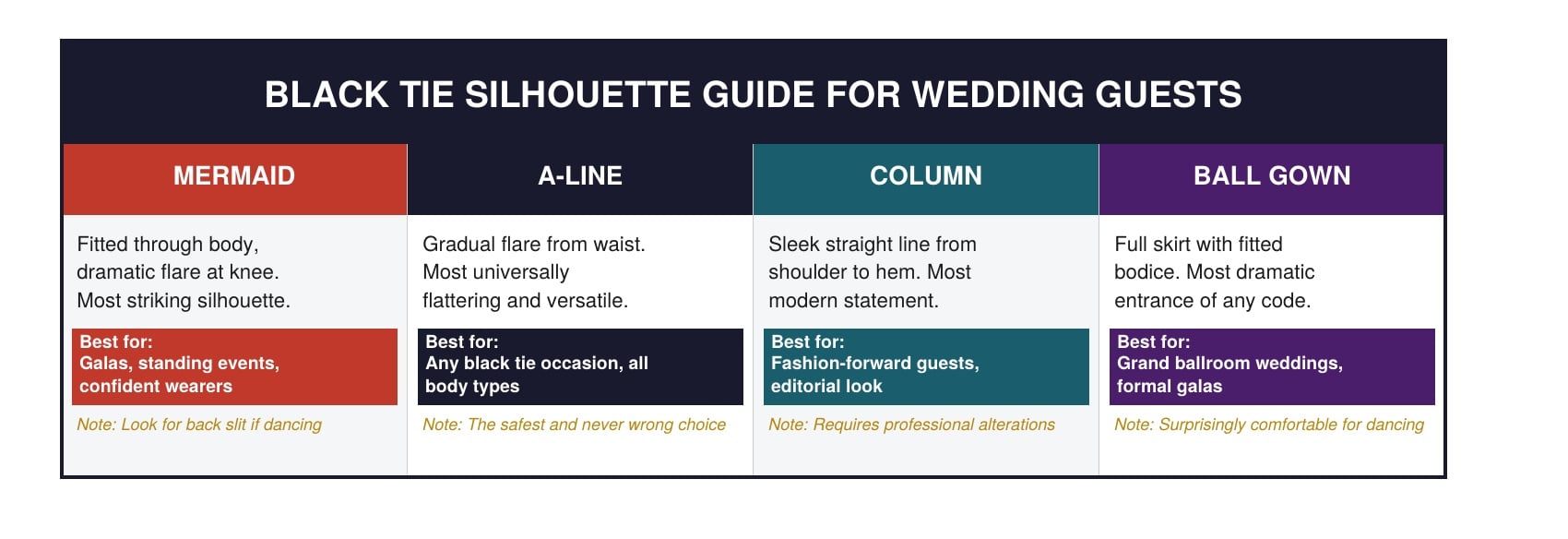
The mermaid is the most striking silhouette for a black tie wedding because the fitted construction through the body and the flare below the knee creates a sculpted, intentional shape that commands attention without competing with the occasion. At Jovani, the mermaid has been one of the most requested silhouettes for formal events for decades, and the reason is consistent: it reads with more definition and presence than any other silhouette under formal event lighting. The practical consideration is movement. A true mermaid fits close through the hips and thighs, which limits your stride and makes extended dancing more physical. If you plan to be on the dance floor all evening, look for a mermaid style with a higher flare point or a back slit that gives you room to move without sacrificing the silhouette.
The A-Line Gown
The A-line is the most reliable choice for a black tie wedding guest because it works across every body type, every age, and every venue without ever looking wrong. The gradual flare from the waist creates a balanced shape that moves comfortably through a full evening of sitting, standing, and dancing. For women attending their first black tie event or women who want complete confidence in their choice, an A-line in a quality fabric is the answer that never disappoints. It is also the silhouette that ages best in wedding photographs, which matters when you are part of someone else’s permanent record of the day.
The Column or Sheath Gown
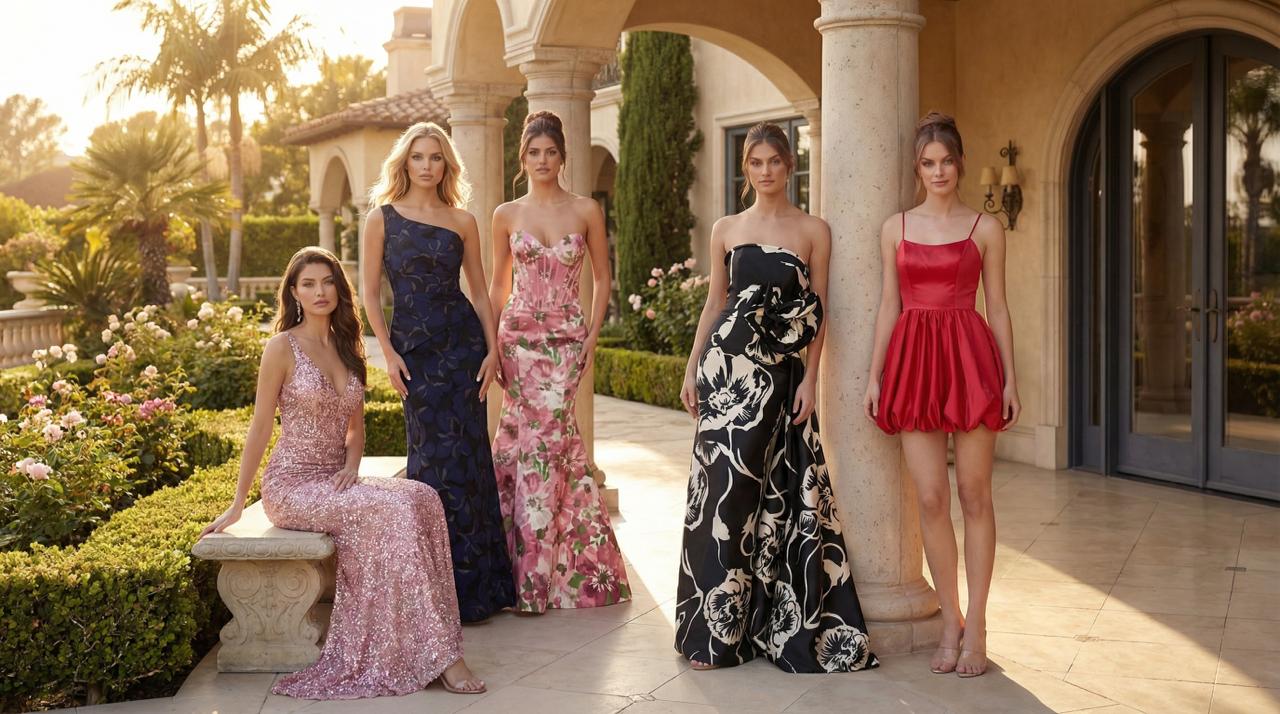
The column or sheath makes the strongest modern fashion statement of any silhouette at a black tie event. A perfectly fitted column in structured satin or crepe reads as deliberately sophisticated in a way that larger, more voluminous silhouettes do not. This is the choice for the woman who wants to look current and intentional rather than traditionally formal. The trade-off is fit. A column gown has no volume to absorb fit variations, which means it rewards professional alterations and punishes a dress that is even slightly off. If you choose this silhouette, budget for a fitting.
The Ball Gown
The ball gown remains the most dramatic choice for the most formal black tie celebrations. At a grand ballroom wedding or a luxury hotel reception where the setting calls for theatrical elegance, a full-skirted ball gown with a fitted bodice creates a silhouette that belongs in that room. It is also, despite its volume, one of the most comfortable gowns to wear for a long evening because the full skirt moves freely and never restricts movement the way a fitted style does.
On Fabric
The fabric choice is as important as the silhouette. Beaded and embellished gowns are the most unambiguously black tie appropriate choice because the embellishment signals formal dressing immediately. Structured satin creates clean, uninterrupted lines with a liquid quality no other fabric replicates. Crepe offers the most sophisticated combination of elegance and comfort, holding its shape through a long evening without the maintenance demands of satin. Velvet is the strongest choice for cooler months and evening events with warm, dim lighting. What all of these fabrics share is the quality of intention. They signal that the woman wearing them understood the occasion and dressed for it. Casual fabrics, jersey, cotton, linen, do not make that signal regardless of the silhouette they cover.
Colors That Work for Black Tie Weddings in 2026
Color at a black tie wedding follows a different logic from color at less formal celebrations. The venue, the lighting, and the level of formality all narrow the palette toward shades that carry visual weight and read as deliberate rather than casual.
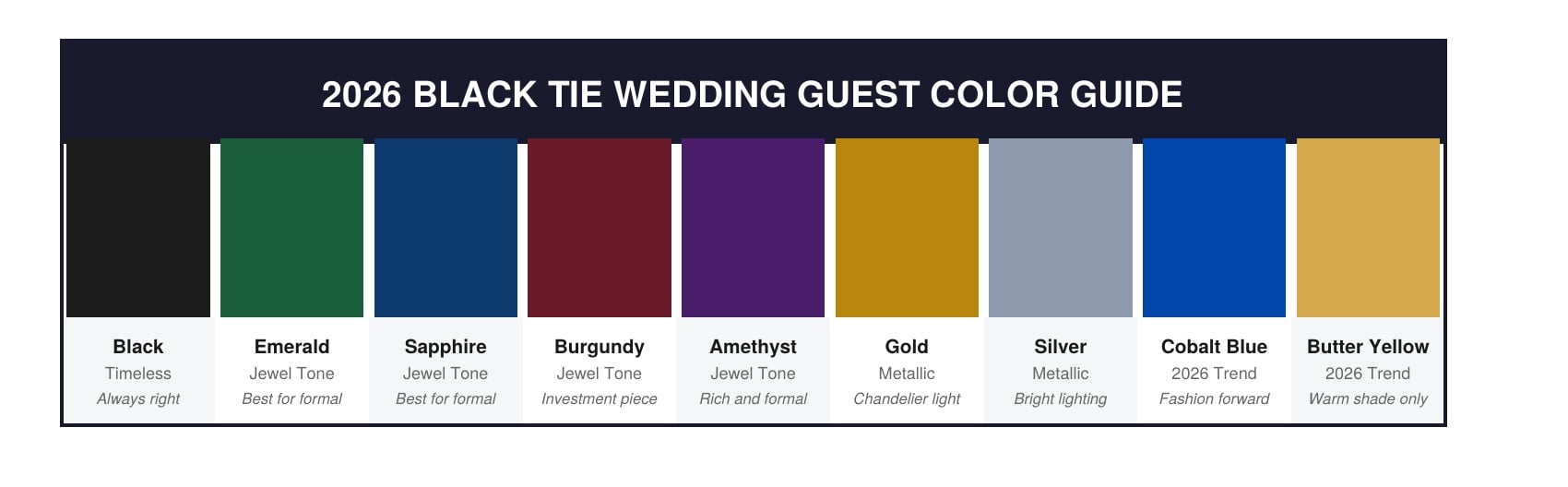
Jewel tones remain the strongest and most reliable color choices for black tie occasions because they were essentially designed for formal evening settings. Deep emerald, rich sapphire, burgundy, and amethyst all hold their depth and richness under the warm chandelier and ambient lighting typical of grand ballroom and luxury hotel receptions. For a woman who attends multiple formal events across the year, a jewel tone gown is the most investment-worthy color choice because it never dates and never looks wrong in a formal setting.
Black remains the single most reliable color at a black tie wedding for the same reason it dominates formal dressing across every category. It never competes with the venue, the floral arrangements, or the other guests. For women who want the confidence of knowing their color choice is unquestionably appropriate, black is the answer. The key at this formality level is that the silhouette and fabric carry the full weight of the look. A black gown at a black tie wedding succeeds or fails entirely on its cut and quality.
Metallic gowns in gold, silver, and champagne are the strongest statement choice for black tie events in 2026 because of how they perform under formal venue lighting. Liquid satin in deep gold or silver shifts and catches light as the wearer moves, creating a dimensional quality that flat colors cannot replicate. This is the Old Hollywood approach to formal dressing that is seeing a significant resurgence in 2026. Deep gold metallics work best under warm chandelier lighting. Silver and icy metallics are stronger under cooler, brighter formal lighting.
For 2026 specifically, cobalt blue has emerged as one of the most powerful colors for formal events. It holds its presence in a large formal venue, works across warm, cool, and neutral skin undertones, and reads as genuinely fashion-forward without sacrificing formality. Paired with minimal accessories and a structured silhouette, cobalt blue at a black tie wedding makes a stronger individual statement than almost any other color while remaining completely appropriate.
Butter yellow, the breakout wedding guest color of 2026, requires careful handling at black tie level. In a soft, warm shade and a floor-length silhouette with quality fabric and embellishment, butter yellow can work beautifully at a formal evening wedding. The risk is in the shade itself. Lemon yellow reads as casual regardless of silhouette. Warm, creamy butter yellow in a beaded or structured satin gown reads as a deliberate, sophisticated color choice.
The Cocktail Dress Question
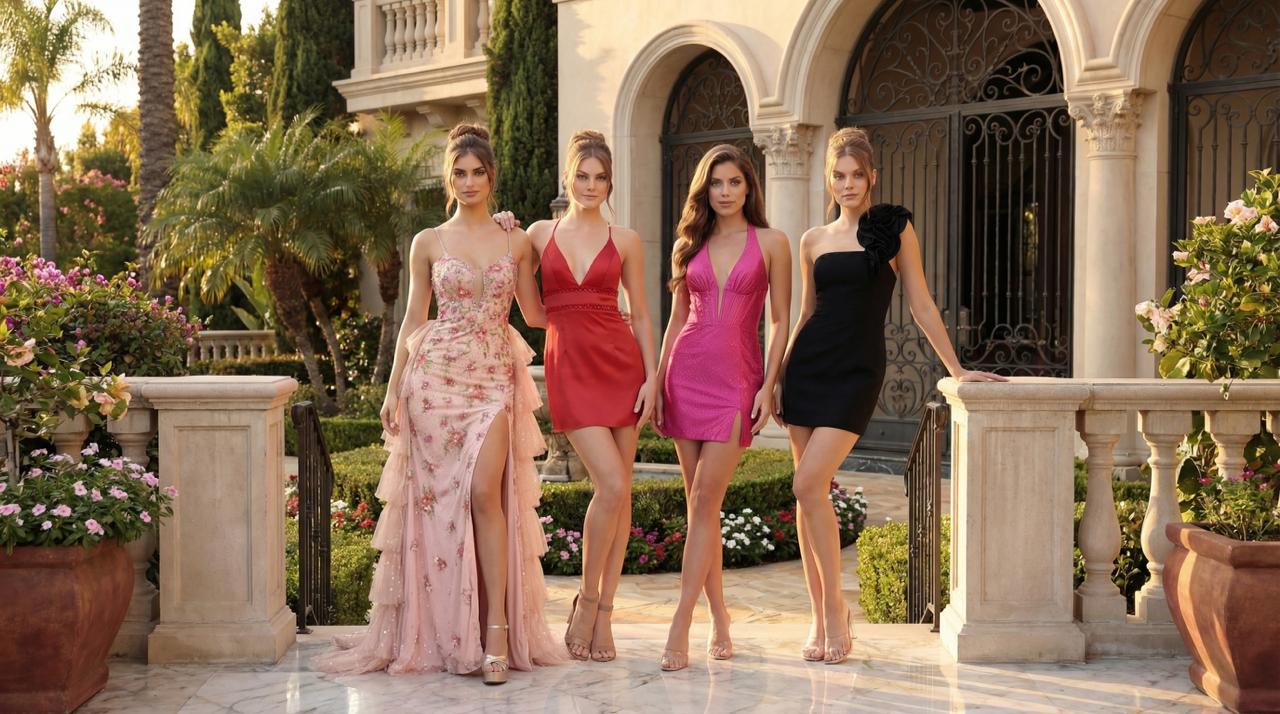
The cocktail dress question is the one that keeps more women up at night before a black tie wedding than almost any other. The answer is not a simple yes or no, and anyone who tells you otherwise is leaving out the part that actually matters.
For women navigating that same middle ground, Jovani’s contemporary and wedding guest collections include styles designed for exactly these occasions where the dress code gives you room to move but you still want to look intentional and elevated. The formal midi, the structured jumpsuit, the sleek cocktail silhouette in an evening fabric – these are the answers to the black tie optional question that most women do not know exist. For semi-formal occasions specifically, the contemporary section at jovani.com is worth looking at first.
What Not to Wear to a Black Tie Wedding
The most commonly discussed black tie mistake is wearing white or showing up underdressed. Both are worth avoiding but neither is the mistake most women actually make. The real mistakes at formal weddings are subtler and more easily avoided once you know what to look for.
Over-Accessorizing an Embellished Gown
A heavily beaded or sequined gown is already doing significant visual work. Adding statement jewelry, a bold clutch, and elaborate hair accessories on top creates a look that reads as effortful rather than confident. When the gown is the statement, the accessories should support it quietly. A simple metallic clutch, minimal jewelry, and clean hair let the dress do what it was designed to do.
Choosing Fabric That Does Not Hold Up
Certain fabrics that look beautiful on a hanger begin to show the evening’s wear by dinner. Satin marks from sitting. Lightweight chiffon loses its drape when it gets warm. Jersey clings differently after dancing. At black tie level, fabric durability across a long evening is as important as initial appearance. Structured crepe, quality beaded gowns, and duchess satin are the fabrics that look as good at midnight as they did at the ceremony.
Wearing Shoes That Do Not Work With the Venue
Black tie weddings at grand hotel ballrooms, historic estates, and luxury venues often have a mix of surfaces. Marble entrance halls, carpeted reception rooms, outdoor terraces, cobblestone approaches. A stiletto heel that works perfectly on a carpeted ballroom floor becomes a liability on an outdoor terrace or historic stone pathway. Knowing the venue before choosing your shoes is as important as knowing the dress code.
One Last Thing Before You Get Dressed
Everything covered in this guide comes down to one practical reality. A black tie wedding is one of the few occasions in adult life where showing up exactly right matters, and showing up exactly right requires more lead time than most women give themselves.
The mistake that undermines every other good decision is leaving the dress to the last minute. At black tie level, a gown that fits perfectly almost always requires alterations. Alterations require appointments. Appointments require time. A woman who finds the right dress six weeks before the wedding and builds in two fitting appointments has a completely different experience from a woman who finds the right dress ten days out and has to wear it as it arrives. The difference is not the dress. It is the fit. And fit at a formal occasion is everything.
Before the wedding day itself, try the complete look at home. The dress, the shoes, the shapewear or slip underneath. Sit down in it. Walk across the room. Check how the hem falls with the actual shoes you plan to wear. This sounds like an obvious step and it is the step most women skip. A gown that fits beautifully standing in a fitting room can surprise you when you sit through a full ceremony and a four-course dinner. Knowing exactly how your dress behaves before the night means you spend the evening present rather than adjusting.
For women who want guidance through this entire process, from understanding the dress code to finding the right silhouette to getting the fit exactly right, Jovani’s authorized retailers are the most direct route to getting it done properly. With over 40 years designing gowns for formal occasions, Jovani’s collection covers every silhouette and fabric discussed in this guide. The retailers who carry it do this work every day. They have seen every version of the questions raised here and they know how to answer them for your specific body, your specific event, and your specific timeline.
Use the store locator at jovani.com to find an authorized retailer near you. Call ahead, share your event date and dress code, and let the process be easier than you expected.